Panels and Pages… Art and Artists… Creators and Conventions… Musings and Memories…
Author: Greg Goldstein
Greg Goldstein is a veteran publishing and media executive; most recently, he was the Chief Operating Officer, President and Publisher of IDW Publishing, managing all aspects of the company’s book and games business from 2008 to 2019.
Throughout his career, Greg has developed creative and profitable publishing programs for dozens of the world’s best-known entertainment brands including Star Wars, Transformers, Star Trek, James Bond, TMNT, Spider-Man, Batman and Godzilla.
In 2013, Greg led IDW’s acquisition of Top Shelf, an independent publisher best known for Congressman John Lewis’ March trilogy, which has become the most lauded non-fiction graphic novel series in the history of the medium.
In 2011, Greg won an Eisner award for his editing on the first-ever collection of Bob Montana’s Archie newspaper comic strips. (Published under IDW’s Library of American Comics imprint.)
Prior to joining IDW, Greg was VP of Entertainment and Gaming for Upper Deck, responsible for the company’s blockbuster slate of games, including Yu-Gi-Oh, World of Warcraft and The VS Superhero system. During his tenure, he created Marvel Ultimate Battles, the first-ever trading card game that focused exclusively on Marvel’s popular mass media characters.
As VP of Brand Development for Activision from 2000-2002, Greg established strategic partnerships with the largest Hollywood studios, and worked closely with Marvel Entertainment to successfully develop Spider-man into one of the biggest blockbuster licensed videogame brands in interactive history.
Greg’s career has also included a successful stint at Topps, where he helped launch and manage Topps Comics in the mid 1990s.
Additionally, Greg serves as an adviser for to the Comic Book Legal Defense Fund (CBDLF). He is also a frequent guest lecturer at San Diego Sate University and has presented at dozens of panels and conferences throughout the US.
He is also a well-known collector of original comic book art and rues the day he sold his collection the first time around in the late 1990s.
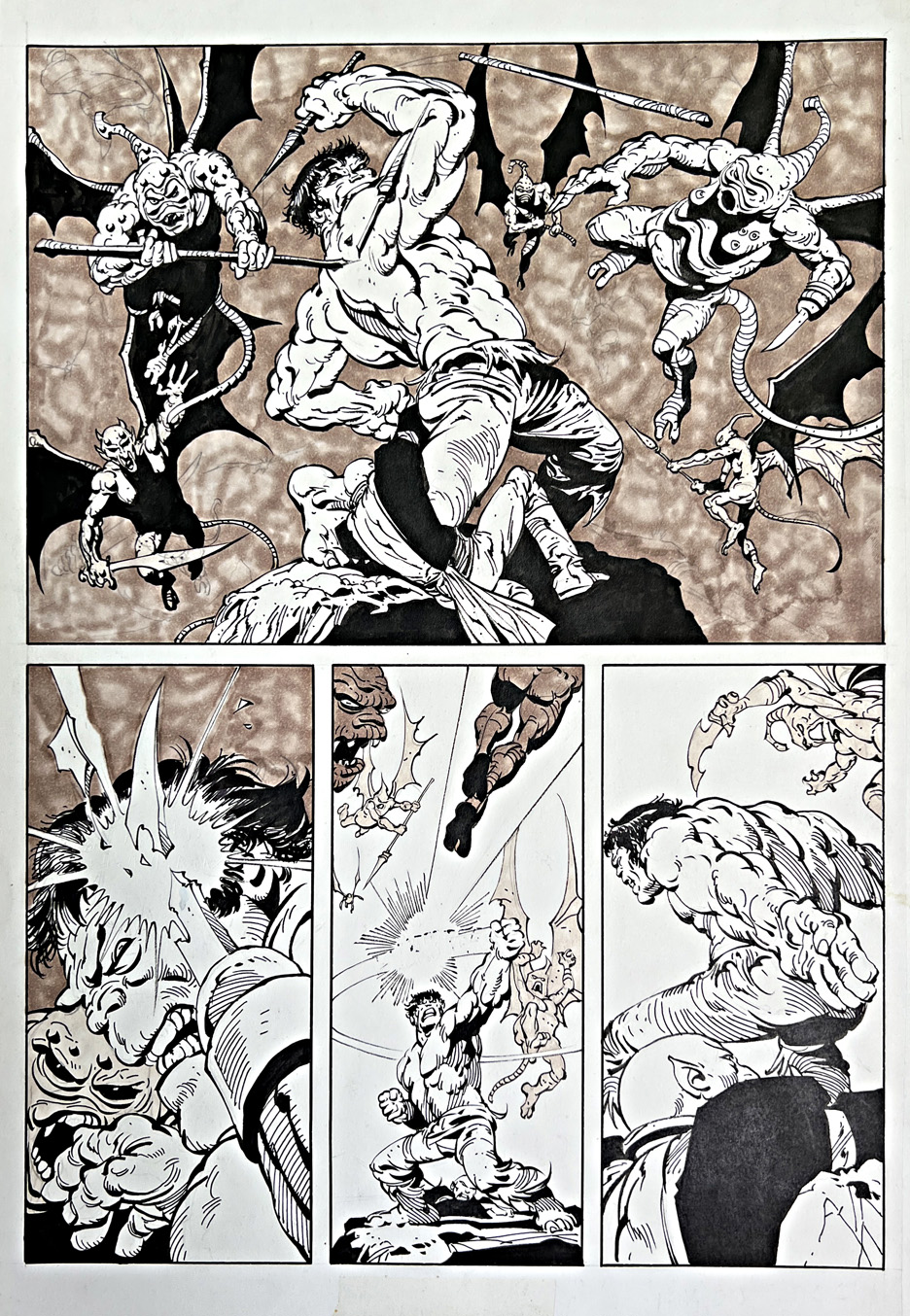
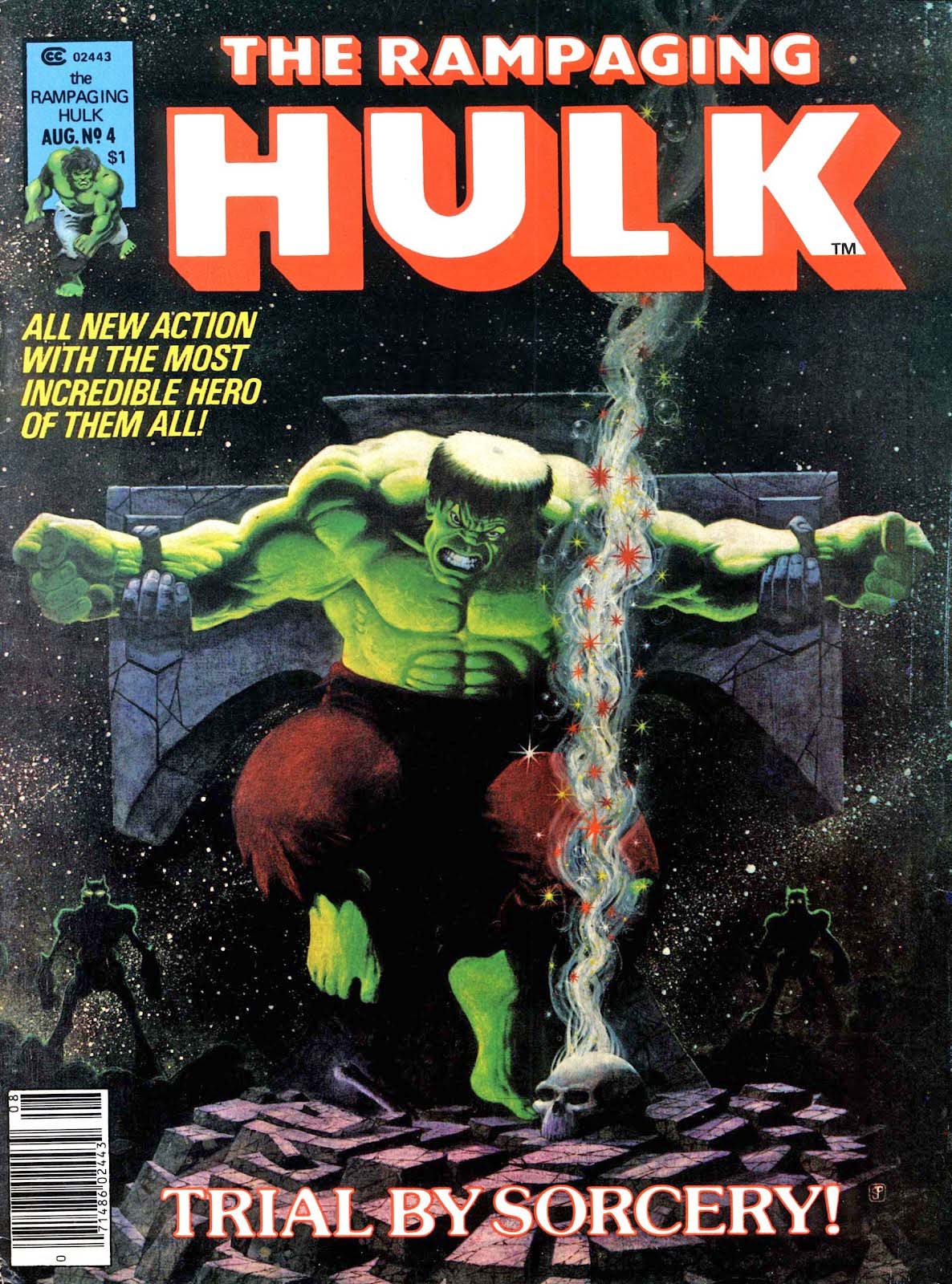
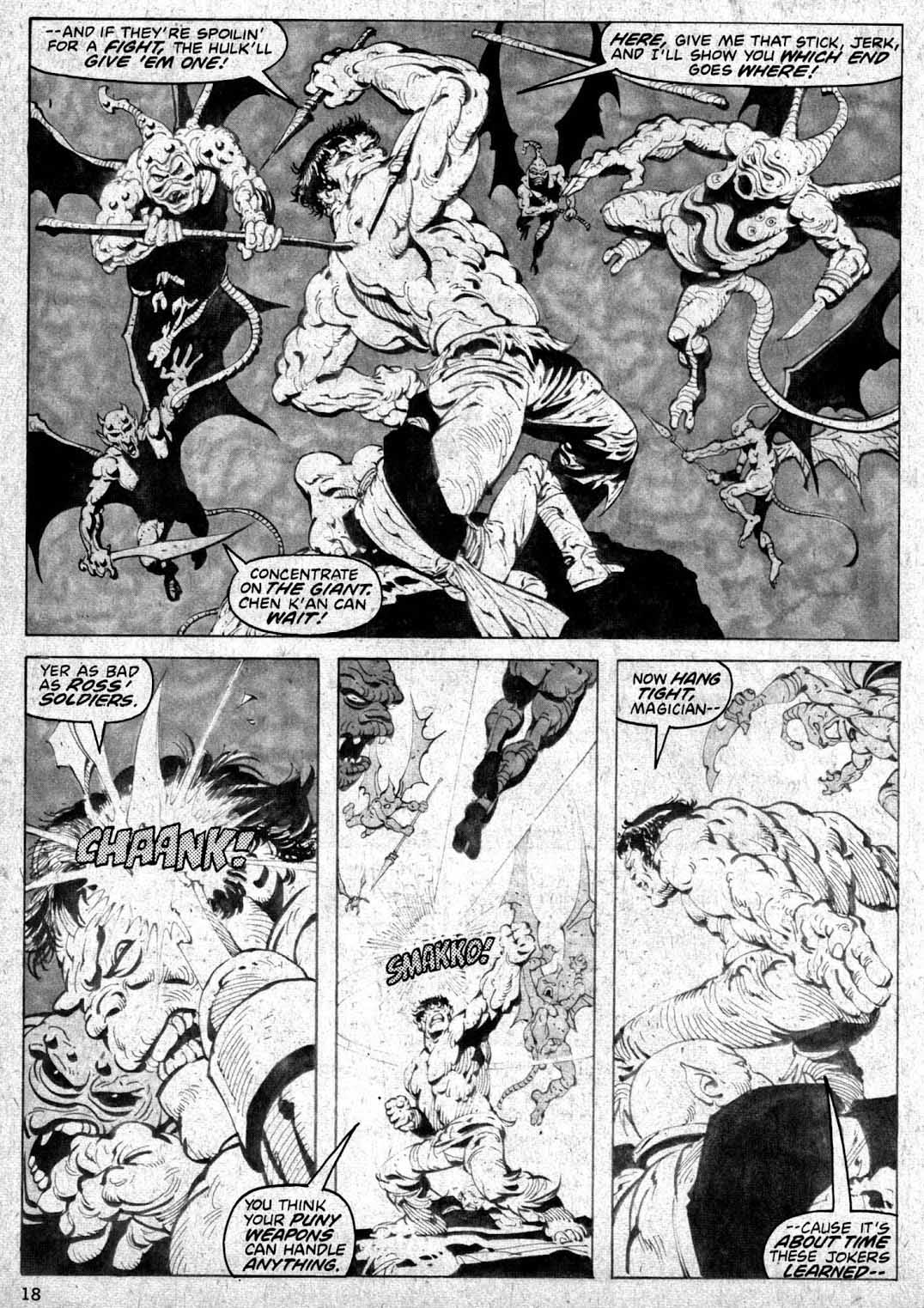
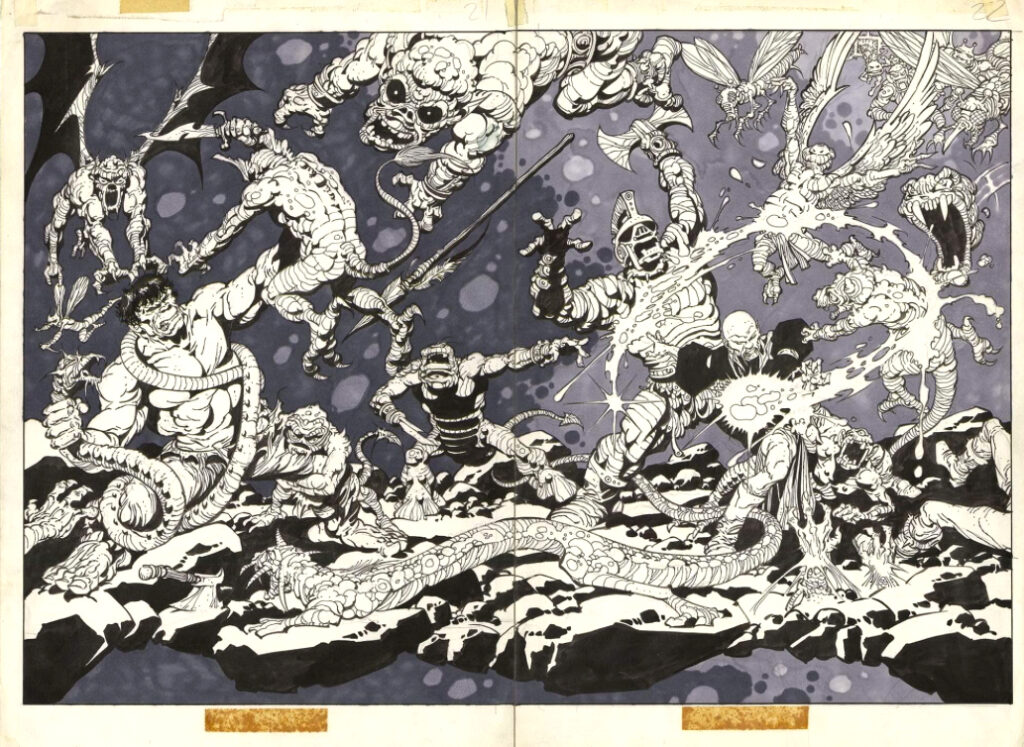
Alex Nino proves to be one of Jim Starlin’s better inkers (if not the best) with this one and only fabulous collaboration for Rampaging Hulk magazine in 1977.
It’s a gorgeous Hulk fantasy story, worth seeking out in its original magazine format. (It’s reduced to comic book size, with inferior reproduction, in Rampaging Hulk Essentials, the only available reprint.)
As I was working on this post, Nostalgic Investments listed a beautiful DPS from this story for 15k (see below) and, in today’s market, that definitely seems reasonable.
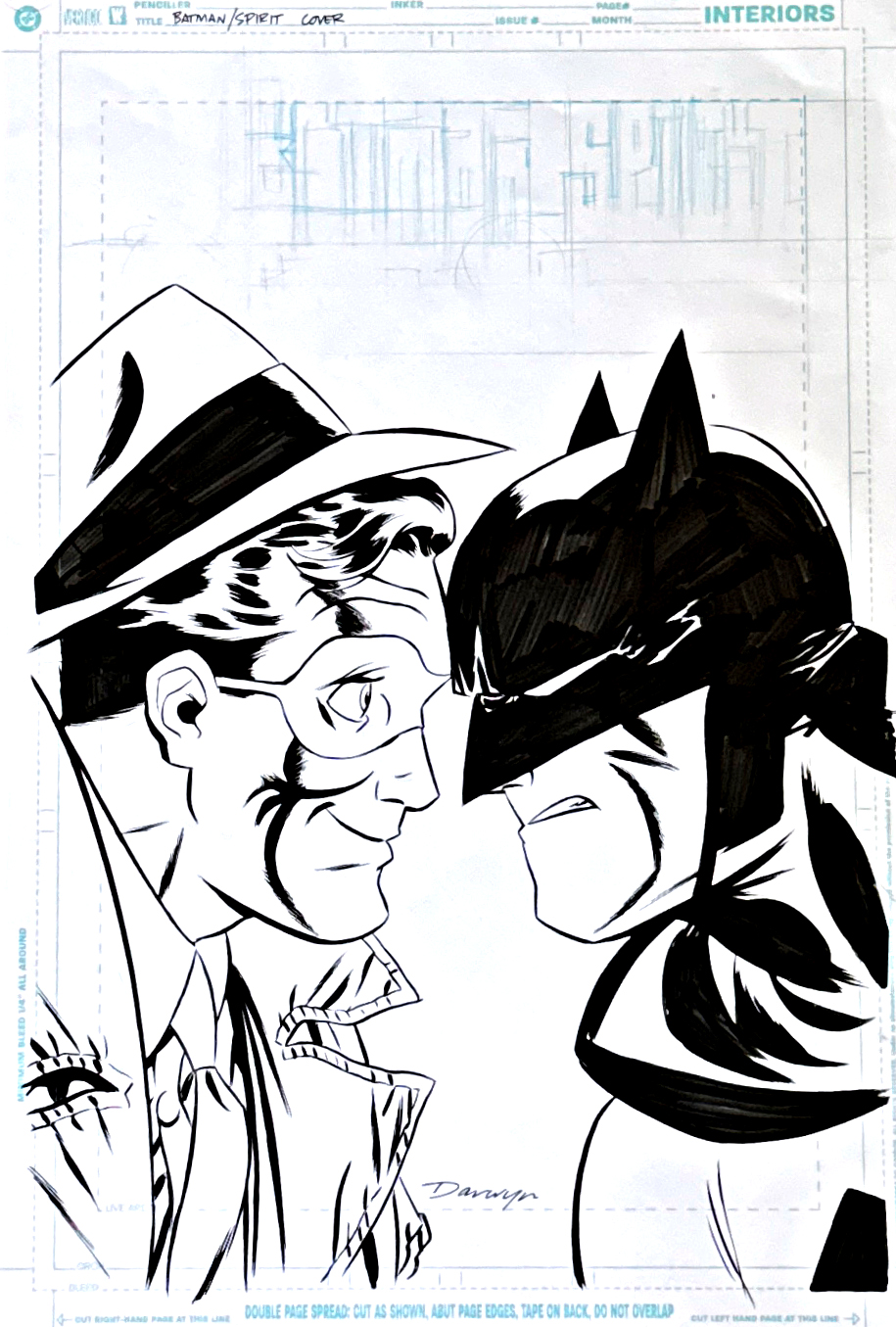
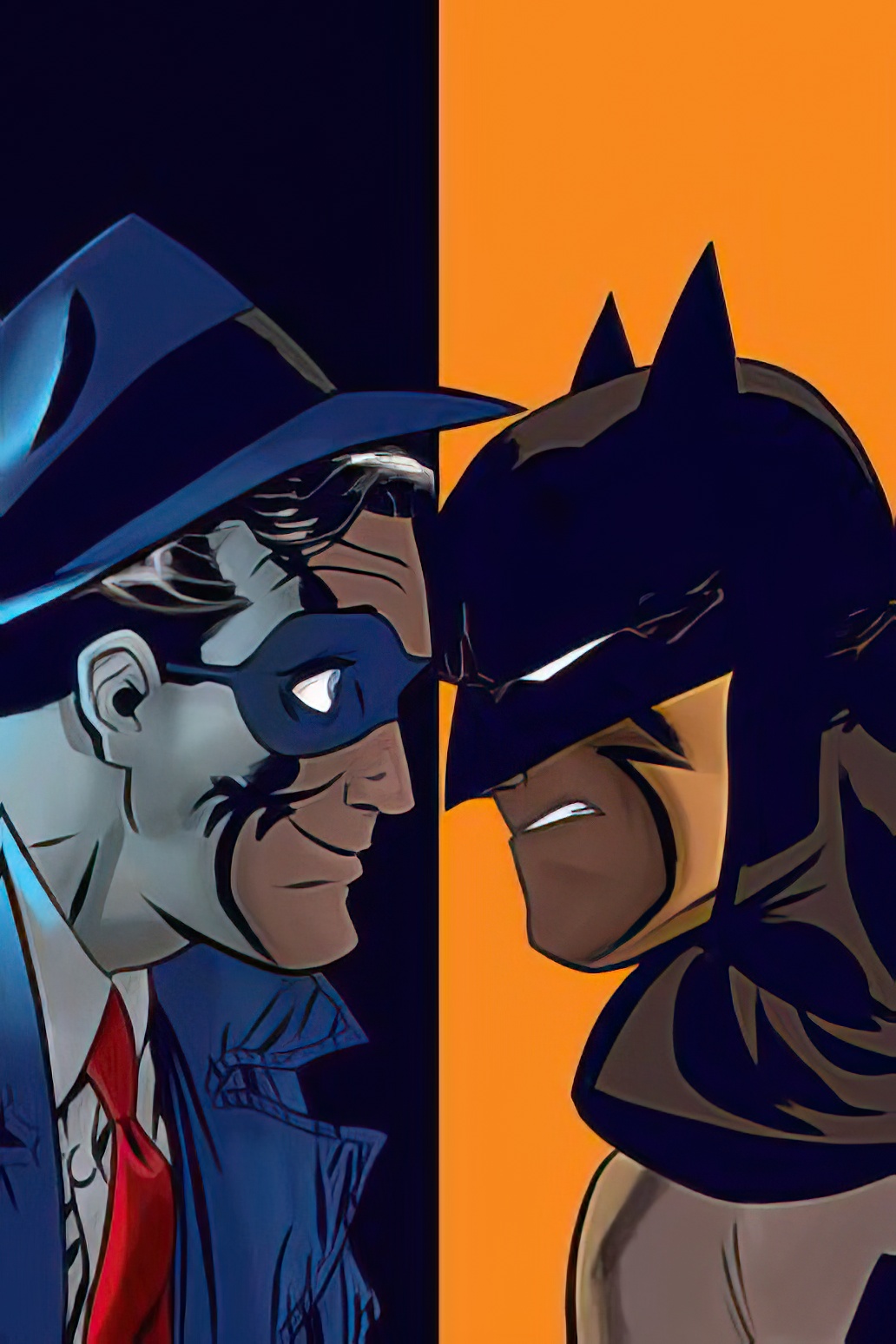
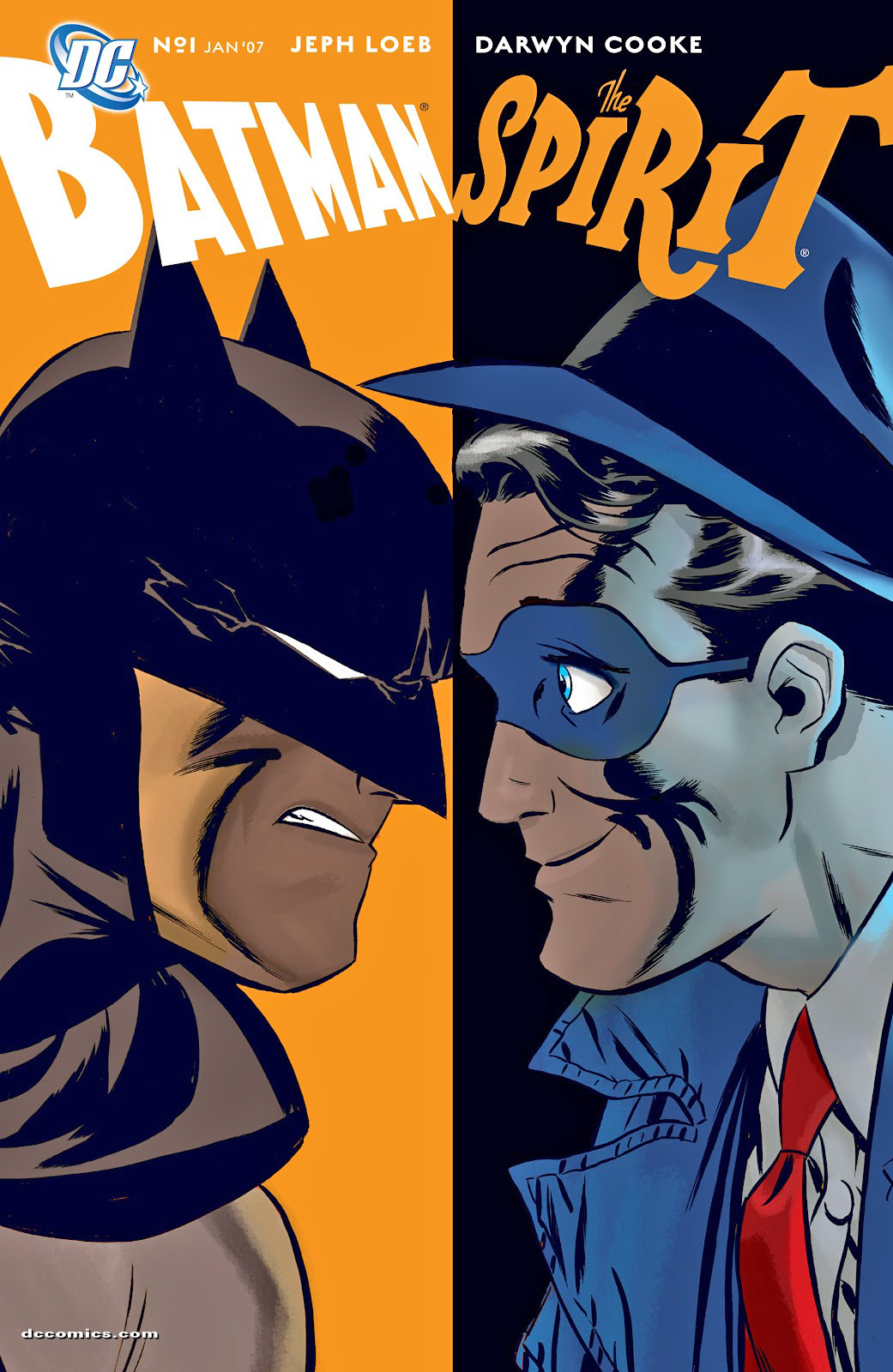
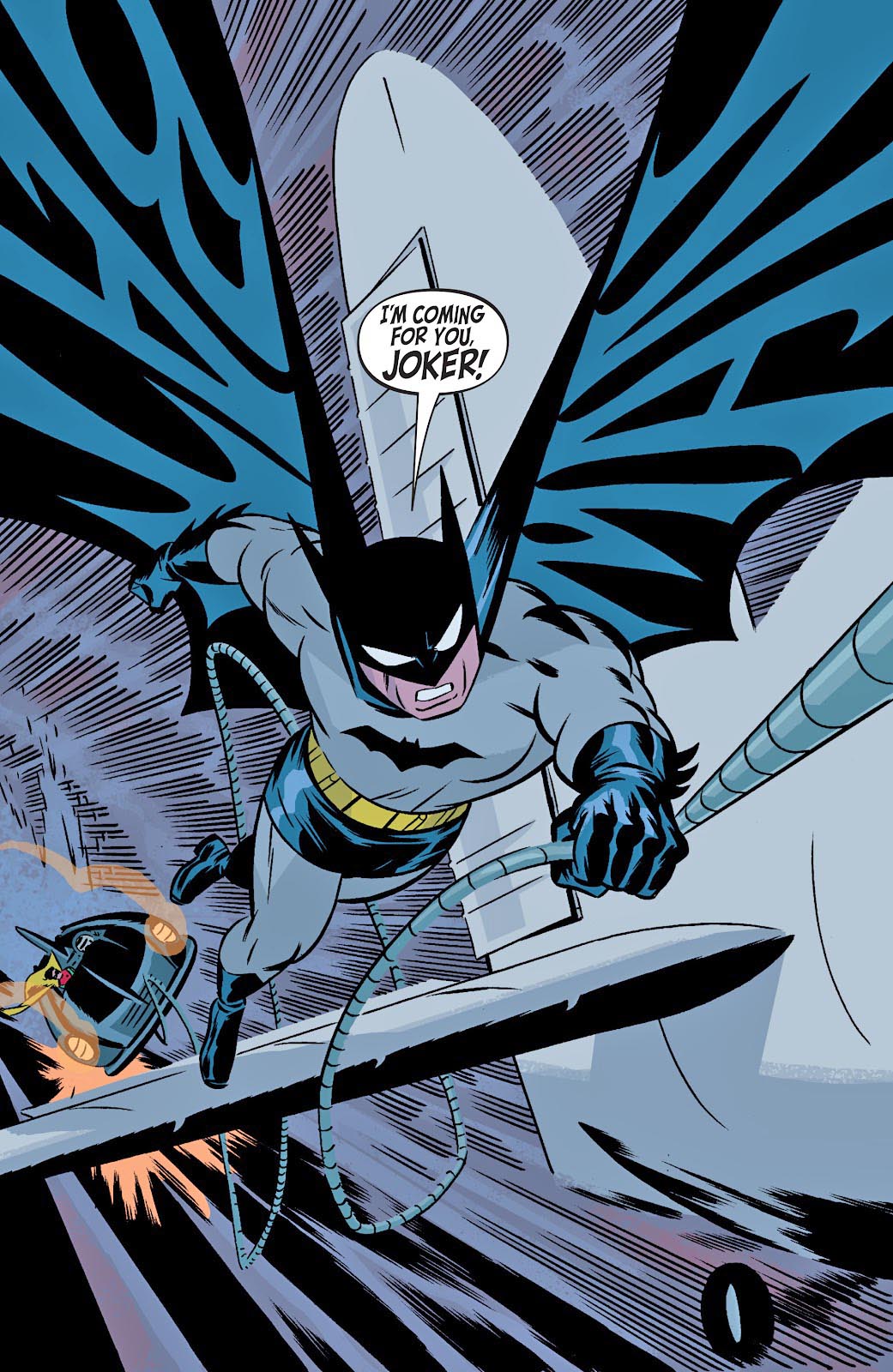
Darwyn Cooke welcomes The Spirit into the DC Universe with this outstanding cover featuring Will Eisner’s legendary creation, facing off against… well another pretty well-known comic book legend.
Cooke’s take on The Spirit is one of my favorites, and this entire double issue, with inks by J Bone and colors by Dave Stewart is simply wonderful. It definitely deserved its Eisner award (so appropriate) for best single issue of 2007.
This cover is the only Spirit art that Darwyn penciled and inked himself, since this issue, and the subsequent ongoing, was inked on separate blue-line by Bone.
Fun fact: The cover was solicited for sale in its original version, and then ultimately flipped for actual publication. Makes sense, since the title is Batman/The Spirit, not the other way around.
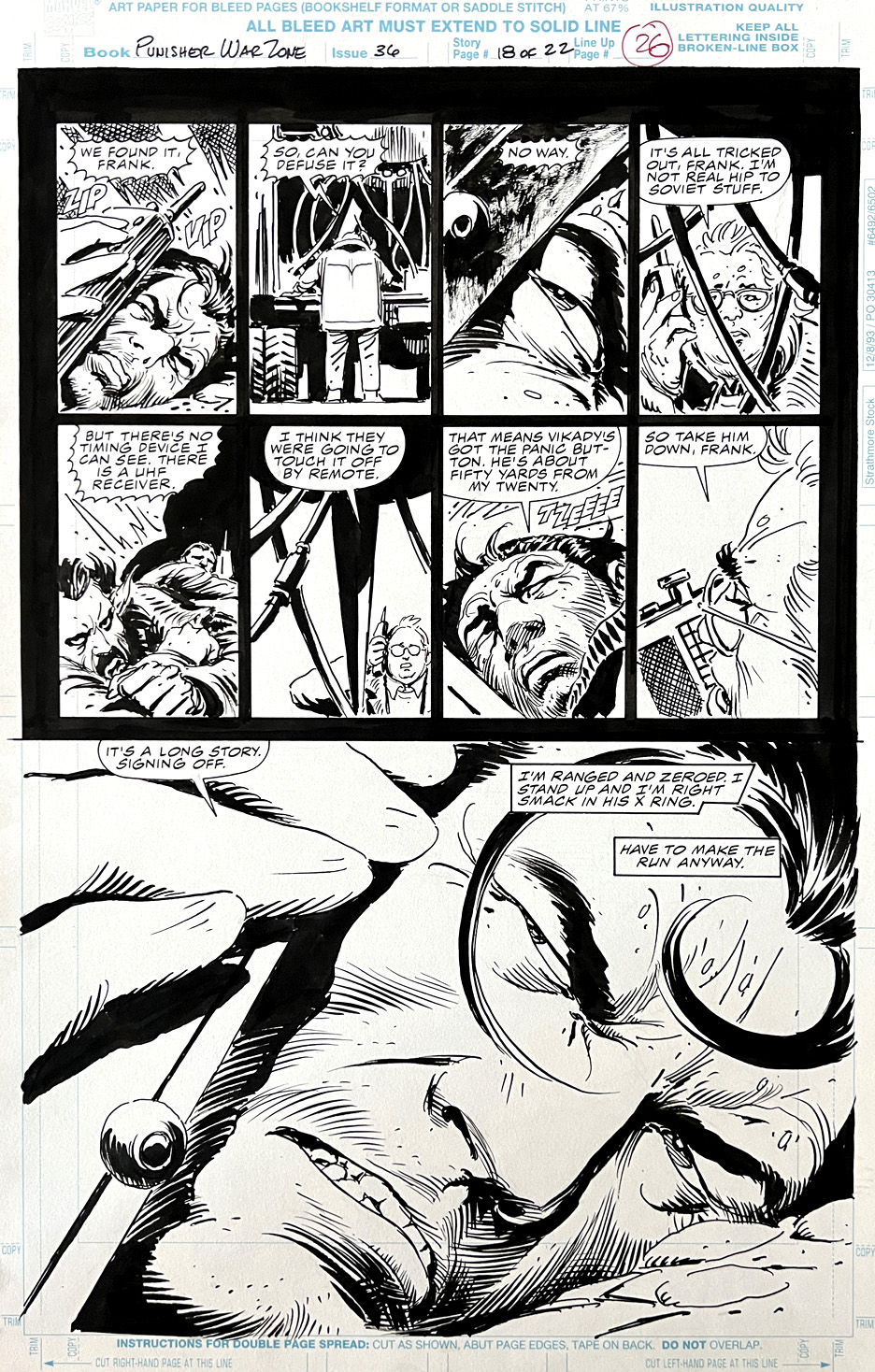
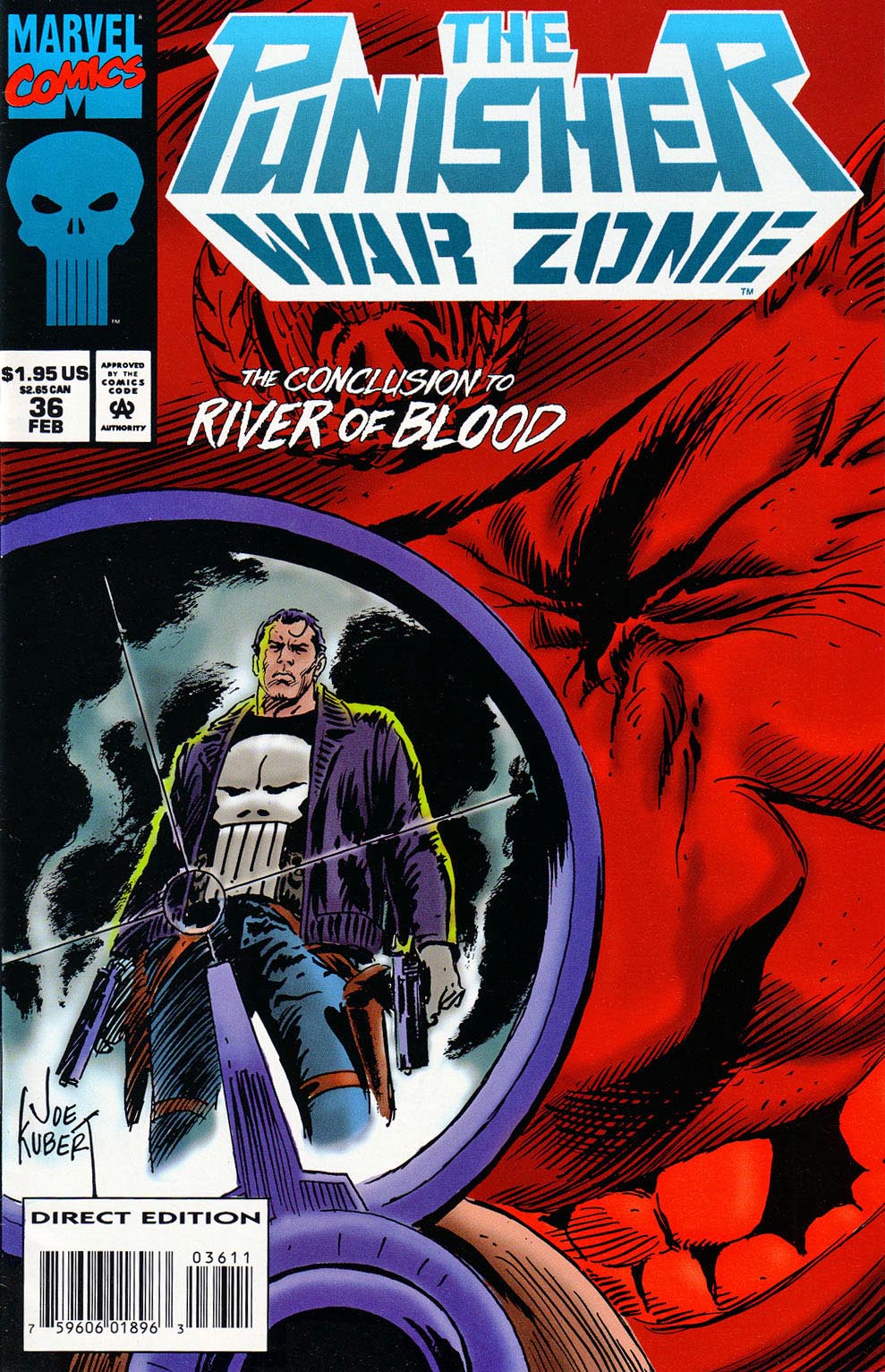
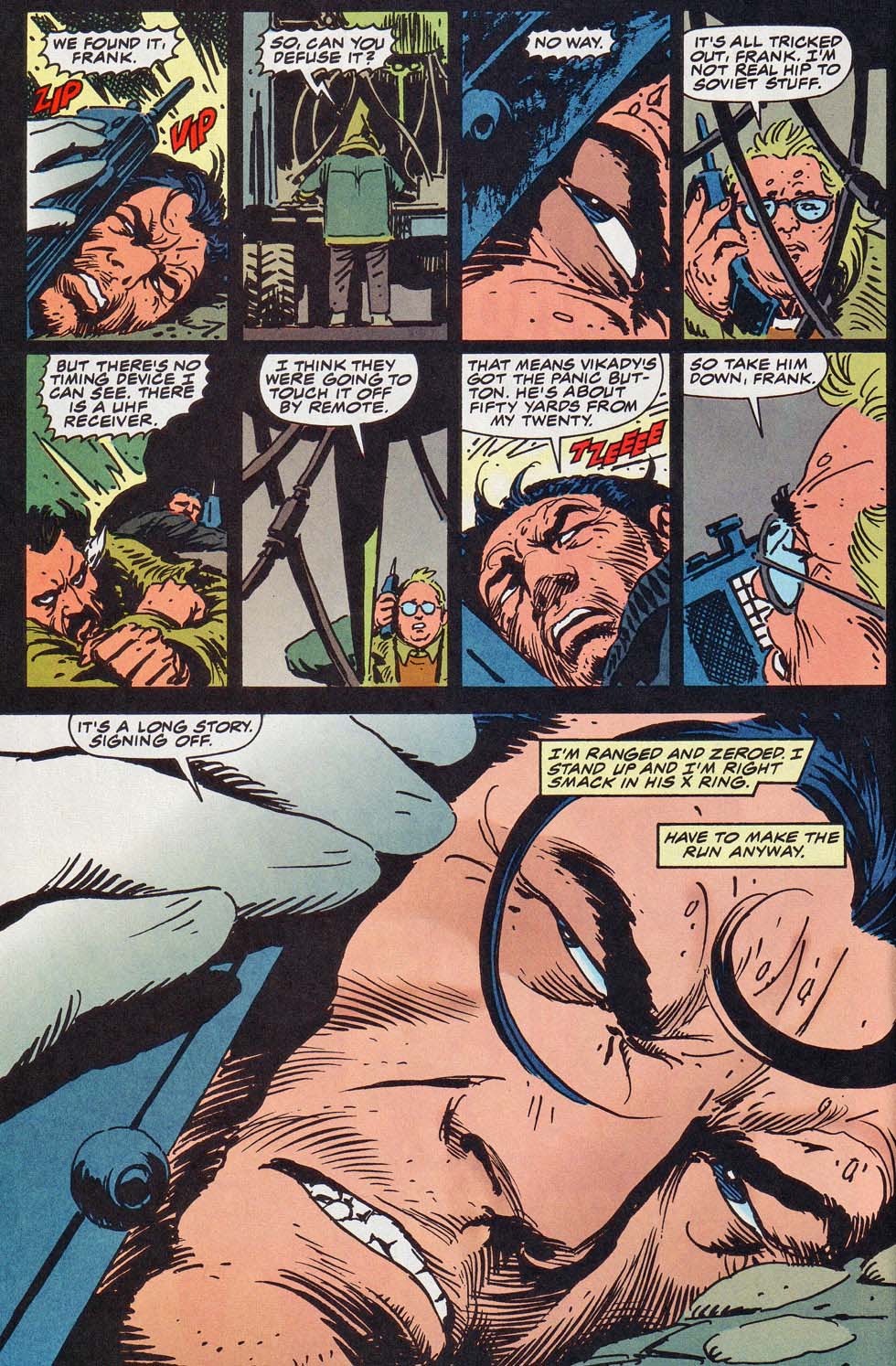
I didn’t realize Joe had worked on a Punisher storyline until I saw these lovely original art pages. And, no surprise, it’s a terrific looking arc, indeed.
Chuck Dixon is the credited writer, but the storytelling here is all Kubert. A unique page with eight small panels and that superbly dramatic half-splash close-up. (A perfect callback to the first panel.)
Kubert was in his sixth decade of professional work when this story appeared; and he was still drawing for more than another 20 years before he passed away at 85 in 2012.
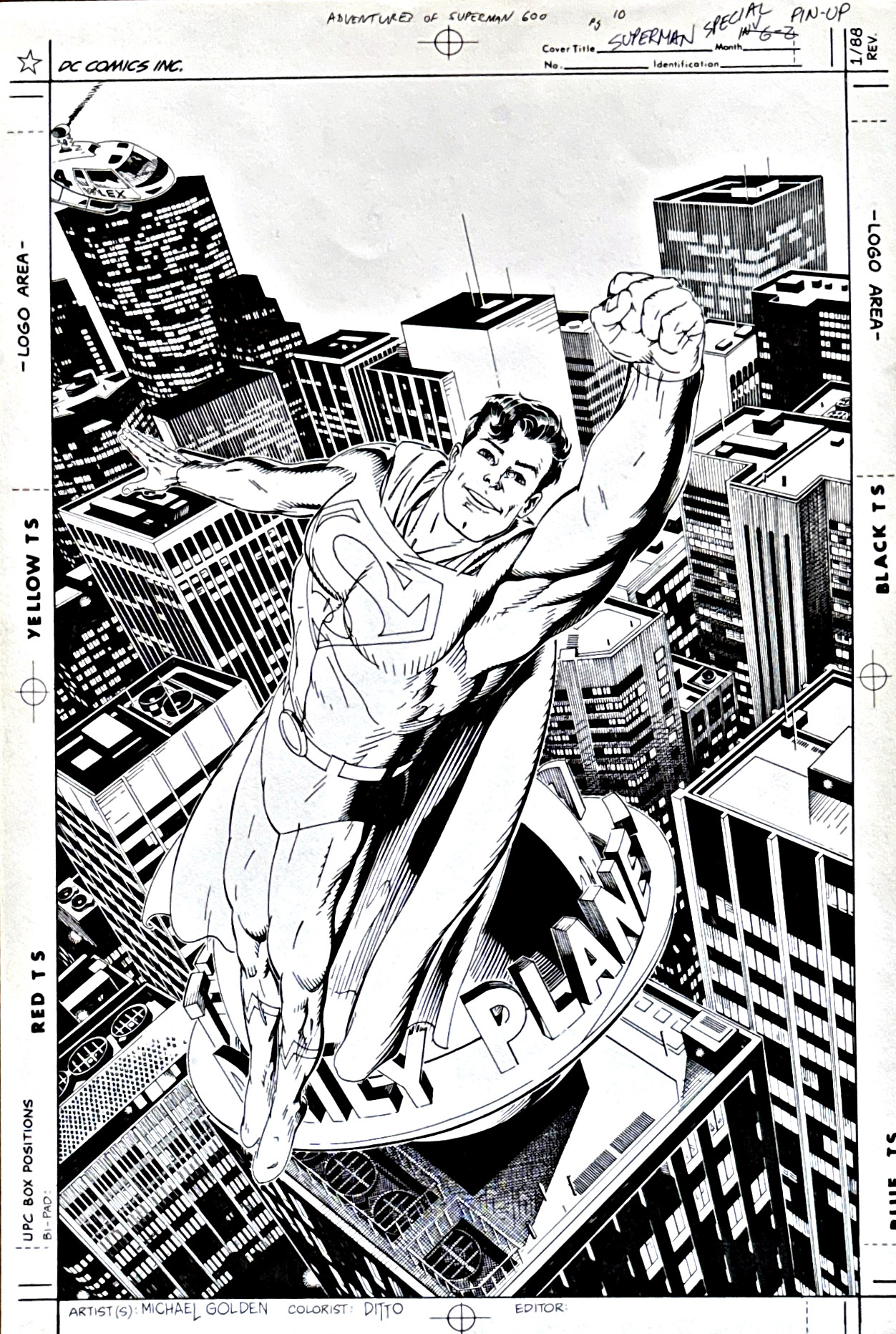
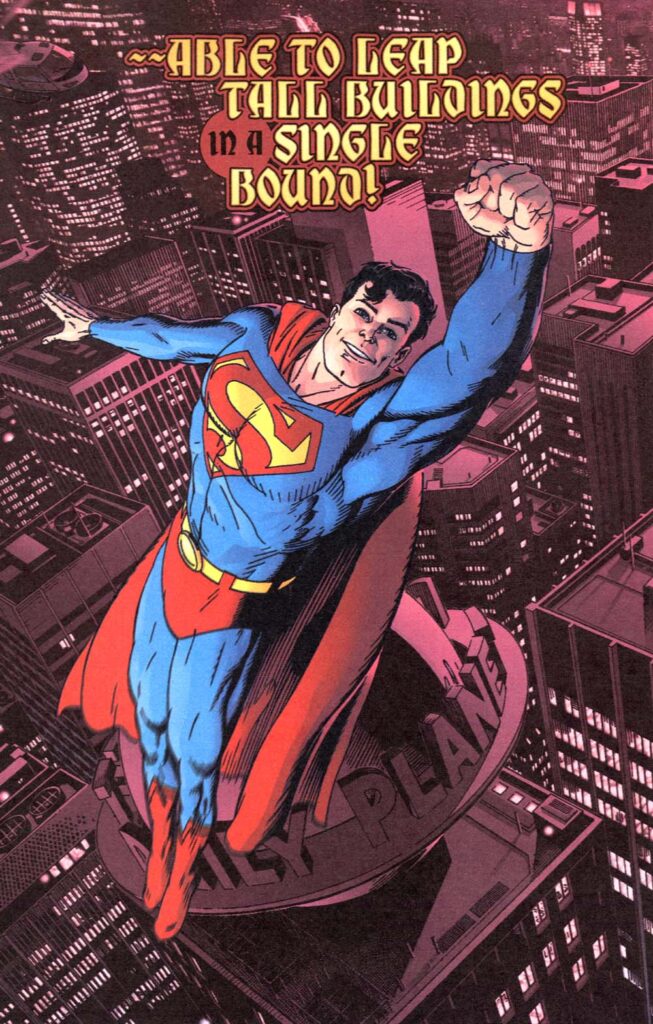
Michael Golden draws a terrific Superman here — likely with the most detailed and beautiful cityscape to ever appear on a comics page.
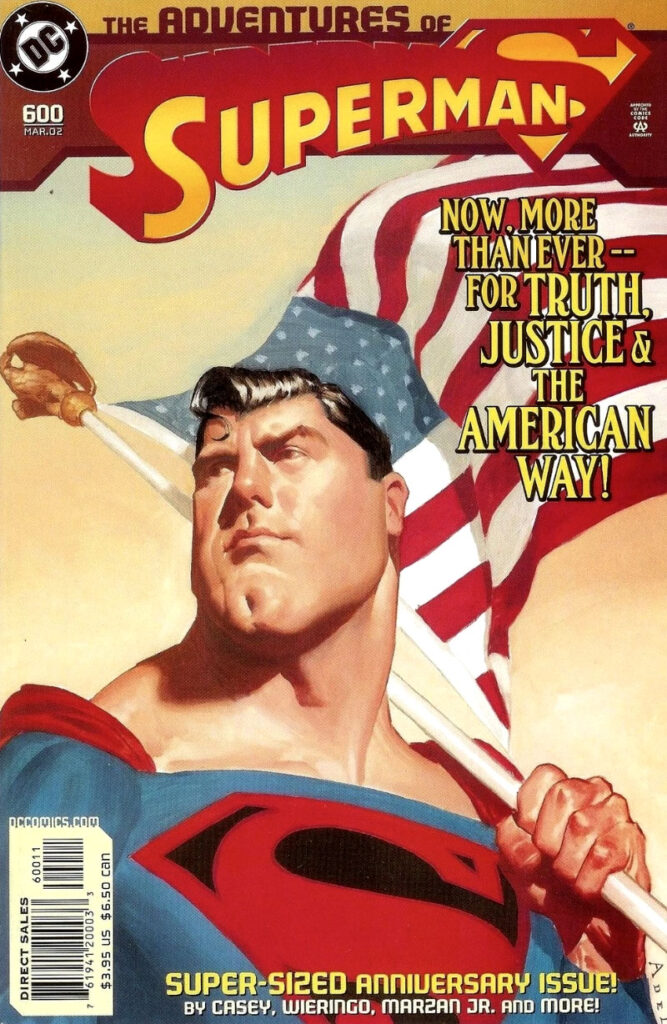
First it was commissioned as a cover — then it went into inventory — then it came back out as a pin-up in the 600th issue of Superman.
And look, I know it was just after 9/11, and the “American Way” theme made sense. But… when you look at the printed cover, and compare it at this amazing Golden piece, you simply shake your head at the missed opportunity.
(Side note: As noted previously, I am a sucker for “happy” Superman art. If you had those powers, wouldn’t you be happy — at least some of the time?)
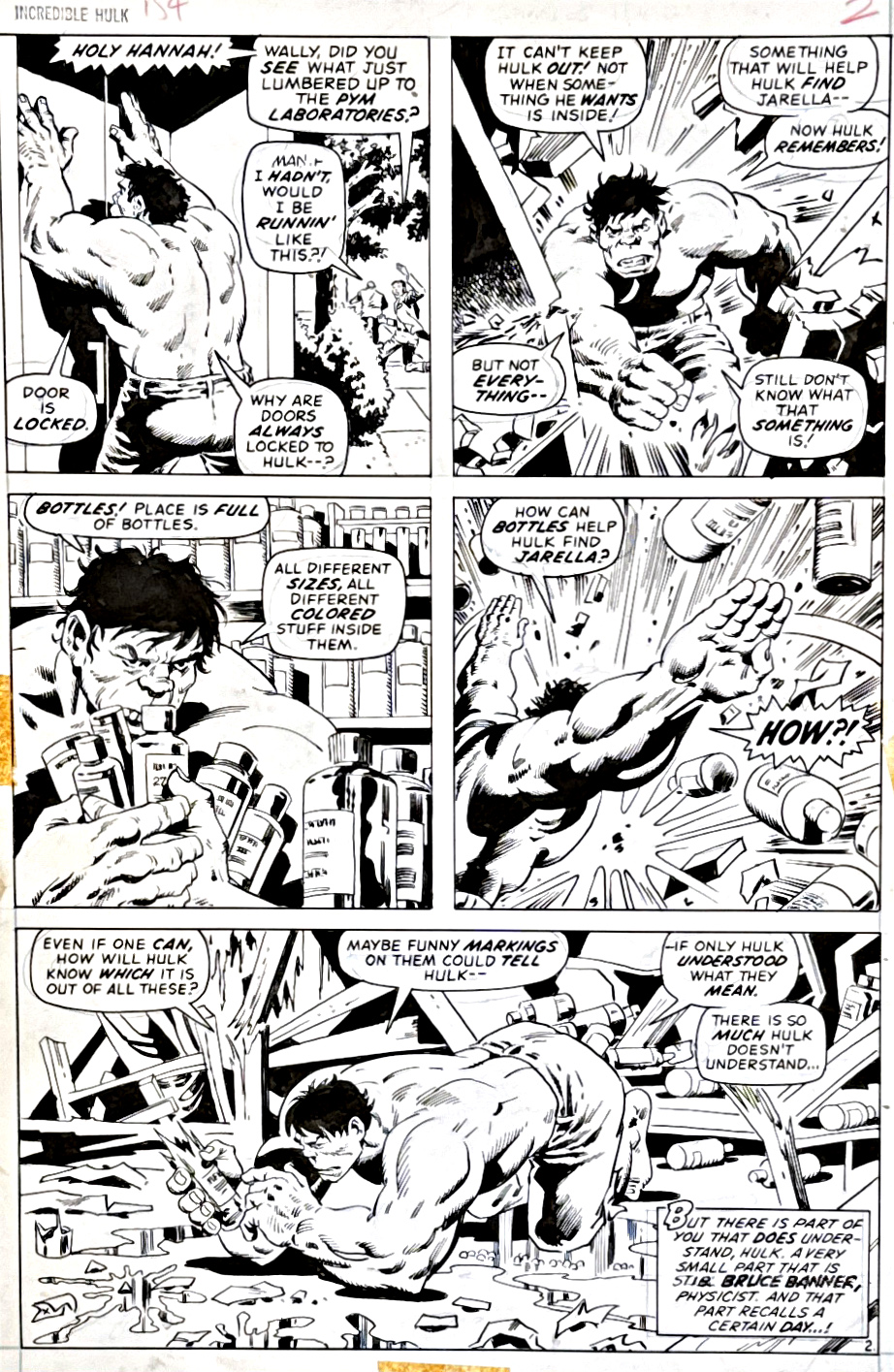
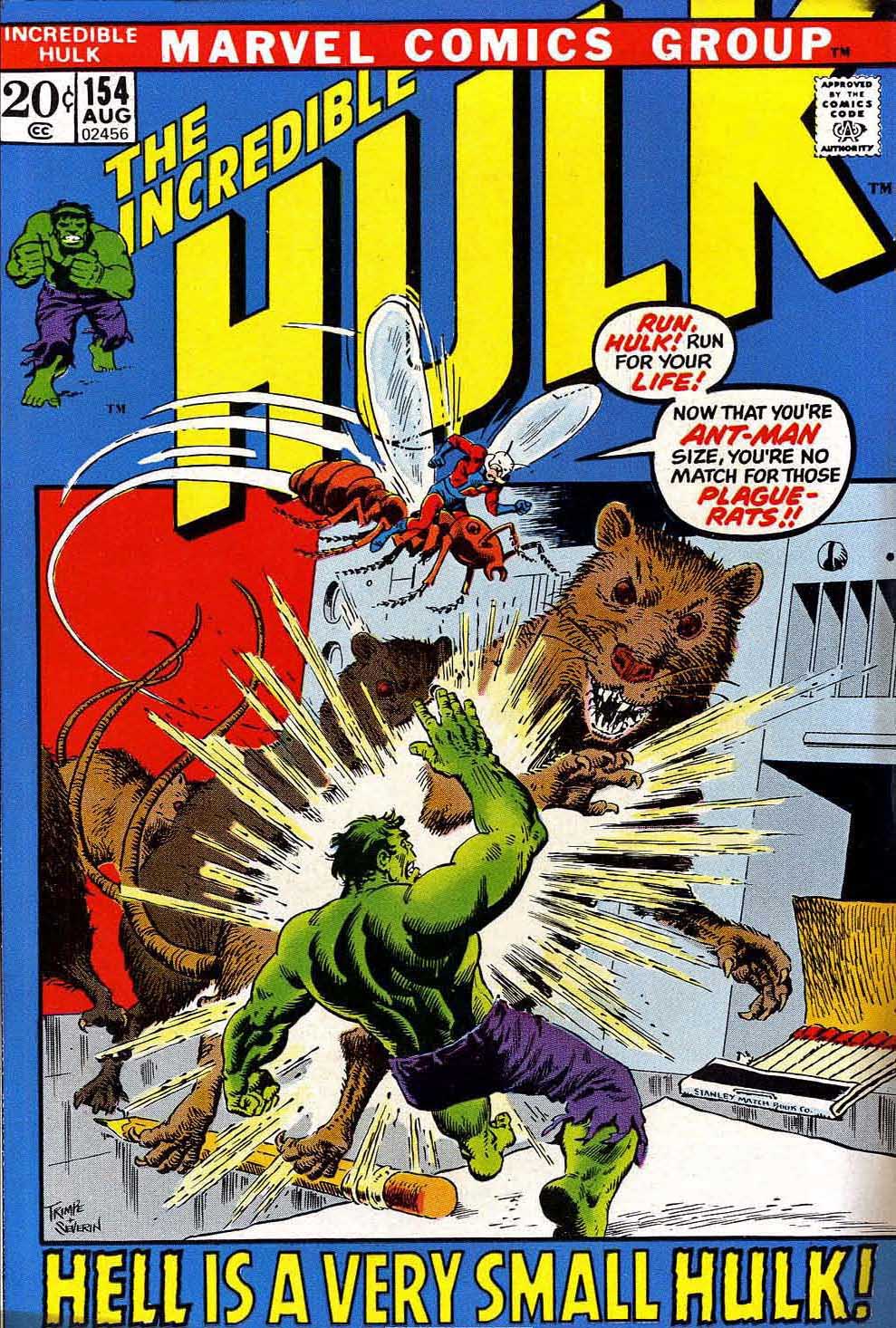
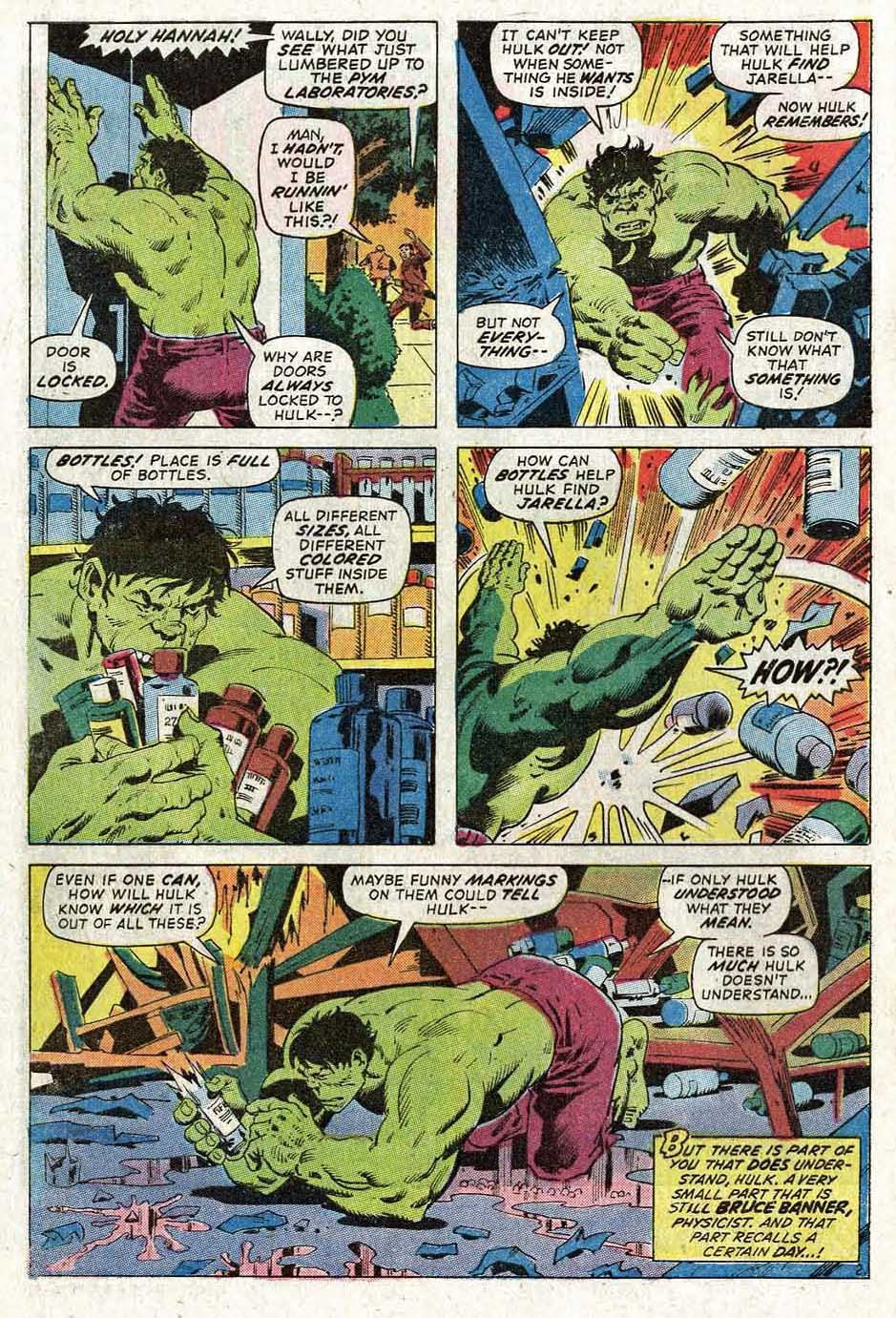
Perfect Hulk art team on a pretty perfect Incredible Hulk page.
Ol’ greenskin knows that somewhere in Hank Pym’s laboratory — and Bruce Banner’s brain — hides the secret to shrinking back down to the microverse.
Why is this so important? I’m glad you asked. Our poor Hulk is lovesick and desperate to reunite with his beautiful Jarella.
Hulk in very panel: Raging, smashing, and blinded by love — and the self-awareness that he doesn’t retain enough of Banner’s smarts to work through it.
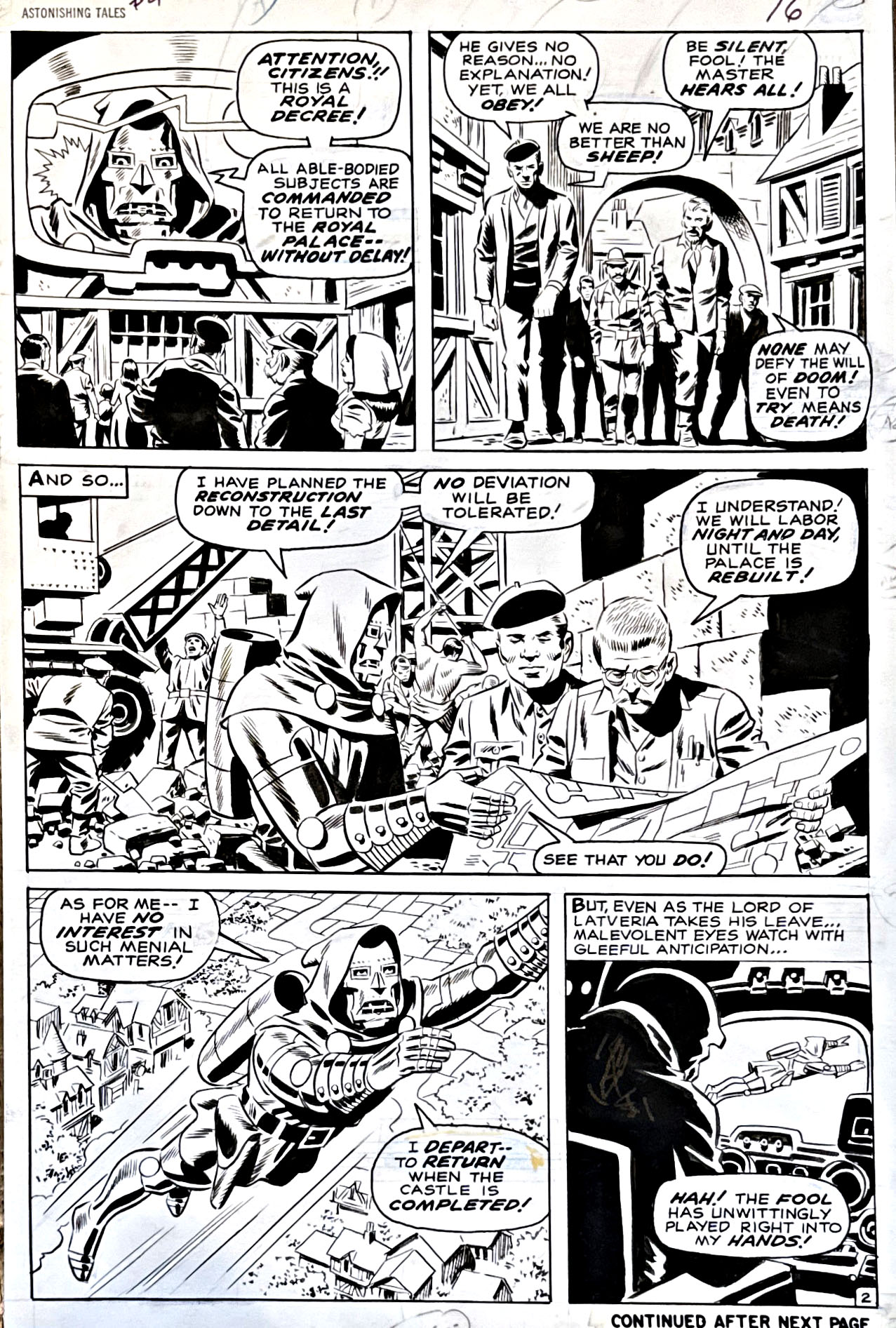
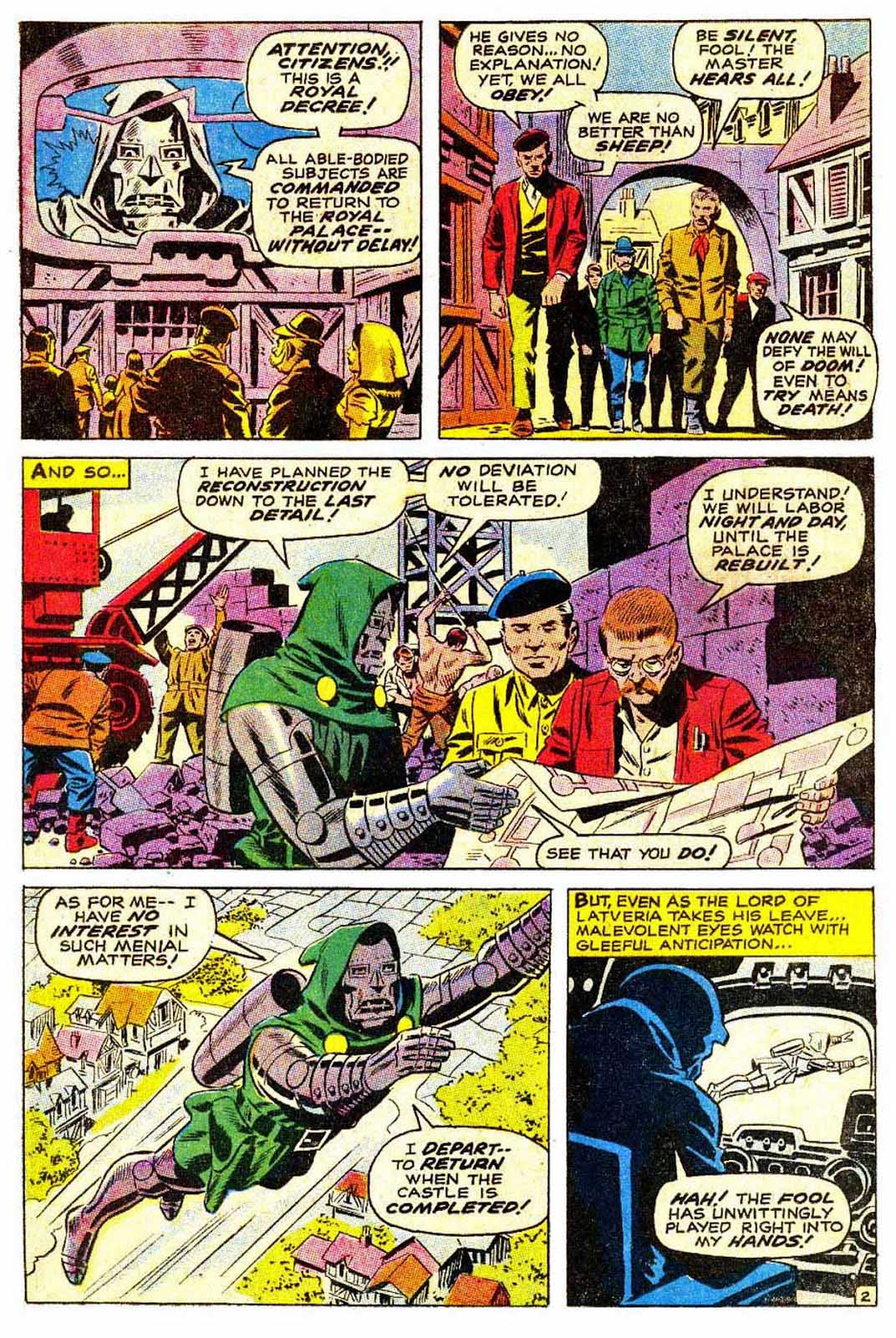
Wally Wood drew four short Doctor Doom stories in Astonishing Tales. This page, from the fourth and final story is, like all of them, a Wood classic.
And yes, that’s the Red Skull lurking in the last panel. After all, what use is a super-villain story without another, even more twisted super-villain as the antagonist?
This would turn out to be Wood’s final output for Marvel Comics.
Took me a long time to pull the trigger on the “right” deal for one of these, and I’m glad to have finally acquired one.
Nearly everyone I spent some time with at NYCC 2023 ended up with Covid-19. I indeed returned from the show feeling a bit under the weather, but when I tested negative, I assumed I had a case of the more common “con-crud” and went about my business.
Next day, I stopped at a local fast-food taco joint for a seasonal lobster burrito and COULD NOT TASTE IT. So, I went home and took the test again, tested negative, and napped. Woke up, ate dinner, still couldn’t taste a thing, and went back to sleep.
Next morning, tested again. Third time a “charm?” Nope, still negative. Did some homework, and learned the home kits have about a 15 percent false negative result. Called the doctor’s office, and the nurse told me to check back in if I felt worse. I could practically see her shrug through the phone.
Fortunately, I didn’t get worse, and my taste buds returned to normal in a few days. Covid? Maybe. Maybe not. Welcome to the 2020s.
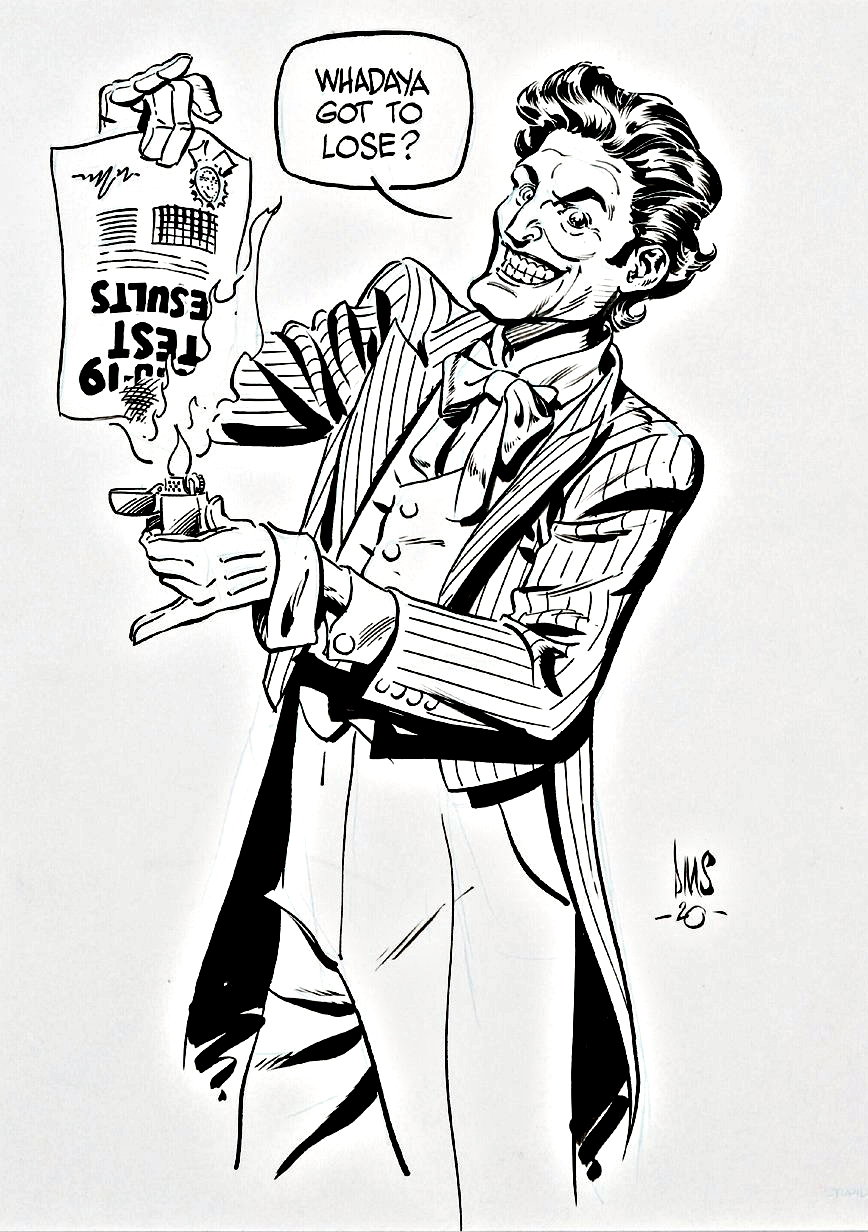
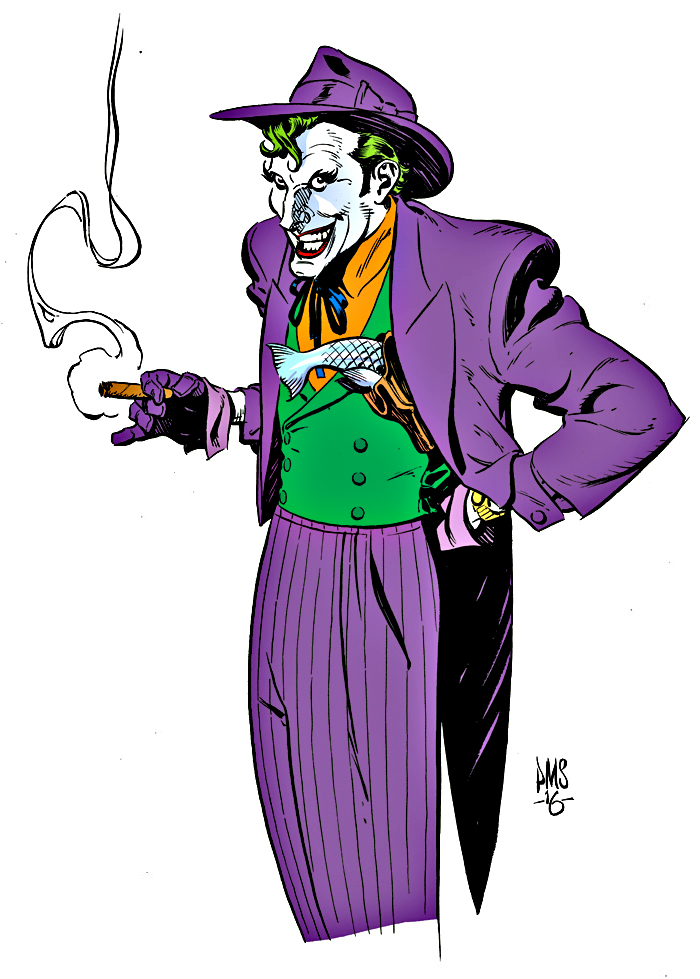
Which makes this great Paul Smith specialty art even greater. In my case, The Joker could have burned the test, and it wouldn’t have mattered.
Oh, and the punchline: Where did I acquire this art?
NYCC 2023.
Kismet, no?
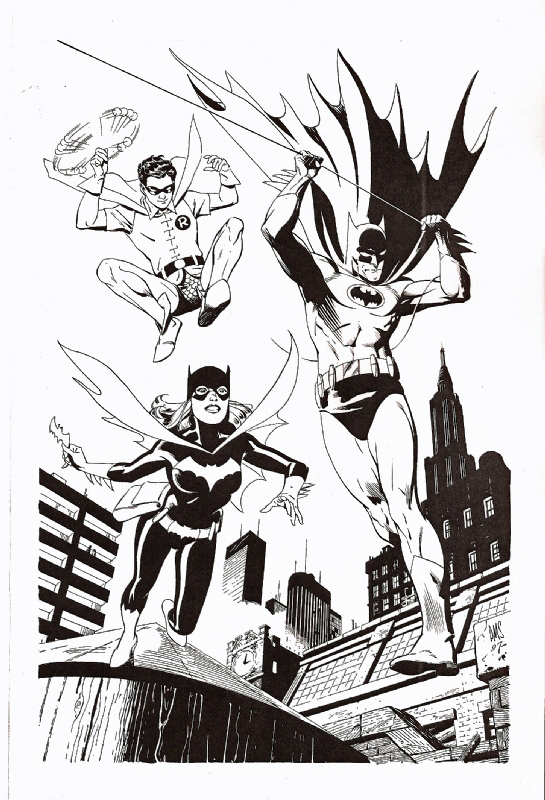
Some additional Paul Smith takes on the Batman family…
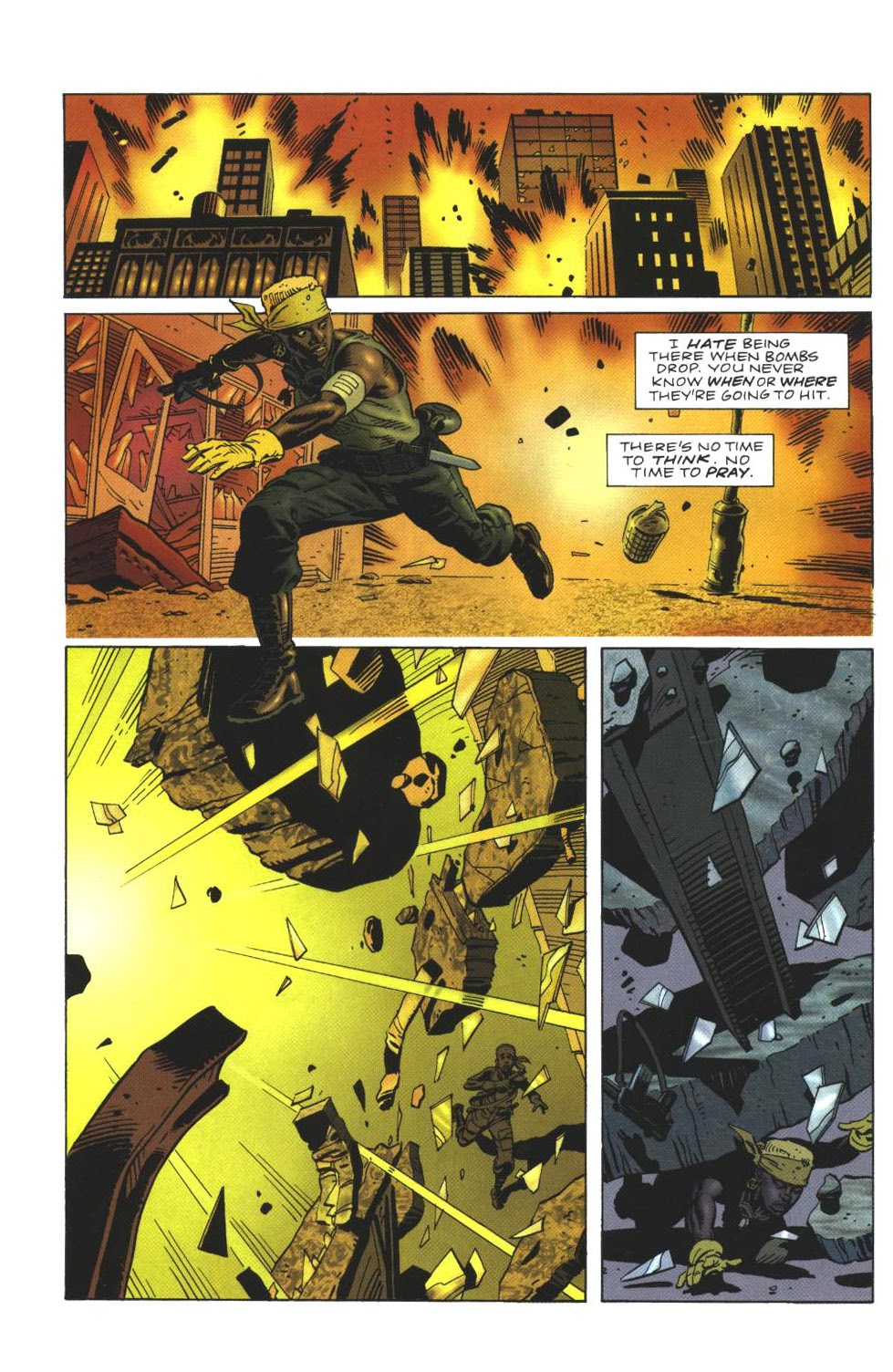
Sooner or later, some smart streaming service will discover Martha Washington, one of my favorite creator-driven series (series of mini-series, actually) of the 90s. All-star creators Frank Miller and Dave Gibbons teamed up to create a memorable post-apocalyptic USA.
Maybe it will happen right after we finally see an American Flagg streaming series; they could both be part of an American Dystopia block.
Until then, the comics will have to do.
And the original art, of course, like this great action page from the second series, Martha Washington Goes To War.
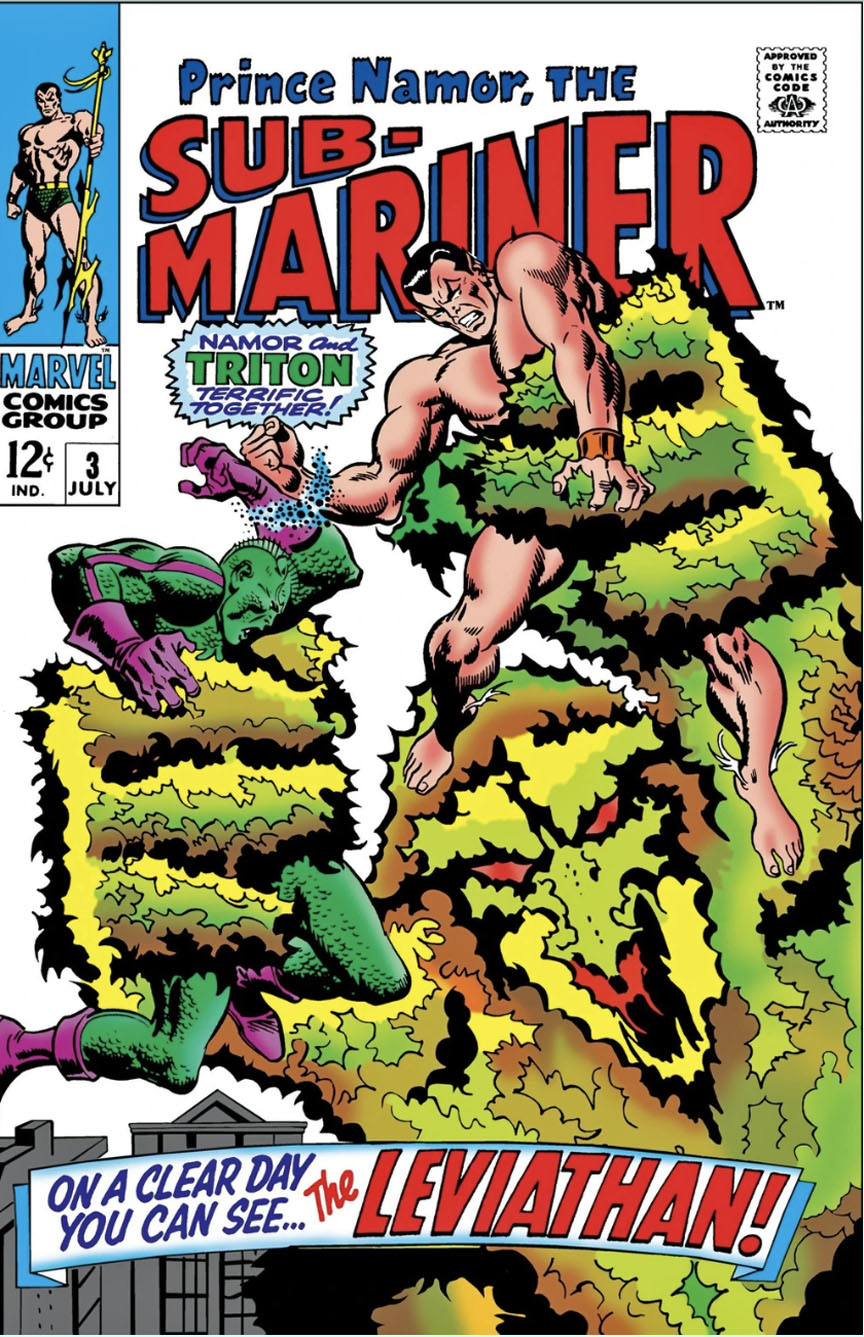
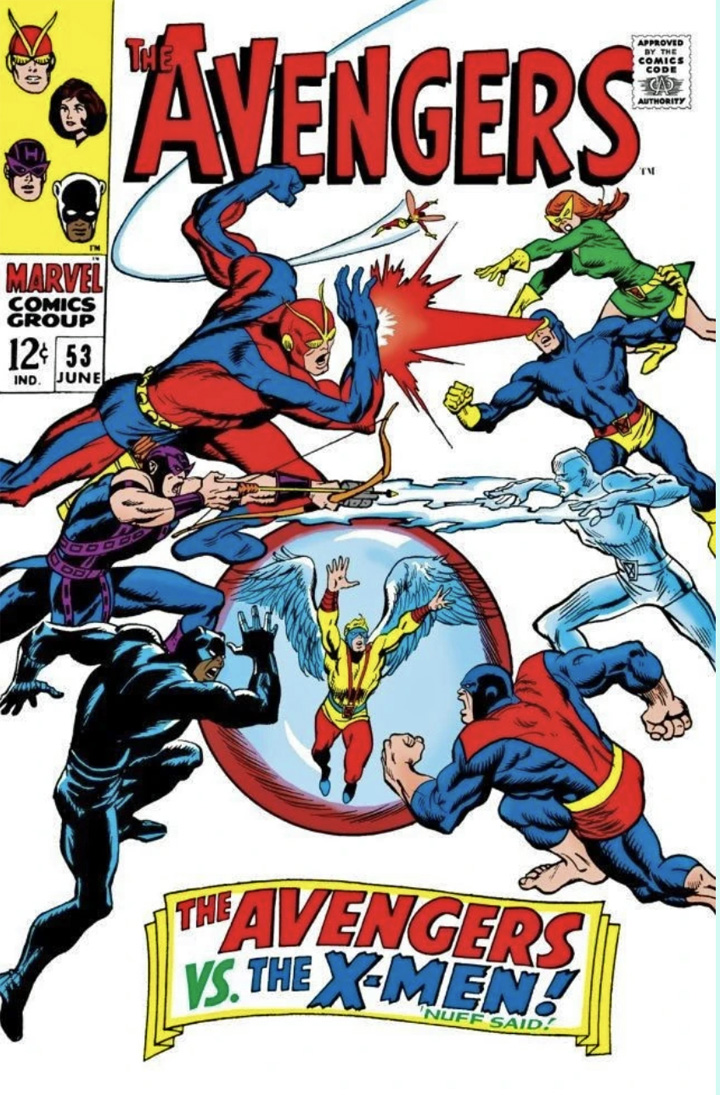
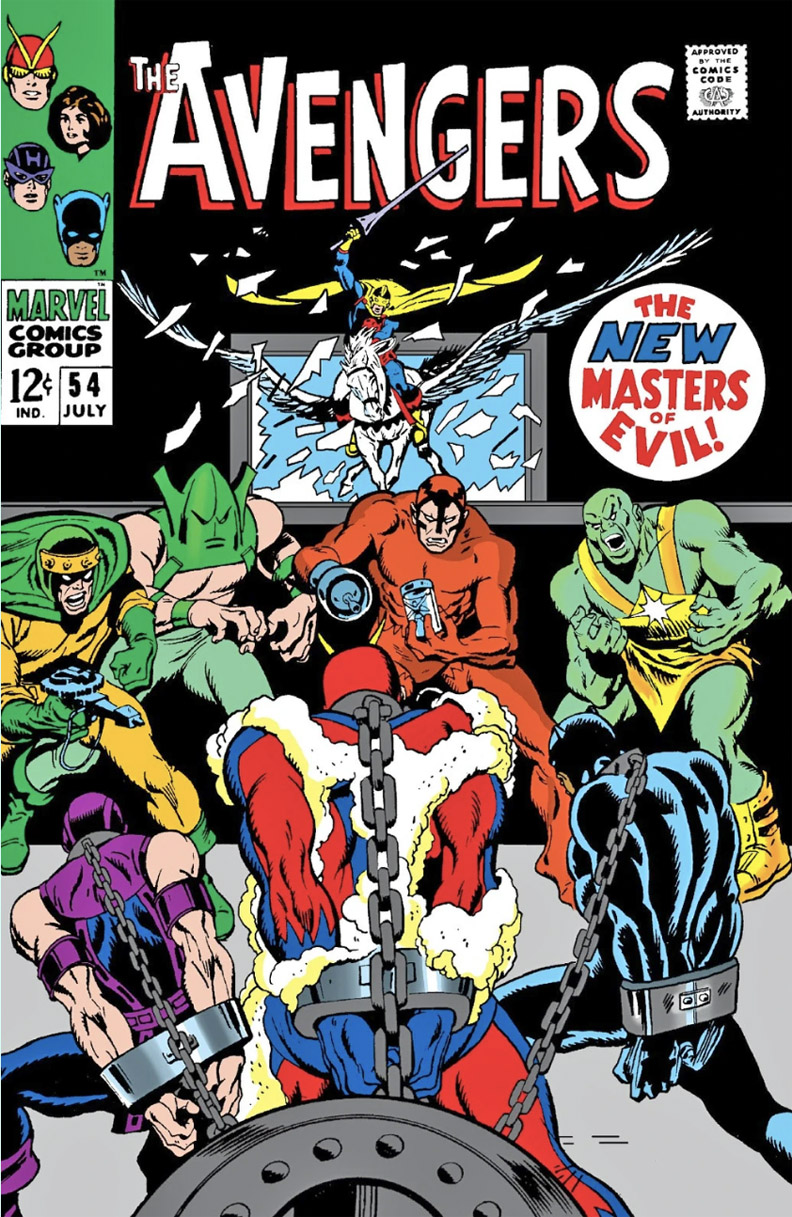
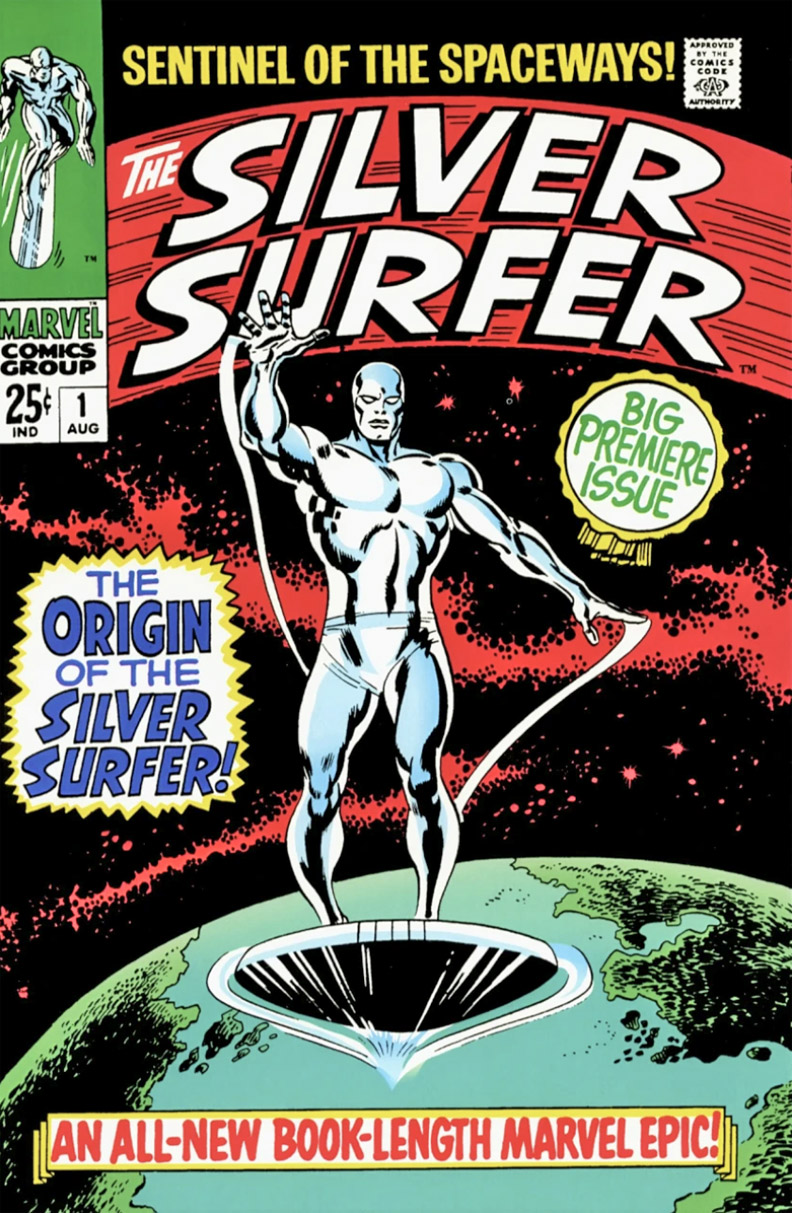
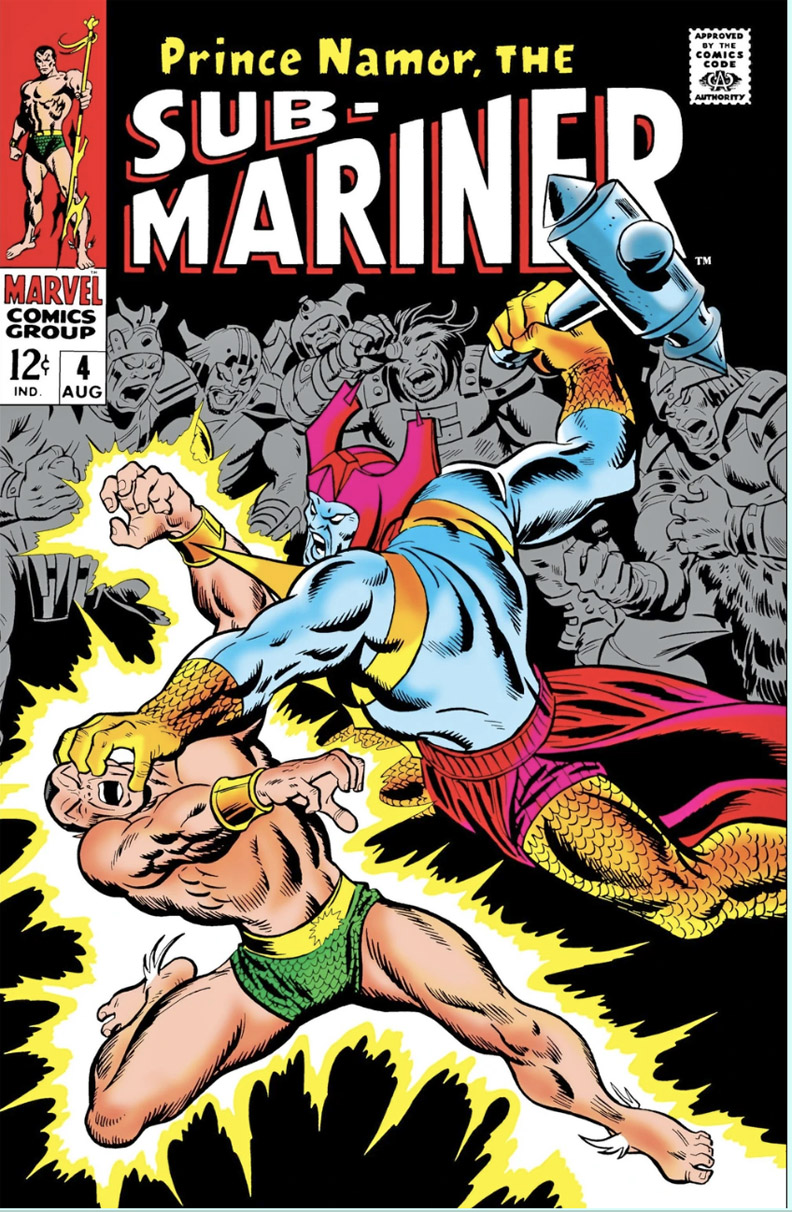
Five straight weeks in the Spring of 1968. Five comic book issues drawn by the legendary John Buscema:
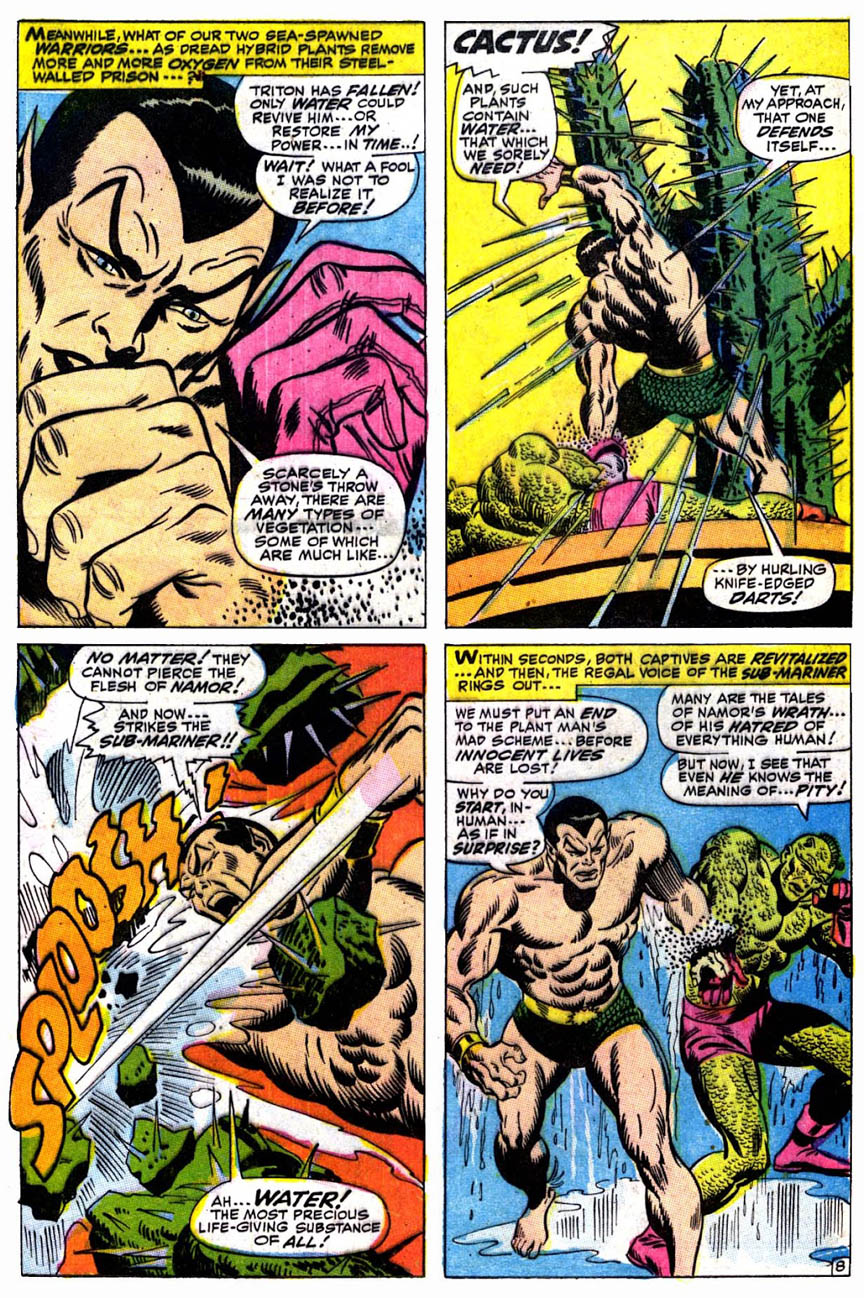
Sub-Mariner #3
Avengers #53
Sub-Mariner #4
Avengers #54
Silver Surfer #1 (38 pages)
Gems. Every single one. (And yes, I might be biased, because these comics are from my newsstand-era sweet spot — 1967-1973 — but I’m not wrong.) My guess is that only Jack Kirby ever had an achievement similar, or greater.
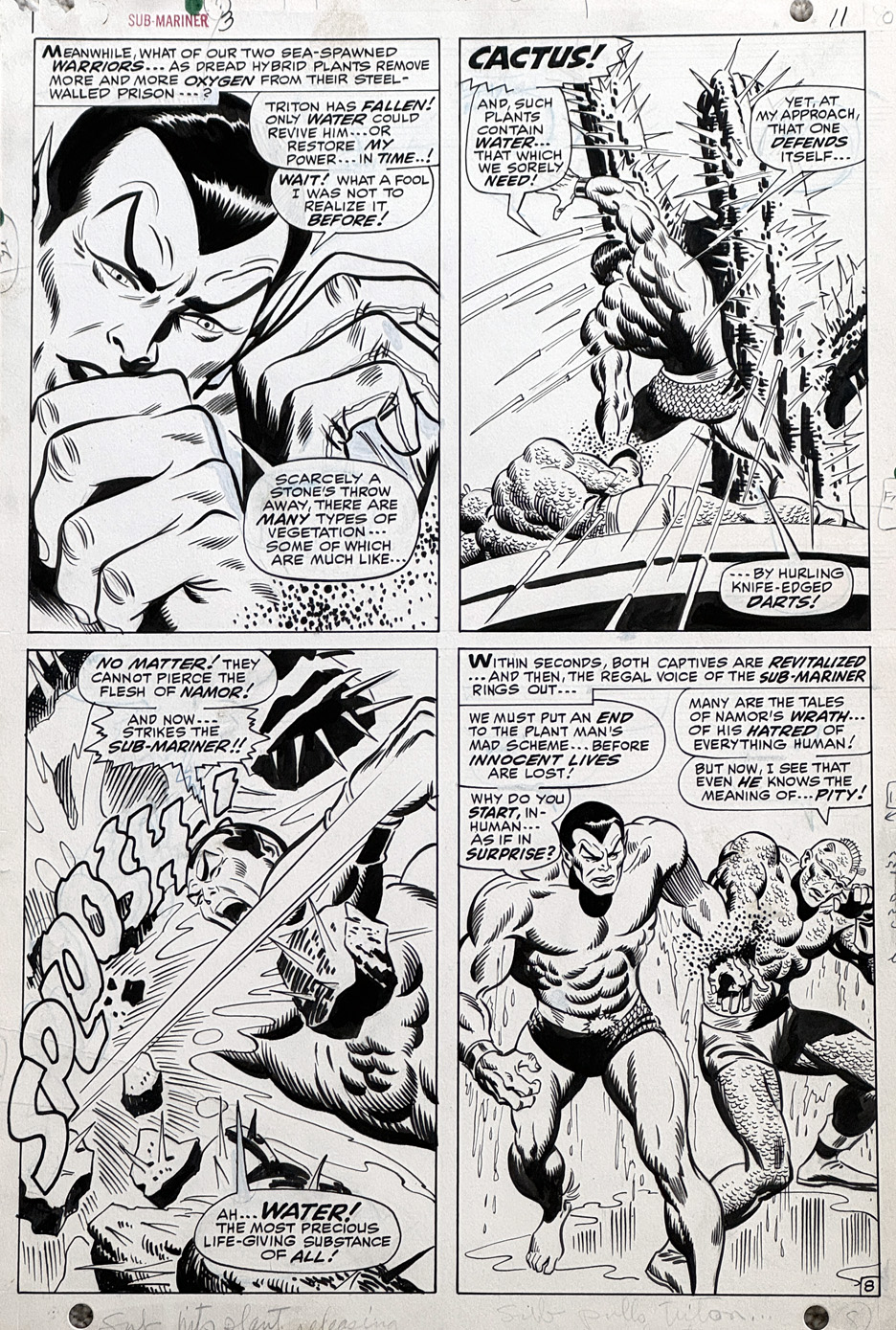
This Sub-Mariner page featuring Namor and Triton is the best Buscema superhero page I’ve ever owned, and unless an amazing opportunity comes my way, will likely remain that way.
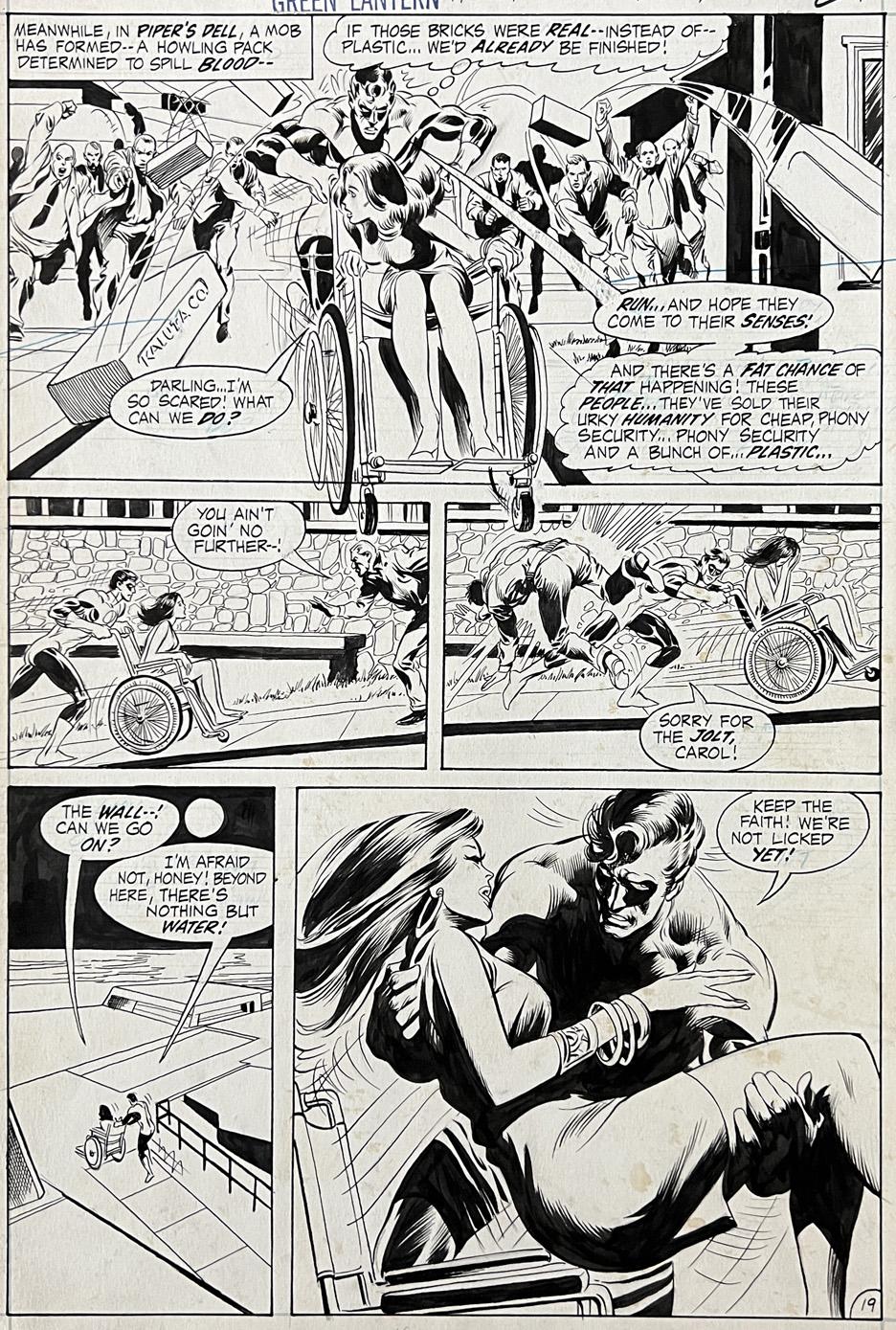
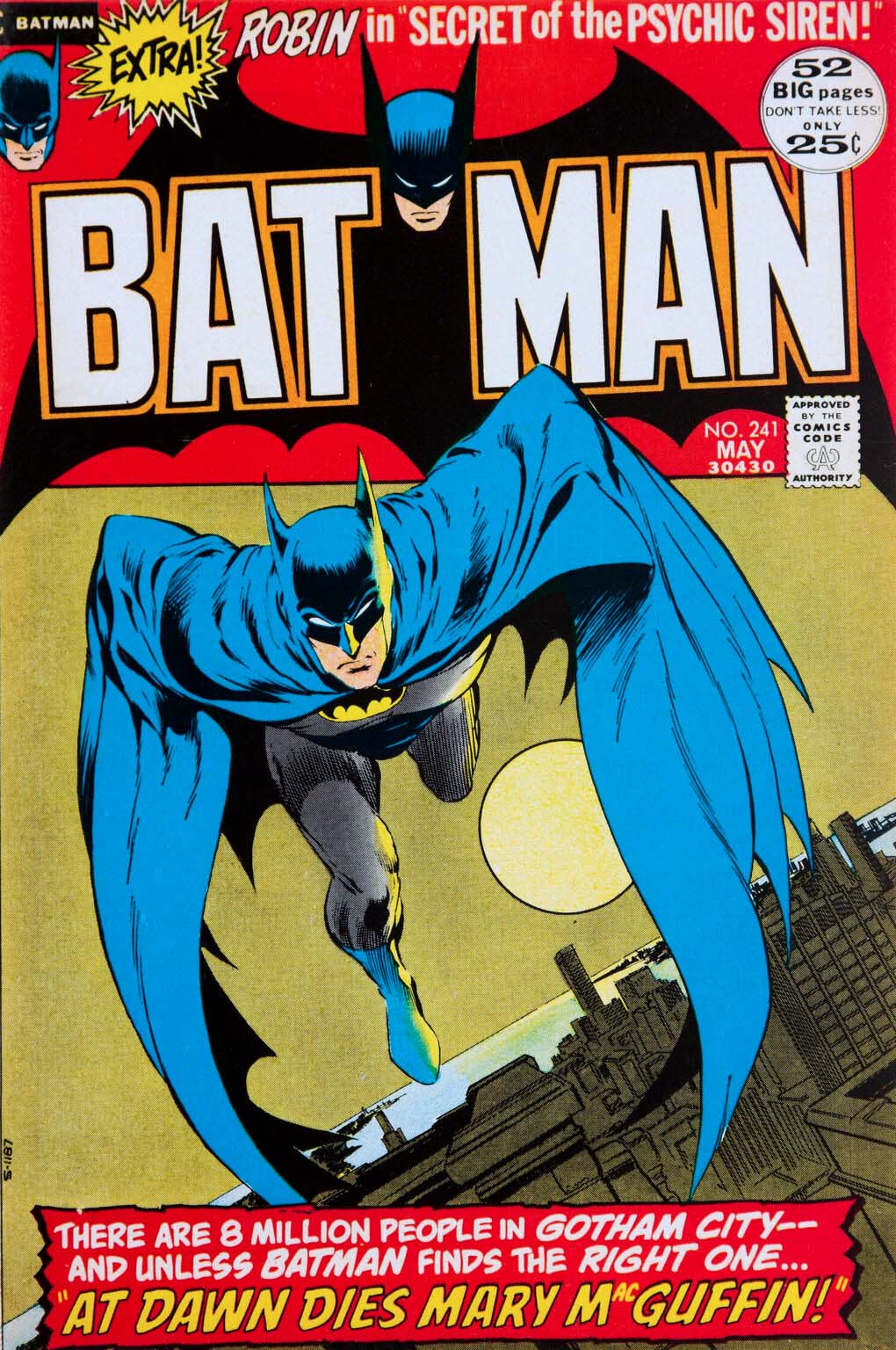
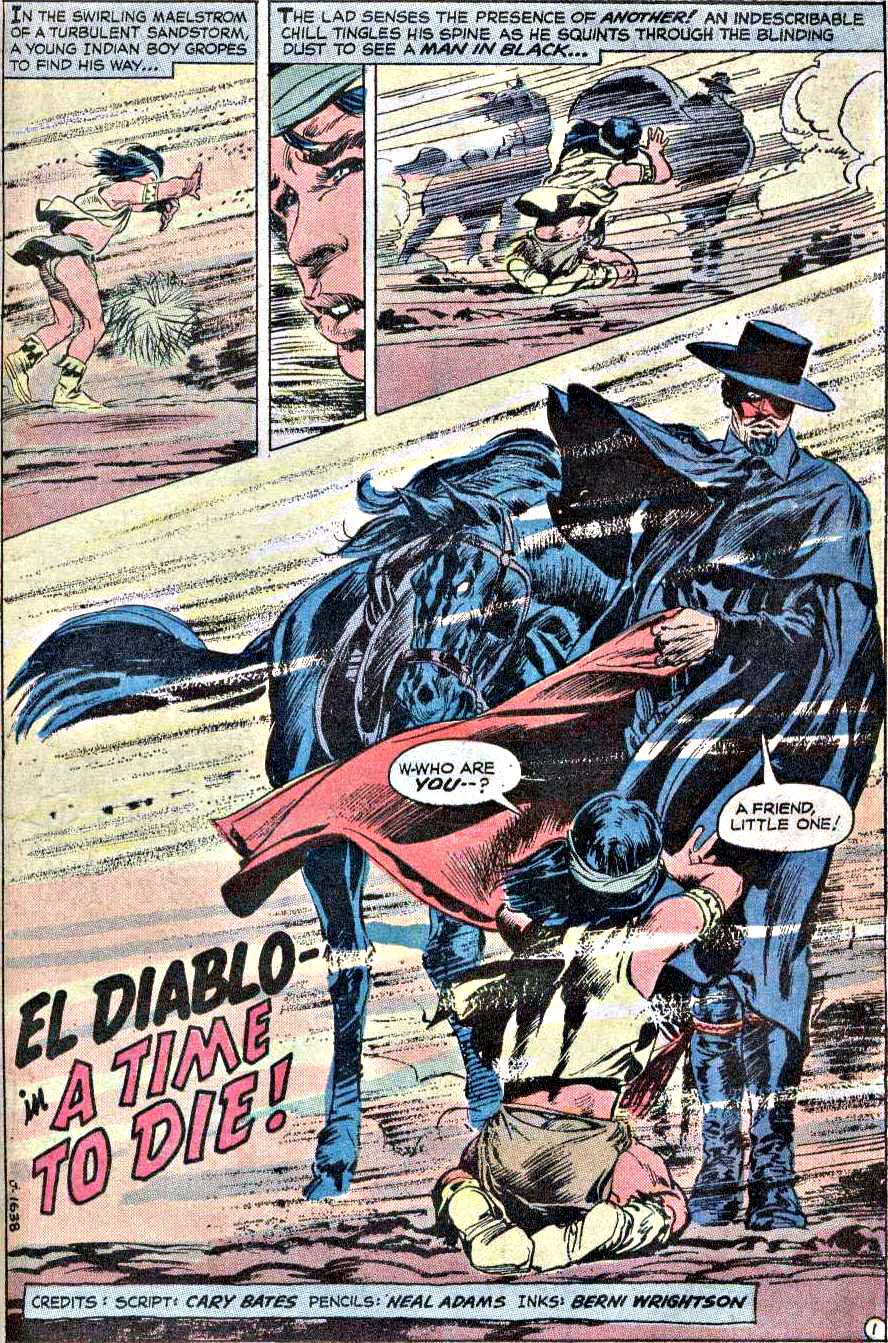
Opinions on Bernie Wrightson’s rare inks on Neal Adams pencils range from “dream team” to “dueling styles.”
Personally, I enjoy the combo, But Neal himself is said to have told Bernie he was better off going his own way. And that, I think, we can all agree upon.
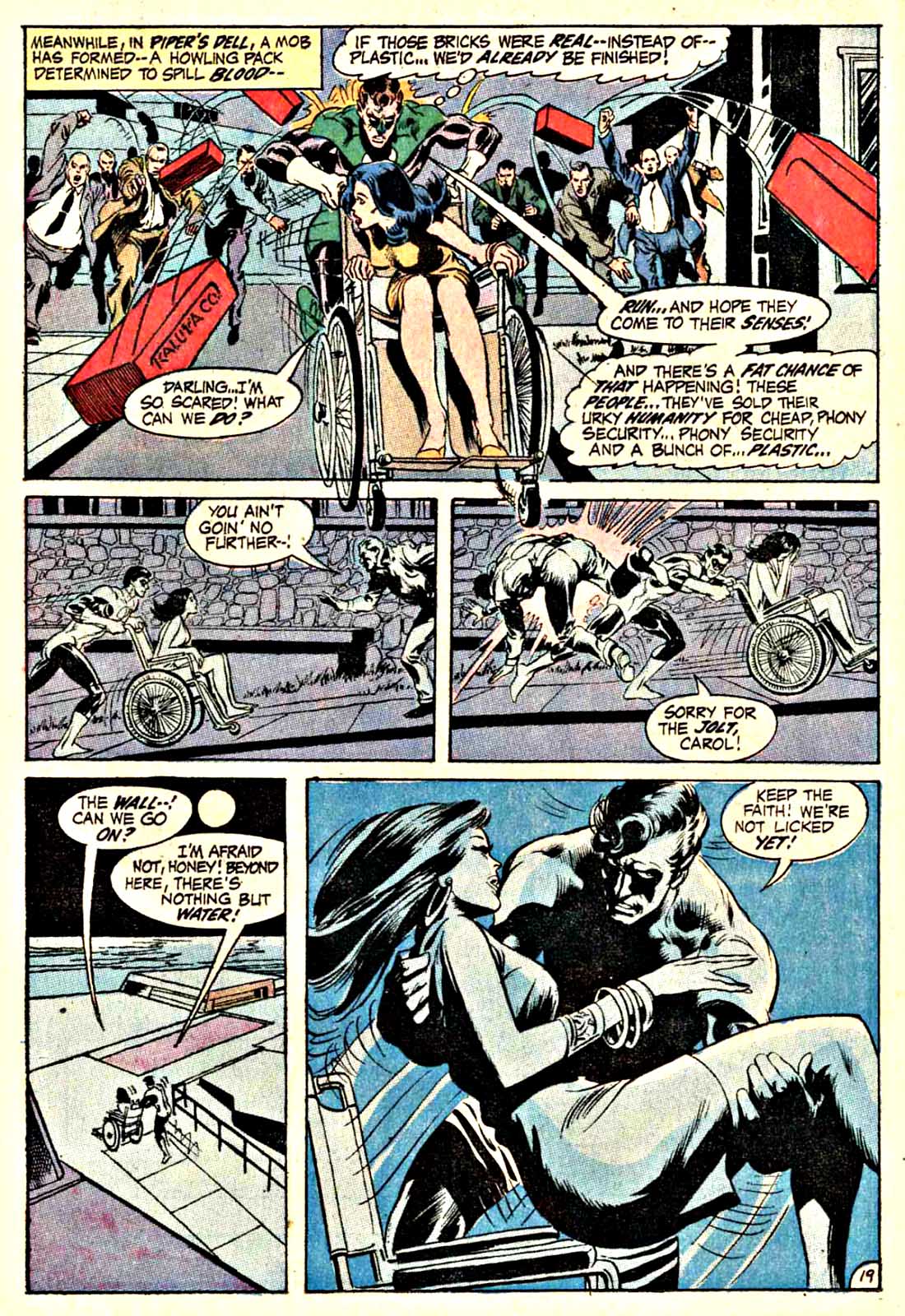
As for this great Green Lantern page from Adams legendary run? The top panel feels more Adams dominant to me, and in the cool final panel I see more of Bernie’s efforts.
Your mileage may vary.
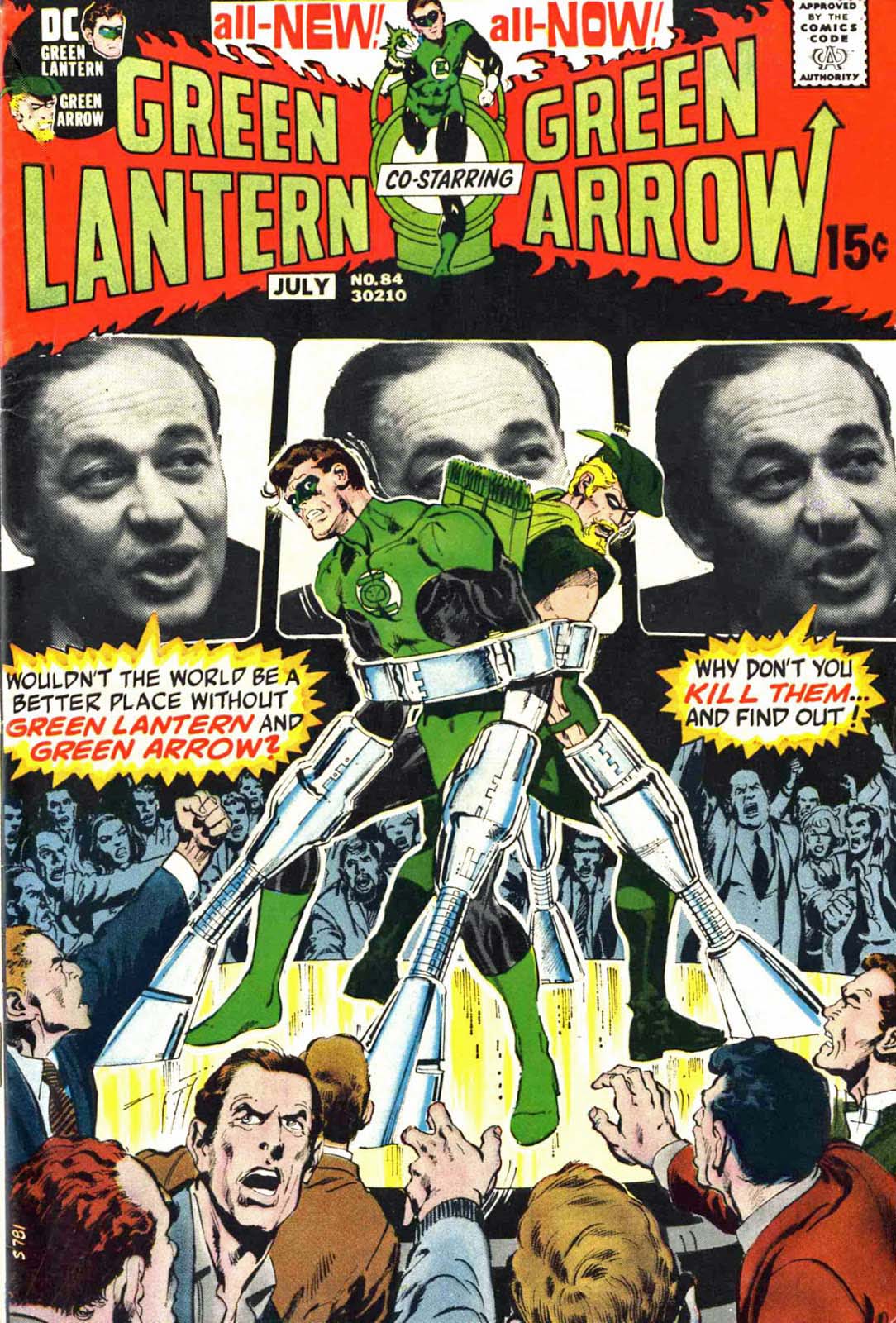
(Pictured below the published Green Lantern comic are a few more examples of the Adams/ Wrightson combo: A terrific Batman cover and the splash page to an El Diablo story from Weird Western #12.)