Panels and Pages… Art and Artists… Creators and Conventions… Musings and Memories…
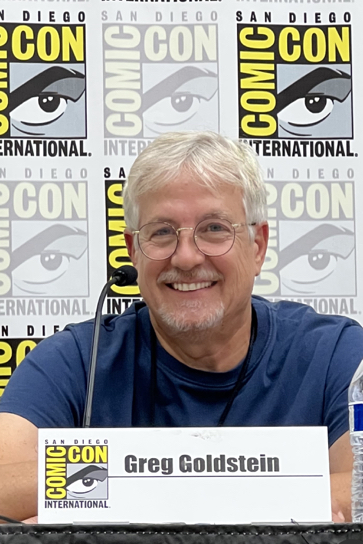
Author: Greg Goldstein
Greg Goldstein is a veteran publishing and media executive; most recently, he was the Chief Operating Officer, President and Publisher of IDW Publishing, managing all aspects of the company’s book and games business from 2008 to 2019.
Throughout his career, Greg has developed creative and profitable publishing programs for dozens of the world’s best-known entertainment brands including Star Wars, Transformers, Star Trek, James Bond, TMNT, Spider-Man, Batman and Godzilla.
In 2013, Greg led IDW’s acquisition of Top Shelf, an independent publisher best known for Congressman John Lewis’ March trilogy, which has become the most lauded non-fiction graphic novel series in the history of the medium.
In 2011, Greg won an Eisner award for his editing on the first-ever collection of Bob Montana’s Archie newspaper comic strips. (Published under IDW’s Library of American Comics imprint.)
Prior to joining IDW, Greg was VP of Entertainment and Gaming for Upper Deck, responsible for the company’s blockbuster slate of games, including Yu-Gi-Oh, World of Warcraft and The VS Superhero system. During his tenure, he created Marvel Ultimate Battles, the first-ever trading card game that focused exclusively on Marvel’s popular mass media characters.
As VP of Brand Development for Activision from 2000-2002, Greg established strategic partnerships with the largest Hollywood studios, and worked closely with Marvel Entertainment to successfully develop Spider-man into one of the biggest blockbuster licensed videogame brands in interactive history.
Greg’s career has also included a successful stint at Topps, where he helped launch and manage Topps Comics in the mid 1990s.
Additionally, Greg serves as an adviser for to the Comic Book Legal Defense Fund (CBDLF). He is also a frequent guest lecturer at San Diego Sate University and has presented at dozens of panels and conferences throughout the US.
He is also a well-known collector of original comic book art and rues the day he sold his collection the first time around in the late 1990s.
Once again, HUGE thanks and congrats to all the terrific folks who made this past weekend’s Baltimore Comic-Con just as perfect an event could be.
As noted in previous years, It’s easily one of my favorite conventions — an absolute delight to attend. I had a blast catching up with old friends and colleagues, making some new acquaintances, and hosting some fun panels.
I’m exhausted, but it’s a happy exhaustion, and once again, I miss all of you already.
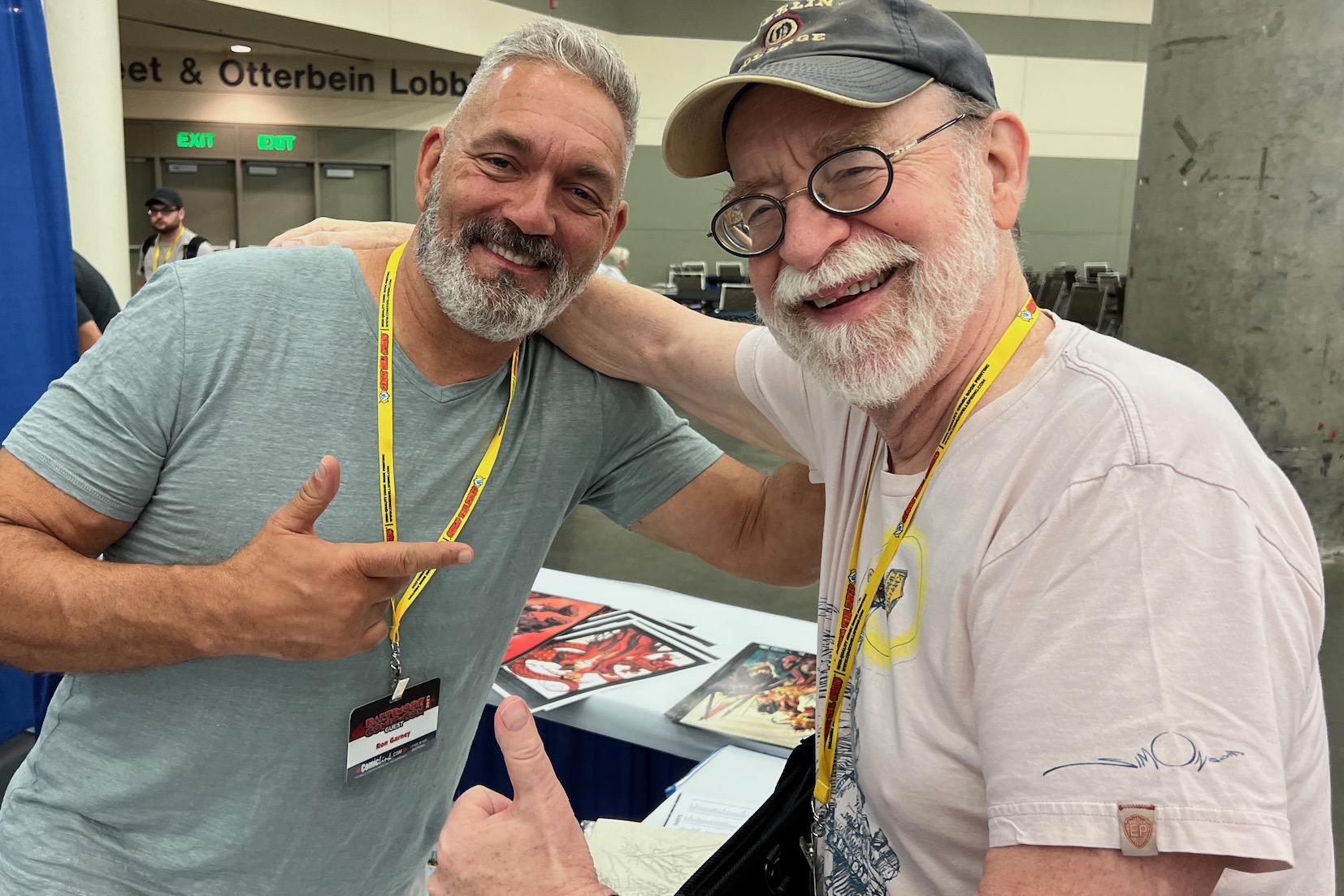
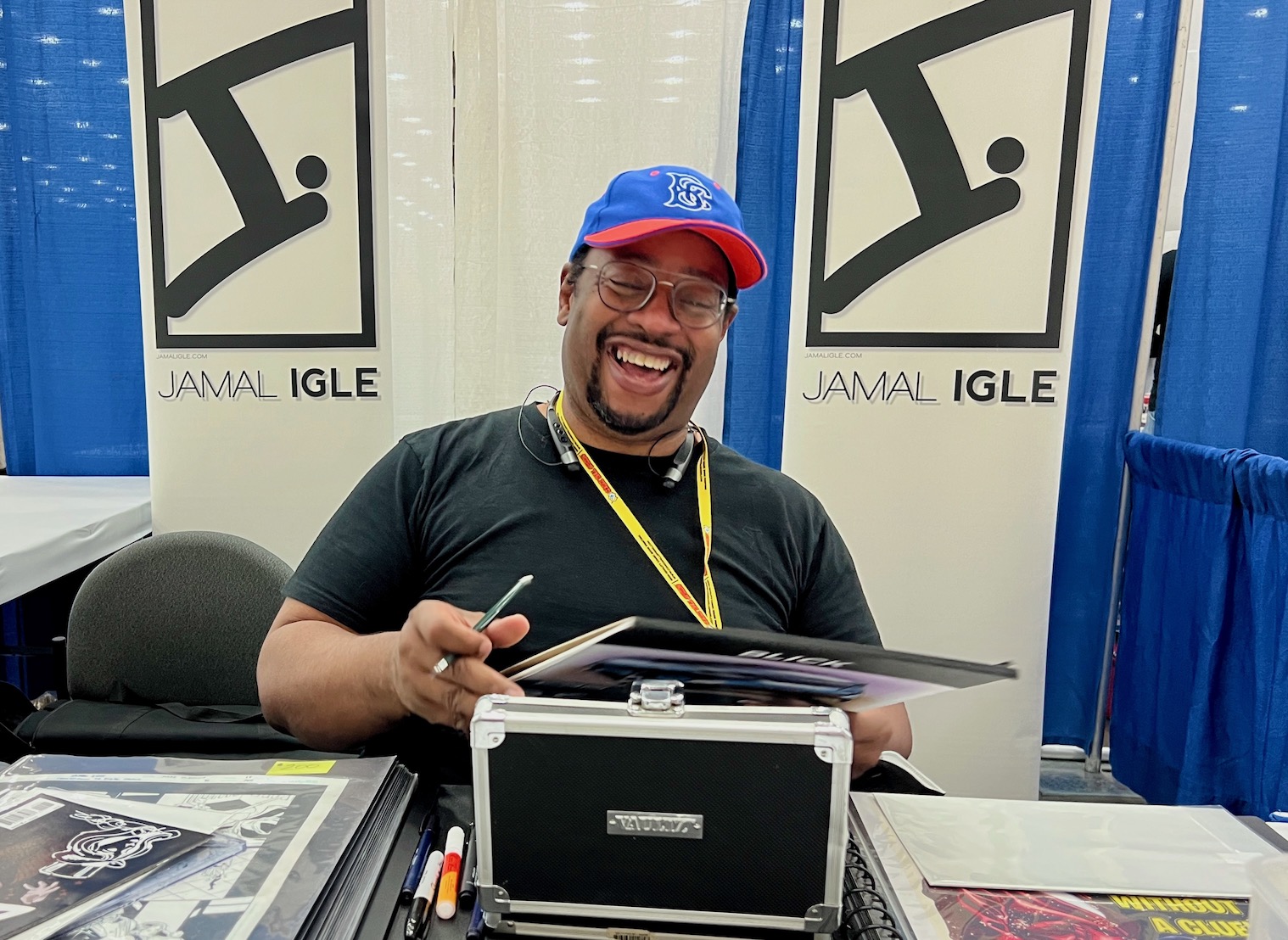
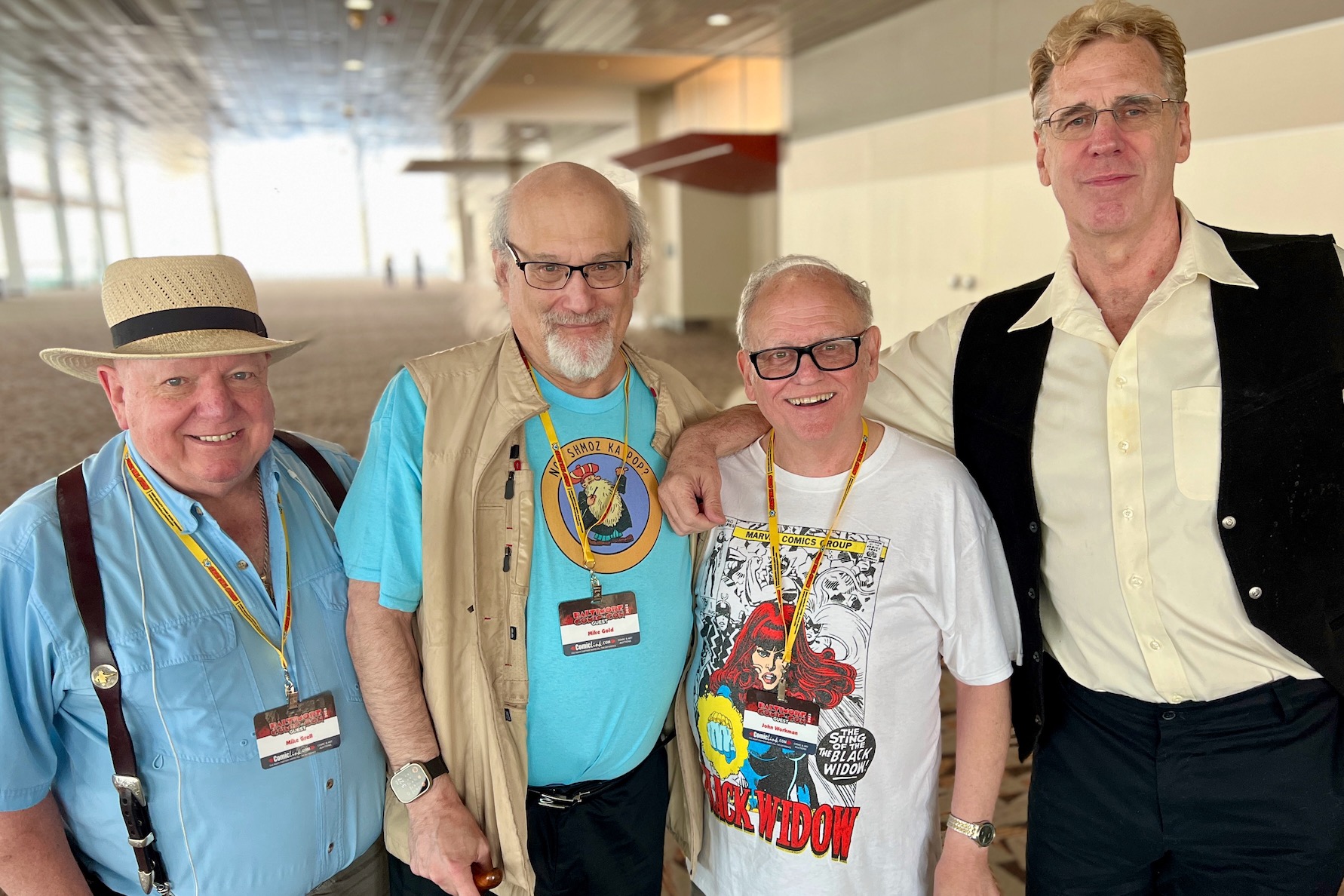
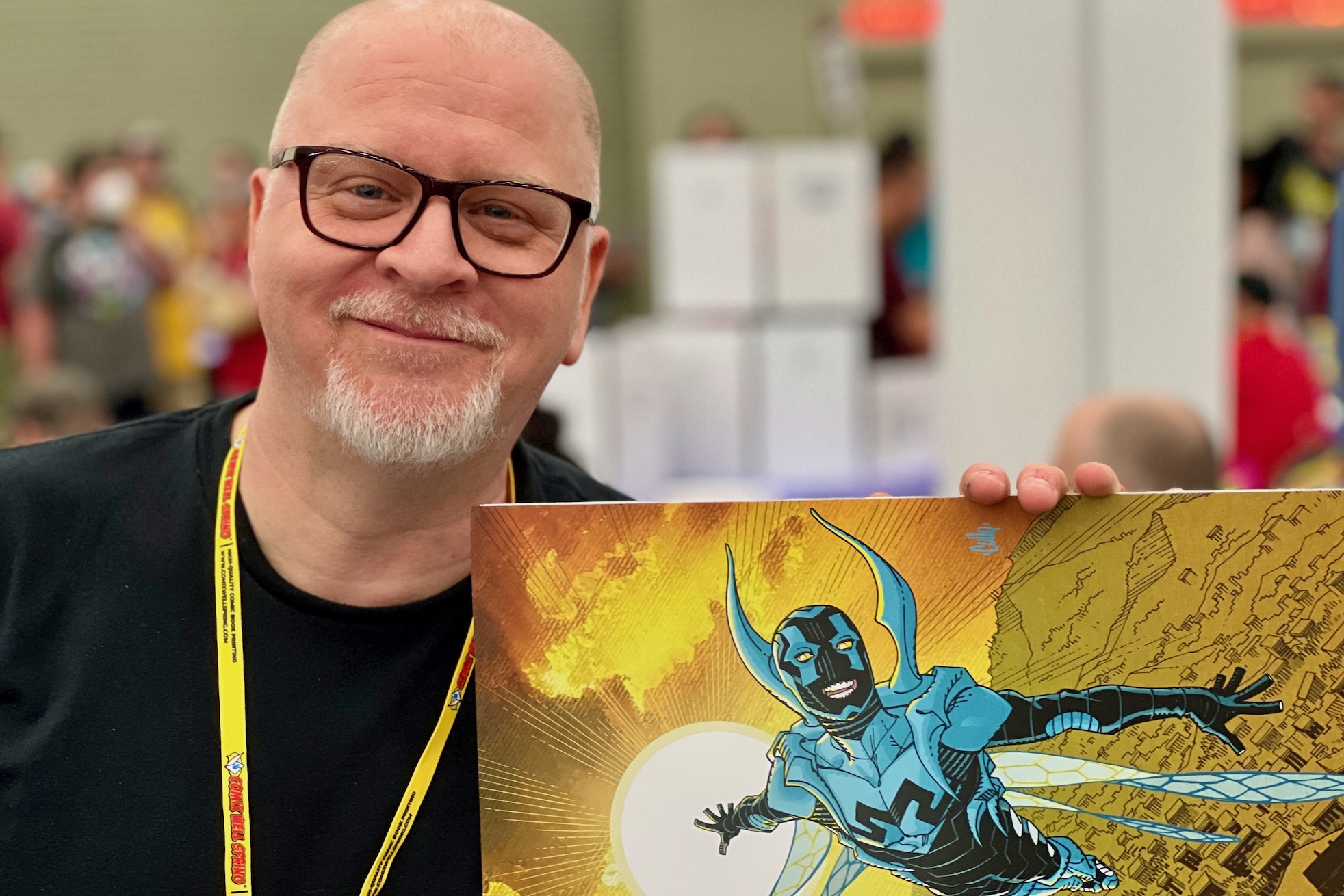
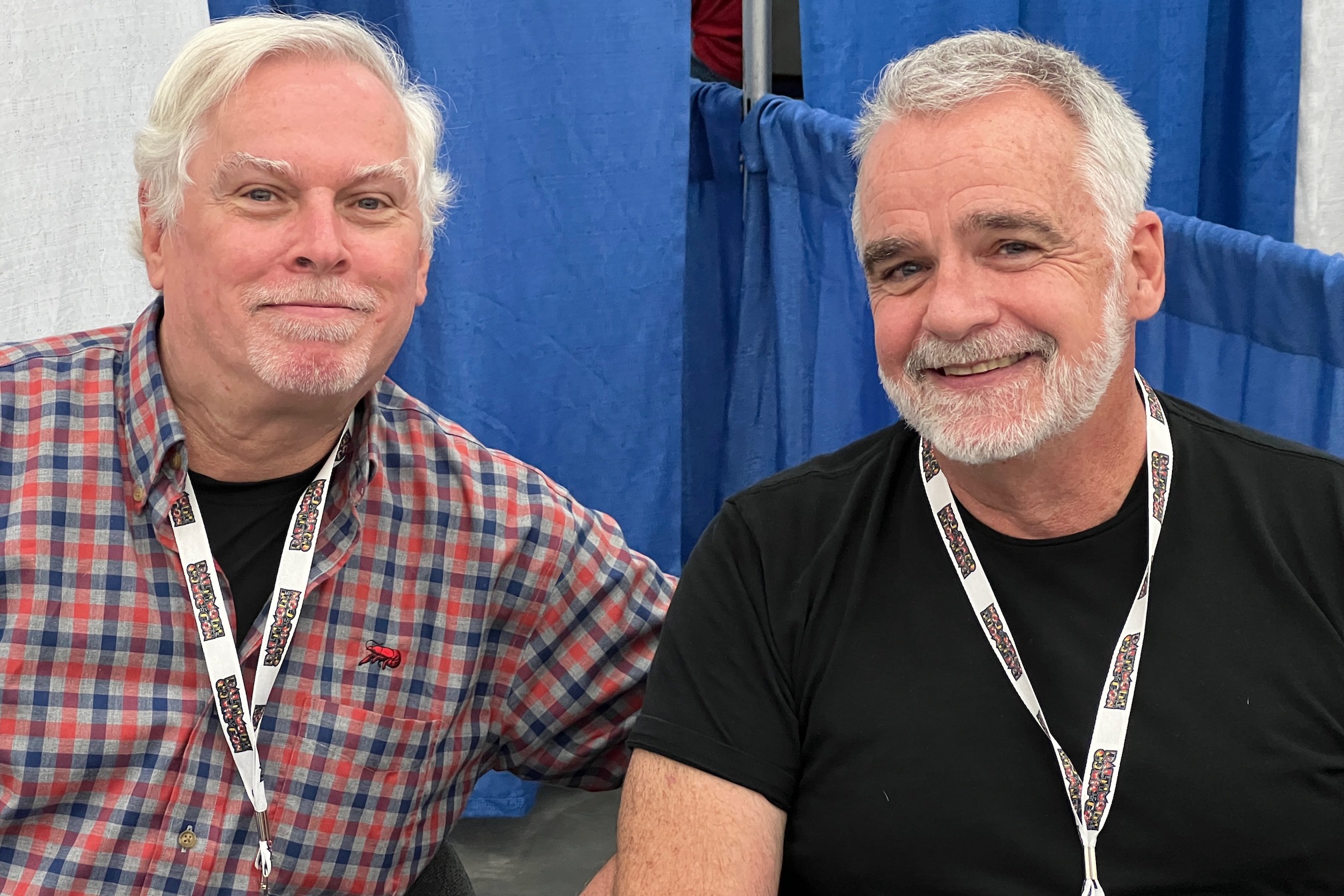
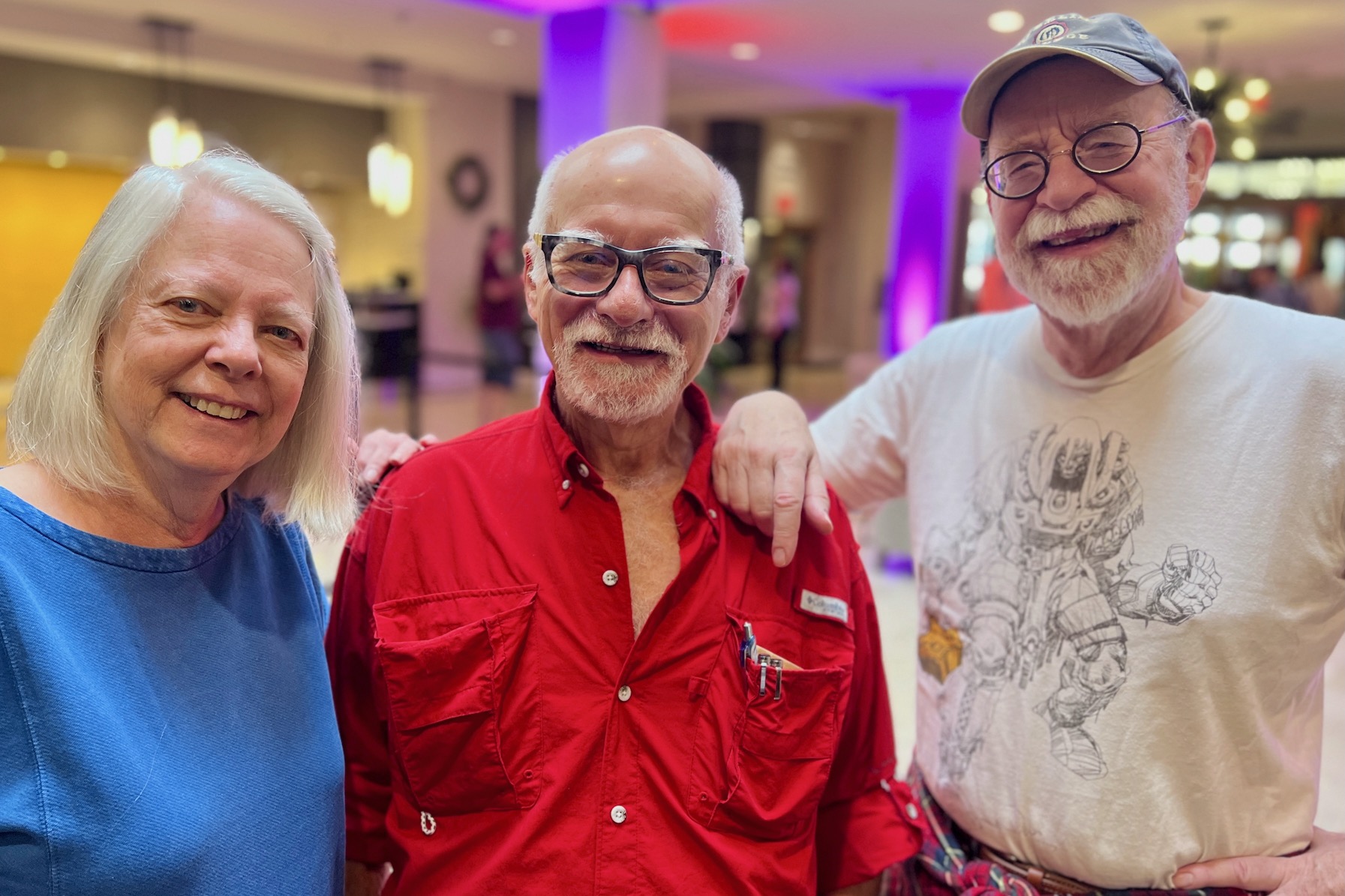
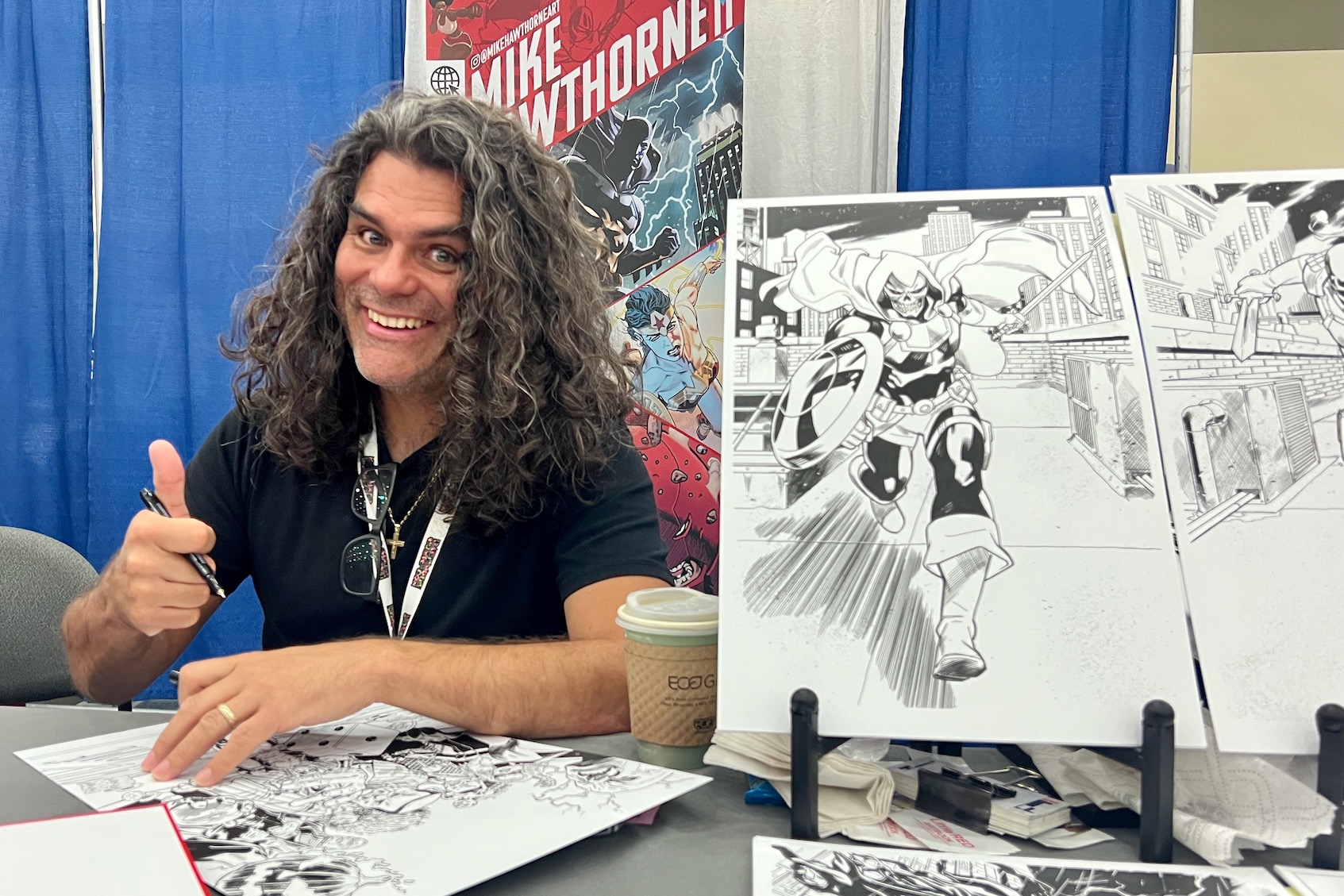
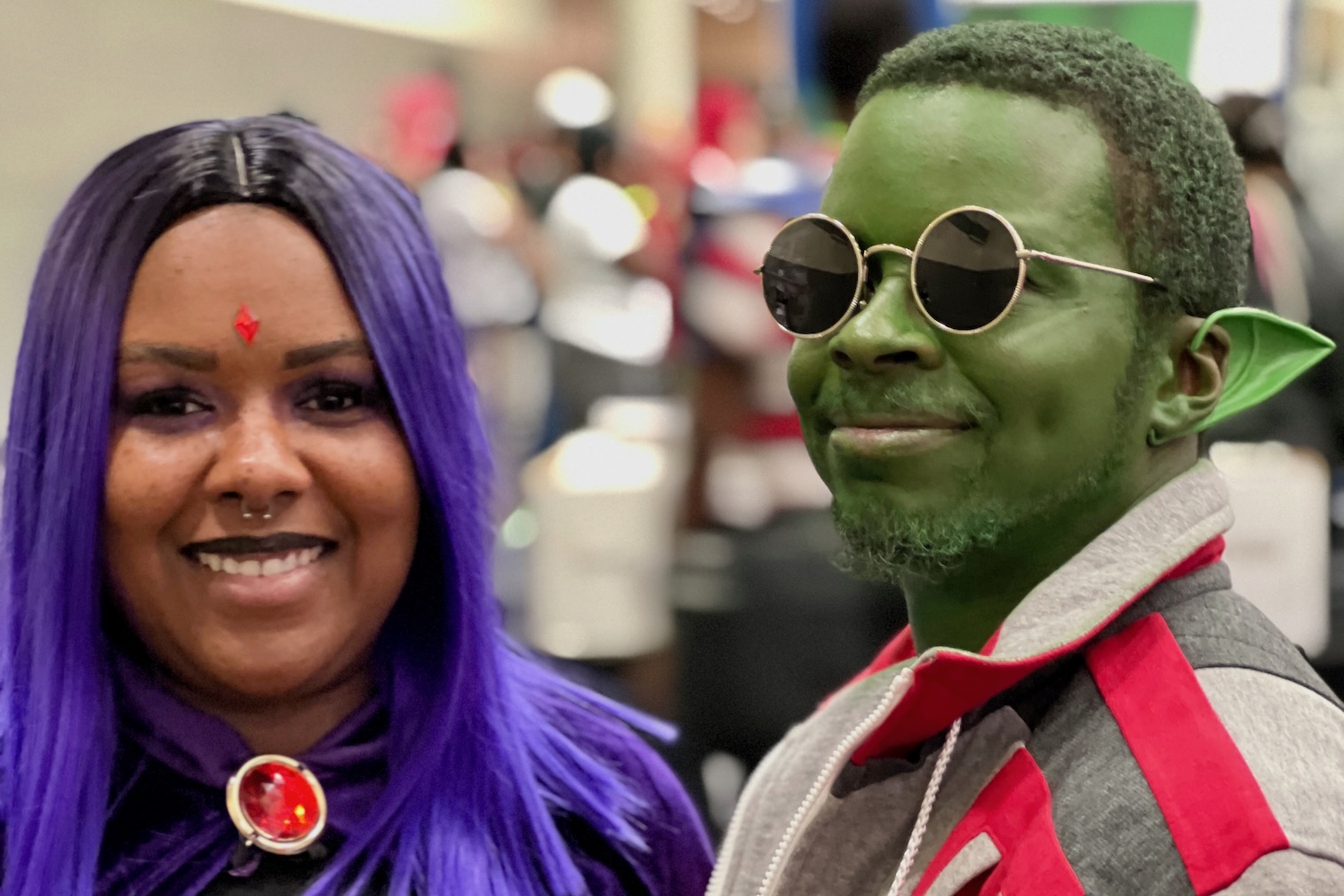
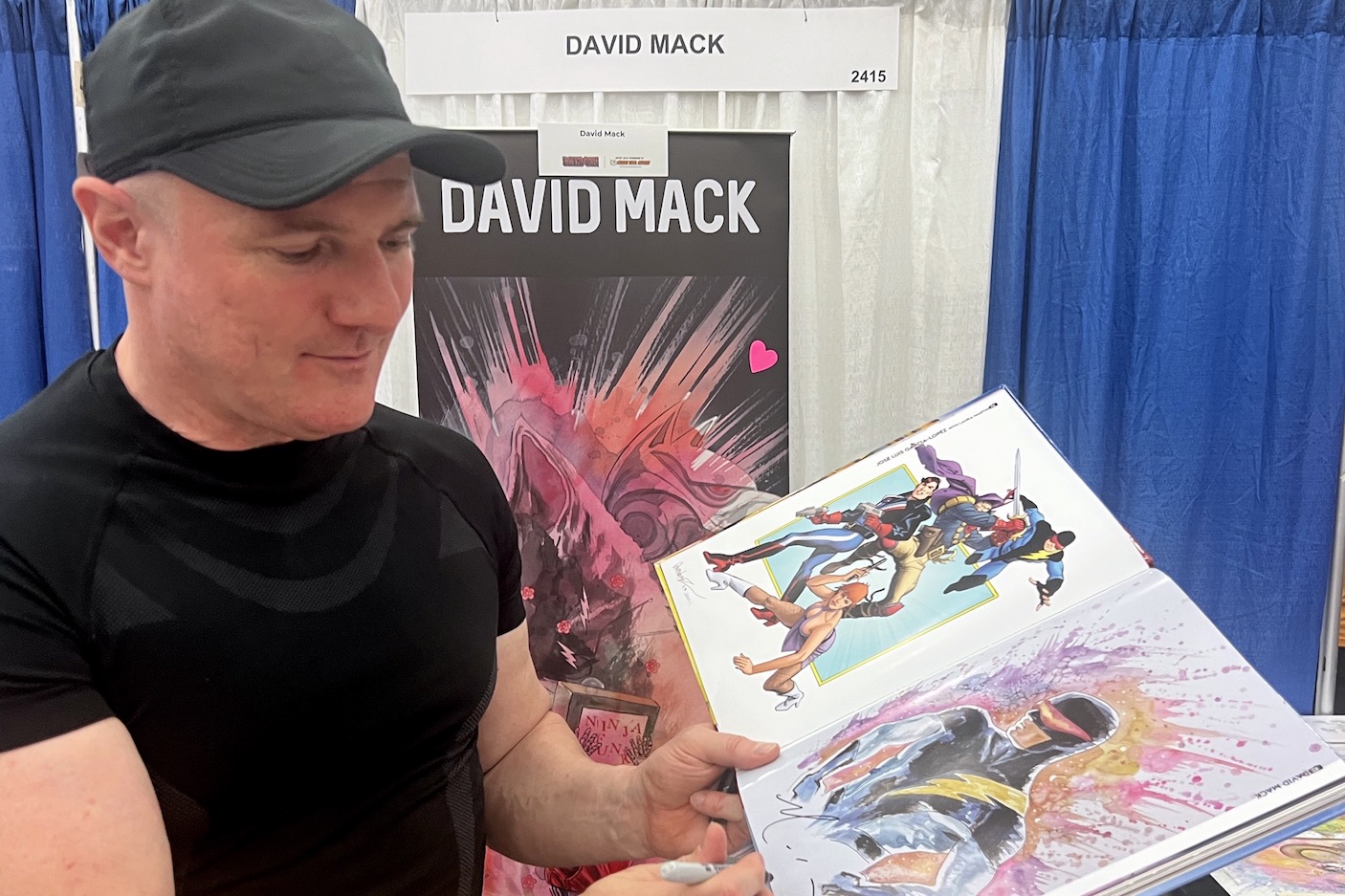
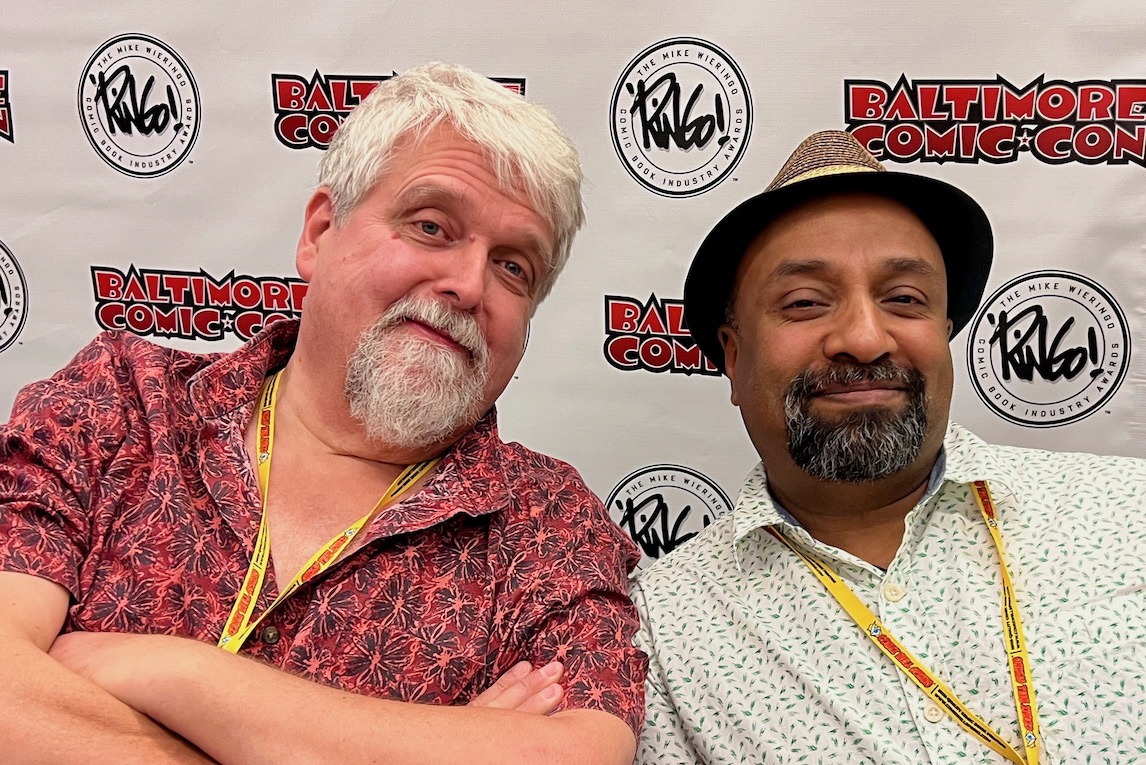
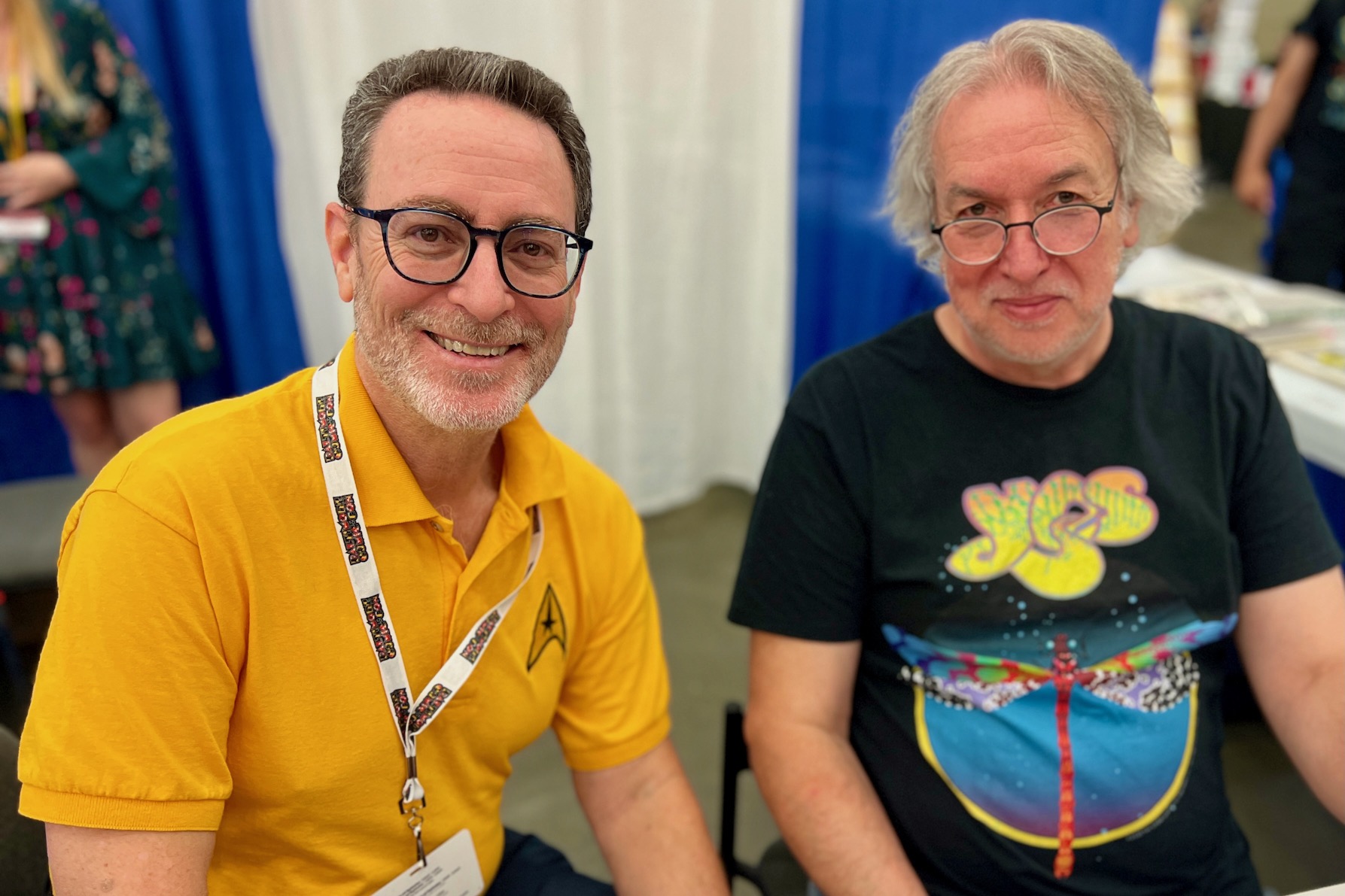
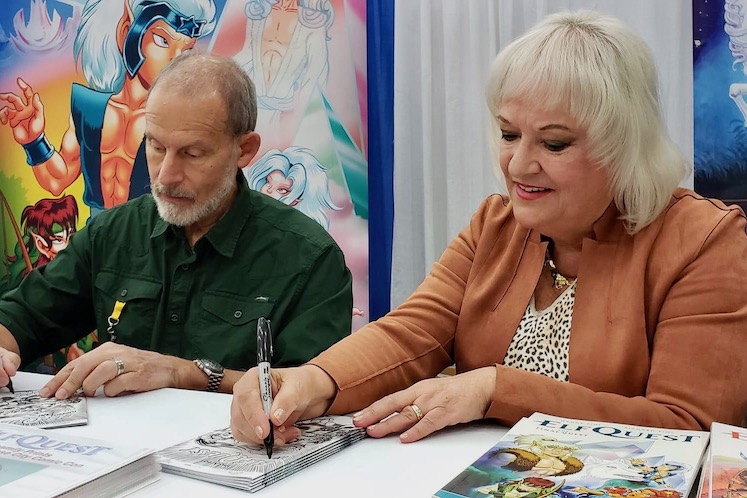
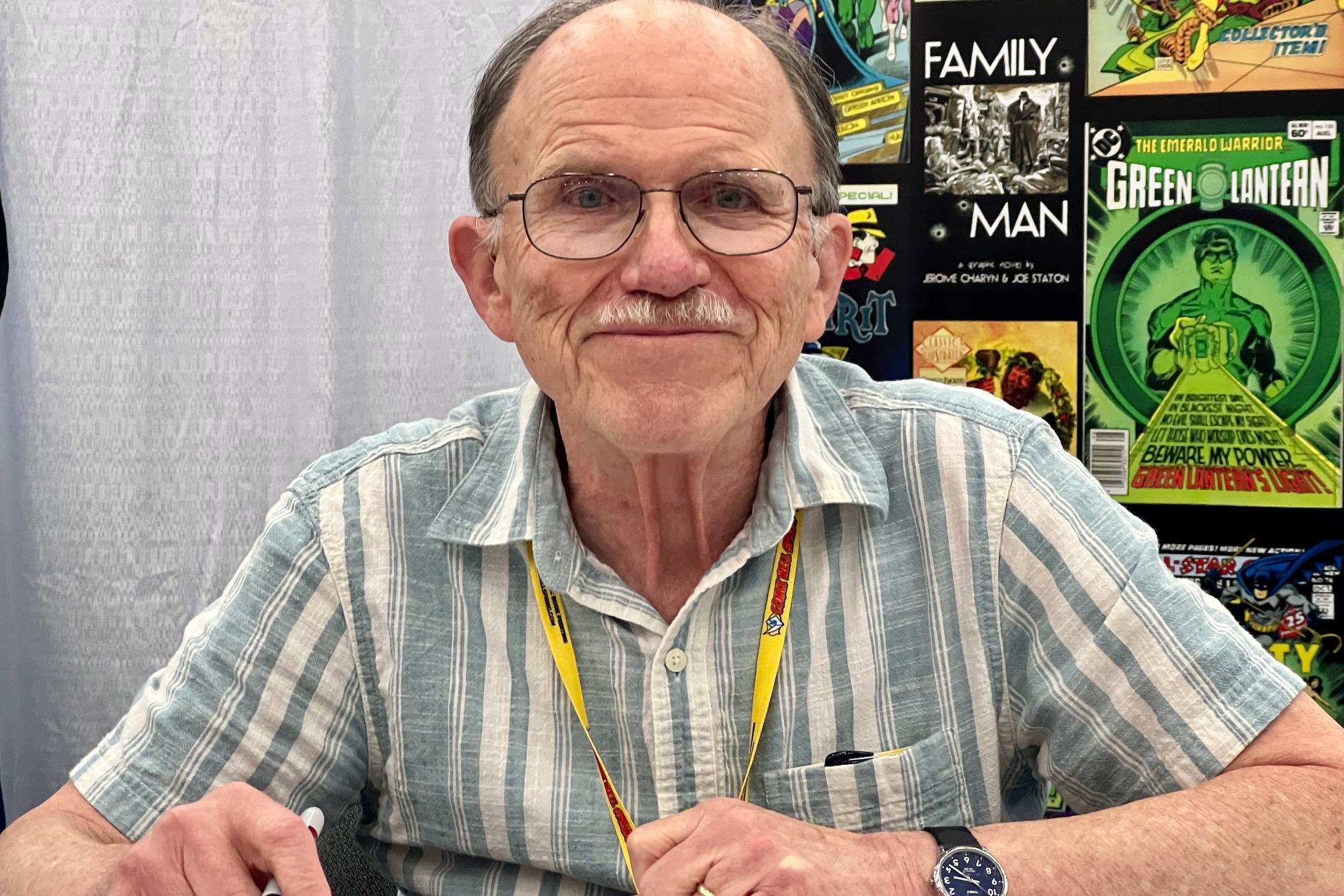
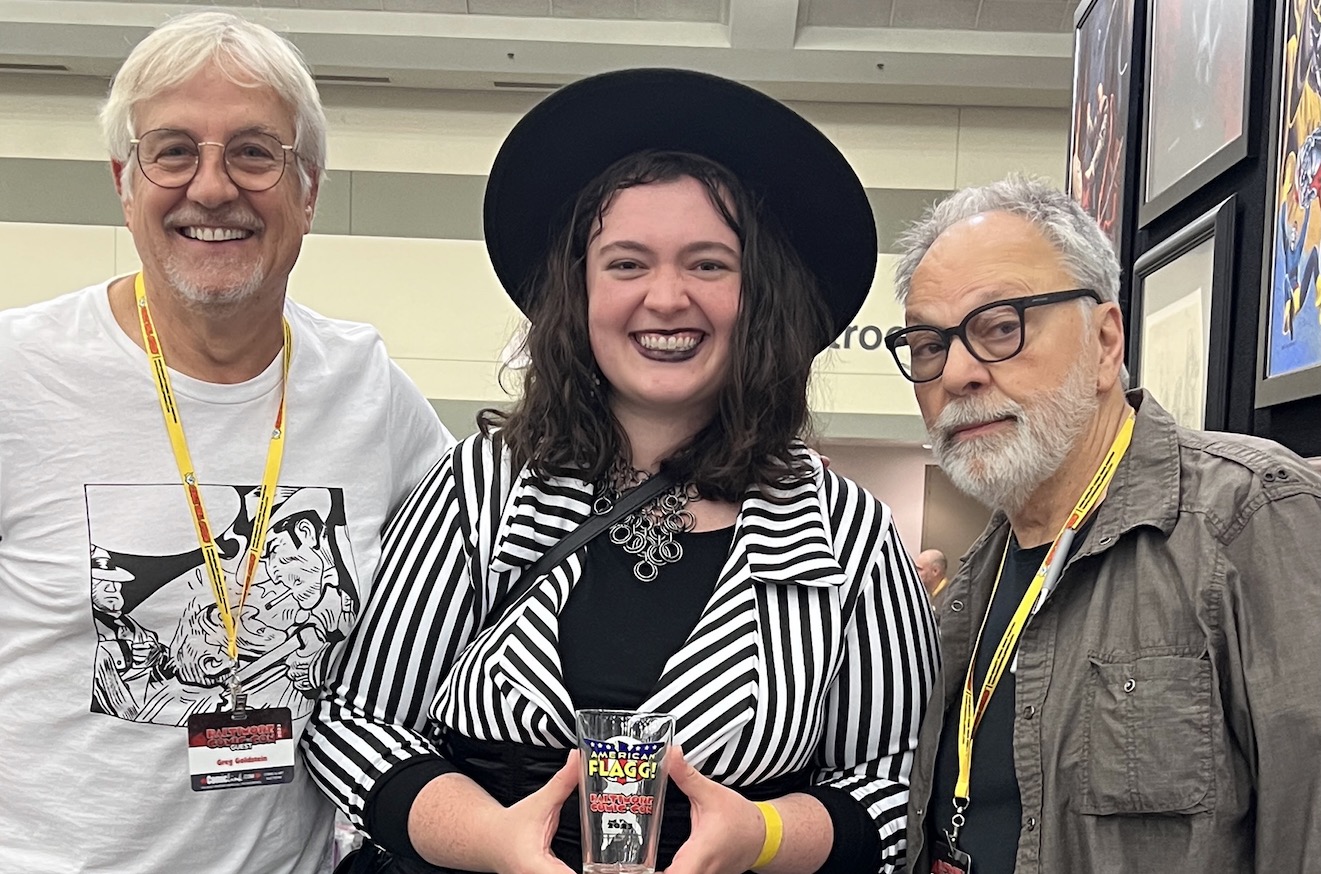
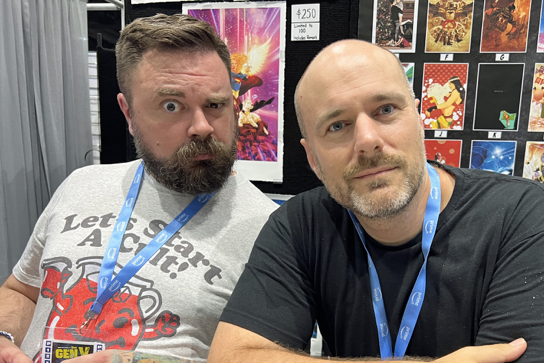
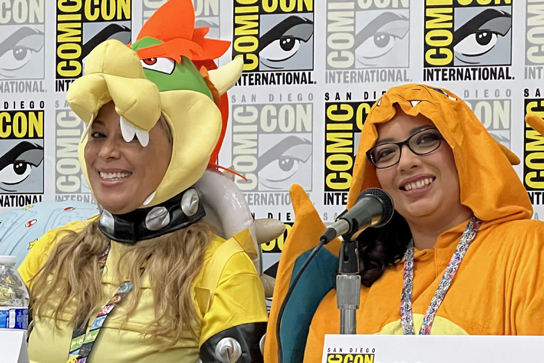
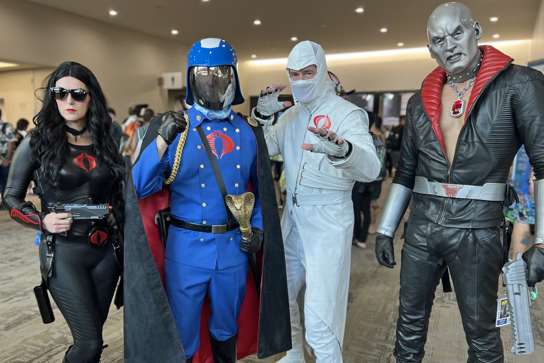
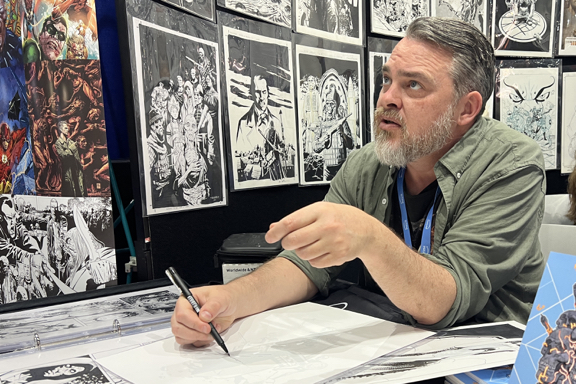
Ron Garney, Walter SimonsonJamal IgleMike Grell, Mike Gold, John Workman, Steve RudeCully HamnerTerry Kavanagh, Howard MackieLouise Simonson, Chris Claremont, Walter SimonsonMike HawthorneDavid MackScott Dunbier, Joseph MelchiorBob Greenberger, Barry KitsonRichard Pini, Wendy PiniJoe StatonGreg Goldstein and Howard Chaykin with a super fan!
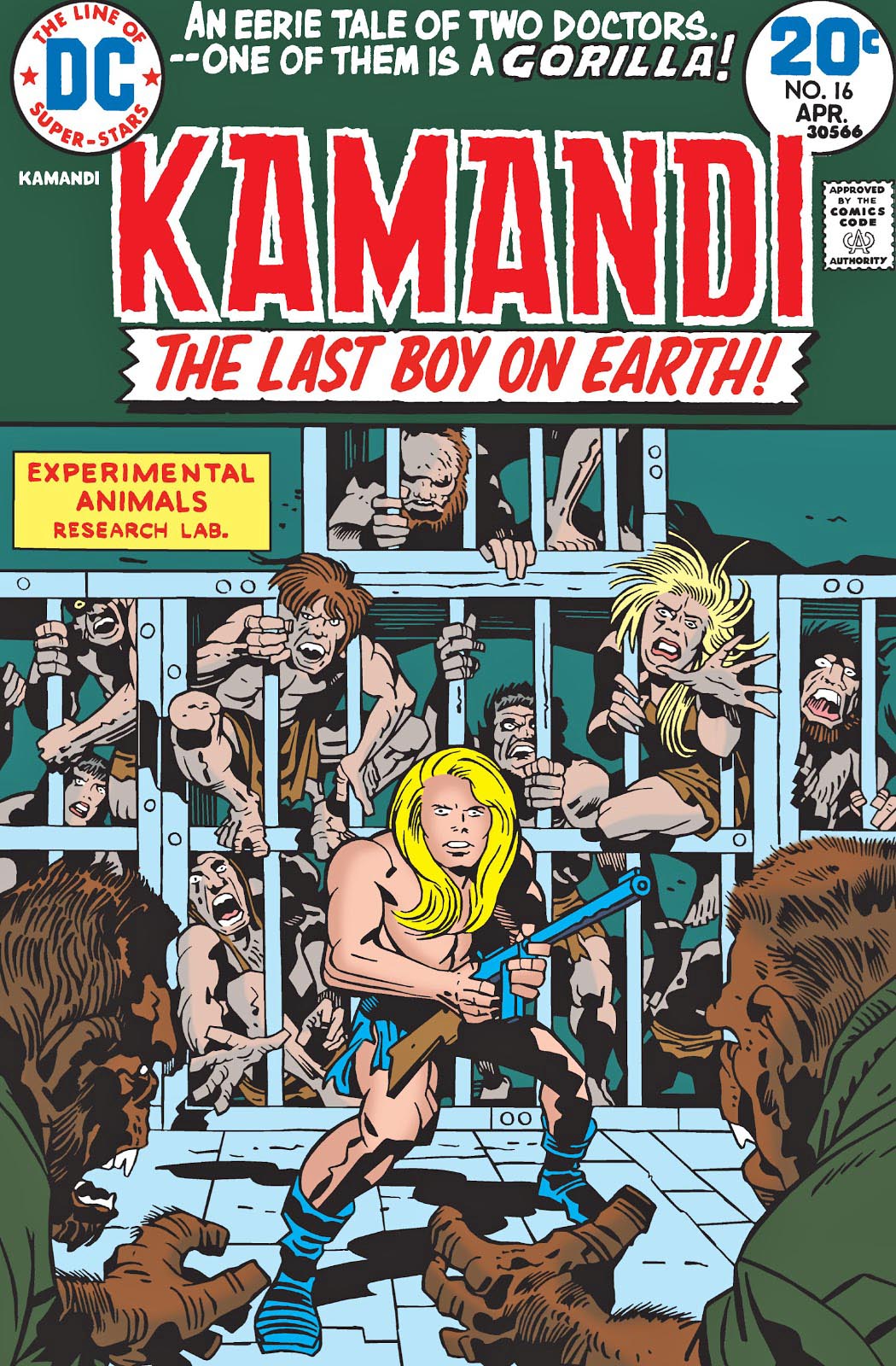
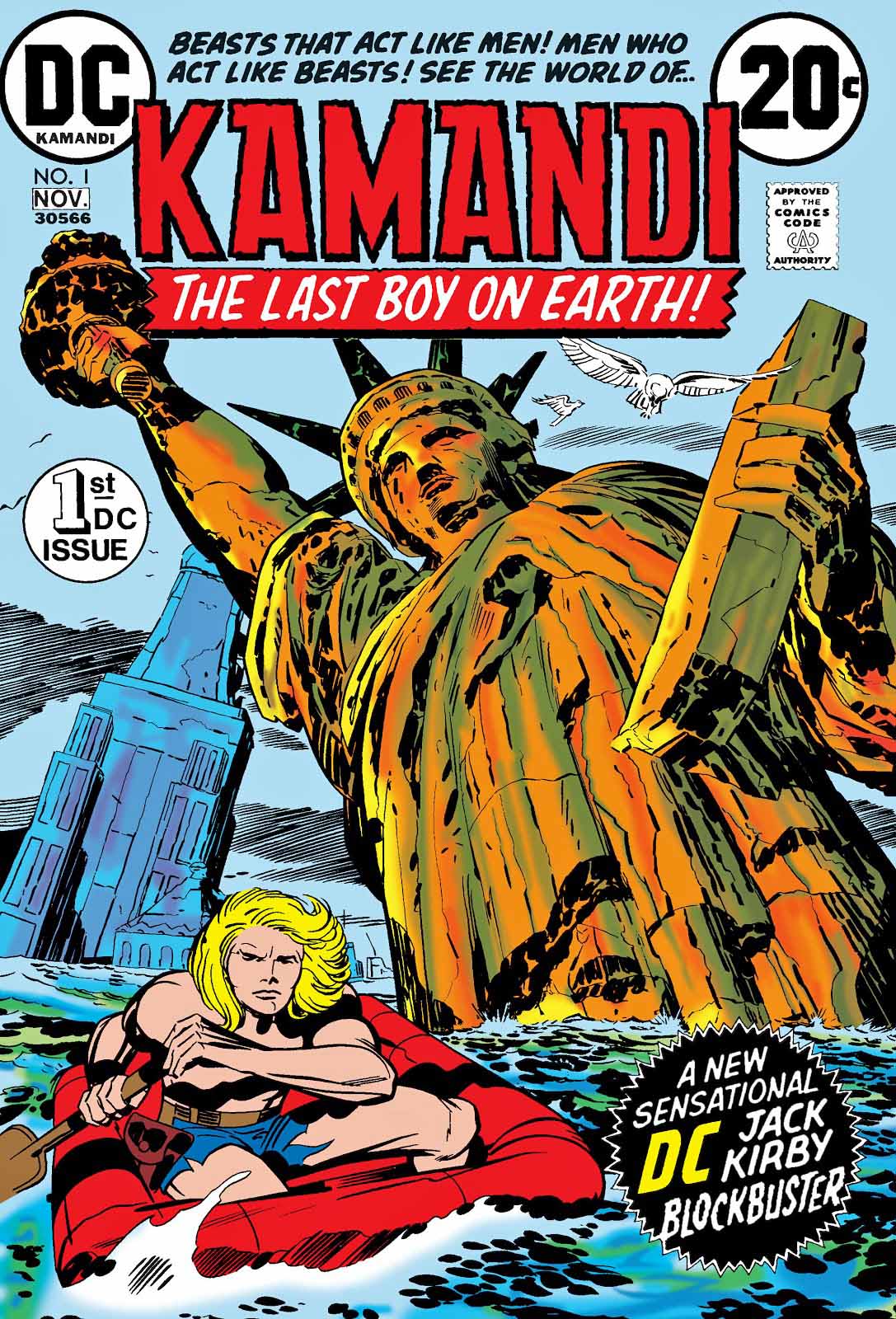
I was a huge fan of the Planet of the Apes Franchise, and when I first saw the promo image (The Comics Reader, probably) for the cover of issue #1, I became miffed.
Why would Jack rip off POTA? Was the King finally out of original ideas?
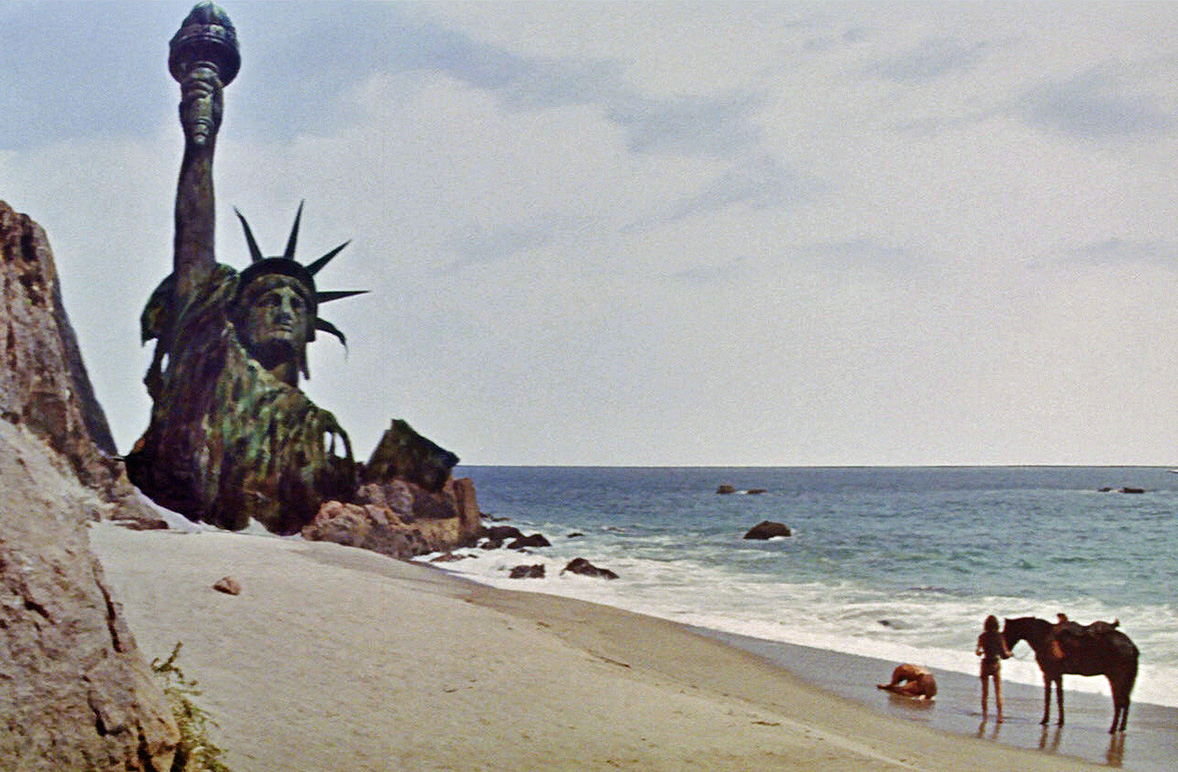
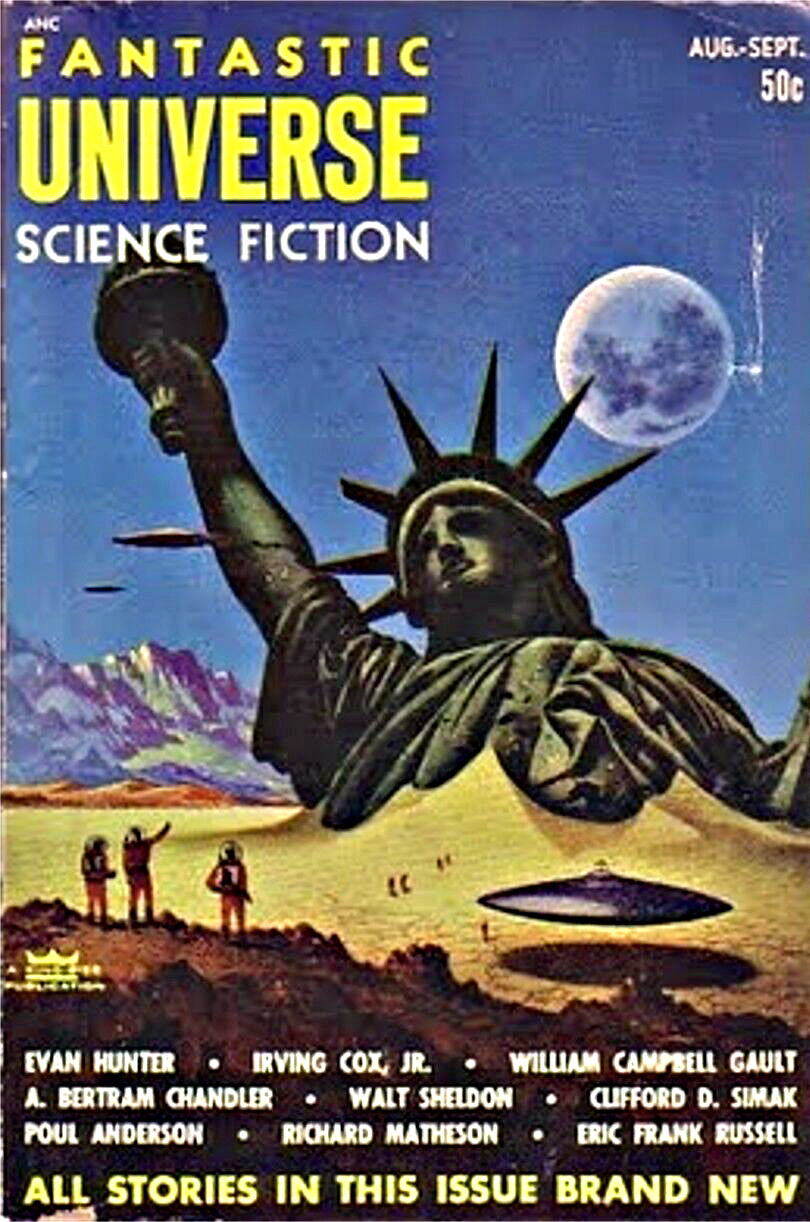
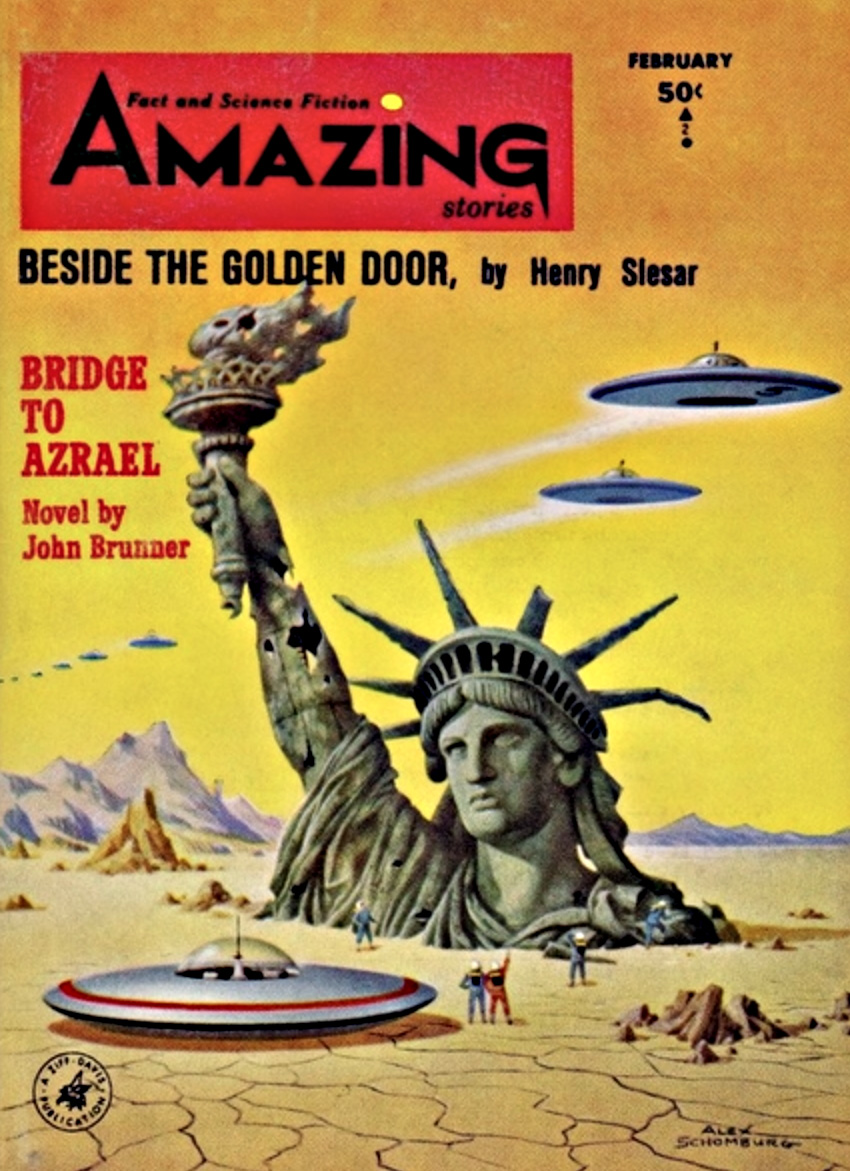
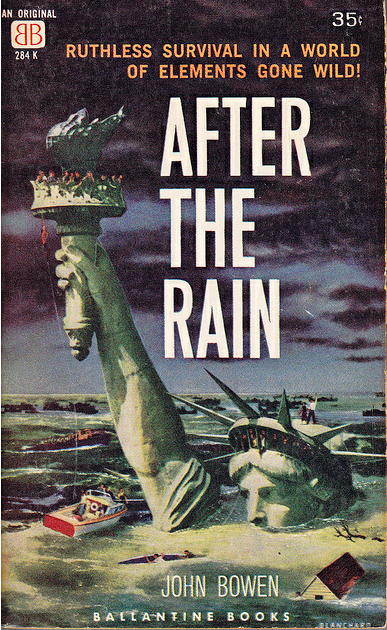
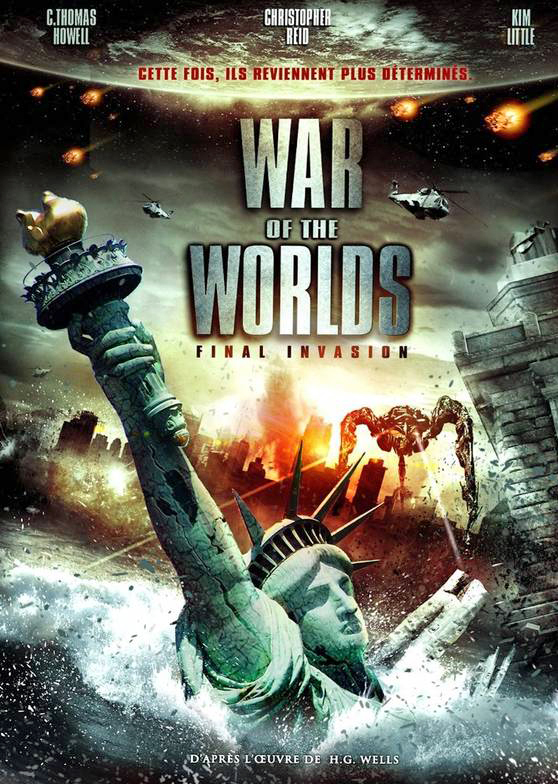
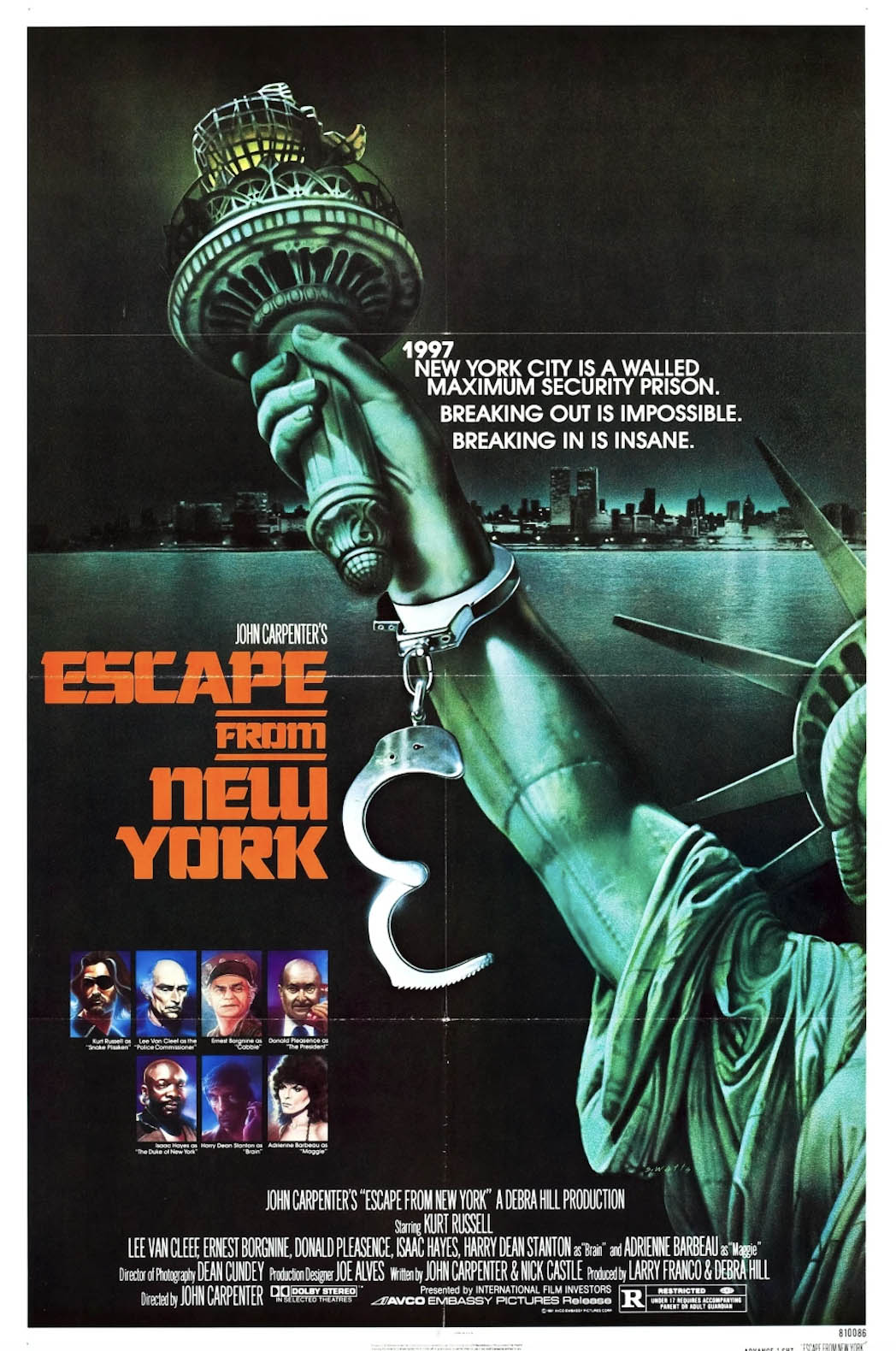
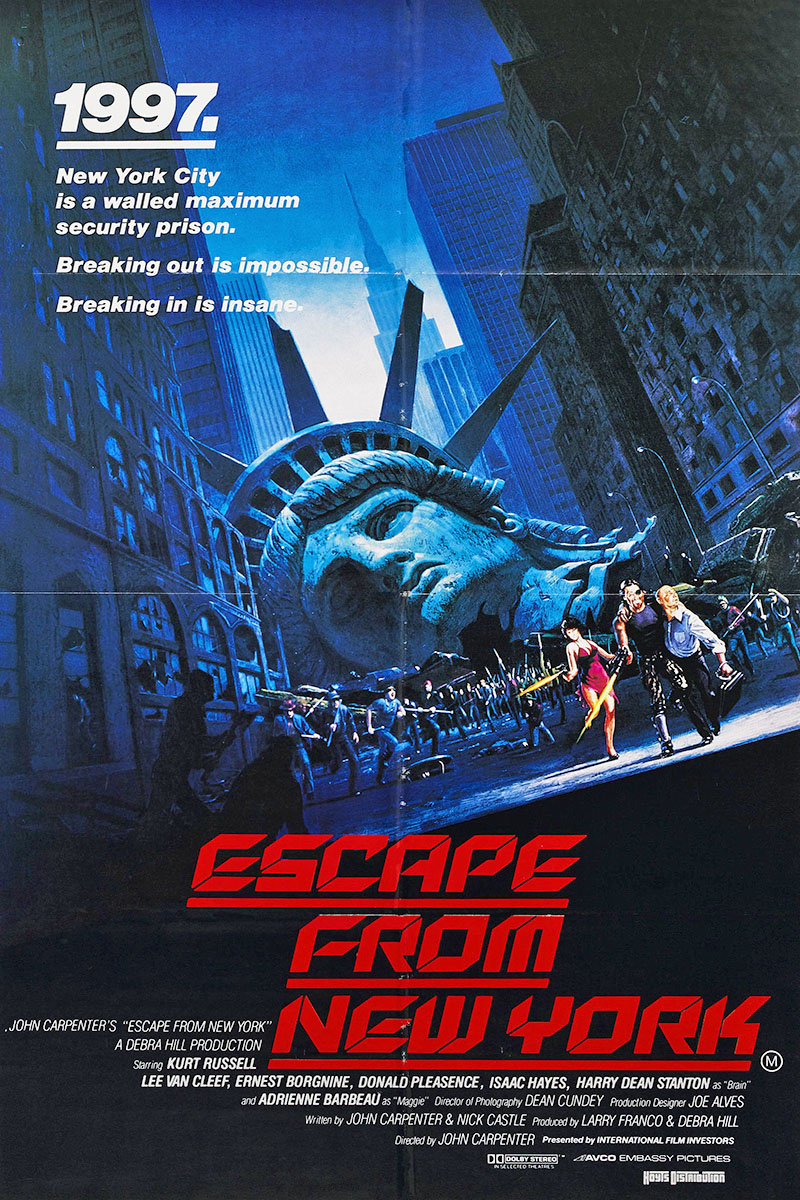
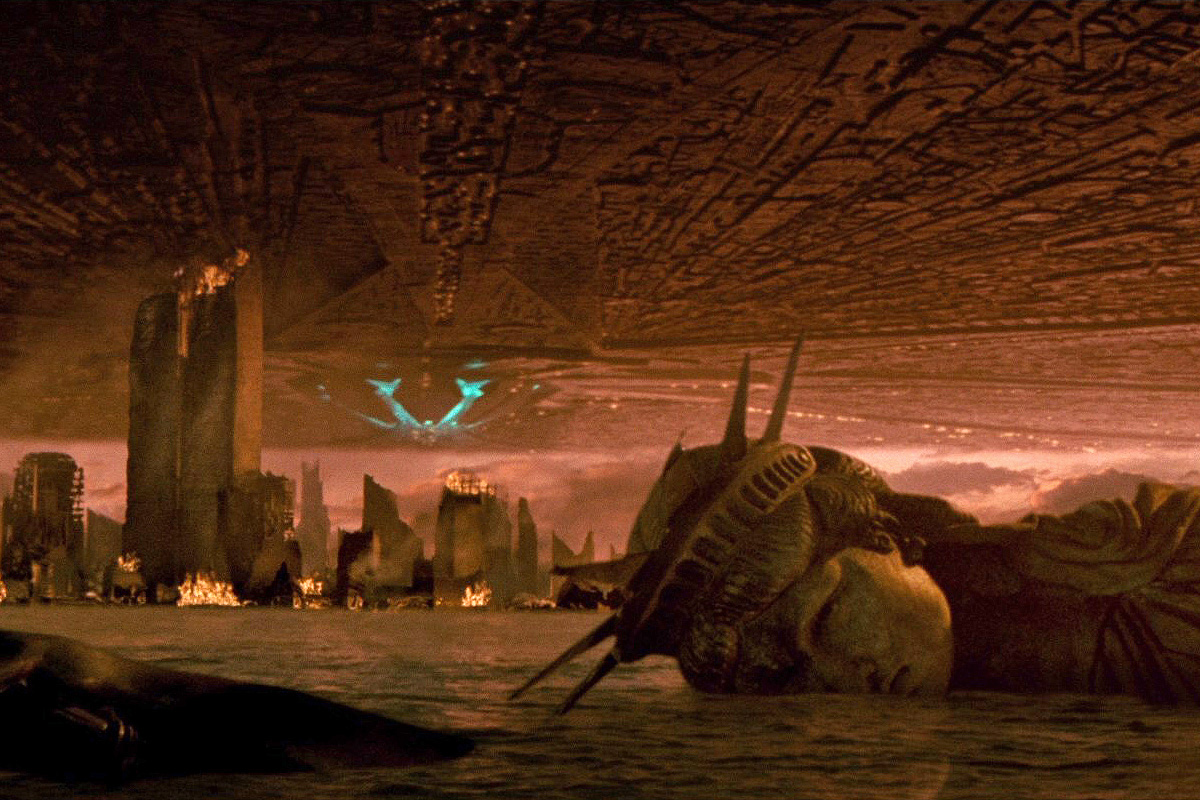
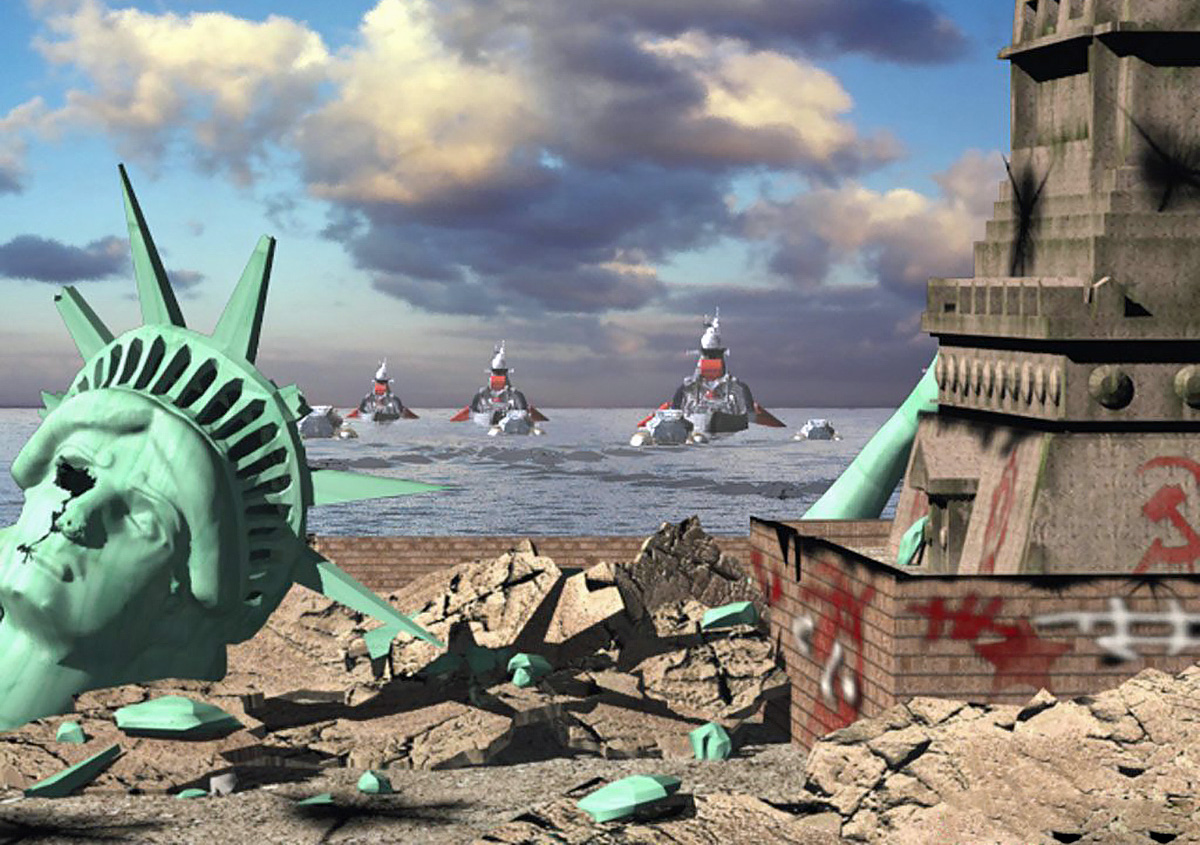
Ah to be that young and foolish again. Kamandi quickly became a favorite. And little did I know that the Statue of Liberty “end of human civilization trope was already a SF trope by the time Rod Serling incorporated into his brilliant POTA screenplay. (See below.)
And, if you’re going to end human civilization with one breed of animals develop advanced intelligence, why not do it with all of them.
Heh.
That’s why the King is the King.
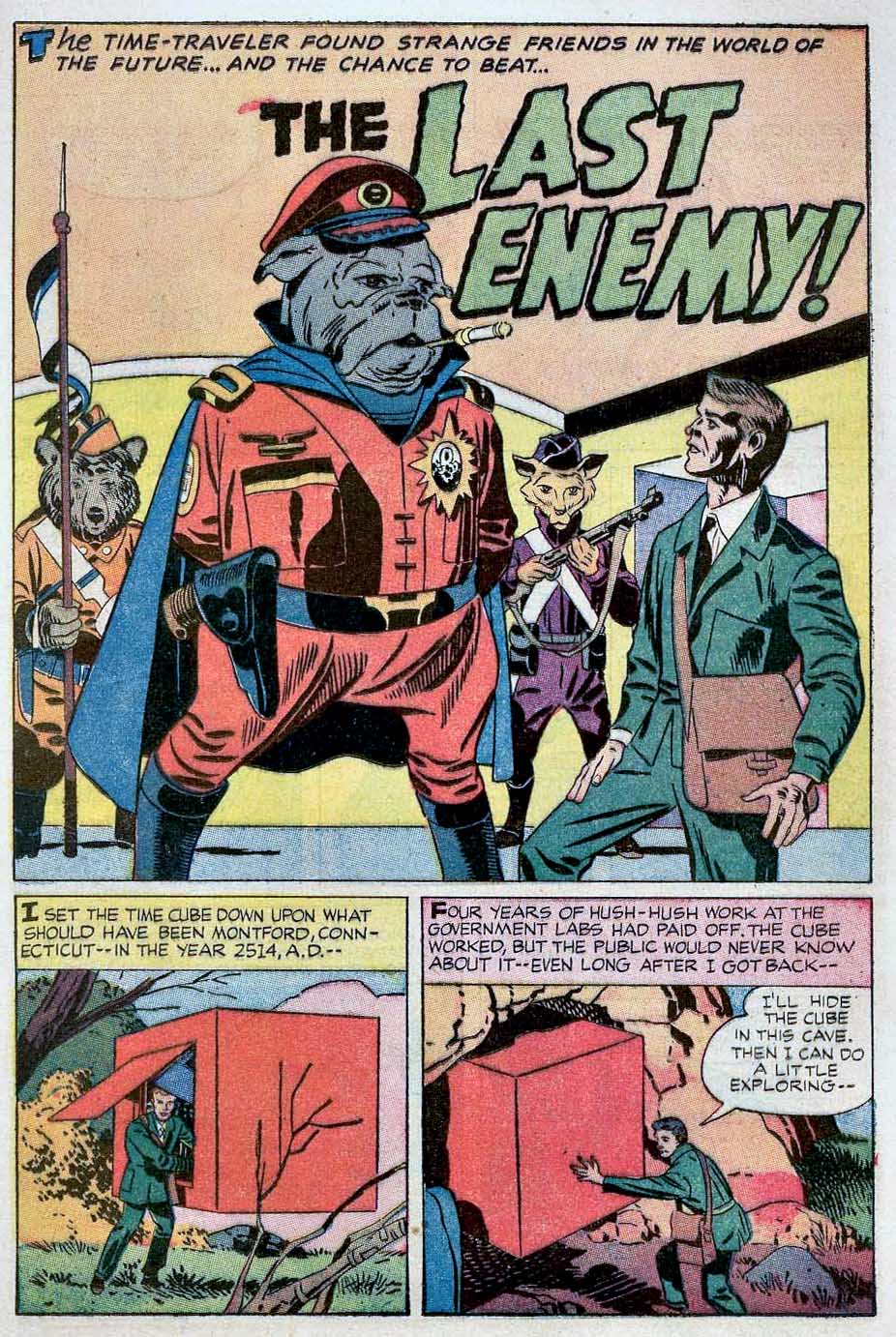
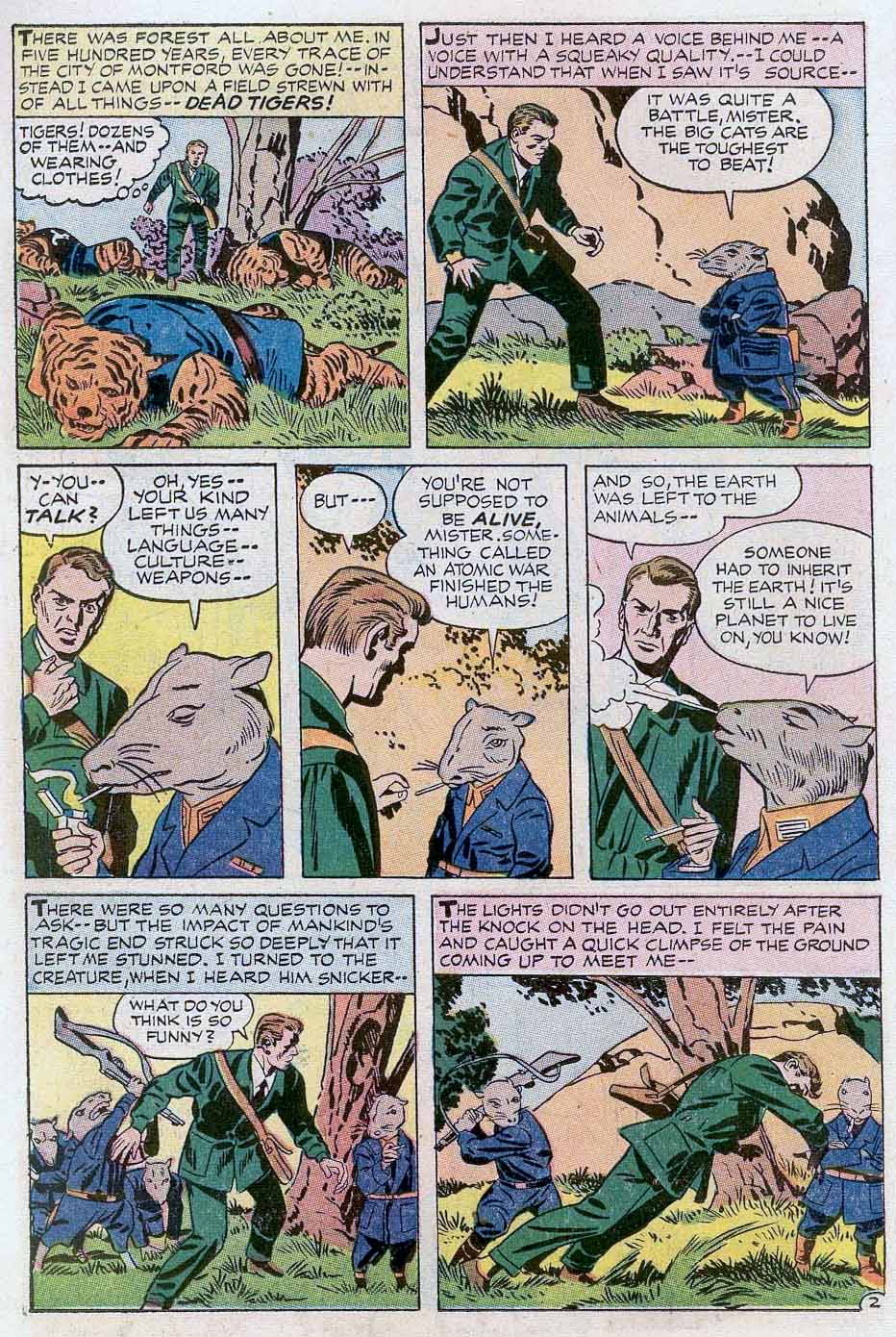
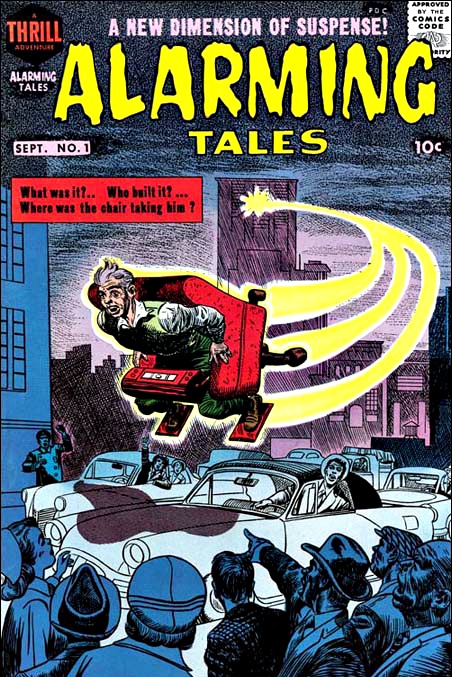
And, it gets better. Turns out Jack was incorporating some similar ideas he had previously used in a short story in Alarming Tales, 15 years prior to Kamandi. (Also, see below.)
So, what did I know? Not much, apparently. Like I said, to be that young and foolish again.
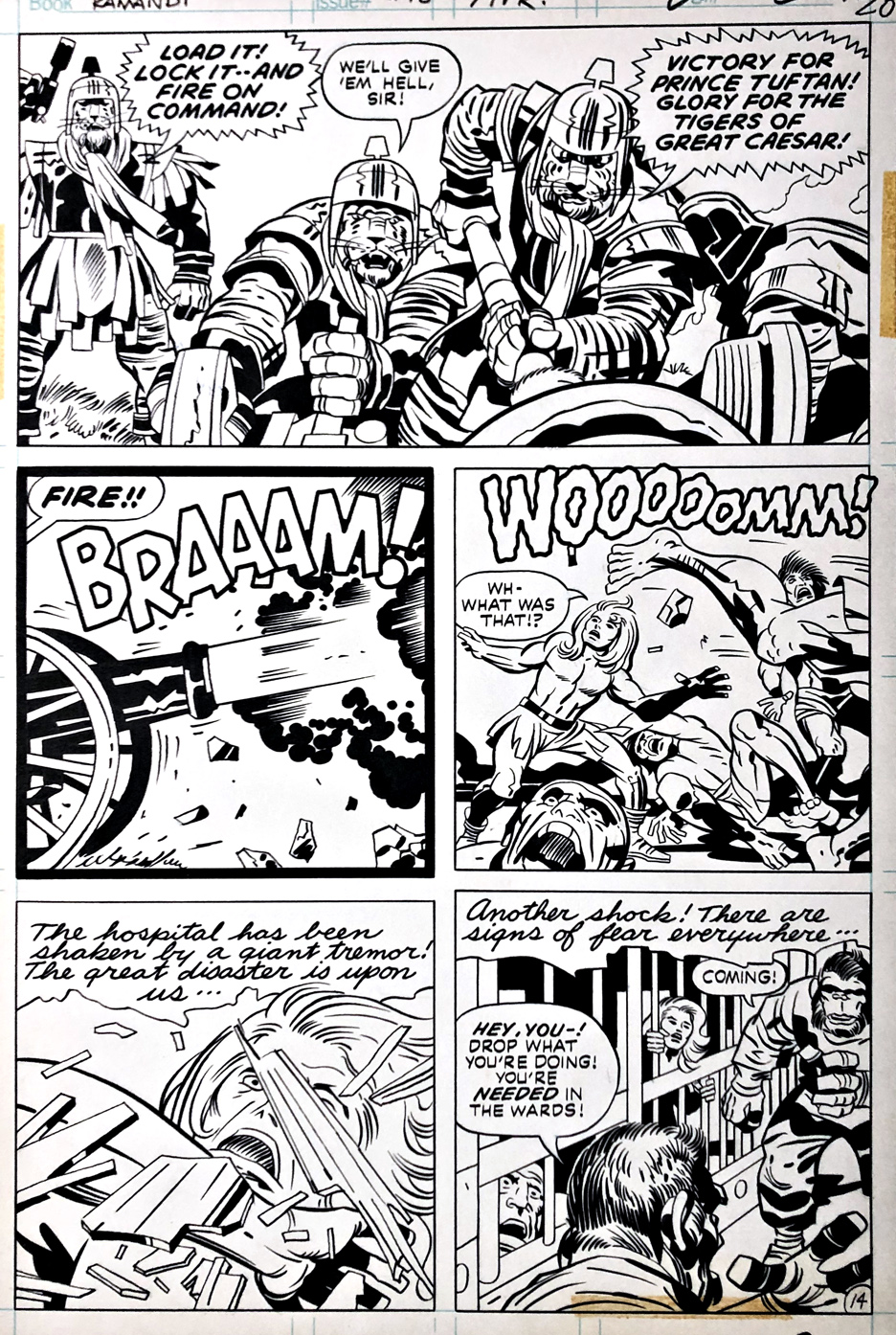
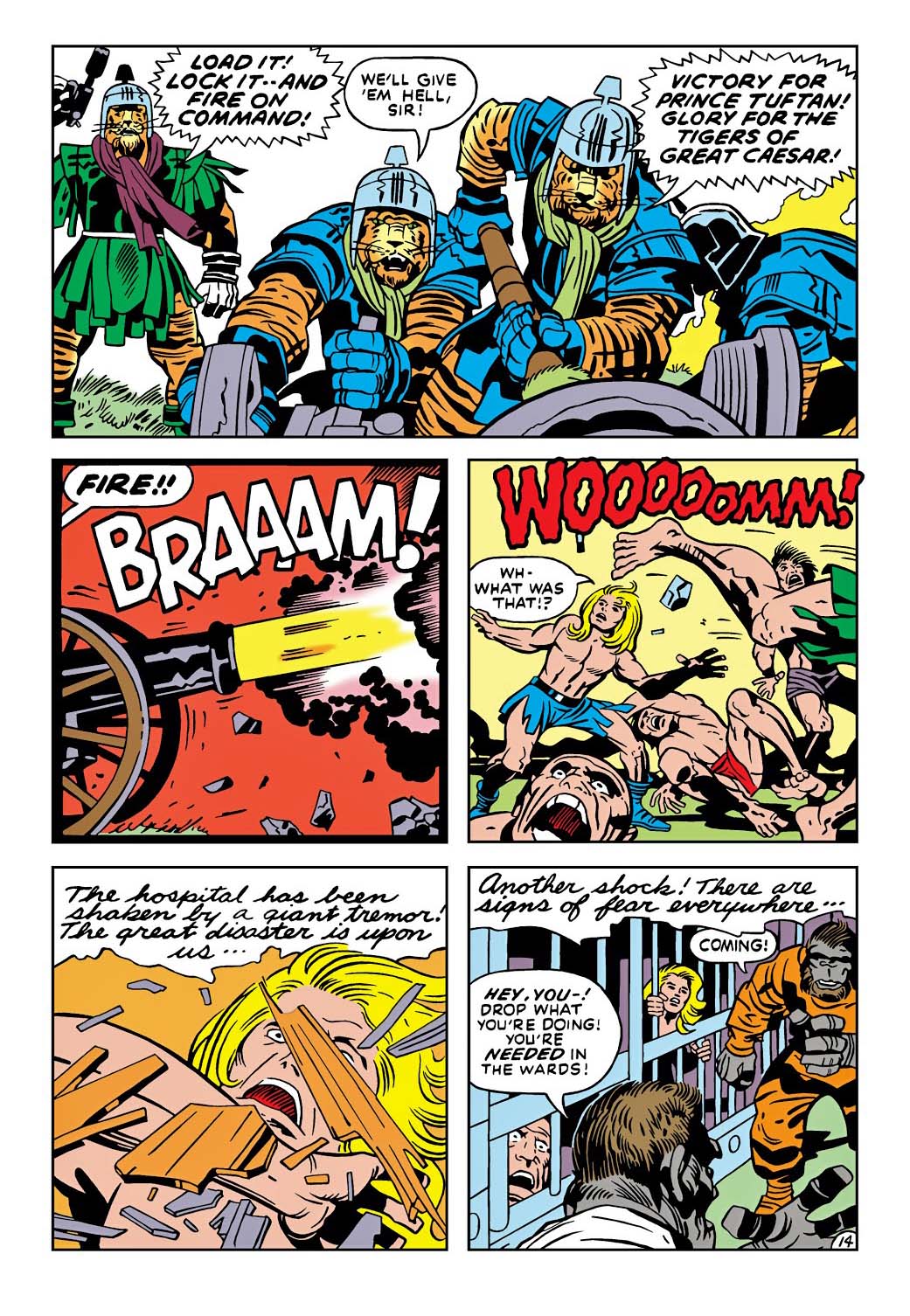
This page is the final issue Mike Royer inked, and the first that D Bruce Berry (working apprentice style) had a hand in. He took over solo the following issue. Tom Kraft of the Jack Kirby Museum believes both worked on this specific page.
Kamandi, apes and tigers — all on one page. What more could I ask for?
Now, or then.
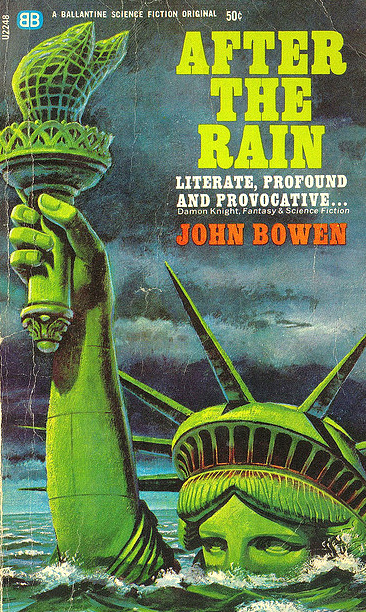
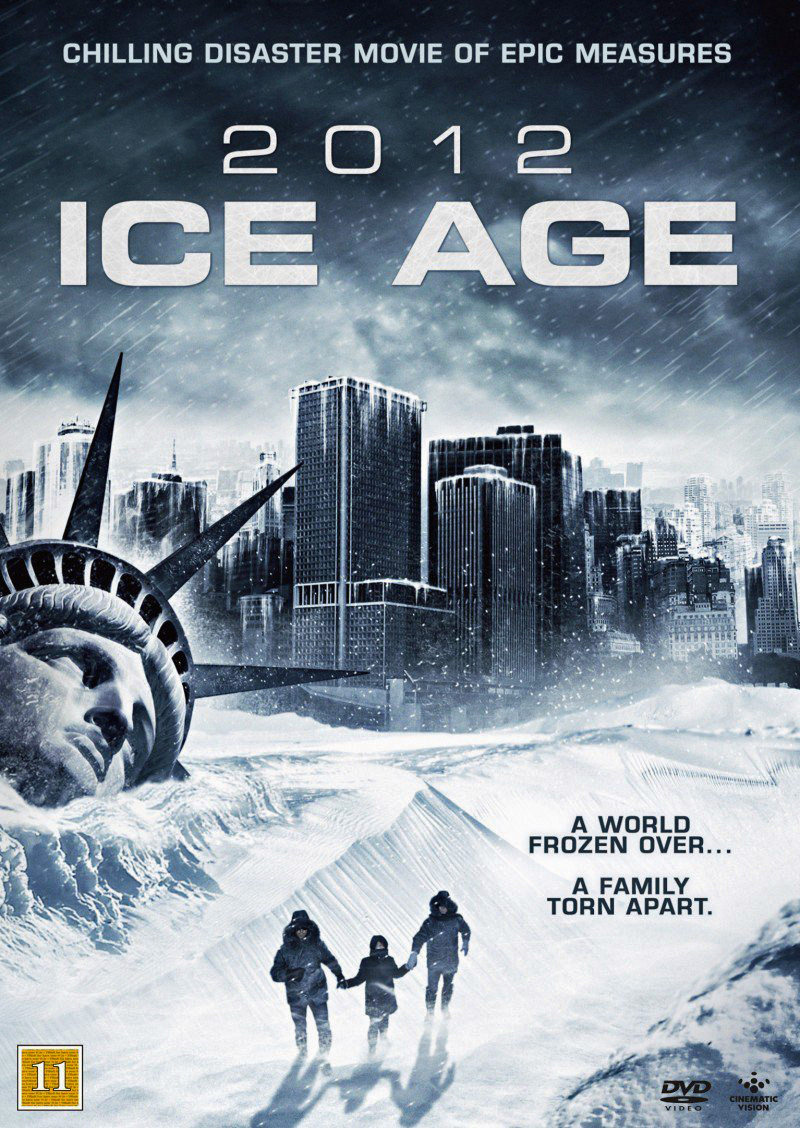
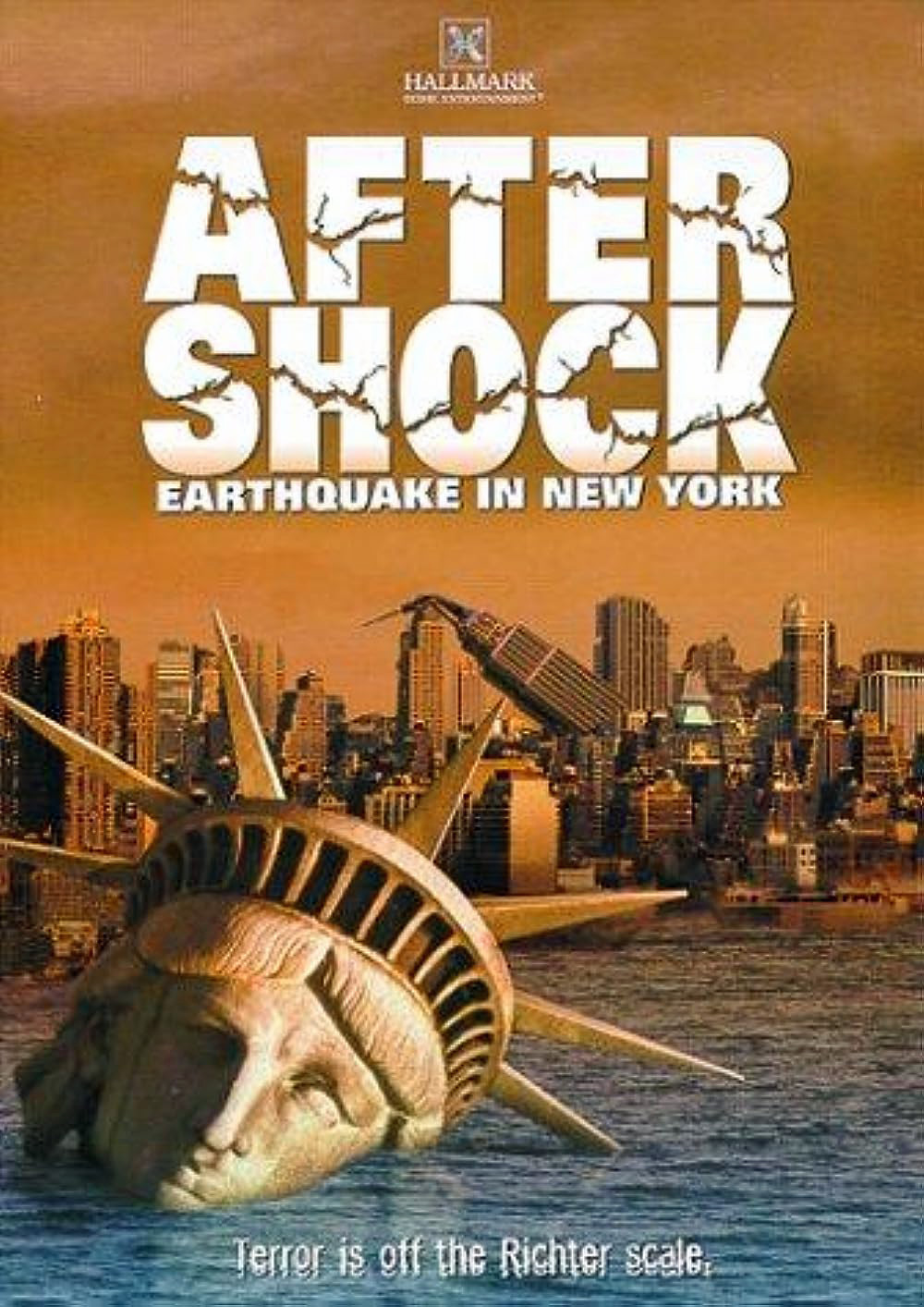
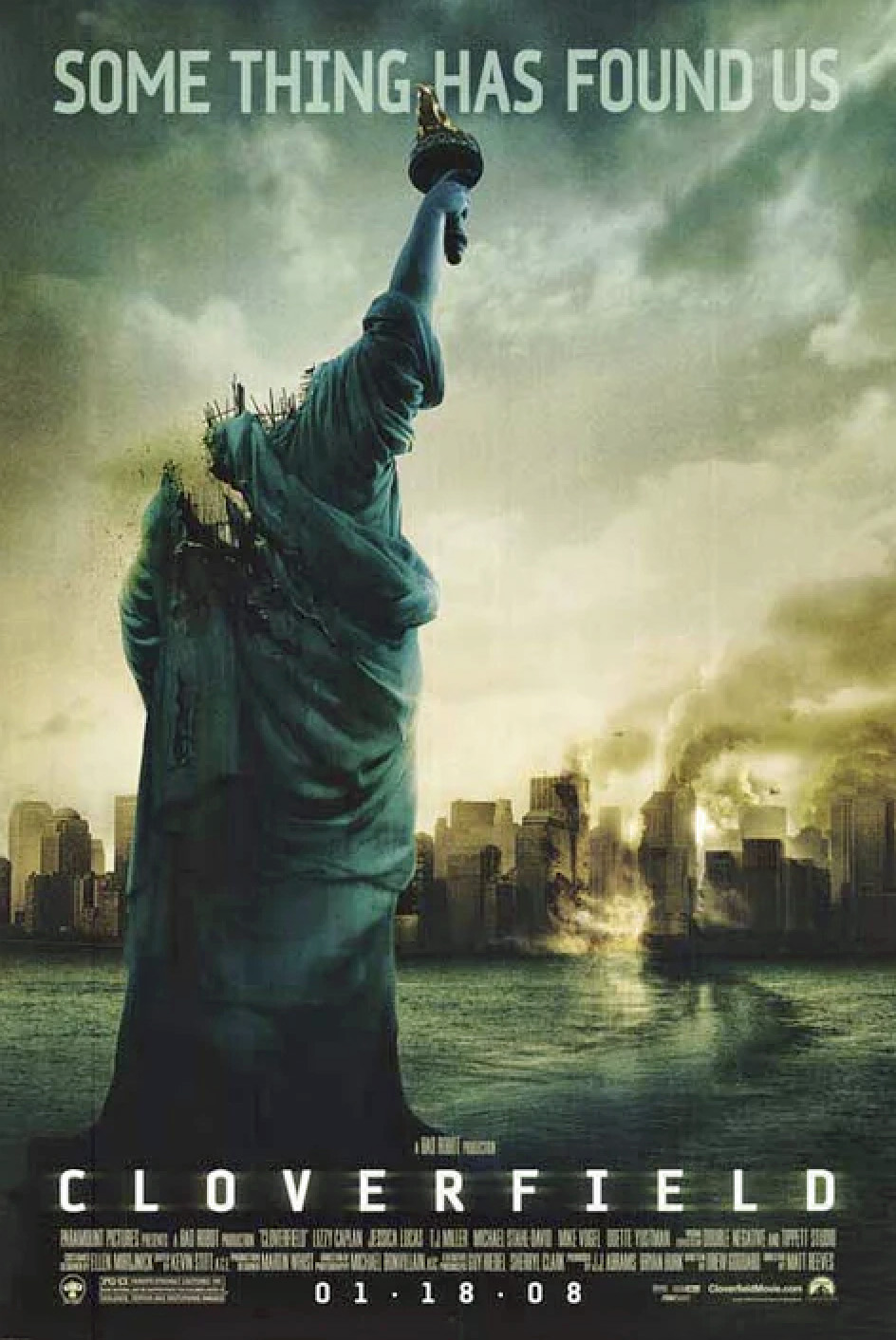
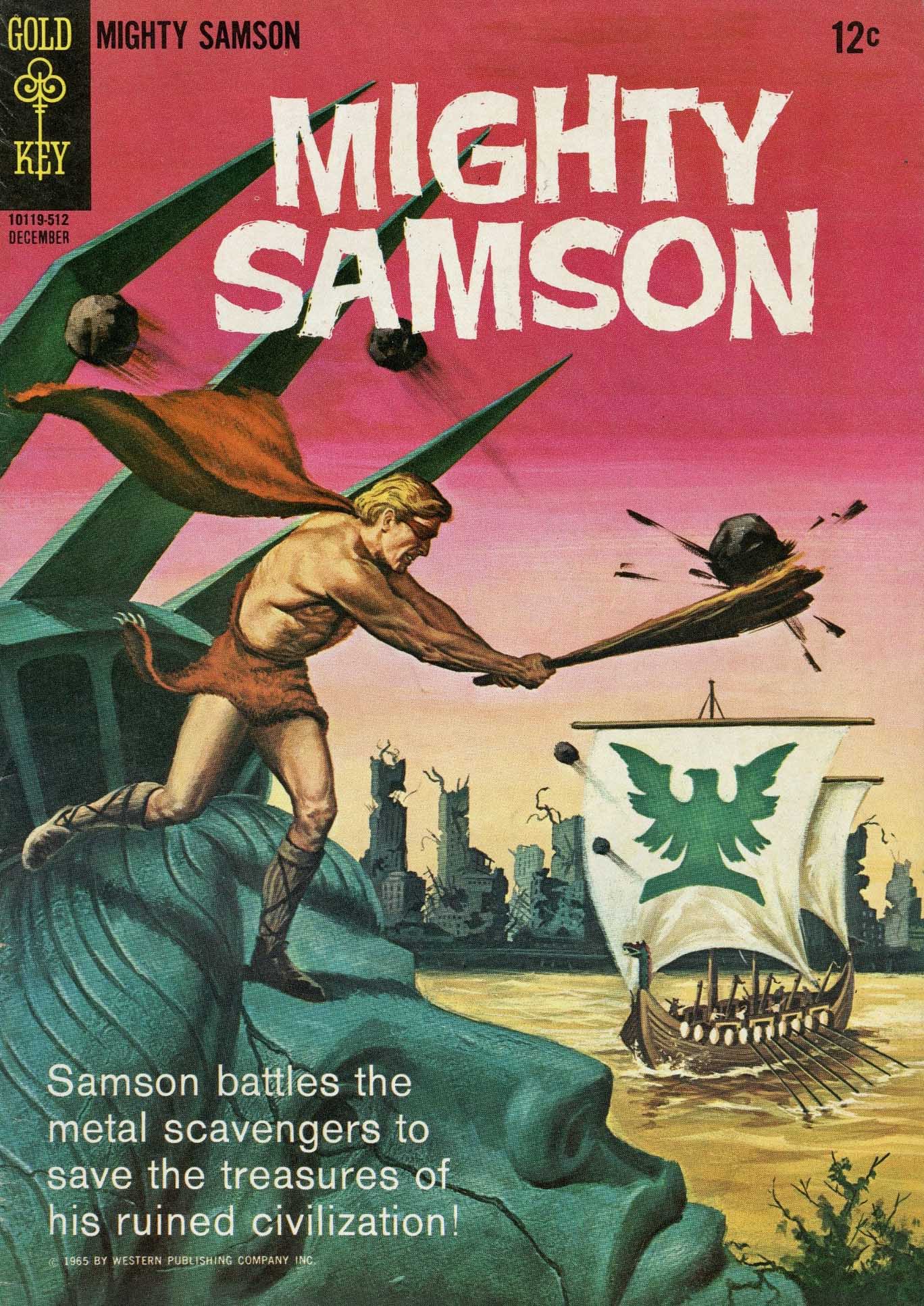
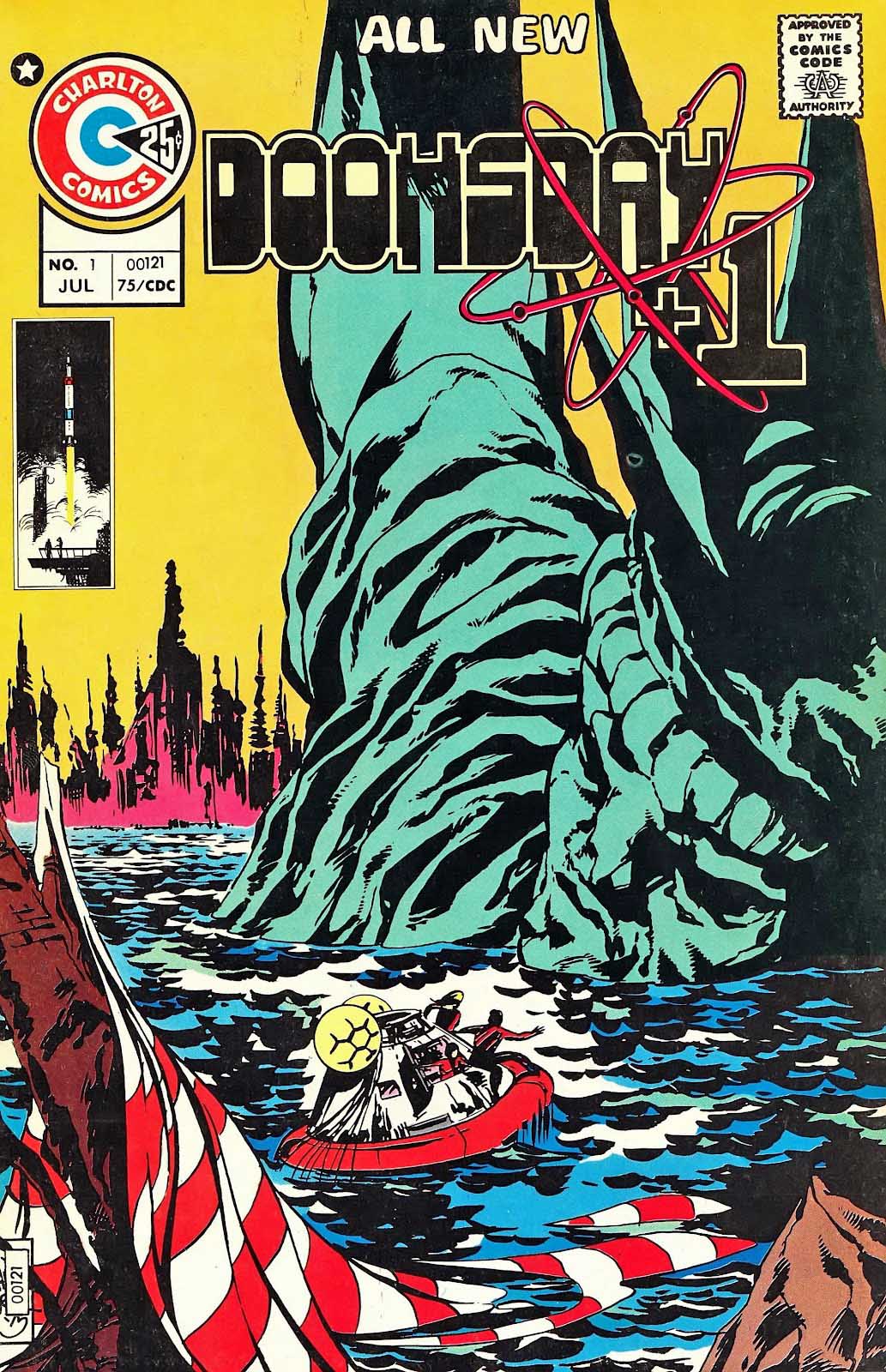
A post apocalyptic and buried (land or water) Statue of Liberty had appeared at least three times prior to the first POTA film. (I’m not exactly sure when the reprint of After The Rain first appeared, but the cover art is much stronger this time around.)A destroyed Statue has appeared countless times since Planet of Apes.Before and after comics; the dreadful Mighty Samson (1965) & John Byrne’s Doomsday + 1 (1975) cover that pays homage to Kirby and POTA.Kirby’s original tale (pun intended) of advanced animal species fighting. with each other in a post apocalyptic world first appeared in Harvey’s Alarming Tales #1 (1957.)
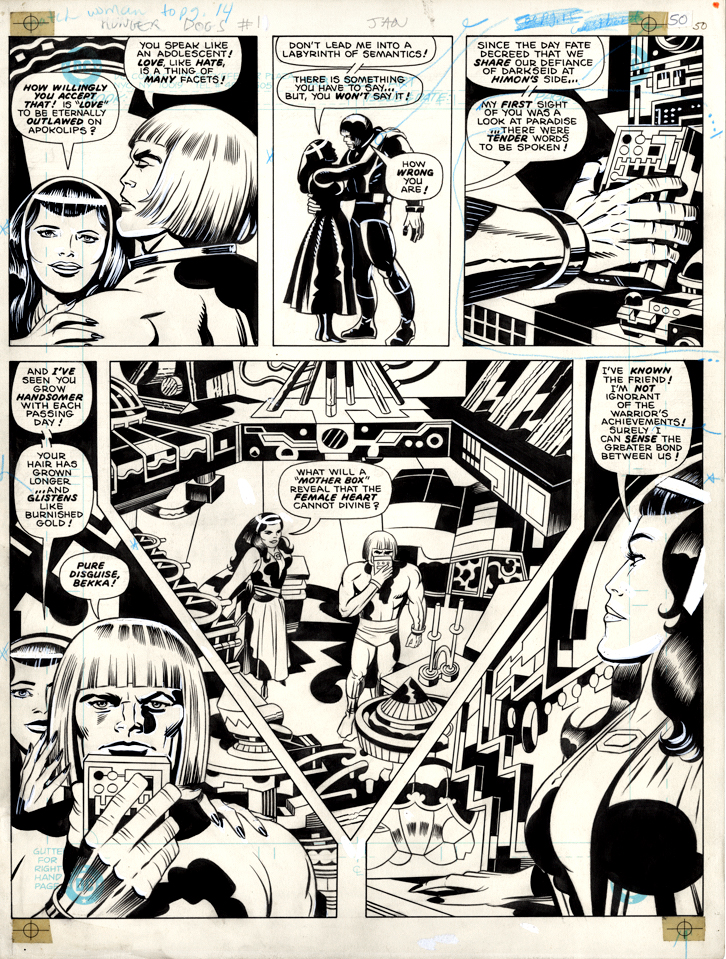
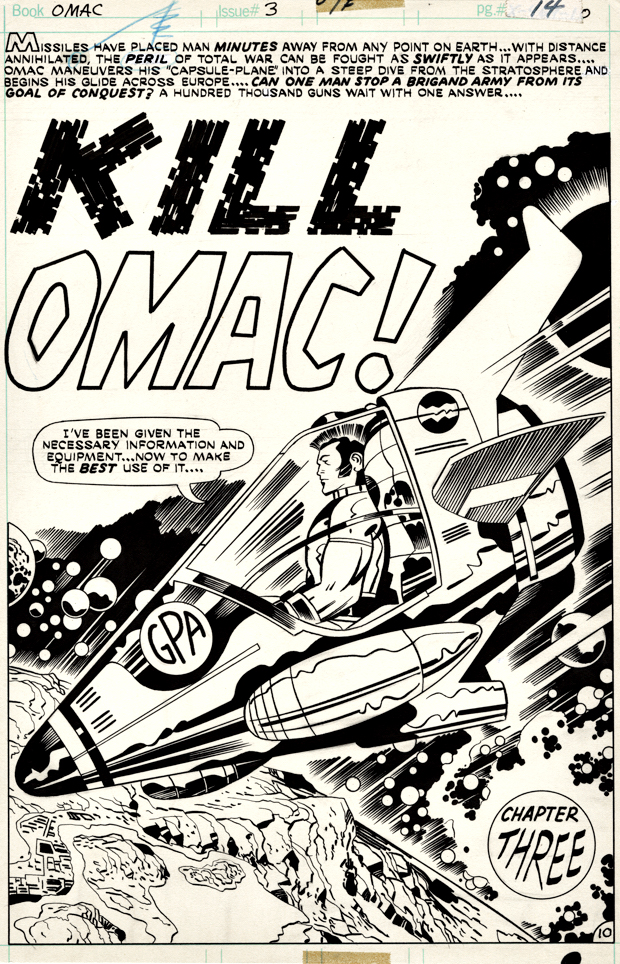
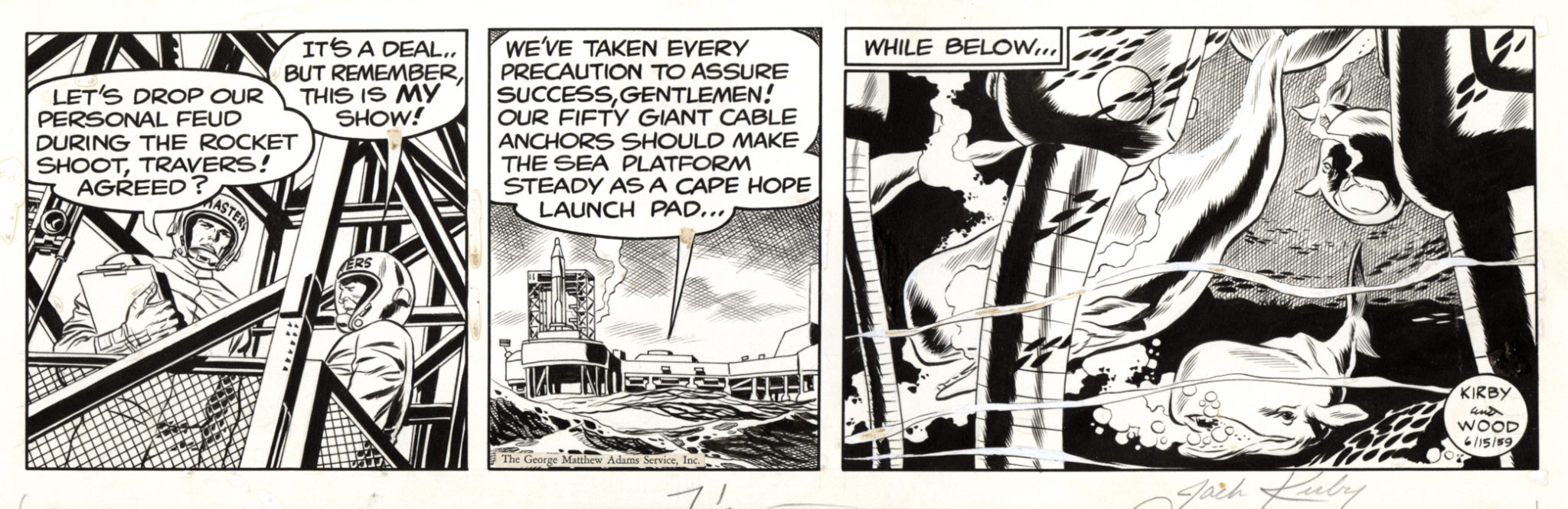
After a five-year hiatus, the legendary Jack Kirby original art presentation returns with nearly 1,000 high-res images* featuring some of the King’s most important pages and covers. Join myself, the legendary Walter Simonson, the incredible Scott Dunbier (at least 80(!) IDW Publishing Artist Edition collections under his editorial belt — I’ve lost count) for a Kirby tribute unlike any other.
Baltimore Comic Con 9/8-9/10, exact time and panel room location TBD.
(*Yes, nearly 1,000. It’s an hour-long presentation, so if you blink, you’ll miss a few.)
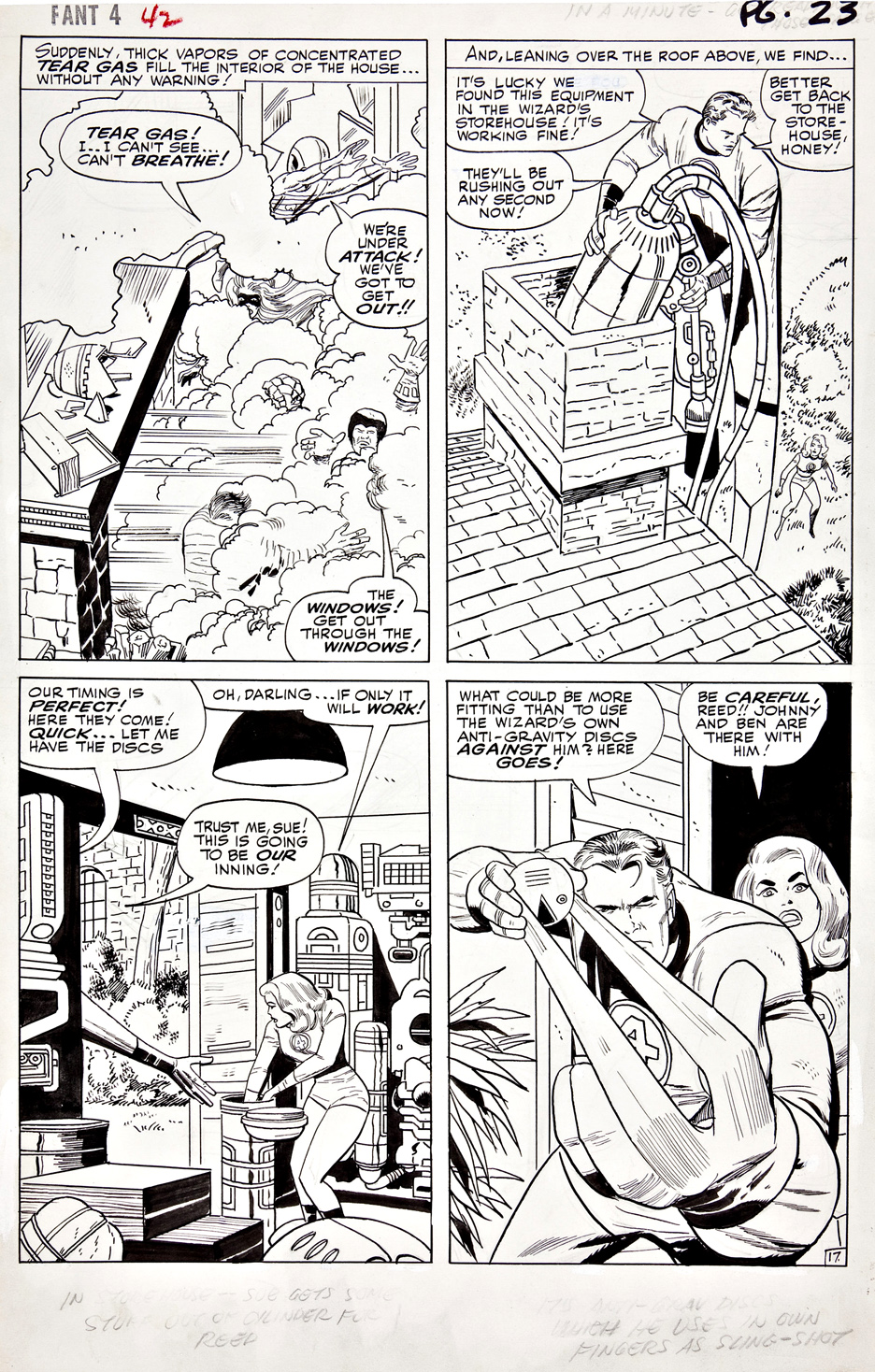
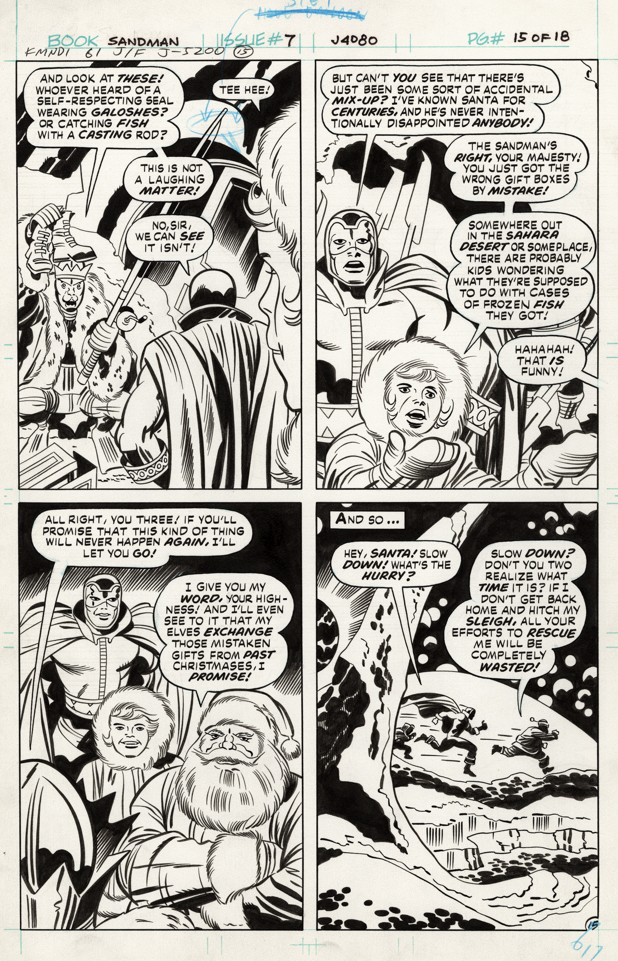
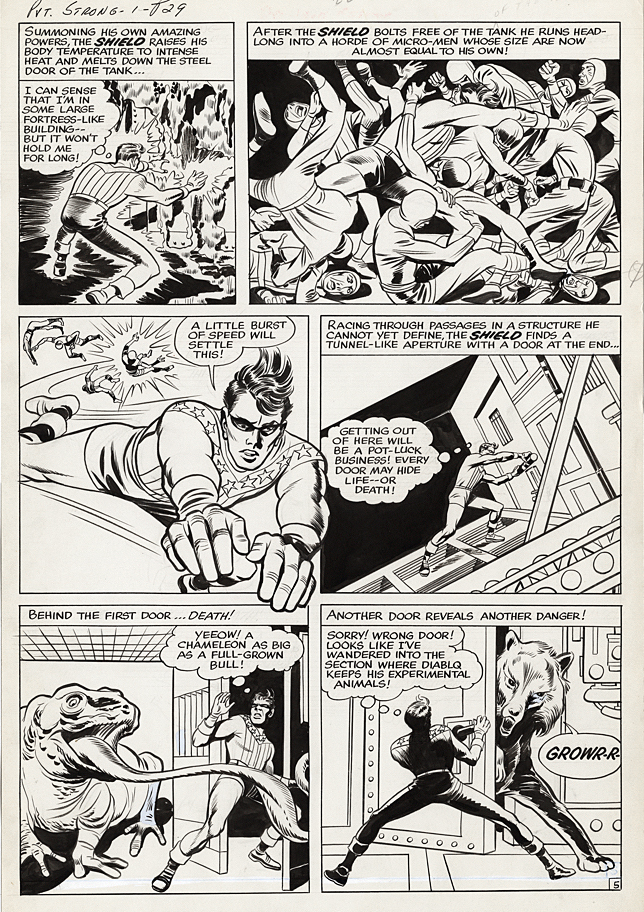
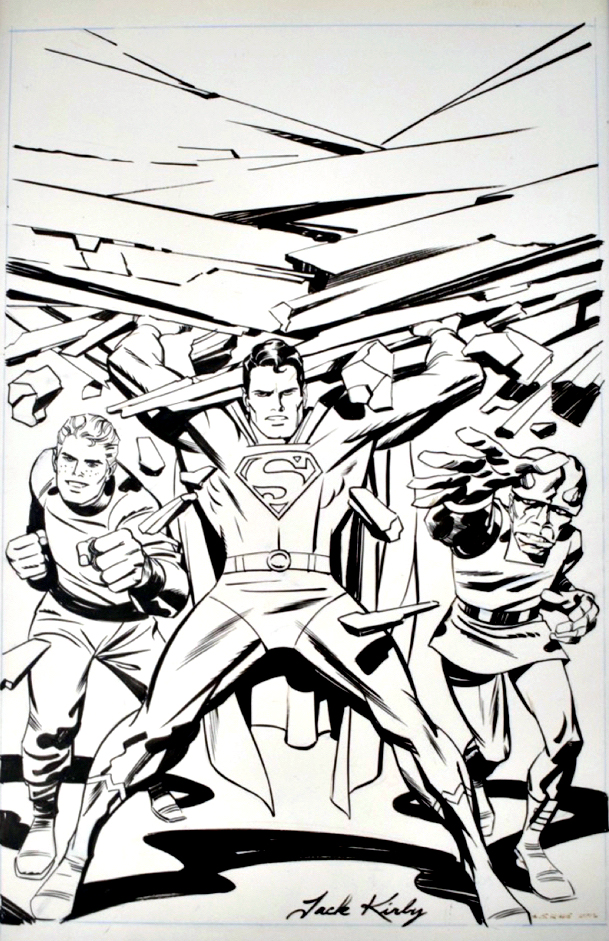
In the meantime, I’m fortunate enough to personally own a few pages of Jack’s original art and have covered most of them previously in the blog, but here they are in one place for the first time.
If you want to see them and much more, simply enter “Jack Kirby” into the blog search bar.
It was my turn to chat with Comic Art Fans (CAF) moderator Bill Cox this past Tuesday. We ended up talking about lots of interesting comic book publishing history… plus some great art. You can watch it directly through the link below:
And speaking of comic book history…
In celebration of 50 years of the creation of the comic book specialty distribution market, Milton Griepp of ICV2 is featuring a series of interviews with early “pioneers” in the business. The day before this past SDCC, my interview (video and print) appeared. If you’ve got some down time (Ok, if you’re bored with pretty much everything else on-line at the moment), please join me down the rabbit hole.
Good timing on the publication of the interviews; I am personally celebrating 40 years of professional contributions to the popular entertainment arts (Topps, IDW Publishing, Activision, et al) in one media format or another.
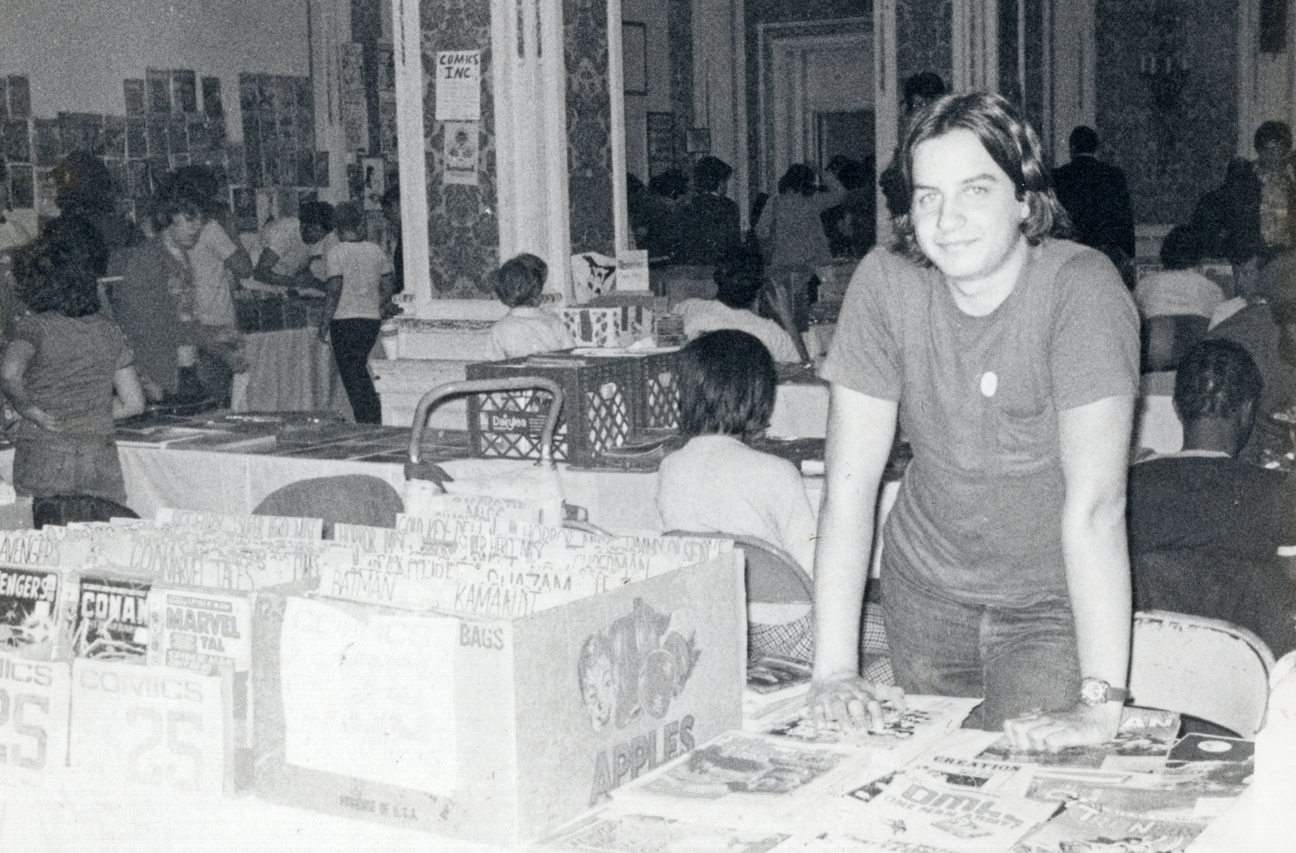
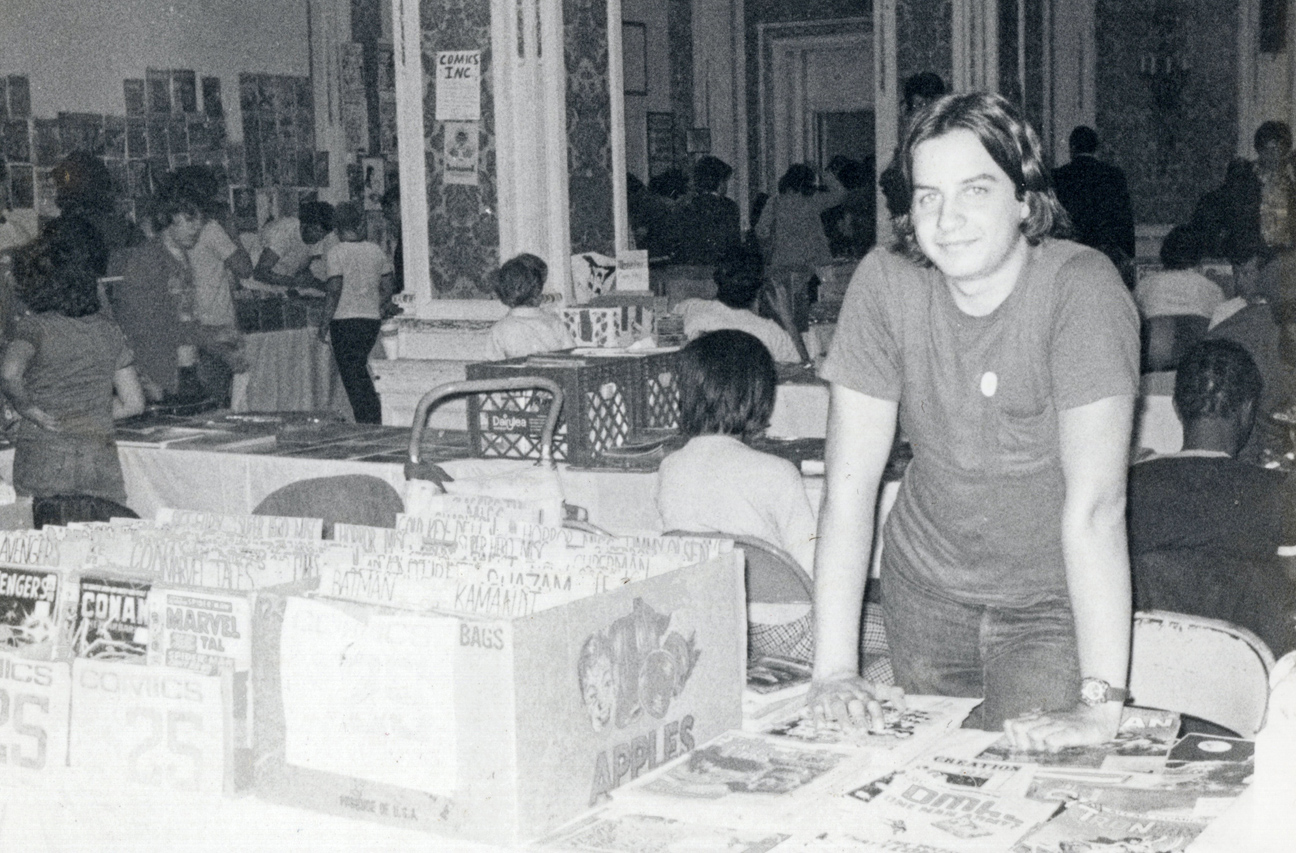
Teenage Greg (photo is October 1975, at Phil Seuling’s monthly Comic Book Marketplace show in New York City) would be very amused, if not startled.
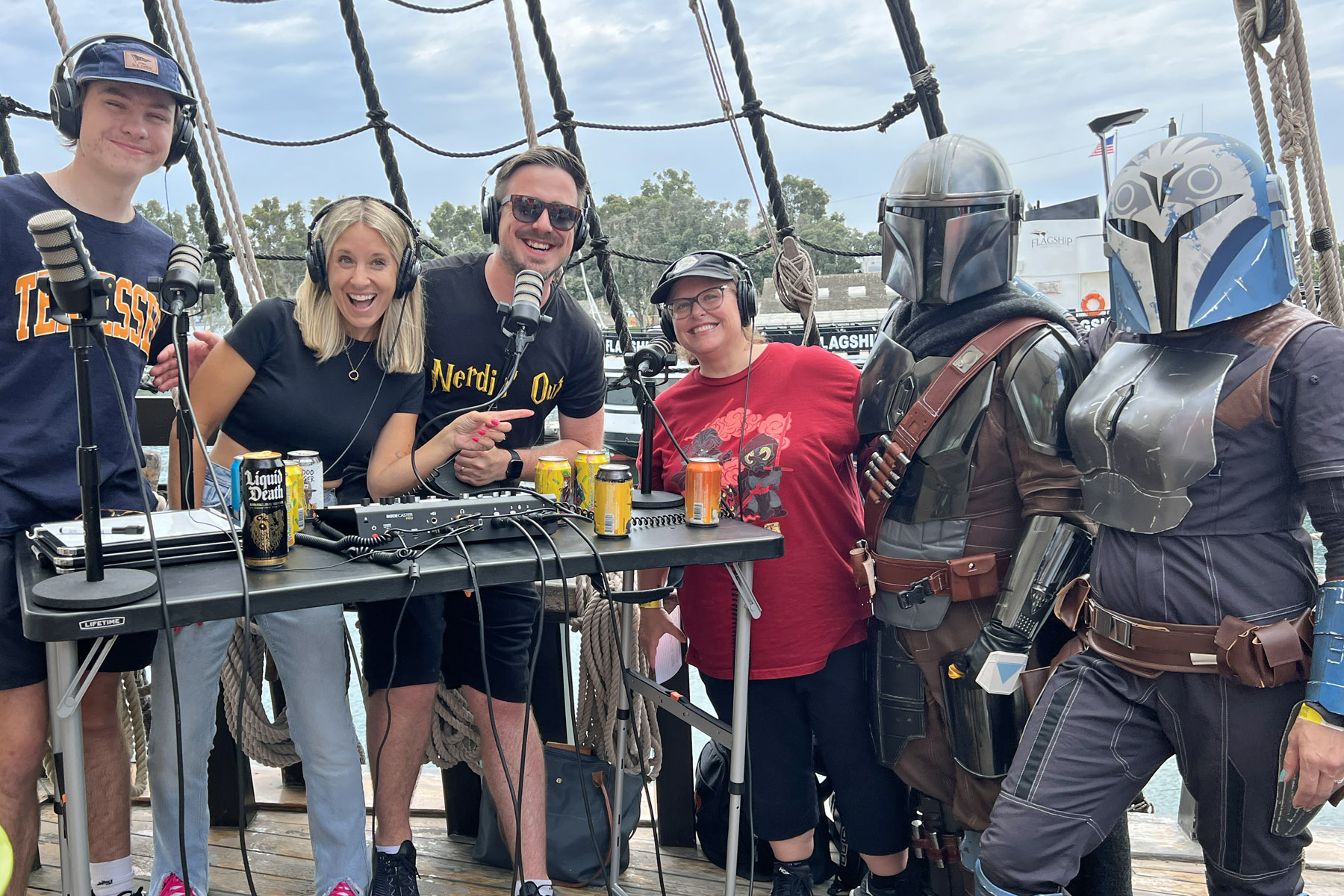
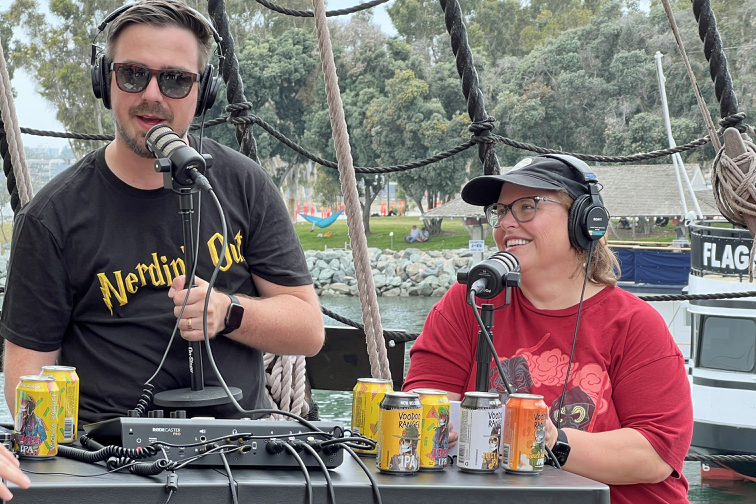
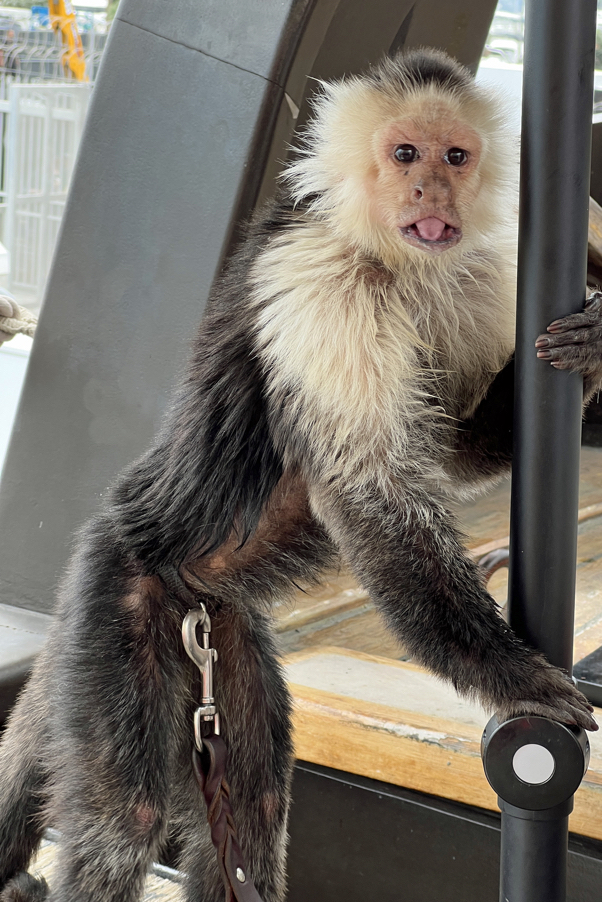
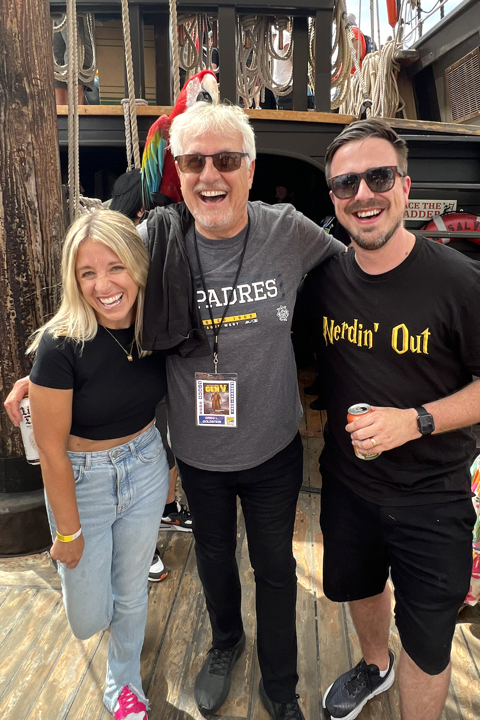
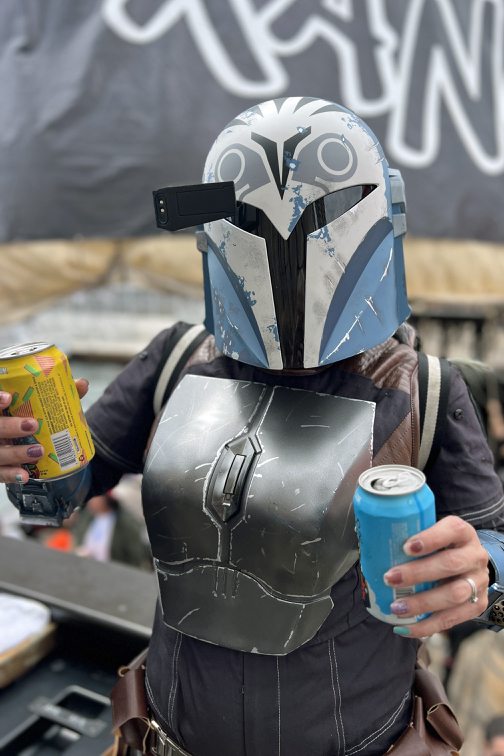
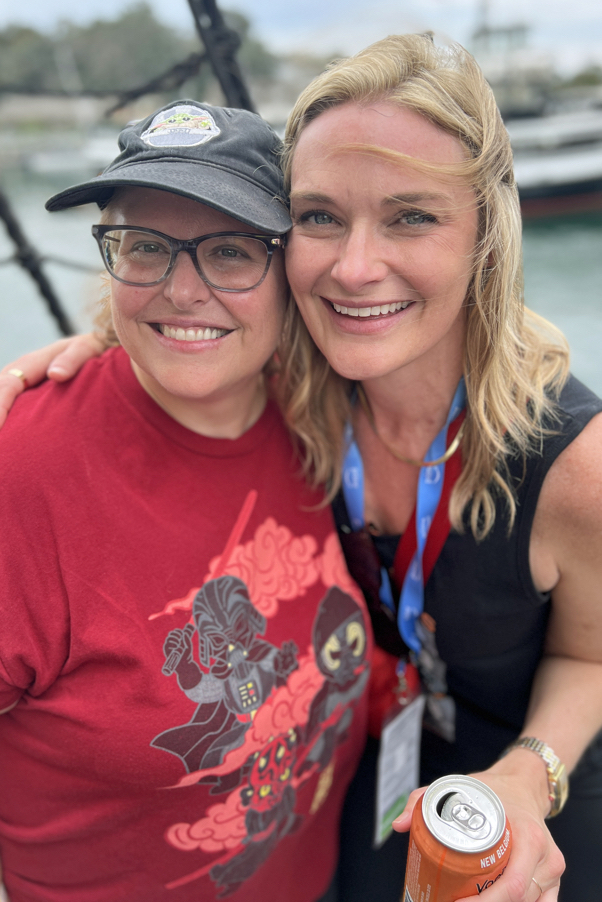
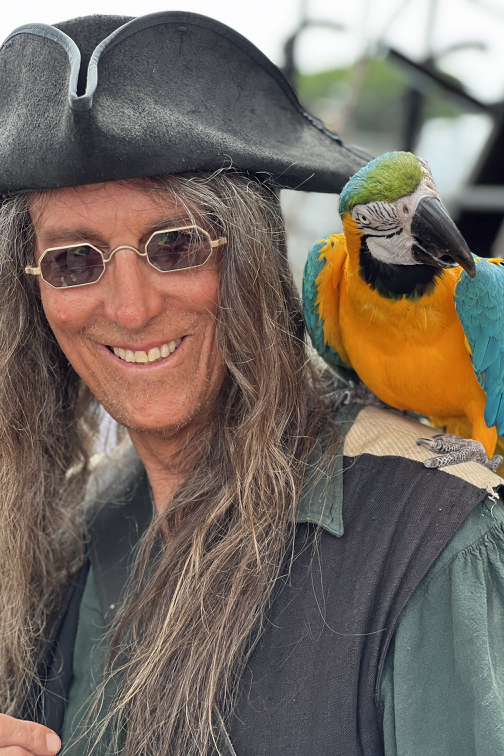
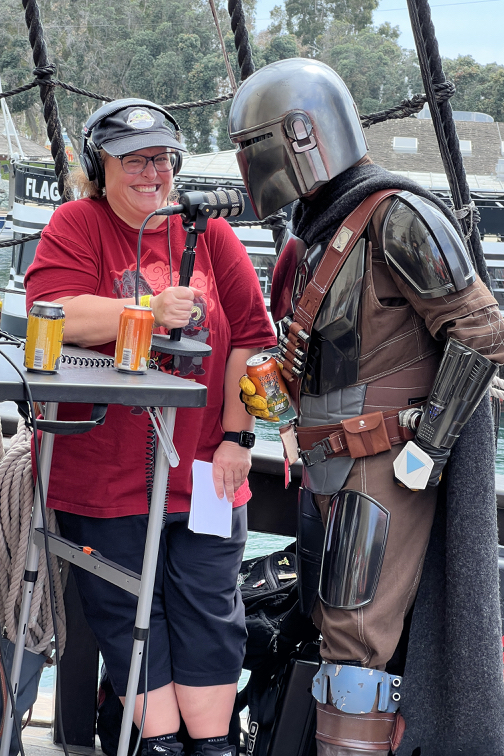
Live from the Voodoo Ranger Pirate Ship, Saturday July 22, 2023 — The Nerdin’ Out Podcast featuring Ravey, Cameron, Courtney, the rest of the great cast and crew, plus… pirates, parrots, a monkey and.. beer!
What does this have to do with comic art and/or graphic novel history?
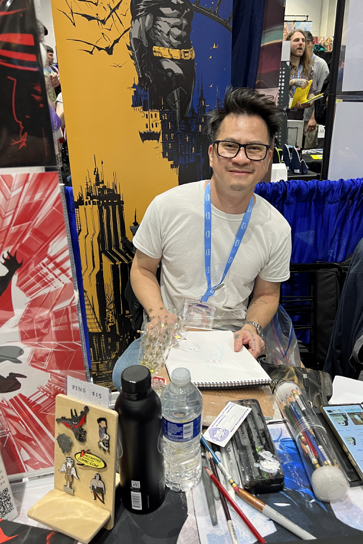
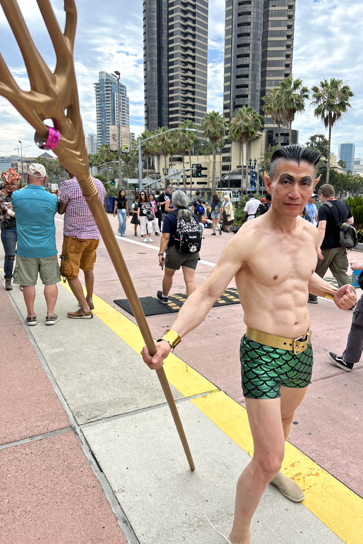
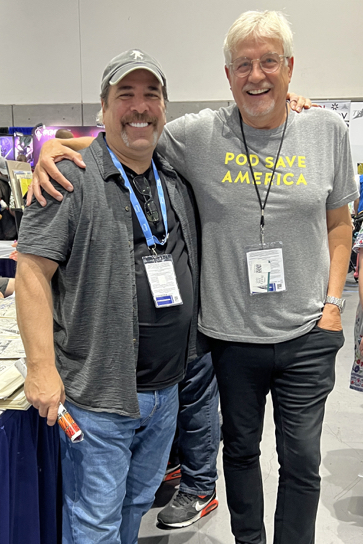
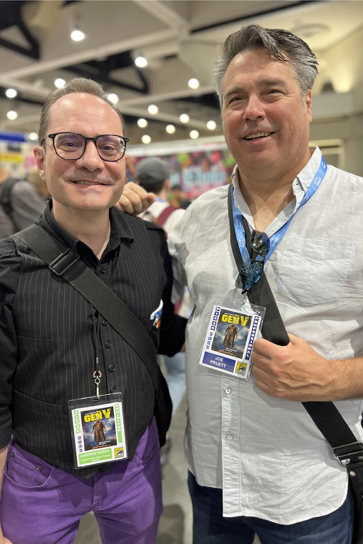
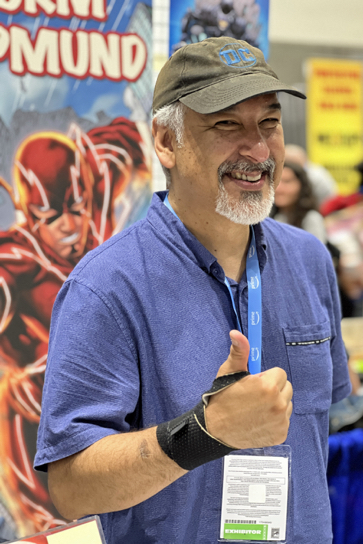
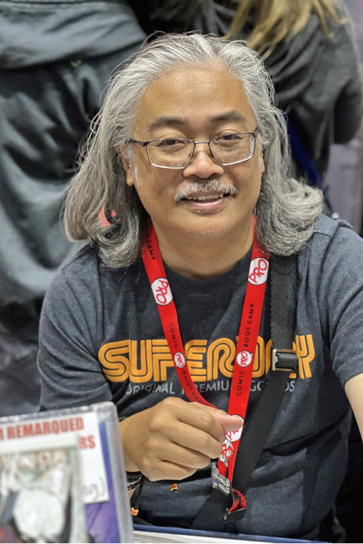
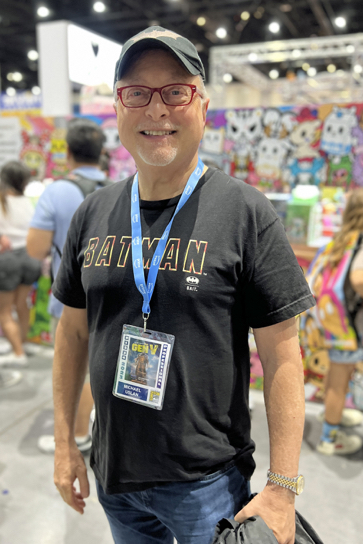
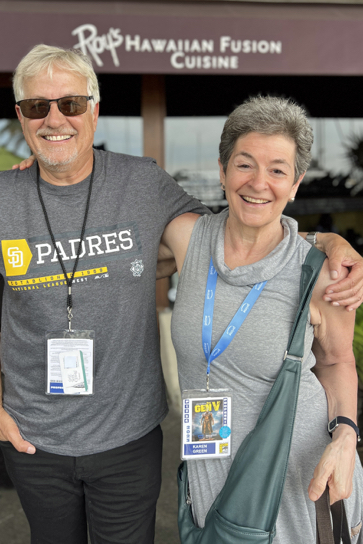
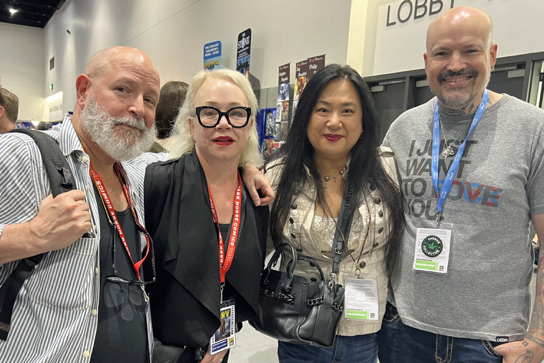
Marion Copeland and David HedgecockDave McKeanDustin NyguenWith Jimmy PalmiottiRyan OtleyAndrewPepoy and Joe PruettNorm RapmundWhilce PortacioSteve McGarryTed Adams and Beau SmithMichael UslanBrian Walker, Karen GreenTom Zahler
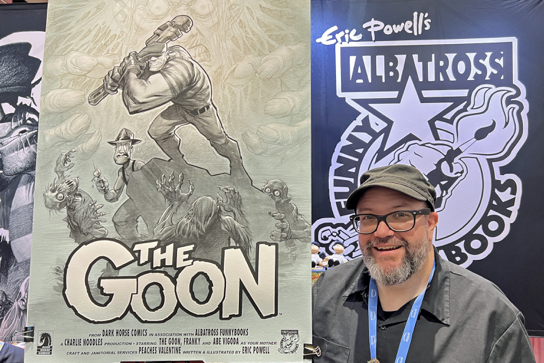
Mike Burkey (“Romitaman”), Jimmy Palmiotti, Scott DunbierMitch Gerads, Tom KingBen StenbeckEric PowellMike and Christine Mignola, Joyce Chin,Dan FragaScott MorseMilton Griepp, Maggie Thompson, Bill Schanes, Mike Richardson
In celebration of 50 years of the creation comic book specialty distribution market, Milton Griepp of ICV2 is featuring a series of interviews with early “pioneers” in the business. Yesterday, my interview (video and print) appeared. If you’ve got some down time (Ok, if you’re bored with pretty much everything else on-line at the moment), please join me down the rabbit hole.
Good timing on the publication of the interviews; Today is the first day of San Diego Comicon, and although I won’t be behind a table, and it won’t be as musty,I will indeed be celebrating more than 50 years of contributions to the popular entertainment arts (Topps, IDW Publishing, Activision, et al) in one media format or another.
Teenage Greg (photo is October 1975, at Phil Seuling’s monthly Comic Book Marketplace show in New York City) would be very amused, if not startled.
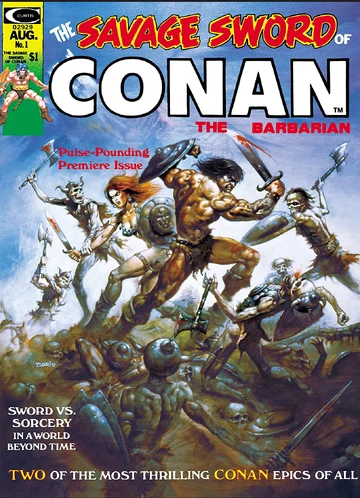
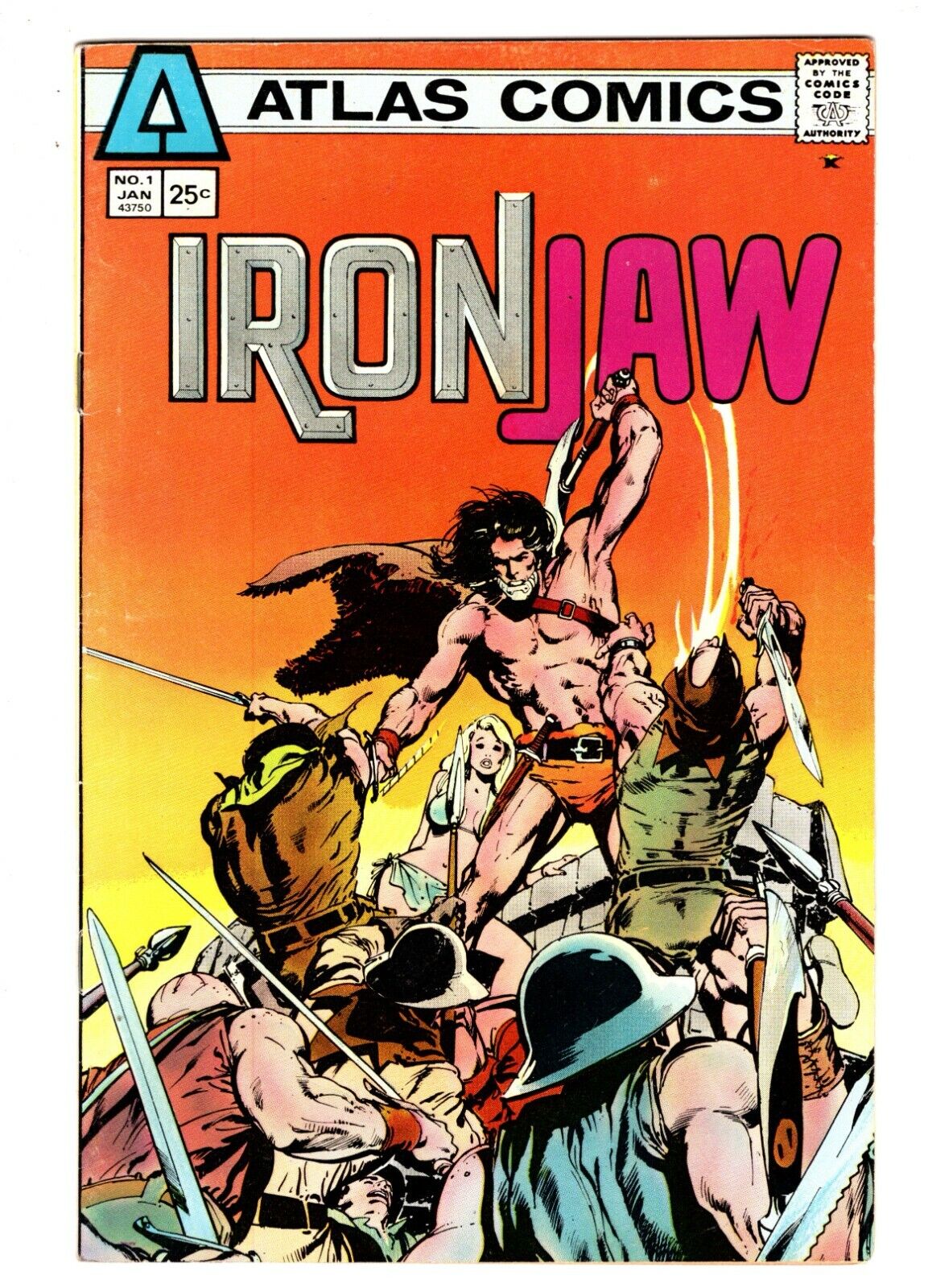
Visible on the table stacks: OMAC #1, Savage Sword of Conan #1, Iron Jaw # 1, all purchased through Seagate Distributors, the pioneering comic book distribution company launched by the legendary Phil Seuling.
I’ll be attending the convention all four (five, really) days this week. As always, feel free to reach out — or track me down primarily in the original art pavilion.
As advancements in computer animation technology take video game development to ever-more impressive heights, ASIFA-Hollywood will look back at the early days with these pioneers of video game animation. Actor and writer John Omohundro (Bravest Warriors, Tokyo Revengers) will go back in time with Kevin VanHook(Bloodshot, Valiant Comics), Greg L. Goldstein (CEO, Four Color Arts, formerly Activision, Acclaim, IDW Publishing), E. Daniel Arey (Creative Director at Niantic, VisionArey Entertainment), and other animators and game developers to explore the challenges and celebrate the accomplishments of classic video games, such as “Myst” and “Turok: Dinosaur Hunter.”
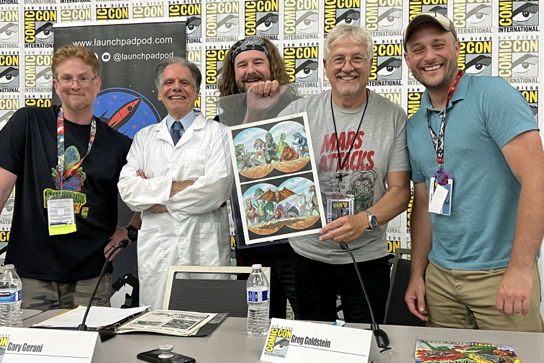
In 1988 Topps released a dinosaur-themed card series that sacrificed scientific accuracy for over-the-top action, violence, and gore. Fans of B-movies and dinosaurs were never the same! Series creator Gary Gerani (writer, film historian), Greg Goldstein (IDW Publishing, Topps), and Matt Corrigan (the Launchpad Podcast) discuss their favorite cards from this memorable set while Dr. Ashley Poust (paleontologist for San Diego Natural History Museum) separates fact from fiction. Matt and Greg will also show off original art produced for the series 35 years ago!
Saturday 7/22/23 7:30pm – 8:30pm Room 29CD
Lots of friends and colleagues appearing throughout the convention, but I would like to specifically point out that my pal Beau Smith is a Comic-Con Special Guest this year. His spotlight panel on Sunday, hosted by another pal, Ted Adams, is must-attend event!