Panels and Pages… Art and Artists… Creators and Conventions… Musings and Memories…
Author: Greg Goldstein
Greg Goldstein is a veteran publishing and media executive; most recently, he was the Chief Operating Officer, President and Publisher of IDW Publishing, managing all aspects of the company’s book and games business from 2008 to 2019.
Throughout his career, Greg has developed creative and profitable publishing programs for dozens of the world’s best-known entertainment brands including Star Wars, Transformers, Star Trek, James Bond, TMNT, Spider-Man, Batman and Godzilla.
In 2013, Greg led IDW’s acquisition of Top Shelf, an independent publisher best known for Congressman John Lewis’ March trilogy, which has become the most lauded non-fiction graphic novel series in the history of the medium.
In 2011, Greg won an Eisner award for his editing on the first-ever collection of Bob Montana’s Archie newspaper comic strips. (Published under IDW’s Library of American Comics imprint.)
Prior to joining IDW, Greg was VP of Entertainment and Gaming for Upper Deck, responsible for the company’s blockbuster slate of games, including Yu-Gi-Oh, World of Warcraft and The VS Superhero system. During his tenure, he created Marvel Ultimate Battles, the first-ever trading card game that focused exclusively on Marvel’s popular mass media characters.
As VP of Brand Development for Activision from 2000-2002, Greg established strategic partnerships with the largest Hollywood studios, and worked closely with Marvel Entertainment to successfully develop Spider-man into one of the biggest blockbuster licensed videogame brands in interactive history.
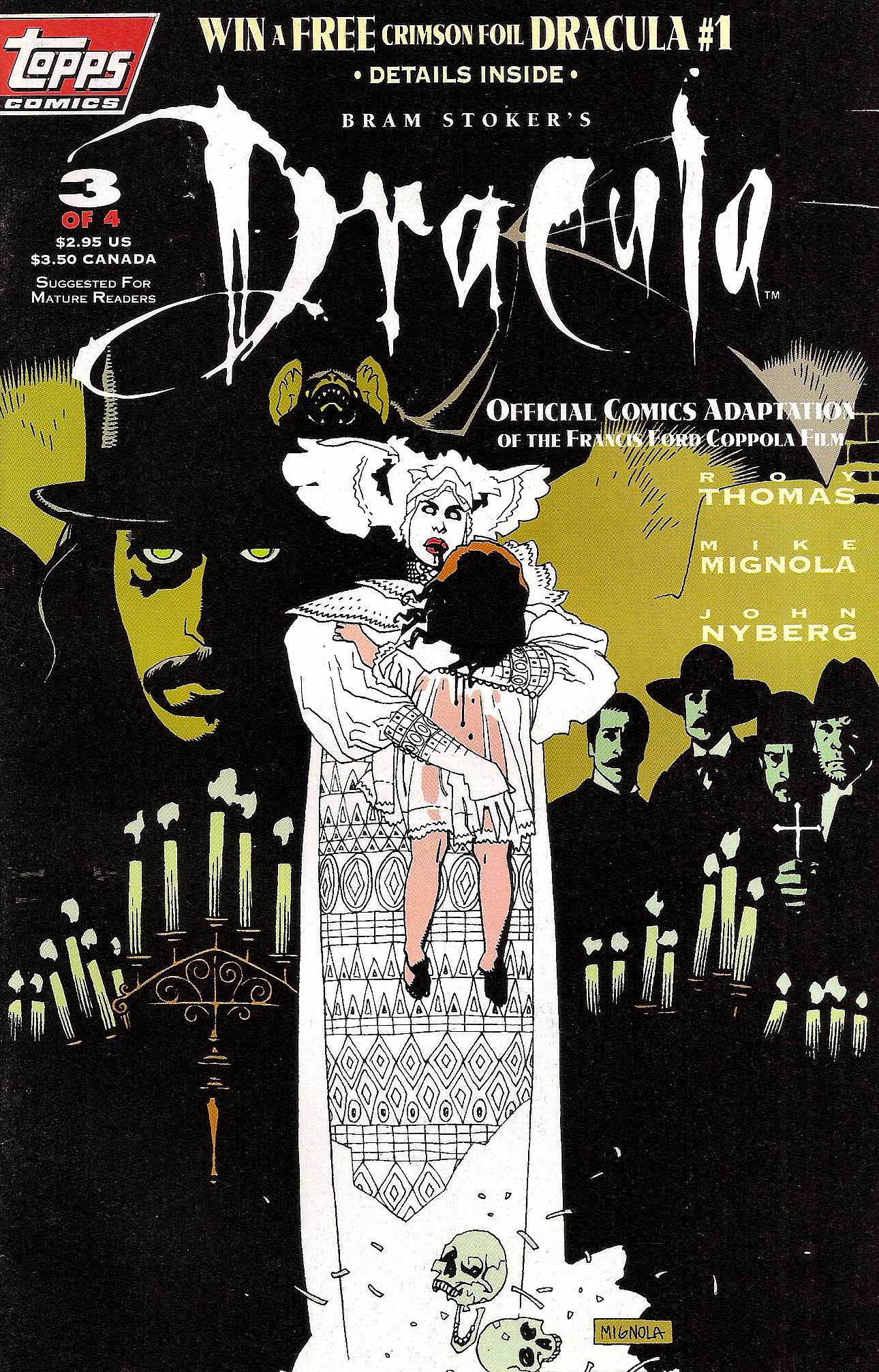
Greg’s career has also included a successful stint at Topps, where he helped launch and manage Topps Comics in the mid 1990s.
Additionally, Greg serves as an adviser for to the Comic Book Legal Defense Fund (CBDLF). He is also a frequent guest lecturer at San Diego Sate University and has presented at dozens of panels and conferences throughout the US.
He is also a well-known collector of original comic book art and rues the day he sold his collection the first time around in the late 1990s.
Here’s a key splash page from Marvel’s Civil War. Captain America has convinced Peter that the resistance is on the “right” side of this epic crossover conflict.
When the conversation is over in this tie-in , Garney treats us to an epic splash of Spidey swinging into action.
Cynthia Martin flashes back to the first appearance of the Vulture form Amazing Spider-Man #2 with with this great opening splash page from 1988.
This August of course is a big milestone for everyone’s favor web slinger. He turns 60 this month with the anniversary of his first appearance in Amazing Fantasy #15.
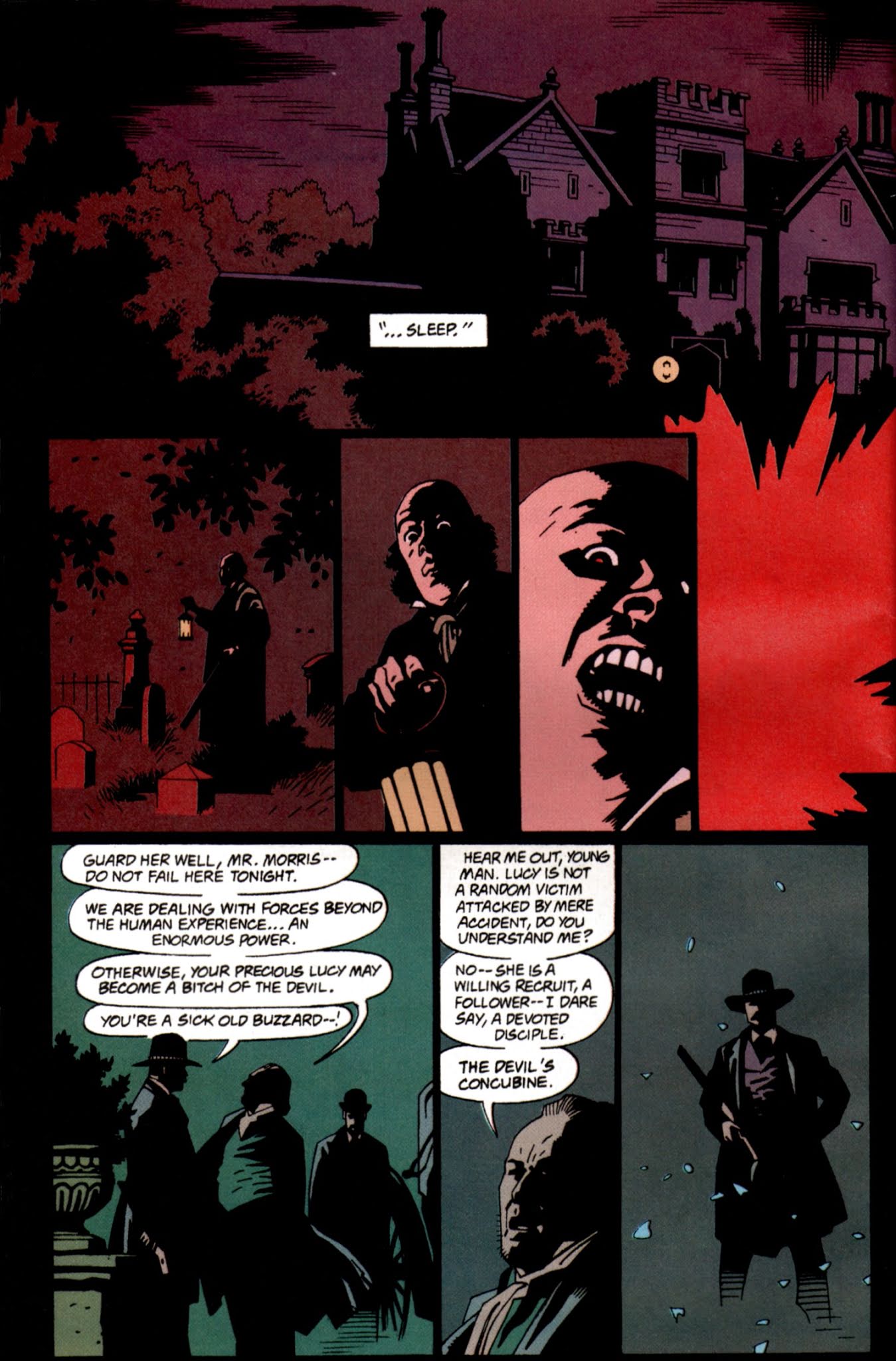
We previously celebrated this anniversary with some great Spider-Man pages, and coming up are a few more to add into the mix to round out the month of August.
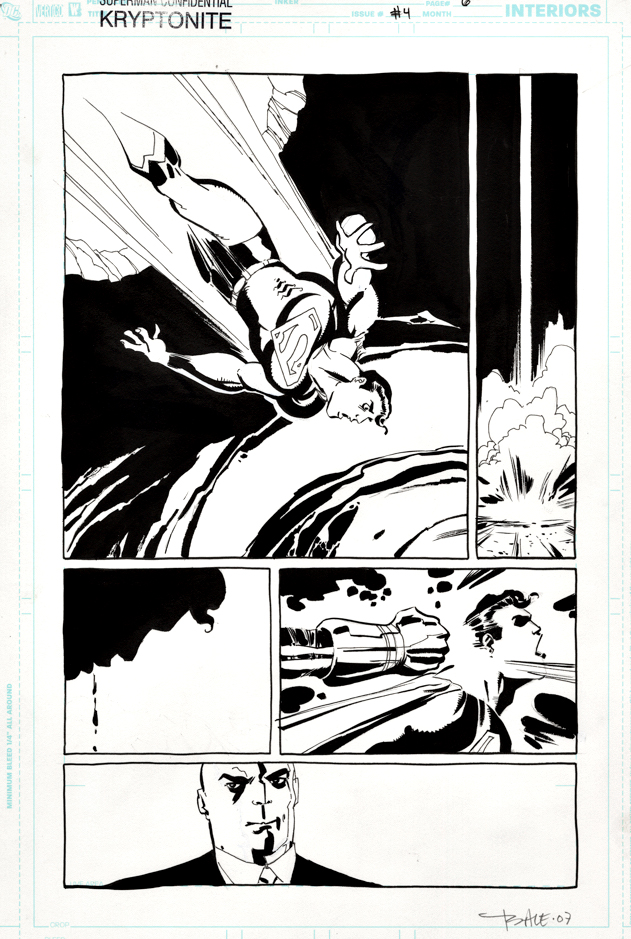
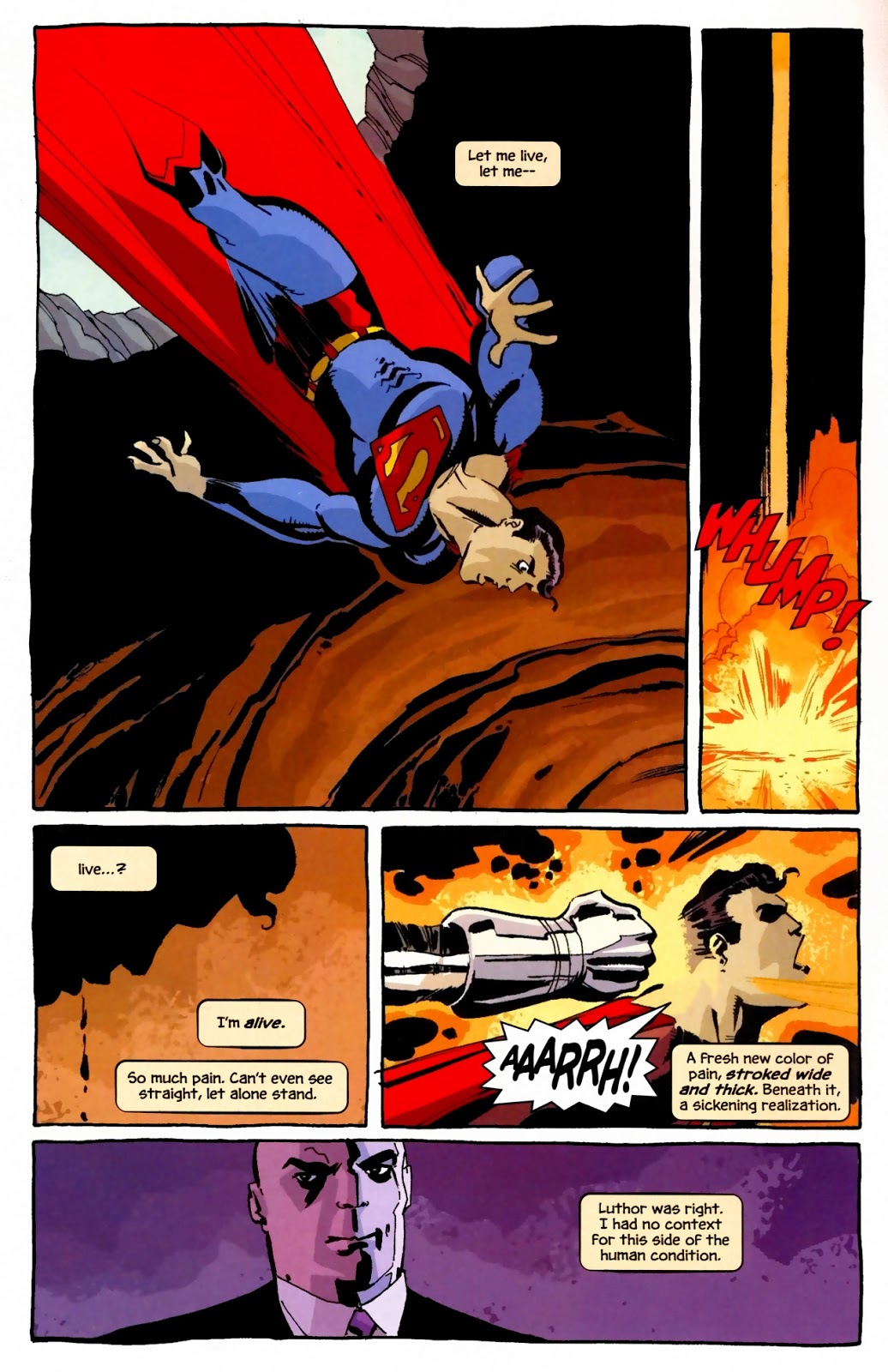
Here’s a beautiful Superman page by the super-talented J.H. Williams, inked by his long-time collaborator Mick Gray. It’s an “Elseworlds” (imaginary, out of continuity) story when DC still published those.
Original art pages are artifacts of course, and fortunately, and this one relies on traditional inking methods, lettering and sound effects as opposed to digital enhancements to provide the final result.
I love Williams’ note to Gray in the top margin, explaining how he envisions the final look of the page. (It’s interesting that the colorist chose to reduce the dynamic splash effect in the water in the second panel. To each his own, I guess.)
Superman — Atomic Age Sundays Volume 3, December 2017
As described in a earlier post, Pete provided all the terrific covers for our DC superhero strip reprints for The Library of American Comics.
Pictured is a typical great example where Pete emulates legendary artist Wayne Boring — with some Curt Swan thrown in for good measure.
Oversized — and beautiful.
Fun Facts: (From the marketing copy):
Written by Alvin Schwartz and Bill FInger and Illustrated by Wayne Boring
The Man of Steel stars in thirteen classic adventures as the 1950s “Atomic Age” comes to a close. Some of the stories are original to the newspaper strip, while others were alternate versions of tales that were simultaneously published in the regular comic books. One of the featured adaptations is “Superman Versus the Futuremen,” written by Batman co-creator Bill Finger, which retells Superman’s origin. This concluding volume of Superman’s Atomic Age Sundays reprints all strips July 1, 1956 to October 11, 1959.
Pete hand colors copies of his original art, and those color guides are then handed off to the digital colorist who completes the work for publication.Meanwhile, over in the comics, Superman reminds us to read all his adventures.
This art is from Wayne Boring’s final new story for DC comics for more than 20 years.
Boring, one of Superman’s truly legendary artists, was part of a group of creators that asked for pay rate increases, benefits and other employment improvements. So, naturally, DC fired them all.
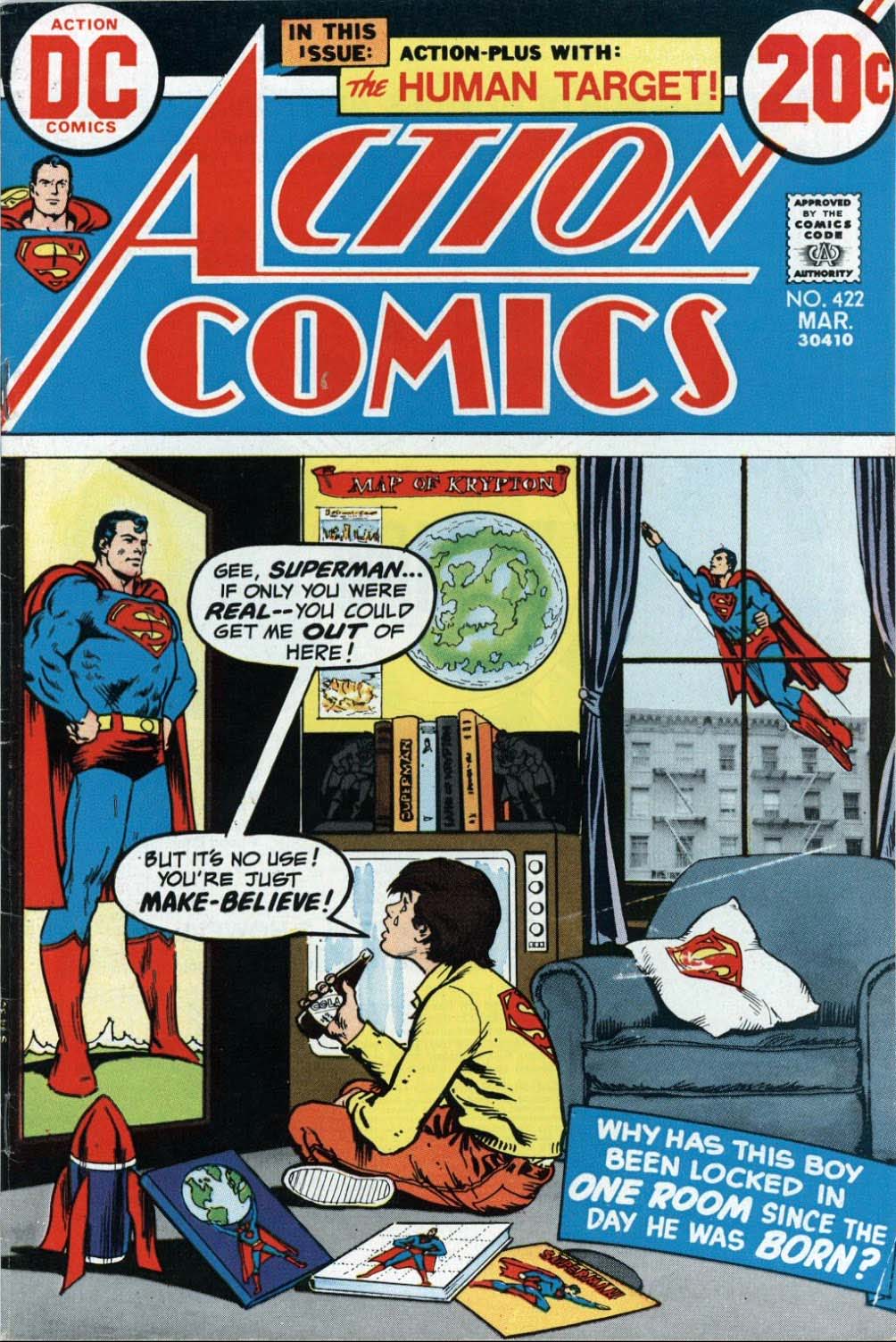
It’s an oddball imaginary story with the end spoiler right there on the (Curt Swan) cover for kids like me to see. I had only been reading Superman comics for a short while, but I knew his Kryptonian origin by heart from TV and other media. So, I was intrigued by this alternative vision of The Superman legend.
I acquired this page whenI first started collecting art again about 15 years ago, and I haven’t seen one since.
I rarely get into bidding wars over a specific piece of art. As a well-know art dealer intones: “There’s always more art.”
This time, though, I got carried away.
Superman in space. Curt Swan and Murphy Anderson. Superman in every panel. A title page. An original Superman logo. And my peak era of buying comics from newsstands (late Silver Age, early Bronze age) without the benefit of comics conventions.
That is a lot of checkboxes. So, like I said, I got carried away.
Overpaid — but worth it.
Plus — and I love this — it has a Looney Tunes type joke in the monolugue. He made a wrong left turn a million miles ago? Seriously?