Panels and Pages… Art and Artists… Creators and Conventions… Musings and Memories…
Author: Greg Goldstein
Greg Goldstein is a veteran publishing and media executive; most recently, he was the Chief Operating Officer, President and Publisher of IDW Publishing, managing all aspects of the company’s book and games business from 2008 to 2019.
Throughout his career, Greg has developed creative and profitable publishing programs for dozens of the world’s best-known entertainment brands including Star Wars, Transformers, Star Trek, James Bond, TMNT, Spider-Man, Batman and Godzilla.
In 2013, Greg led IDW’s acquisition of Top Shelf, an independent publisher best known for Congressman John Lewis’ March trilogy, which has become the most lauded non-fiction graphic novel series in the history of the medium.
In 2011, Greg won an Eisner award for his editing on the first-ever collection of Bob Montana’s Archie newspaper comic strips. (Published under IDW’s Library of American Comics imprint.)
Prior to joining IDW, Greg was VP of Entertainment and Gaming for Upper Deck, responsible for the company’s blockbuster slate of games, including Yu-Gi-Oh, World of Warcraft and The VS Superhero system. During his tenure, he created Marvel Ultimate Battles, the first-ever trading card game that focused exclusively on Marvel’s popular mass media characters.
As VP of Brand Development for Activision from 2000-2002, Greg established strategic partnerships with the largest Hollywood studios, and worked closely with Marvel Entertainment to successfully develop Spider-man into one of the biggest blockbuster licensed videogame brands in interactive history.
Greg’s career has also included a successful stint at Topps, where he helped launch and manage Topps Comics in the mid 1990s.
Additionally, Greg serves as an adviser for to the Comic Book Legal Defense Fund (CBDLF). He is also a frequent guest lecturer at San Diego Sate University and has presented at dozens of panels and conferences throughout the US.
He is also a well-known collector of original comic book art and rues the day he sold his collection the first time around in the late 1990s.
Our Third annual Halloween tribute continues now through October 31.
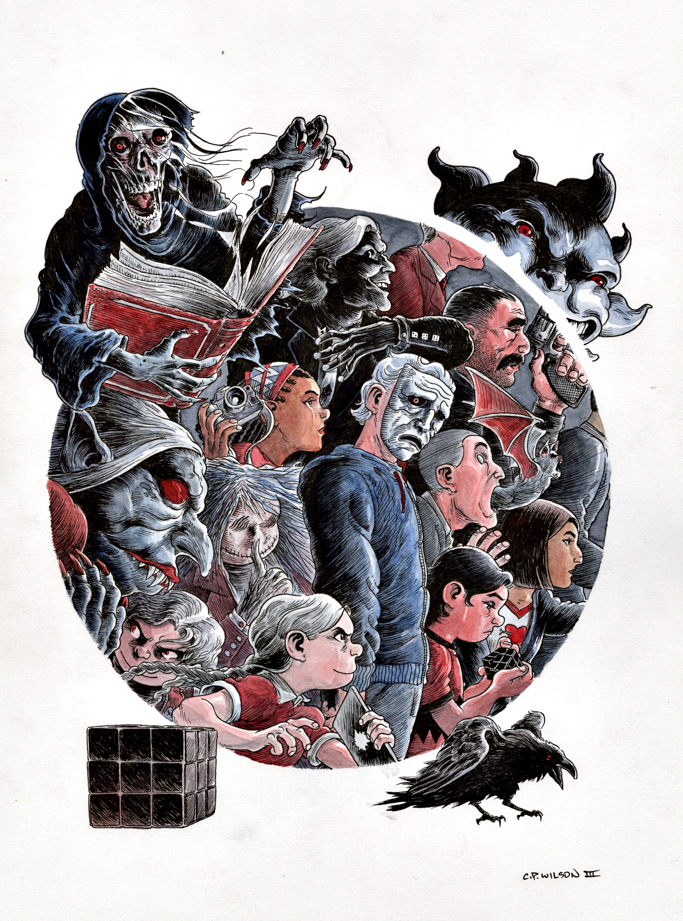
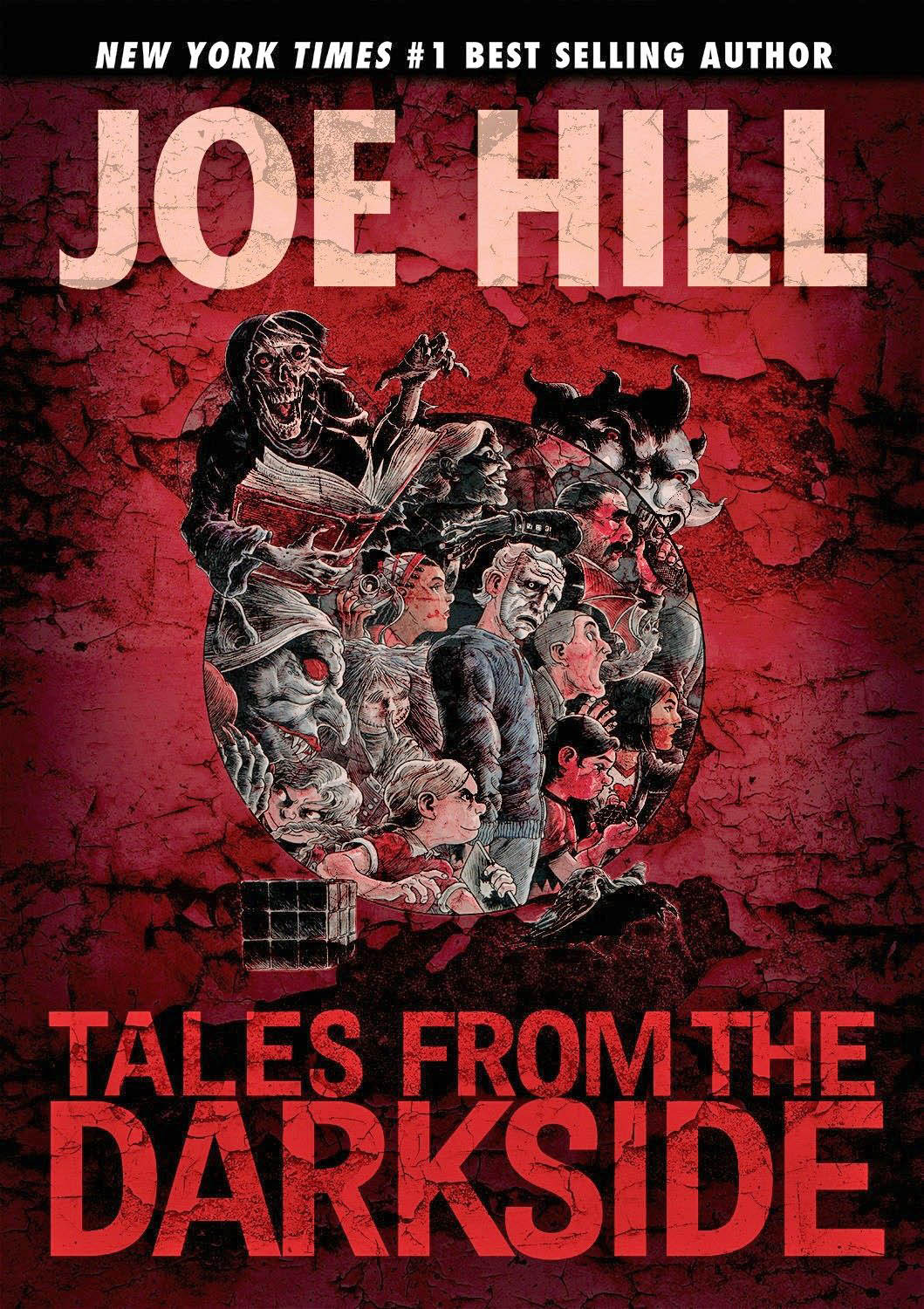
Charles P Wilson III creates a knockout cover for a collection of Joe Hill’s unrealized scripts for a proposed reboot of Tales From The Darkside.
Wilson is absolutely among the top underrated artists working in comics and graphic novels today. He created a number of terrific looking projects for us at IDW Publishing, including Hill’s the Wraith and illustrated some other stunning variant covers for Locke and Key, X-Files, and TMNT, among others.
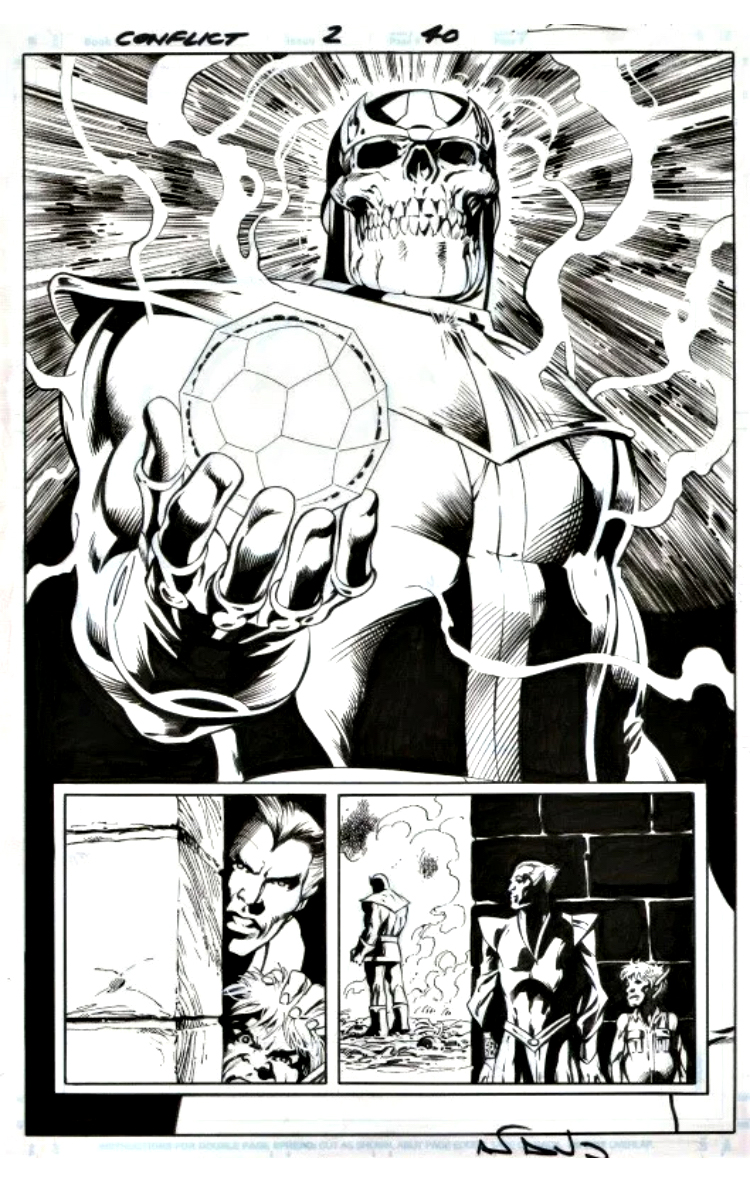
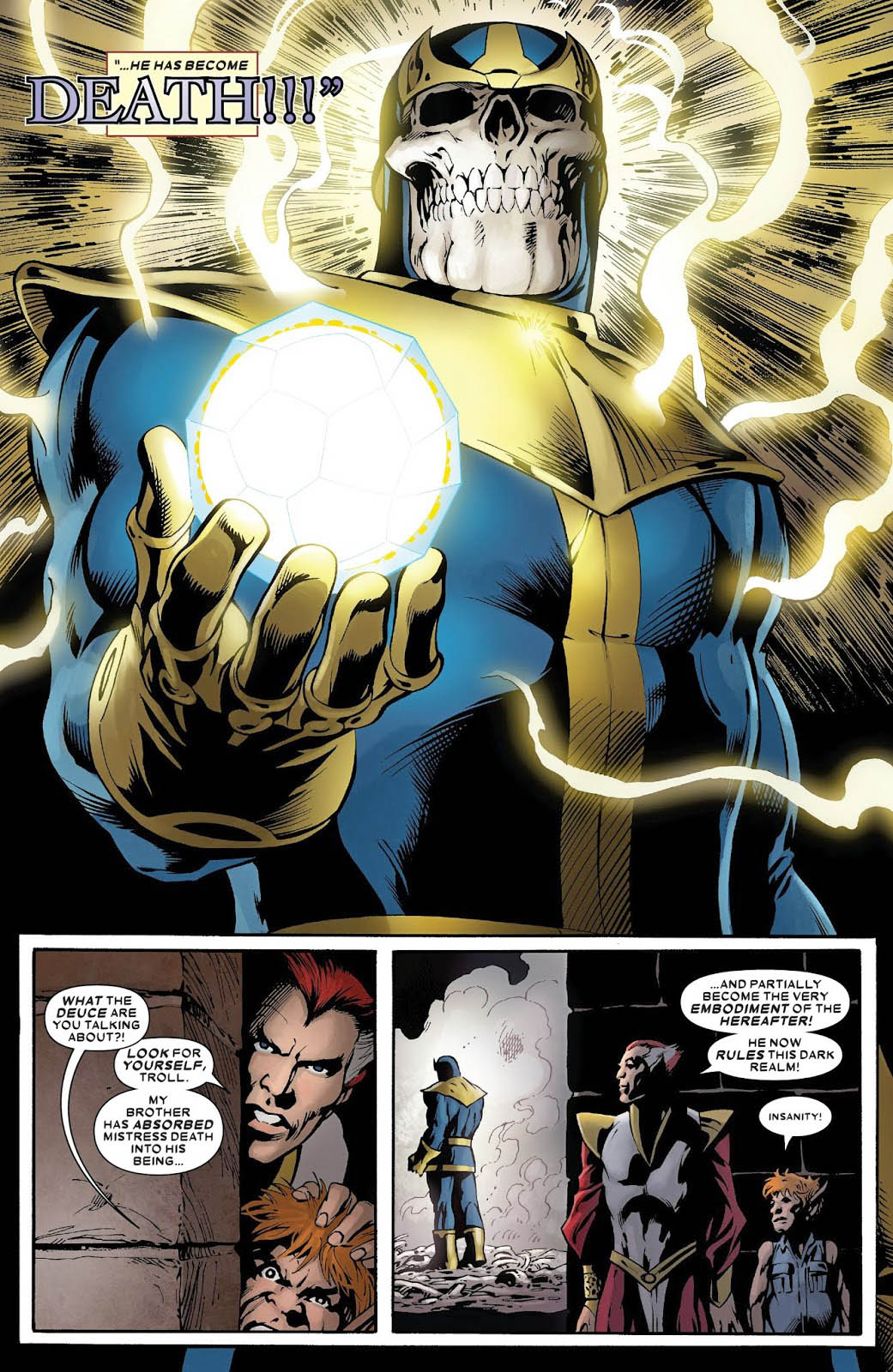
We begin our third annual Halloween celebration with a terrific Alan Davis splash of Thanos becoming Death in The Infinity Conflict graphic novel.
Like all recent Davis and Farmer pages, it’s a combination of blue-line printing and pencil by Davis, and finishes by Farmer. And, also like all pages by that terrific art team, it looks great.
Happy Halloween — foe the next few weeks. See you on Thursday.
Today, after an 18-month pandemic induced delay, No Time To Die finally opens in the United States. We mark the occasion with our third, and final, piece of James Bond original art.
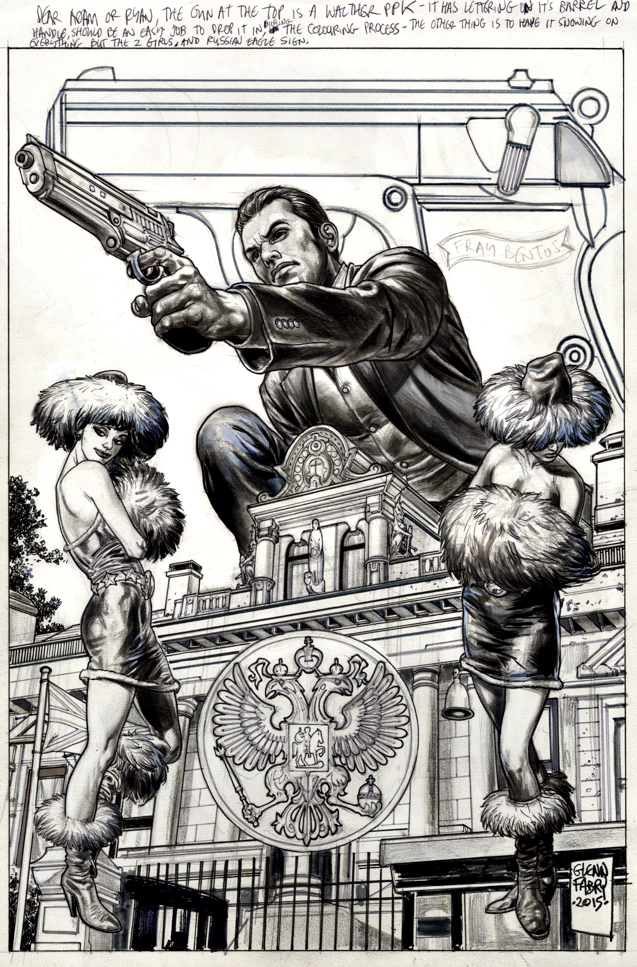
Ah, comic book art in the age of powerful digital technology. This original cover by Glenn Fabry starts off with two beautiful Russian women, but ultimately ends up without them.
(The gun in the background also disappears between solicitation and actual publication, but that is more a function of the trade dress choice, and certainly less jarring.)
Digital manipulation aside, it’s still a cool cover. And kudos to Dynamite for landing the rights. At IDW Publishing, we hounded the rights holder(s) endlessly and continuously came up empty handed. (I’m sure other publishers tried as well.)
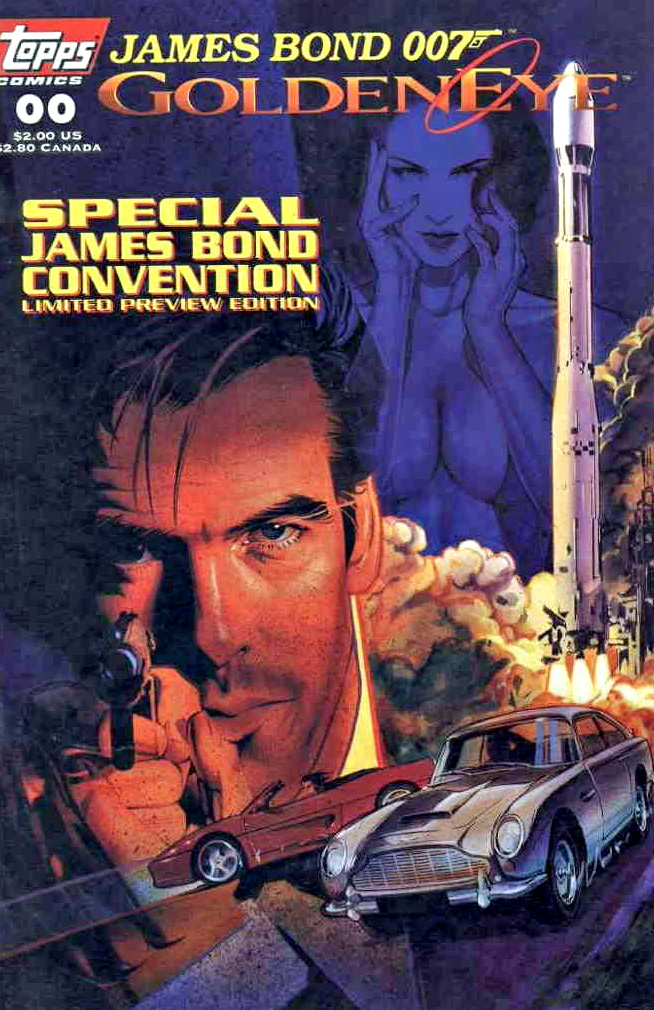
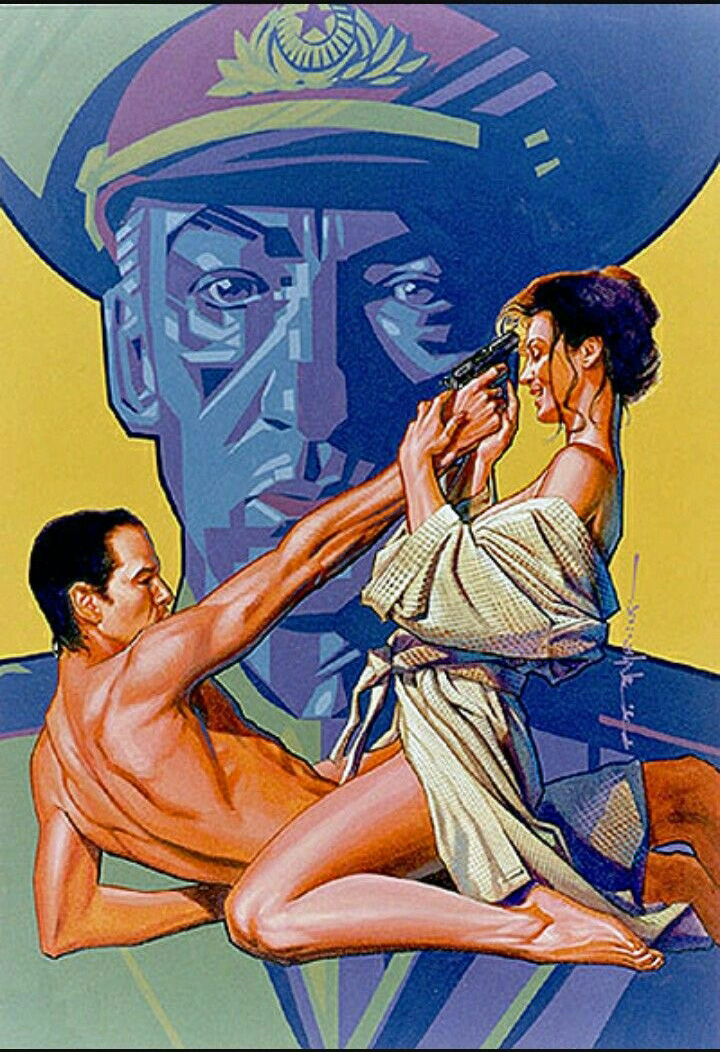
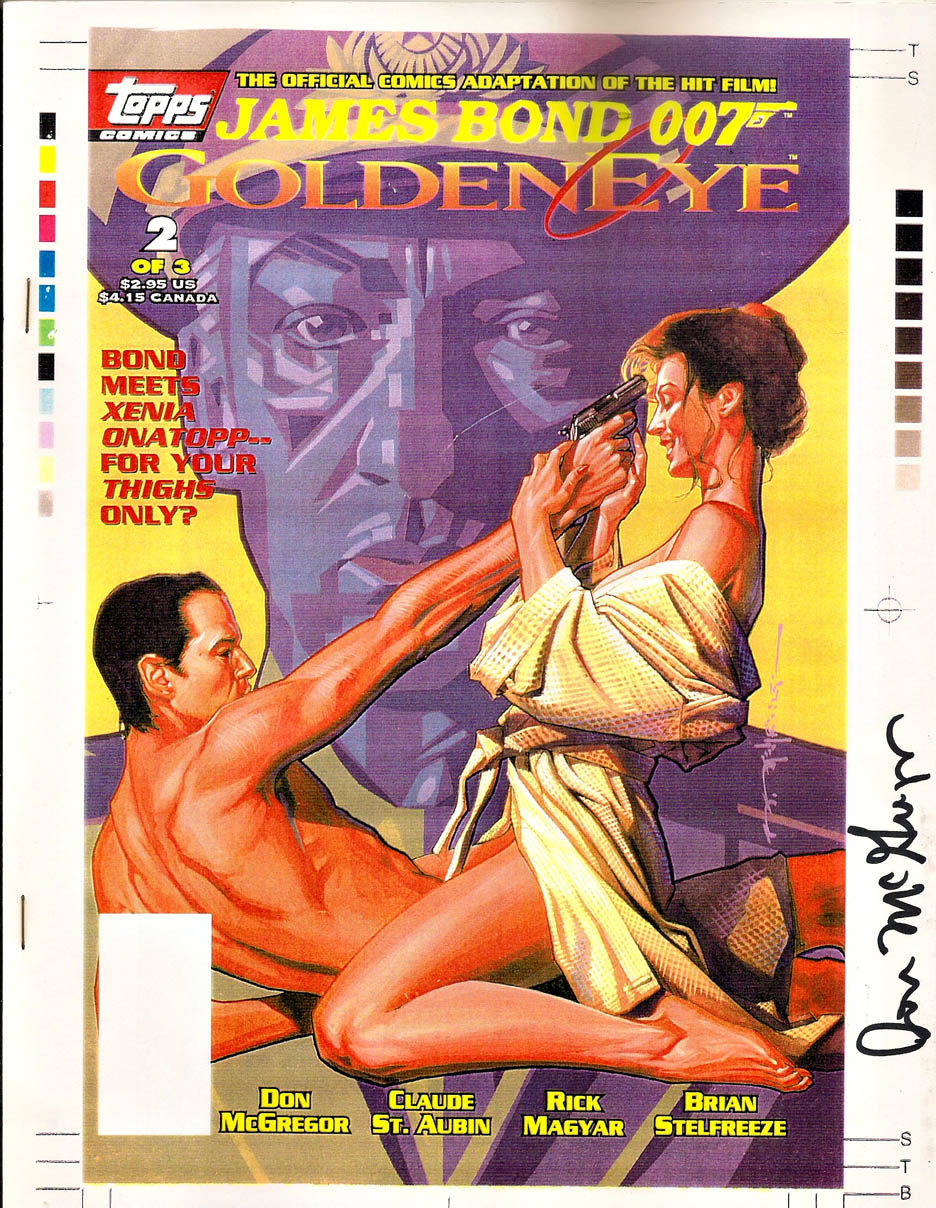
And speaking of disappearing acts — When I was at Topps Comics, we acquired the Goldeneye (Pierce Brosnan’s first outing as Bond) rights in 1995. We launched with a first issue of what was planned as a three-issue adaptation. Unfortunately, issues two and three never appeared. In addition to approvals that came in at the speed of molasses, the licensor — and I kid you not — objected to the adult material that was appearing in the comics.
Nothing crazy — just the same “adult” material that appears in the film.
Seriously.
The infamous Topps Goldeneye comics; Issue #1 was published (and also distributed as a special #00 issue at the James Bond Convention in NYC.) Issues #2 and #3 were cancelled. All three featured great painted covers from Brian Stelfreeze.
Until the last few years, James Bond’s appearances in comic books are rare. Added all together prior to 2016, they most definitely would not fill an omnibus.
Rights issues are always tricky with this franchise; although Eon Productions —and its merchandising arm, Danjaq — manages film rights, the literary property itself remains controlled by the Ian Fleming Estate.
Which explains why this run at Dark Horse features a James Bond who doesn’t in fact look like any other Bond we’ve seen previously. In fact, here he looks a little bit like — Paul Gulacy.
Regardless, It’s great Gulacy page from a good-looking miniseries; even if this specific example looks like it would be more at home in an Indiana Jones comic book.
James Bond through the years in comics. (The experience was so distasteful for Howard Chaykin on For Your Eyes Only that he left Marvel Comics.)
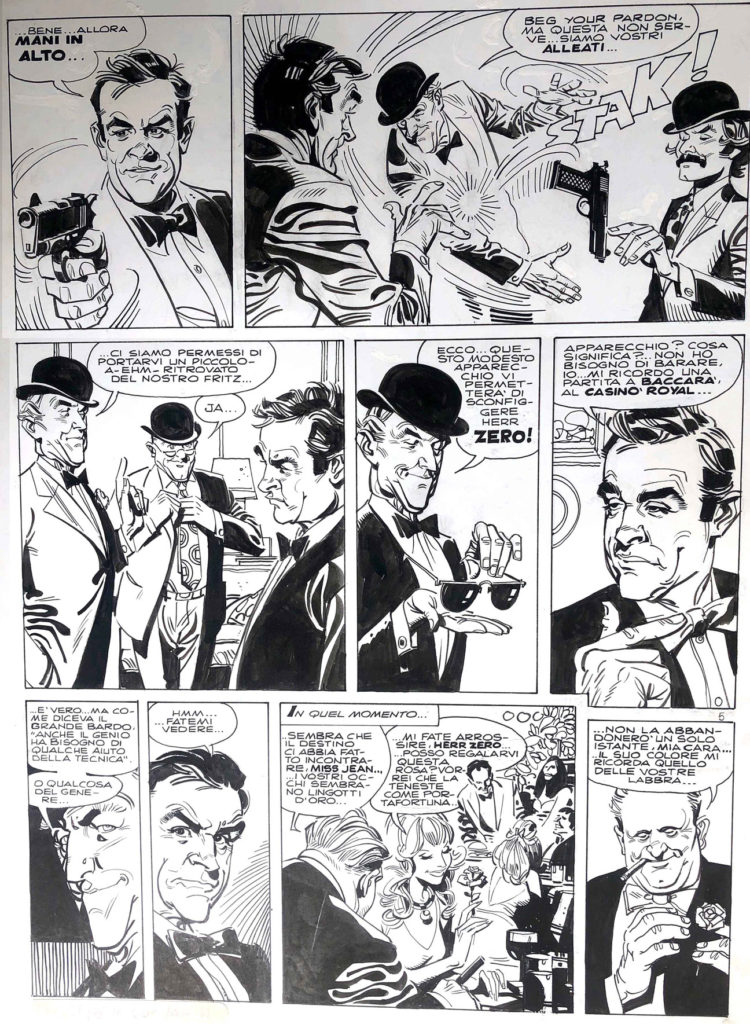
Sean Connery’s likeness as James Bond has only appeared onceofficially in comic book storytelling. Classics Illustrated adapted Dr. No, the very first Bond film, into a comic book in 1962, and only published in the UK. It was ultimately licensed to DC and appears in the US as Showcase #43.
In 1974, Connery’s Bond makes an unofficial — an absolutely unauthorized — comeback in an Italian comic book series Gli Aristocratici (The Aristocrats) featuring the lounge and cheek gentlemen thieves who play a modern vision of Robin Hood’s merry men, donating their thefts to charity.
In this story, from the second year of the long running strip beautifully illustrated by the late Ferdinando Tacconi, the gang helps out Bond —and foils a familiar-looking villain along the way.
After an 18-month delay, No Time To Die, the fifth — and final— Daniel Craig installment of the franchise, launches this Friday, October 8. And no offense to Mr. Connery — or to my childhood — but at this point, Craig’s version of Bond is my personal favorite.
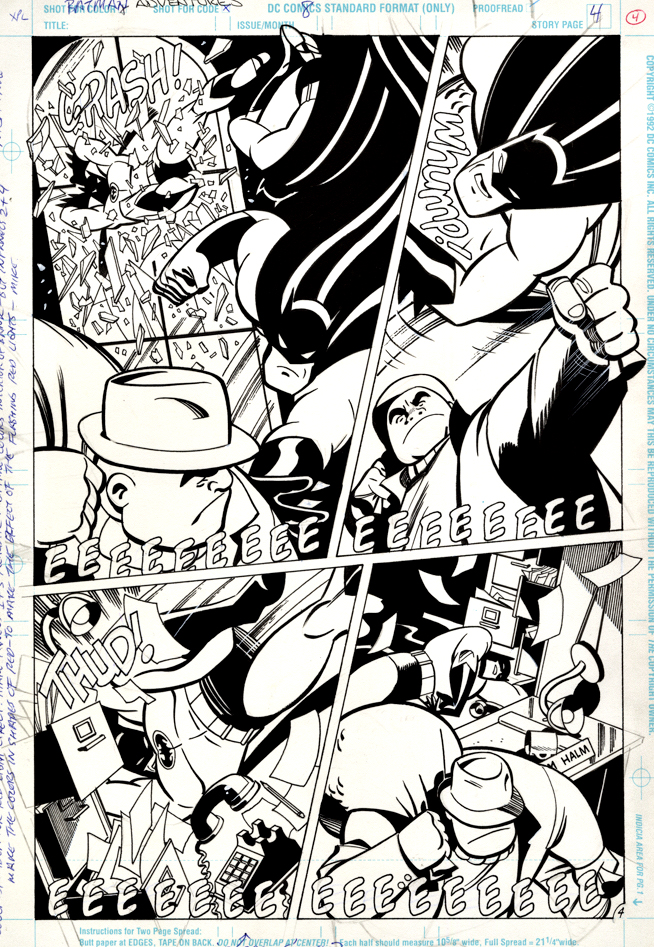
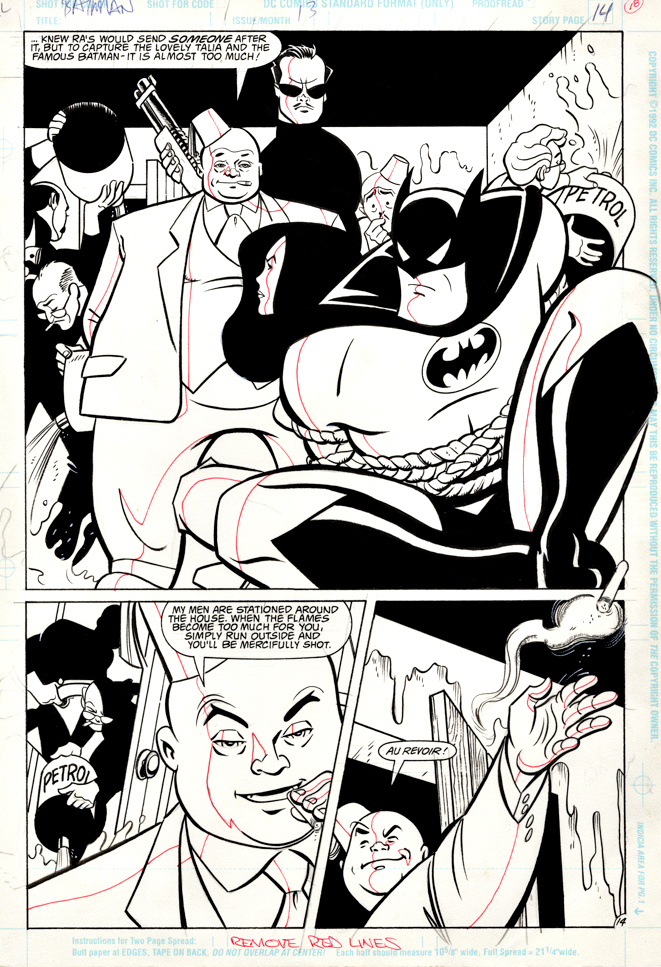
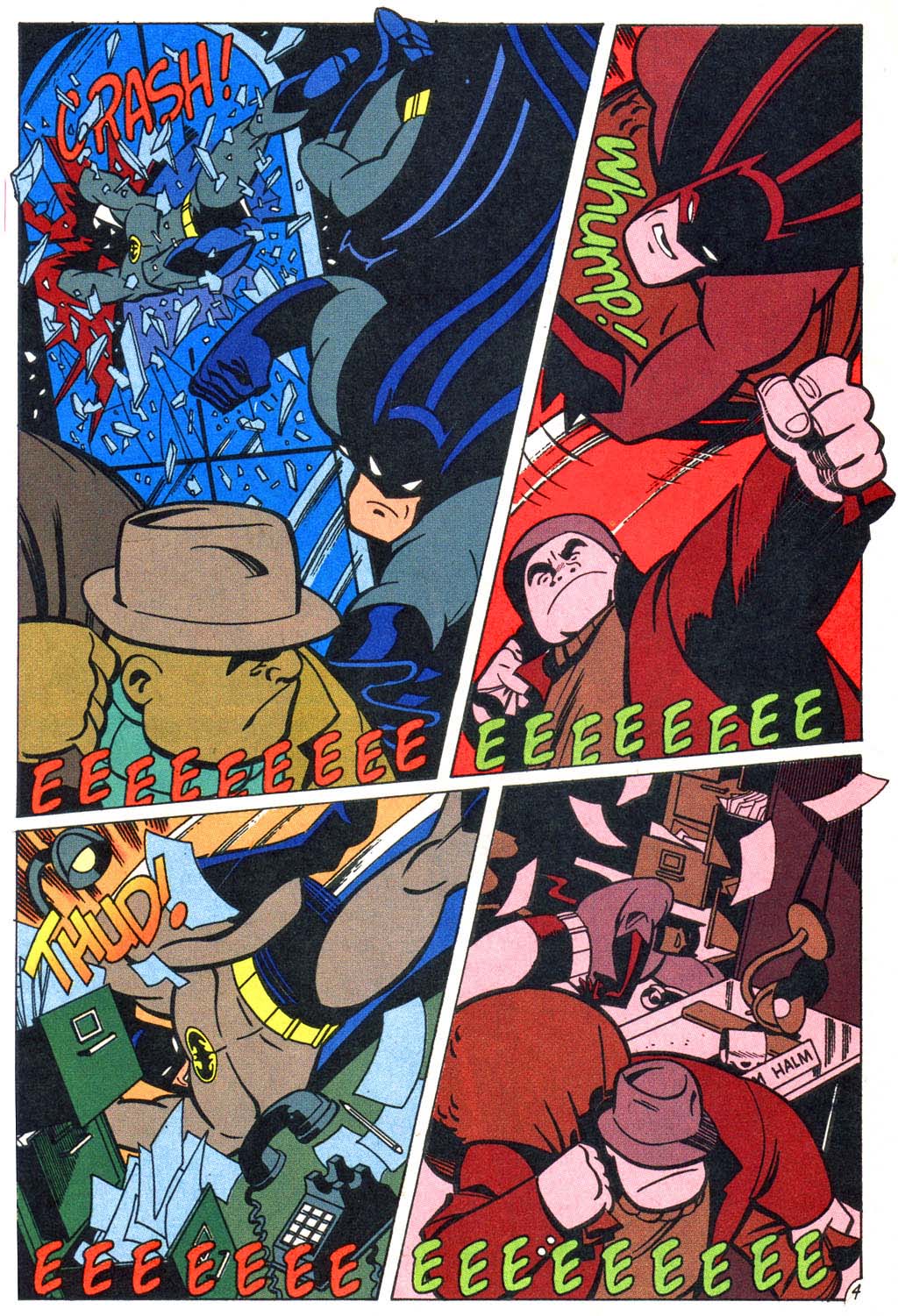
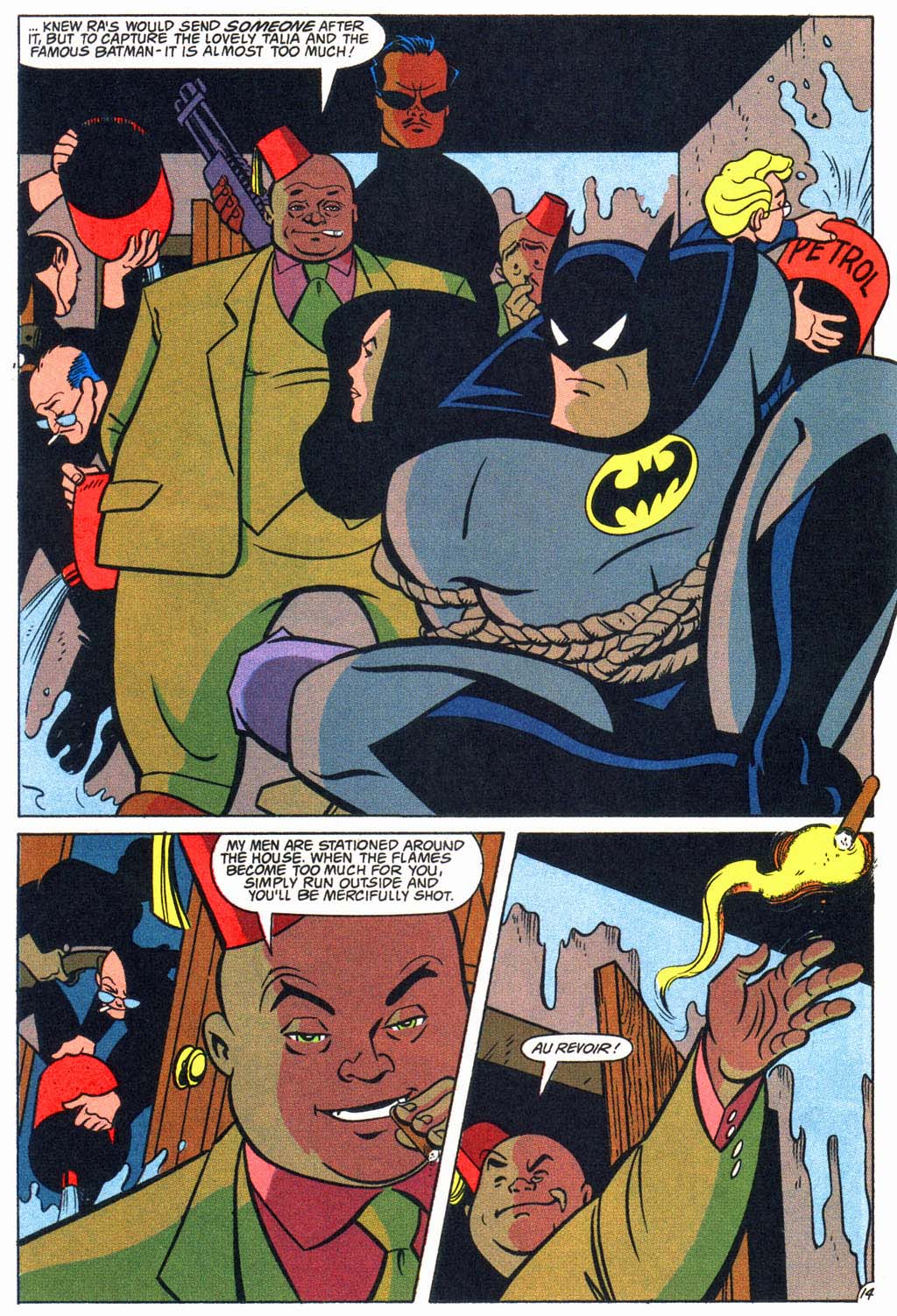
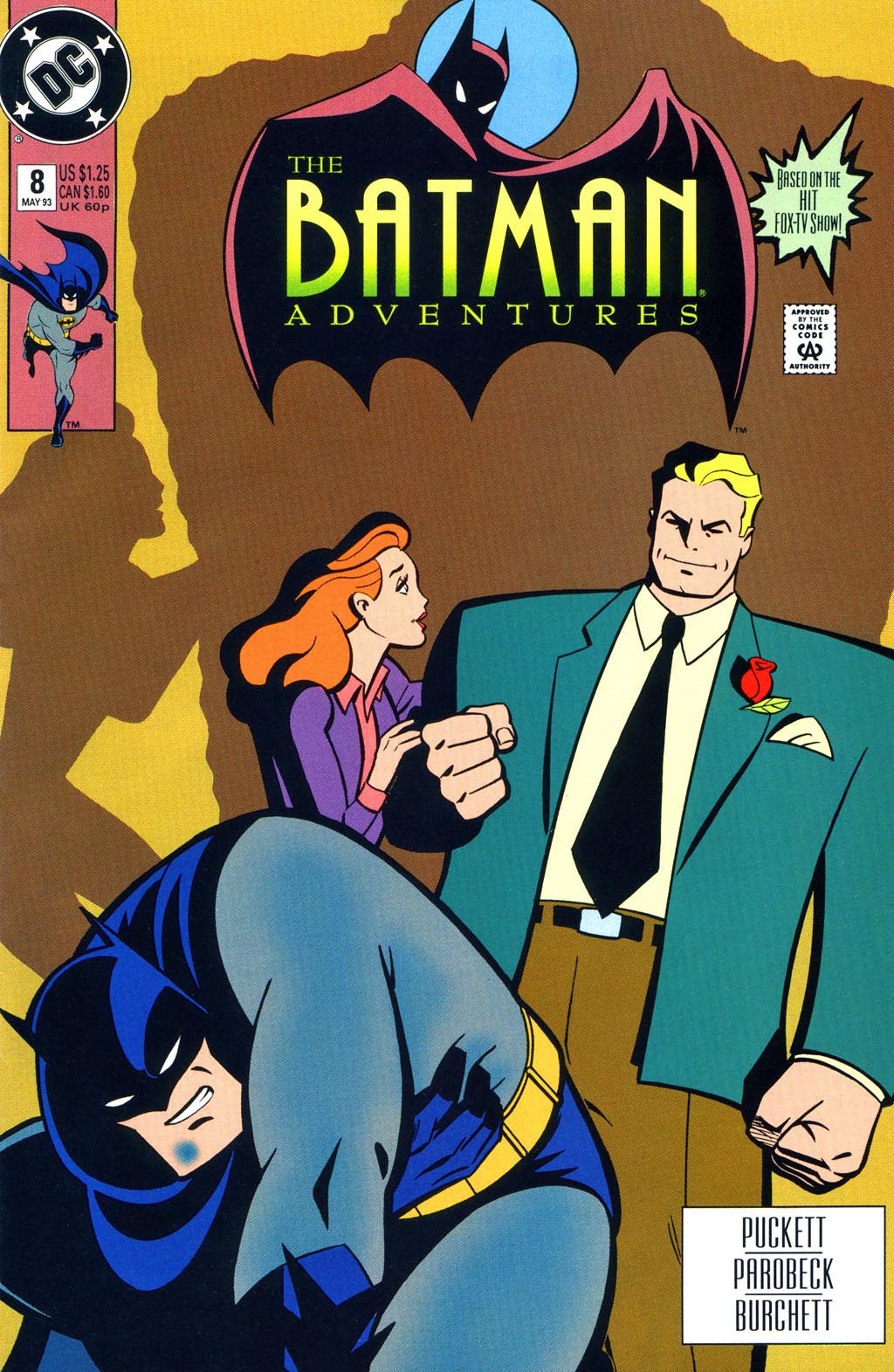
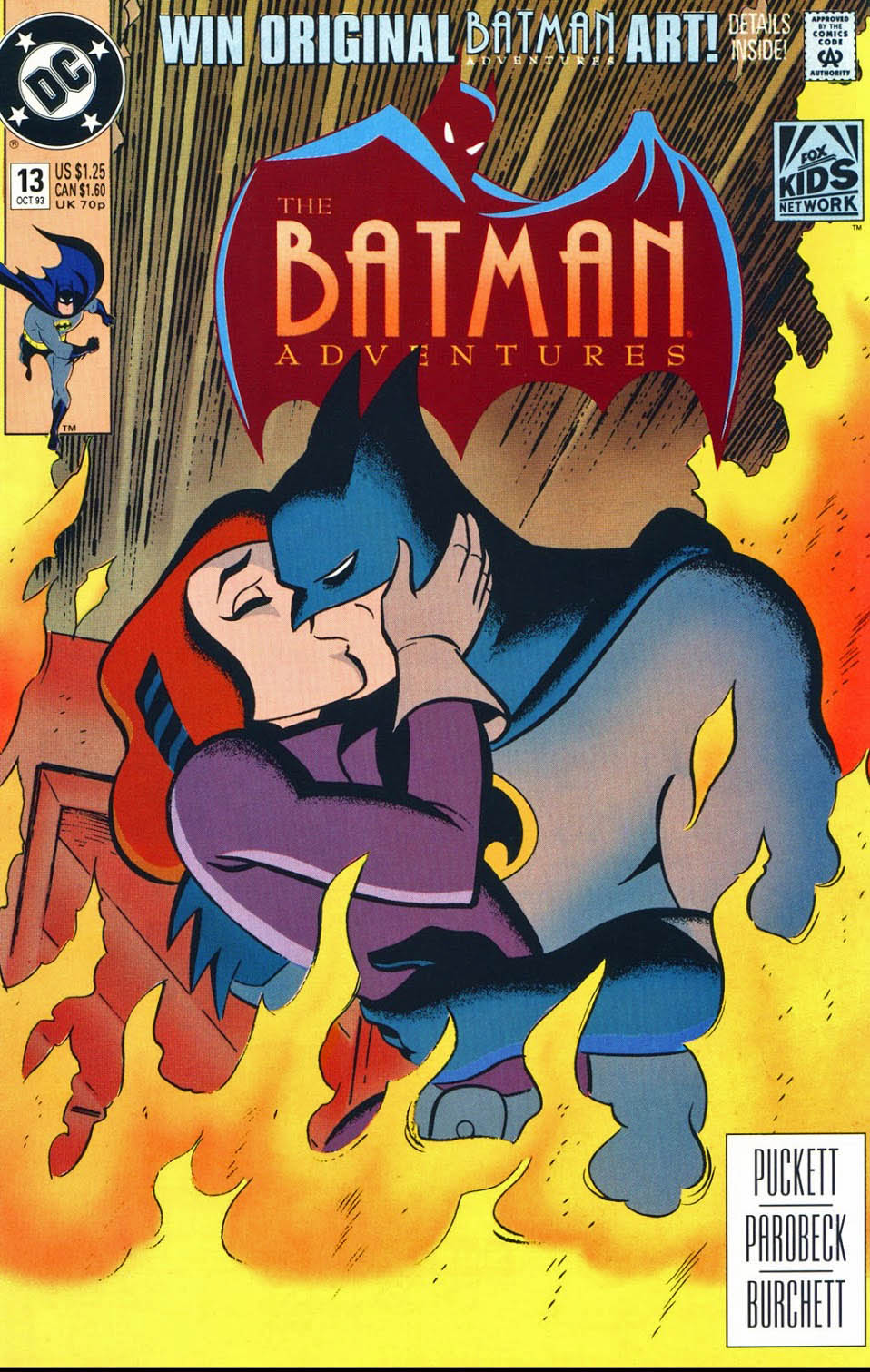
Batman Adventures #8, May 1993 & Batman Adventures #13, October 1993
Two great pages from the late Mike Parobeck wrap up our 2021 celebration of “Batman Day.”
As I’ve written previously, I was a big fan of Mike’s work; he was terrifically gifted from the start. Most of his art shares the same terrific qualities: Simple. Clear. Clean. Powerful.
He died much, much too early from diabetes at age 31.
September 18 was DC’s annual “Batman Day.” Although not exactly a national holiday, DC and Warner have used the occasion to commemorate the caped crusader and launch and market new products around the event.
So, as in the past two years, we continue to honor the celebration with the rest of the month’s posts devoted to The Dark Knight….
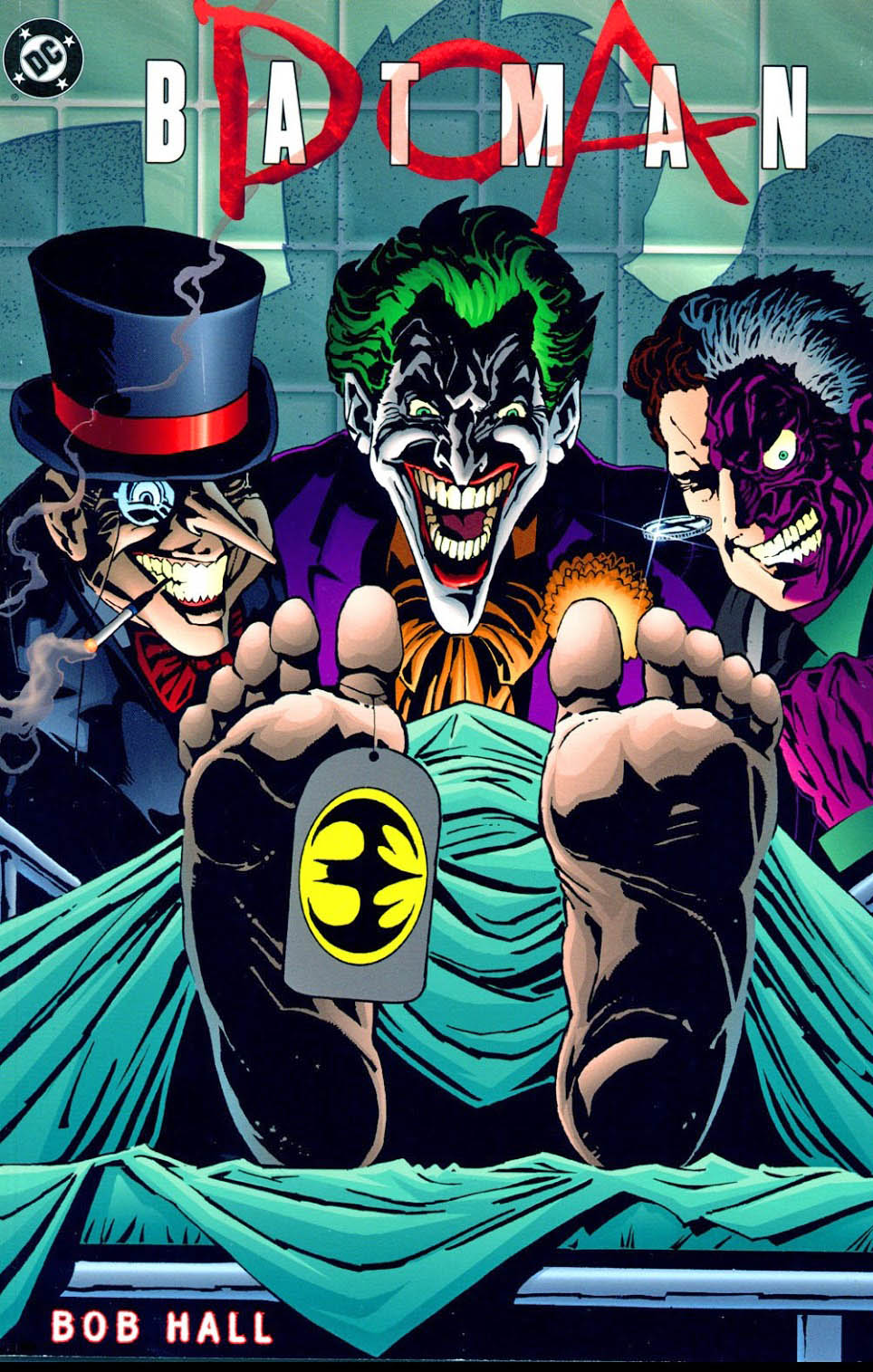
Bob Hall launches the new Millennium with a pretty cool Batman graphic Novel, Batman DOA.
Infected with a lethal virus unleashed by the deadly trio of Joker, Penguin and Two-Face, the rapidly deteriorating Batman has only 24 hours left to live… precious little time (as they say) to find a cure andrescue a kidnapped little girl whose life is on the same timetable. Its over-arching plotline (and title) is borrowed from the classic 1950 film noir “DOA” — albeit (spoiler alert) with a much happier ending.
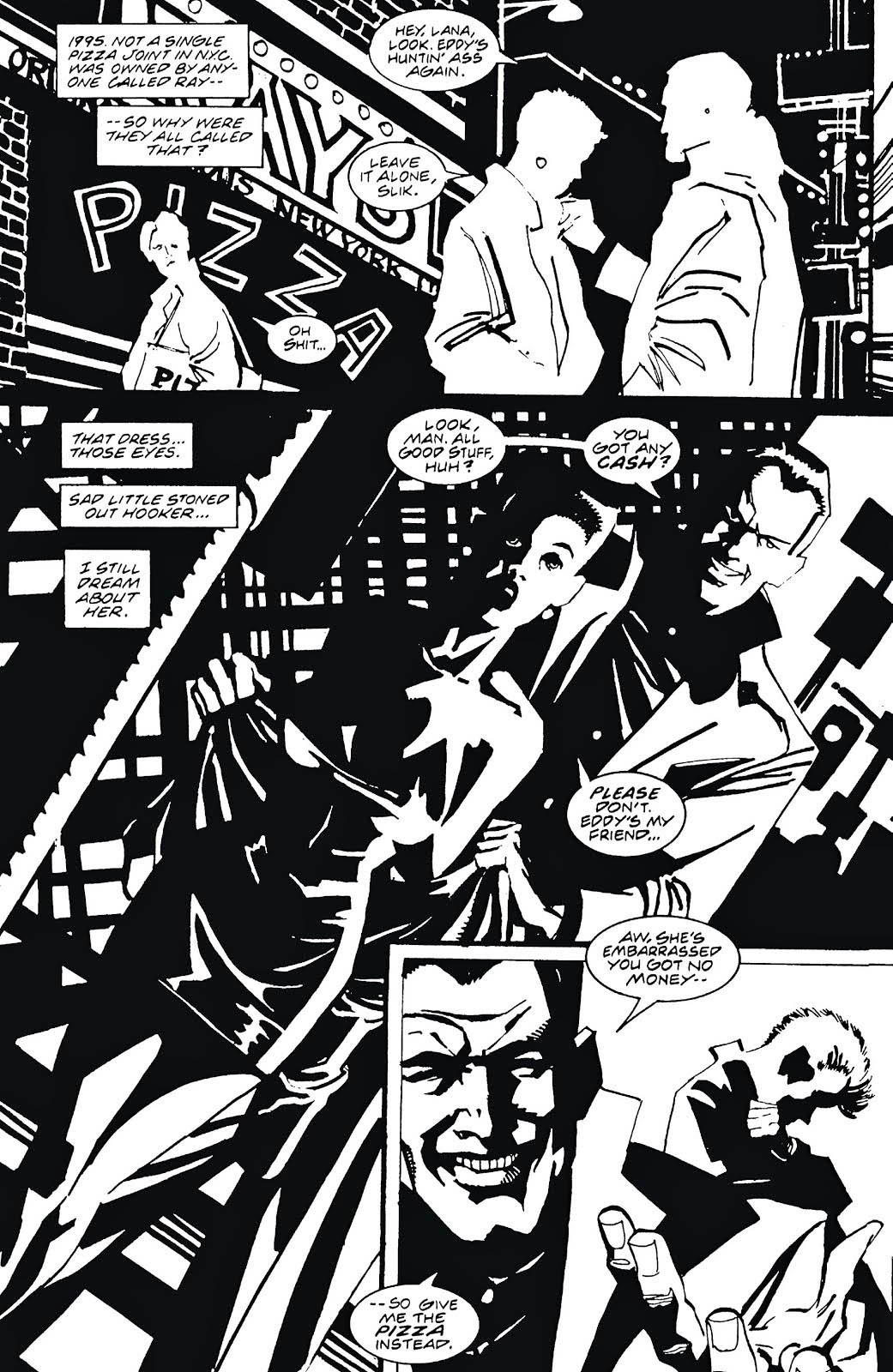
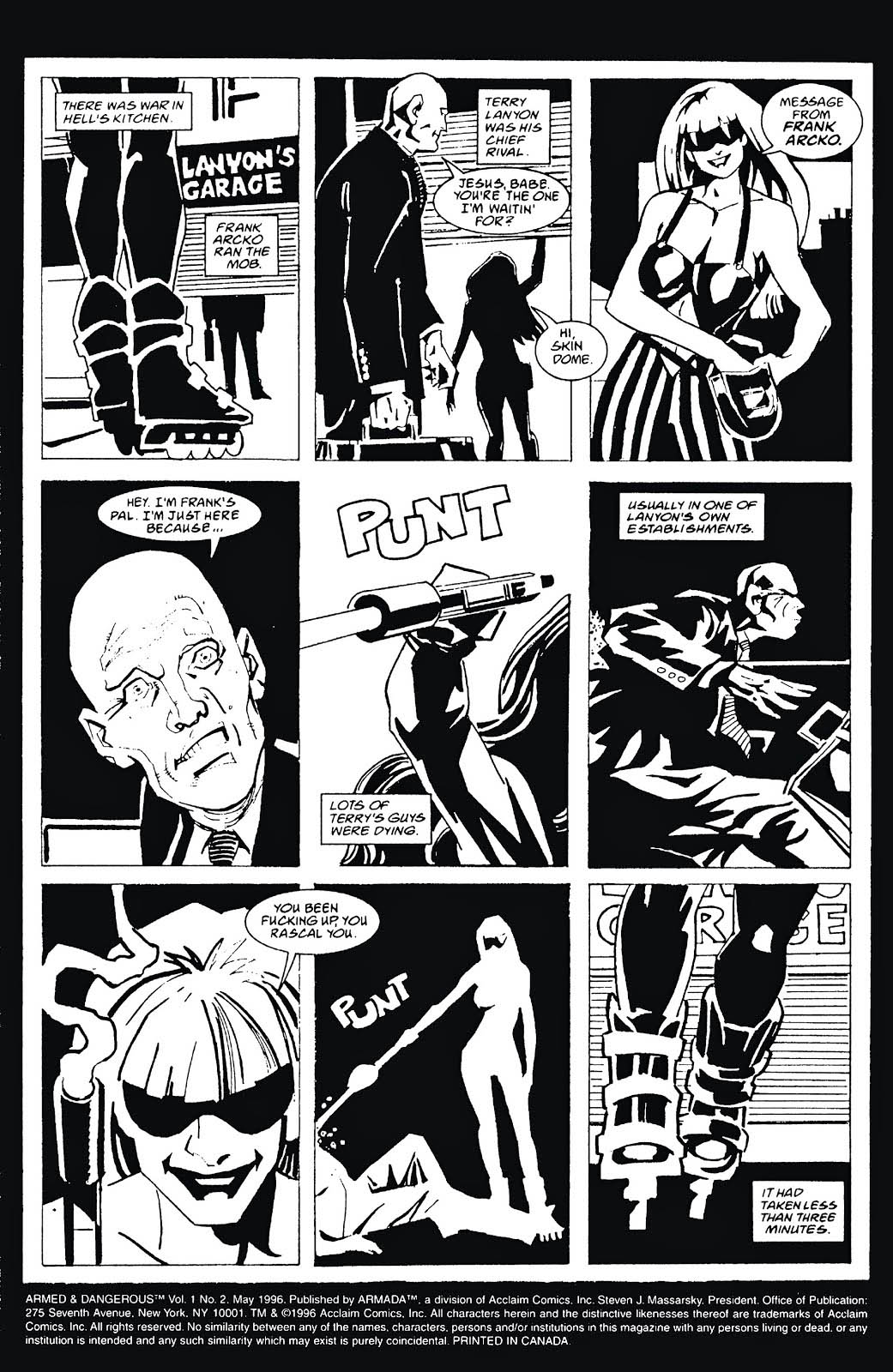
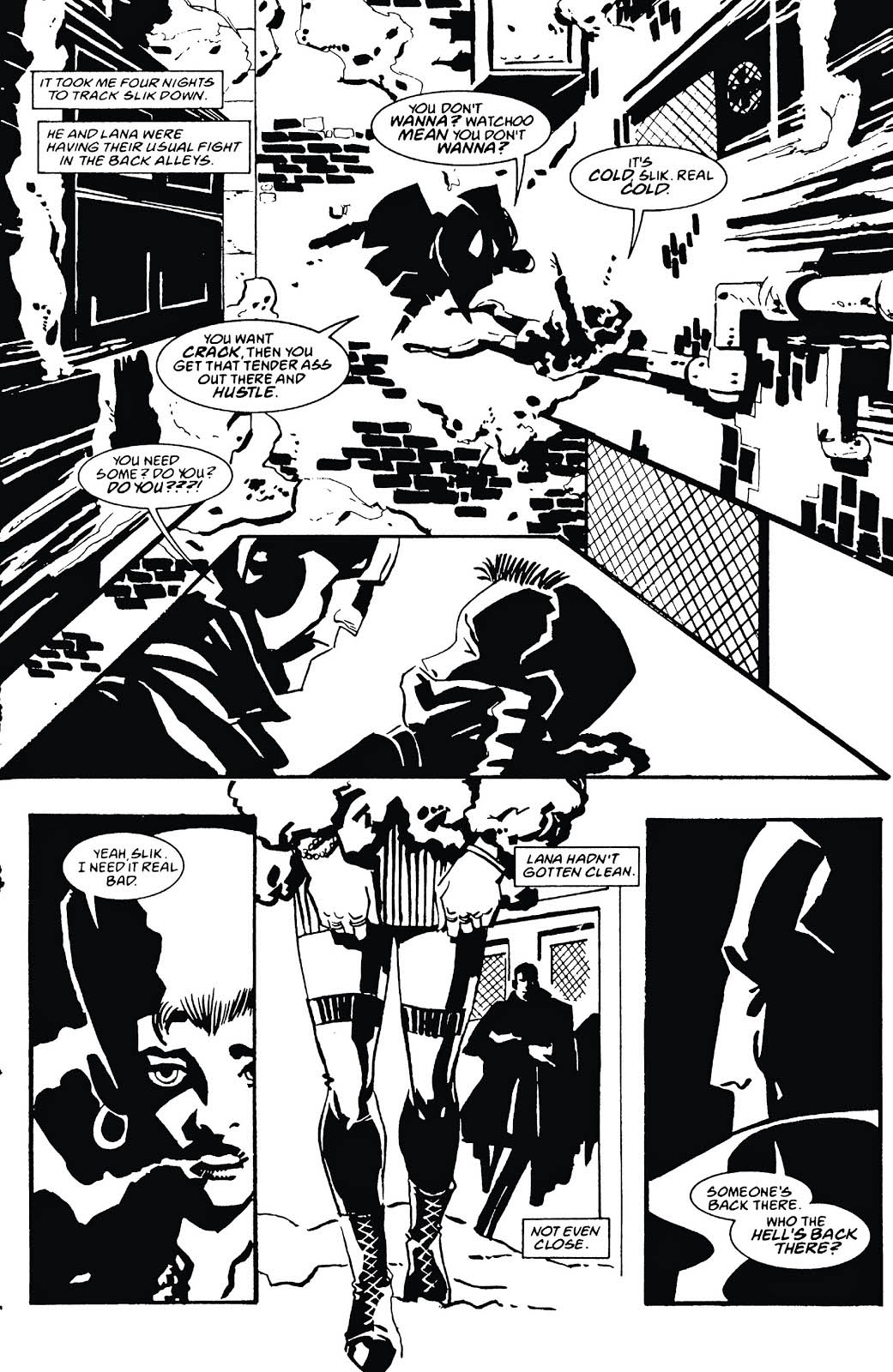
Bob had already delved into a Frank Miller Sin City art style in the late 90s with his own creation Armed and Dangerous for Acclaim / Valiant/ Armada Comics. Although it was occasionally a bit too derivative for my own tastes, it was definitely evolving, and I would have liked to see more material in this vein. He ultimately did a few more comics before he mostly retired from the industry to focus on playwriting and theatre directing.
Bob Hall’s noir creation Armed and Dangerous borrowed generously from Frank Miller’s Sin City.
Edmond O’Brien in the absolute classic film noir DOA (1950).
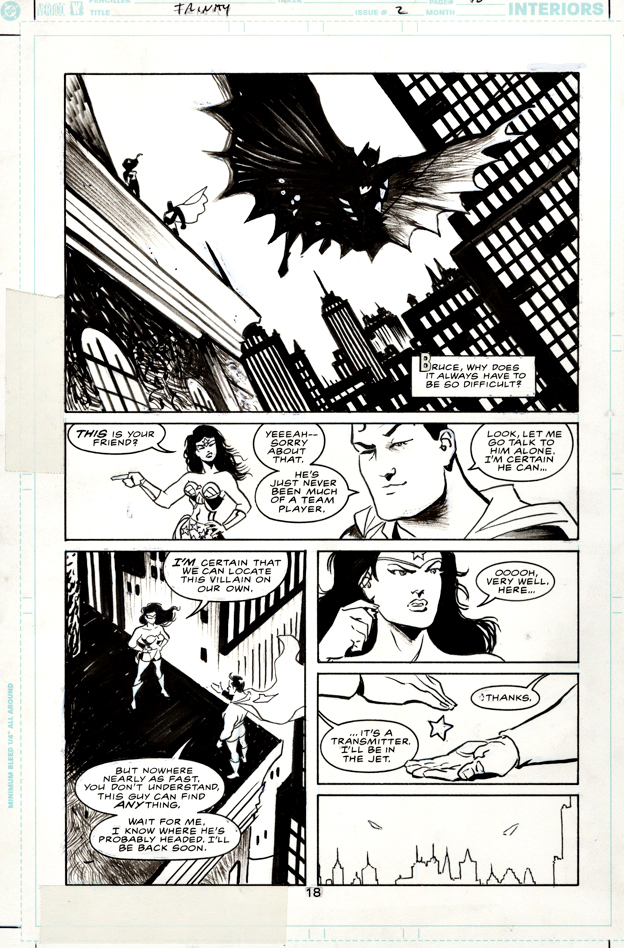
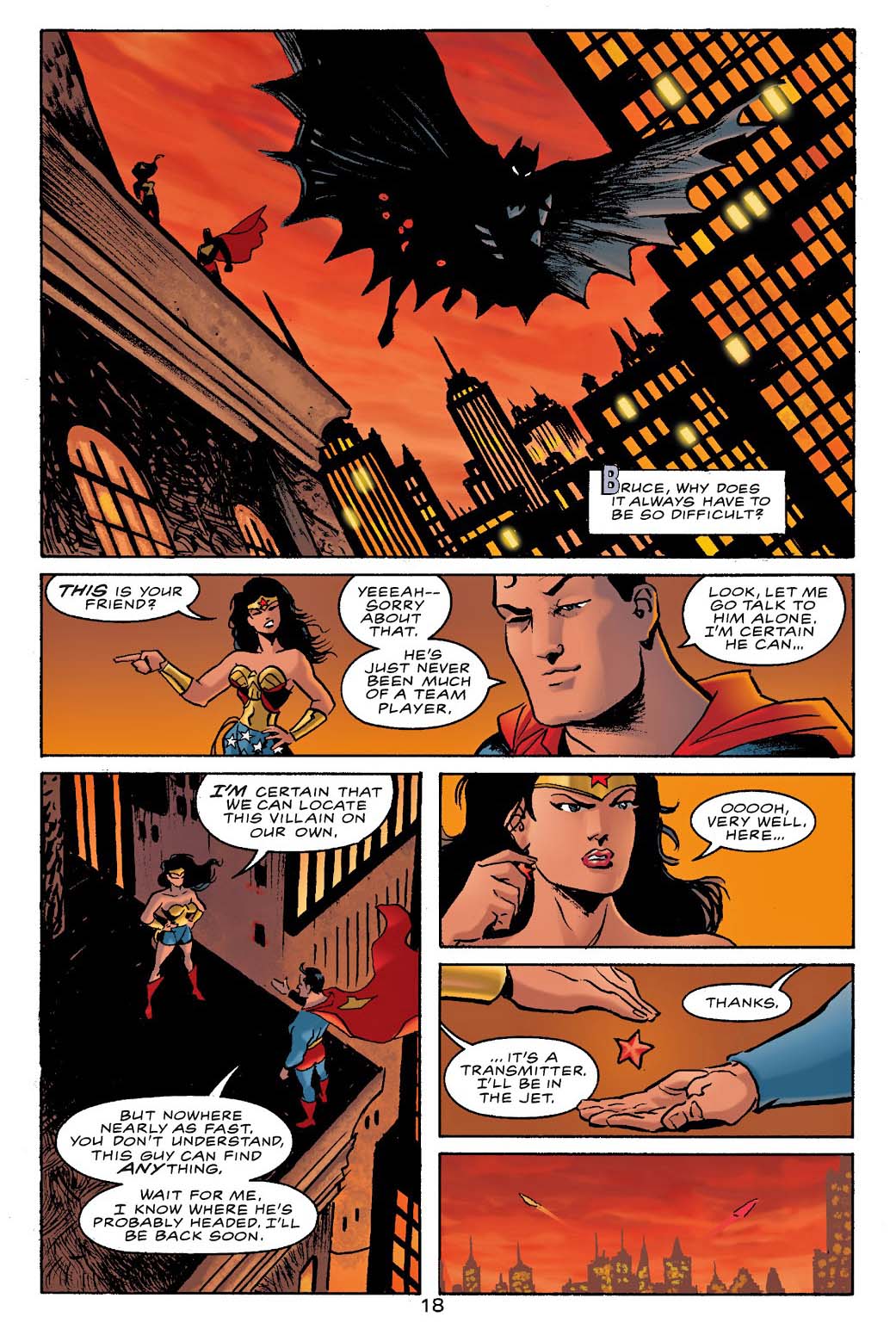
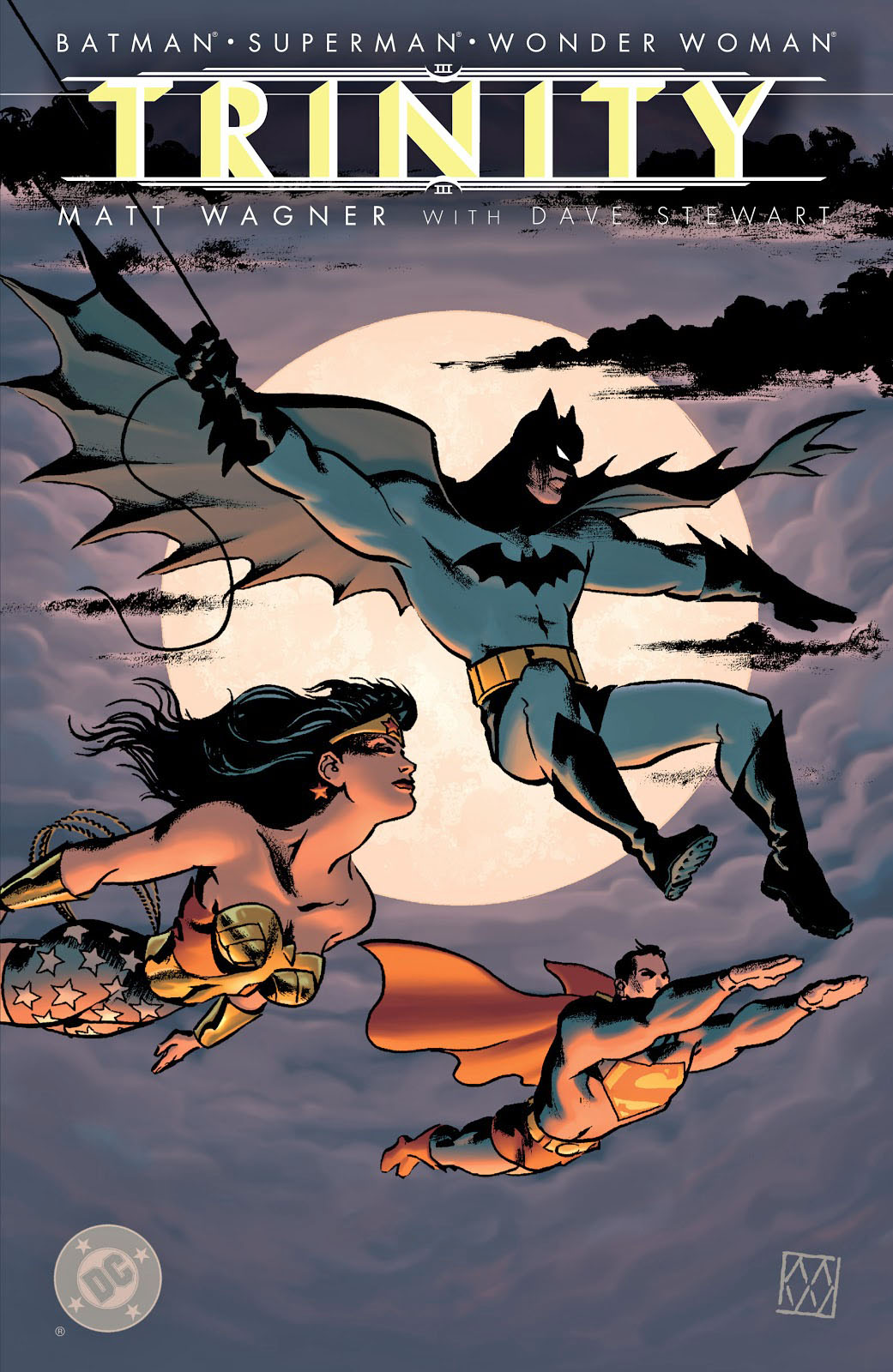
Batman / Superman / Wonder Woman: Trinity #2, September 1993
September 18 was DC’s annual “Batman Day.” Although not exactly a national holiday, DC and Warner have used the occasion to commemorate the caped crusader and launch and market new products around the event.
Batman shows off his typically charming personality — to Wonder Woman and Superman — in this iconic bat-panel from Matt Wagner’s Trinity 2004 series.
(And the Amazon princess is not amused.)
The overarching plot of this deluxe three-parter involves Ra’s al Ghul enlisting Bizarro to create… well, chaos.
But the critical (and very entertaining) theme of the title is how DC”s three iconic heroes reconcile their personality and philosophy differences and figure out a way to work together without defeating each other, instead of the bad guys.
Last Saturday (September 18) was DC’s annual “Batman Day.” Although not exactly a national holiday, DC and Warner have used the occasion to commemorate the caped crusader and launch and market new products around the event.
So, as in the past two years, we continue to honor the celebration with the rest of the month’s posts devoted to The Dark Knight….
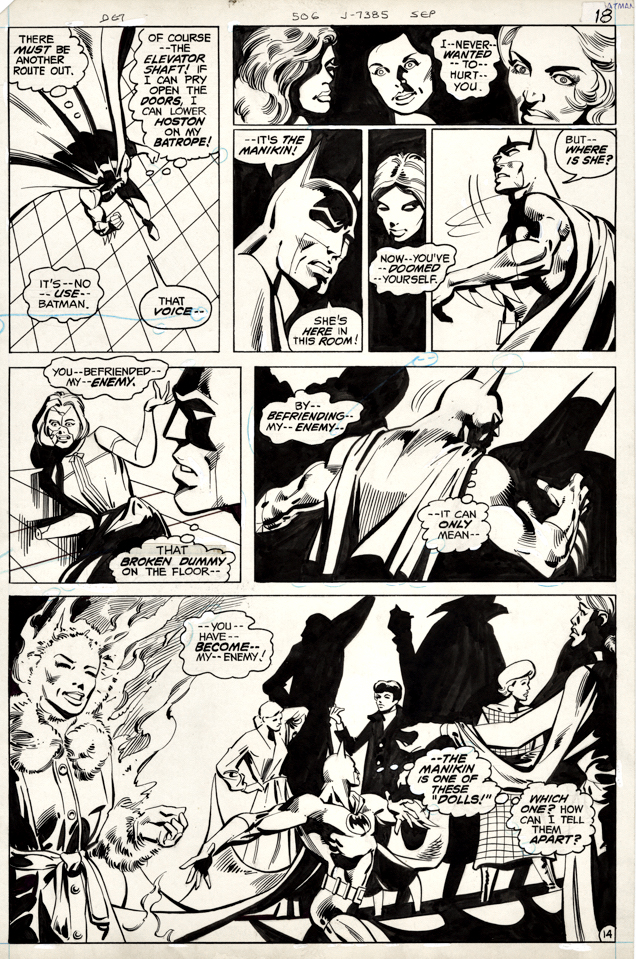
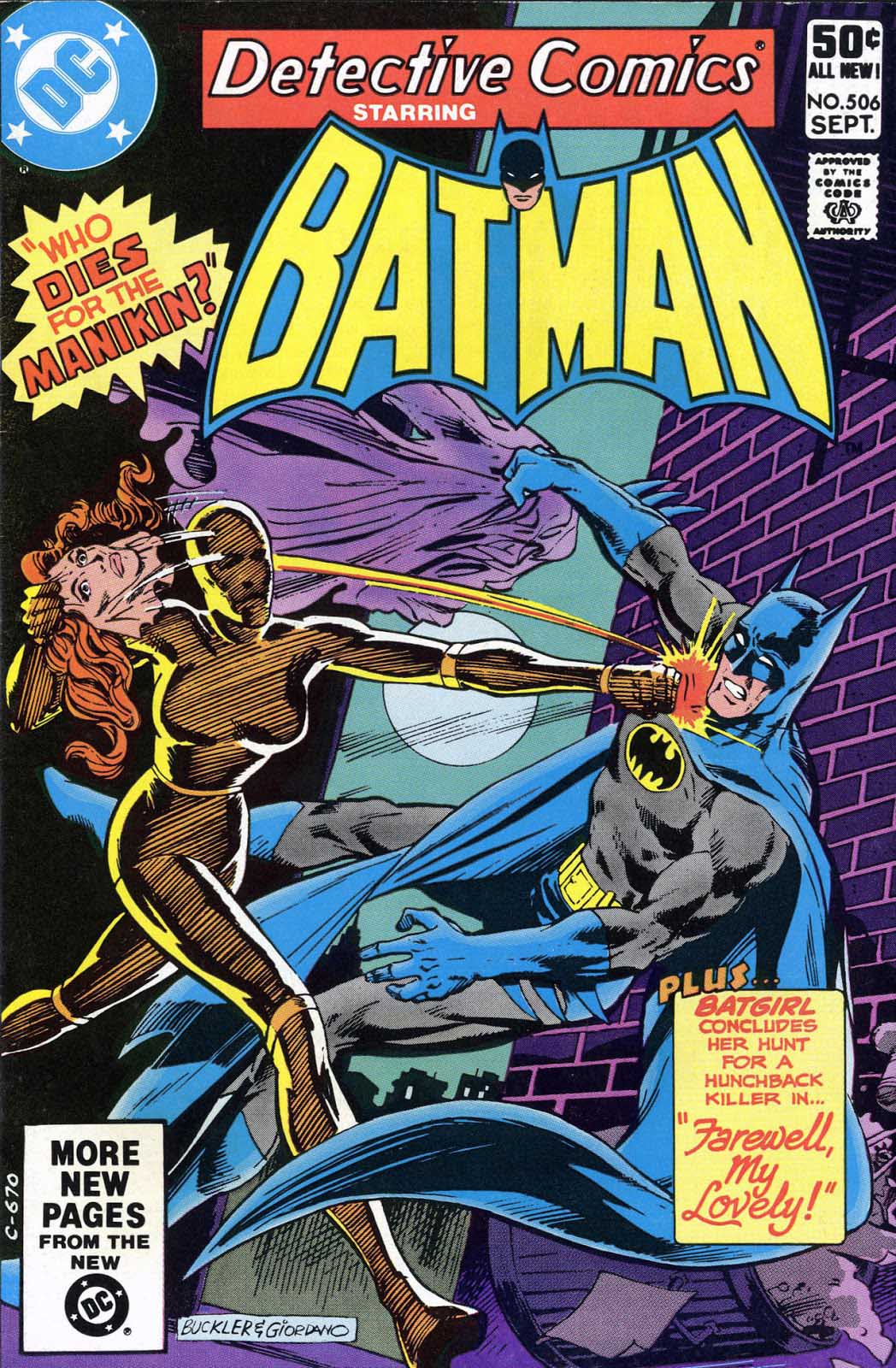
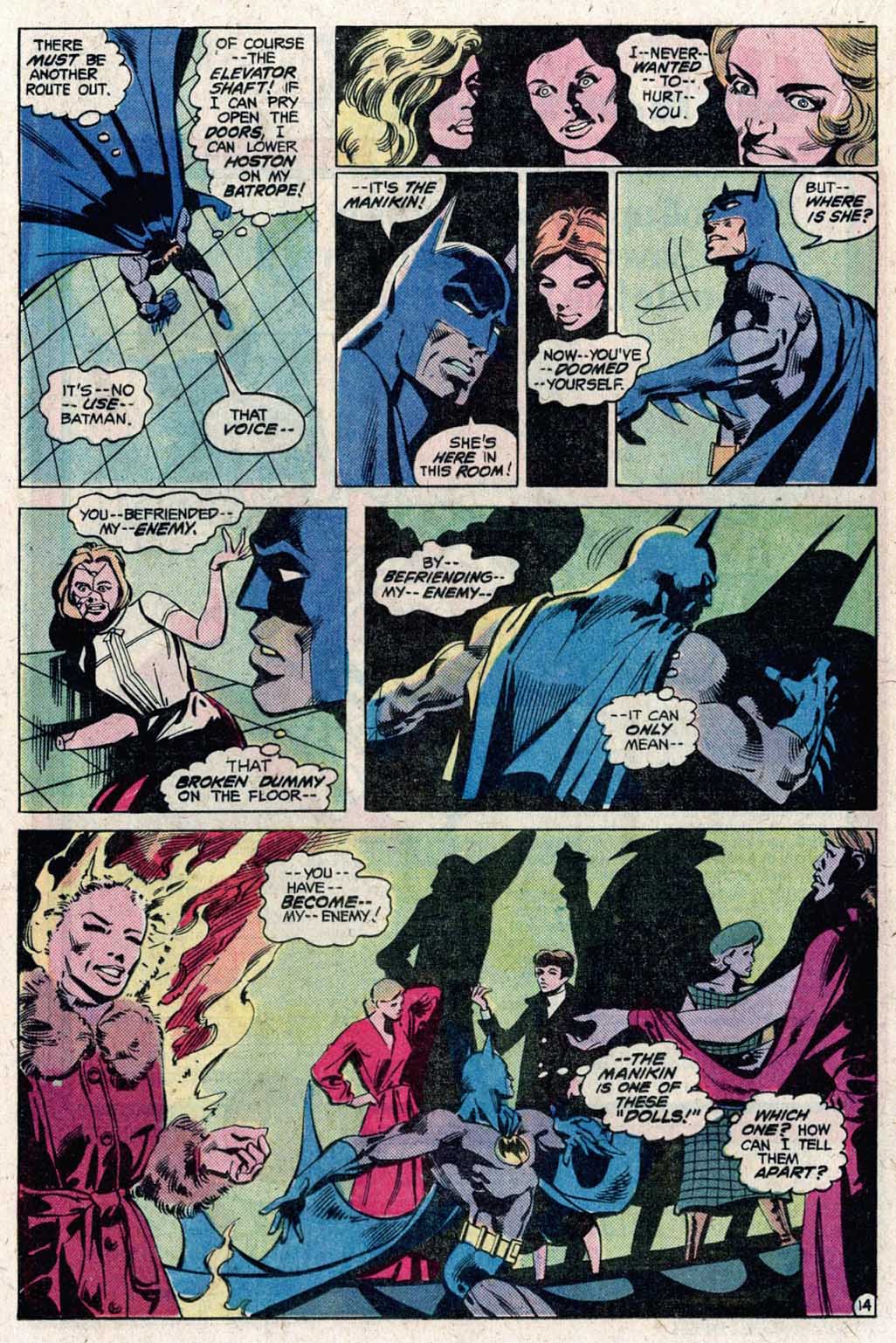
Here’s a terrific page by the late, great Don Newton, who drew some of my favorite Batman stories of the era.
Newton made turned complex stories into smooth storytelling, and he always accomplished it with quality draftsmanship and artistic flair.
This was yet another early find for me when I came back to original art collecting about 15 years ago.
Newton passed away much too young just shy of fifty, felled by a heart attack in 1984.
This past Saturday (September 18) was DC’s annual “Batman Day.” Although not exactly a national holiday, DC and Warner have used the occasion to commemorate the caped crusader and launch and market new products around the event.
So, as in the past two years, we continue to honor the celebration with the rest of the month’s posts devoted to The Dark Knight….
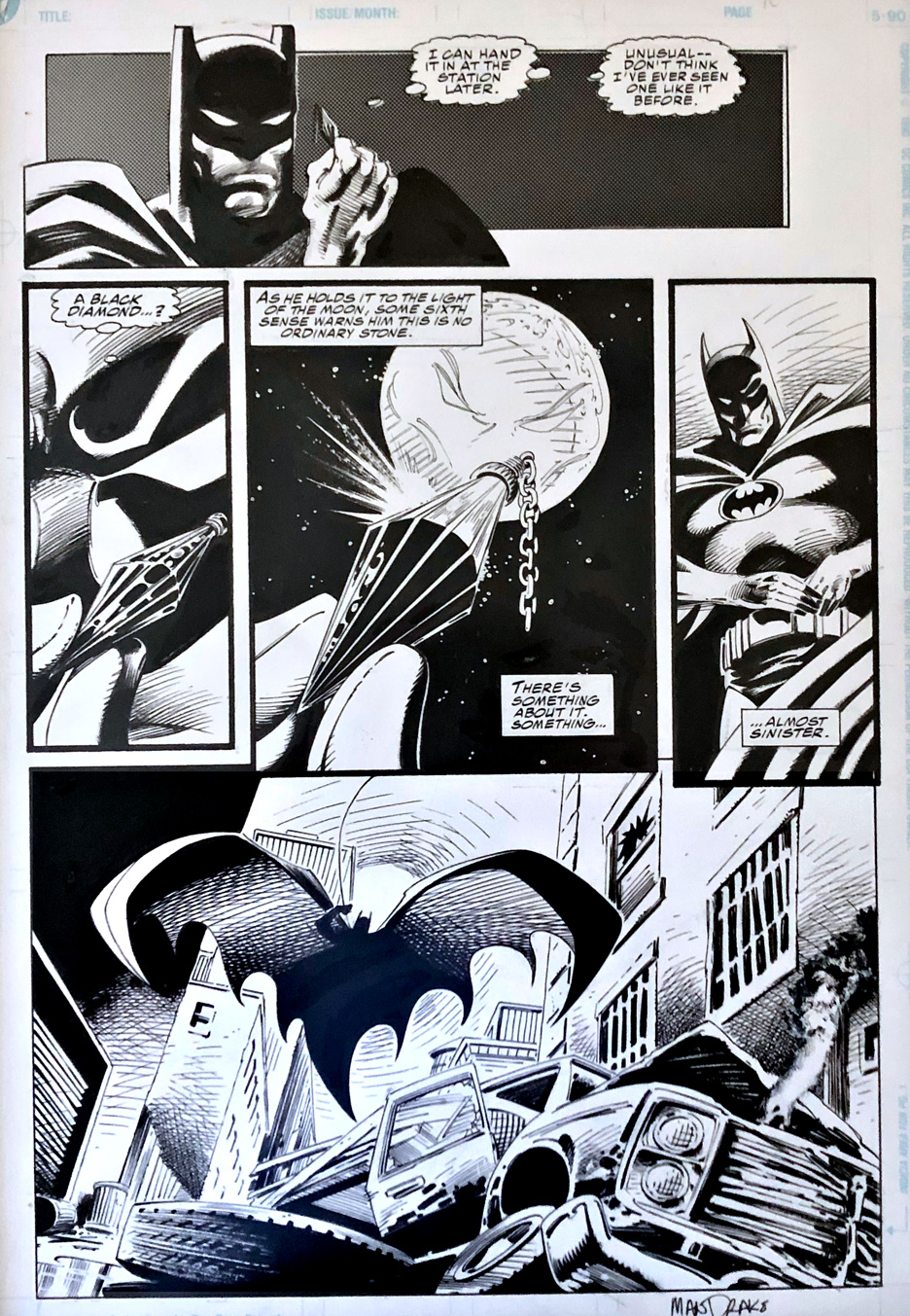
This Tom Mandrake Batman page was among the first pieces of original art I acquired when I re-entered collecting again about 15 years ago.
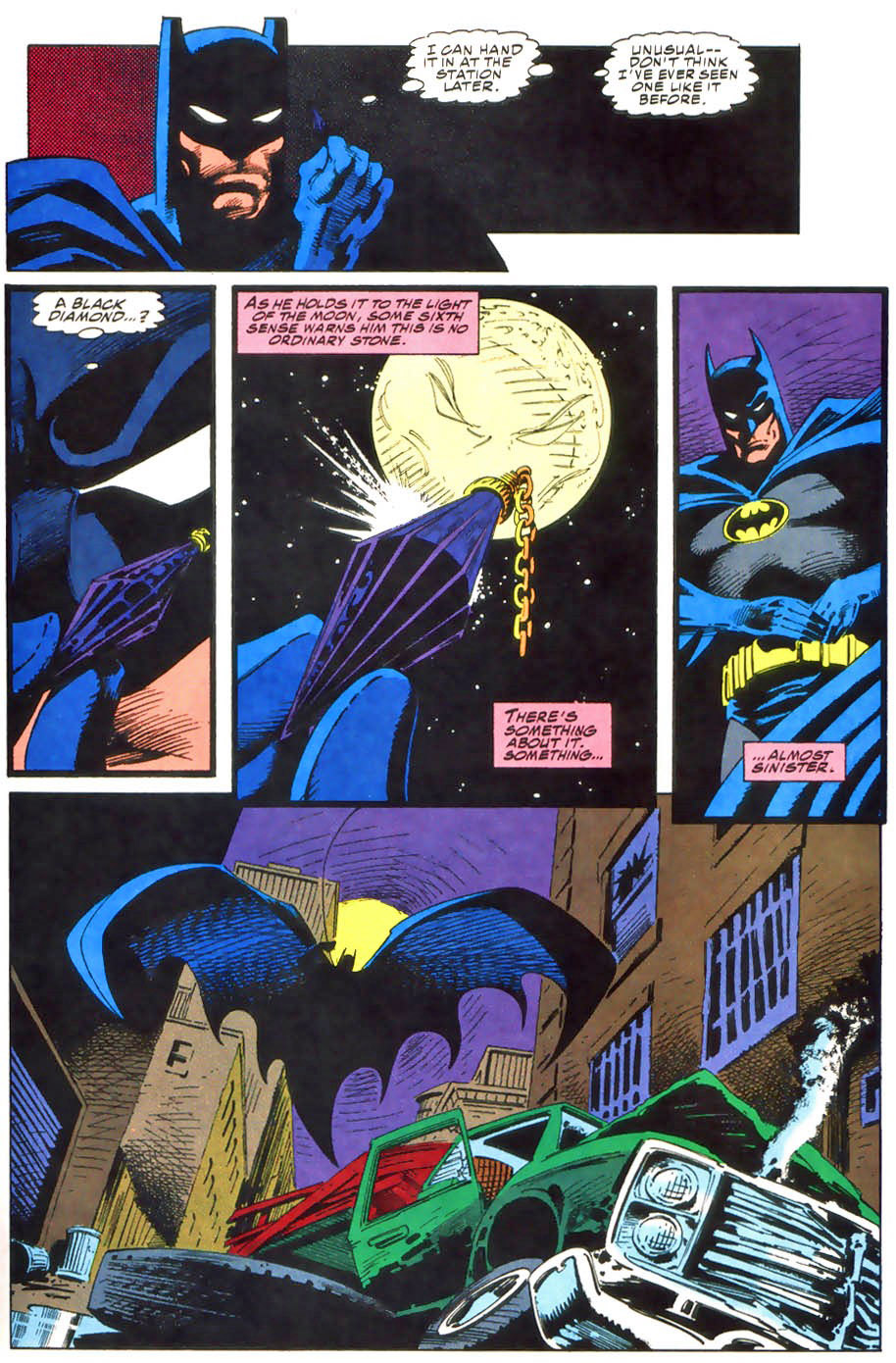
In many ways, it’s the perfect Batman page. It’s dark and moody, and Batman is actually “detecting”, something his many writers occasionally forget is actually one of his primary skills.
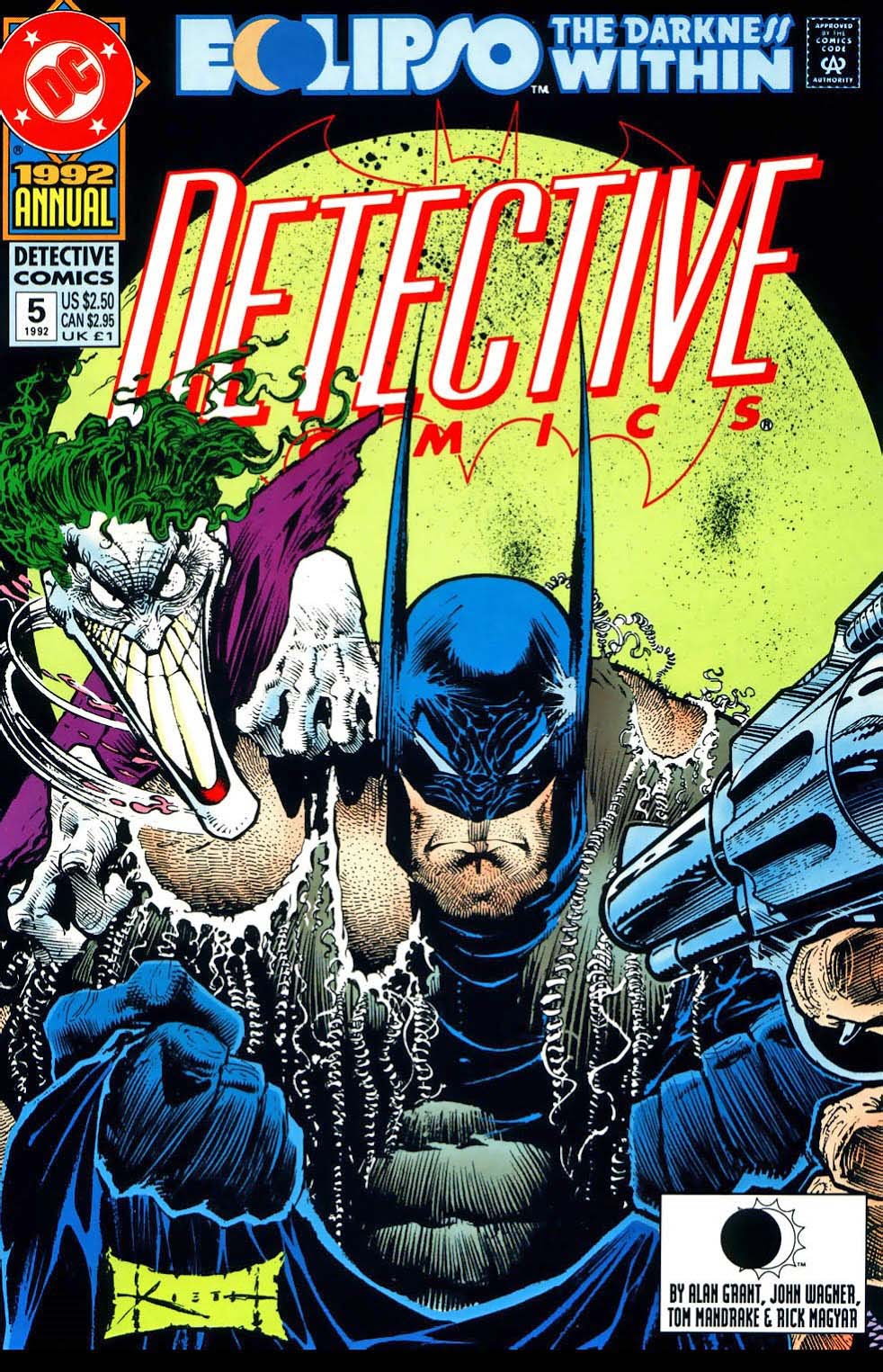
Mandrake delivers some knockout art in this issue. And Sam Kieth’s terrific cover is the cherry on top.
Detective in the first panel, and Dark Knight mysteriously swooping over the wrecked car in the last. Yes, definitely pretty perfect.