Lucas Museum — The Art
Lucas Museum of Narrative Art, Los Angeles, September 10, 2026
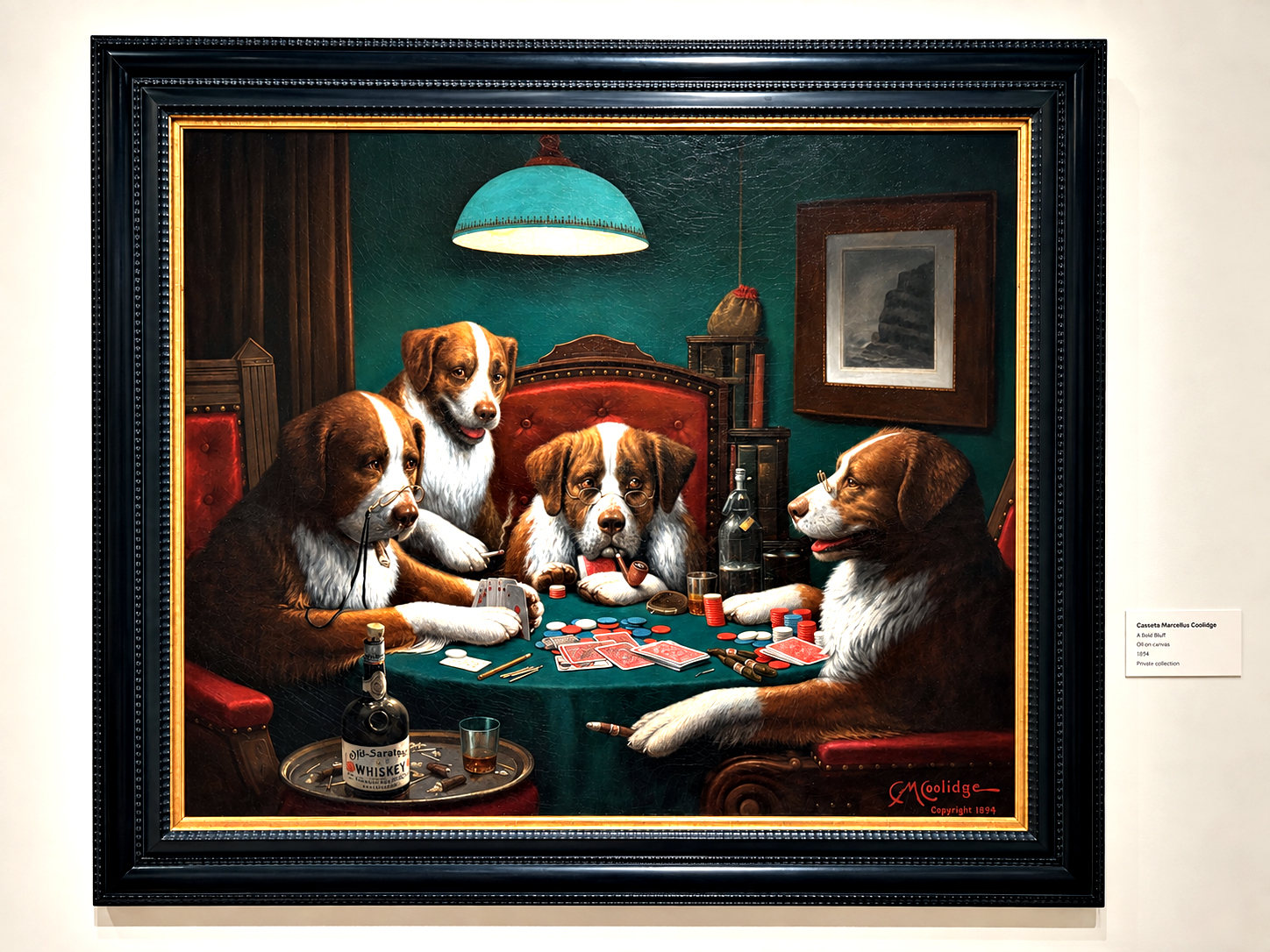
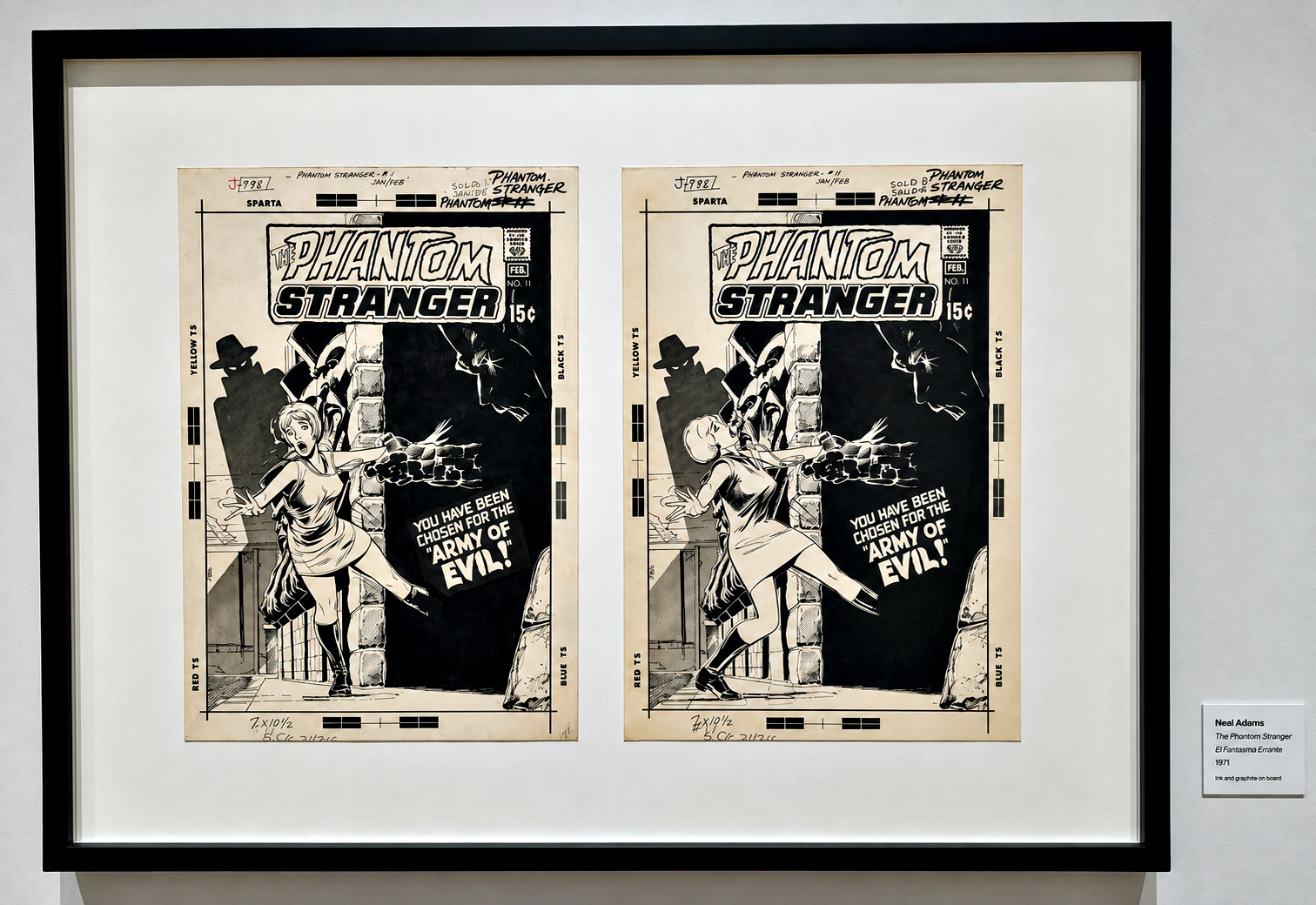
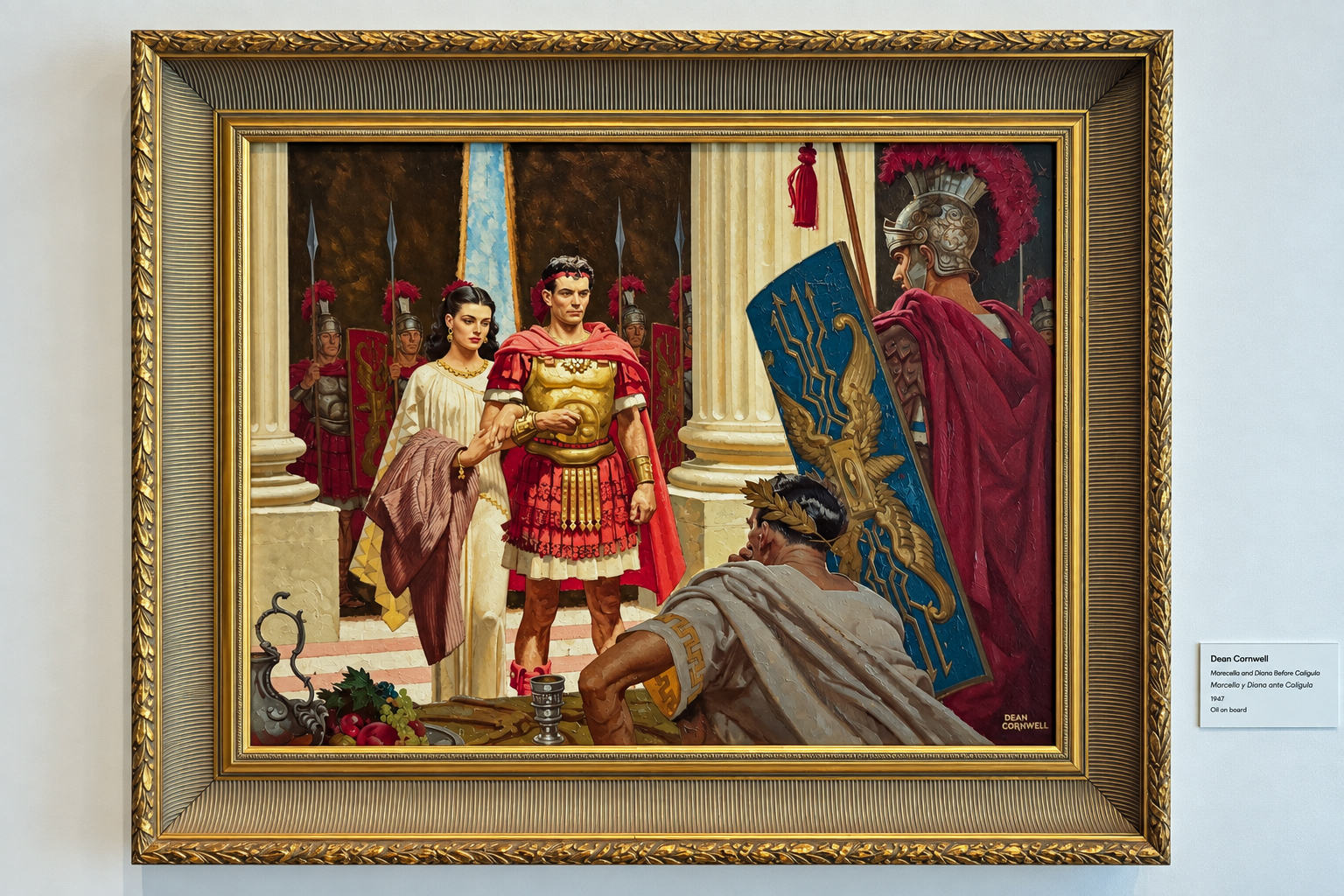
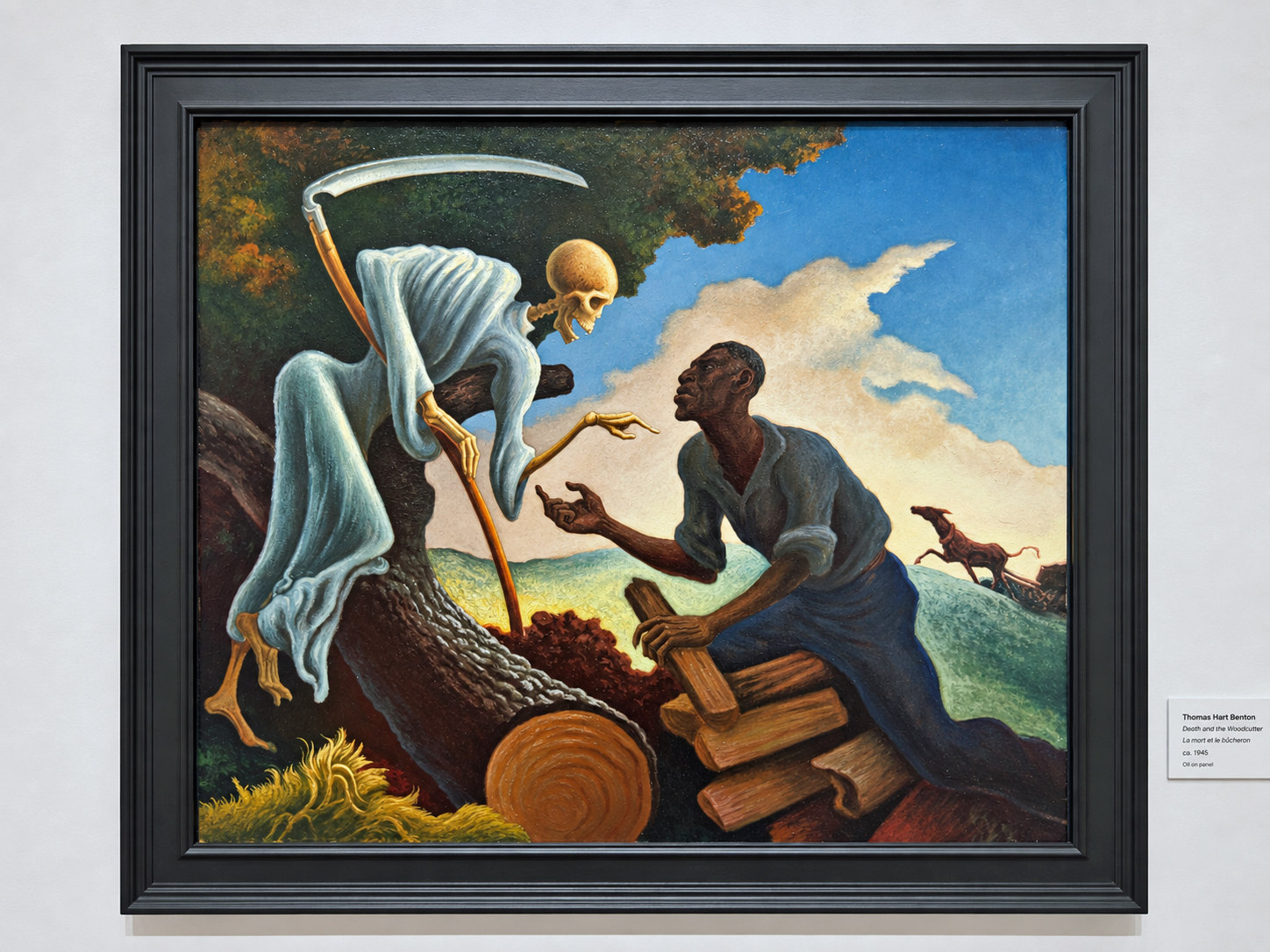
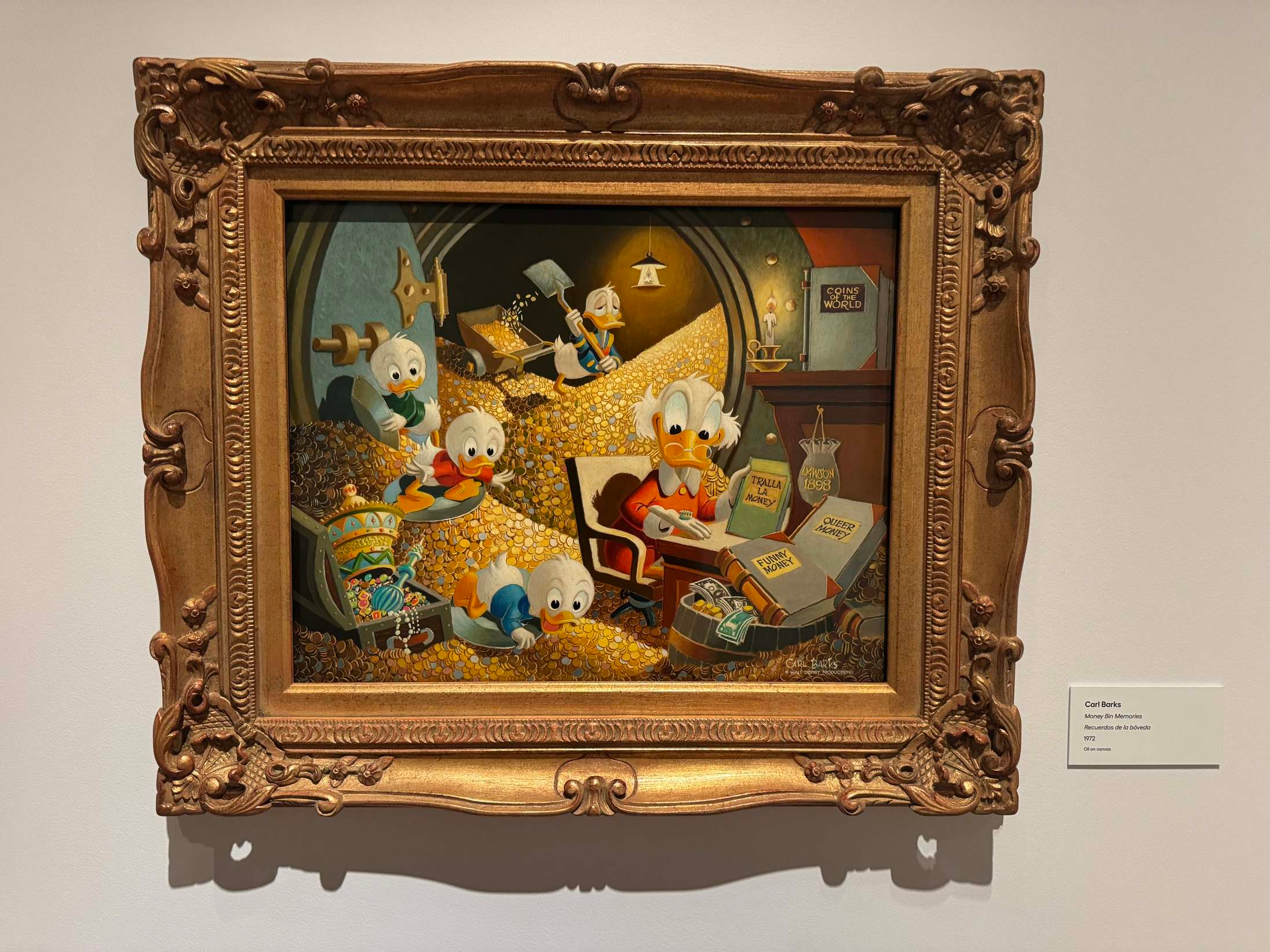
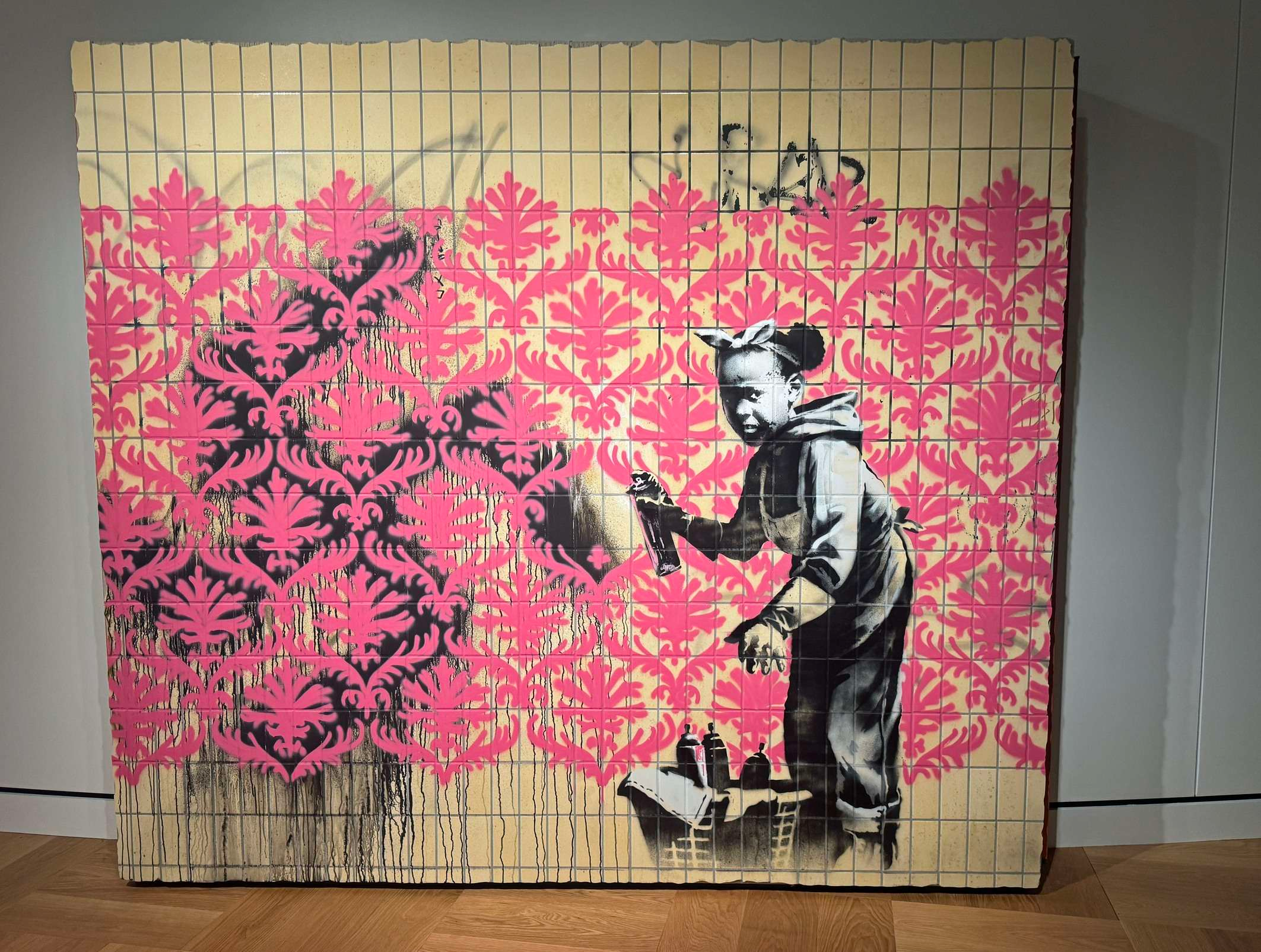
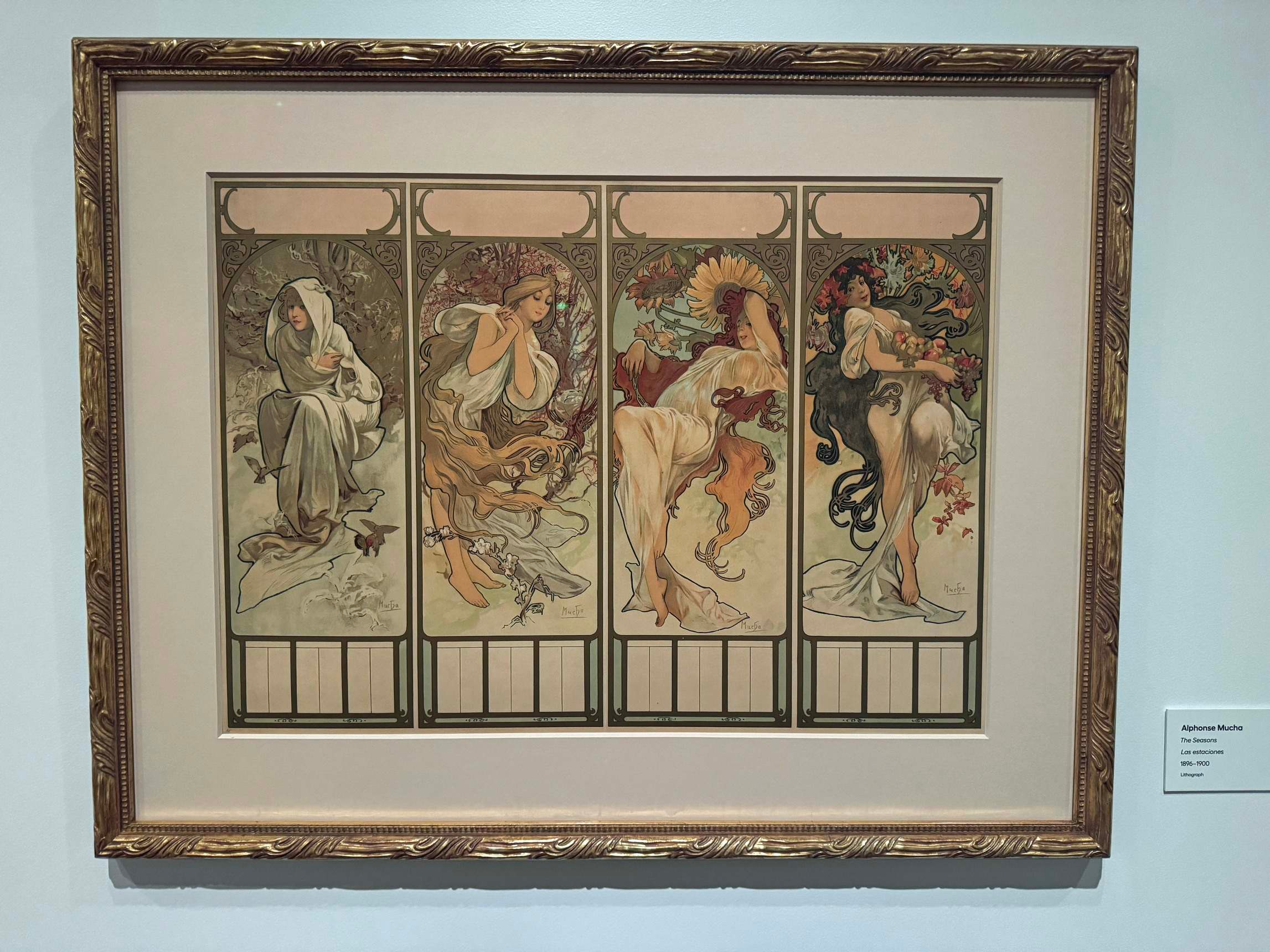
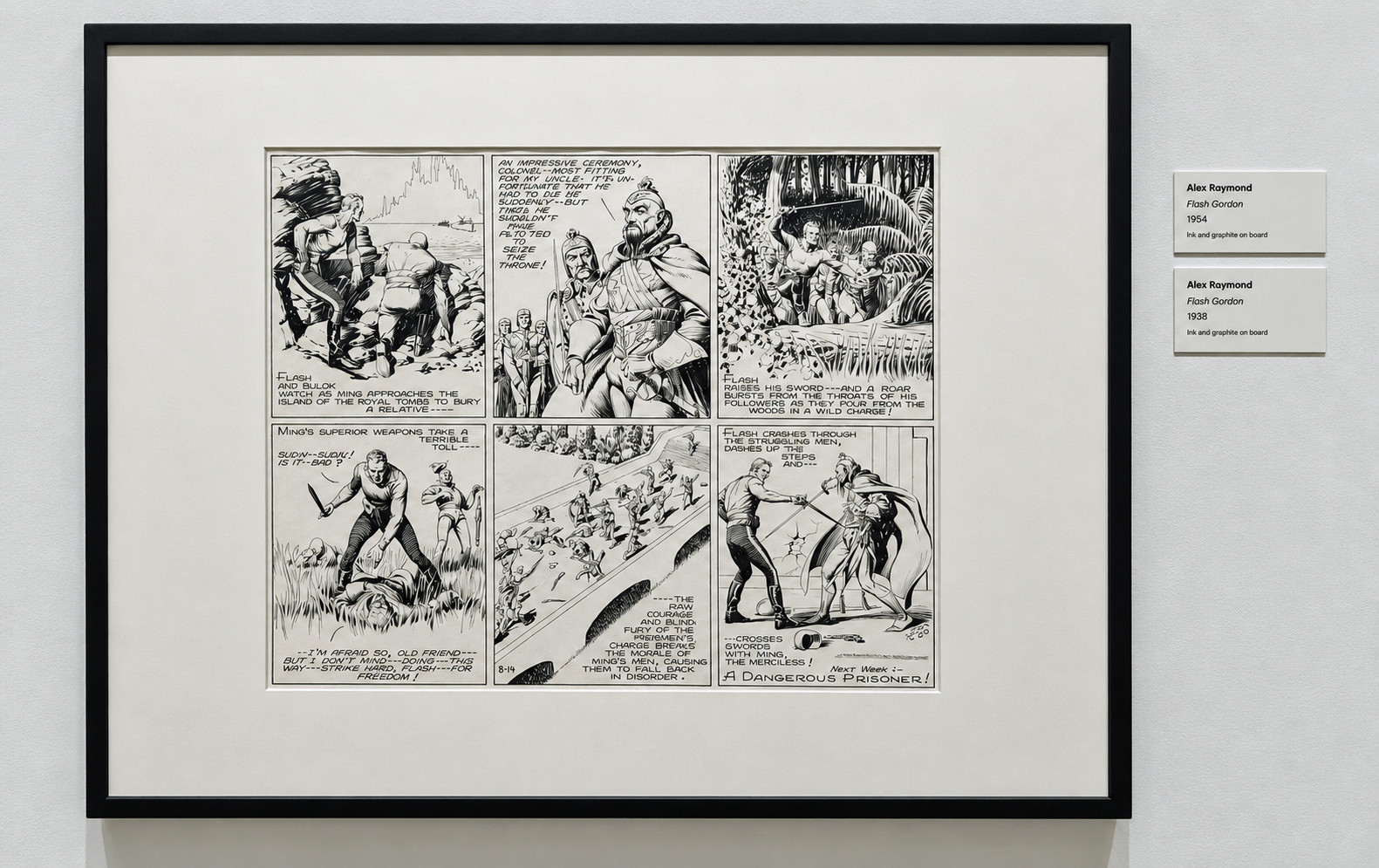
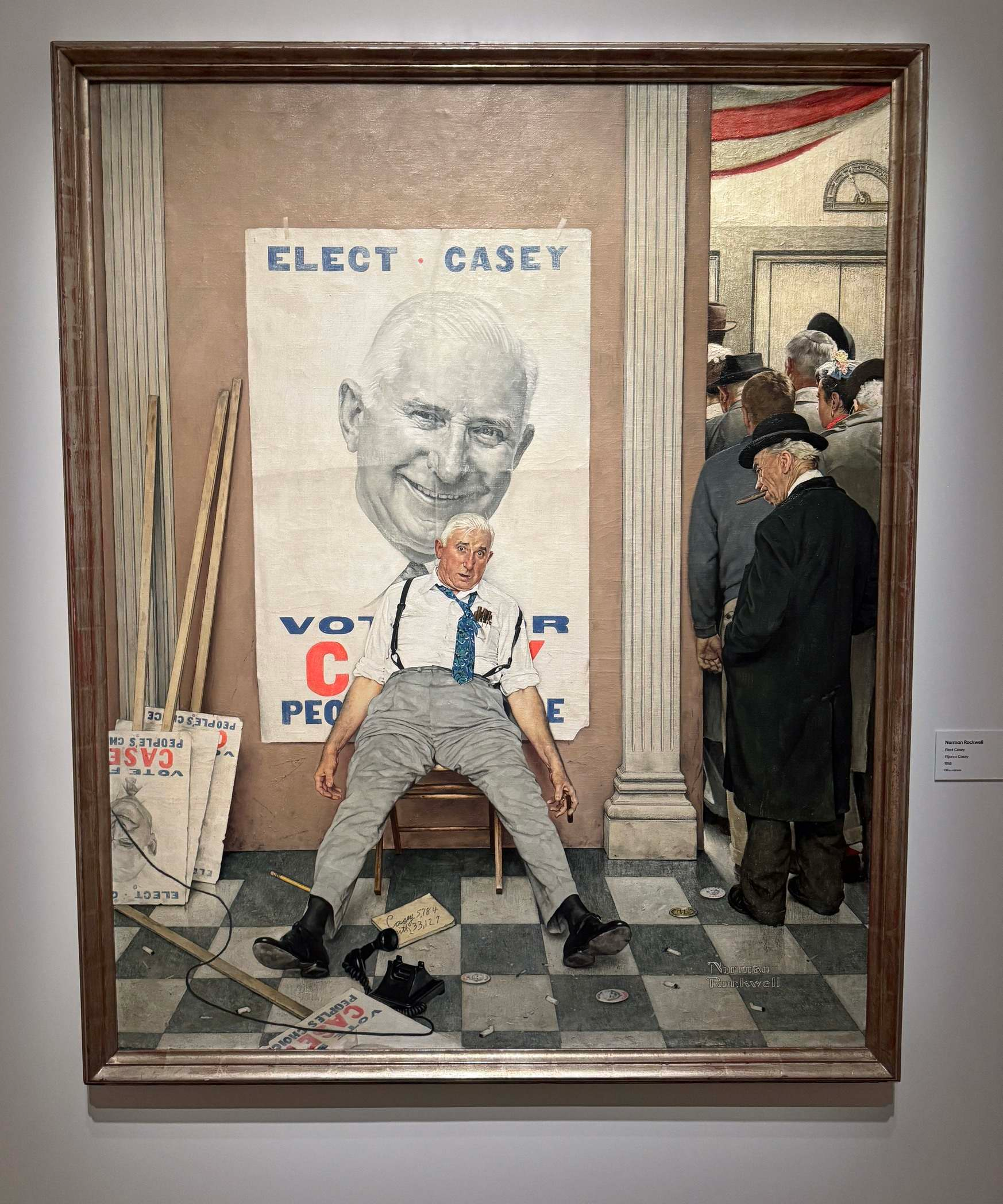
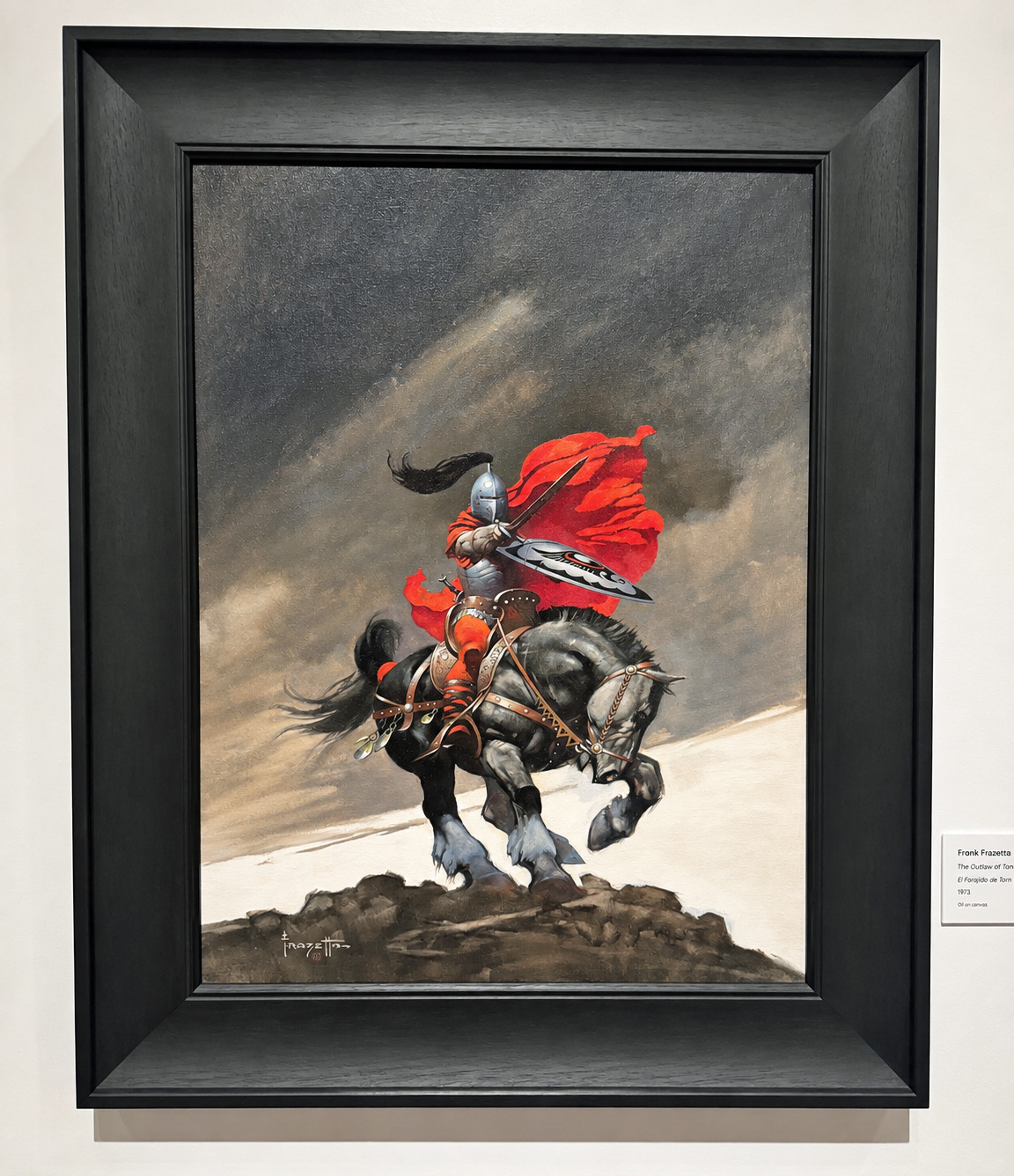
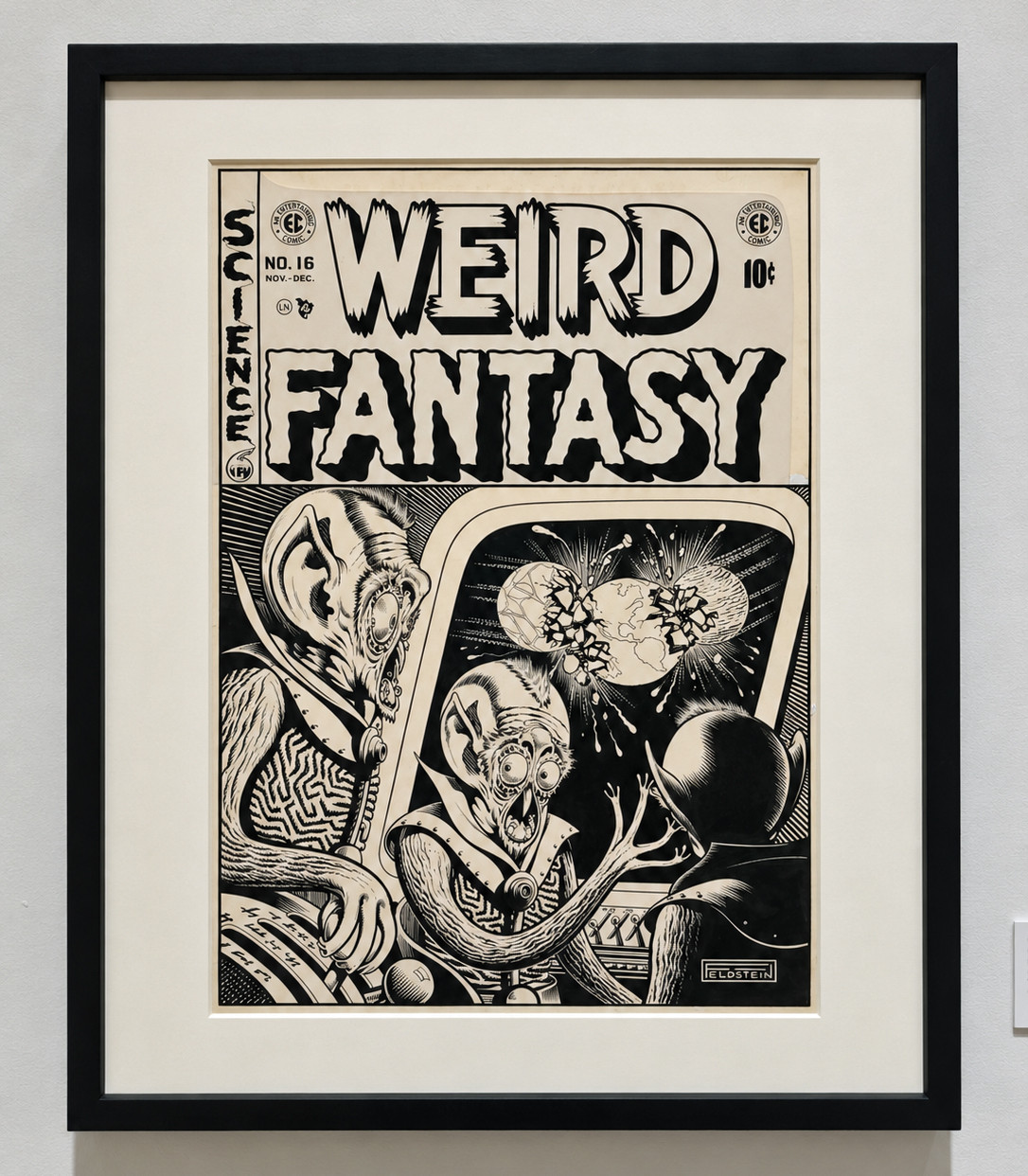
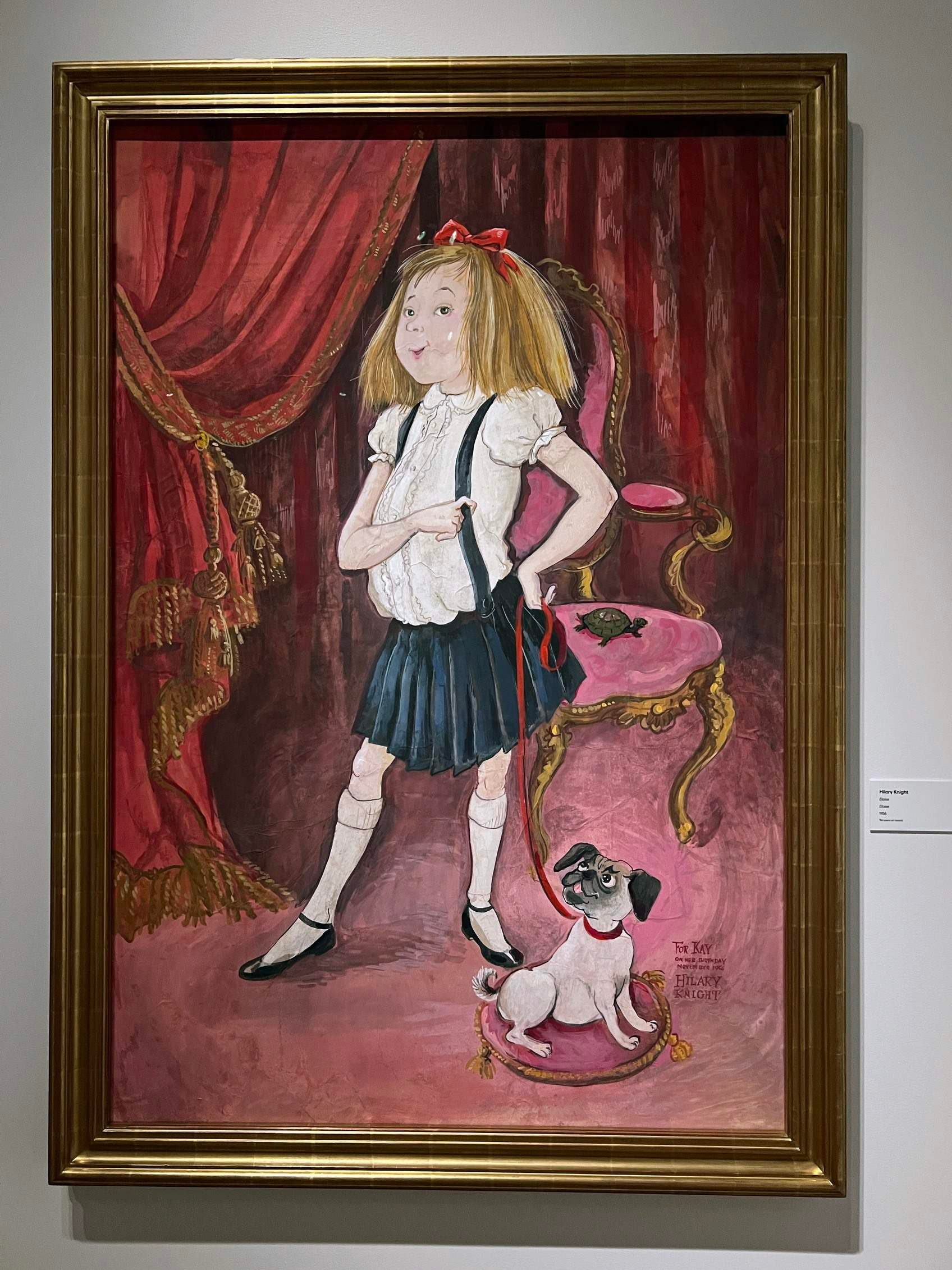
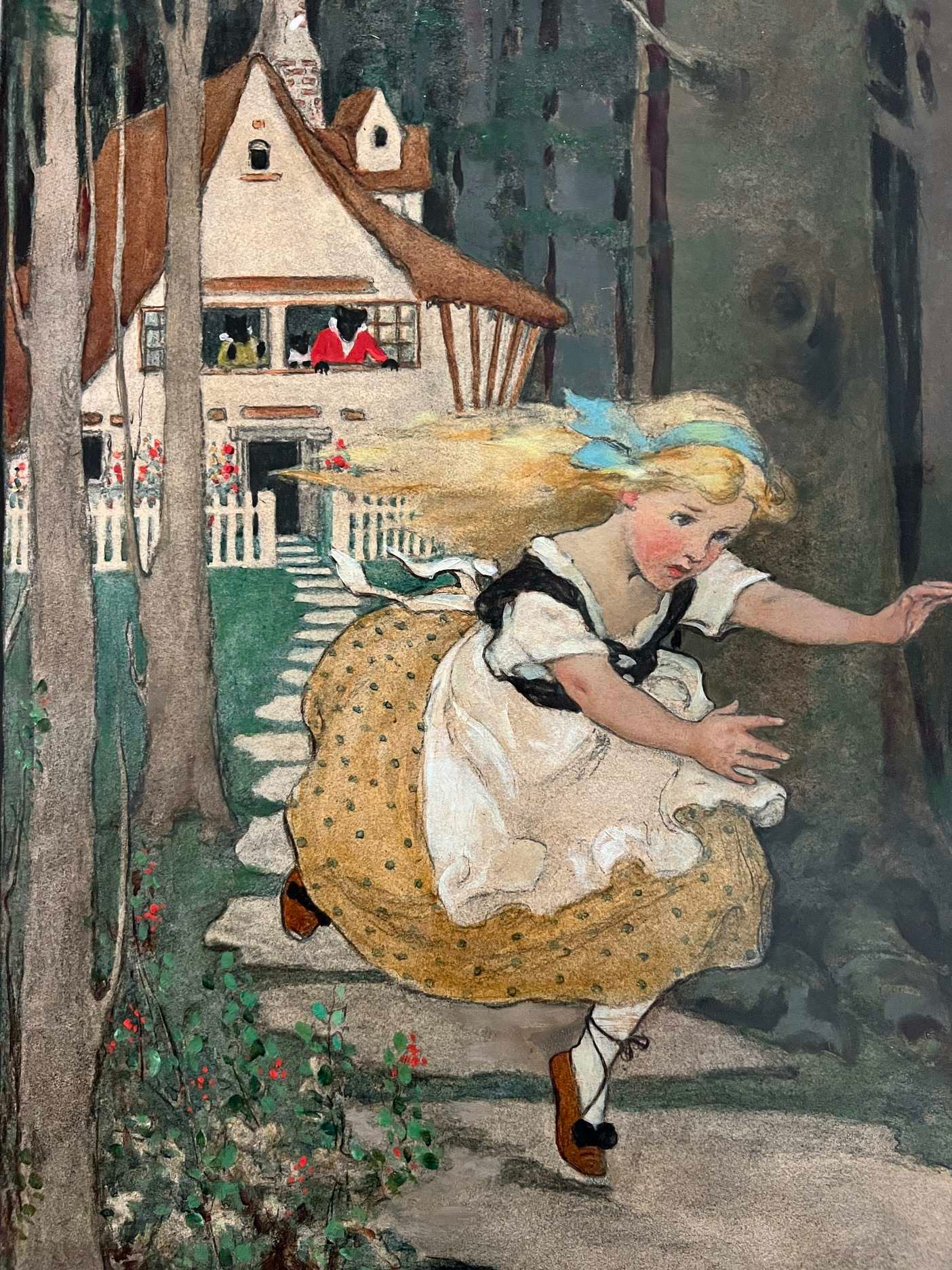
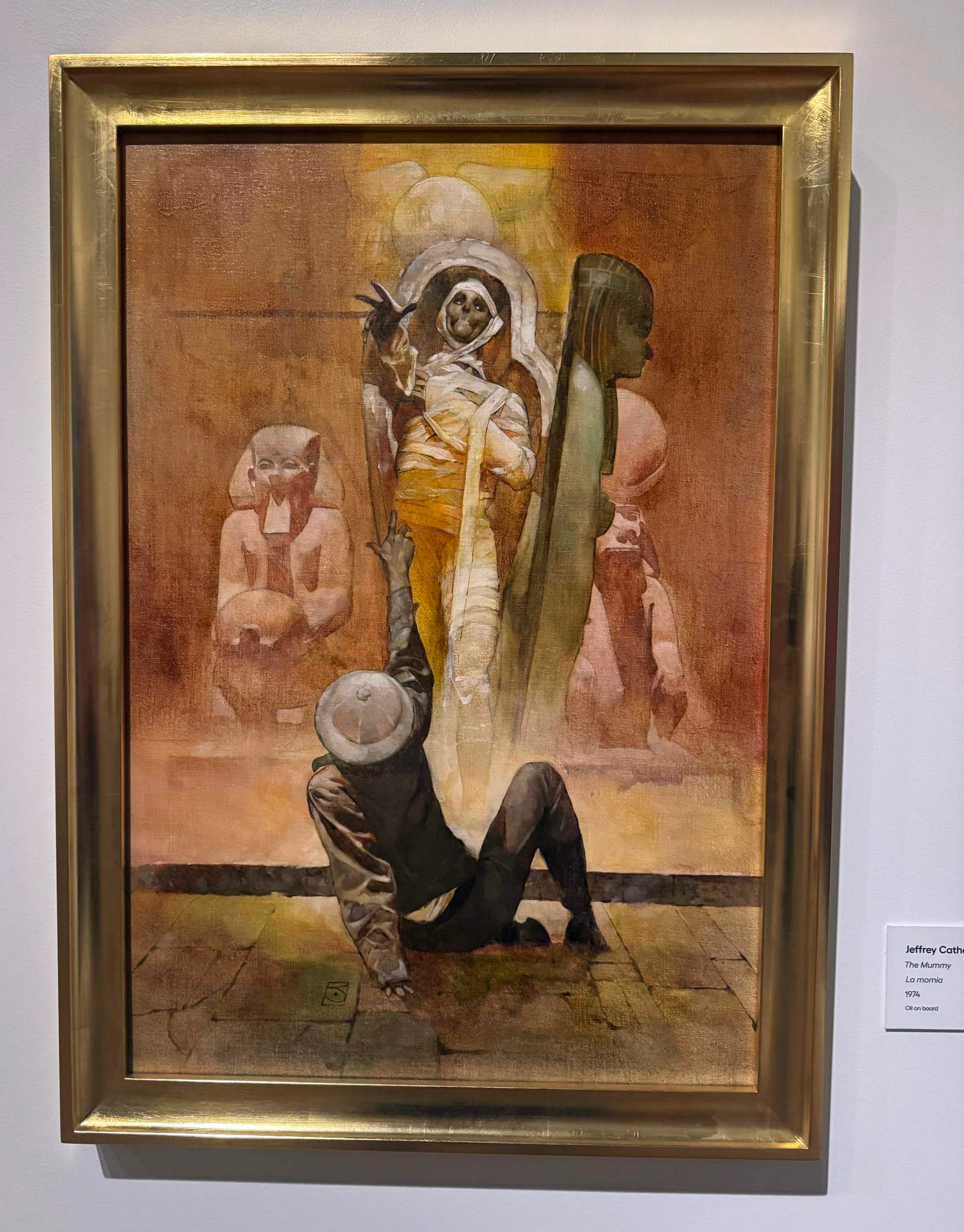
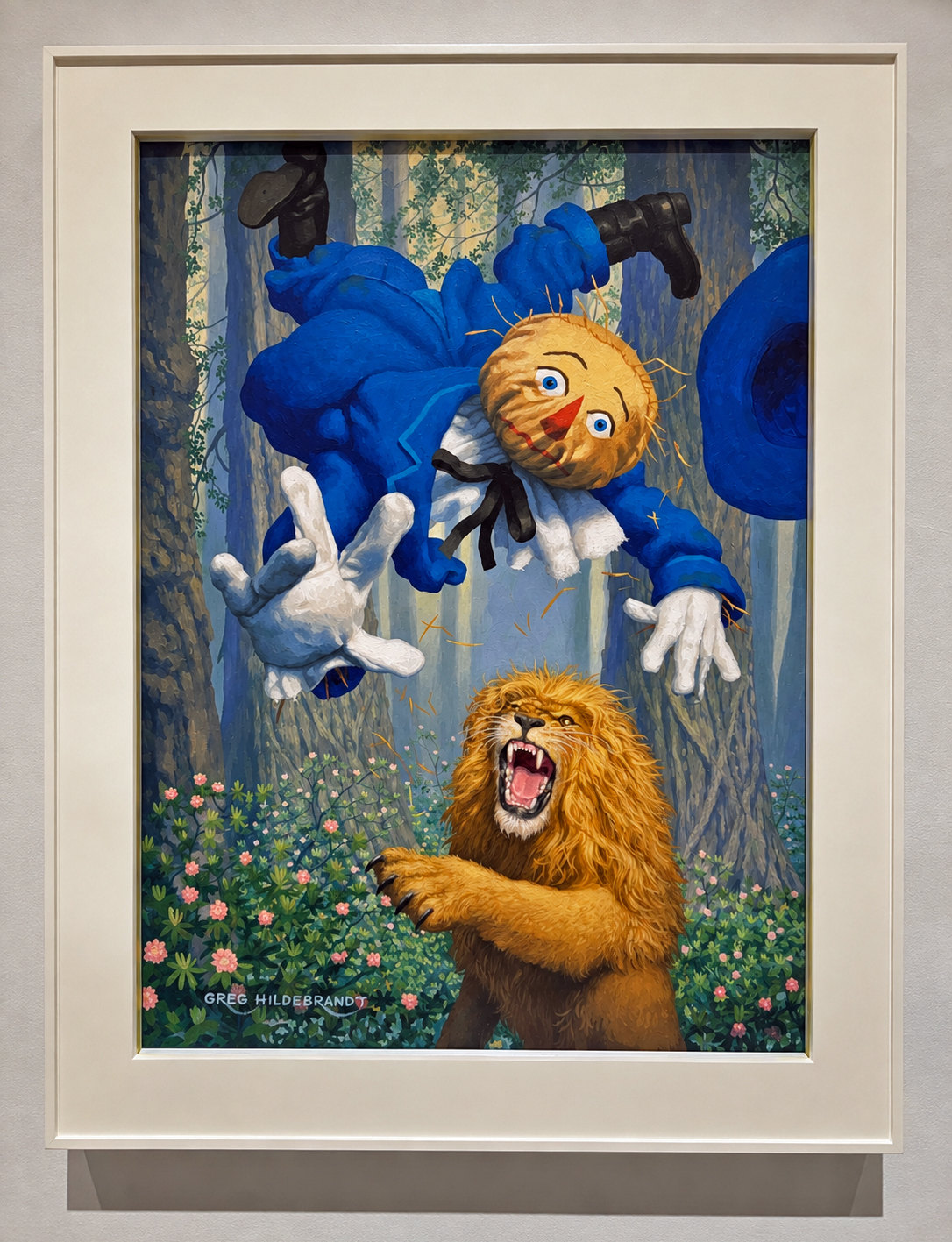
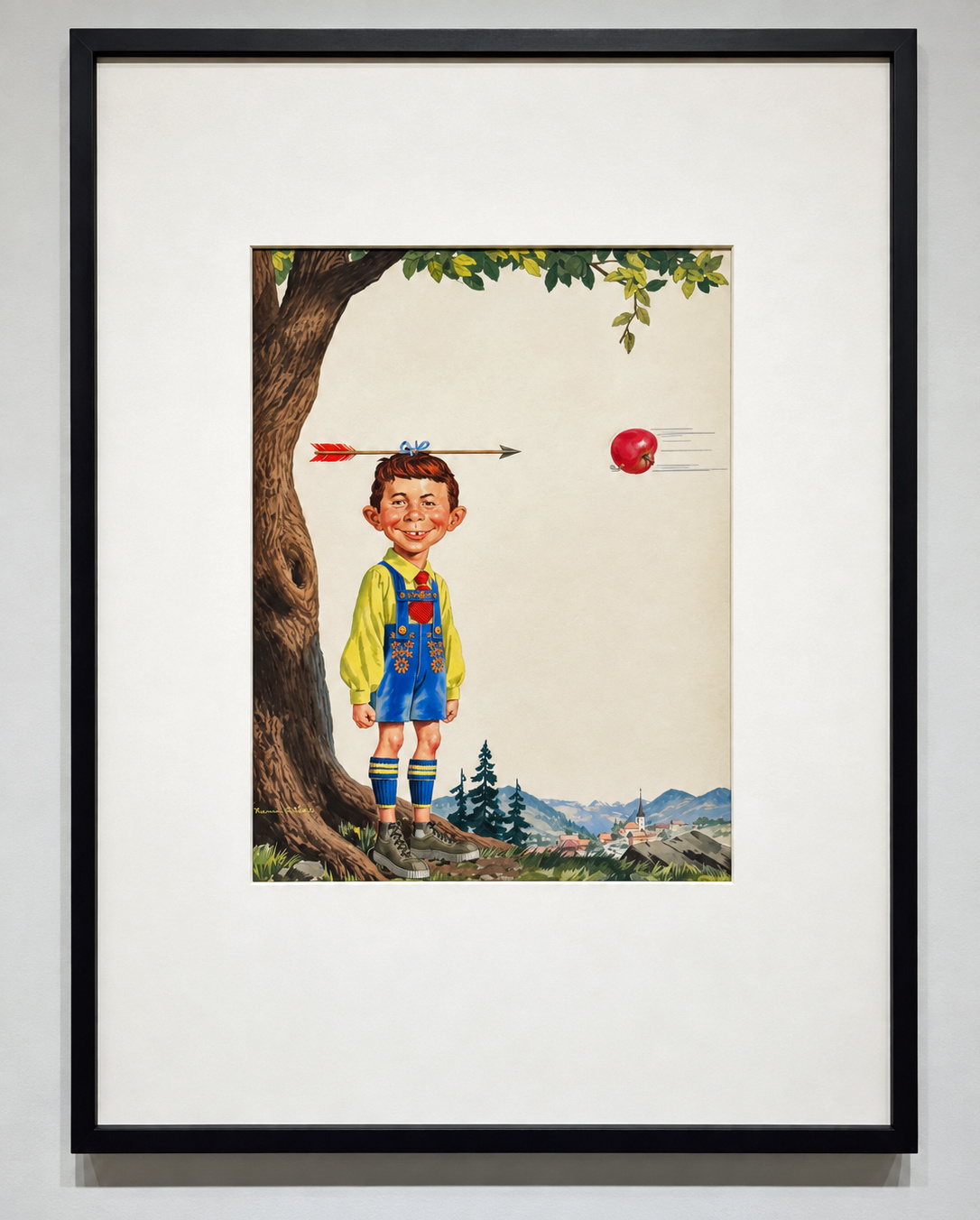
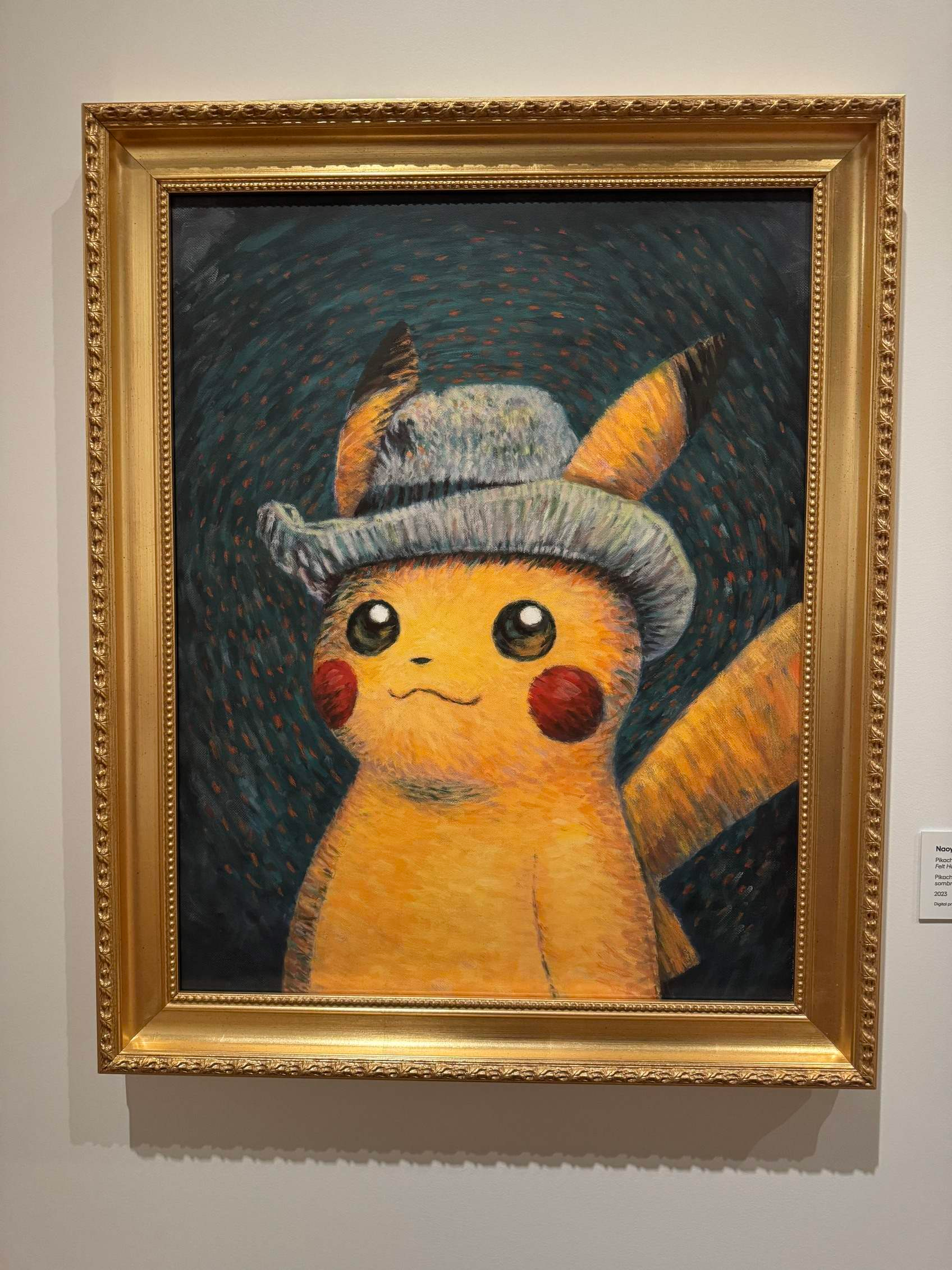
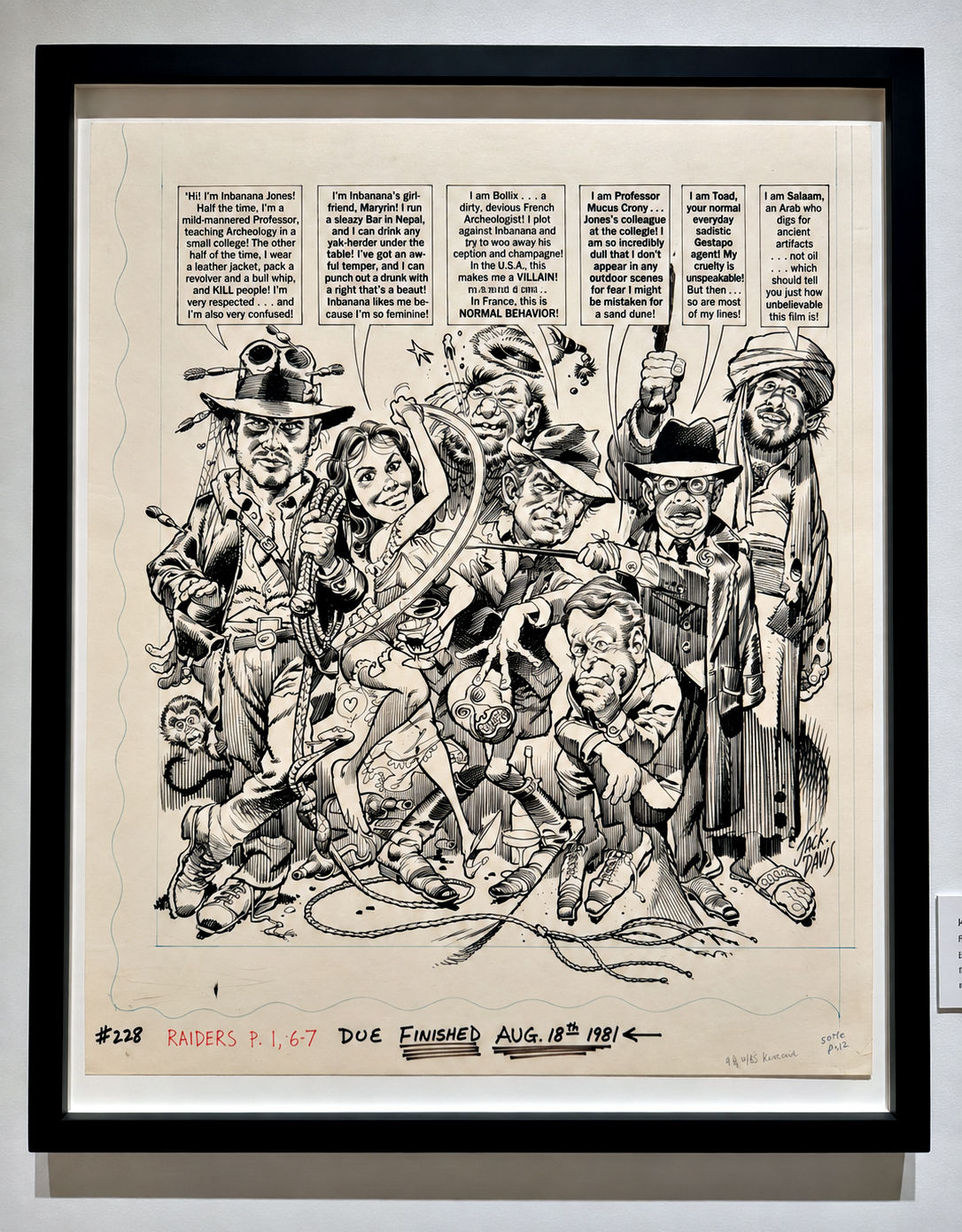
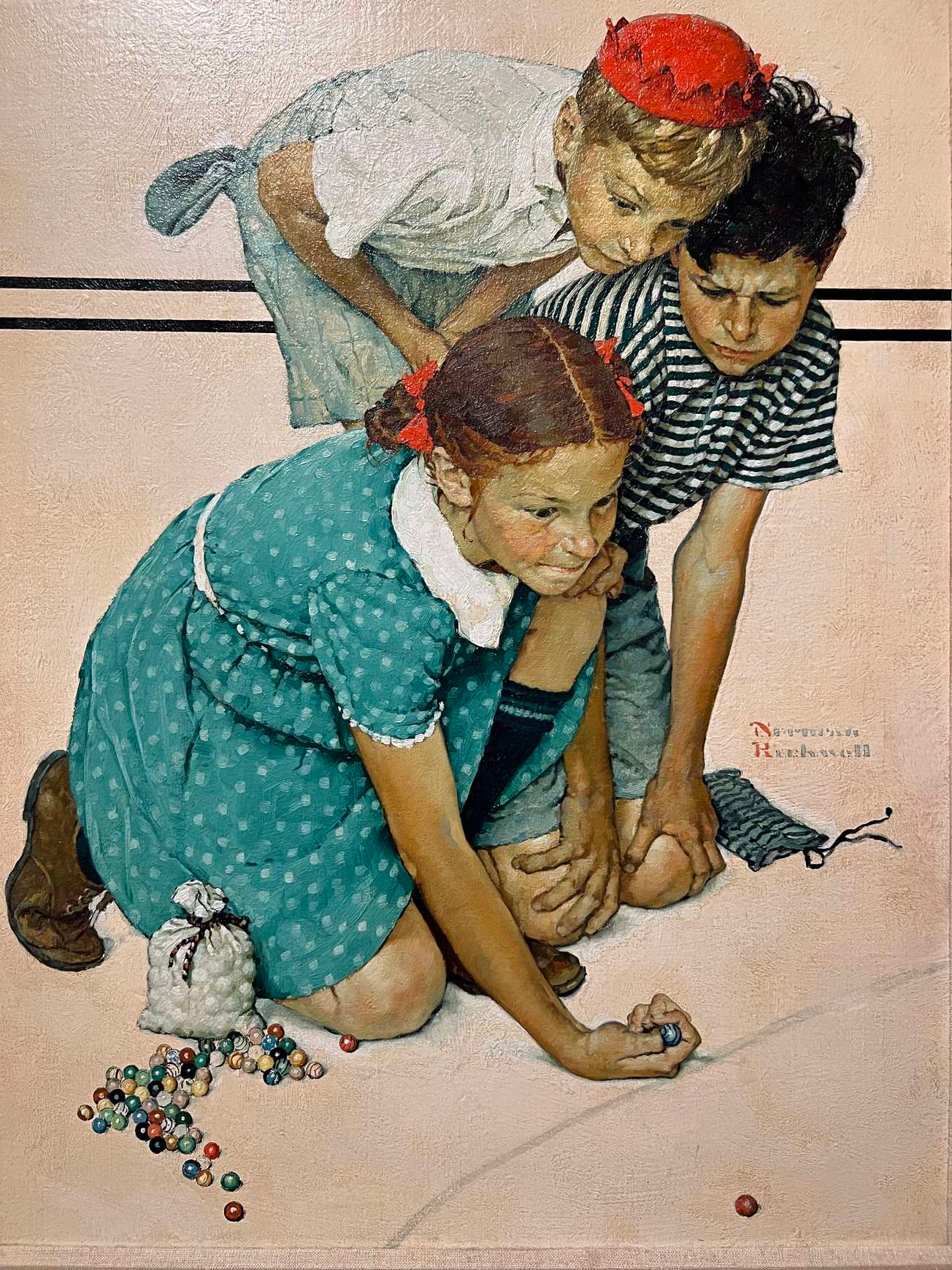
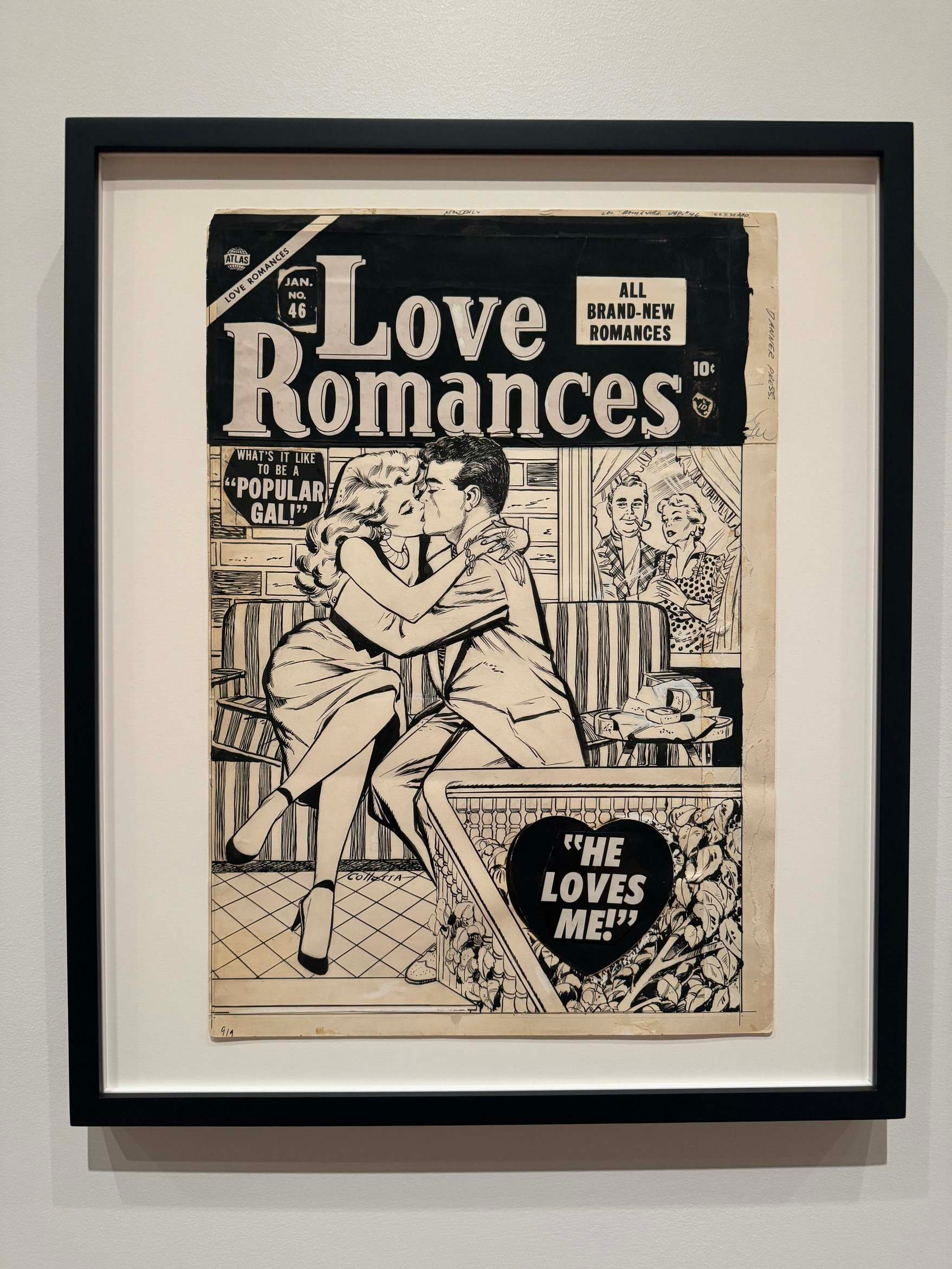
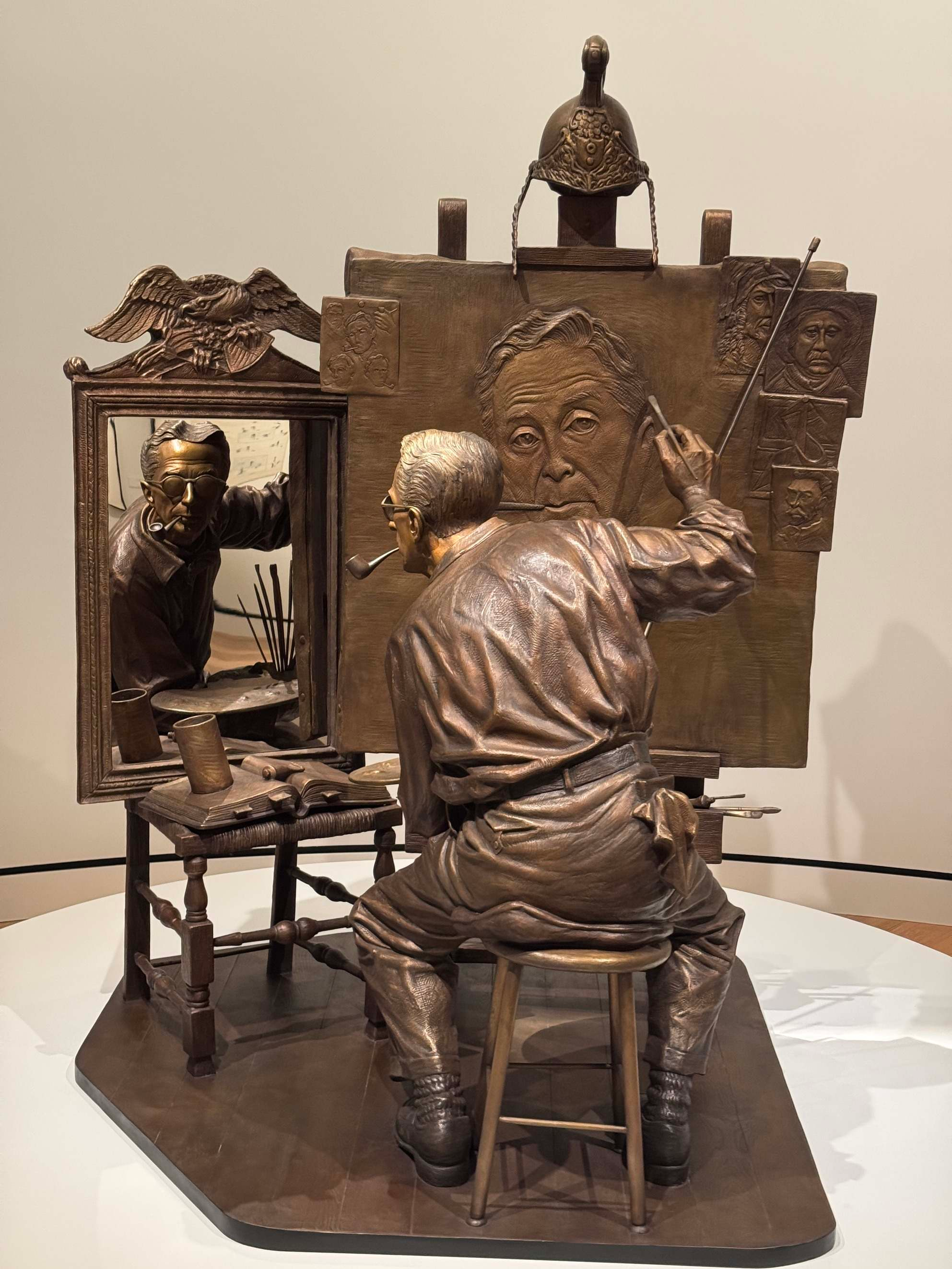
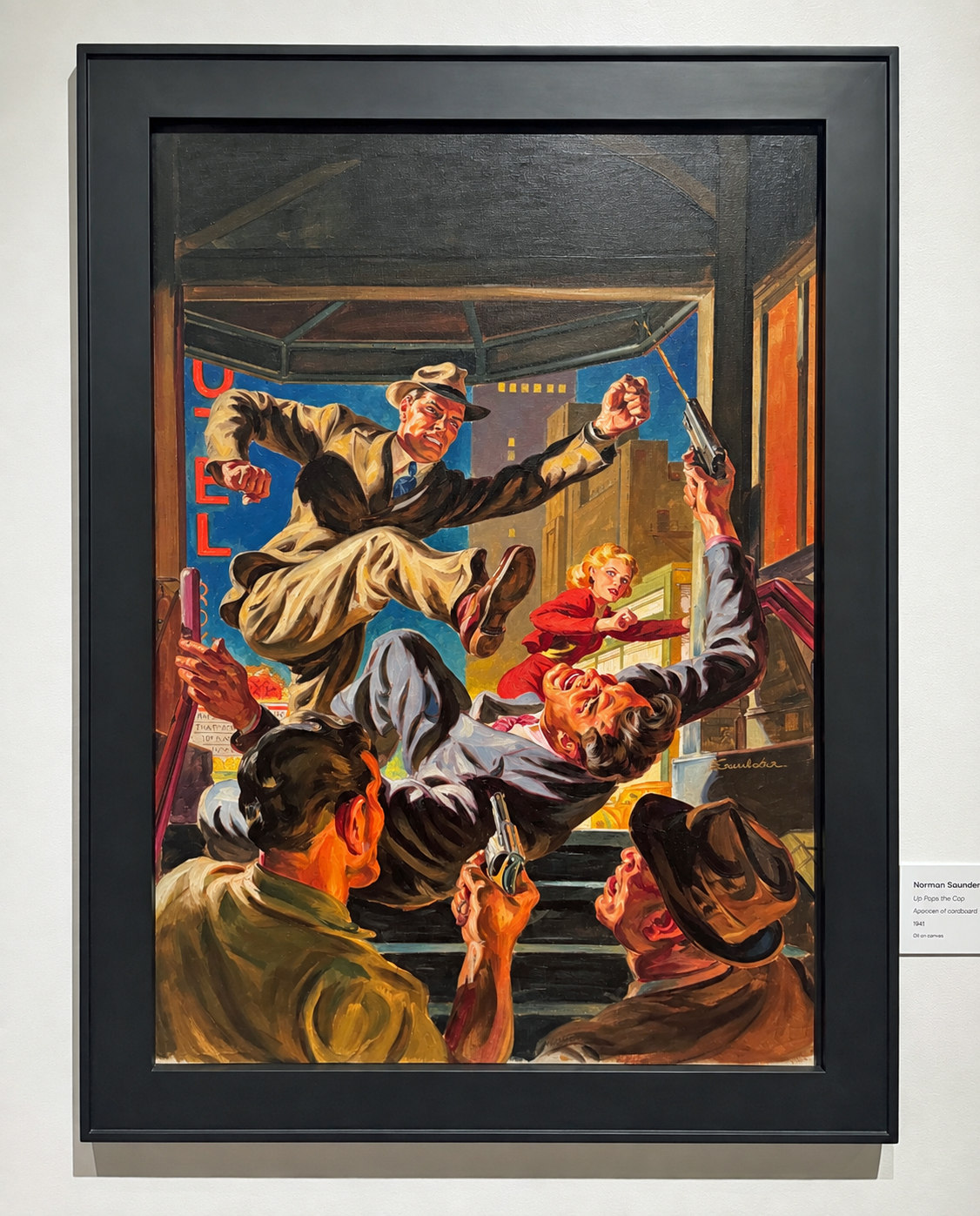
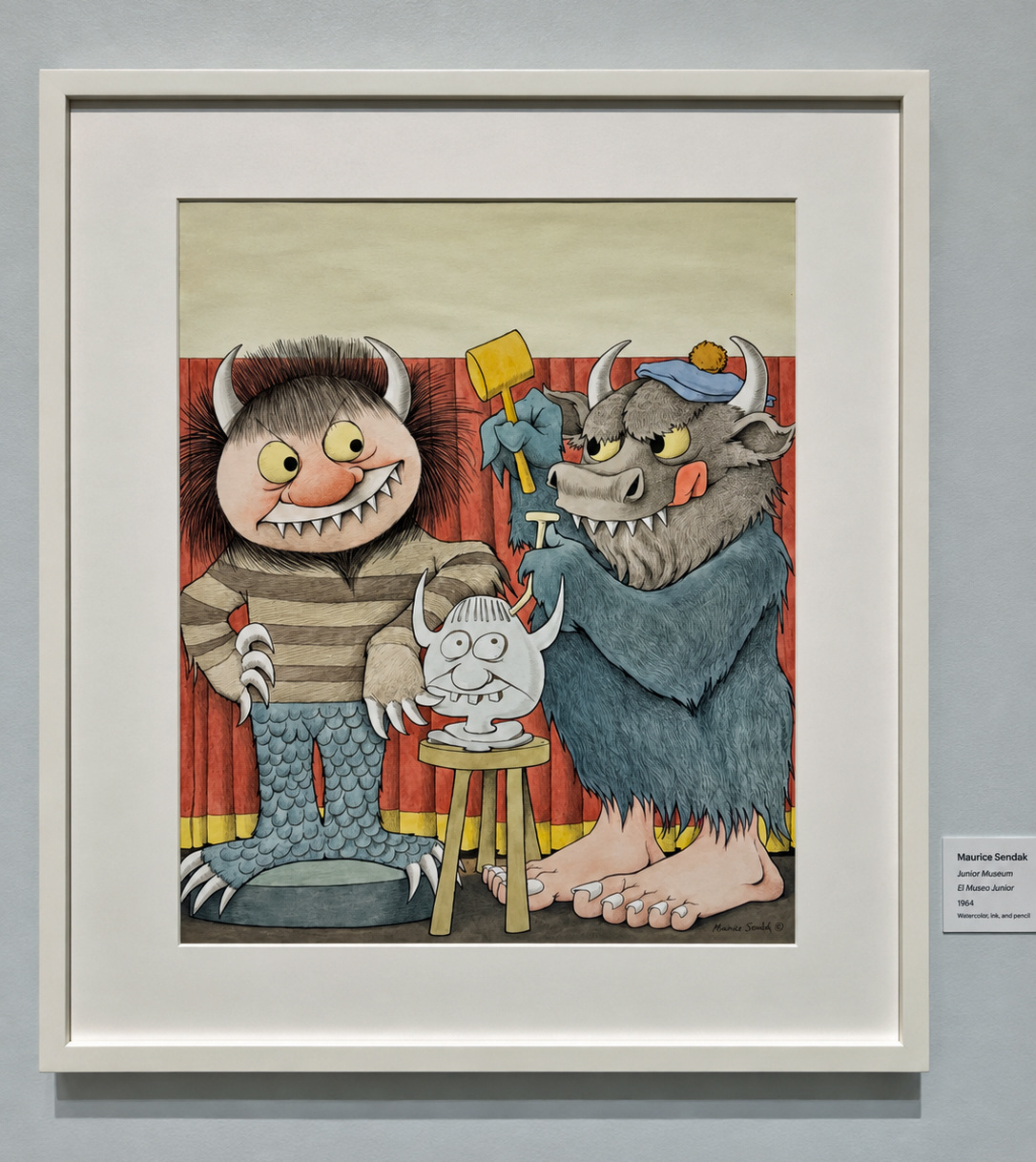
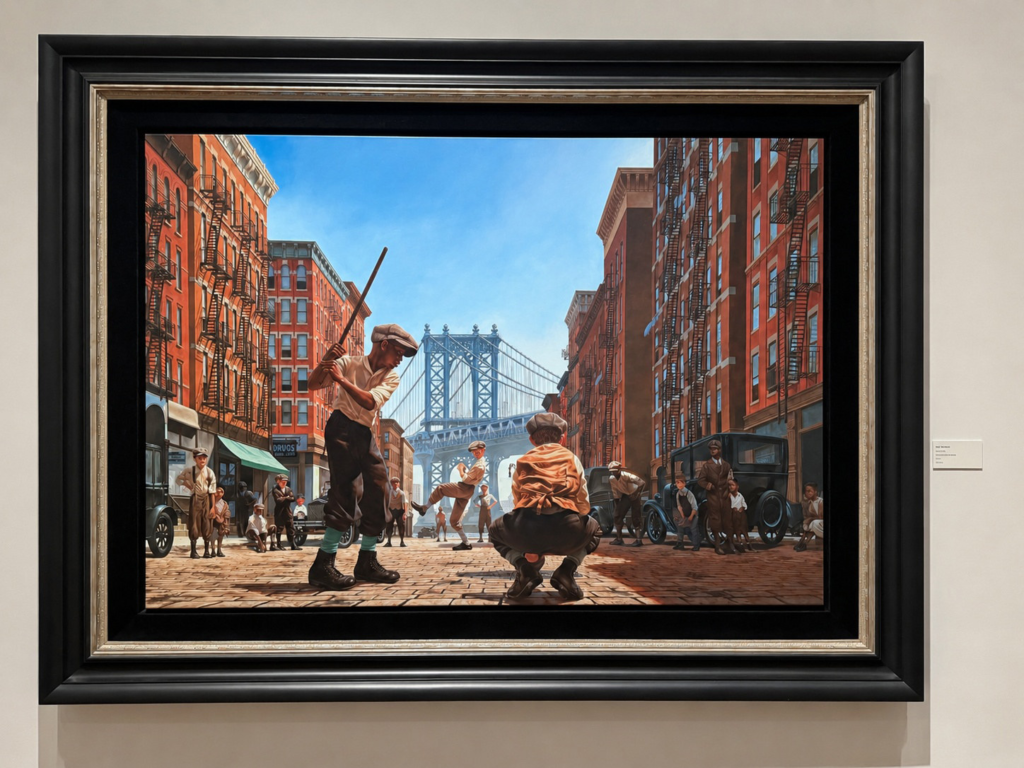
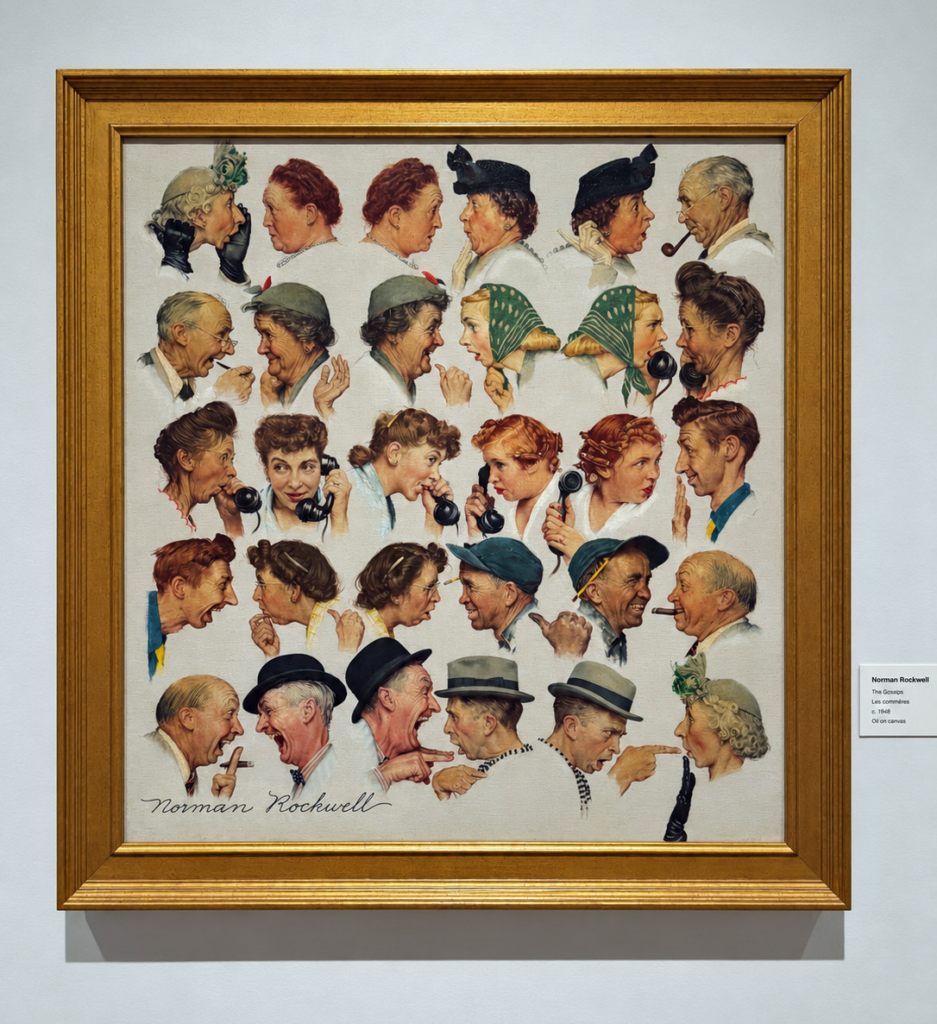
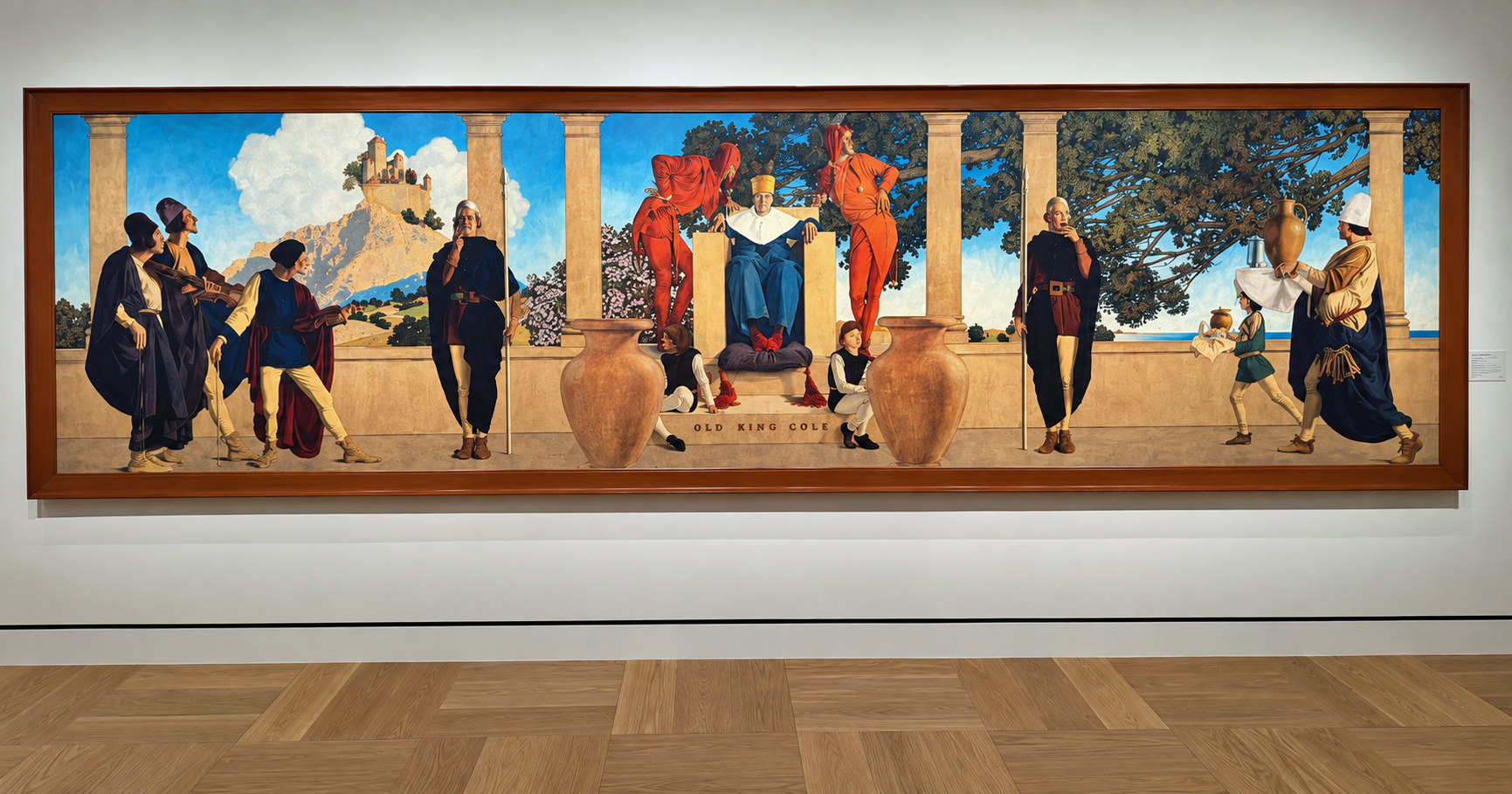
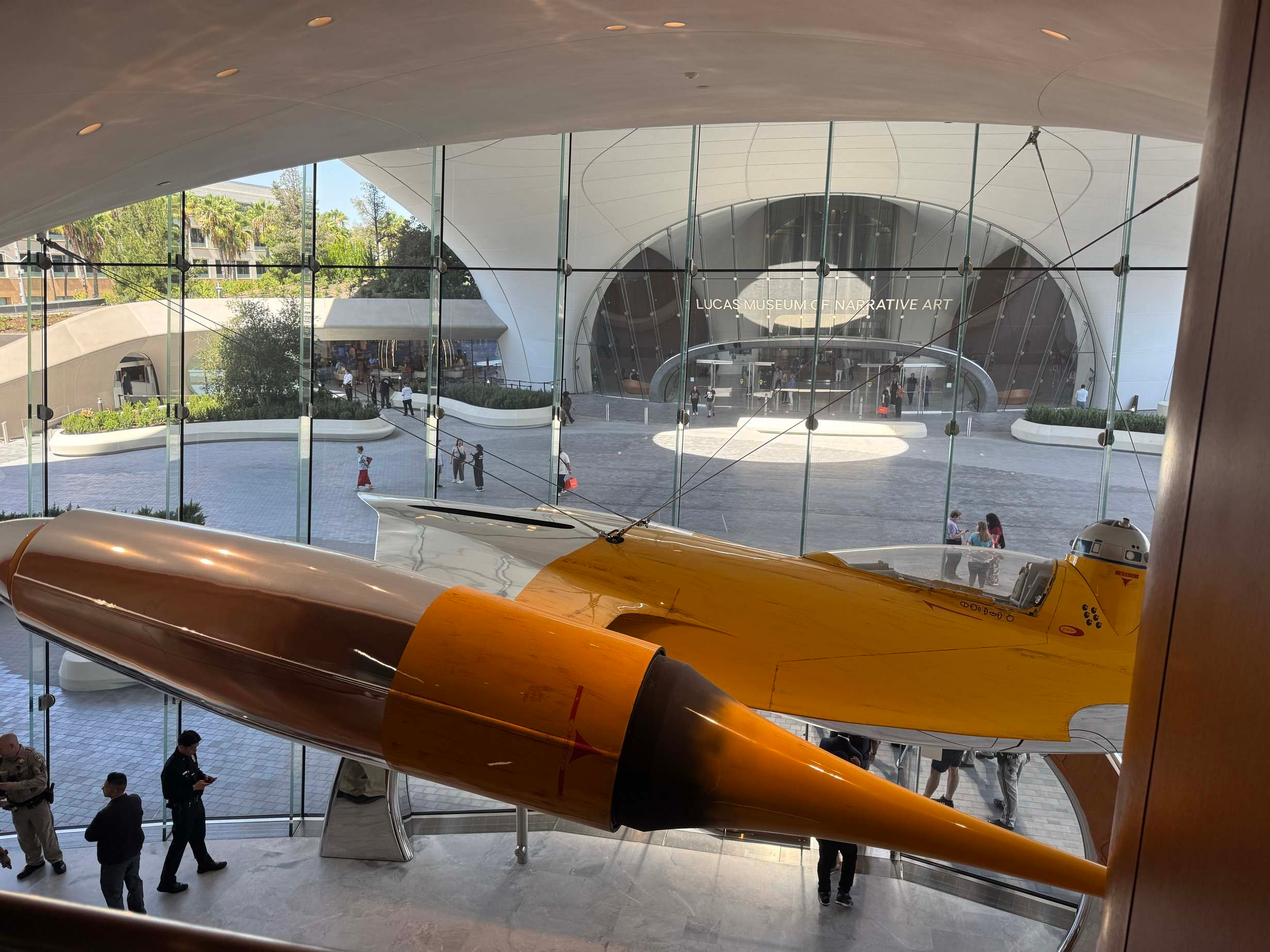
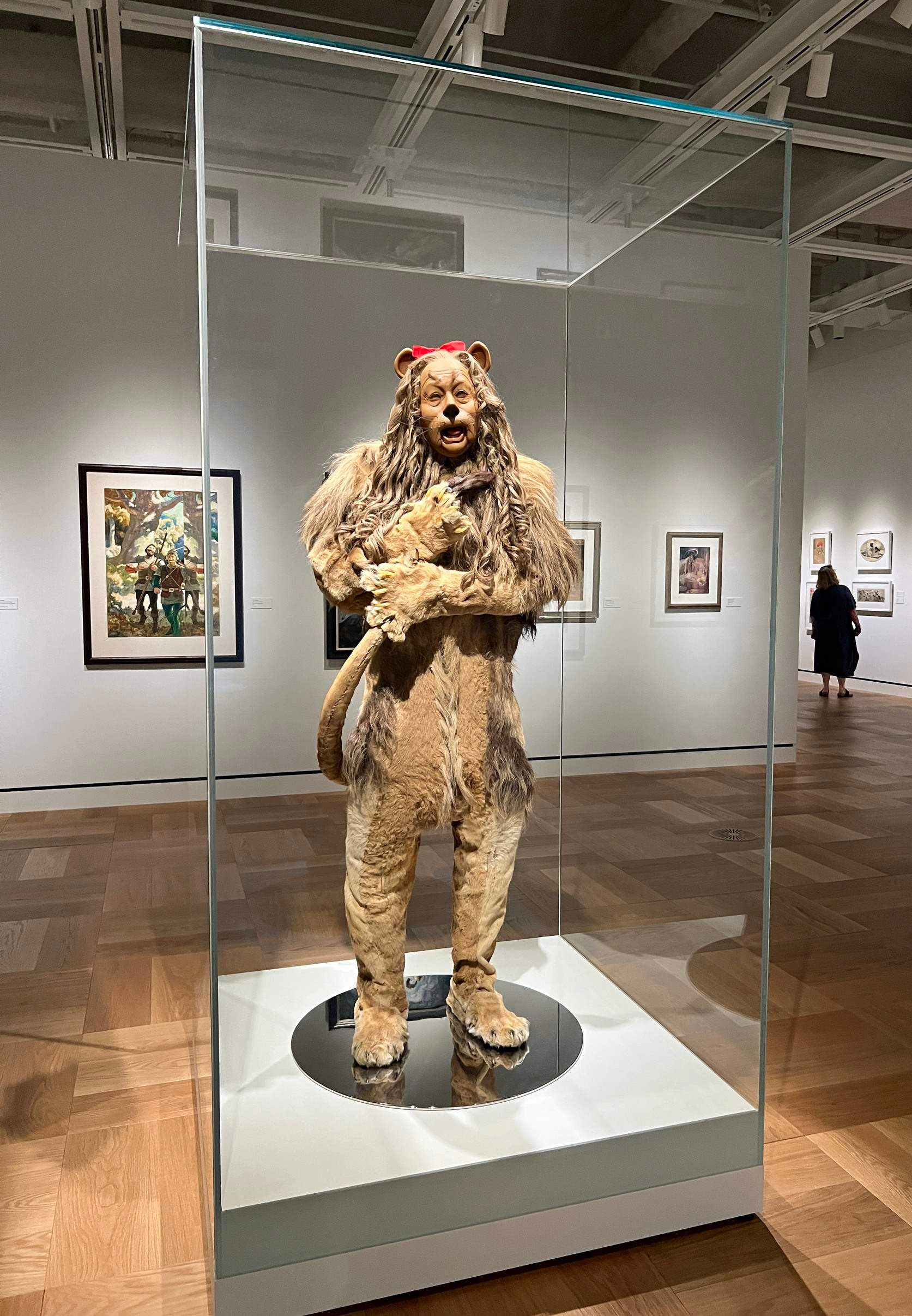
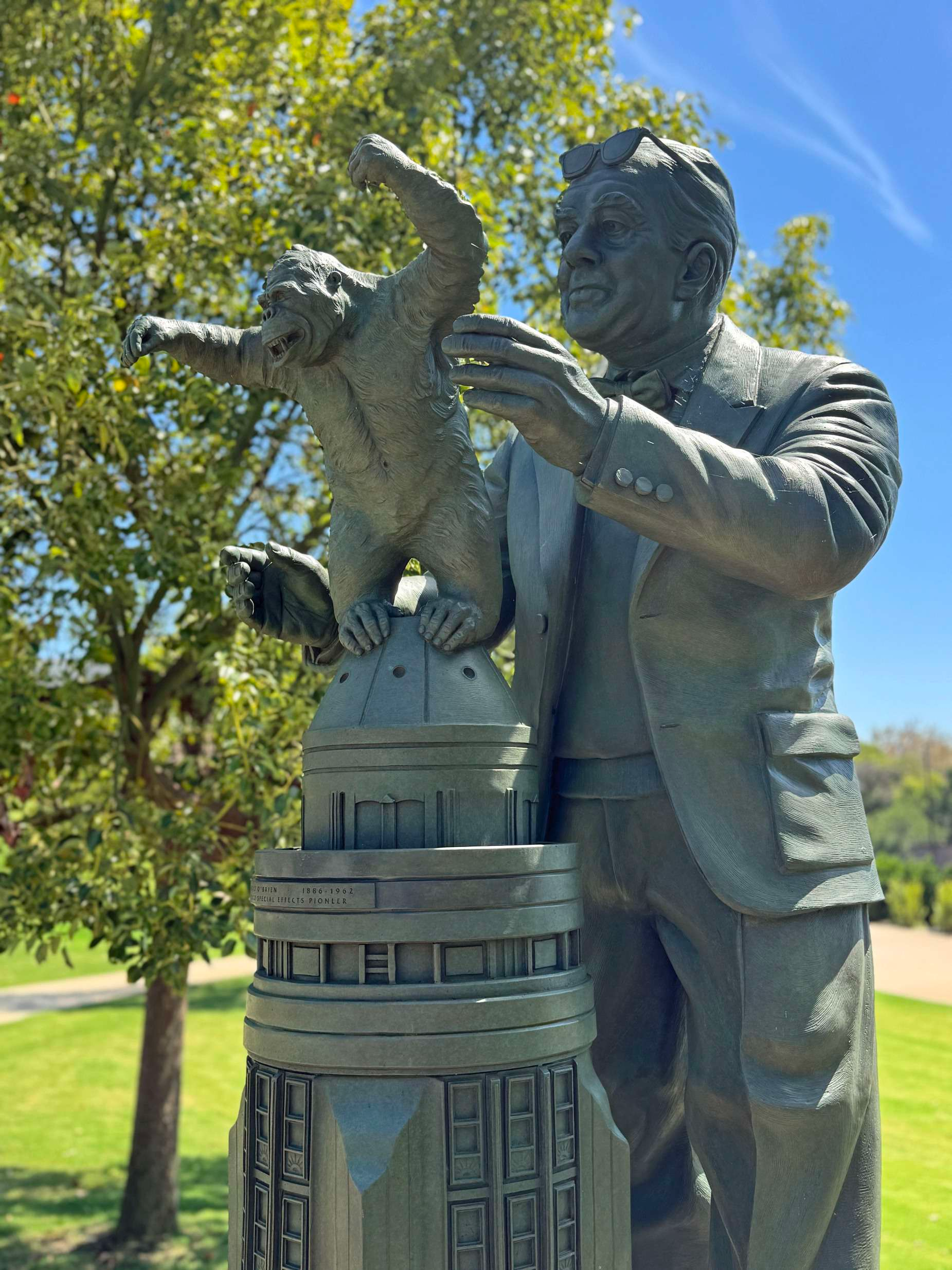
The tip of the iceberg of what’s currently on display at the museum: (For my museum overview, please see yesterday’s post.)
Greg Goldstein's Comic Art Gallery
Panels and Pages… Art and Artists… Creators and Conventions… Musings and Memories…
Lucas Museum of Narrative Art, Los Angeles, September 10, 2026
The tip of the iceberg of what’s currently on display at the museum: (For my museum overview, please see yesterday’s post.)
Lucas Museum of Narrative Art, Los Angeles, September 10, 2026
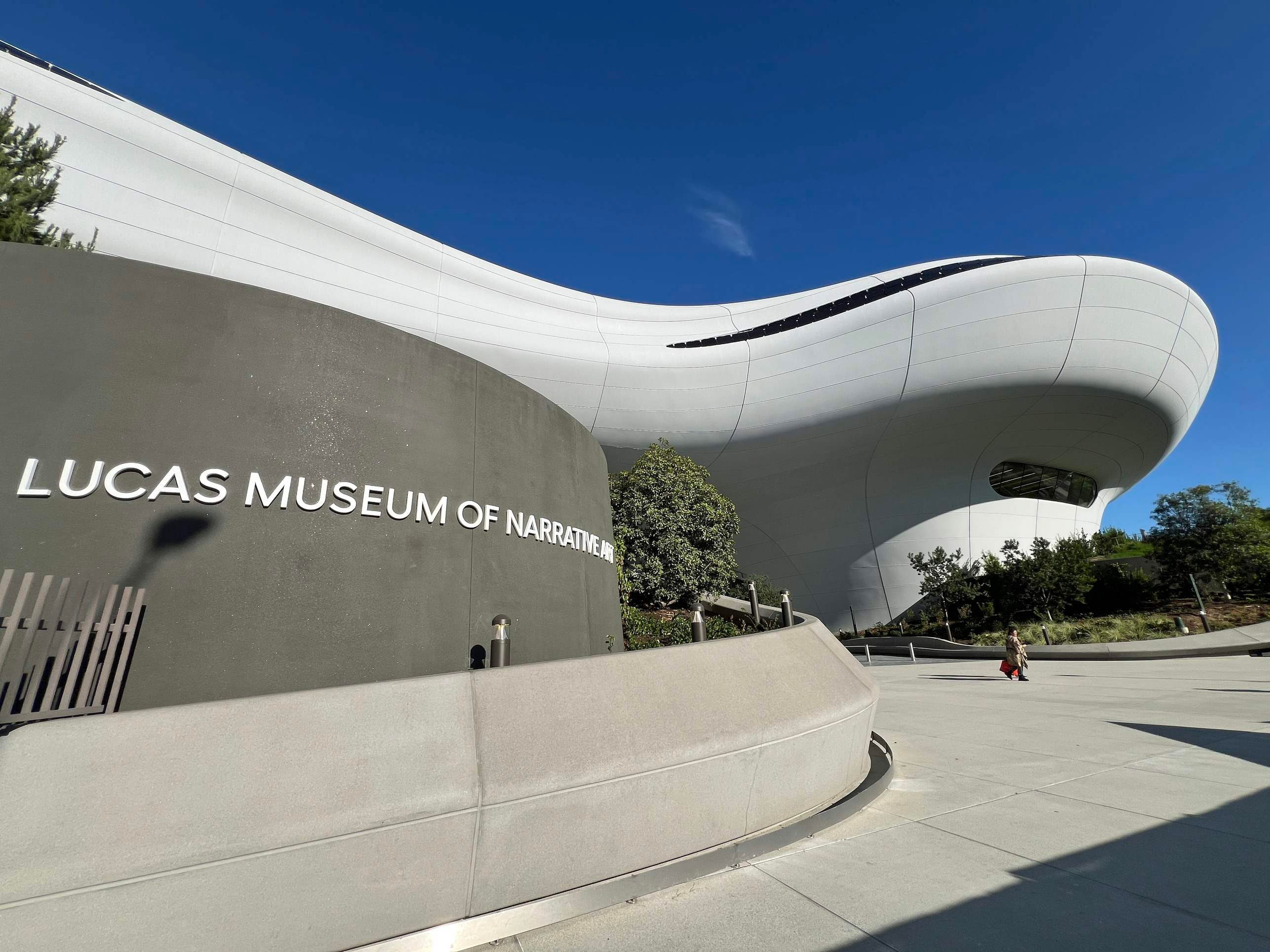
I’m a little late to the party on the Lucas Museum of Narrative Art.
Plenty has already been written, photographed, discussed and dissected. Some of my friends have written wonderful overviews.
So this isn’t an attempt at a definitive review.
It’s just what struck me.
In a word: astonishing.
Honestly, I was a little overwhelmed. There is a ton to take in, and I know I missed things.
Fine by me. I’m going back.
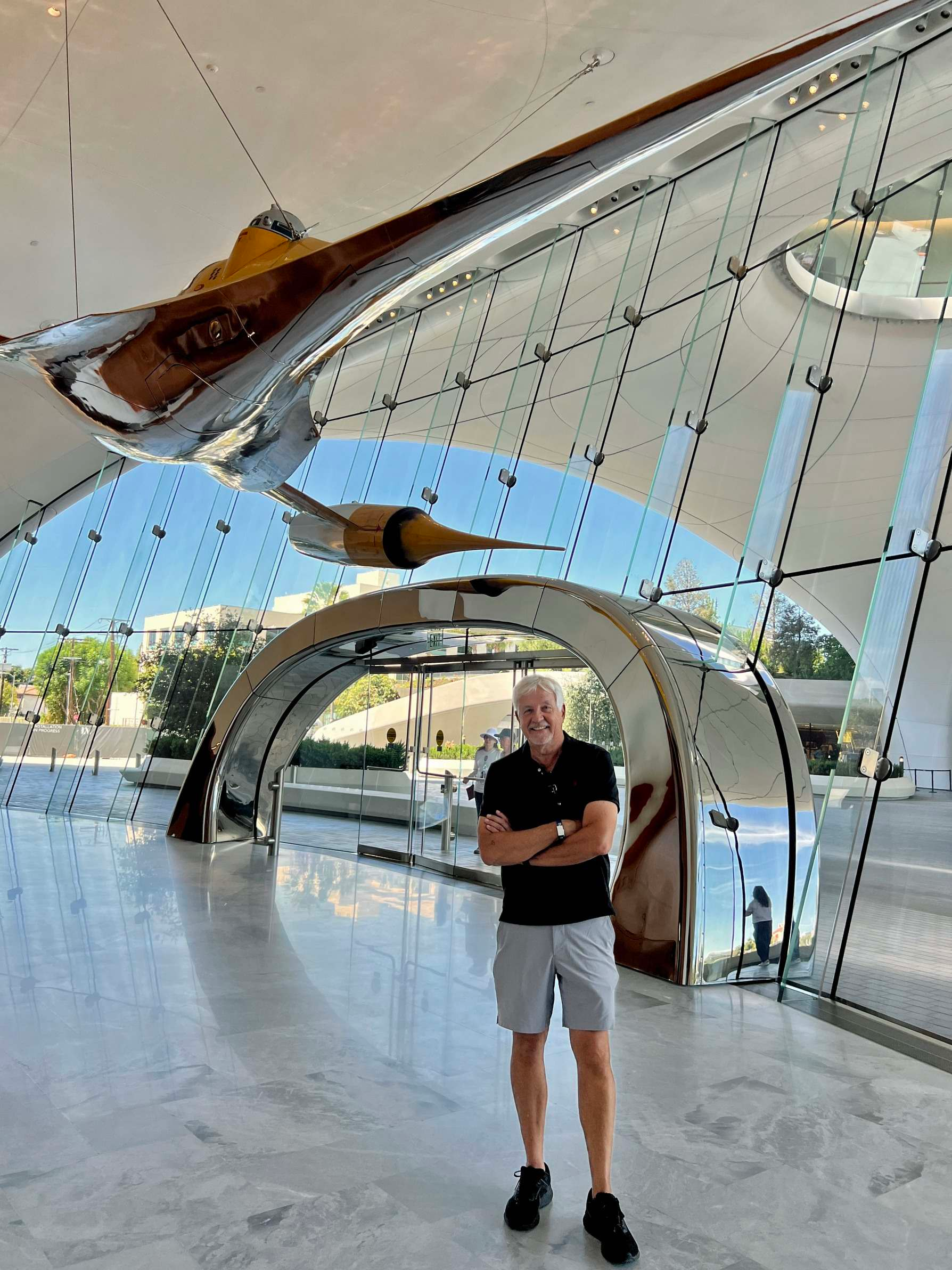
The building itself is spectacular — and innovative, to say the least — but once I got inside, the architecture pretty quickly became secondary.
I’m an art guy. Put great stuff on the walls and that’s where I’m looking.
And there is some really great stuff on those walls.
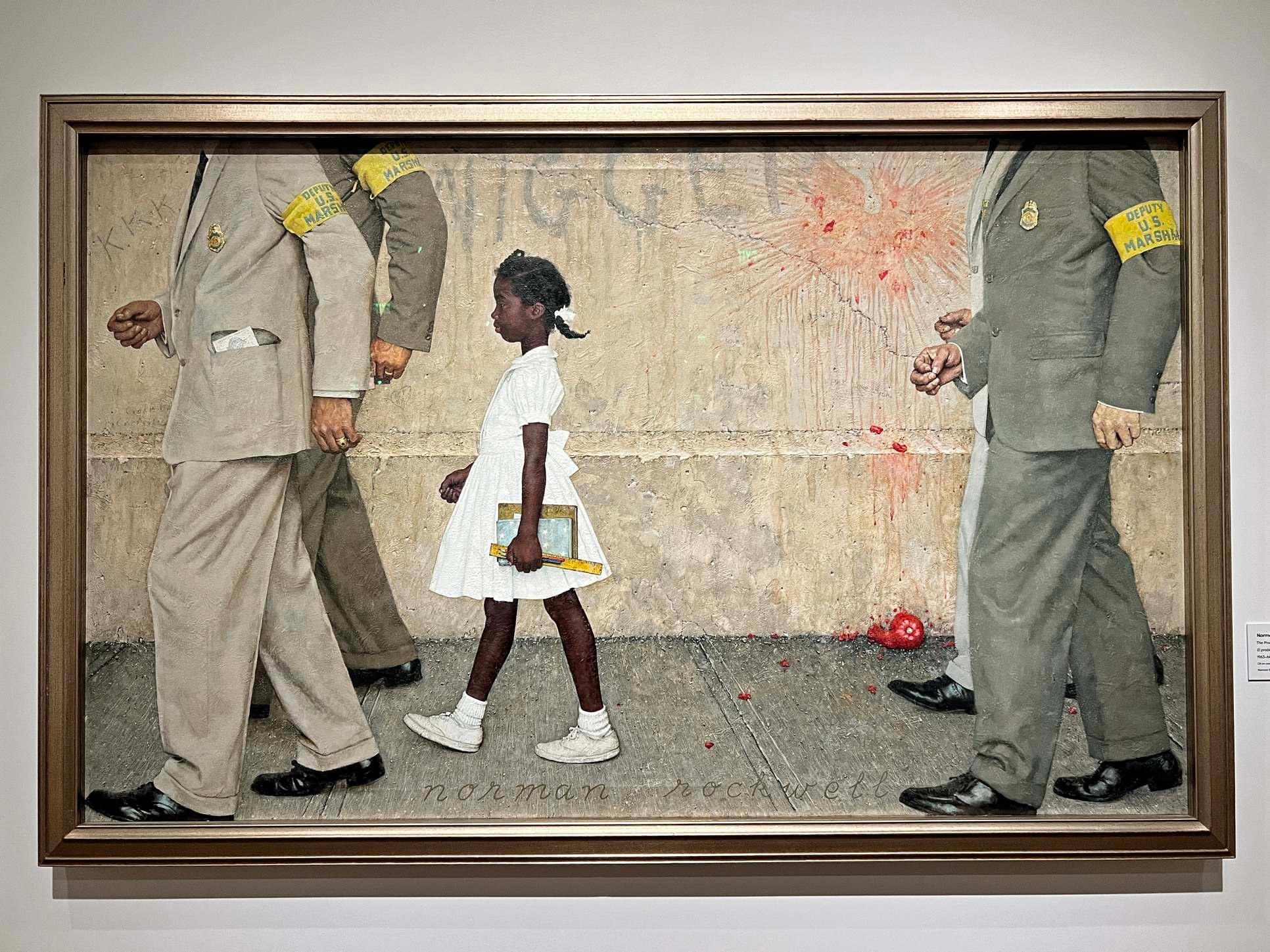
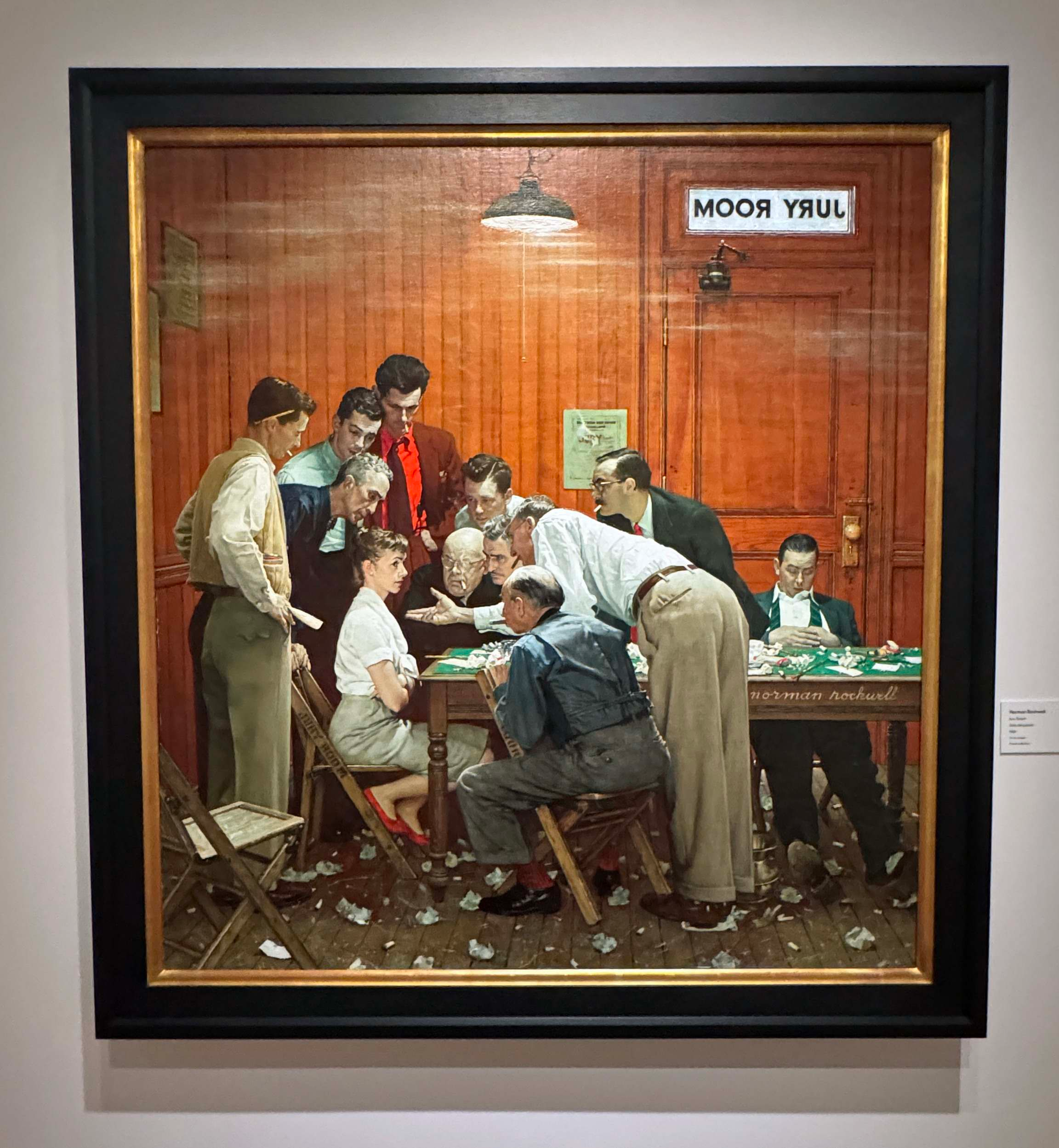
The Norman Rockwell collection alone is worth the trip. I’ve been to the Rockwell Museum in Stockbridge, Massachusetts, and it’s terrific, but Stockbridge is not exactly on the way to anywhere.
Seeing this many major Rockwells together in Los Angeles is pretty remarkable. A few, including The Problem We All Live With, are on loan.
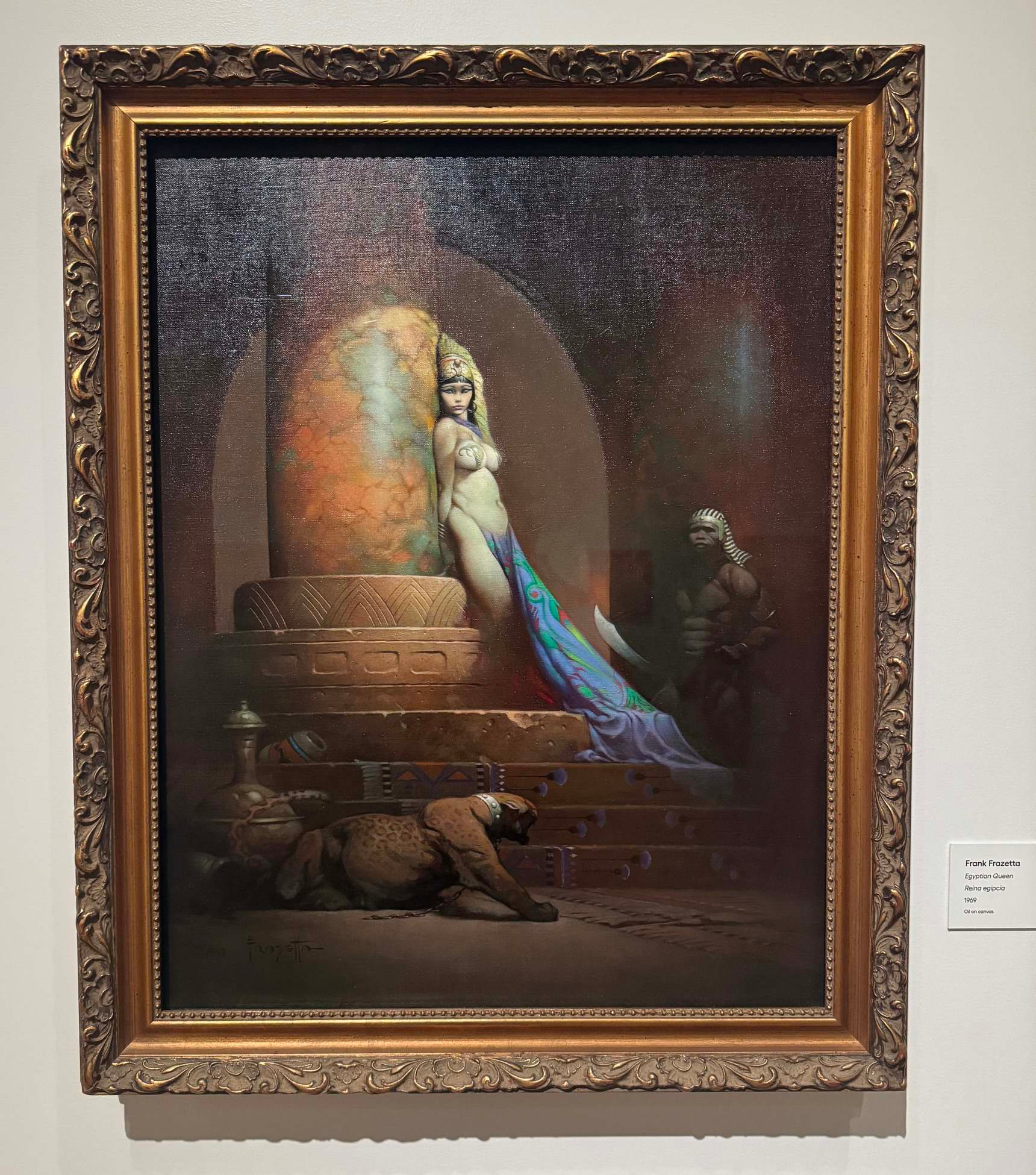
The Frazetta collection is smaller, but there are some monsters there. Same with N.C. Wyeth, Maxfield Parrish and a long list of great illustrators.
One fun surprise was Parrish’s Old King Cole. I’ve seen the famous mural at the King Cole Bar in the St. Regis in New York — worth an overpriced drink if you get the chance — but not this one.
Here, you can stand in front of it as long as you want.
Which I did.
One of the bigger surprises, though, was what I didn’t see.
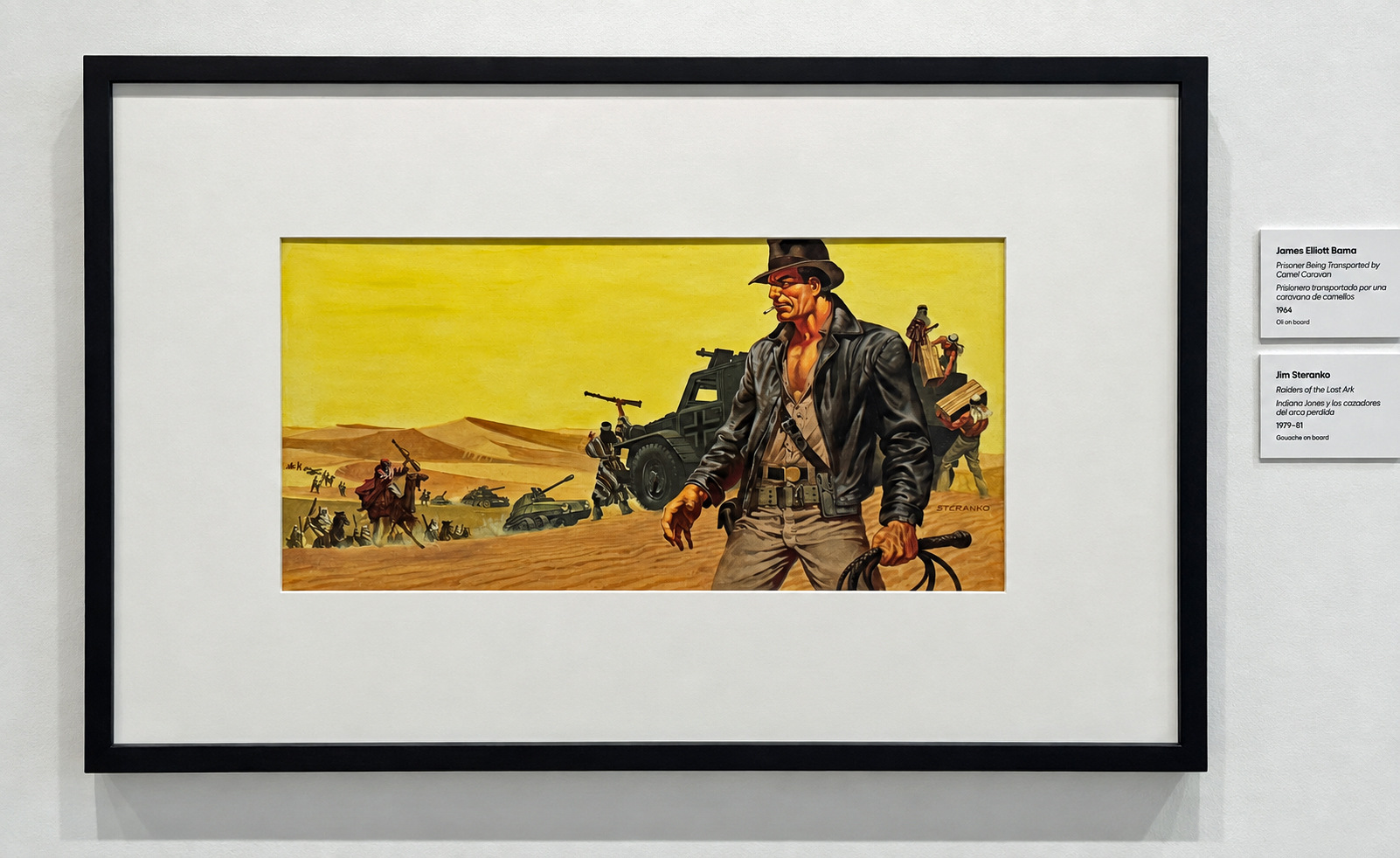
When we did the three Star Wars Galaxy card series at Topps in the 1990s, Lucas bought a ton of the original artwork. He also accumulated an enormous amount of other Star Wars material over the years. For a long time, he had first right of refusal on any newly created Star Wars and Indiana Jones art.
I saw very little of it.
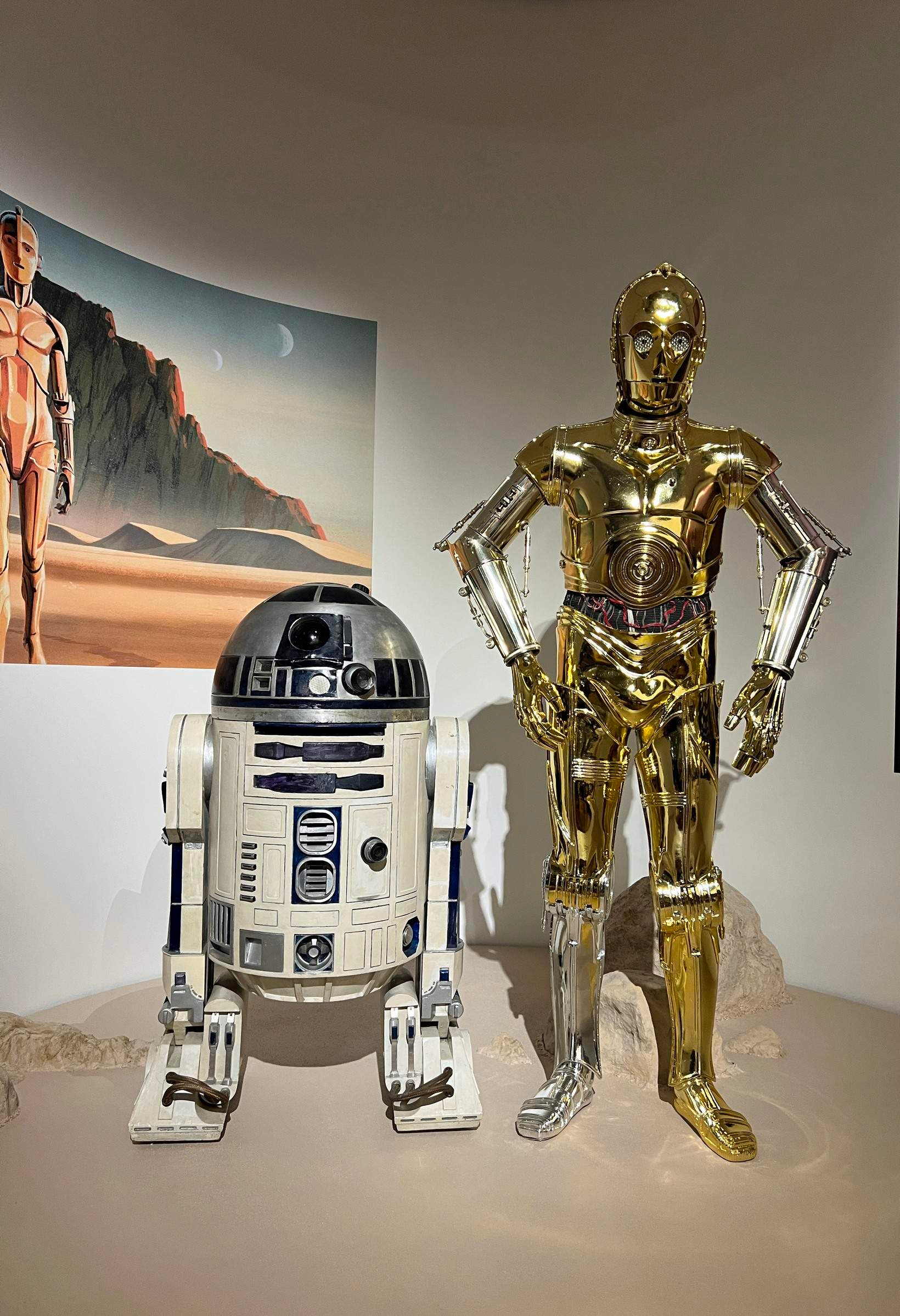
There is certainly Star Wars material in the museum, including the Star Wars in Motion exhibition, but I expected much more original art to come pouring out of the vaults.
No big display of Star Wars Galaxy paintings. Much less production and concept art than I expected.
So… where is all that stuff?
The museum owns tens of thousands of works and can obviously show only a fraction at a time. Presumably much of it will rotate in.
I hope so.
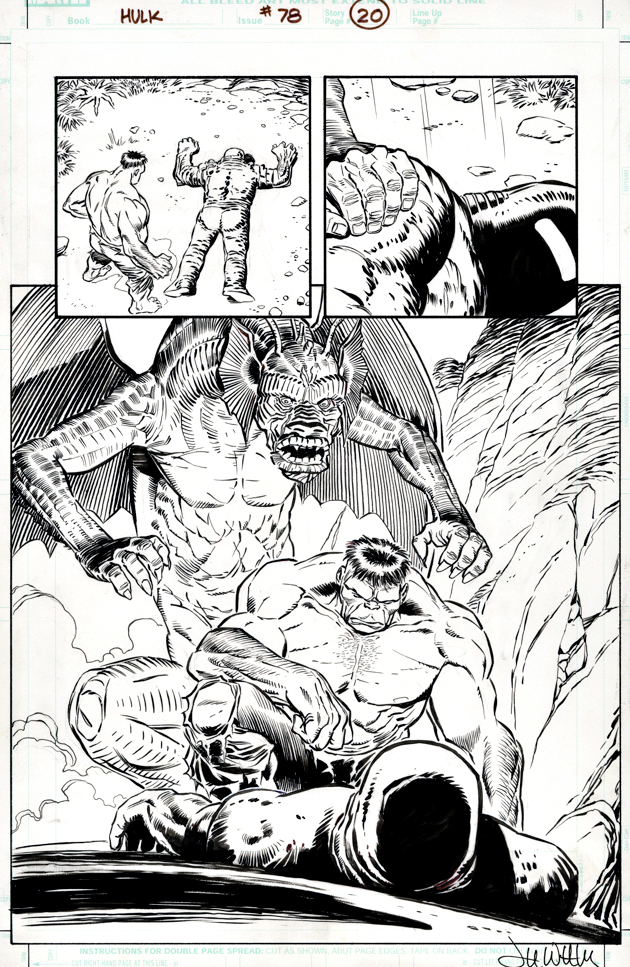
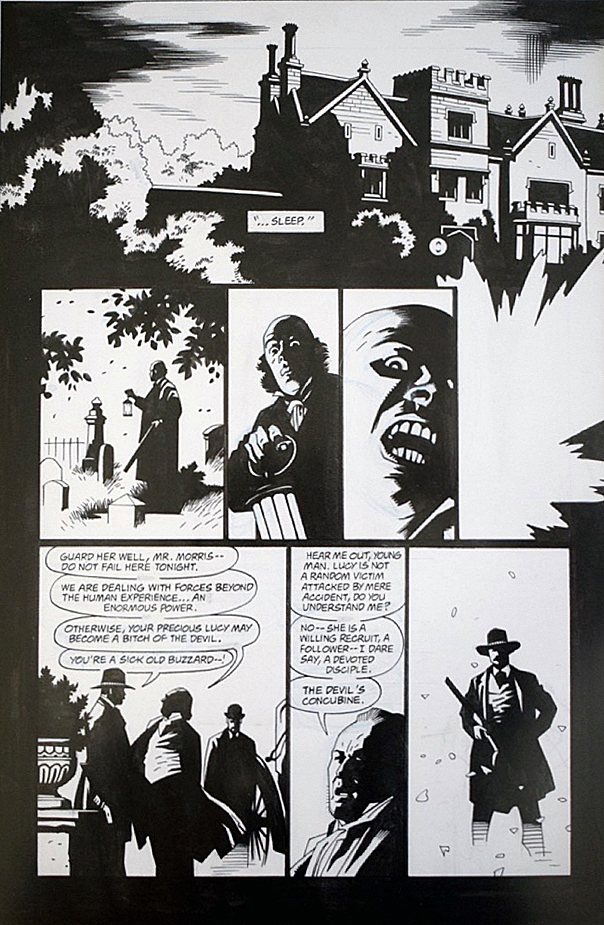
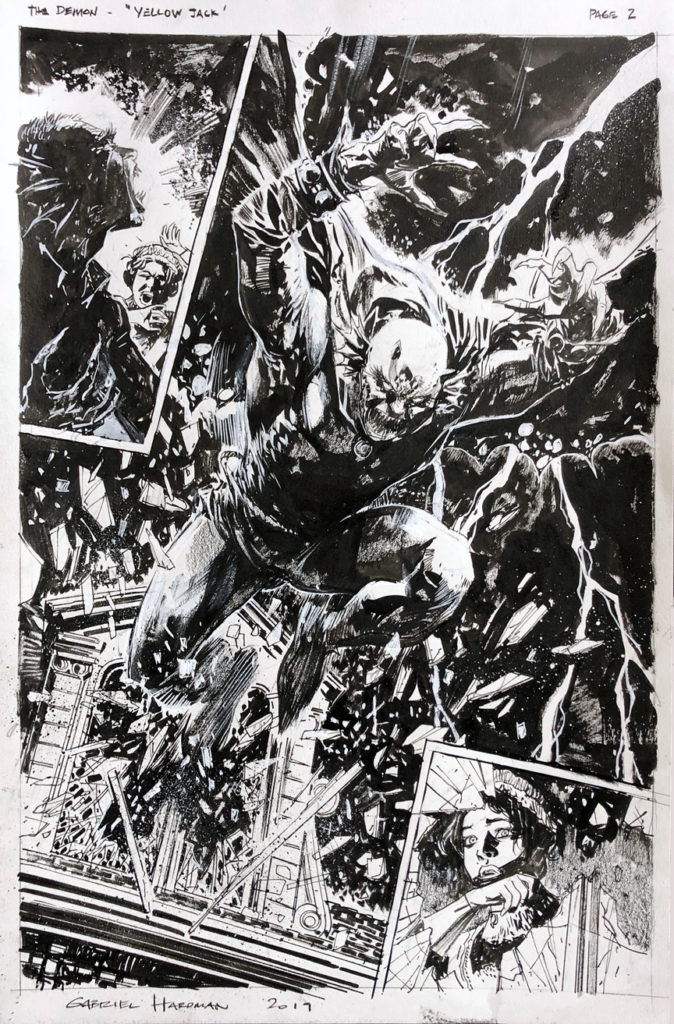
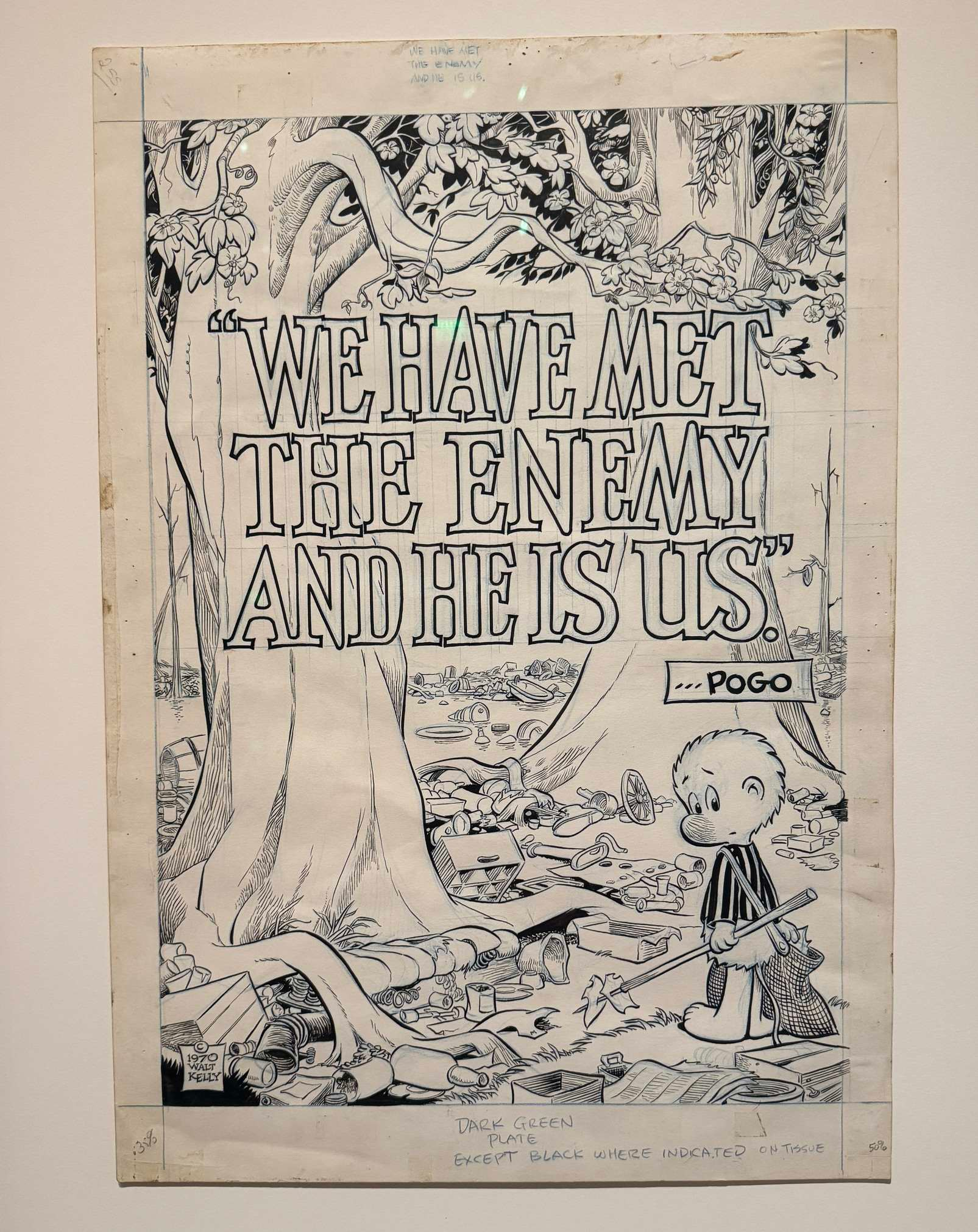
Naturally, I spent a lot of time with the comic art.
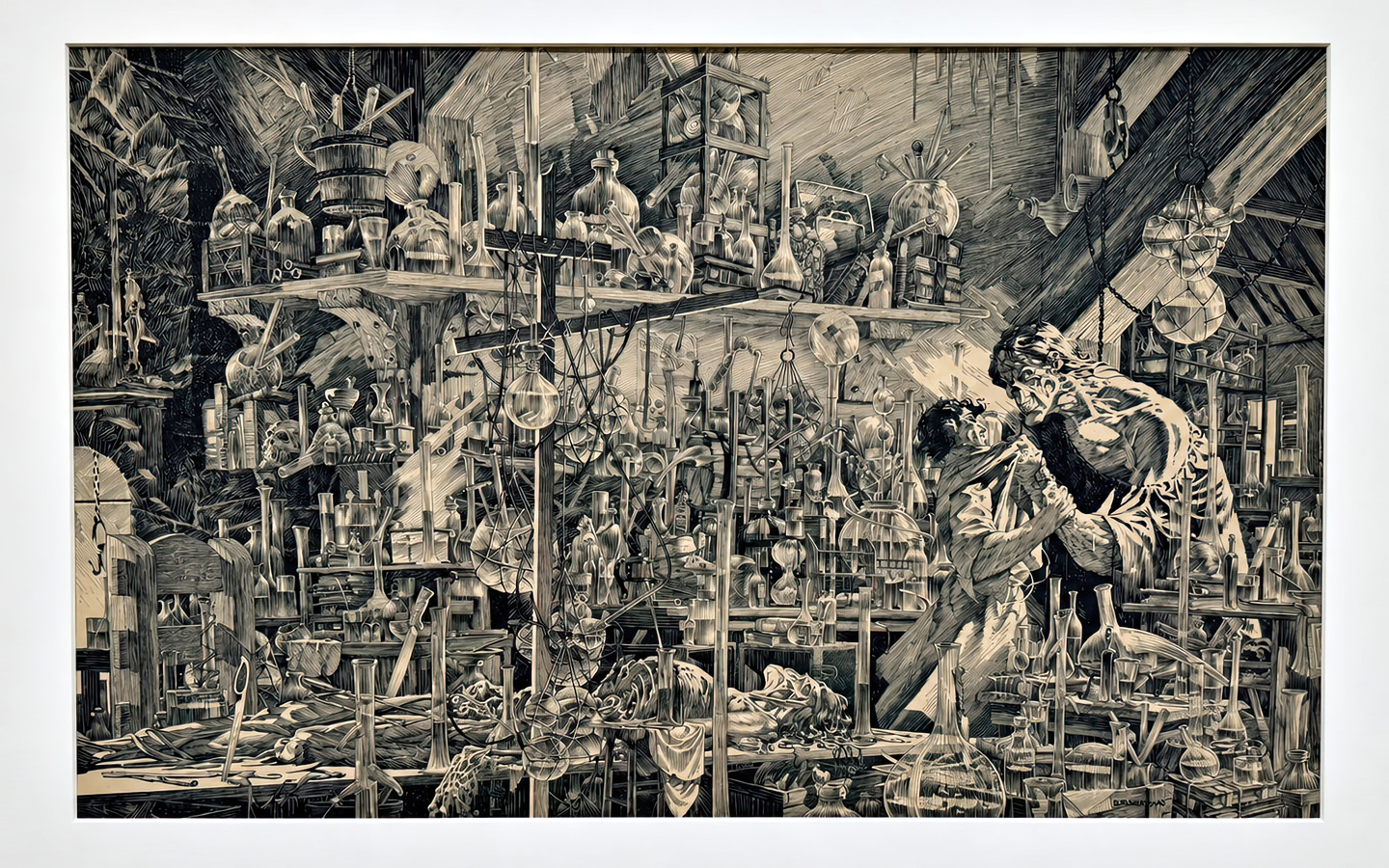
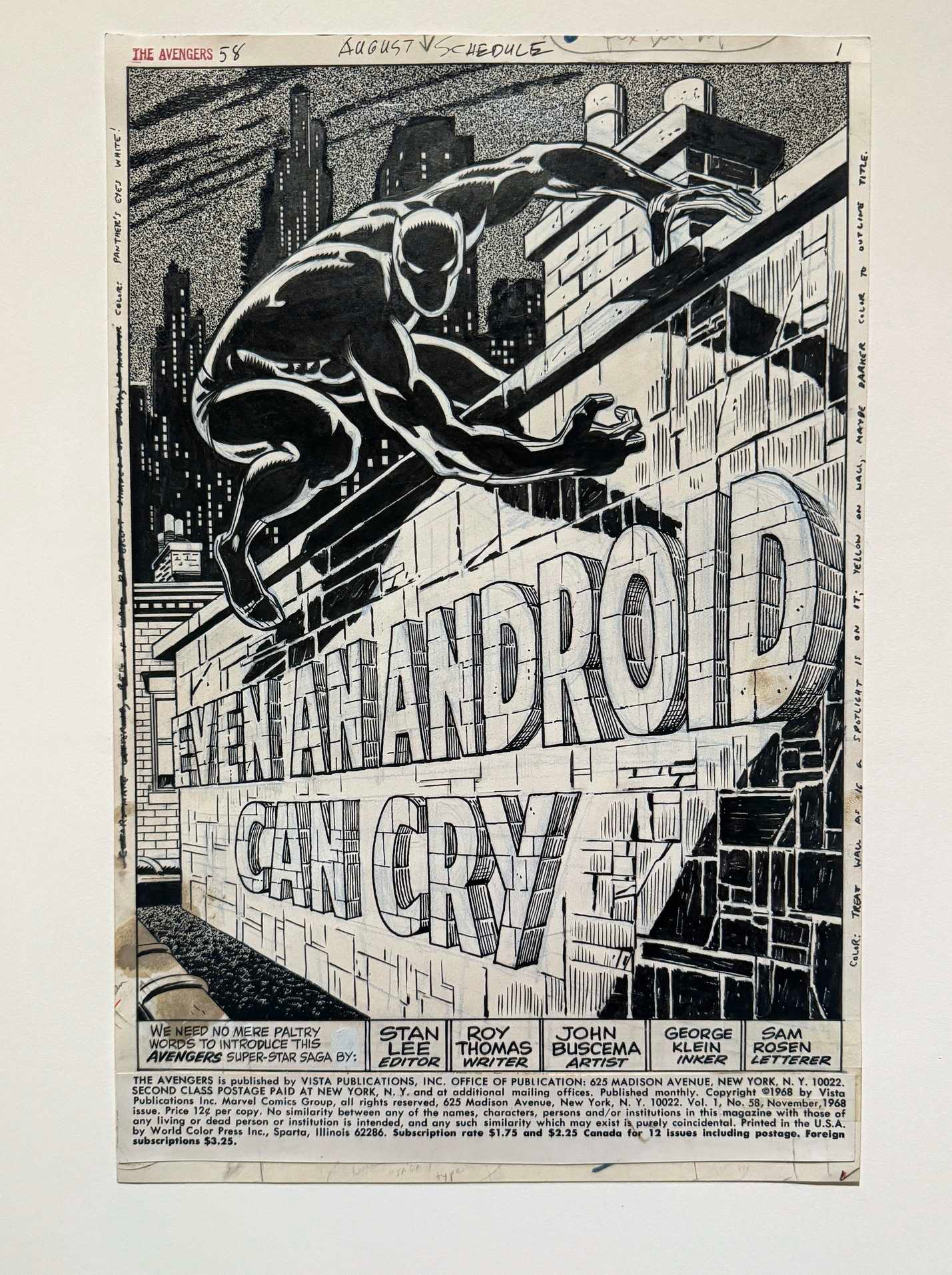
There are some terrific pieces, including one of the best Bernie Wrightson Frankenstein drawings I have ever seen. And anytime any original comic art is hanging in a museum, which is not often enough, I still get a kick out of it.
But I wanted more.
And more focus.
Oviously, I’m biased.
Still, this is the Museum of Narrative Art. It’s hard to imagine an art form more literally narrative than comics.
And the museum does own plenty of important comic art. Which makes some of the choices on display a bit puzzling.
No Ditko.
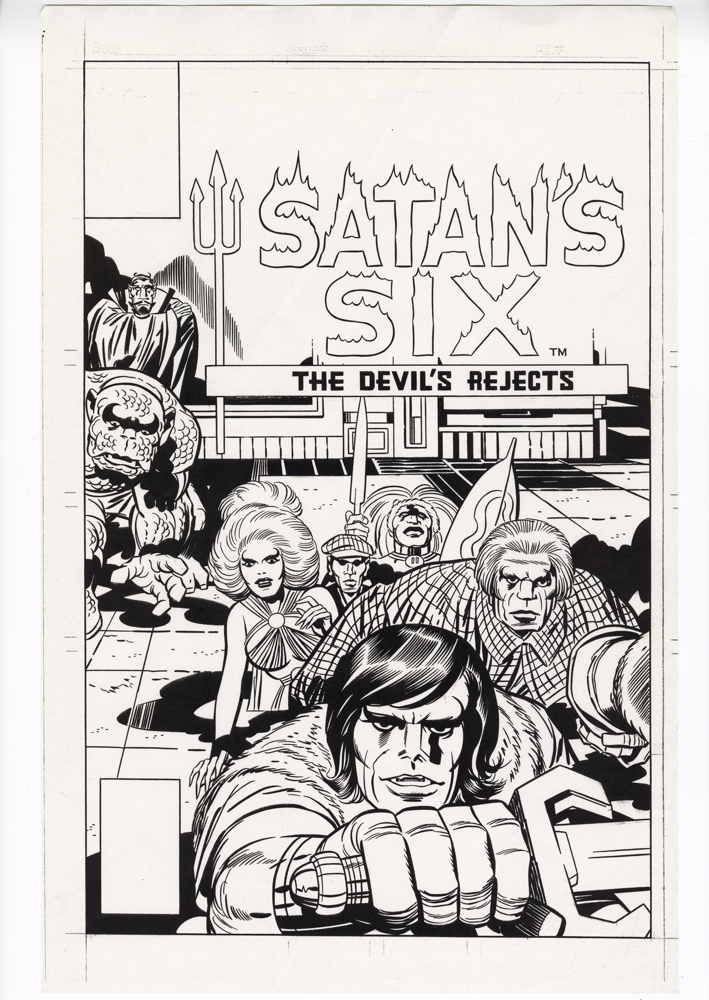
One Kirby.
Jack Kirby probably had more impact on contemporary popular culture than any comic-book artist who ever lived, so one piece seems… light.
Also odd: quite a bit of the comic art was material collectors have watched change hands at auction during the last decade or so.
Where is the stuff that hasn’t seen the light of day in 30 years?
That remains a mystery. For now.
My other quibble was context.
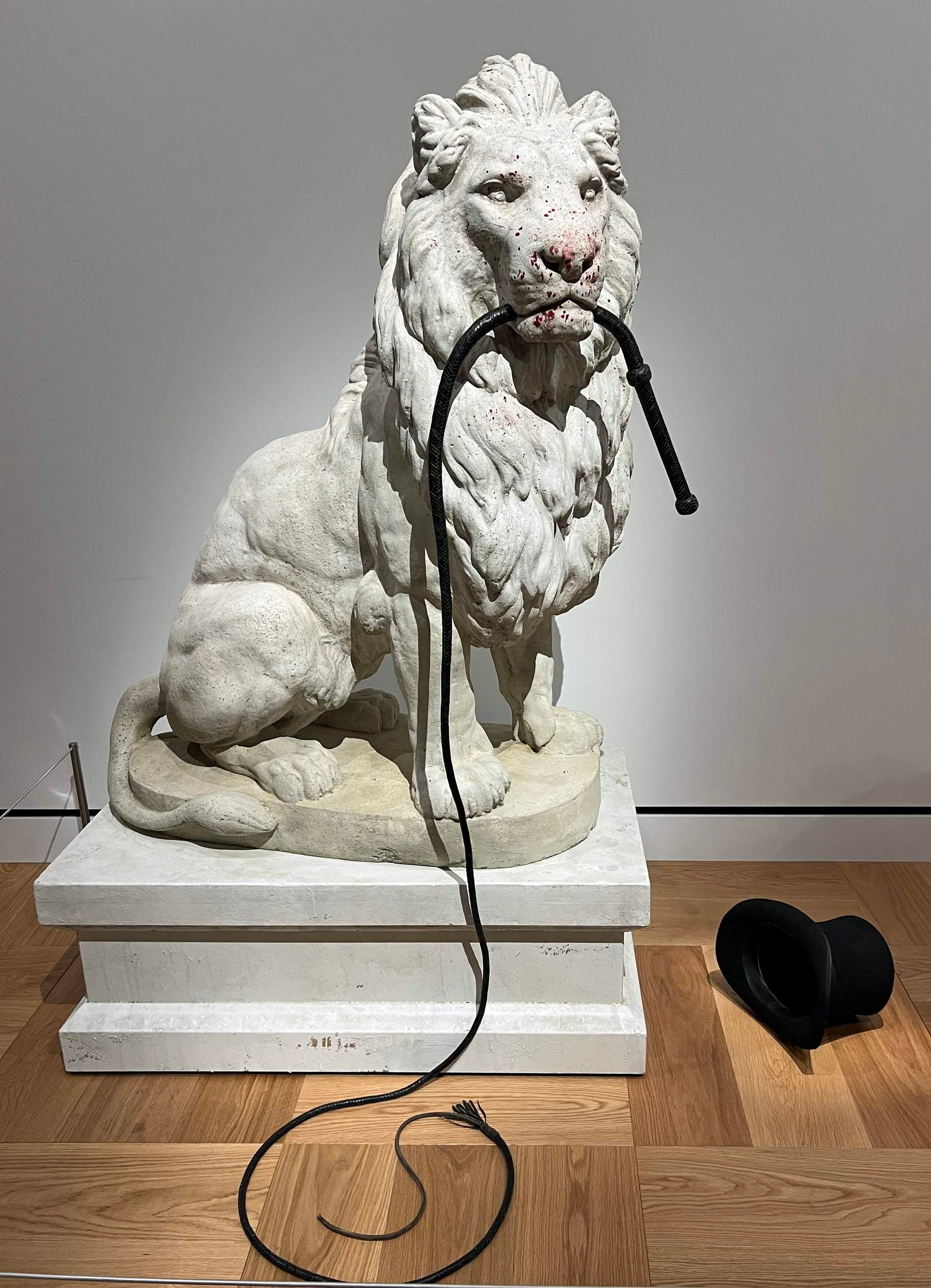
There is wonderful art everywhere, but often very little explaining why a piece matters, how it fits into the history of illustration and visual storytelling, or sometimes even why it’s hanging next to the thing beside it.
For a museum about narrative art, I’d like a little more narrative.
Apparently I’m not alone.
I learned afterward that you can use the museum’s mobile site and your phone camera to get additional information about the art.
Cool idea. I’ll try it next time.
But there was also plenty of room for a paragraph on the placard.
Still, what I kept thinking about afterward wasn’t any individual painting.
It was the scale of what George Lucas and Mellody Hobson have done.
Collectors collect. I understand that impulse pretty well.
But assembling a collection like this and then building a museum so the rest of us can see it is something else entirely.
Rockwell. Frazetta. Wyeth. Parrish. Comics. Film art. Illustration. Photography. Popular culture.
Images that lived in magazines, books, movies, advertisements — and our memories — now hanging together under one roof.
I can wish there were more comic art. I can wonder where all the Star Wars material is. I can complain about a placard.
Fair enough.
But when you step back and look at what Lucas and Hobson have built, those complaints get pretty small pretty fast.
There was also one slightly ridiculous collector moment.
Walking around, I realized that George Lucas and I have occasionally owned the same kinds of things.
His collection is, admittedly, a little more impressive.
And his building has more parking.
Today: the museum itself.
Tomorrow: the art.
And yes, I took a lot of pictures.
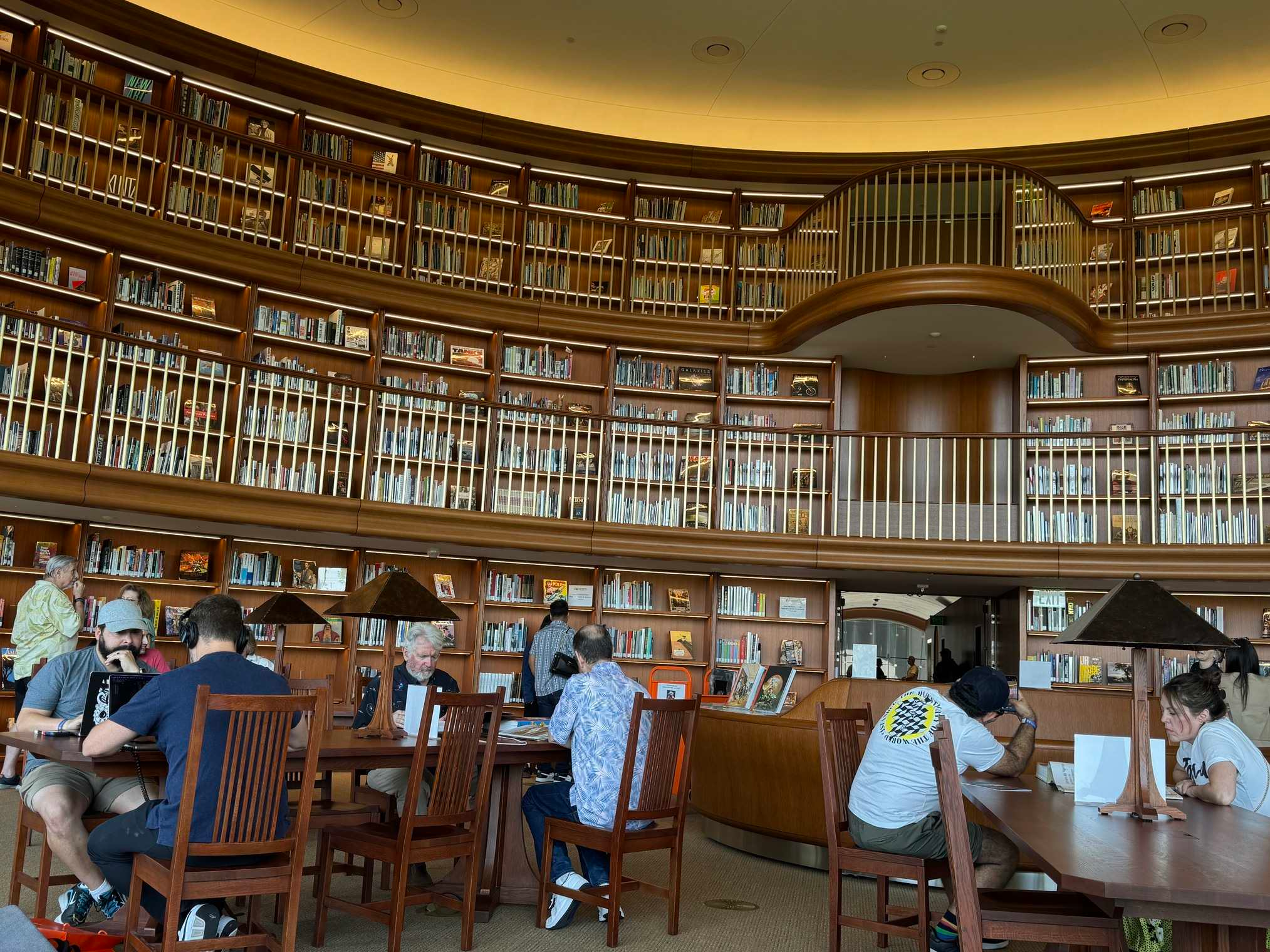
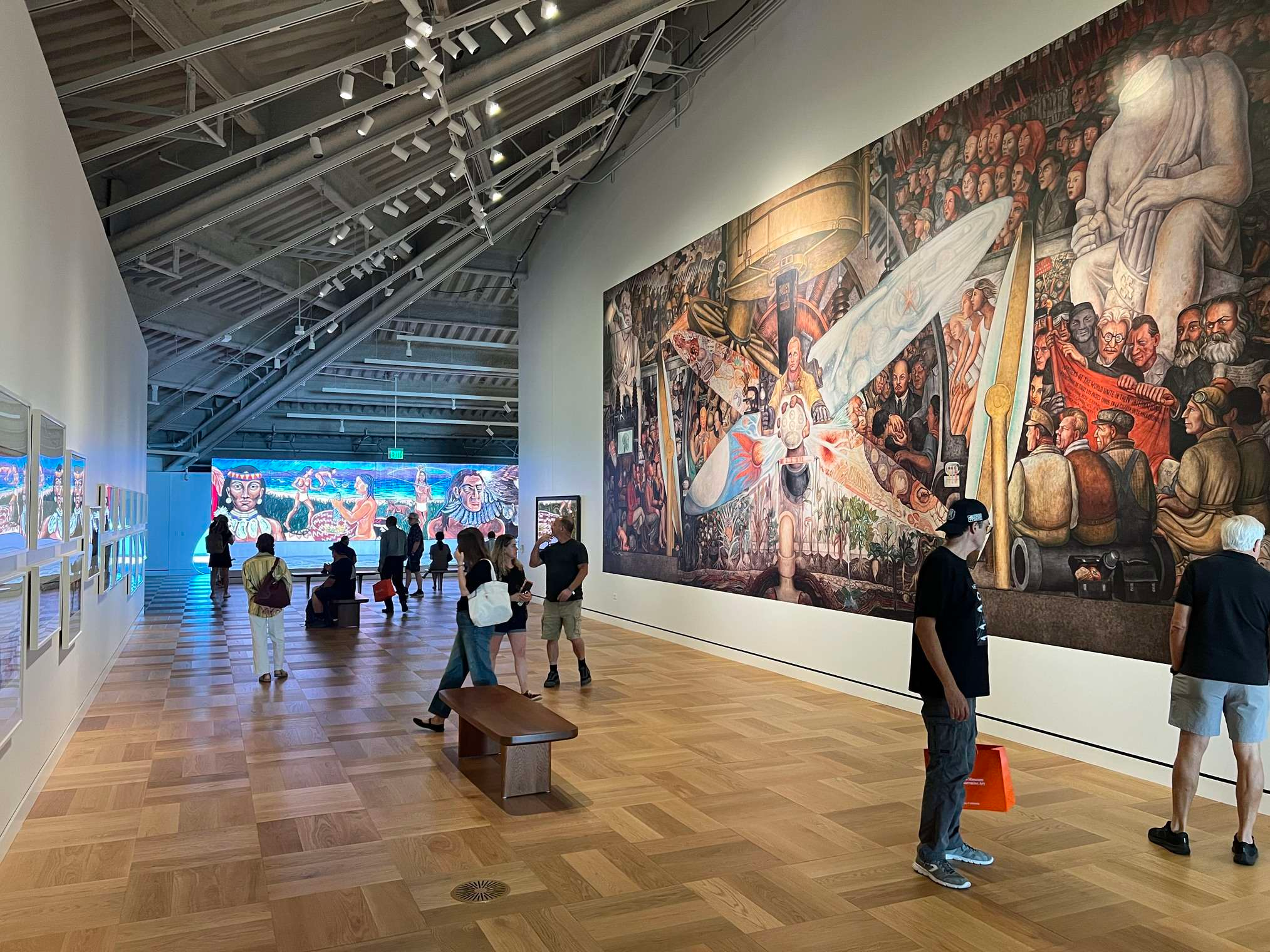
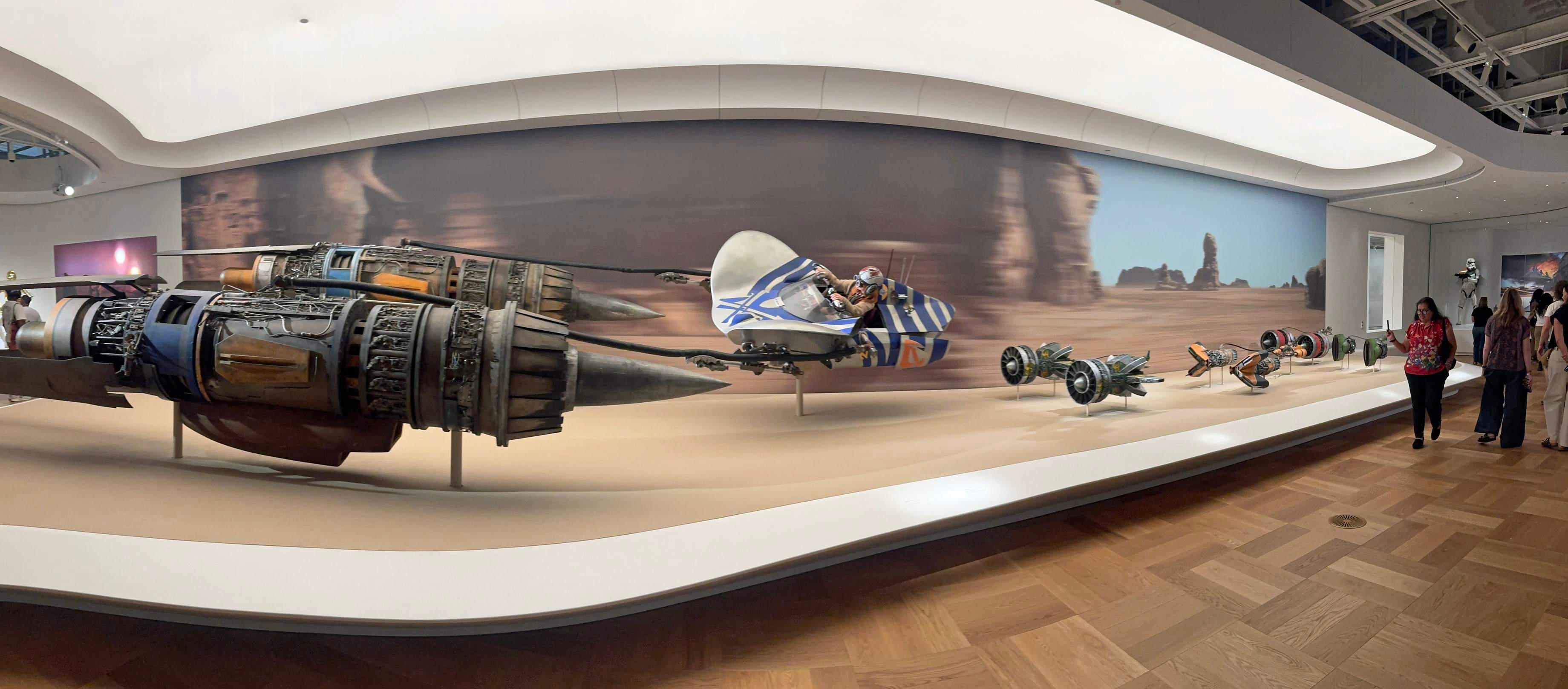
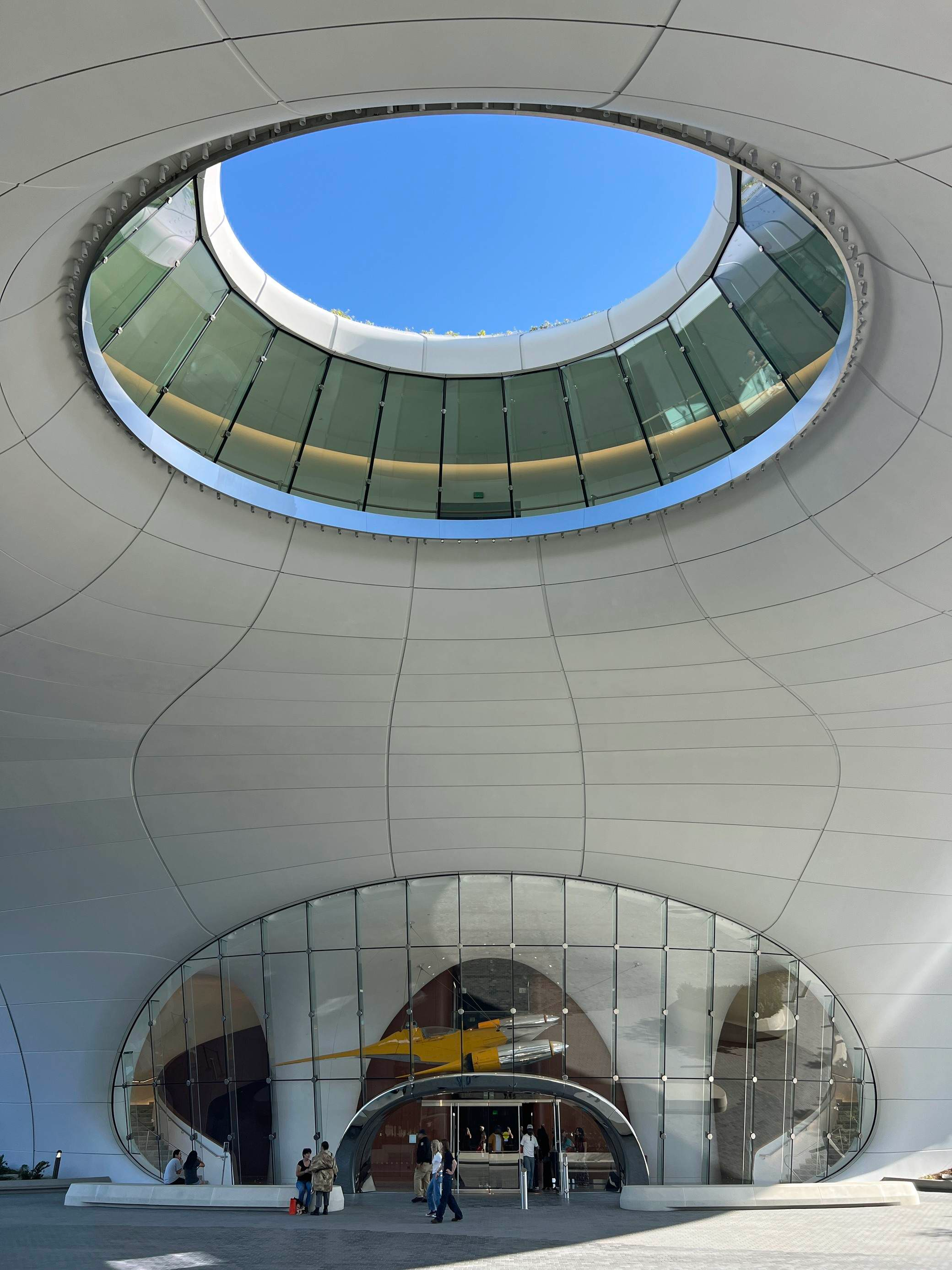
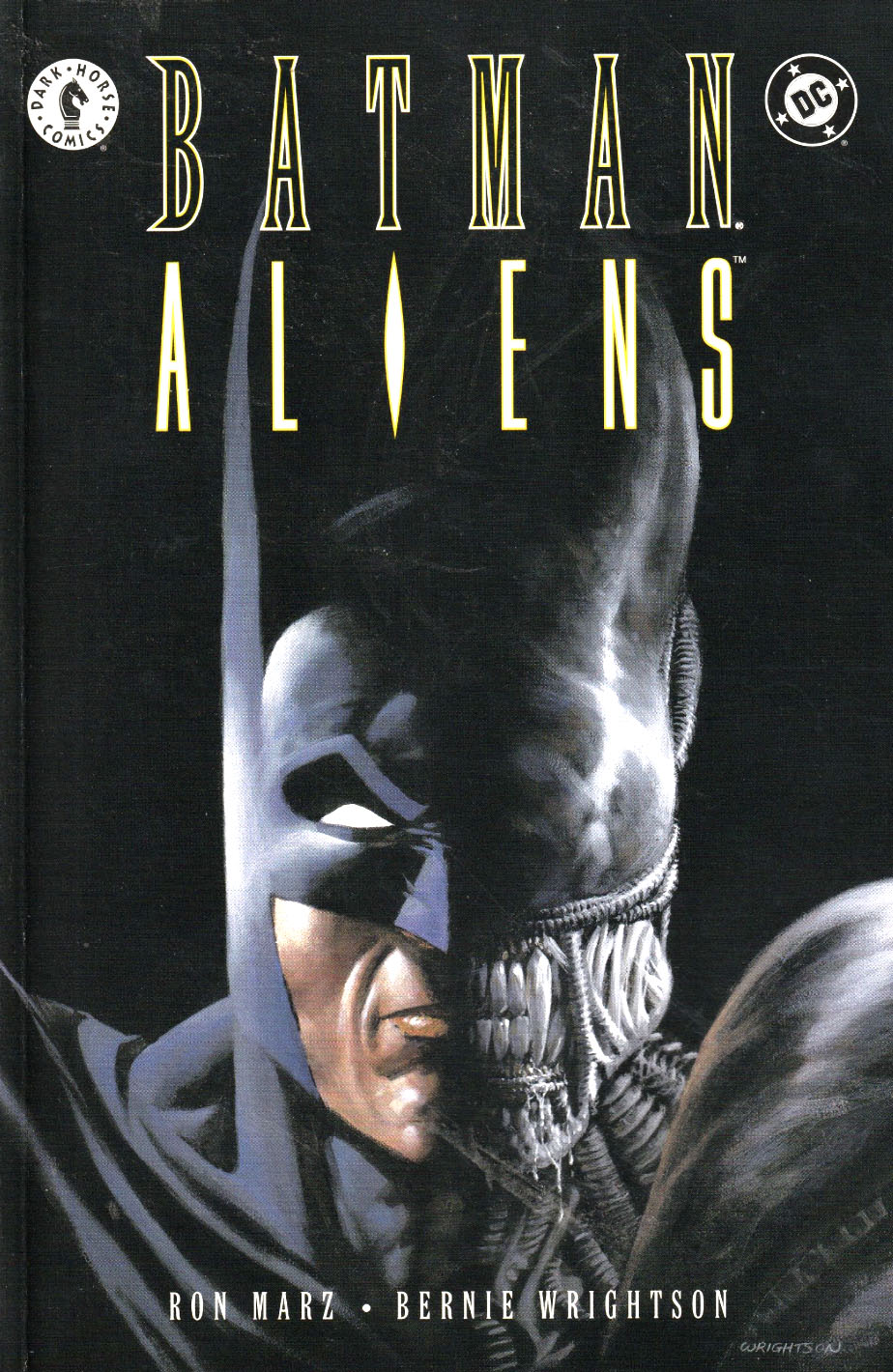
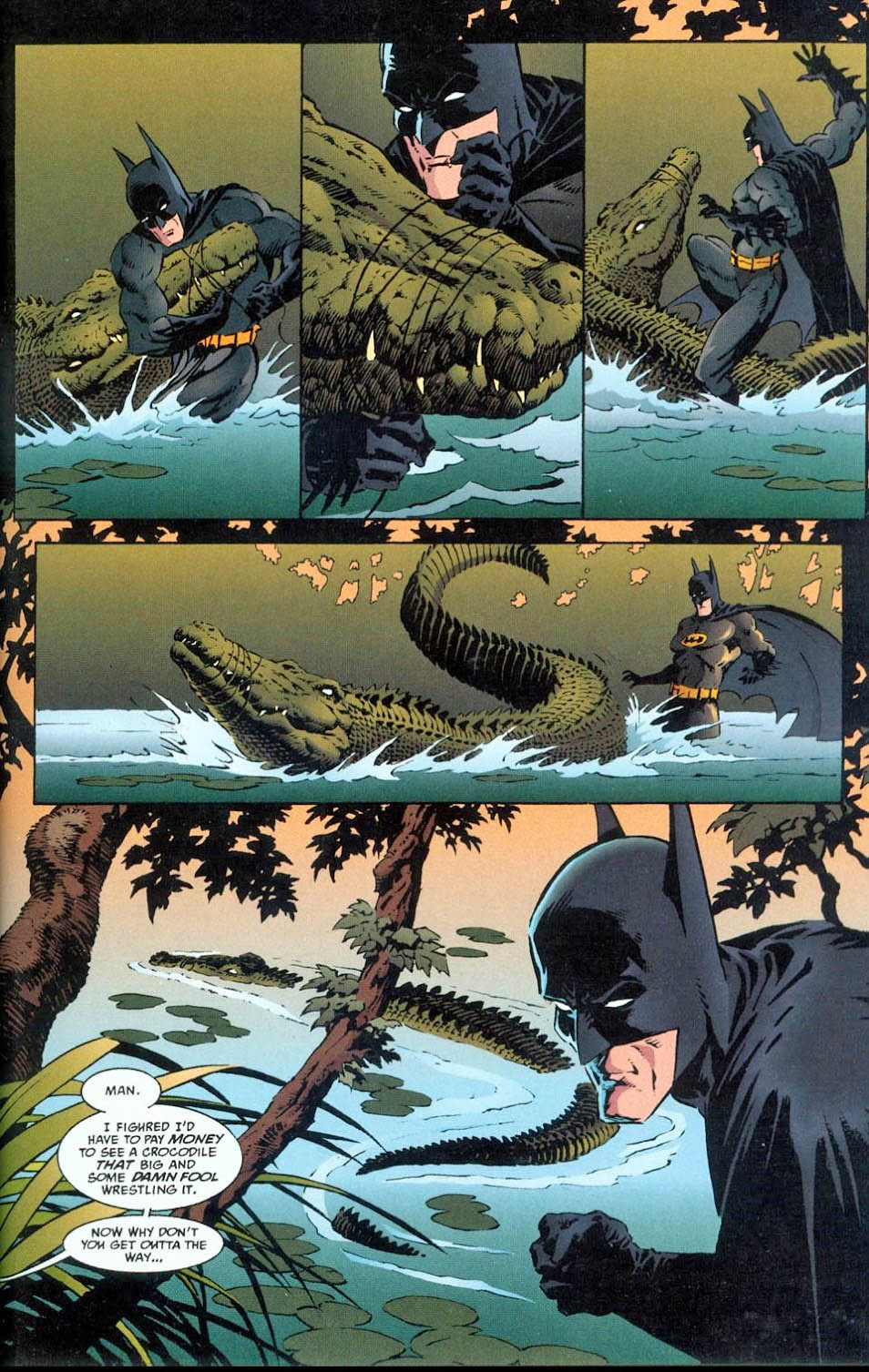
Batman / Aliens #1, March 1997
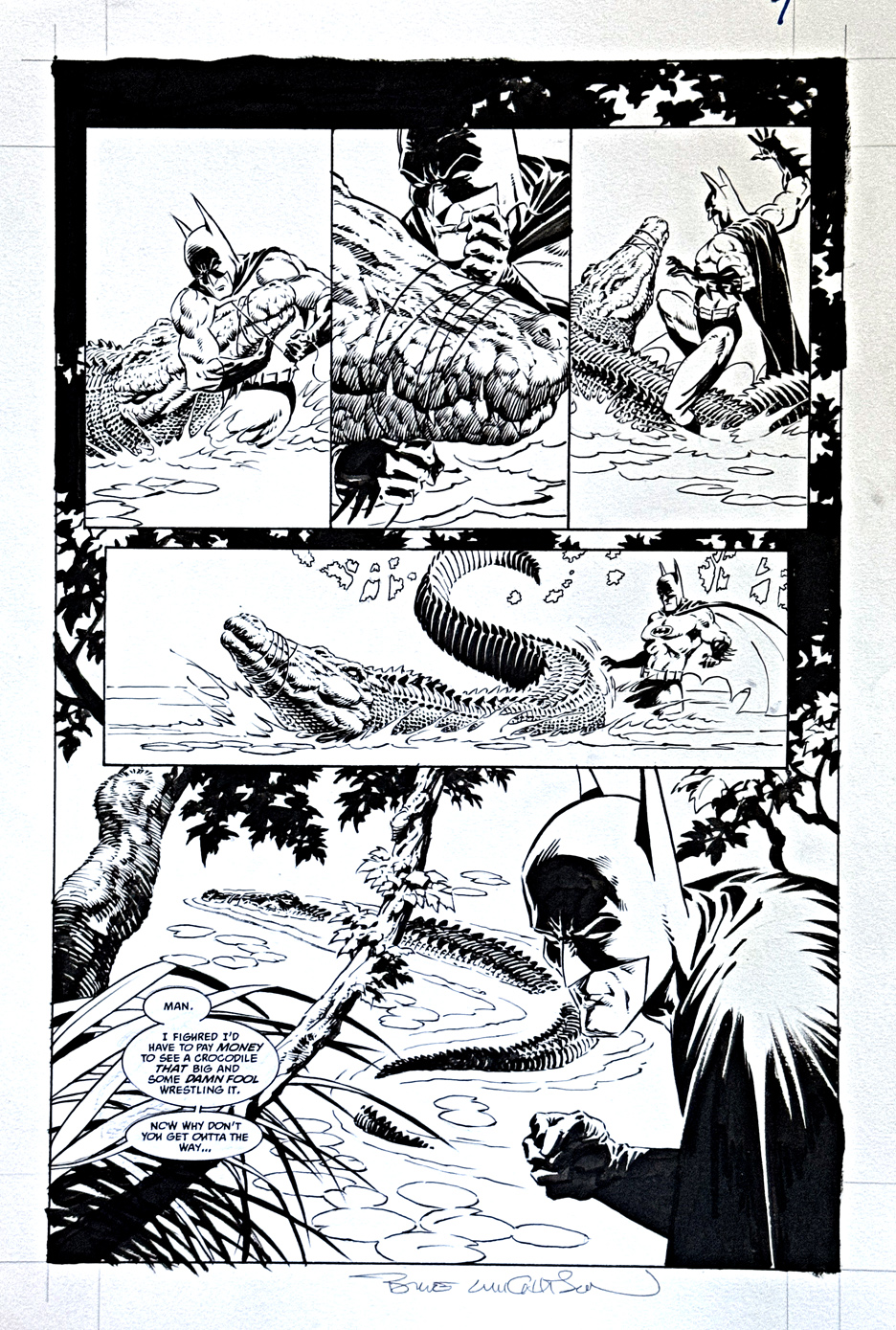
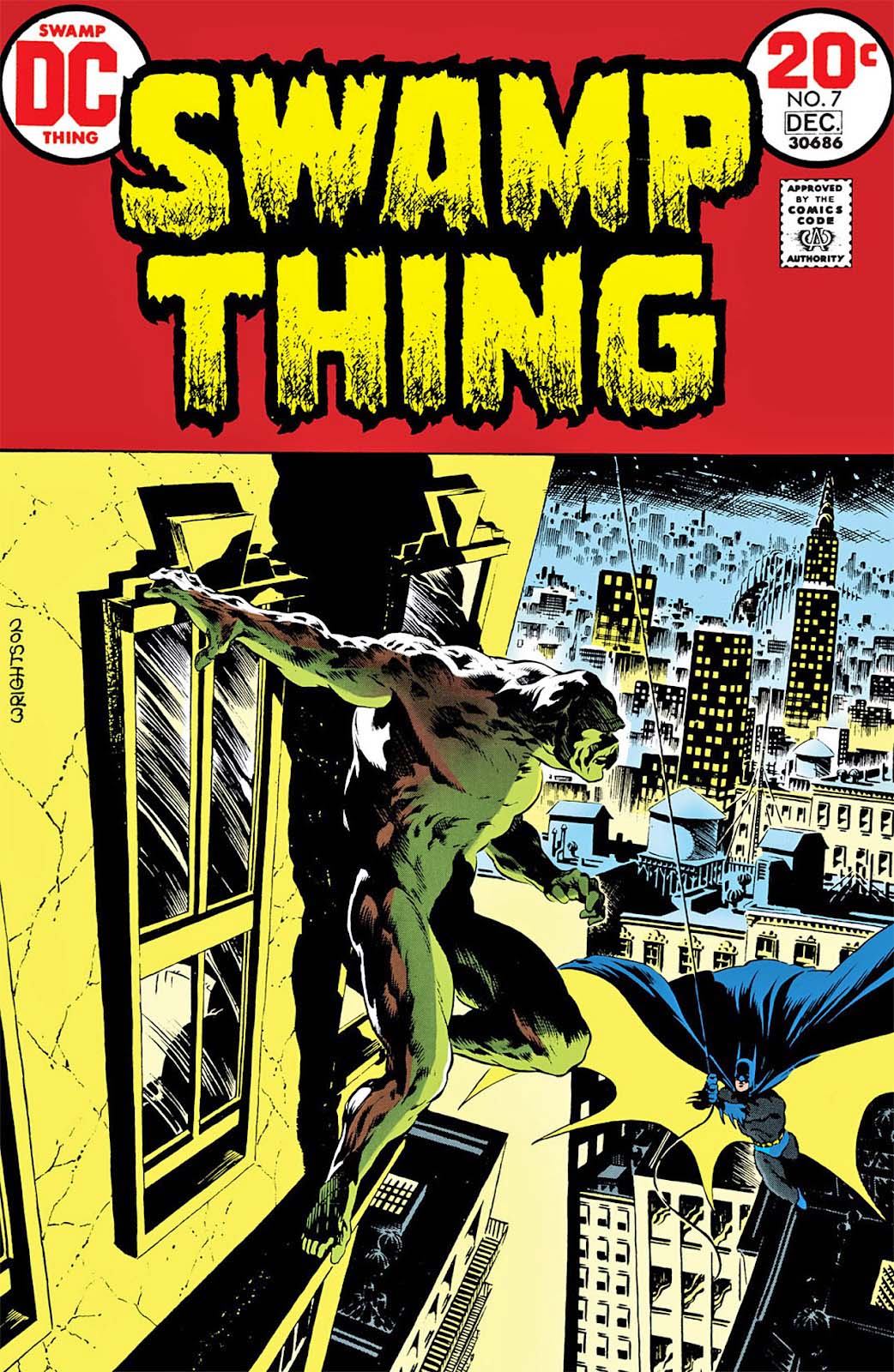
Swamp Thing #7 is one my favorite single issues, ever.
Don’t get me wrong: I loved all of Wrightson’s Swamp Thing through the first six issues, each of which I bought directly from the candy store or newsstand. (And #8-10 are just as good.)
But Batman?! Drawn by Berni? Wow. That Cape. Those ears. Just… wow.
I knew we would likely never see Wrightson on a conventional superhero title, so this was one special book. Flash forward nearly 25 years, and Berni revisits Batman once again with this cool Aliens crossover. It’s not Berni circa 1973 of course, but still great. I’m delighted that I stumbled onto this large art page last year.
And that half splash bottom panel? I knew that Batman pose looked familiar…

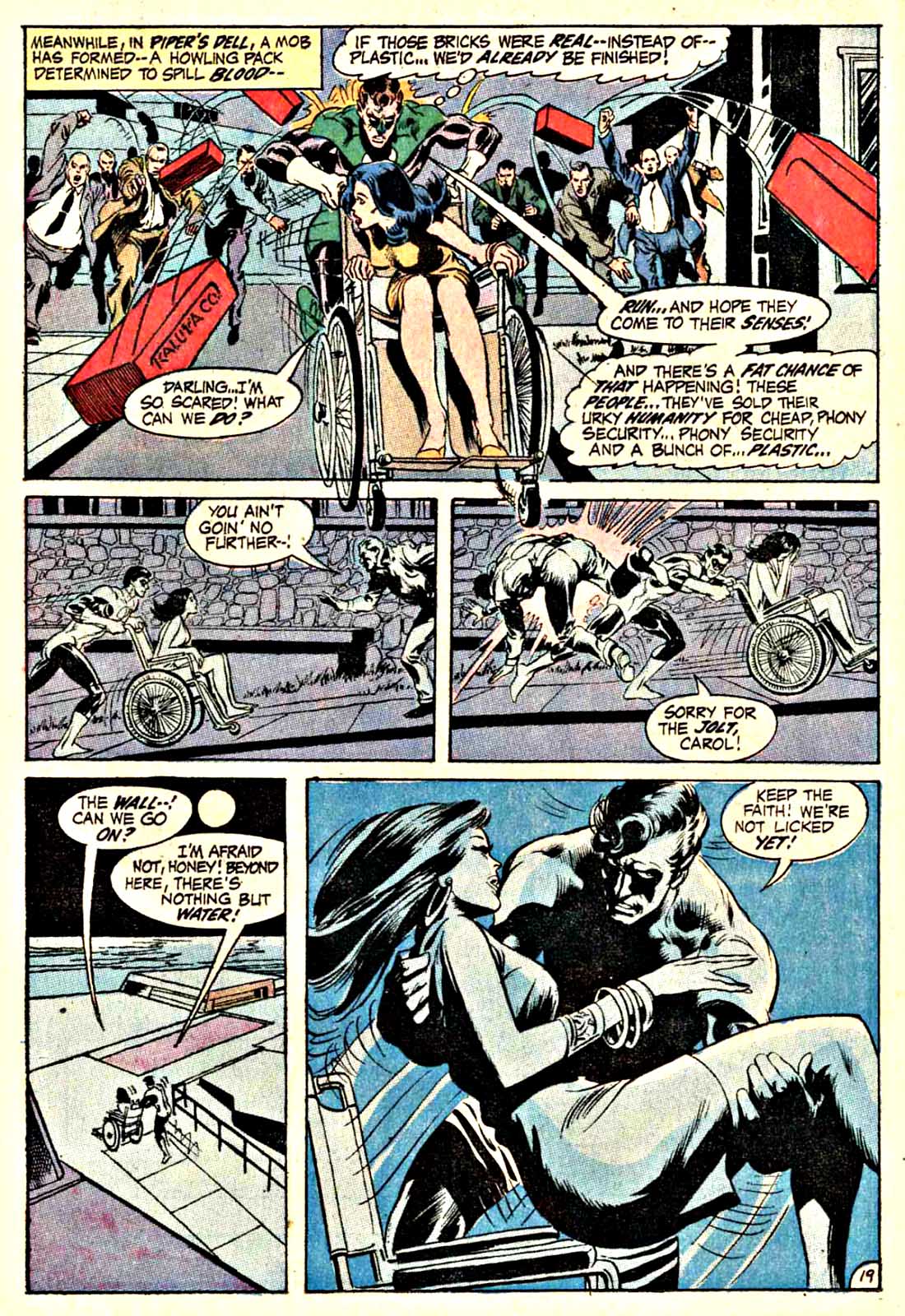
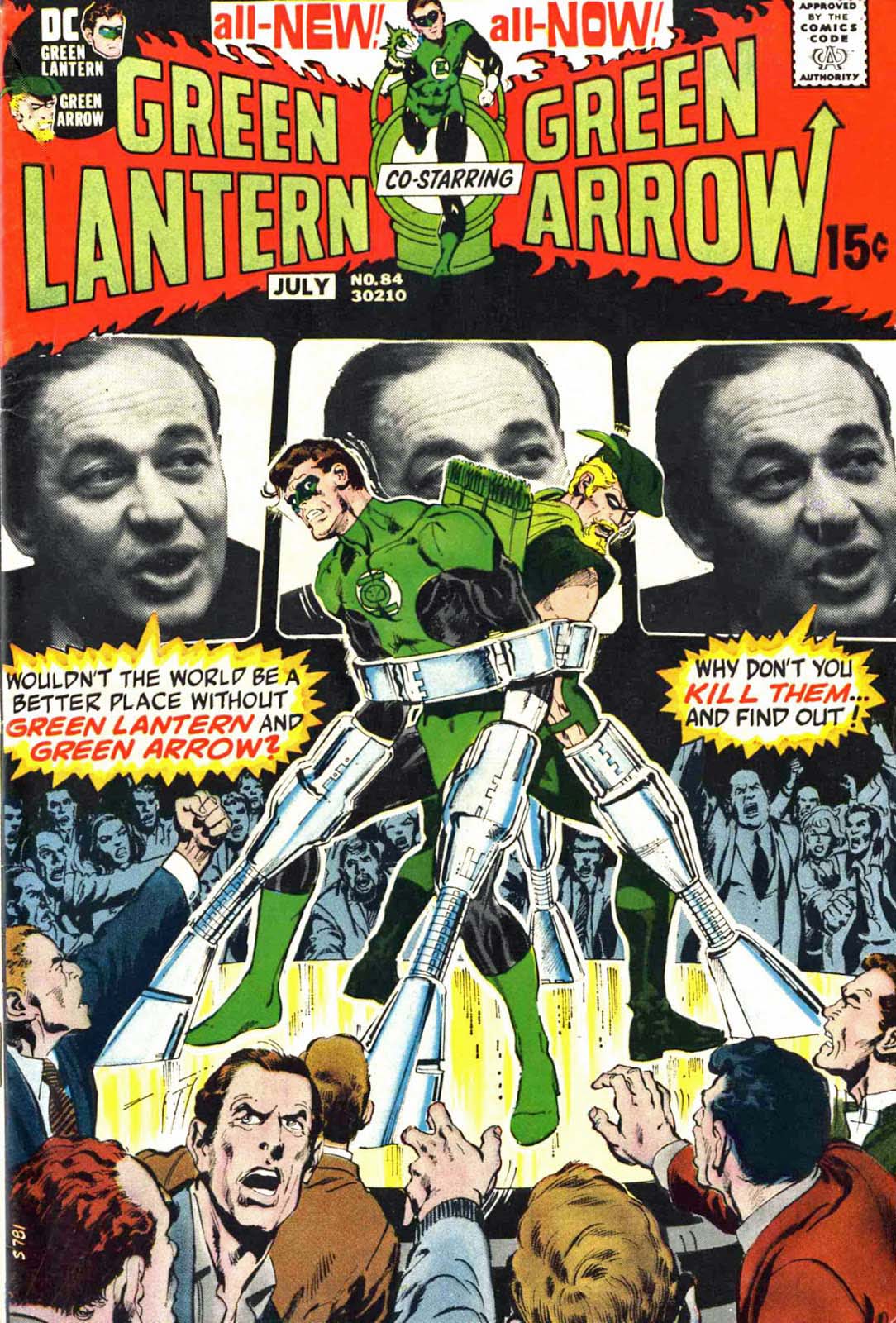
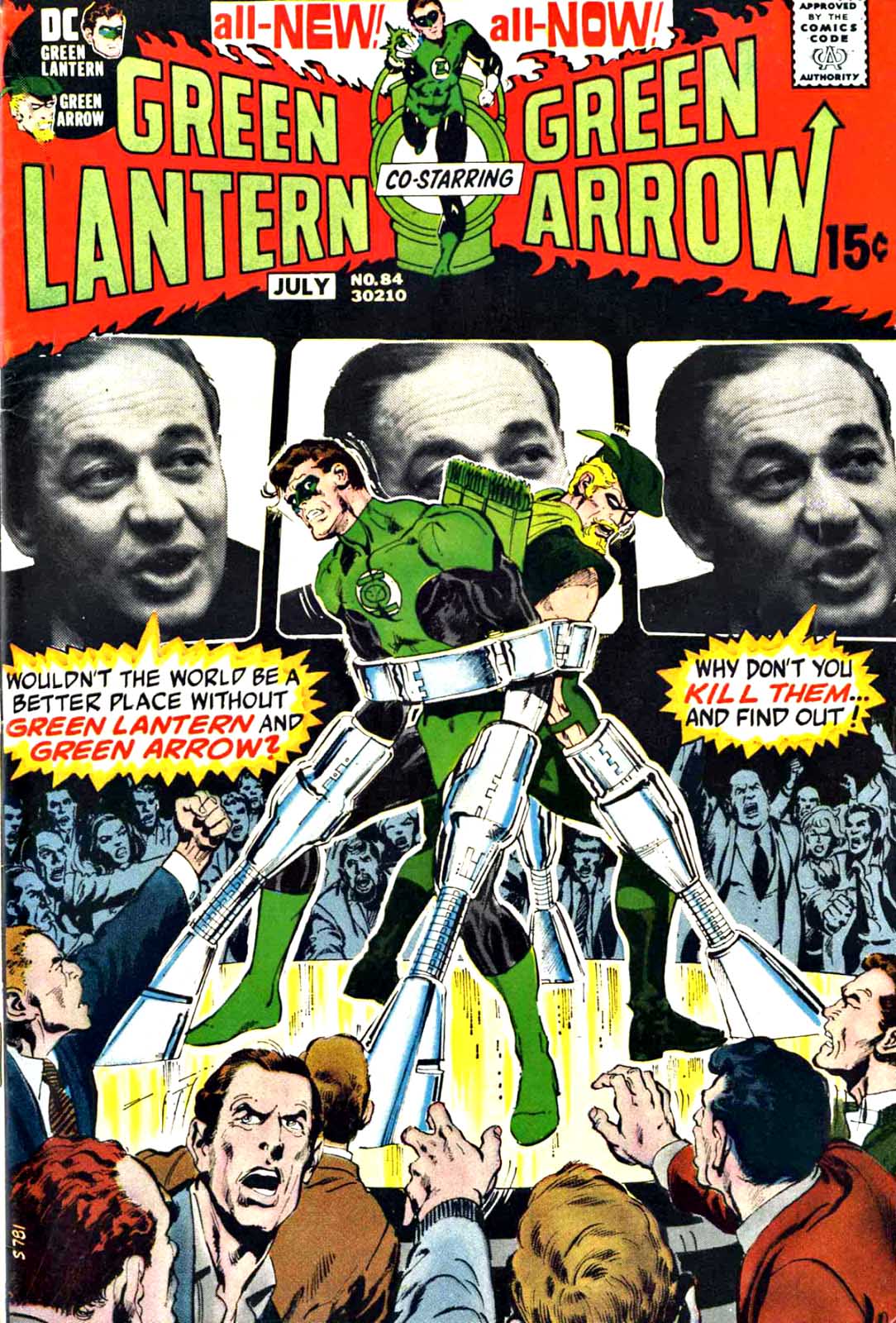
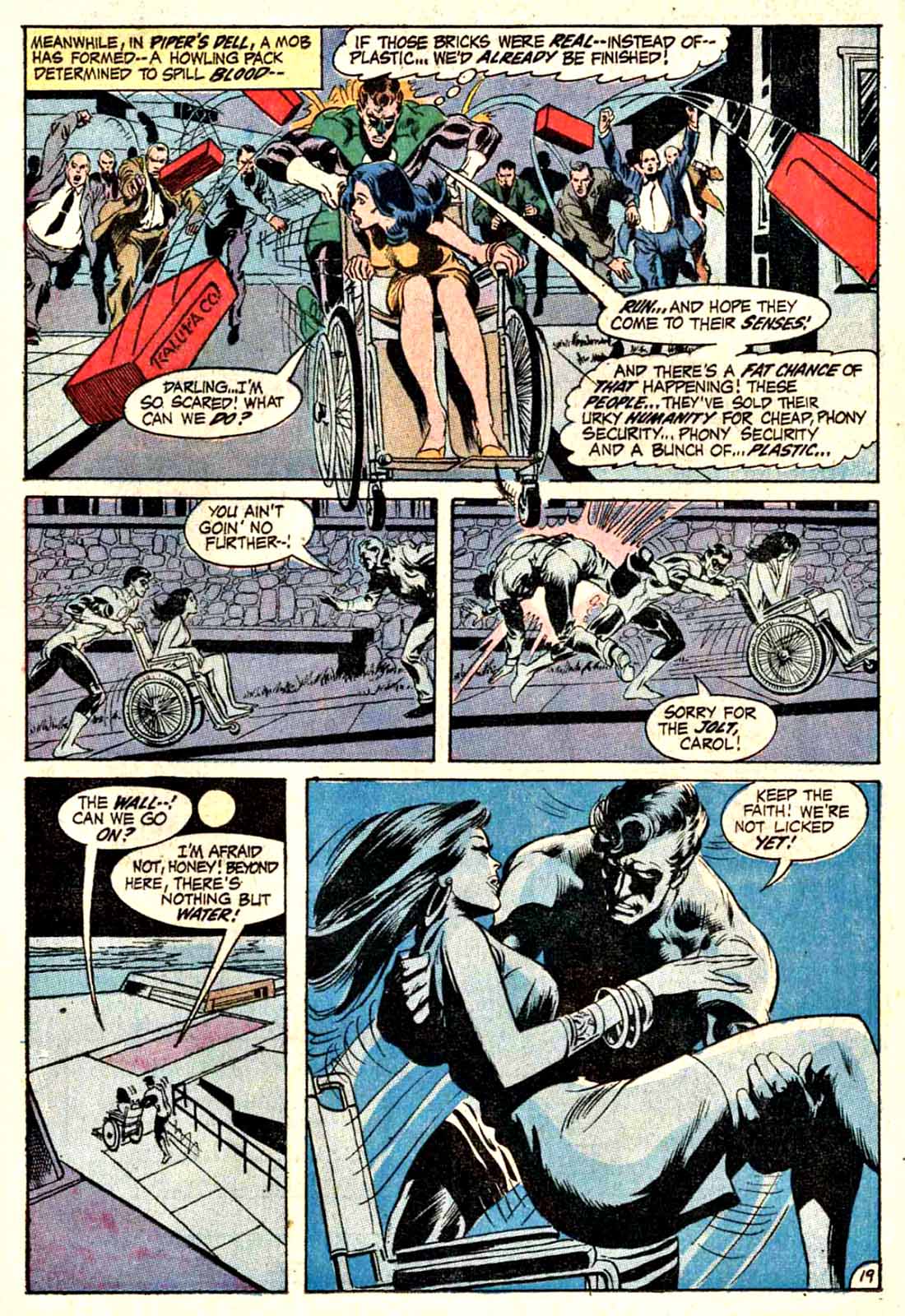
Green Lantern #84, July 1971
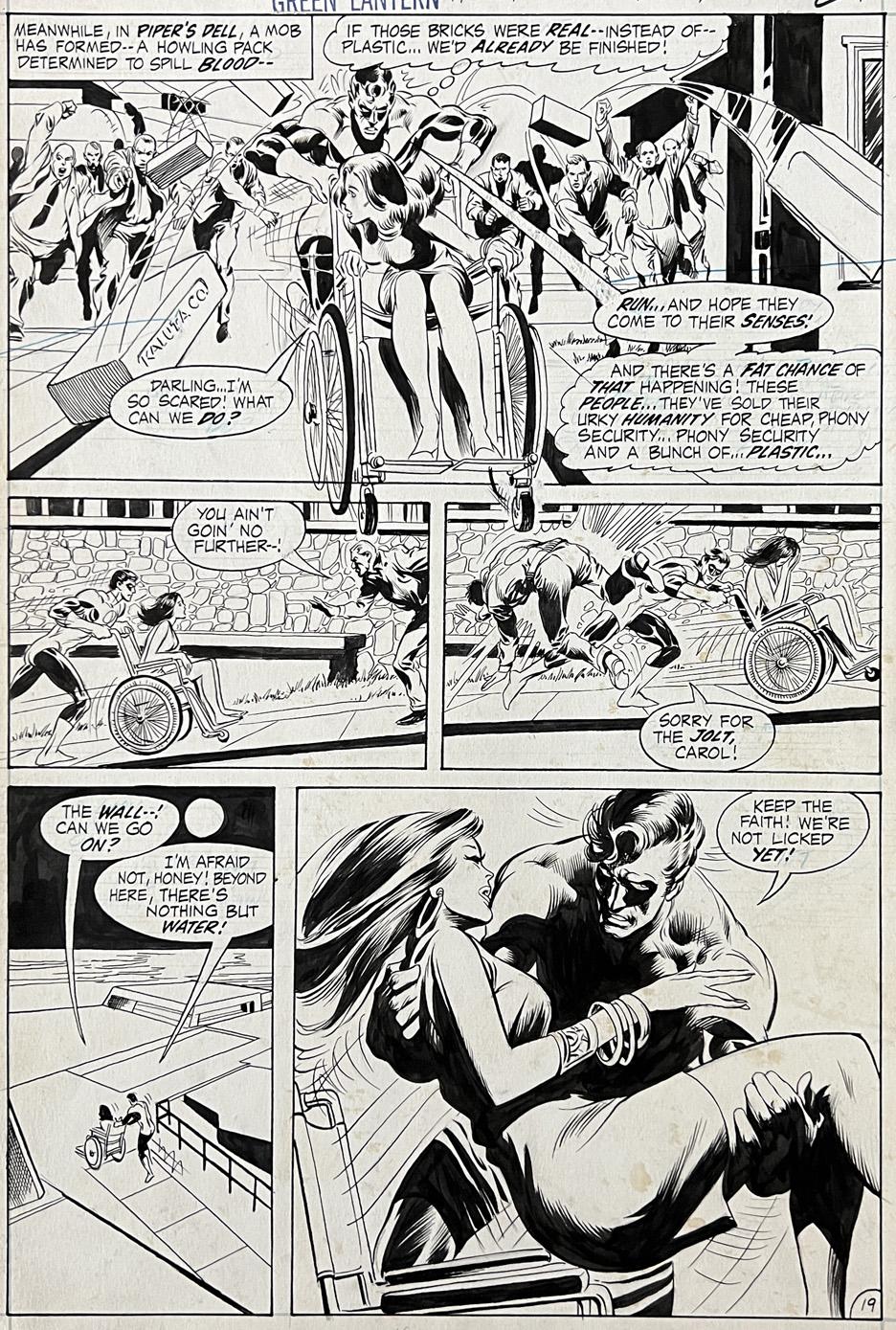
Opinions on Bernie Wrightson’s rare inks on Neal Adams pencils range from “dream team” to “dueling styles.”
Personally, I enjoy the combo, But Neal himself is said to have told Bernie he was better off going his own way. And that, I think, we can all agree upon.
As for this great Green Lantern page from Adams legendary run? The top panel feels more Adams dominant to me, and in the cool final panel I see more of Bernie’s efforts.
Your mileage may vary.
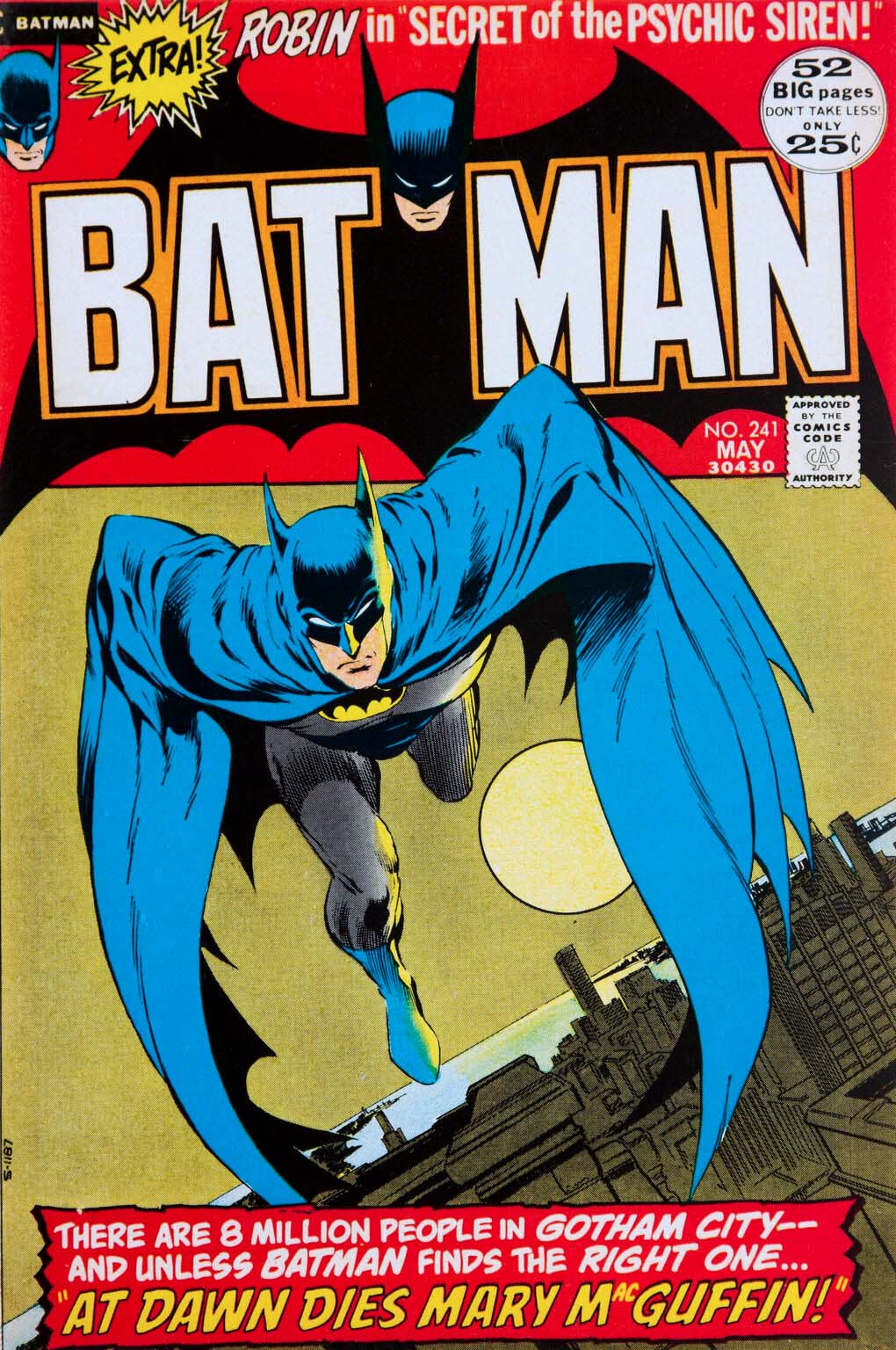
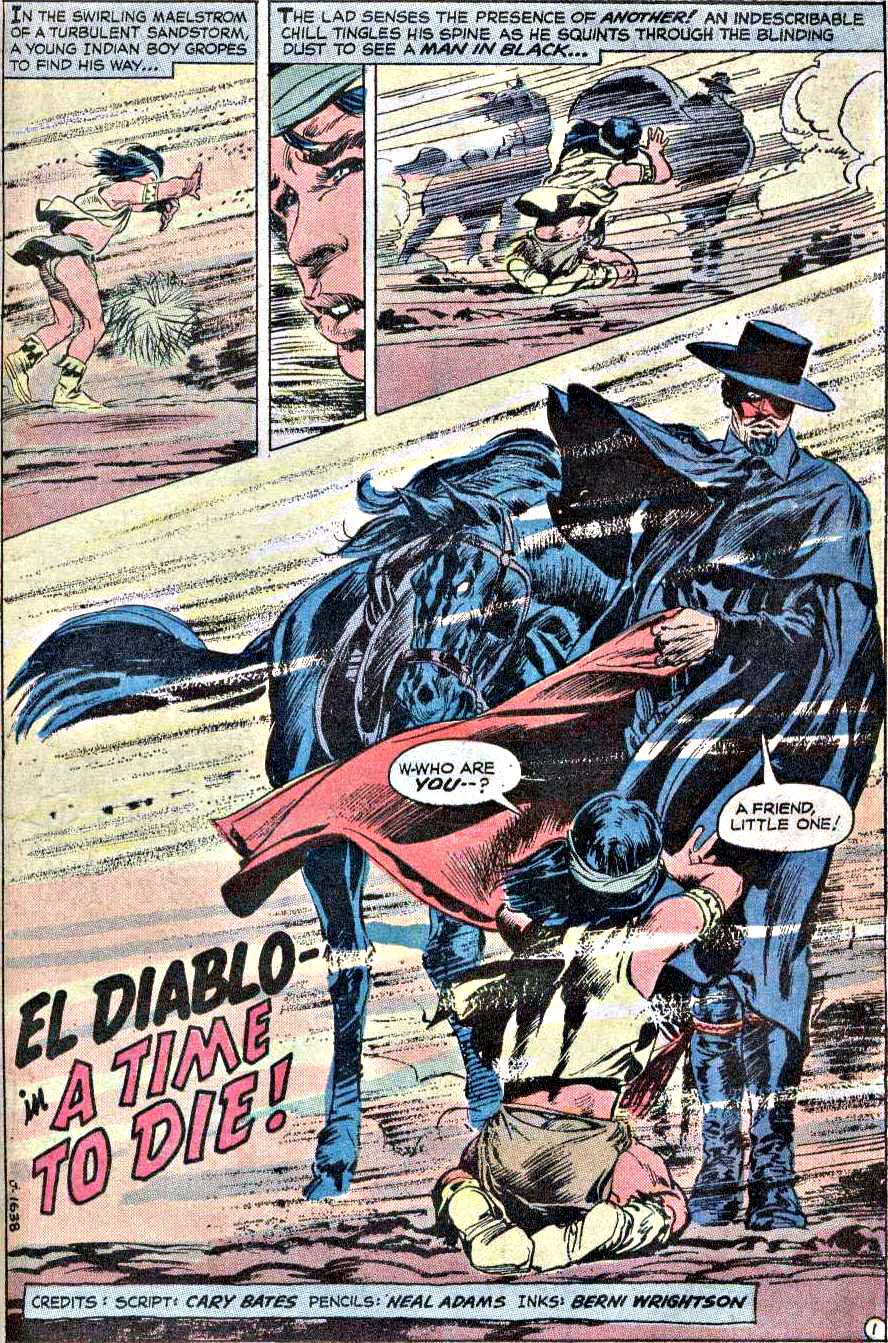
(Pictured below the published Green Lantern comic are a few more examples of the Adams/ Wrightson combo: A terrific Batman cover and the splash page to an El Diablo story from Weird Western #12.)
For more:
Green Lantern #84, July 1971
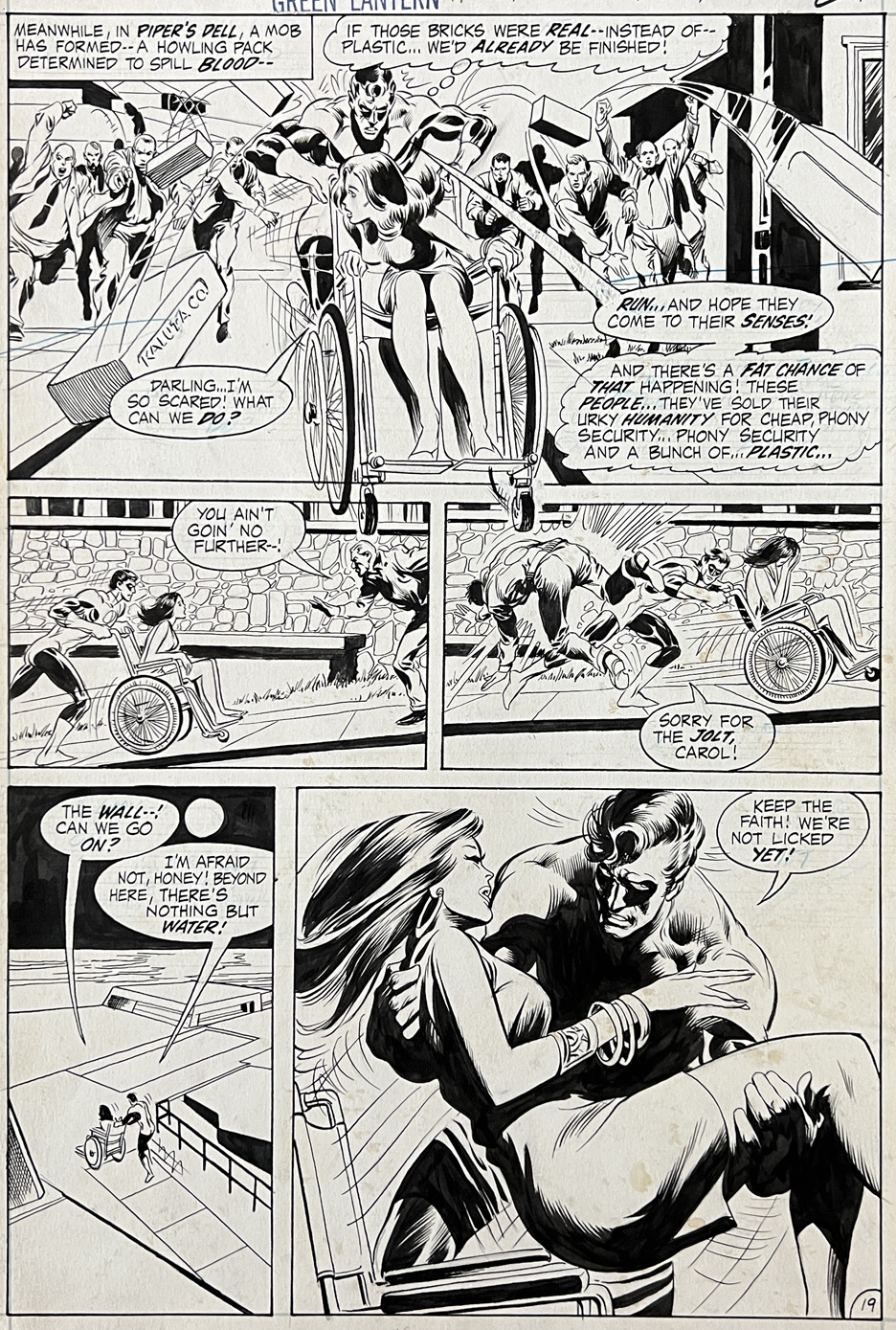
Neal Adams pencilling and Bernie Wrightson inking? Seems like an impossible combination. First thought, one would overpower the other, or, even worse, combine into some sort of Frankenstein’s monster (pun intended) of comic book art.
Well, not only is it possible, its terrific — at least in this one specific issue of Green Lantern. (Bernie himself said he was extra careful not to dominate Neal’s pencils here.)
And on this great page, you can clearly see the result — both styles complement each other. (The coloring in the printed issue unfortunately diminishes the impact of that last great panel. But heck, it is dark out.)
I’m delighted to own a page from this classic issue — and classic series.
Welcome to Day 10 of the 12 DC Days of DeCember.
Superman / Batman Annual #3, May 2009

Continuing our 70th celebration of Superman and Batman (Robin, too) teaming up for the first time.
Ah, the Composite Superman (Half Superman, half Batman). I’m not sure why I found this character so compelling as a kid, but I did.
I purchased his second appearance (World’s Finest #168) off the racks as a little kid. I was a bit too young for his first, a few years prior. (Both are shown below.)
Years later, what I can’t figure out is why he’s not on the cover in that issue. It’s not like I wouldn’t have flipped through the issue quickly and figured it out before I either gave Mr. Wurman my 12 cents or got tossed from his candy store.
In contemporary times, Chris Batista delivers a terrific page featuring the villain, plus Superman and Batman, and Metallo thrown in for good measure.
The issue also features a rare cover from the late Bernie Wrightson. No surprise, Bernie’s interpretation of the composite character is… intimidating.


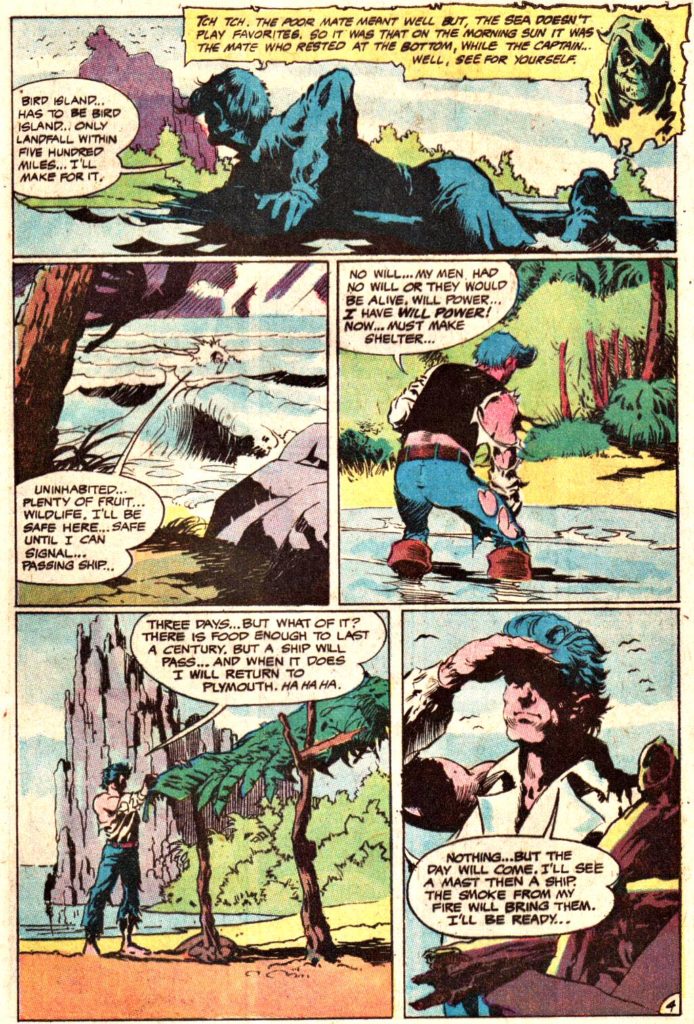
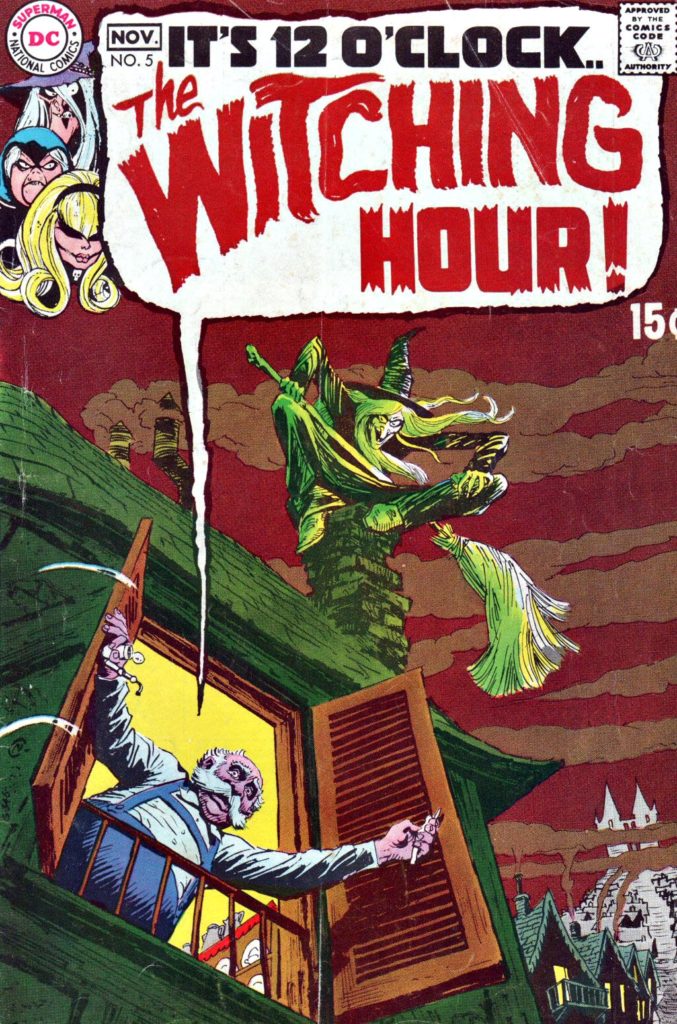
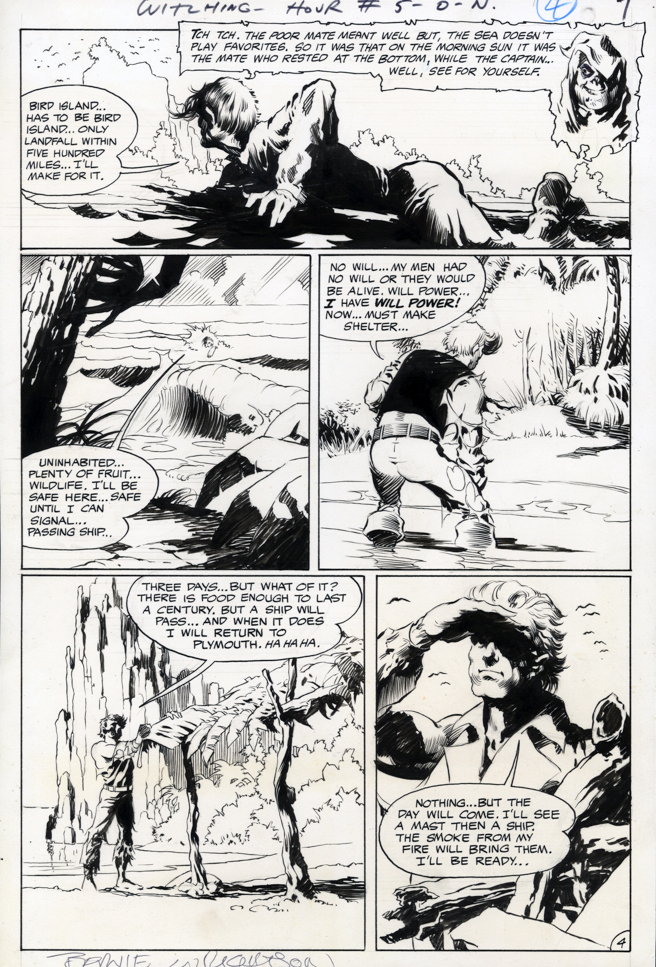
Witching Hour #5, November 1969, “The Sole Survivor”
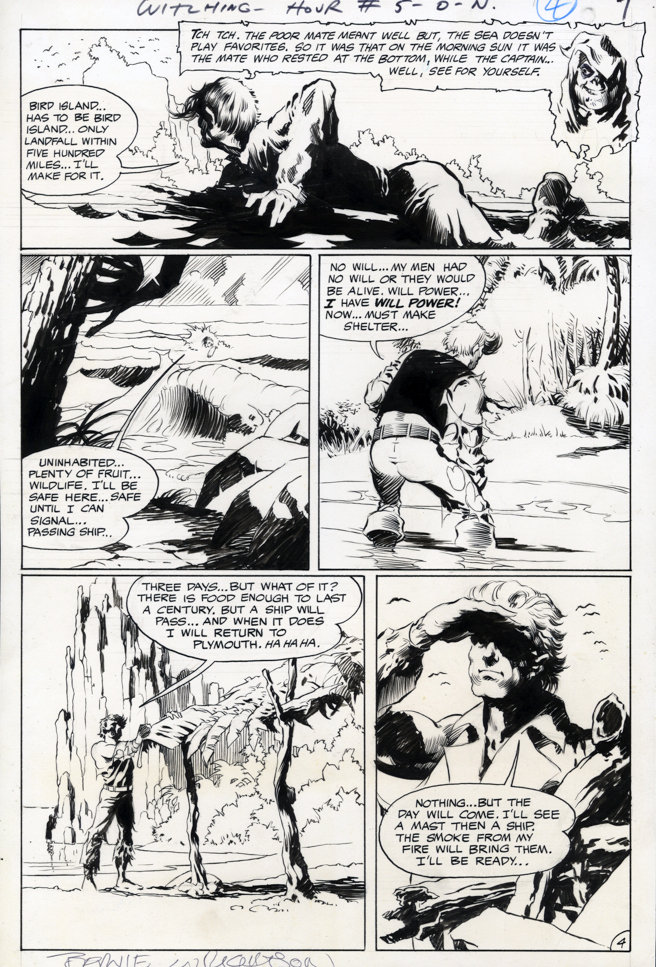
Today we launch a two-week series celebrating Halloween with the best in monsters, mystery and mayhem.
It’s difficult to attend Baltimore Comic Con without thinking about Bernie Wrightson, who hailed from here, and made his final convention appearance here six months prior to his death in 2017.
Wrightson’s professional comics career began in DC’s mystery anthology titles just six months before this art was published, 50 years ago this month.
This page, therefore, is very early Wrightson, and although it’s still a few years away from his artistic peak, the talent, and signature detail, is already unmistakably there. His art hooked me early on, and I remain hooked.
Those DC mystery and horror comics, many edited by EC legend Joe Orlando, often showcased star artists like Wrightson, Mike Kaluta, Neal Adams, Gil Kane, and others, including occasionally Orlando himself.
Of course, like other anthology comics, you never knew what the line-up was going to be from title to title, issue to issue. These series were indeed like Forrest Gump’s proverbial box of chocolates: You never know what you’re going to get.
So of course they were always the titles I tried to skim through urgently on the candy store spinner racks, before that crusty proprietor Mr. Wurman would inevitably glance my way and say: “You gonna buy those? This is not a library.”