Lucas Museum — The Art
Lucas Museum of Narrative Art, Los Angeles, September 10, 2026
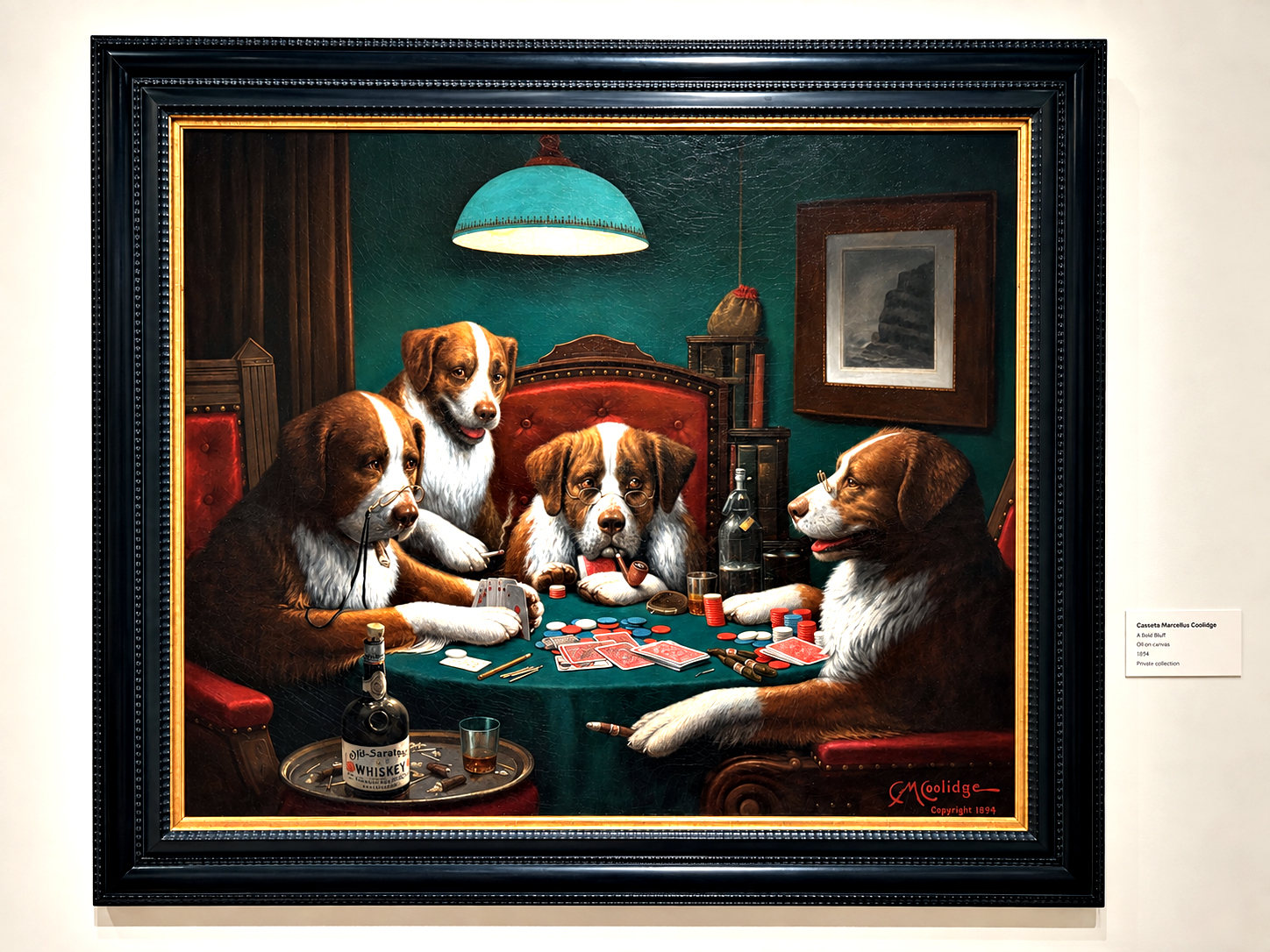
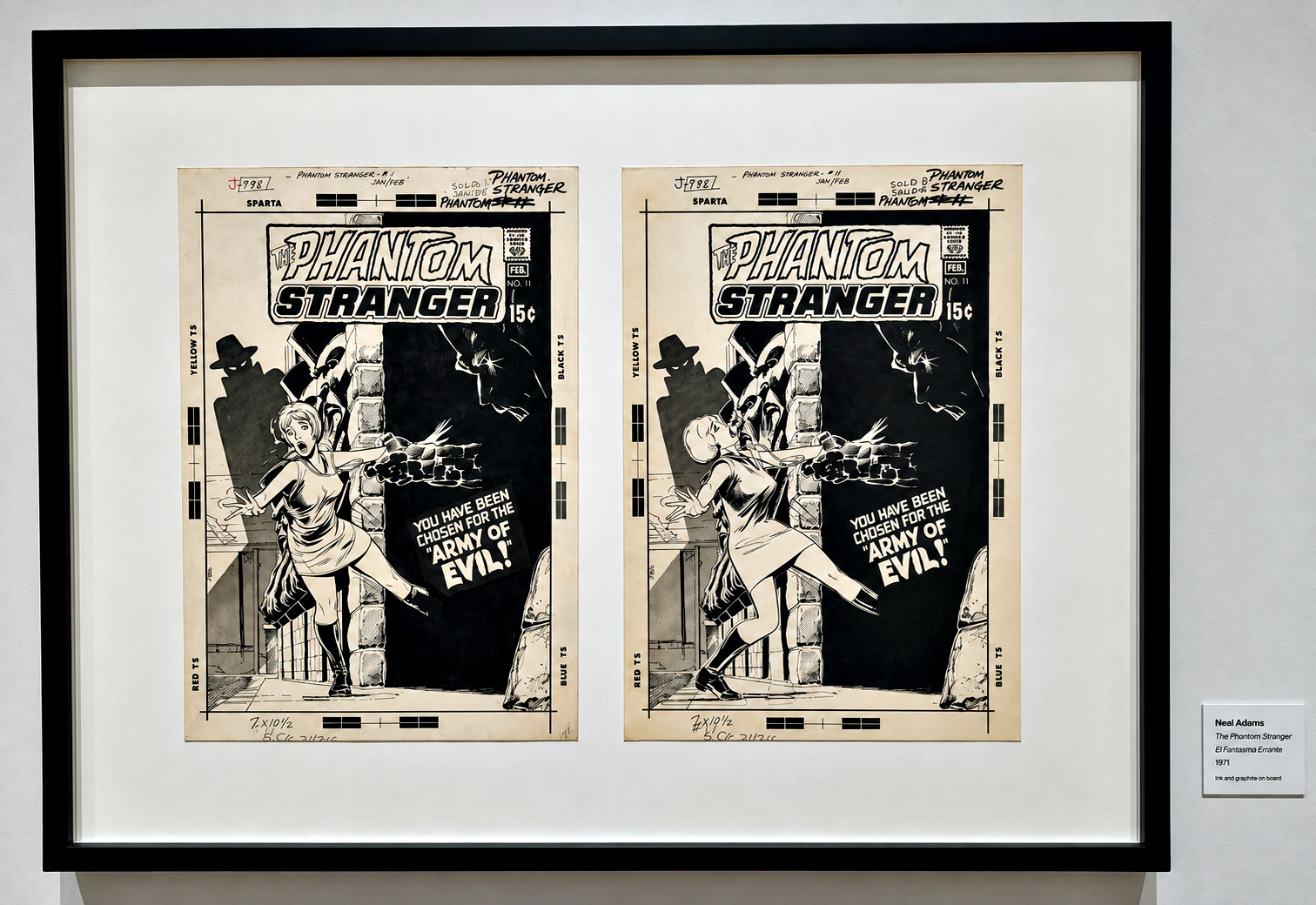
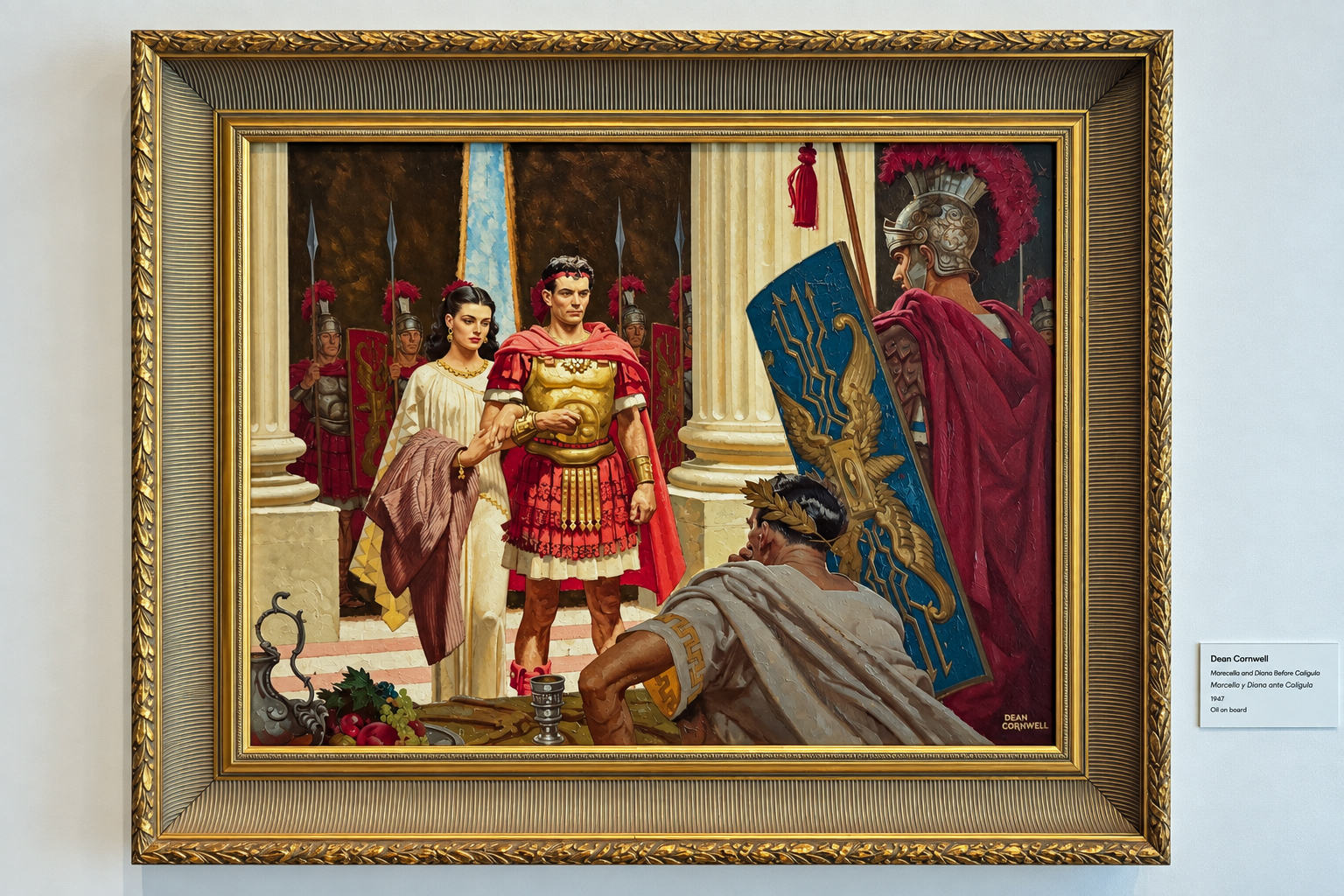
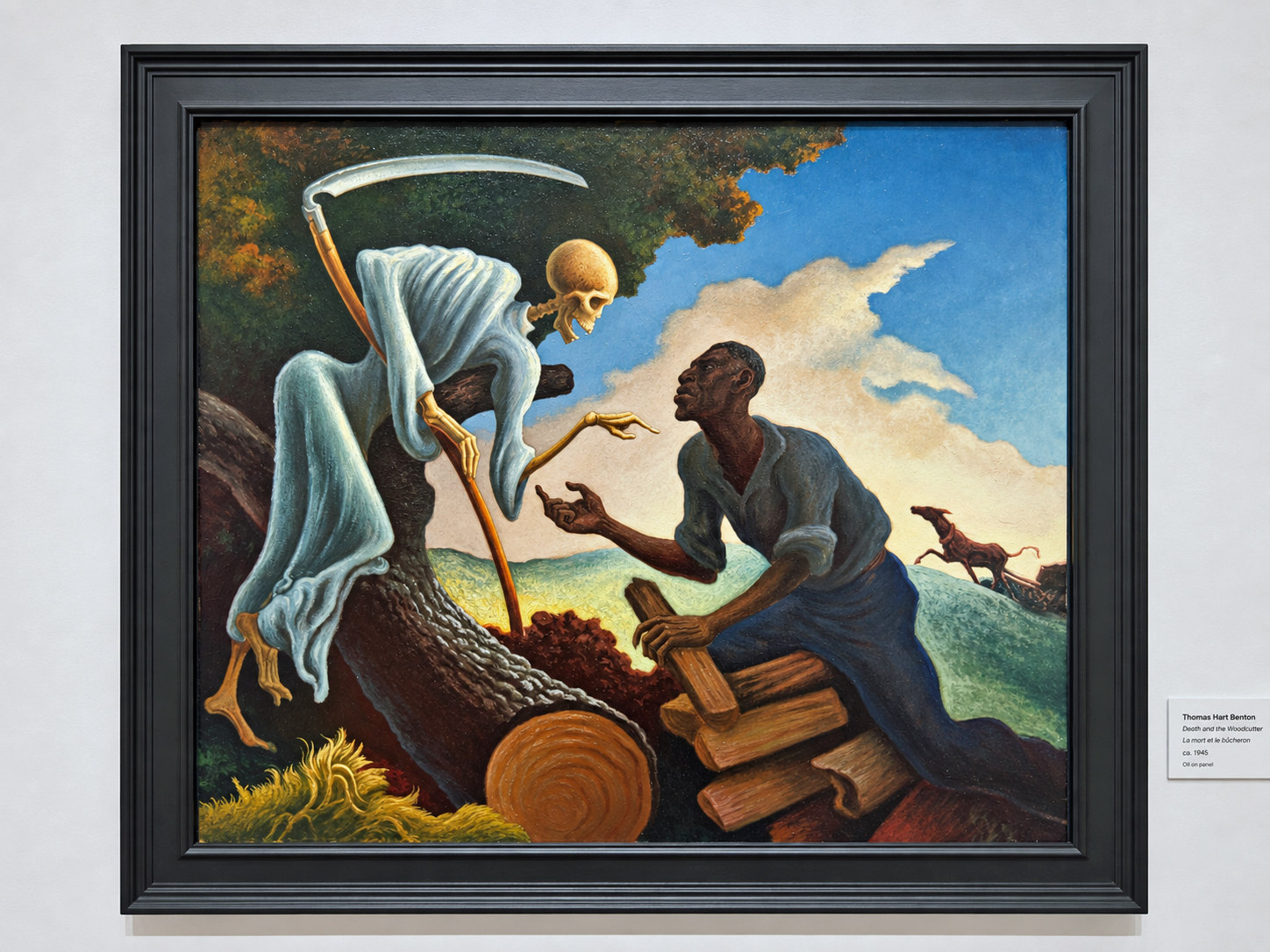
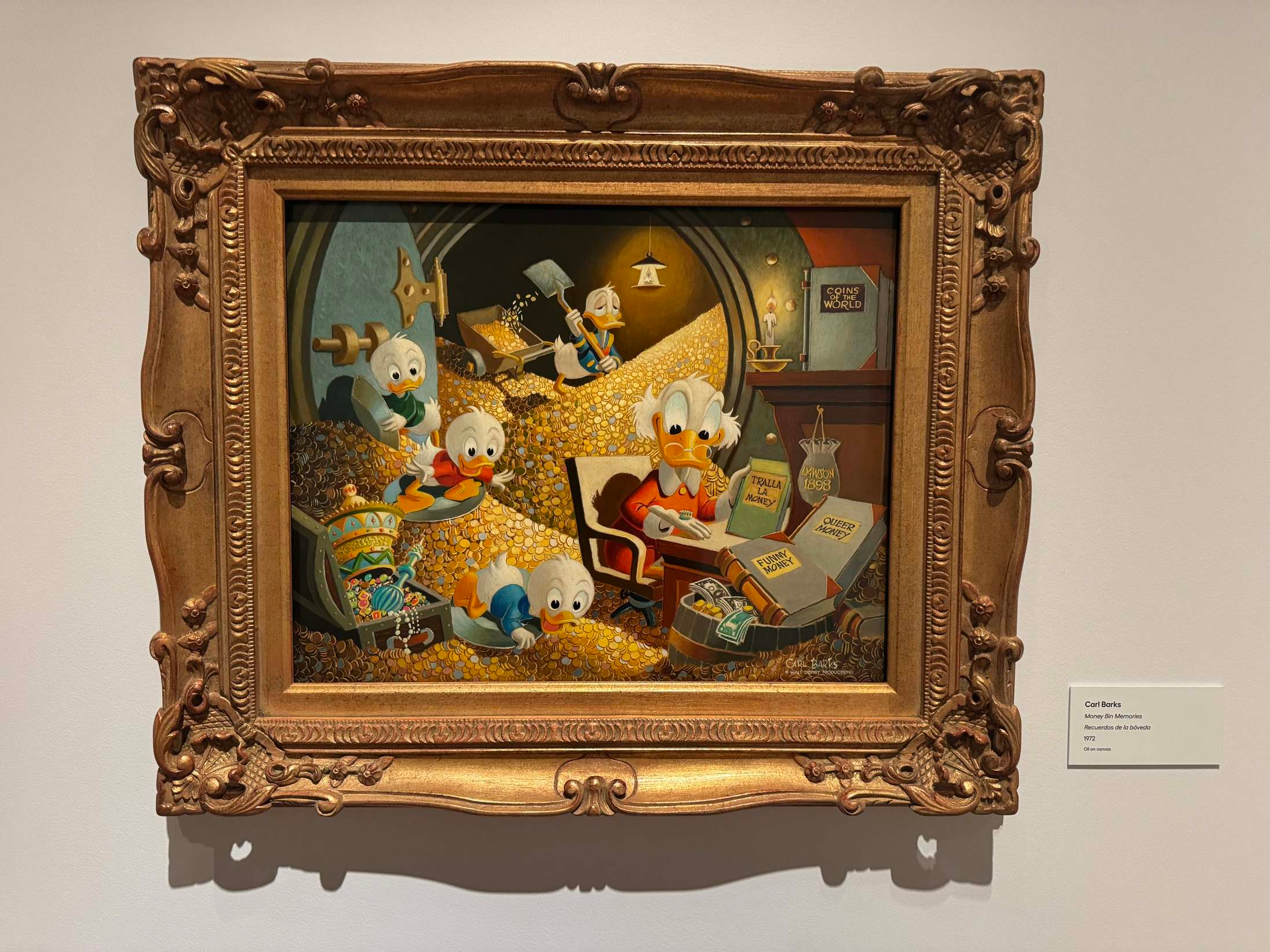
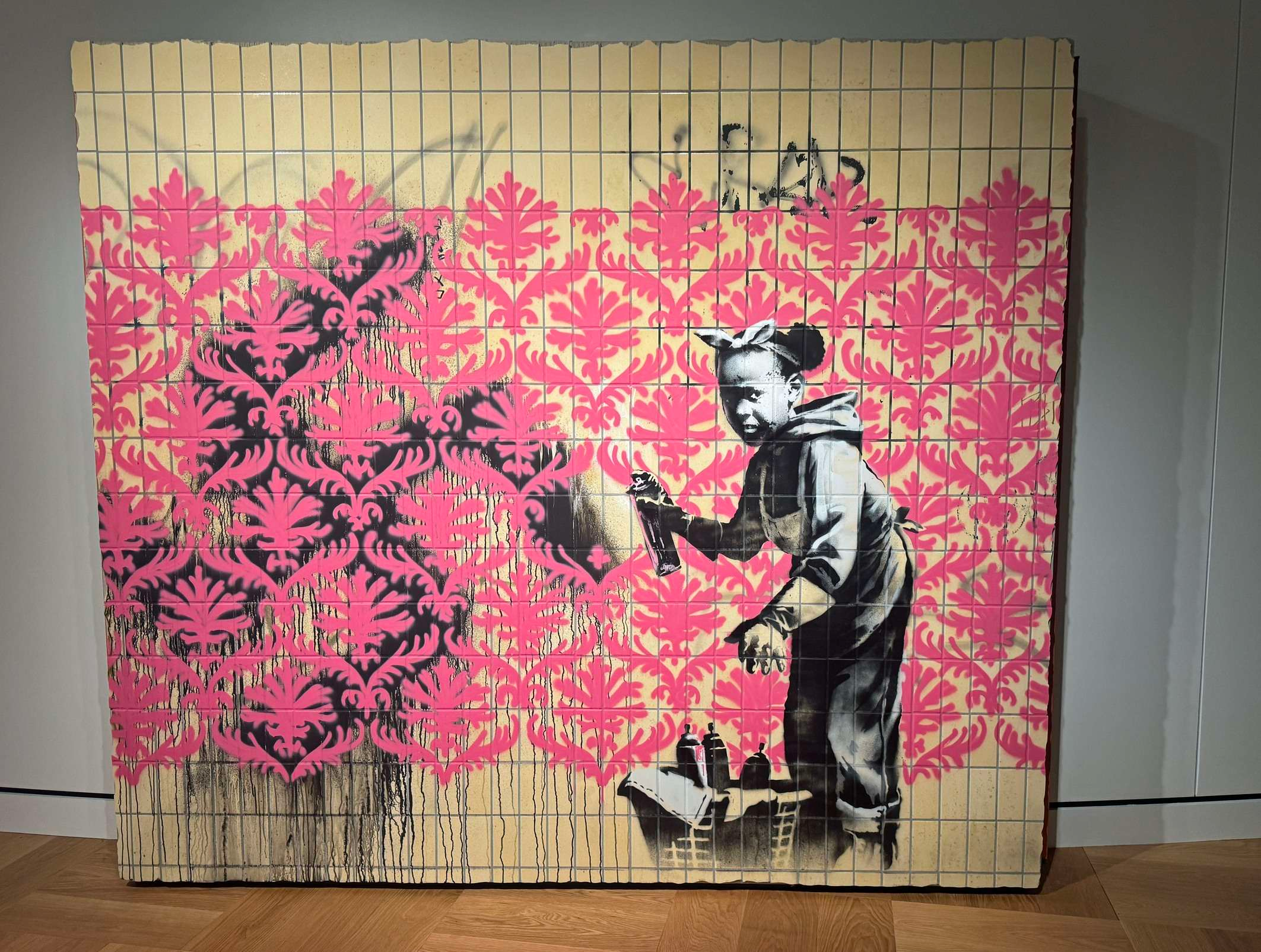
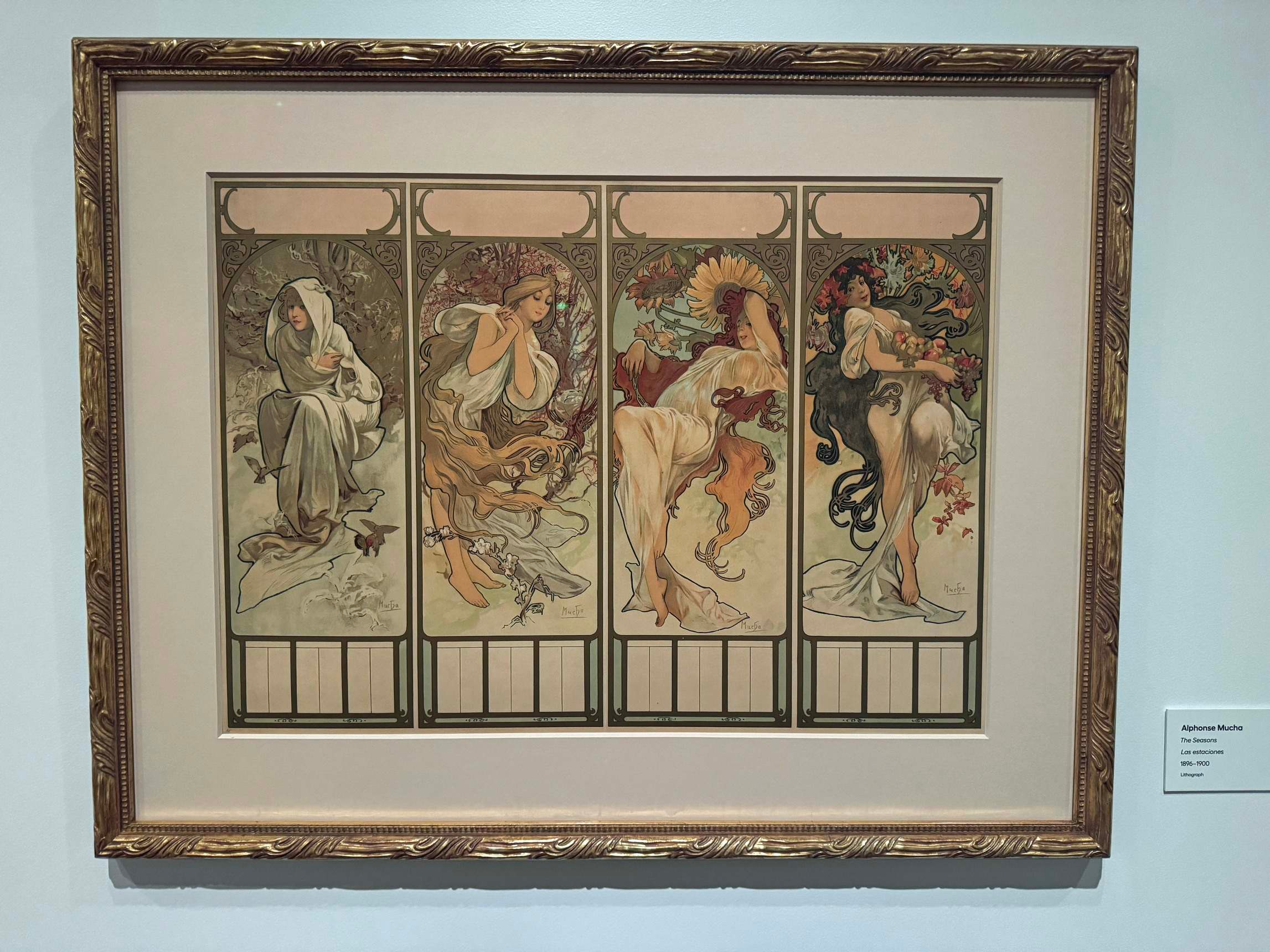
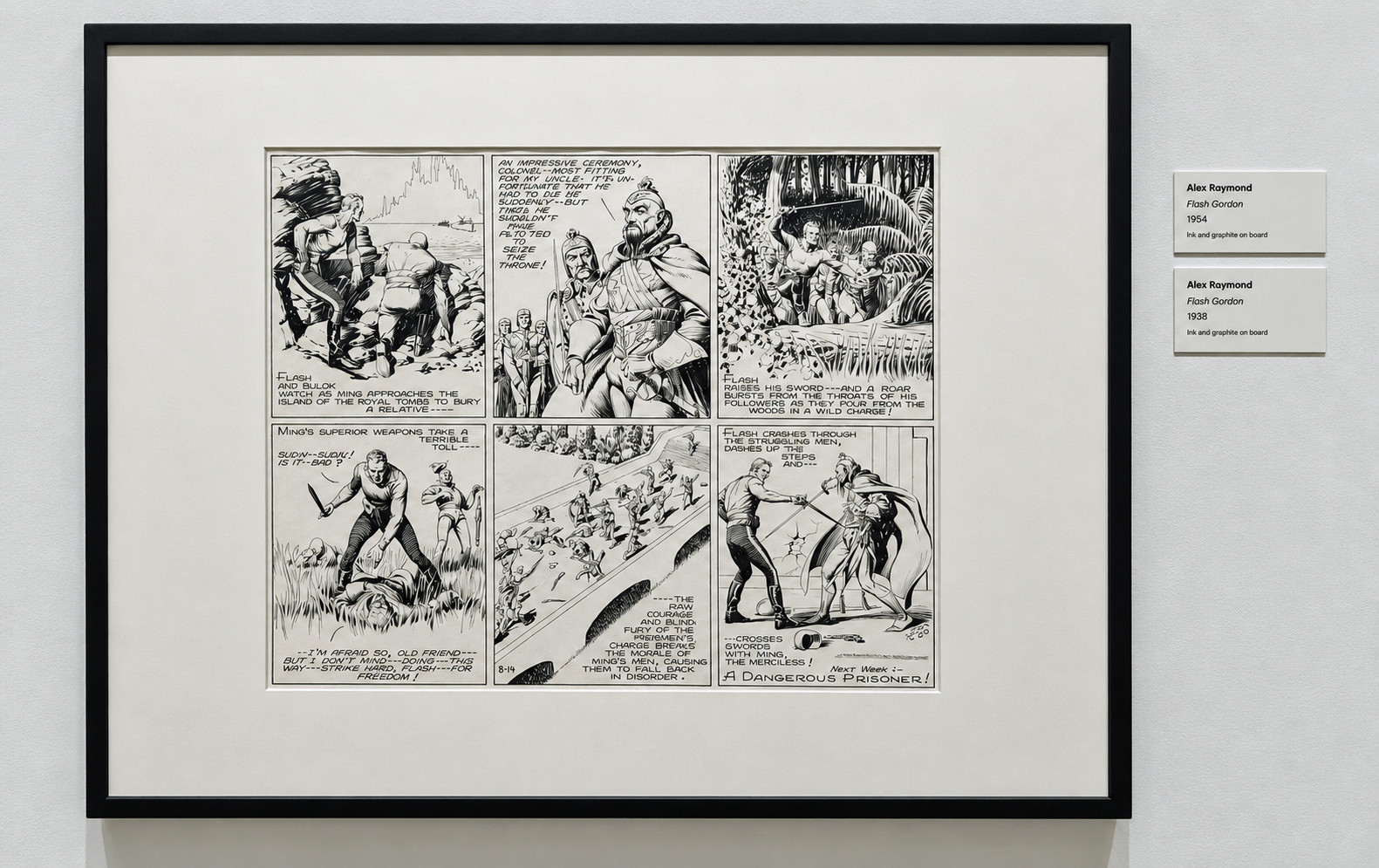
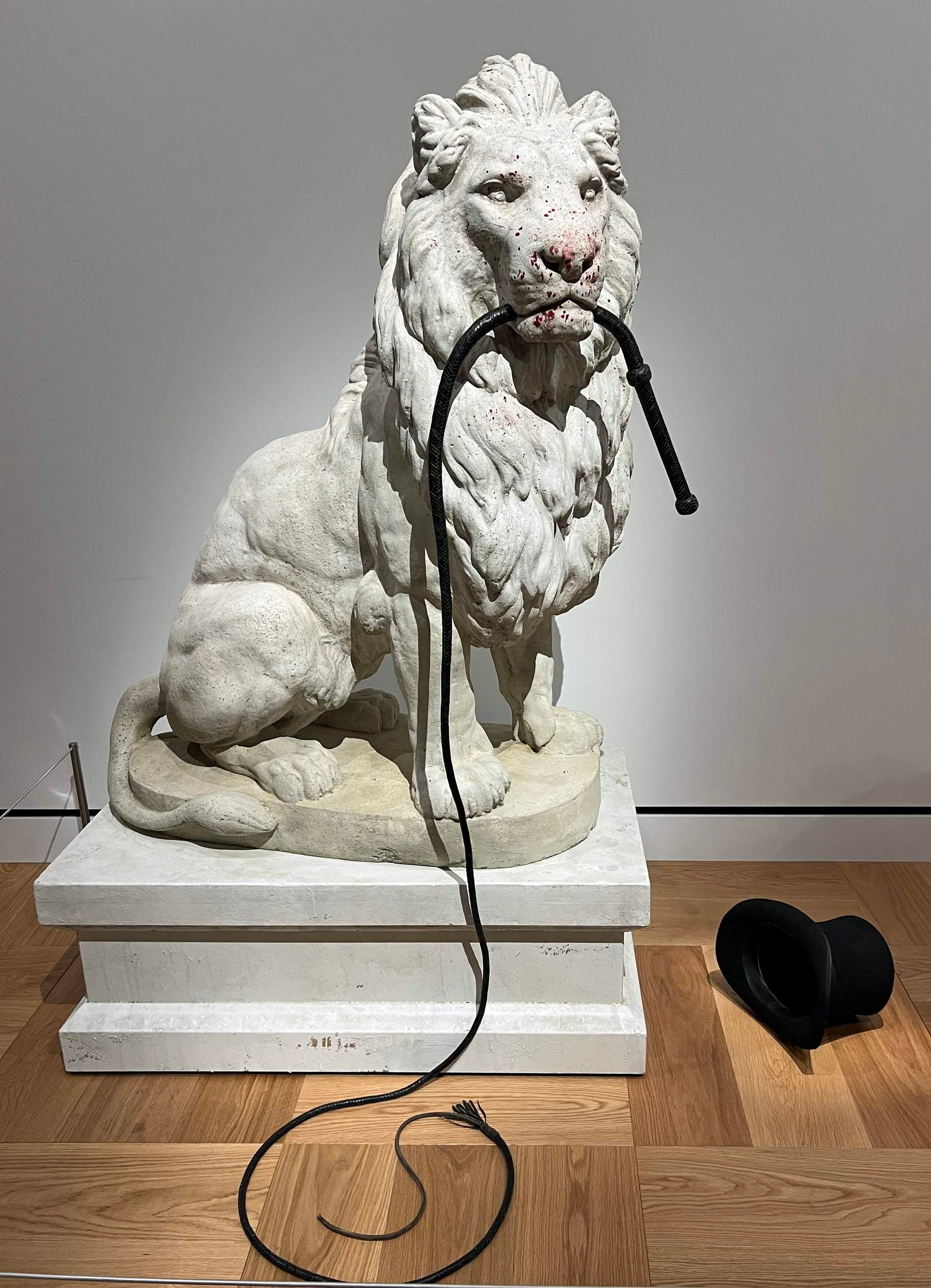
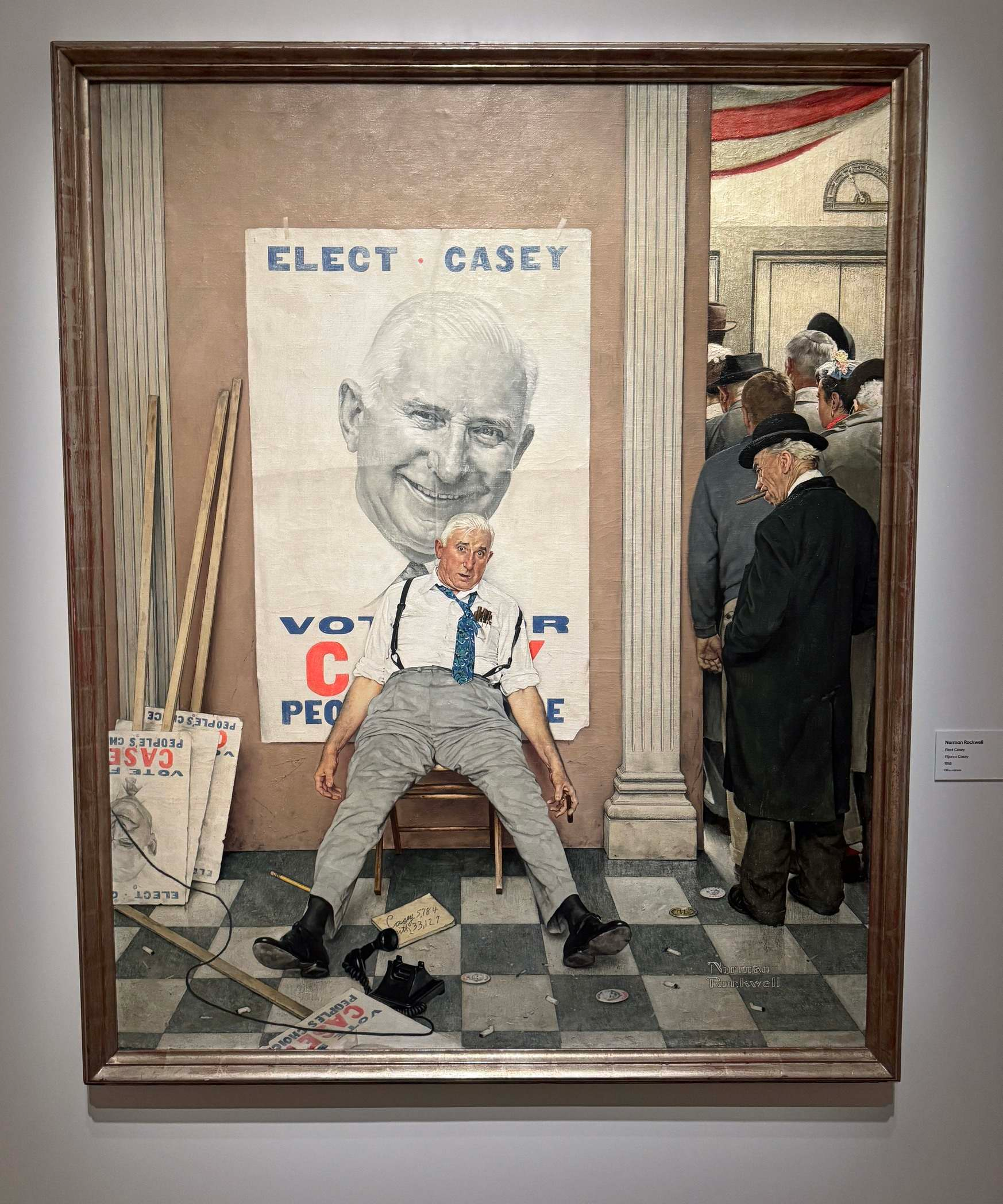
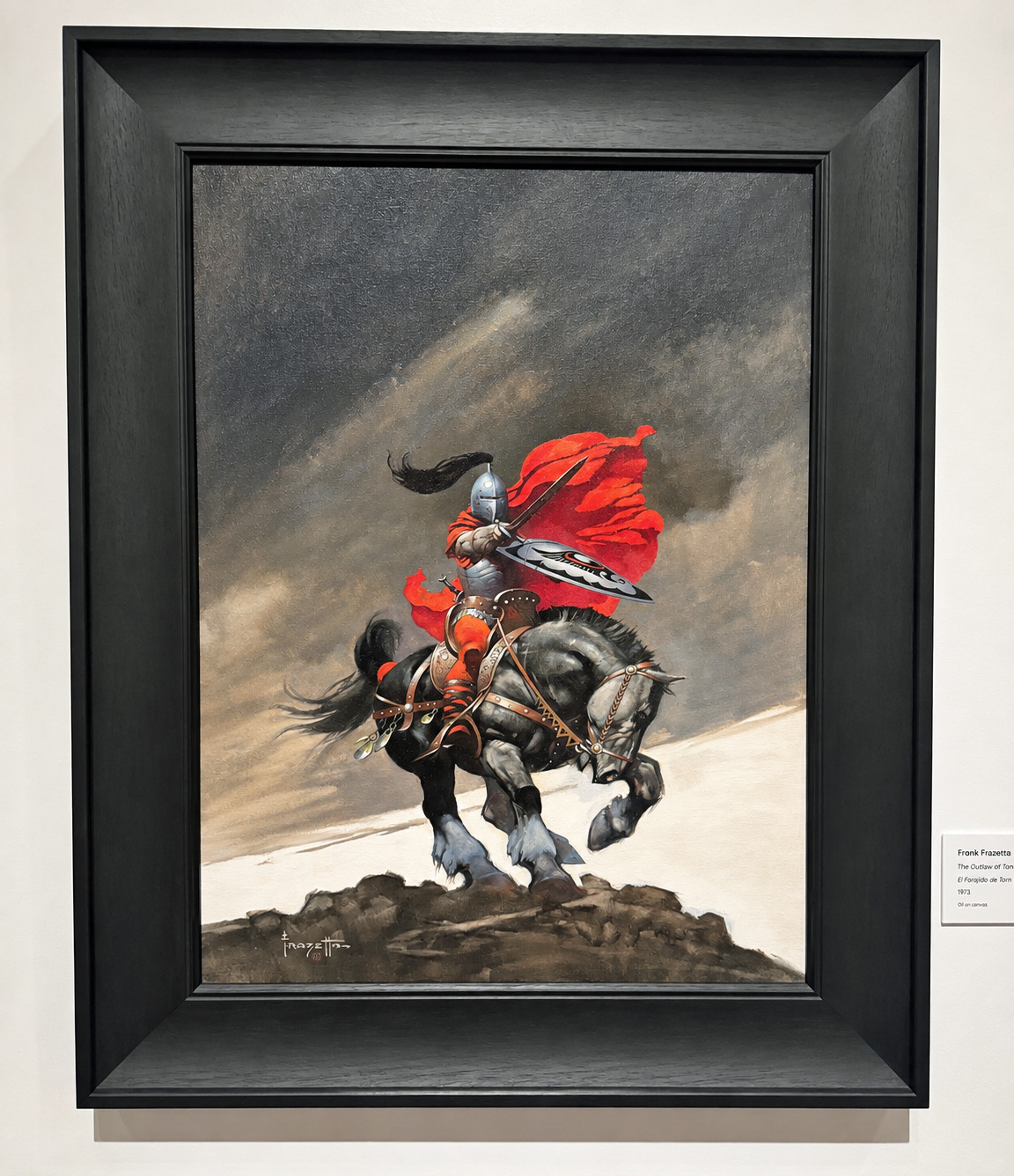
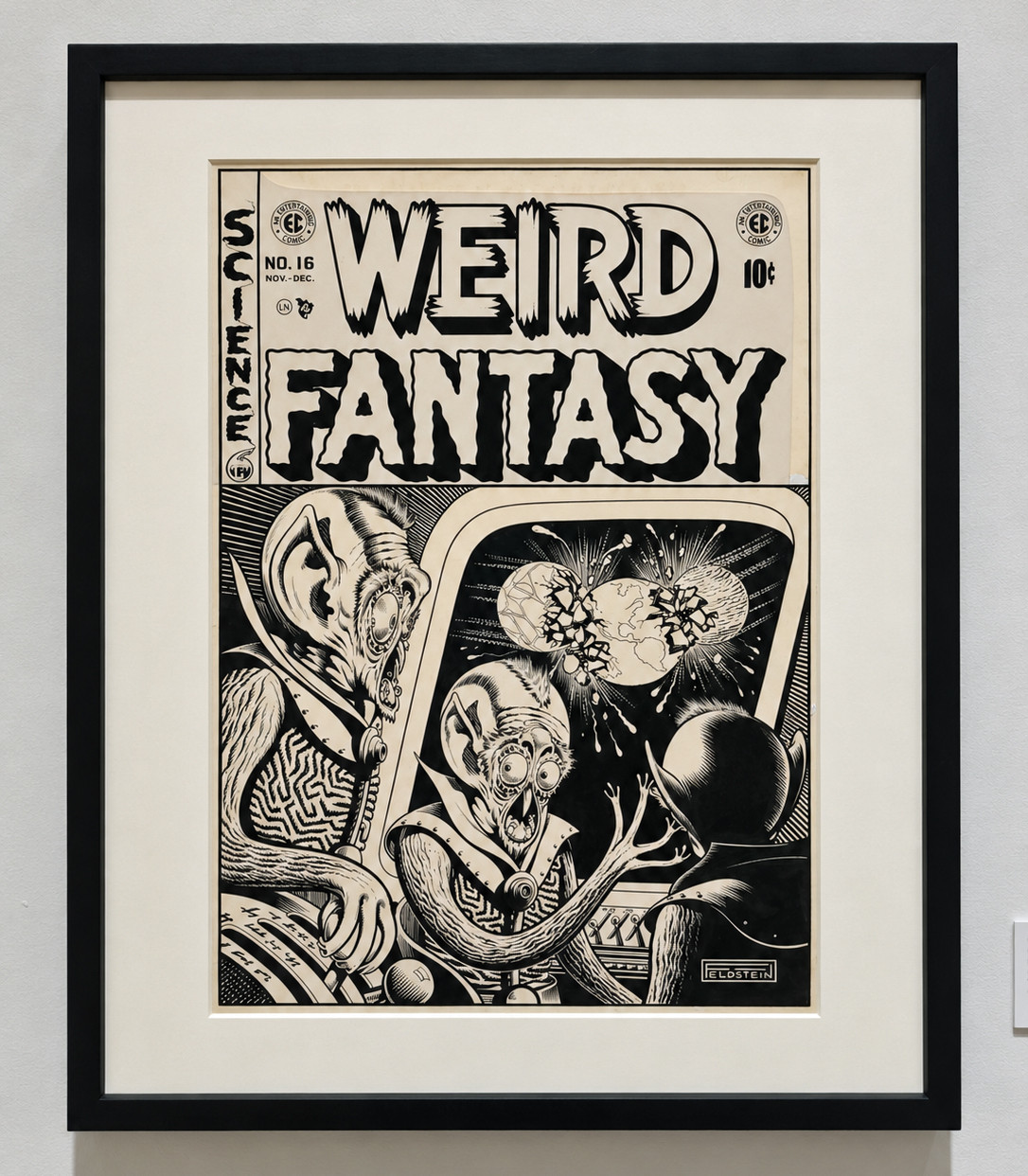
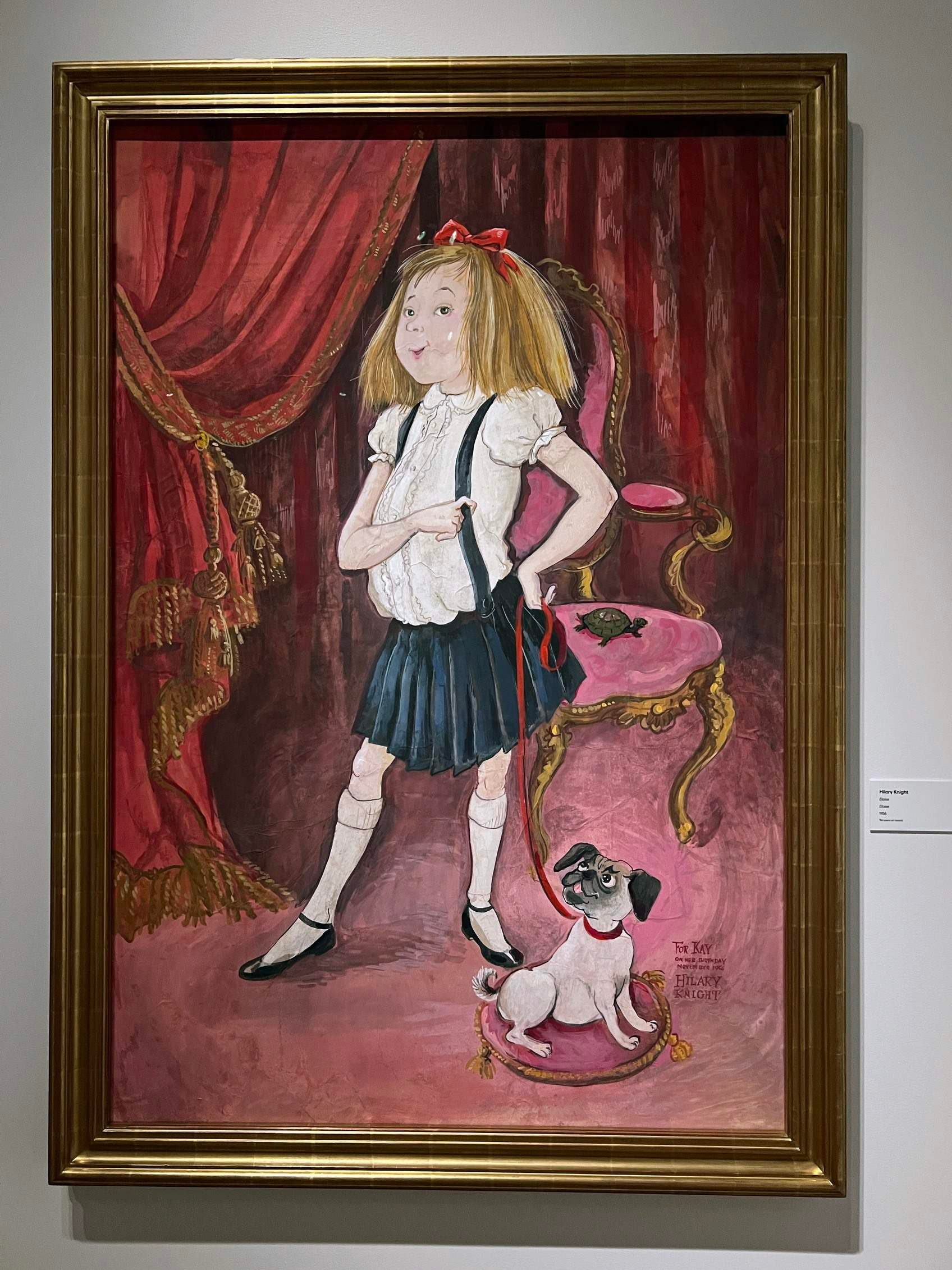
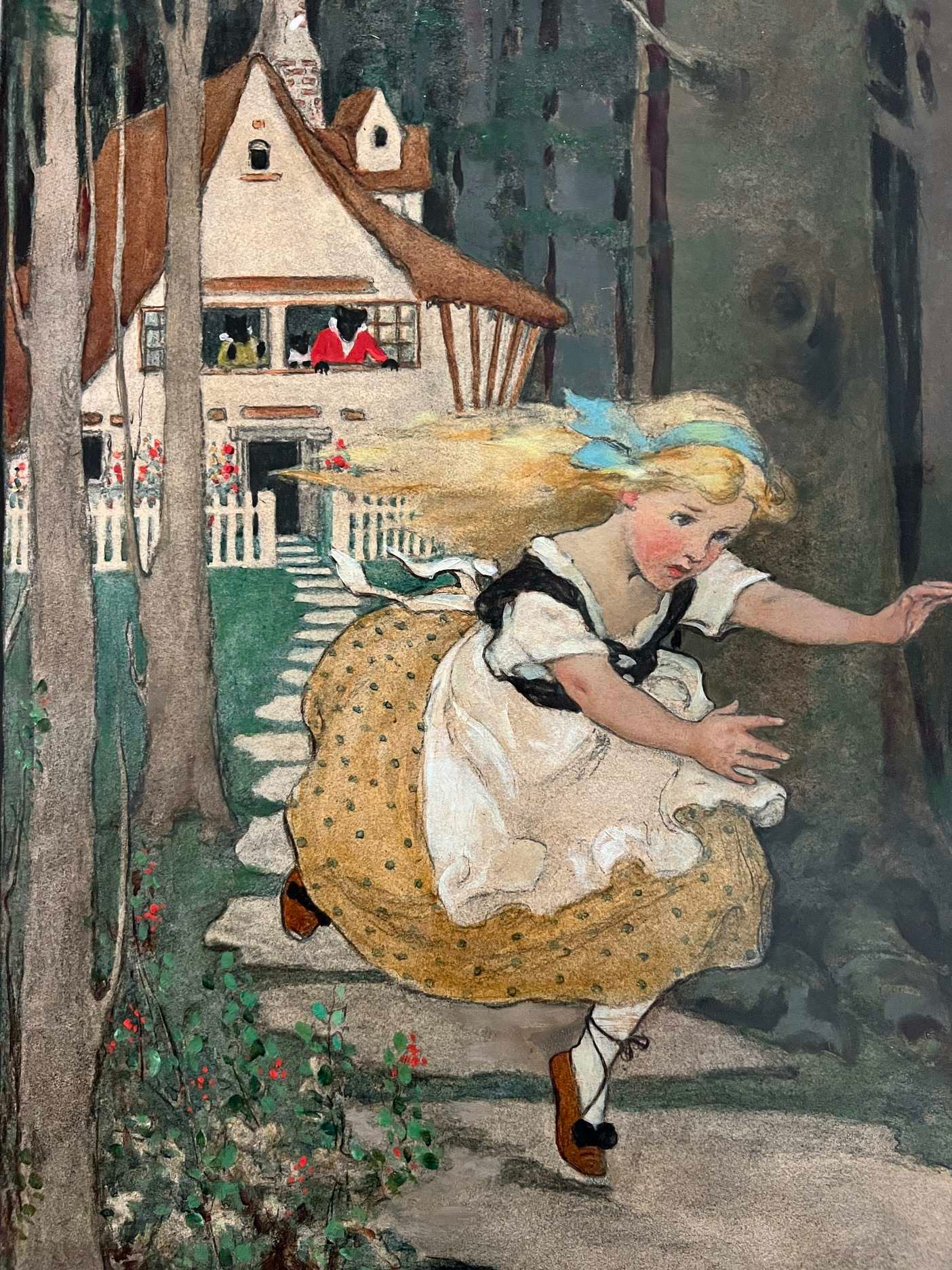
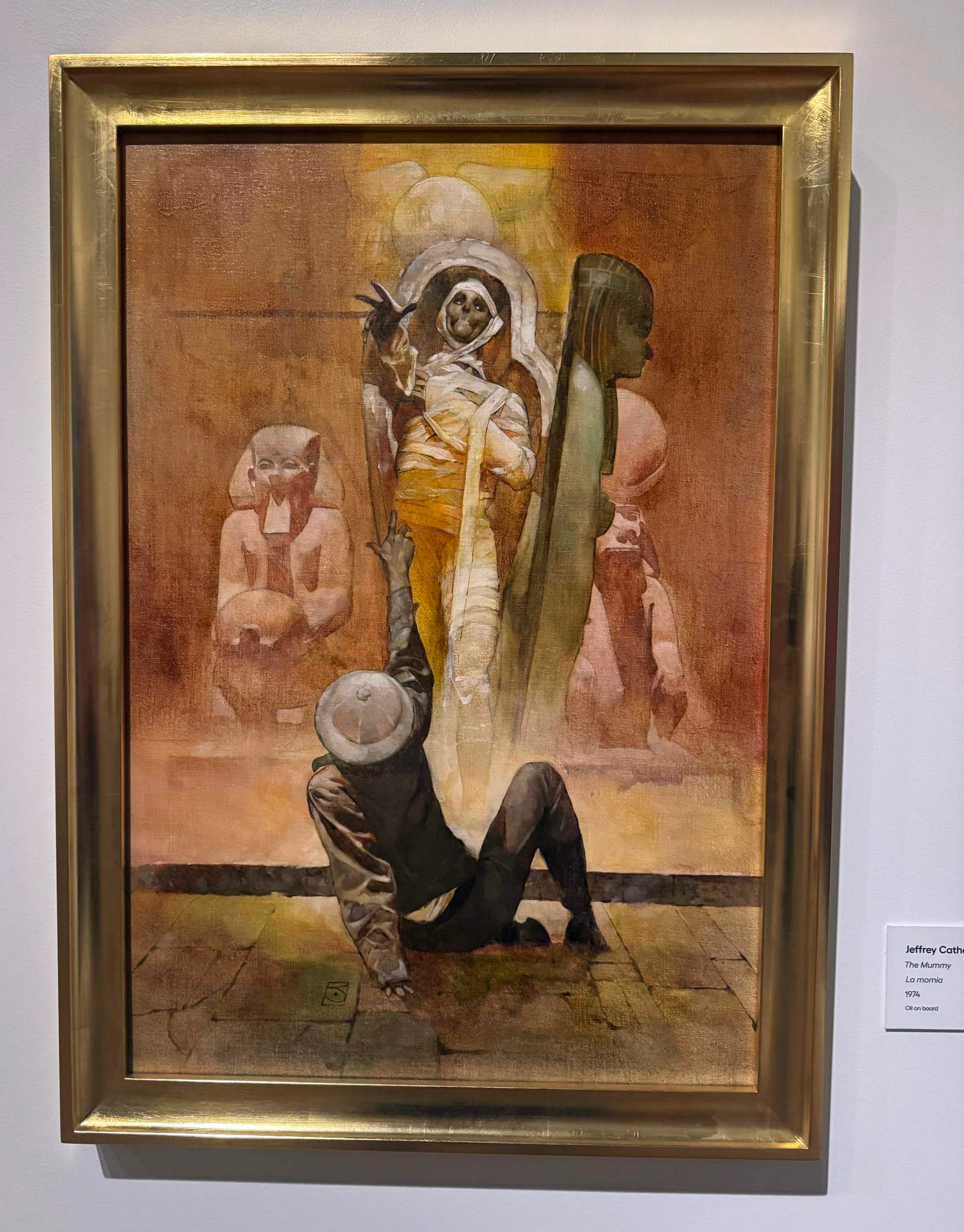
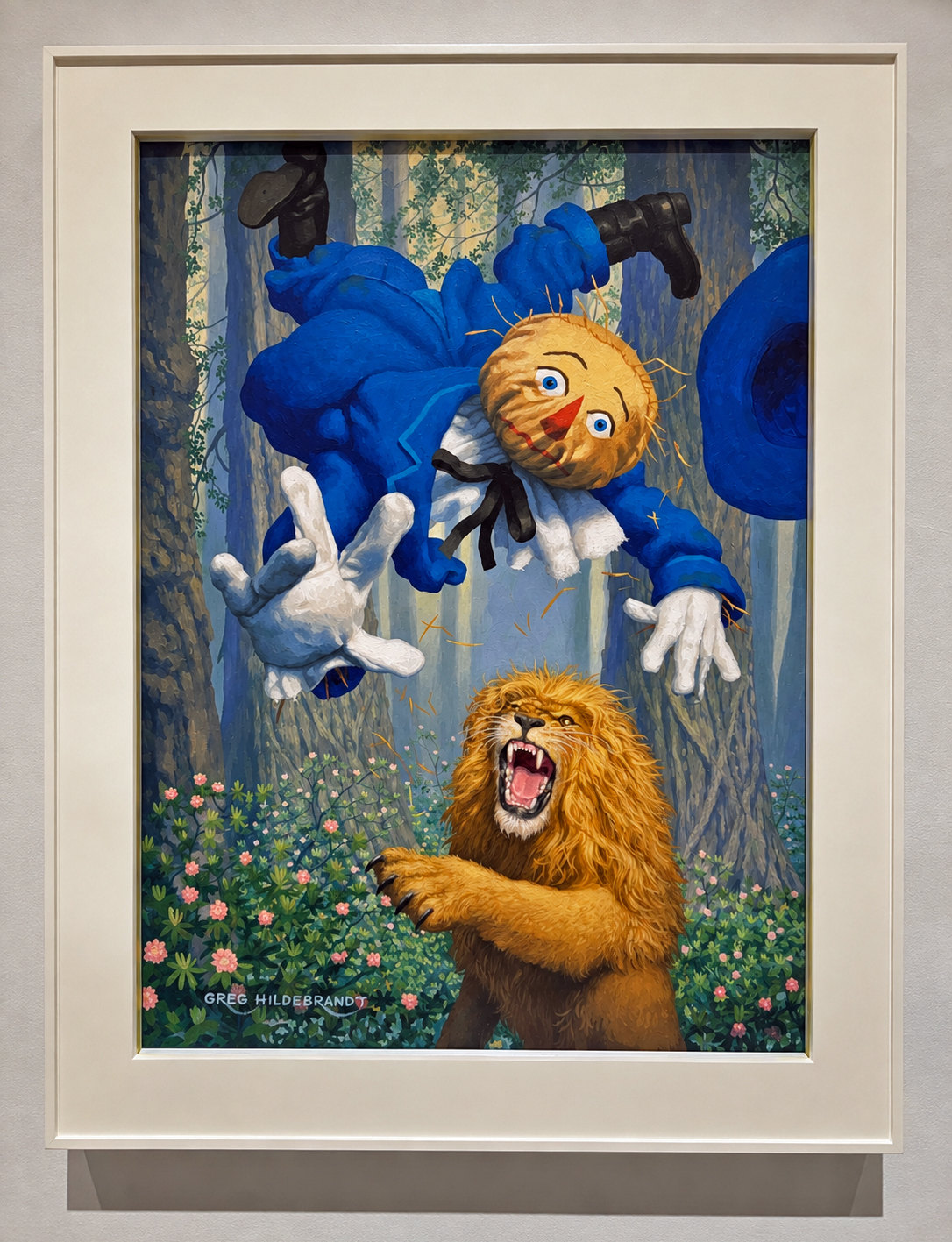
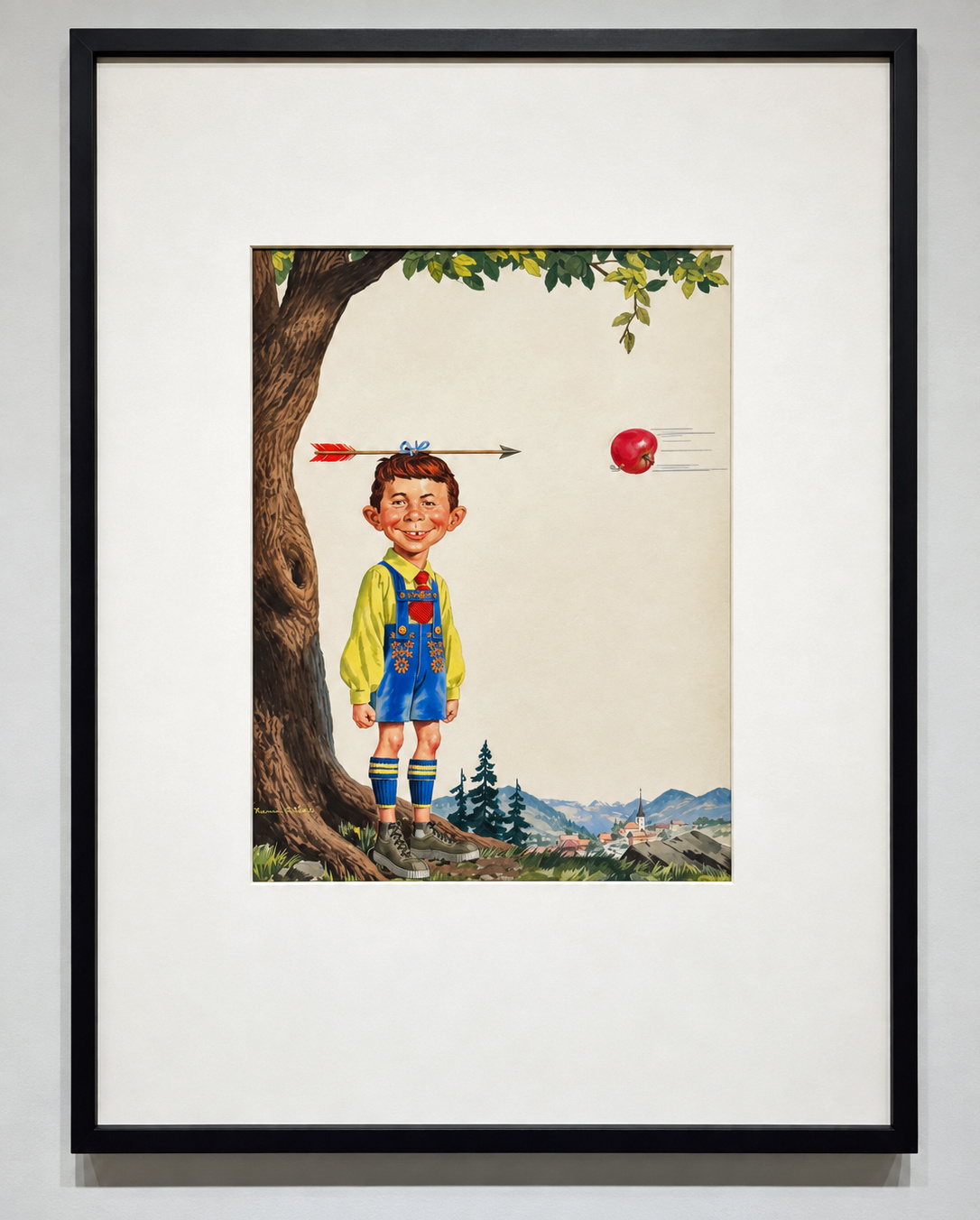
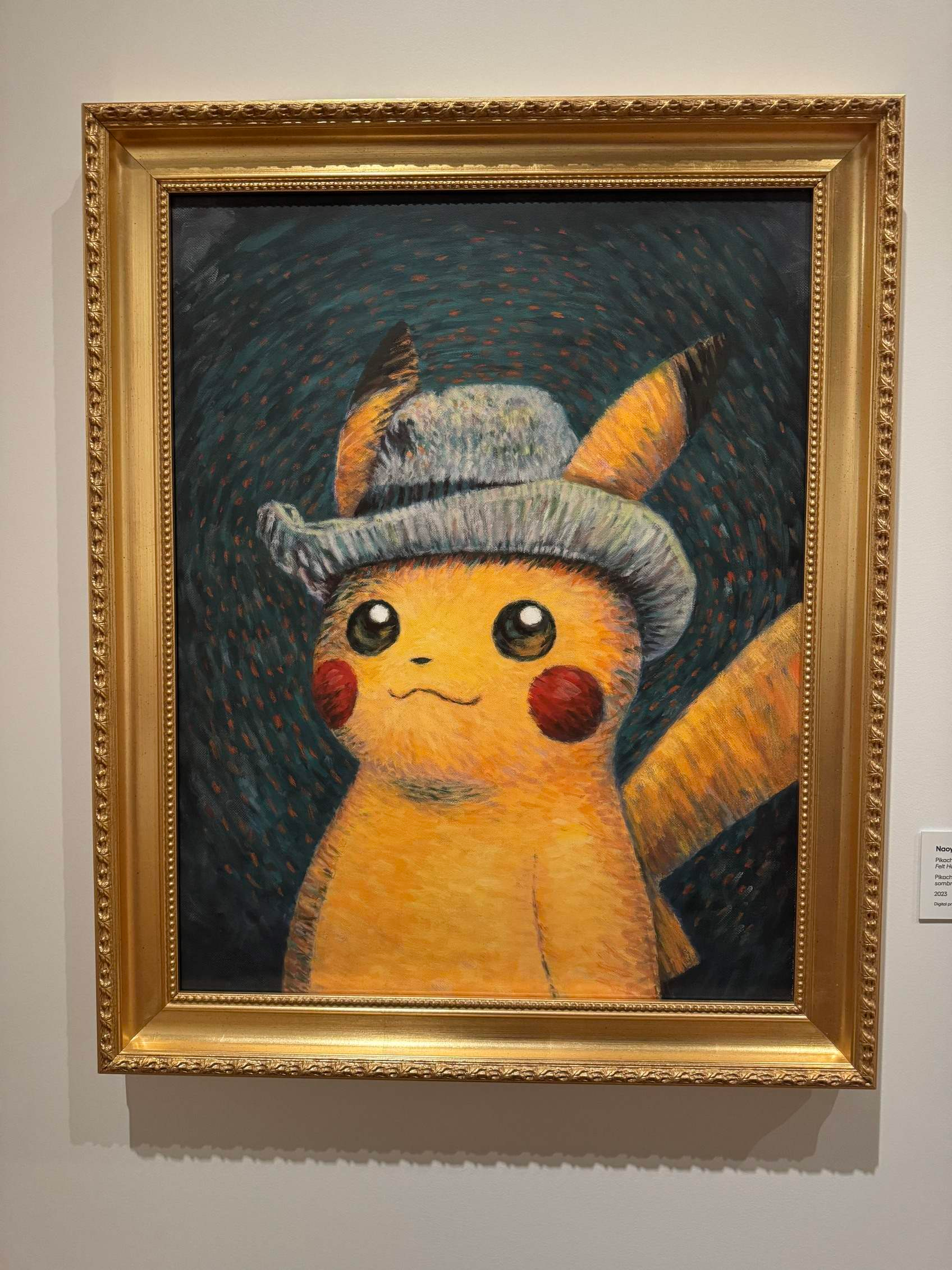
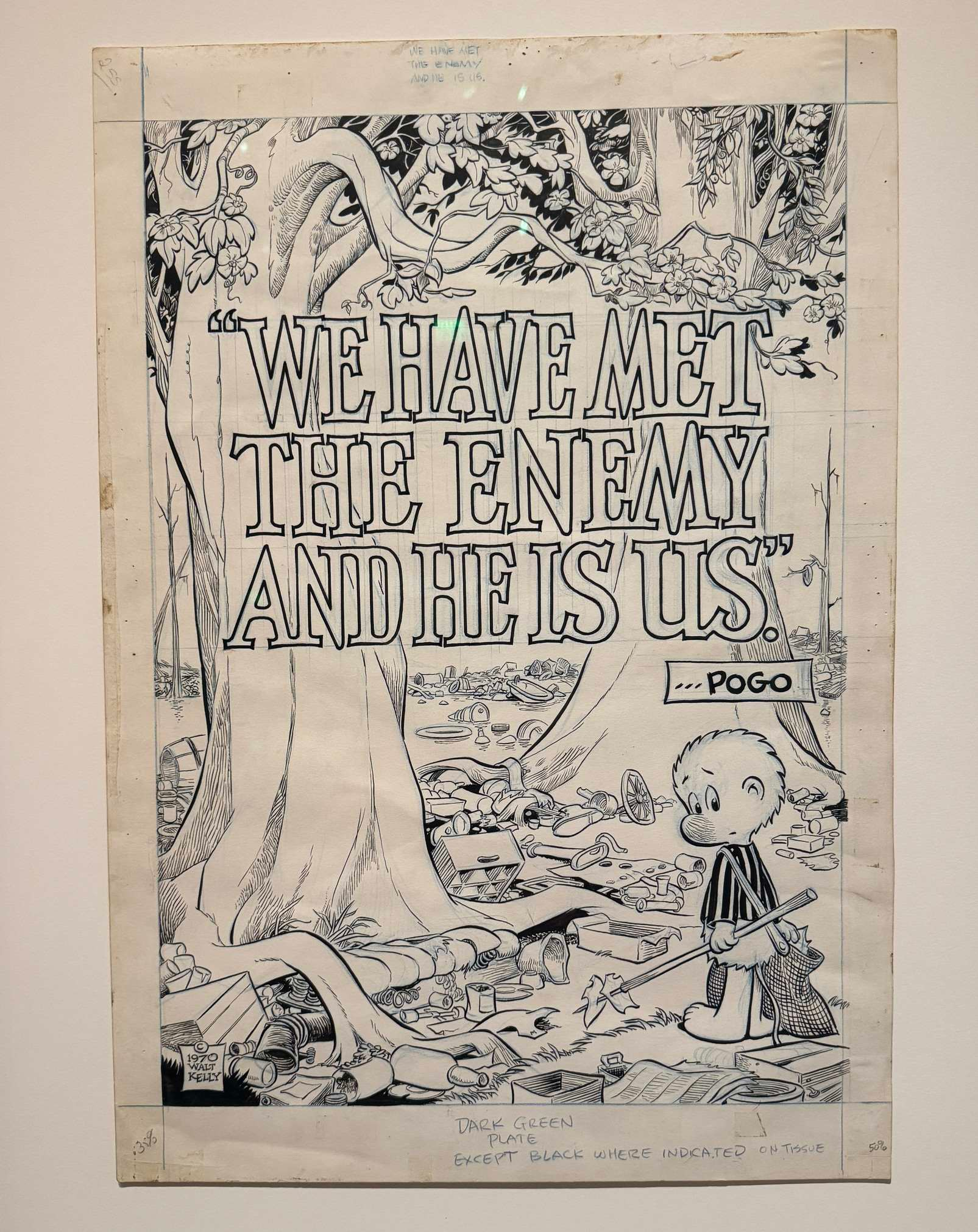
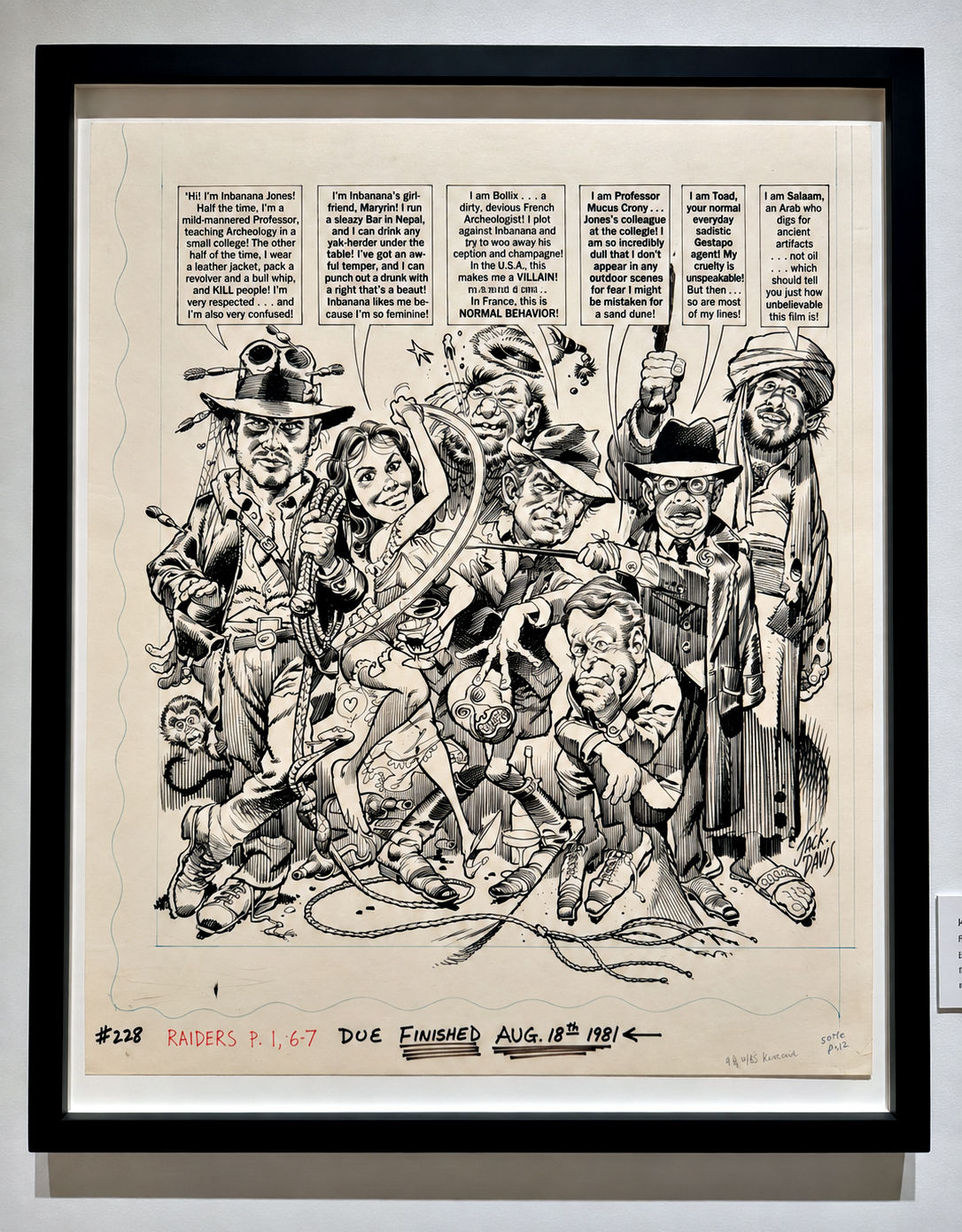
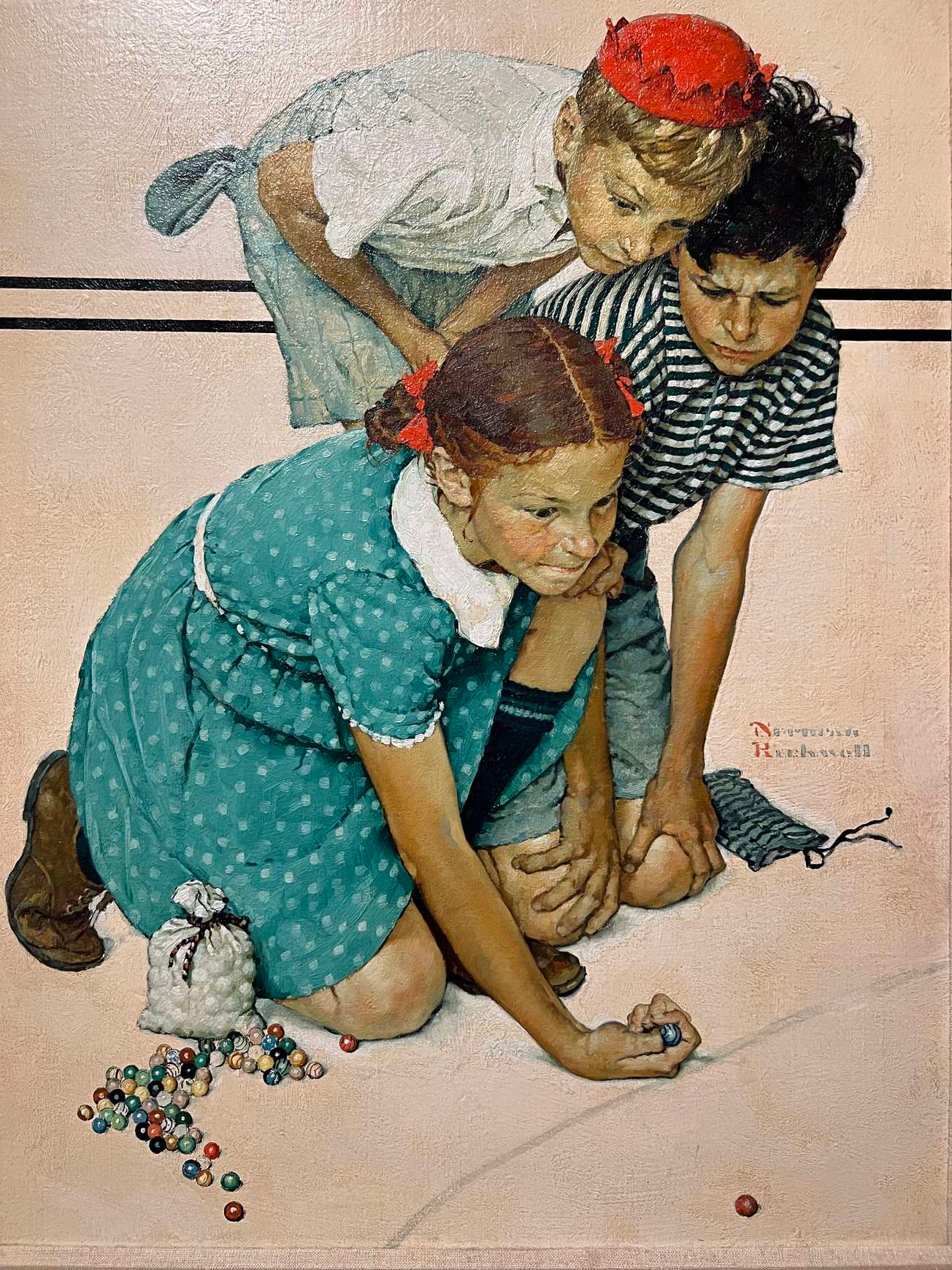
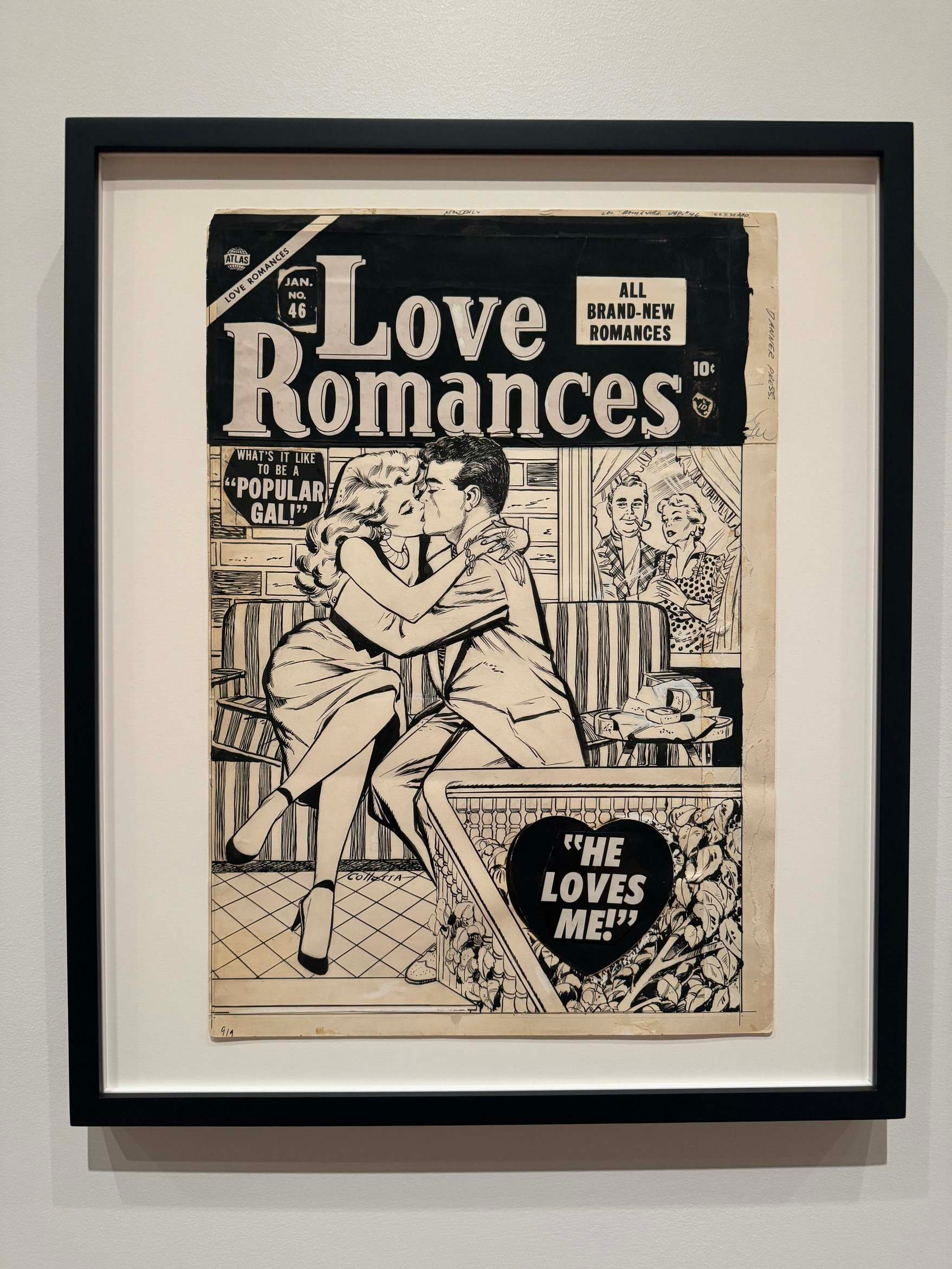
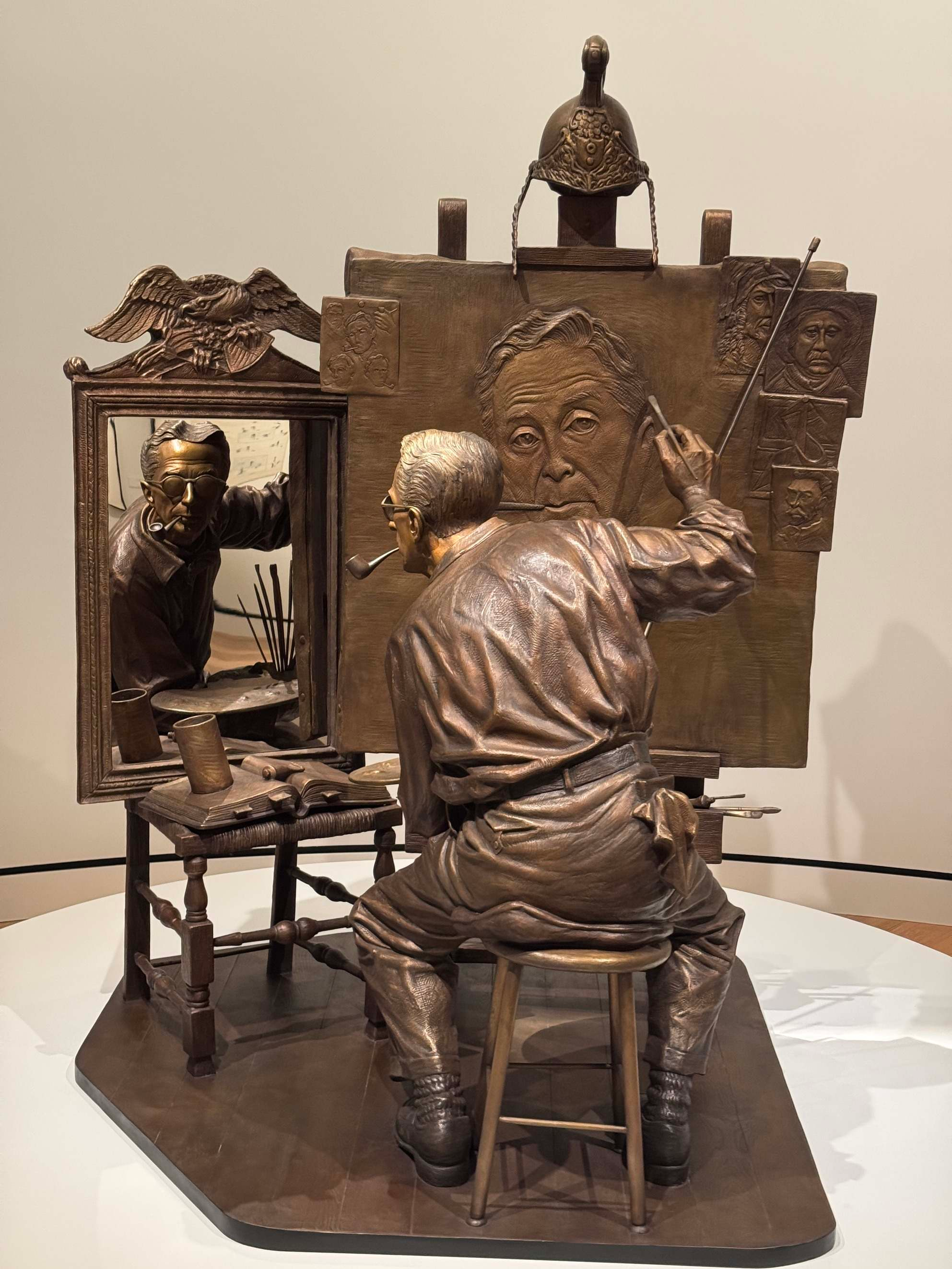
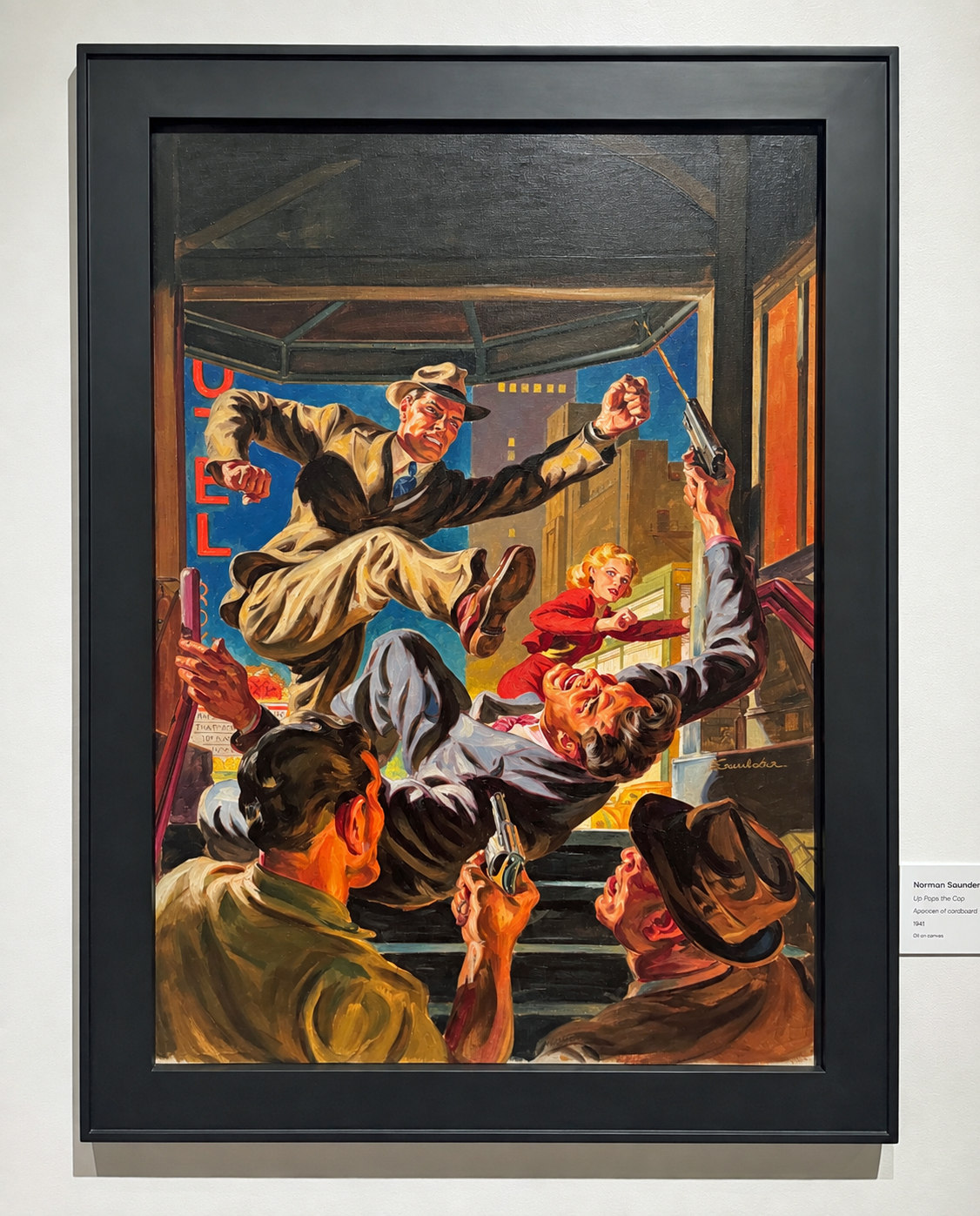
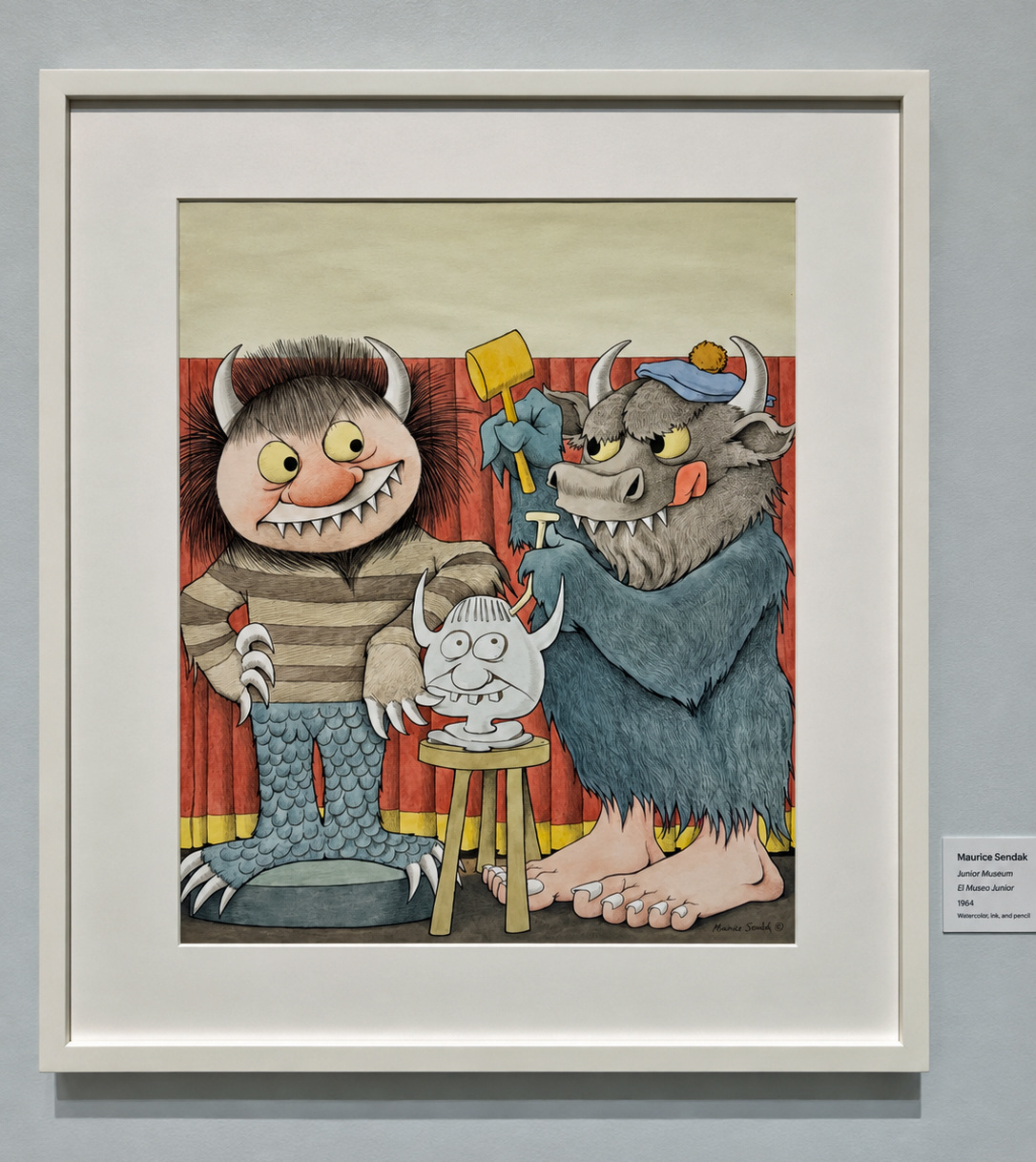
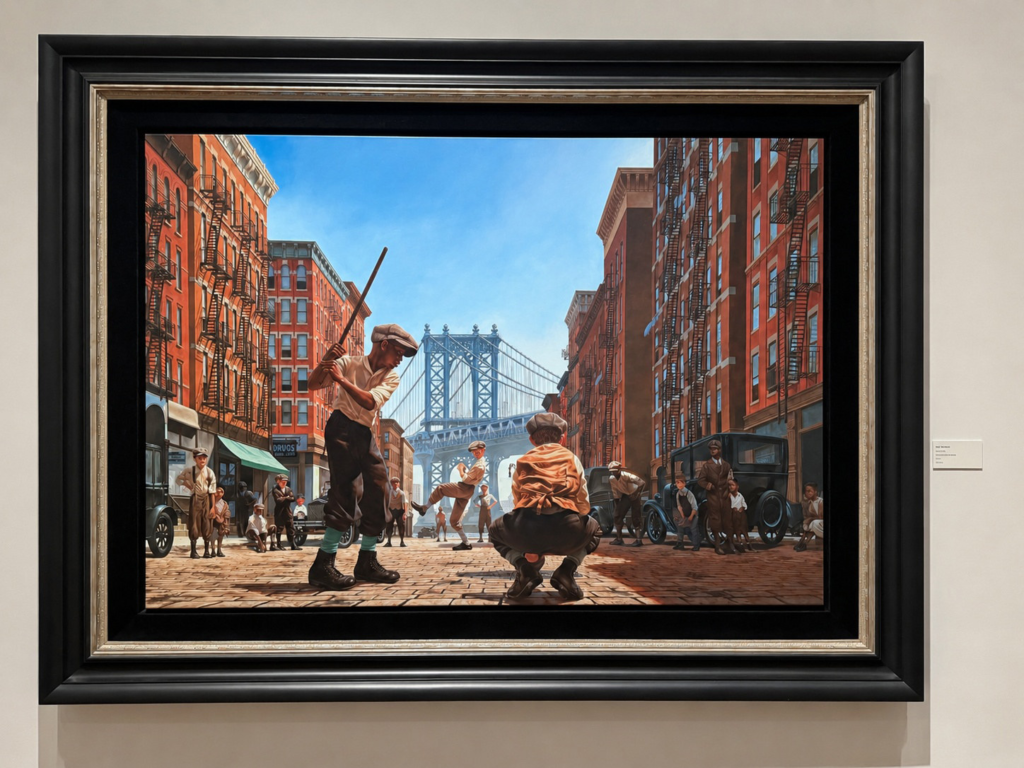
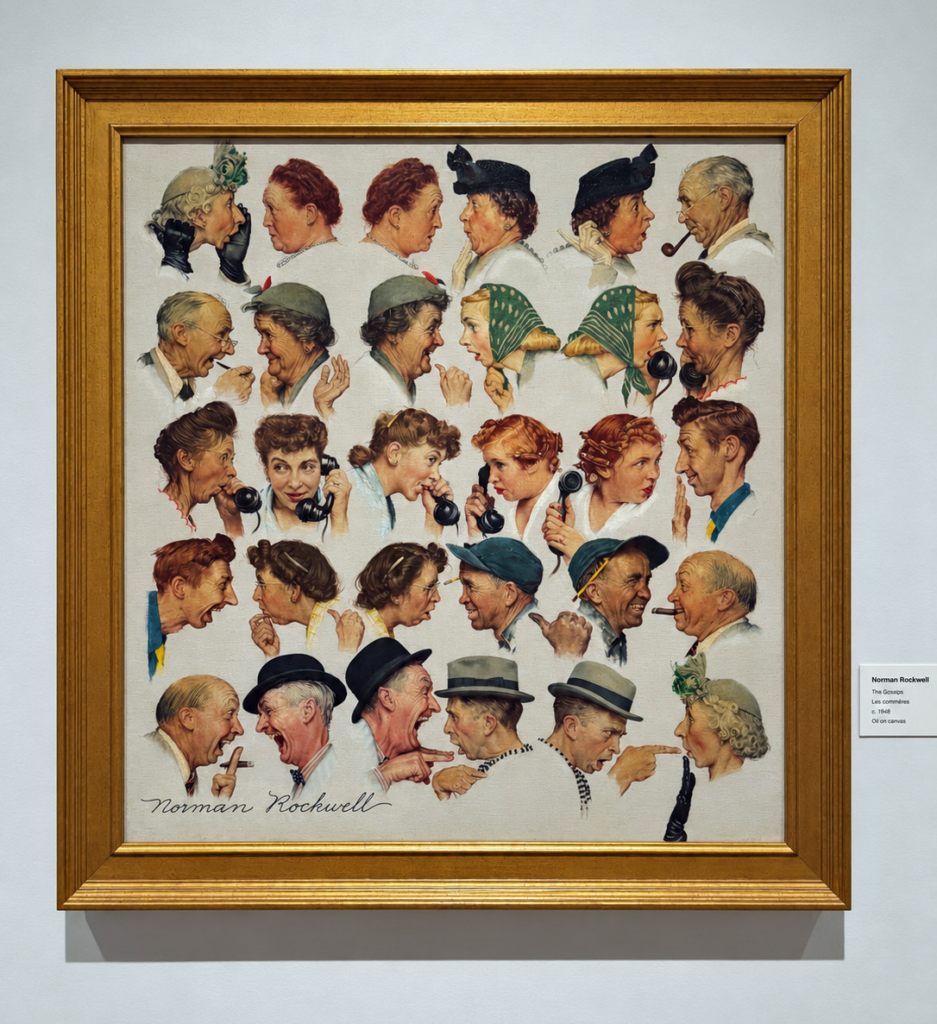
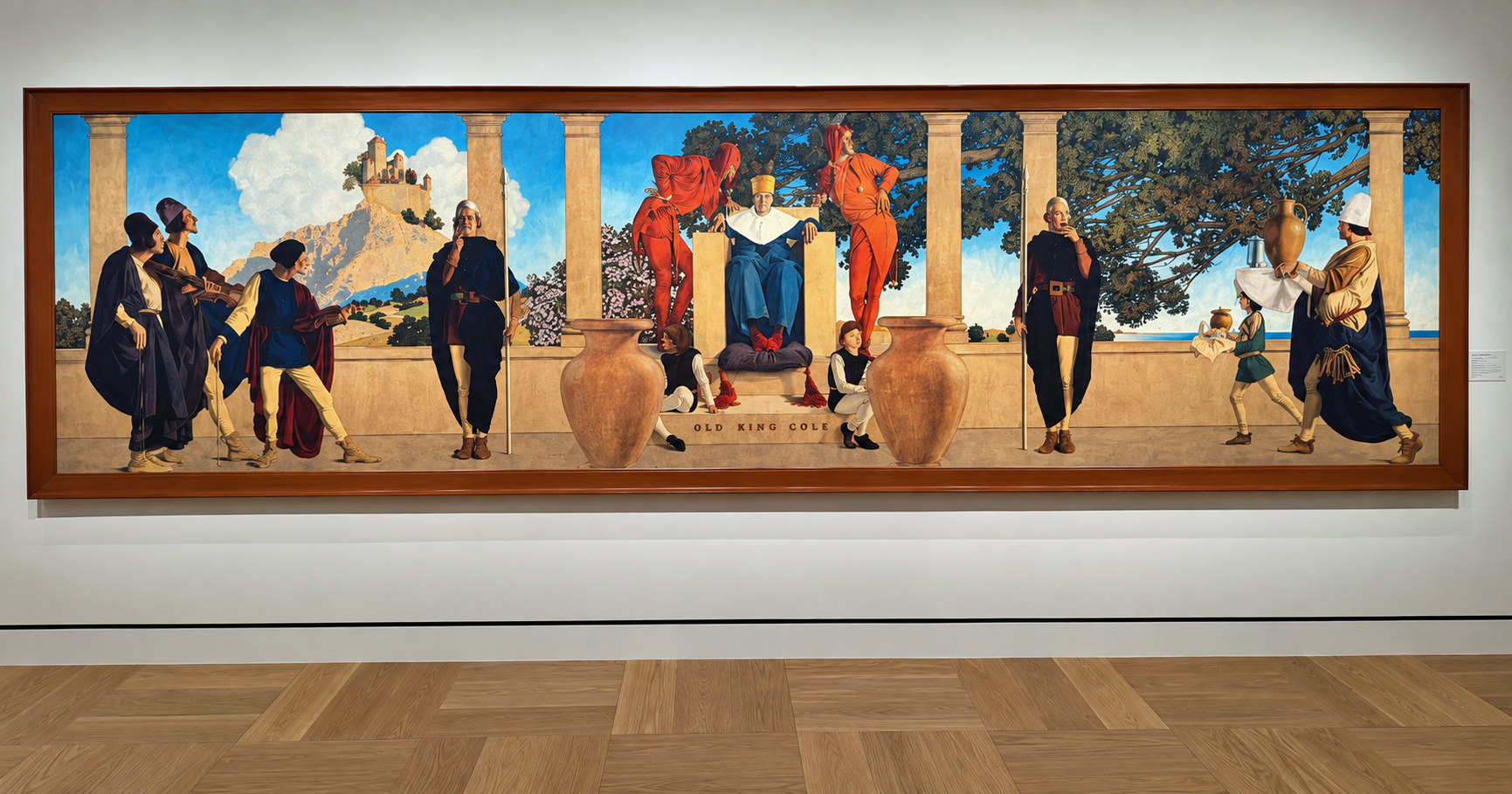
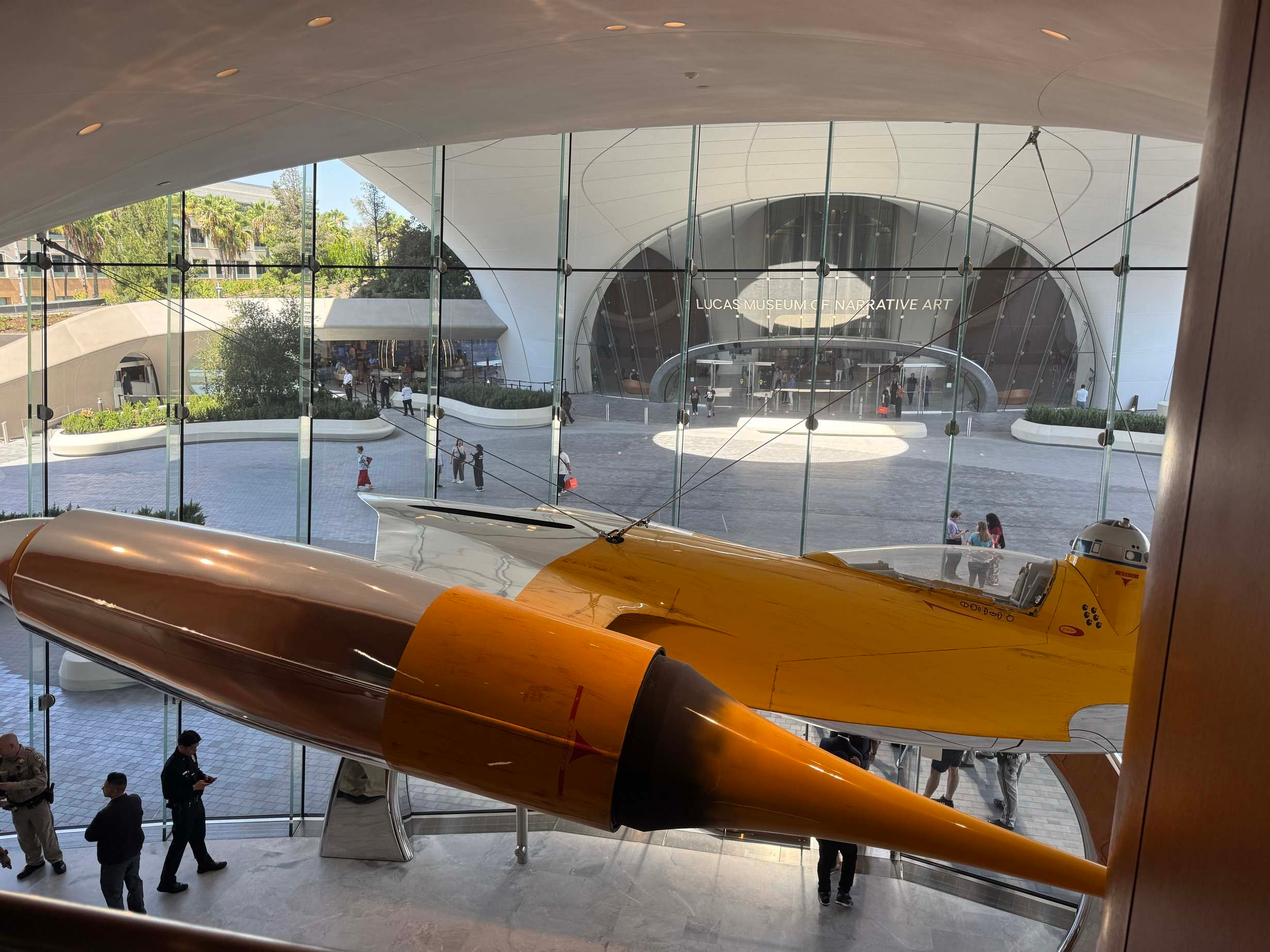
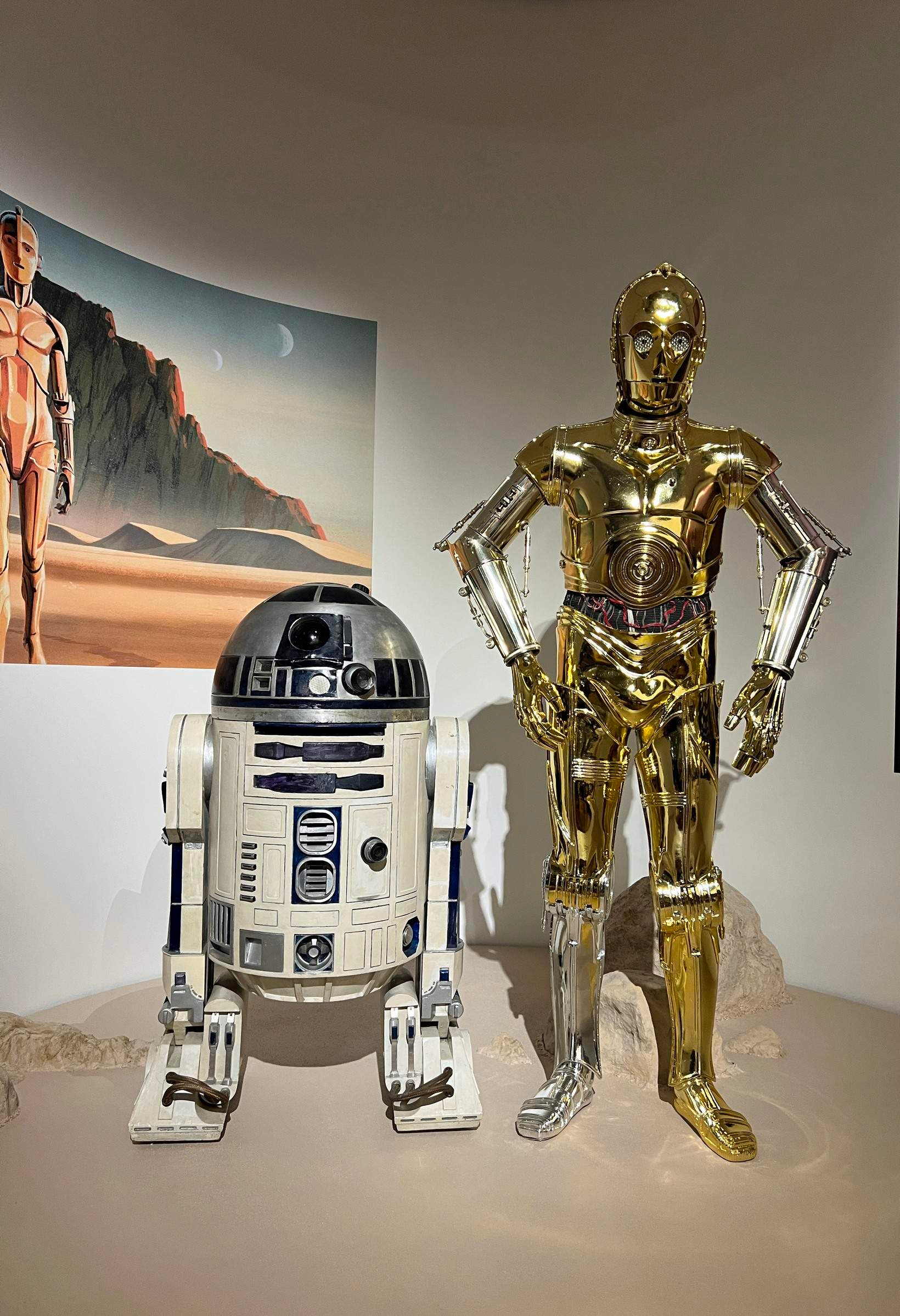
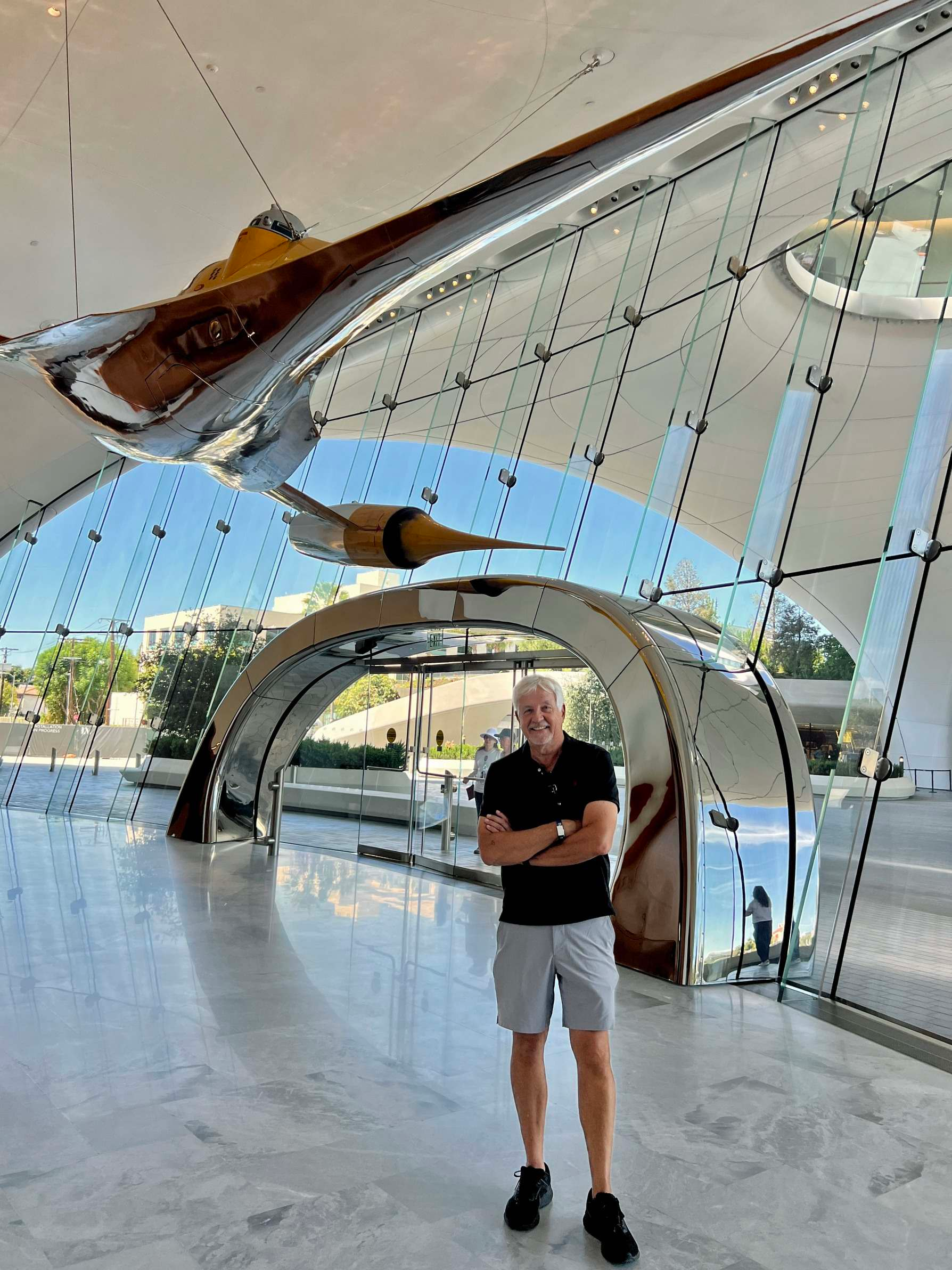
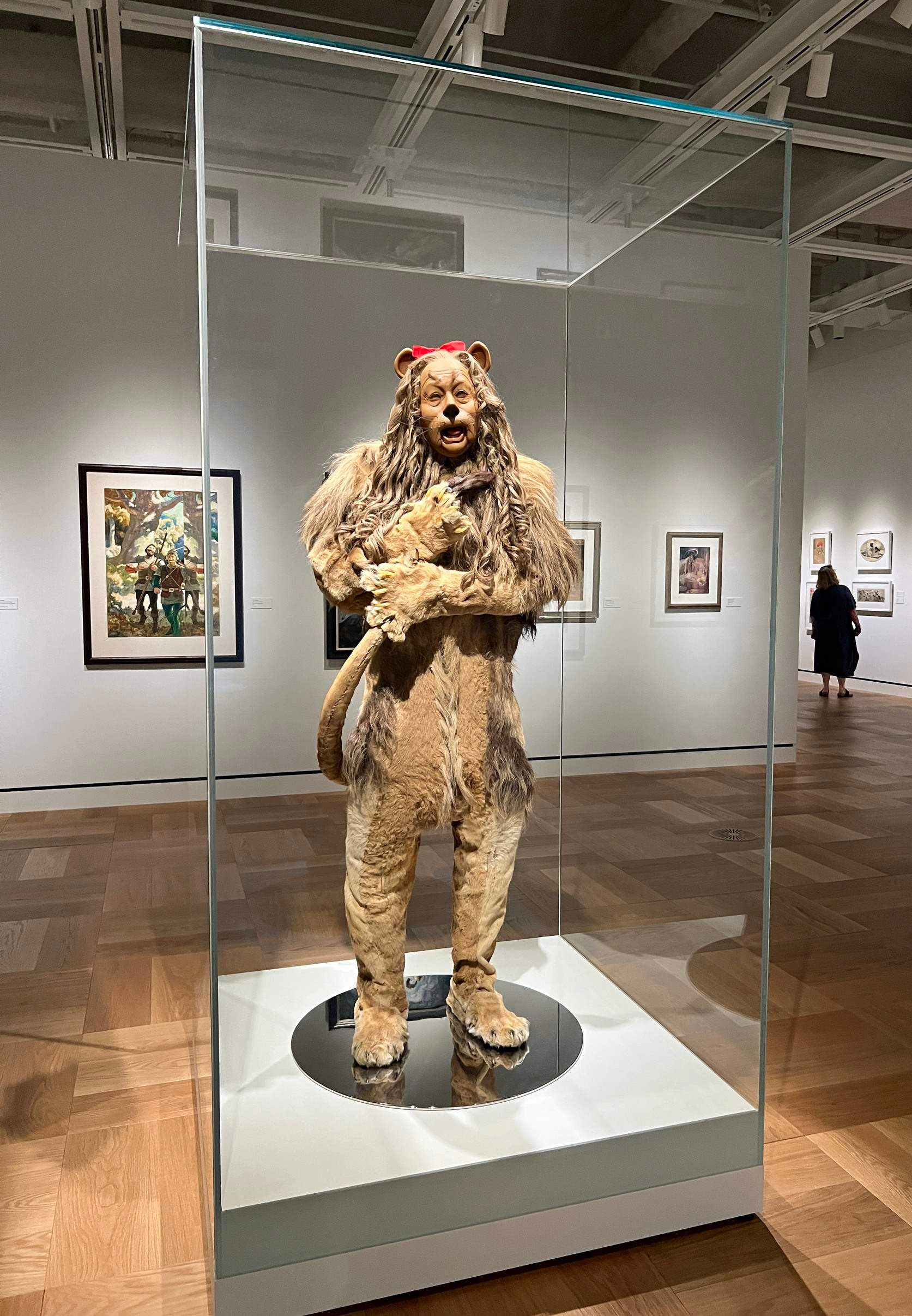
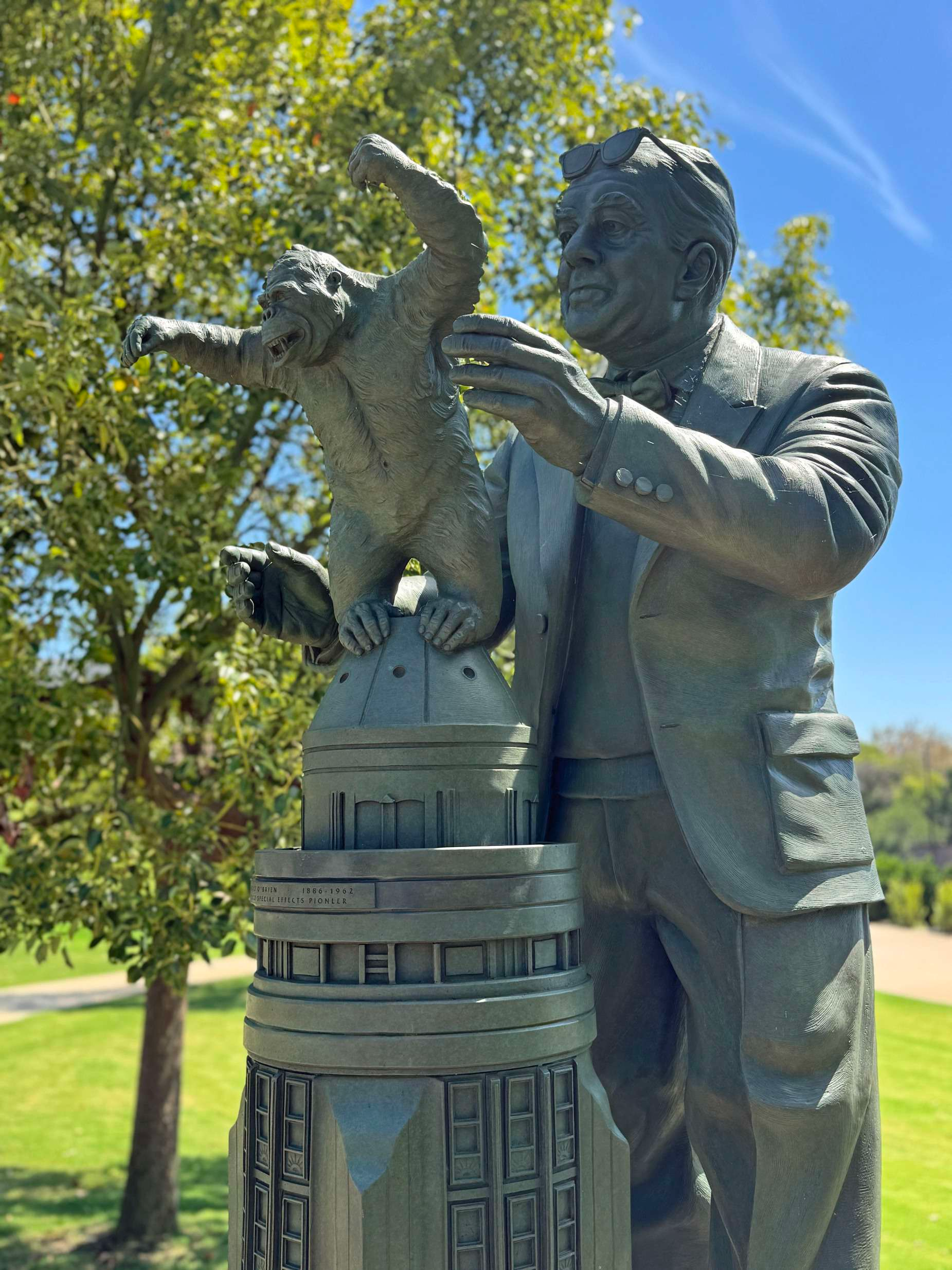
The tip of the iceberg of what’s currently on display at the museum: (For my museum overview, please see yesterday’s post.)
Greg Goldstein's Comic Art Gallery
Panels and Pages… Art and Artists… Creators and Conventions… Musings and Memories…
Lucas Museum of Narrative Art, Los Angeles, September 10, 2026
The tip of the iceberg of what’s currently on display at the museum: (For my museum overview, please see yesterday’s post.)
Lucas Museum of Narrative Art, Los Angeles, September 10, 2026
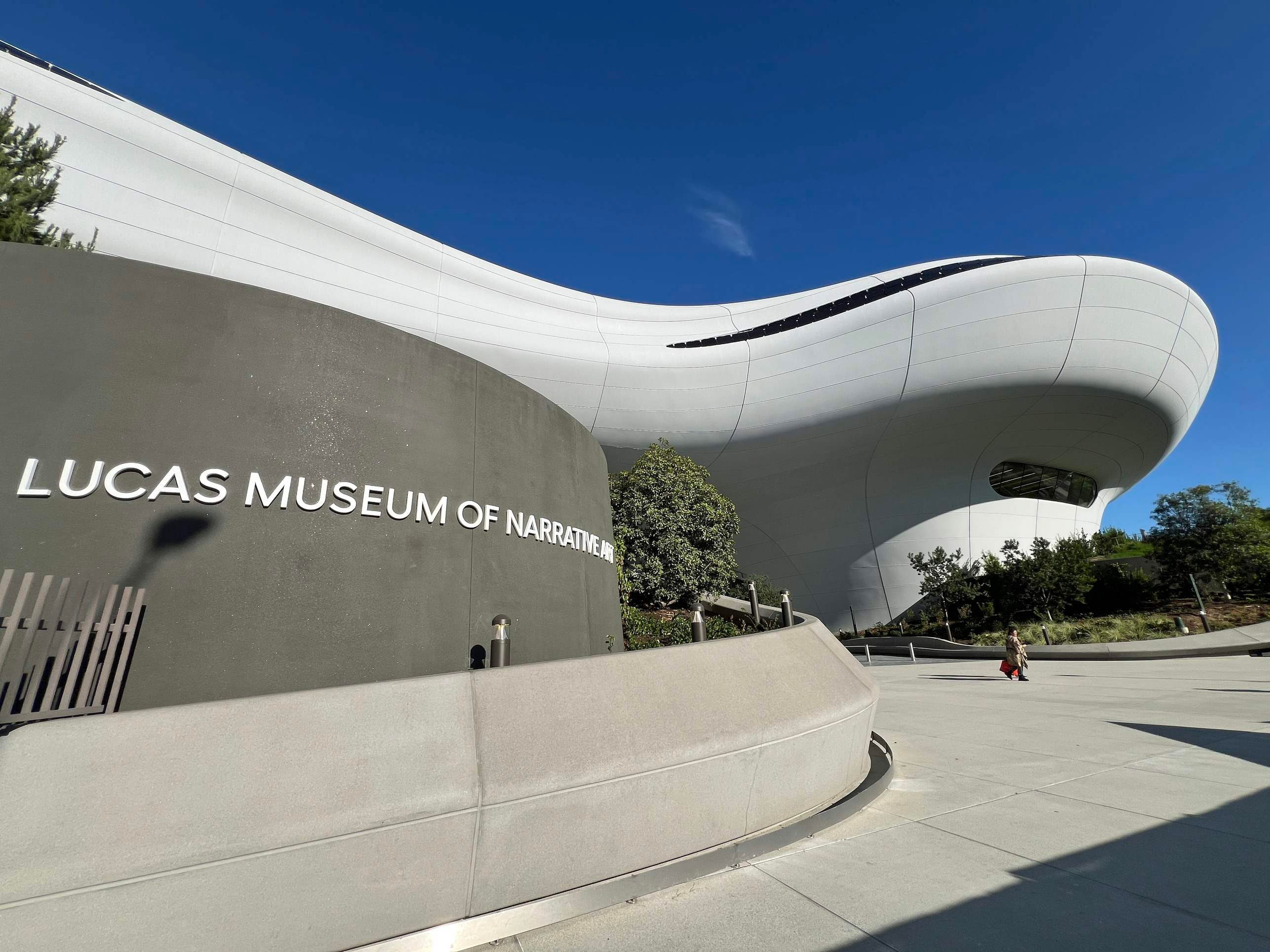
I’m a little late to the party on the Lucas Museum of Narrative Art.
Plenty has already been written, photographed, discussed and dissected. Some of my friends have written wonderful overviews.
So this isn’t an attempt at a definitive review.
It’s just what struck me.
In a word: astonishing.
Honestly, I was a little overwhelmed. There is a ton to take in, and I know I missed things.
Fine by me. I’m going back.
The building itself is spectacular — and innovative, to say the least — but once I got inside, the architecture pretty quickly became secondary.
I’m an art guy. Put great stuff on the walls and that’s where I’m looking.
And there is some really great stuff on those walls.
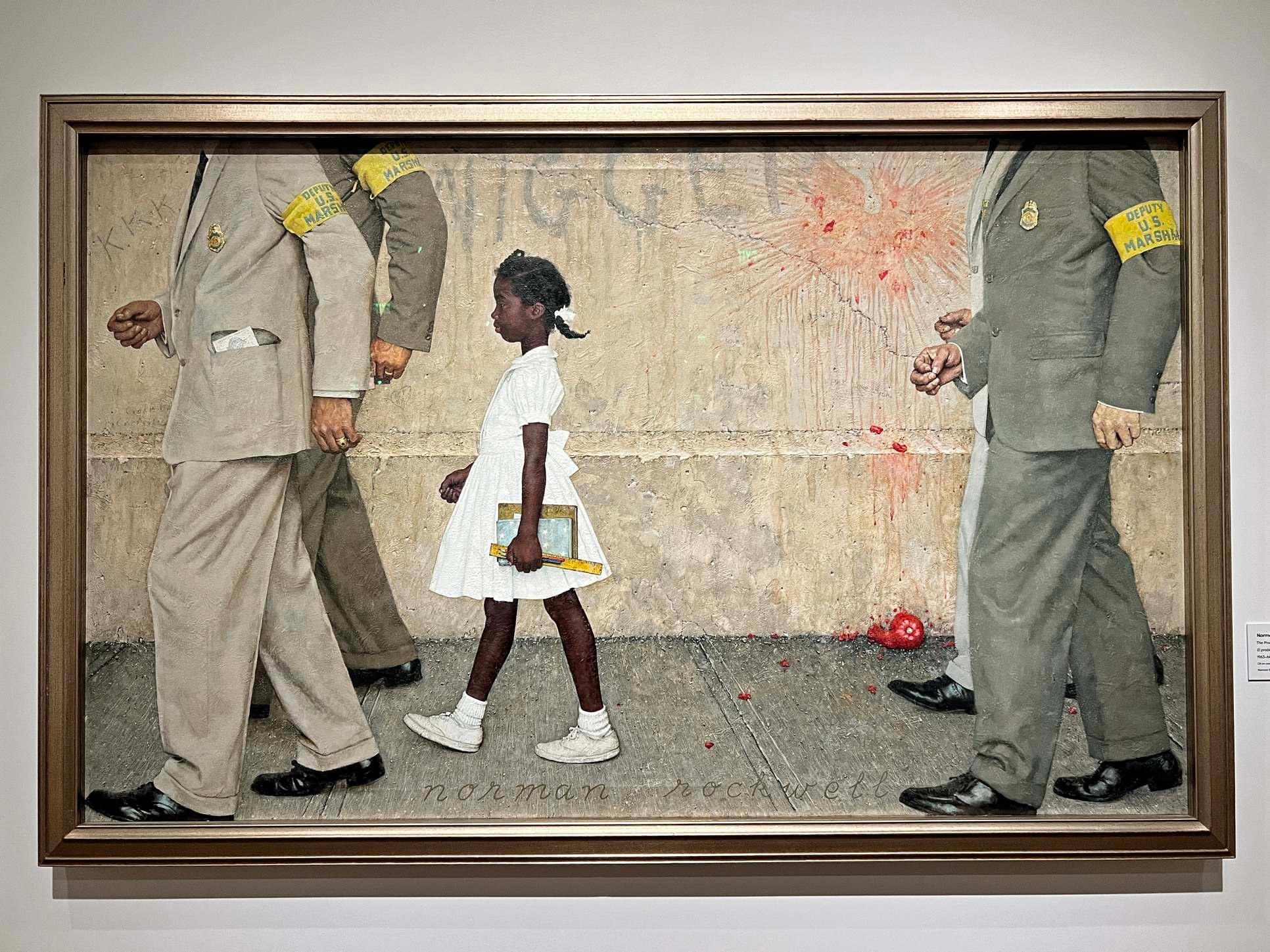
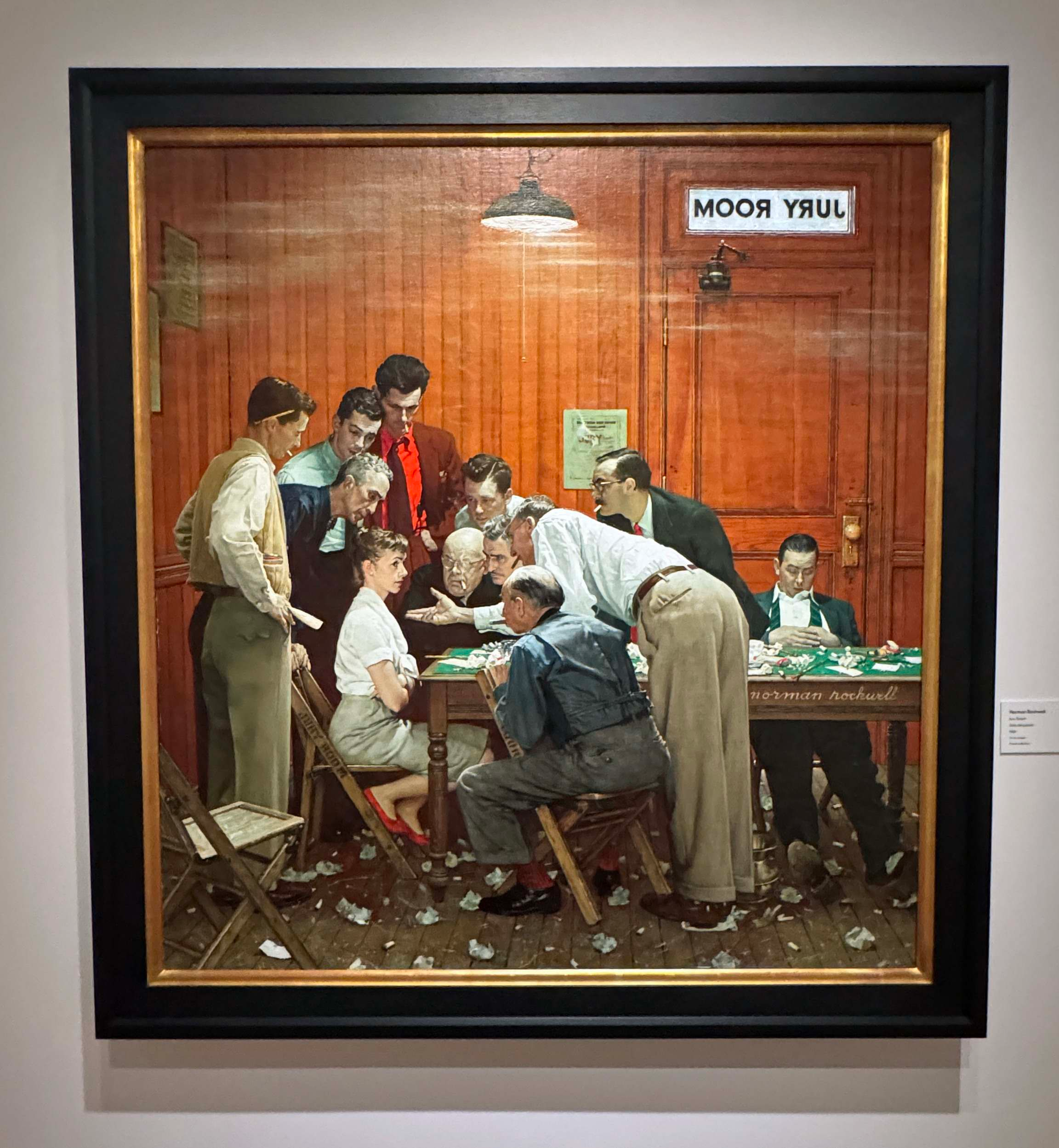
The Norman Rockwell collection alone is worth the trip. I’ve been to the Rockwell Museum in Stockbridge, Massachusetts, and it’s terrific, but Stockbridge is not exactly on the way to anywhere.
Seeing this many major Rockwells together in Los Angeles is pretty remarkable. A few, including The Problem We All Live With, are on loan.
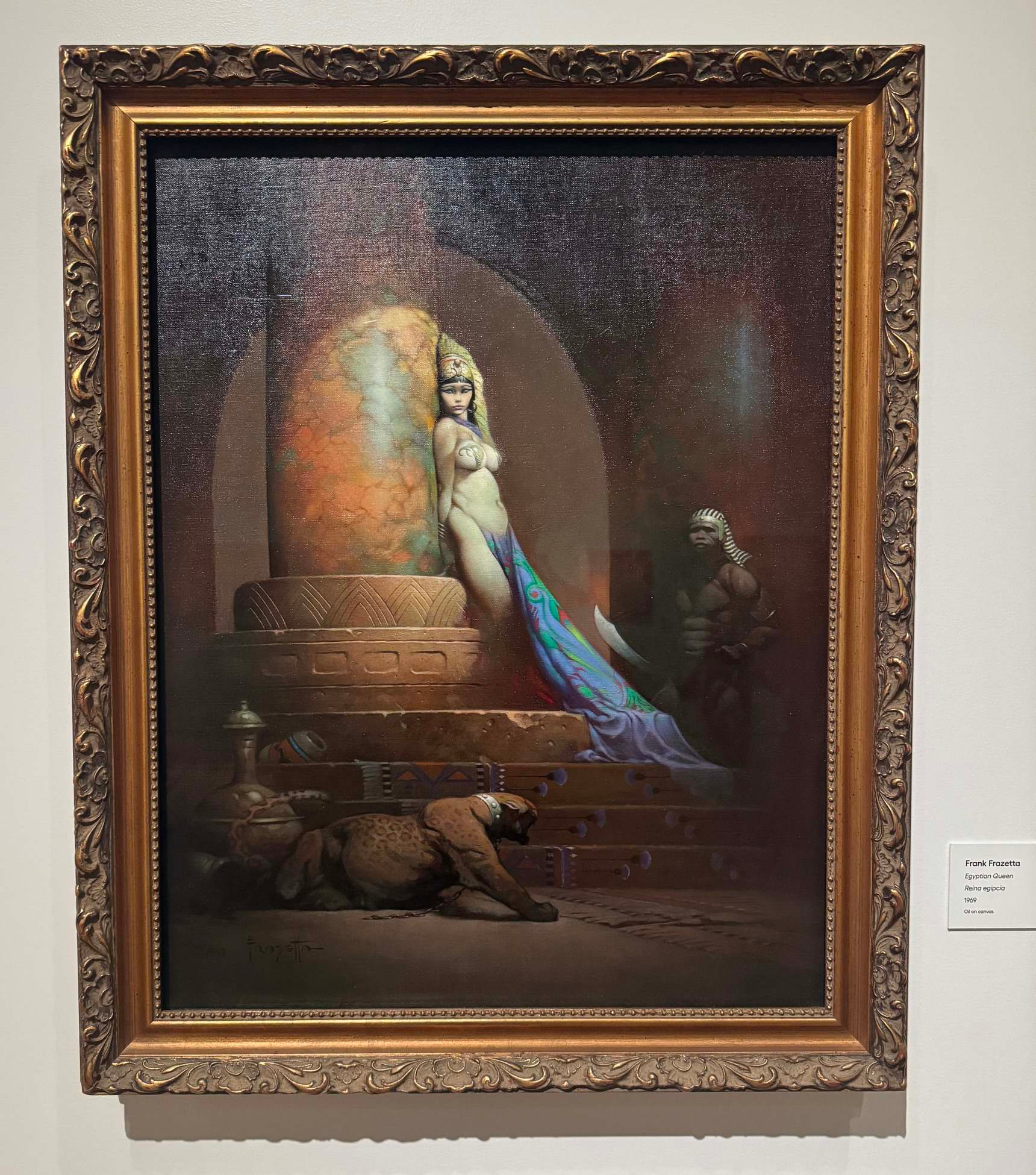
The Frazetta collection is smaller, but there are some monsters there. Same with N.C. Wyeth, Maxfield Parrish and a long list of great illustrators.
One fun surprise was Parrish’s Old King Cole. I’ve seen the famous mural at the King Cole Bar in the St. Regis in New York — worth an overpriced drink if you get the chance — but not this one.
Here, you can stand in front of it as long as you want.
Which I did.
One of the bigger surprises, though, was what I didn’t see.
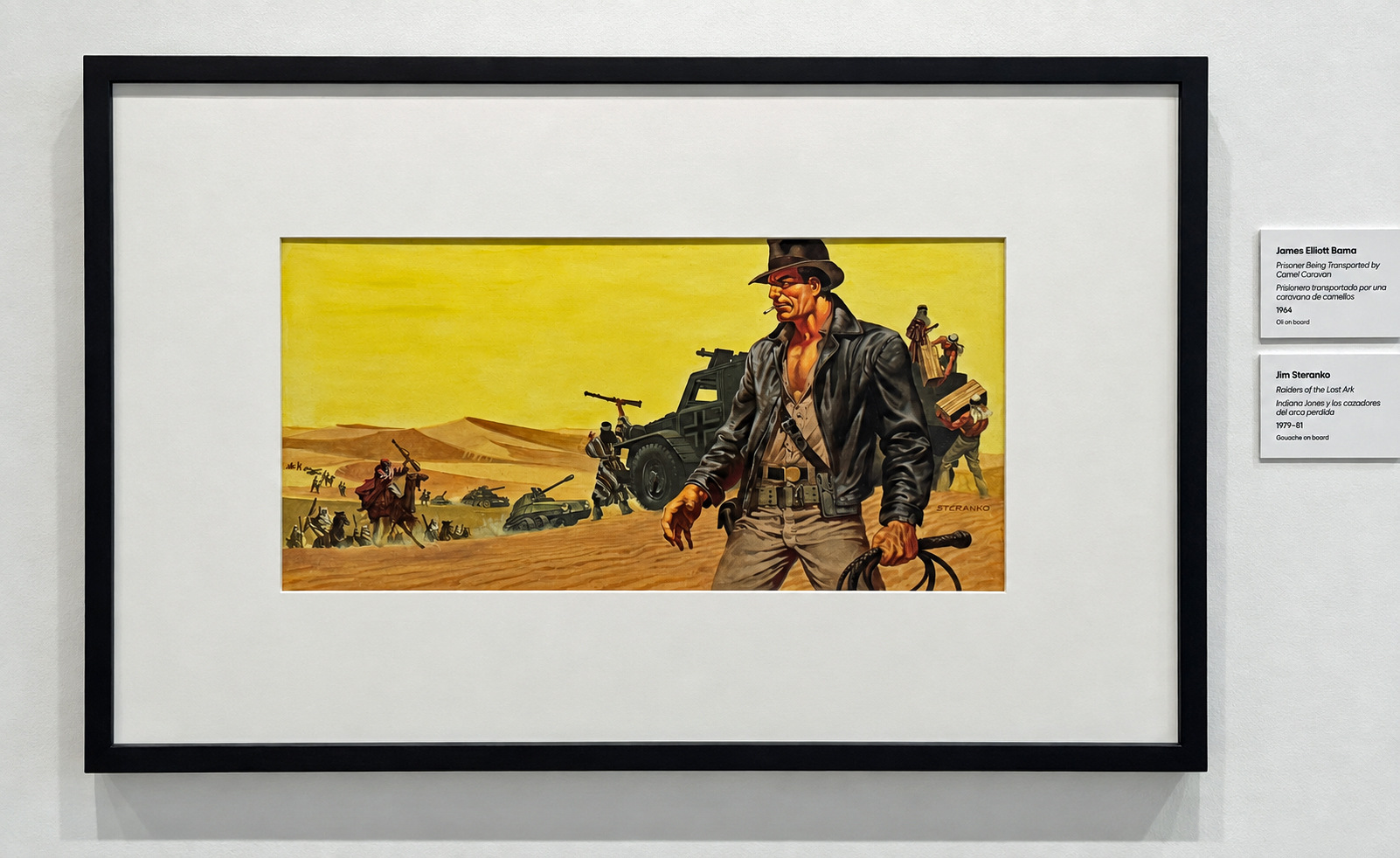
When we did the three Star Wars Galaxy card series at Topps in the 1990s, Lucas bought a ton of the original artwork. He also accumulated an enormous amount of other Star Wars material over the years. For a long time, he had first right of refusal on any newly created Star Wars and Indiana Jones art.
I saw very little of it.
There is certainly Star Wars material in the museum, including the Star Wars in Motion exhibition, but I expected much more original art to come pouring out of the vaults.
No big display of Star Wars Galaxy paintings. Much less production and concept art than I expected.
So… where is all that stuff?
The museum owns tens of thousands of works and can obviously show only a fraction at a time. Presumably much of it will rotate in.
I hope so.
Naturally, I spent a lot of time with the comic art.
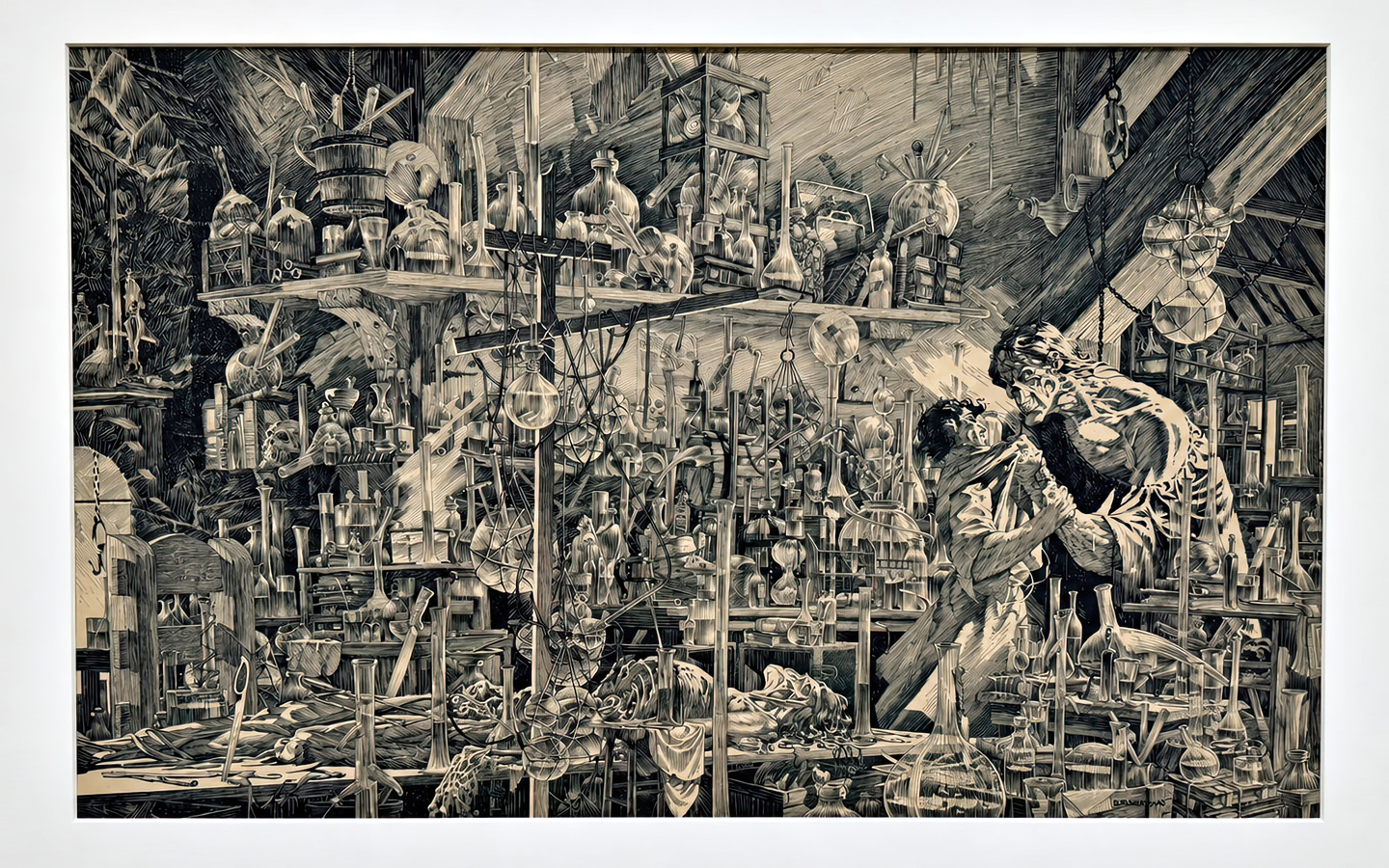
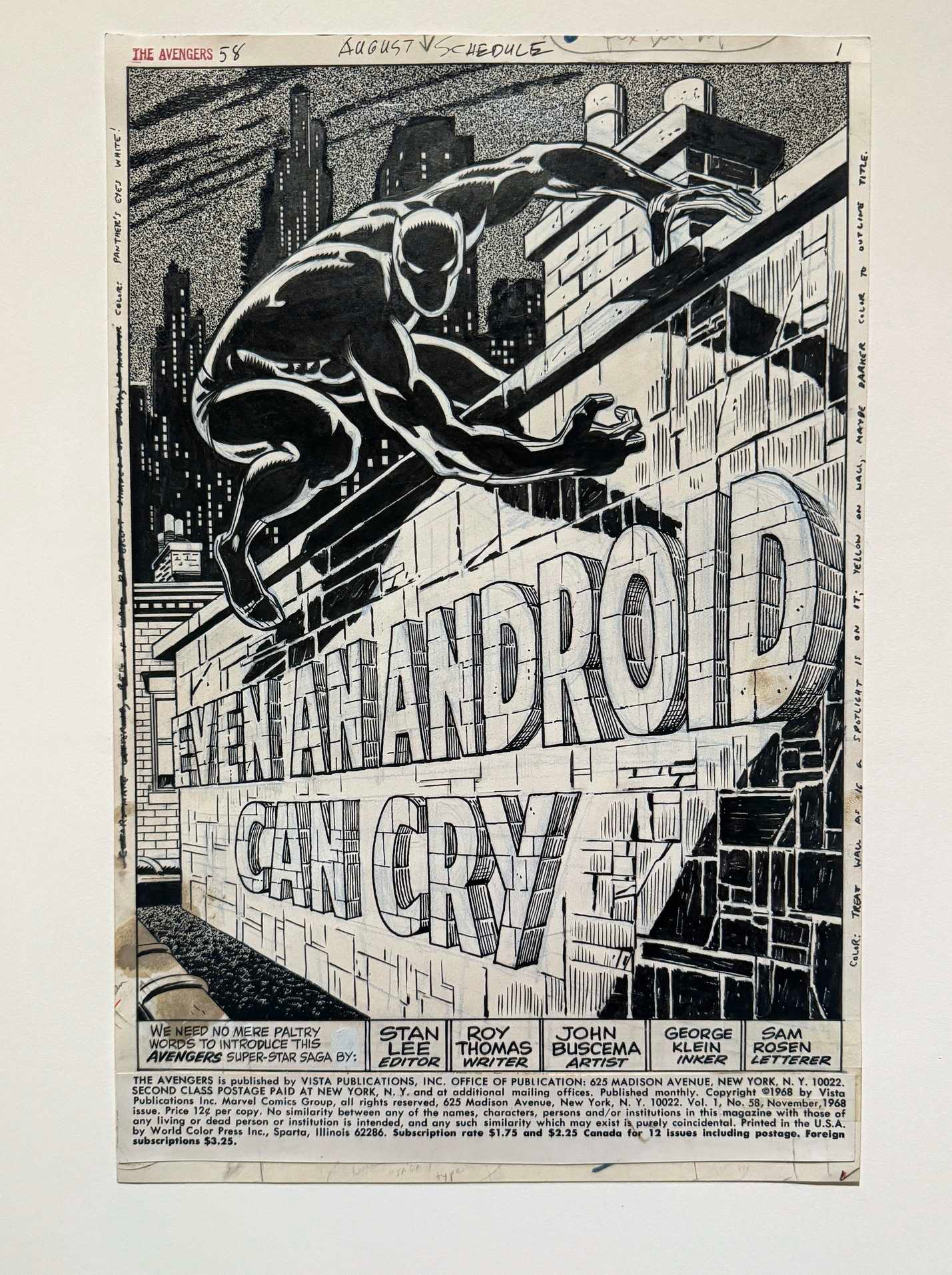
There are some terrific pieces, including one of the best Bernie Wrightson Frankenstein drawings I have ever seen. And anytime any original comic art is hanging in a museum, which is not often enough, I still get a kick out of it.
But I wanted more.
And more focus.
Oviously, I’m biased.
Still, this is the Museum of Narrative Art. It’s hard to imagine an art form more literally narrative than comics.
And the museum does own plenty of important comic art. Which makes some of the choices on display a bit puzzling.
No Ditko.
One Kirby.
Jack Kirby probably had more impact on contemporary popular culture than any comic-book artist who ever lived, so one piece seems… light.
Also odd: quite a bit of the comic art was material collectors have watched change hands at auction during the last decade or so.
Where is the stuff that hasn’t seen the light of day in 30 years?
That remains a mystery. For now.
My other quibble was context.
There is wonderful art everywhere, but often very little explaining why a piece matters, how it fits into the history of illustration and visual storytelling, or sometimes even why it’s hanging next to the thing beside it.
For a museum about narrative art, I’d like a little more narrative.
Apparently I’m not alone.
I learned afterward that you can use the museum’s mobile site and your phone camera to get additional information about the art.
Cool idea. I’ll try it next time.
But there was also plenty of room for a paragraph on the placard.
Still, what I kept thinking about afterward wasn’t any individual painting.
It was the scale of what George Lucas and Mellody Hobson have done.
Collectors collect. I understand that impulse pretty well.
But assembling a collection like this and then building a museum so the rest of us can see it is something else entirely.
Rockwell. Frazetta. Wyeth. Parrish. Comics. Film art. Illustration. Photography. Popular culture.
Images that lived in magazines, books, movies, advertisements — and our memories — now hanging together under one roof.
I can wish there were more comic art. I can wonder where all the Star Wars material is. I can complain about a placard.
Fair enough.
But when you step back and look at what Lucas and Hobson have built, those complaints get pretty small pretty fast.
There was also one slightly ridiculous collector moment.
Walking around, I realized that George Lucas and I have occasionally owned the same kinds of things.
His collection is, admittedly, a little more impressive.
And his building has more parking.
Today: the museum itself.
Tomorrow: the art.
And yes, I took a lot of pictures.
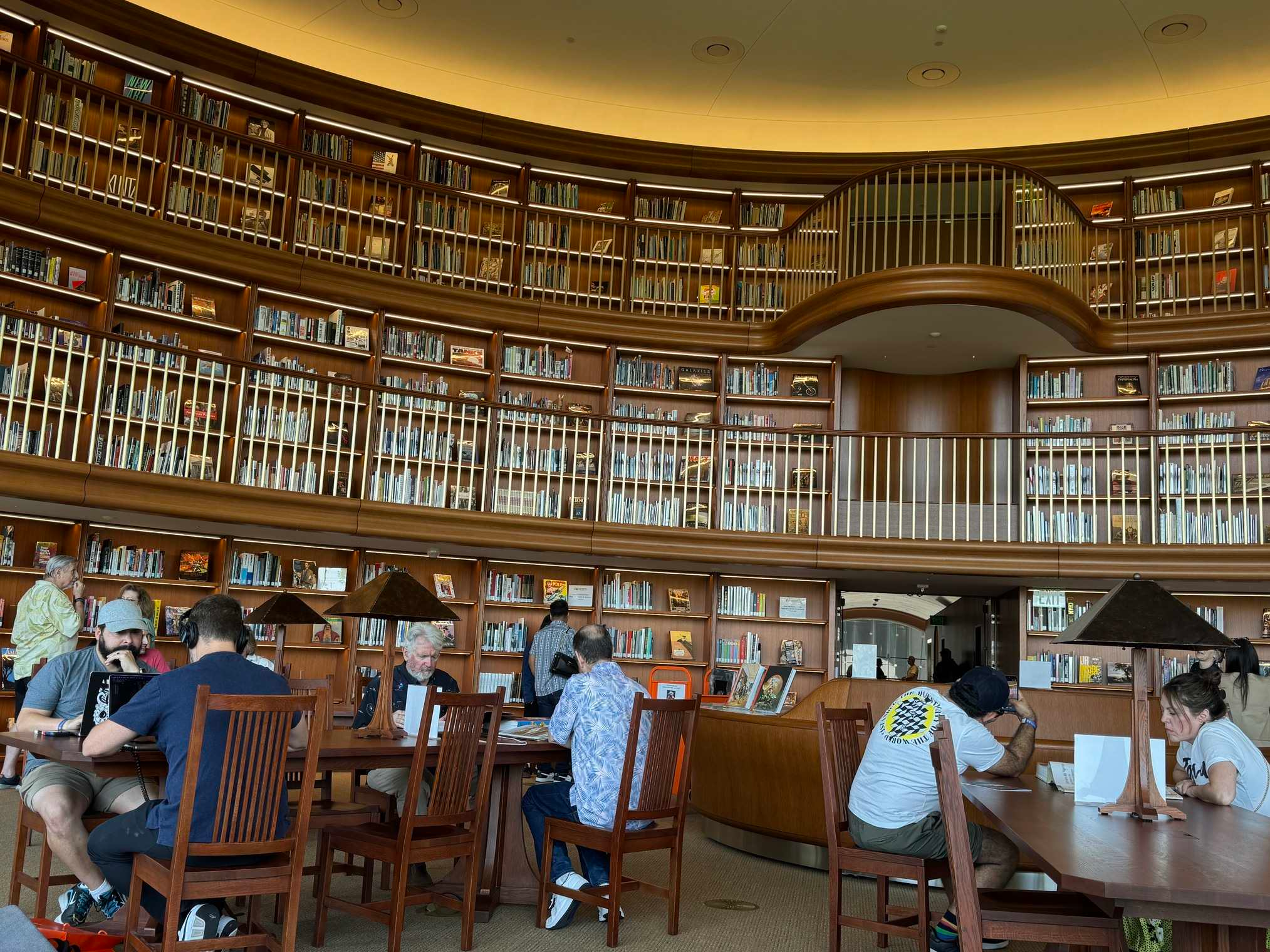
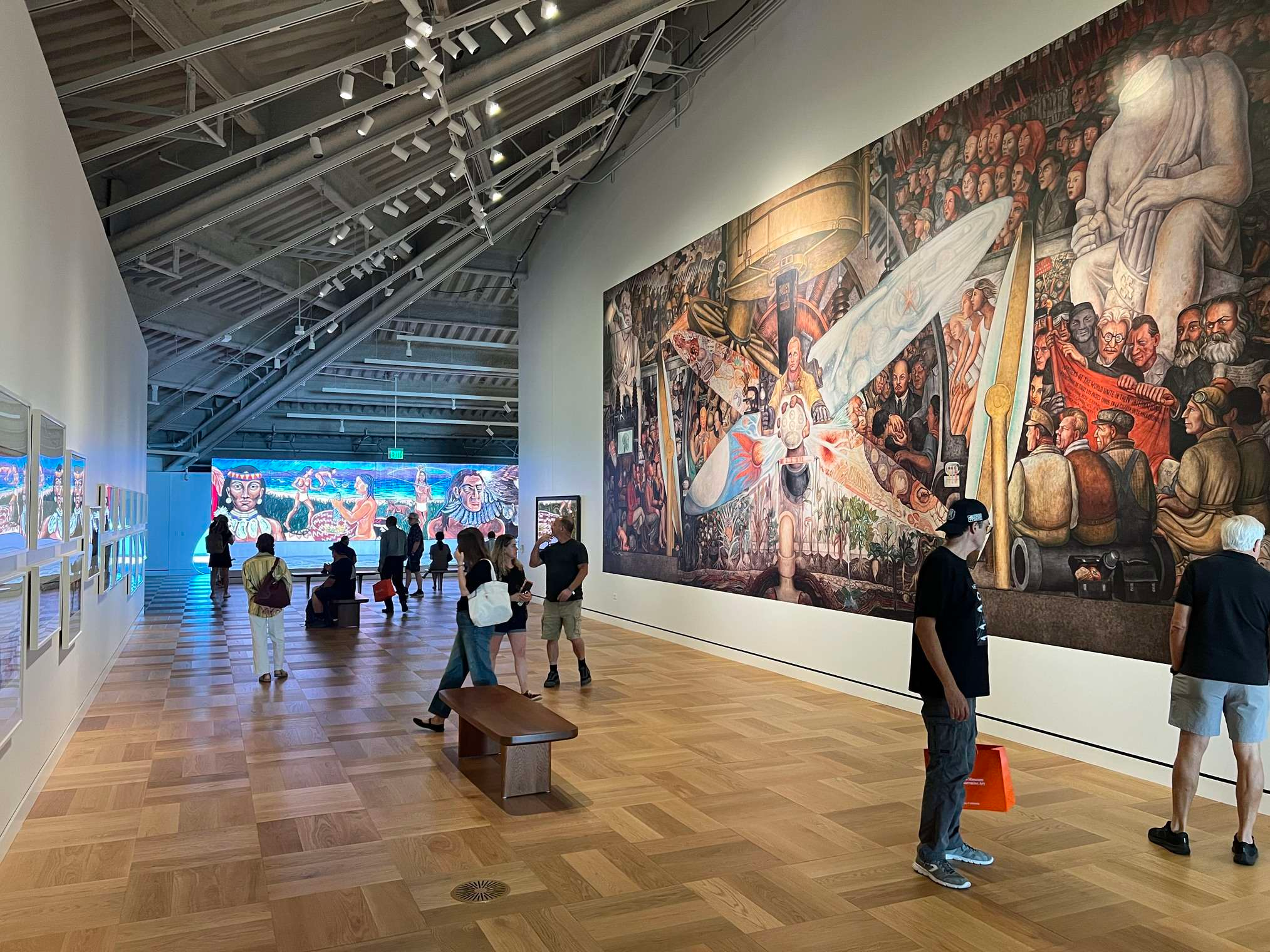
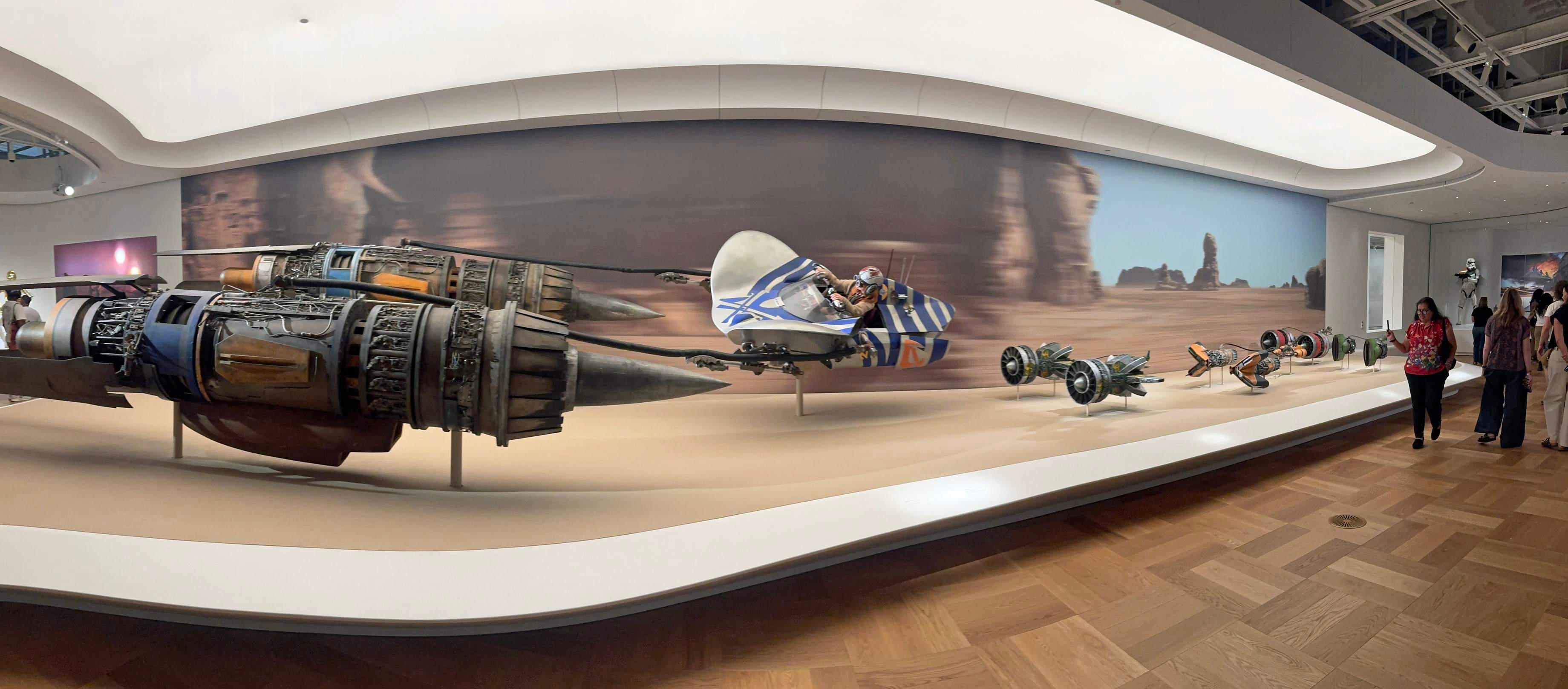
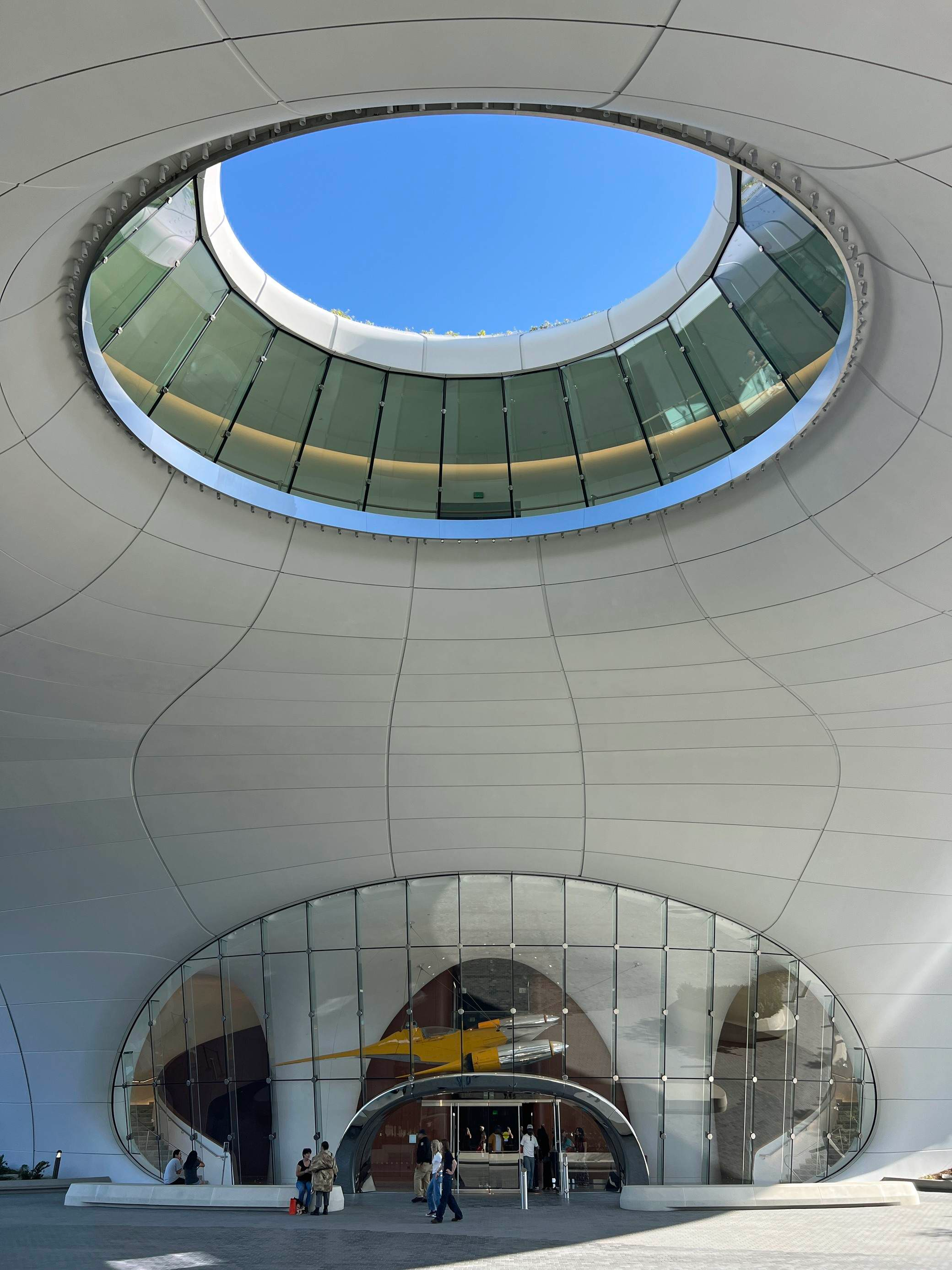
Commission, April 2024
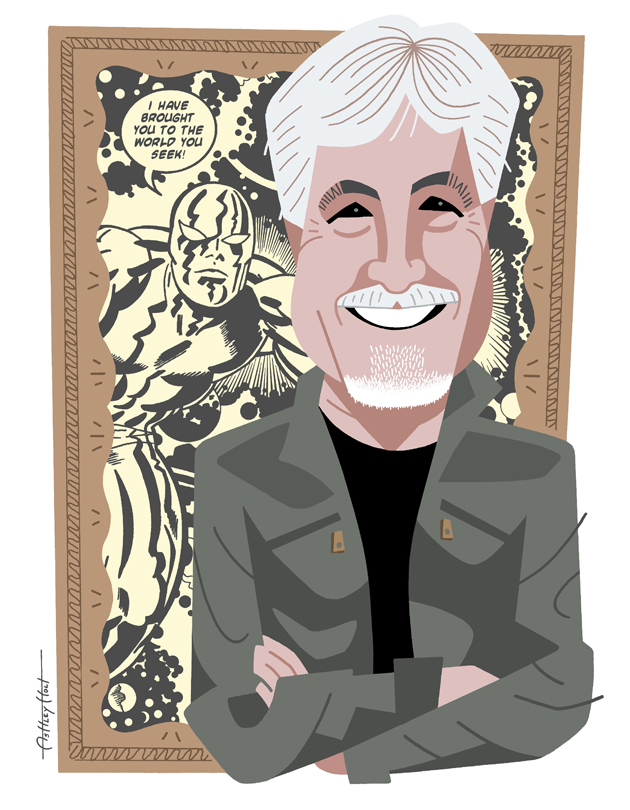
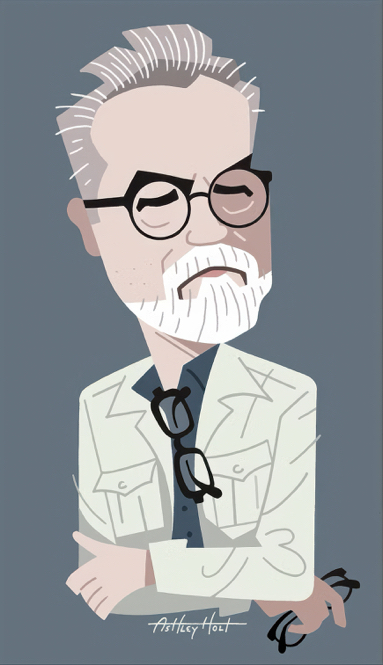
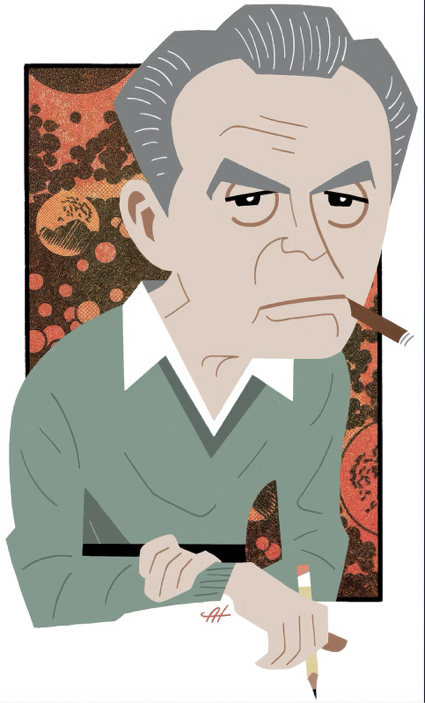
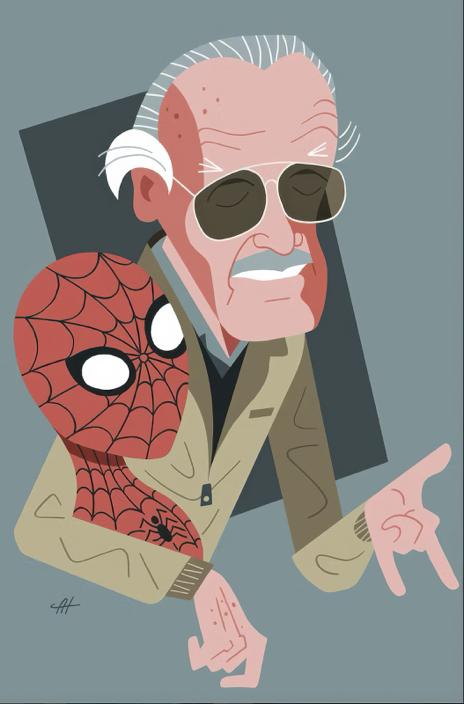
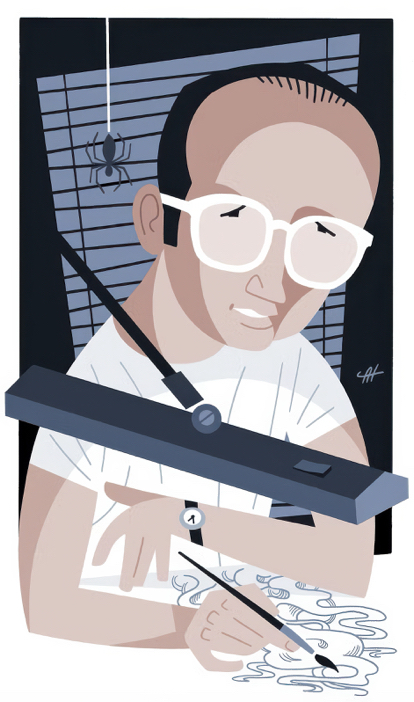
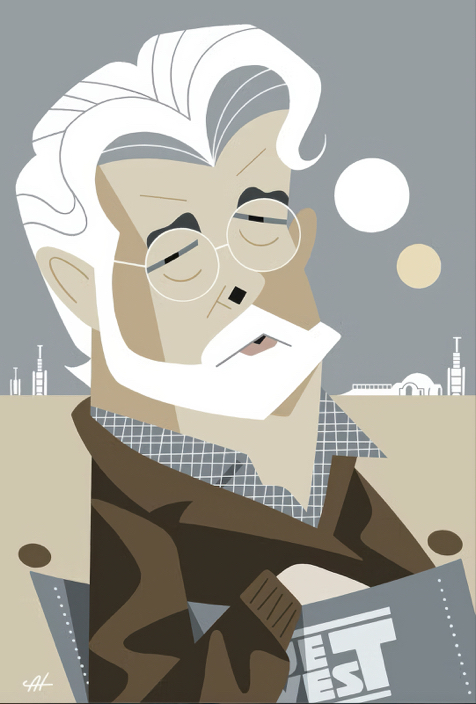
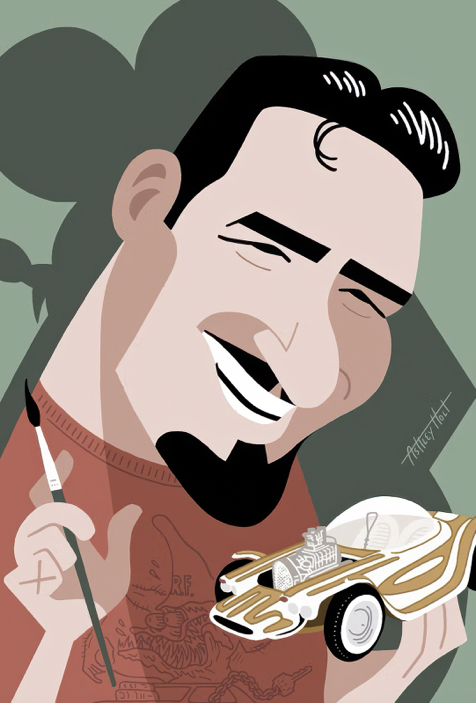
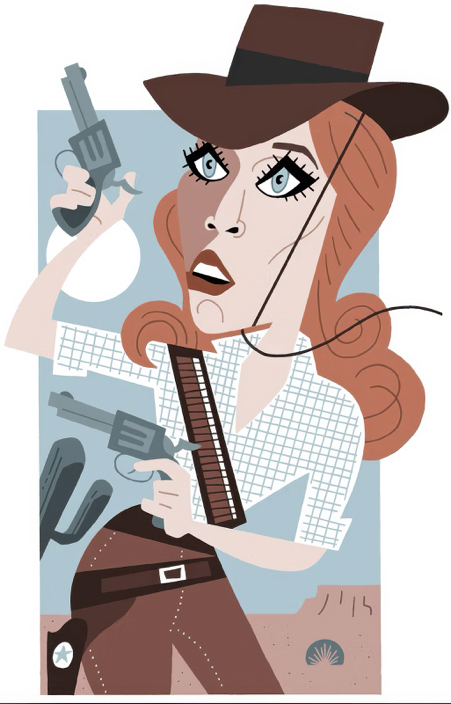
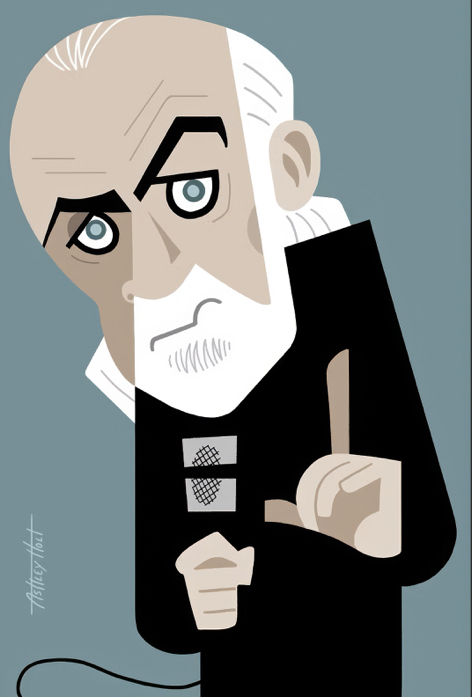
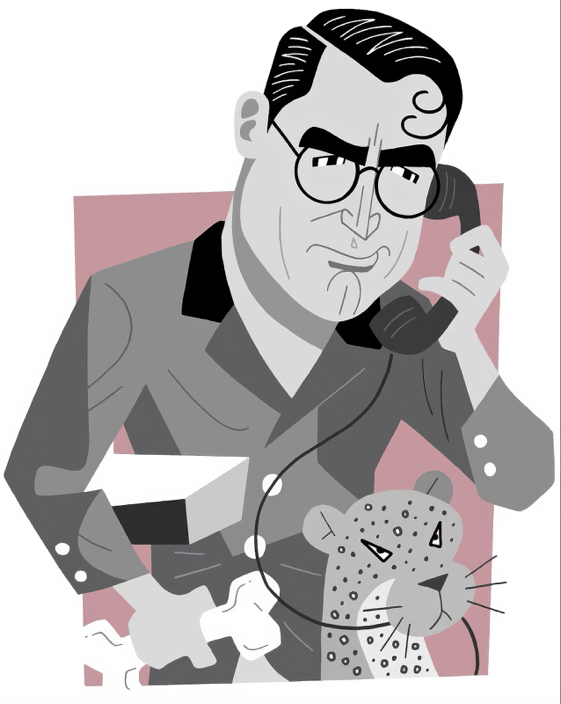
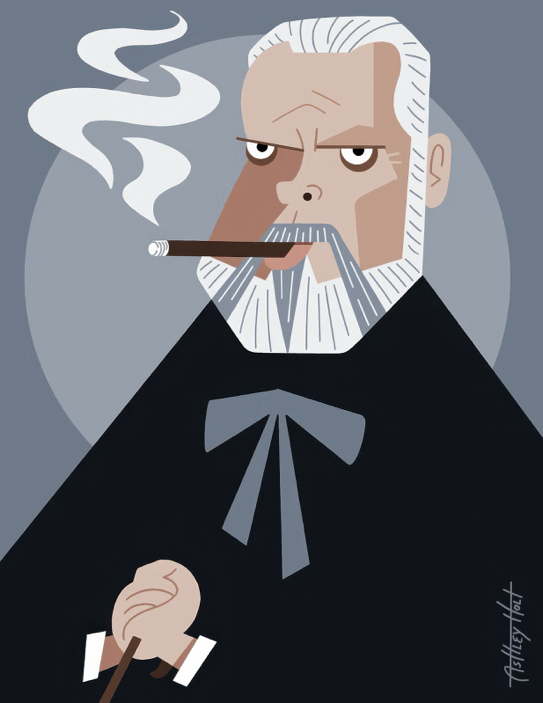
I discovered Ashley Holt’s terrific portrait illustrations a few years ago — via Howard Chaykin — and became an ardent admirer from day one. He’s depicted some of our favorite people in colorful and instantly recognizable form.
Now, I’ve joined the club.
Ashley is a pleasure to deal with. He sells prints and books, takes commissions, and has a lovely website that makes it easy to admire or acquire his art.
Additionally, he has a well-written Substack column (“The Symptoms”), where he employs a lively — and occasionally biting — style that matches the spirit of his art.
Follow / subscribe to everything he offers, and you won’t be disappointed.
Trust me on this.
As for Ash’s note about this illustration of yours truly?:
“Greg Goldstein, comics art connoisseur and former CEO of IDW Publishing, posing in front of a Jack Kirby drawing of a comics character who shall not be named for reasons of trademark law but who is definitely not riding a surfboard of any kind.”
Find Ashley here —
https://thesymptoms.substack.com
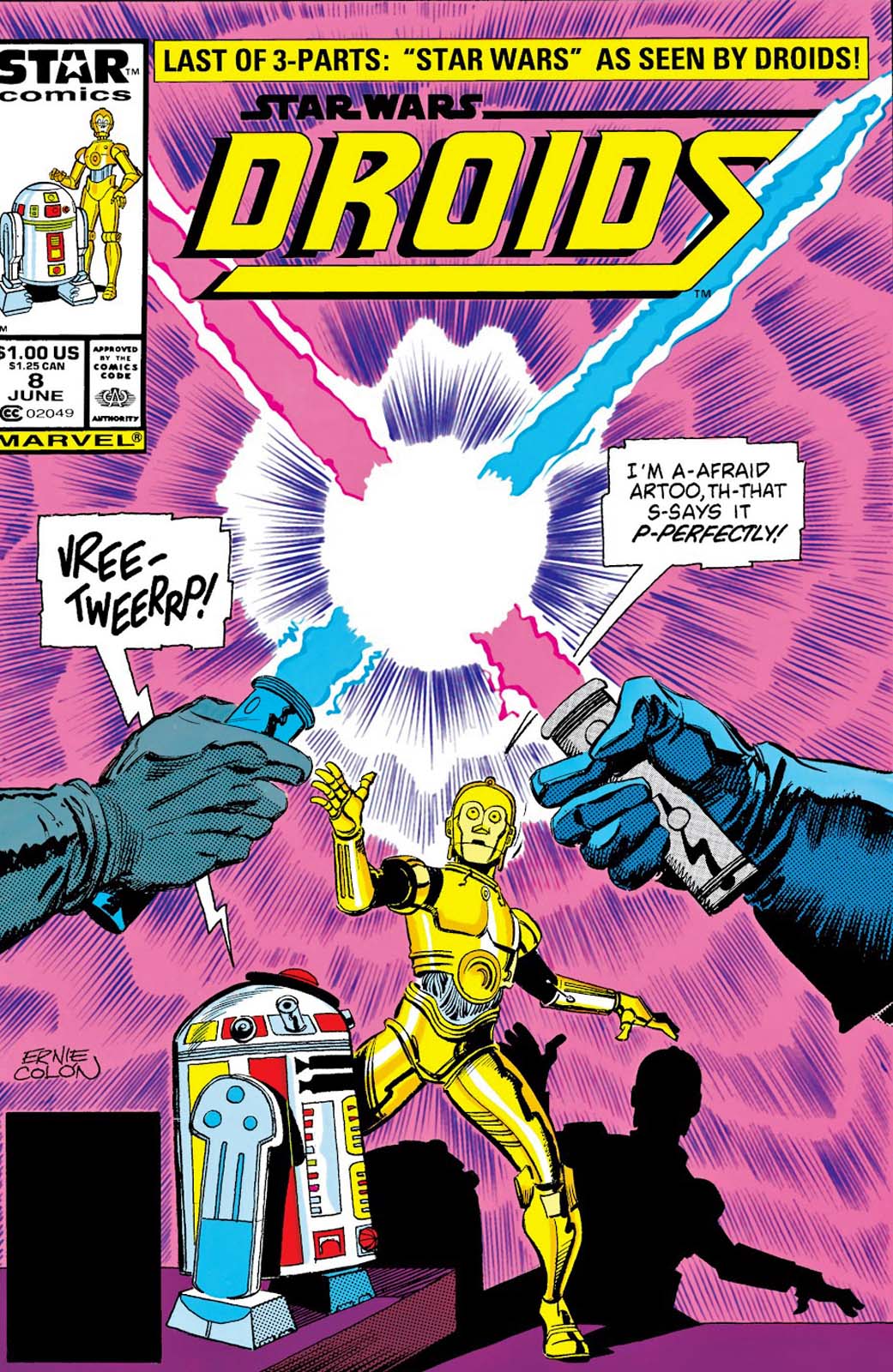
Droids #8, June 1987
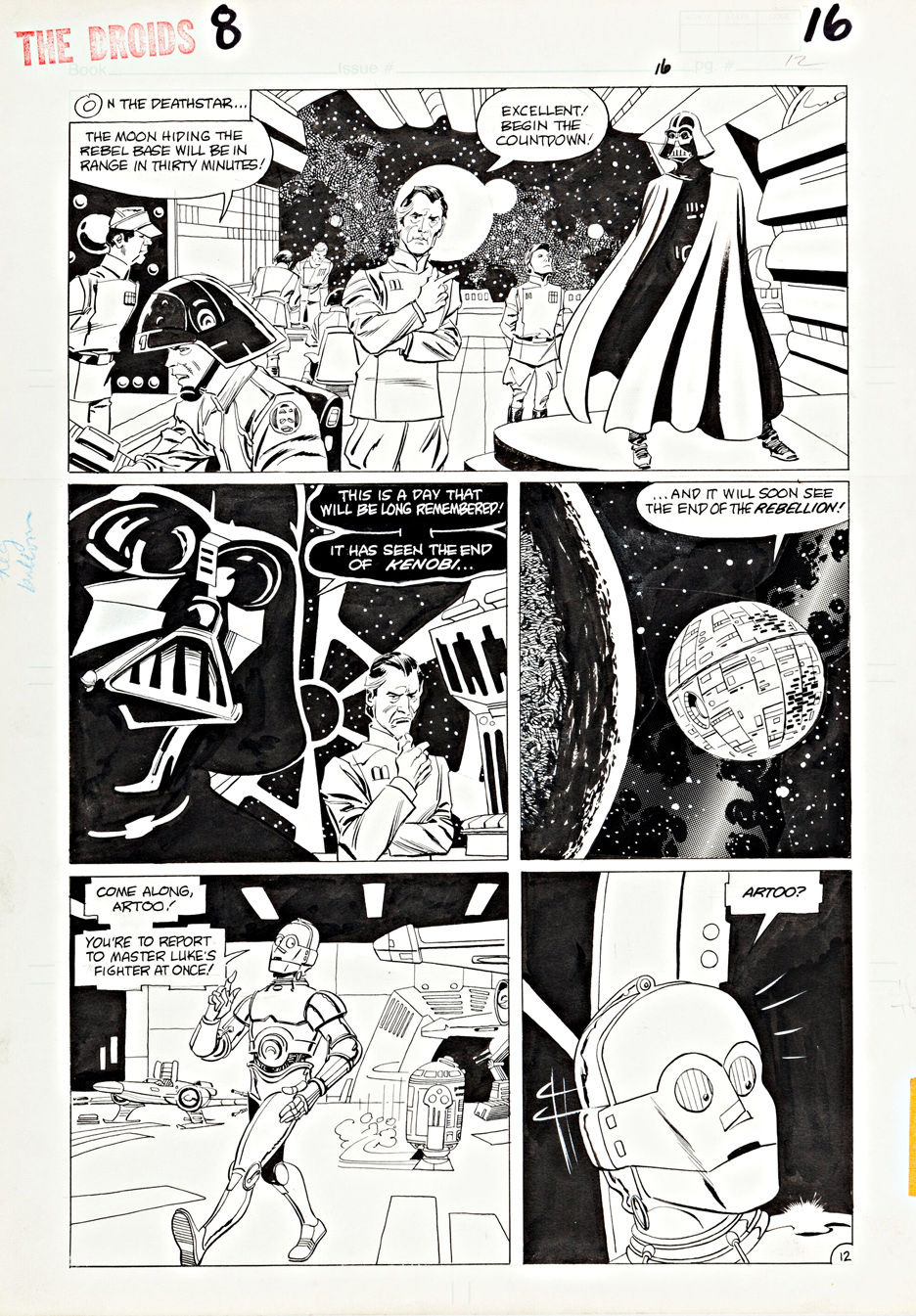
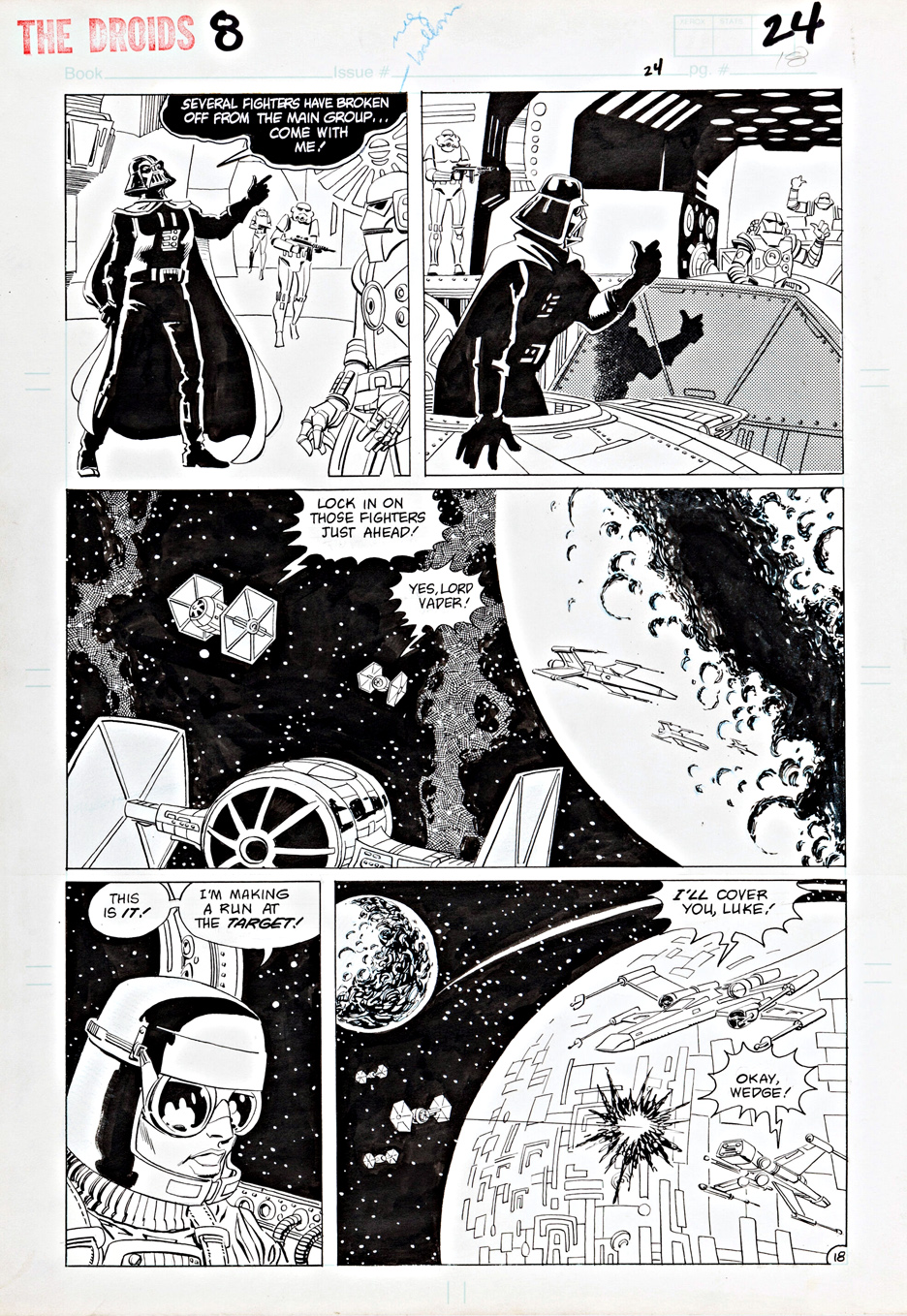
George Lucas thought SF comics legend Al Williamson (EC, Flash Gordon) was an ideal choice to draw the original Marvel adaption of Star Wars. (Now officially titled Chapter IV: A New Hope.)
Unfortunately, Al was locked into his deal for the Secret Agent Corrigan newspaper strip and couldn’t take the gig.
(Fortunately for George, his other choice came through: Howard Chaykin, who was extraordinarily familiar and comfortable with SF and swashbuckling came on board for the adaptation and a few additional issues. But, as always, we digress.)
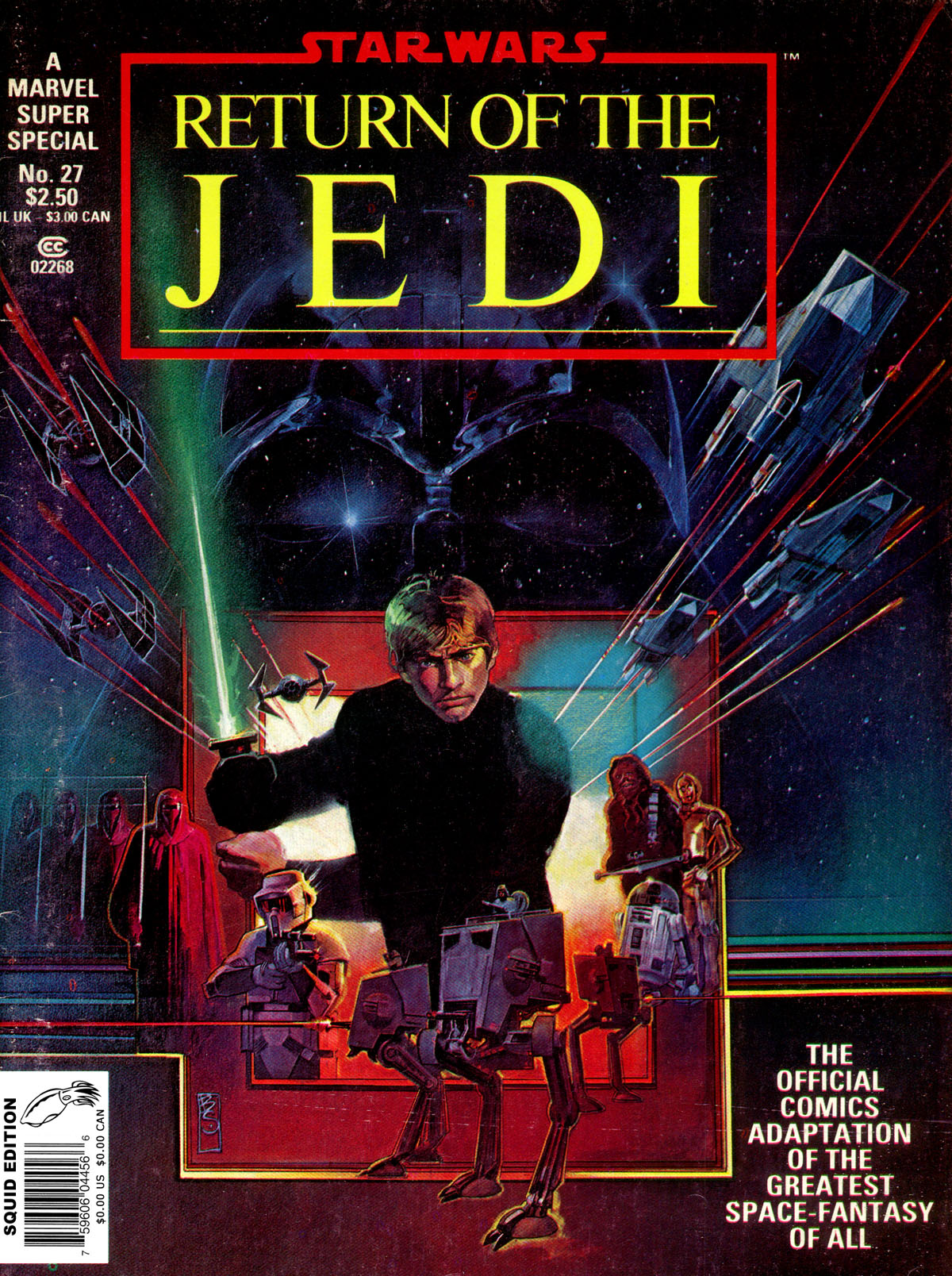
Al ultimately ended up doing wonderful adaptations of both Empire Strikes Back and Return of the Jedi. The stories are gorgeous.
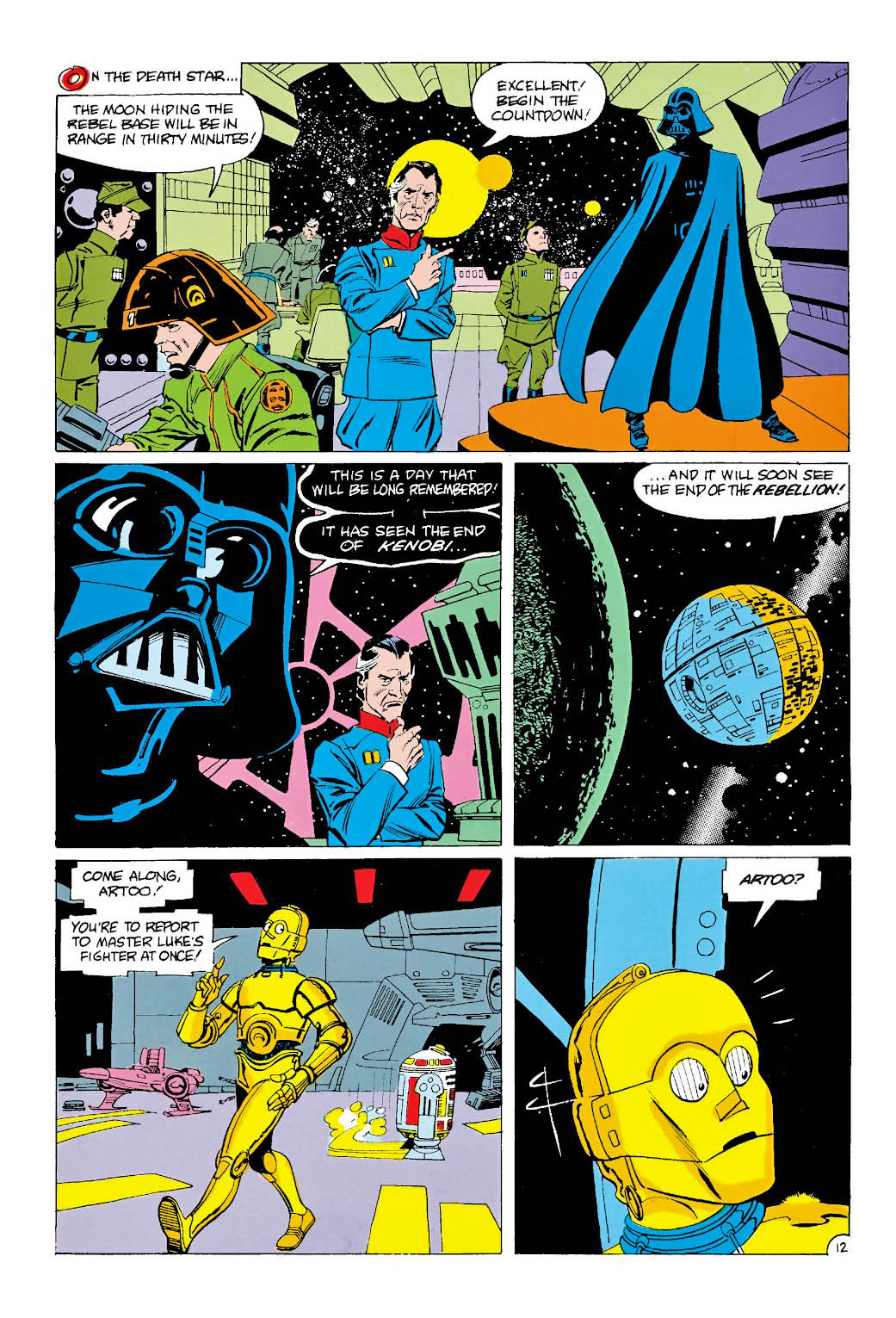
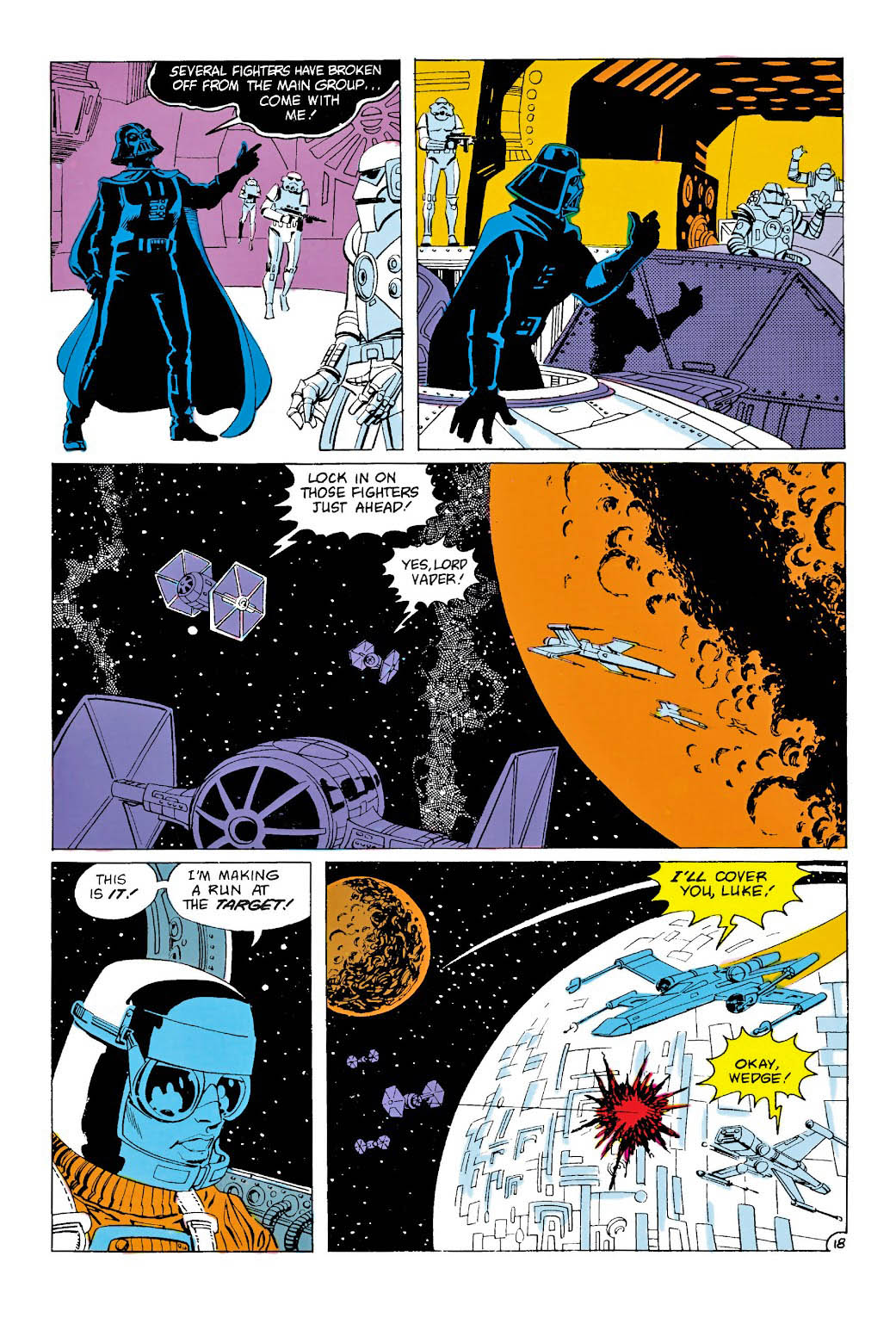
But… Al gets another shot on the original film, when, 10 years after the fact, Marvel decides to adapt A New Hope again — this time as a three-part story in the kids’ comic, Droids.
Ernie Colon provides lovely storytelling, and Williamson provides his beautiful inks, giving him credits on all three Star Wars original trilogy films.
As for the story itself — the main selling point is that this adaptation is told from the Droids’ point of view — which seems odd, since Lucas told interviewers that the films were told from the Droids’ POV, in the first place.
Deja Vu all over again?
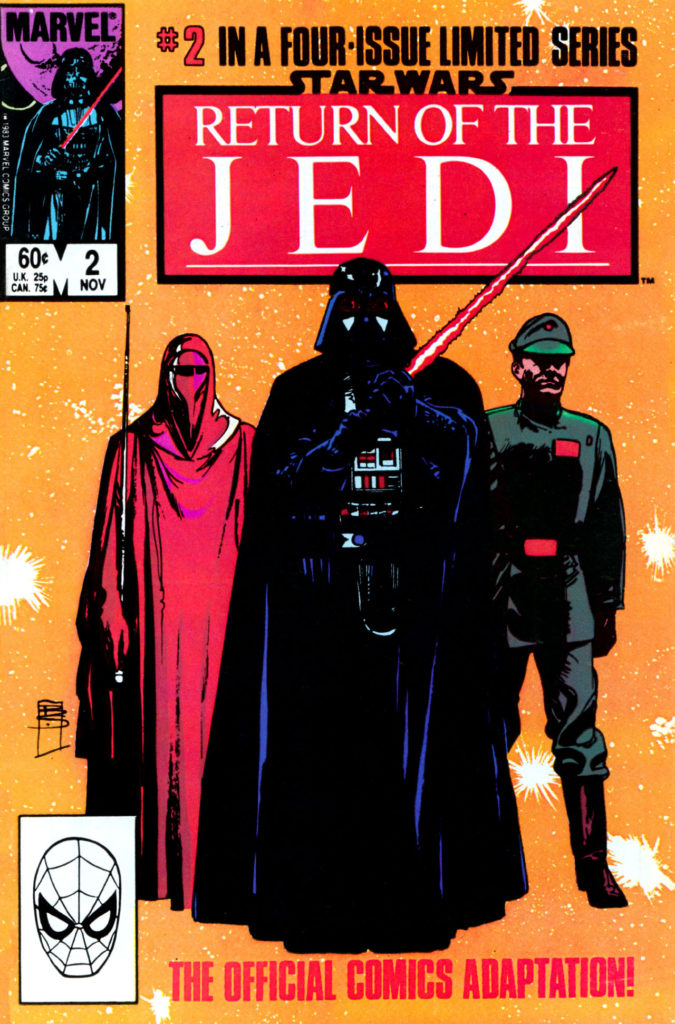
Return of the Jedi, #2, October 1983
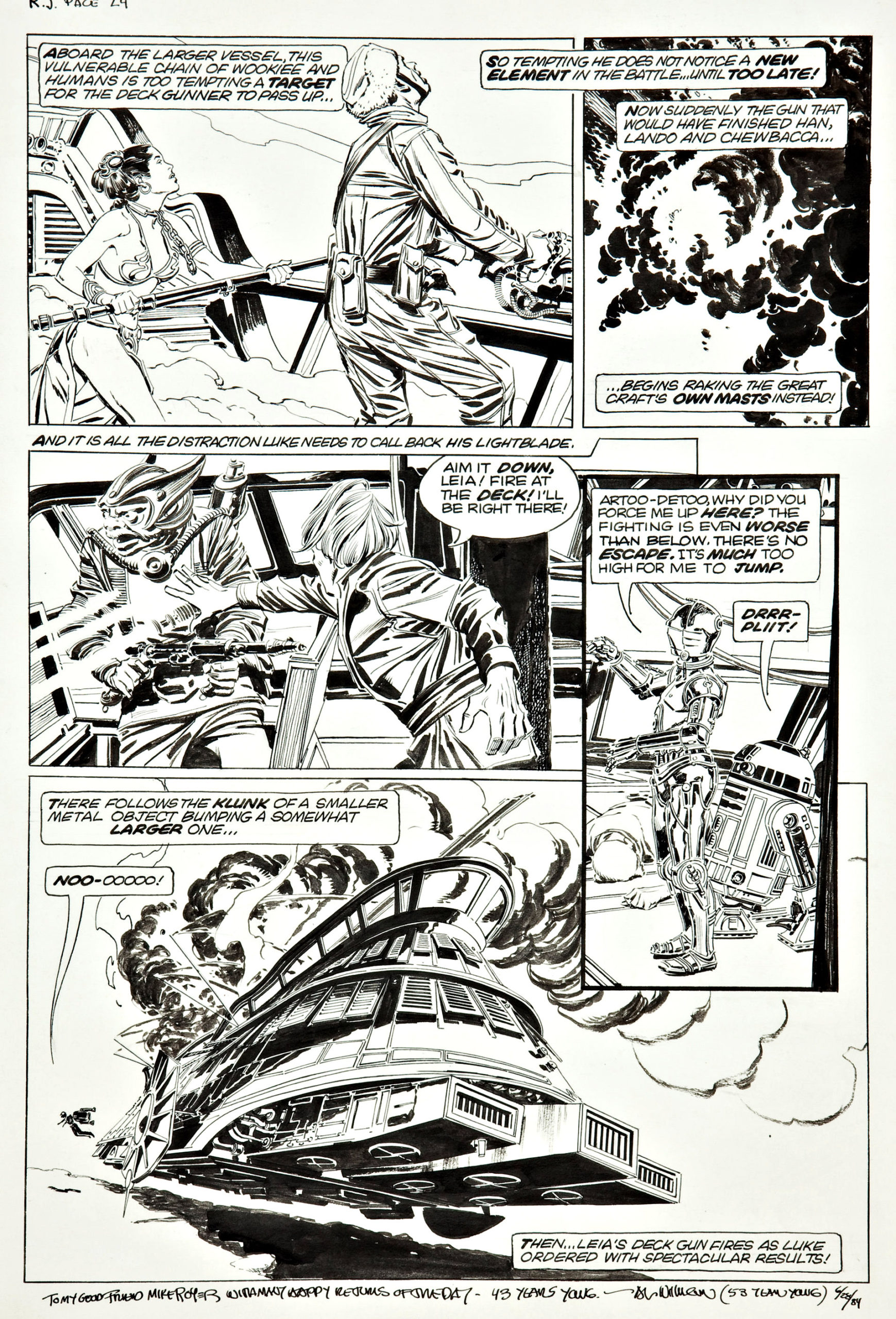
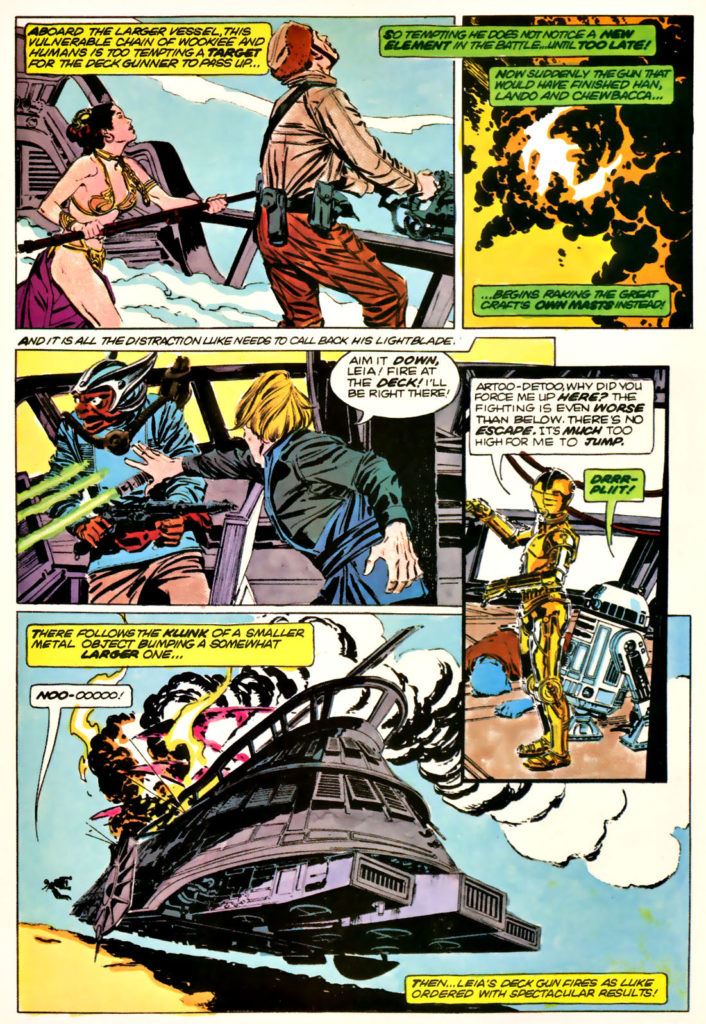
Lush brushwork. Clear storytelling. Impeccable detail. Accurate anatomy and likenesses. Al Williamson’s page from Star Wars: Return of the Jedi adaption speaks volumes about realizing potential in adapting other mediums to comics.
George Lucas had the power to choose the artist to draw the Marvel Empire Strikes Back adaption and he had the good sense to choose Al Williamson.
Al’s gorgeous art on classic EC science Fiction stories as well as Flash Gordon had clearly made an impression.
Fortunately for us, Williamson agreed to also illustrate the Star Wars newspaper strip (after Russ Manning’s untimely passing), and he ultimately came back for Return of the Jedi adaption as well.
On all three projects — plus a handful of stories in the regular comics — Al delivered. It’s some of his finest work.
Williamson kept much of his Star Wars related art, and his estate now owns it. Nearly all the originals that have come on the market are those once owned by his assistants or inkers.
This great page from ROTJ has a more interesting provenance. Superstar inker Mike Royer received it from Al (see inscription) shortly after publication. It remained in his collection for many years.
So it’s not only a great piece of original art, it has a great story behind it as well.
And it’s a cornerstone of my collection.