Joe Sinnott, easily one of the greatest comic book inkers of all time, and a terrific person to boot, passed away a few days ago. He was 93.
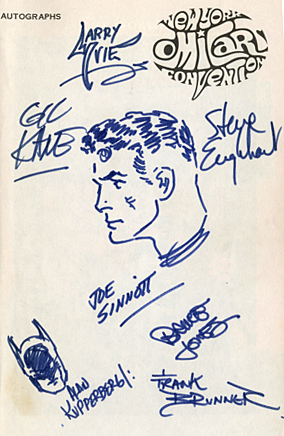
Joe drew the very first sketch I ever owned (and still do, BTW) in my convention program at my very first NYCC, 1972.
Reed Richards — Mr. Fantastic — was an appropriate choice, because Joe’s legendary inks on both Kirby and then John Buscema (and ultimately others) provided a polished, consistent look for “The World’s Greatest Comic Magazine.”
I own other art inked by him, but this one is extra special.
RIP Joe. Many thanks and salutes from all of us for your astonishing career.
Conan celebrates its
50th anniversary in comics this year, and we continue to celebrate the
anniversary with our second of three Conan-themed posts this week.
“This guy used to eat, sleep and breathe drawing. It didn’t matter what was going on around him. He would get bored with it and start sketching. … He just couldn’t stop drawing. [His back-of-board sketches were] better than some of the stuff that he did on the front. … He’d get a spark of inspiration and turn the page over and draw whatever was in his skull.” — Sal Buscema, speaking about his late brother John.
Roy knew that John’s artistic style and storytelling skills
(and interests) could perhaps best capture the Conan character —- and most
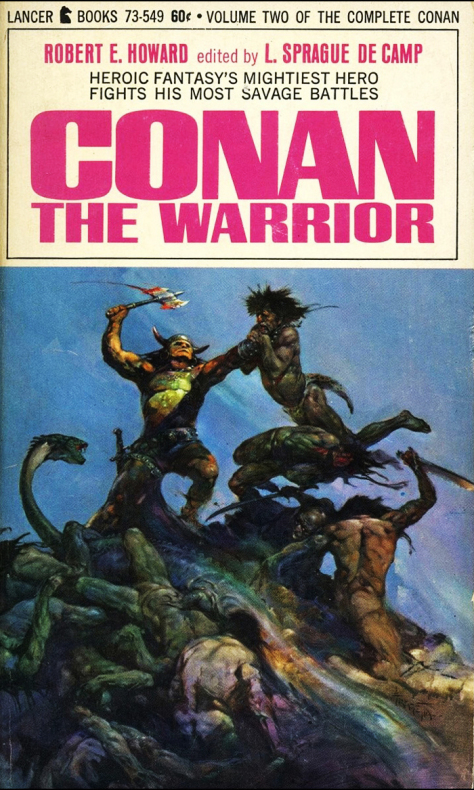
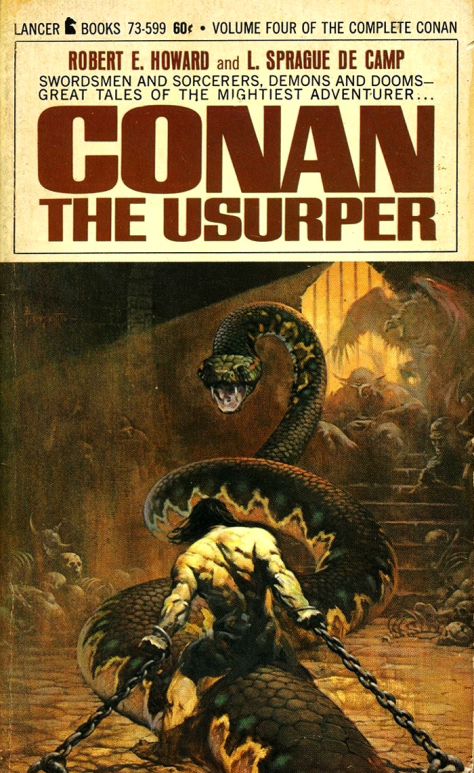
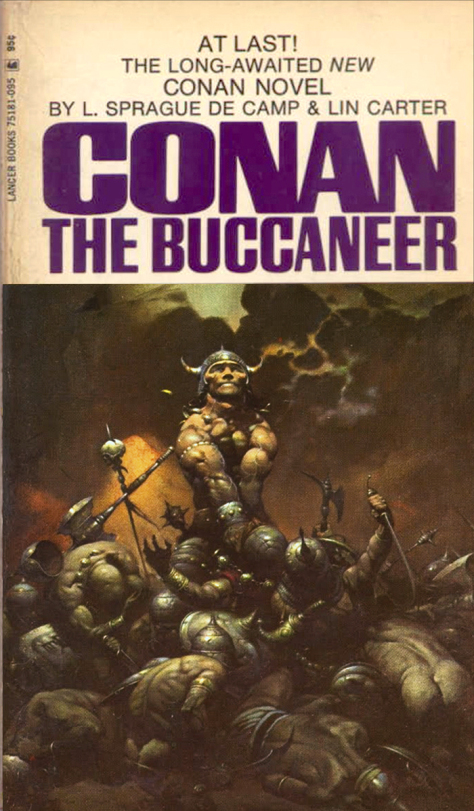
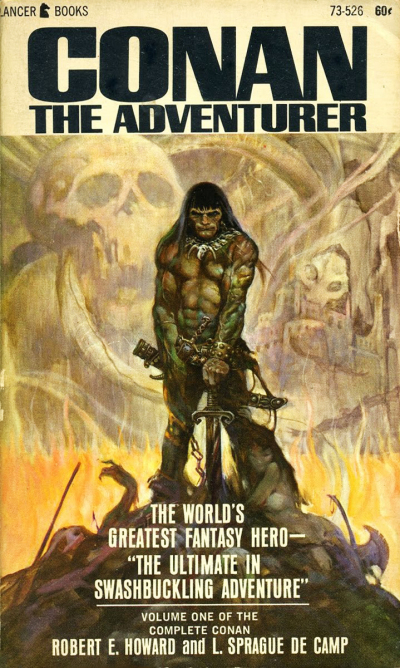
remind readers of the amazing eight Frank Frazetta covers that graced the
Lancer paperbacks of the last few years. Those images had helped Conan rapidly turn into
a phenomenon among fantasy readers.
But budgetary concerns forced Thomas to work with the mostly
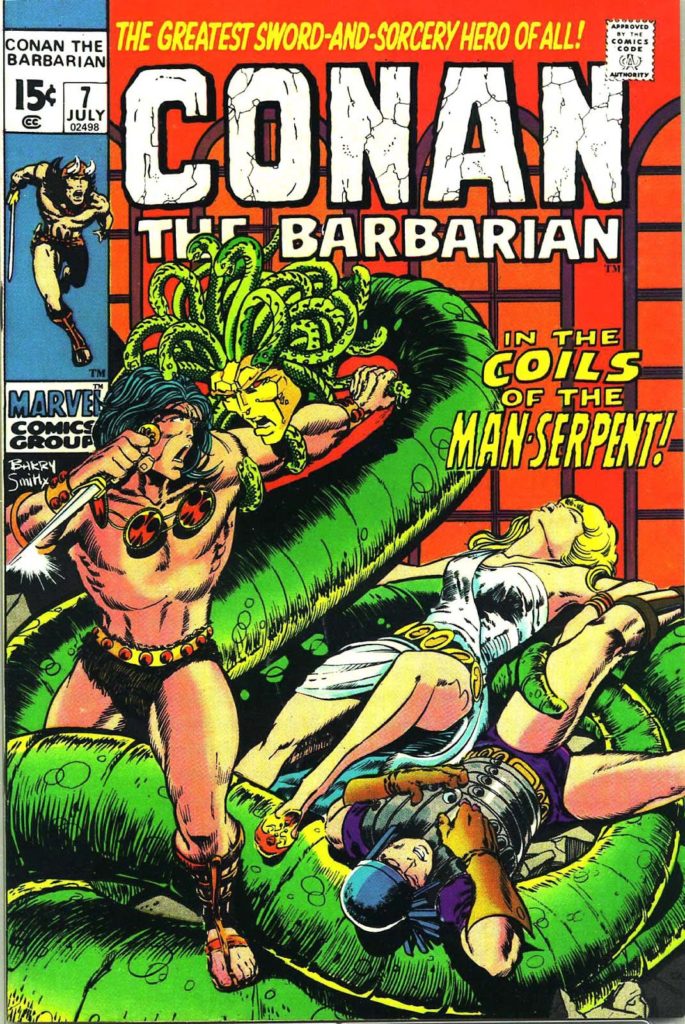
unknown Barry Windsor Smith, and a different kind of Conan developed. Younger,
sleeker, a bit more handsome. And after a slow start, (it was nearly cancelled
after issue #7) the book caught fire, and inspired a sword and sorcery age in
comic books.
But Smith, frustrated by the deadlines of the comics periodical business, ultimately left Conan.
And so fate called again, and Roy got what he wanted the
second time around.
Under Buscema’s pencils, the burly, muscular, often-raging Conan ultimately epitomized by Arnold Schwarzenegger, emerged. This was an older Conan with more experience (and world weariness) under his belt.
Buscema has rightfully become identified with the character, rendering more than 100 stories each for both the Conan comic book and the more “mature” Savage Sword of Conan magazine.
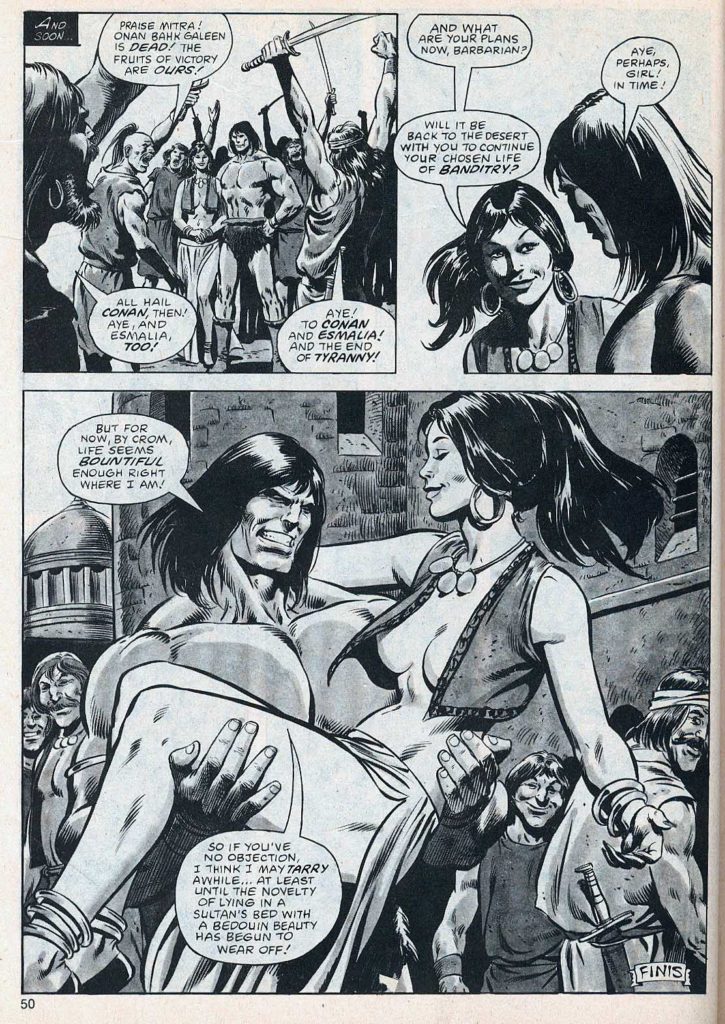
I’ve owned and traded many Buscema Conan pages over the
years, and this splash remains one of my favorites. After a long fought series
of adventures and battles, Conan is taking a break, and celebrating his
victory.
Nothing wrong with that.
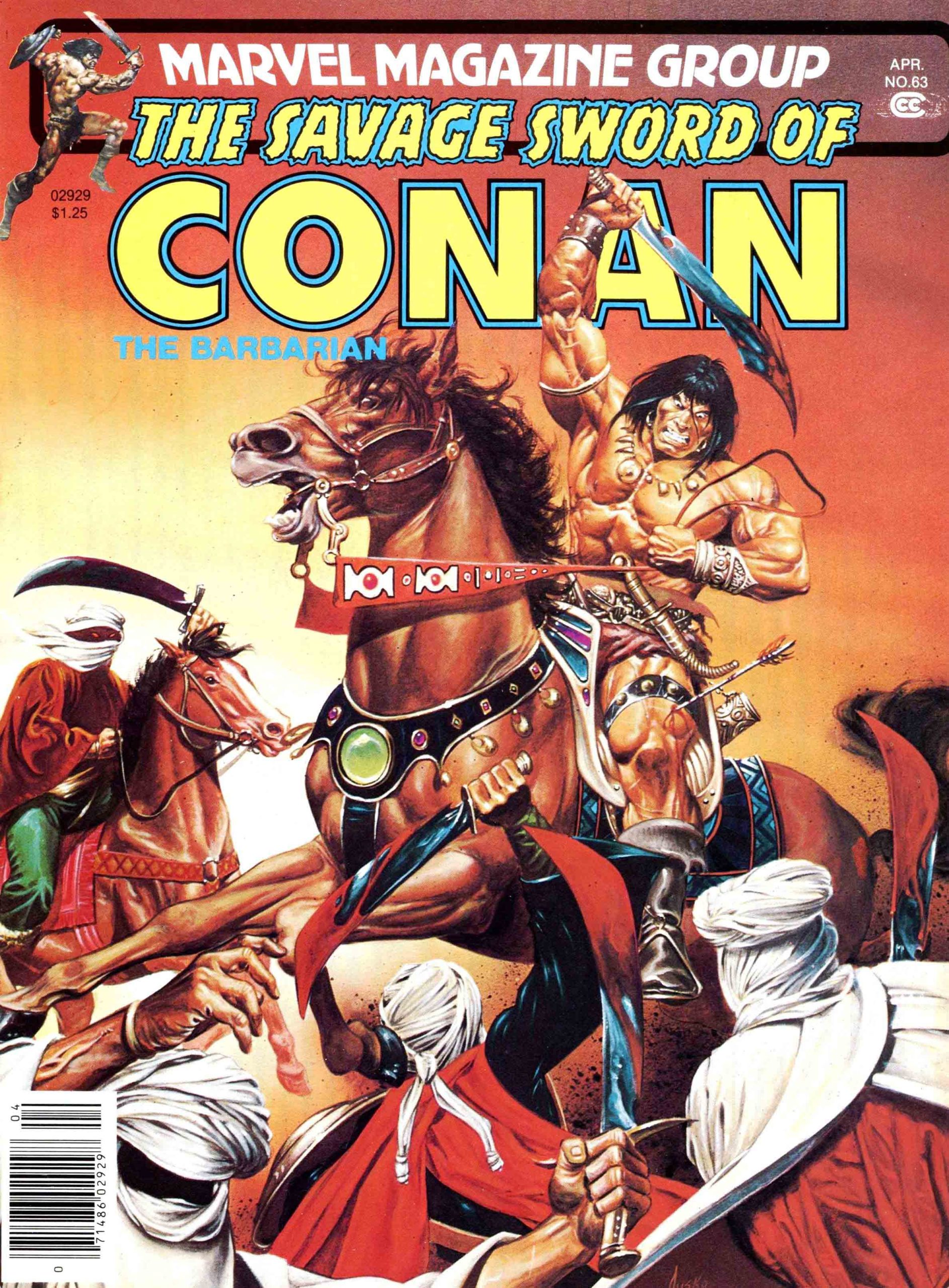
The story itself is an odd one. Michael Fleisher is the scribe, having come on board a just a few months earlier after Roy Thomas bolted for DC. Given the varying art styles of the story, the story length (46 pages) and the multiple inkers (Ernie Chan, Tom Palmer and Bob McLeod are all credited) it’s entirely possible it was originally destined to be a shorter story, and fleshed out when something else fell through.
If so, it’s a feat that John Buscema could pull off — while most others couldn’t even attempt it.
The printed page by Buscema, and the story-driven cover by Joe Jusko, who often cites Buscema as his most important influence.Had this story actually ever been reprinted in comic books, they would have added an undergarment. This was the height of risqué for Marvel at the time, although over at Warren Magazines, (partial) nudity had already crept in.
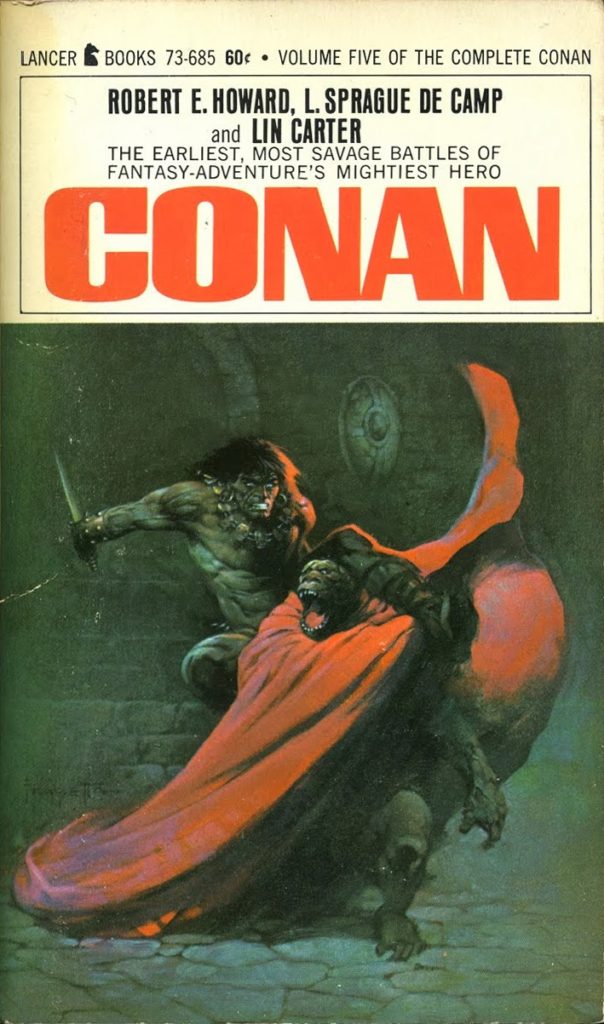
Eight images worth millions of words — the original Frank Frazetta covers on the Lancer paperback editions of Conan (starting in 1966). In a short time, both Conan and Frazetta would be embedded in the popular culture.
Conan celebrates its
50th anniversary in comics this year, and we celebrate the anniversary with
three Conan-themed posts this week.
Barry Winsdor-Smith was not the first choice to draw Conan. Legend has it that Roy Thomas knew that John Buscema was the idea artist for the job. But Publisher Martin Goodman nixed the idea, citing budget and schedule, and told Stan/Roy to find someone less expensive.
The solution? The young British-born Smith, who had been a
fill-in artist on a handful of super-hero titles with an unmistakable Kirby
influenced style, and who was both cheap — and available.
And so Barry drew Conan for 21 of the first 24 issues — and the comic book world promptly grew up.
Smith, one of the many “young guns” of similar age, and breaking in at around the same time, (Chaykin, Kaluta, Simonson, Wrightson among the many others) ultimately developed an inimitable style. Yes the Kirby influence was there, especially early on. But so is Steranko. And Alphonse Mucha, the best-known stylist of the Art Nouveau period (late 19th – early 20th century), provides much of the inspiration for the intricate designs and beautiful women that populate those early Conan stories.
Smith’s run on Conan is unlike any other in professional comics at that time. And Baby Boomers, who had grown up on the simple stories of DC, and had segued into the cosmic soap operas of Stan and Jack, were primed for these comics. The Boomers were growing older, and now, the comics were growing up with them.
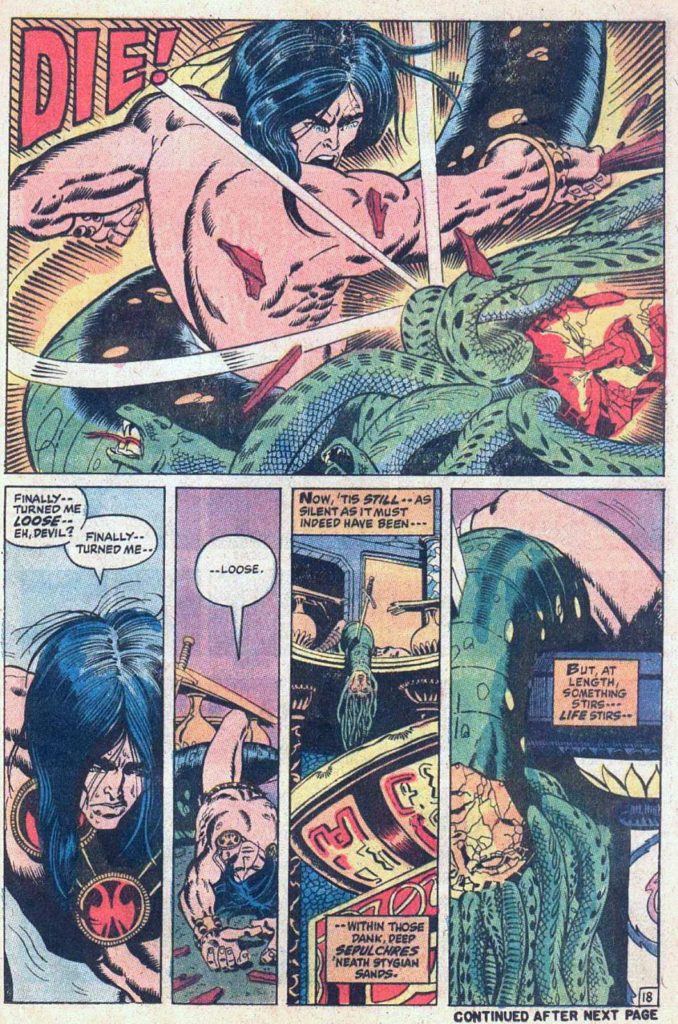
Smith’s style developed rapidly over his three year run on Conan, culminating in the extraordinary “Red Nails” that first appeared in 1973/1974 in Savage Tales. And of course, the work was always best when Smith was inking himself, but both Sal Buscema and Dan Adkins did excellent work, and interestingly, both are credited on this issue. Sal is credited on this specific page, but without all 20 original pages together, it’s difficult to tell.
Either way, it’s a stunning page, and only a small harbinger of things to come.
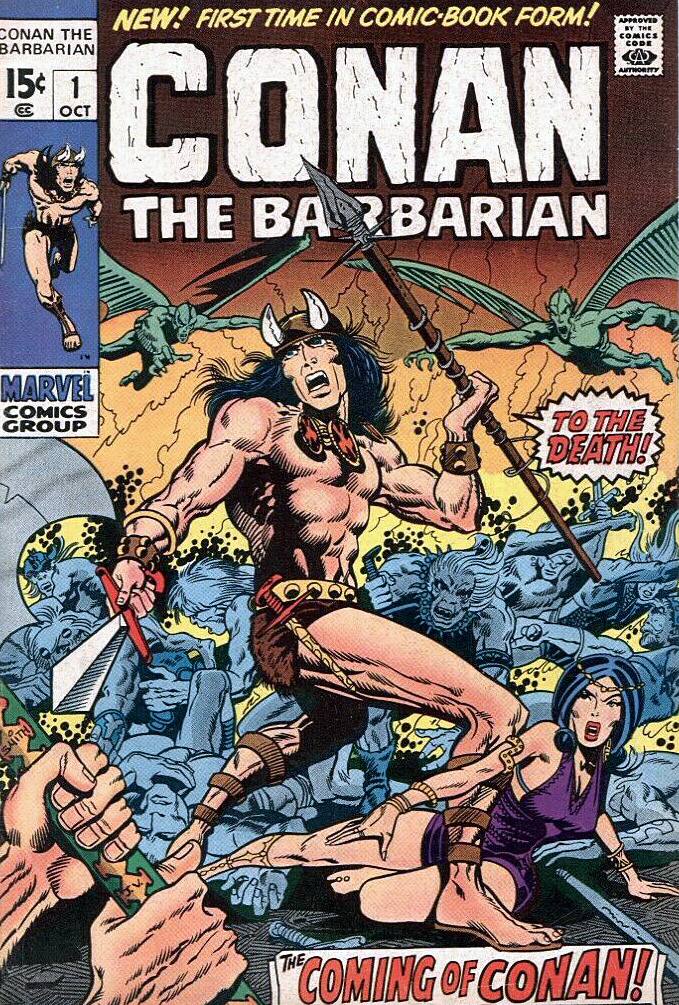
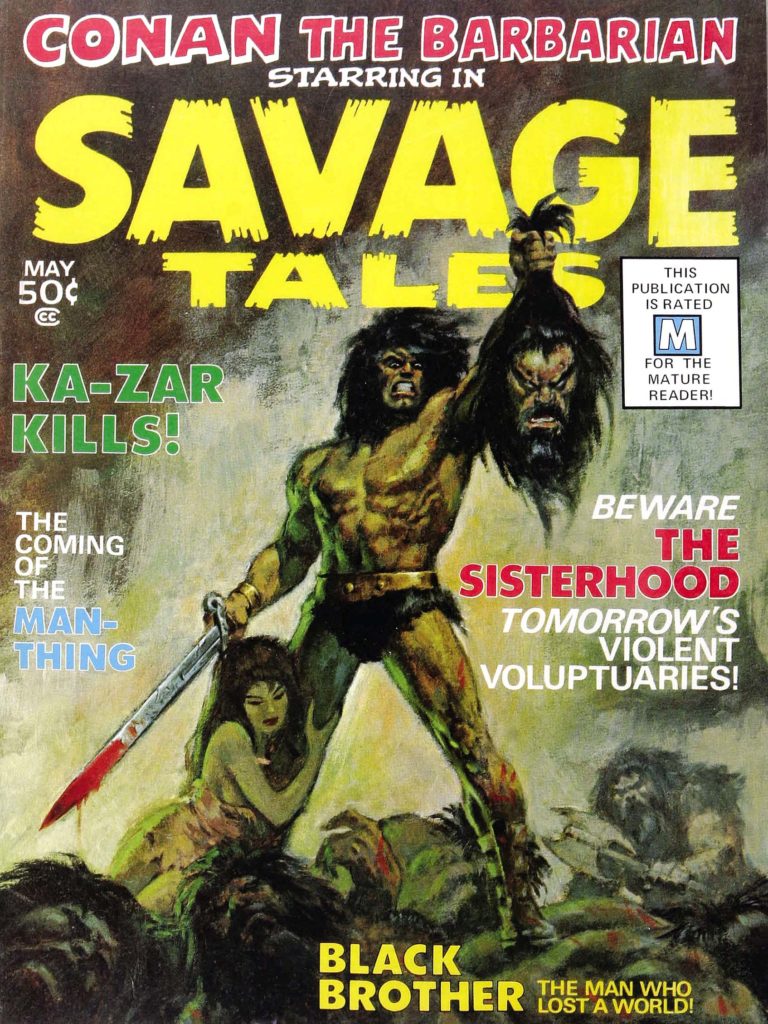
Conan launches in comic books and the more “mature” Marvel magazines.
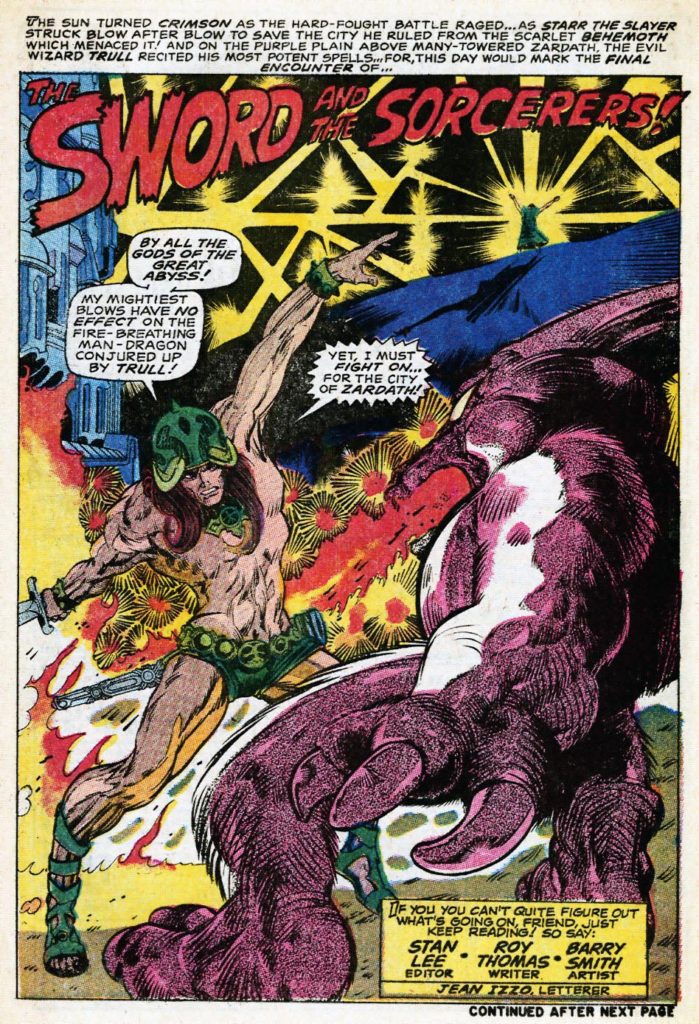
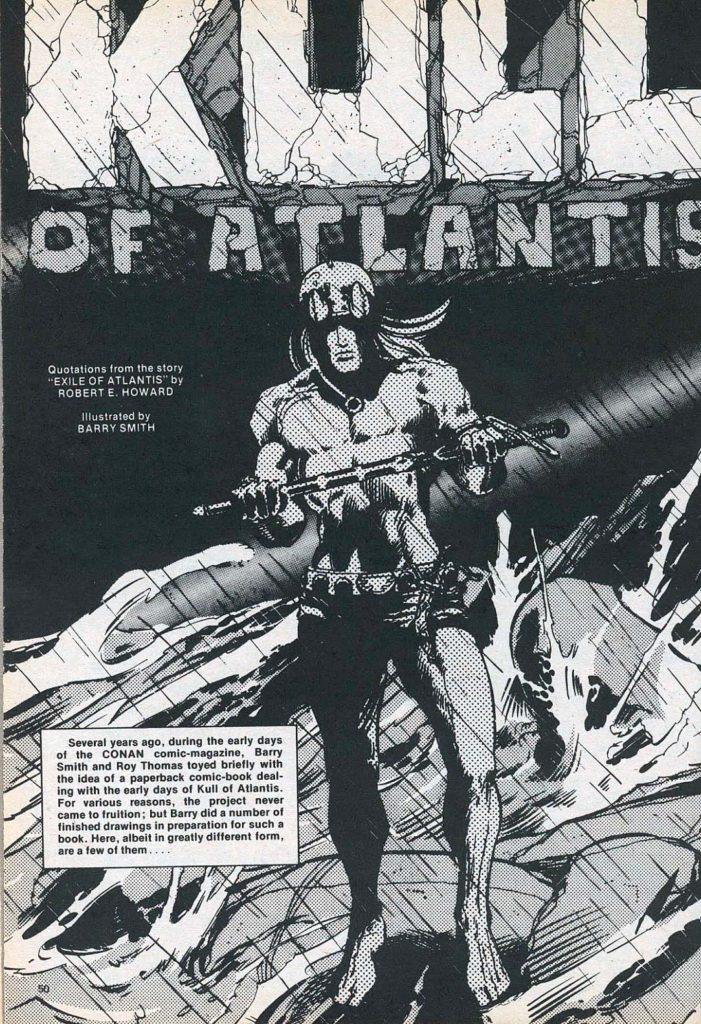
And early try-out story by Smith and Thomas features “Starr the Slayer,” published just a few months prior to Conan in Chamber of Darkness #4. Smith also developed a Kull Black and White proposal for a paperback graphic novel. (Similar to Gil Kane’s Blackmark) that ultimately was published (unfinished) much later in Savage Sword of Conan #3. Both prototypes look nearly identical to Smith’s Conan.
Smith’s early Marvel work on Avengers is pretty much straight from the Jack Kirby handbook — except for the wild Vision splash page (Avengers #66) which adds some Steranko and Alphonse Mucha into the mix; a sign of things to come.
Continuing our ongoing celebration of Marvel’s 80thAnniversary.
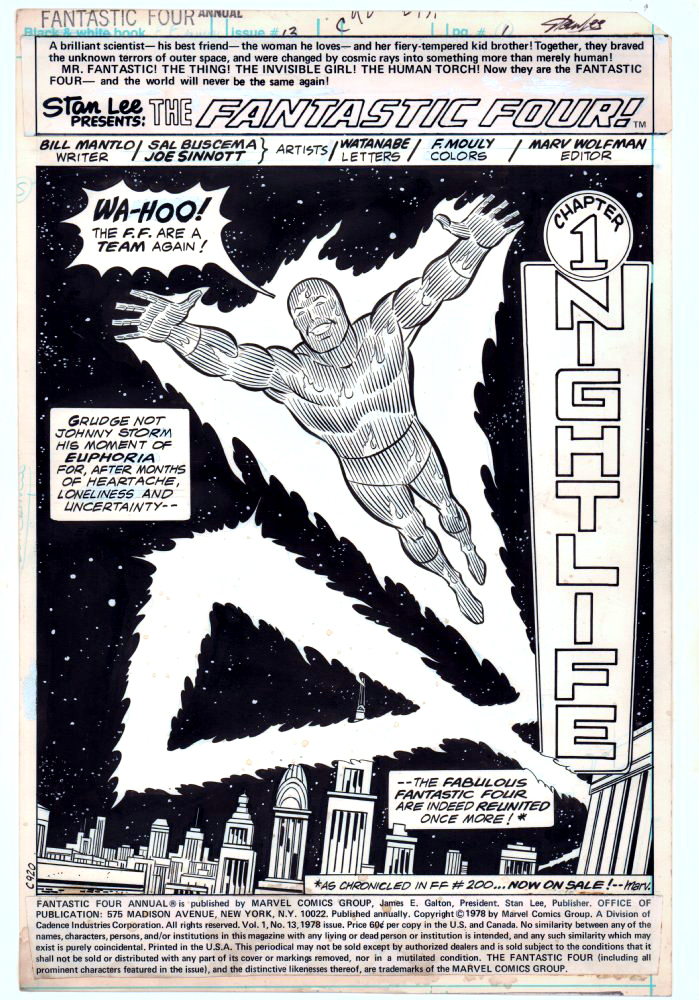
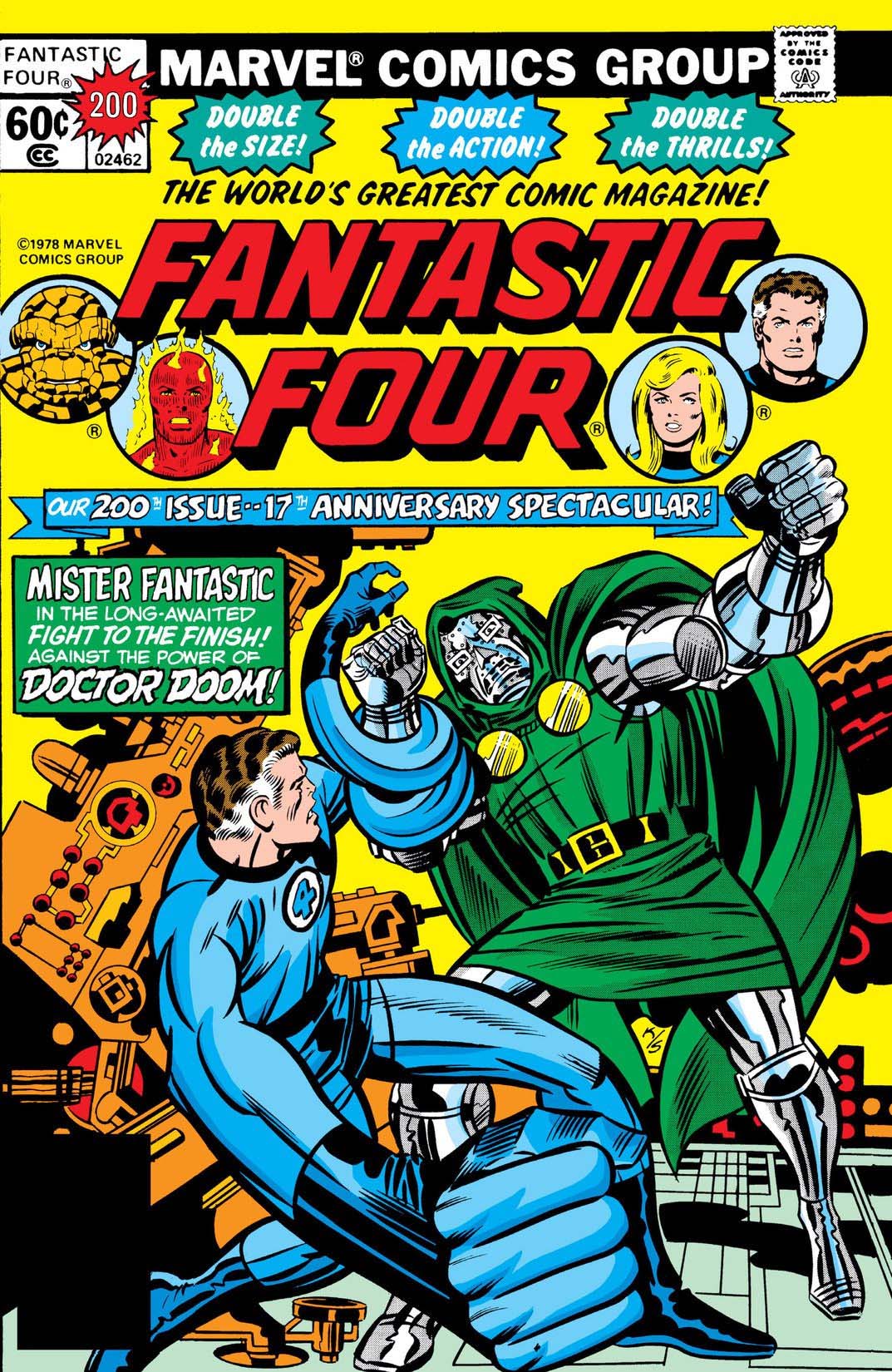
Sal Buscema and Joe Sinnott deliver an iconic (and terrific) image of the Human Torch in this celebratory opening splash page.
Celebratory in that the Fantastic Four had just gone through a quirky period editorially where they were essentially “broken-up”, and they have reunited in FF #200, on-sale at the same time.
At this point in the run, Joe Sinnott, acknowledged as one of the all-time greats, is pretty much the only consistent through line in the FF — the series was rapidly going through a number of mix and match creative teams. In a three-year period, Joe inks pencillers Sal Buscema, John Buscema, Keith Pollard, Rich Buckler, Ron Wilson, and of course George Perez, who does some of his best known work in this era. (Shortly after this issue is published, Joe adds John Byrne and Bill Sienkiewicz to this mélange.)
Sinnott’s credits, including this one, are often categorized as “finishes” during this timeframe, as many of the pencillers are providing breakdowns only. Doesn’t help enough with the schedule though, as a number of issues are reprints and fill-ins. Marvel, as others have noted, was going through some difficult times. The Fantastic Four themselves wouldn’t truly find their full footing again until a few years later, when Byrne fully takes over writing and art chores.
As for Joe and Sal? With the end of the Spider-Man newspaper strip this year, Joe officially retired from inking … at age 92. Sal (age 83) “retired” in 2000, but continues to be coaxed into working — sometimes by my former colleagues — to this day.
“Flame on!”
So many interpretations of the Human Torch, so little time.
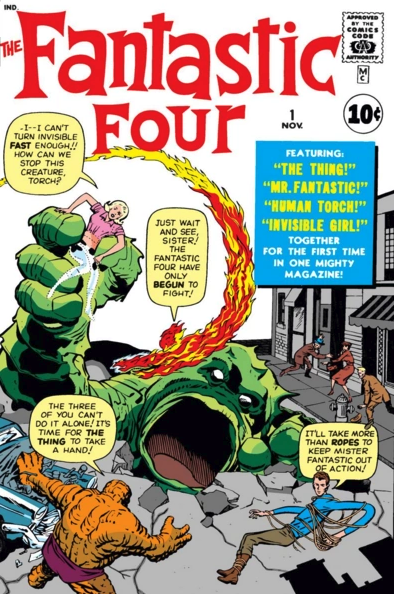
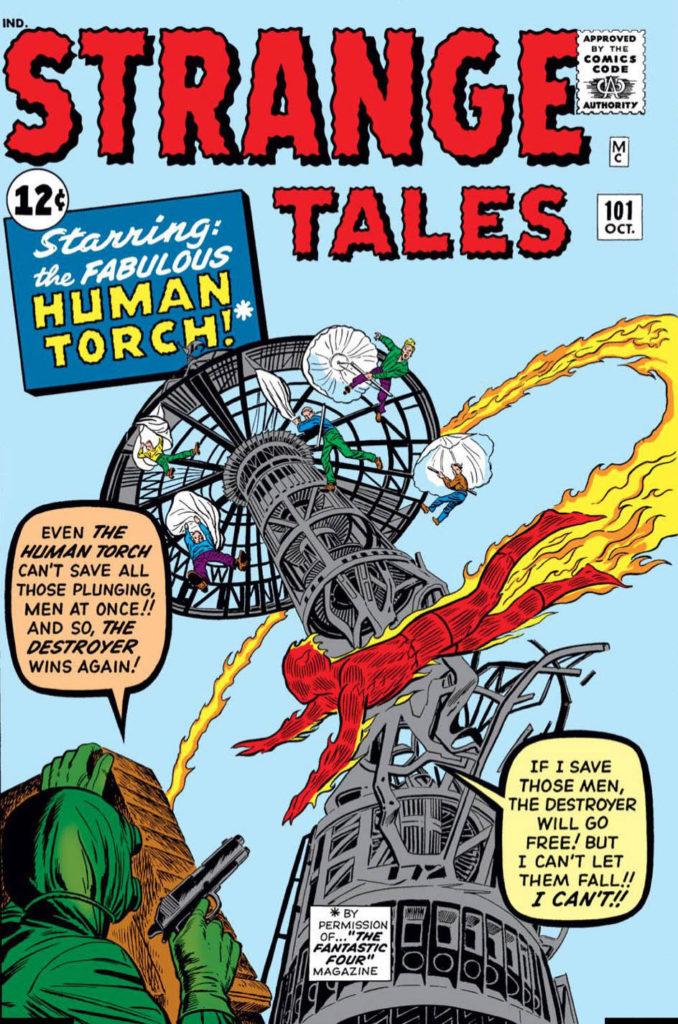
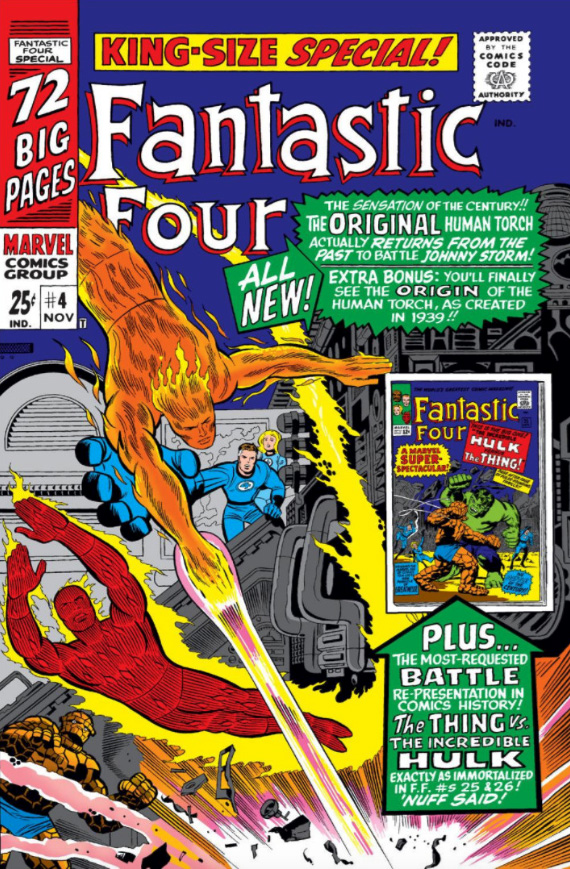
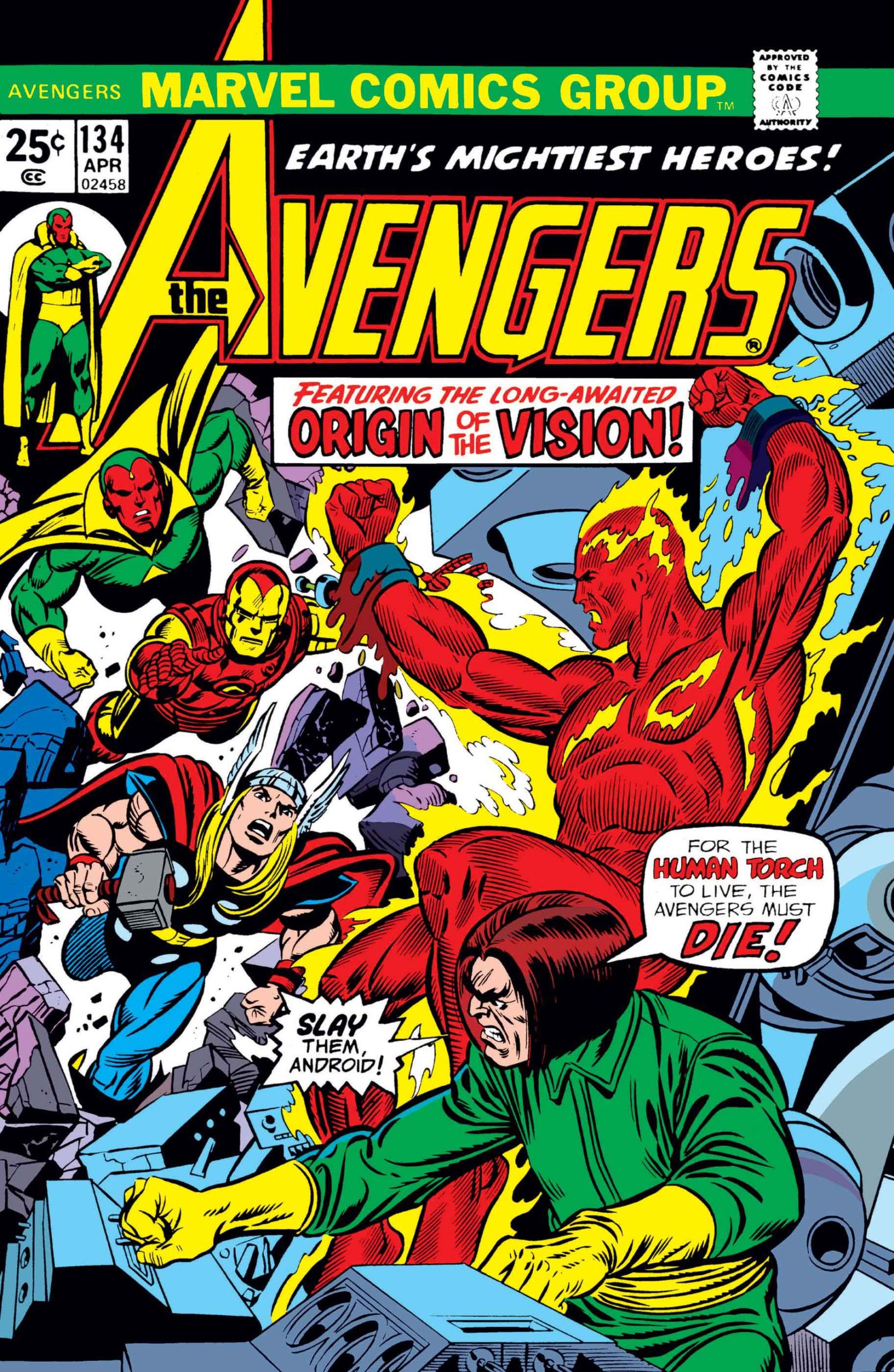
In his earliest appearances, Johnny Storm, the Silver Age Human Torch looked a bit more like the Golden Age version (more flame, less body definition) ultimately evolving to his more familiar form. Meanwhile, the Golden Age Torch, who (with the help of some of clever retconning) eventually makes a comeback in the modern era, appears to look more like the silver age version.
Above: The first appearance of the Silver Age Torch, Johnny Storm, in Fantastic Four #1 (1961) followed shortly thereafter by his first solo outing in Strange Tales #101 (1962) and ultimately followed by a clash with the “original” Torch in FF Annual #4 (1966). The Golden Age Torch returns in Avengers #133- #135 (1975), and revives yet again to join the West Coast Avengers during John Byrne’s run. (Avengers West Coast #50, 1989)
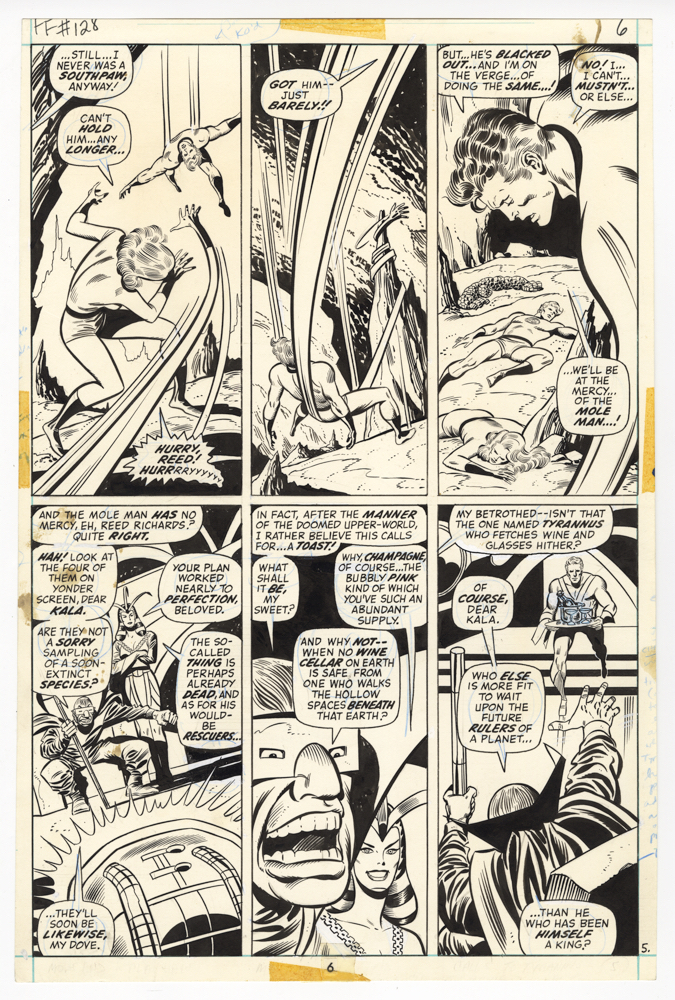
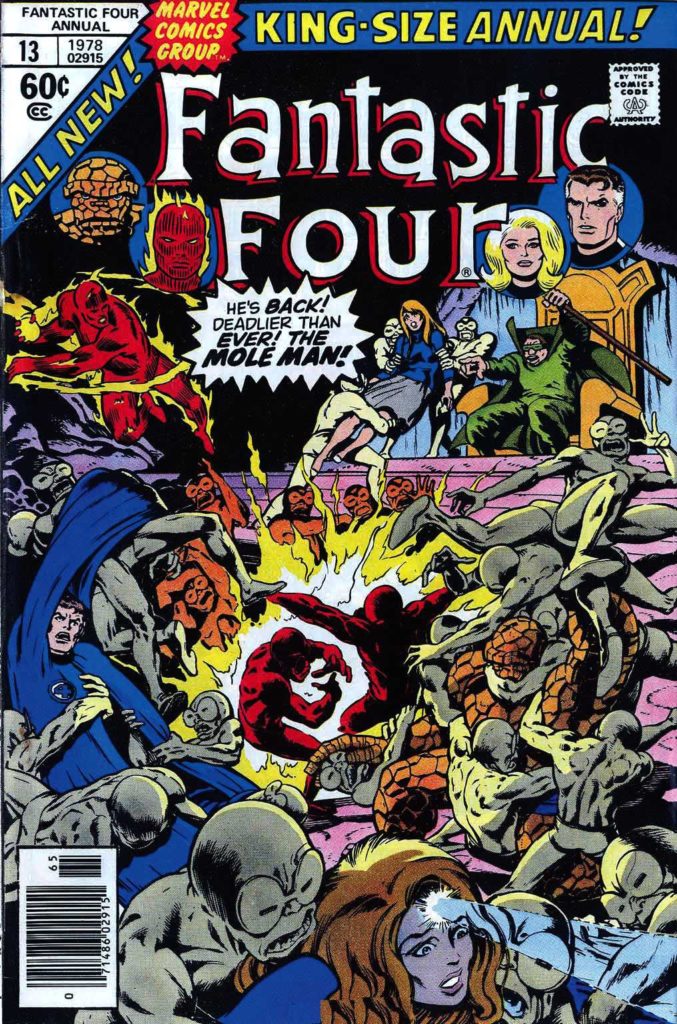
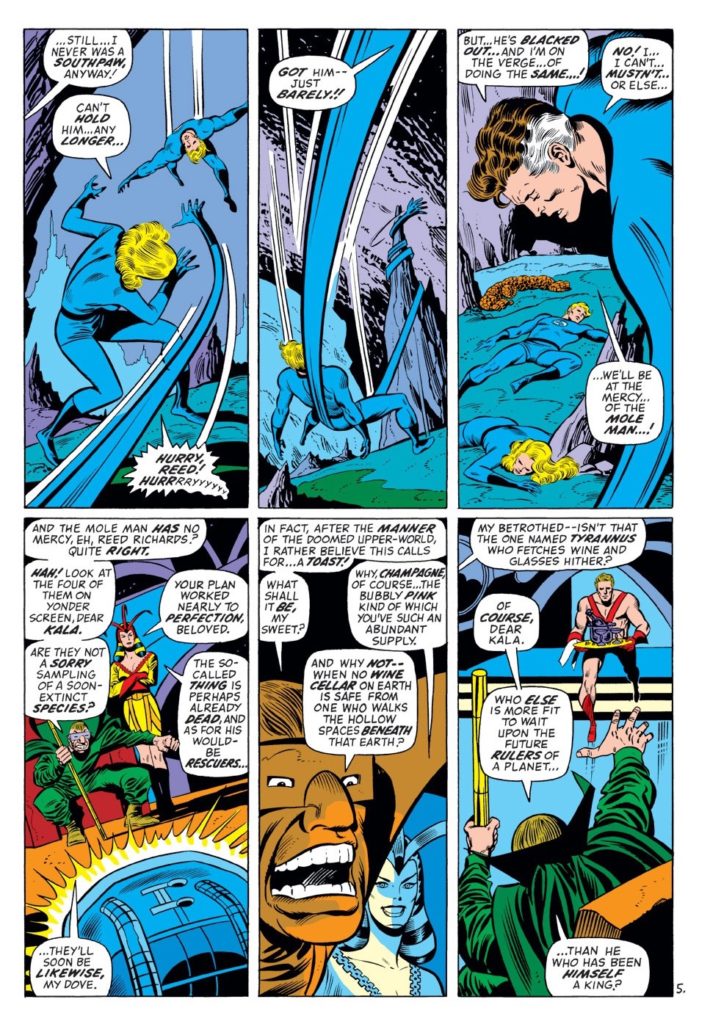
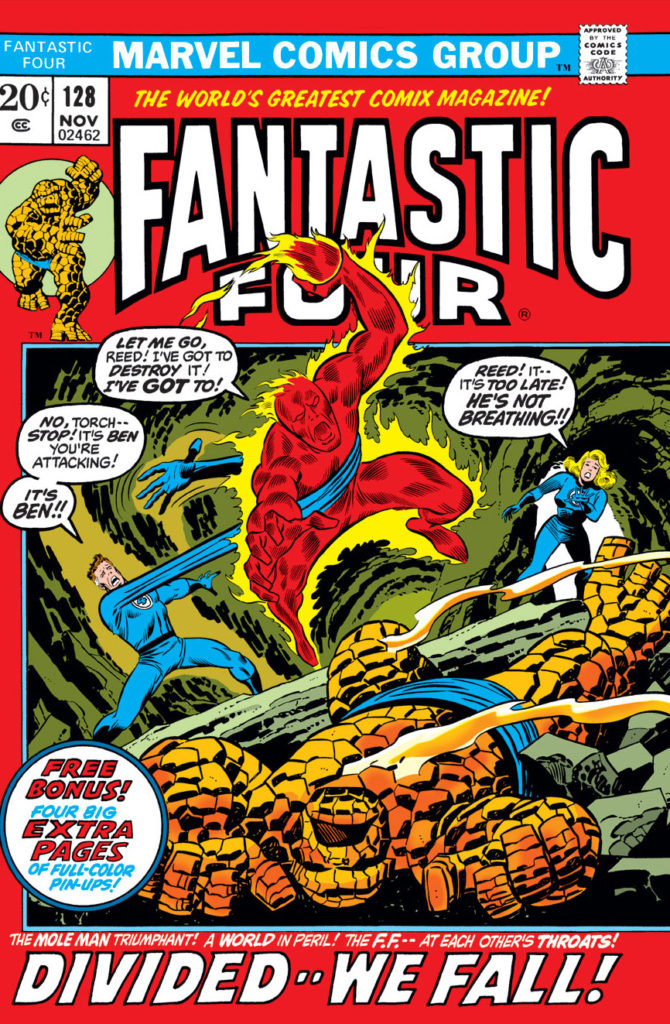
This cool page is from a two-part story that features most of the “underground” characters from the Marvel Universe at that time in a super-villain soap opera (seriously): Mole Man, Tyrannus and Kala, Queen of the Netherworld — her only previous appearance was Tales of Suspense 43!
Here we get The Mole Man and his villainous accomplices defeating the full FF — all the characters are on this page.
I have a soft spot for ‘ol Moley since he was the first Marvel “villain” (FF #1) but, face it, overall he’s pretty lame, and his appearances were relatively limited at this point. As the Marvel Universe became more expansive, the subterranean “inner space” characters logically took a backseat to the far more interesting cosmic entities that reside in the MU.
I also have a soft spot for the six-panel page where the panels are vertical, rather than square. Overall, it’s a much more dramatic look, and much less common than other layouts. (At least at that point.) All in all, a nice Buscema FF page from his great run, and once again, terrific inks by Joe Sinnott.
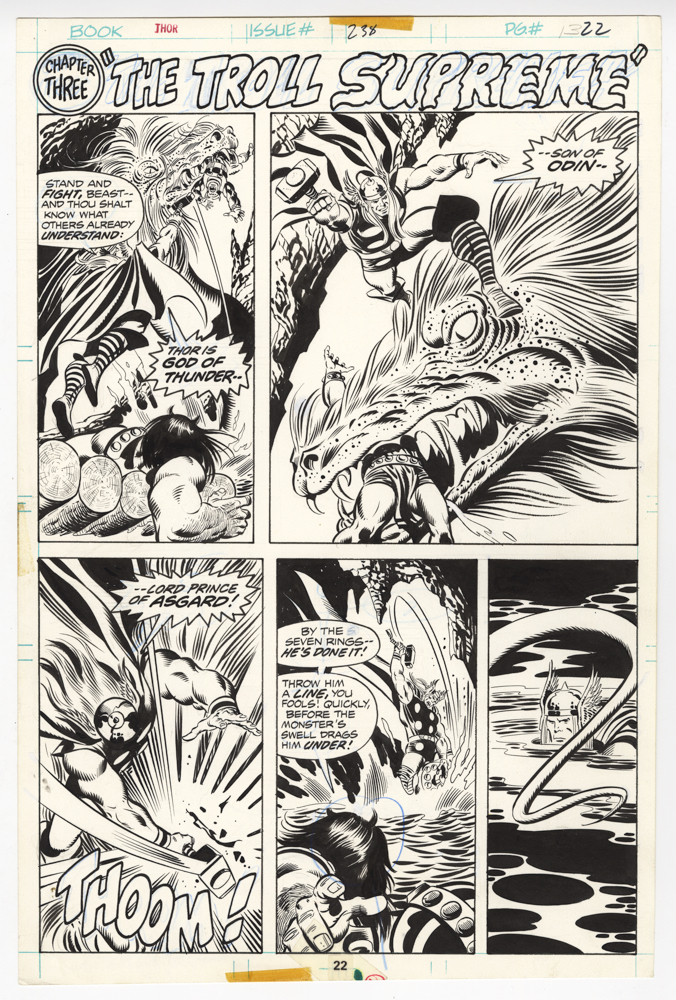
John Buscema is famously quoted as saying that when Jack Kirby left Marvel in 1970, he was surprised they didn’t close the doors.
You can quote me —
John Buscema is one of the top artistic reasons they didn’t have to.
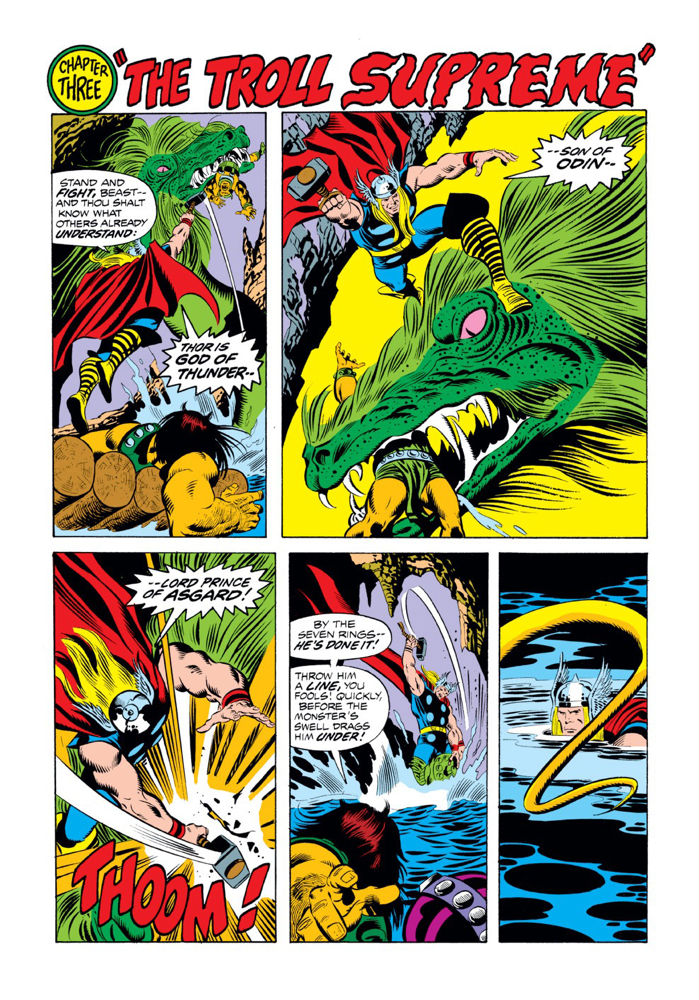
Taking over, nearly seamlessly, for Jack on both Thor and Fantastic Four for about seven years on the former, three years on the latter (with just a few gaps) Buscema kept Jack’s cosmic spirit alive on those series. He didn’t draw like Kirby — he didn’t have to. He had his own artistic voice, which had by then defined the Marvel “House Style.” And this from a guy who also famously didn’t like superheroes!
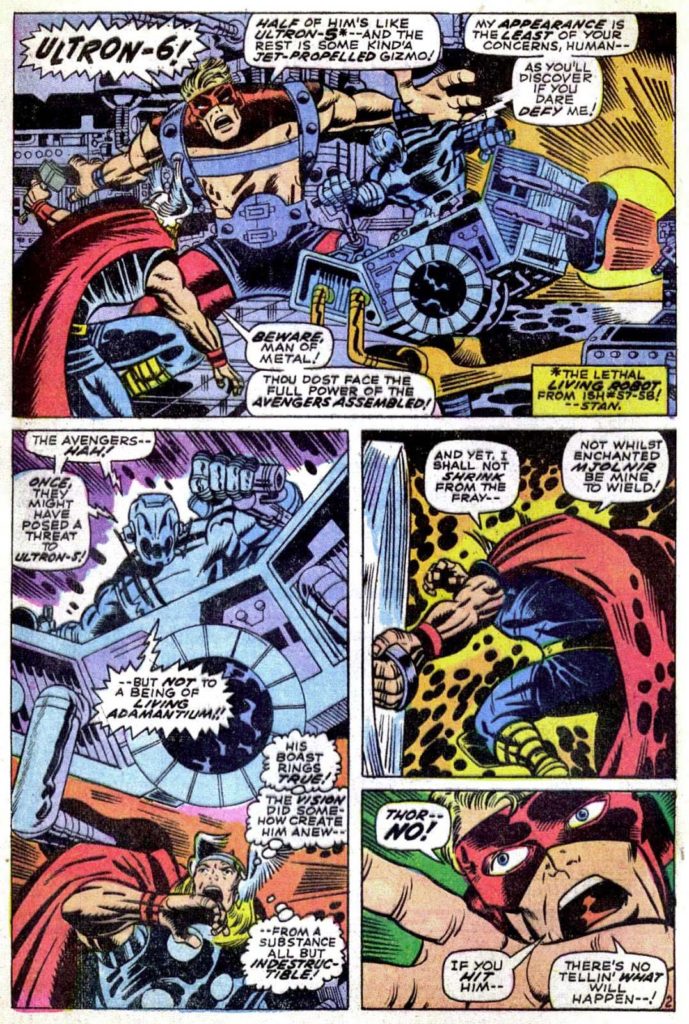
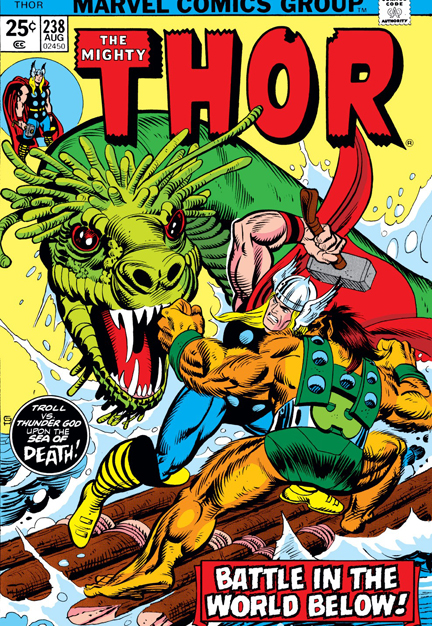
This Thor “chapter page” has everything you would want: Badass Buscema action and Thor in every panel, with inks by the legendary Joe Sinnott.