Greg Goldstein's Comic Art Gallery

Seth — Friday Night Frights

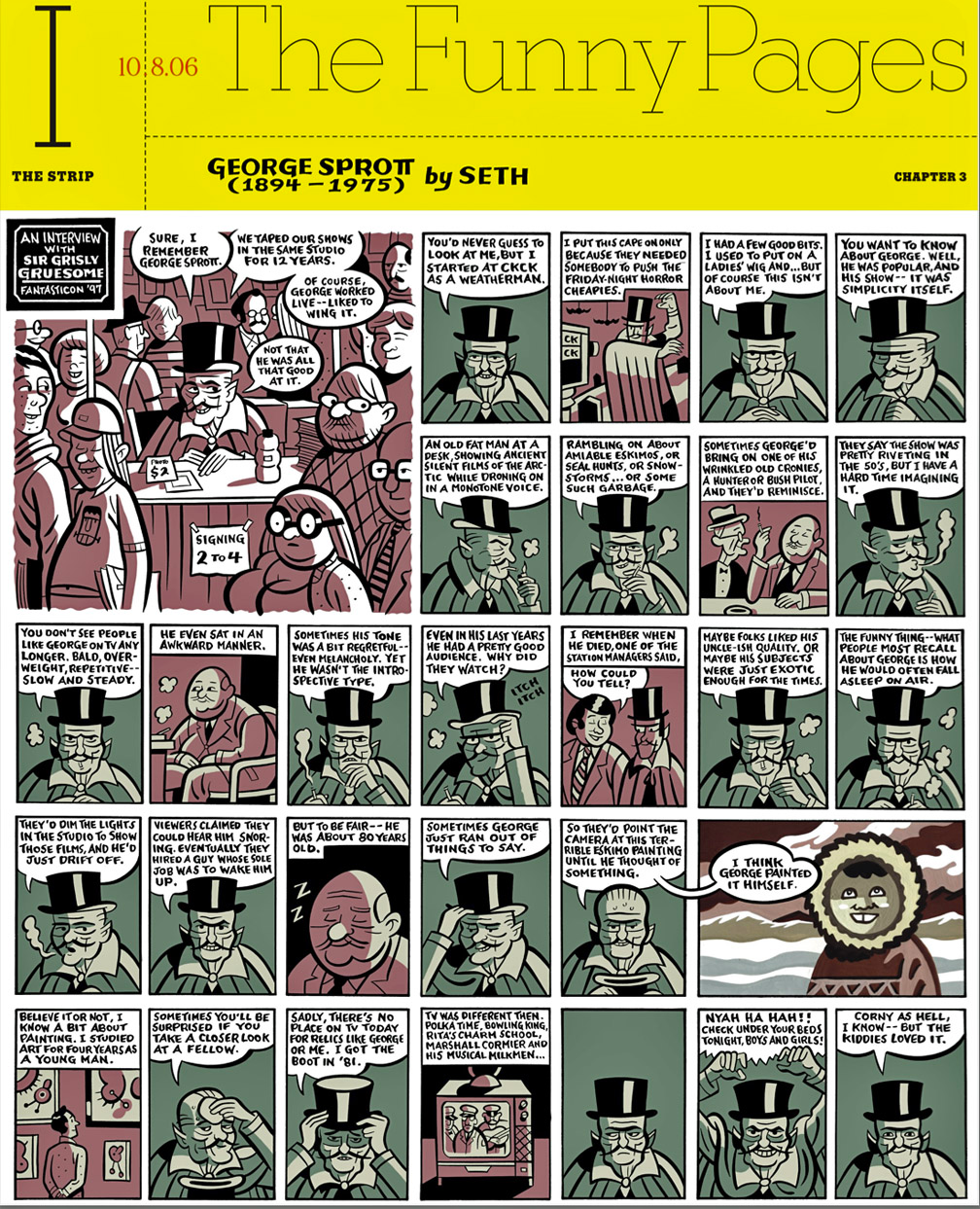
The Funny Pages, The New York Times, October 8, 2006
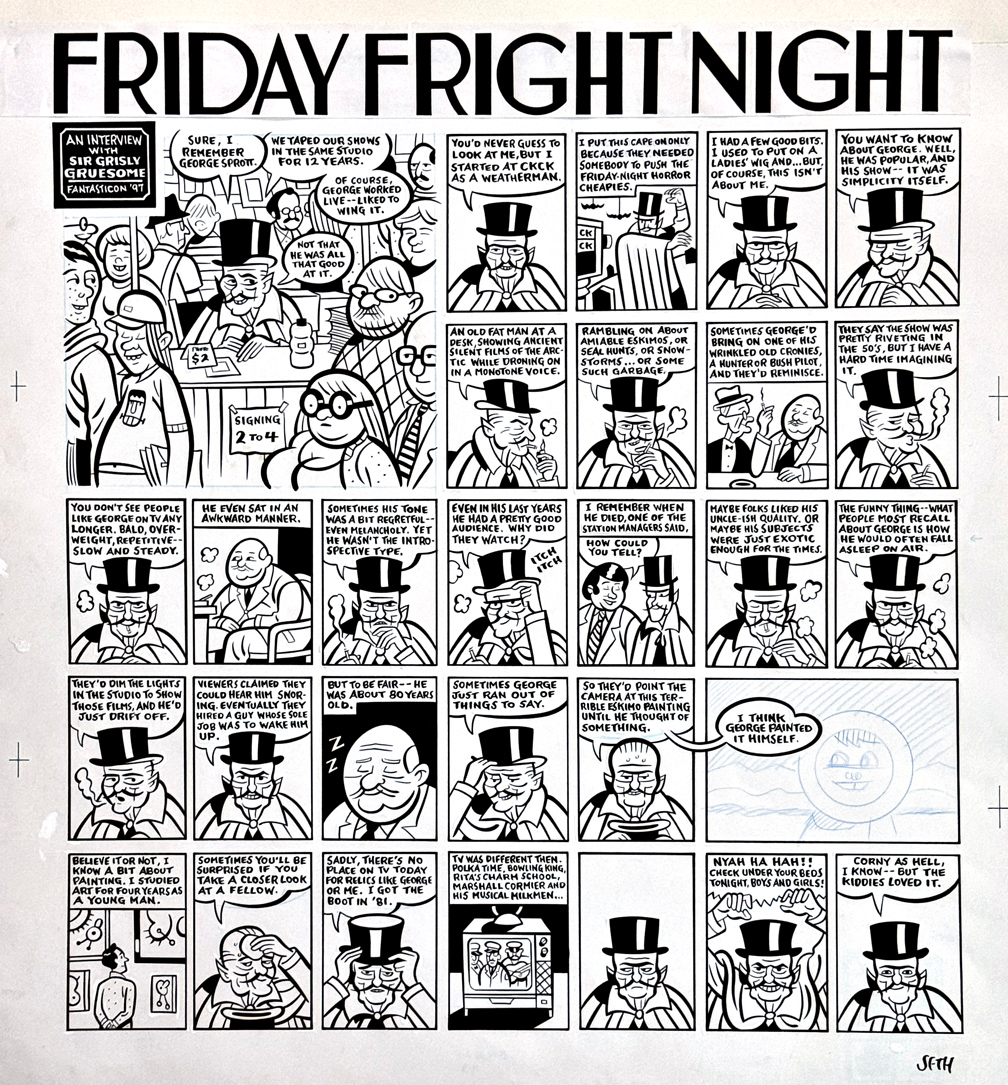
Here’s a terrific page from the terrific Seth (Gregory Gallant) — and an unlikely source for “indie creators:” The New York Times. 

The Times briefly ran weekly comic strips from Seth and other similar storytellers in its Sunday Magazine nearly twenty years ago.

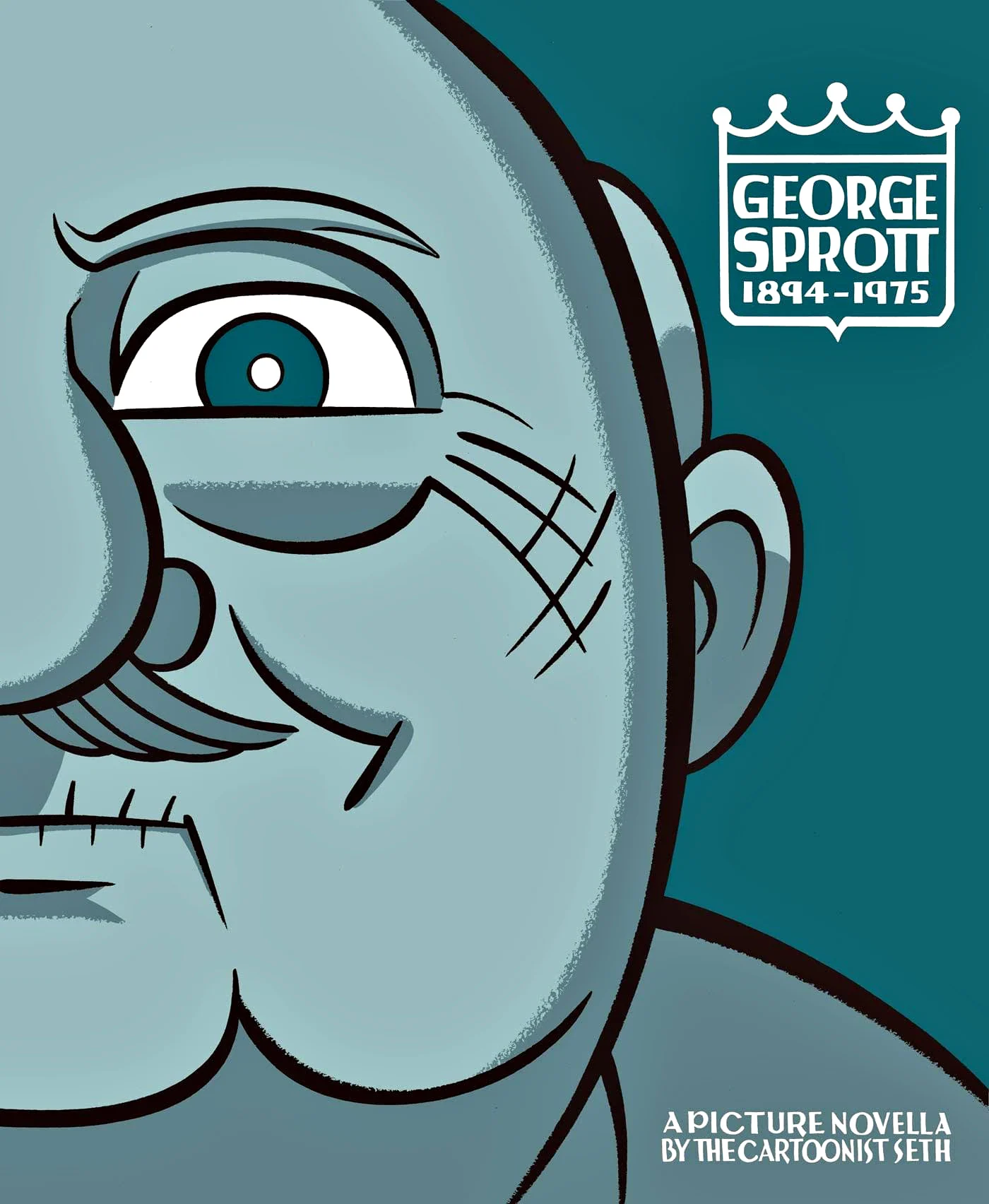
The serialization of Seth’s strips ultimately led to a complete graphic novel: George Sprott: (1894–1975), a biography of a fictional Canadian TV personality.

The large-format originals that appeared in the Times are in glorious black and white. To flesh the story out for the graphic novel, Seth created some beautiful duo-tone color pages book too, and I’m fortunate to own one of those as well.

I’ve said it before: Seth is one of the most underrated indie artists of his generation. His beautifully clean art and his quiet, methodical storytelling (along with a wry sense of humor) are absolutely delightful.
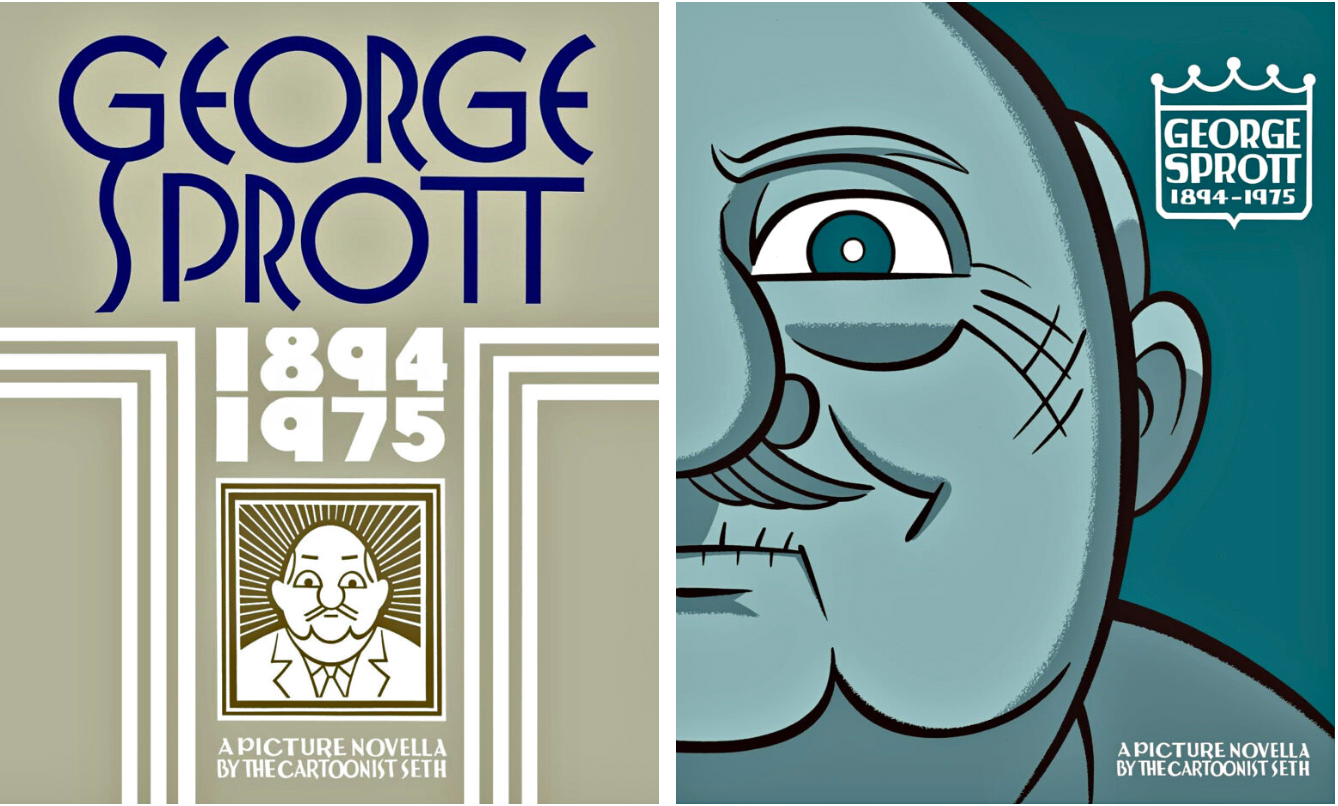
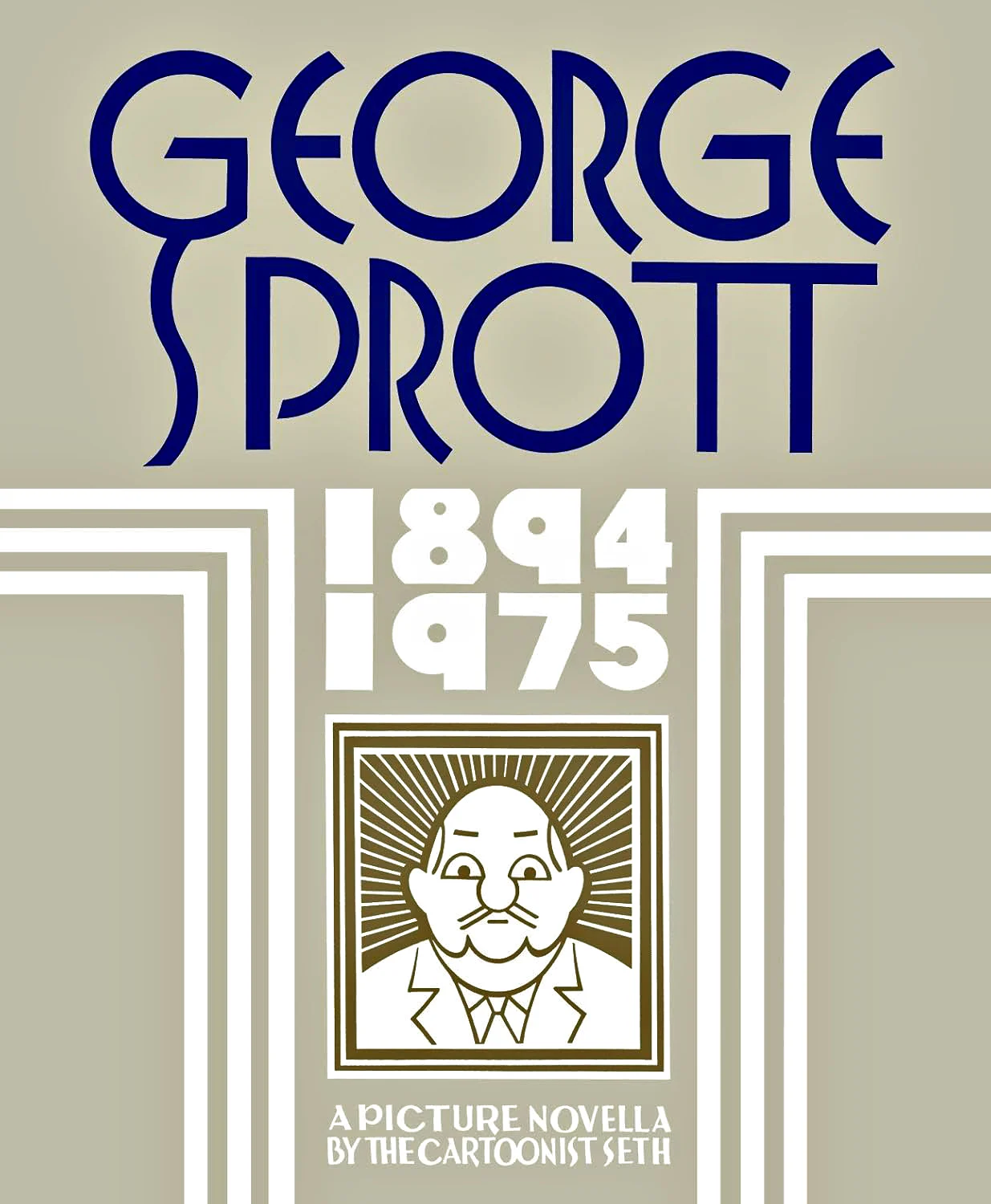
Pro tip: Seek out the hardcover (left) as opposed to the softcover (both technically out of print, but still plentiful) because the much larger trim size is more effective for Seth’s storytelling style utilizing smaller panels.
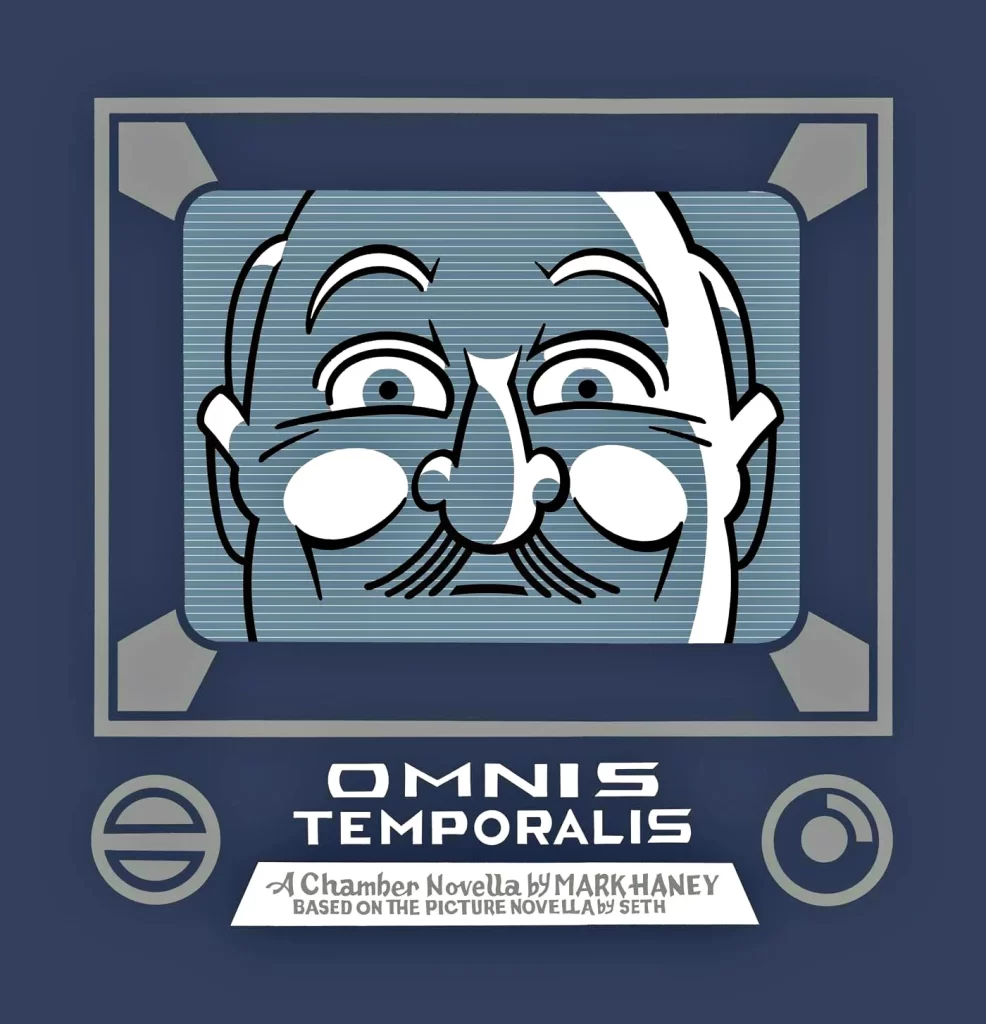
Seth — Reflections Of A TV Host

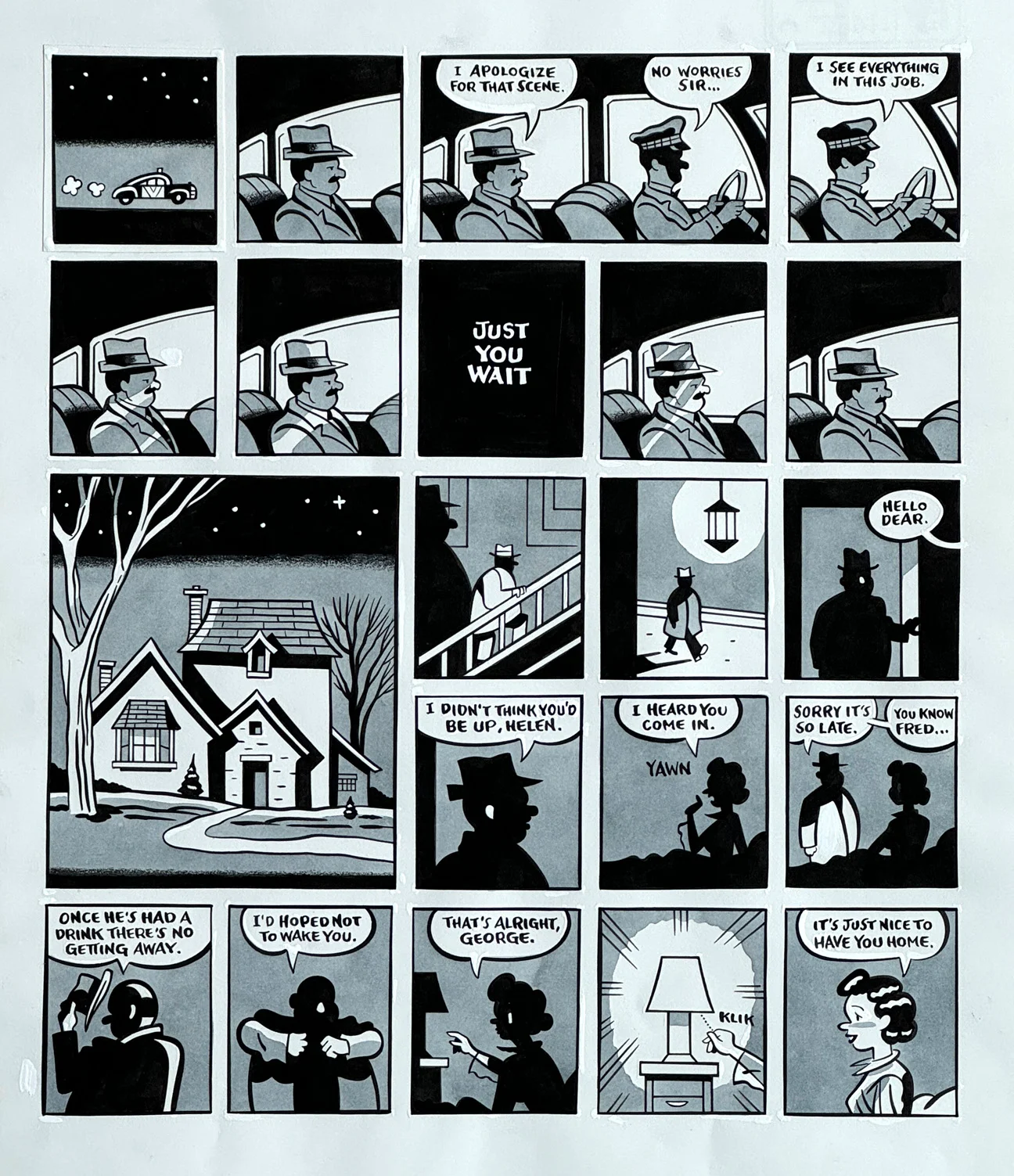
George Sprott: (1894–1975), 2009

Here’s a terrific page from a terrific artist and a great graphic novel: George Sprott: (1894–1975), a biography of a fictional Canadian TV personality.

I believe this color page was created exclusively for the graphic novel to flesh out the story. Sprott was originally serialized in the pages of the New York Times, with each strip its own story, and those originals are black and white.

As noted previously, Seth (Gregory Gallant) is one of the most underrated “indie” artists of his generation. His beautifully clean art and his quiet, methodical storytelling (along with a wry sense of humor) are absolutely delightful.

Pro tip: Seek out the hardcover (below left) as opposed to the softcover (both out of print, but still plentiful) because the much larger trim size is more effective for Seth’s storytelling style utilizing smaller panels.
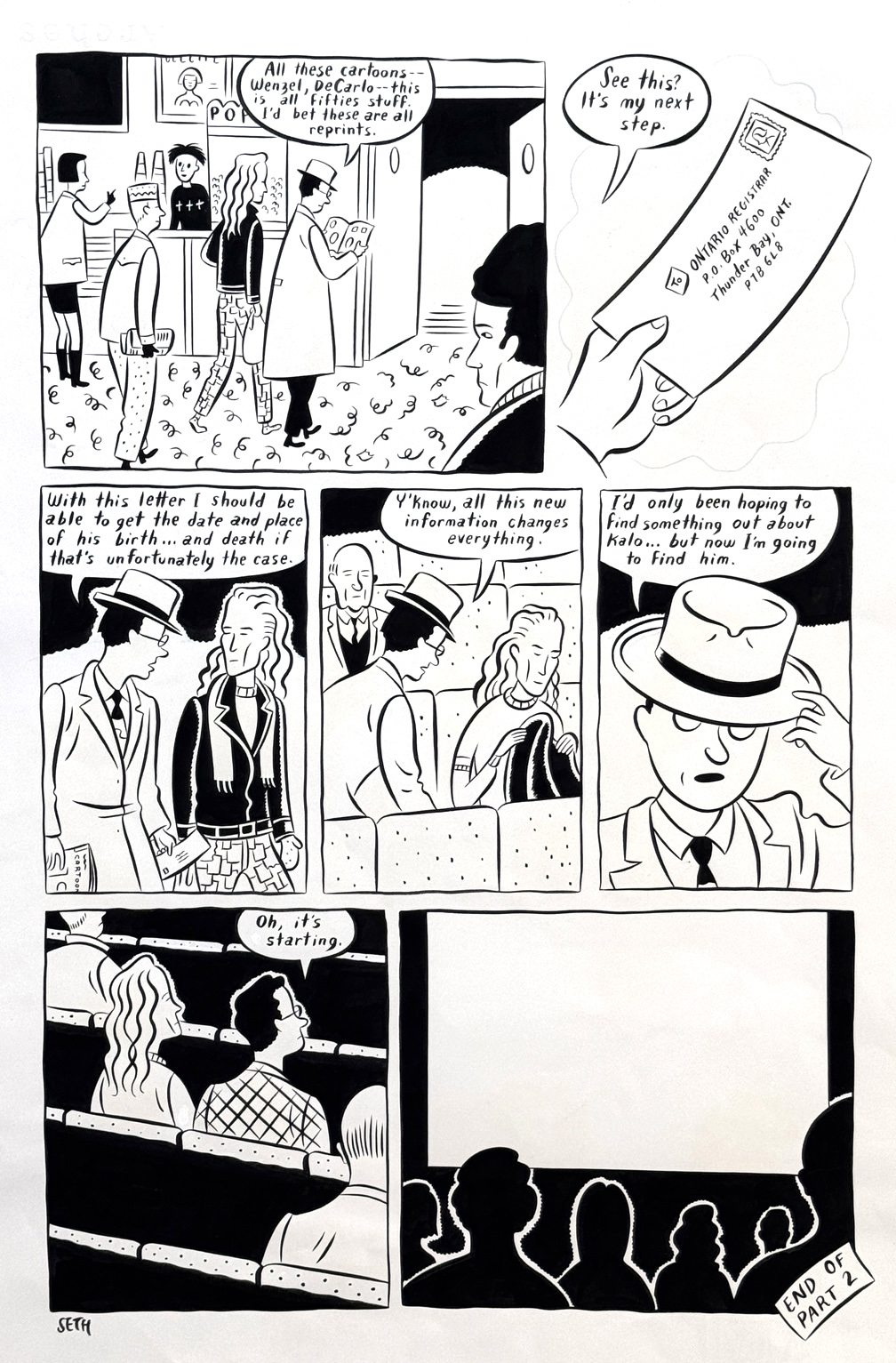
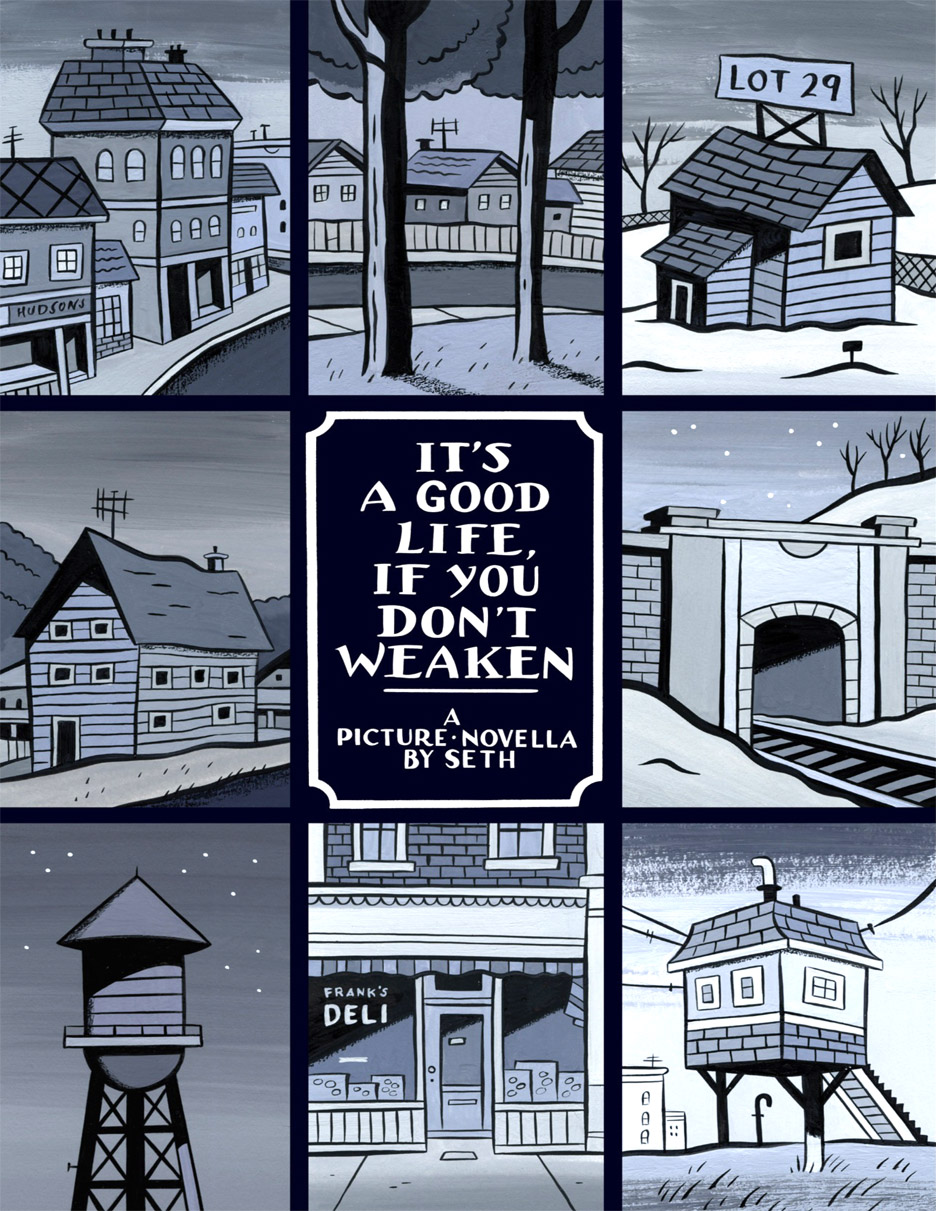
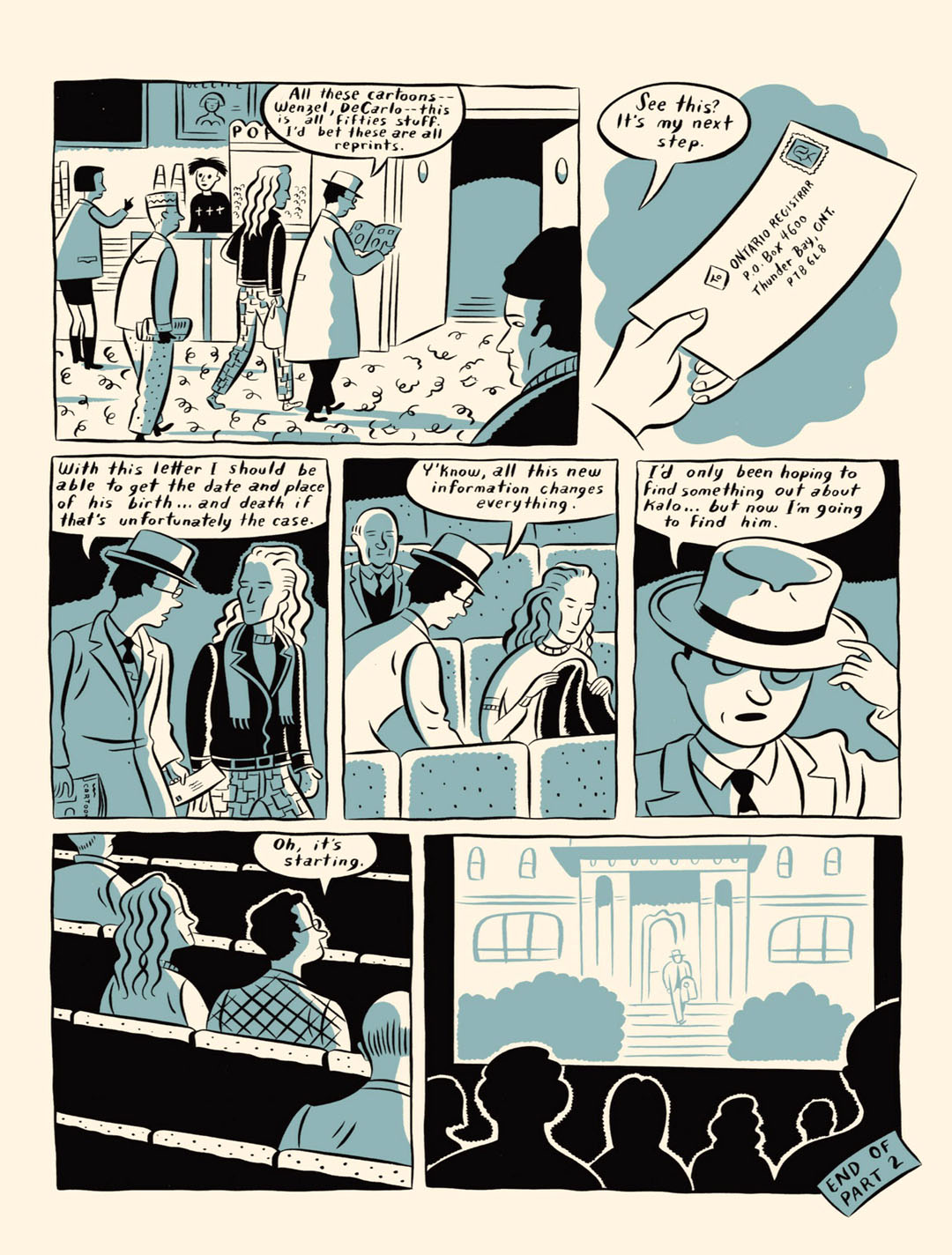
Seth — A Good Page, If You Don’t Weaken

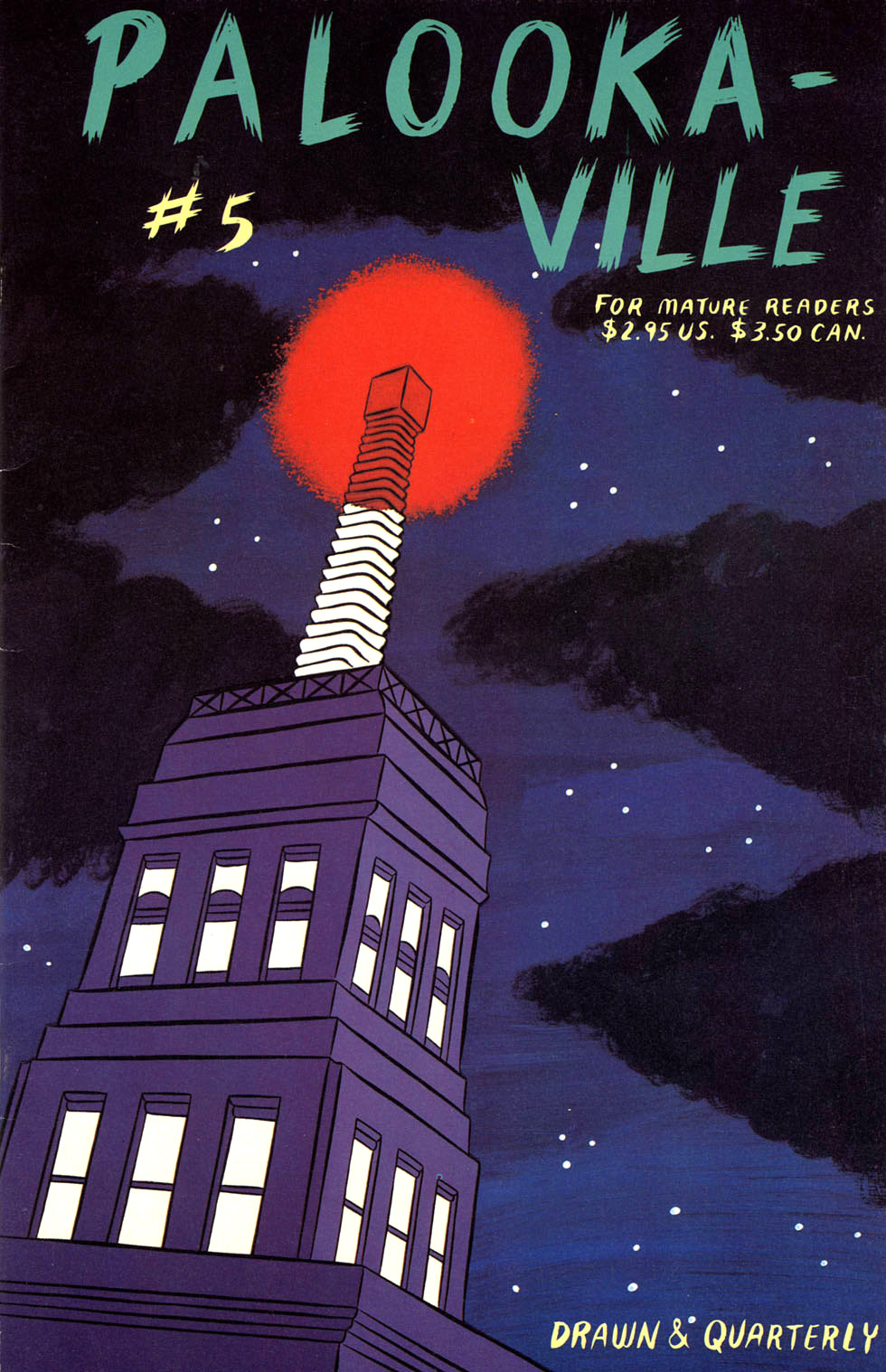
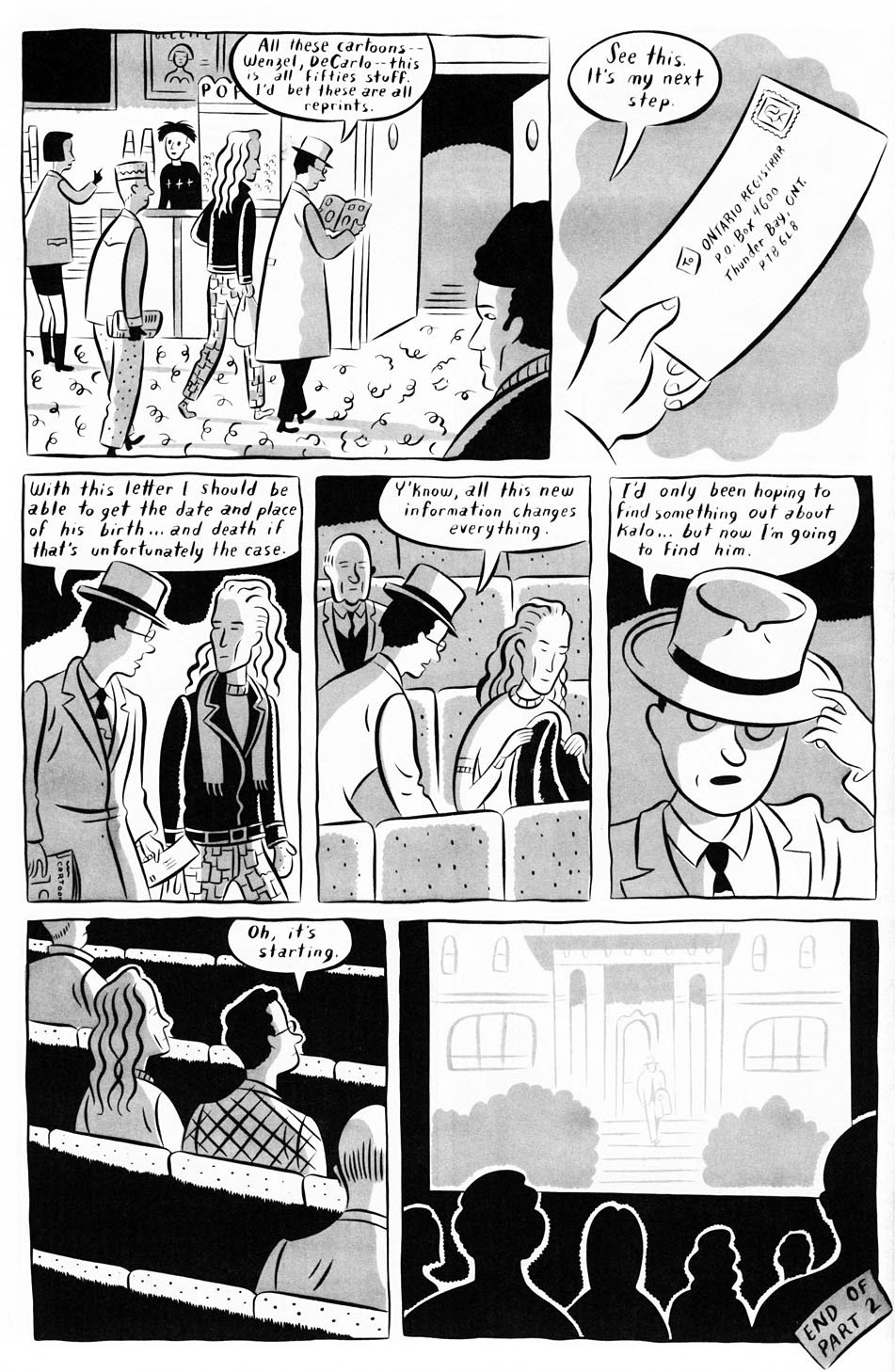
Palooka-Ville #5, May 1994, It’s A Good Life If You Don’t Weaken, 1996

It’s a mystery:

I have no idea why artist Seth (Gregory Gallant) is not held in higher regard by comic art fans.

Maybe it is because his art style is more classical New Yorker than traditional “alternative” art.

Whatever the reason, his originals sell for little compared to contemporaries like Daniel Clowes and Charles Burns.

Which of course has upside for collectors who want to acquire a beautiful original from his magnum opus, It’s a Good Life If You Don’t Weaken, for a reasonable price.

Fun fact: When Seth’s biographical story was originally serialized in the comics Palooka-Ville, it appeared in black and white with gray tones added in the production process. When It was collected into the complete graphic novel, it was transformed into a duotone story with blue tones replacing the gray. (See below.)