Greg Goldstein's Comic Art Gallery

Gene Colan — Agent Of Sleep

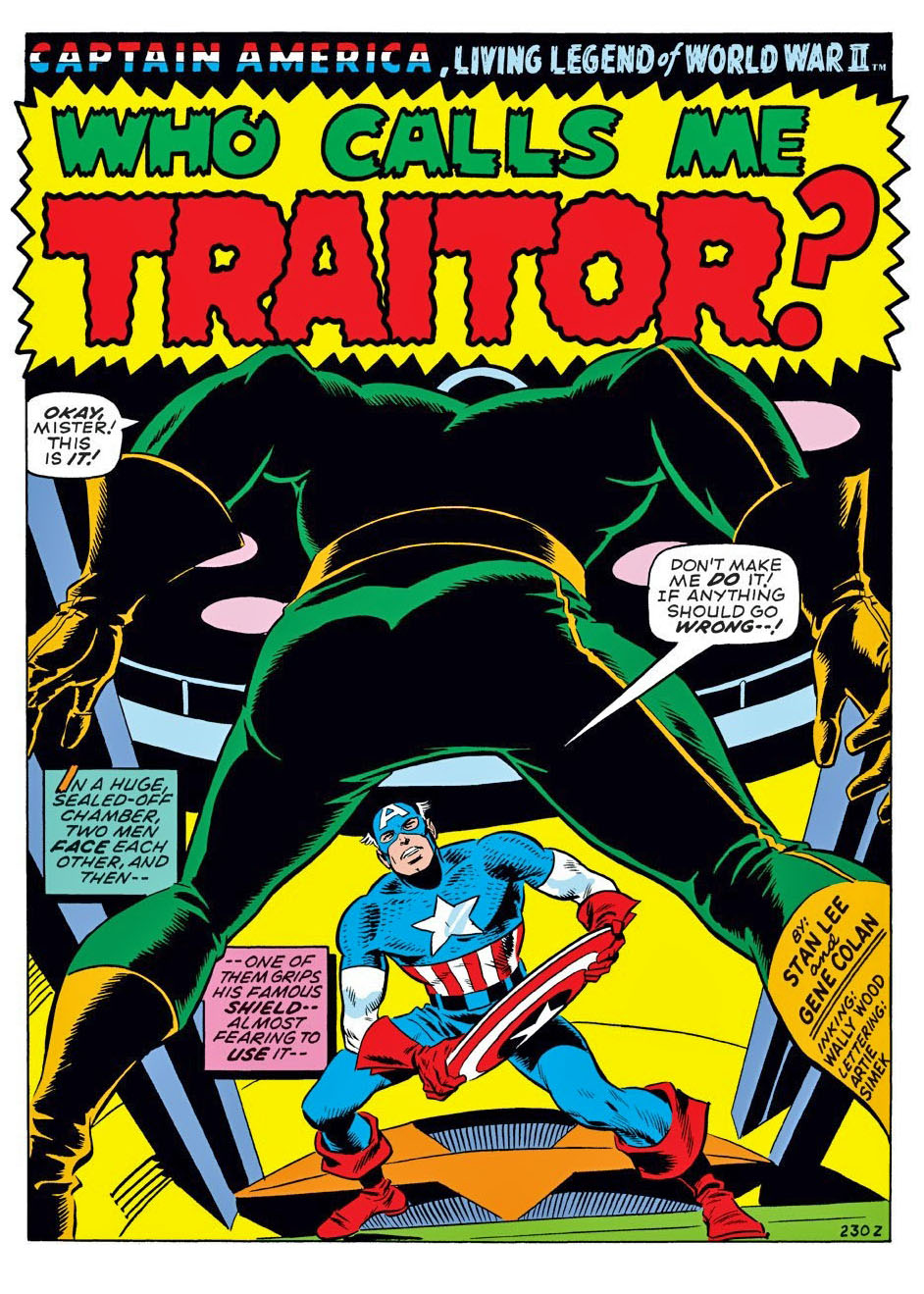
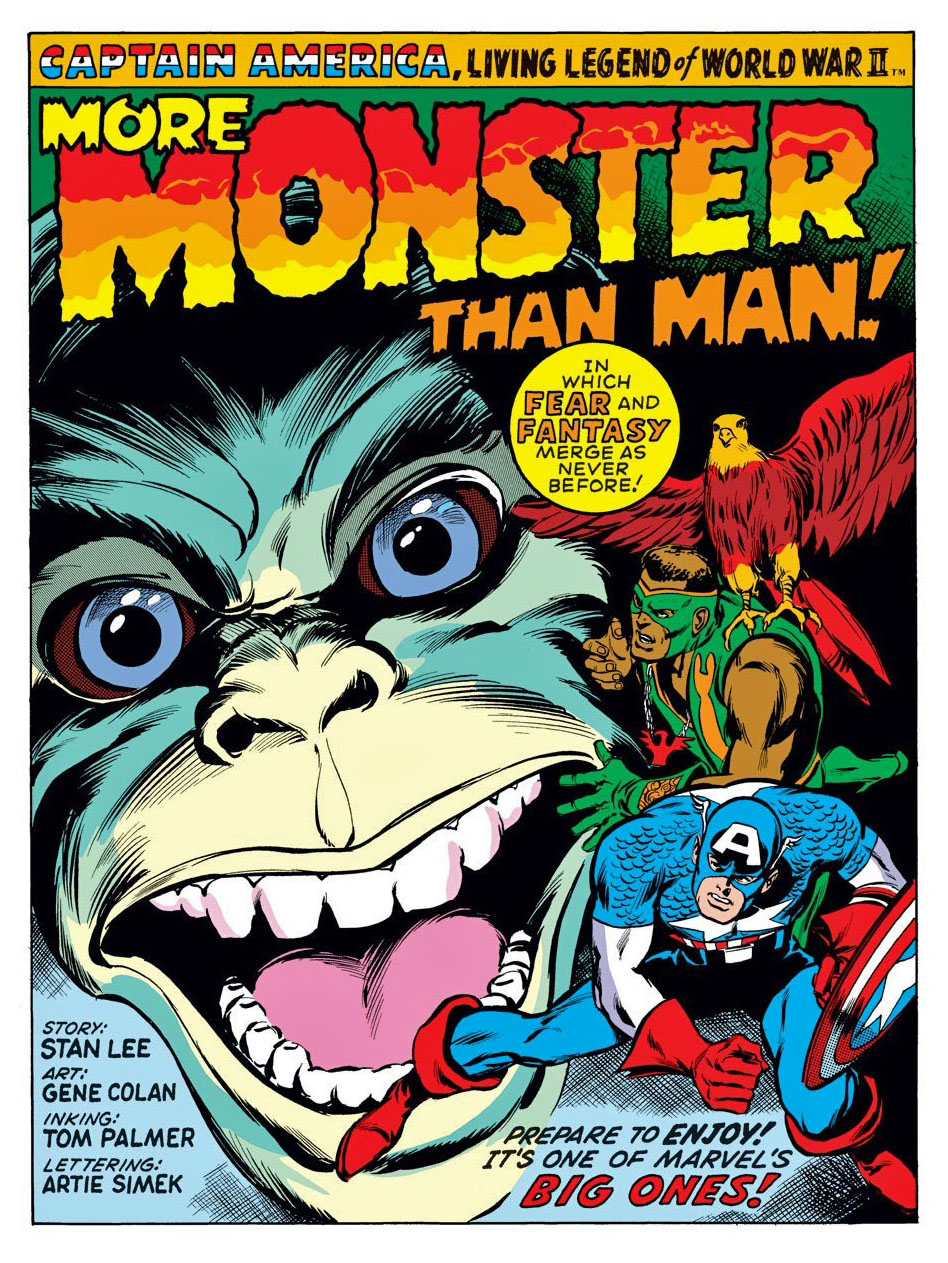
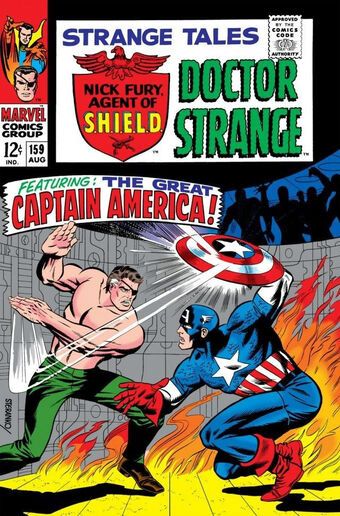
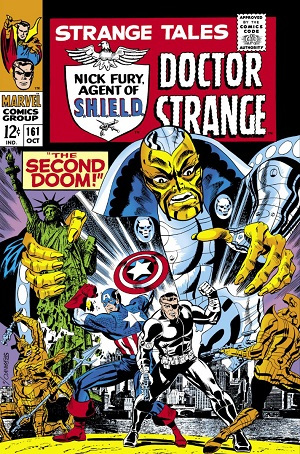
Captain America #120, December 1969

Concluding our look at SHIELD on the eve of its 55th anniversary.

Gene Colan was a polarizing storyteller when it came to artistic style.

Fans either really loved his work (count me in that group) or didn’t like it at all. I could never figure that out. Of course his work didn’t look anything like the rest of Marvel Bullpen, but that was cool; his dynamic storytelling and extraordinary use of light and shadows was astonishing. To me, at least.

Colan’s run on Captain America came after both Kirby and Steranko, and that was a definite change of pace. But Gene’s reality-defying physics felt like a perfect fit for Cap, Marvel’s own reality-defying super powered acrobat.

Inking Gene Colan was one of the most challenging assignments in comics, but the legendary Joe Sinnott delivers here.

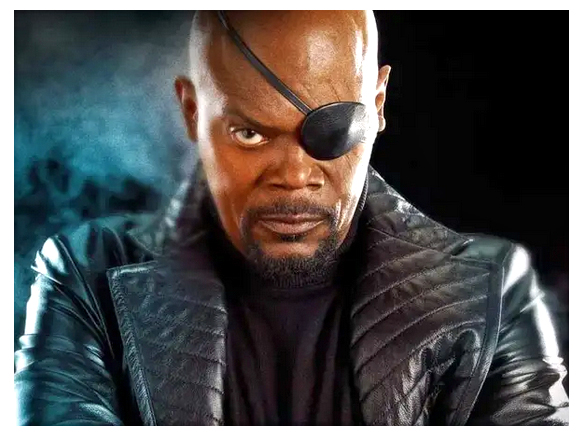
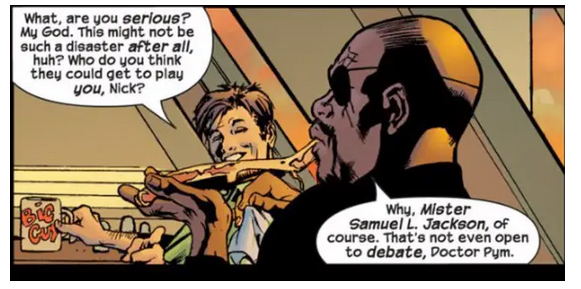
Nick Fury, of course, is the most important supporting character in the Marvel Universe. After Kirby and Steranko’s run was completed, the character couldn’t sustain his own title, but SHIELD was an important part of the entire Marvel Universe, primarily with Captain America in the latter part of the Silver Age.

And of course that dynamic repeats — brilliantly — in the Marvel Cinematic Universe.

And for the record, even though it appears Fury’s up to absolutely no good by hypnotizing Steve Rogers in this scene, he actually did have a higher purpose in mind.

Ultimately it didn’t work. The man is Captain America, after all.

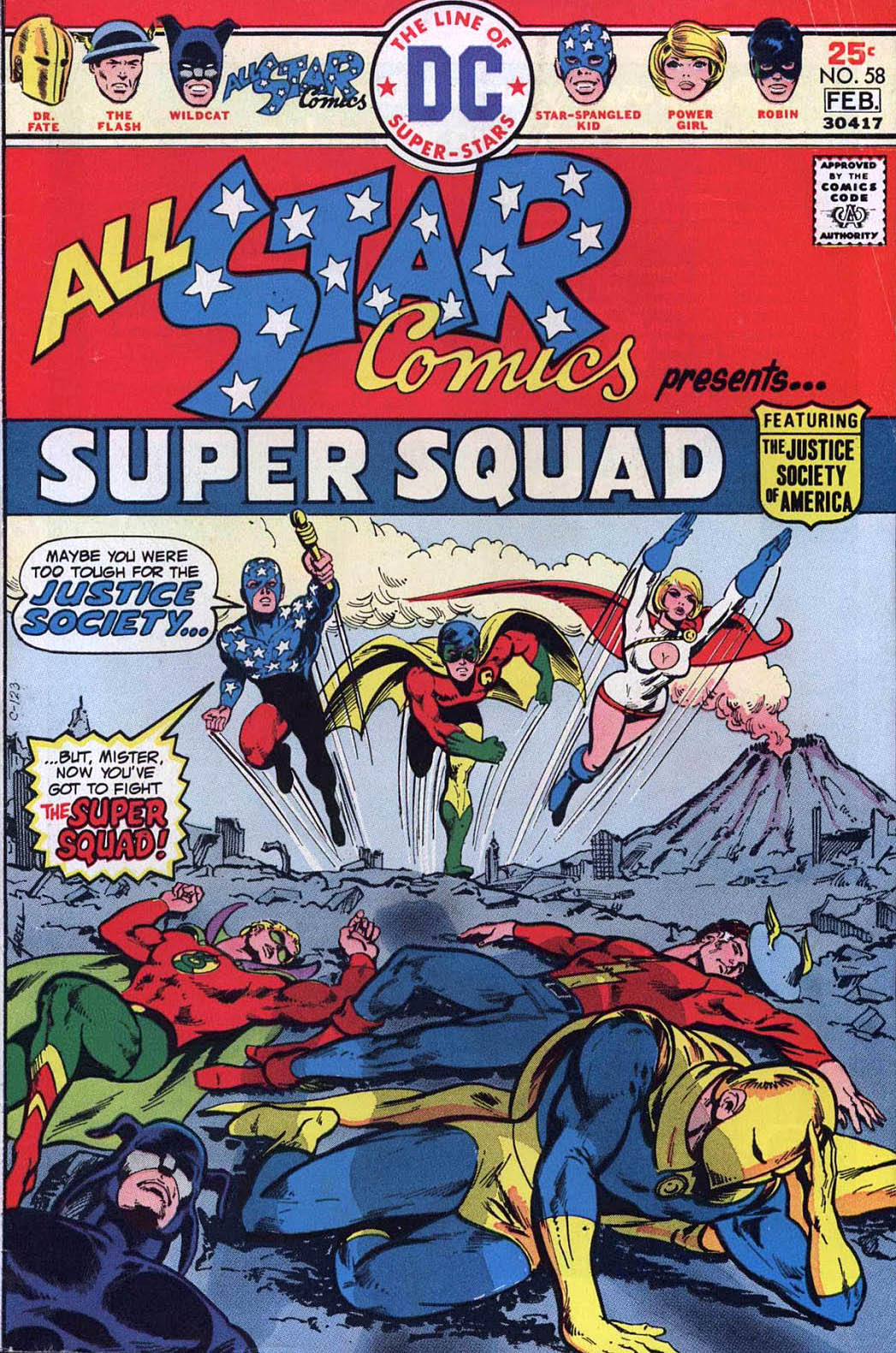
Wallace Wood — All Star

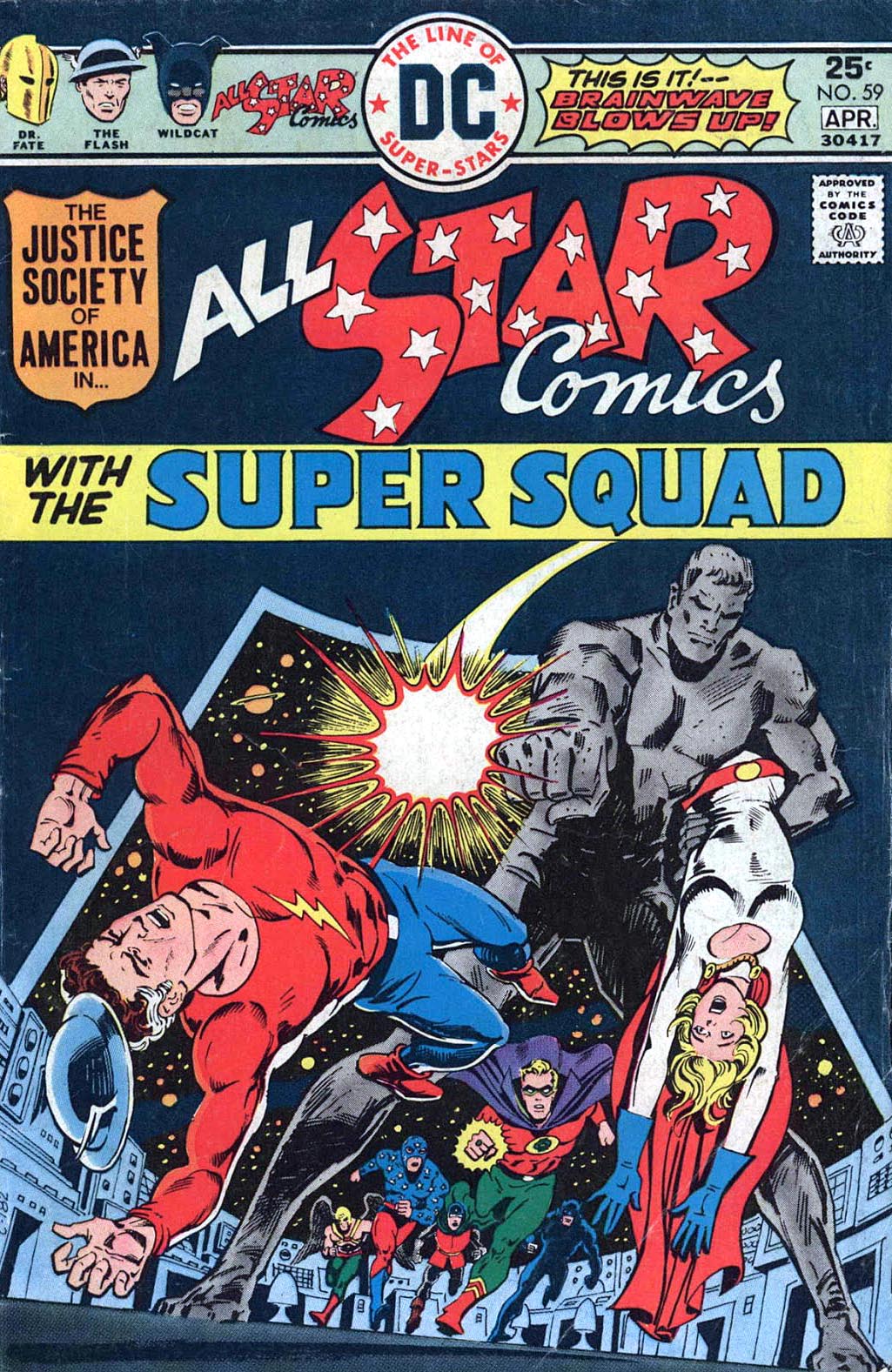
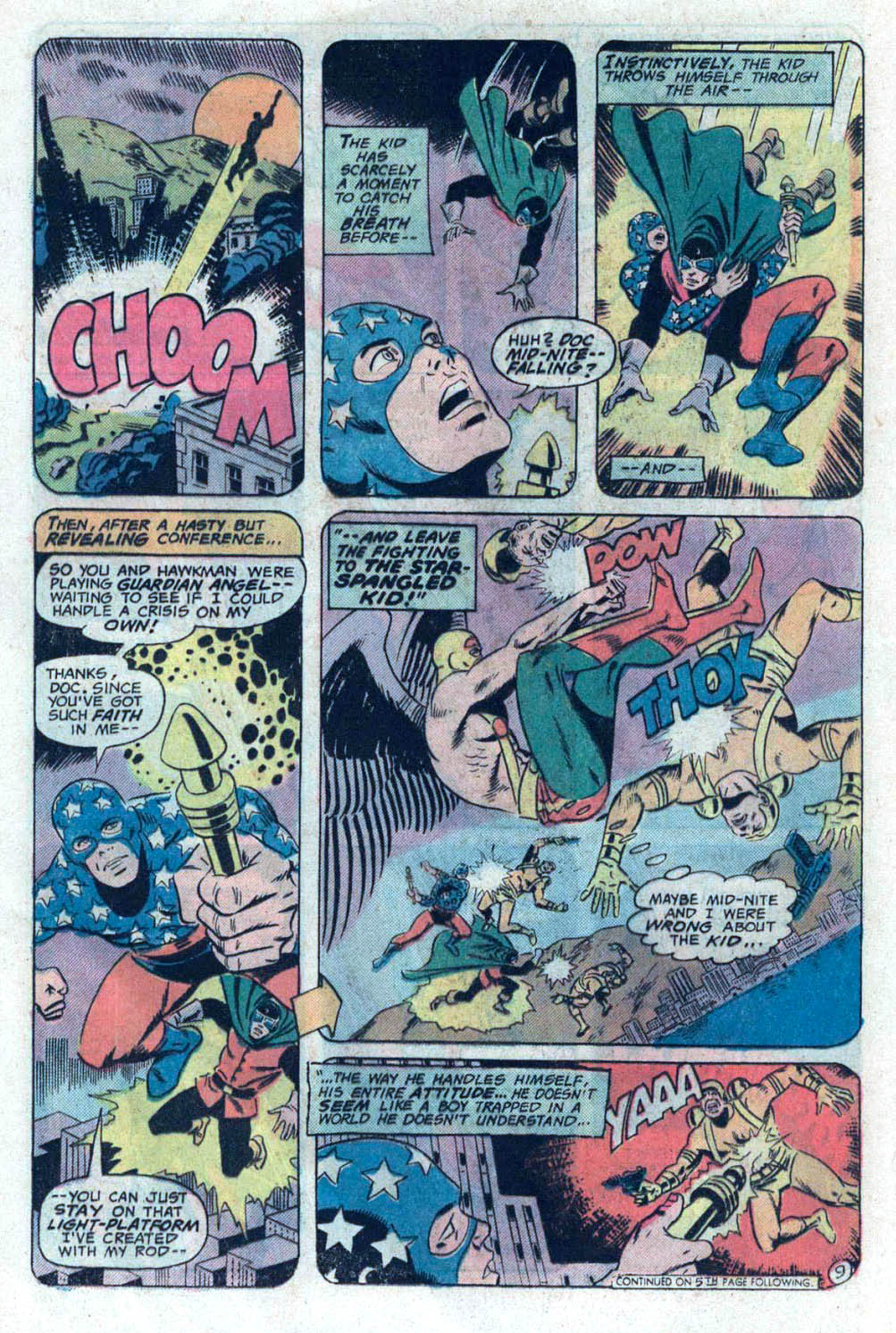
All Star Comics #59, 1976

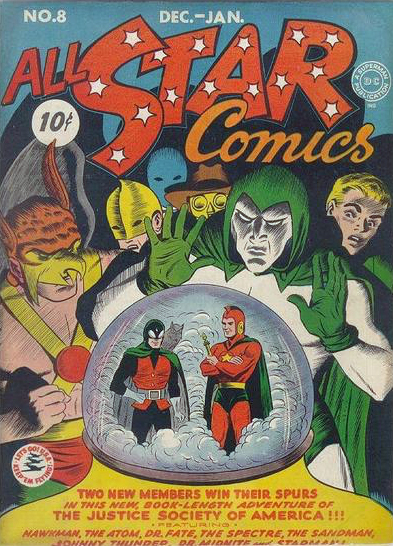
All Star Comics, featuring The Justice Society, returned for the first time in 25 years, and the legendary Wallace Wood returned to superheroes for the early issues as well.

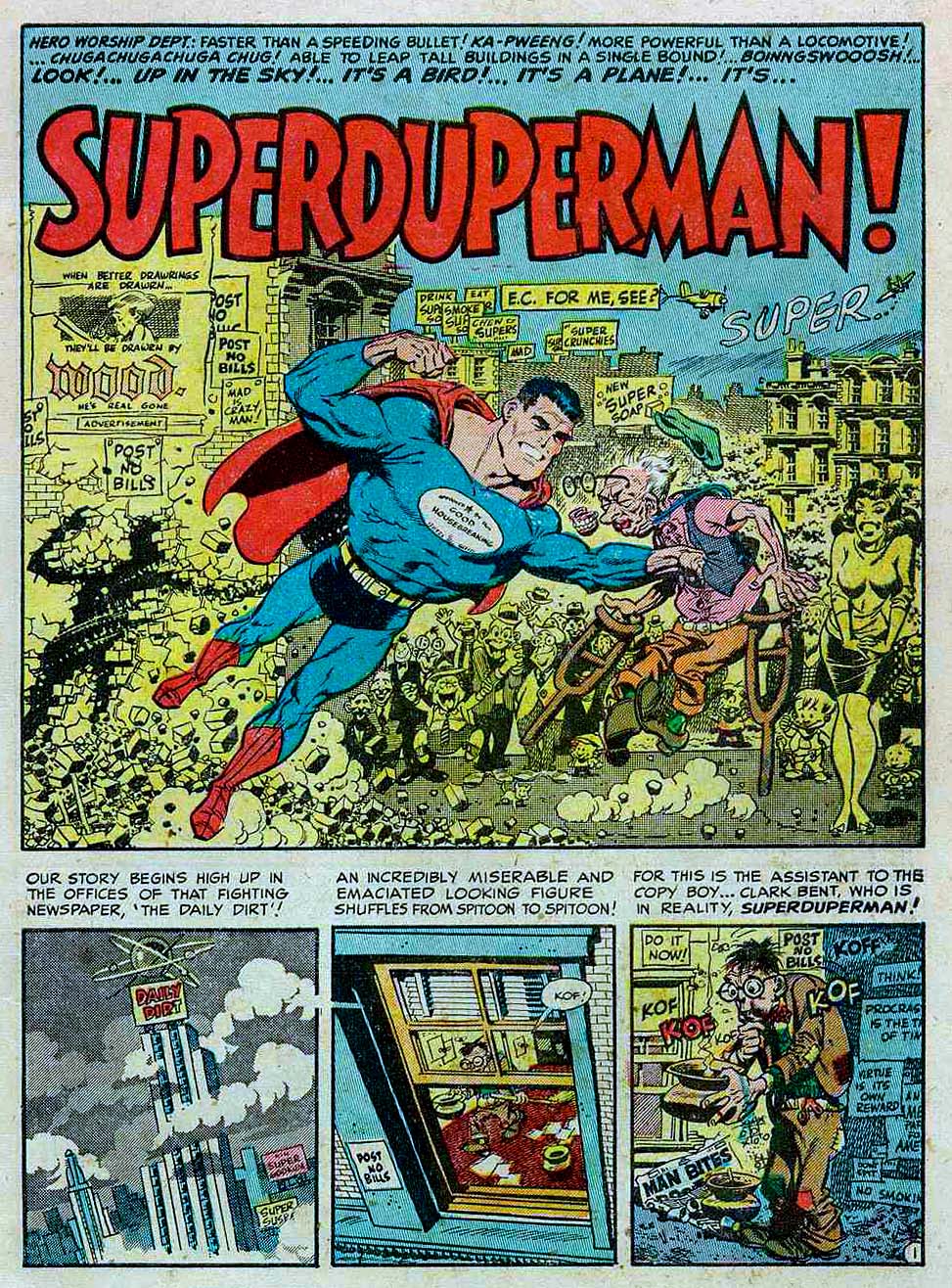
“Return” for Woody is a bit of an overstatement, since outside of his own creation, T.H.U.N.D.E.R. Agents, Wood’s work in superheroes was limited. Ironically his most lauded superhero work in the DC universe is Superduperman, an EC Mad Comics parody from 1953.

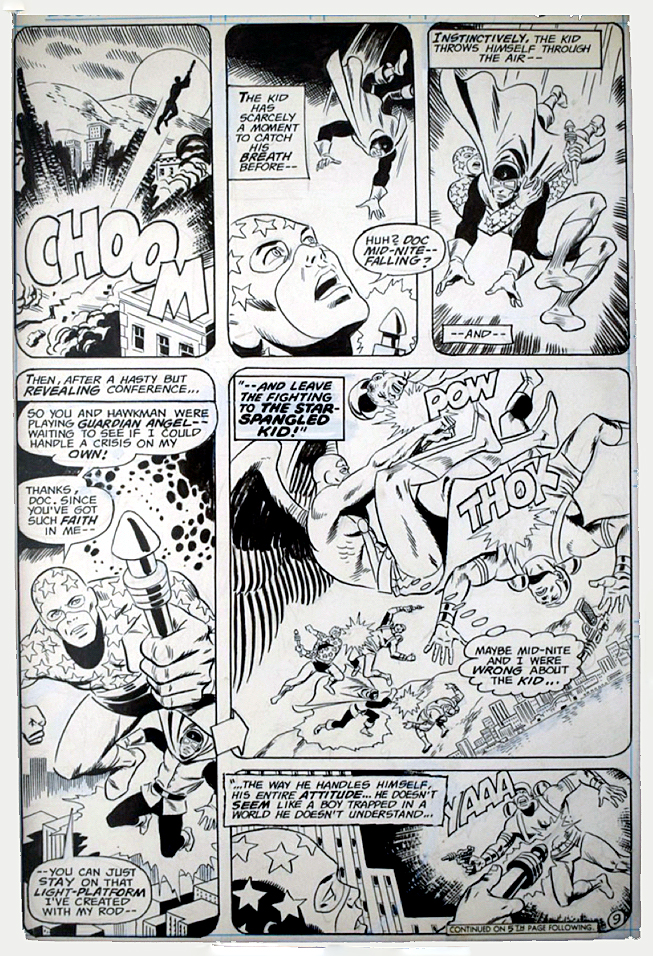
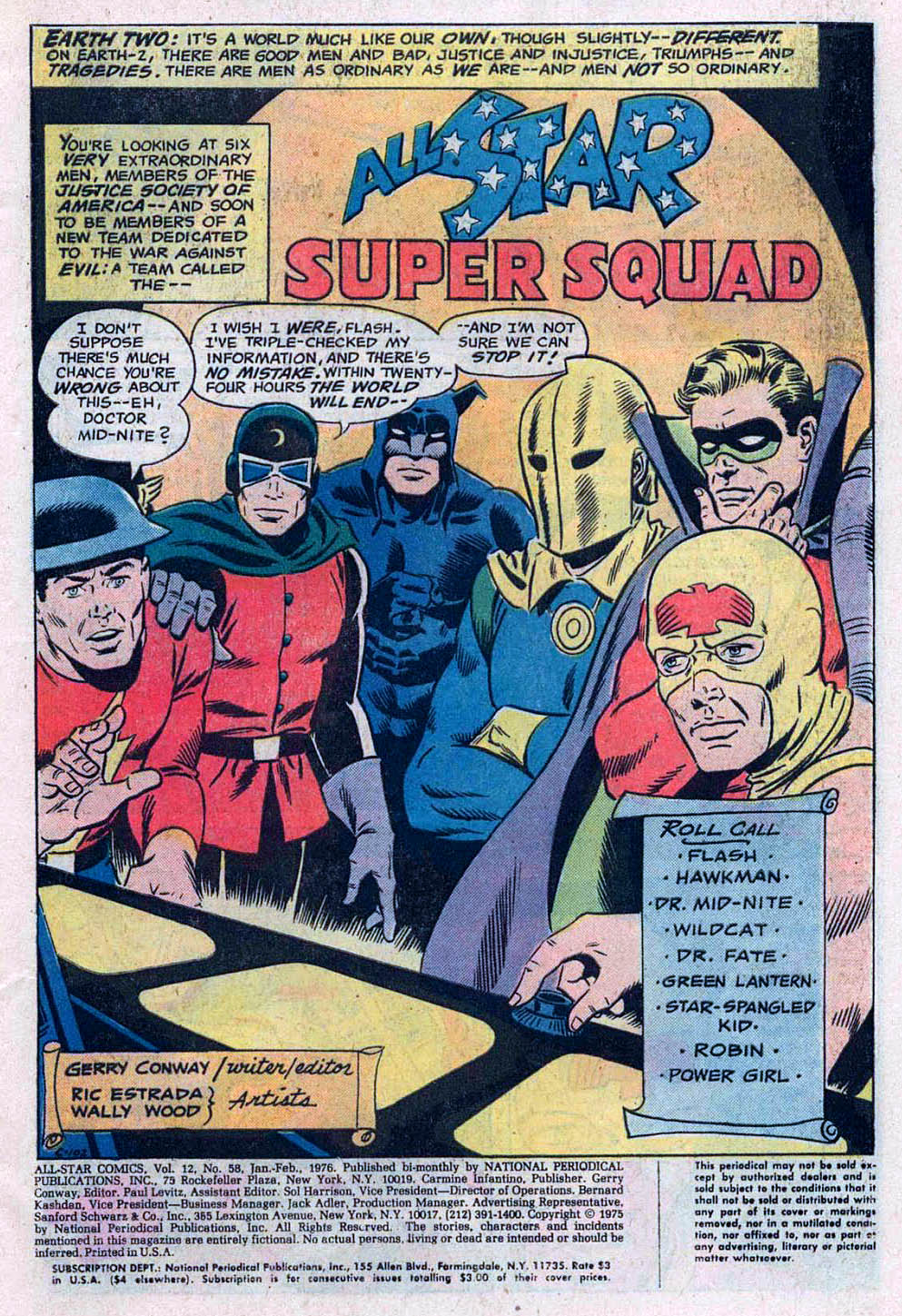
In All Star, editor Joe Orlando (and Wood’s former protégé at EC) provided Woody the chance to play with many of DC’s classic characters, including Superman, and he was given a chance to help set the look and feel of at least one enduring new one, Power Girl, the “Supergirl” of Earth Two. On this great battle page, we have Hawkman, The Star-Spangled Kid, and Doctor Mid-Nite in all out action.

As demonstrated by the art itself, Wood is responsible for the pencils and inks on this “second” issue, with Rick Estrada providing rough breakdowns and receiving credit as “designer” on this issue.

Woody left the title after less than a year’s worth of issues, but the work he left was behind was definitely “all star” material.

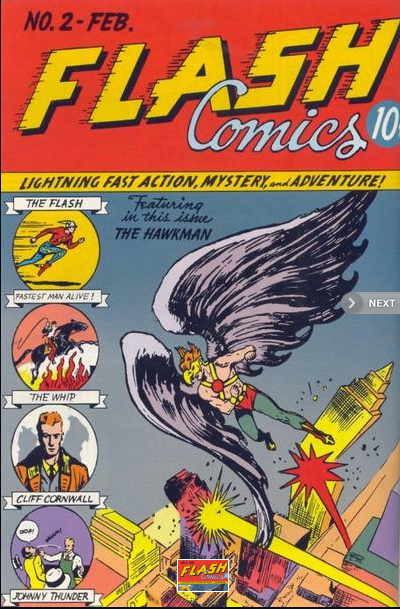
Fun fact: Hawkman was the only original member of the JSA to appear in every issue of the original All Star comics as part of the team.

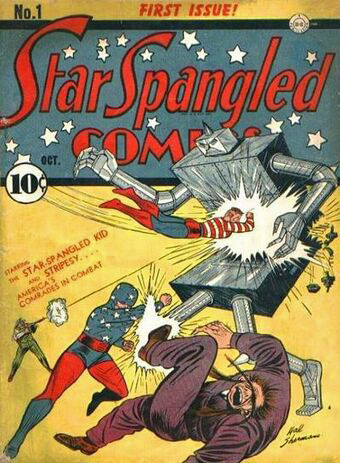
Fun fact: Despite the fact that All Star had originally continued as All Star Western in 1951, DC re-started the series using the Golden Age numbering.  Today it would be  #1 issue with more than a few variant covers…

Fun fact: “Super Squad” is just… ugh.

Steve Ditko and Wallace Wood — Time Of Death

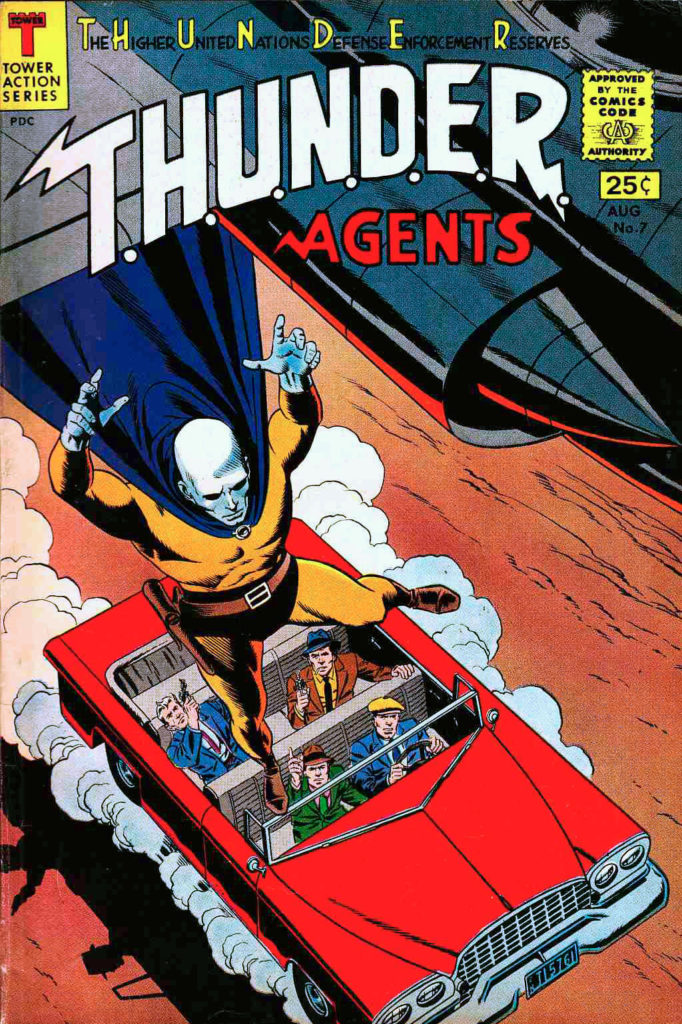
T.H.U.N.D.E.R Agents #7, August 1966

Death in superhero comic books had always been a gimmick. “Robin Dies at Dawn” likely meant he would be back by dinnertime. (In fairness, it’s a pretty good story.)

Imaginary stories, hoaxes, dreams, mad science, robots, time travel, alien resurrection, etc. all kept our featured players in good health. There was not much chance a title character was going to exit from his book permanently.

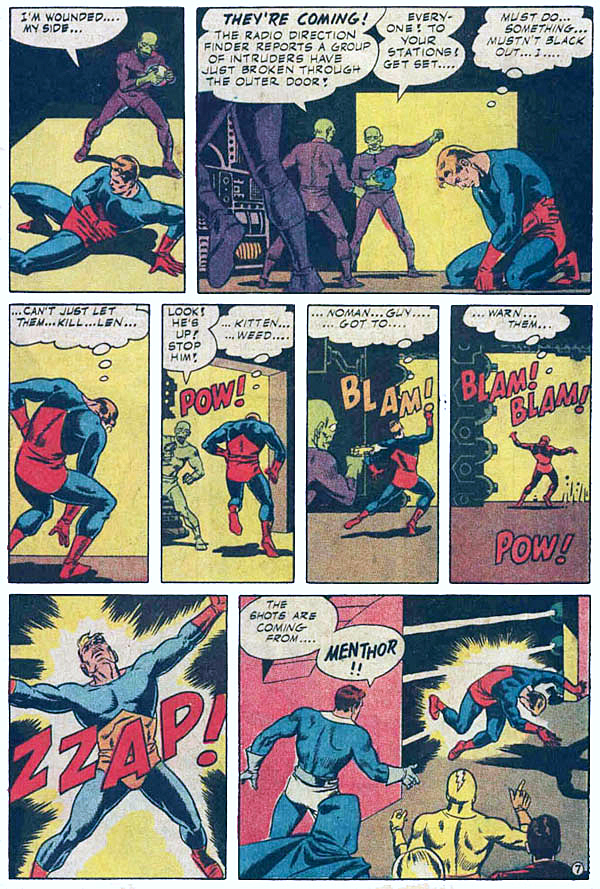
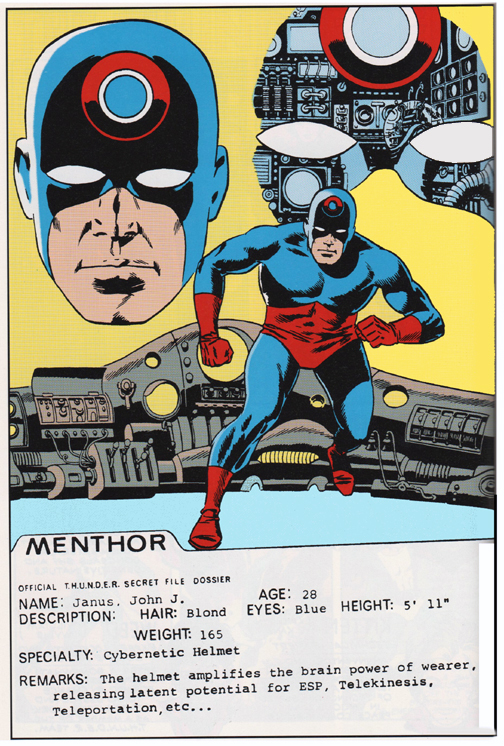
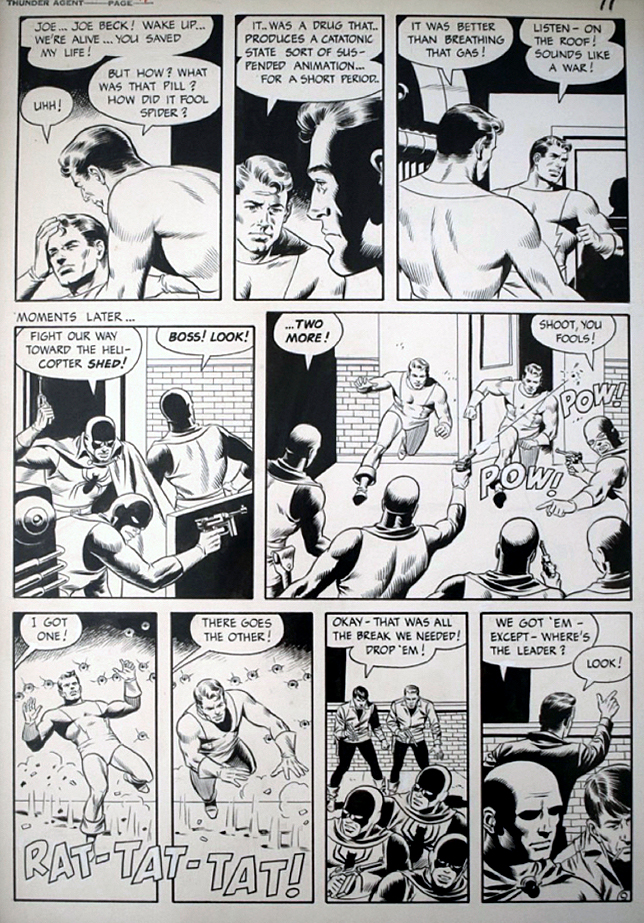
So back in the 60s, legitimately killing a character was in fact, a groundbreaking novelty. And this T.H.U.N.D.E.R Agents story is one of the first. Ditko, Wood and company had spent 6 issues developing the character of Menthor (John Janus), and they shot him to death on this page in Issue #7.

This historic page captures that collaborative methodology of Woody and the Tower artistic team on T.H.U.N.D.E.R Agents. Dan Adkins scripted and provided layouts, Ditko penciled the story, and Wood inked it, with assists by Adkins.

The original T.H.U.N.D.E.R Agents lasted only last 20 issues, and perhaps, had it survived, John would have been resurrected at some point. But it certainly did not appear that way.

Unlike, say, modern times where killing a lead character is a gimmick once again.

Superman. Dead. Then alive.

Batman. Dead? Nope, he’s back.

Captain America? Reborn. Bucky? Not dead, just hiding in Russia for a few decades.

Etc.

Wallace Wood — Agent of Change

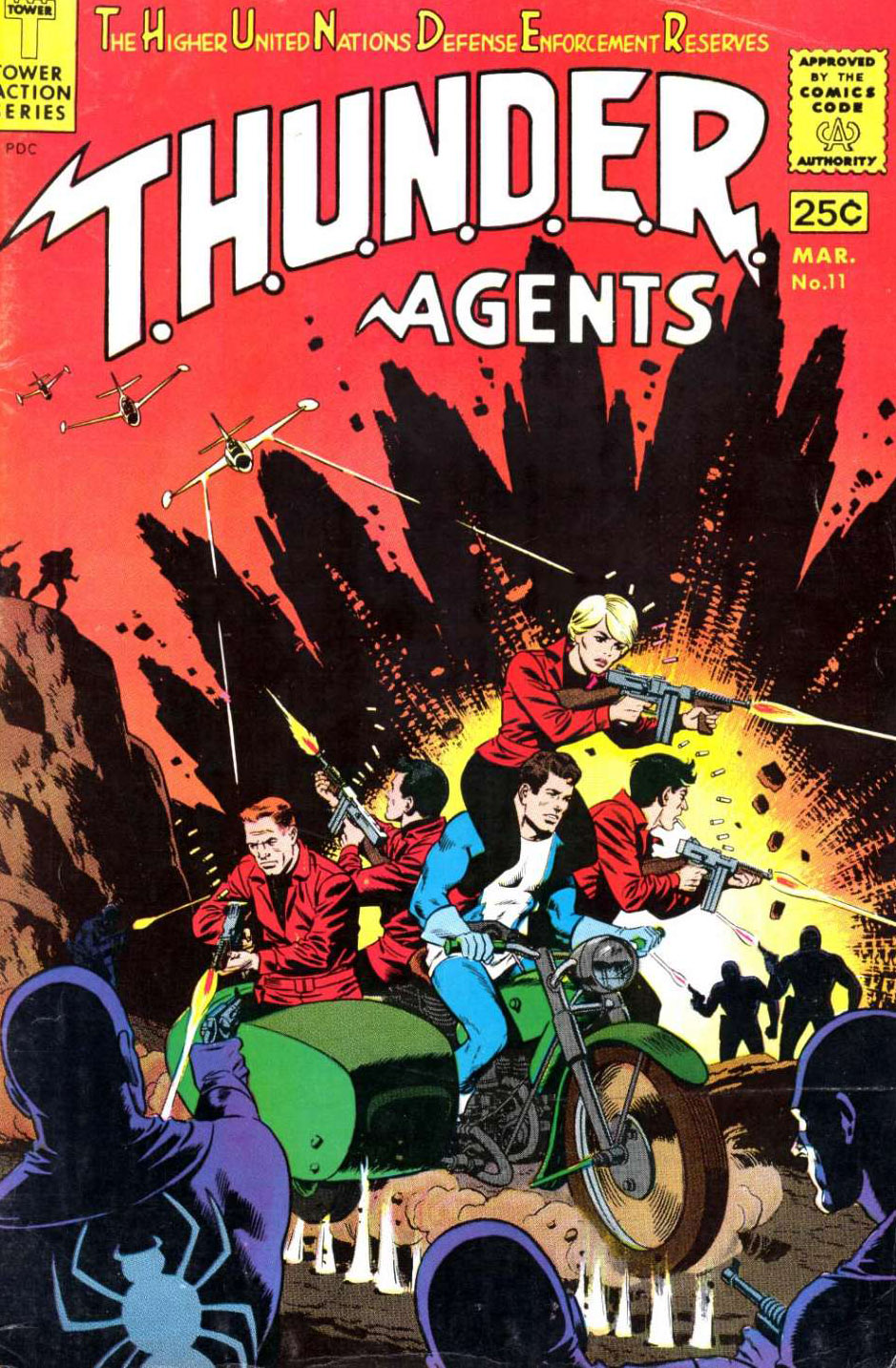
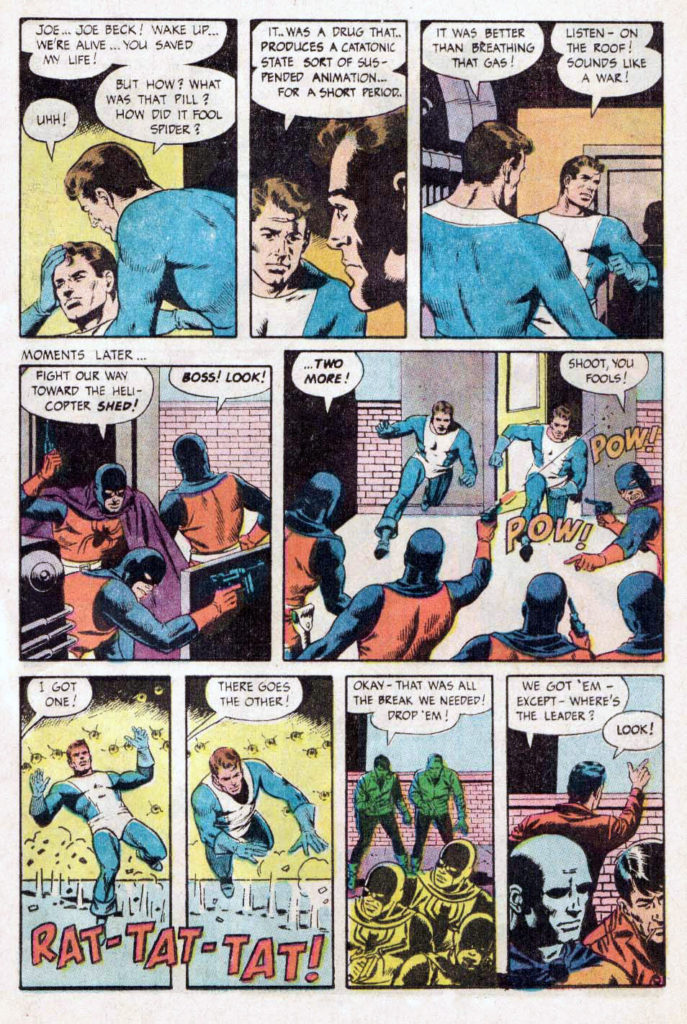
T.H.U.N.D.E.R. Agents #11, March 1967

Wallace Wood made his move.

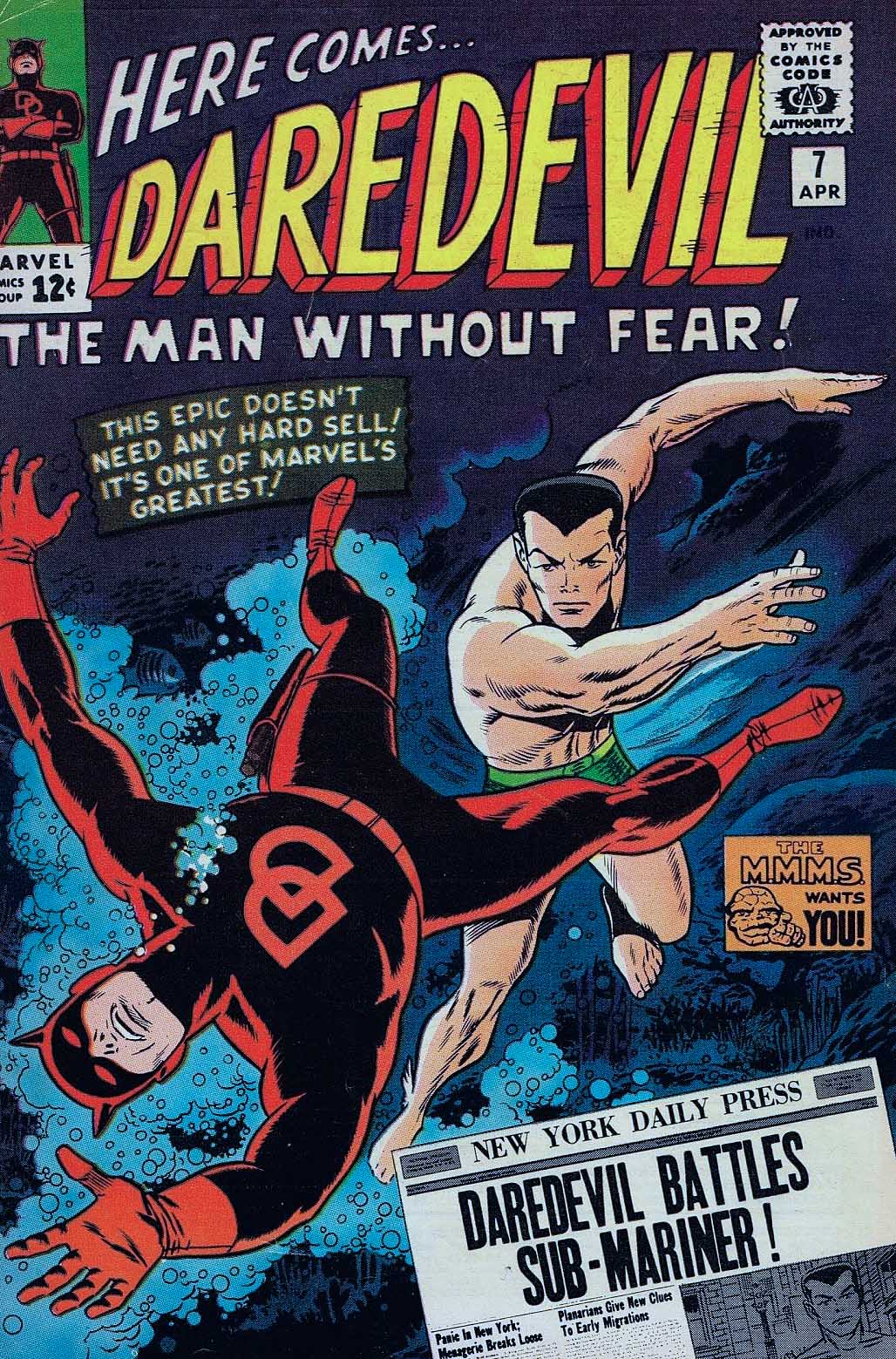
The frustrated artist, working “Marvel style” on Daredevil — plotting AND drawing — but only paid for the art, heard about a new opportunity. Tower, primarily a book publisher, had decided to take a leap of faith into the comics biz, and Woody was ready to help them.

It was the perfect role for Woody, who had carte blanche to develop the comics as hew saw fit. He was artist, storyteller, art director and defacto editor — all rolled into one.

And with the help of friends/colleagues Len Brown (Topps Mars Attacks) and Dan Adkins, T.H.U.N.D.E.R. Agents was born.

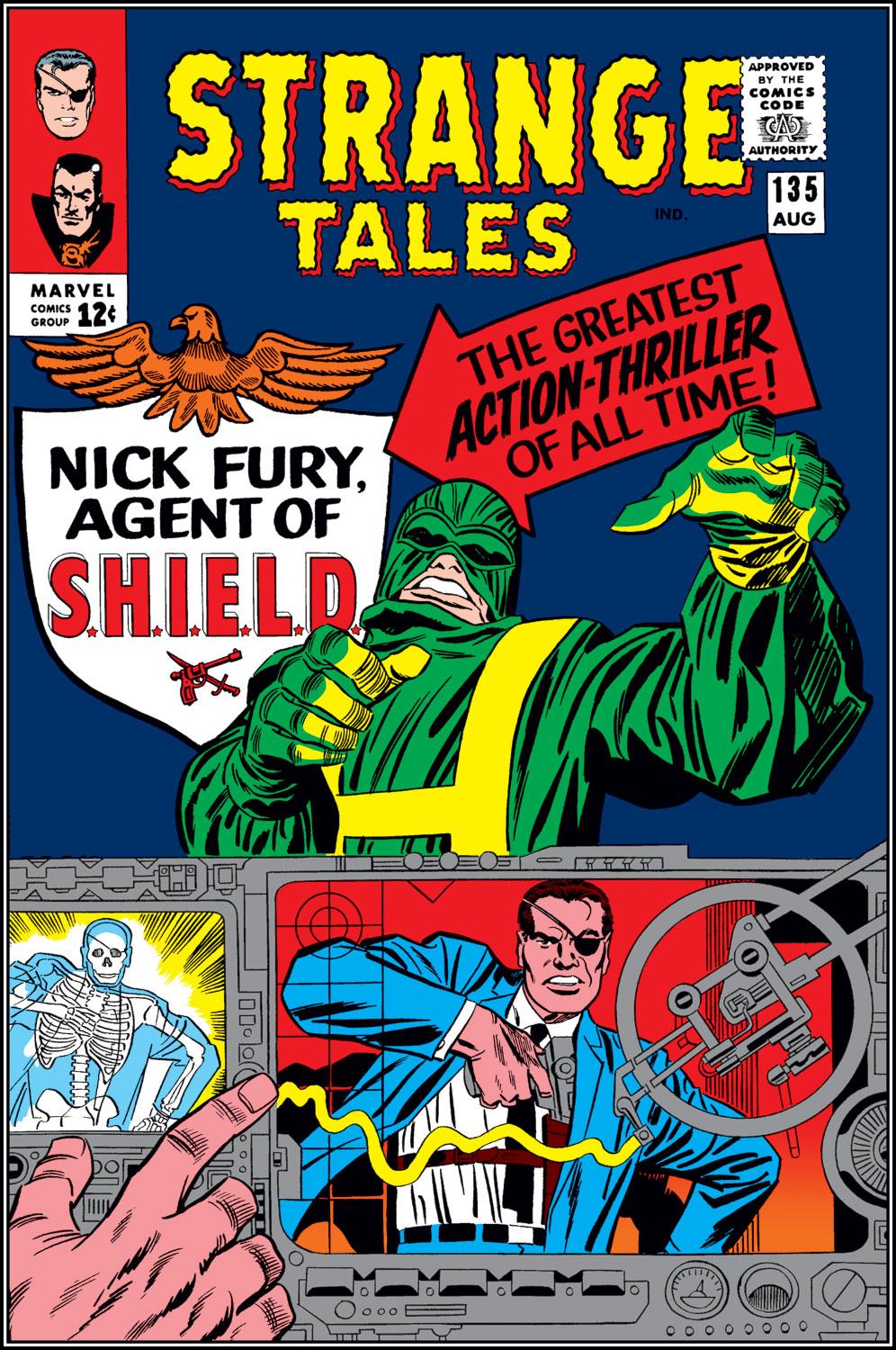
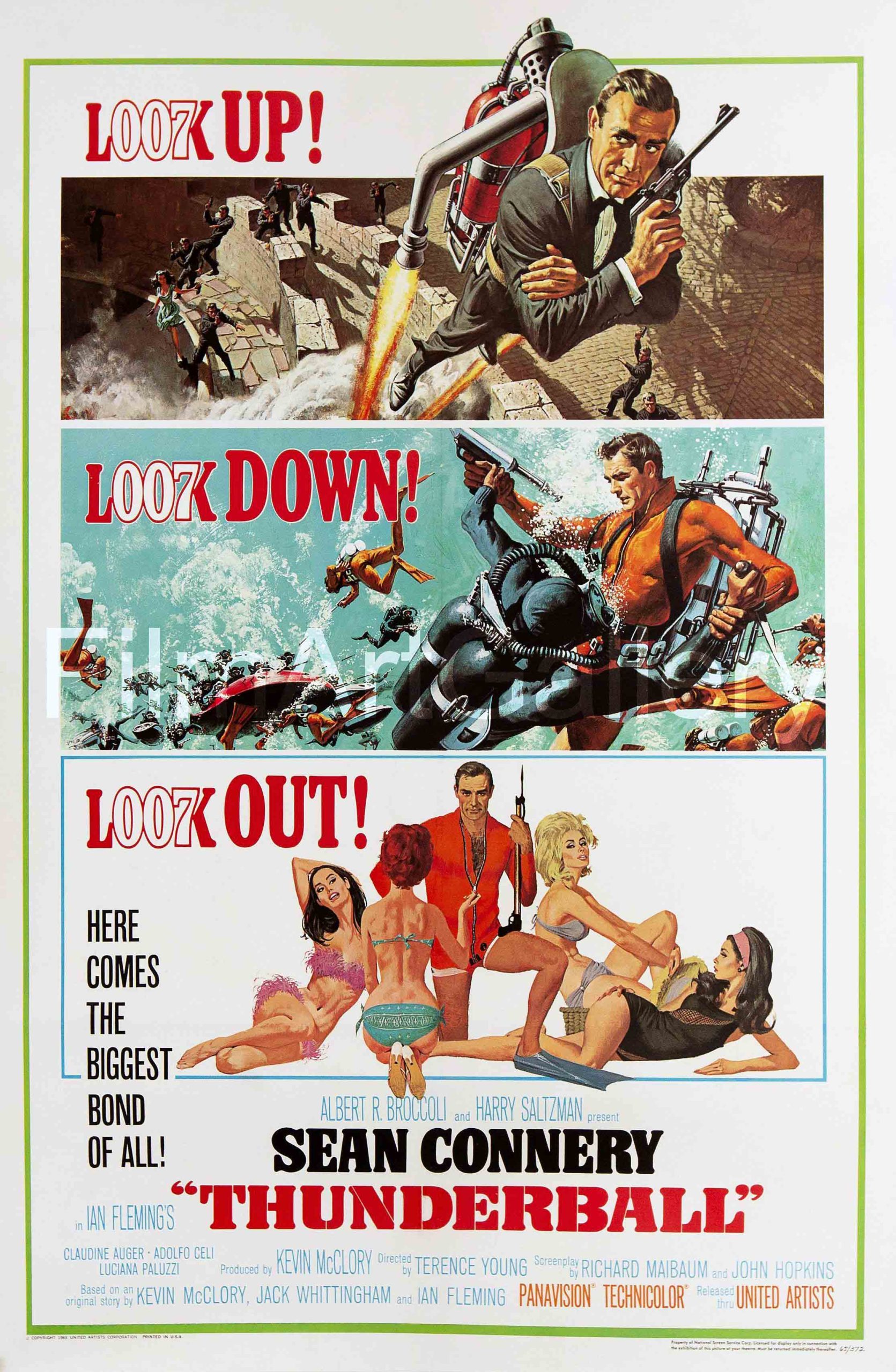
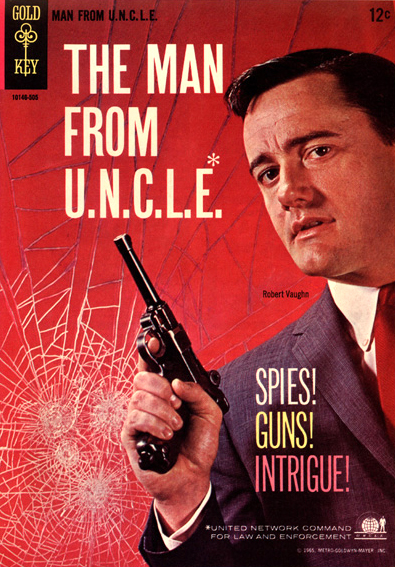
Combining a super powered team (think Justice League) with a secret spy organization (ala S.H.I.E.L.D., which had just launched a few months prior) T.H.U.N.D.E.R. Agents was an effort to capitalize on the secret agent pop culture craze. (James Bond, Man from U.N.C.LE., et al.).

This page is a great example Wood’s crystal clear storytelling and trademark inks.  Adkins is credited in some instances on this story as the penciller, with Wood on inks, and due to the collaborative nature of the creative teams on these stories, it’s often easy to lose the thread of who did what. 

But this looks like pure Wood here, as Dynamo and his “duplicate” (there are actually three Dynamos in this story — don’t ask) are mowed down in a hail of bullets.

I’ve I always wanted to use that phrase.

Who are you going to call?:

T.H.U.N.D.E.R. The Higher United Nations Defense Enforcement Reserves.

U.N.C.LE. United Network Command for Law and Enforcement.

S.H.I.E.L.D: Originally Supreme Headquarters, International Espionage and Law-Enforcement Division and later Strategic Hazard Intervention Espionage Logistics Directorate. In the MCU film and TV Universe, it means Strategic Homeland Intervention, Enforcement and Logistics Division.