Wallace Wood and film noir. A favorite artist and a favorite fiction genre for me. I’m in, of course.
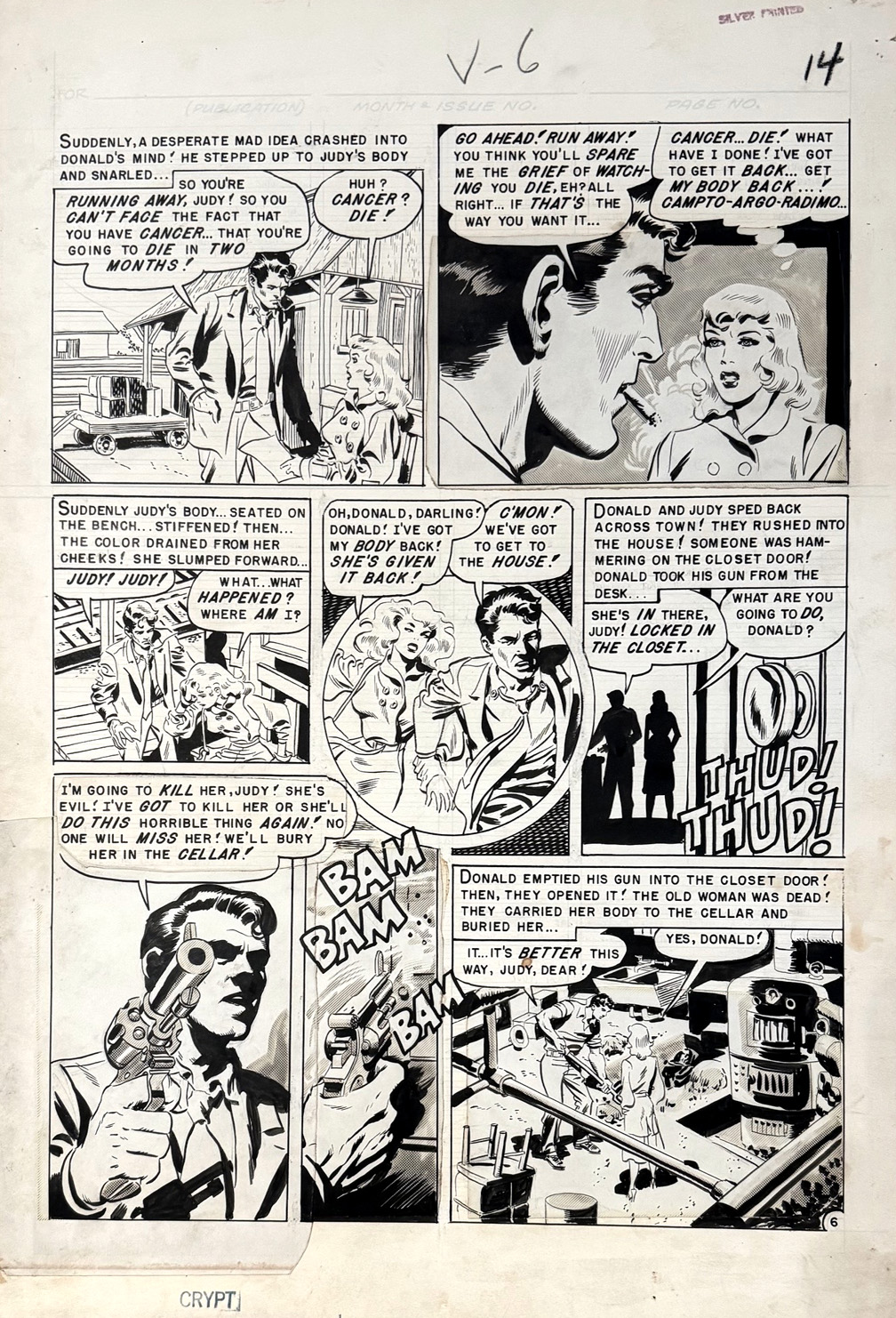
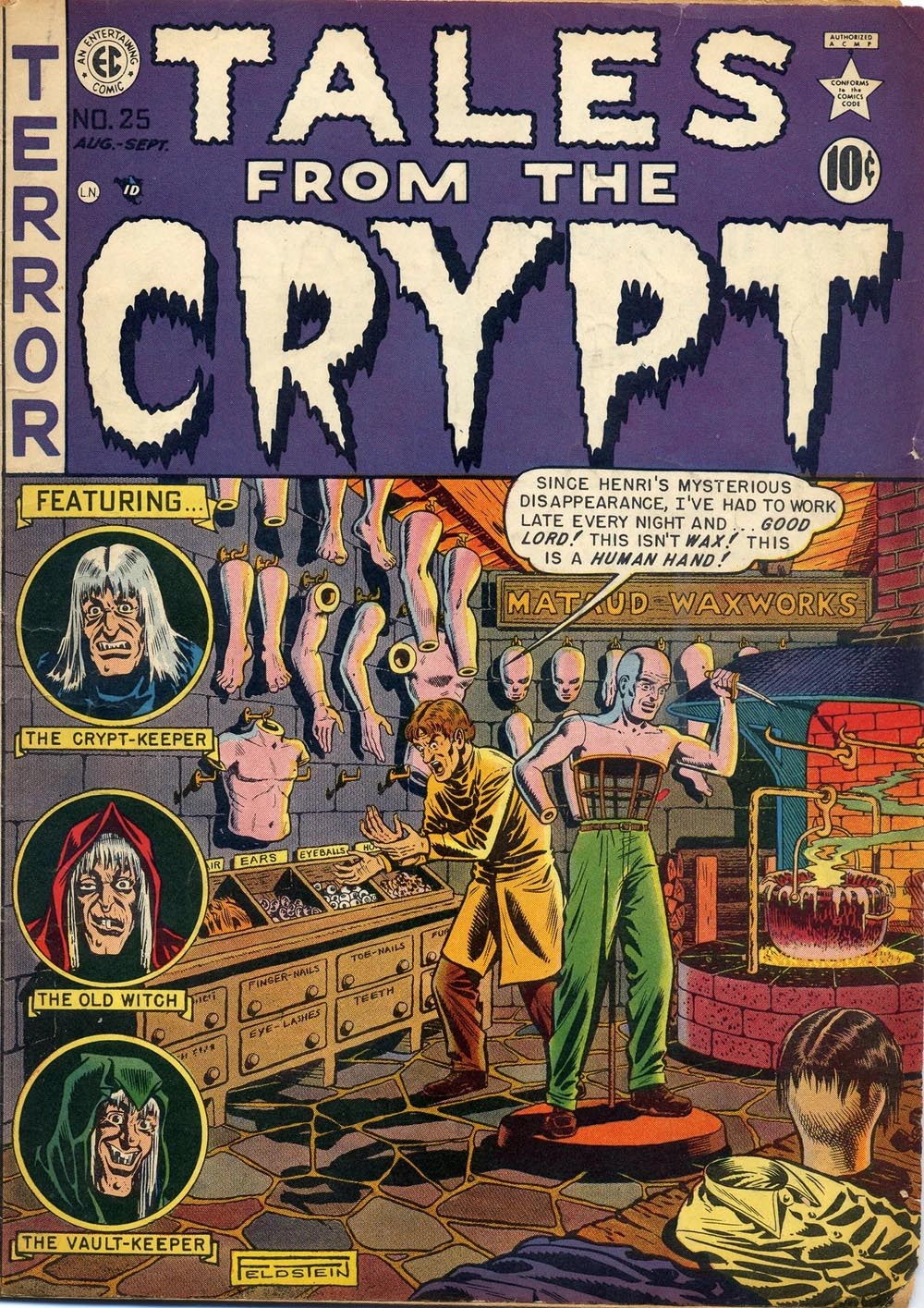
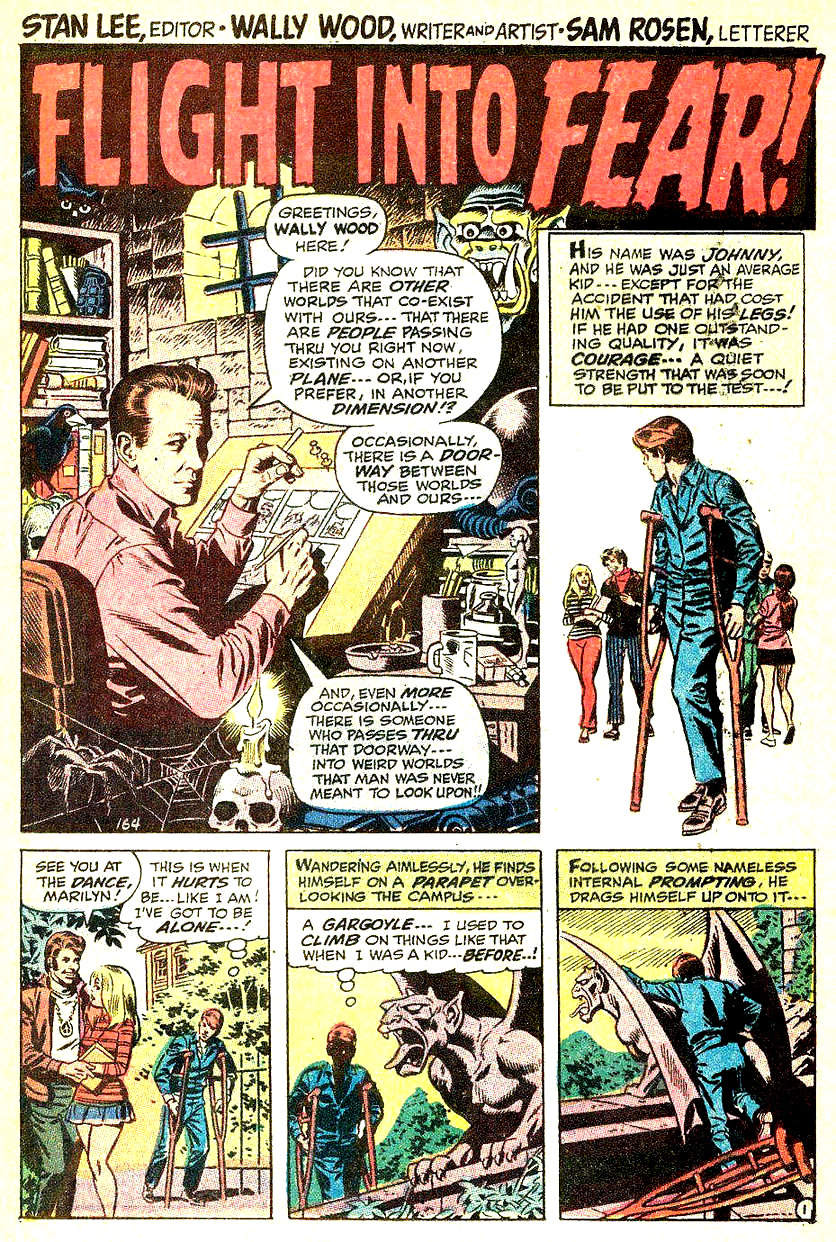
Okay, so this page is actually from Tales from the Crypt, EC’s best-known horror title. But the look and feel are pure film noir, so I’m counting it. Crime and horror overlap pretty frequently—especially in EC comics, now that I think of it. A rotting corpse—or a witch—might show up along the way, but the atmosphere is still straight out of a noir film.
But I digress.
Funny thing is, despite how much I like this page, I’ve owned it—and parted with it—once before.
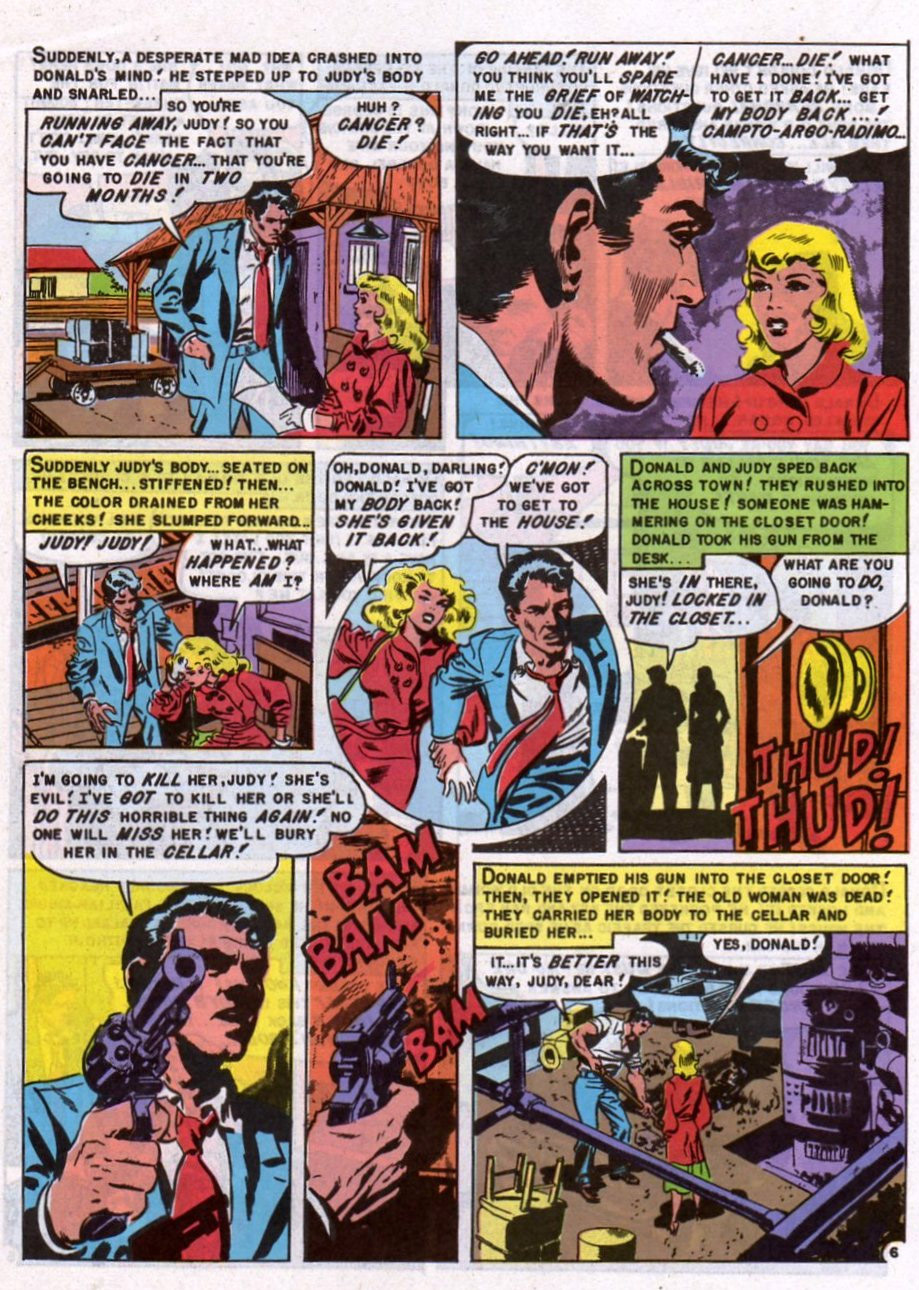
Some paste-ups had me convinced that portions of the art were photostats rather than original drawings. Then I learned that Wood sometimes combined original art from different boards onto a single page, whether to incorporate shading from Craftint paper or to rework the storytelling or a “camera angle.”
Unfortunately, I learned that after I’d let it go.
Anyway, that’s probably more in-the-weeds information than you need. All you really need to know is that I really dig this page, and I paid dearly to own it a second time.
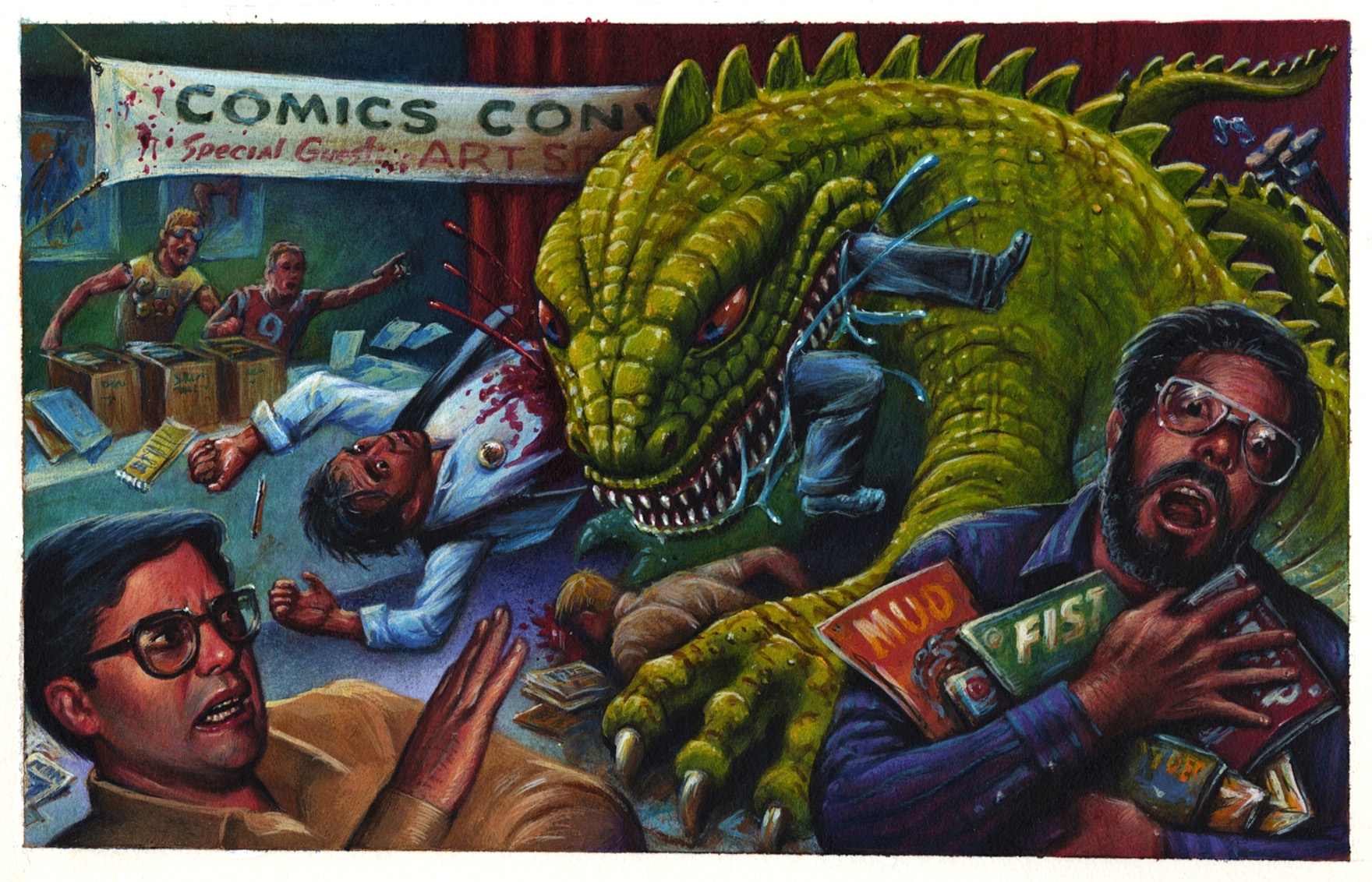
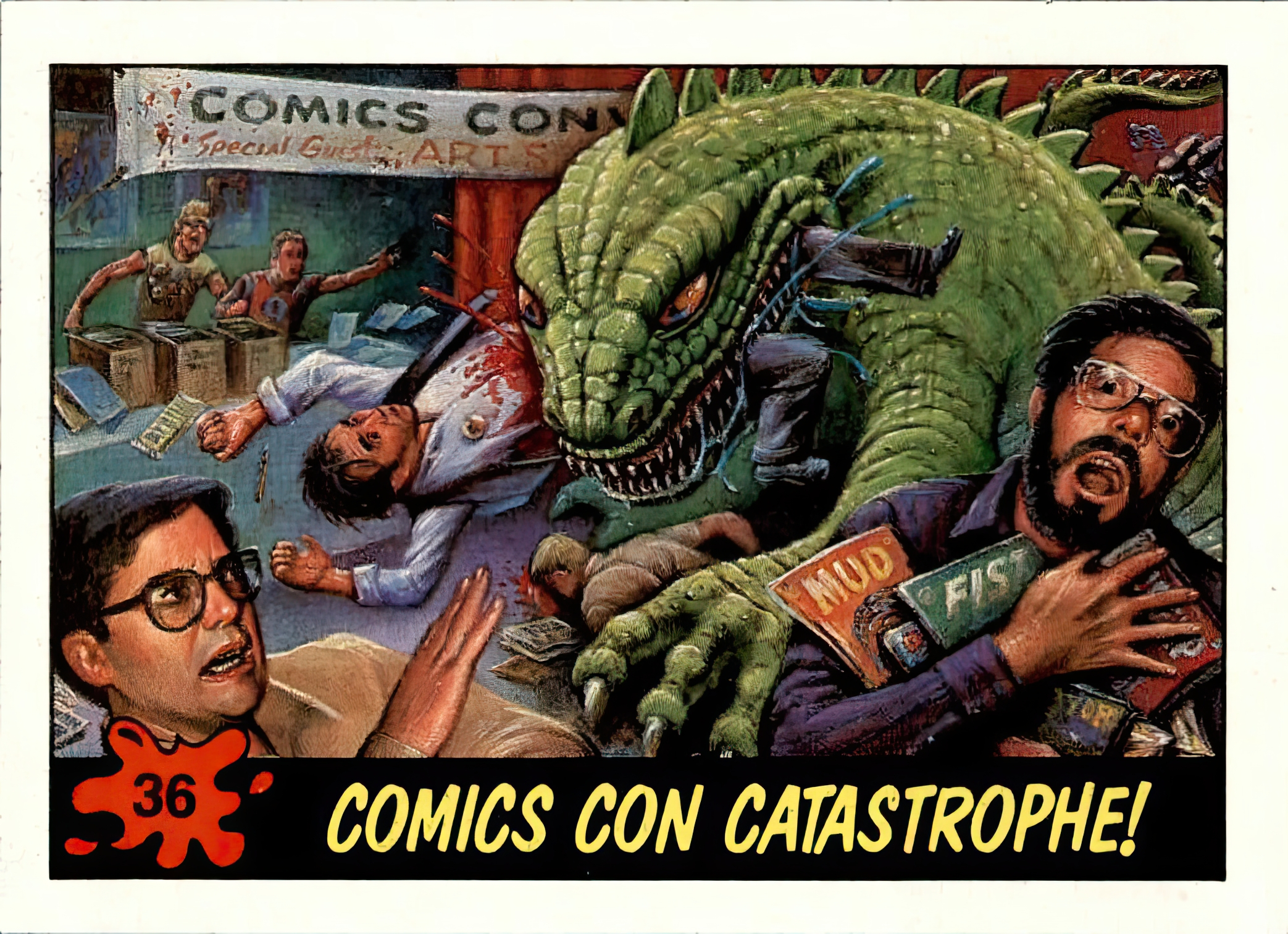
And no, he wasn’t eaten by angry, time-hopping dinosaurs, as depicted in one of those wonderfully deranged Topps Dinosaurs Attack! cards (’88) — Len clutching a stack of classic back-issue comics, Mark Newgarden down front, and Art Spiegelman actually being eaten.
He died of considerably more conventional causes on August 11 at age 84.
Len was one of those guys whose career ran somewhat parallel to the comic-book business, but whose influence on it was enormous. At Topps, where he eventually became creative director, he helped shape more than four decades’ worth of non-sports cards and pop-culture projects.
He joined the company in 1959, basically right out of high school, and stayed for 41 years.
Forty-one years.
And during that time, an almost ridiculous amount of talent passed through Topps.
Wally Wood. Jack Davis. Basil Wolverton. Bob Powell. Norm Saunders. Jay Lynch. Art Spiegelman. John Pound.
And that’s hardly the whole list.
Spiegelman basically began his professional career there and eventually became one of the key creative forces behind Wacky Packages. Jay Lynch was another longtime contributor. John Pound became indispensable to Garbage Pail Kids. Shortly before decamping for Haight-Ashbury, Robert Crumb even did a card series for Topps.
All of these people wandering in and out of a chewing-gum company in industrial Brooklyn.
And Len, with a very good eye for talent and ideas, was right in the middle of it.
He developed an astonishing volume of licensed and non-sports card projects — everything from The Beatles and Batman to monsters, movies and TV shows — and for years handled much of it essentially on his own, until Gary Gerani joined him in 1972.
How juggling that many licensors and creators at once didn’t drive him right off a cliff, I have no idea.
Imagine being a kid opening those packs.
Now imagine being one of the guys deciding what went into them.
Pretty good job.
Len was also, at heart, a genuine comics guy, which naturally led Topps into some wonderfully oddball territory.
With his one-time roommate Roy Thomas, he was involved with the terrific Krazy Little Comics series — tiny superhero parodies with titles like The Amusing Spider-Guy, Fantastic Fear and Stupidman, with artwork by Wally Wood and Gil Kane.
Wally Wood and Gil Kane drawing tiny parody comics sold with bubble gum.
Only at Topps.
And then, of course, there was Mars Attacks.
That alone would have been enough.
Len was a lifelong fan of science-fiction movies and EC Comics, and he came up with the idea that became Mars Attacks, working with Woody Gelman to develop the storyline. Wally Wood and Bob Powell helped visualize it, and Norm Saunders painted most of those unforgettable finished cards.
Basically, Len took all the great 1950s science-fiction movie ingredients — bug-eyed aliens, flying saucers, death rays, terrified crowds, destroyed landmarks — and turned the dial way up.
Especially on the gore.
Way, way up.
The result was one of the most memorable trading-card sets ever produced, horrifying parents and making a permanent impression on a generation of bubblegum-chewing boys.
Some of whom never quite recovered.
Len’s comics connection went well beyond Topps.
He was involved in the creation of Wally Wood’s T.H.U.N.D.E.R. Agents and wrote the original Dynamo story. Wood returned the favor by giving Dynamo the civilian name Leonard Brown.
Len always seemed a little sheepish about that when it came up.
But really — how many people can say Wally Wood named a superhero after them?
I think it should have been on his business card.
Len was also a very early collector of original comic art, recognizing that this stuff was beautiful and important at a time when hardly anybody was thinking about it that way.
His collection was long gone by the time I knew him, unfortunately dispersed after a difficult divorce. But just hearing Len talk about some of the pieces he once owned was jaw-dropping.
I was lucky enough to work with him for about four years at Topps, during the early ’90s when Topps Comics was launched.
For a lifelong comic-book fan who had spent decades working around the edges of the industry, that had to be pretty satisfying.
And Len was all over it.
I loved talking with him because the conversation could go just about anywhere — comics, cards, old movies, television, original art … and music.
Len was a huge rockabilly and classic-country fan and eventually became a radio DJ as well, hosting shows devoted to the music he loved.
That enthusiasm was genuine.
That was Len.
When I first walked into the old Topps building in Brooklyn in 1992, Len had already been there for more than 30 years.
Thirty years.
The Beatles had formed, conquered the world and broken up. Marvel Comics had created nearly its entire universe. Batman had gone from Shelly Moldoff to Carmine Infantino to Neal Adams to Frank Miller.
And Len Brown was still at Topps.
Still paying attention. Still plugged into what was going on. Still looking for the next big thing — and, more often than most people, finding it.
The funny thing was, he looked ridiculously youthful.
So youthful, in fact, that the first words out of my mouth when I met him were:
“You’re Len Brown?”
I later found out he’d heard that more than once.
Yes.
He was Len Brown.
The one and only.
One More Len Brown Story
I mentioned that Len was a very early collector of original comic art, long before most people saw much value in the stuff at all.
Funny thing is, years later I accidentally ended up with something that had once been in his collection.
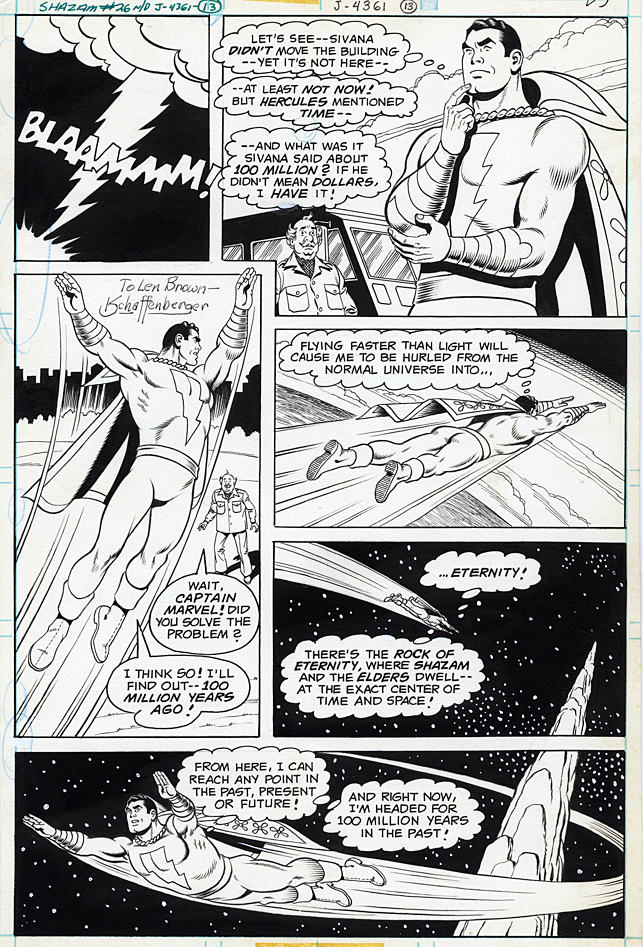
Around 2009, I spotted this terrific Kurt Schaffenberger Shazam! page online and bought it before I noticed the inscription:
“To Len Brown — Kurt Schaffenberger.”
So I called Len.
I told him what had happened and offered to send the page back.
He passed.
Losing the collection under the circumstances he did wasn’t a particularly happy memory, and by then Len was pretty much done with original art.
But I do think he got a kick out of the fact that, completely by accident, one of his old pages had found its way to me.
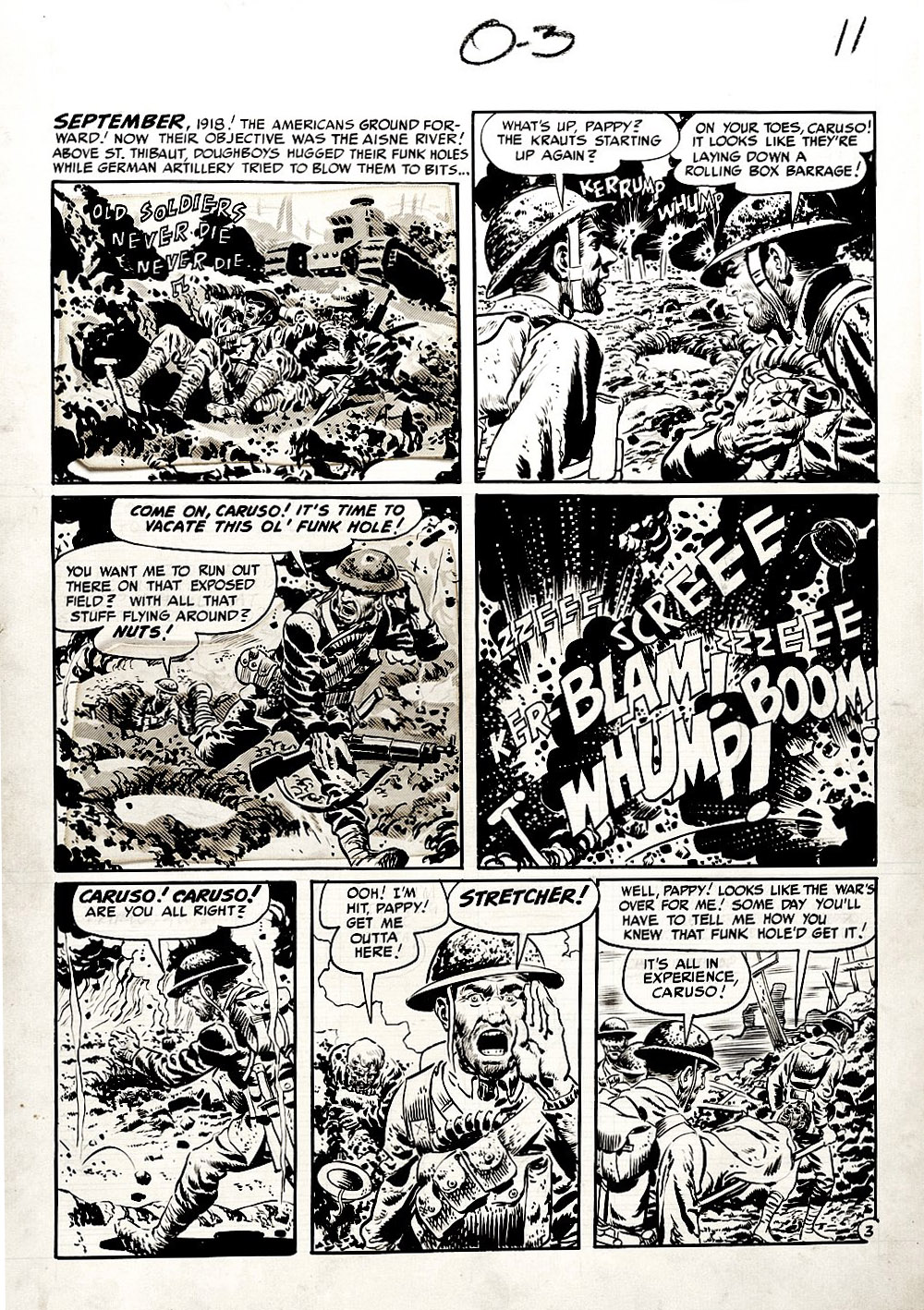
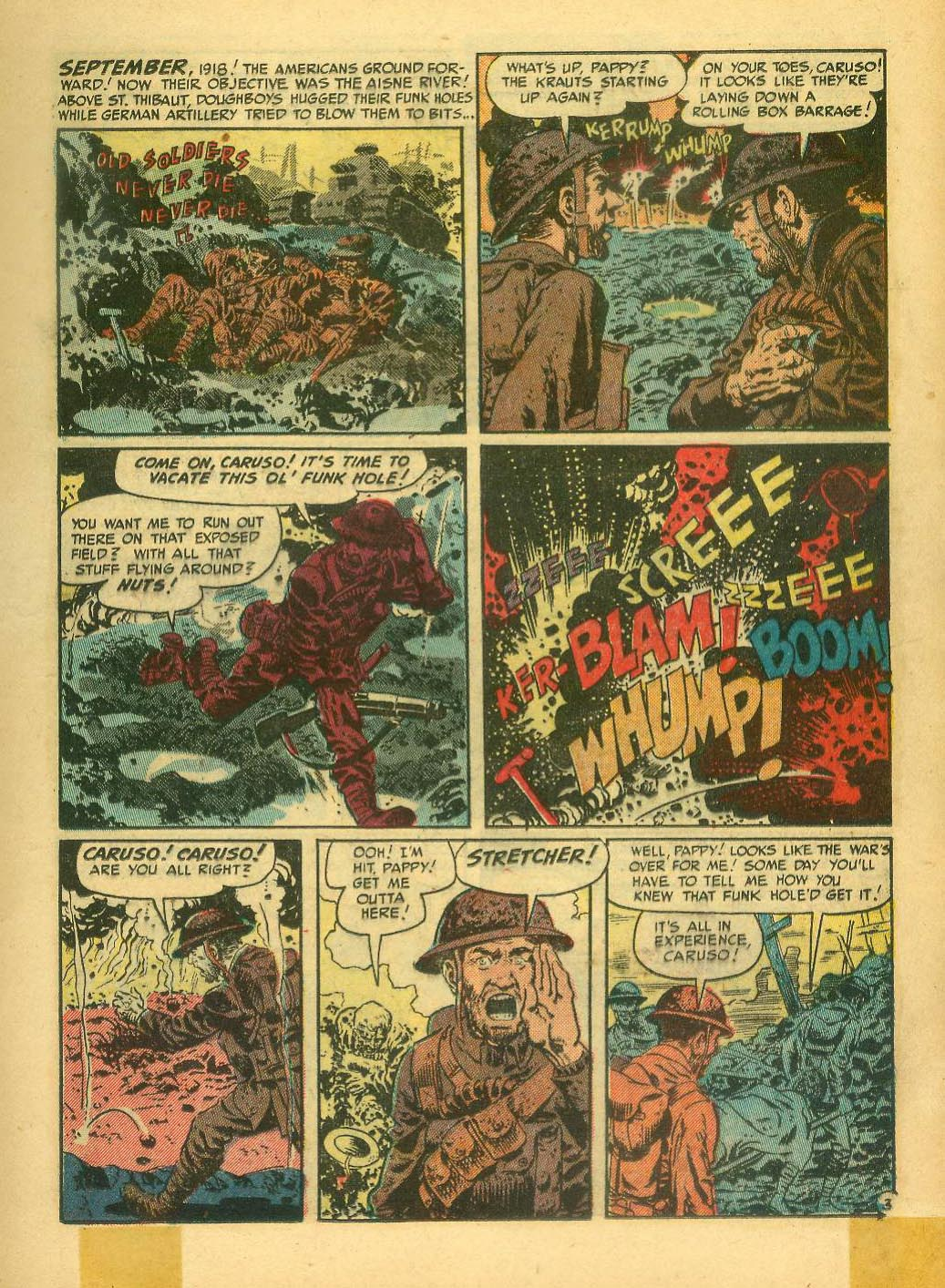
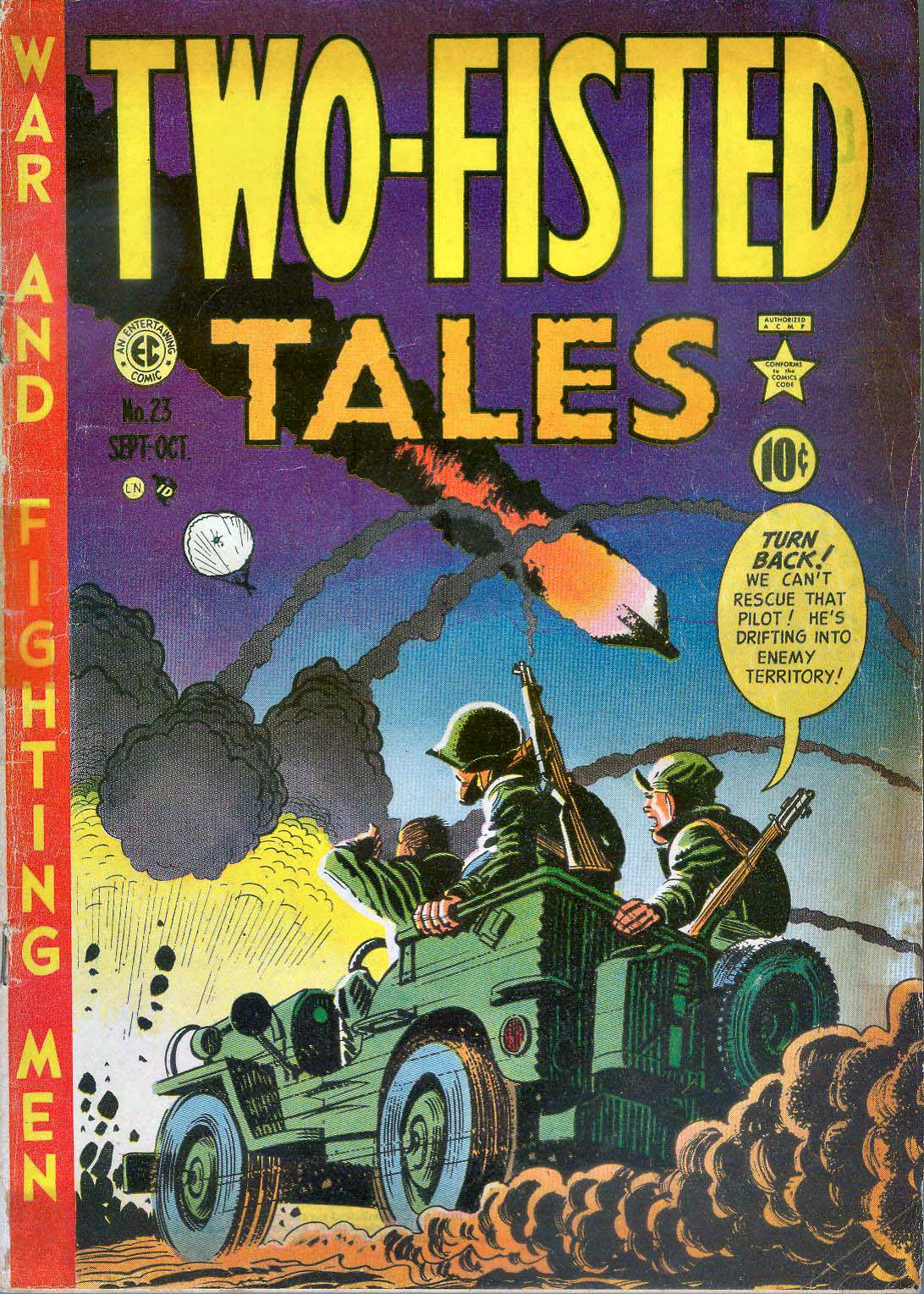
This is a great Wallace Wood war page, from the classic EC Comics WWI story: “Old Soldiers Never Die.” (Two-Fisted Tales #23.)
I first discovered EC comics in late ’71 or early ’72, thanks to the incredible oversized Nostalgia Press collection, The EC Horror Library of the 1950’s.
From that moment on, I was hooked.
Maybe surprisingly, once I got past the initial shock value of the horror books, I realized I could kind of take them or leave them. But everything else? That was a different story.
Science fiction—absolutely. Crime—of course. Humor—what was better than Mad?
And those war comics… man.
Harvey Kurtzman’s storytelling was first-rate. And unlike the Al Feldstein-driven stories in the other genres, he typically let the art—more than captions or dialogue—carry the narrative.
If you had told 12-year-old me that one day I’d own original art from artists like Wally Wood, Jack Davis, and others, I would’ve thought you were completely out of your ever-loving mind.
To say I’m grateful to be the temporary caretaker of this art… that’s the understatement of the year.
Wallace Wood’s brief return to Marvel in 1970 gave us an early glimpse of the sword-and-sorcery wave that was about to hit like a tidal surge.
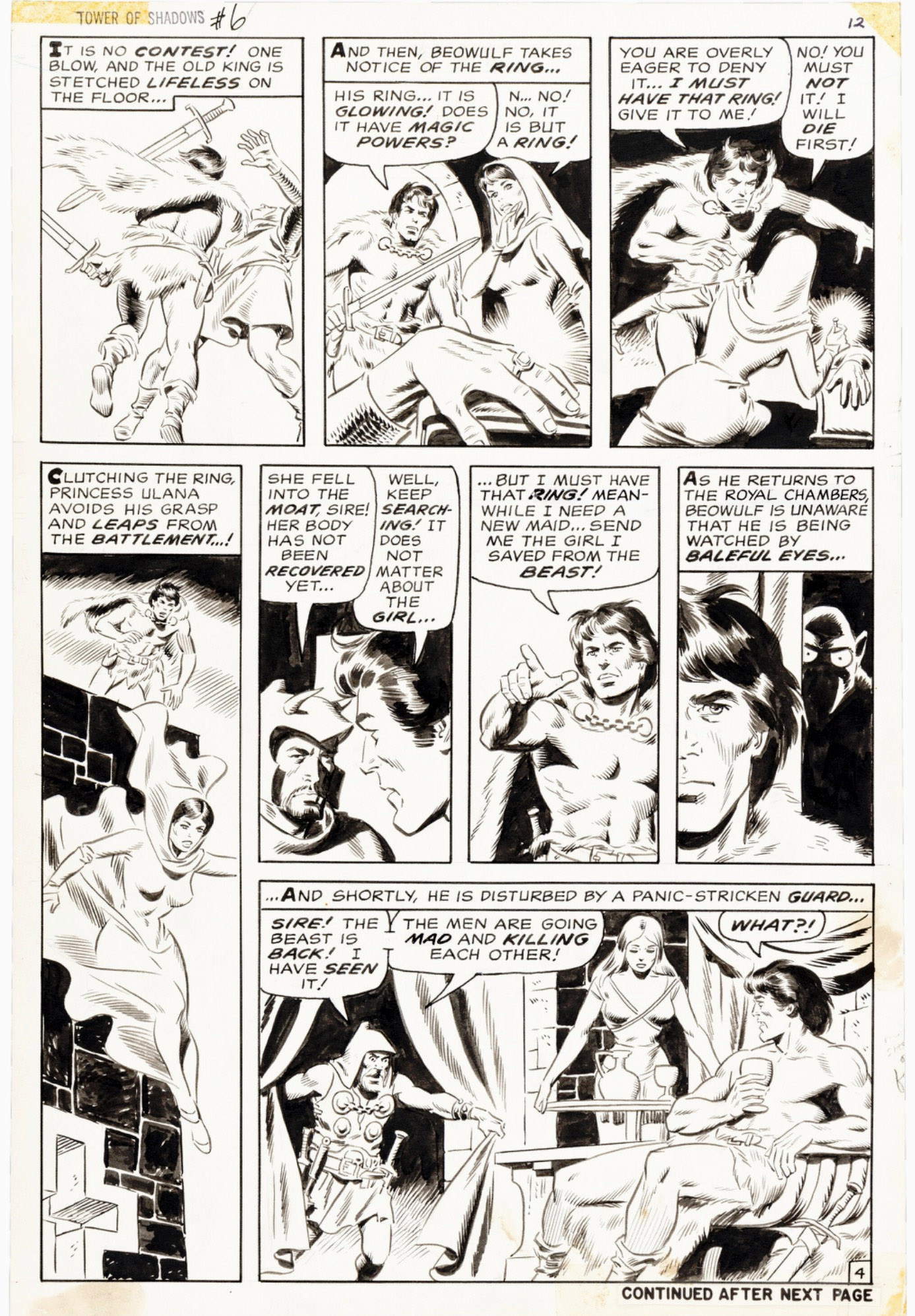
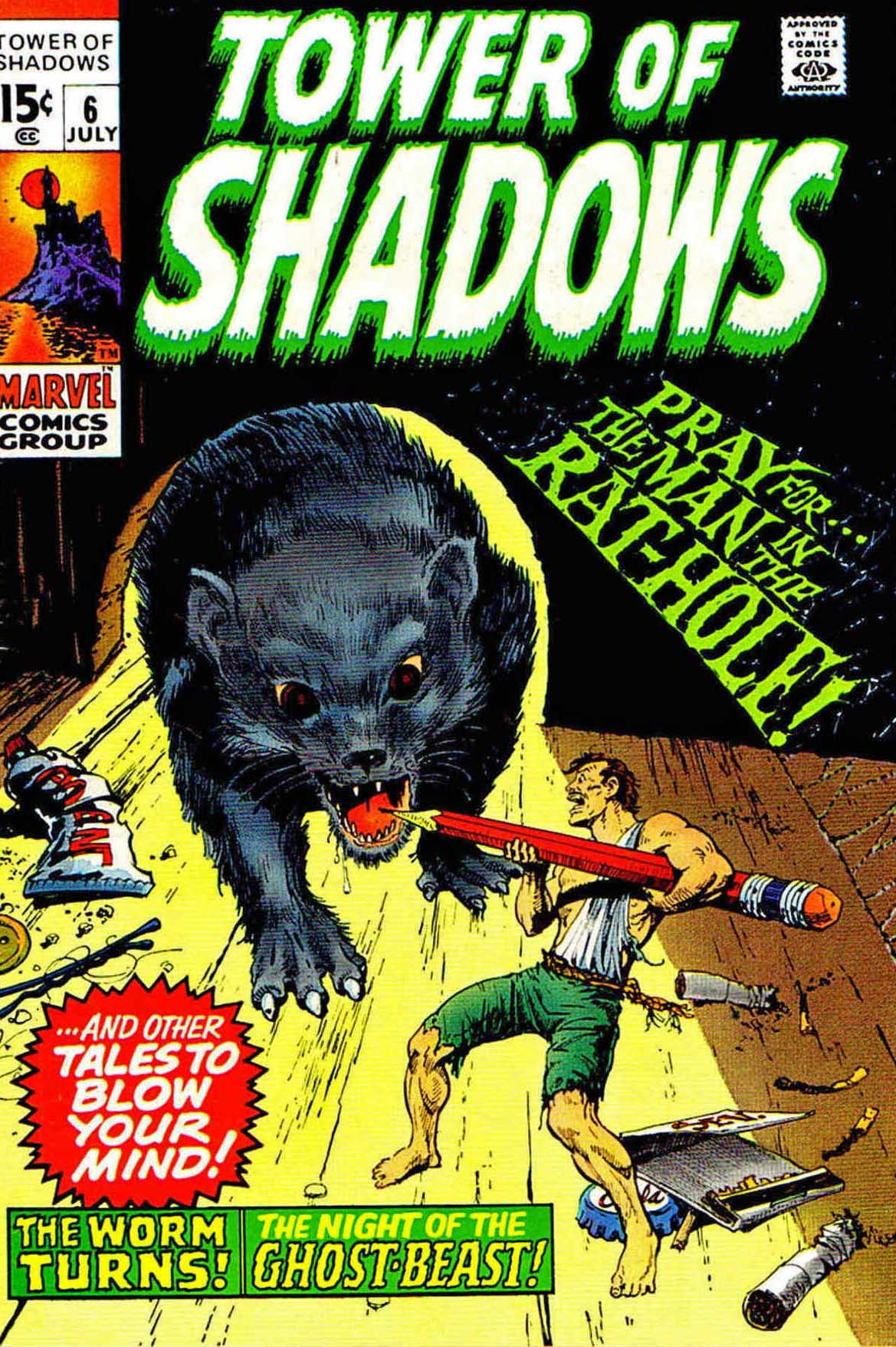
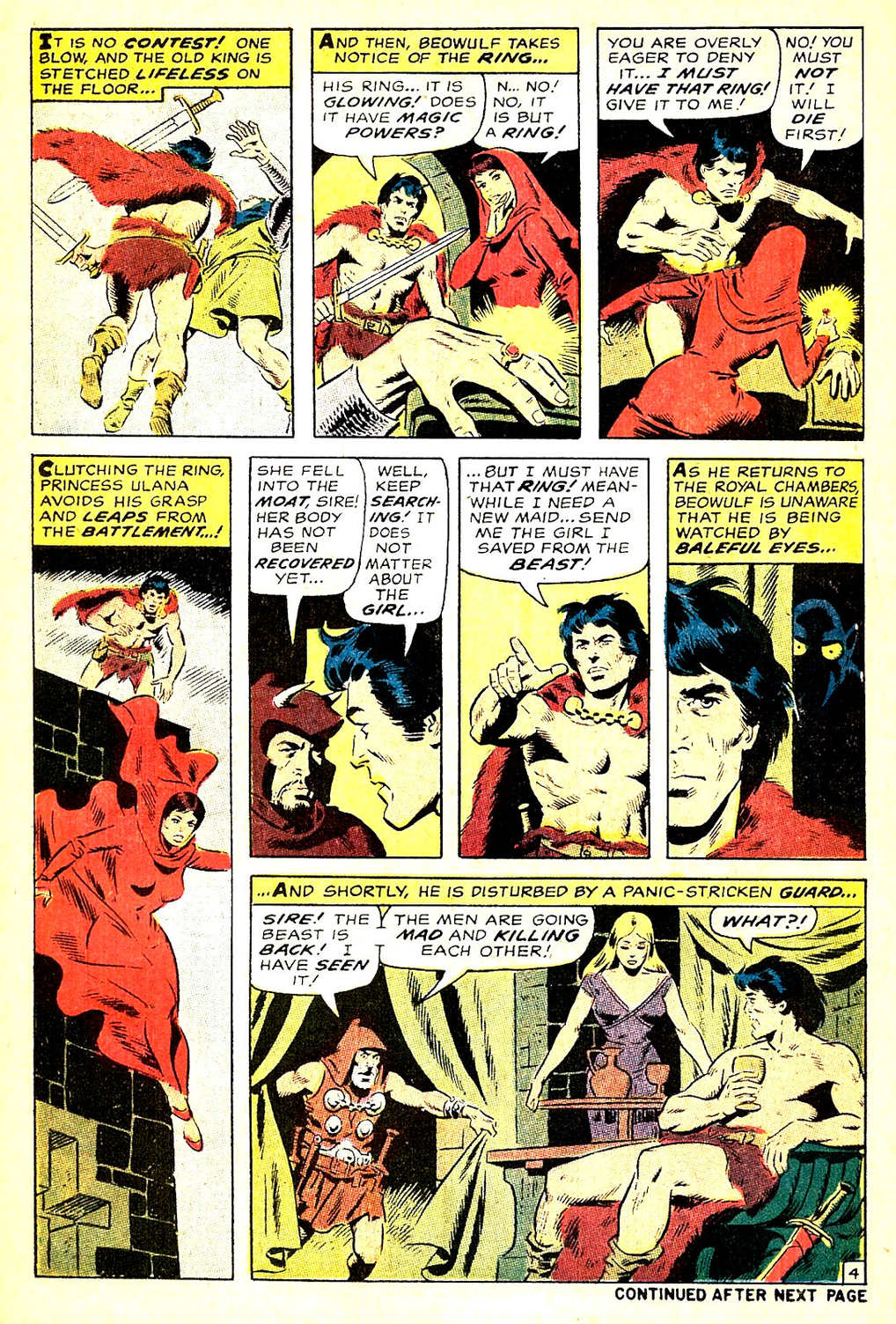
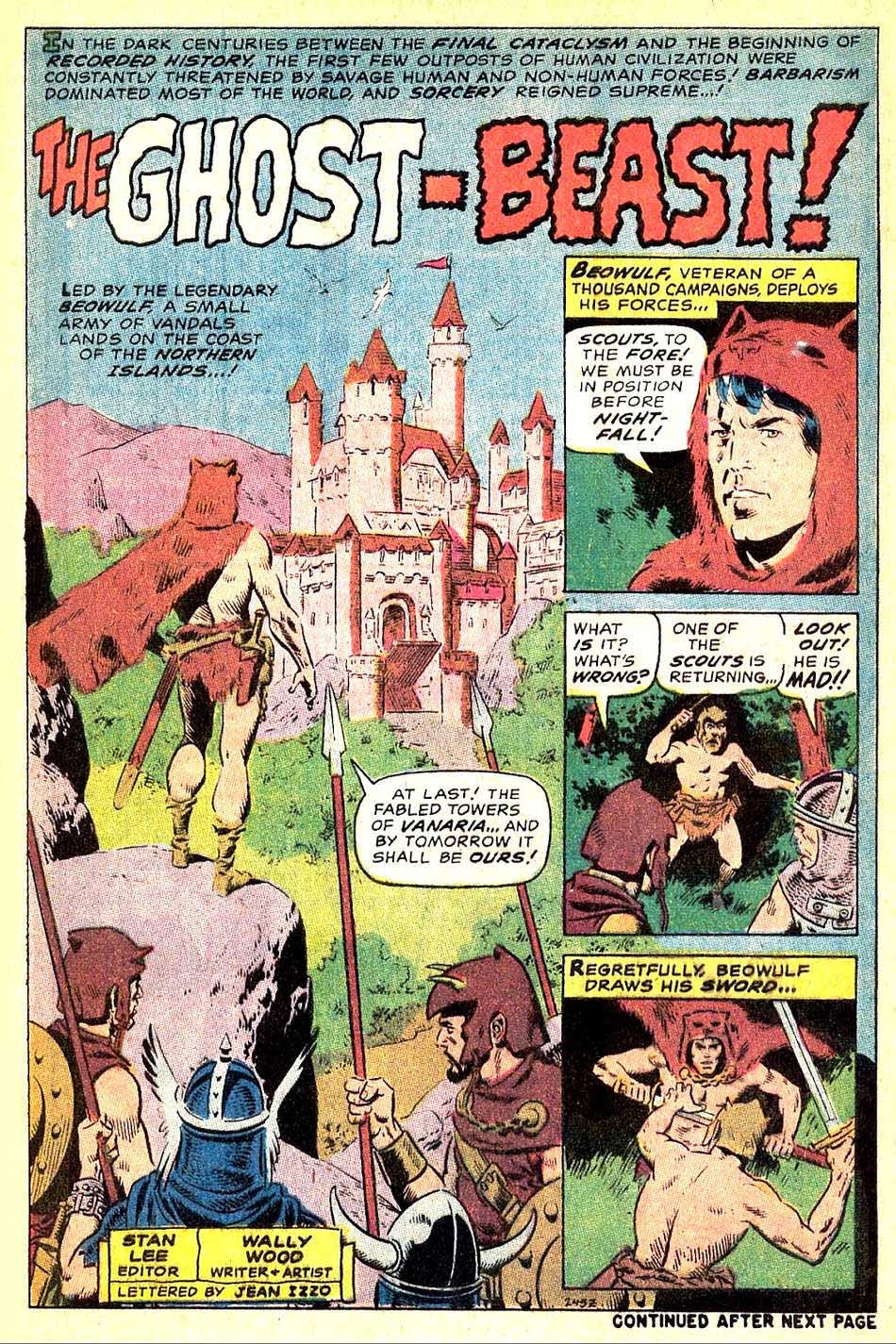
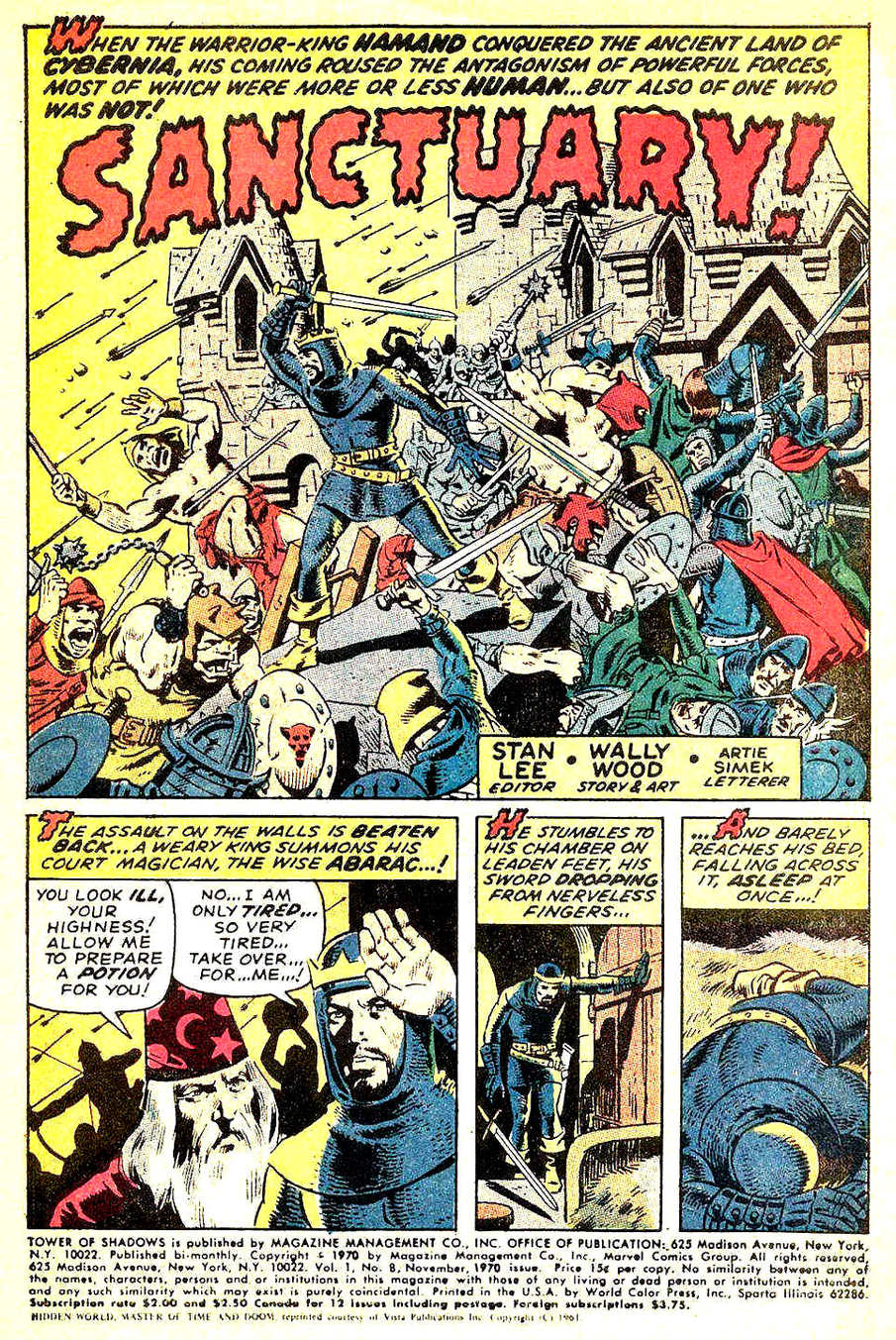
If you mostly know Wood from EC or straight-up superhero work, his Tower of Shadows run (#5–8) is a really fun side trip into that territory. This great page comes from the second story, featuring an offbeat take on Beowulf.
He wrote and drew all four shorts, so what we’re getting is pure, undiluted Wood: moody lighting, dramatic staging, and an always-present feeling that everyone’s living one bad decision away from doom.
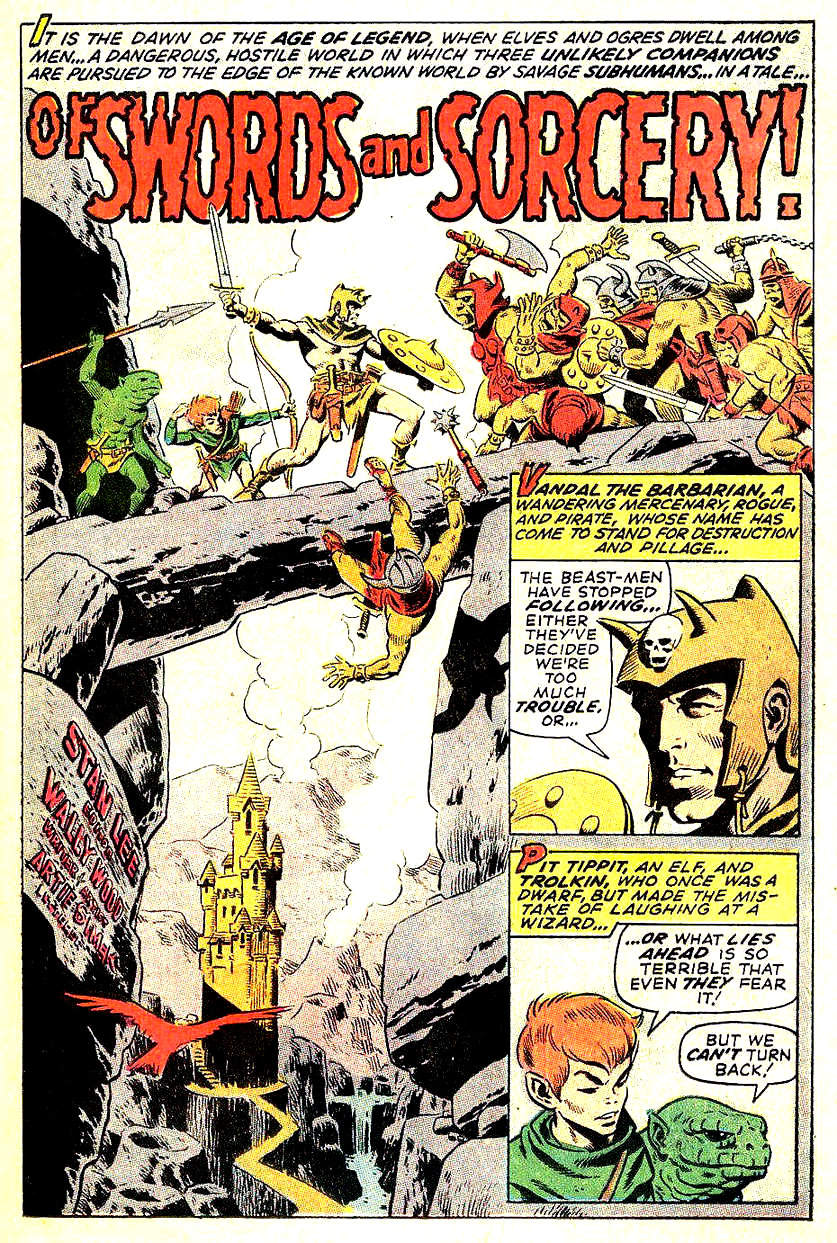
These aren’t Conan-style epics. They’re more like dark fairy tales from a guy who clearly loved drawing adventurers, monsters — and gorgeous women. The earliest of them — including this one — actually predate Conan #1. Woody was ahead of the curve.
Short stories. Big atmosphere. Fantastic art.
And a preview of what he’d later unleash in his own indie — and decidedly adult — fantasy project, The Wizard King.
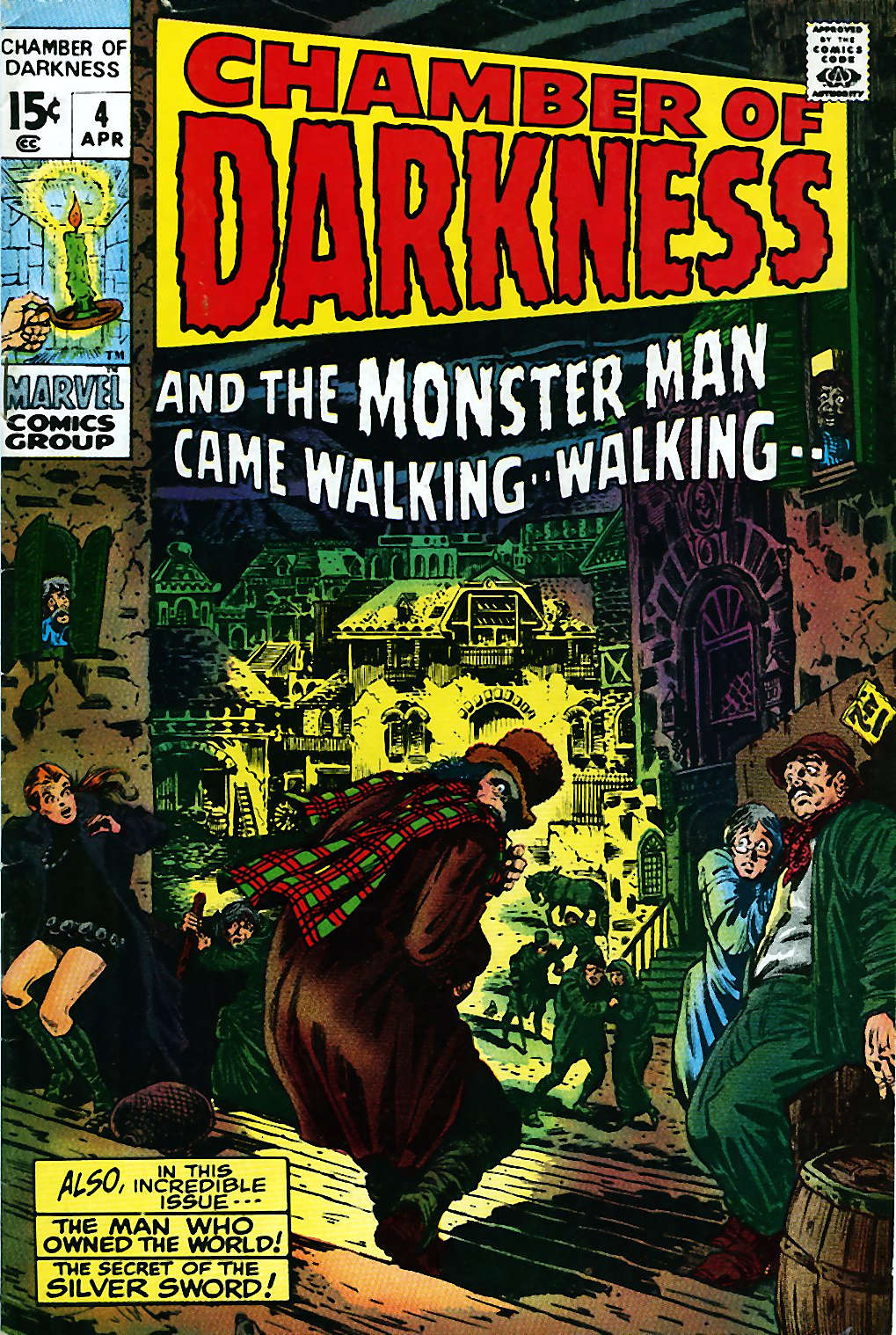
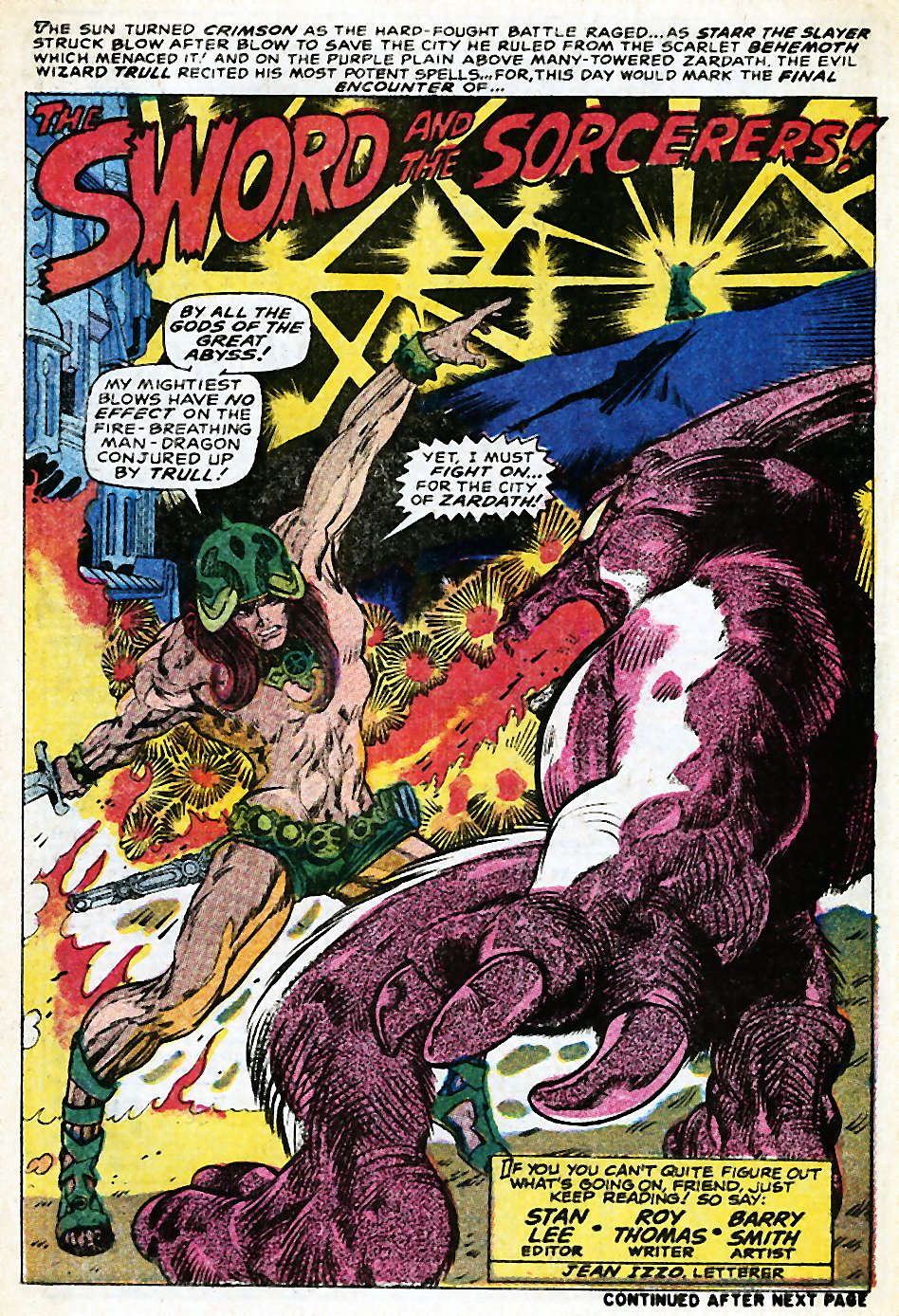
Four stories, four great title pagesAlso before Conan the Barbarian #1, Roy Thomas and Barry Smith tested the waters with a prototype Conan-like hero—Starr the Slayer—in Chamber of Darkness, the sister title to Tower of Shadows.
WALLY WOOD — MARVEL CHECKLIST (1964–1972)
1964–1965 Run (Primary Period)
☐ Daredevil #5 — Dec 1964 Pencils, inks (Wood’s Marvel debut; defined early DD look)
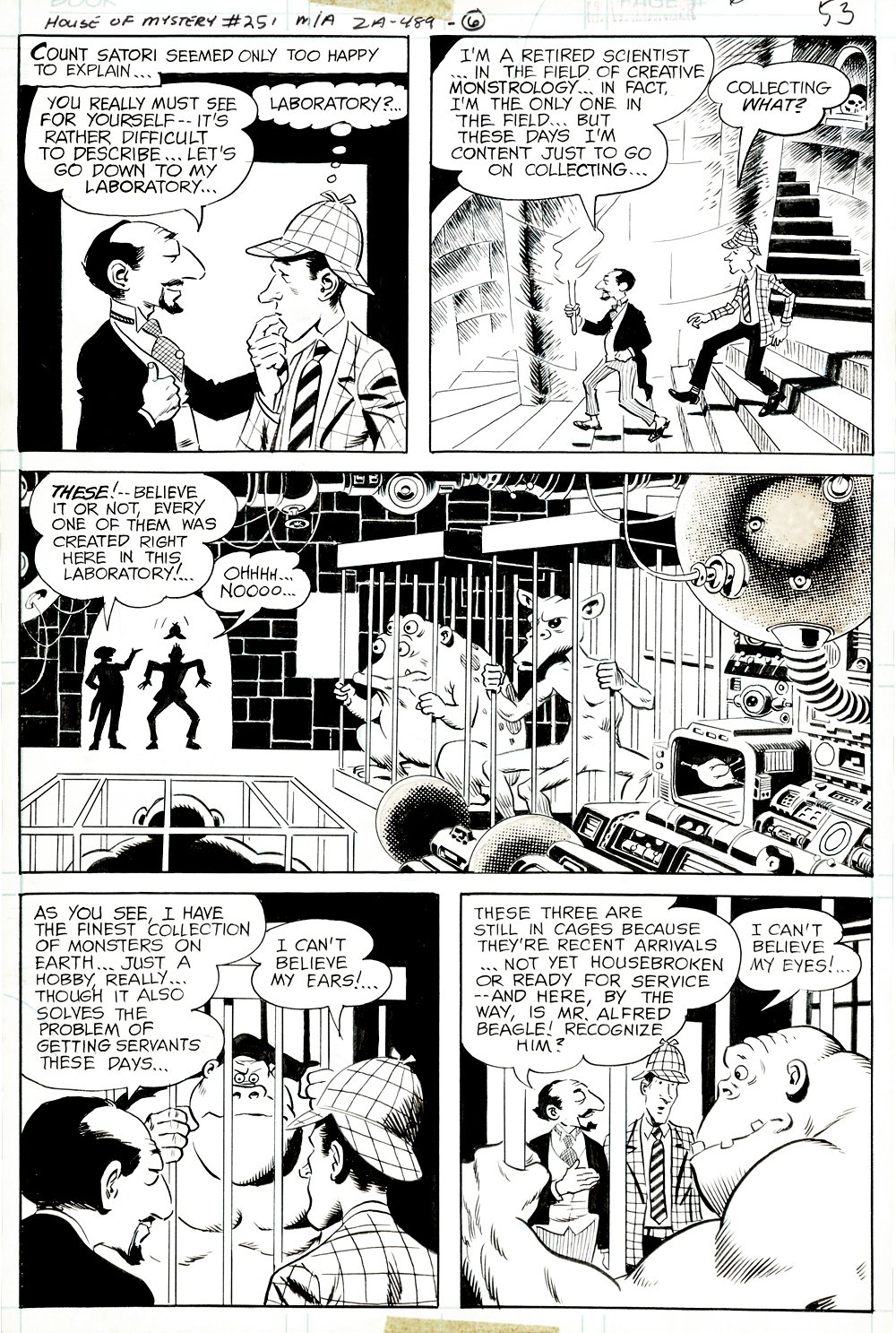
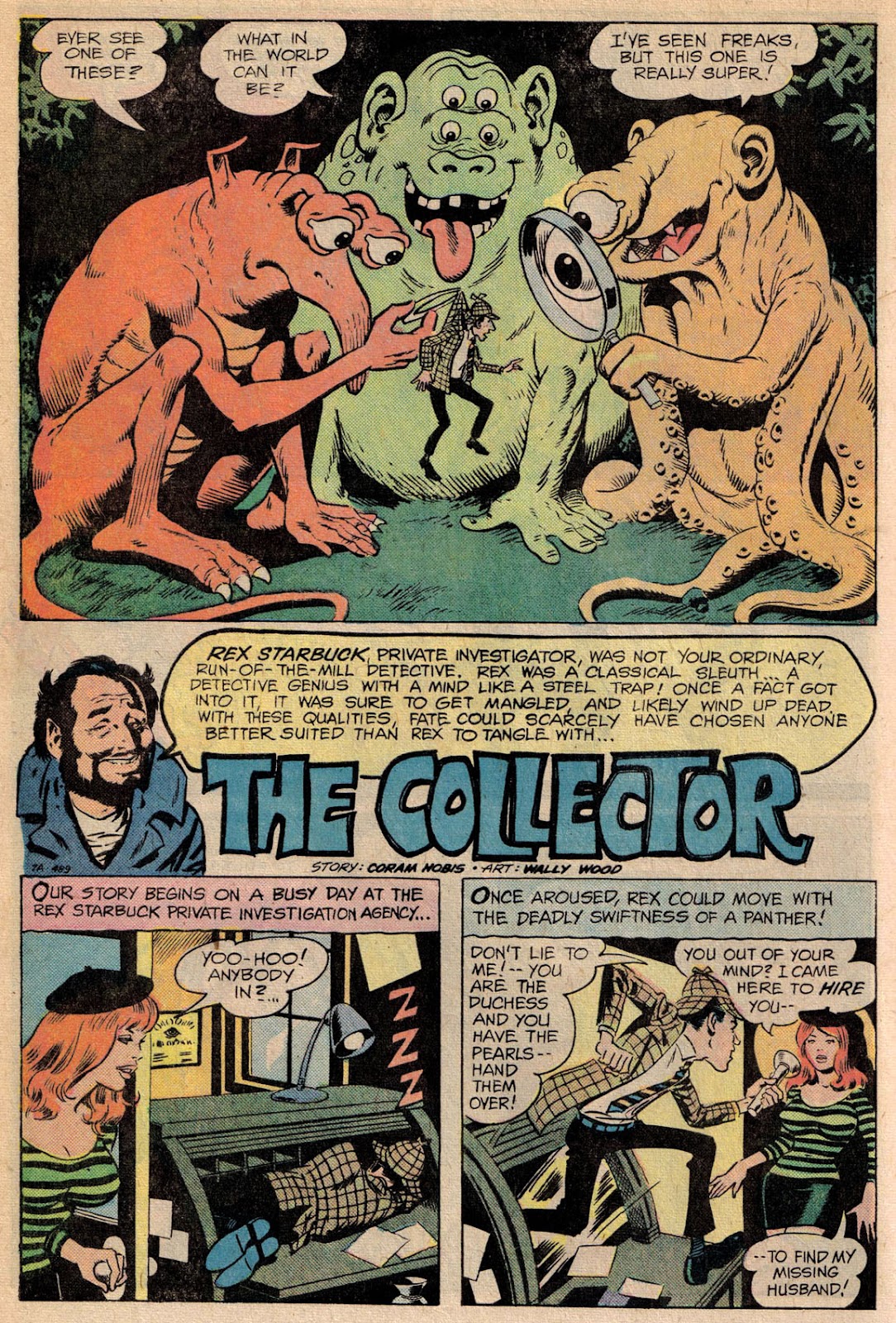
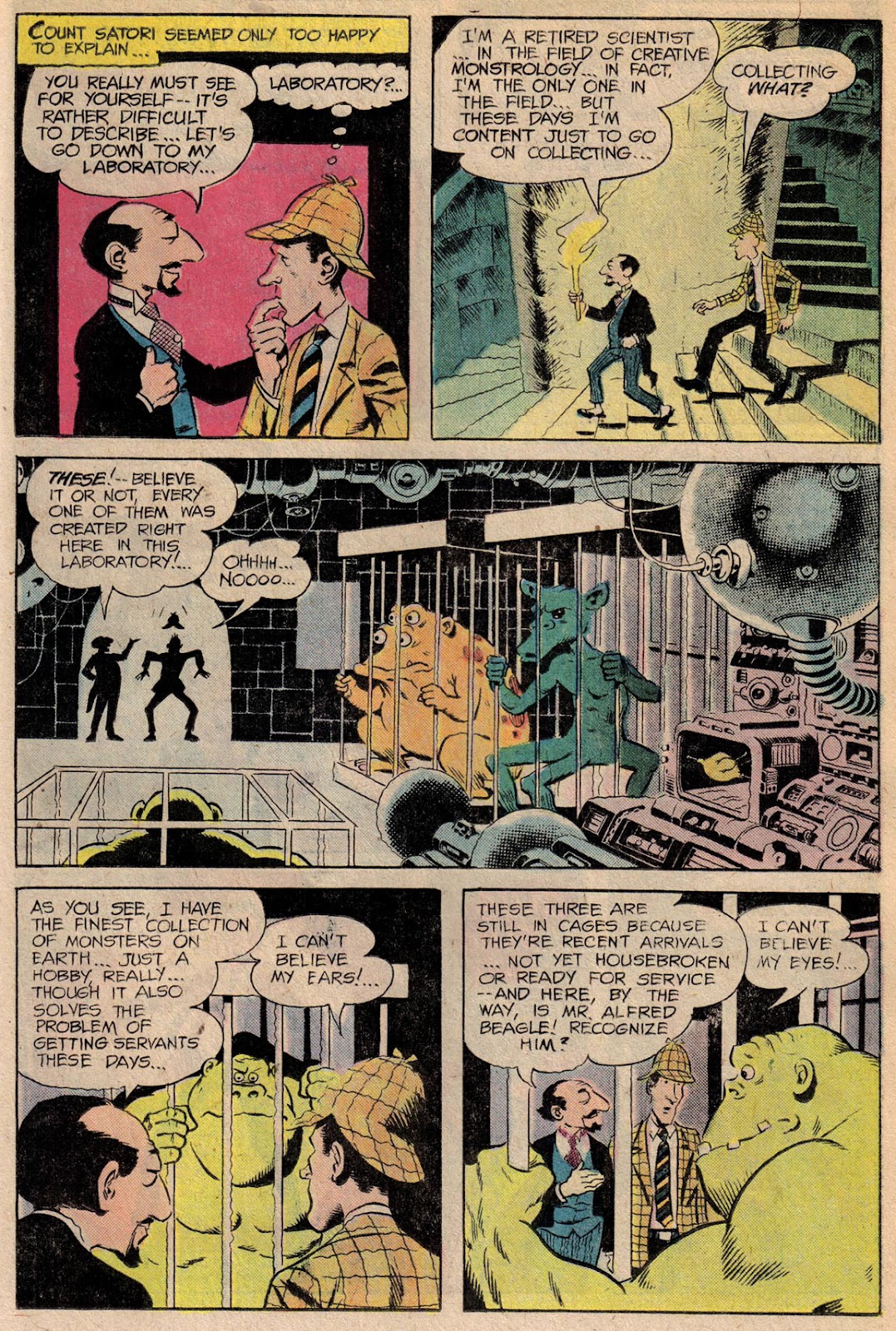
Please collect all the random and misc. (and typically GREAT) stories from the legendary Wallace Wood in one place — omnibus, compendium, DC Finest, whatever. I’m constantly discovering “new” storiesI’ve missed like this one, aptly titled “The Collector.” (Pencils and inks by Woody, blueline breakdowns by Al Sirois.) Reprinted only once, 40 years ago, in a cheapie digest.
Woody deserves better treatment.
Thank you for your attention to this matter.
Yr. Pal,
Greg
PS That middle panel page is such a great throwback to Woody’s classic EC days, isn’t it? The coloring doesn’t quite do it justice.
Another checked box on the art bucket list: Green Lantern, pencils by Gil Kane and Inks by Wallace Wood, from the only GL issue (#69) they worked on together.
This dynamic page, created during the latter part of Kane’s run on the series, nicely showcases the artistic chops of both Kane and Wood. Although Woody was often known for completely overshadowing his pencilers, this issue’s collaboration is excellent — Wood adding his sleek polish to Kane’s imaginative storytelling and skillful figure work.
Green Lantern was all over the map during this period — story and art teams were always in flux, and it’s clear the book couldn’t find its footing. Ultimately, that editorial challenge proved to be a boon to comics and DC specifically, when a half year later, Denny O’neil and Neal Adams took over, added Green Arrow and revamped it all. At that point, what did they have to lose?
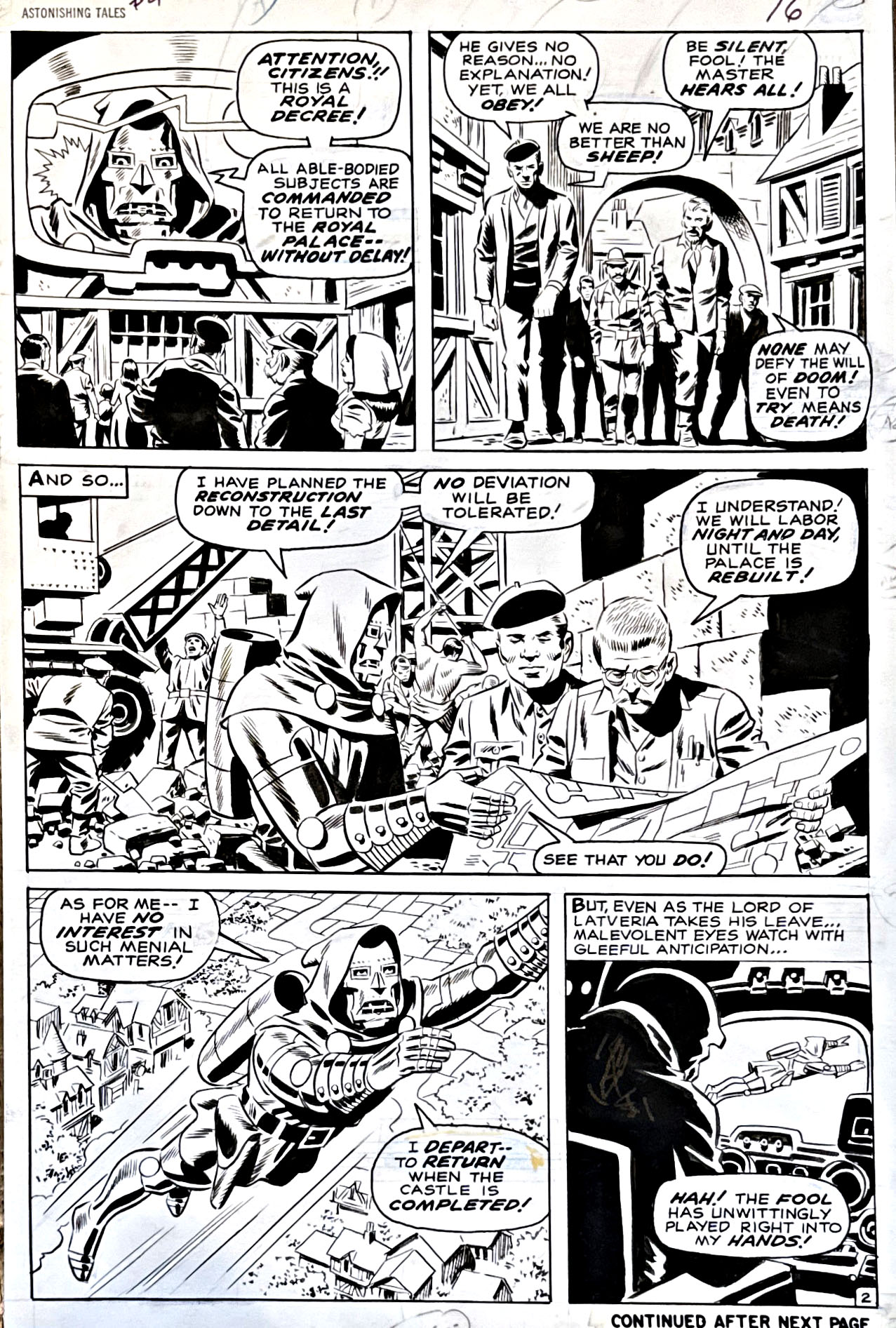
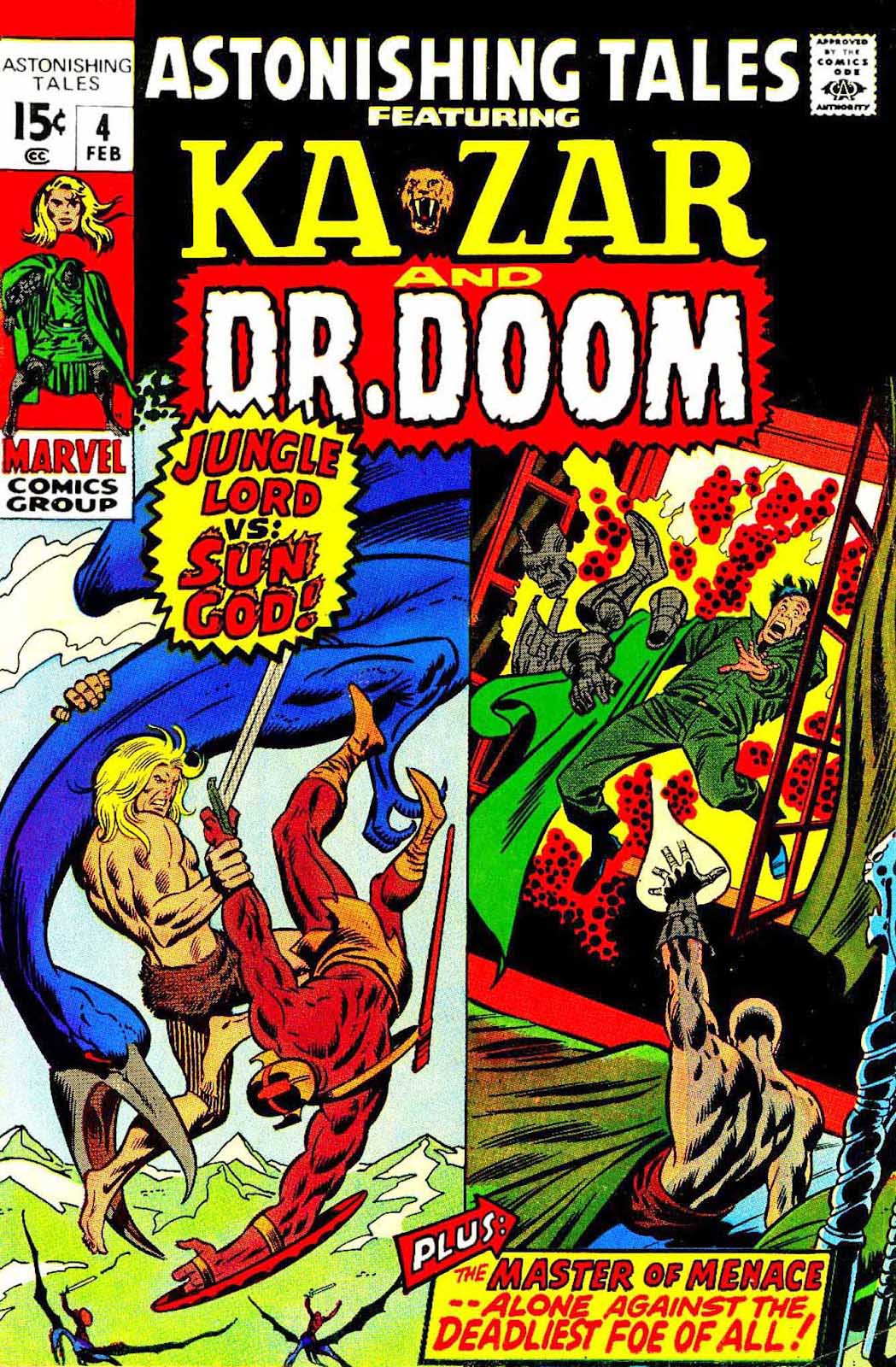
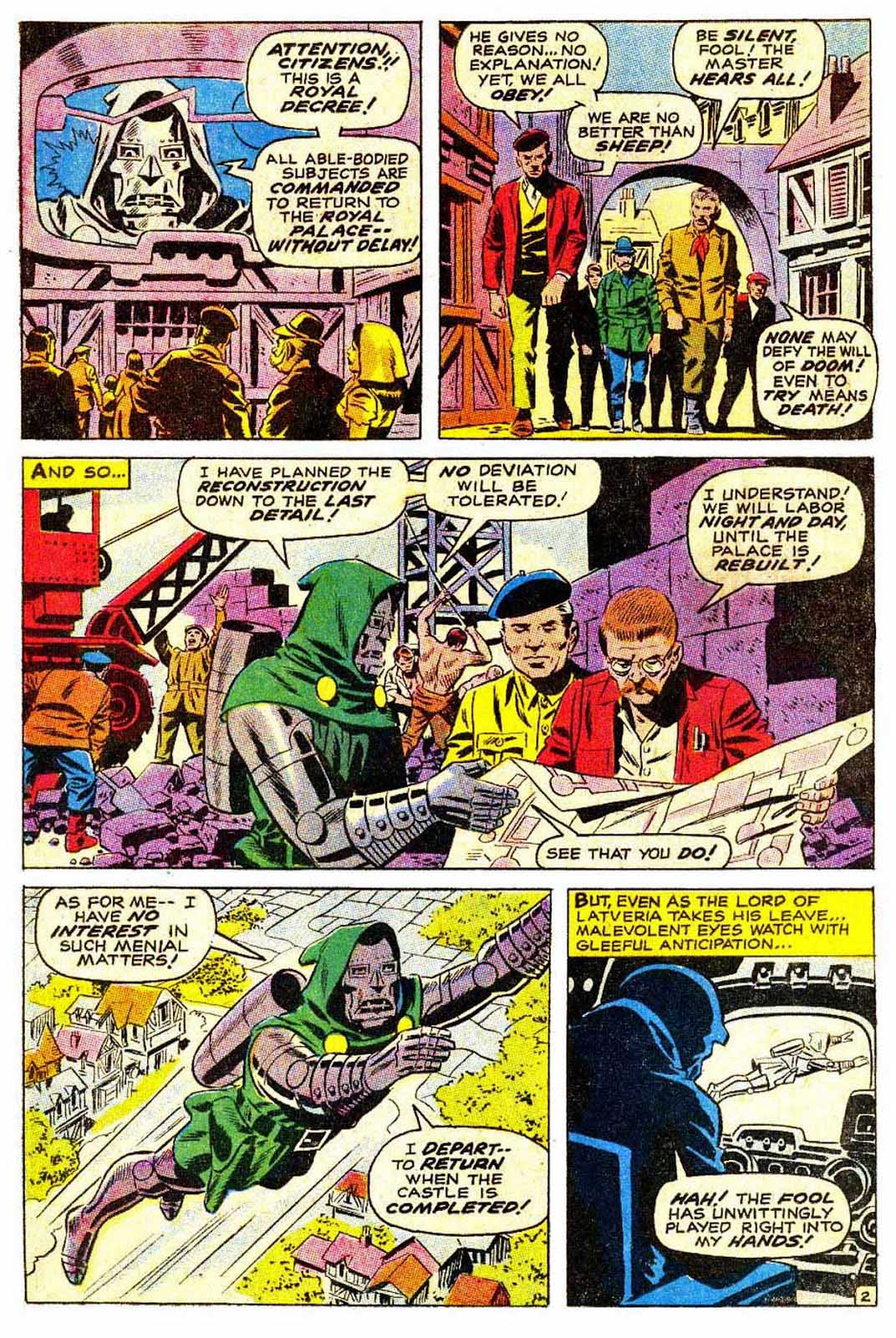
Wally Wood drew four short Doctor Doom stories in Astonishing Tales. This page, from the fourth and final story is, like all of them, a Wood classic.
And yes, that’s the Red Skull lurking in the last panel. After all, what use is a super-villain story without another, even more twisted super-villain as the antagonist?
This would turn out to be Wood’s final output for Marvel Comics.
Took me a long time to pull the trigger on the “right” deal for one of these, and I’m glad to have finally acquired one.
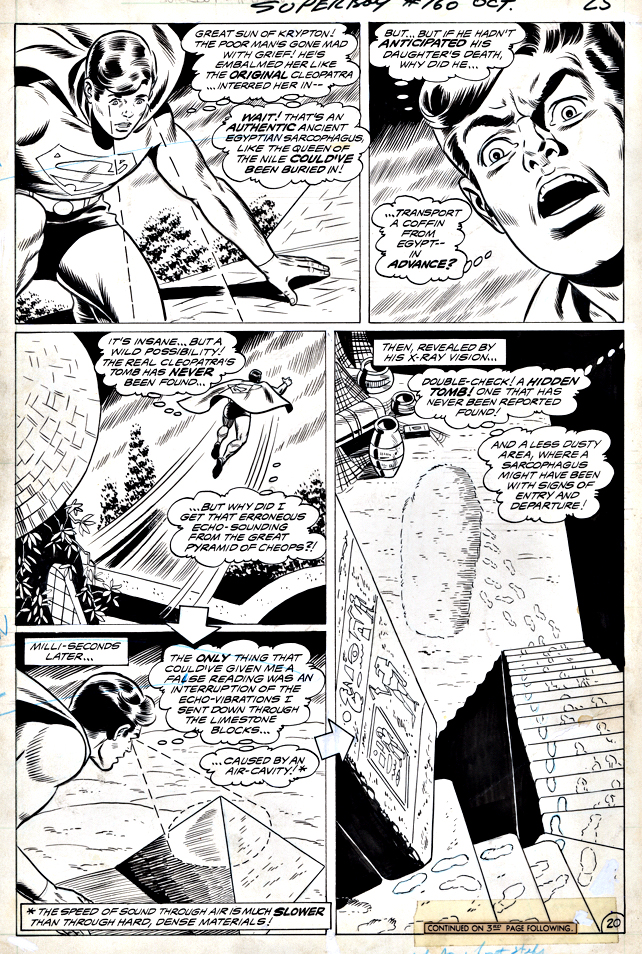
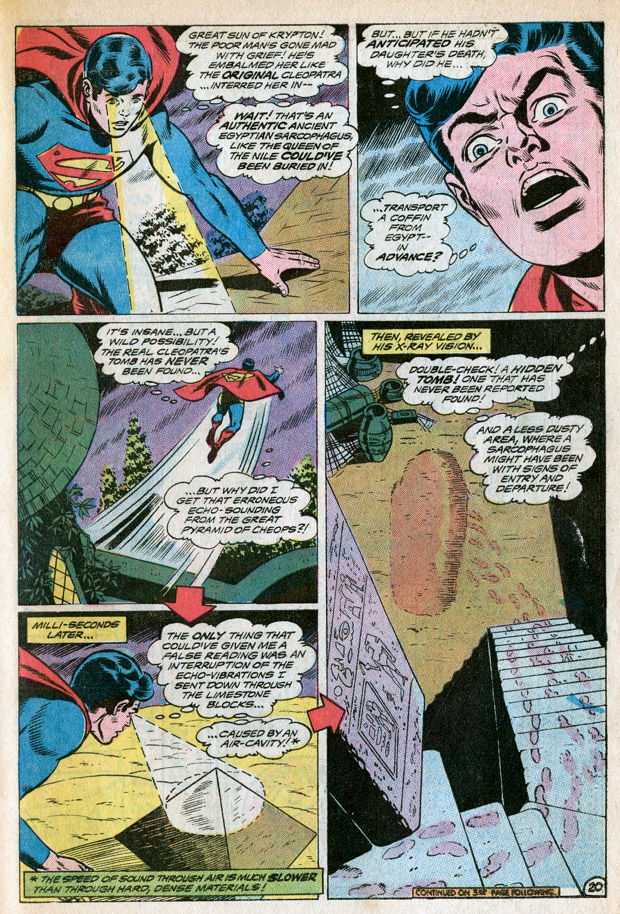
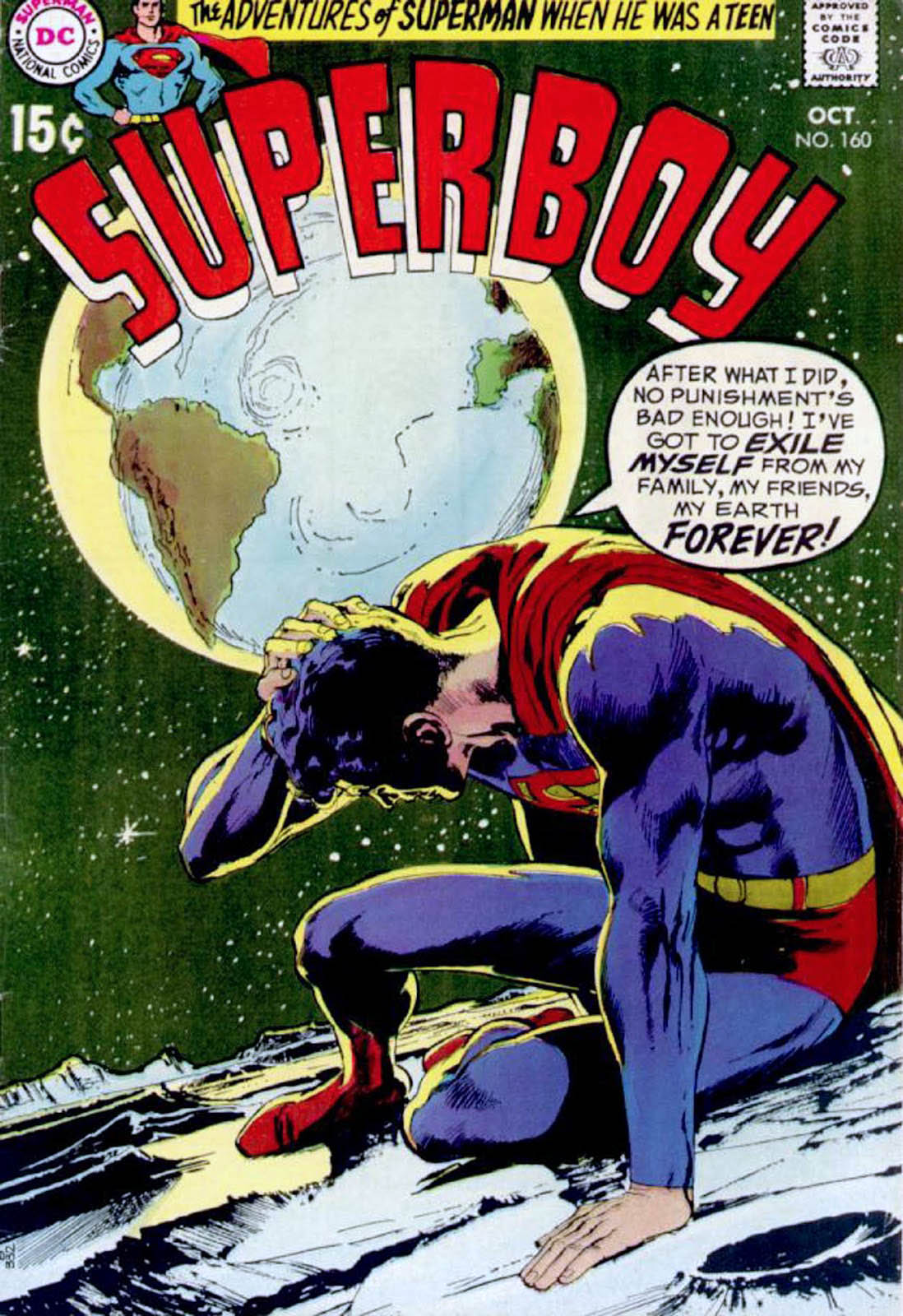
Bob Brown’s Superboy stories were the Superboy stories I read as a kid.
Wally Wood inks? A very happy bonus.
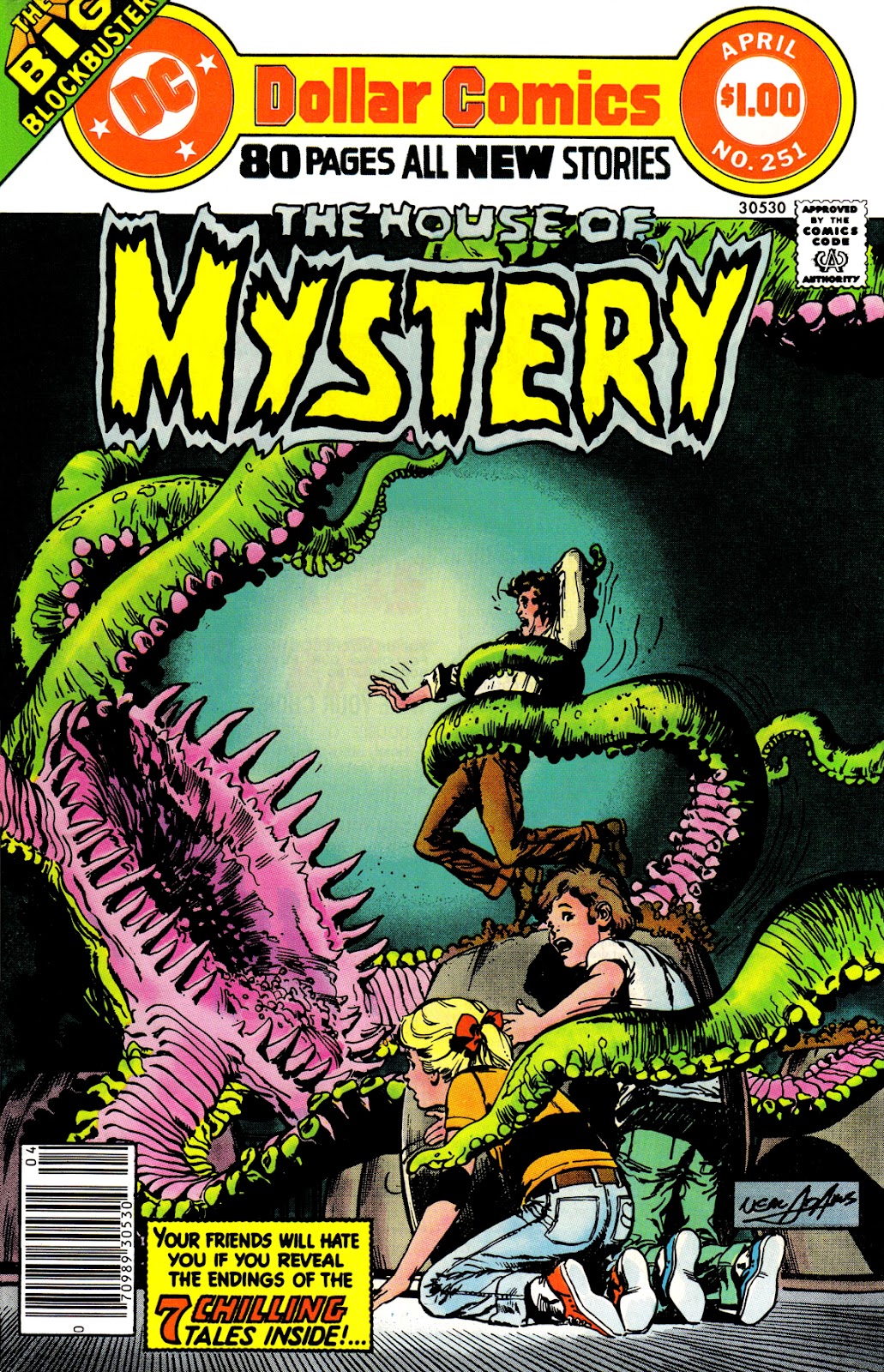
Even though the stories rarely matched the intensity of the typically featured Neal Adams covers, I’d likely buy a collection of this material on the spot if it ever becomes available. Nostalgia is a powerful thing. (It’s shocking how much DC silver age superhero material remains to be printed. But that’s a story for another day.)
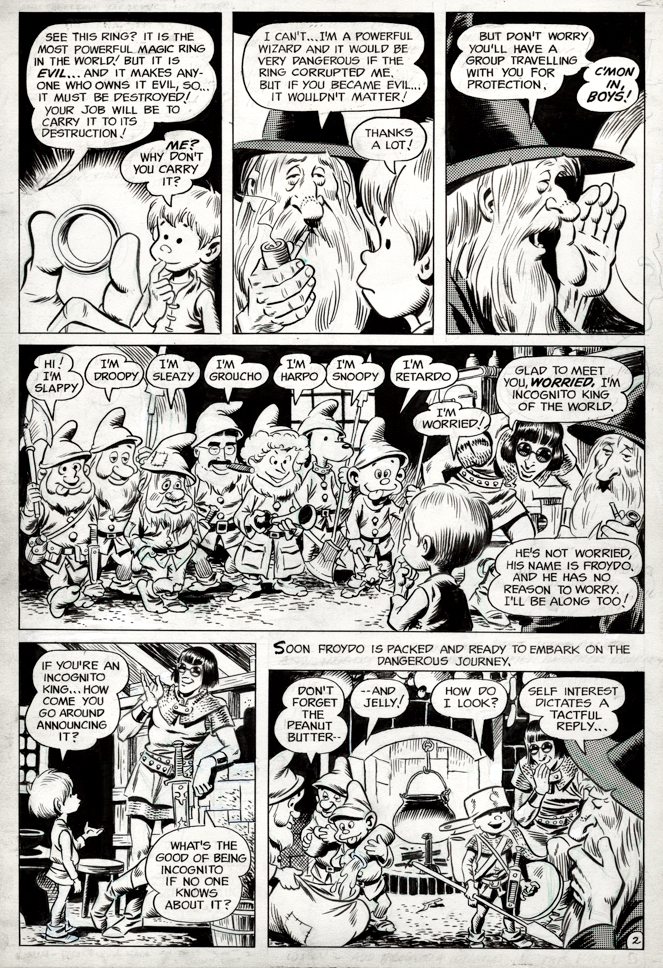
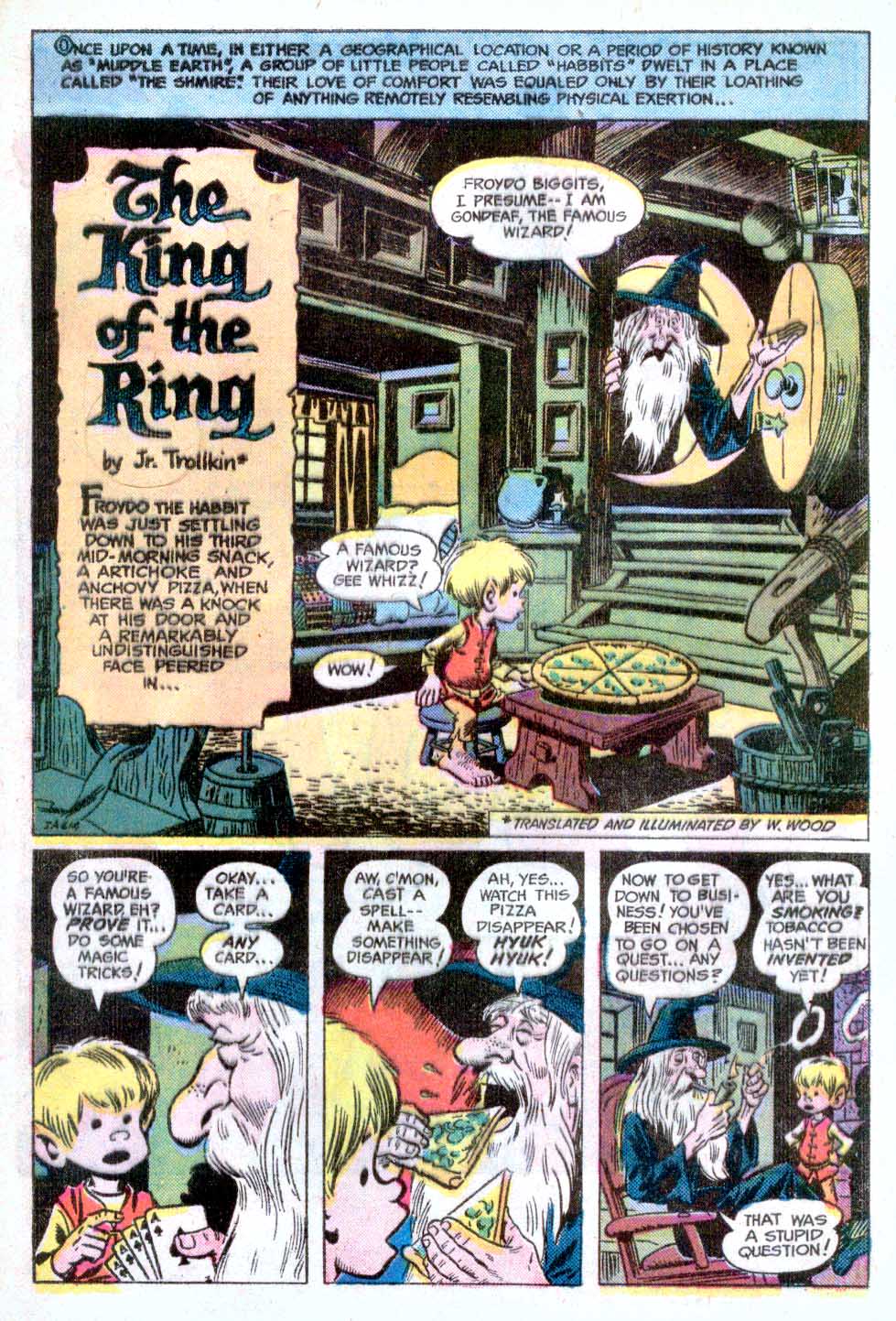
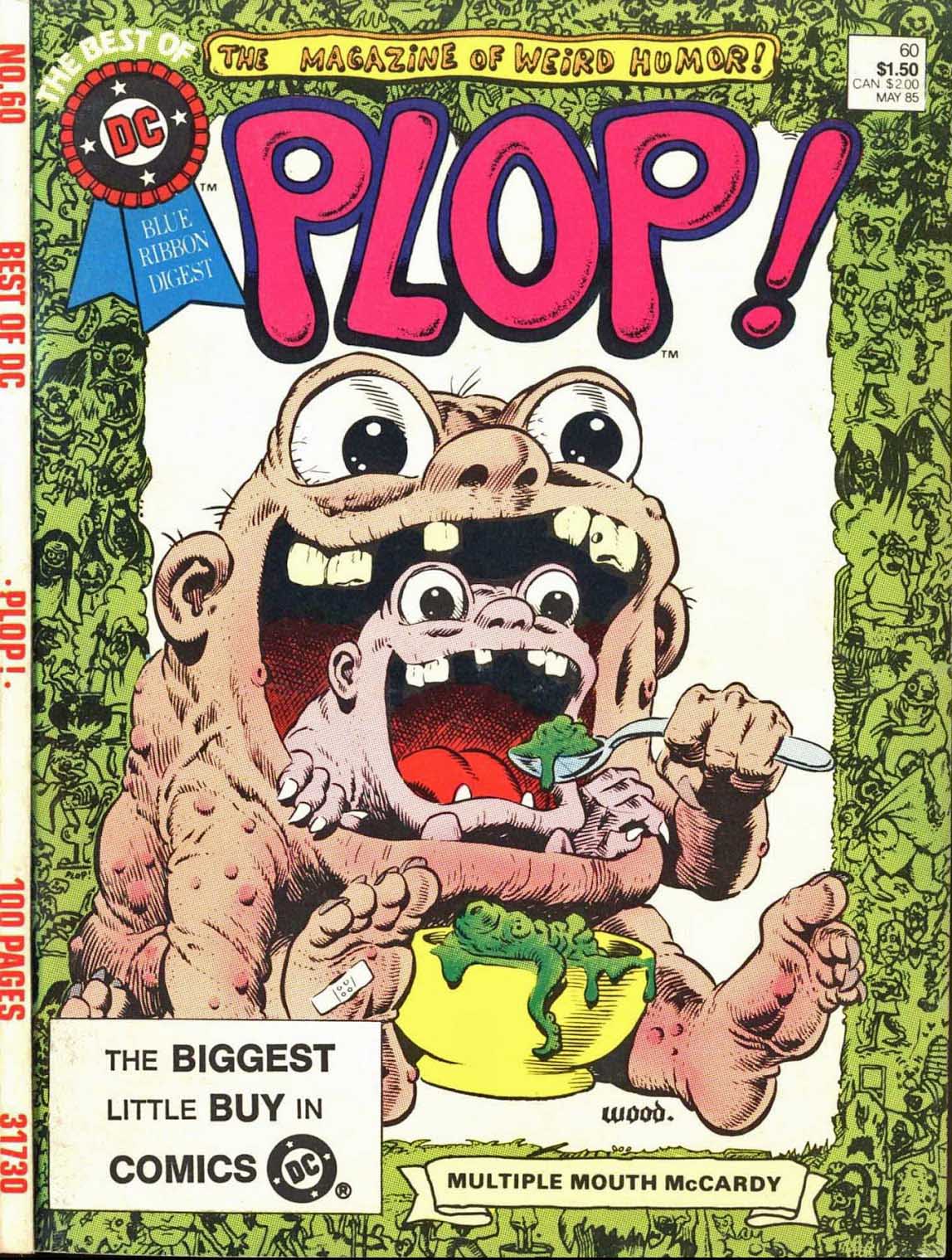
Wallace Wood revisits his Mad comics chops with this terrific parody of Lord of the Rings.
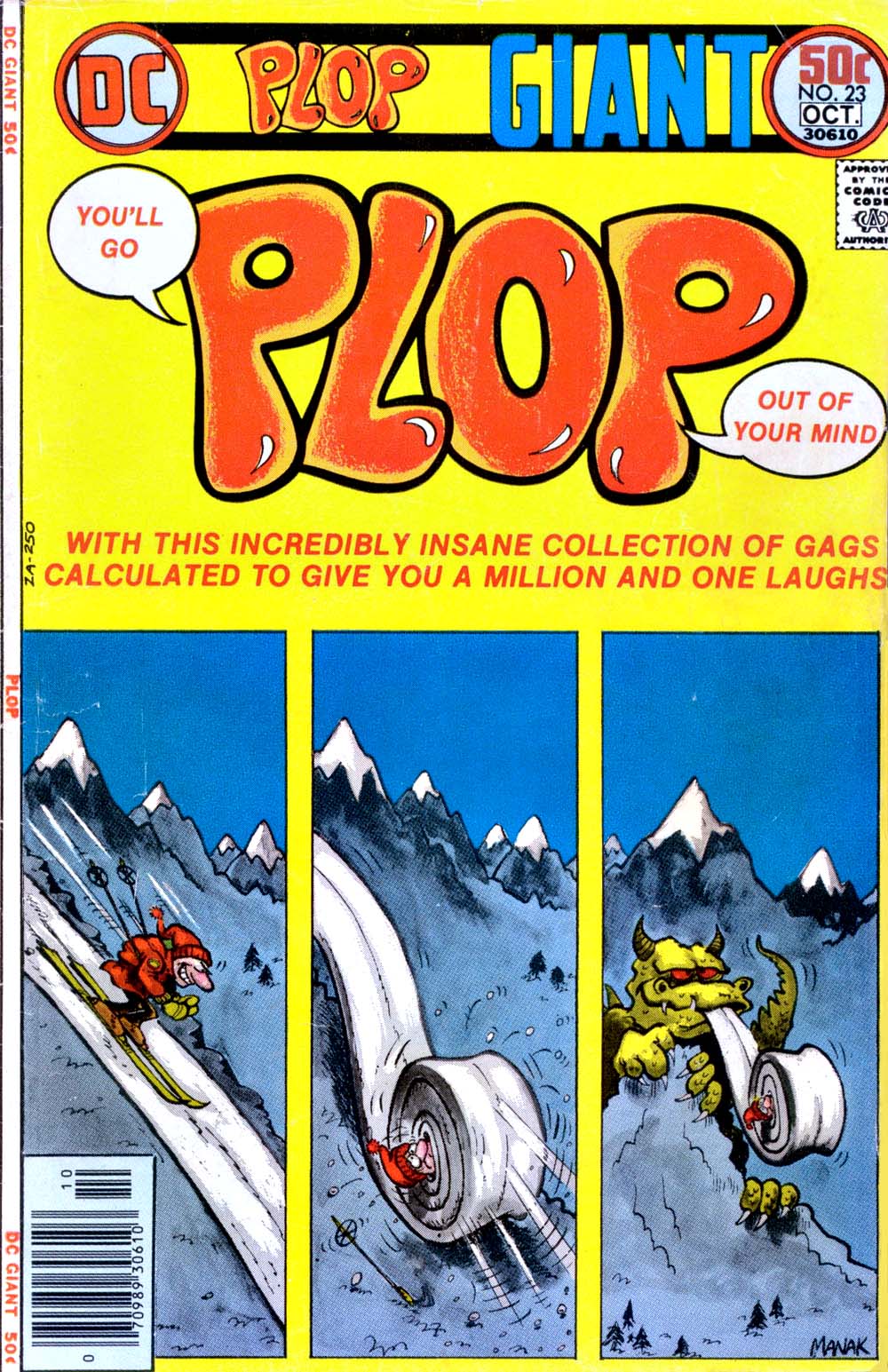
Terrific, but little seen, because it appears in a later issue of Plop, when sales were low, and… it’s only been collected one other time — in digest format — a few years later.
With the exception of (perhaps) the title splash this is the best page in the issue, mashing up gags about hobbits, the seven dwarves and Prince Valiant — all in the distinctive Woody style. (And yes, one word balloon is definitely not PC in the original, but it was nearly 50 years ago, and appears to have been modified.)
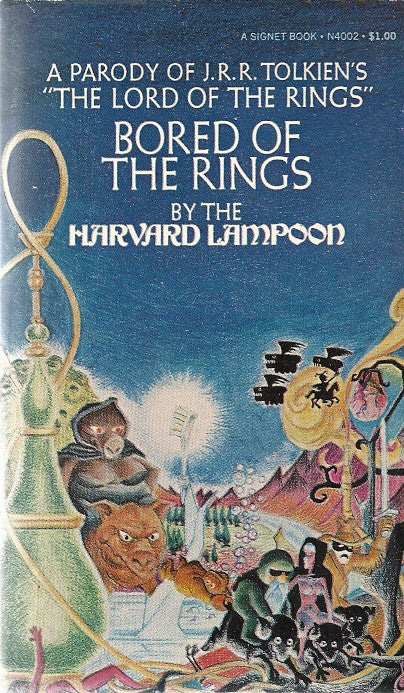
Welcome to Day Nine of the 12 DC Days of DeCember.
The 80s digest reprint did a much better job of promoting of what you received when you plopped down (ouch) your dollar.The classic Harvard Lampoon satire of LOTR has gone though multiple printings since it first appeared in 1969, and unlike most parodies, has stayed in print since first publication.
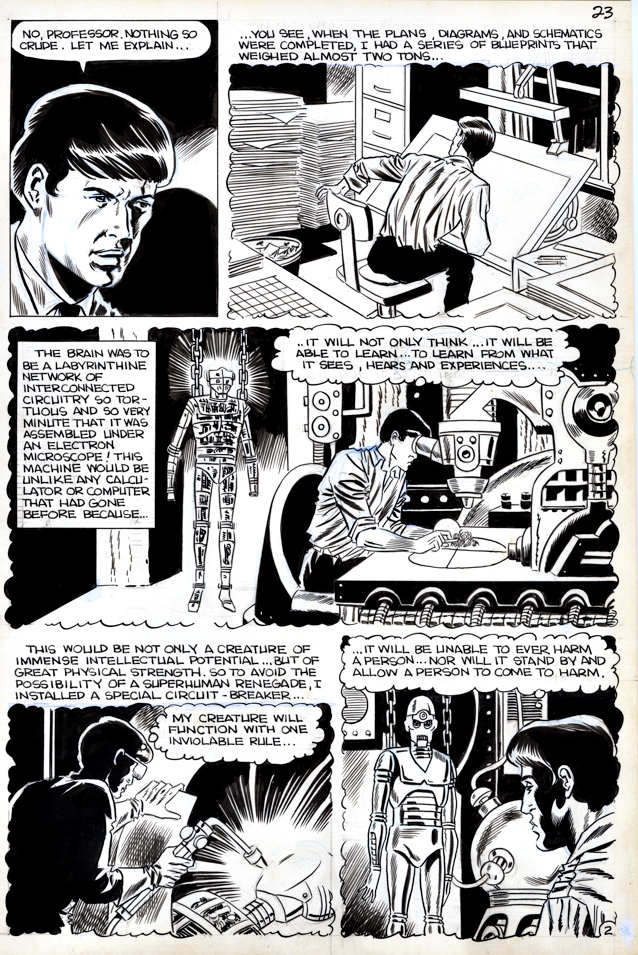
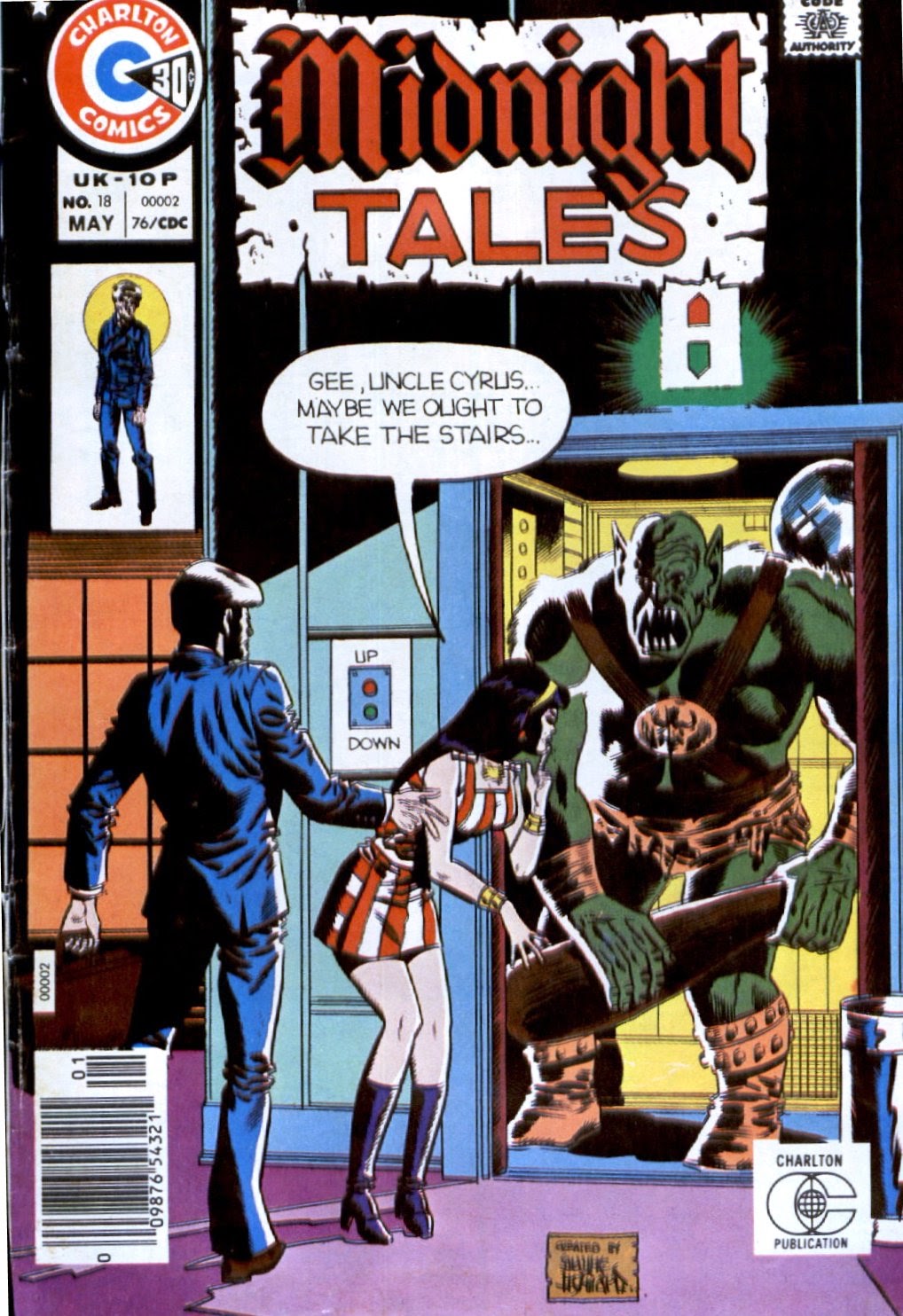
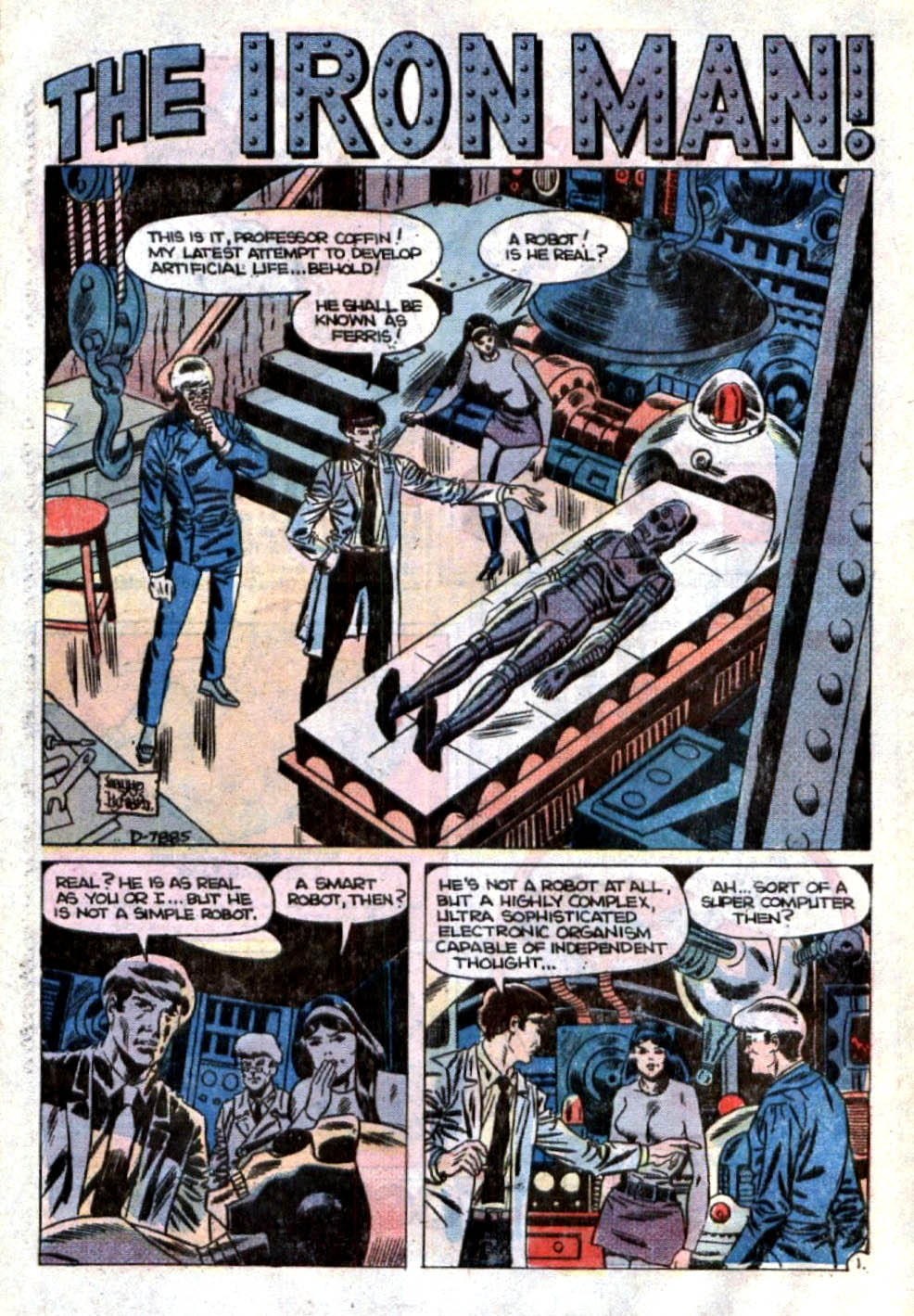
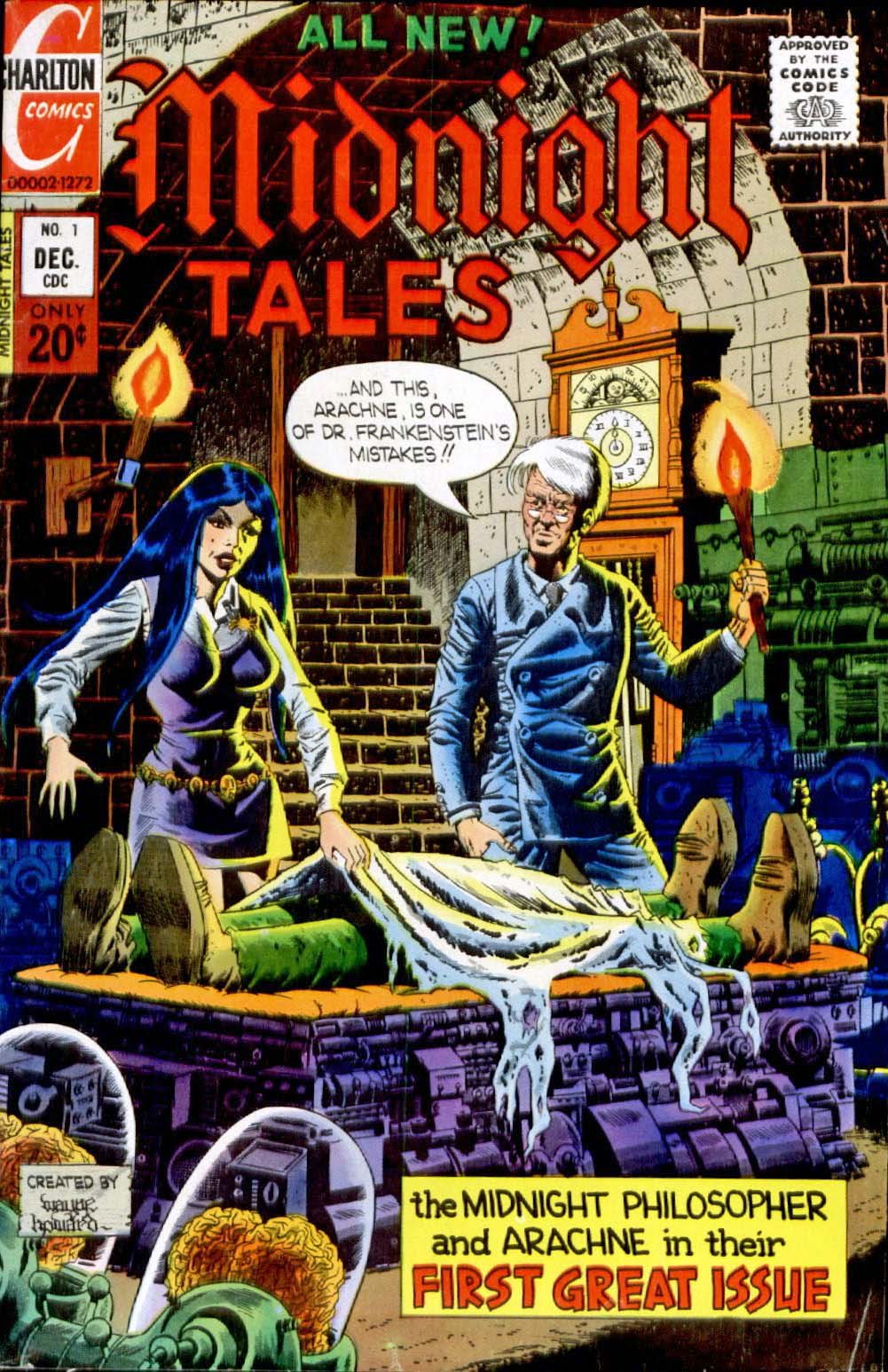
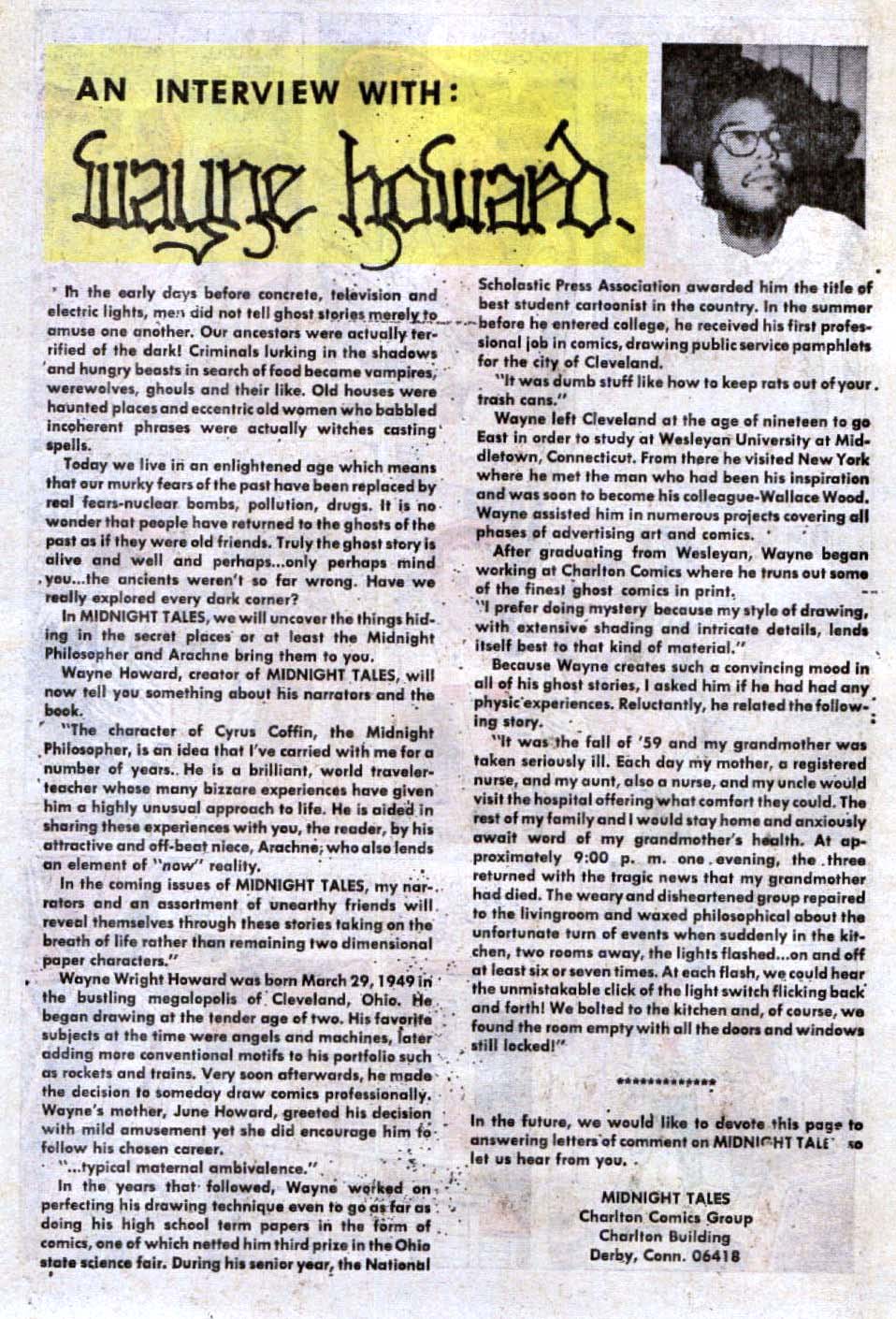
Wayne Howard studied as an assistant under Wally Wood and then went full-on Wood with his creator driven book Midnight Tales which lasted 18 issues in the early mid -70s.
(The Iron Man is the final story in the final issue of the series. No relation to Tony Stark.)
And, of all of Woody’s assistants, Howard made no bones about his referential approach to Wood’s style.
The comic was a unique creation at Charlton (or anywhere, actually) and featured nearly exclusive Howard-drawn stories. Charlton promoted Howard’s concept on the cover — and in the fan press and at conventions.
A young African American in an industry still mostly dominated by (older) white men, Howard himself was a unique member of the comics creative community. He was known to be somewhat shy, and he was also known for conservative views, again a striking contrast to many of his industry peers.
When Howard left comics, he rarely spoke about his work; He passed away at the much too early age of 58 in 2007.