Panels and Pages… Art and Artists… Creators and Conventions… Musings and Memories…
Author: Greg Goldstein
Greg Goldstein is a veteran publishing and media executive; most recently, he was the Chief Operating Officer, President and Publisher of IDW Publishing, managing all aspects of the company’s book and games business from 2008 to 2019.
Throughout his career, Greg has developed creative and profitable publishing programs for dozens of the world’s best-known entertainment brands including Star Wars, Transformers, Star Trek, James Bond, TMNT, Spider-Man, Batman and Godzilla.
In 2013, Greg led IDW’s acquisition of Top Shelf, an independent publisher best known for Congressman John Lewis’ March trilogy, which has become the most lauded non-fiction graphic novel series in the history of the medium.
In 2011, Greg won an Eisner award for his editing on the first-ever collection of Bob Montana’s Archie newspaper comic strips. (Published under IDW’s Library of American Comics imprint.)
Prior to joining IDW, Greg was VP of Entertainment and Gaming for Upper Deck, responsible for the company’s blockbuster slate of games, including Yu-Gi-Oh, World of Warcraft and The VS Superhero system. During his tenure, he created Marvel Ultimate Battles, the first-ever trading card game that focused exclusively on Marvel’s popular mass media characters.
As VP of Brand Development for Activision from 2000-2002, Greg established strategic partnerships with the largest Hollywood studios, and worked closely with Marvel Entertainment to successfully develop Spider-man into one of the biggest blockbuster licensed videogame brands in interactive history.
Greg’s career has also included a successful stint at Topps, where he helped launch and manage Topps Comics in the mid 1990s.
Additionally, Greg serves as an adviser for to the Comic Book Legal Defense Fund (CBDLF). He is also a frequent guest lecturer at San Diego Sate University and has presented at dozens of panels and conferences throughout the US.
He is also a well-known collector of original comic book art and rues the day he sold his collection the first time around in the late 1990s.
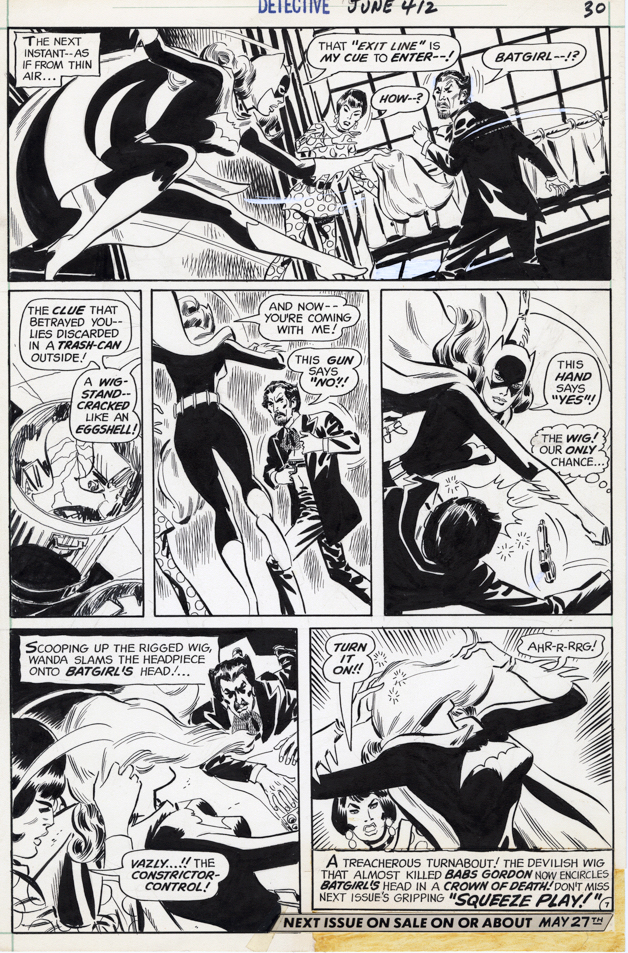
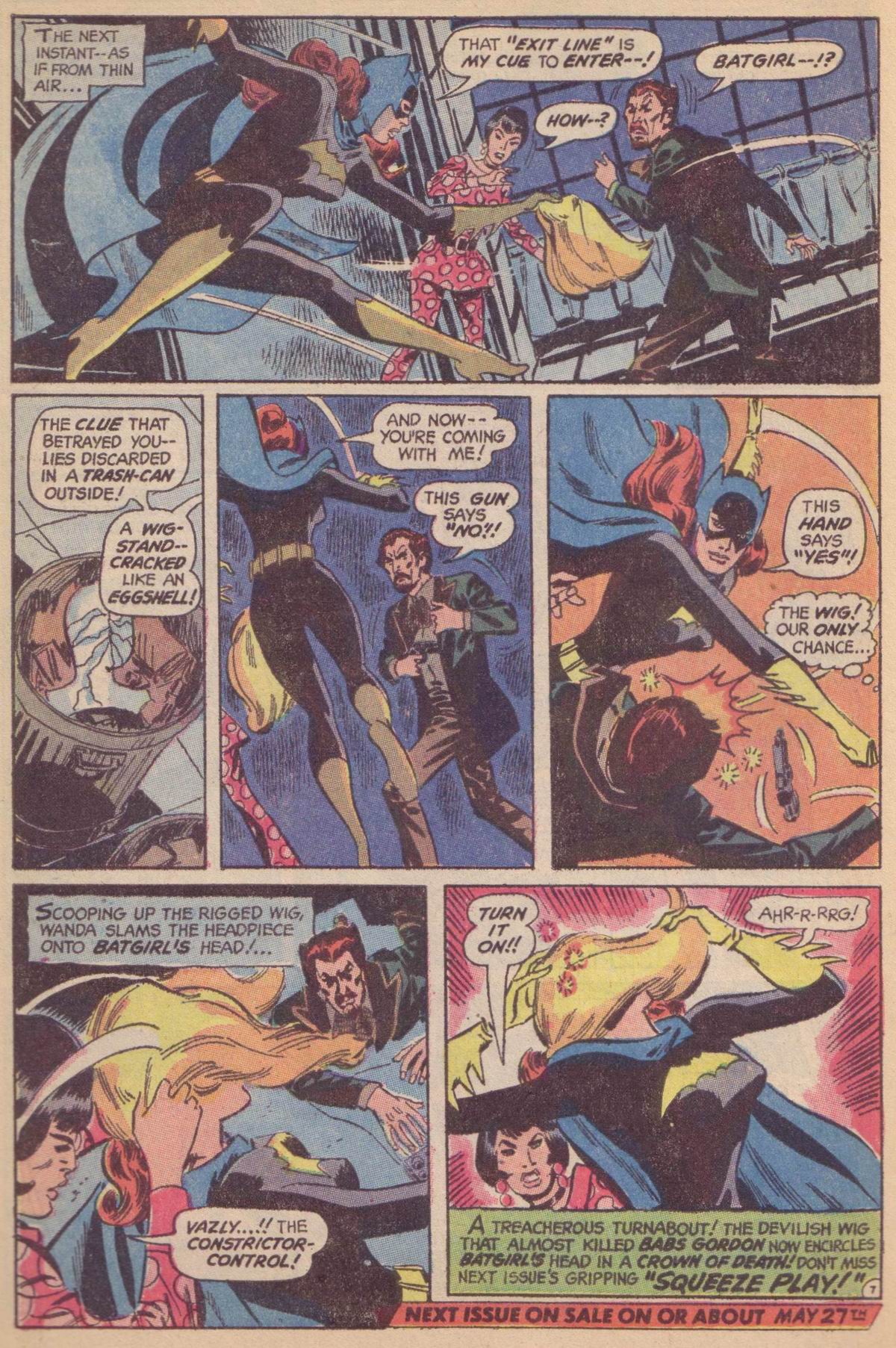
“Dandy” Don Heck was a pro at a glamorous situations and glamorous people — including Batgirl and pretty much all the women he tackled, as evidenced in the page above.
Don was best at inking his own pencils, also evidenced above, in this cool action page from Batgirl’s back-up feature in Detective Comics.
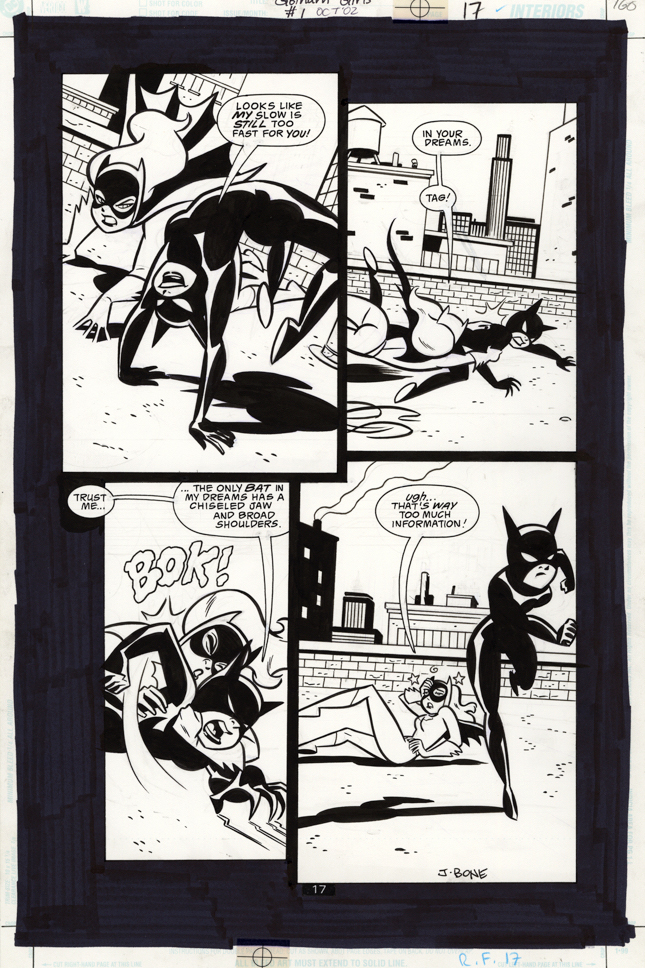
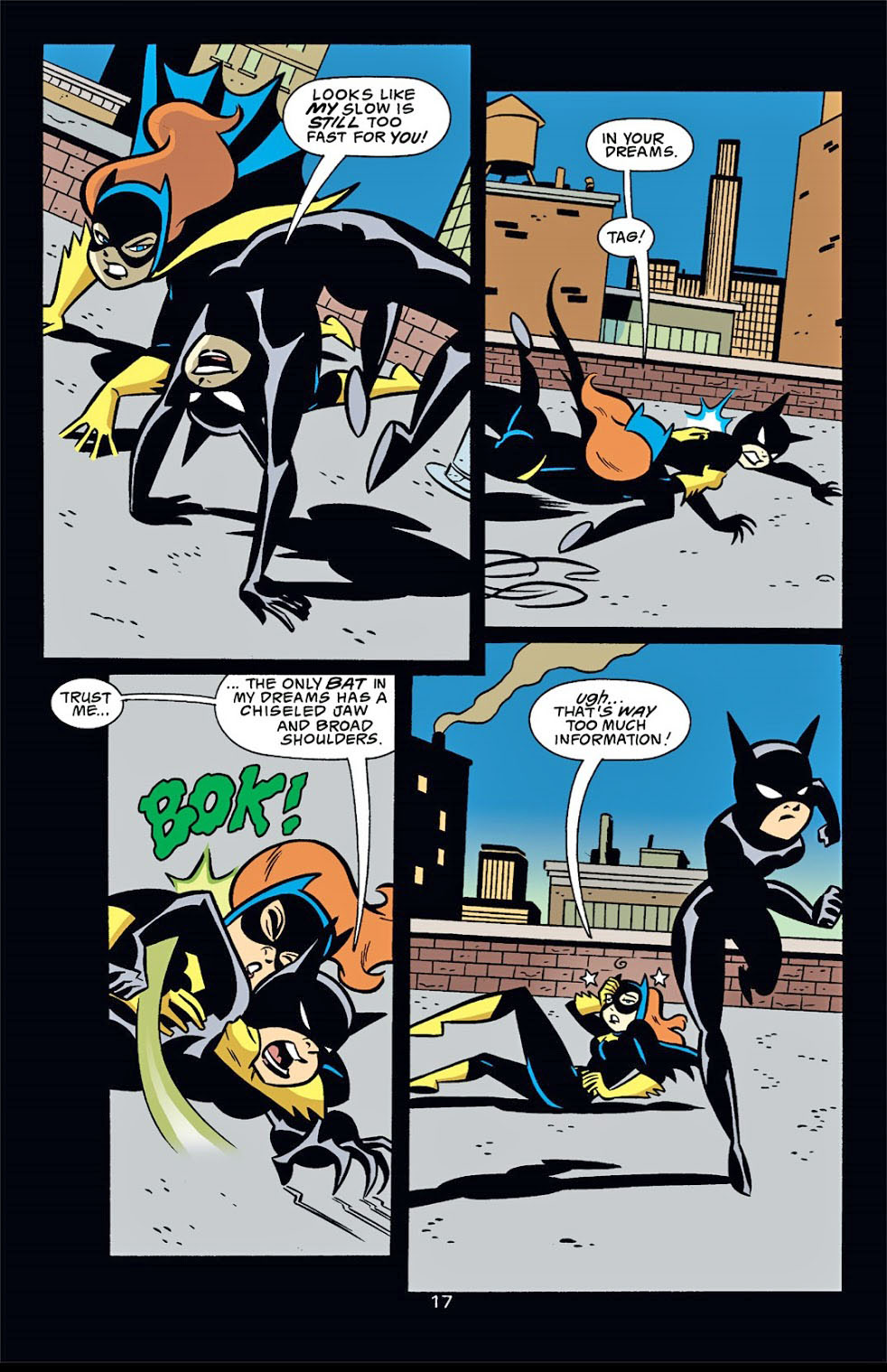
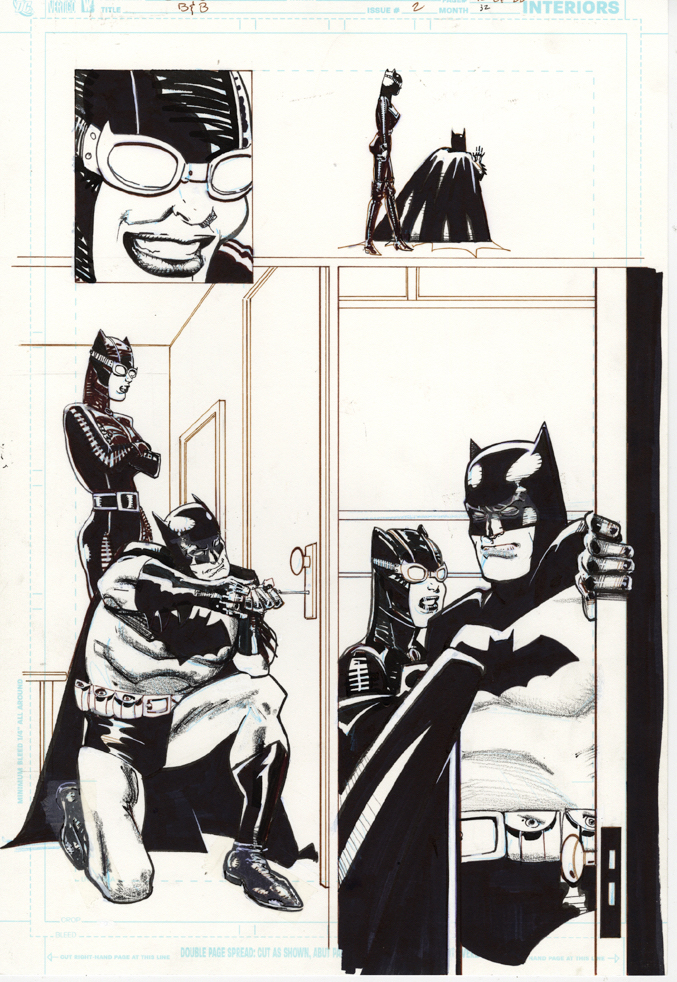
Batgirl fighting Catwoman? — seems like a great way to celebrate Halloween (upcoming) and Batman Day (belatedly) within a terrific action page by Jennifer Graves and the equally terrific J.Bone.
And, always a pleasant surprise to have a 21st Century piece of art with the word balloons hand lettered on the page.
Call me “old-school” all you want. It’s a compliment.
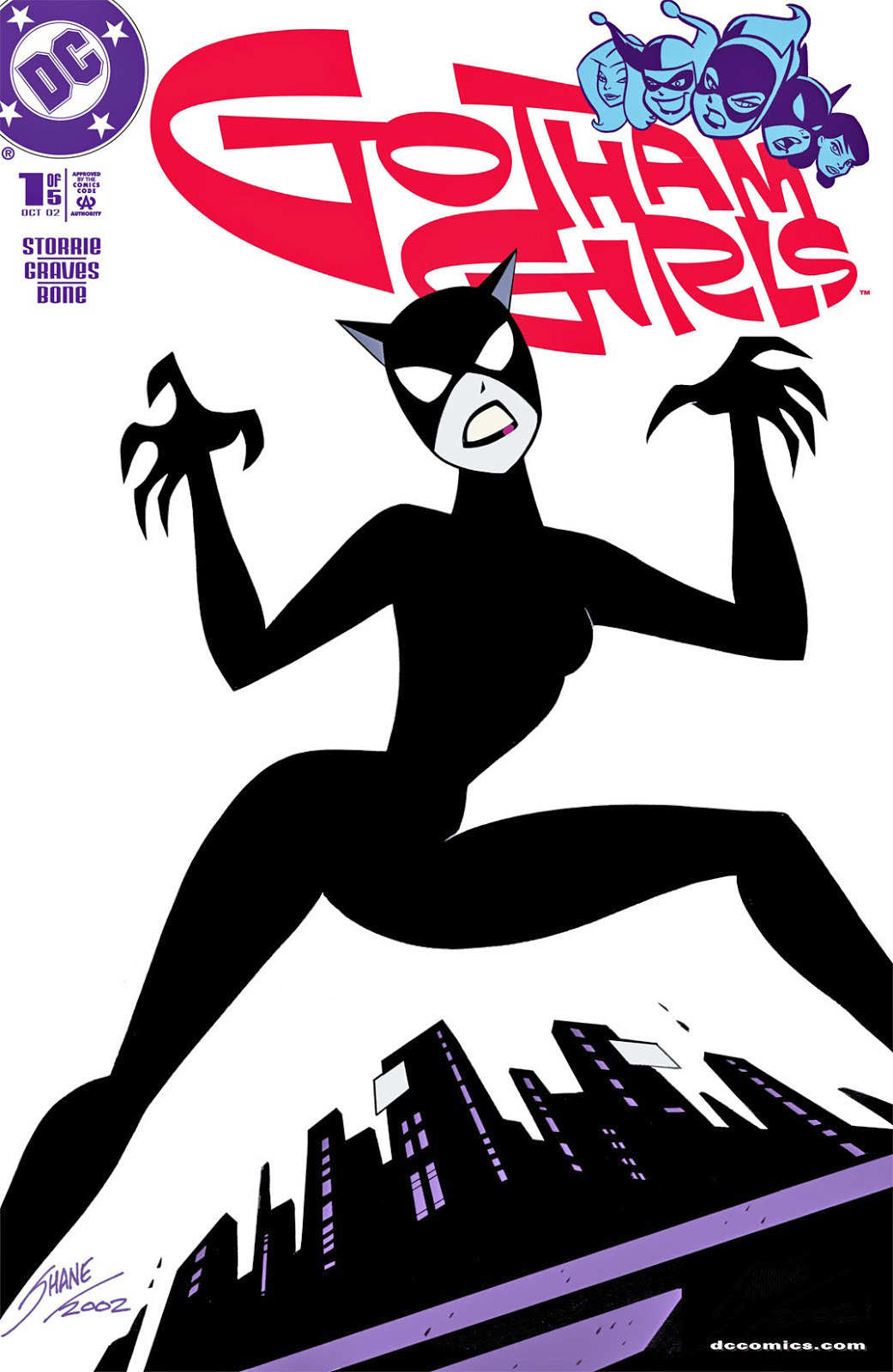
Fun fact: It took nearly 20 years for DC to collect this mini-series, and when they did they renamed it “Harley Quinn and the Gotham Girls to capitalize on — you guessed it — Harley Quinn, who is by no means the centerpiece of the original series.
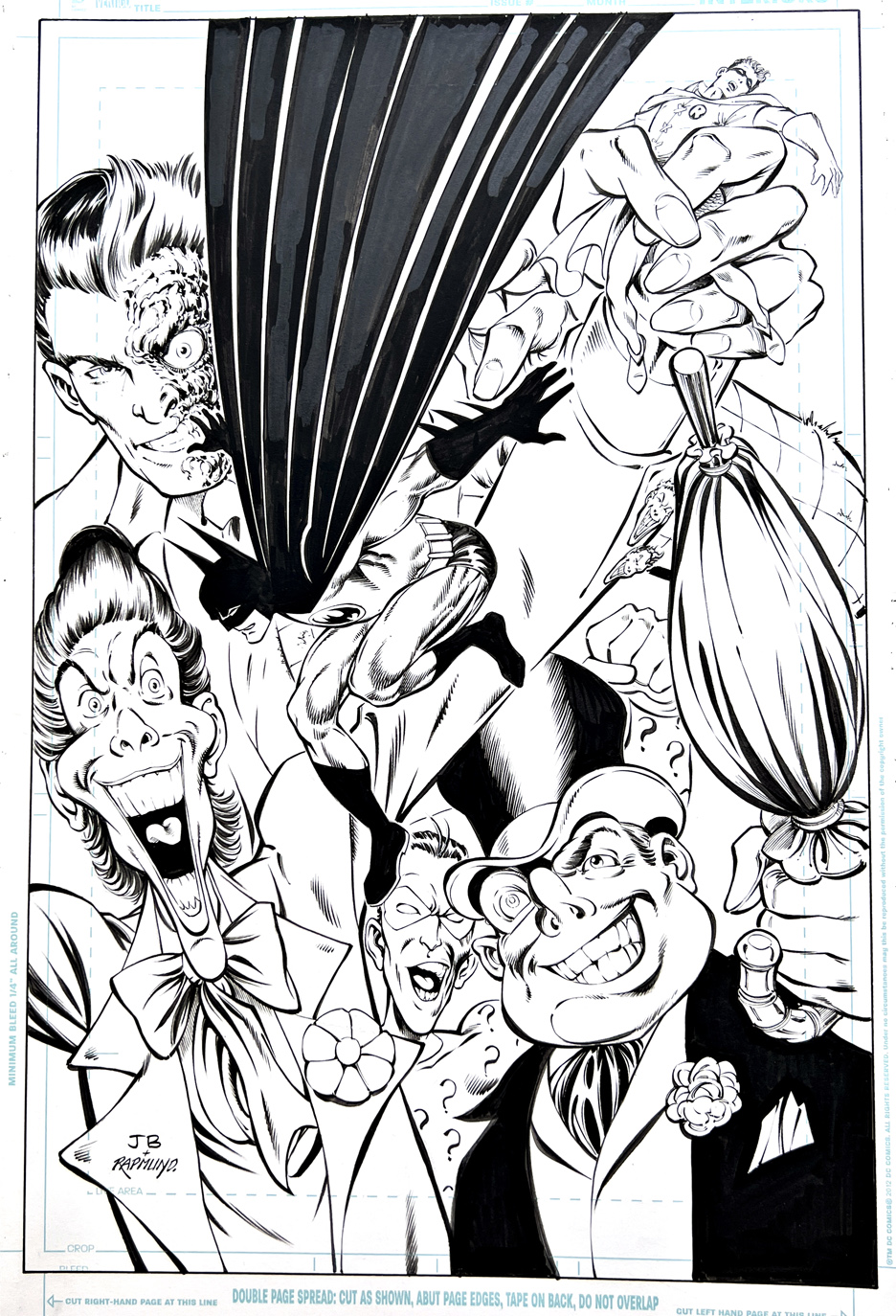
Norm Rapmund Recreation of John Byrne Batman, July2022
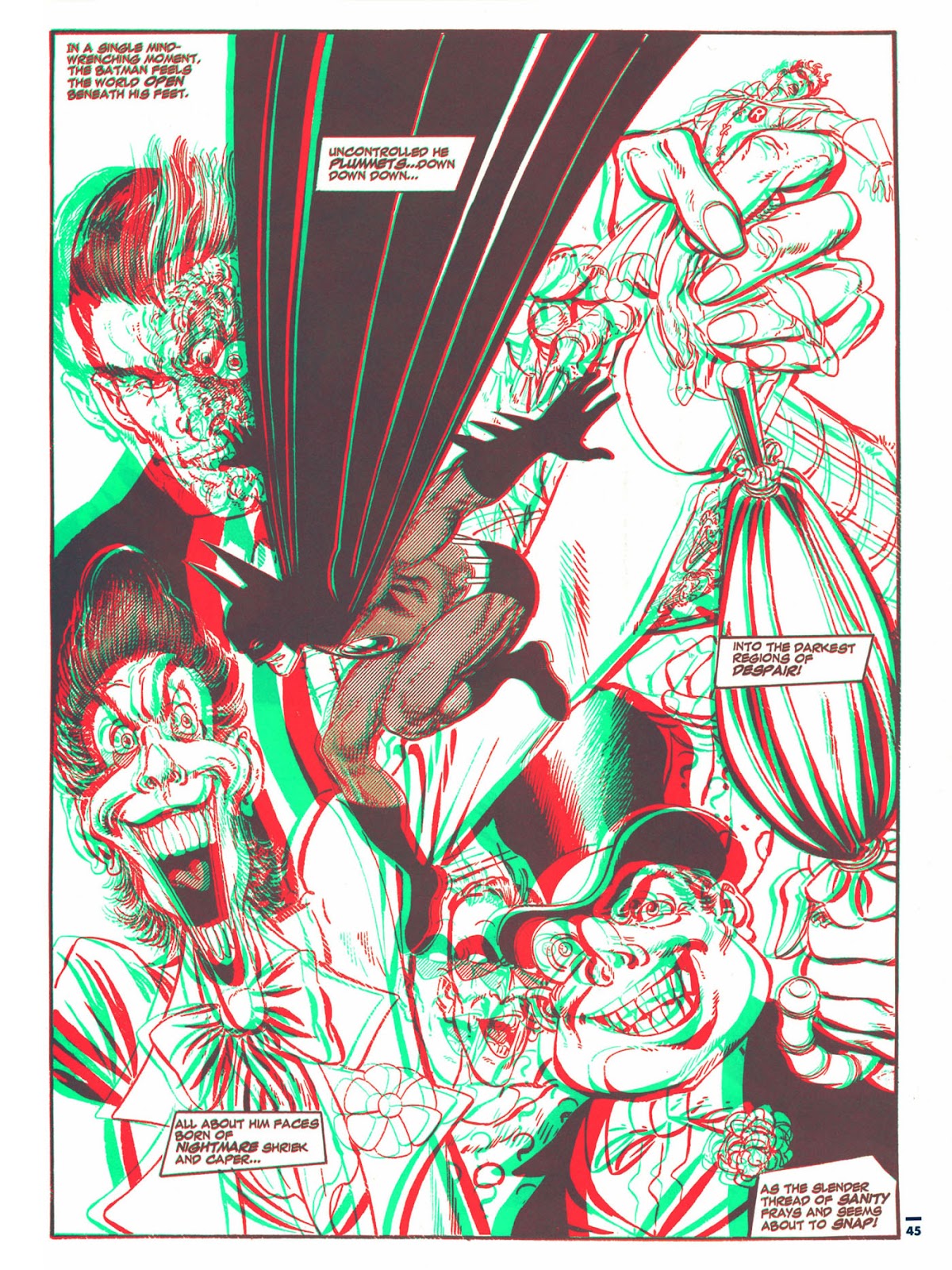
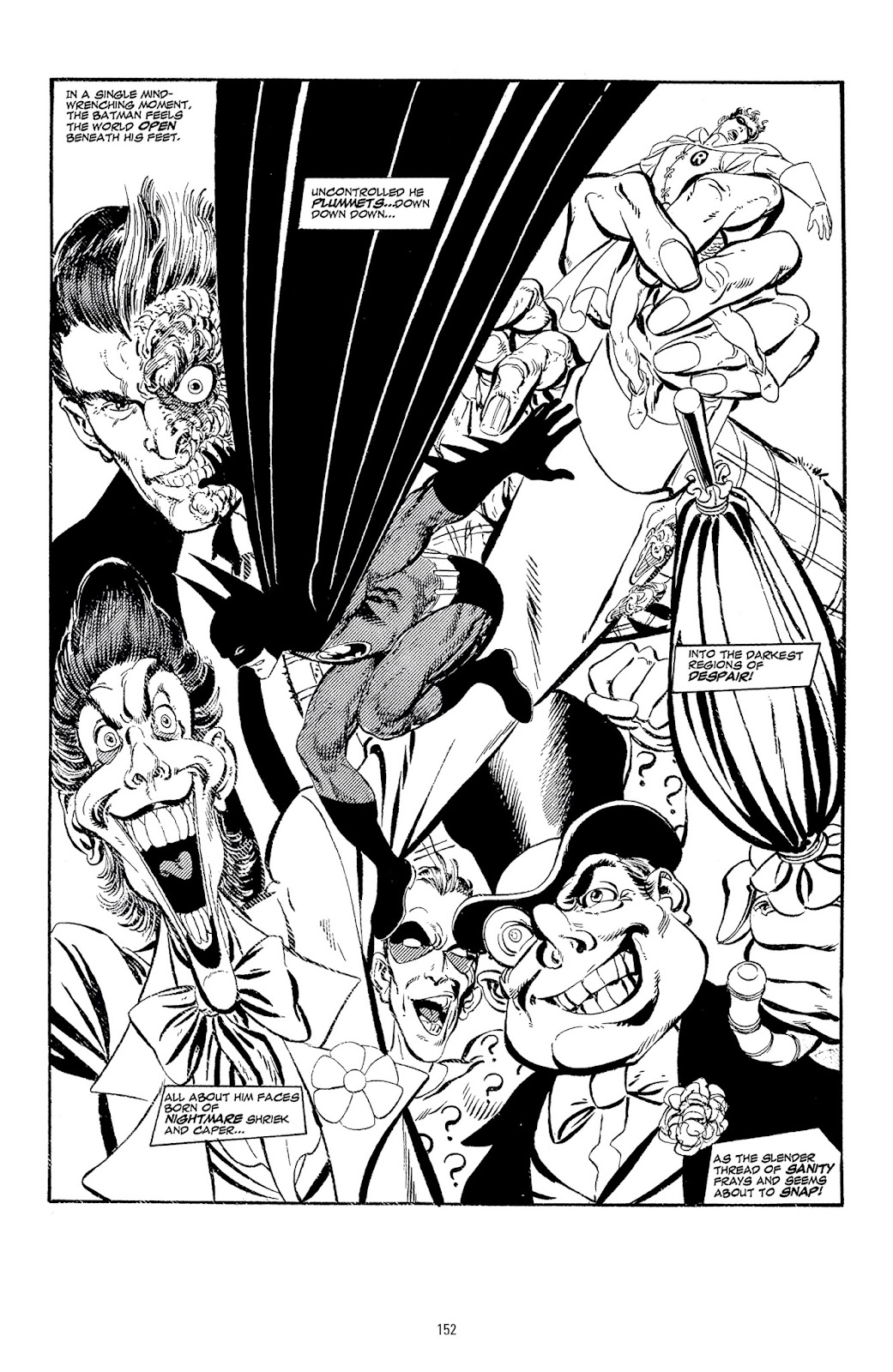
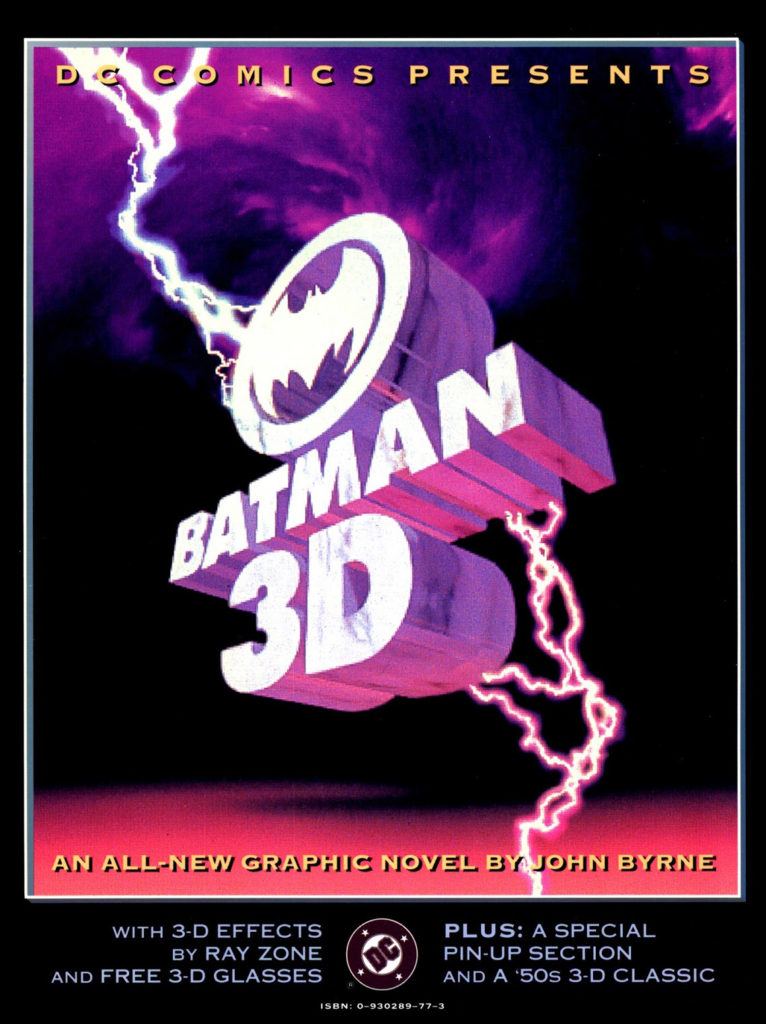
How to celebrate the 500th blog post — and a little more than three years of posting?: Here’s a beautiful Norm Rapmund recreation of a John Byrne Batman splash page (from the 1990 Batman 3-D graphic novel) that Norm started well before this blog was even conceived. (Probably 2017 or so.*)
The 500 milestone includes some “reruns” and a few “cheats,” but hey, 500 is still 500. And we have may slipped in frequency for the first time this past month, but there’s still more great art to come.
Stay tuned.
(*A story for another day.)
Byrne’s original 3D graphic novel and the black and white reprint from a Byrne DC collection 25 years later. One change that Norm made that I really like is that the Harvey Dent side of Two-Face’s face is a bit less evil — as it should be.
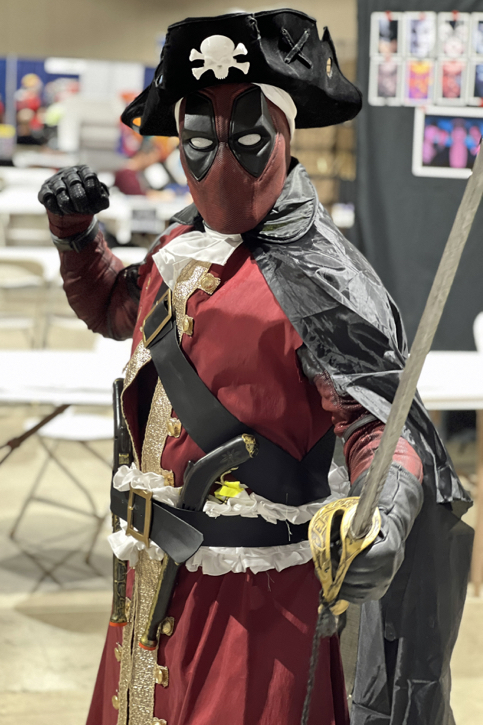
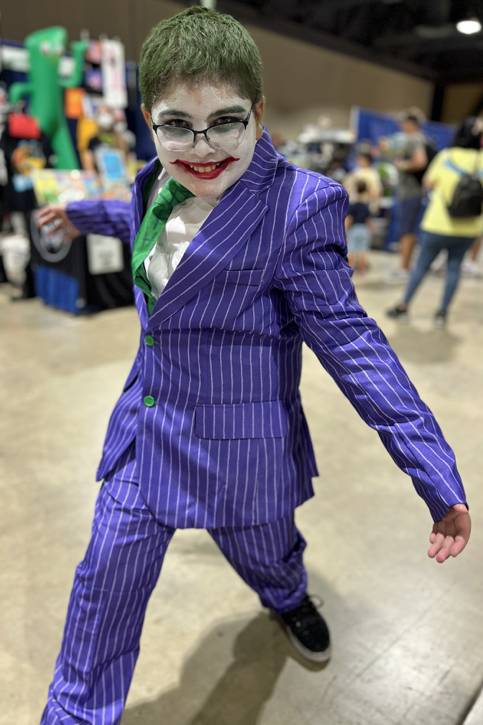
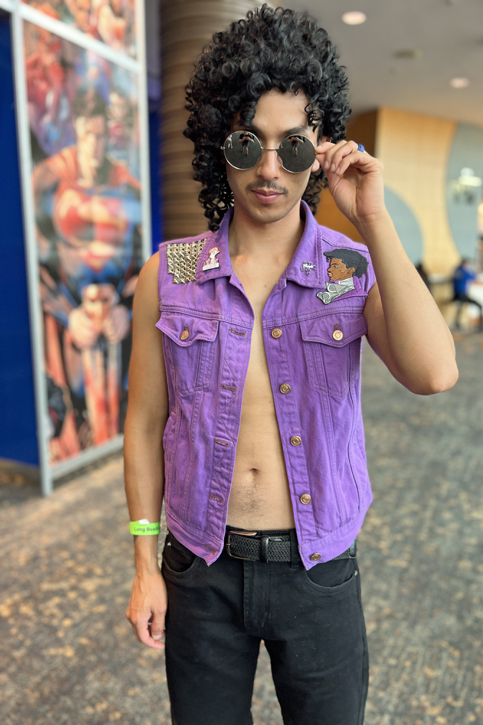
It’s been a minute (specifically, three years!)… Glad to be back in Long Beach with friends and fans!
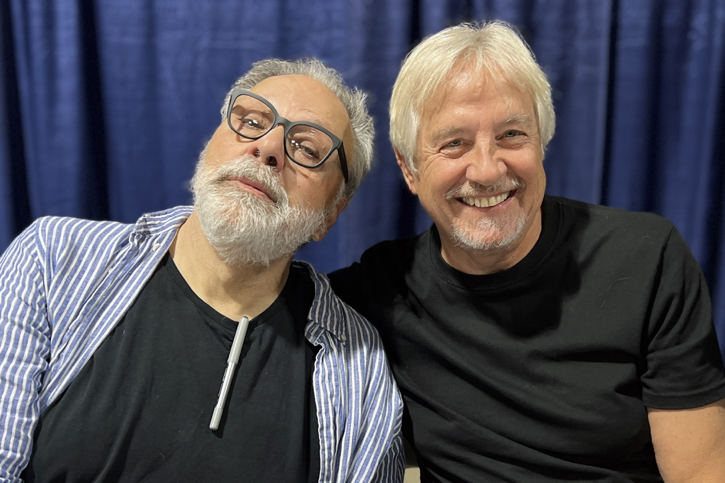
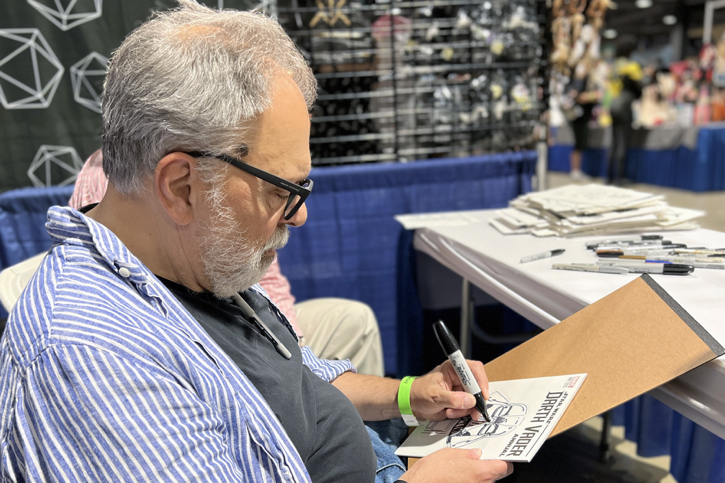
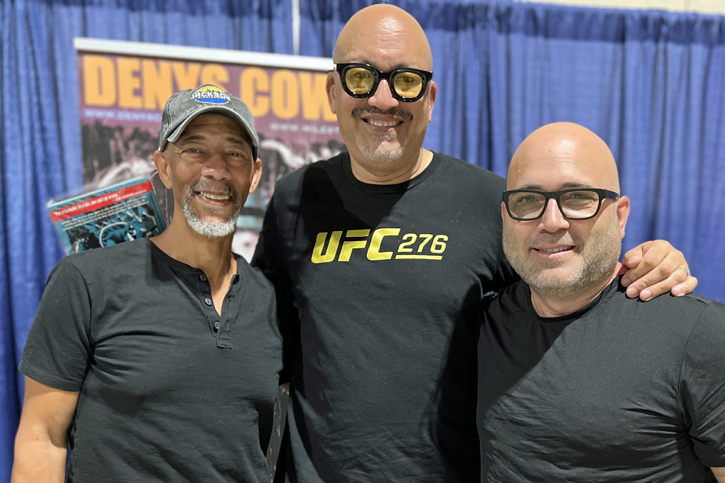
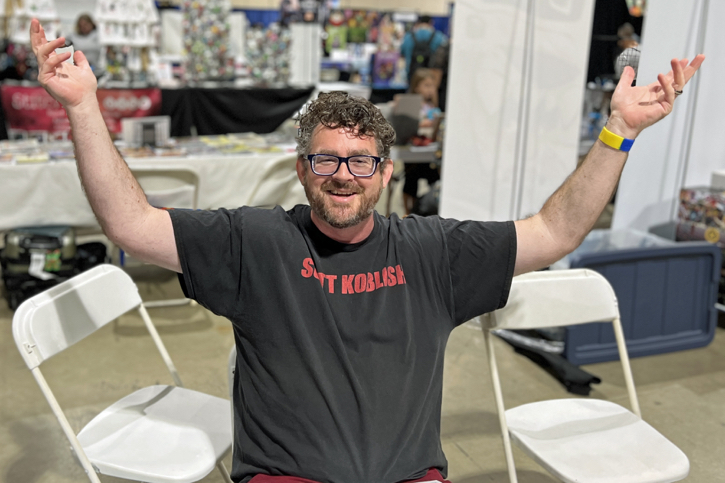
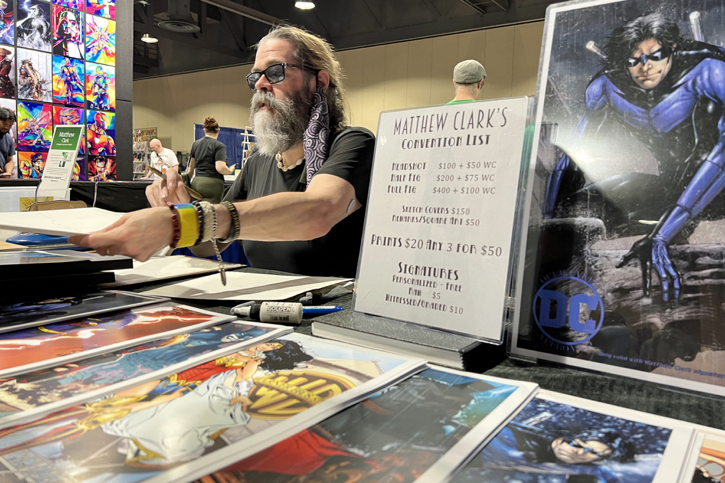
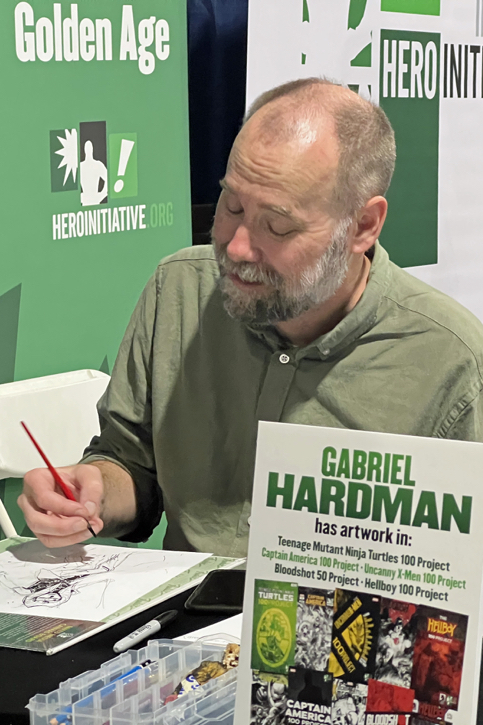
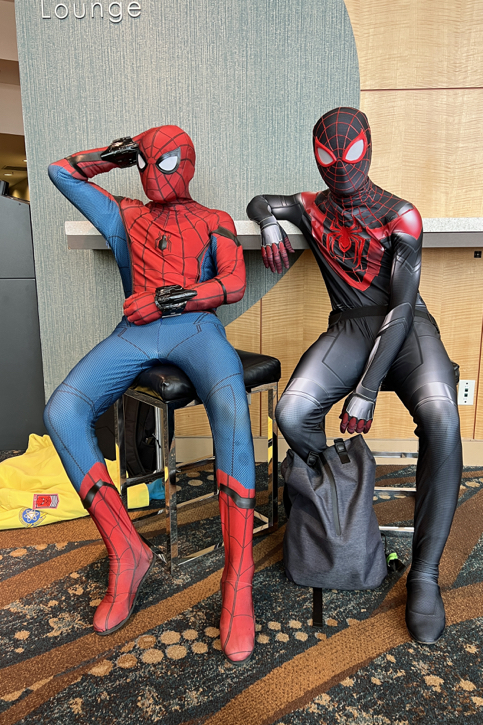
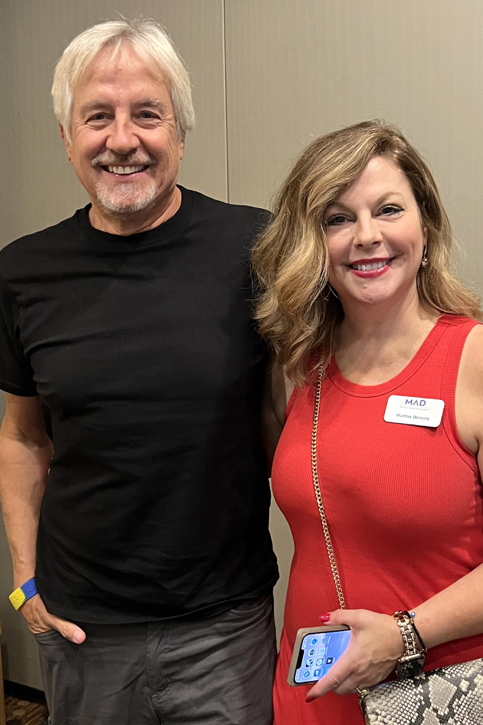
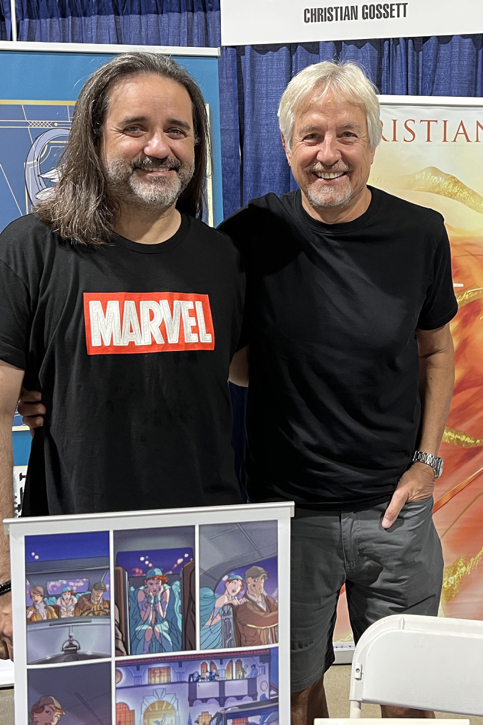
Howard Chaykin sketching… Star WarsDenys Cowan, Michael Stradford, Michael PolisScott KoblishMatthew ClarkHoward and Greg… Together againGabe HardmanFighting crime is… tiringWith Show Promoter Extraordinaire Martha DonatoWith Chris Gossett
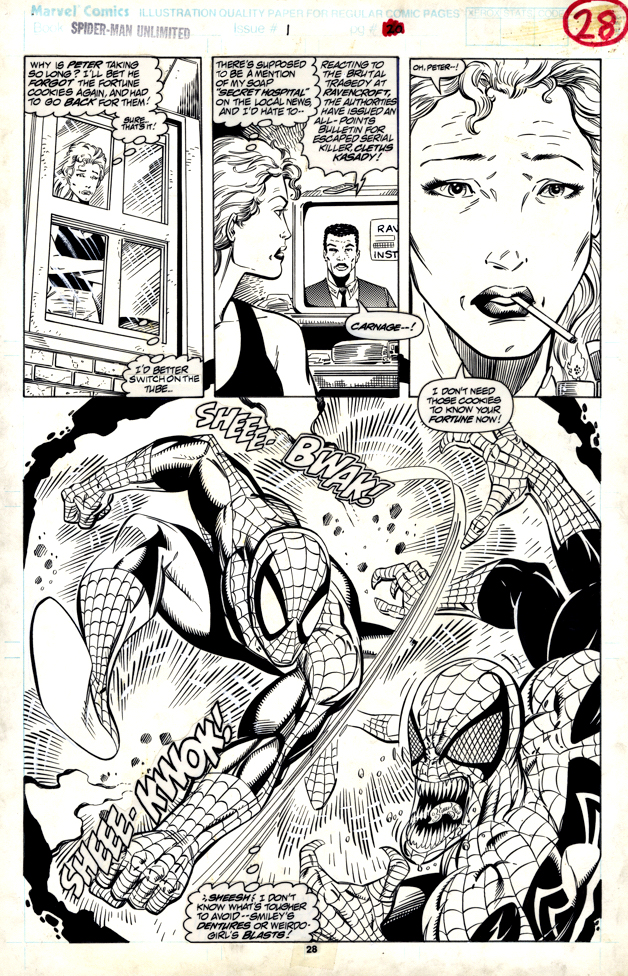
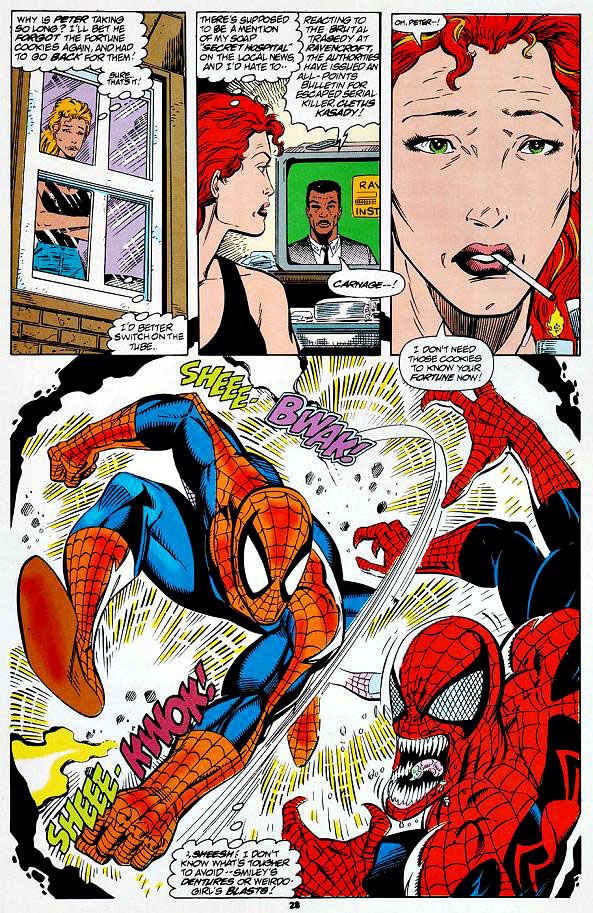
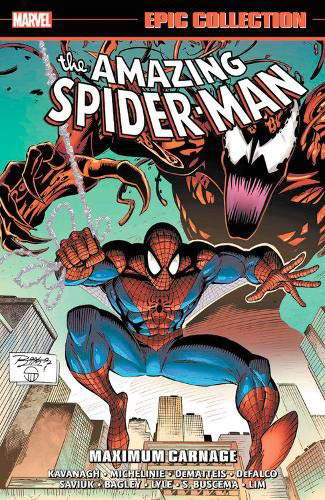
Carnage organizes a group of like-minded maniacs (Shriek, Carrion, etc.) on a murderous spree in the infamous 1993 crossover event from Marvel. In the intro issue, Ron Lim delivers this terrific splash as Spider-Man tackles Doppelganger, an evil near-mindless version of Webhead created during The Infinity War saga.
The “Comics Code” was completely superfluous by now, if not an outright joke. This storyline, which is the basis for a video game, and influenced the second Venom film, features so much bloodshed and violence its pretty much impossible to keep a bodycount.
The Green Goblin is a pussycat compared to these guys.
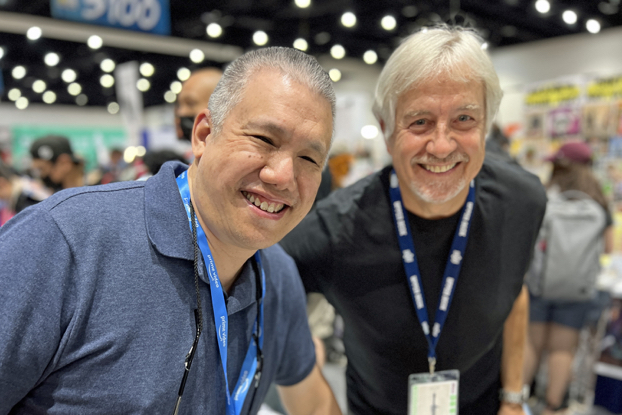
10 minutes with Ron Lim at a con and I spend the rest of the day grinning ear to ear.
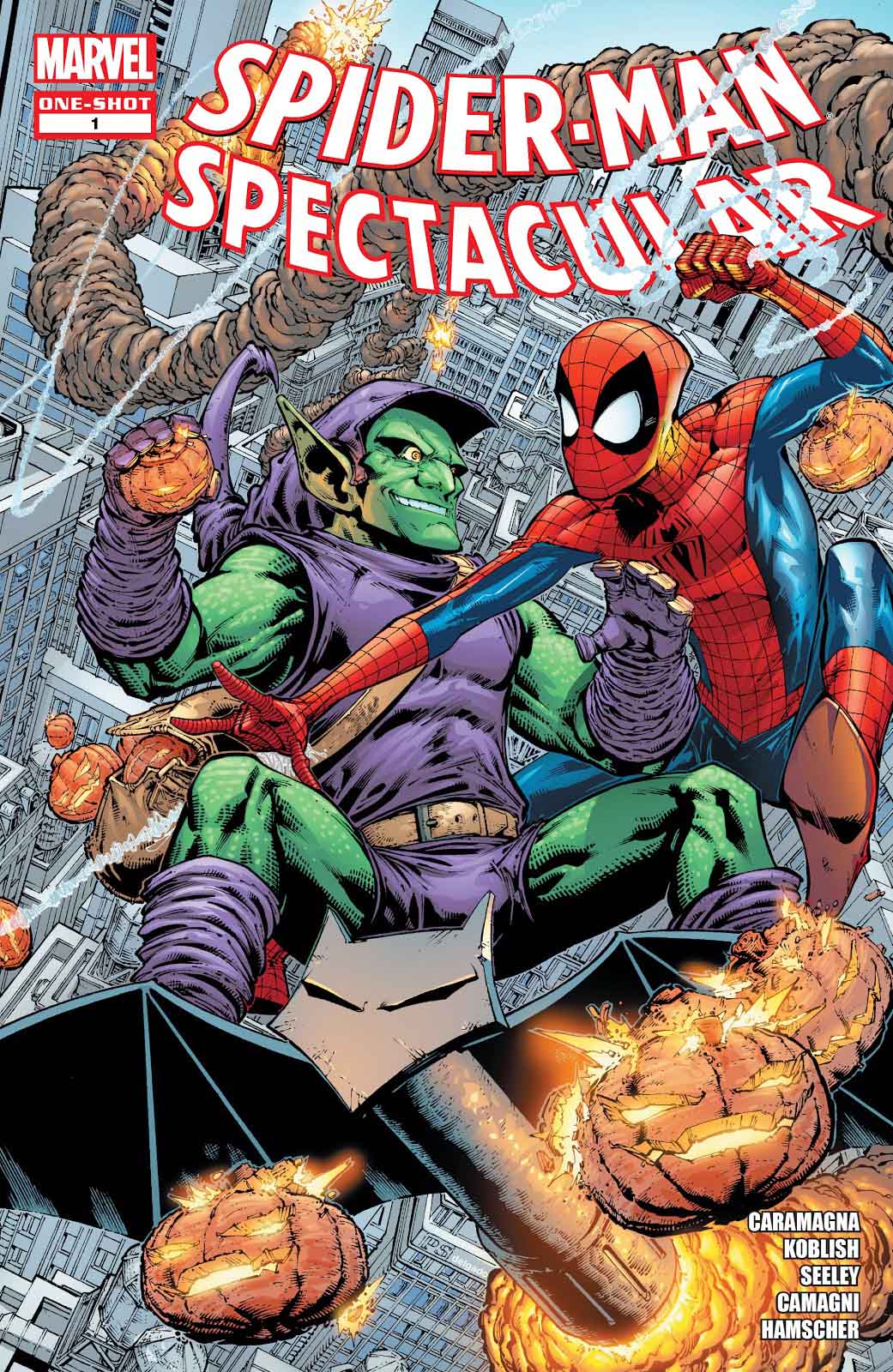
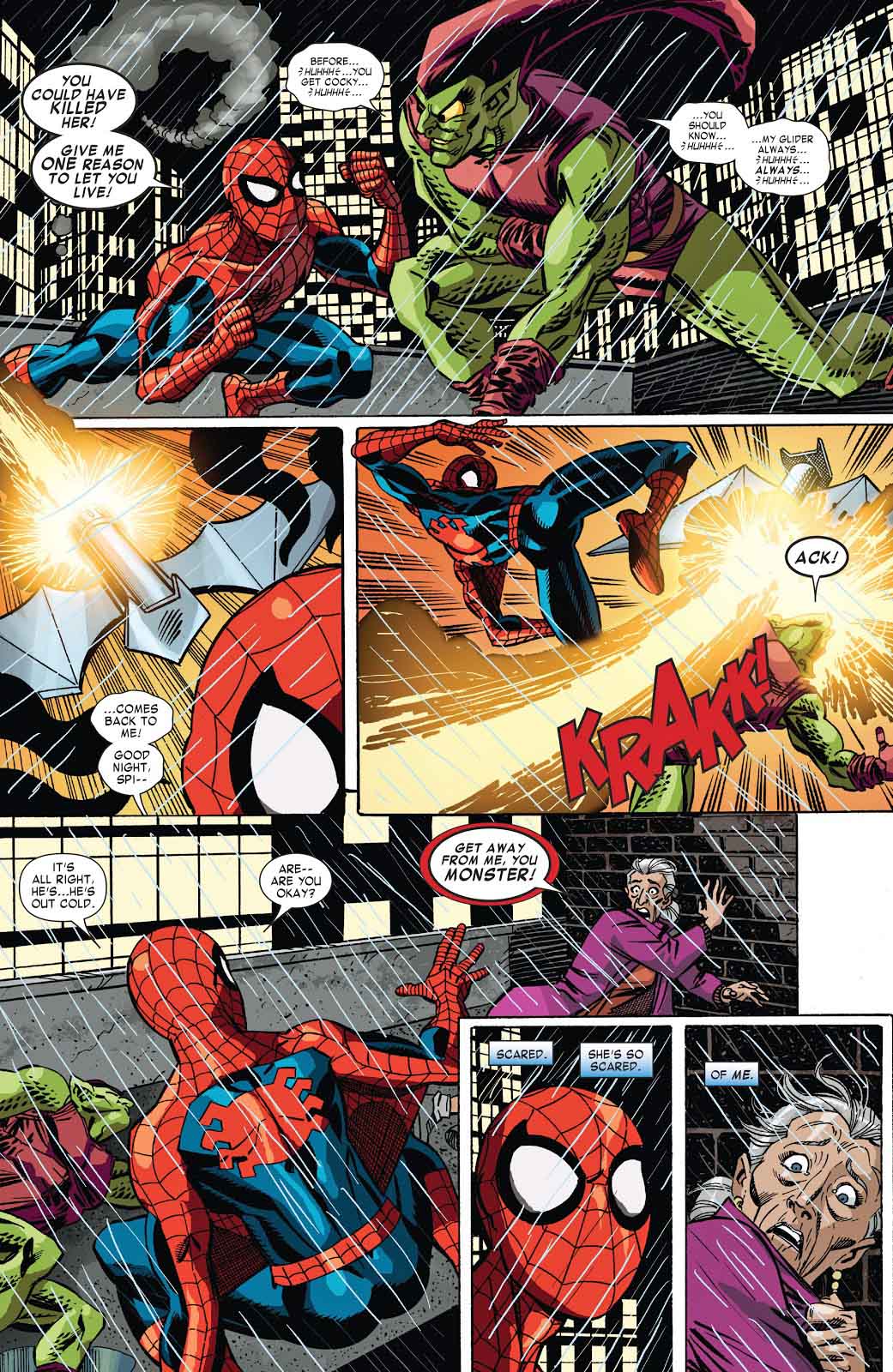
The only thing that freaks out Aunt May more than the Green Goblin? Spider-Man, of course.
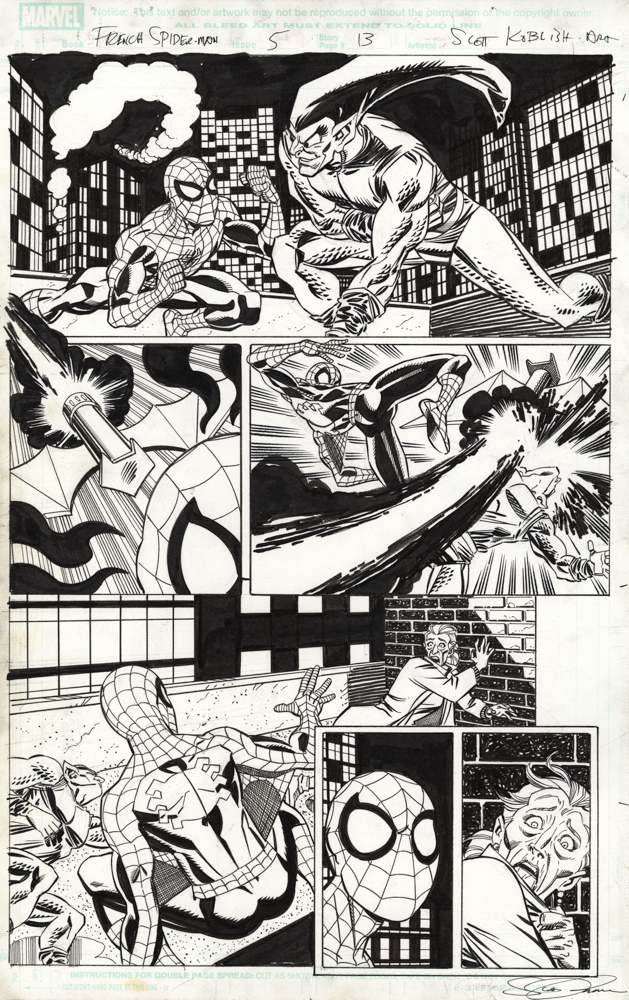
Scott Koblish provides pencils and inks for this story set early in Spidey’s career. In this drama-filled penultimate action page, The Green Goblin’s glider indeed comes back to him — but not in the way he would like.
Meanwhile, a terrified May Parker figures she’s next since she believes Spidey has already murdered her late husband. Ah, irony.
(Based on the notation in the top margin, the story was originally intended for a French Panini magazine, and ended up in an American one-shot instead. It’s later reprinted in a Brazilian Panini mag, but I’m not sure there ever was a French version.)
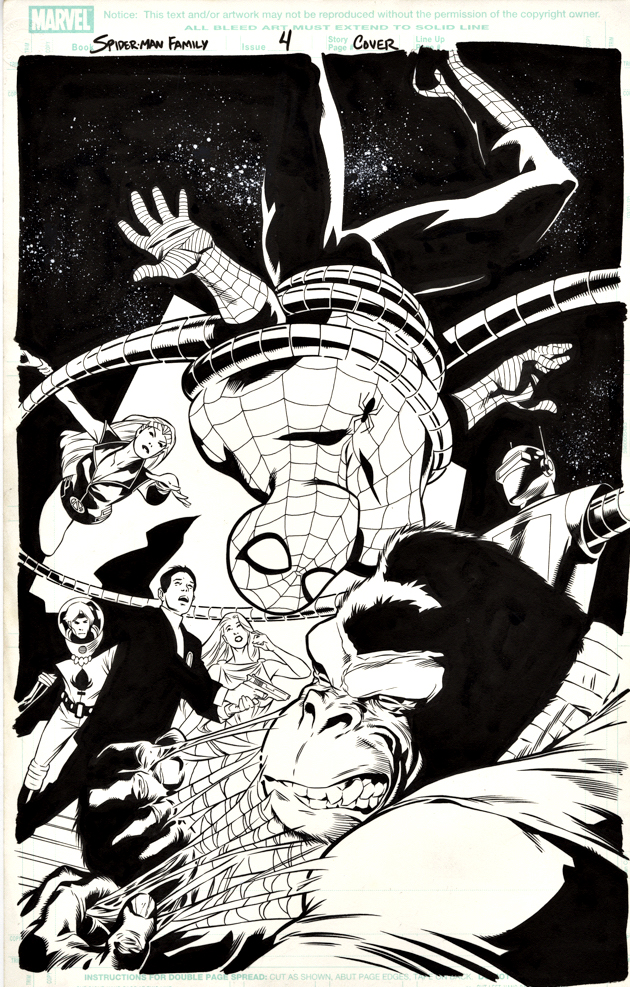
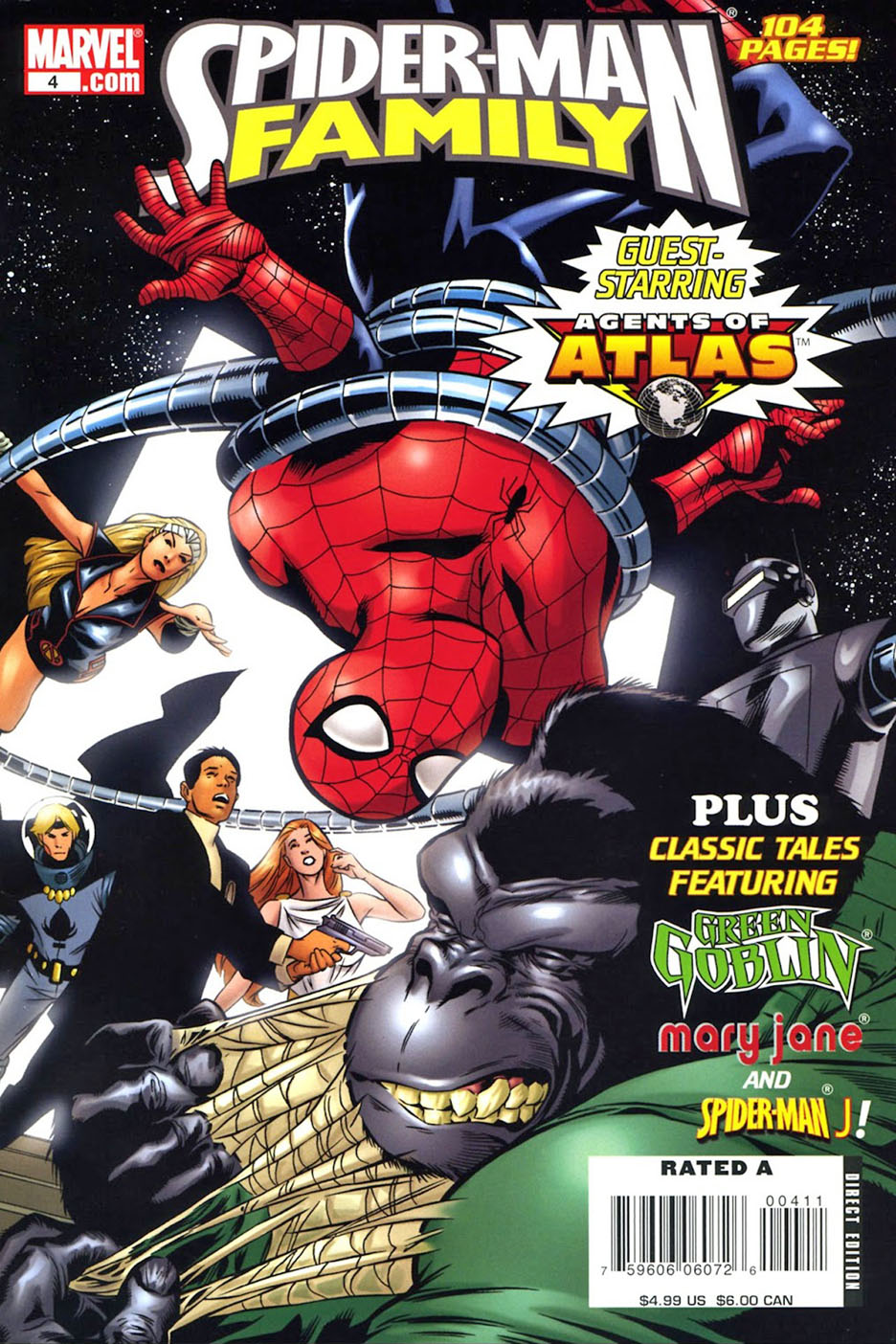
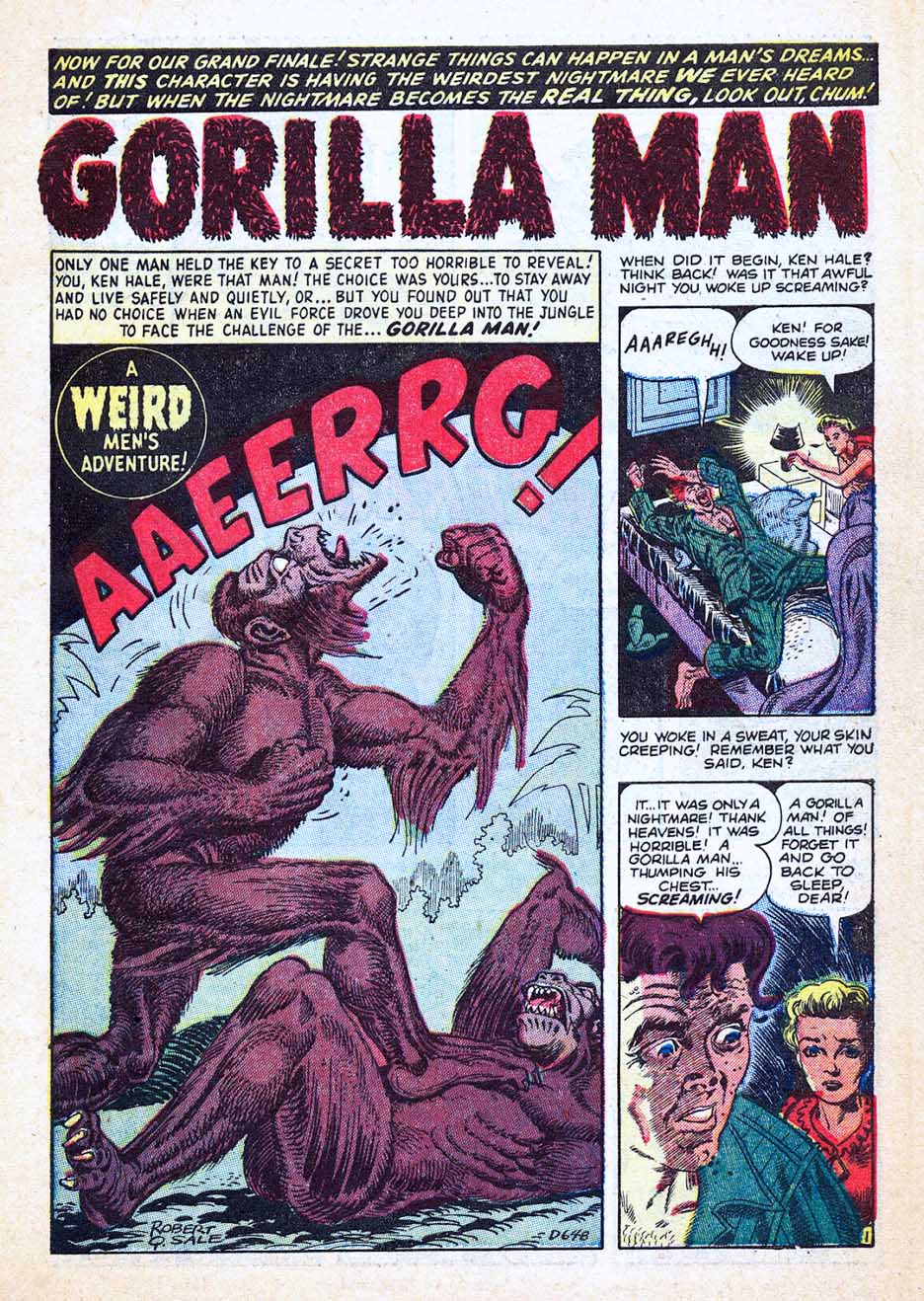
It’s Spider-Man vs. Agents of Atlas on this fun cover, and check out the featured player: It’s Gorilla-Man, an obscure 50s character who eventually made his way into Marvels Agent of Atlas, a team made up entirely of obscure 50s characters.
During the 50s and 60s, word over at the “Distinguished Competition” (DC Comics) was that gorillas on the covers sold more copies. (And purple gorillas apparently outsold ordinary-colored gorillas, but as always, we digress.)
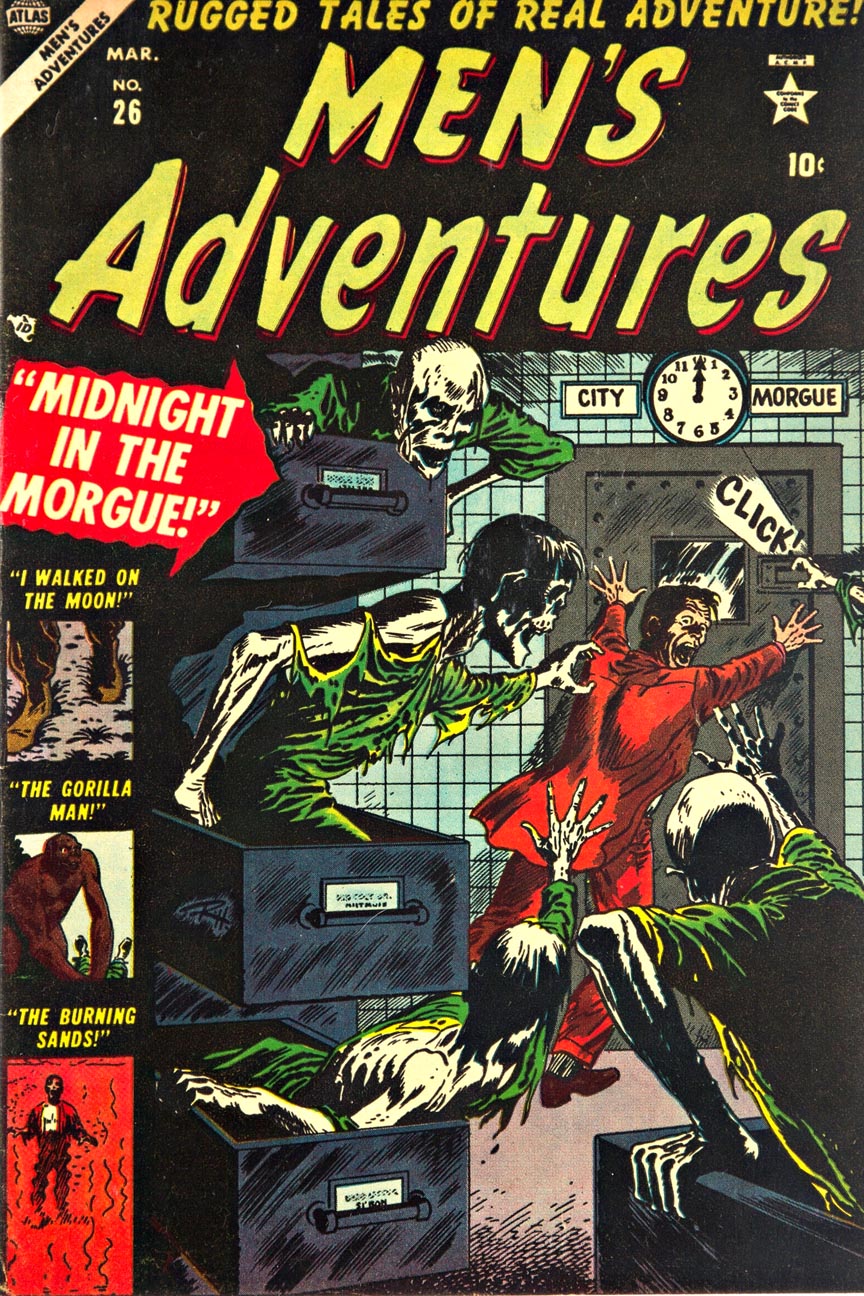
Atlas (Marvel) clearly didn’t get that message in 1954, because the zombies get top billing in the issue with Gorilla-Man’s first appearance. But this was 1954 of course, and zombies were doing pretty well in the comics biz, at least for a few more months anyway.
Fifty years later, with the mass market for comics nearly extinct, I don’t think it matters for sales whether a gorilla is featured on the cover or not.
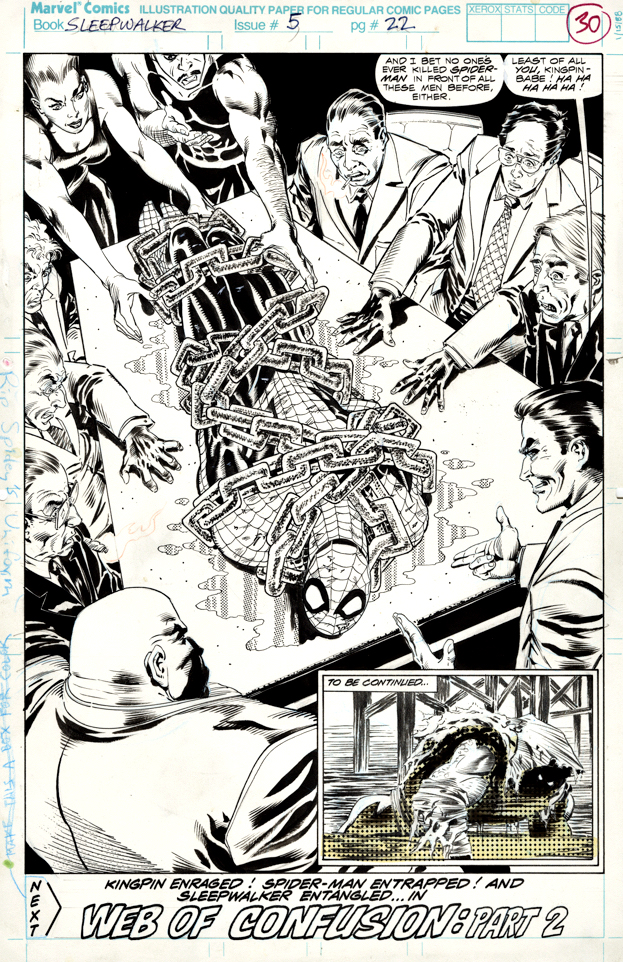
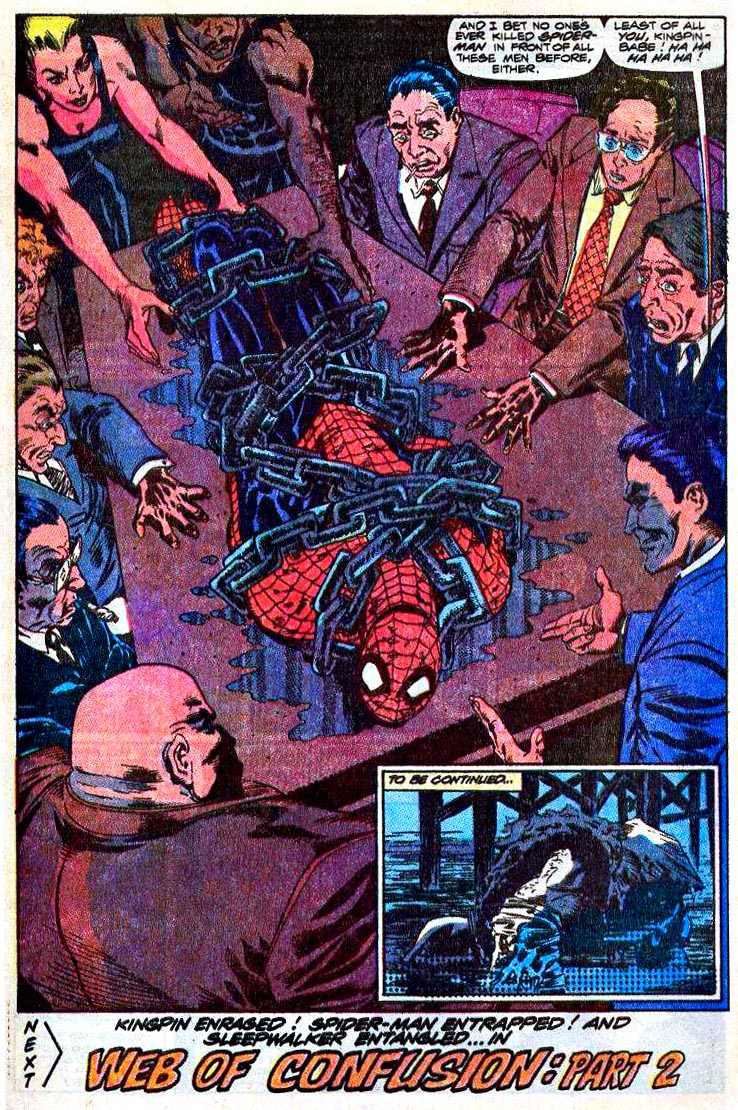
Spider_Man. Nearly drowned. Trapped in chains. On a table. Prone before Kingpin and a group of other assorted criminal goons. It’s a terrific final splash.
In “real life”, it’s game over, as most of the goons would quickly pull their guns and start blasting away. Spider powers do not include invulnerability.
But in comics, especially older classics, it’s… continued next issue!
And I am absolutely there for it. (And we know Spidey is going to get out of this — the joy is the “how?”)
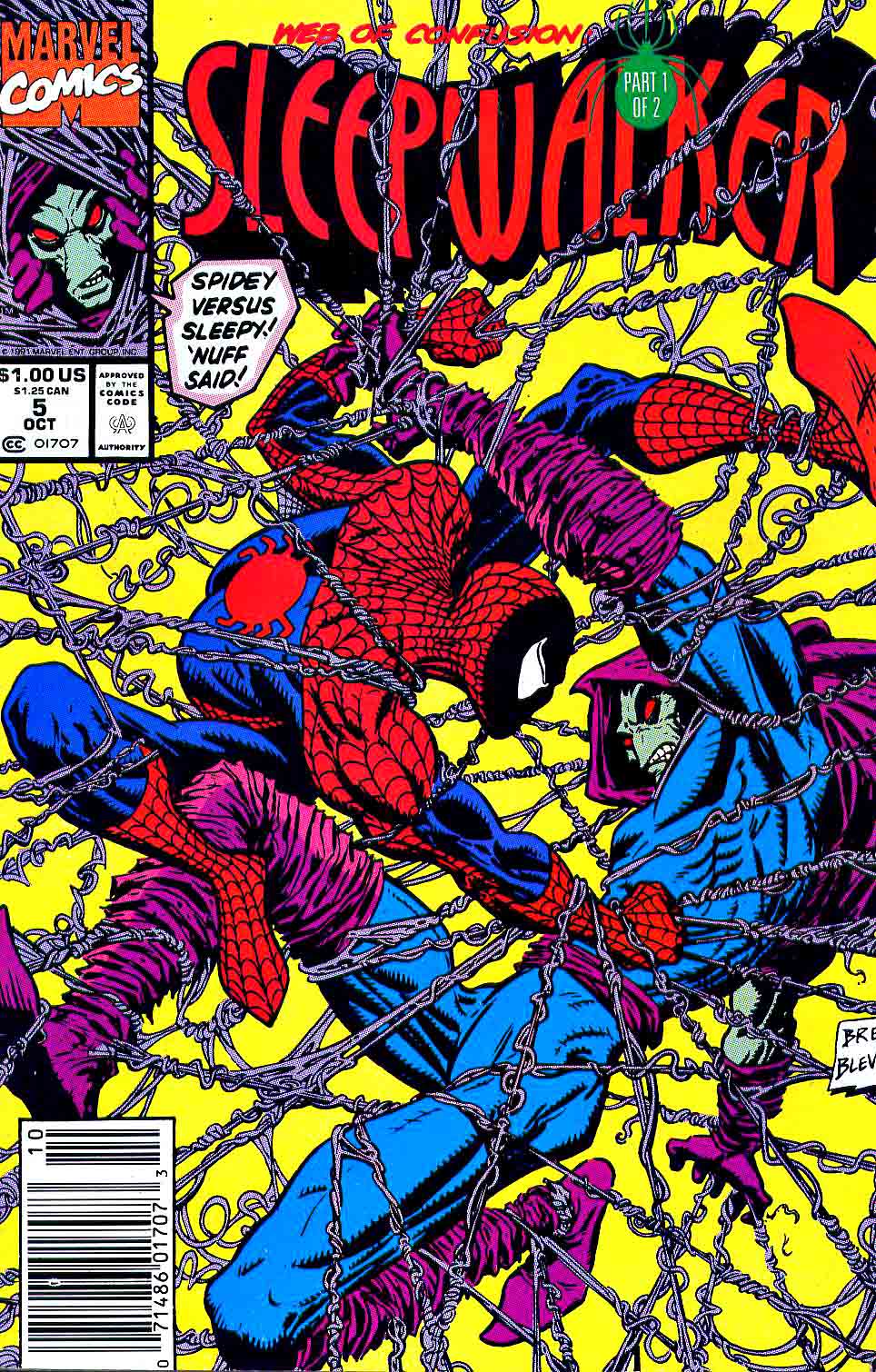
Pencils and inks here both by Blevins, who drew most of the early Sleepwalker issues, following his terrific run on New Mutants.
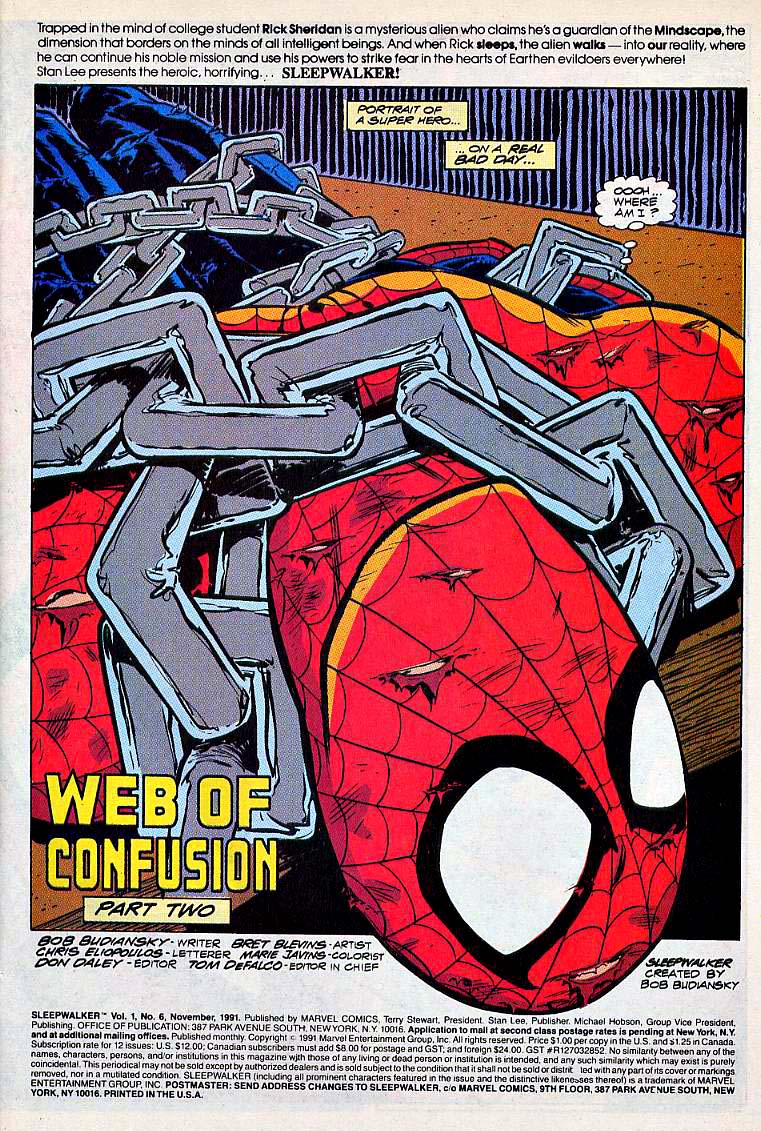
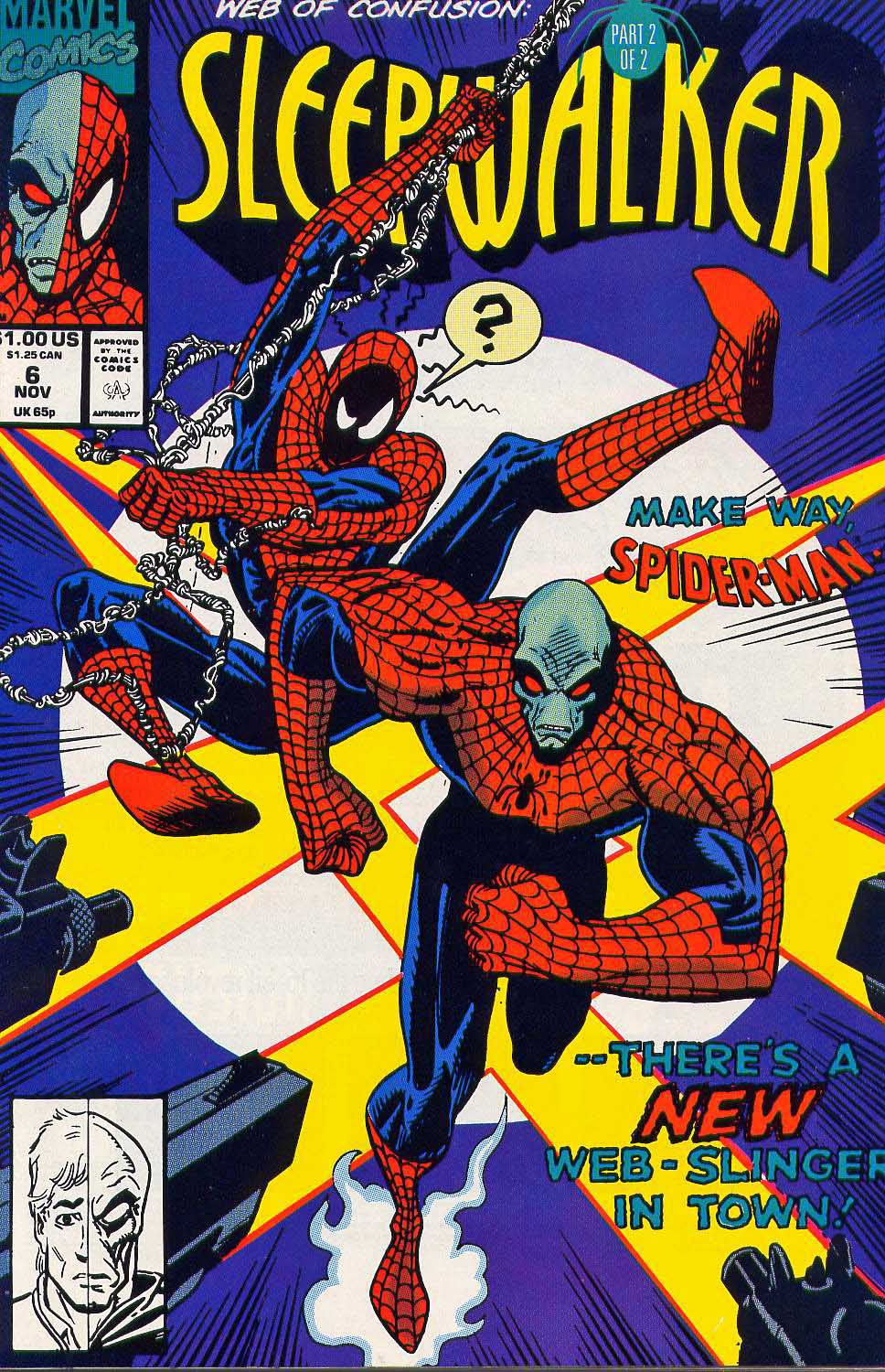
Next issue leads off with a somewhat silly cover — and a great splash page that’s a close-up from the previous closer.
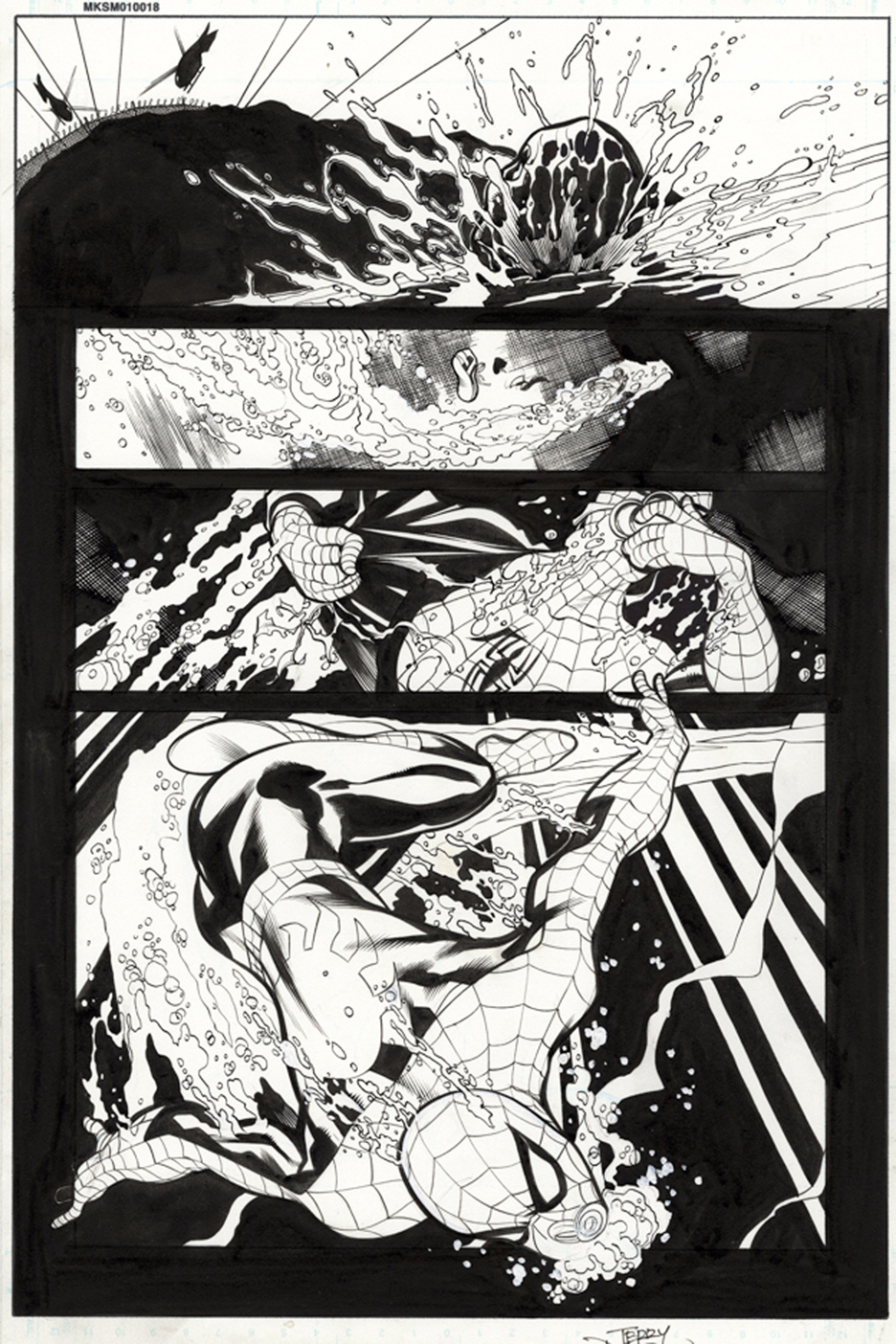
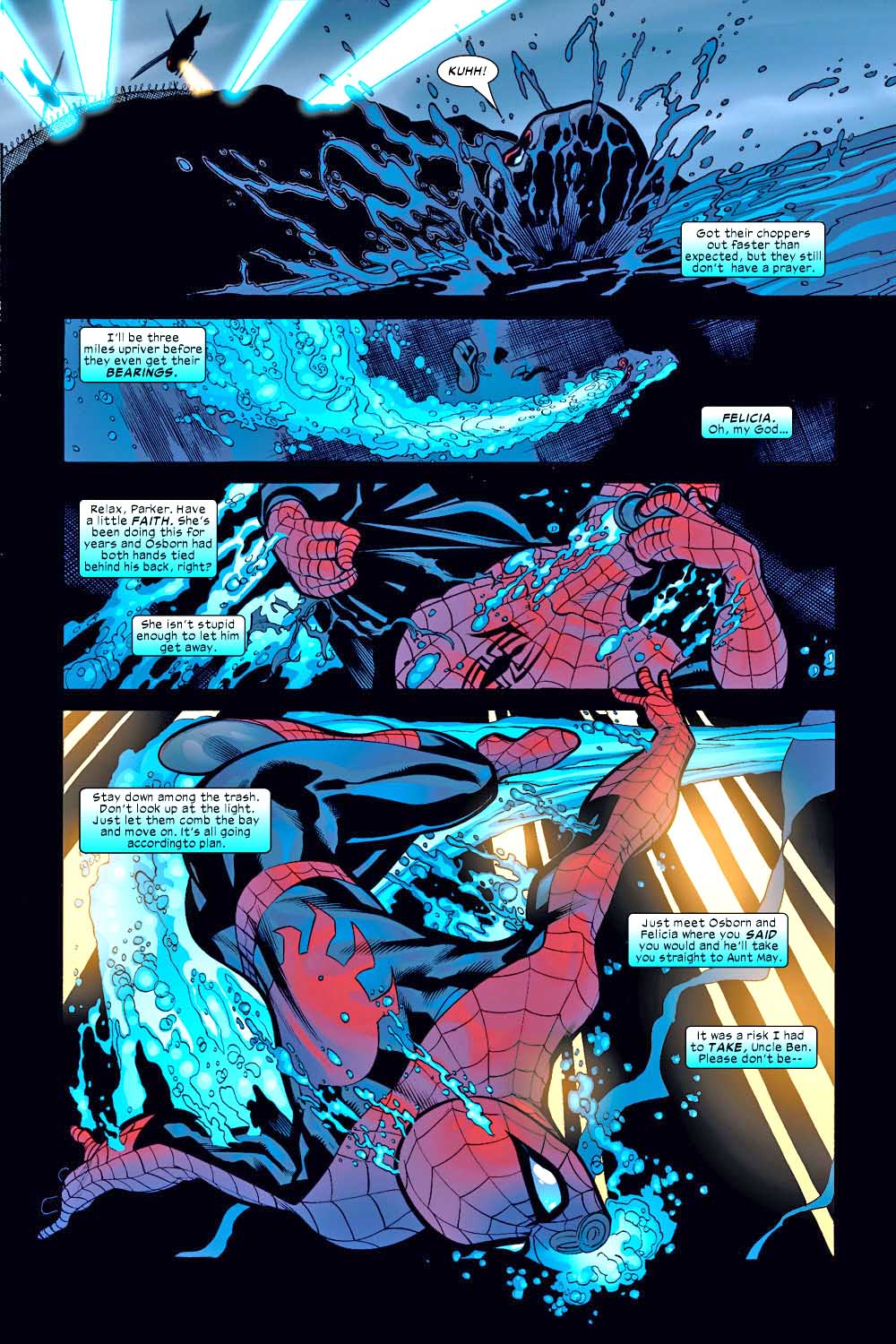
Terry and Rachel Dodson provide the art for this dramatic and splashy page featuring ol’ web head in action underwater. Not your typical place for a spider, but hey, they do come up through the drain pipes one in a while, so why not?
(Apologies for that imagery to any of our readers that have arachnophobia.)
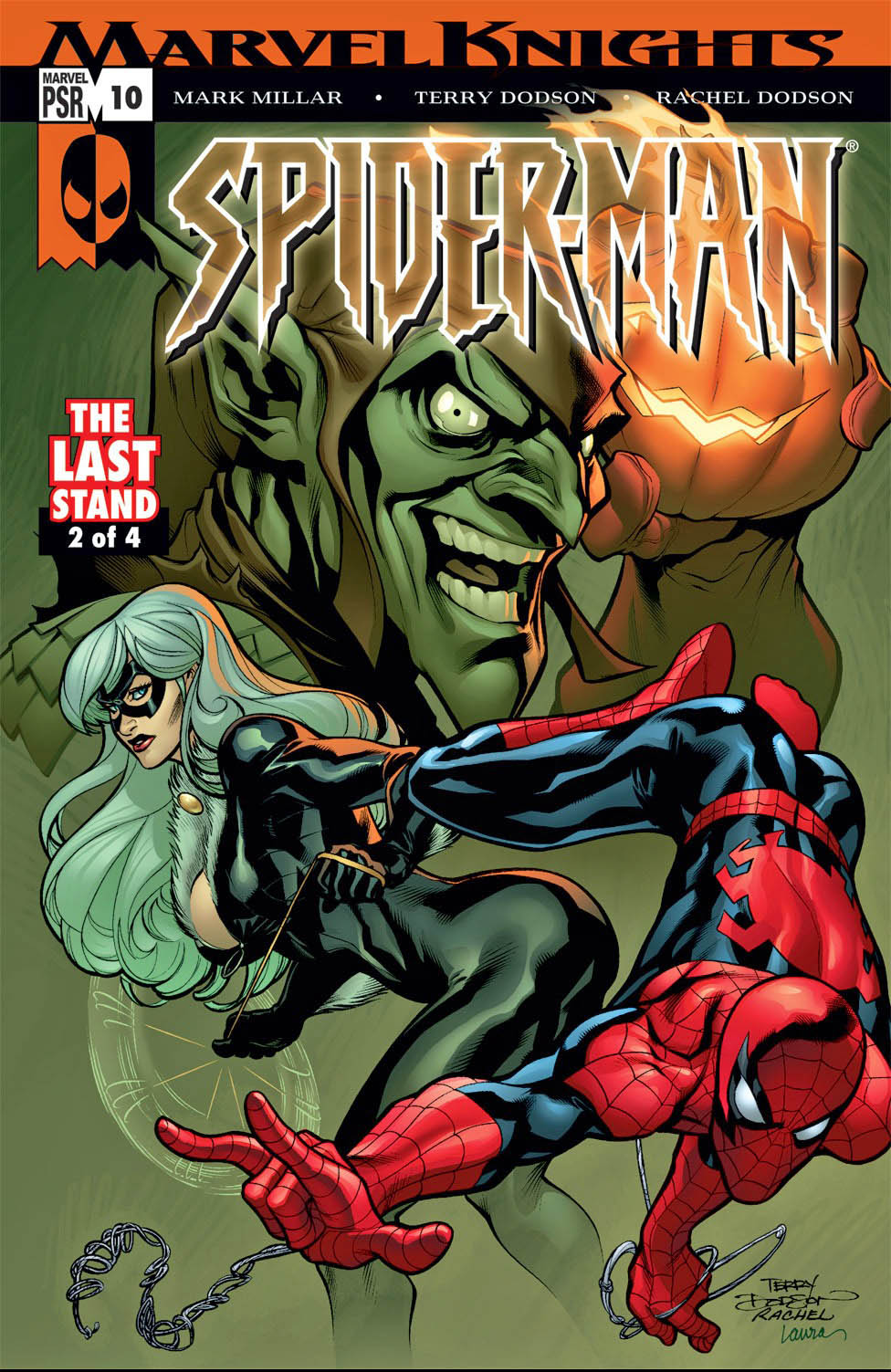
Marvel Knights was a lifesaving imprint for Marvel, which was in the middle of bankruptcy turmoil when the brand was launched in 1998. Original intended for grittier and “lesser” characters (Daredevil, Black Widow, Punisher et al), the brand was so successful that bigger stars of the Marvel Universe were ultimately incorporated, including our friendly neighborhood Spider-Man.
Until, that is, the brand was completely folded into the main Marvel line.