You can buy a great piece of Will Eisner art… or, as of now, you can purchase Eisner’s entire library.
Yep — in one of the more unconventional comics-world headlines lately, the Eisner estate has put his intellectual property portfolio up for sale. We’re talking everything: The Spirit, graphic novels, characters, concepts, trademarks — the whole creative vault.
It’s basically a once-in-a-generation situation where a single buyer (or consortium with deep pockets and deeper shelves) could become steward of one of the most influential bodies of comics storytelling ever produced.
People have been buzzing about what that might mean: new adaptations? expanded archival projects? Eisner’s characters folded into an existing publisher’s universe? Either way, it’s not often you see a legend’s entire creative output come onto the market at once.
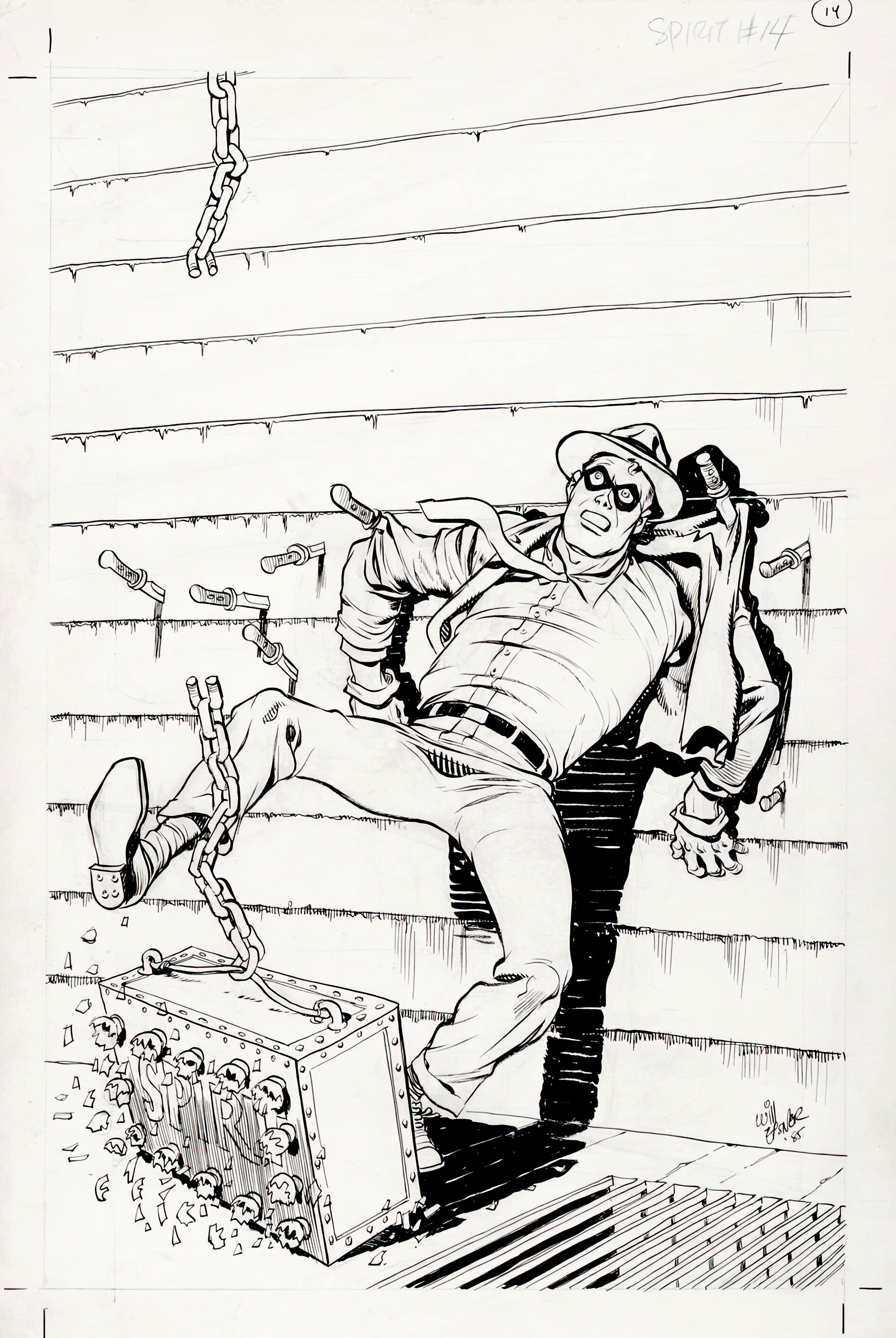
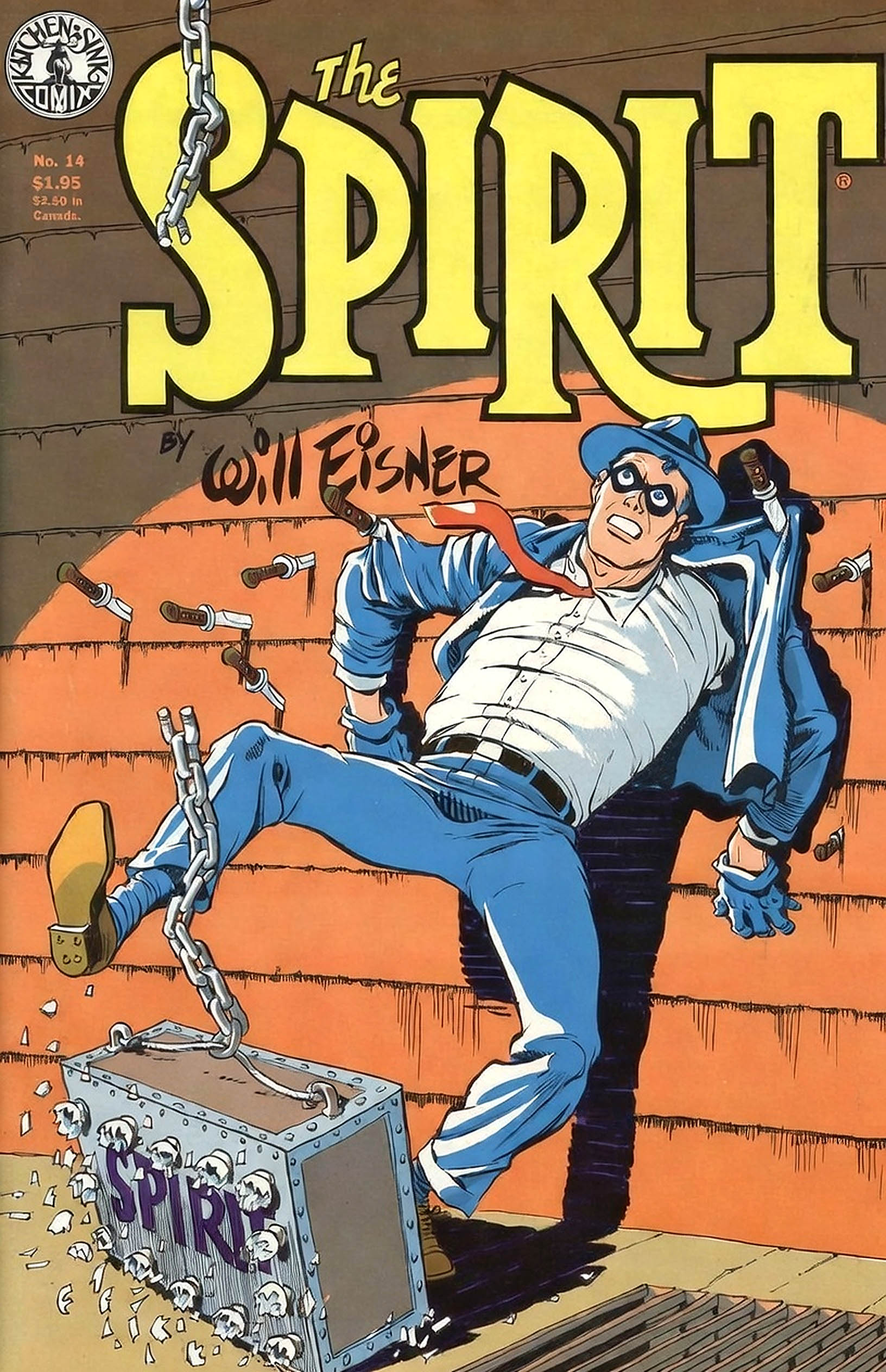
Unless I partner with some very well-heeled colleagues, I think I’ll stick to the art. Like this great cover from Spirit #14 (1985).
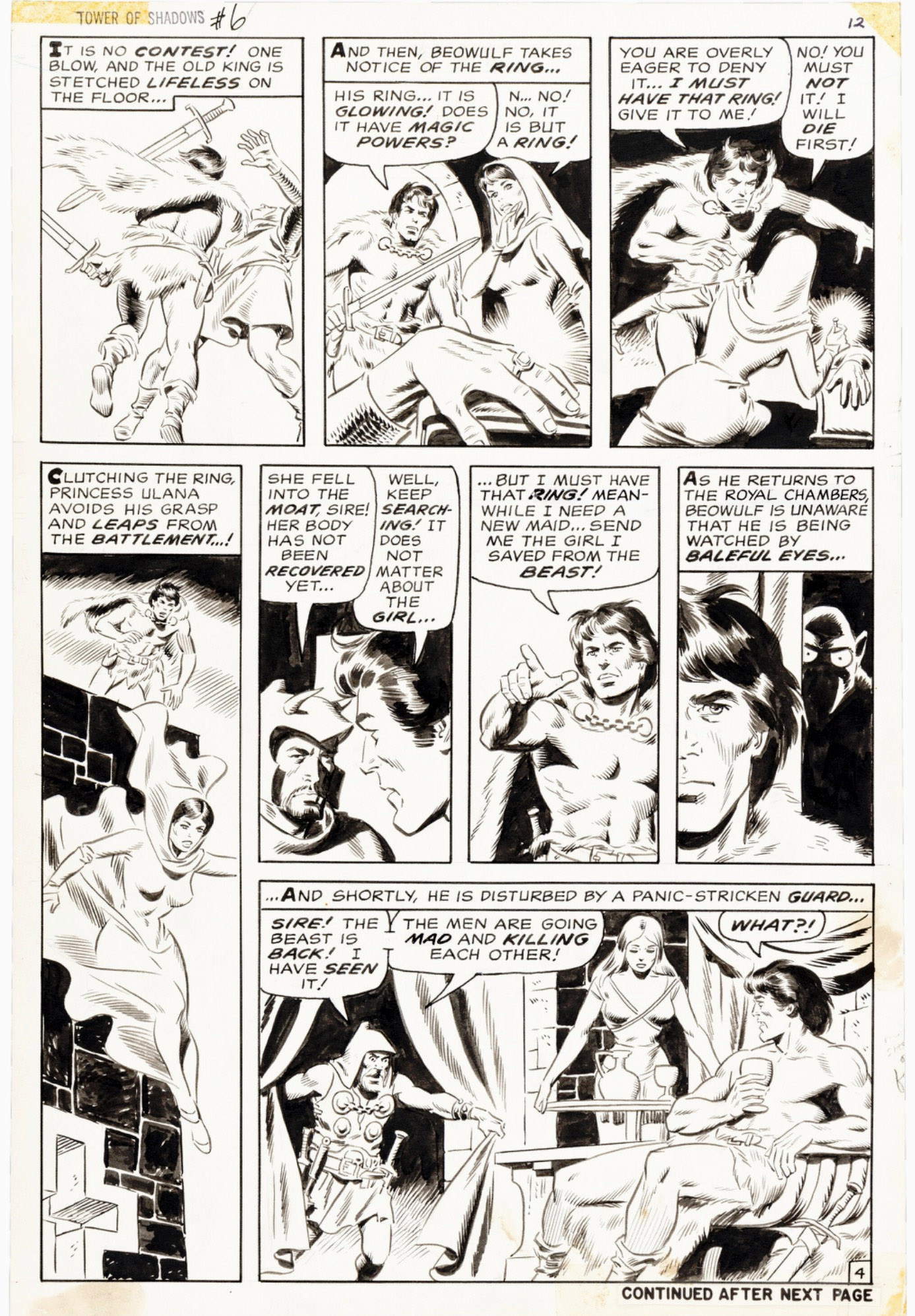
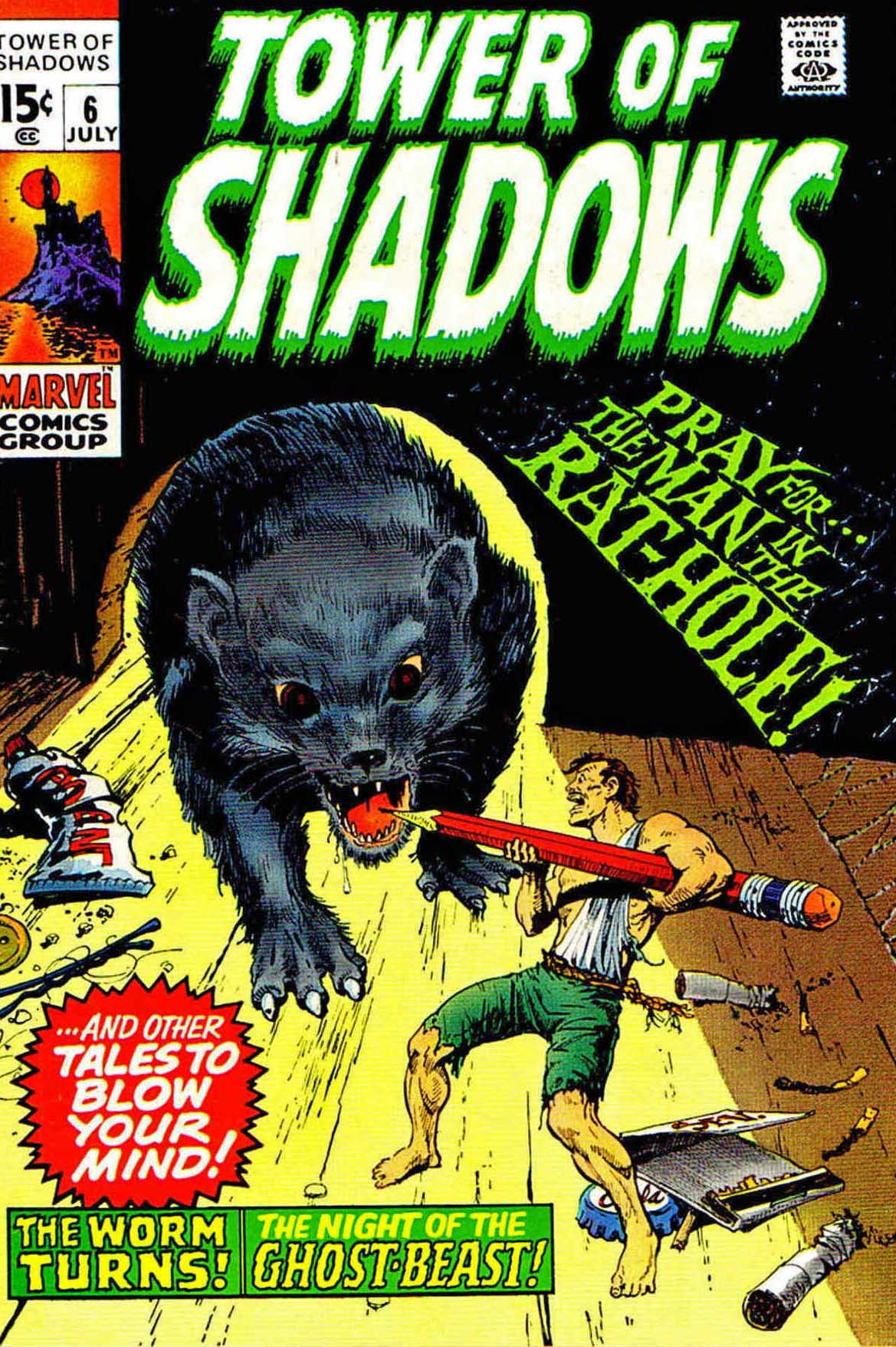
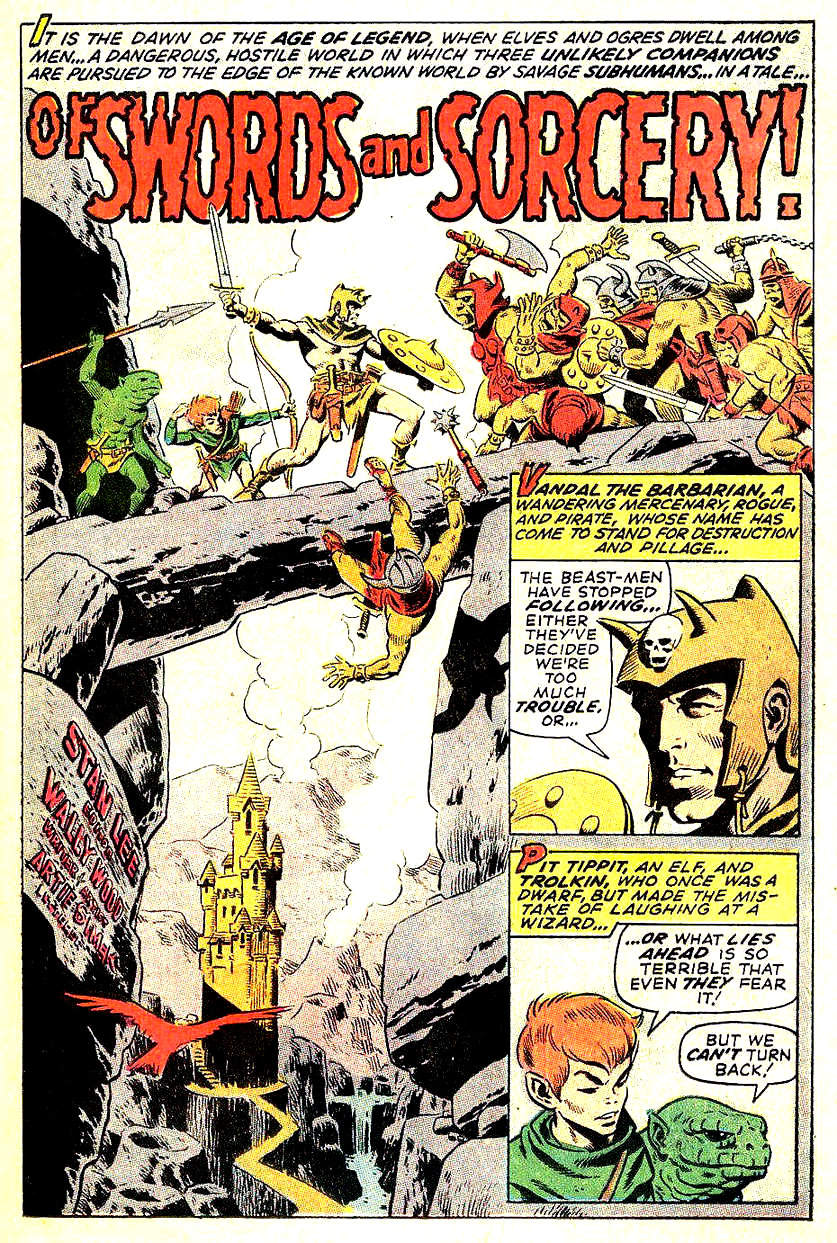
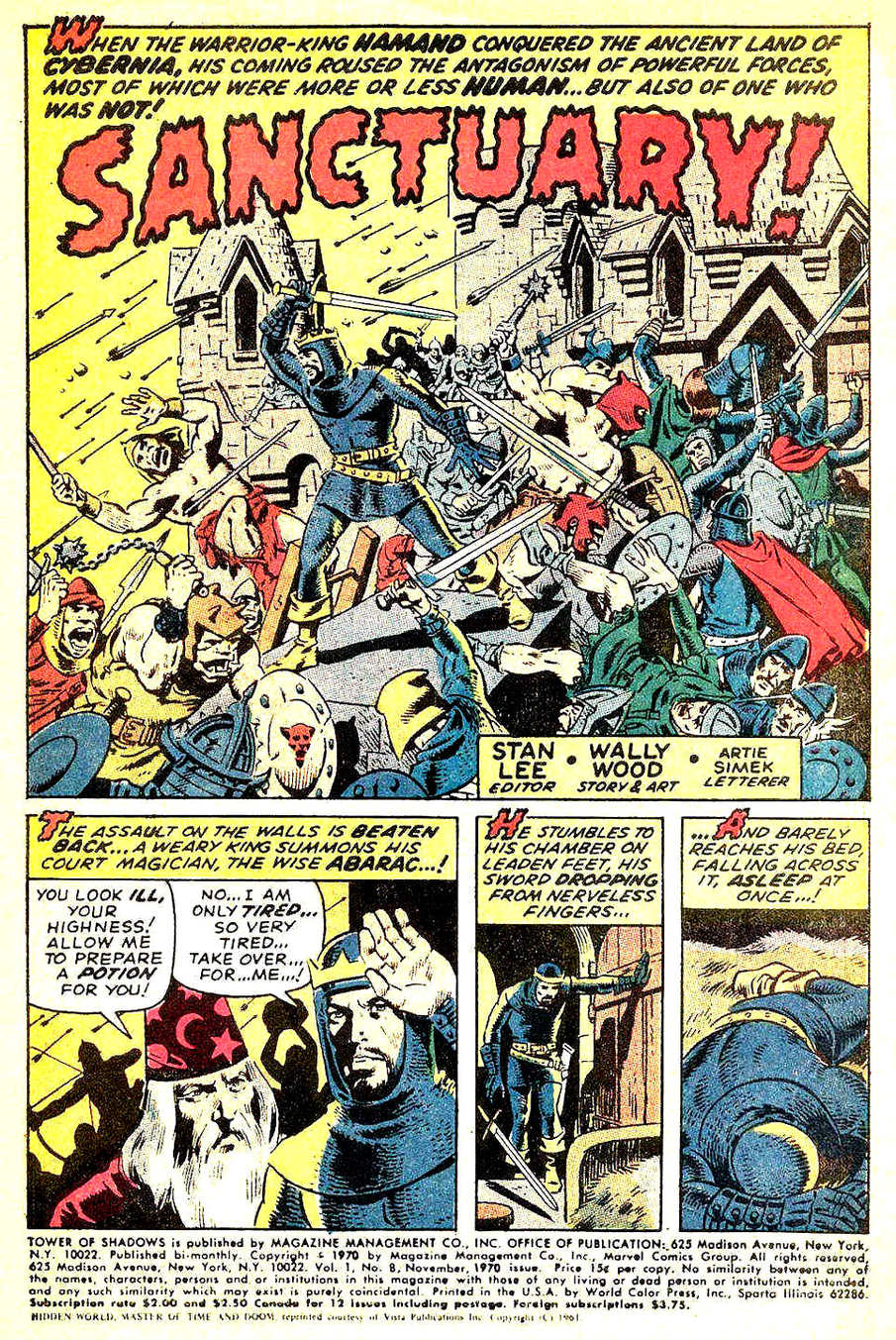
Wallace Wood’s brief return to Marvel in 1970 gave us an early glimpse of the sword-and-sorcery wave that was about to hit like a tidal surge.
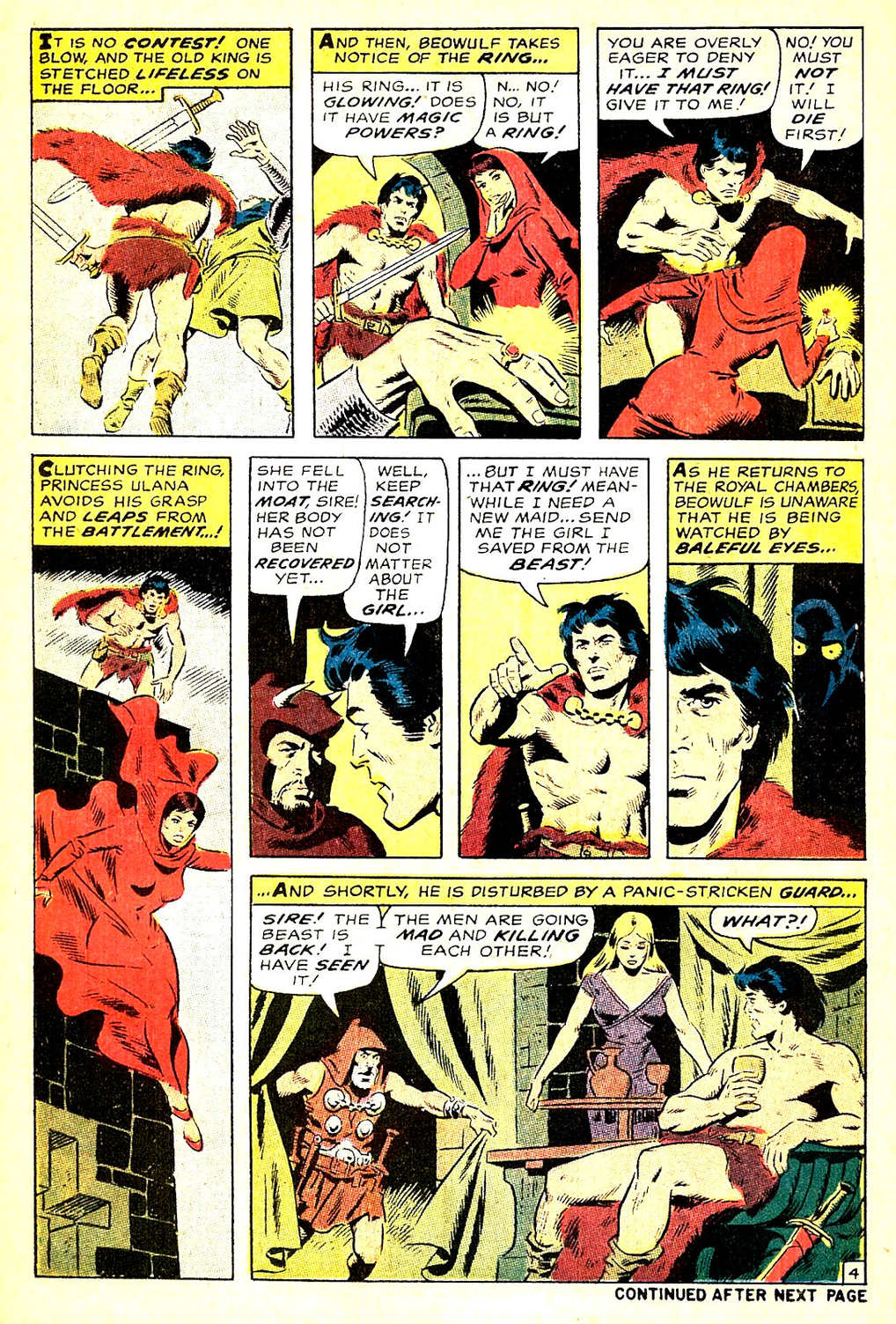
If you mostly know Wood from EC or straight-up superhero work, his Tower of Shadows run (#5–8) is a really fun side trip into that territory. This great page comes from the second story, featuring an offbeat take on Beowulf.
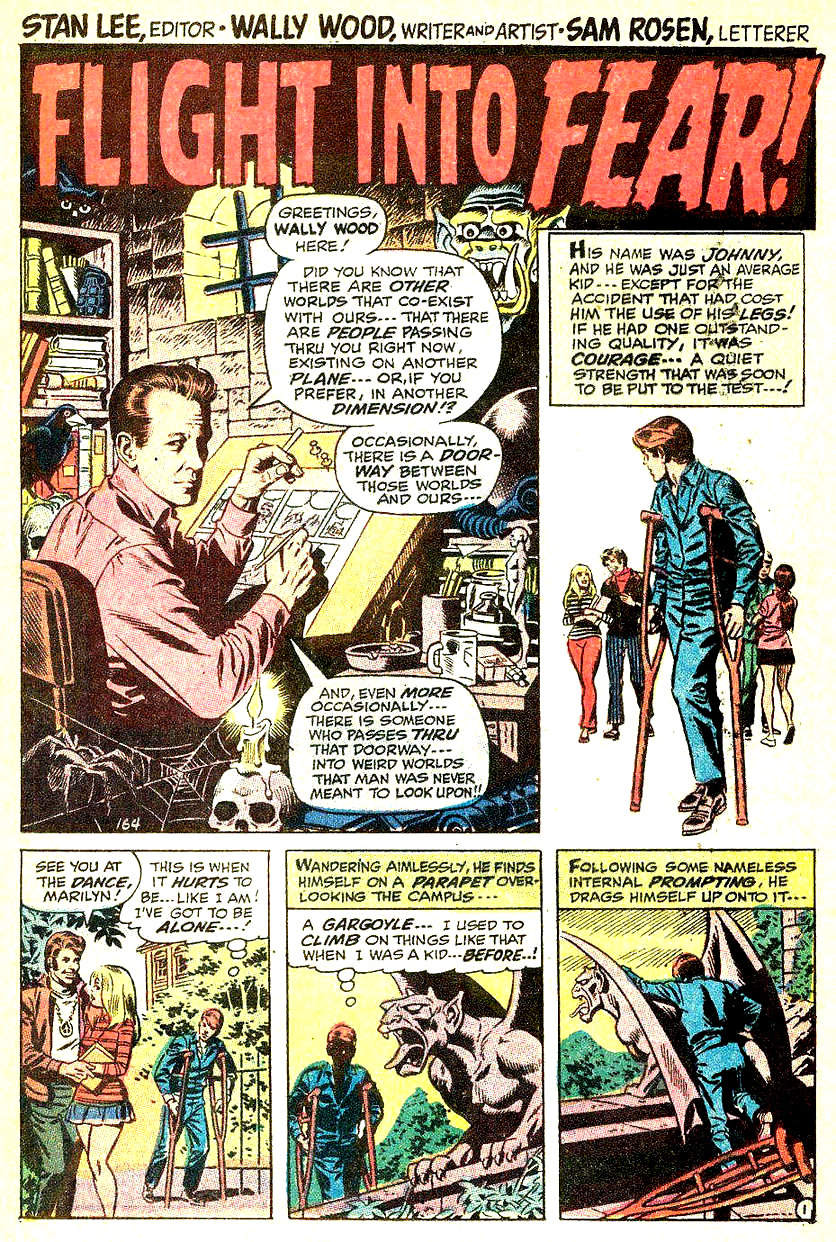
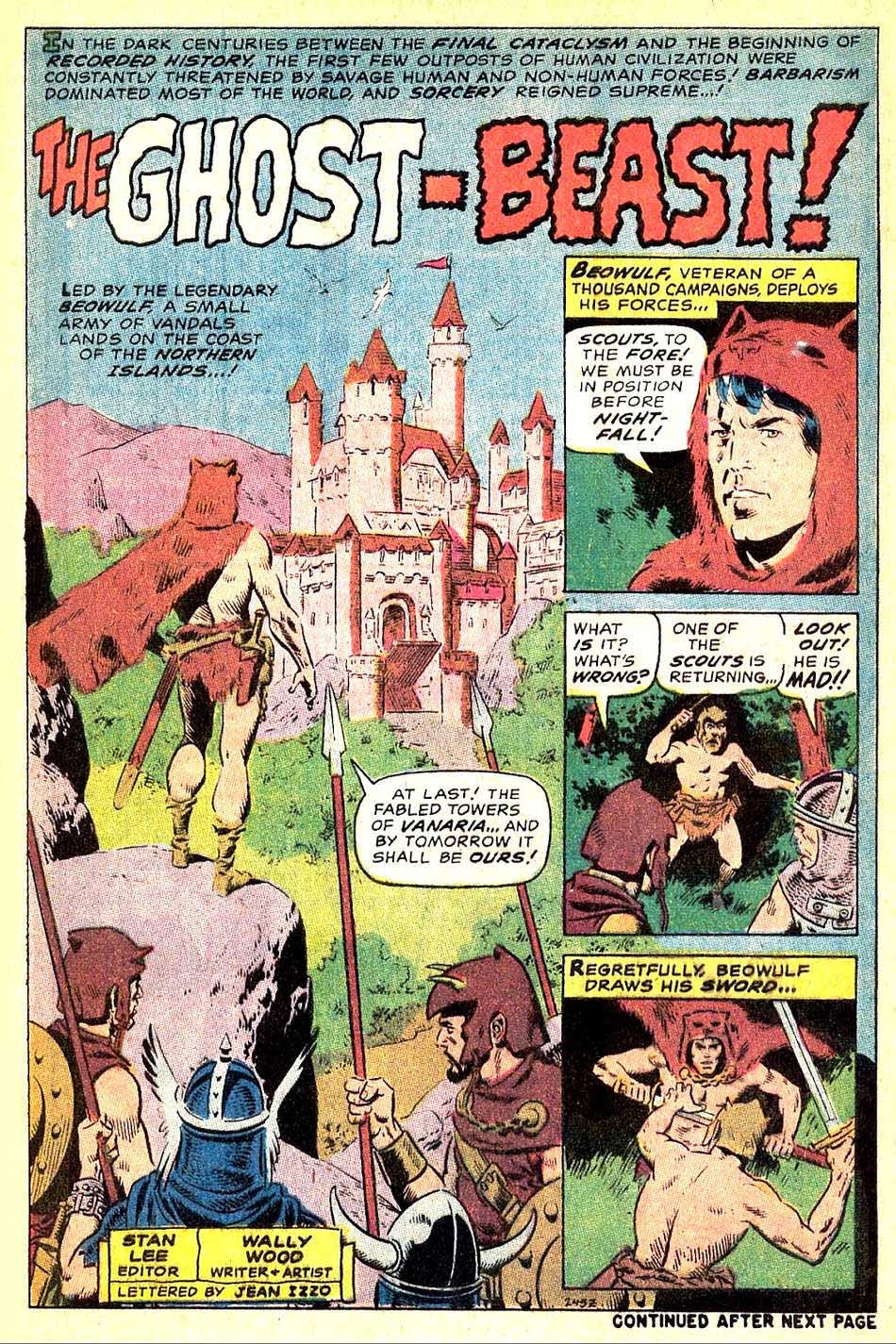
He wrote and drew all four shorts, so what we’re getting is pure, undiluted Wood: moody lighting, dramatic staging, and an always-present feeling that everyone’s living one bad decision away from doom.
These aren’t Conan-style epics. They’re more like dark fairy tales from a guy who clearly loved drawing adventurers, monsters — and gorgeous women. The earliest of them — including this one — actually predate Conan #1. Woody was ahead of the curve.
Short stories. Big atmosphere. Fantastic art.
And a preview of what he’d later unleash in his own indie — and decidedly adult — fantasy project, The Wizard King.
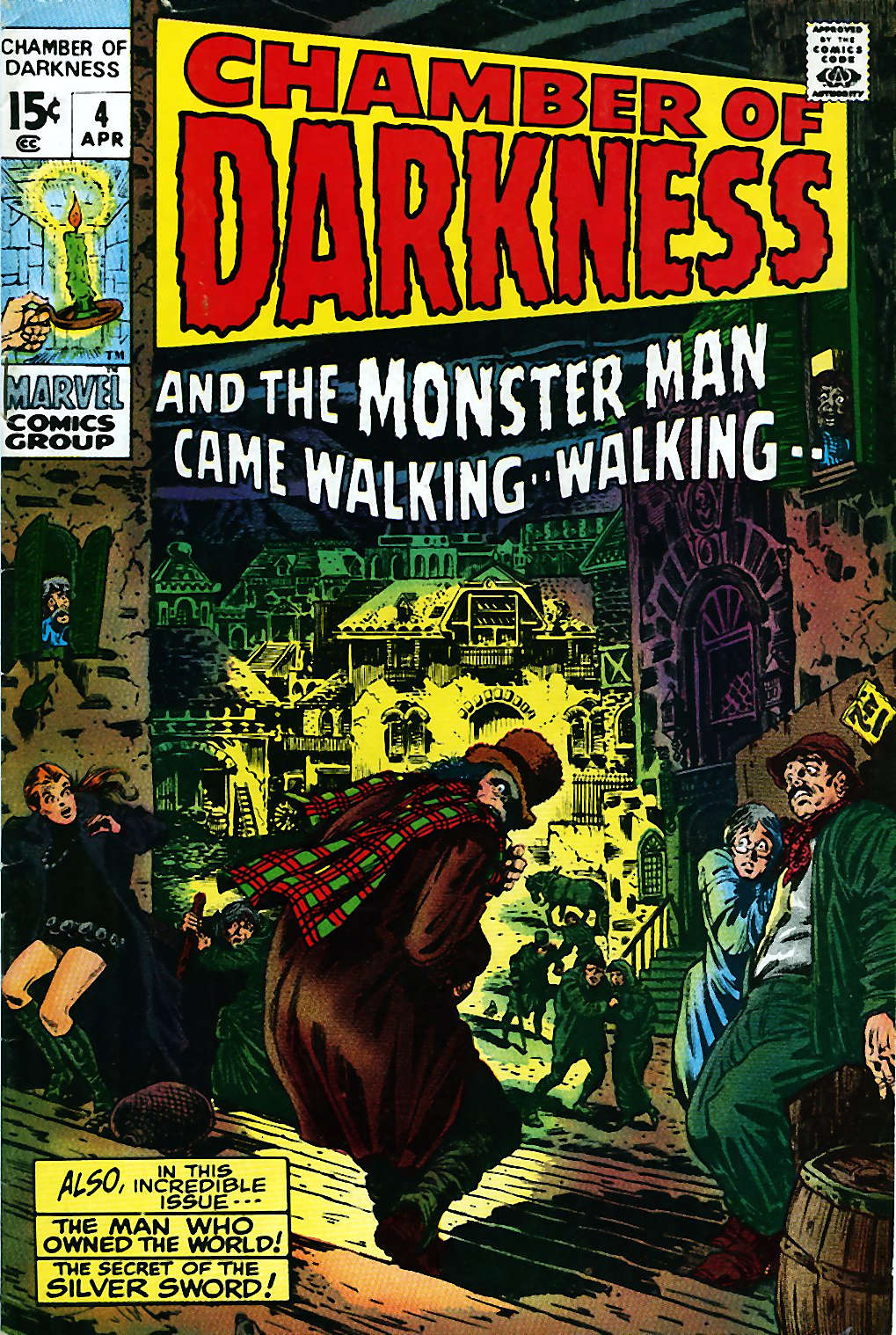
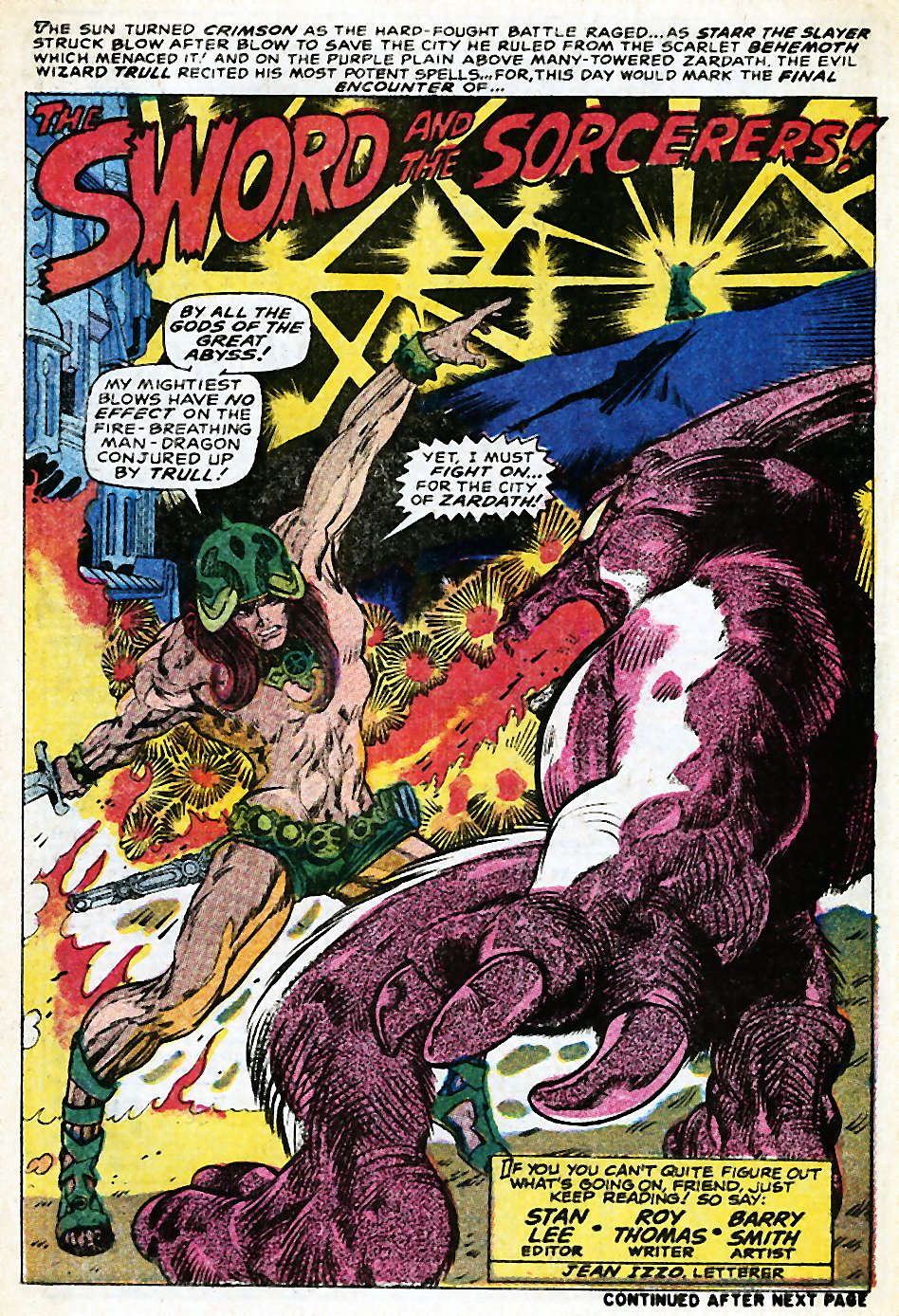
Four stories, four great title pagesAlso before Conan the Barbarian #1, Roy Thomas and Barry Smith tested the waters with a prototype Conan-like hero—Starr the Slayer—in Chamber of Darkness, the sister title to Tower of Shadows.
WALLY WOOD — MARVEL CHECKLIST (1964–1972)
1964–1965 Run (Primary Period)
☐ Daredevil #5 — Dec 1964 Pencils, inks (Wood’s Marvel debut; defined early DD look)
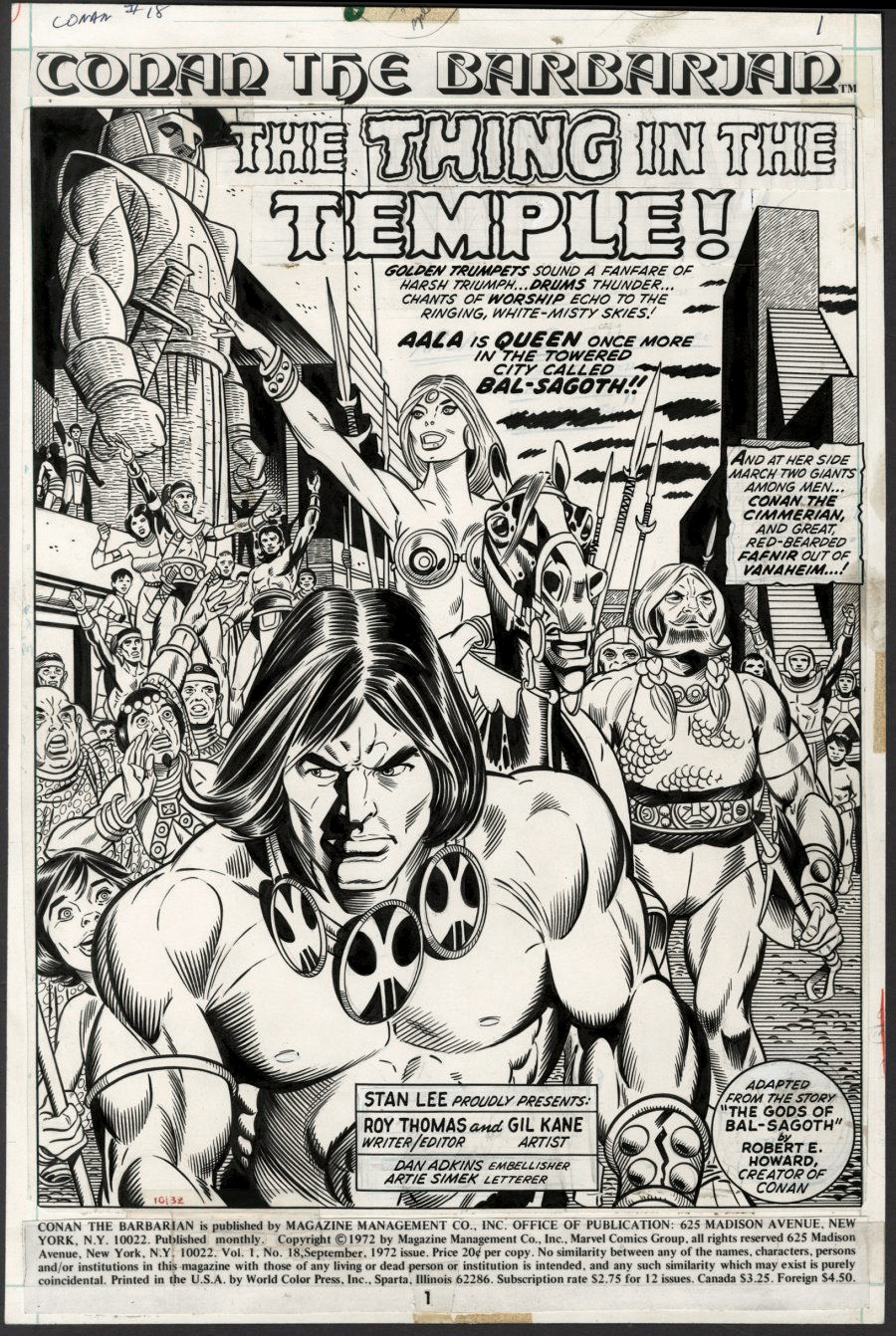
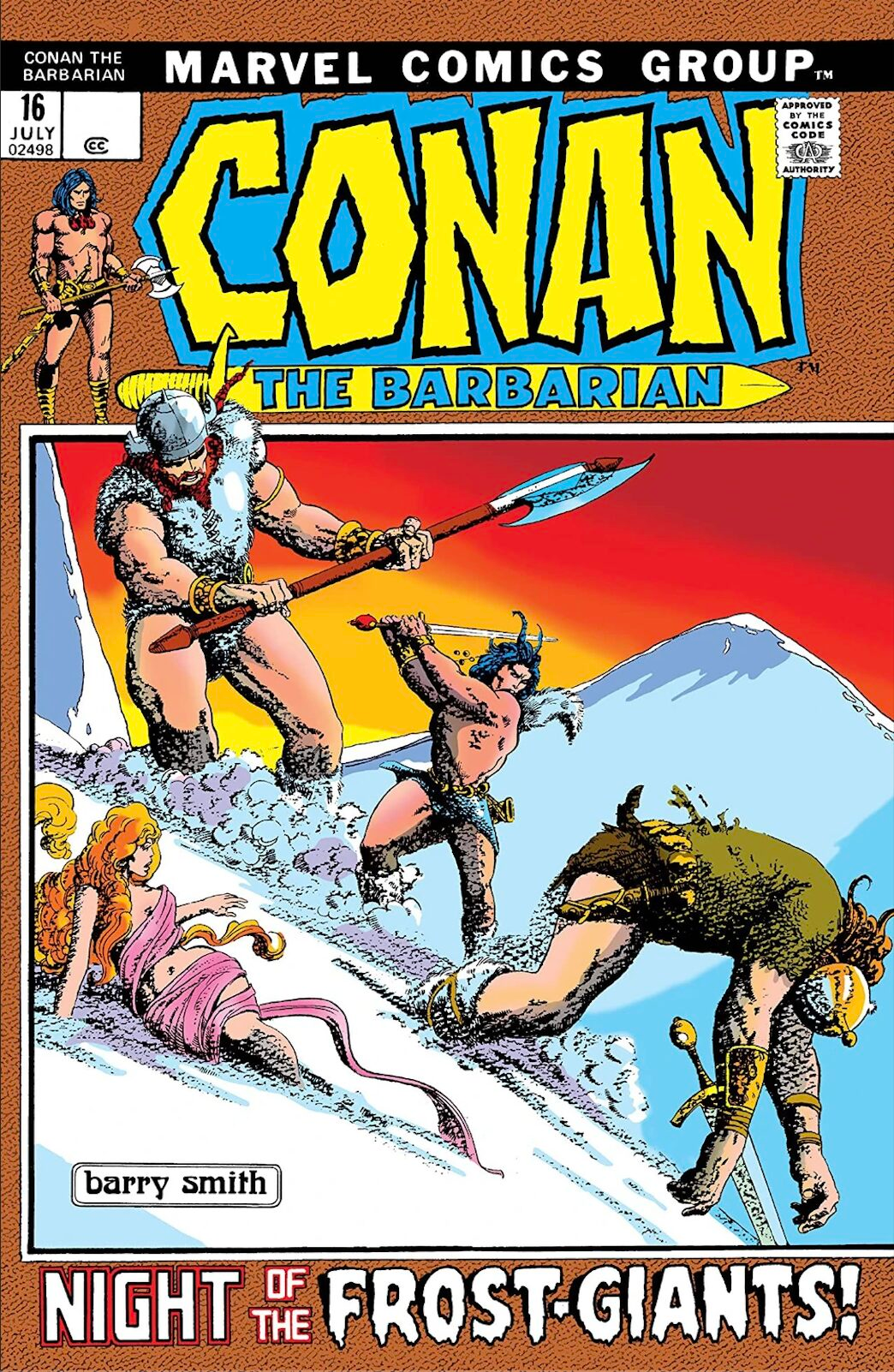
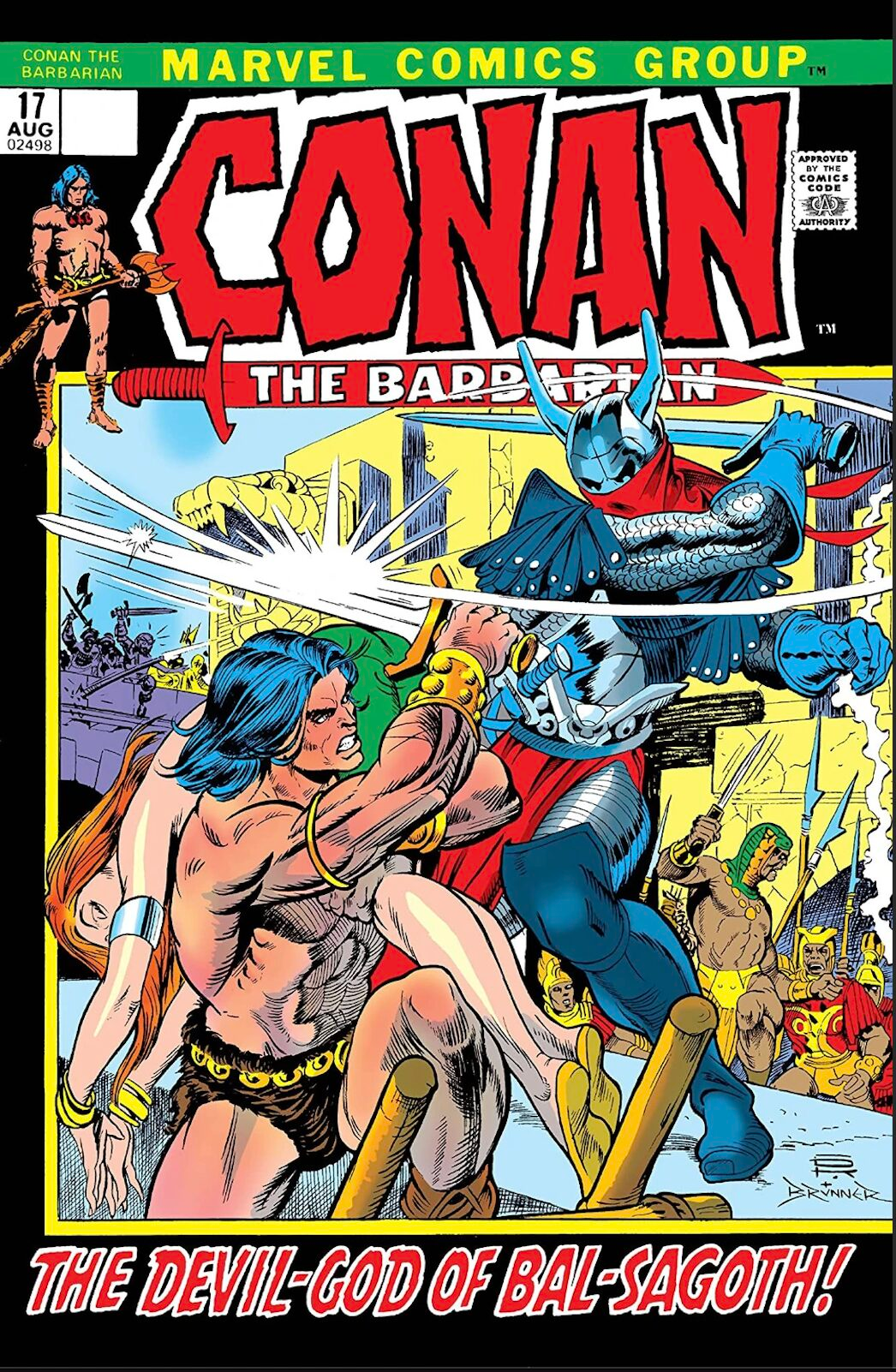
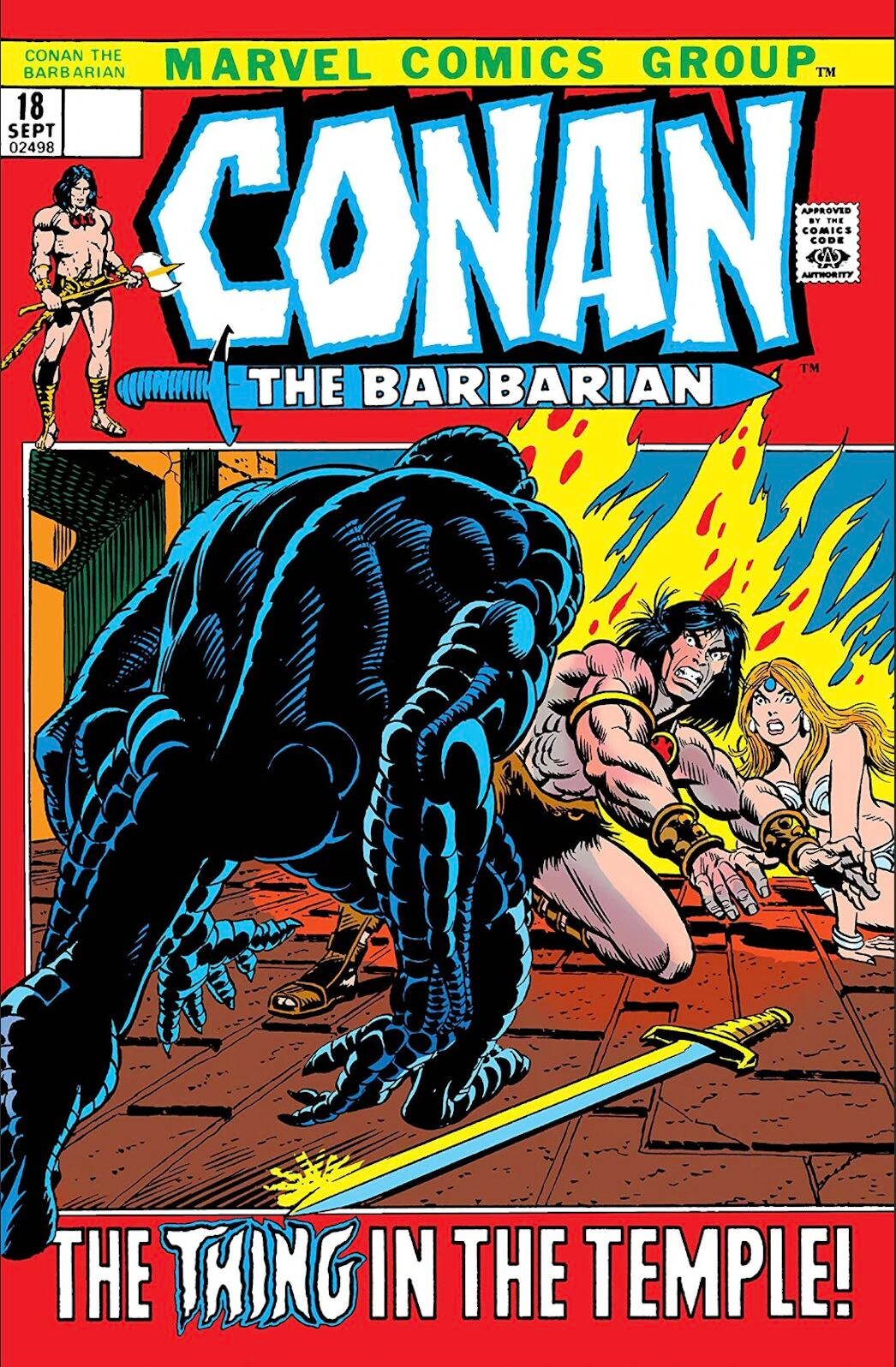
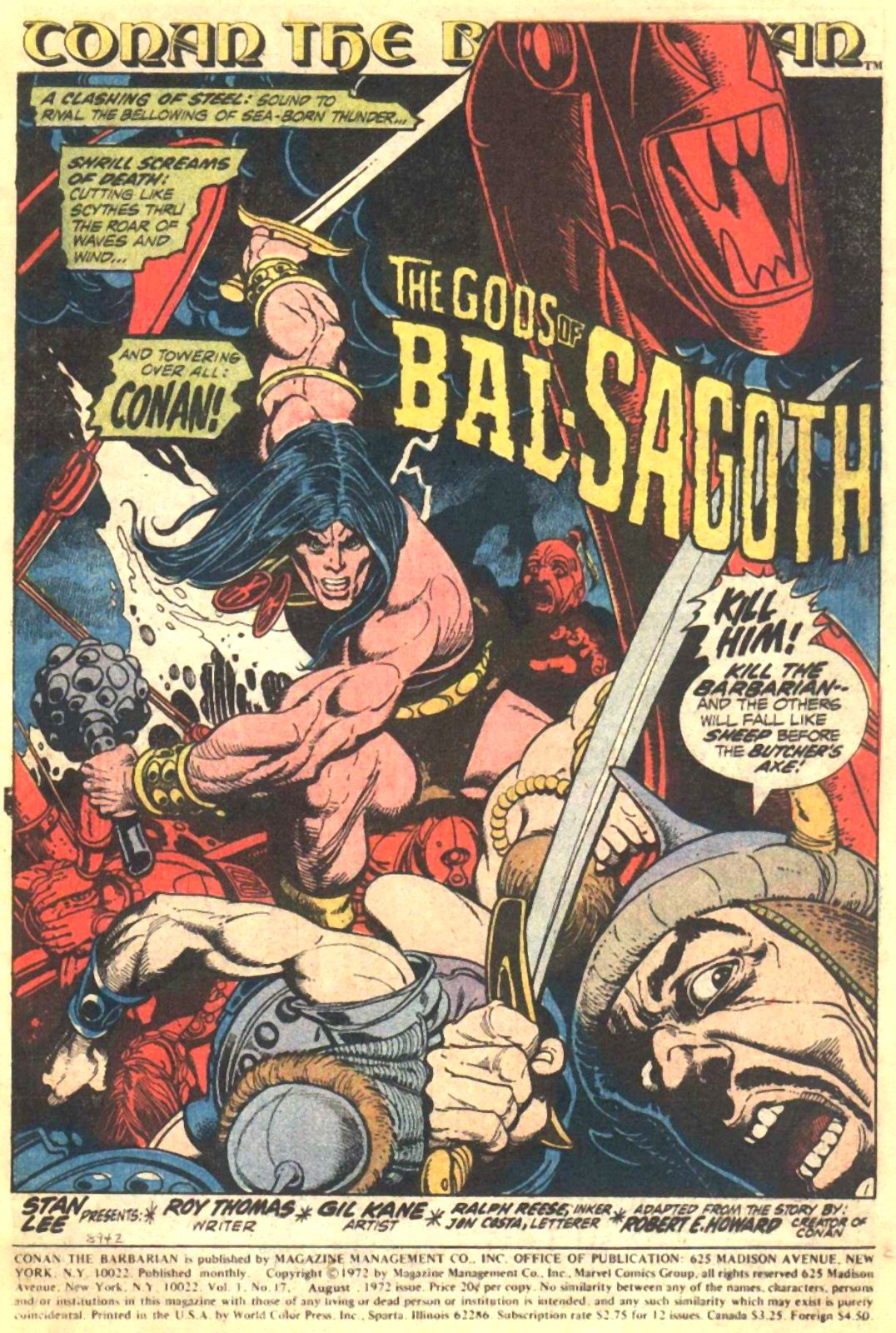
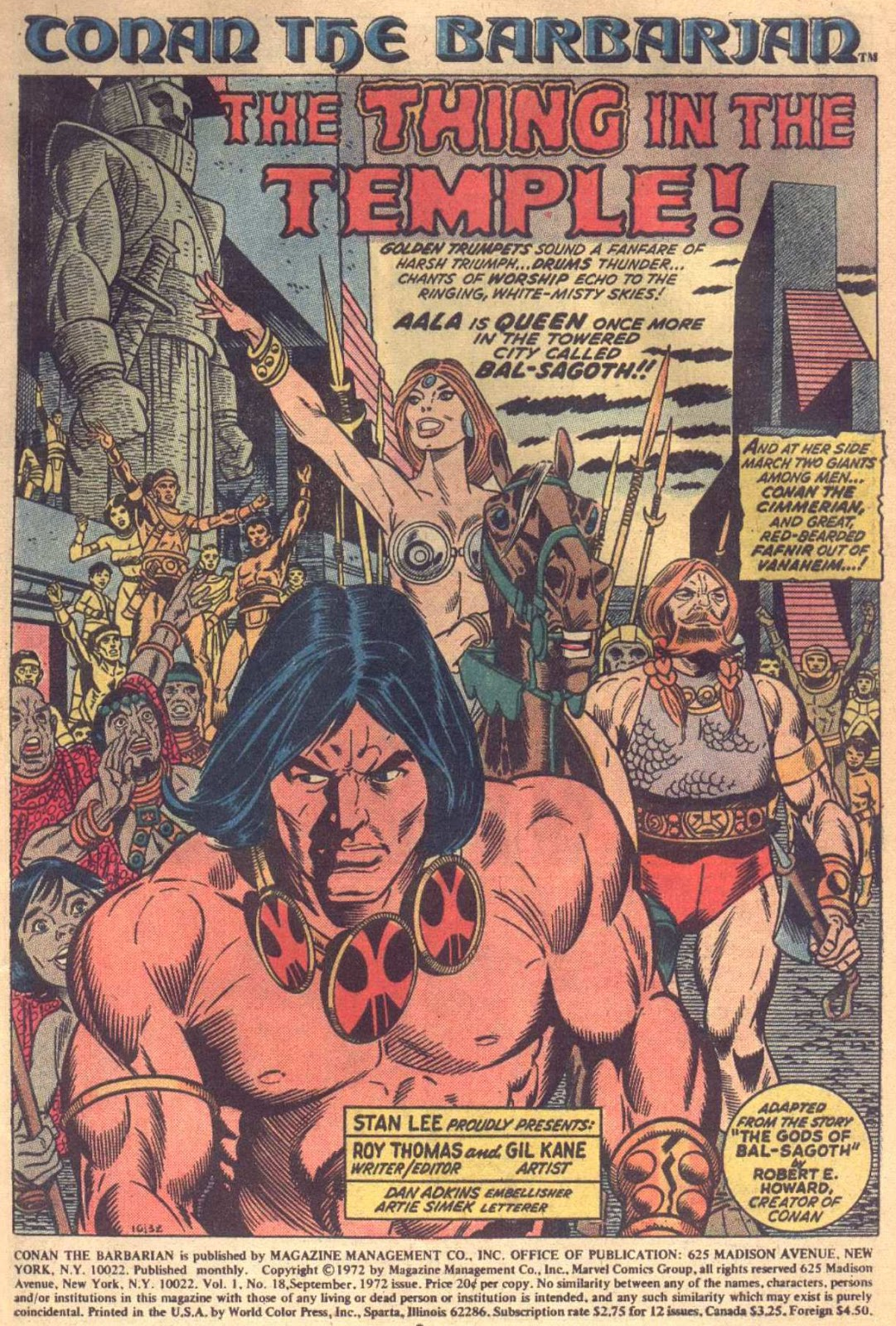
I’m guessing that if Roy Thomas had a mulligan, he might swap the opening art direction of Conan #17 and #18.
Conan the Barbarian #17 opens with a wild Gil Kane action splash — pure velocity. Limbs and weapons whipping across the page. Classic Kane. I’d frame it in a second.
But coming straight off sixteen issues of Barry Windsor-Smith — all that delicacy and atmosphere— it’s an abrupt shift. Not wrong. Just abrupt. (Especially after #16’s beautiful “Frost Giant’s Daughter.”)
The splash in #18 lands softer, more transitional. Kane pulls back: more ceremony, more posture, more air. The composition settles instead of punches.
Dan Adkins helps. Having inked both Smith and Kane, he gets the difference — and keeps the line refined enough that the book doesn’t feel like it wandered into another genre.
Seventeen announces the change. Loudly. Eighteen eases you in.
Flip the order and the handoff might’ve felt less jarring.
Don’t get me wrong — I love plenty of Gil’s work. Still, I was relieved when Barry came back for a short stretch before bowing out for good.
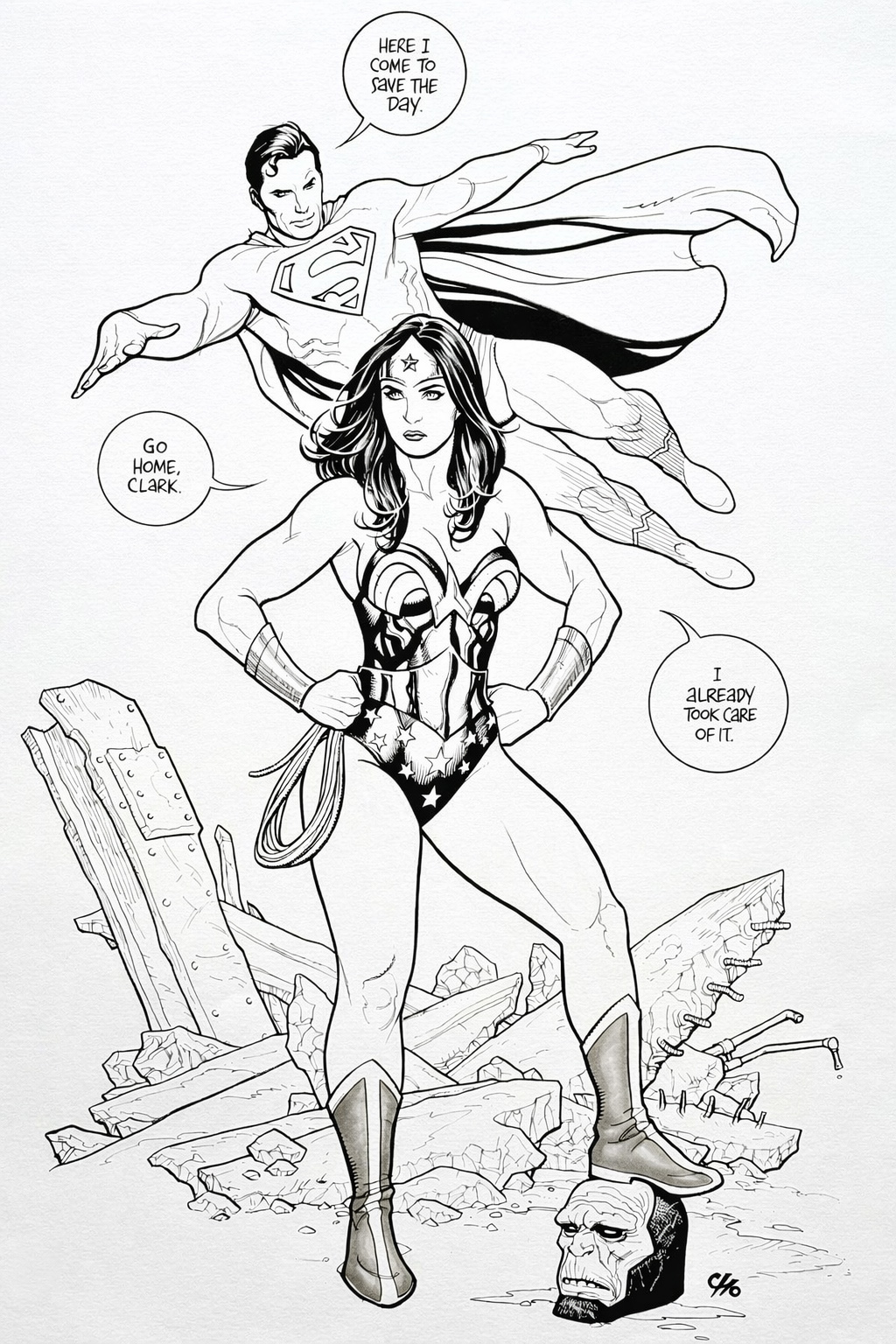
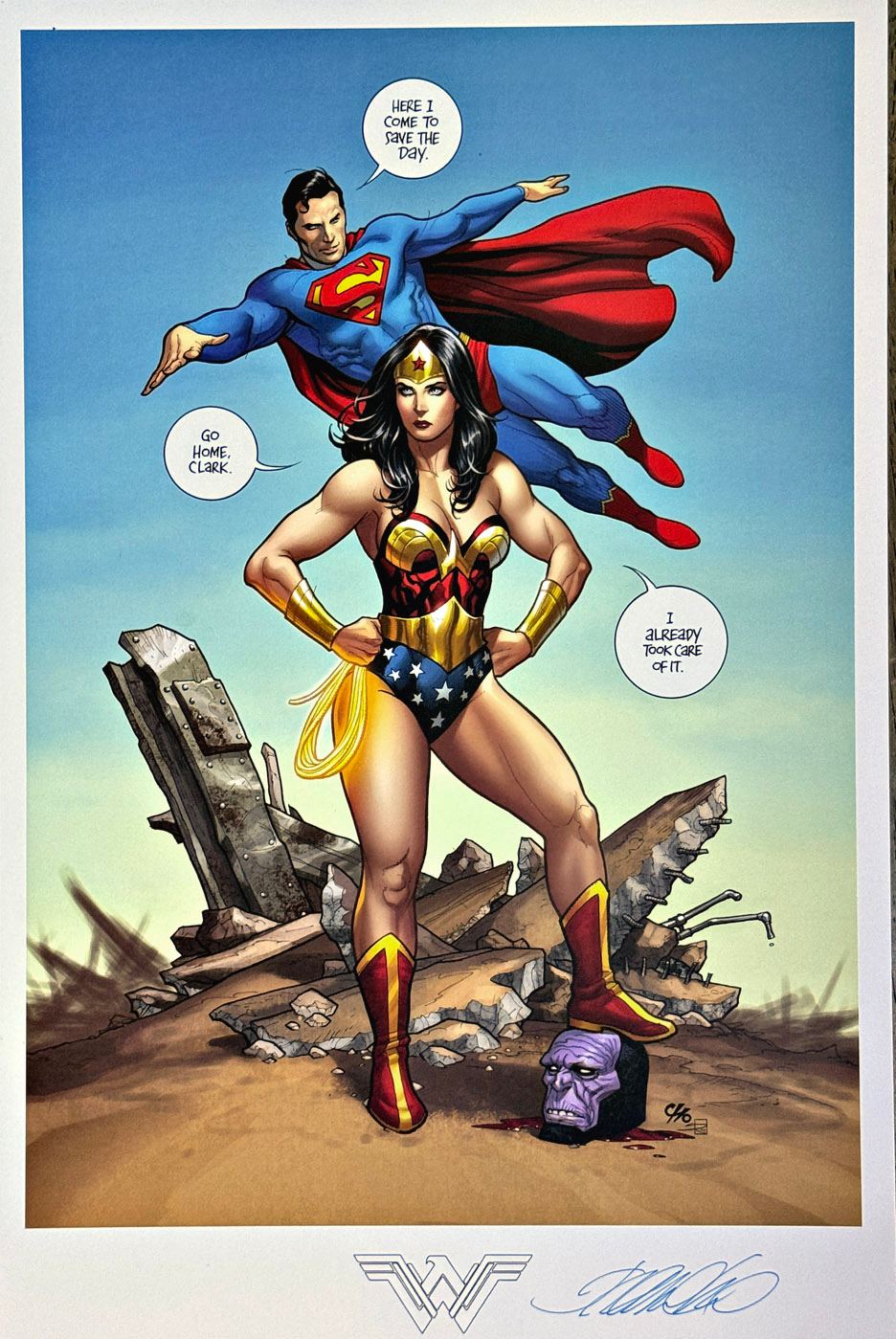
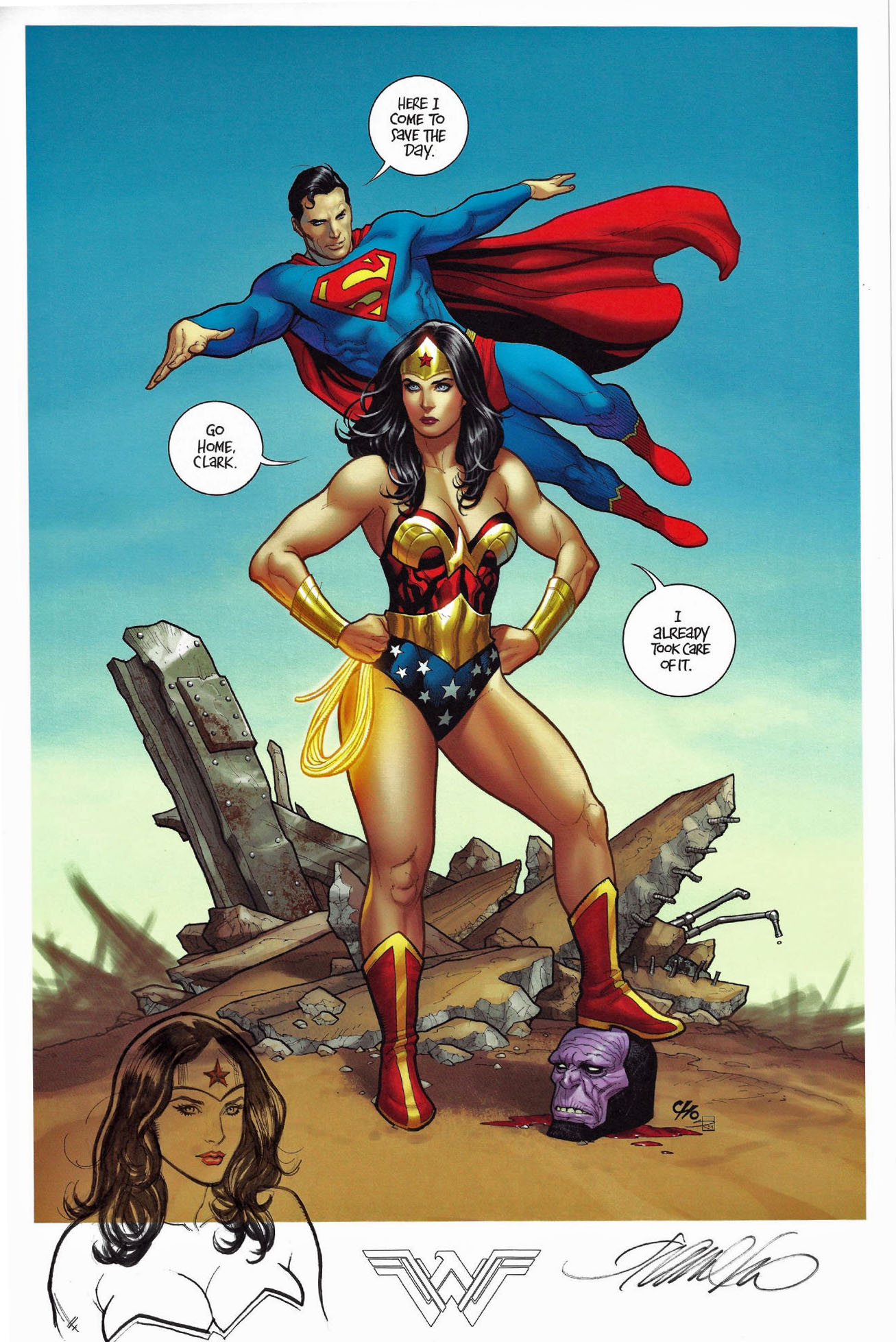
I love a great Frank Cho specialty piece. Rock-solid draftsmanship paired with a genuinely good sense of humor. (Which is rarer than you’d think—superheroes can swing from humorless to campy at light speed.)
Clean lines. No clutter. A powerful—and beautiful—Wonder Woman.
And a simple joke, told exactly right. From a very talented cartoonist and creator.
It doesn’t hurt that the piece is about 18 × 24 in size. Yowza.
Cho mentioned on social media that this was one of the first drawings he finished during the pandemic lockdown.
Now that was time well spent.
If you were in the right place at the tight time, you could get your print re-marqued. Mine (left) is not, but I own the original, so zero regrets.
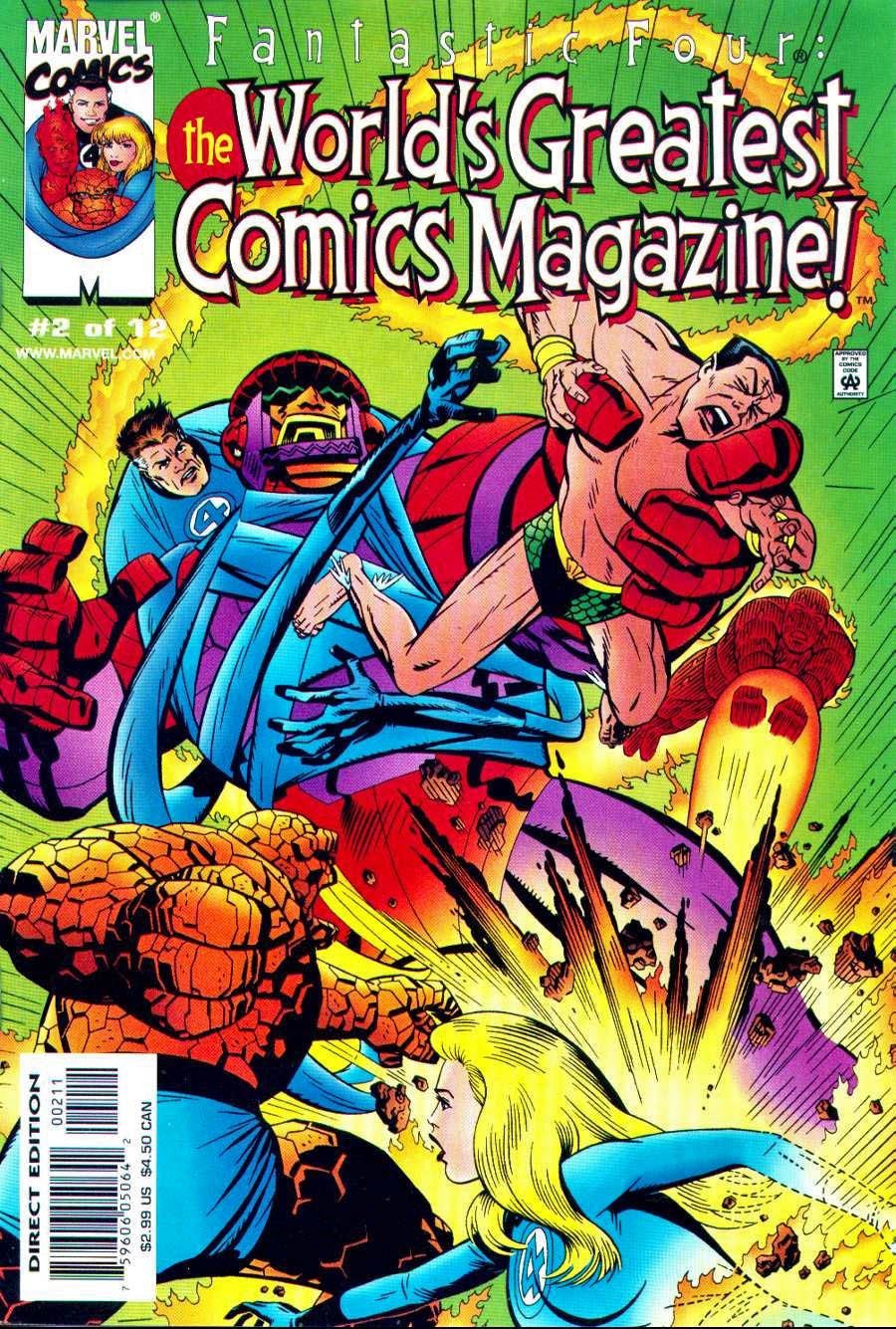
Fantastic Four: World’s Greatest Comics Magazine#2, March 2001
Fantastic Four: World’s Greatest Comics Magazine isn’t like a sequel to Lee and Kirby’s original run—it is one. Same premise, same mission: pick up the world’s greatest comic right after issue #100 and keep the engine humming.
This mini-series exists because a generation of creators grew up fluent in Kirby’s visual language and wanted to continue it, not reinterpret it. No grim updating. No clever winks. Just more Fantastic Four.
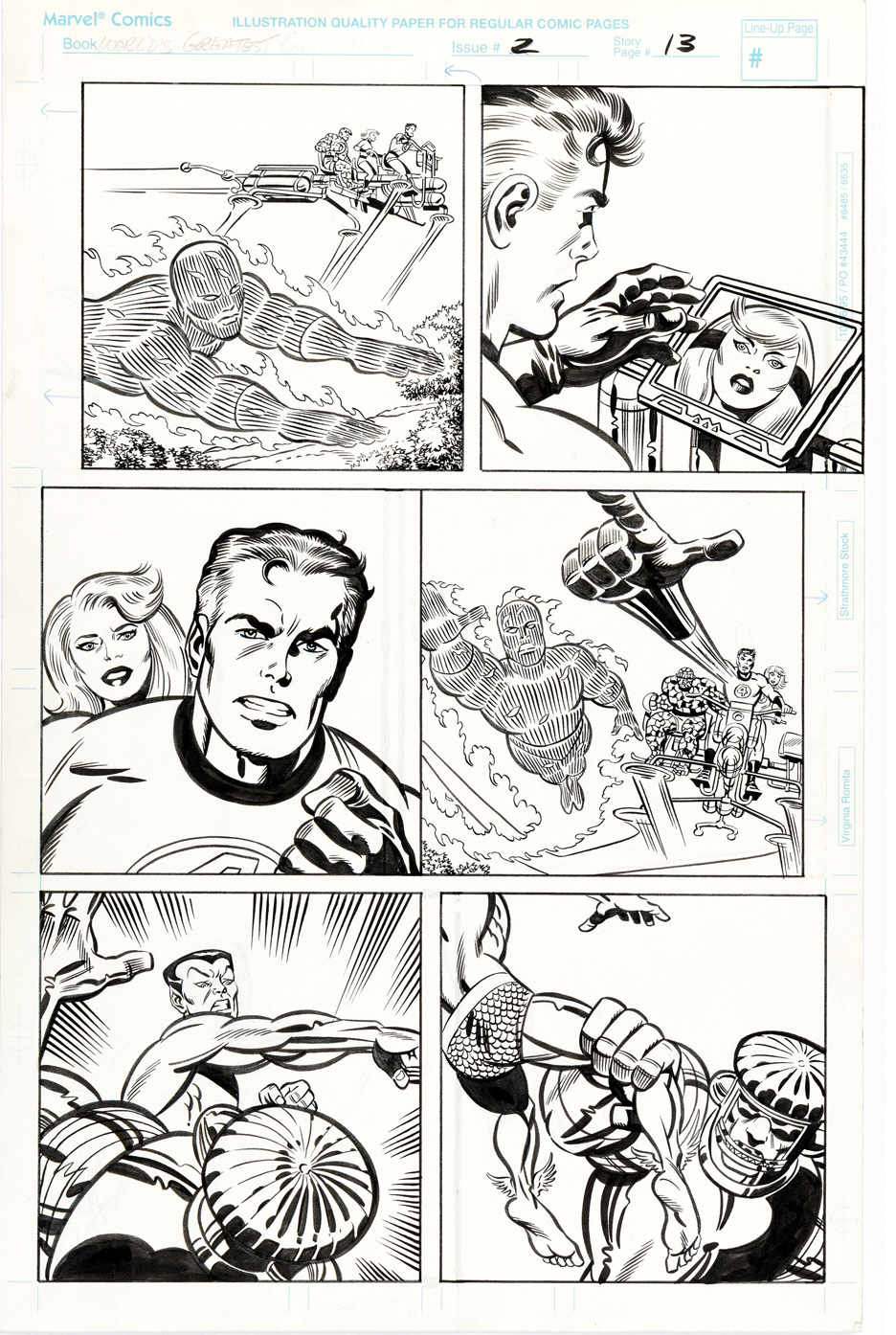
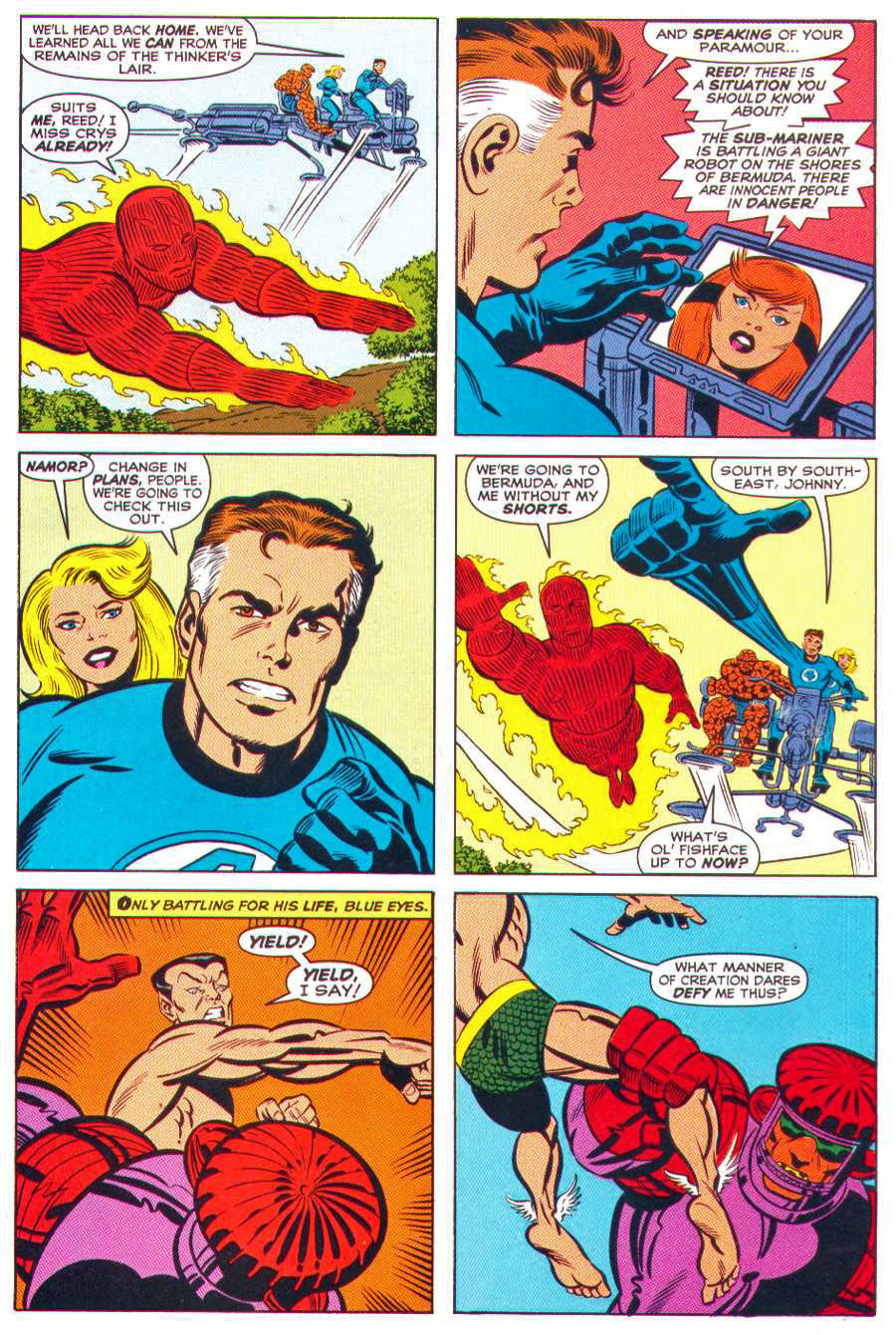
This page nails that idea perfectly. Erik Larsen provides the layouts, setting up classic, confident storytelling. Paul Ryan delivers clean, readable draftsmanship. Al Milgrom locks it all together with classic Marvel authority. You get the full team, Crystal, and Namor battling the Sentry—all in one terrific page of original art.
Across the series, the creative roster reads like a roll call of die-hard Kirby believers. Other contributors included Bruce Timm, Ron Frenz, Keith Giffen, and Rick Veitch—artists who didn’t just admire Kirby, they revered him and understood what made the Fantastic Four tick.
What makes World’s Greatest Comics Magazine special is its confidence. It doesn’t explain itself. It assumes the Fantastic Four never stopped being the future. In that sense, it isn’t nostalgia—it’s continuity of imagination. And that’s about as Fantastic Four as it gets.
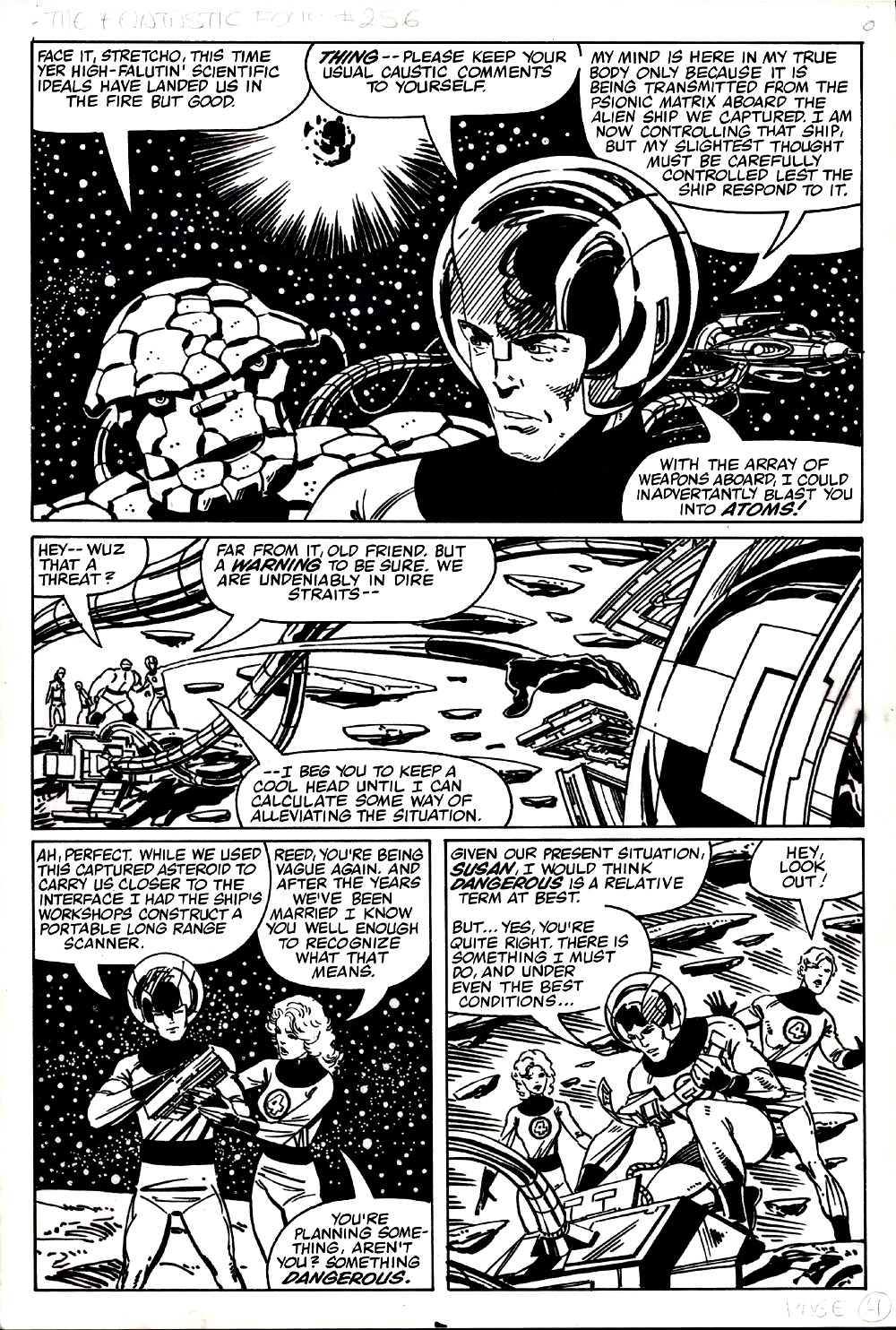
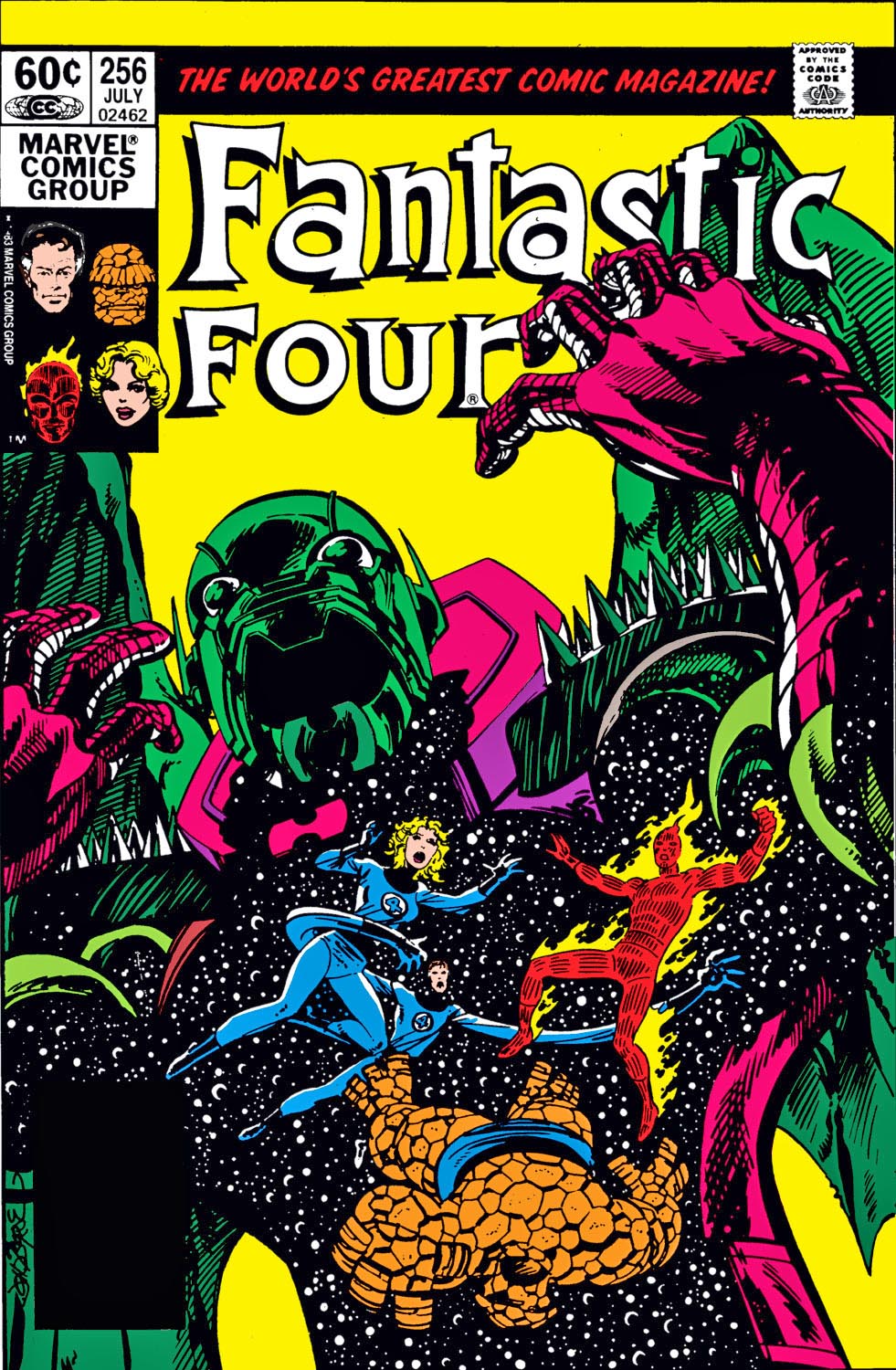
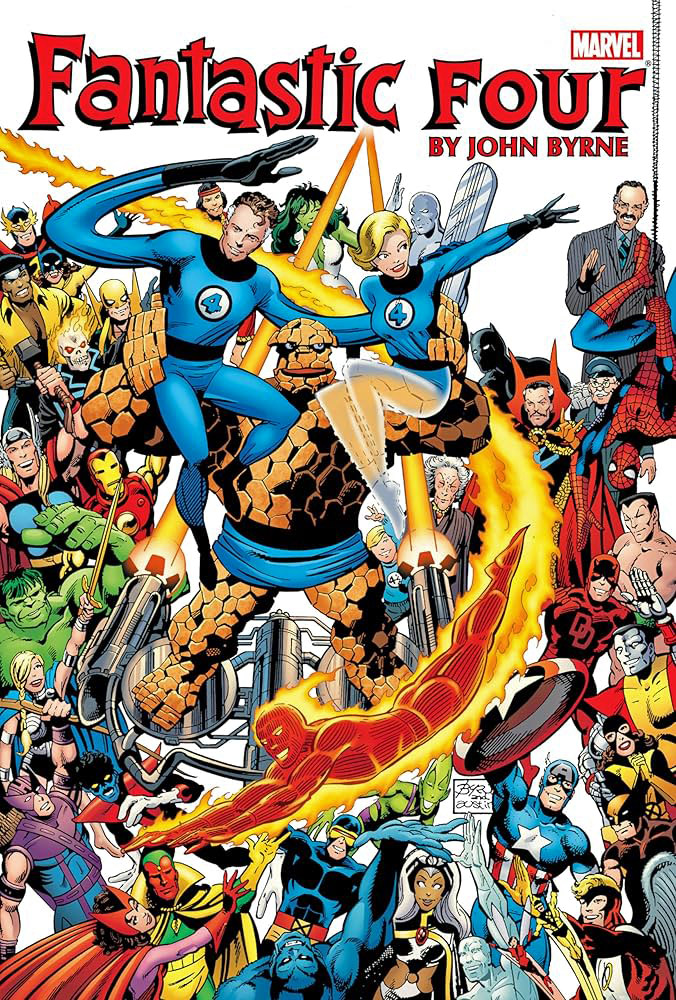
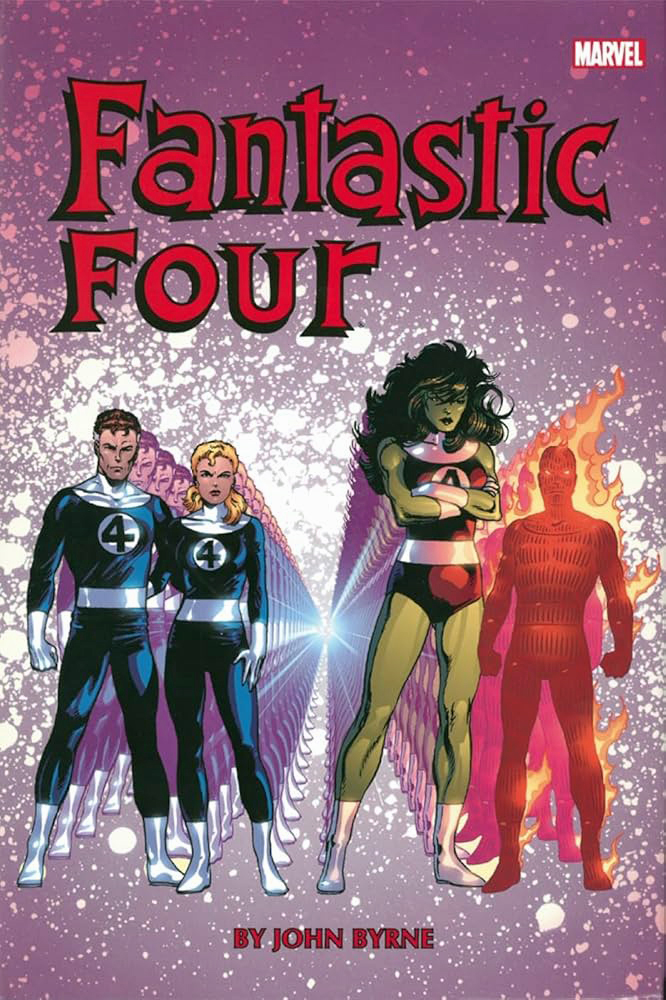
John Byrne’s Fantastic Four earned its legendary status the right way. He took the keys to one of Marvel’s great books, respected the Kirby engine that powered it, and pushed it forward with smart, late-’70s storytelling.
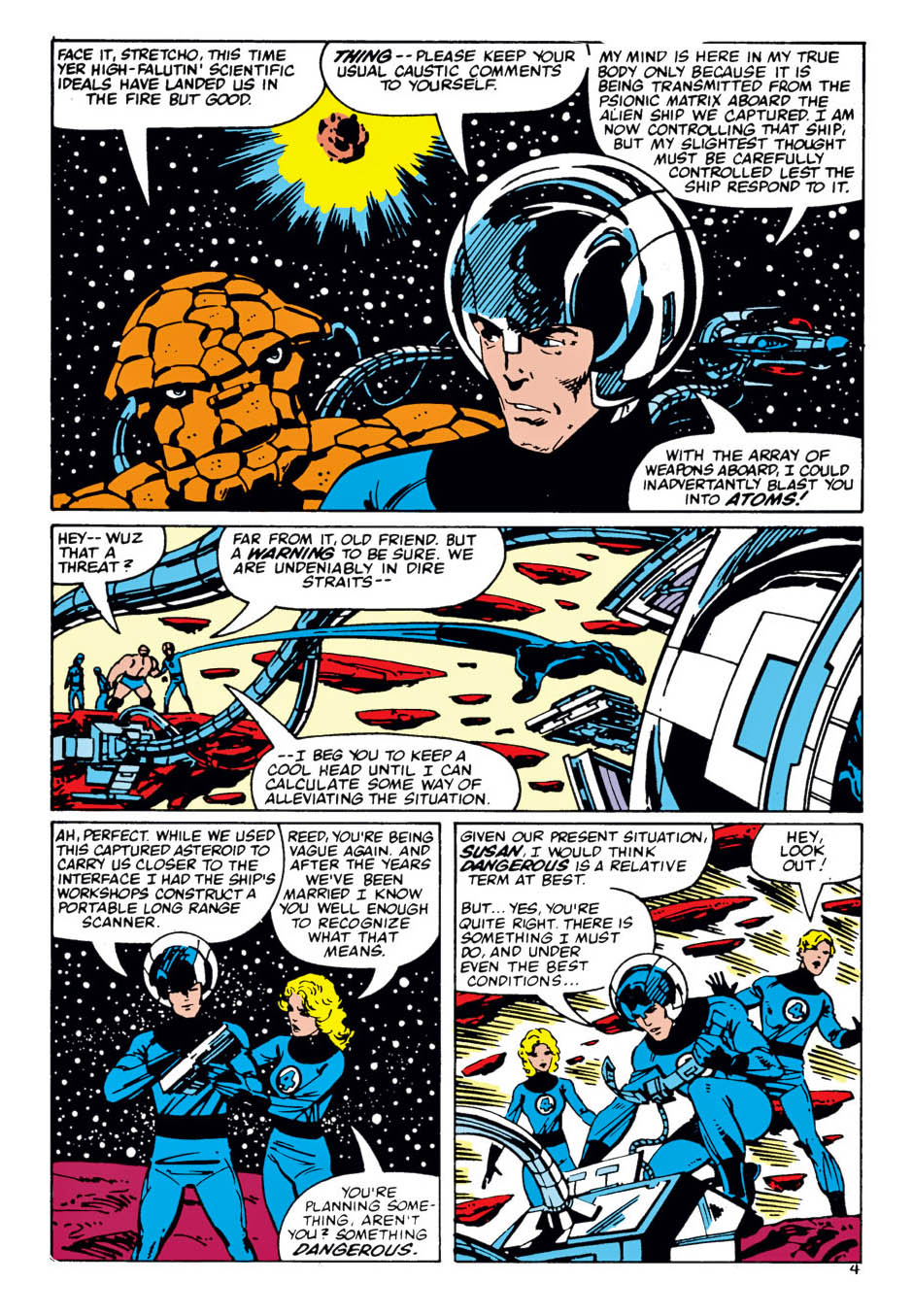
This Negative Zone page feels like classic FF: clear storytelling, dangerous tech, and characters who sound like smart people under pressure. Reed is cool and precise. Sue keeps things grounded.
Drawn oversized, the page has room to breathe — big machines, strange worlds, and that unmistakable sense of scale. Nothing feels decorative. It feels built.
The kind of Fantastic Four that made opening a new issue every month feel like an event.
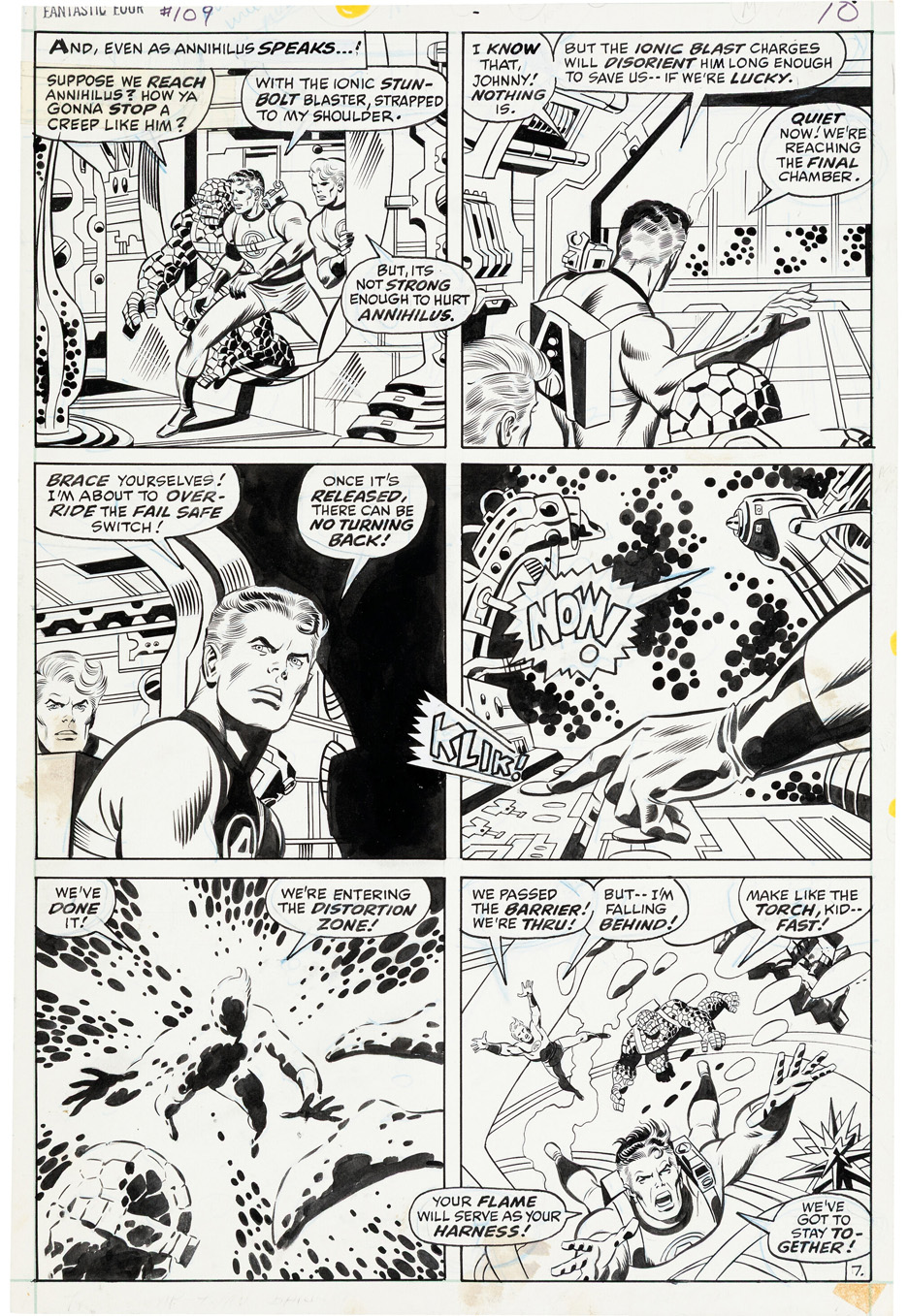
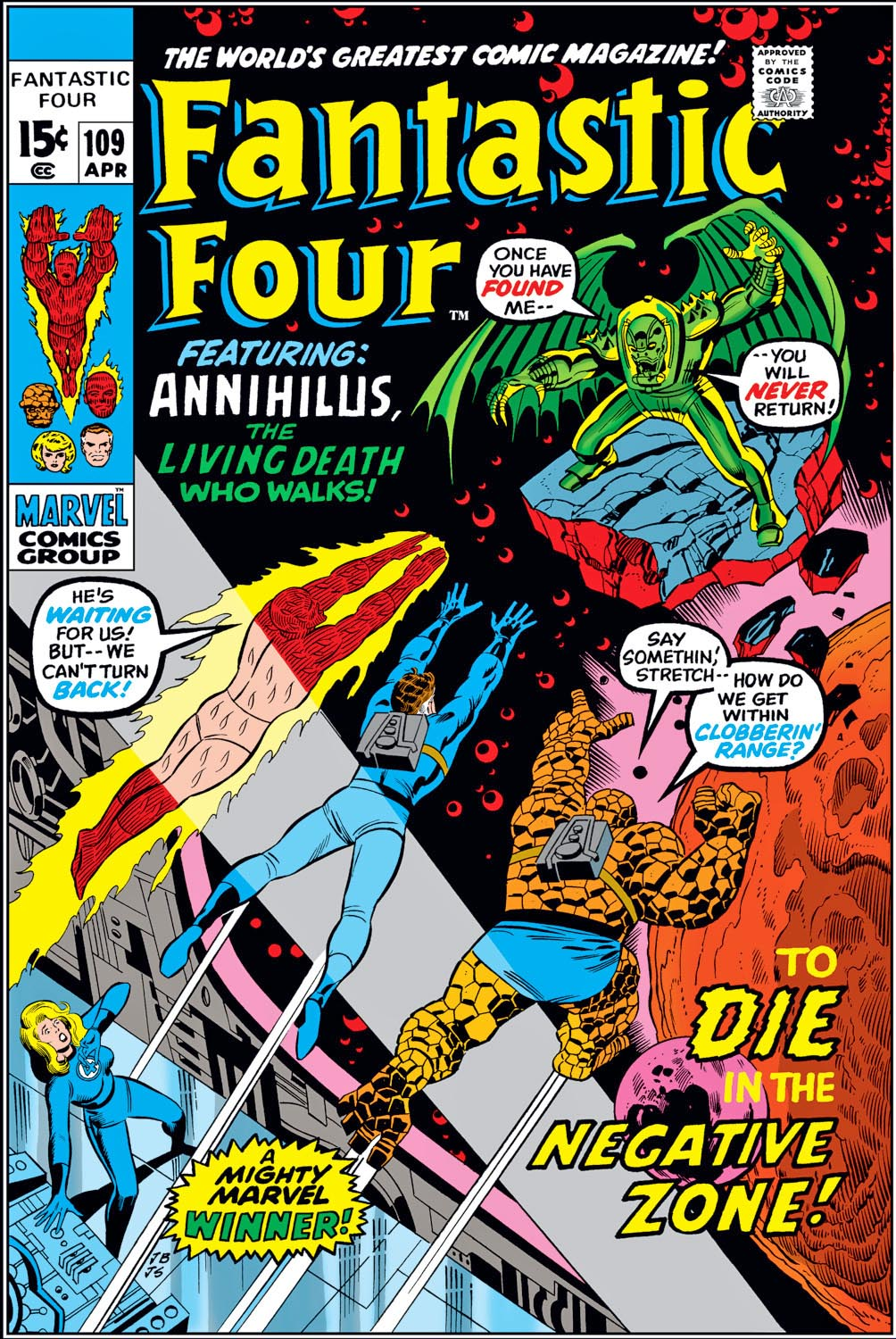
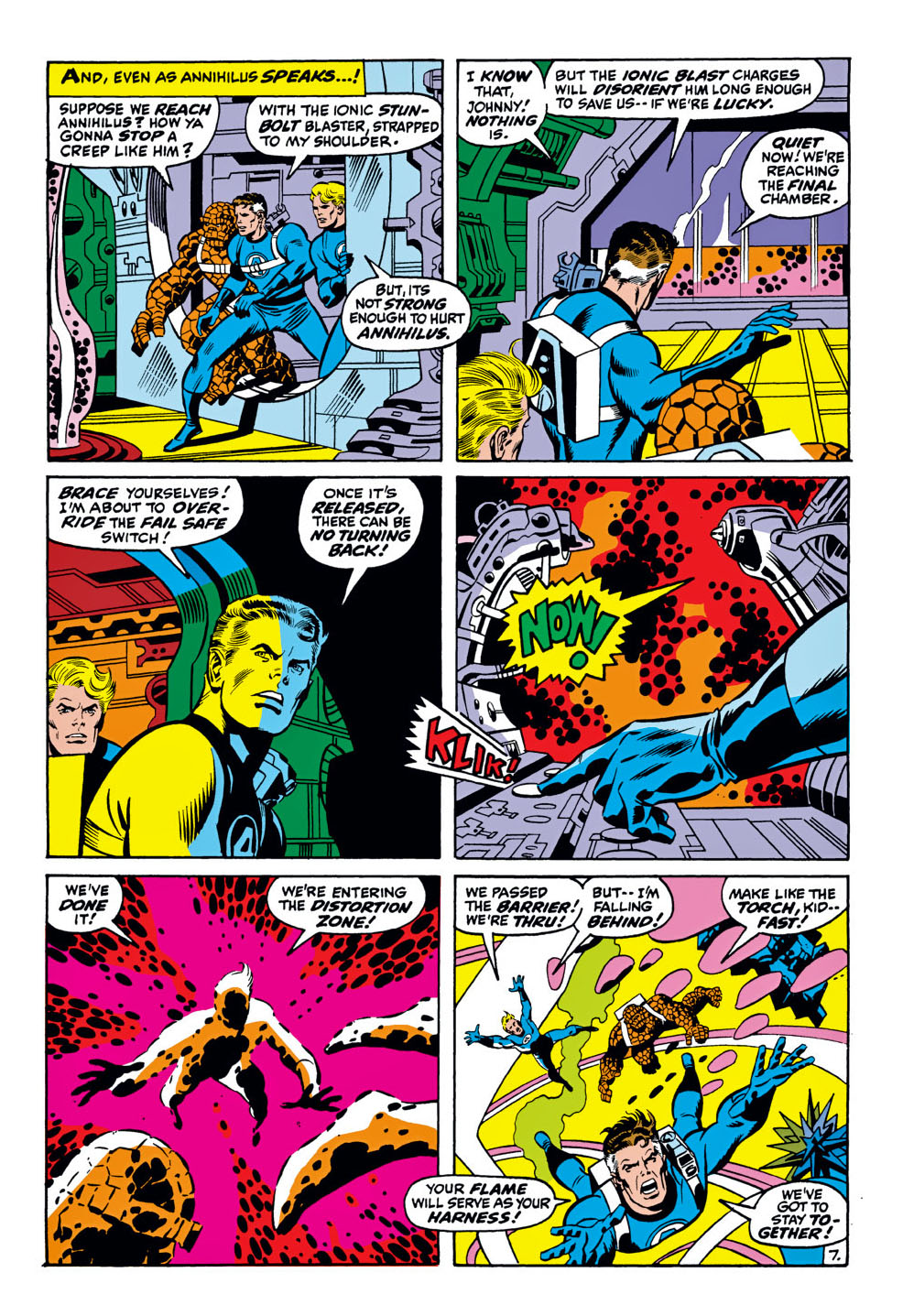
If Jack Kirby built the Marvel Universe by flooring the gas pedal, John Buscema is the artist who proved it could keep moving at speed without flying off the road. This page from The Fantastic Four #109 doesn’t feel like a reset after Kirby—it feels like a smooth handoff. (Especially with the amazing Joe Sinnott continuing on as co-pilot.)
Nearly everything that defines the FF is here: impossible tech, last-second switches, and reality bending under pressure. Kirby detonates ideas; Buscema directs them. The action is clean, the staging is crystal clear, and even as the team tumbles through the “Distortion Zone,” you always know where everyone is—and what’s about to go wrong.
That’s why Buscema was the perfect artist to follow Kirby. He didn’t try to out-Kirby Kirby; he translated the chaos into confident, cinematic storytelling.
Fantastic Four #109 lands squarely in my prime spinner-rack era—back when the future arrived every month for 15 cents a pop. Owning this page feels like closing a long loop—from Wurman’s candy store (Long Beach, NY) back to the original art board, without losing any of the wonder.
In fact, it gains even more.
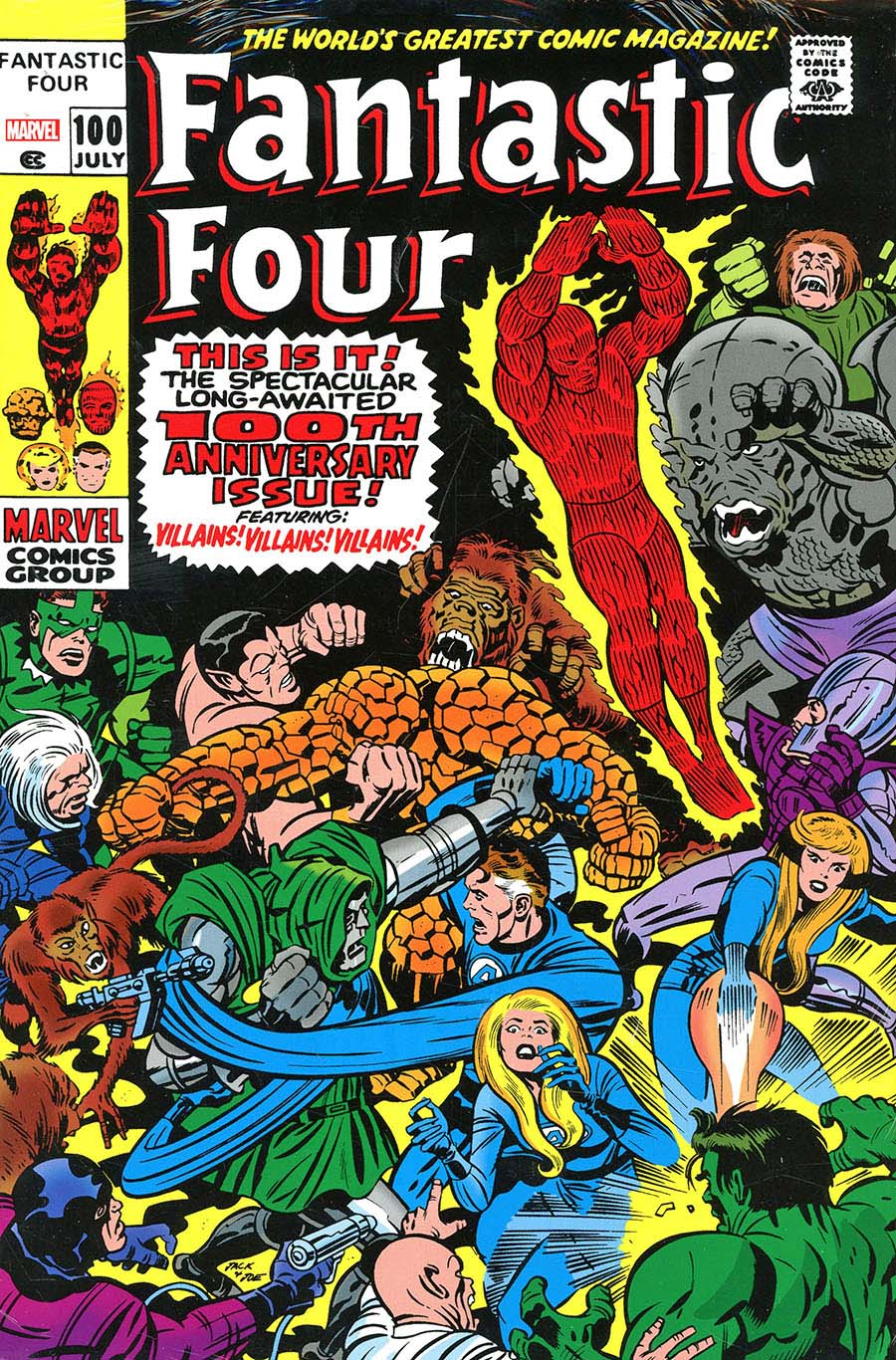
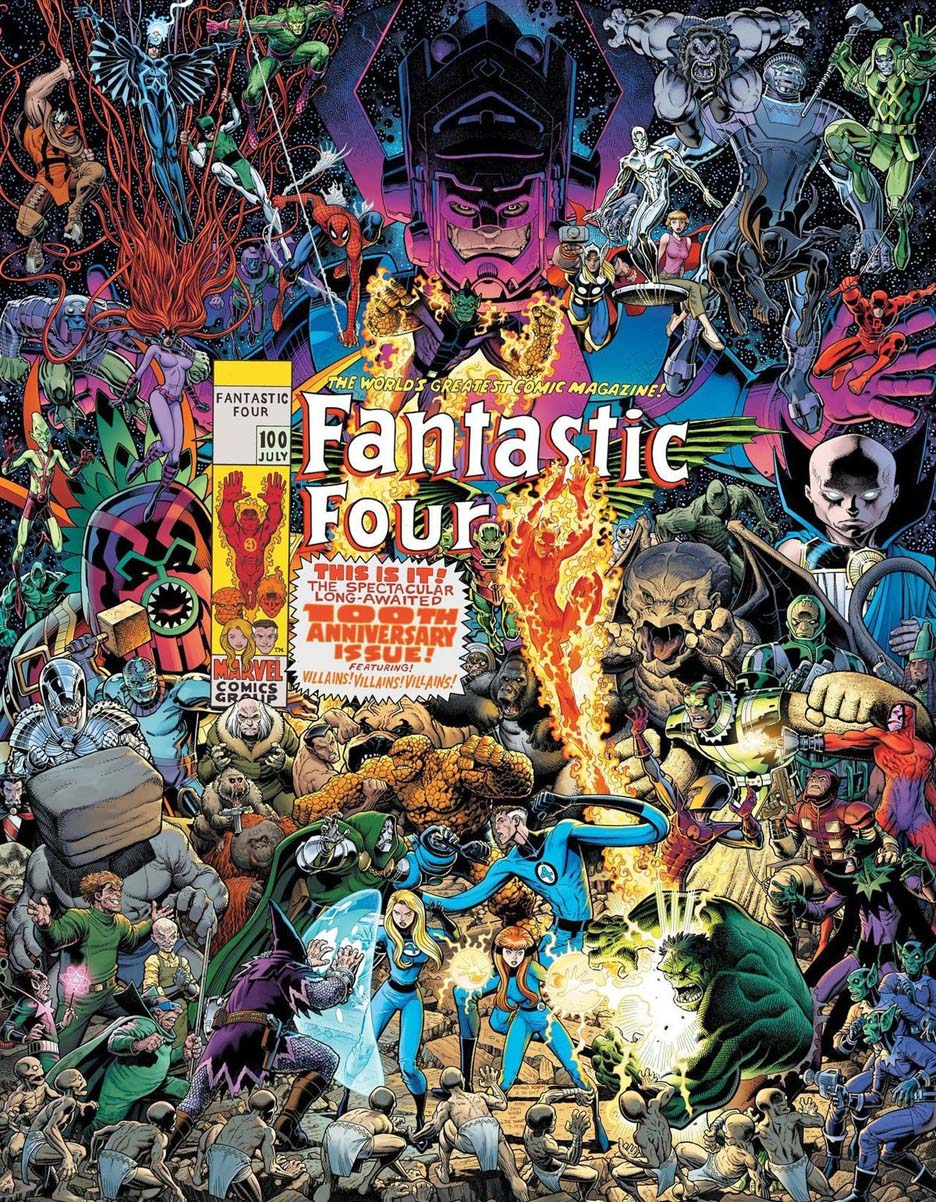
The early Buscema stories (plus some late Kirby and the fill-in Romita stories) can be found in the FF omnibus #4, with either the Kirby #100 cover — or the astonishing homage by Arthur Adams.
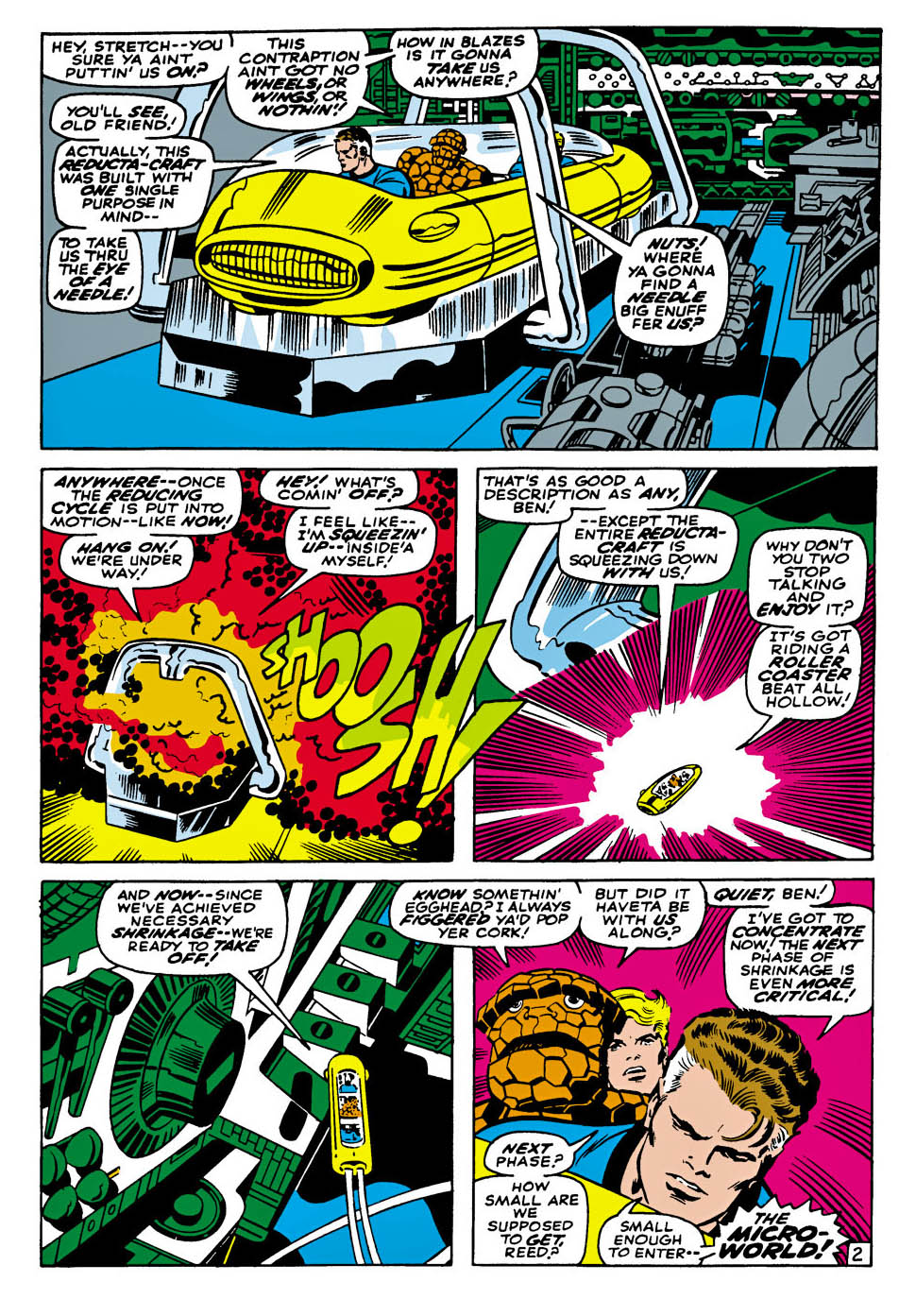
Sixty-five years on, The Fantastic Four still feels like Marvel figuring itself out in real time—and getting it spectacularly right. These weren’t heroes born in alleys or back rooms; they were a product of the early ’60s, when the Space Race filled the headlines and the future felt thrilling, reckless, and inevitable. Rockets were launching, limits were being tested, and the question wasn’t should we go farther—it was how fast can we get there. Marvel’s cosmic imagination starts right here, with four people charging into the unknown.
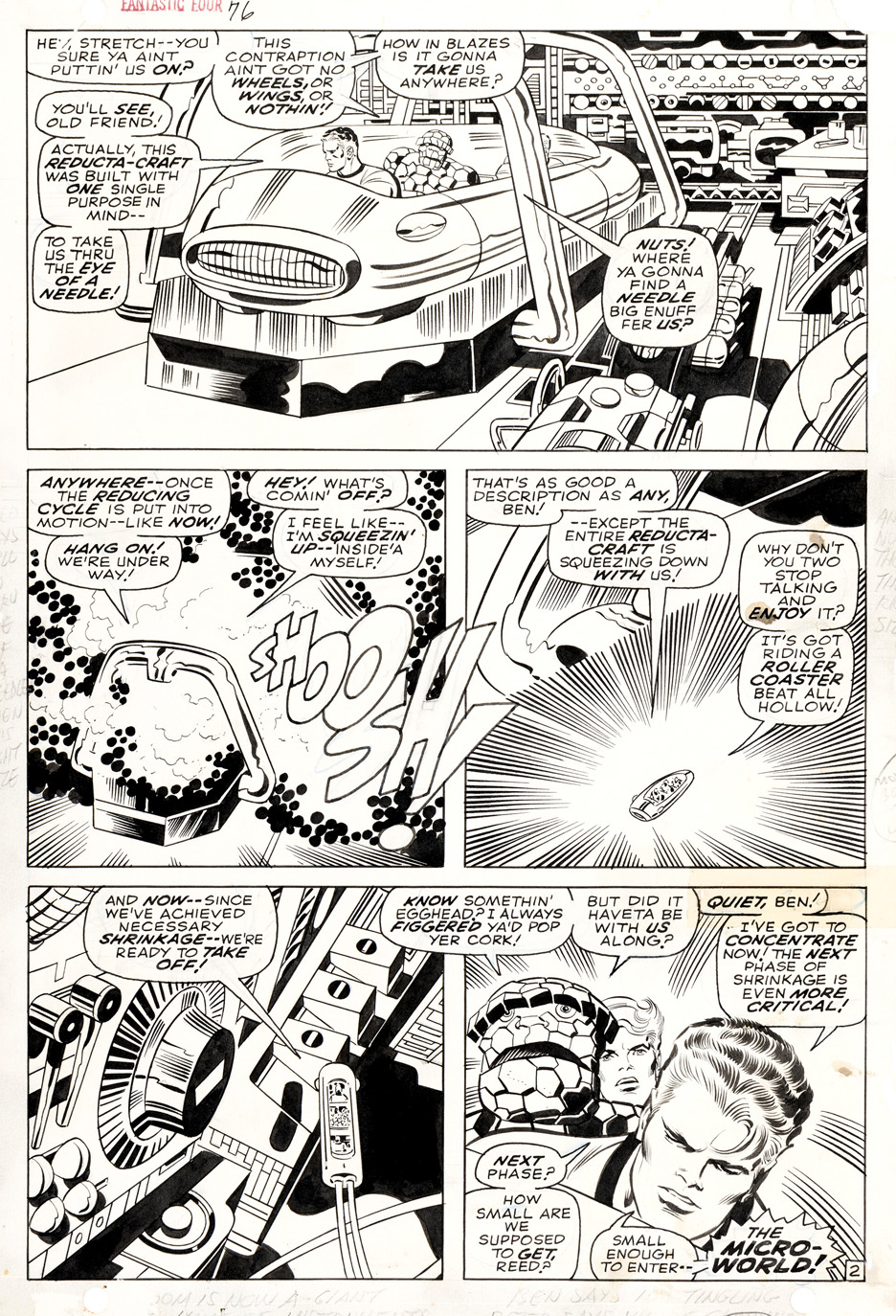
And speaking of charging ahead—just look at this page by Jack Kirby, beautifully locked down by Joe Sinnott. This isn’t just a shrinking sequence; it’s Kirby inventing scale. Machines loom like alien vistas, panels crackle with motion, and your eye doesn’t just read the page—it gets pulled inside it. Sinnott’s inks keep all that chaos crisp, clear, and impossibly confident.
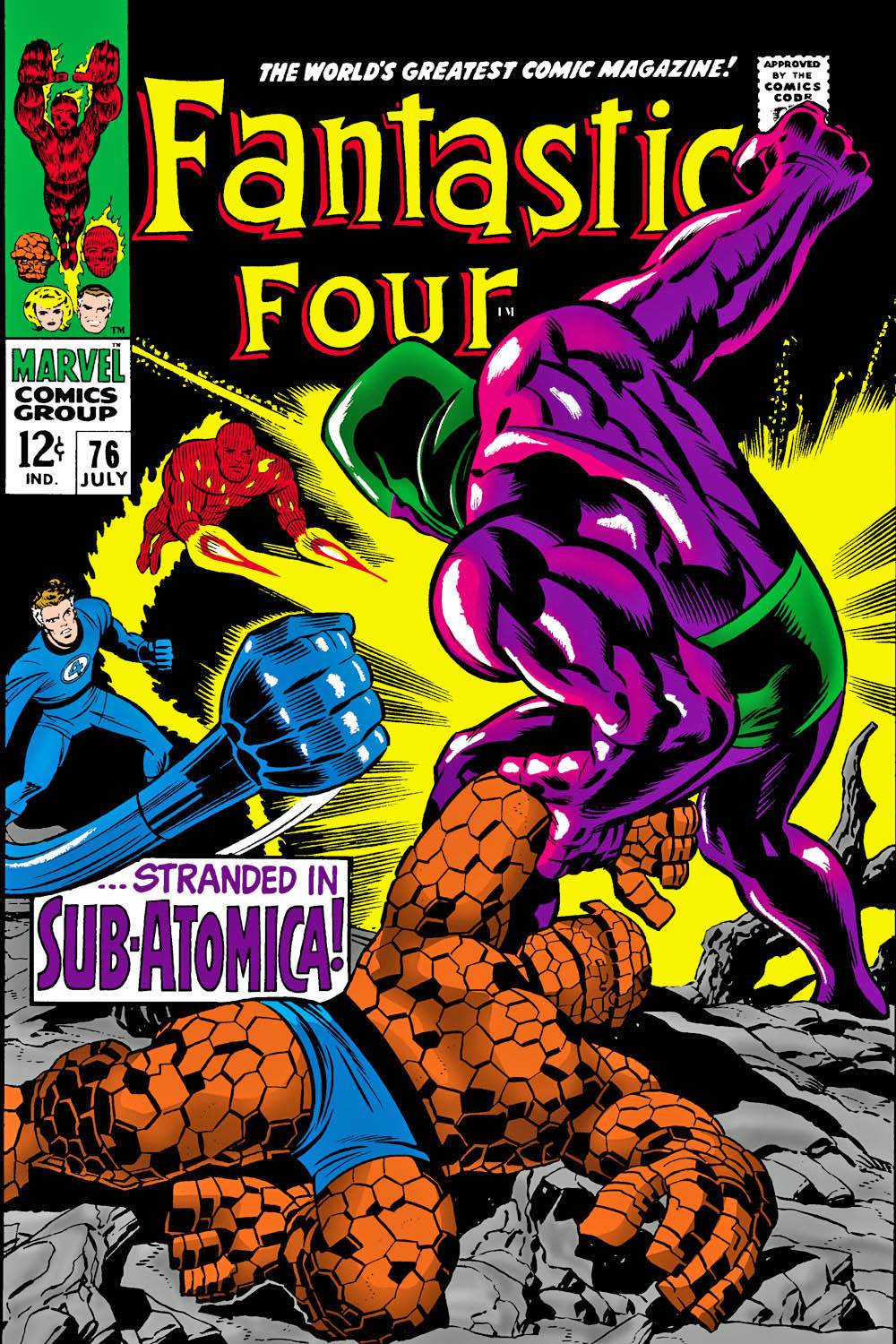
I continue to believe the first 100 issues (and especially the marvelous three-year stretch from about issues #39–76) of The Fantastic Four rank among the most important runs in comic-book history—one long creative hot streak where the ideas redefined pretty much everything that came before.
I’m never going to referee who did what between Kirby and Stan Lee, but one thing is pretty obvious: Lee contributed much of the personality, friction, and soap-opera snap that made the cosmic feel personal. The Fantastic Four bicker, joke, and melt down while rewriting reality—and that mix of big ideas and human irritation became Marvel’s calling card.
Happy 65th to the Fantastic Four: Marvel’s original first family, and a wondrous revolution in comic books.
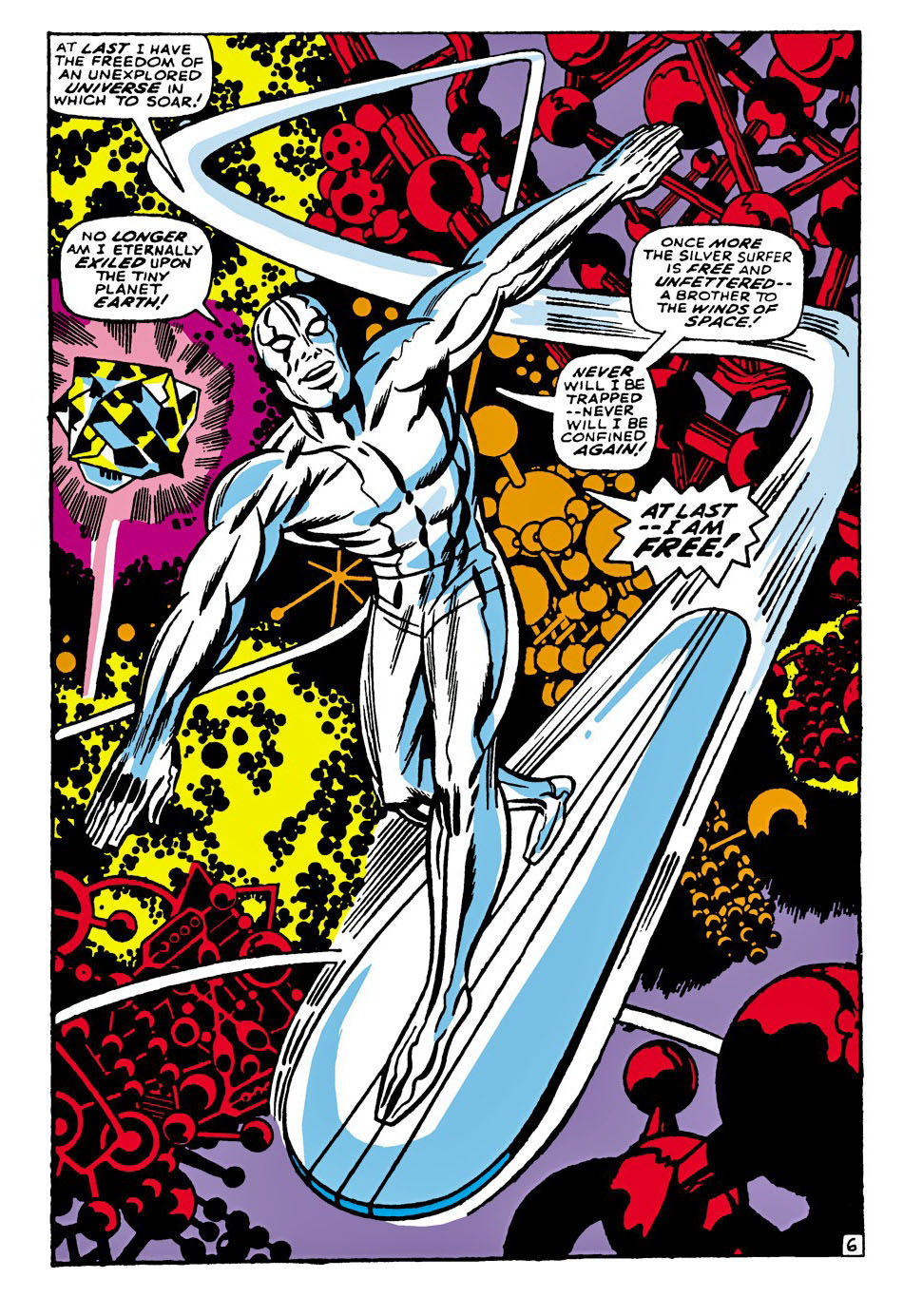
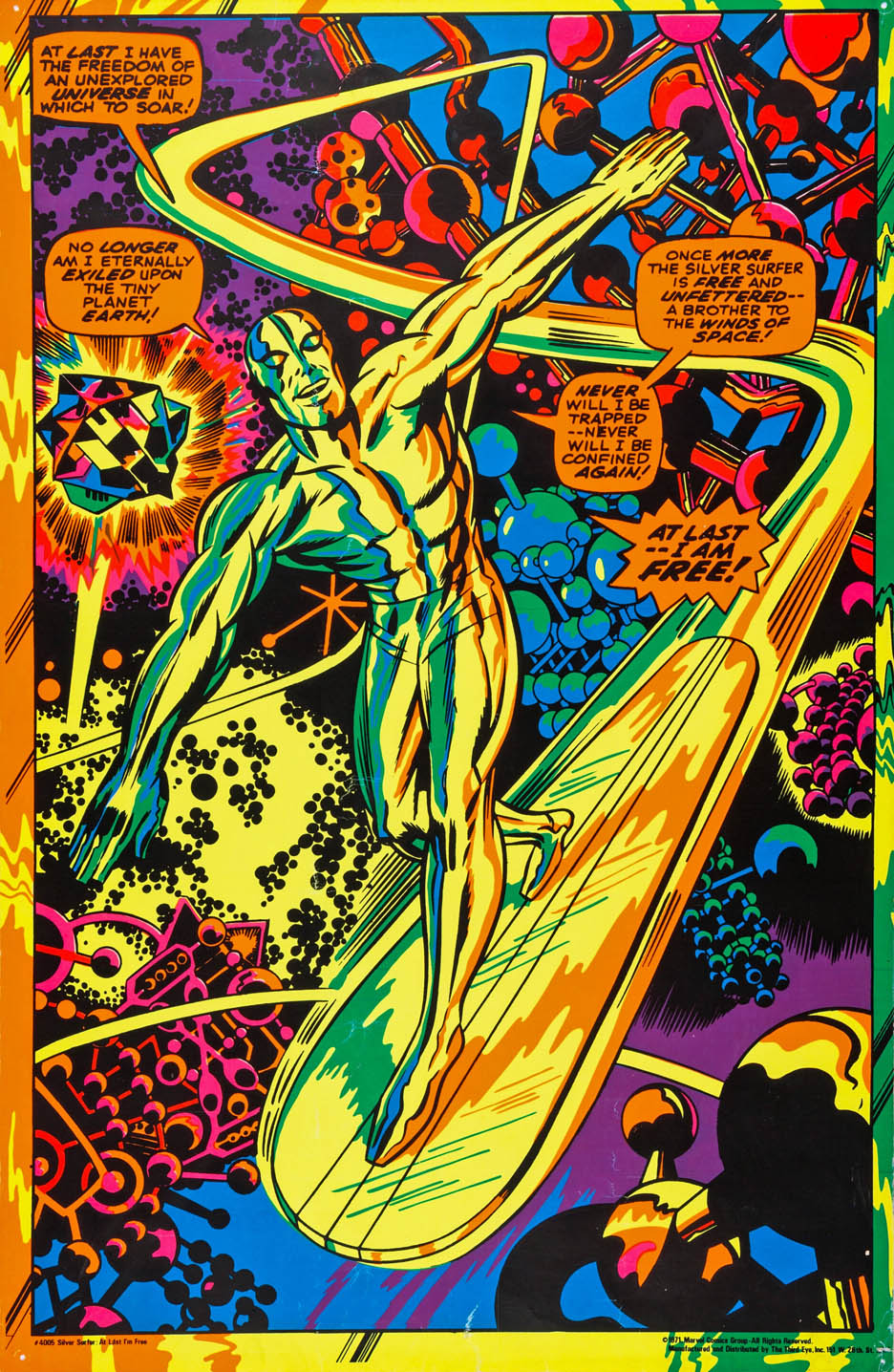
The Silver Surfer splash from this issue is so striking and iconic that it was later selected as one of Marvel’s classic licensed blacklight posters.
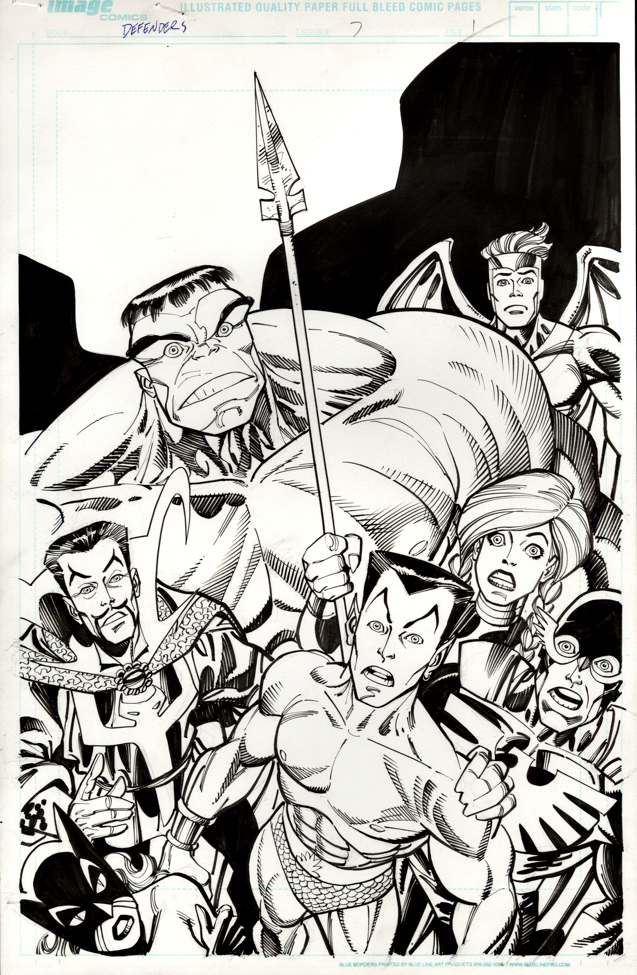
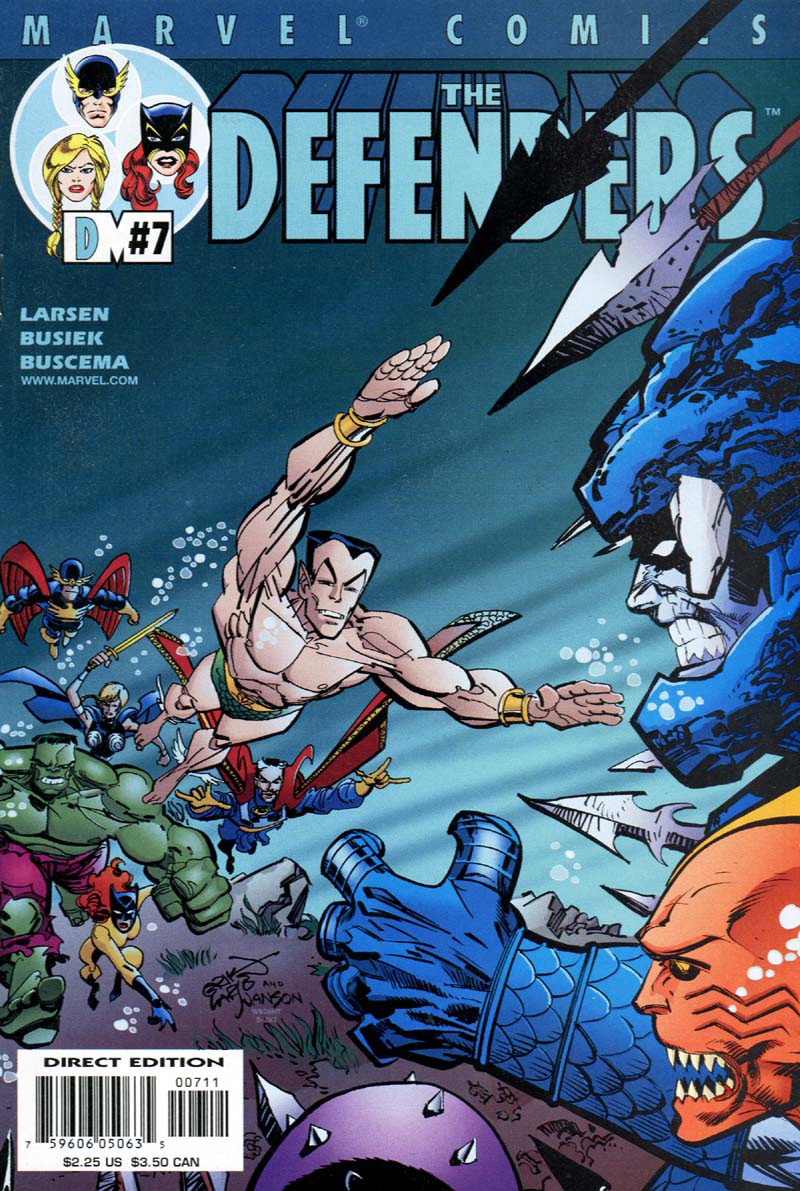
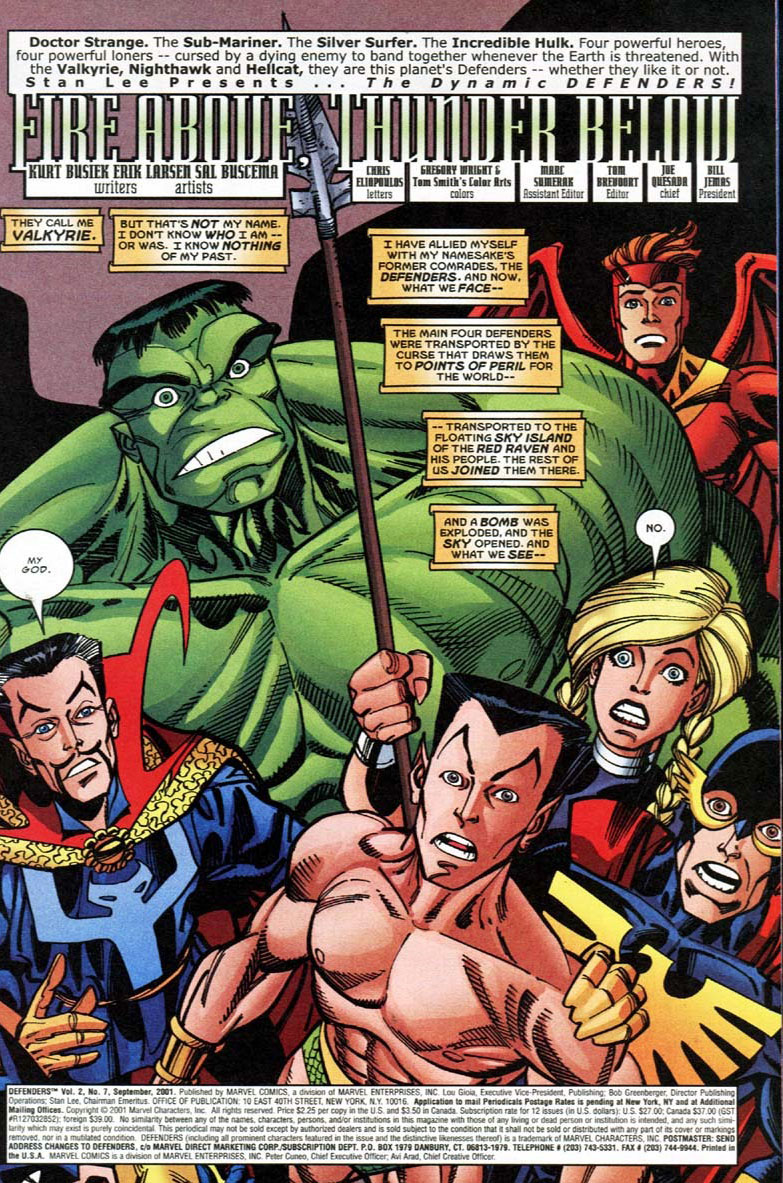
Here’s a fun title page from the great Erik Larsen, inked by the always-amazing Sal Buscema. If you like the Defenders, how can you not love this?
Larsen packs the composition as if he’s cramming an entire issue into a single image—a glorious jumble of big personalities and startled reactions, with a barely contained Hulk dominating the page and everyone else looking like they’ve wandered into the wrong cosmic crisis.
Loud, funny, and bursting with life, this Defenders run—written by Larsen with Kurt Busiek nearly 25 years ago—is pure, entertaining chaos. These heroes are powerful and iconic, sure, but also an endearingly oddball bunch who often seem annoyed to be sharing the same space.
Come for the heroics. Stay for the dysfunctional group dynamics.
Thanks for stopping by in 2025 — see you next year!
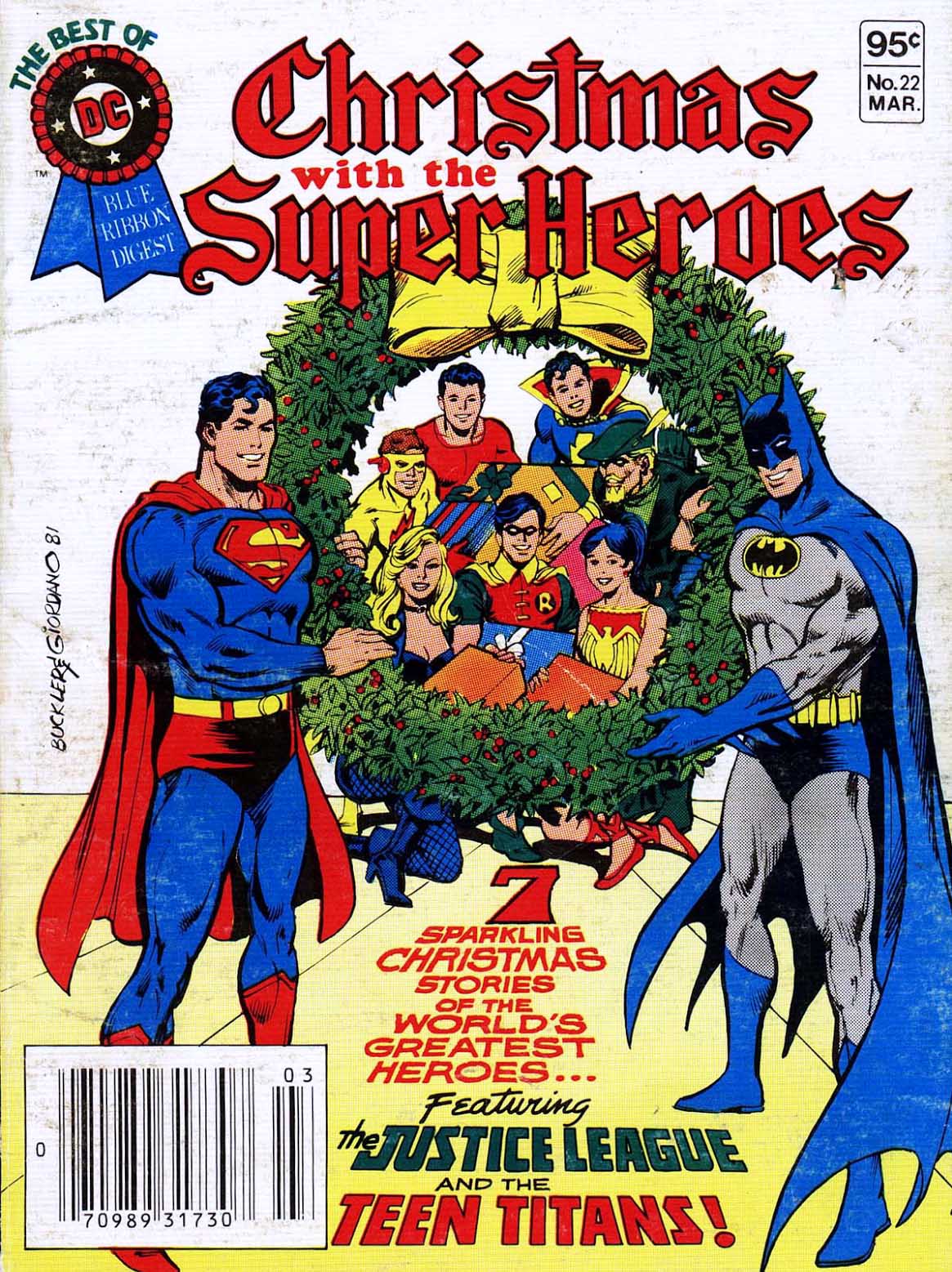
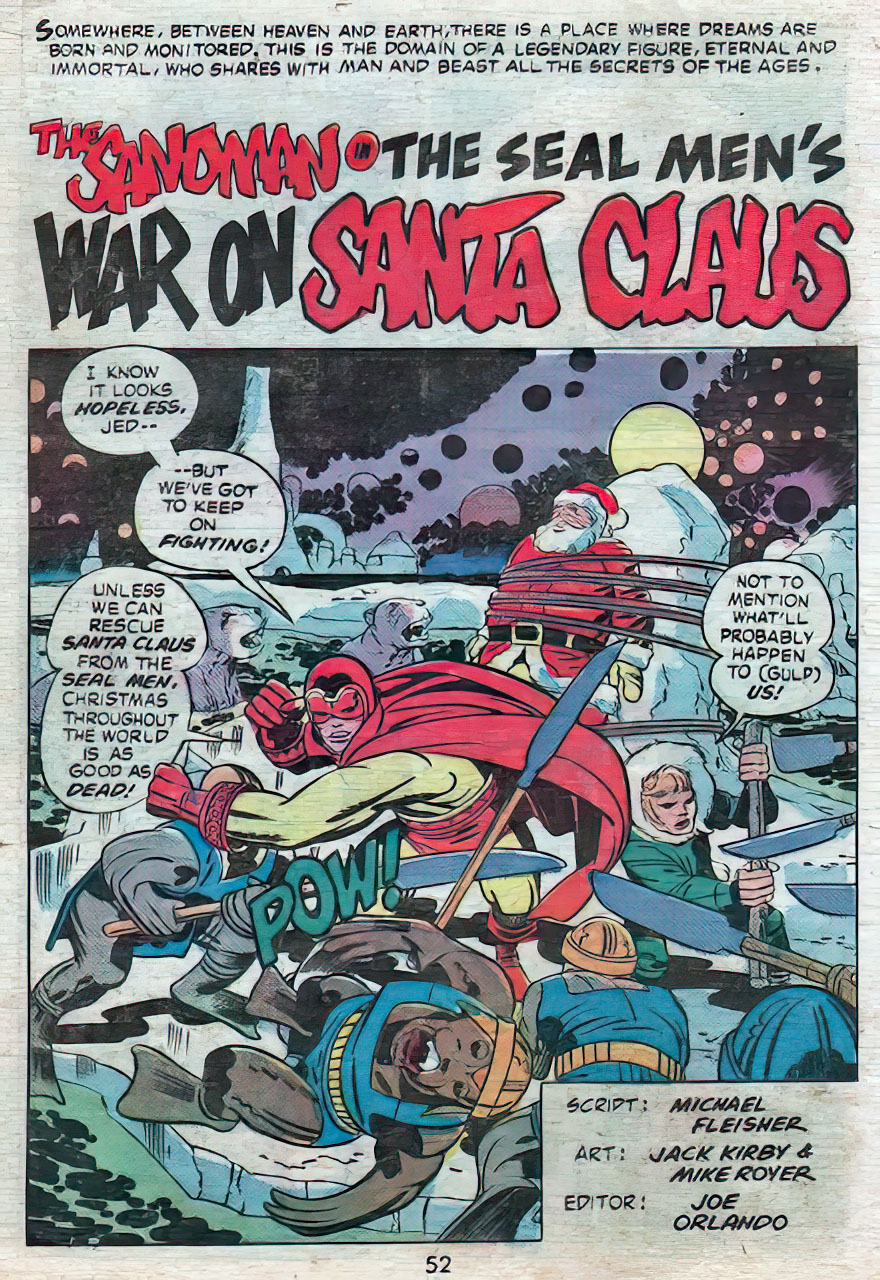
The Best of DC #22, March 1982 (Intended for Sandman #7, —Unpublished — 1975)
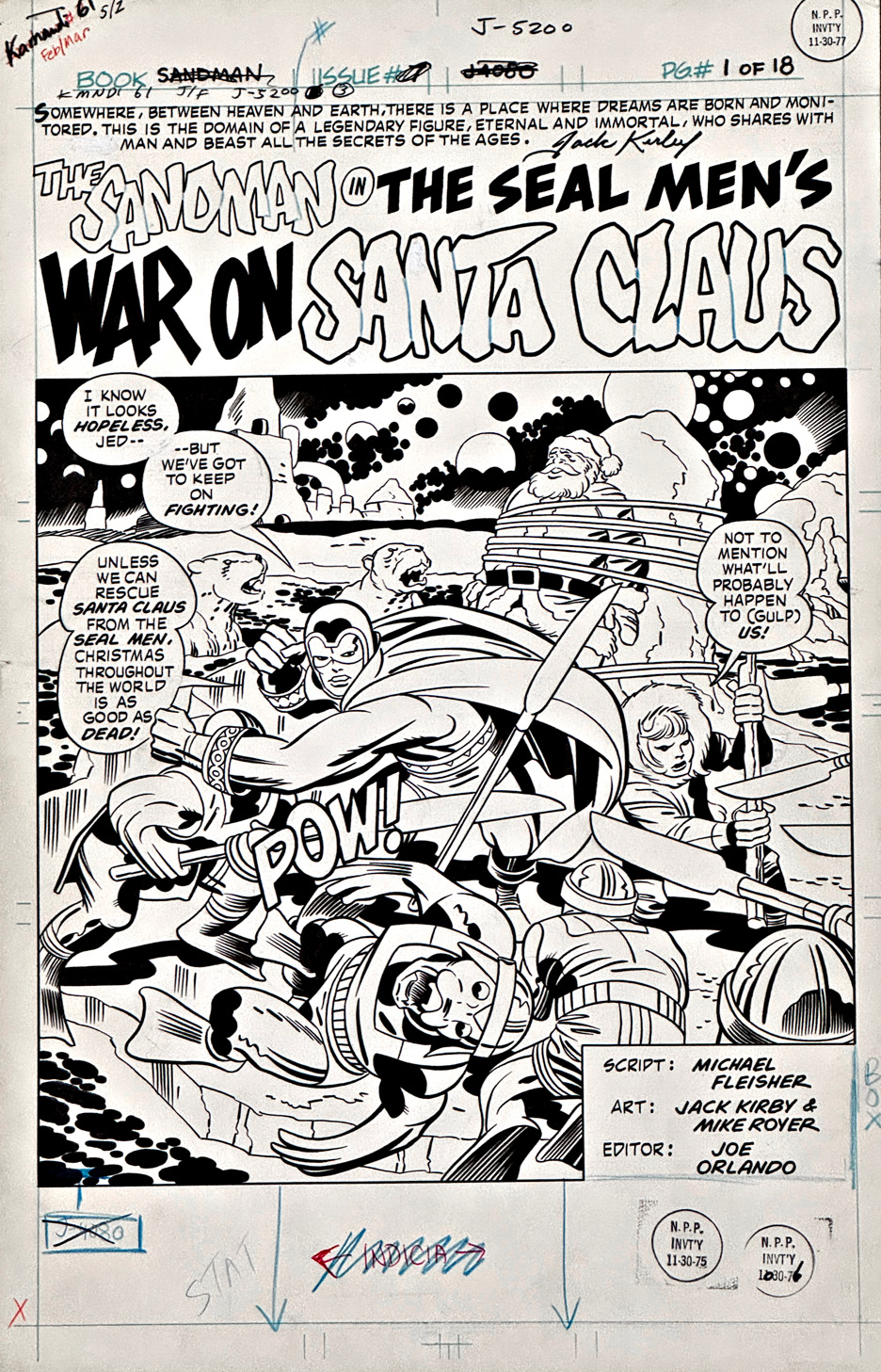
When Jack Kirby wanted to make an entrance, he didn’t tiptoe — he detonated. This Sandman title page kicks down the door, grabs you by the collar, and announces, “Strap in — things are about to get very weird.”
Only he could take a story called The Seal Men’s War on Santa Claus and treat it like Ragnarök at the North Pole. The floating spheres, extra moons, and cosmic backdrop all calmly insist, “Relax — this is exactly how dreams are supposed to look.”
Down on the ground, Sandman is carving a path through a crowd of angry Seal Men, cape swirling, fists flying, looking every bit like someone who rescues Santa on an annual basis. Jed is right beside him, doing his best with a staff that’s taller than he is, while poor Santa watches from the background, wrapped up like he’s on the world’s least festive gift list.
Mike Royer’s inks give the whole scene its crisp, confident snap — bold lines, clear action, and just enough shadow to keep the mayhem grounded.
It’s light, it’s wild, and it is unmistakably DC Kirby — a dream-world dust-up where everyone seems to believe in the moment.
Even Santa.
Has any comic story ever been cancelled twice? Jack Kirby holds a lot of comic-book records, but this one might be the strangest.
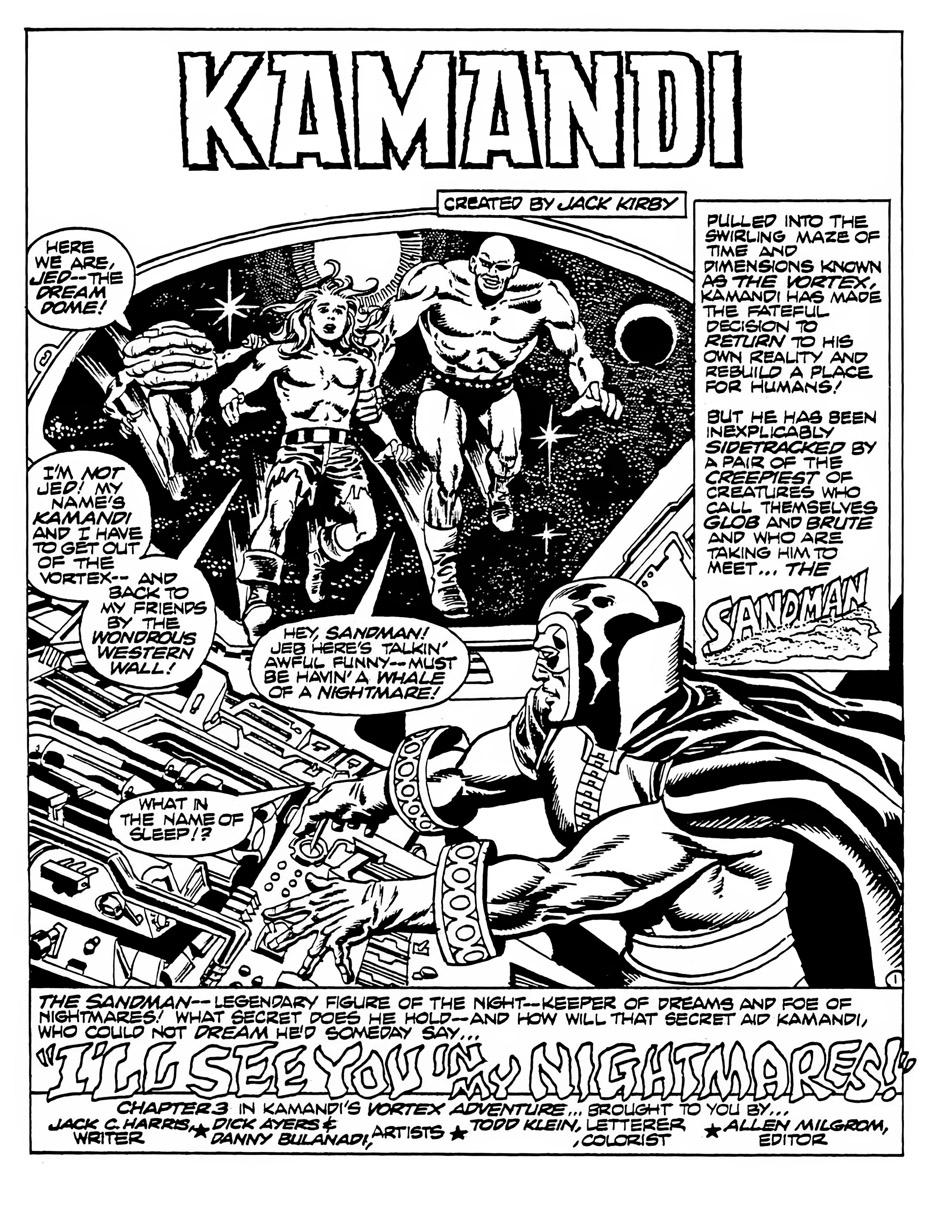
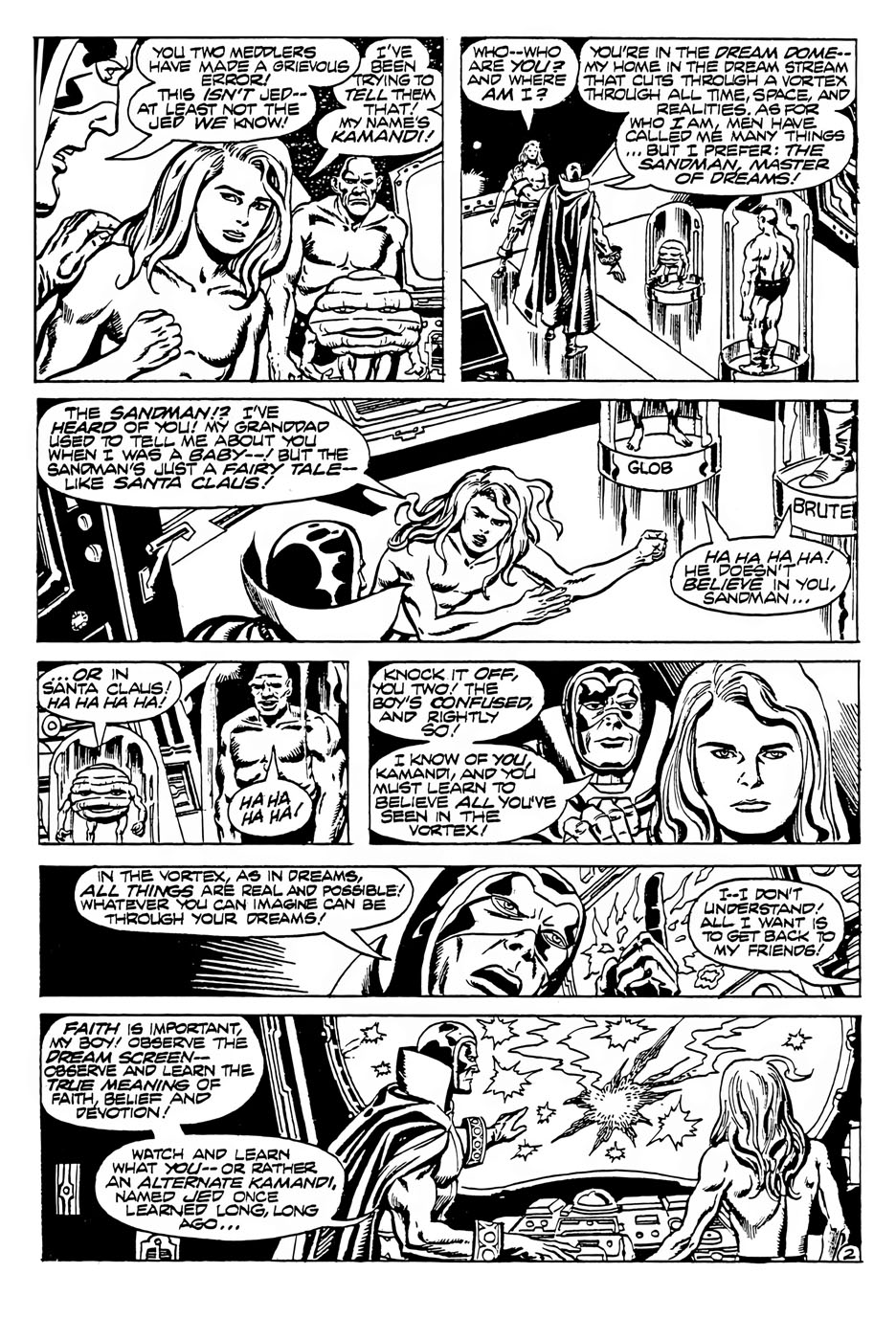
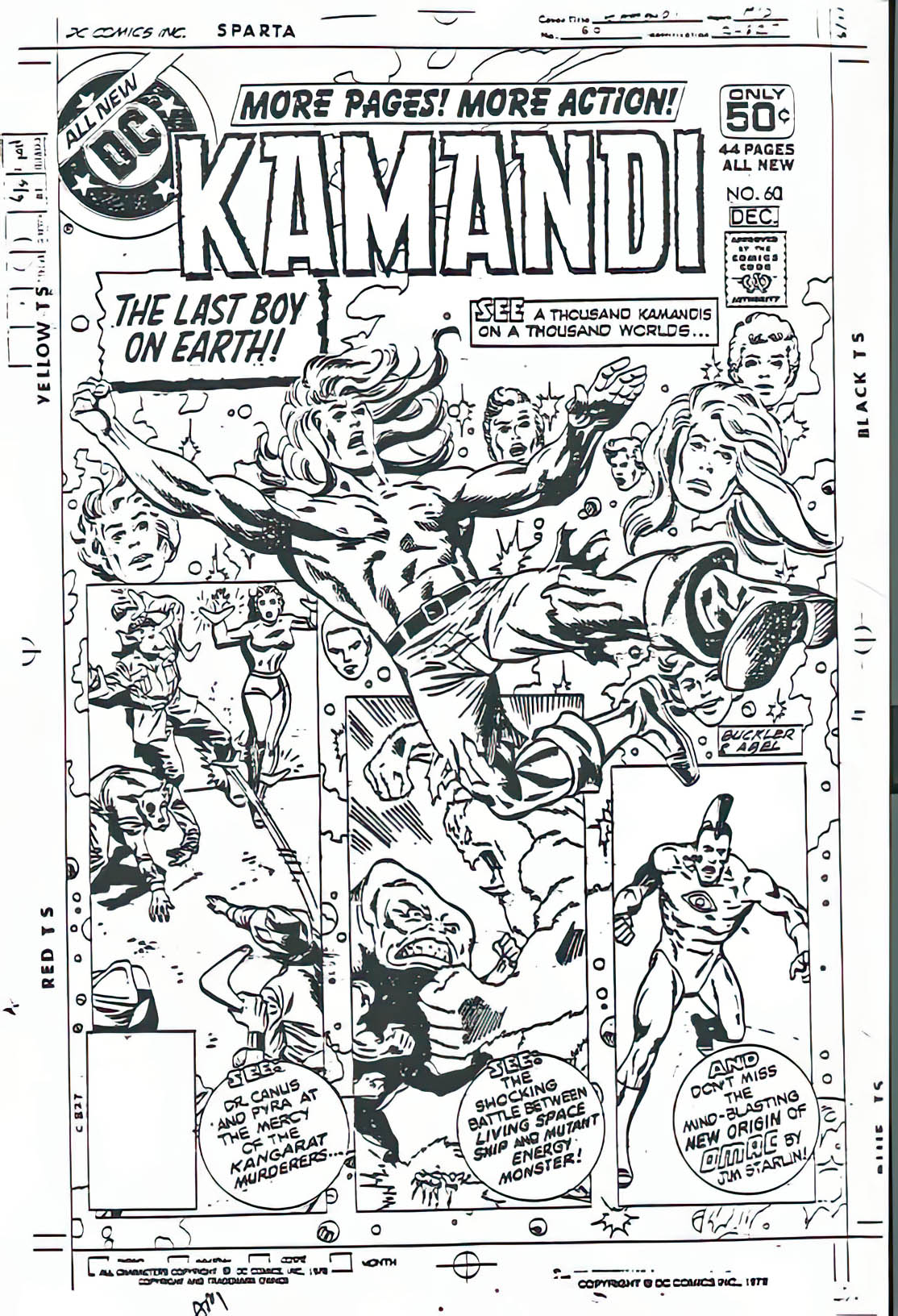
Sandman #7 was fully finished when DC pulled the plug on the series after issue #6 in 1975. The completed story went into limbo — filed away, forgotten, probably wondering what it did wrong. A few years later, DC tried again, planning to incorporate it narratively (don’t ask) in Kamandi #61… and then the infamous “DC Implosion” hit. Kamandi was cancelled too.
It finally escaped publishing purgatory in Best of DC #22, a digest-sized Christmas special from late 1981 — because if you’re going to rescue a lost Kirby comic, why not do it as a bite-sized stocking stuffer?
Sigh.
It arrived late, sure — but fortunately, Kirby pages age better than most publishing plans.
(And now, fortunately, you can find a full-size version collected in The Kirby DC Bronze Age Omnibus. The perfect Christmas present to give yourself.)