Continuing our celebration of Wonder Woman for the next few weeks — no matter when the new film finally releases.
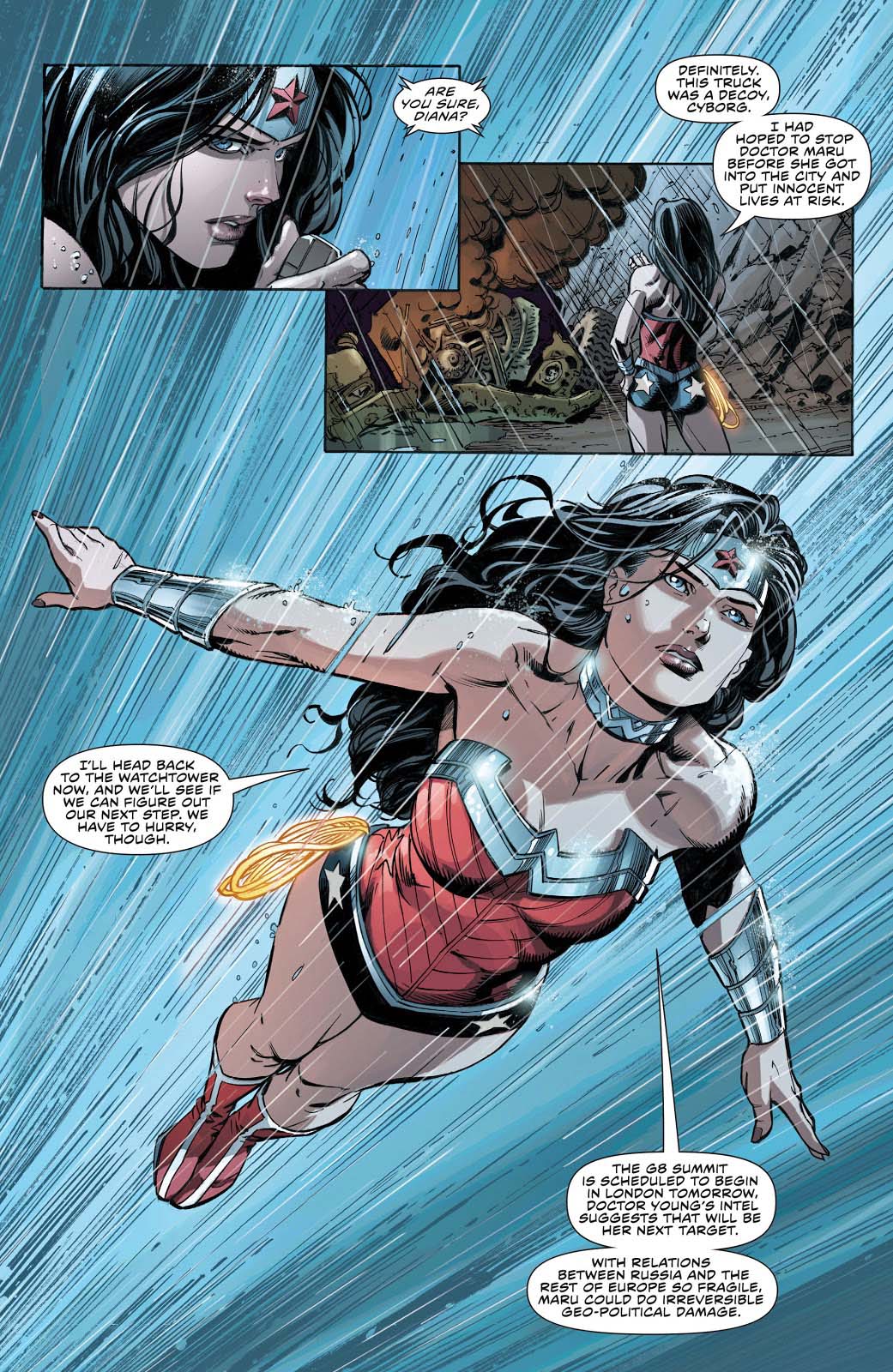
David Finch provides us with a beautifully illustrated, classic splash page of Wonder Woman in flight. An iconic pose, it could easily be used in a DC licensing style guide.
She’s wearing her “2011” costume, which disappeared with much fanfare in issue #41 — and then mysteriously reappeared, without explanation, a few issues later. (The interim issues had featured a brand new costume design by Finch and his writing partner and wife, Meredith.)
Finch’s detailed and lush artwork speaks for itself, of course. He is easily one of the most well regarded artists of the 21stcentury.
I’ve had the pleasure of seeing quite a few of his originals from his inkers (this piece is inked by the terrific Scott Hanna) and their art reps.
We should all be getting ready to go see Wonder Woman 1984, the follow-up to the mega hit original Wonder Woman, this week.
Well, actually, we should have seen it back in June.
Ummm… actually, we could have seen it last fall. It’s been in the can for quite some time. The first delay was because of strictly commercial scheduling reasons, while the next two are due to COVID. I’m pretty certain Warner would like to go back in time and release it on its original schedule. (Come to think of it going back in time is a good idea for pretty much every reason.)
Its currently on the schedule for October 2, and If I were guessing, it will arrive then no matter what, even it means some sort of weird combo of theatrical and Video On Demand (VOD).
But that’s just an educated guess.
In the meantime, we’ve moved the Wonder Woman art posts around a few times to accommodate the film’s timing, and they can’t be moved anymore, as we’ve run into to other scheduling roadblocks. (Just like the film studios, except we don’t have millions of dollars on the line.)
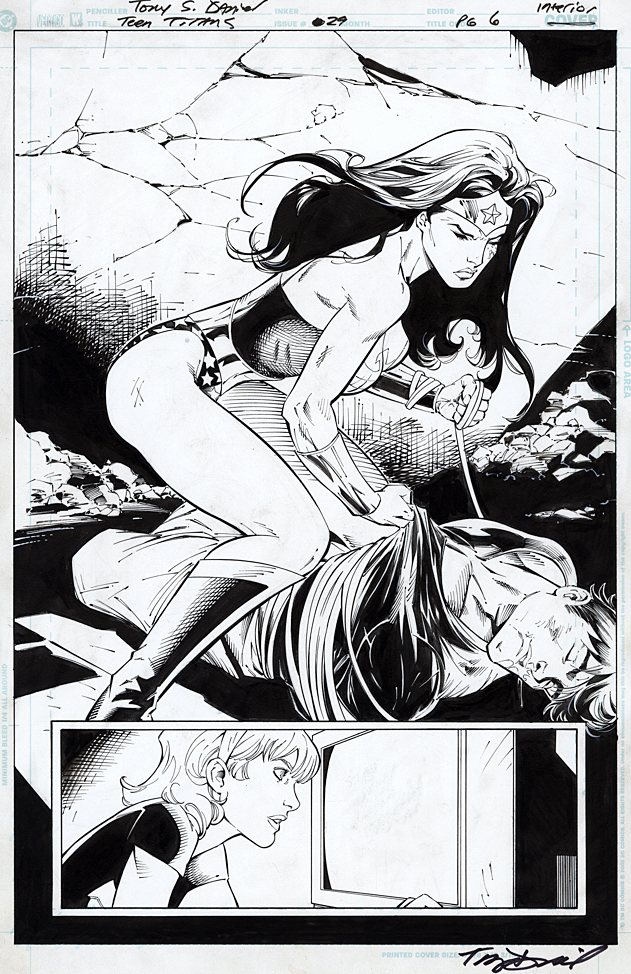
And, were starting off our next two weeks of Wonder Woman blogs with not only a great piece of art by the terrific Tony Daniels, but a very appropriate one as well: That’s Maxwell Lord she’s got under control, and he apparently plays a major role in the film.
I don’t know much more than what I’ve seen in the trailer, because if I’m not actually working a project, I try to avoid any spoiler details, whatsoever. And the more this film gets delayed, the more difficult that becomes.
Fingers crossed, it’s only two more months.
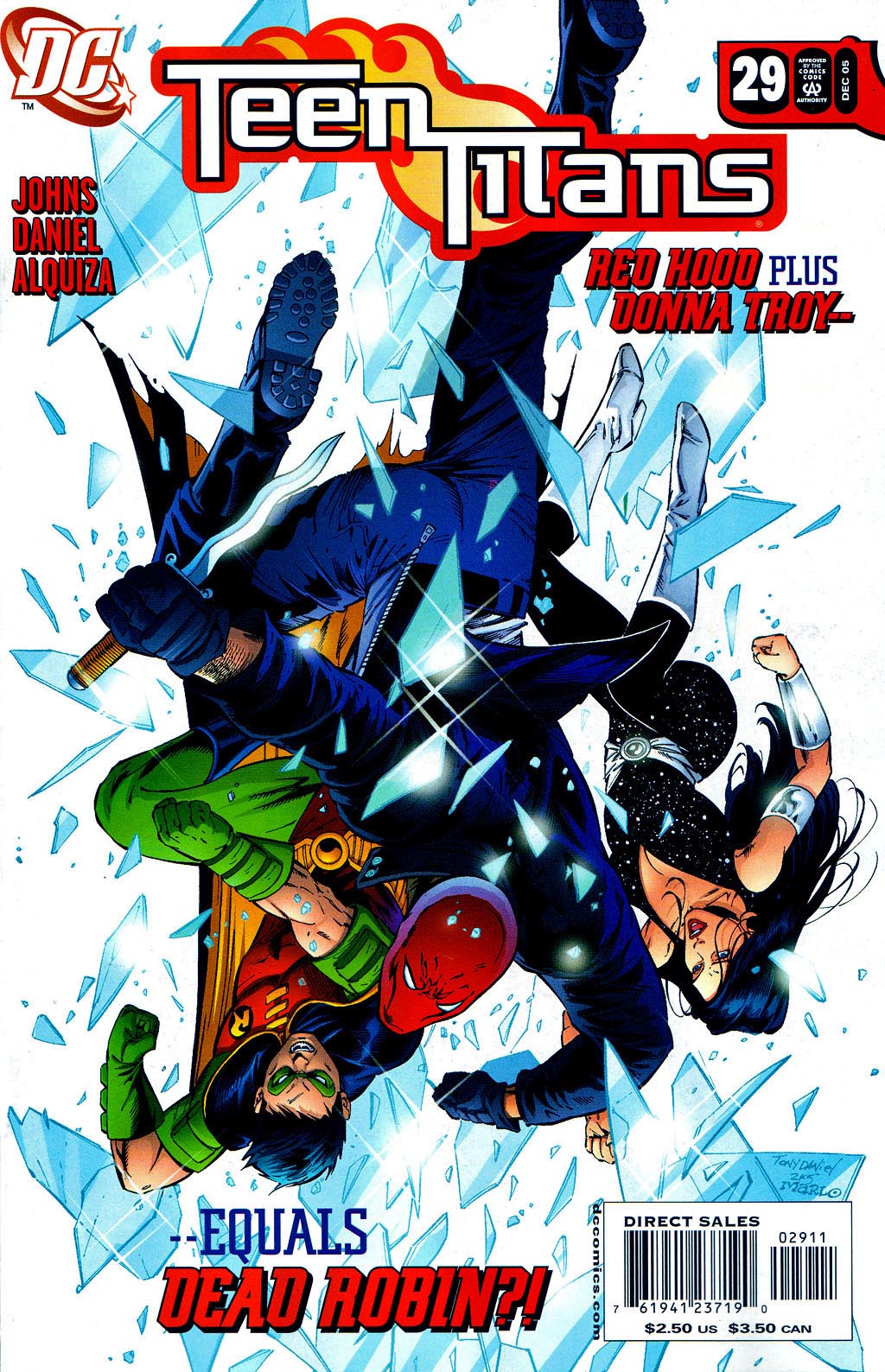
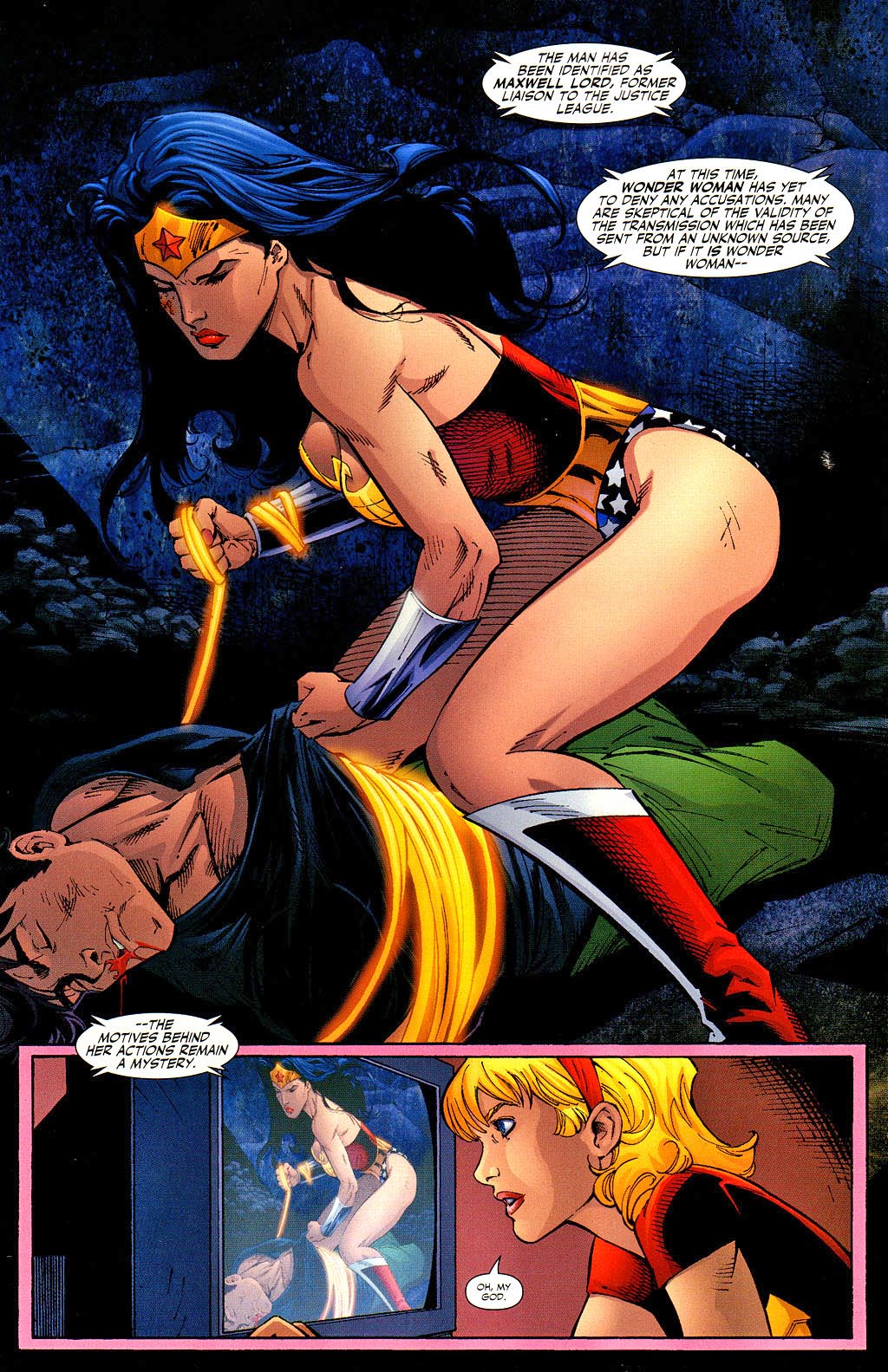
Fun Fact #1: This is the only appearance of Diana in the entire issue. As the published page clarifies, Cassandra (Wonder Girl) is viewing Wonder Woman’s confrontation with Max on a TV.
Fun fact #2: The printed page is reversed, but I’m wondering if a last minute page layout change (because of an advertisement) renders the change moot. It appears on the left side of the spread and, in my mind, works better with its original direction if it’s a “lefty.”
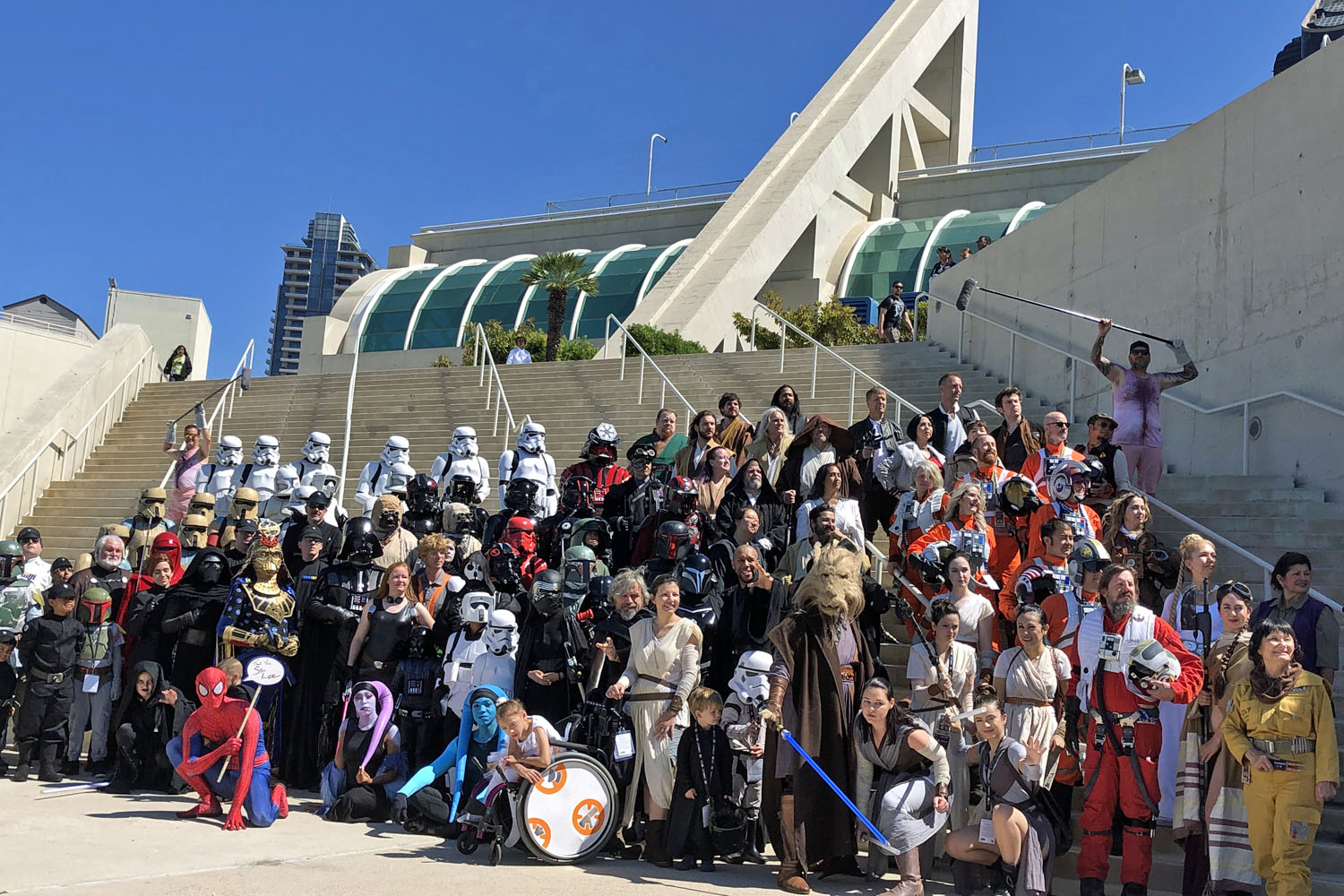
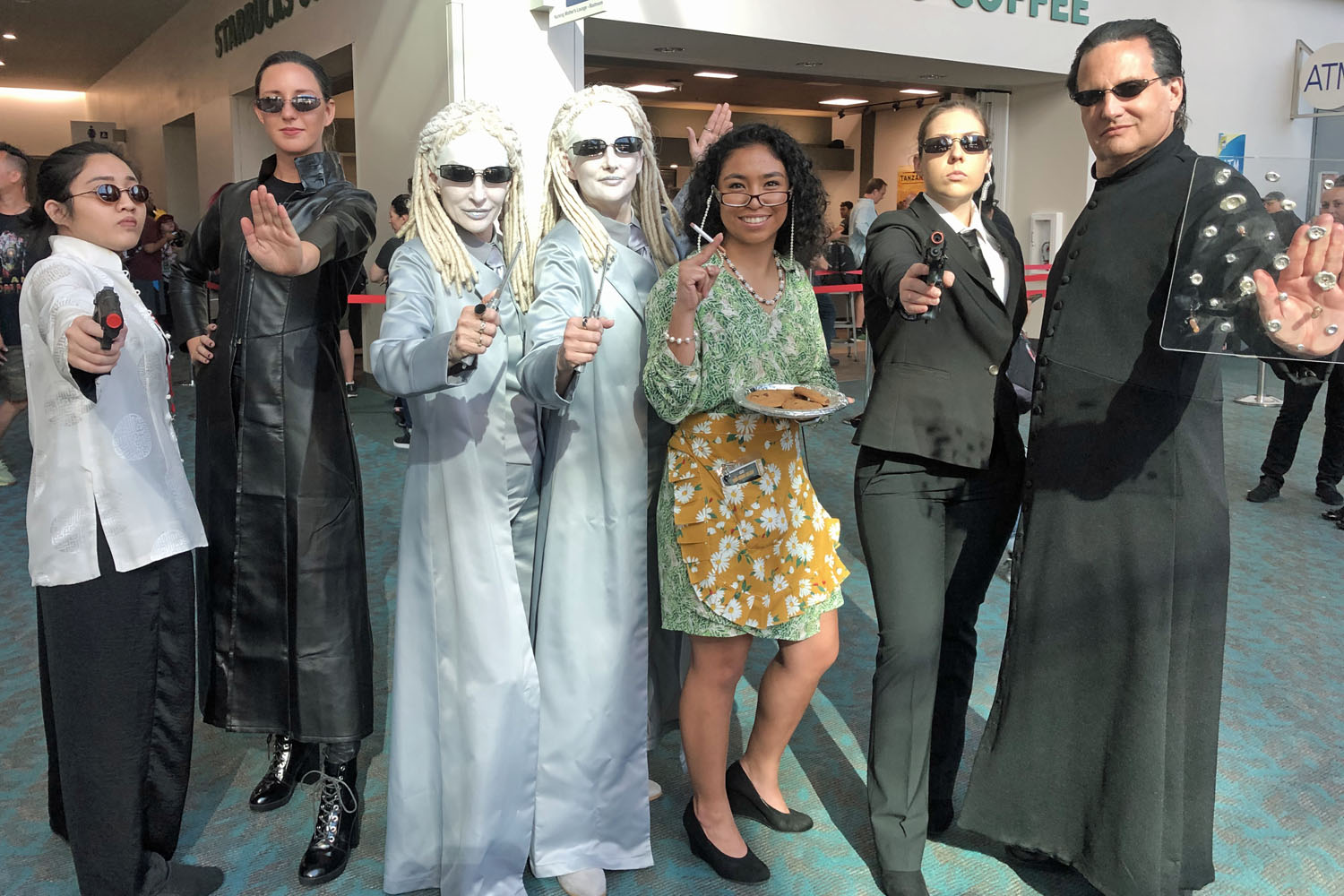
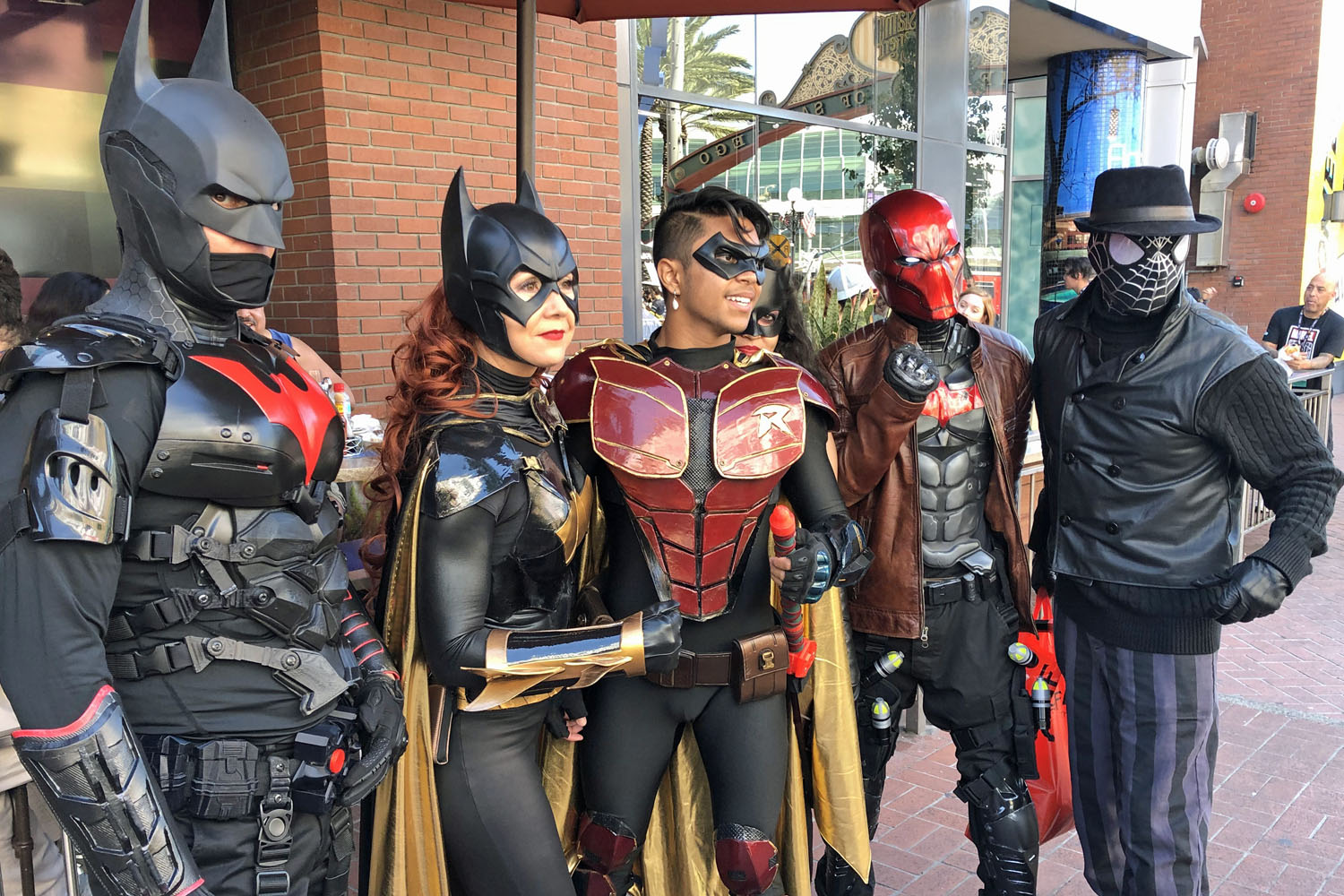
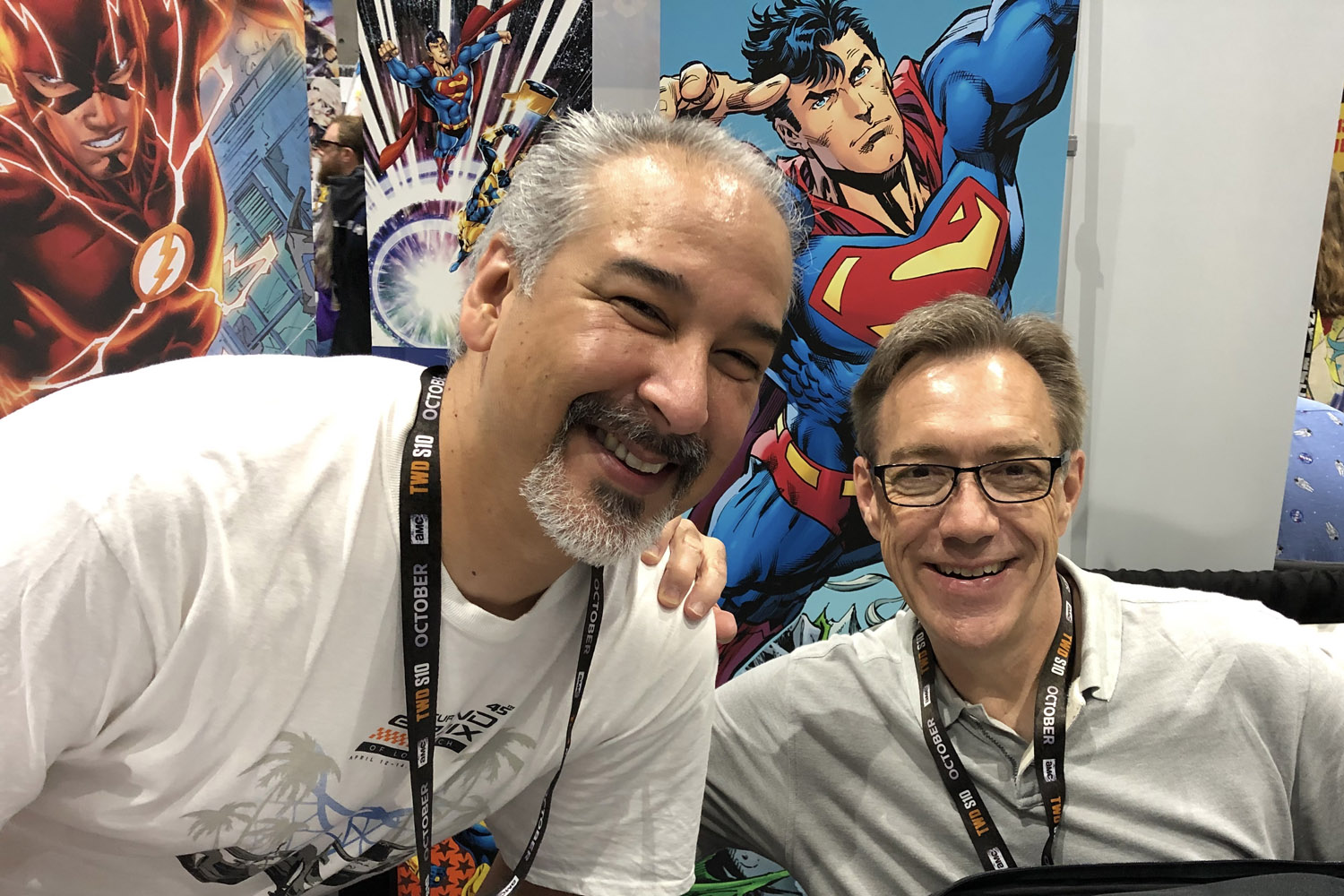
I took the least amount of photos last year since I first owned an I phone about 11 years ago. Even though I (theoretically) had more time on my hands, I buried myself in a few time-consuming art trades, and before I looked up, the con was over.
But since I started the blog well after SDCC, I never actually got around to edit and post what I did take.
Now rectified. The full collection here, and some samples below.
Looking very much forward to the next physical comic book convention, wherever, and whenever, that occurs.
Concluding our month long celebration of the “Independents” — Independent creators and projects that continue to impact the comic book medium.
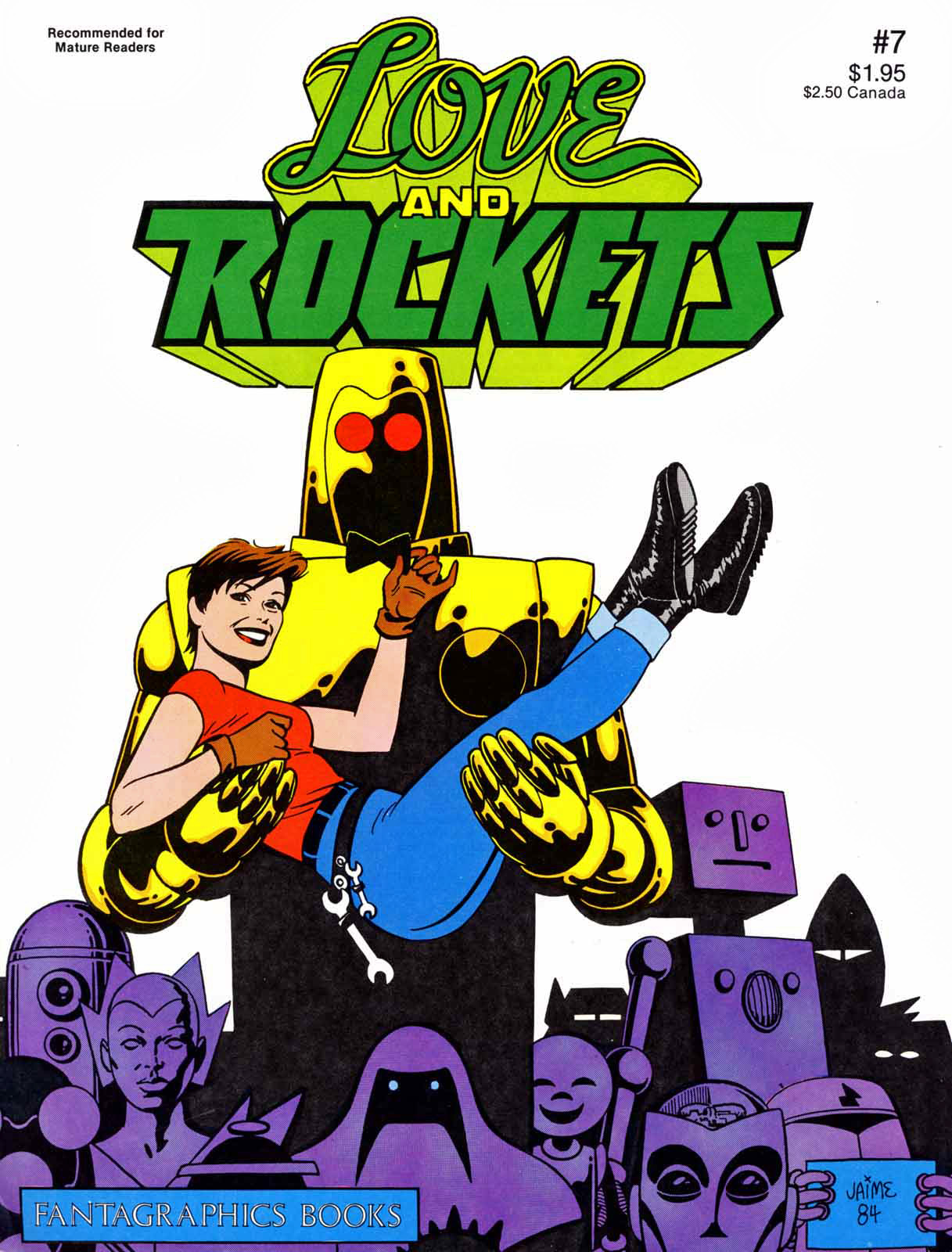
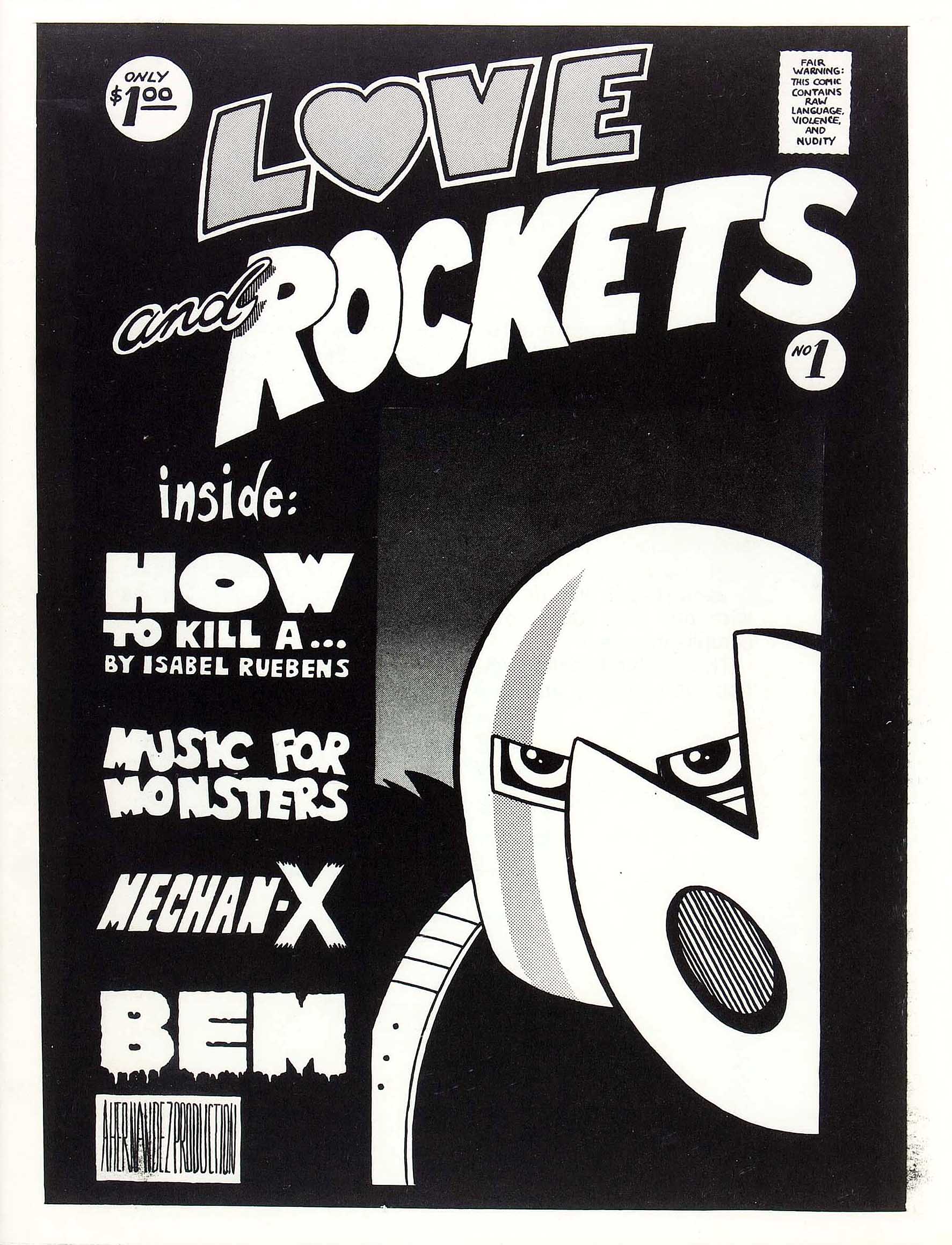
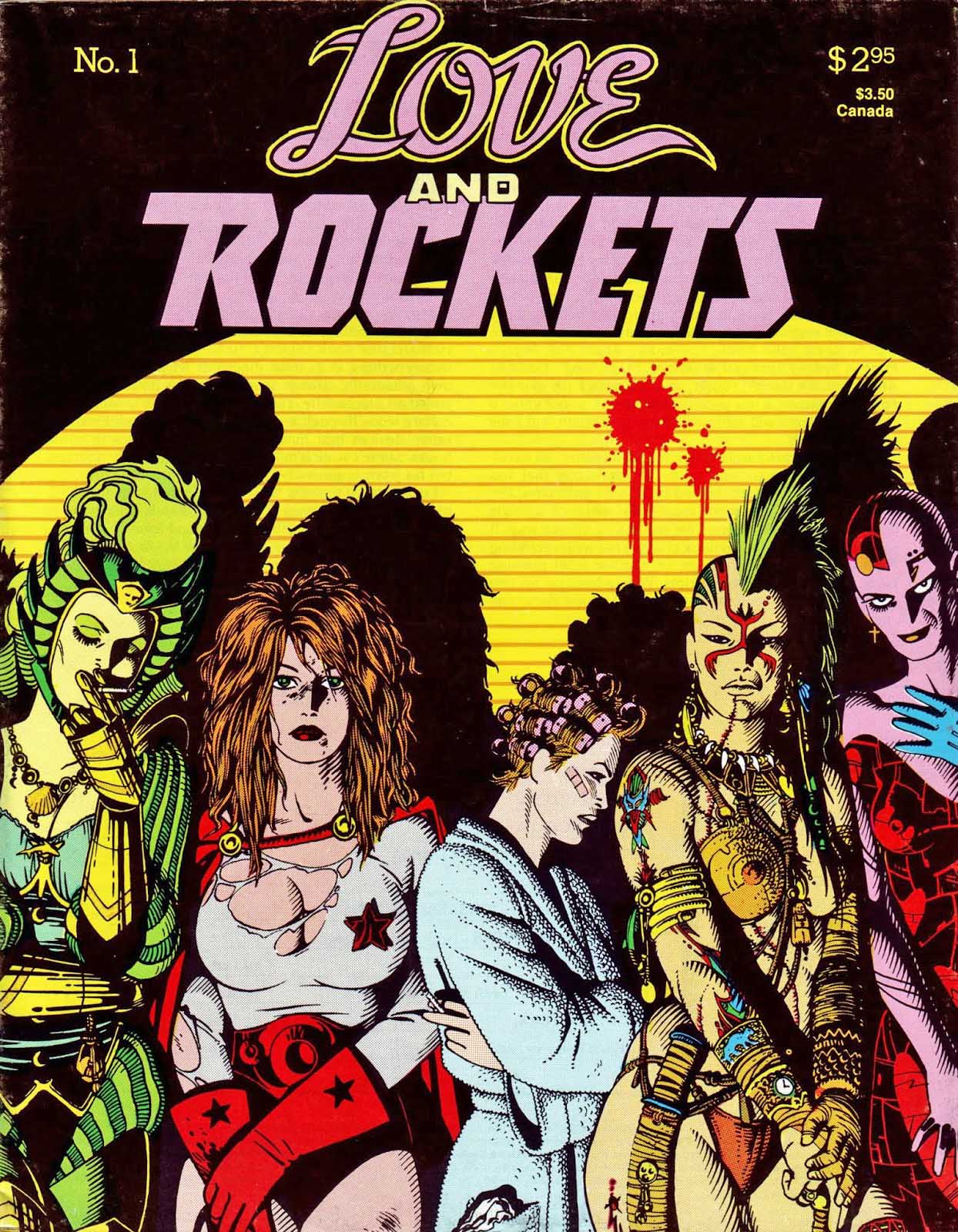
Love and Rockets is likely the most important “alternative” comic book of all time.
For nearly 40 years, The Hernandez Brothers — Gilbert, Jaime and Mario — have brought their unique vision to comics storytelling, completely independent in form and format. There has been nothing quite like it in comics before or since.
To paraphrase Frank Sinatra, they did it their way. And their way was the road to excellence.
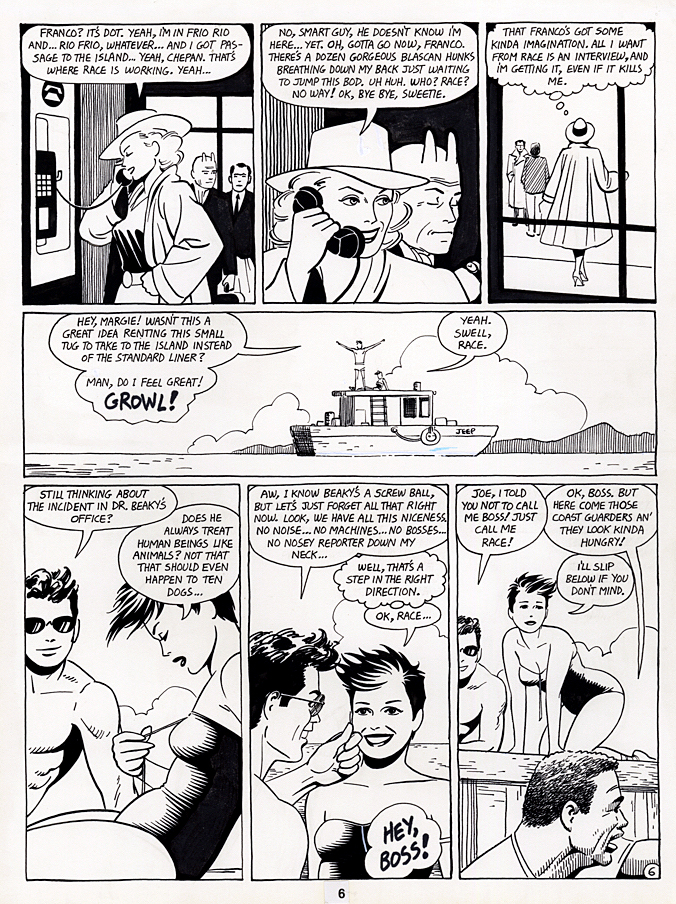
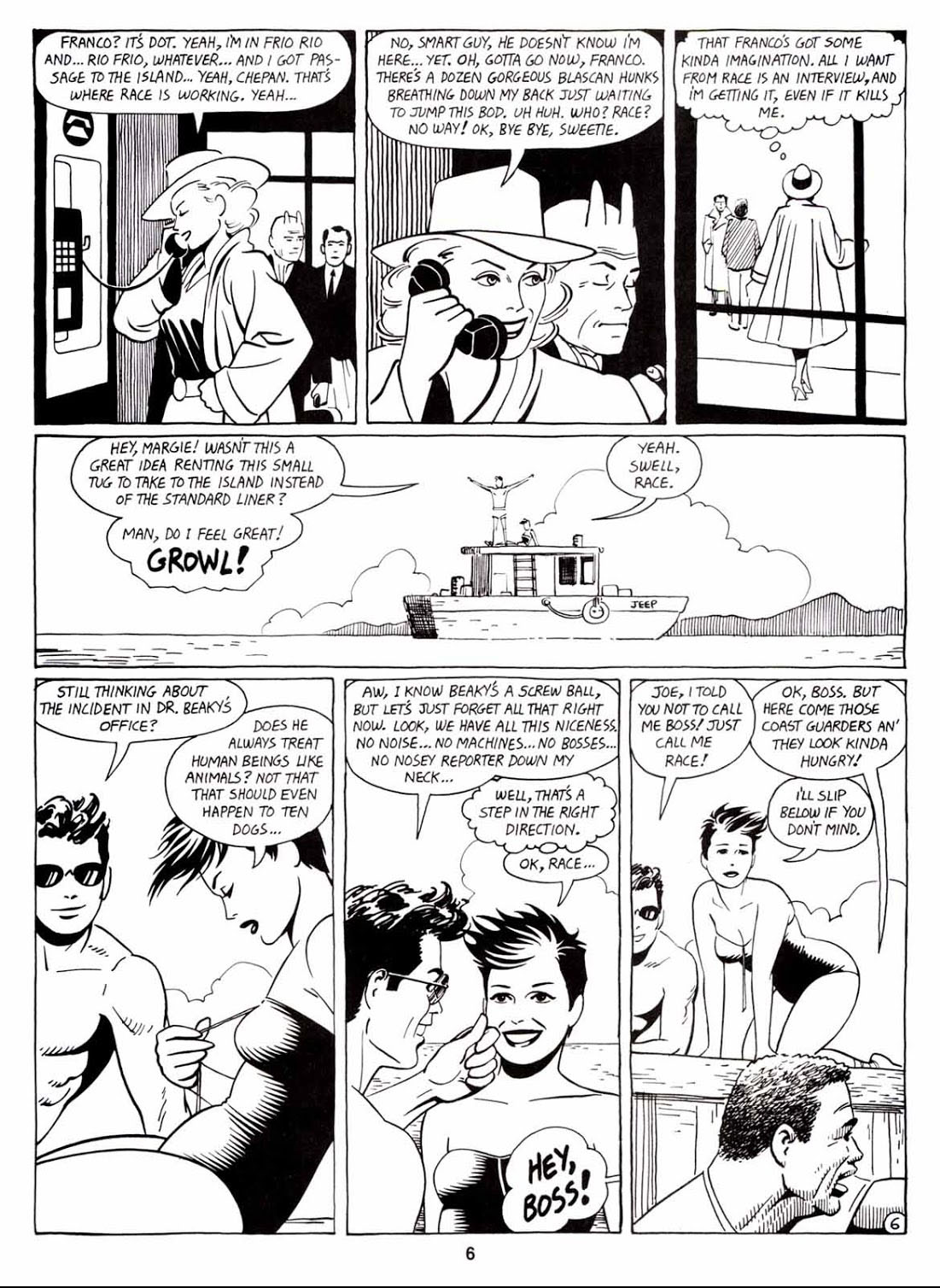
This early L&R page by Jaime Hernandez captures the essence of the storytelling and art style that has made him a favorite for years.
In other words, a creator’s creator.
“I was an enormous fan,” says Neil Gaiman, the multi-award-winning author and graphic novelist. “I still am. I don’t really understand why the material of Love and Rockets isn’t widely regarded as one of the finest pieces of fiction of the last 35 years. Because it is.”
Don’t worry Neil. I think the world caught up to its greatness.
The first issue of Love and Rockets was self published with a print run of about 800 copies. It caught the eye of Fantagraphics, and quickly became one of their most important projects.
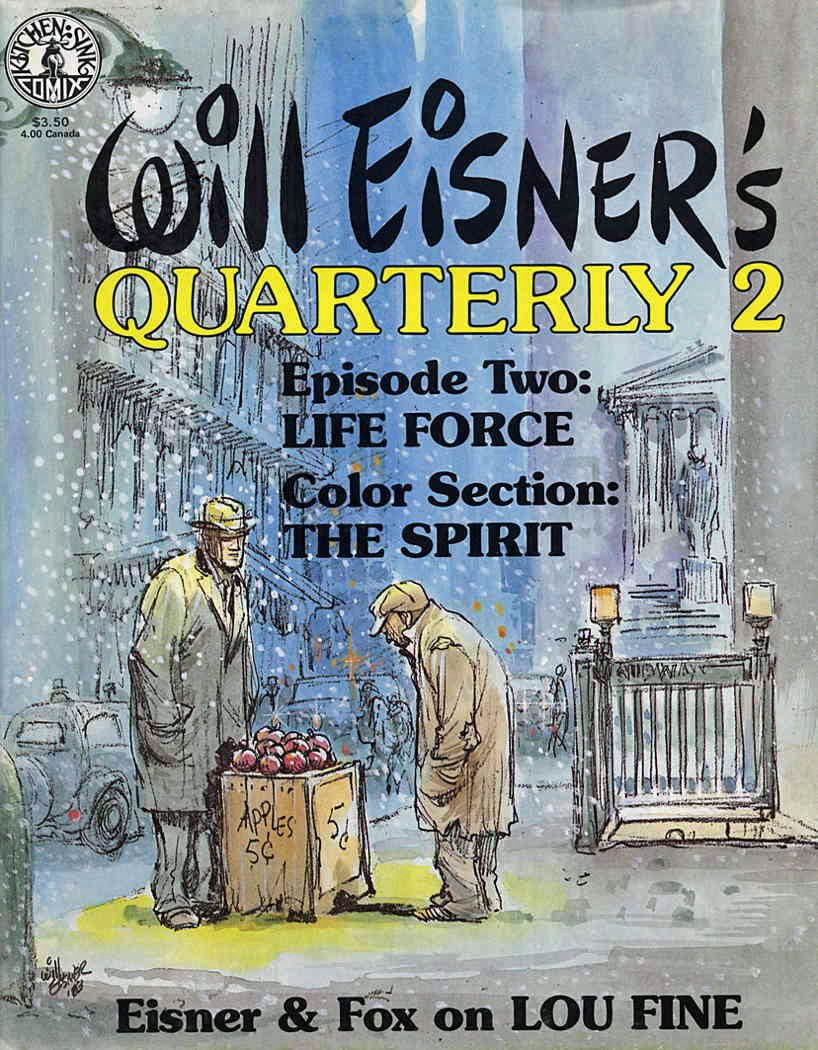
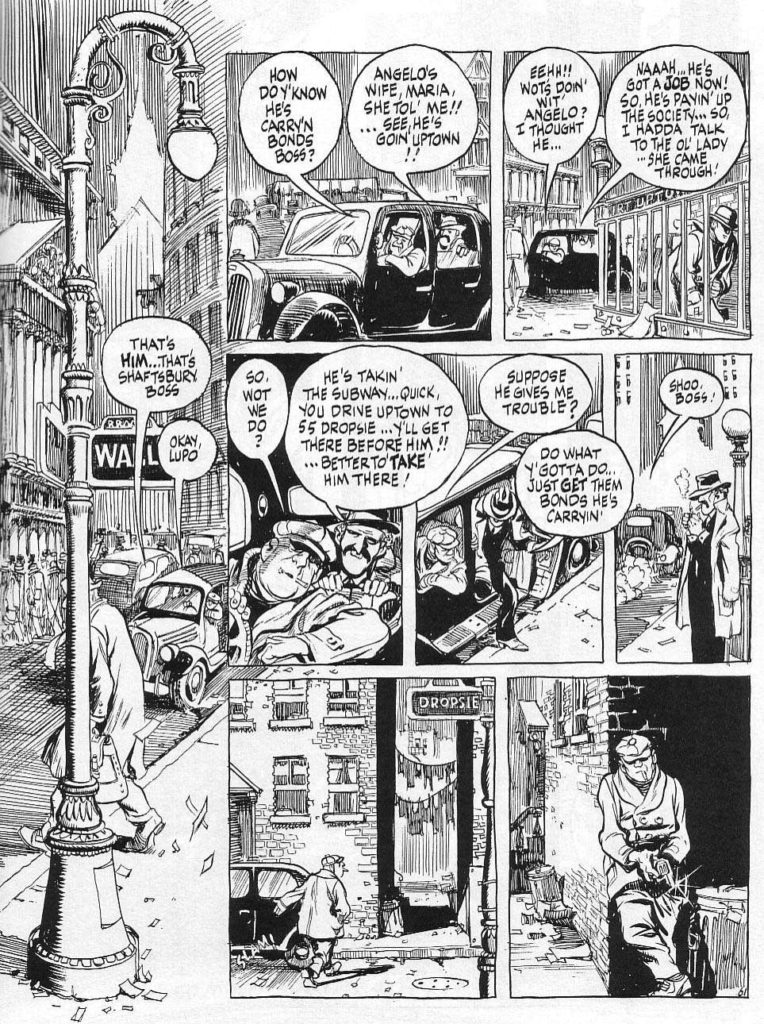
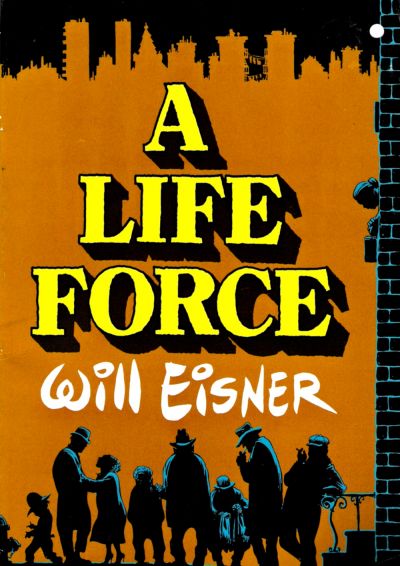
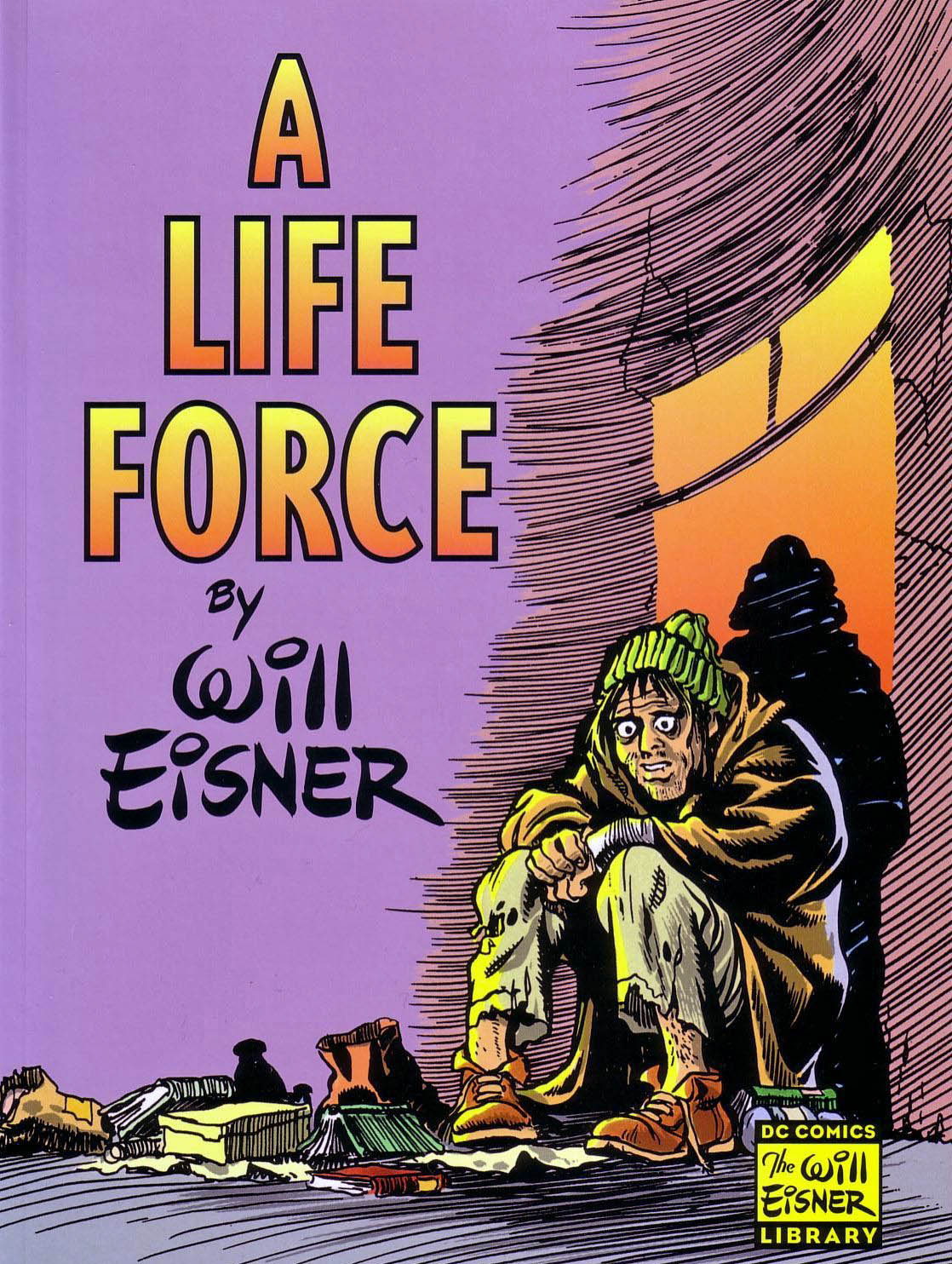
Will Eisner’s Quarterly #2, Spring 1984 and A Life Force, 1988
We continue with our month long celebration of the “Independents” — Independent creators and projects that continue to impact the comic book medium.
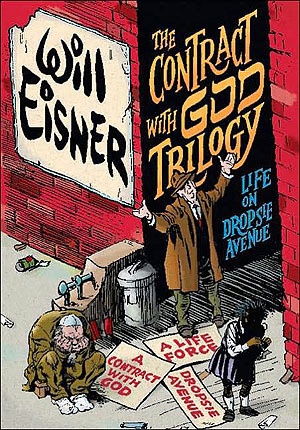
A Life Force is the second graphic novel in the Contract With God Trilogy.
Contract with God? All that did was change the face of comic book storytelling and popularize the concept, and phrase, “graphic novel.”
Autobiographical and journalistic. Sometimes harsh, sometimes uplifting. Mature, and in places, unflinching. Eisner described his narrative, an “exercise in personal agony,” a way of dealing with the death of his daughter Alice (from Leukemia) years earlier.
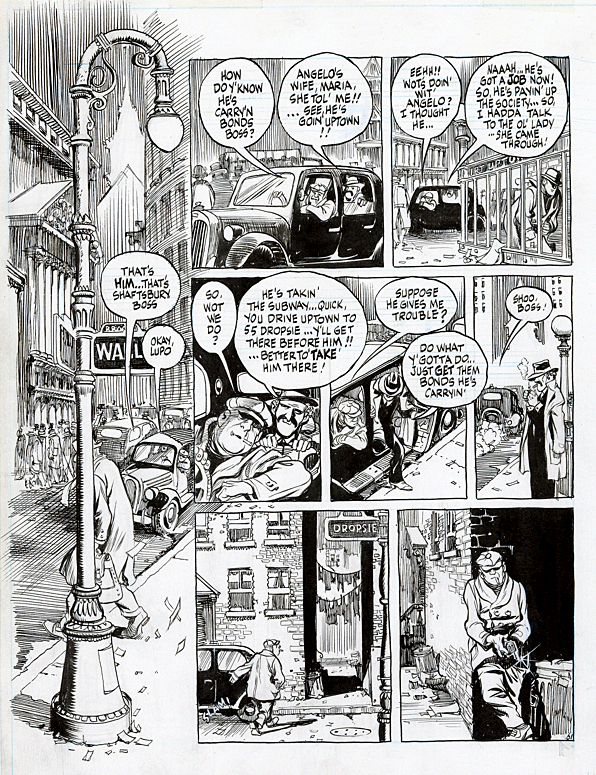
Eisner’s career is fascinating. He had all but given up on comic book work after he discontinued the Spirit in 1952, but the growth of comics’ fandom convinced him to return in the 70s. He did indeed revisit The Spirit, but more importantly, he realized his personal literary aspiration of creating something completely unique and personal with COG, its sequels, and other graphic novels he produced until his death in 2005.
A Life Force was first serialized in Will Eisner’s Quarterly starting in 1984. The innovative storytelling and artistic detail on this page (i.e the classic line cross-hatching) makes it a keeper.
Eisner owned outright nearly all the comic book material he created in his lifetime. He had great foresight to retain his intellectual property, and remain a true independent until his passing.
Welcome back to a month long celebration of the “Independents” — Independent creators and projects that continue to impact the comic book medium.
I have some great Sam Kieth anecdotes from projects where we’ve crossed professional paths.
Topps Maxx trading cards. Check.
Cadillacs and Dinosaurs Animated comics adaptions. Check.
Maxx Deluxe collections. Check.
Batman / Maxx. Double check.
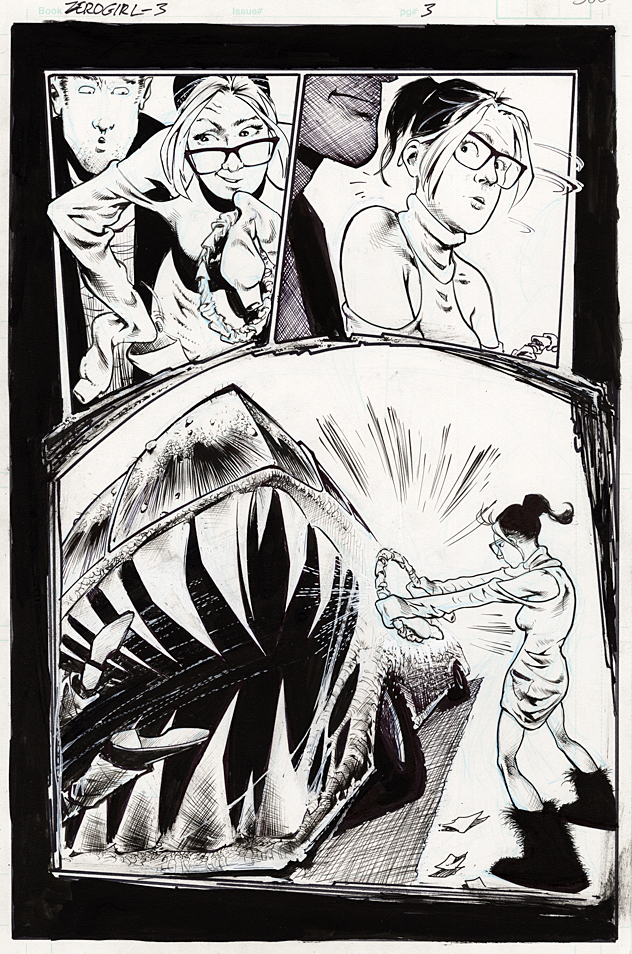
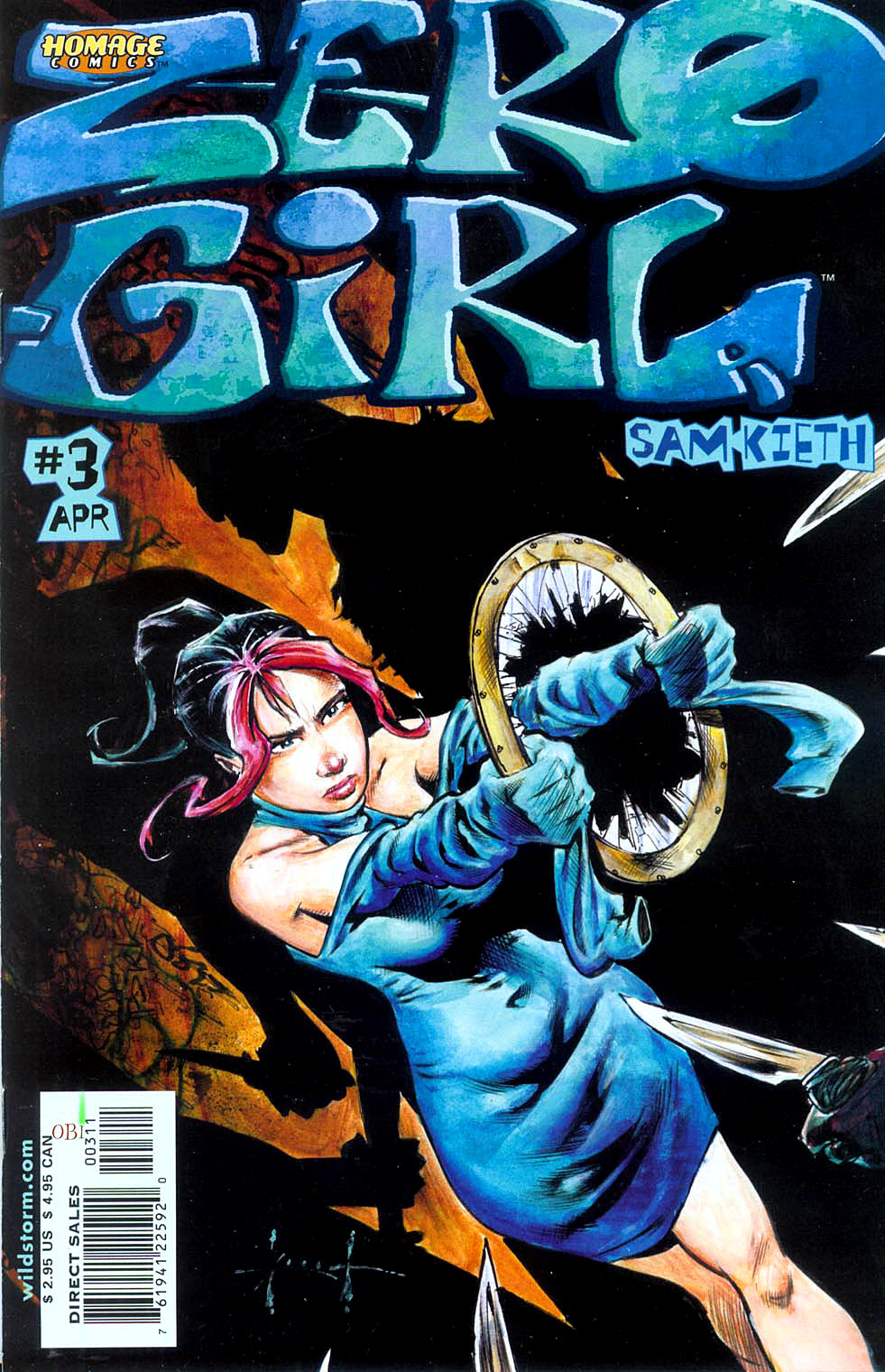
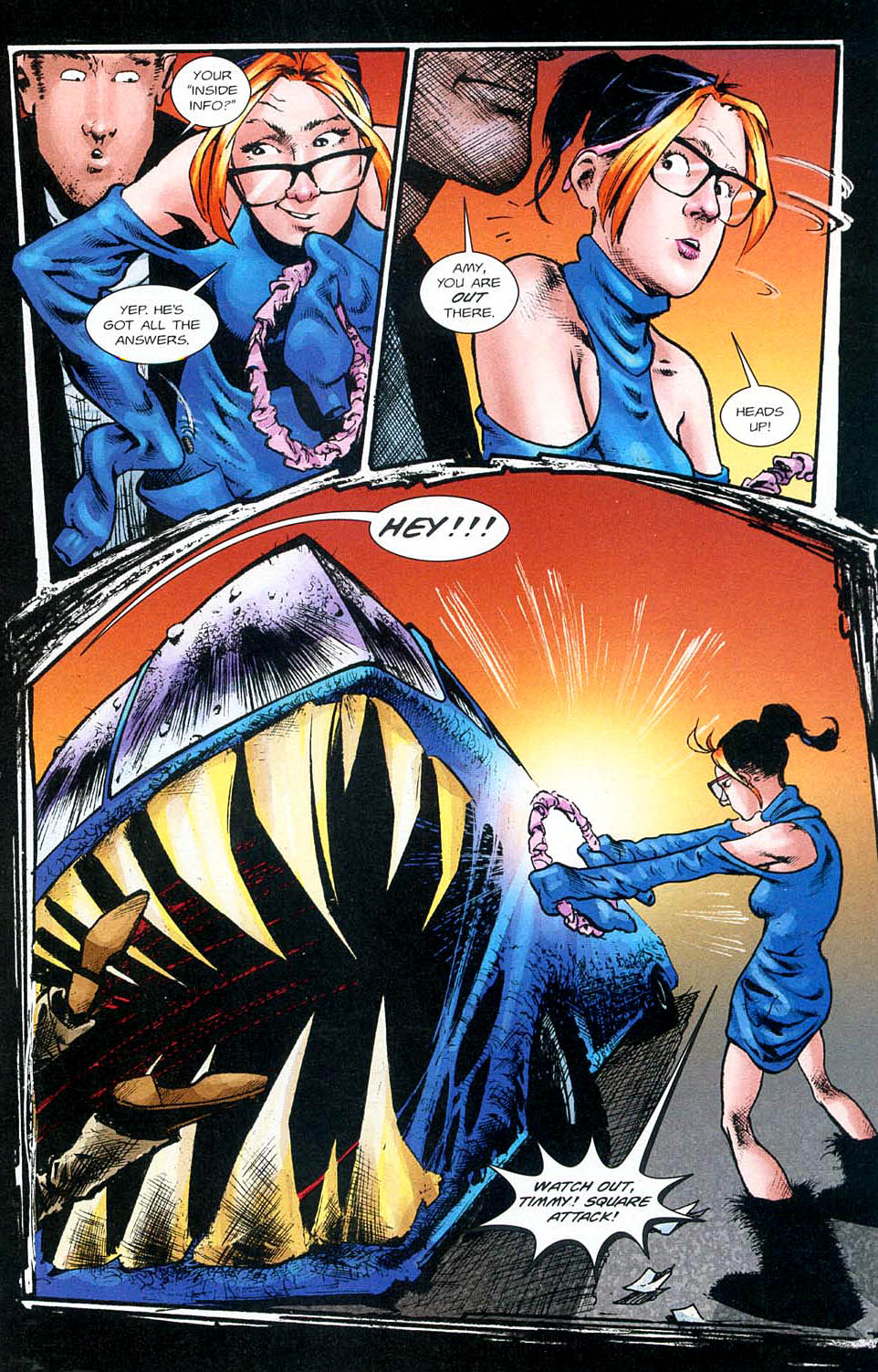
Zero Girl? Even though we collected both series at IDW, I have no memory of how this one came to pass. Probably a short phone call between Editor Scott Dunbier and Sam, and that was that.
I do have however, this cool page, the issue’s cover scene, in my collection. Zero Girl is admittedly not one of Sam’s better known efforts, but its surrealism definitely appeals to me, and the art, especially in the first series is classic Kieth.
As for those stories I do have? I’ll have to get back to you.
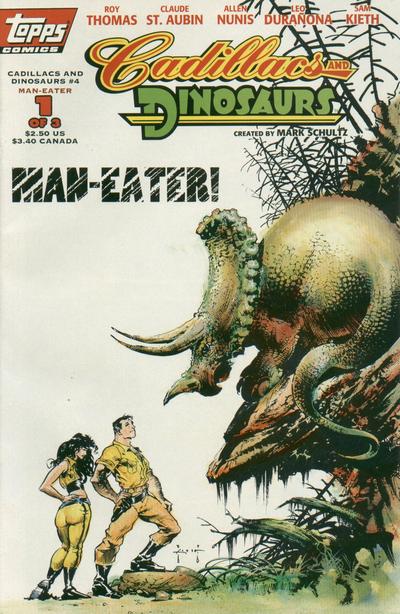
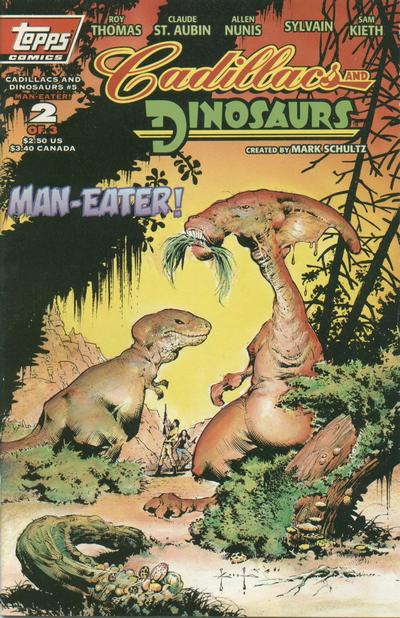
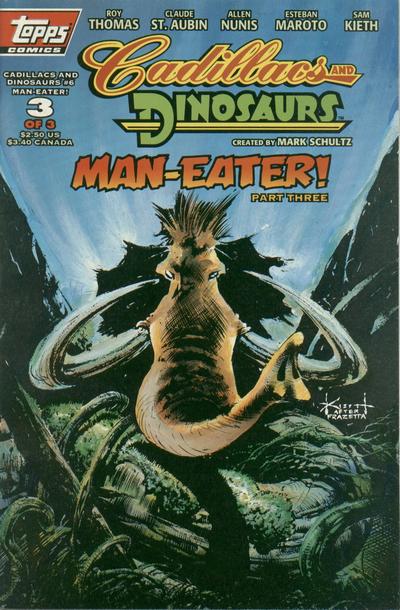
Sam did three great (and little-seen) covers for the 1994 Topps adaptation of the Cadillacs and Dinosaurs animated series. He sold the original art for them in the last year or two; I guess he forgot he promised one of them to me. Ha!
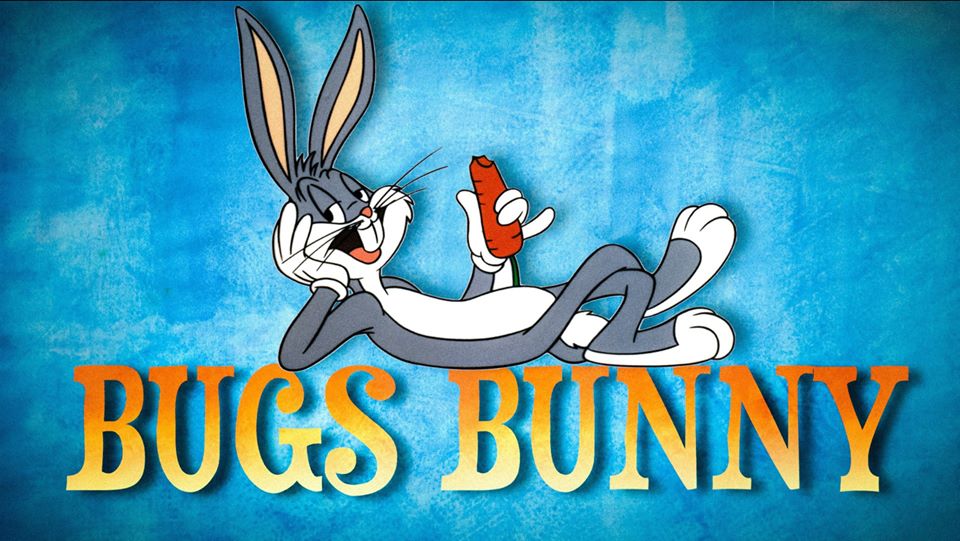
My pal Larry Shell points out that today is Bugs Bunny’s 80th birthday — his first official appearance is in the animated (and oscar-nominated) short “A Wild Hare”, released on July 27, 1940.
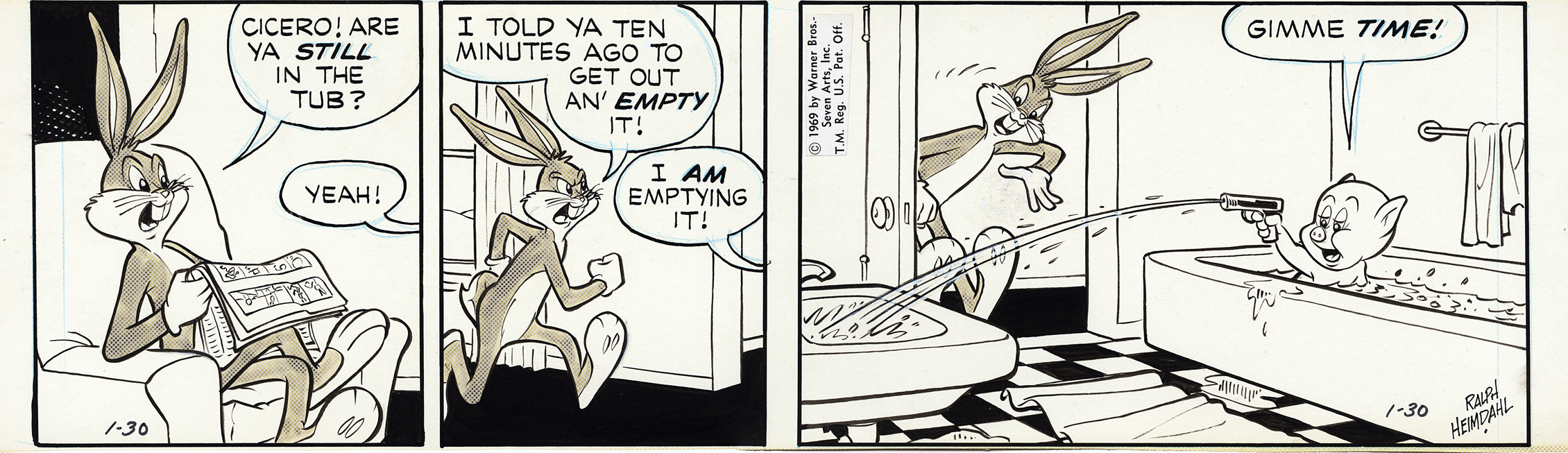
Cartoonist Ralph Heimdahl drew the Bugs daily comic strip from its inception in 1948 well into the 70s, when he retired.
It’s nice when the screentone on older strips ages well (without peeling) and adds some warmth to the art. (Many rabbits are grayish brown — or is that brownish gray? — anyway.)
I watched Looney Tunes cartoons incessantly as a youngster, which probably explains quite a bit…
Welcome back to a month long celebration of the “Independents” — Independent creators and projects that continue to impact the comic book medium.
I recently noticed a fellow professional declare Wallace Wood the greatest comic book illustrator of all time.
Unlike most commentary on social media these days, as far as I can tell, no one jumped up and bashed him. Sure you can disagree, or have another personal favorite (Kirby, Williamson, et al) but you end up in the weeds of arguing whether Babe Ruth or Ty Cobb was the greatest baseball player ever.
If Wood isn’t the “best,” he’s still in the top few.
Wood was also a pioneer in the independent comics world, trying new things at a time when he was frustrated with the mainstream commercial publishers.
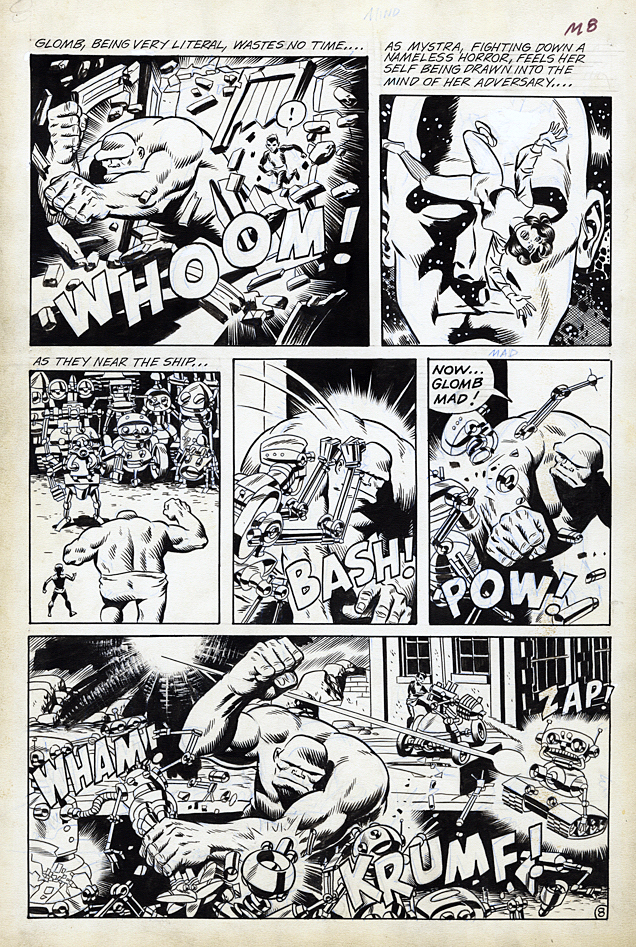
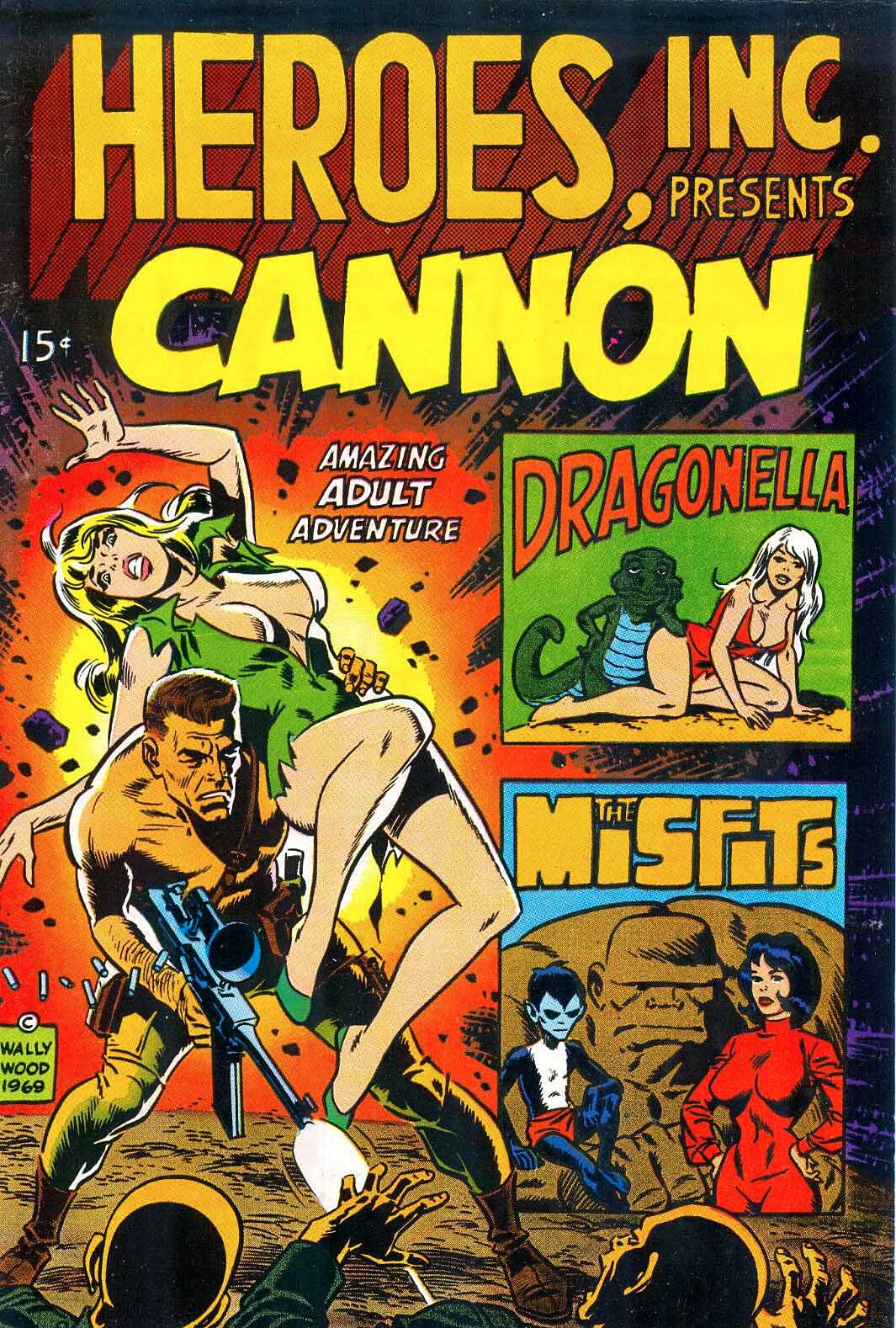
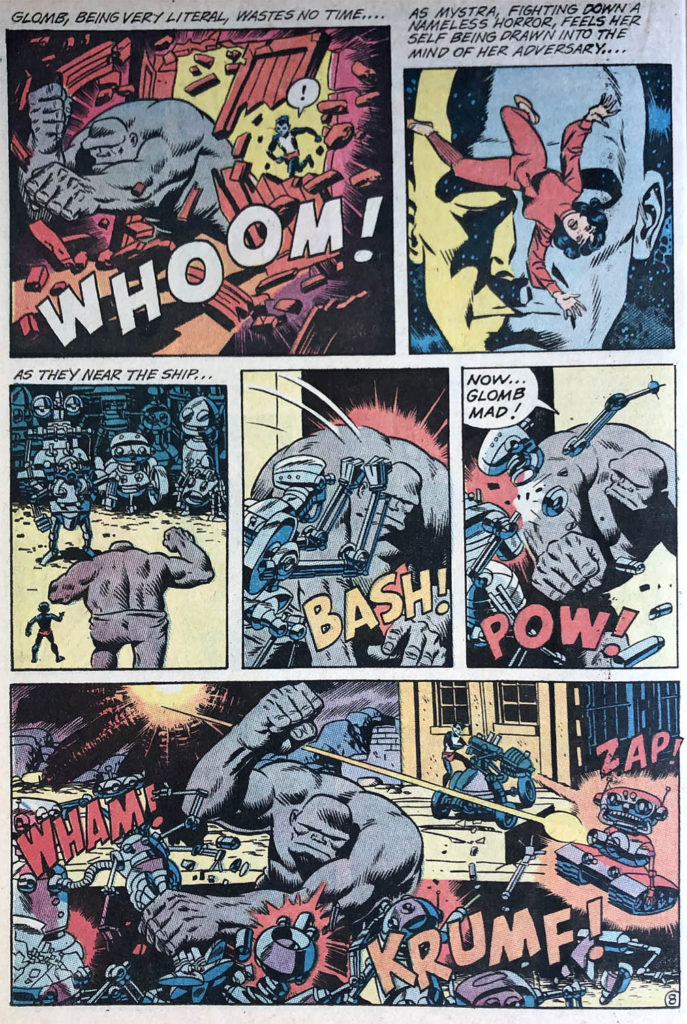
In fact, shortly after the cancellation of T.H.U.N.D.E.R Agents, Wood created an interesting series of “adult” oriented characters, primarily for the armed forces.
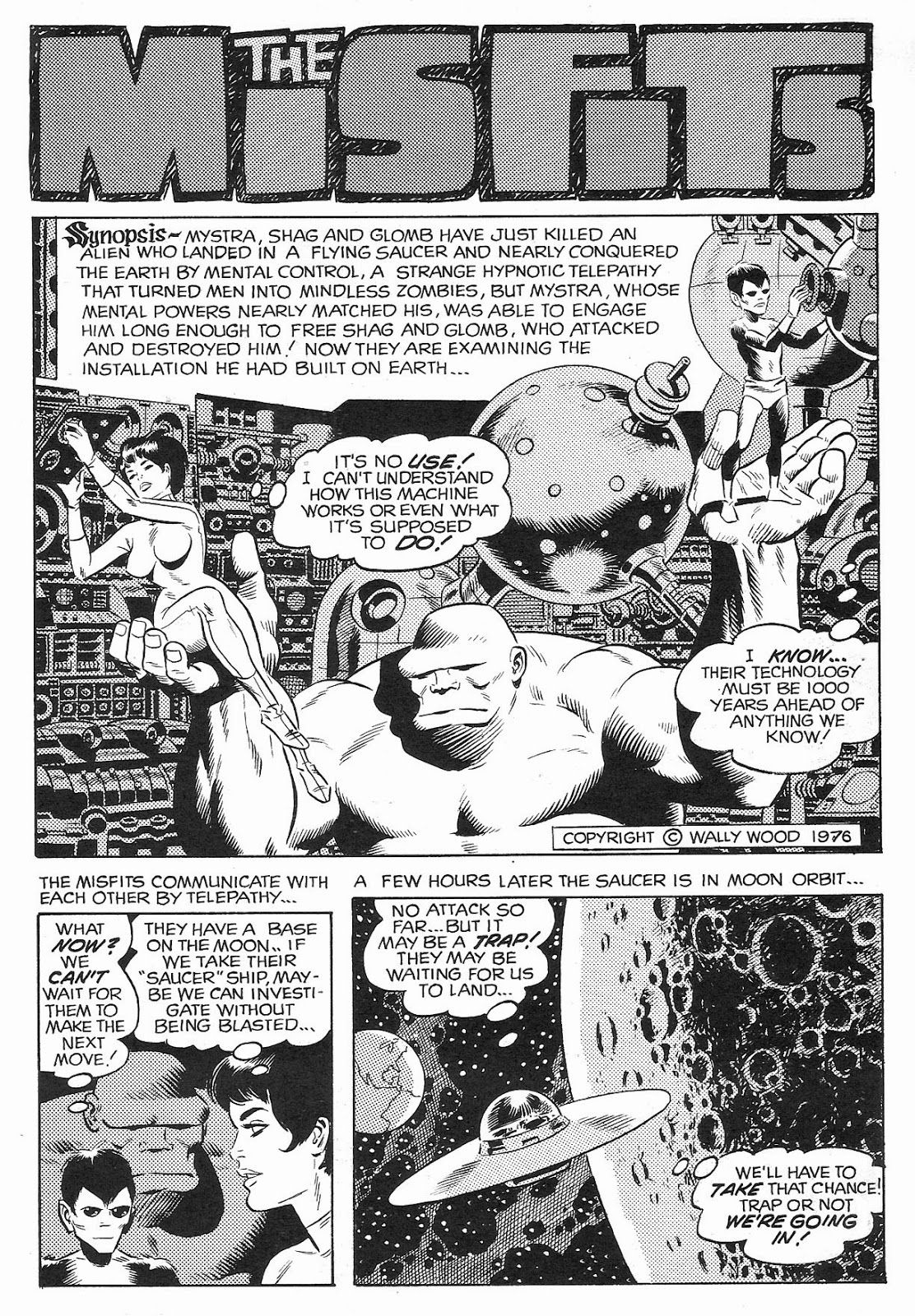
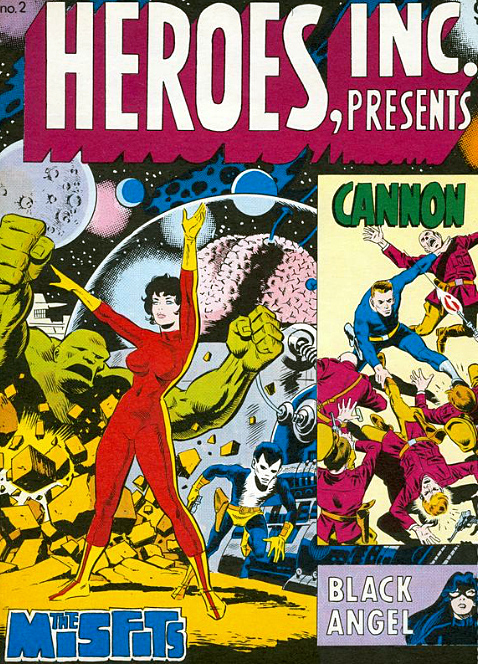
Heroes Inc. features the only color version of any of these characters, and introduces the Misfits, self-explanatory name and all.
This comic was “rare” for a while in the 70s, but then someone discovered a warehouse find.
And then another.
Pretty soon, there were likely more than 100,000 copies floating around. It appears that 250K were printed and most were never actually distributed.
I sure hope Woody didn’t get stuck with any of that printing bill.
The Misfits made only two appearances, seven years apart. The second issue of Heroes Inc. made its debut as a “prozine” in 1976.
Welcome back to a month long celebration of the “Independents” — Independent creators and projects that continue to impact the comic book medium.
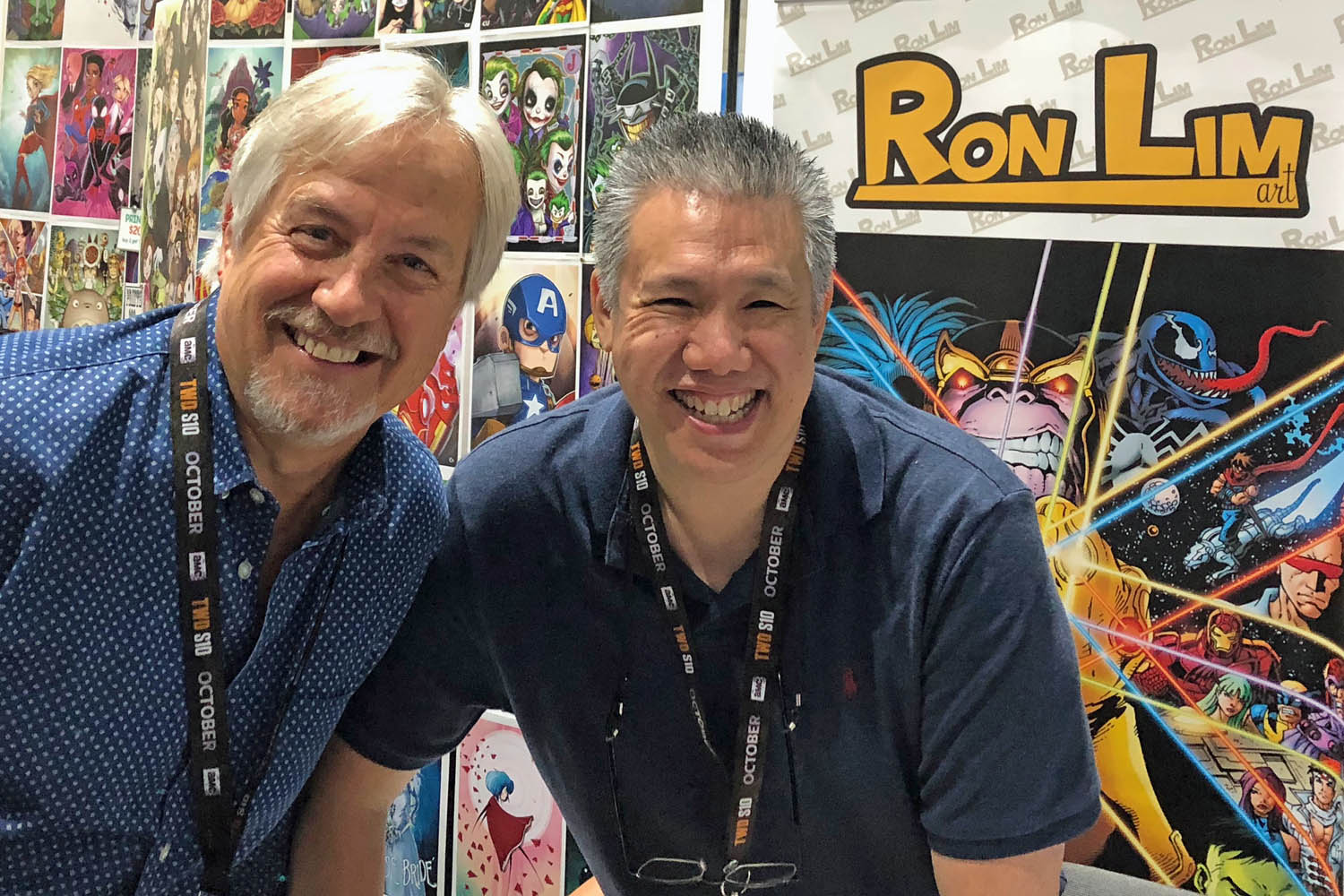
My love / hate relationship with conventions has often been a topic of professional discussion, whether I like it or not.
Focusing on the “love” part for now, conventions are opportunities to chat with friends far and wide that I don’t otherwise get a chance to see. This includes many creators that I’ve had the pleasure to meet or work with.
At the top of the list (A lot of folks are tied for number one) is Geof Darrow, the talented artist, super nice guy, and a very funny fellow.
Geof is one of many creator highlights for me at San Diego Comic Con. 25 years ago, back when the convention was smaller — and artist alley was bigger, it was a safe haven from the overwhelming din elsewhere in the building. Now of course the din has followed us everywhere.
But I digress.
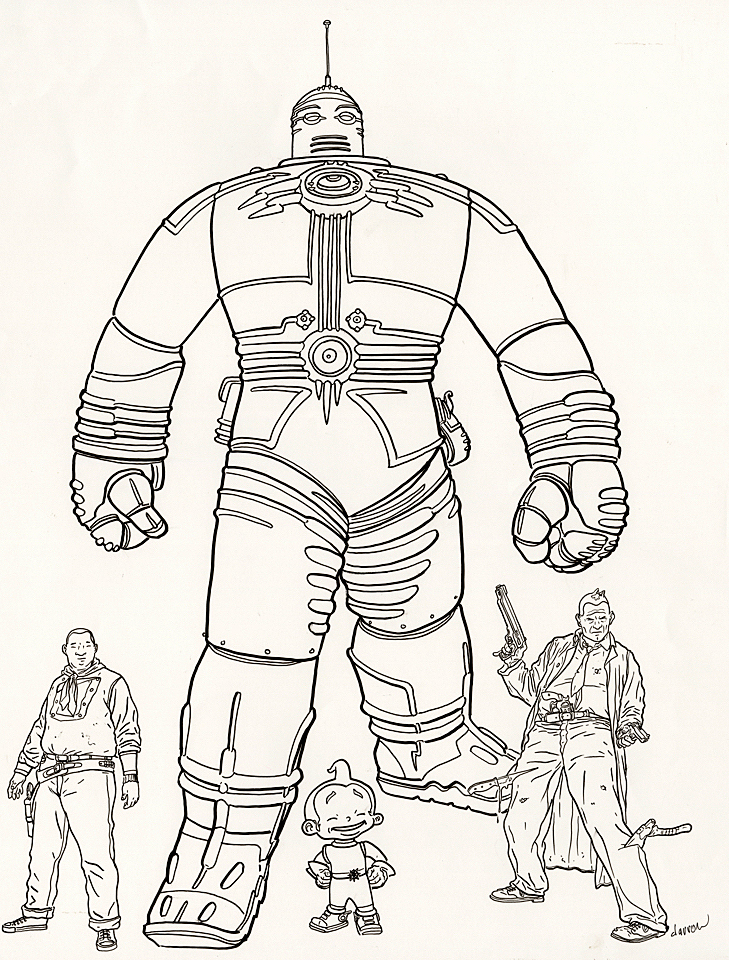
I love this commission because it highlights Geoff’s key characters and amazing line work in a beautifully-detailed, impactful pin-up.
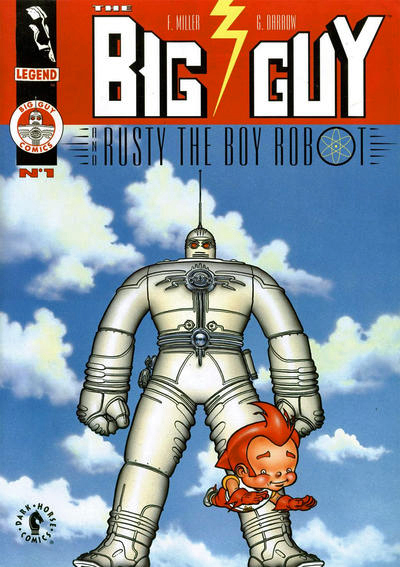
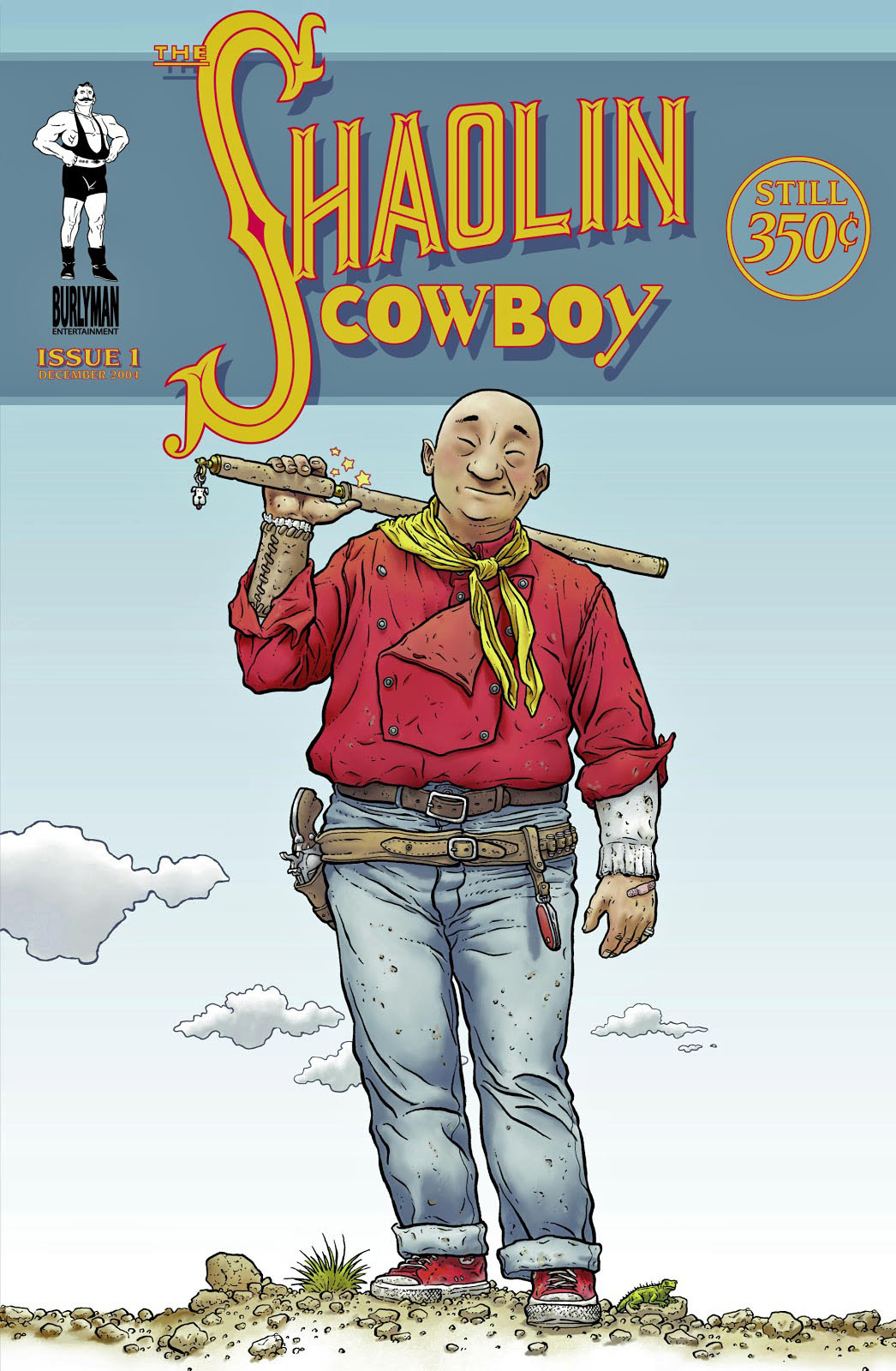
Hard Boiled (with Frank Miller), Shaolin Cowboy, and of course Big Guy and Rusty the Robot (Also with Miller).
I love Giant Robots. Doesn’t Everyone?
The Big Guy and Rusty The Robot animated series was a fun adaptation of the comic.
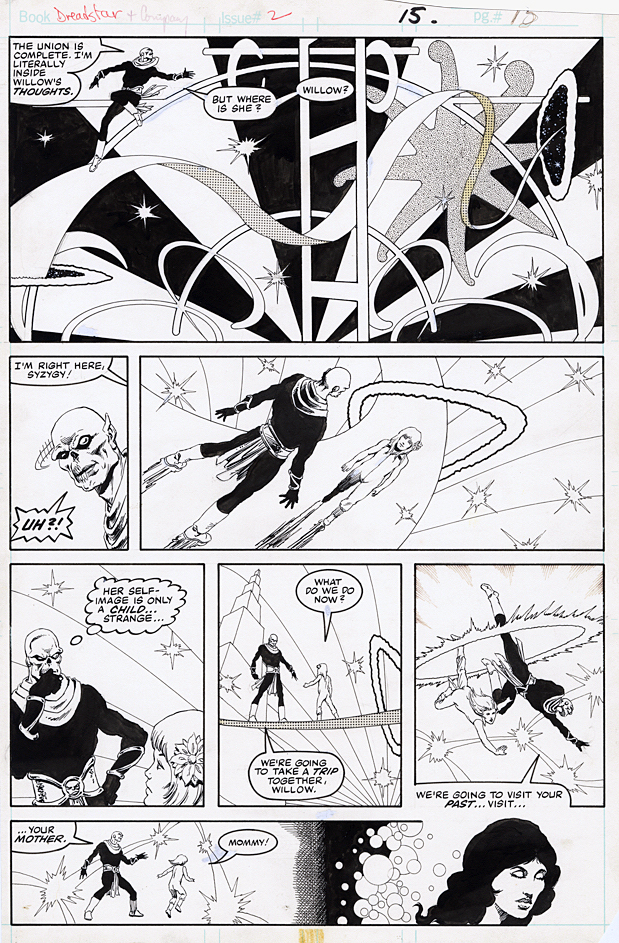
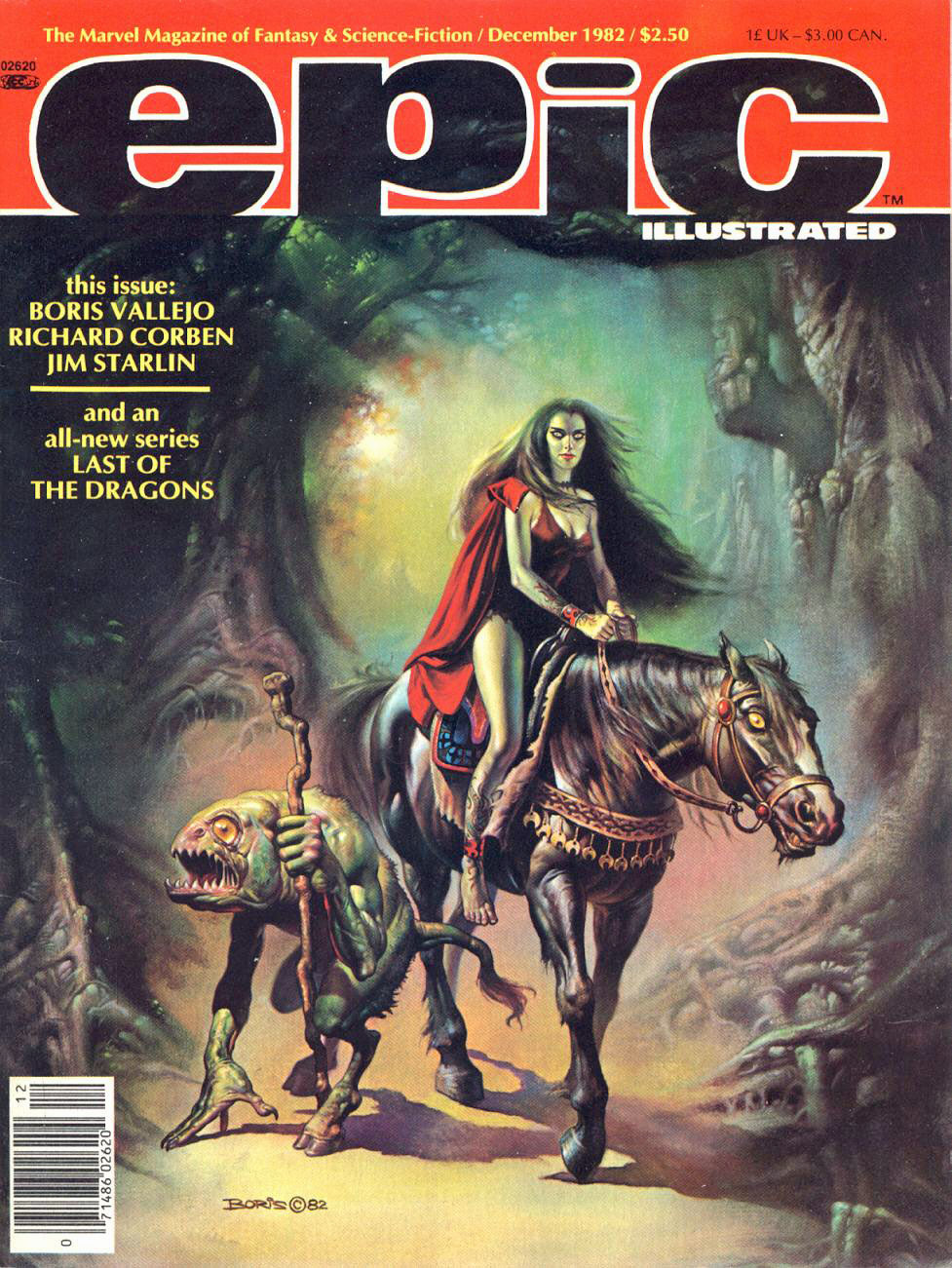
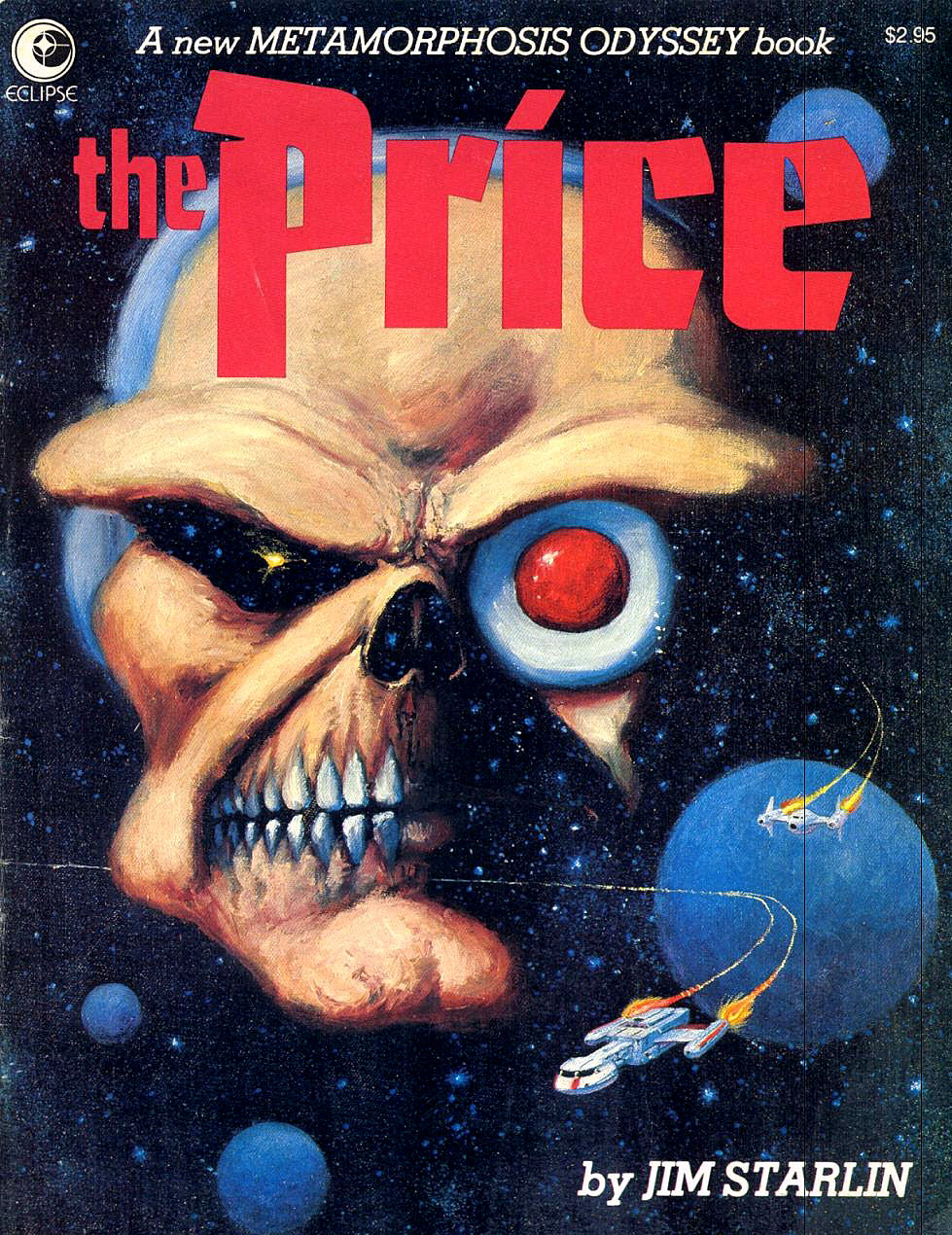
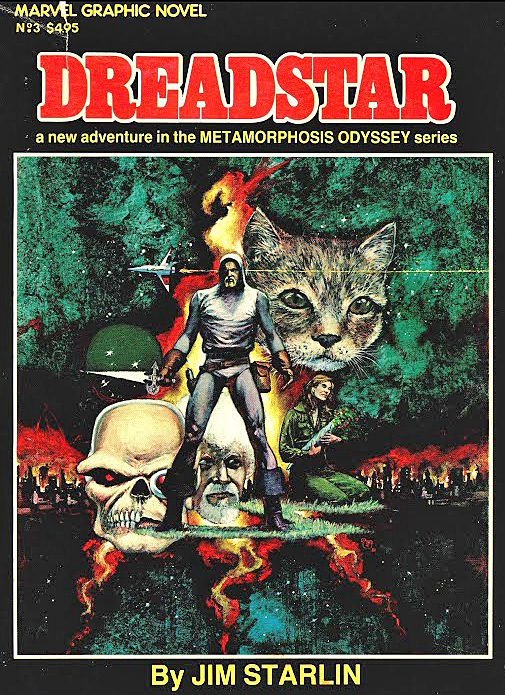
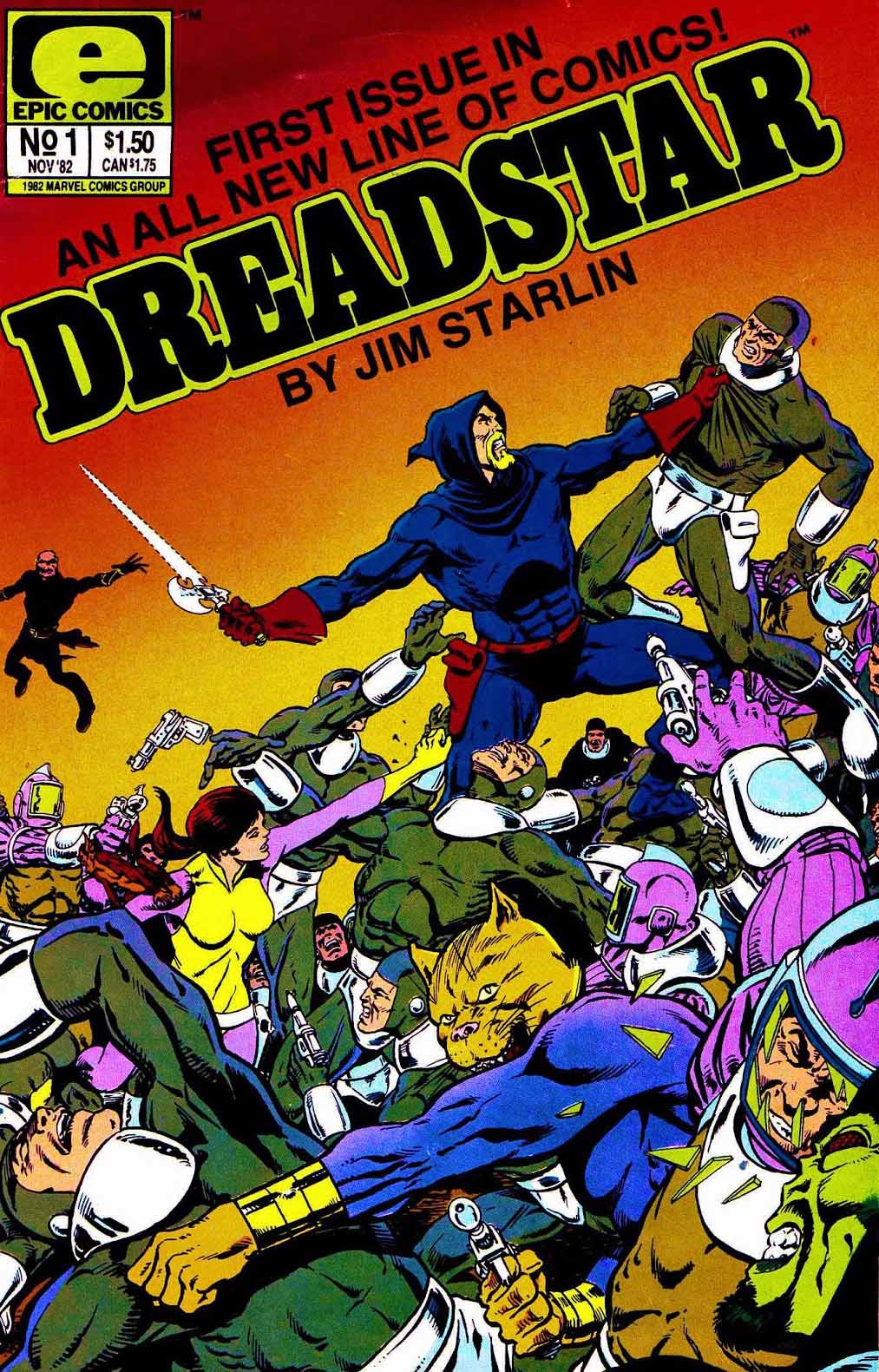
Jim Starlin’s Marvel work had a big impact on me back in the day: Space Opera. Philosophy. Offbeat humor every so often, just enough to keep us from focusing too much on the end of… well, everything.
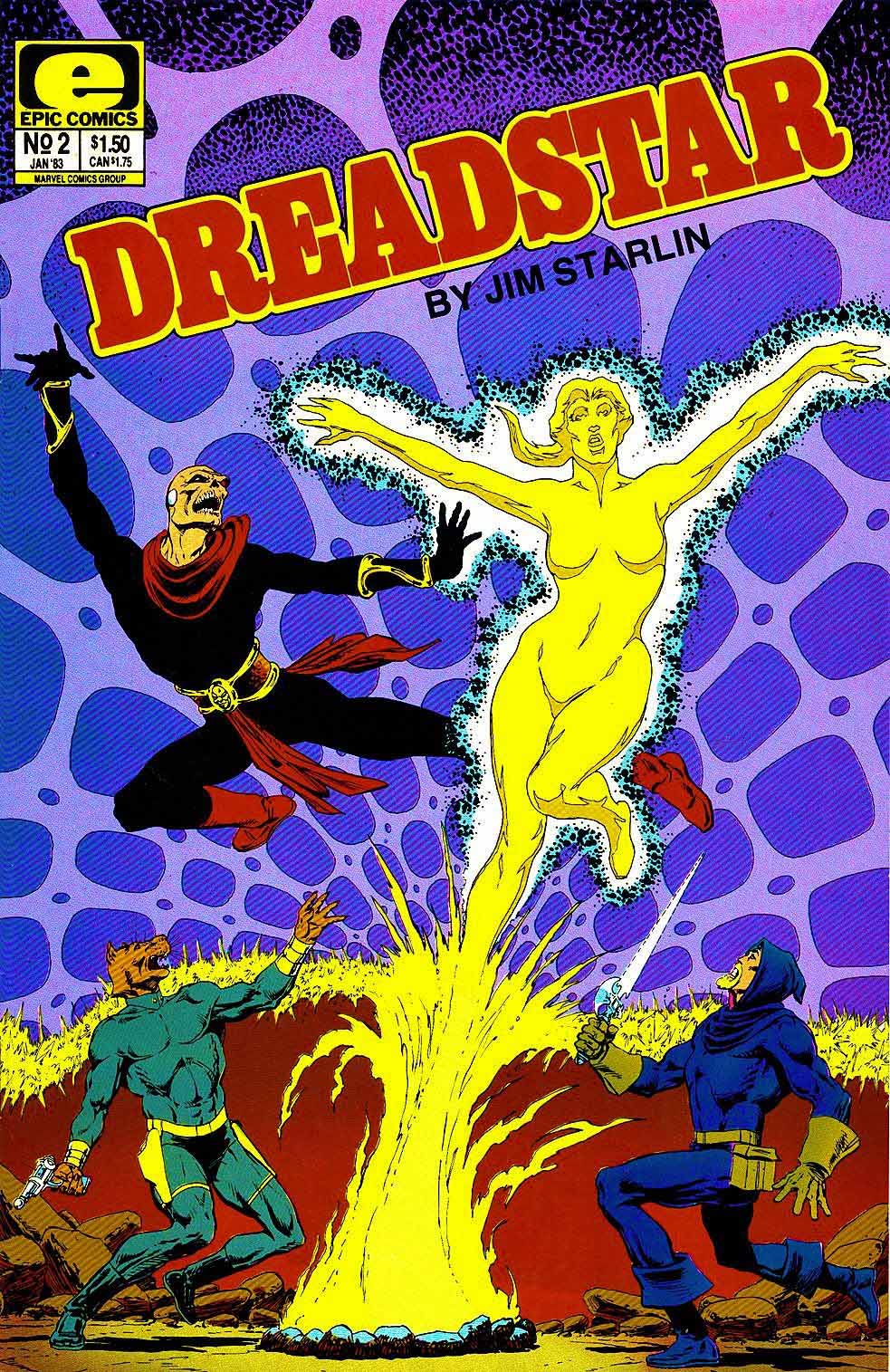
So it was no surprise that I was more than curious about Dreadstar, his creator owned project that launched form Epic (Marvel’s creator line) in 1982. Sure enough, it did not diverge from Starlin’s established interests — or my taste. I enjoyed his entire run on the series.
(It’s always so odd when a creator leaves a creator-owned book. But it happens frequently. And I digress.)
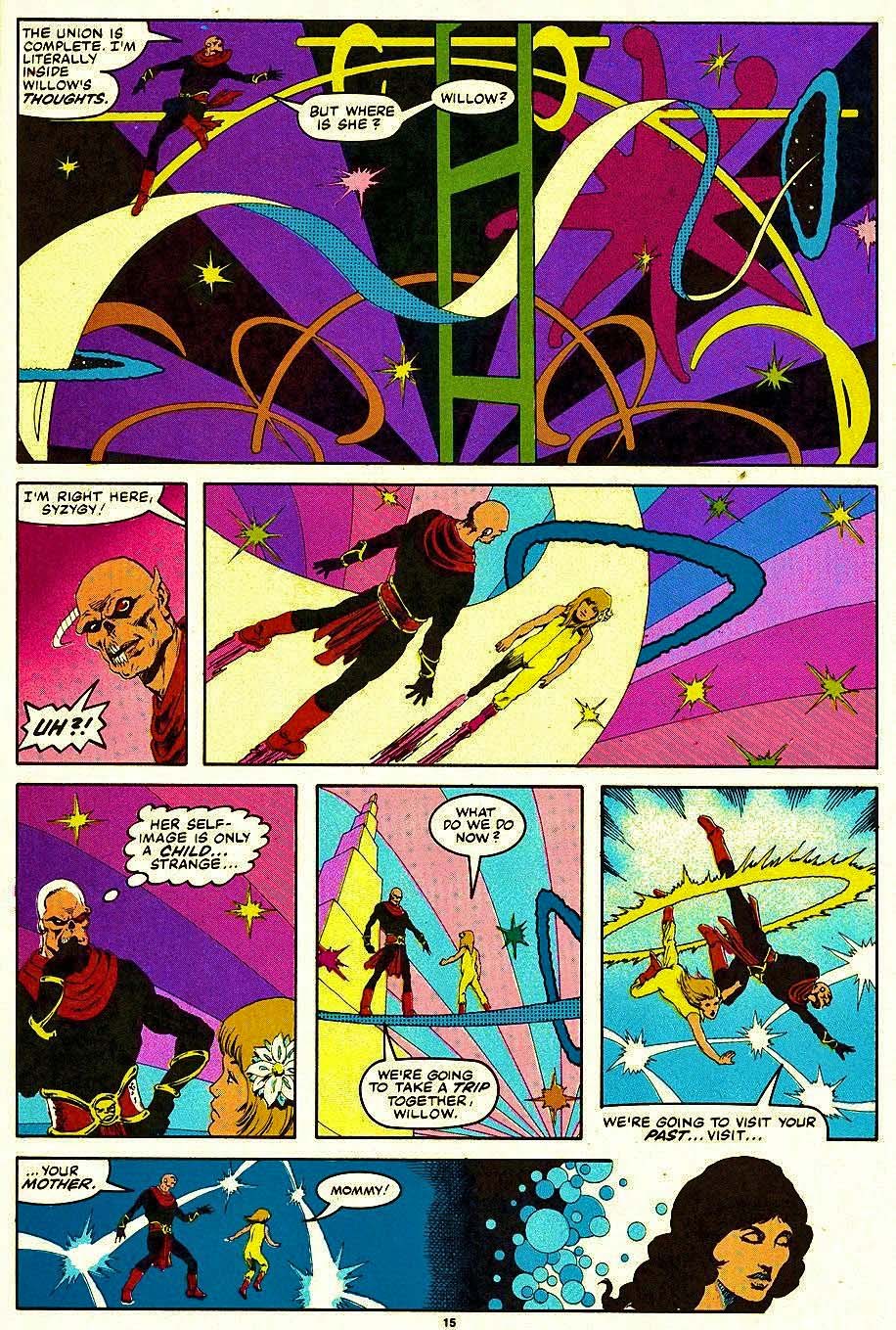
This page is actually one of two I acquired about 10 years ago. The other page had Vanth Dreadstar on it (although minimally) but I ended up keeping this one (and trading the other) because it sums up the classic Starlin style. To me, only Steve Ditko did space and time magic with the same trippy flair.
(Crazy neon coloring by Glynis Oliver Wein on the published piece as well.)
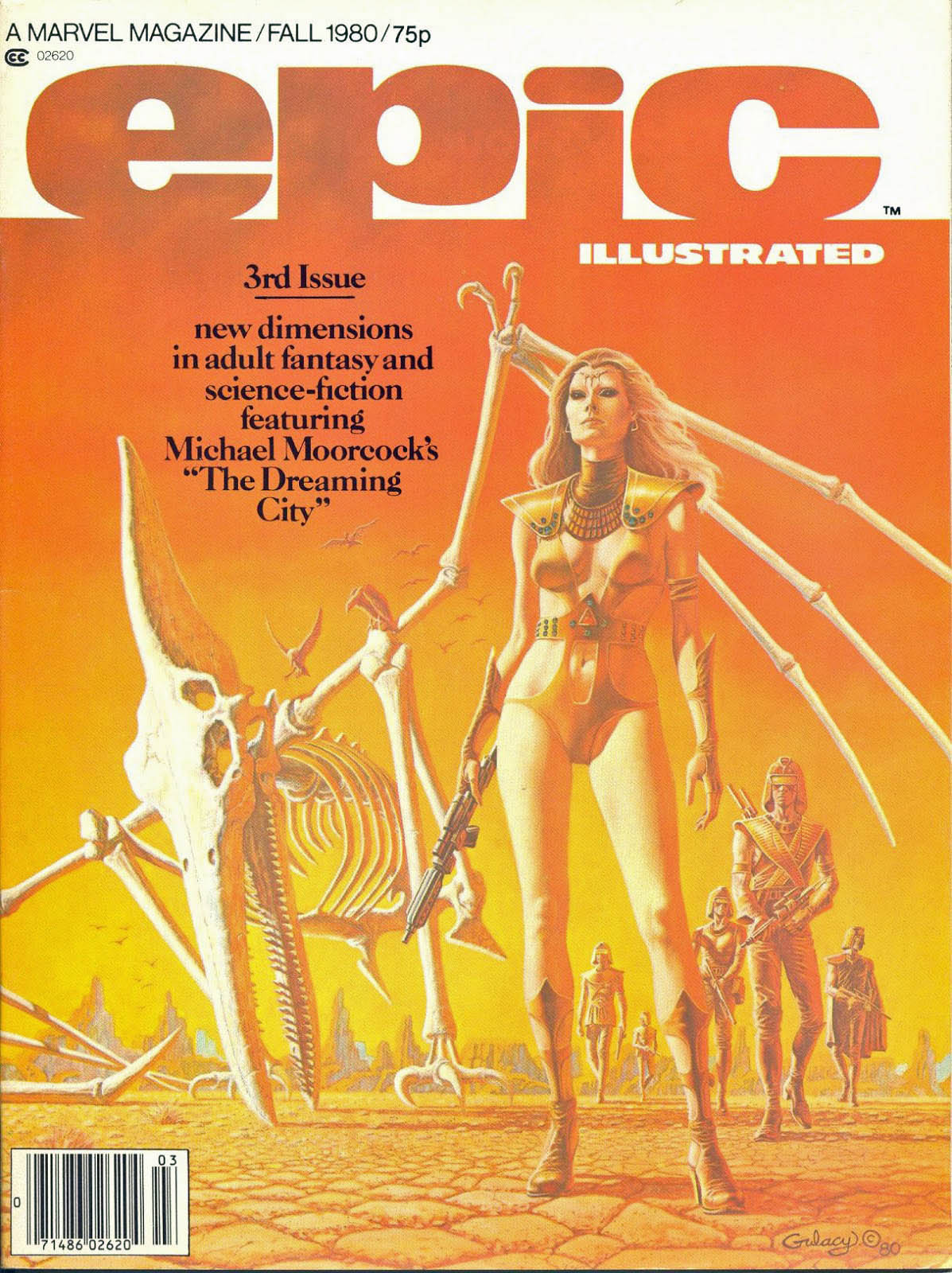
Dreadstar had to slowly make his way through magazines and graphic novels before he ultimately appeared in his own (color) ongoing series.