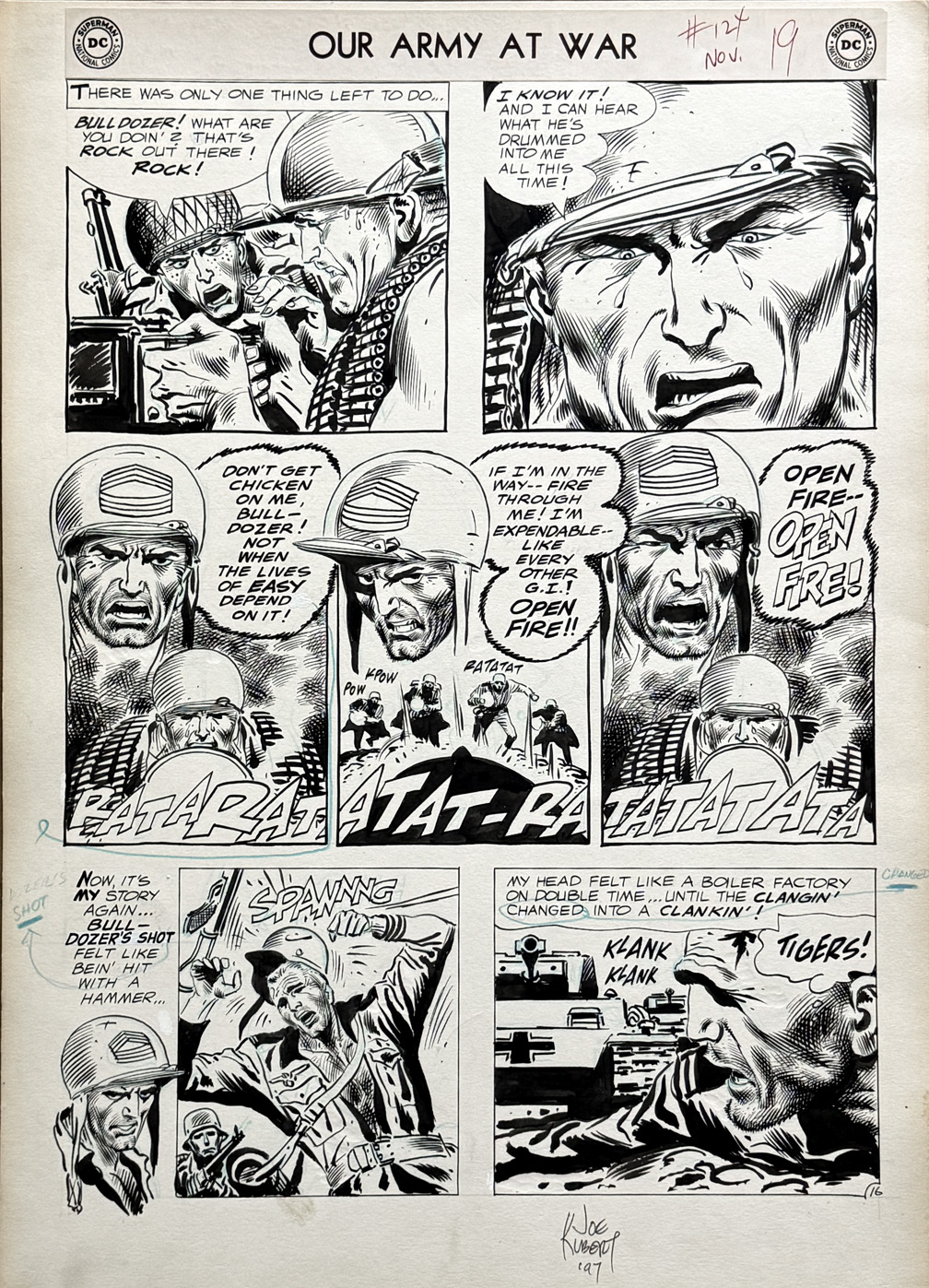
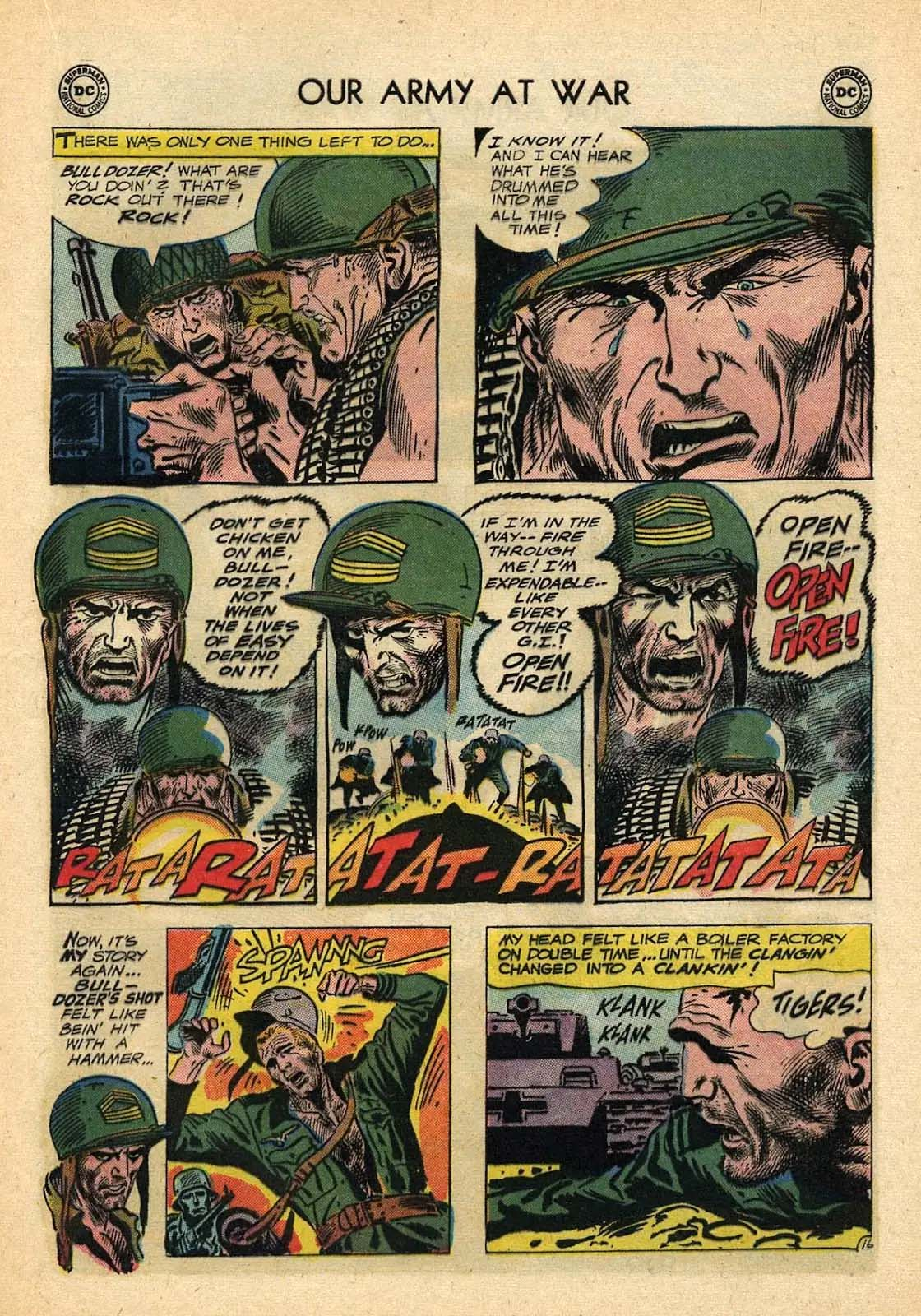
A gorgeous, emotional war page from the master, Joe Kubert. Want to know how good DC’s war comics could be? This is a pretty good place to start.
And as good as it looks here, it’s even better when you’re looking at the large original. You’ll have to trust me on that.
I picked it up at SDCC this past summer, although “picked it up” makes the whole thing sound much easier than it was.
The original seller—a well-known vintage comics dealer who doesn’t specialize in original art—had already flipped it. This despite my telling him I would beat any realistic offer. Had I not been sitting in the right place at the right time, I would have missed it entirely. Getting it home still took some doing, including having to buy a rather expensive package of pages to get the one I really wanted.
No sour grapes. I got the page, and I love it. Besides, I was already leaning toward buying the others. (For the names of the guilty and the helpful, you’ll have to ask me in person.)
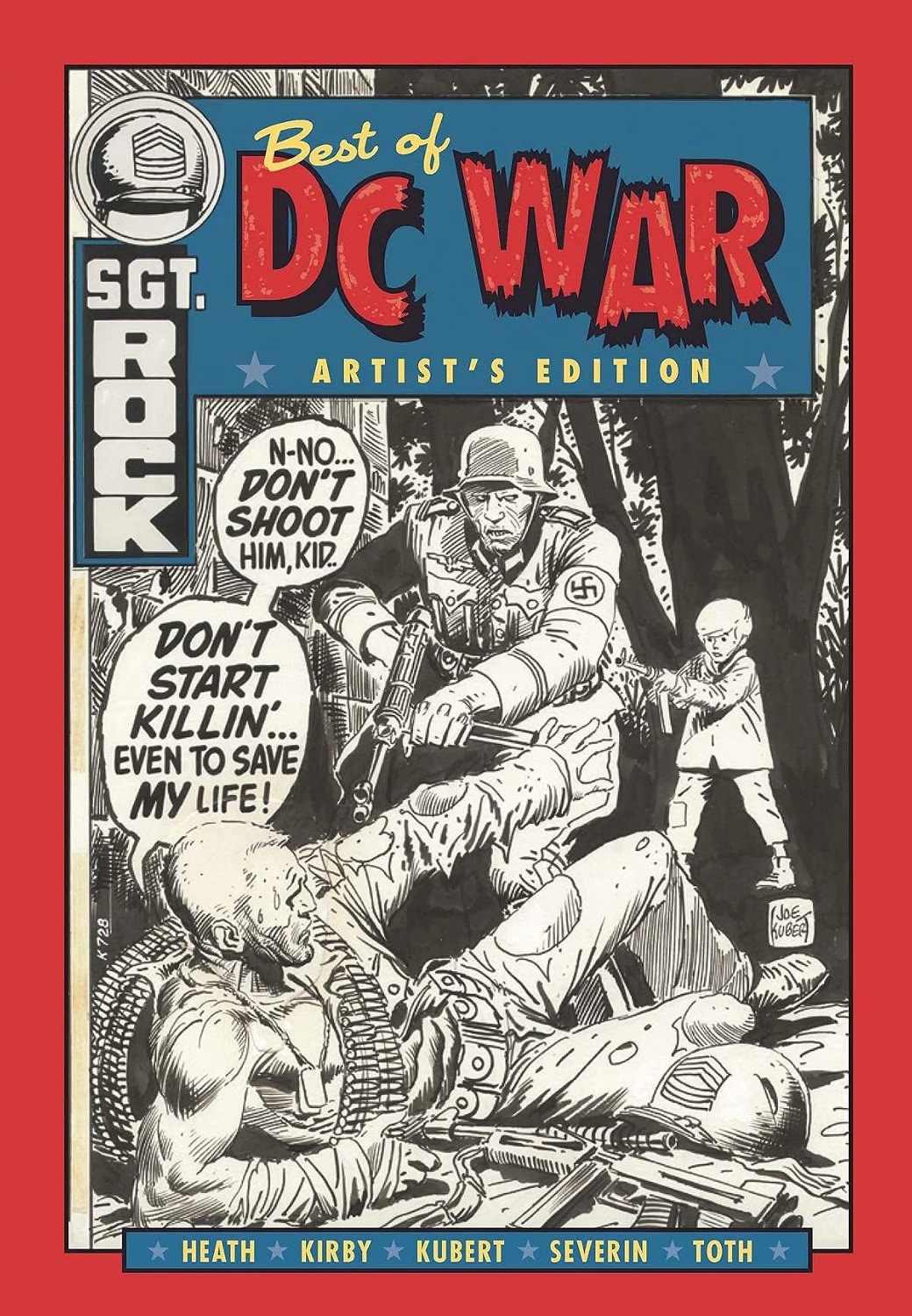
Having this one in hand also reminded me of one of my favorite sights at the old IDW offices in Point Loma. I may have told this story before, but Dirk Wood, our illustrious VP of Marketing, used proof pages from our DC war comics Artist’s Edition to wallpaper his office. And I mean wallpaper.
Kubert, Heath, Toth, Kirby… wall to wall.
War comics might seem like an odd choice for office decor, but wow, was it beautiful. Most of us hung a few pieces on the wall. Dirk went all in.
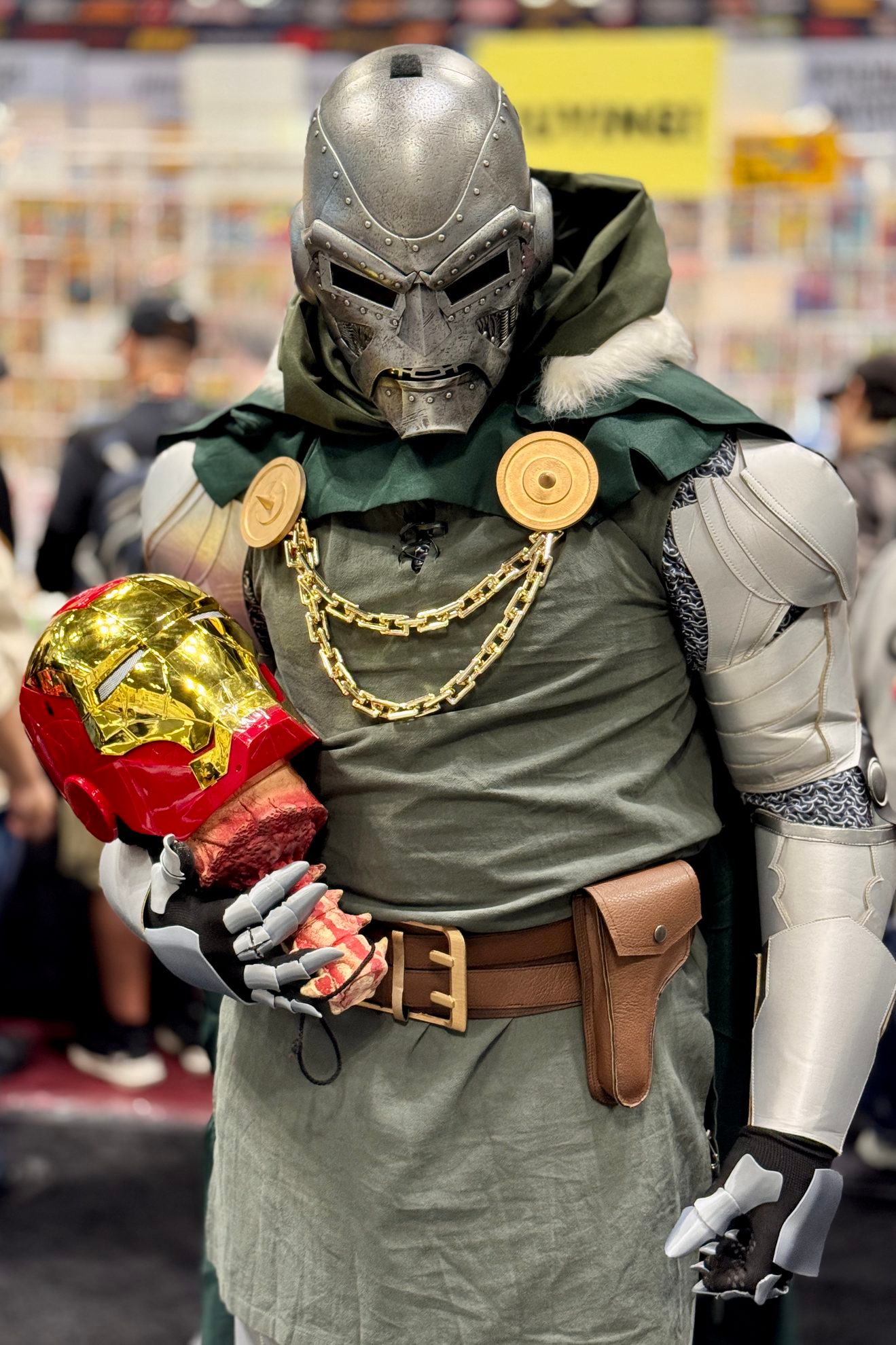
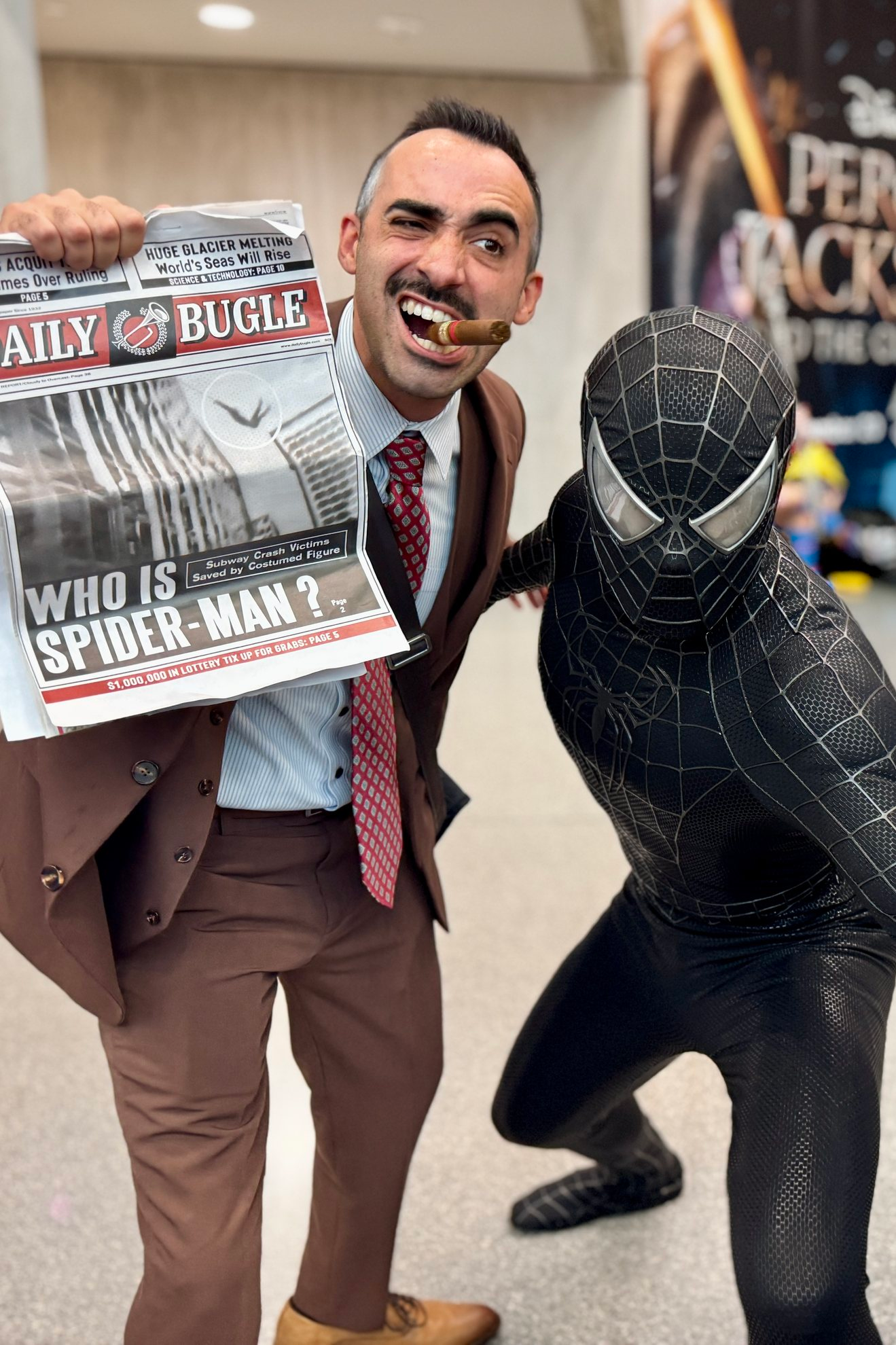
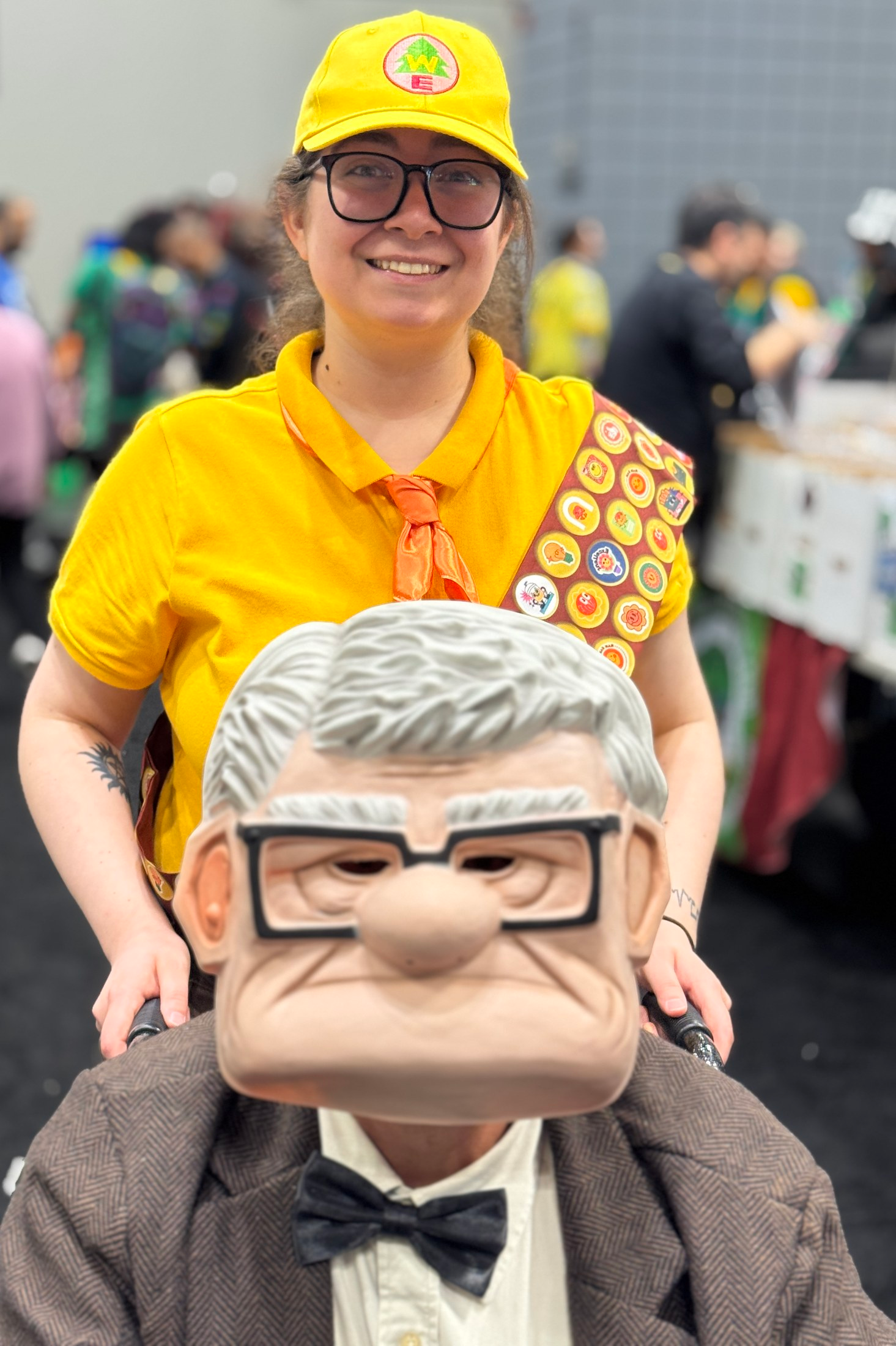
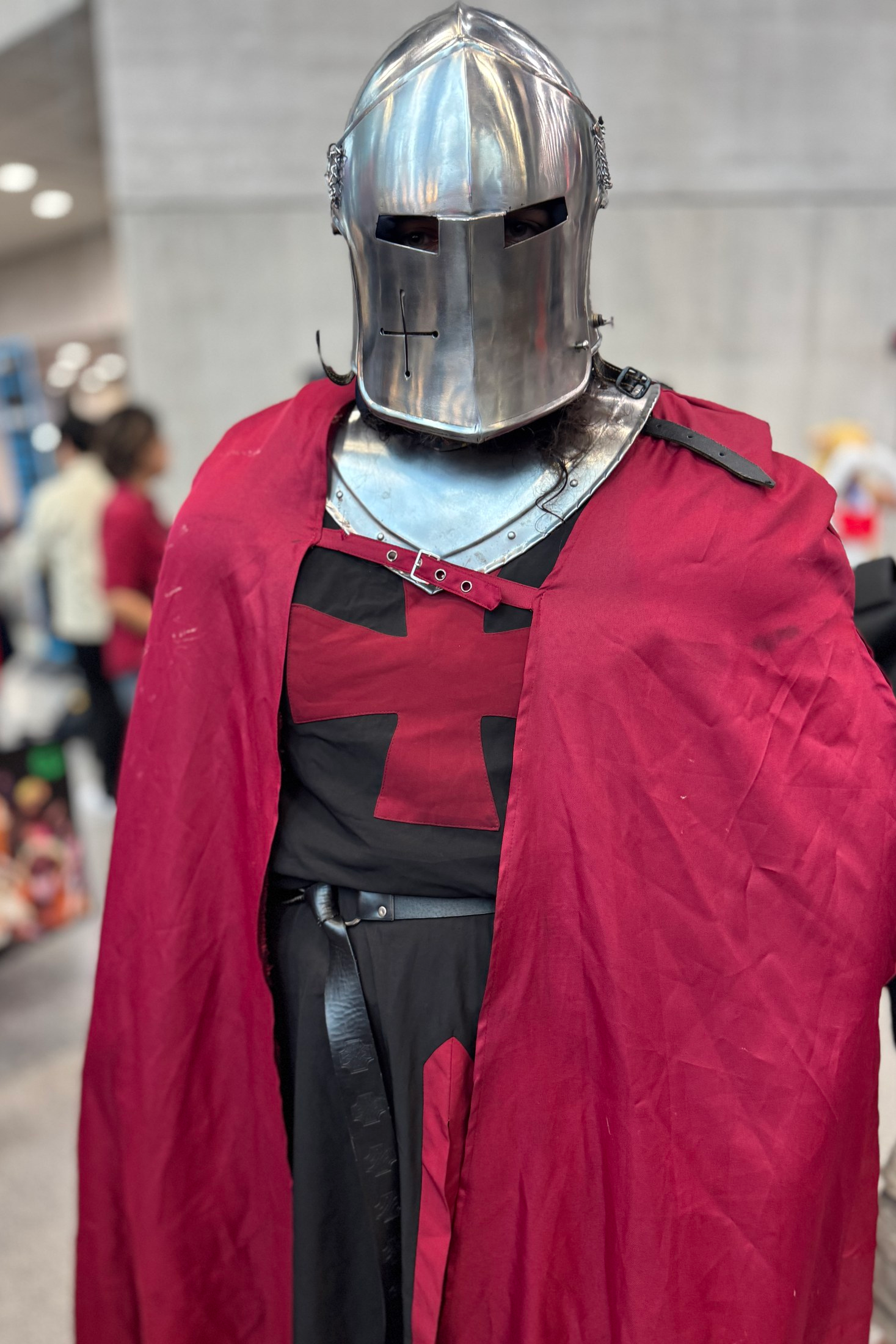
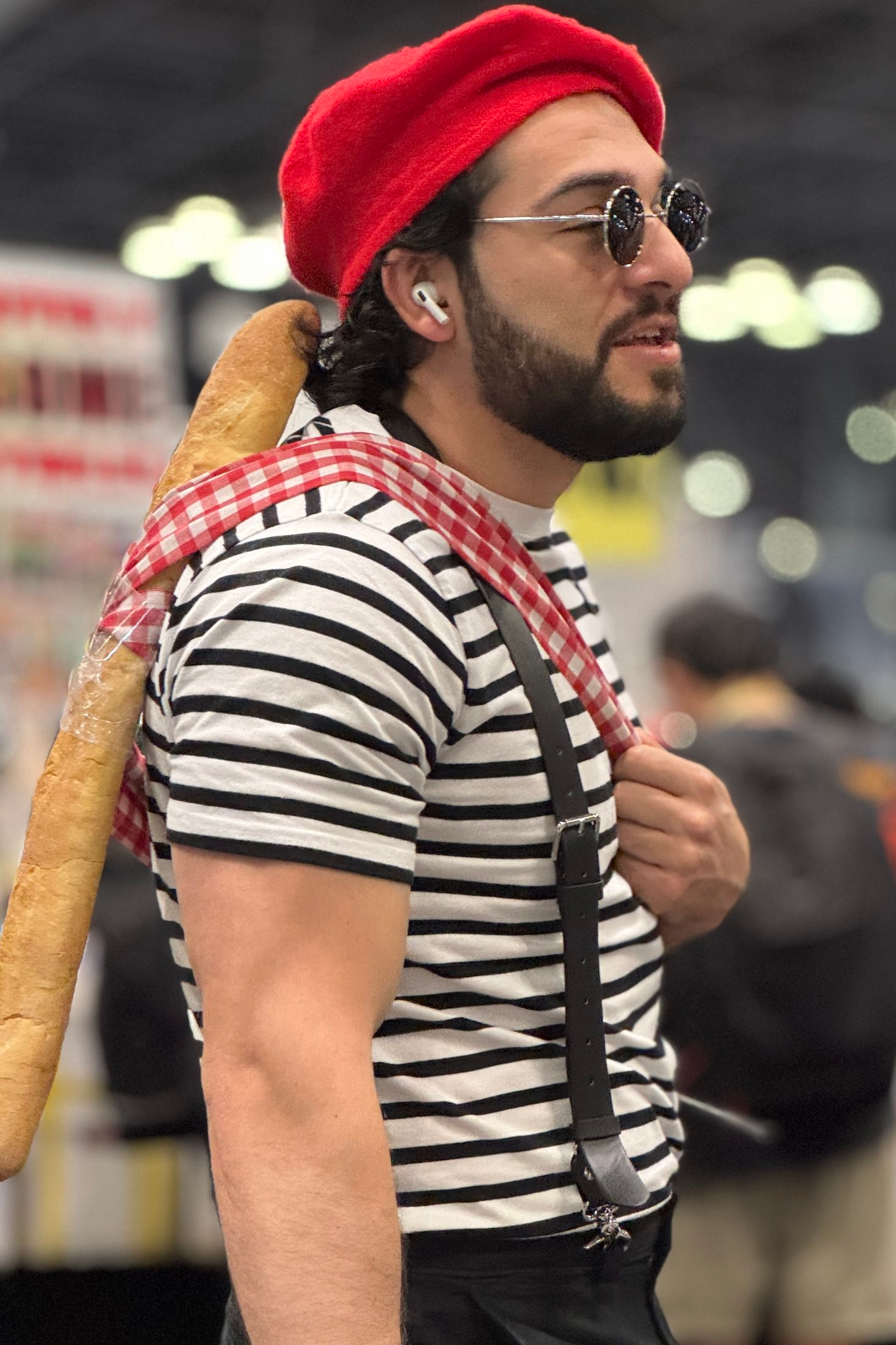
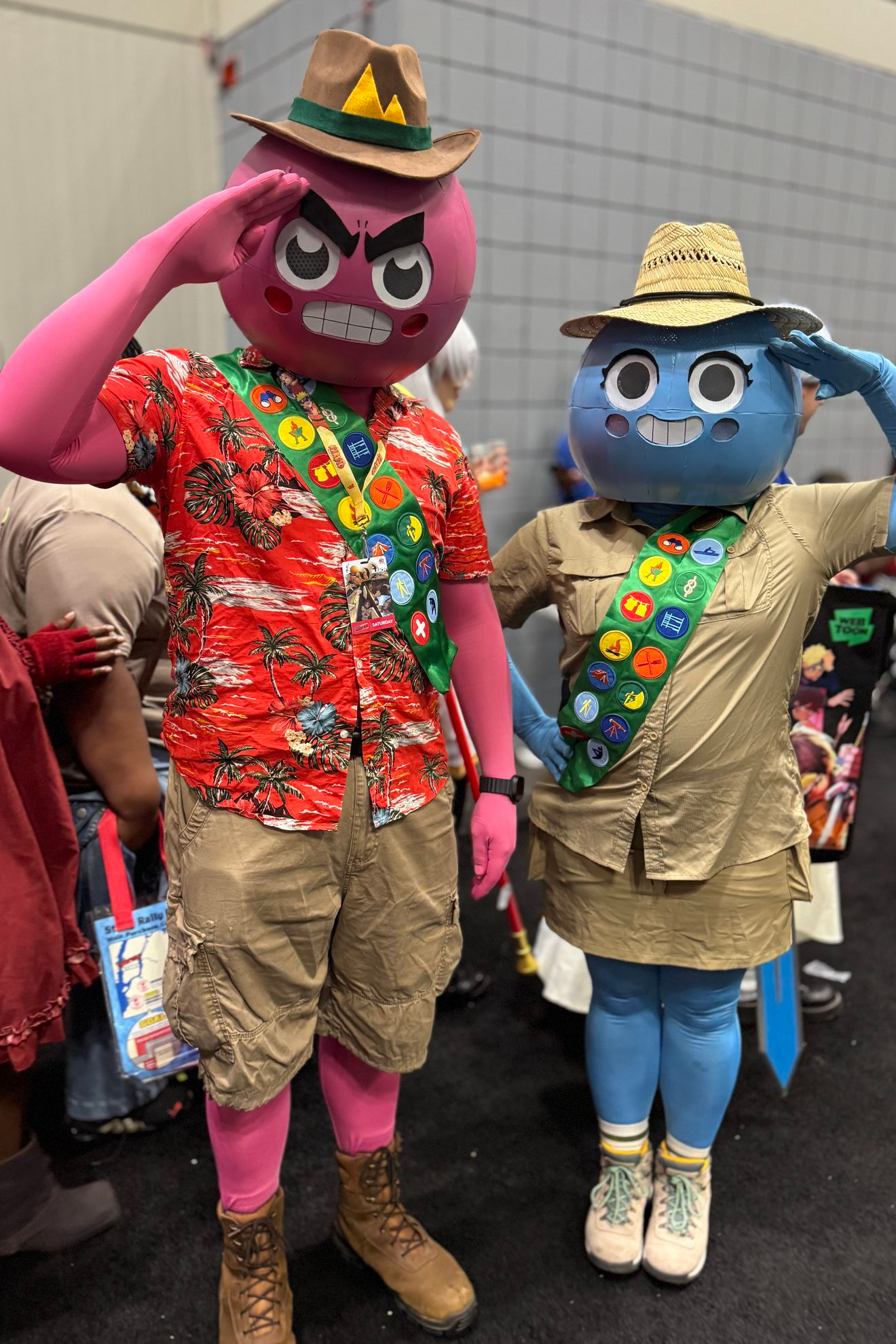
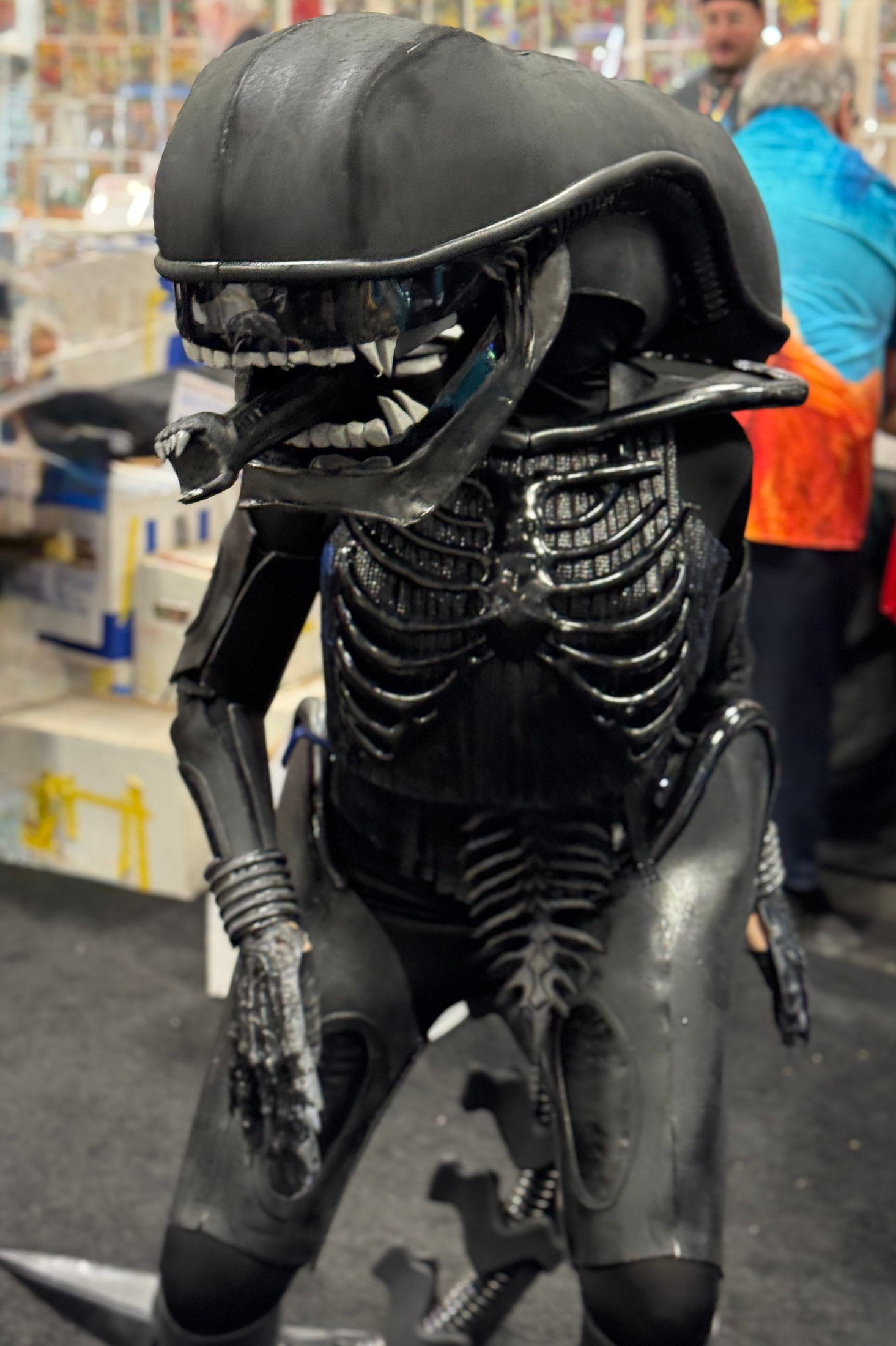
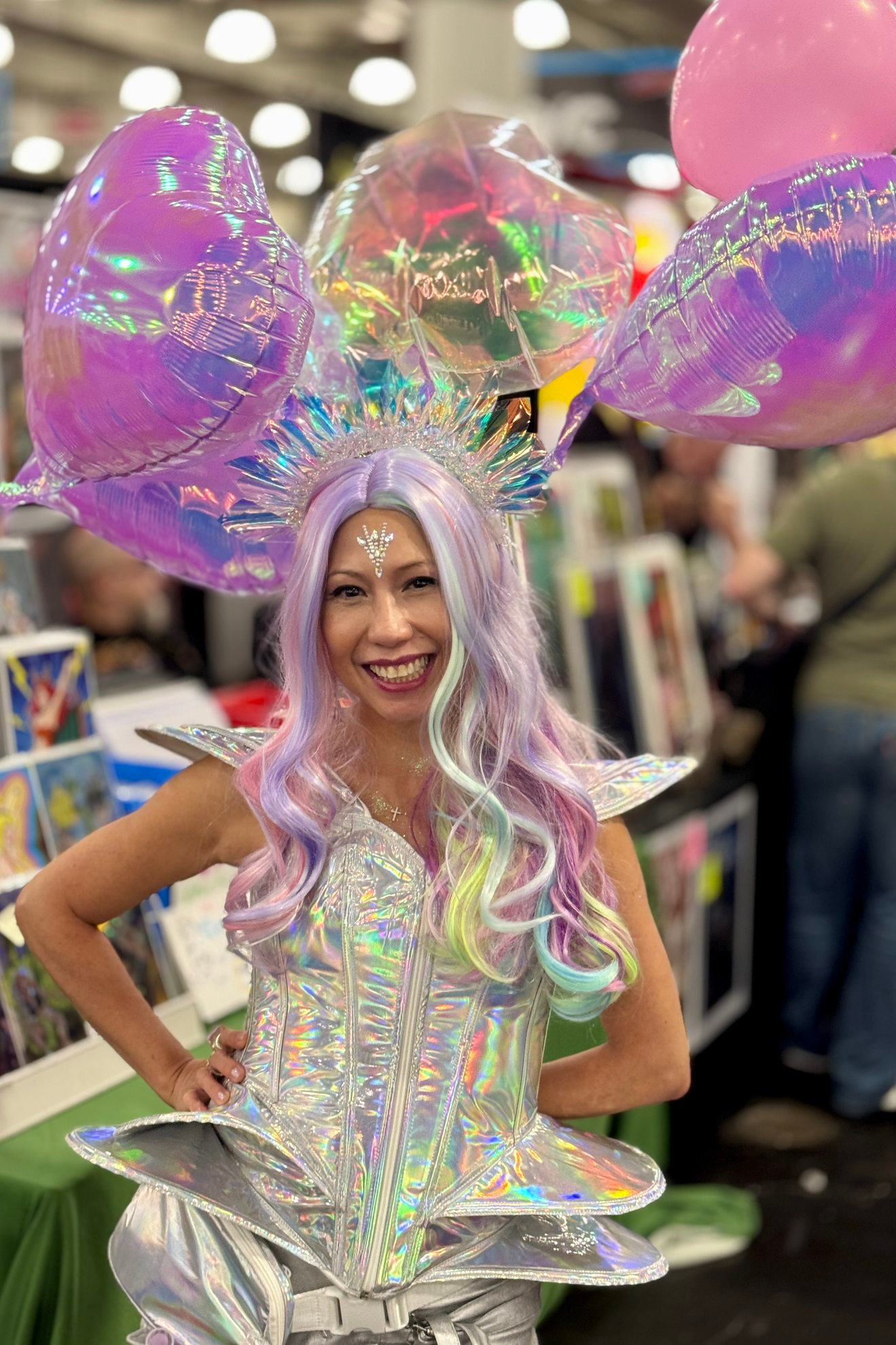
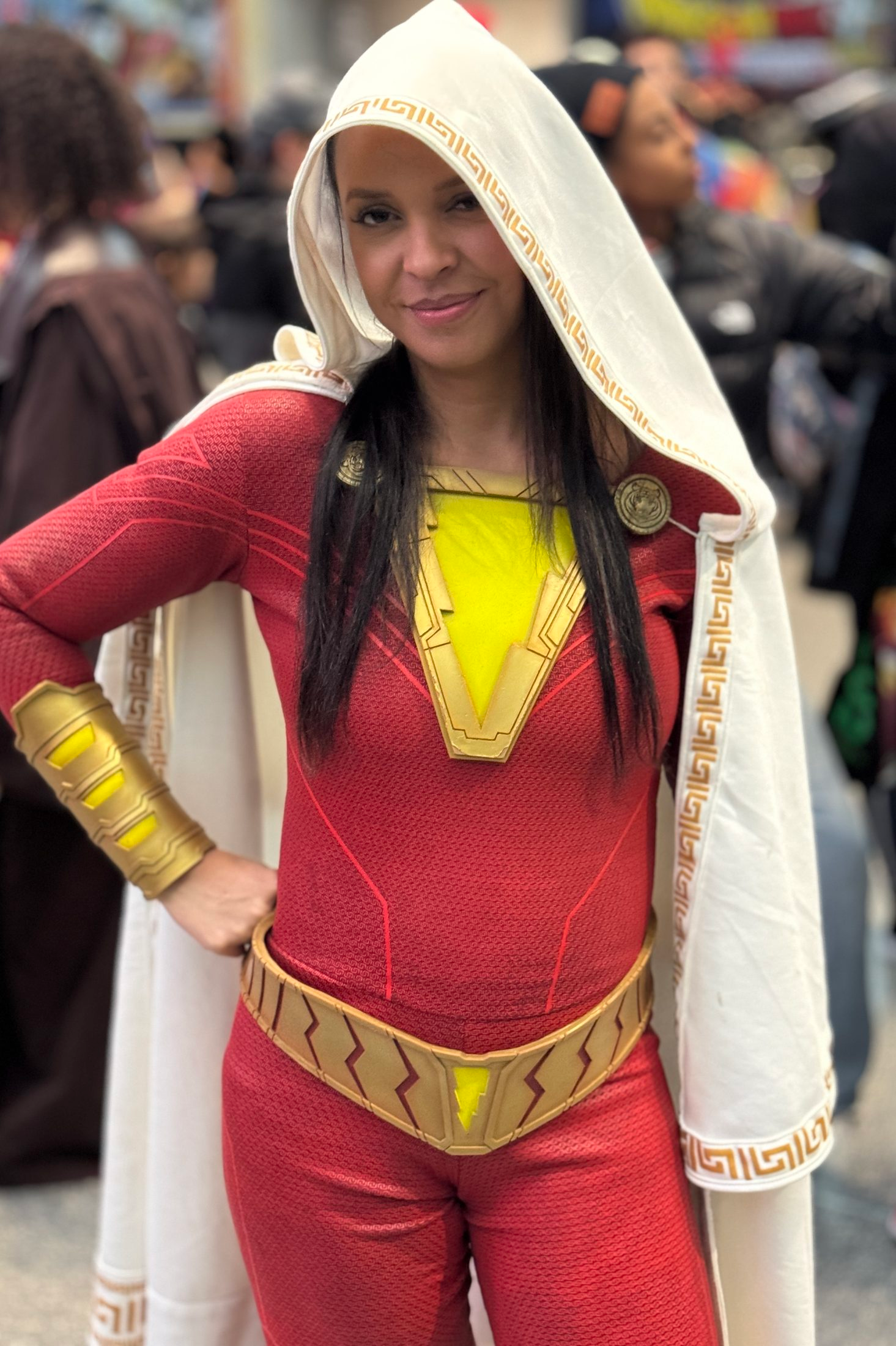
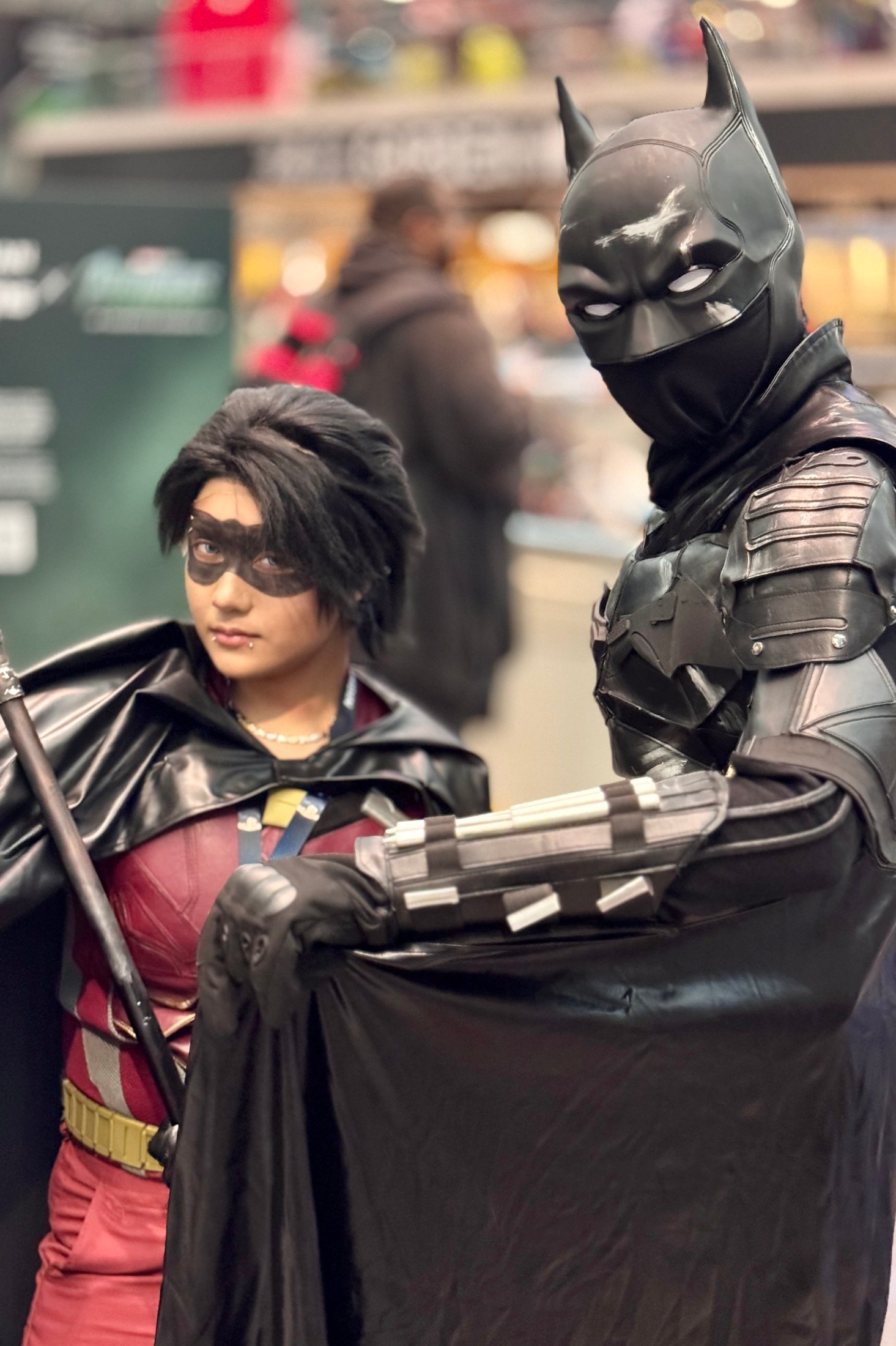
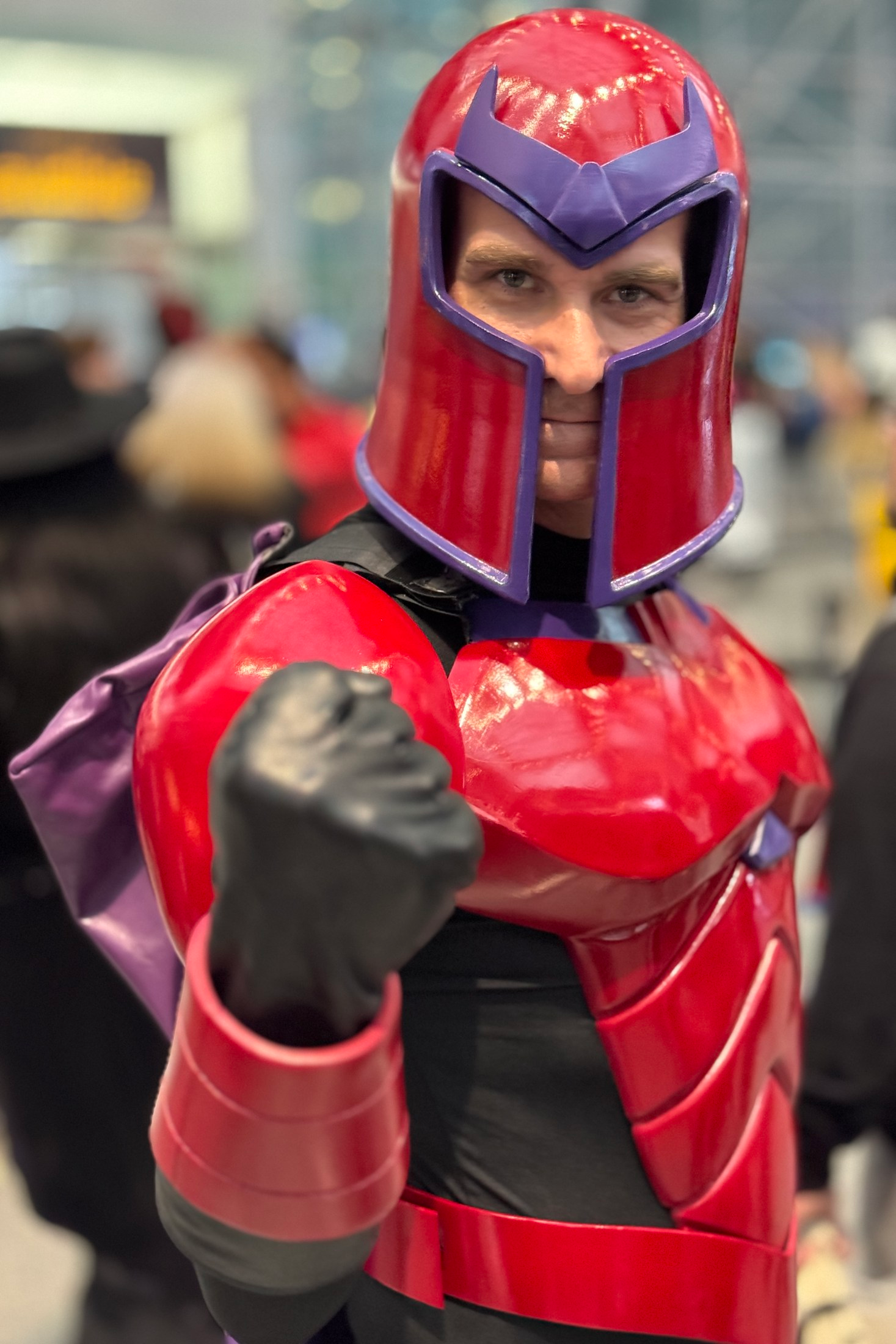
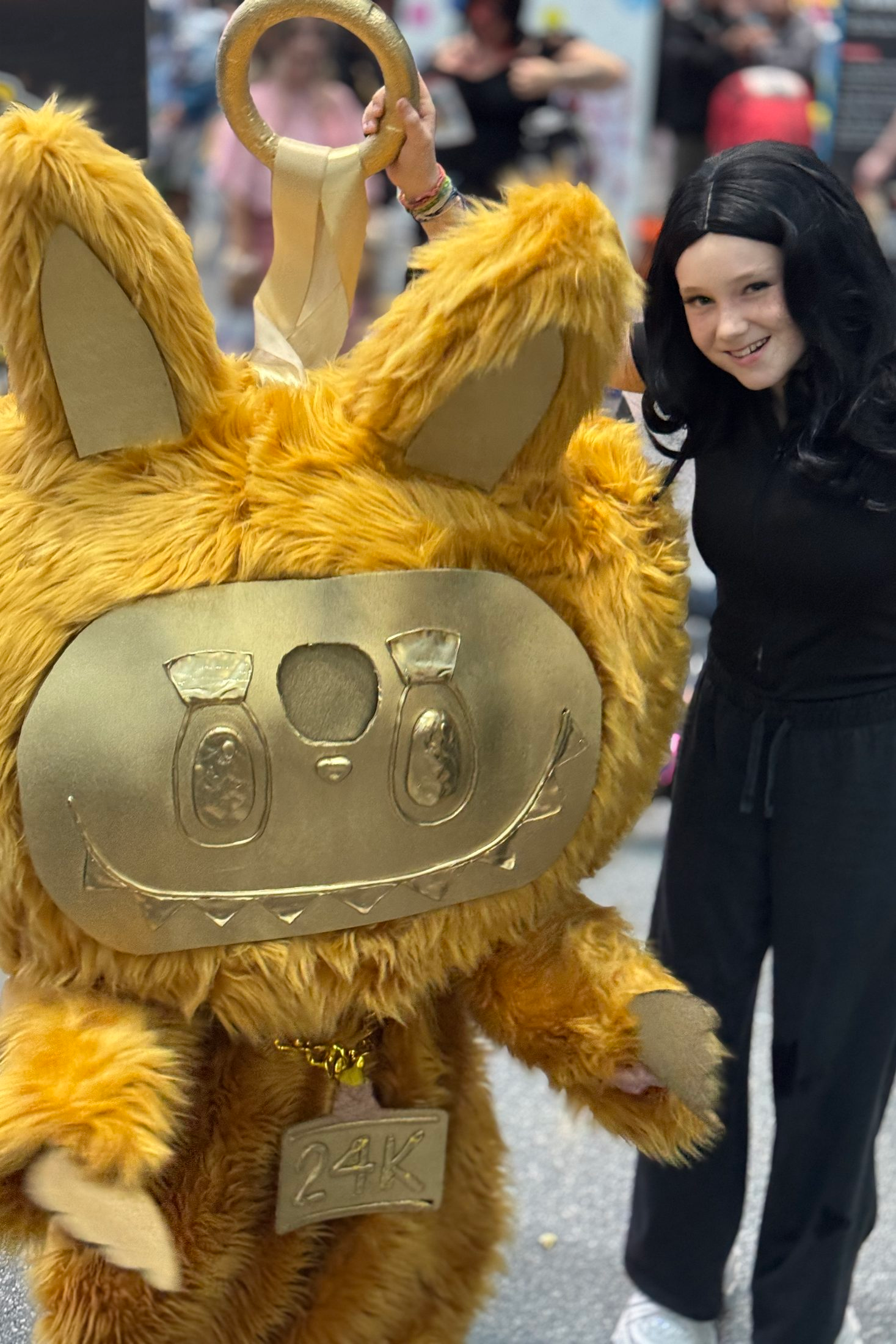
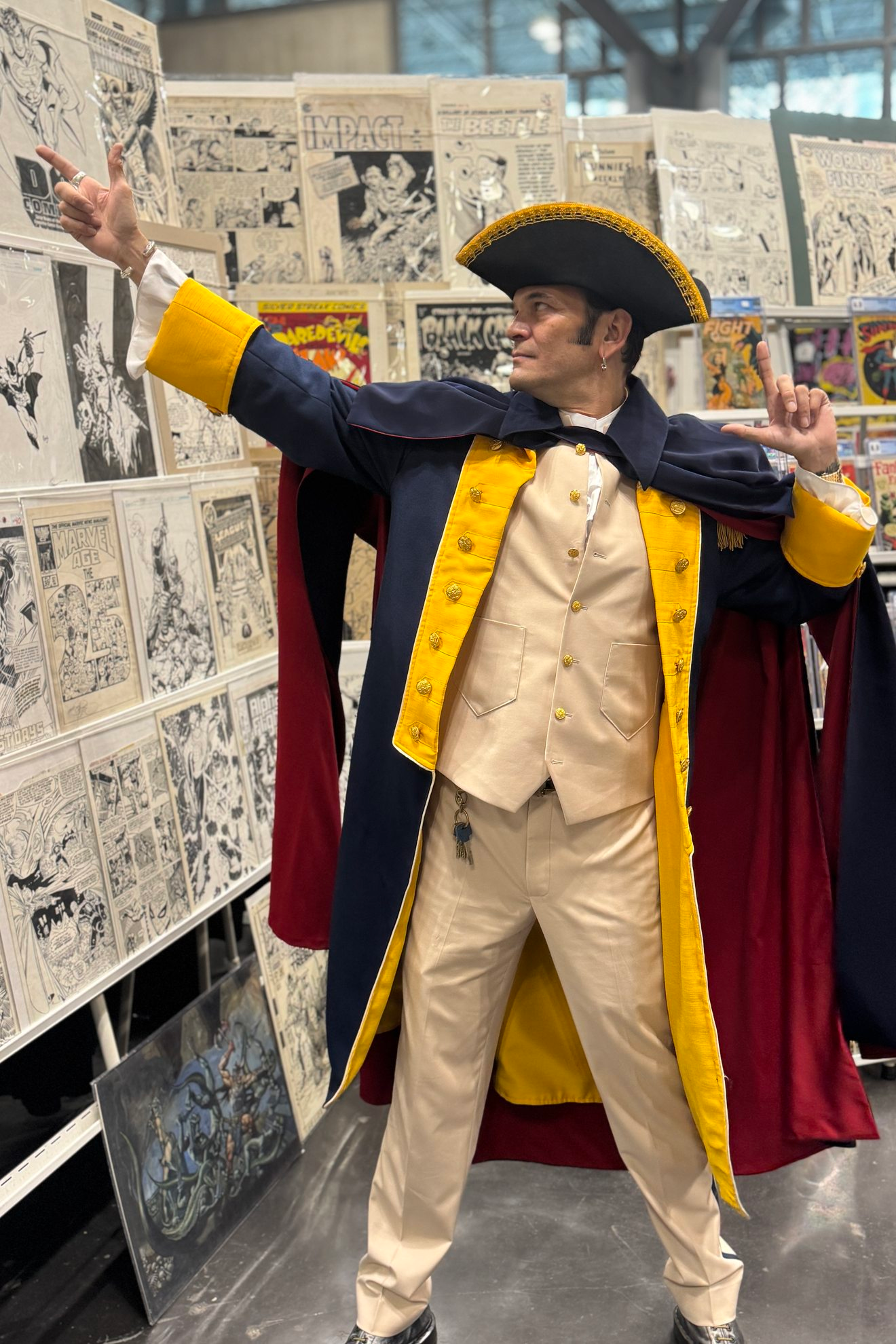
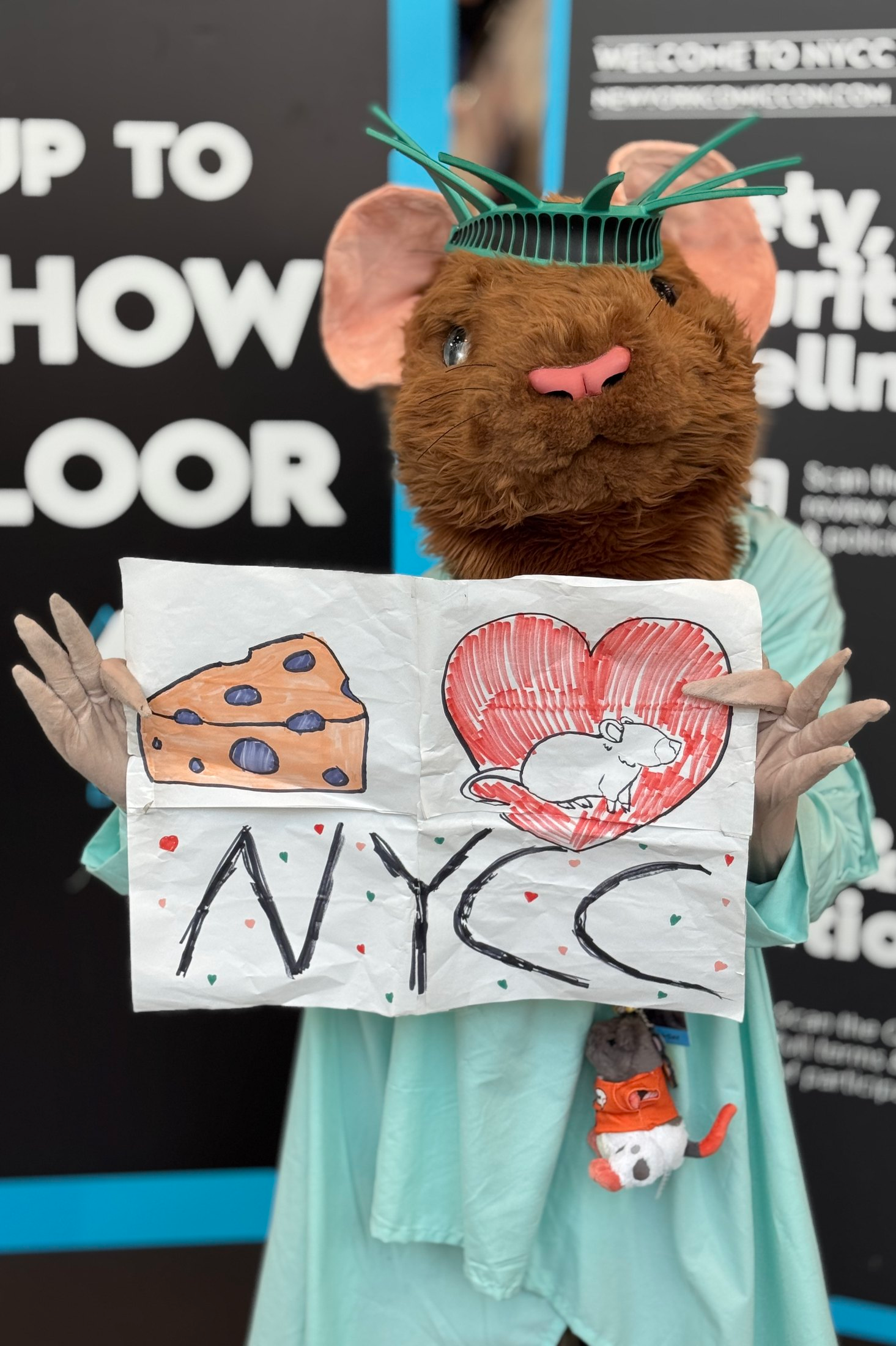
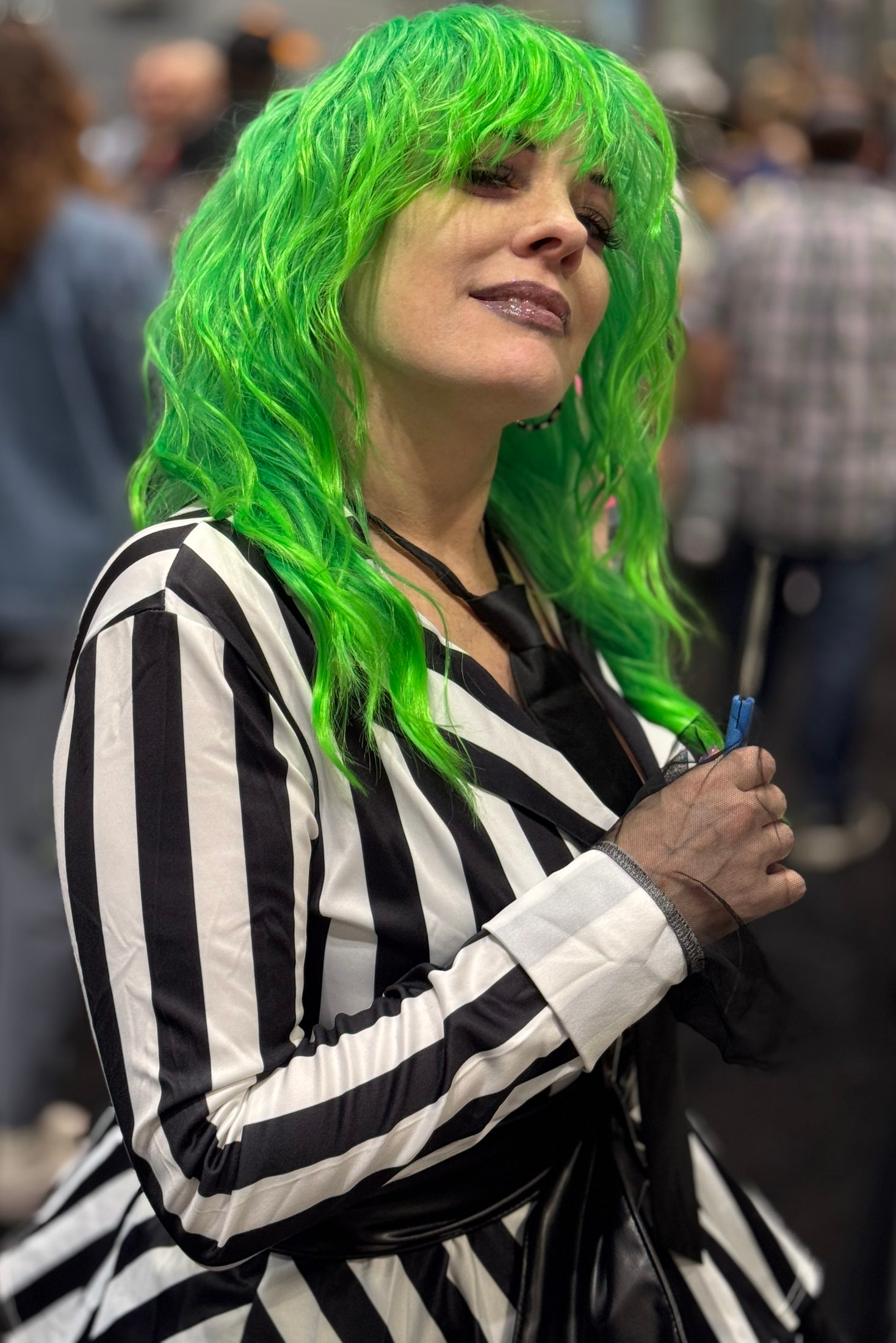
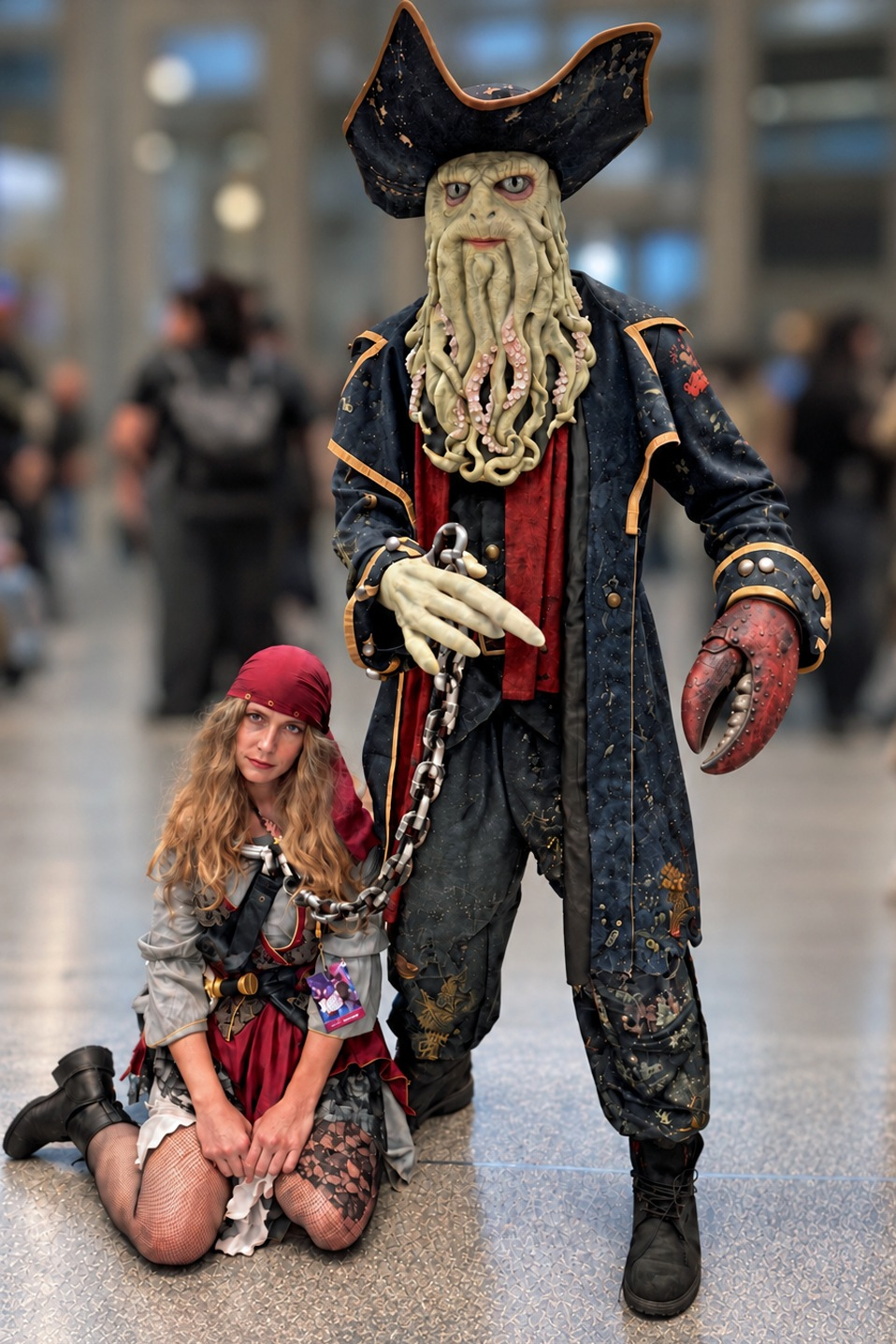
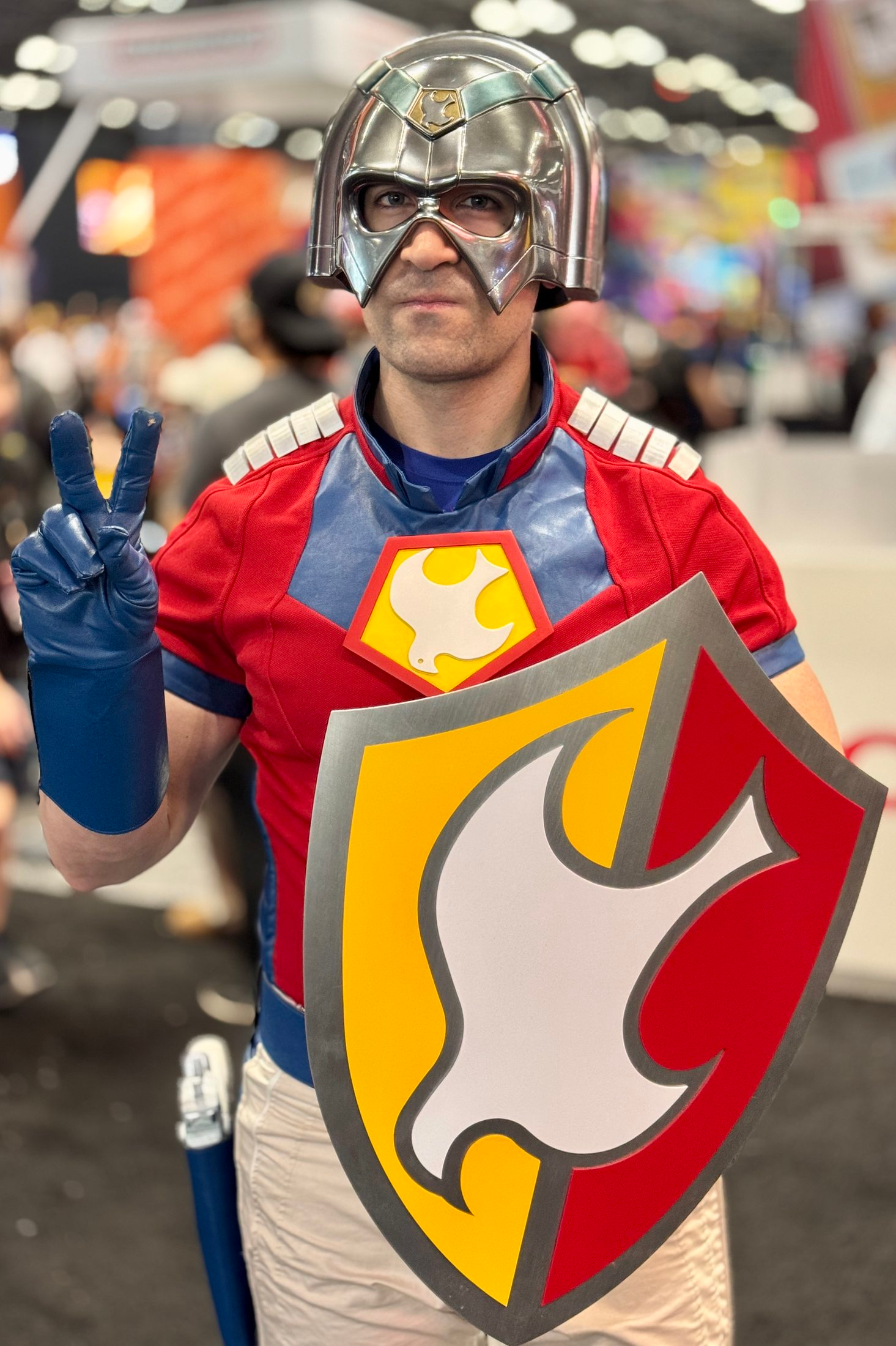
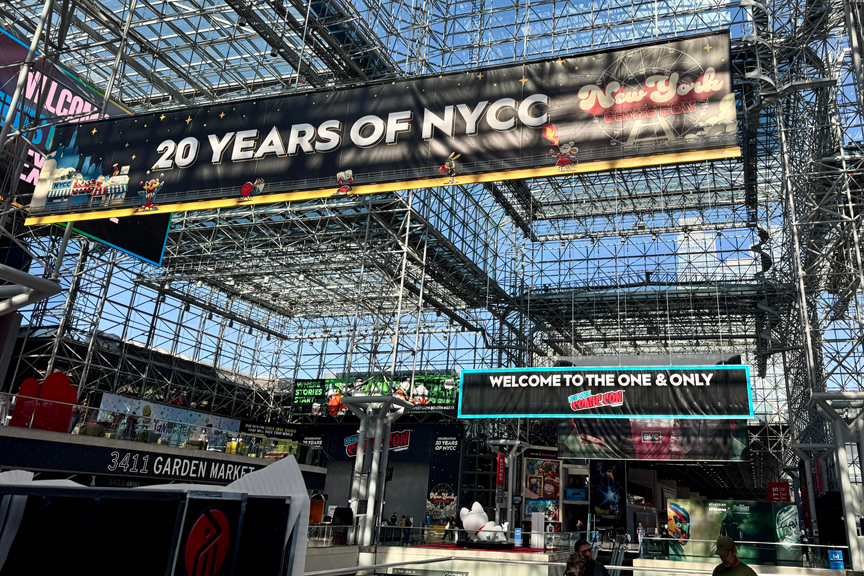
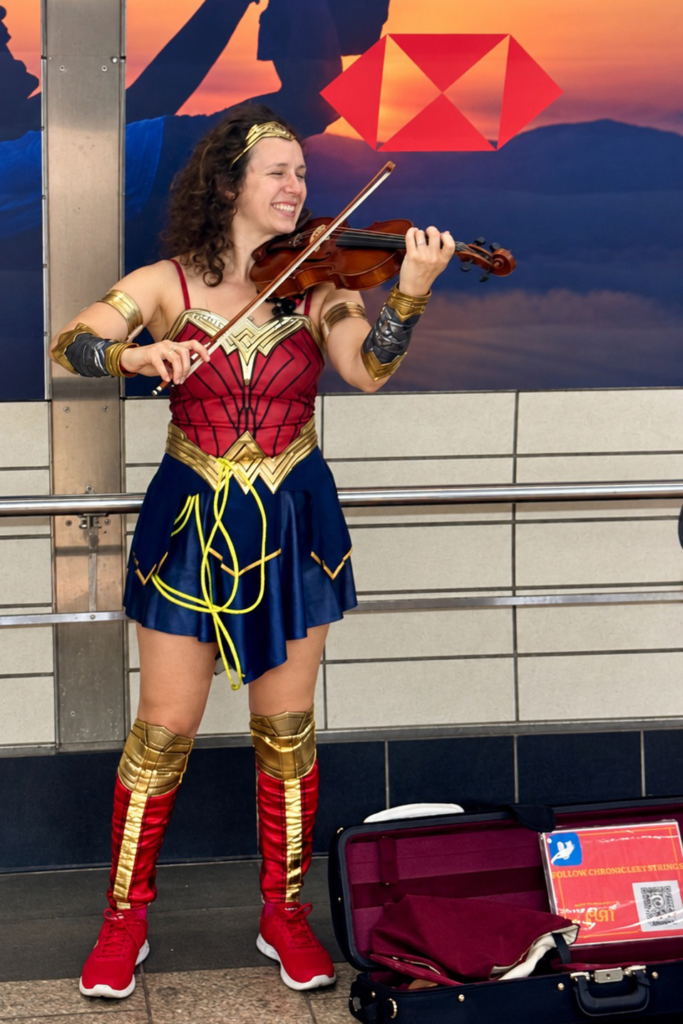
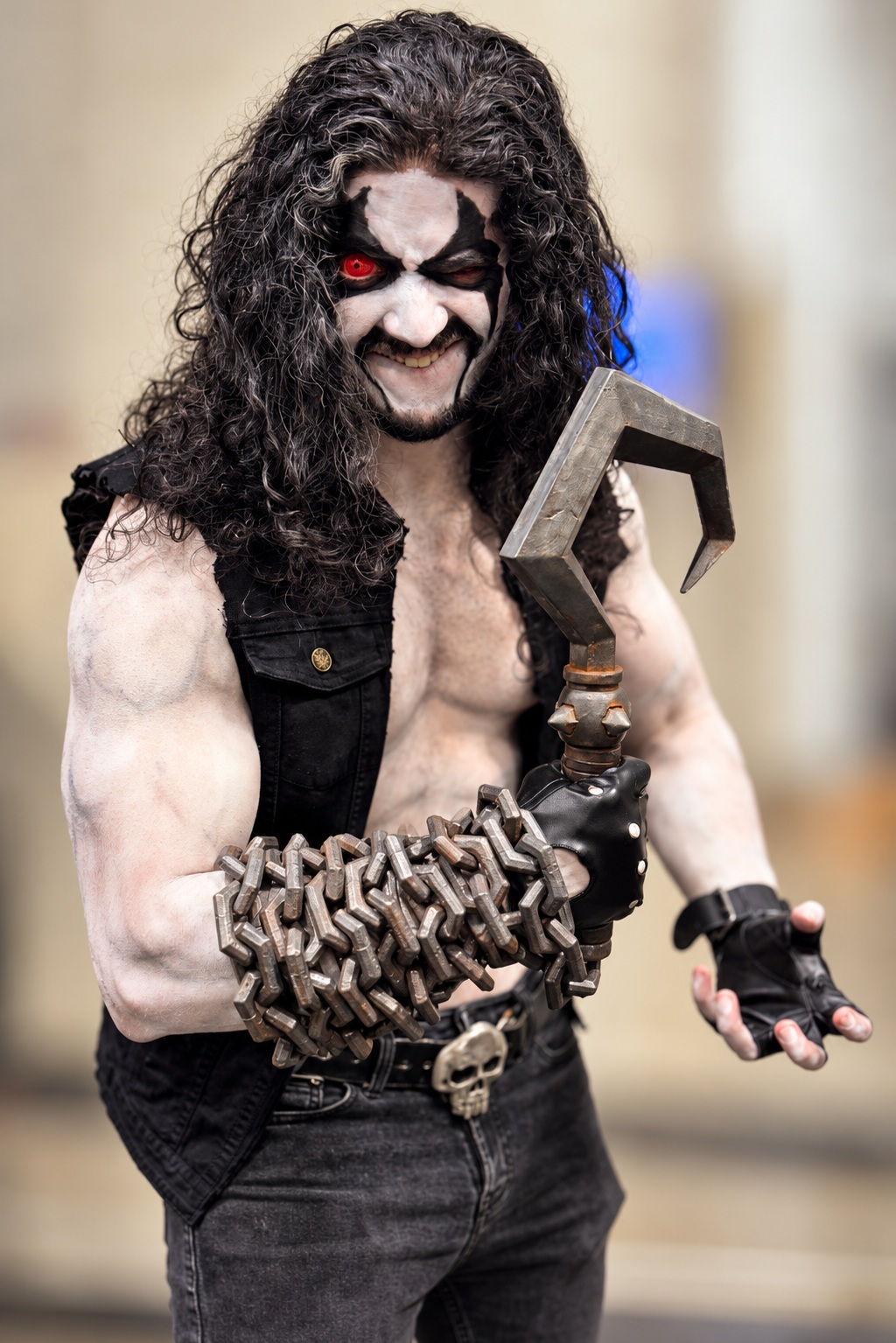
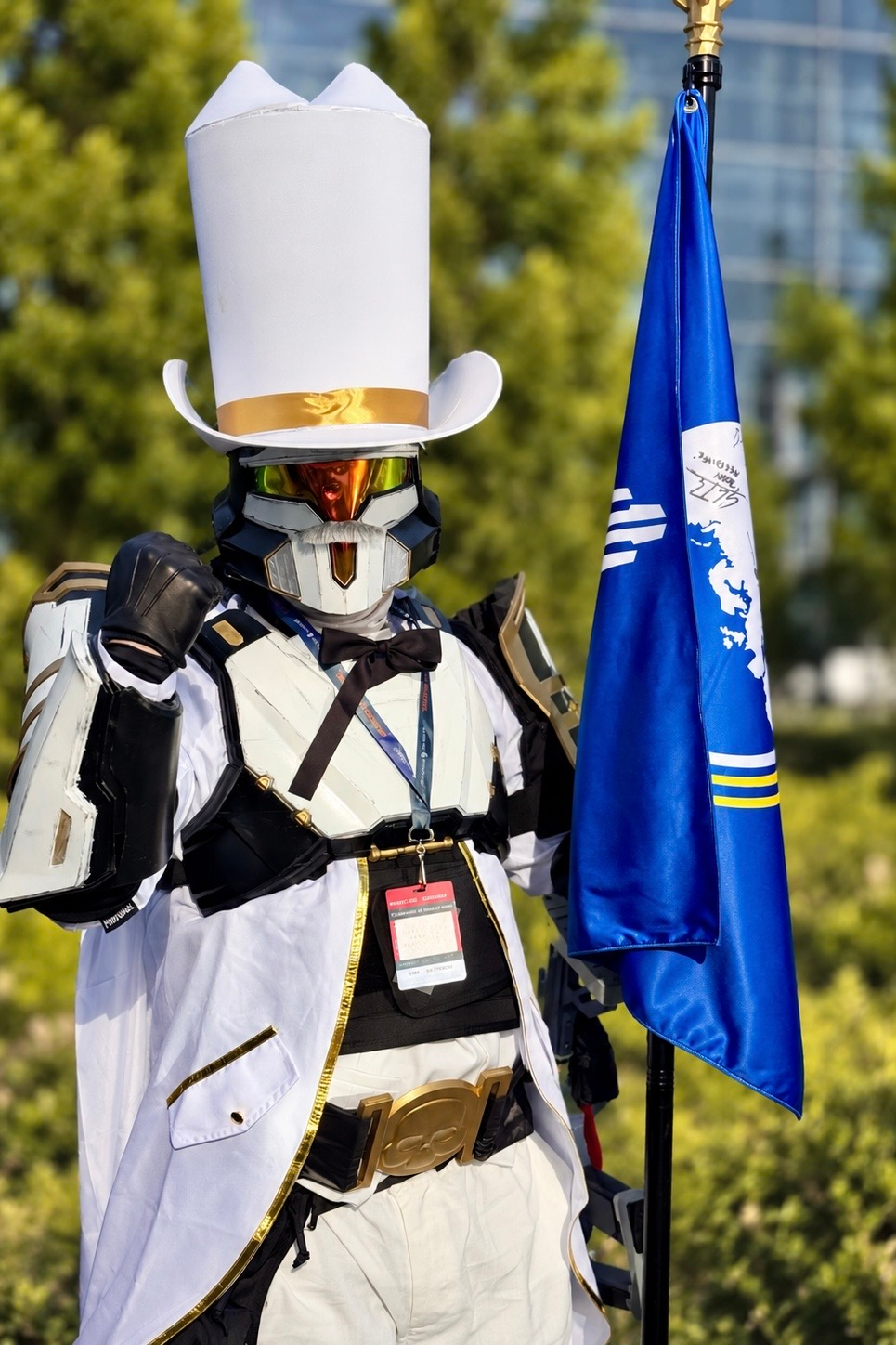
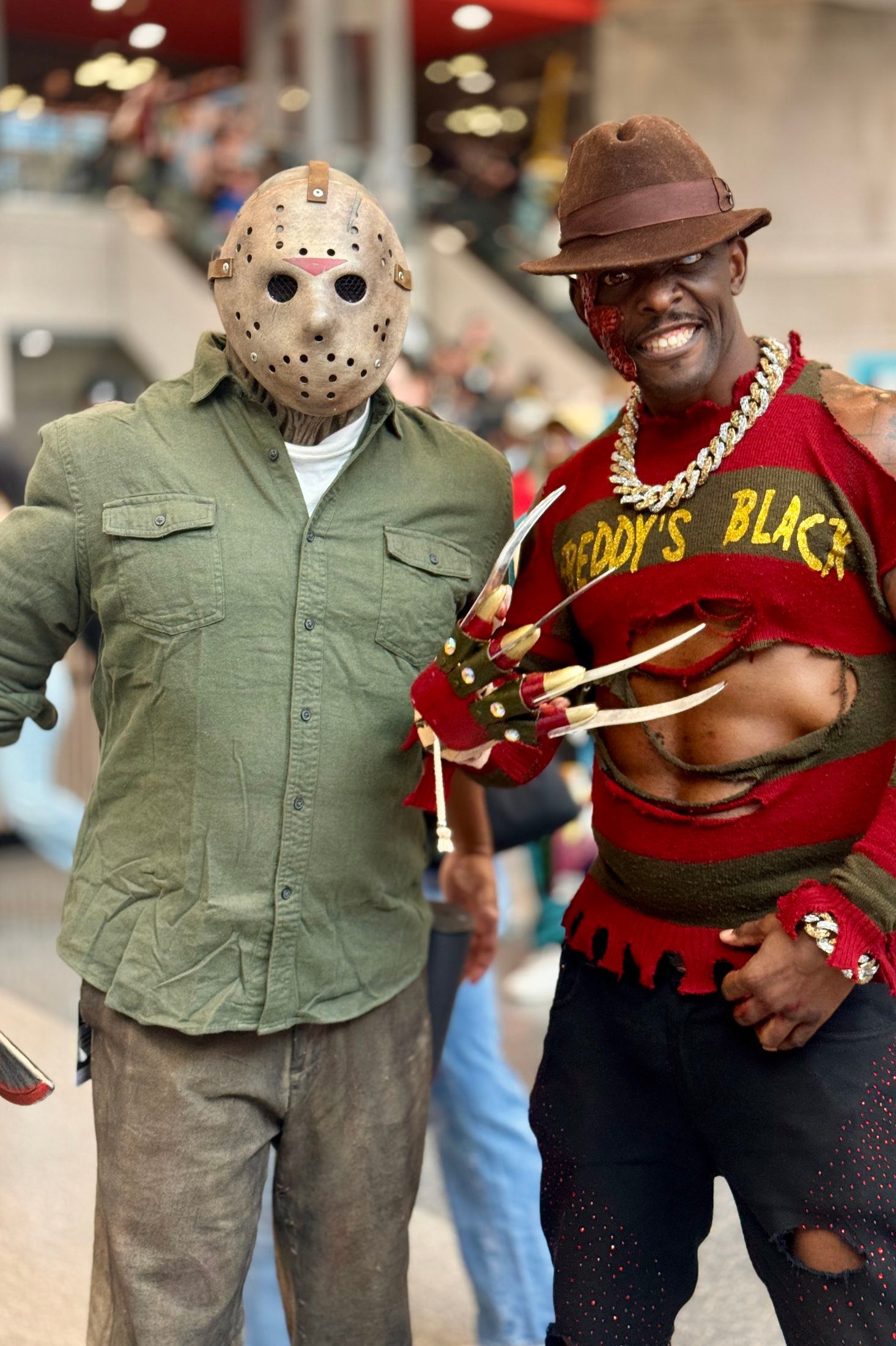
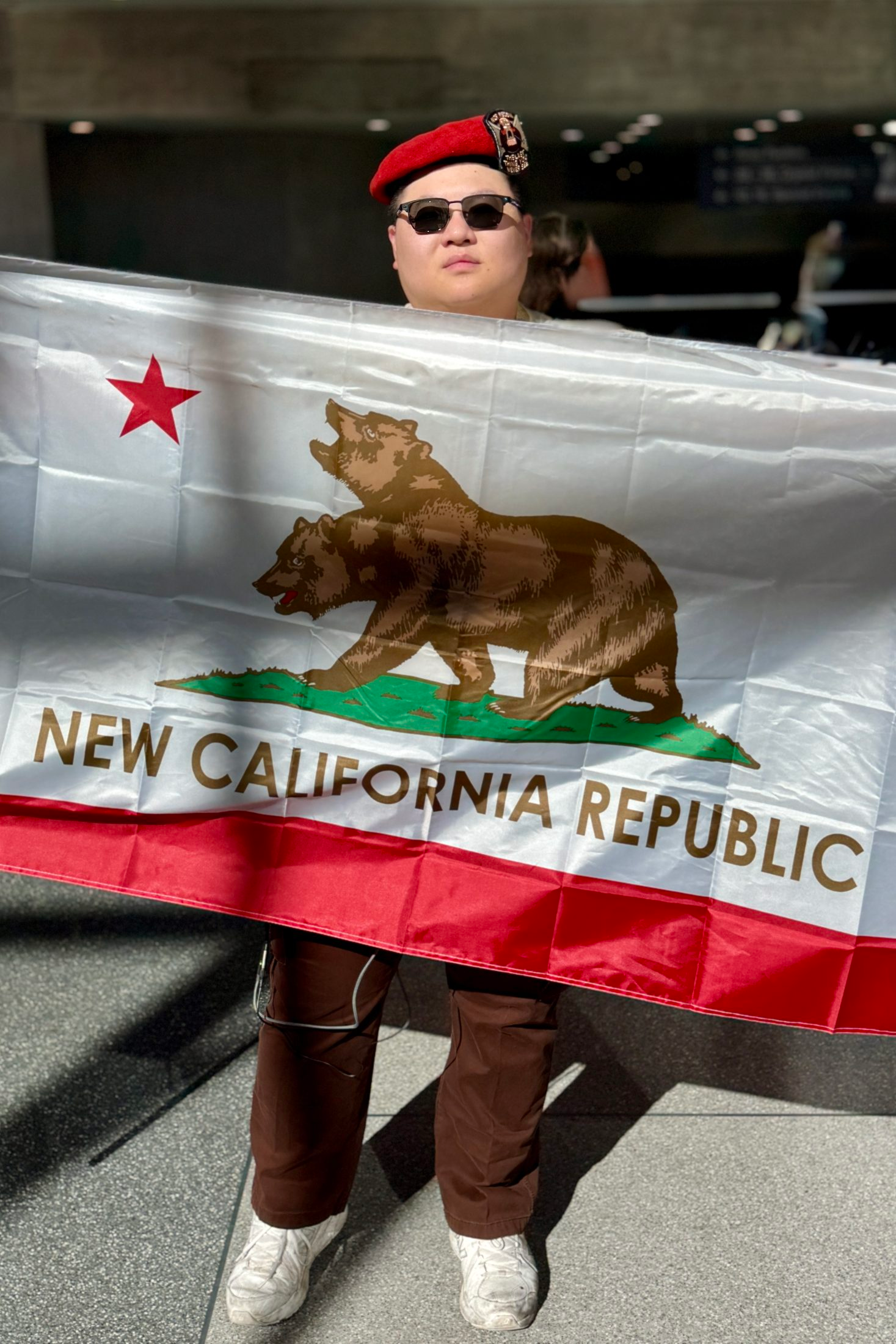
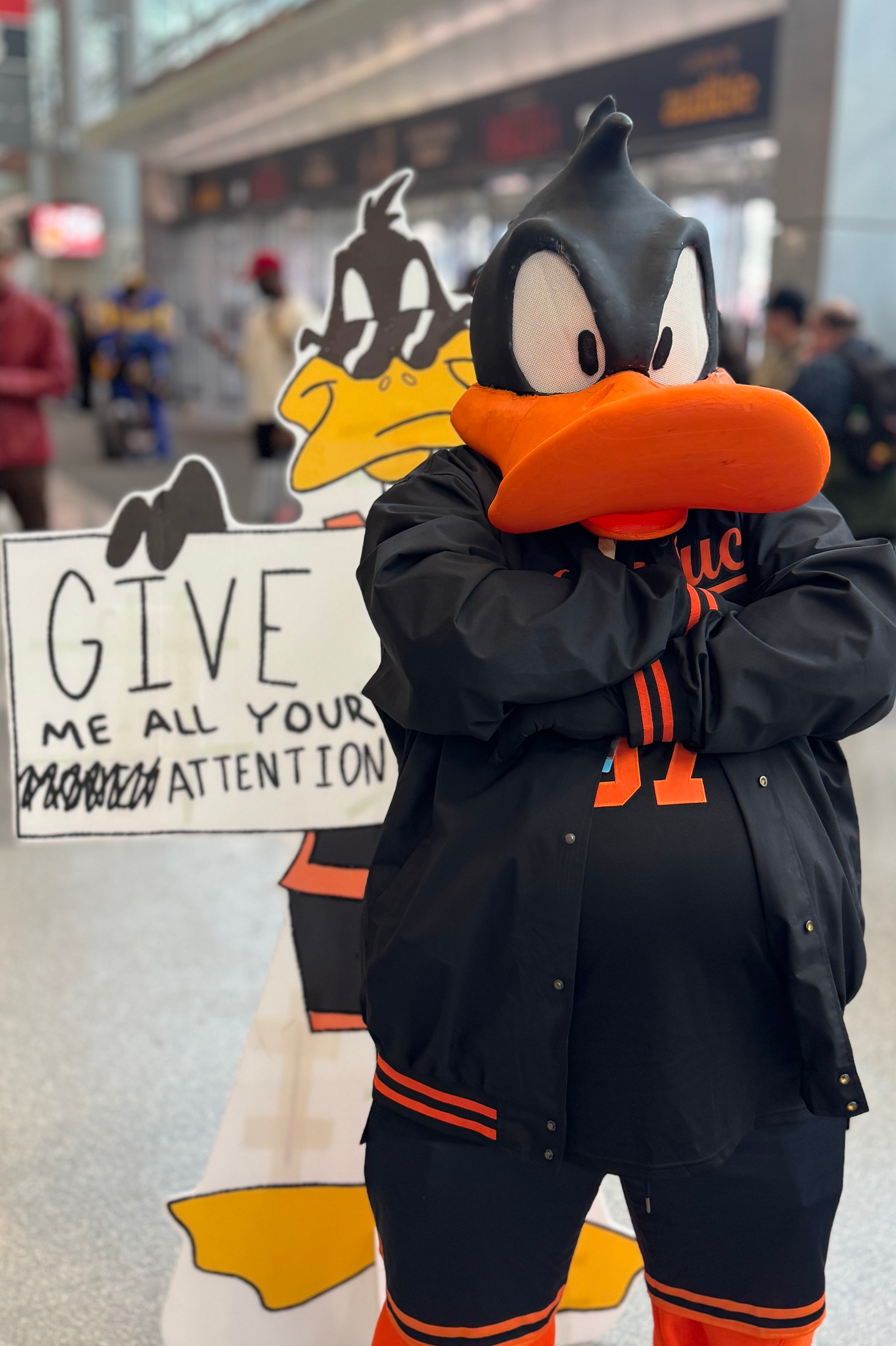
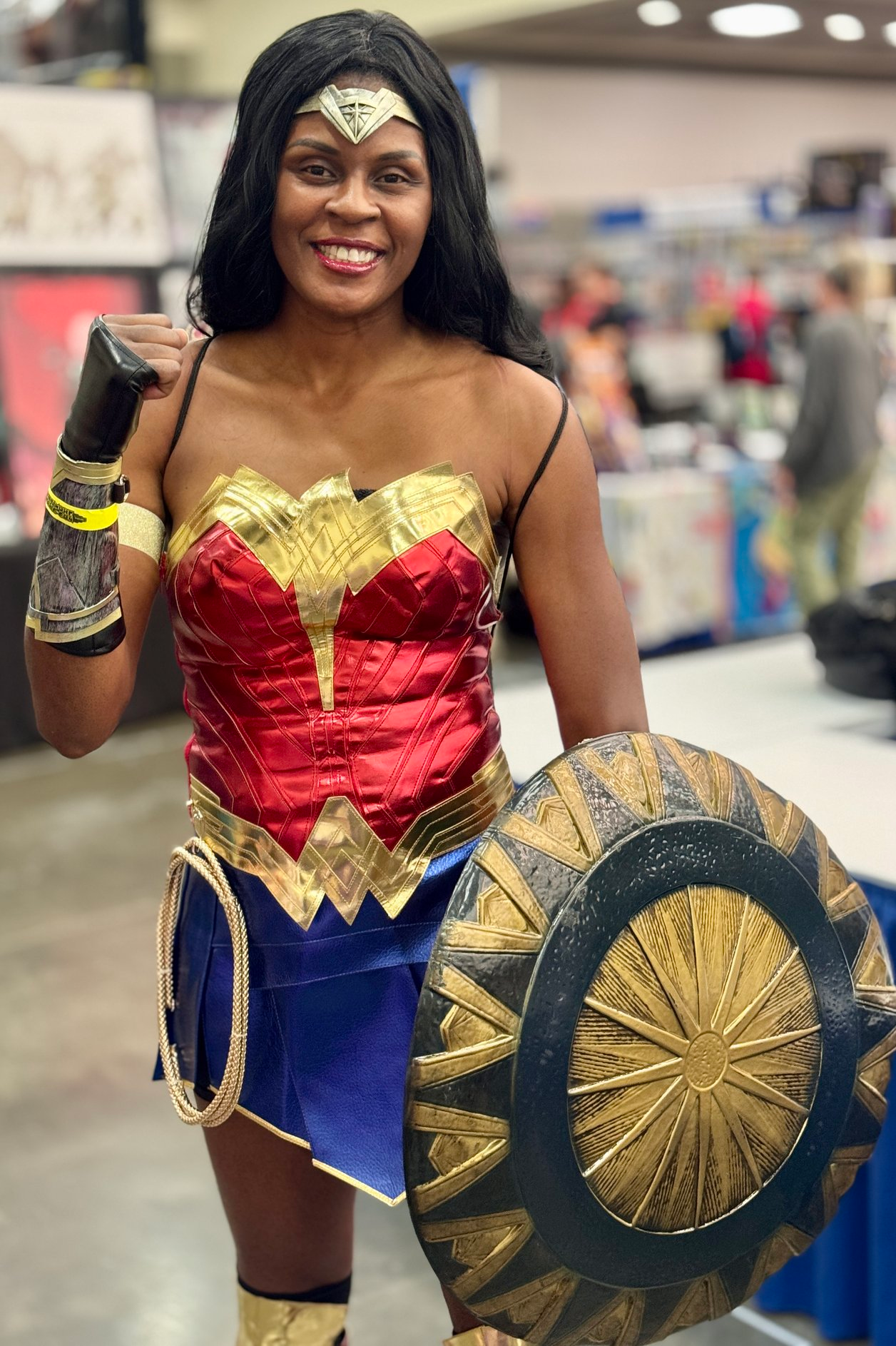
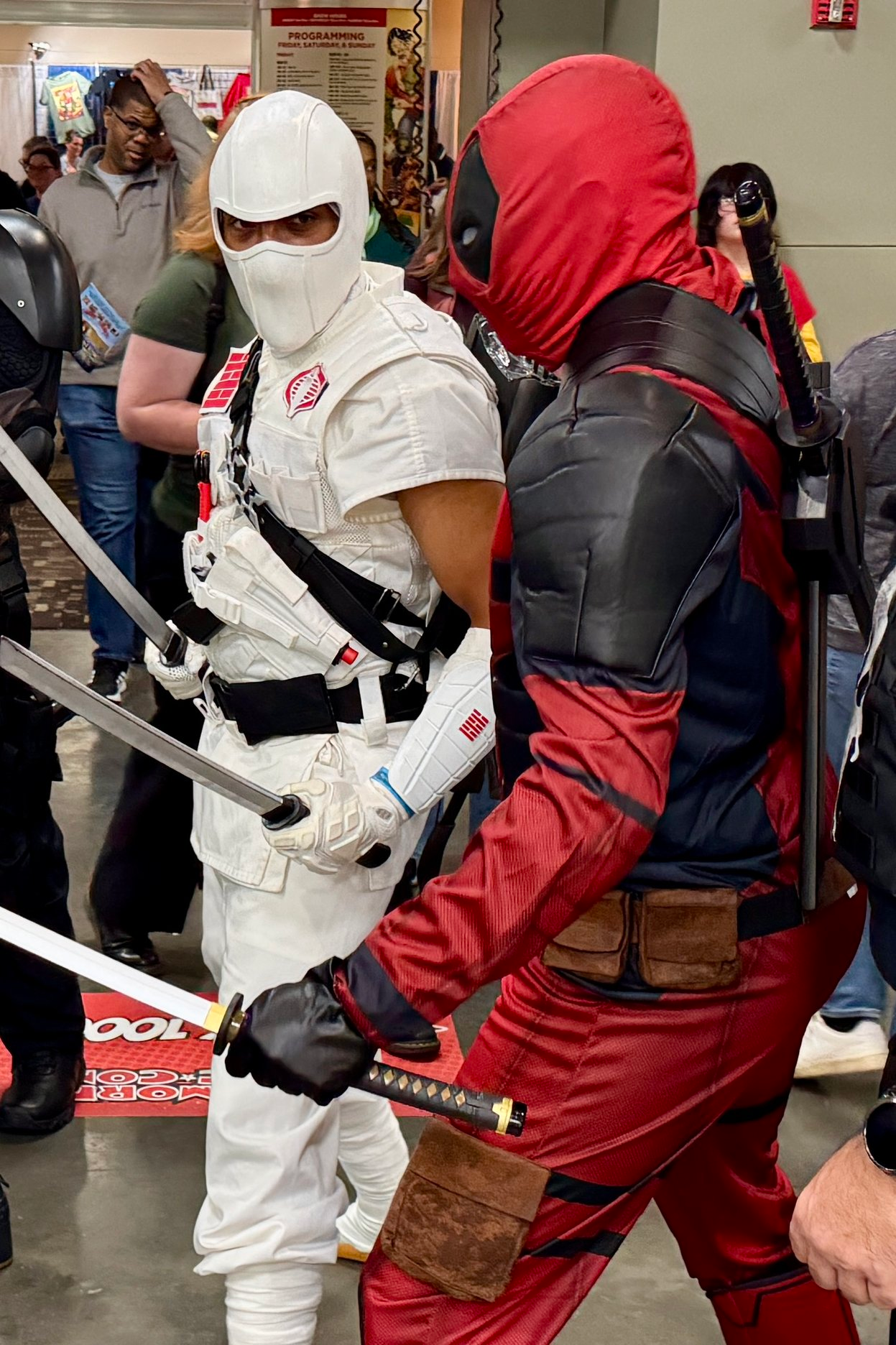
Time for one last New York Comic Con update before we roll into the next convention season.
This fall marks 55 years since my first comic book—or any kind of pop culture—convention. So if I look tired… well, I have good reason.
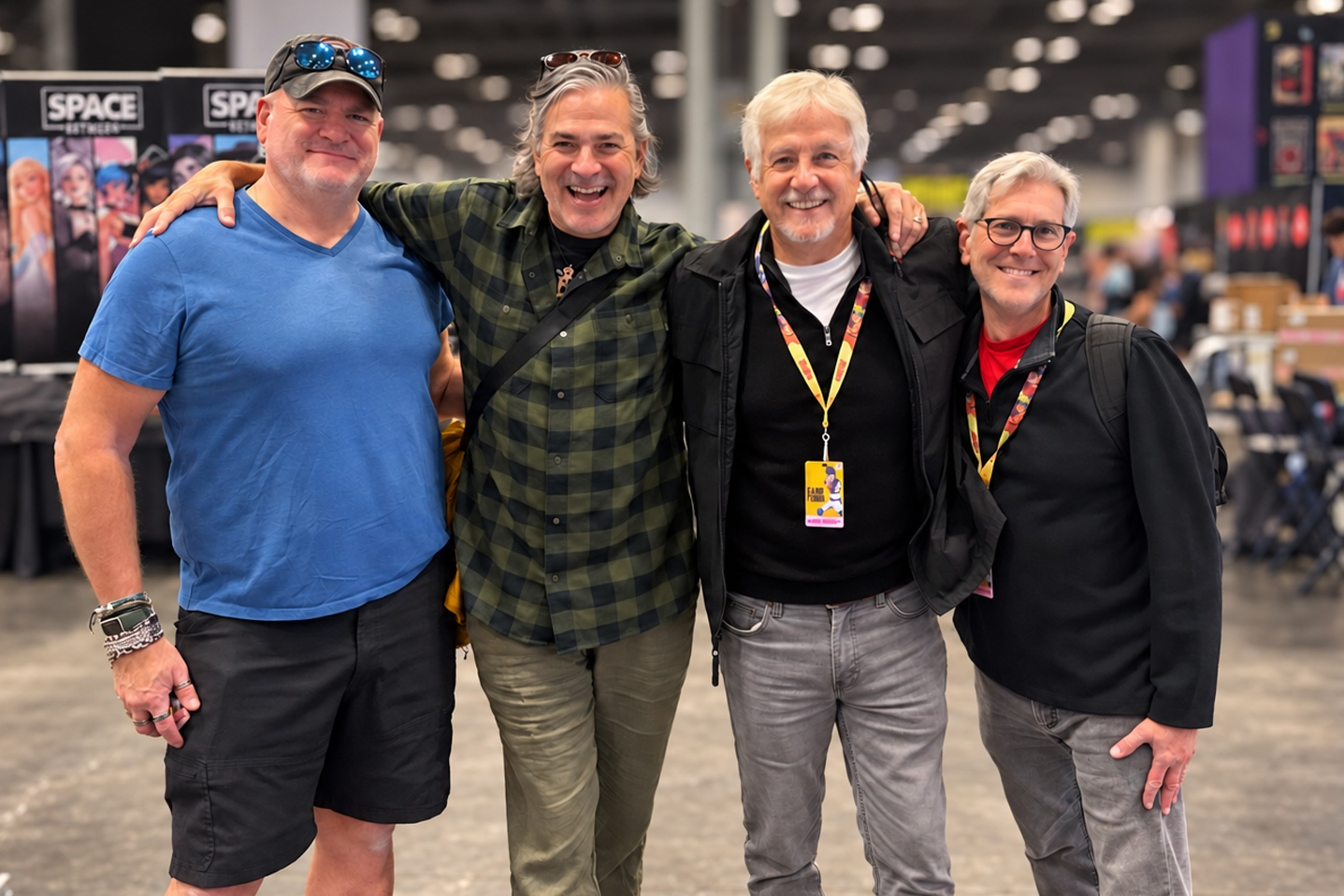
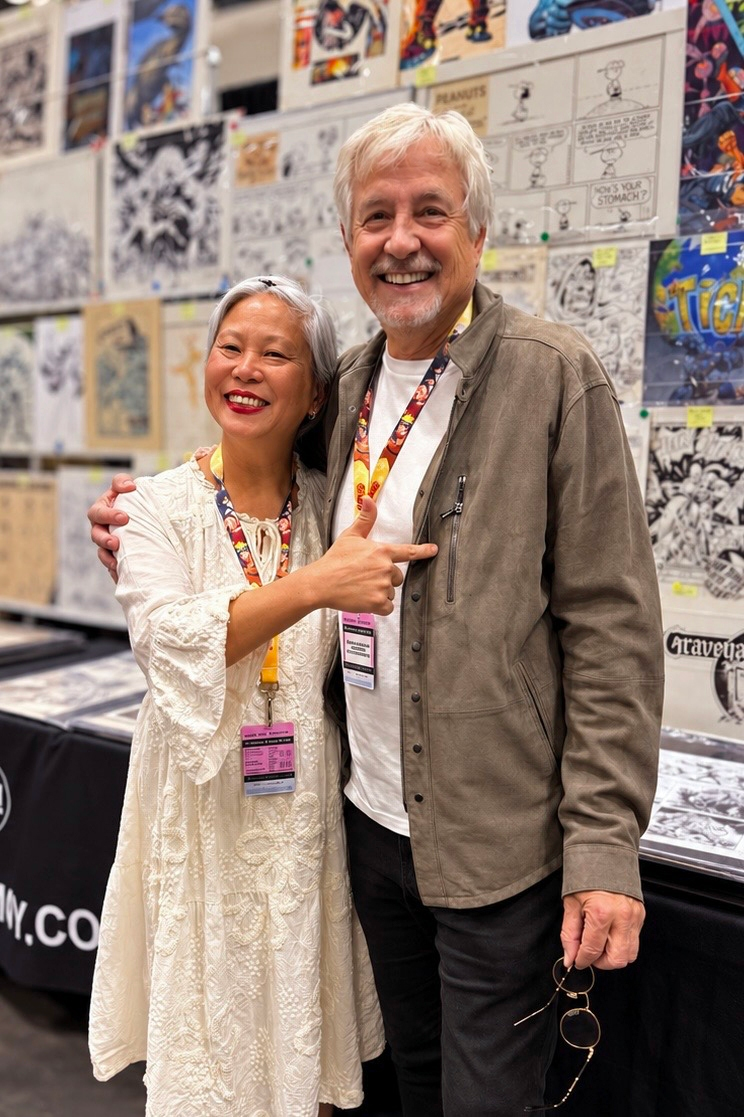
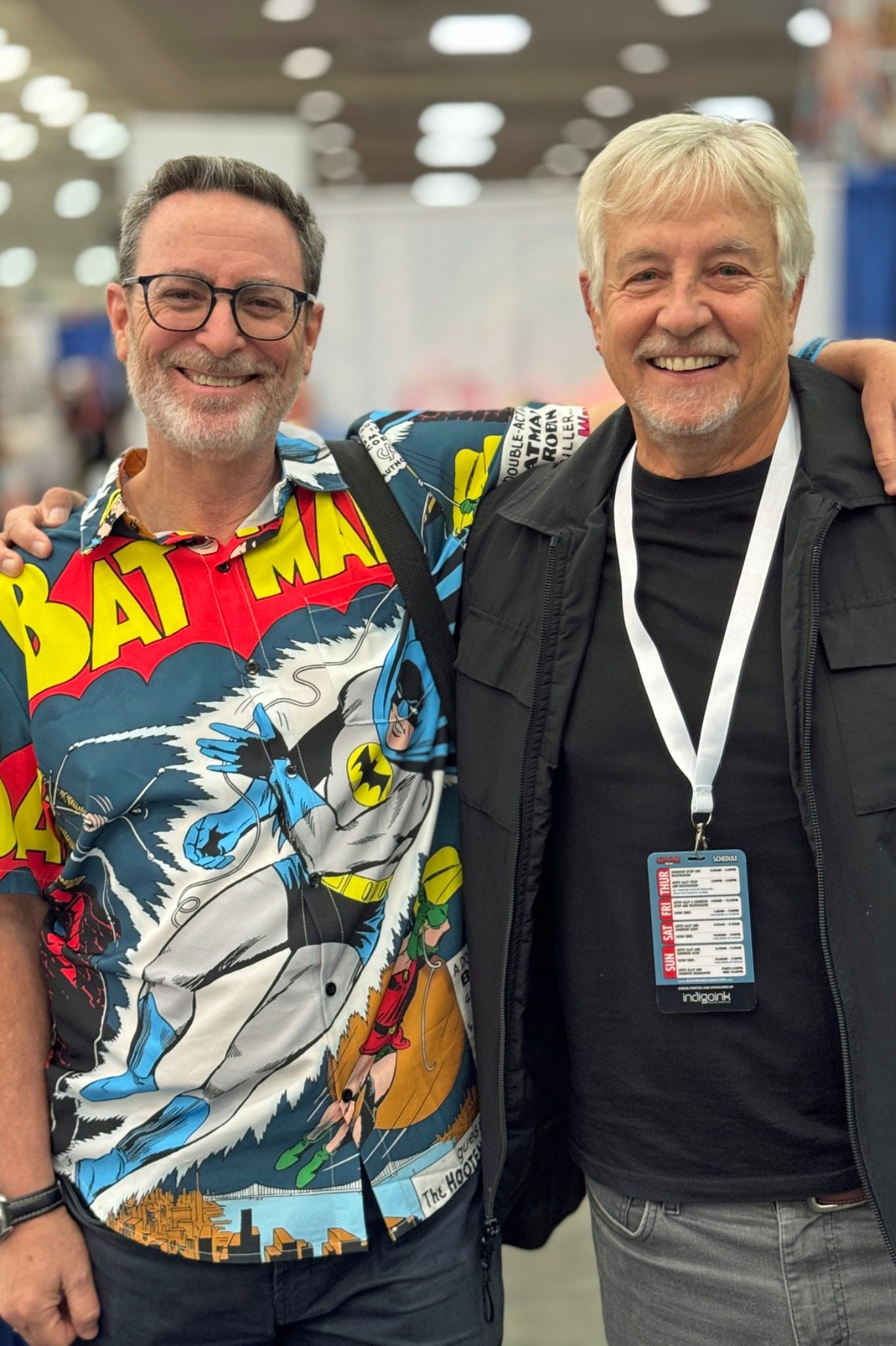
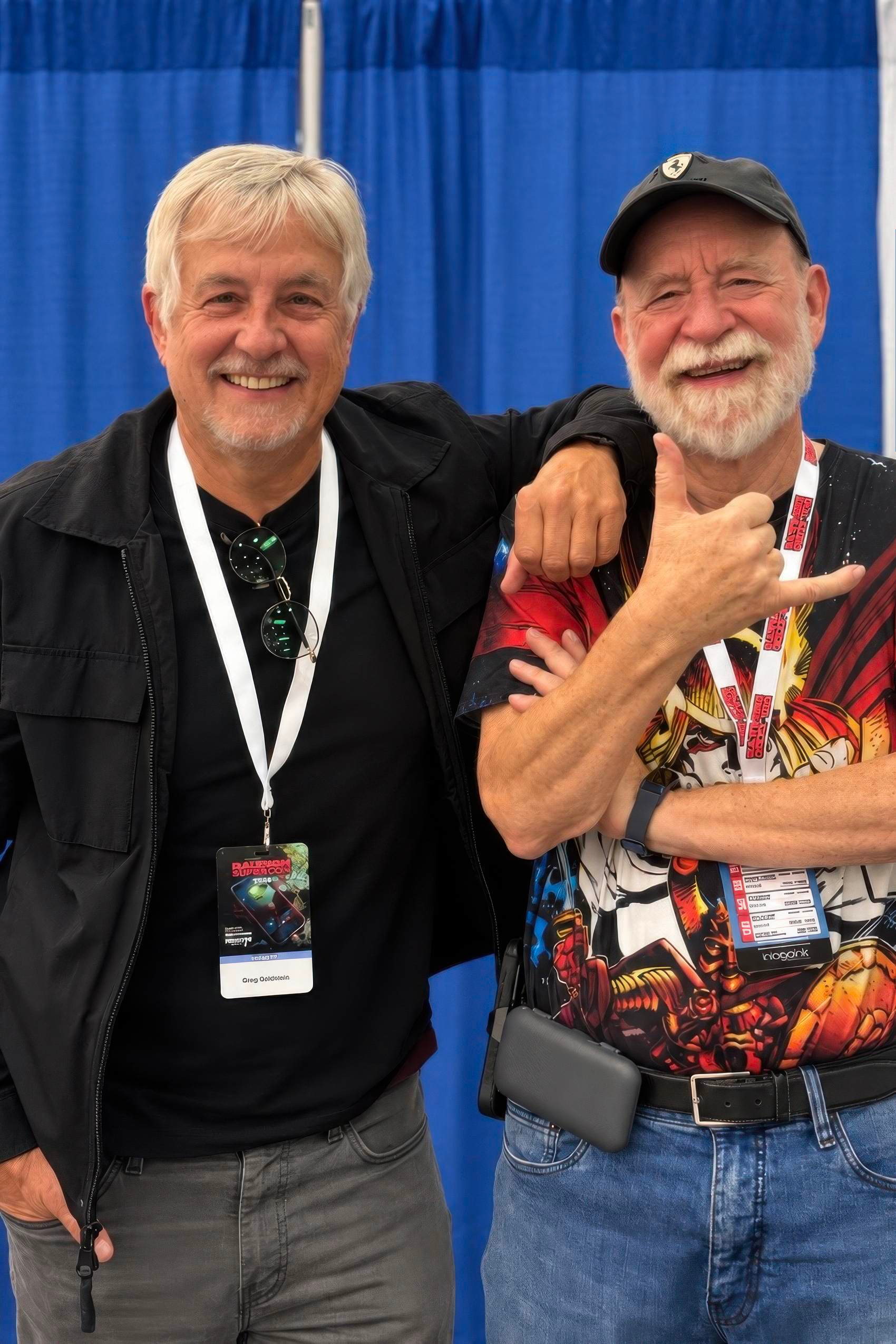
Happy to see so many old friends, but I wish I’d learn to get a few more photos with them before we all wander off in different directions.
Well, it’s good to have goals.
And why, you ask, is Jamie Moy (Albert Moy’s spouse) pointing to my zipped jacket pocket? I’m glad you asked. Because, for once, I had my wallet secured—something she’s been relentlessly reminding me about for a few years.
That zipper isn’t easy to open. But if I were really smart, I’d put the wallet in, sew the pocket shut, and save a lot of money.
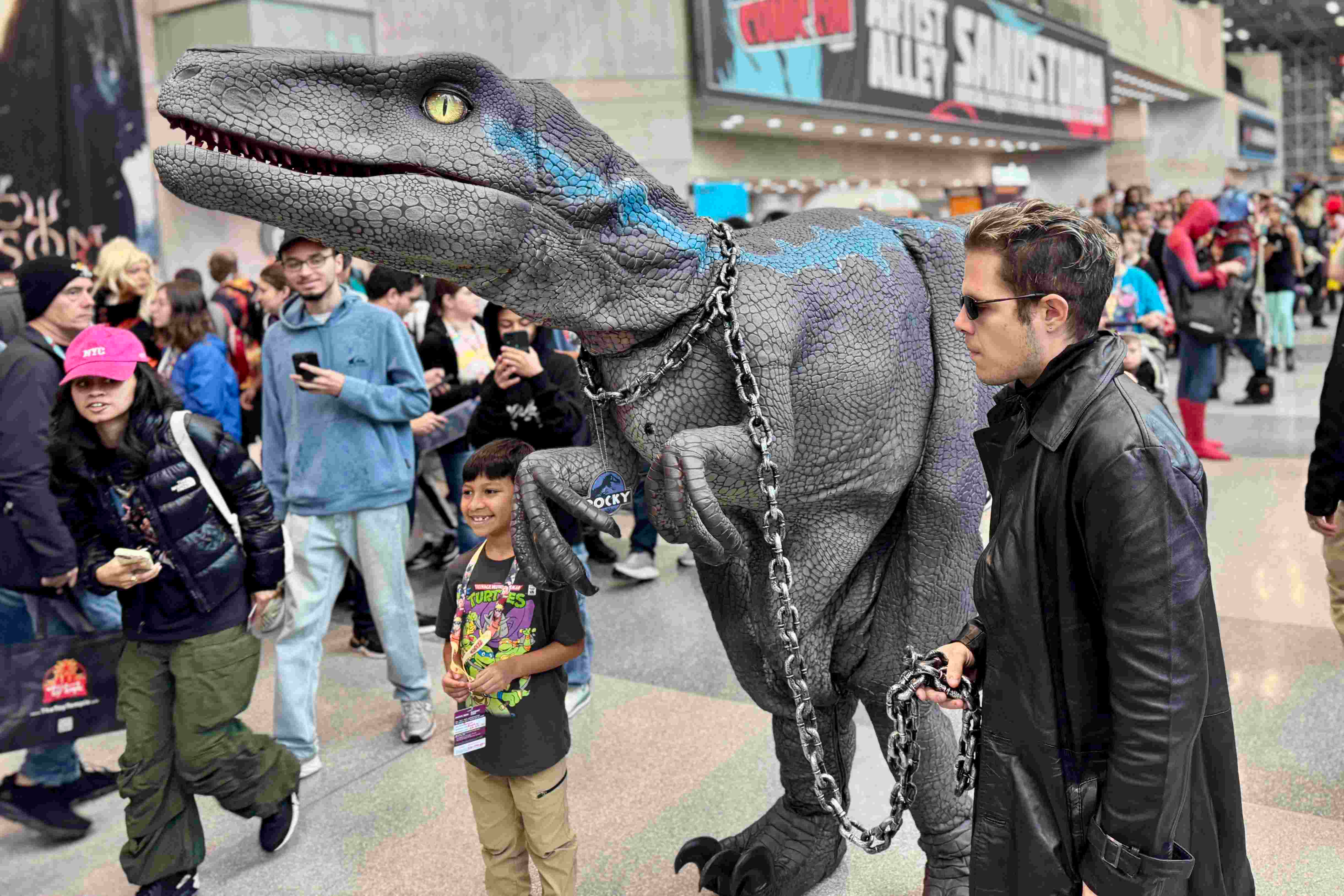
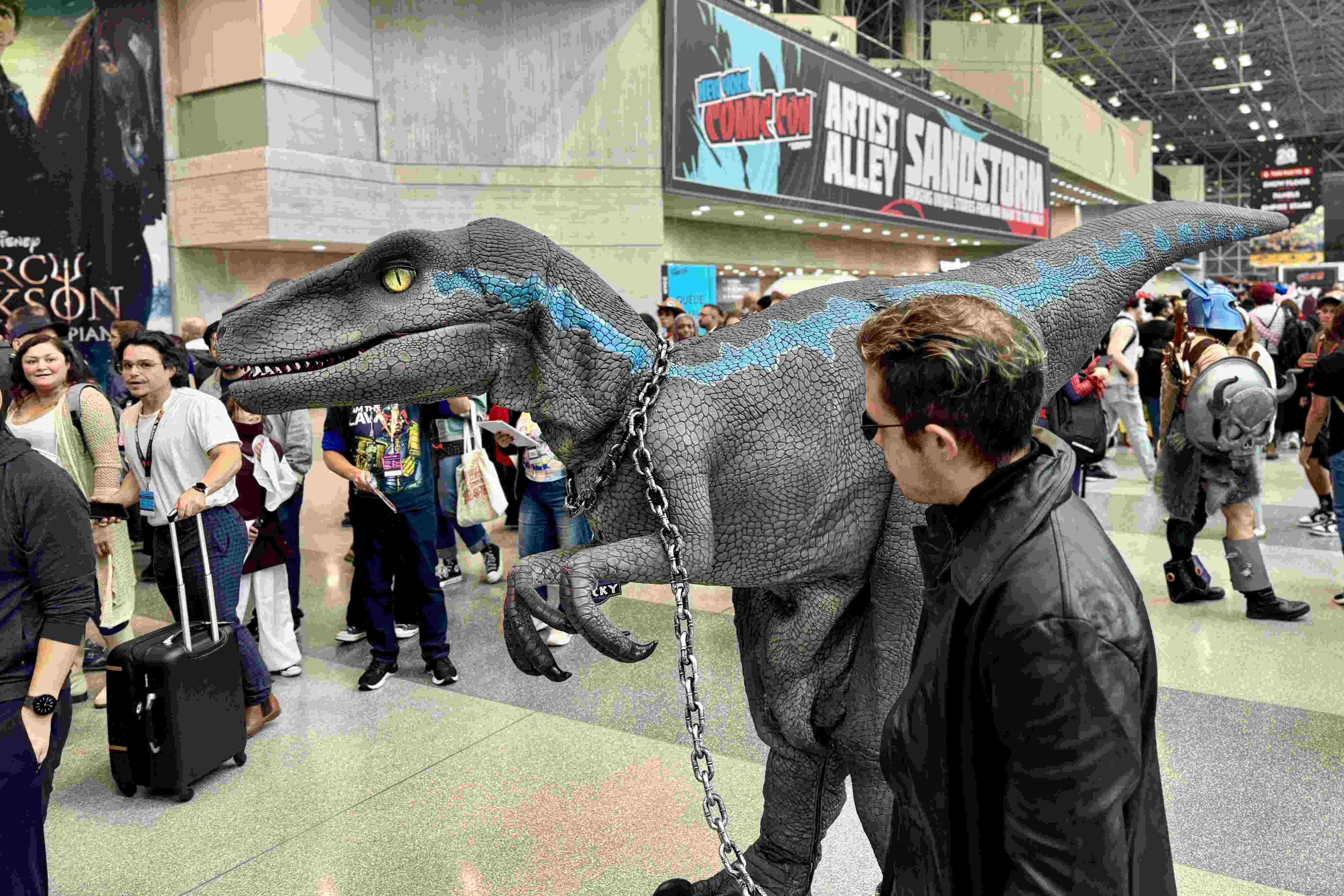
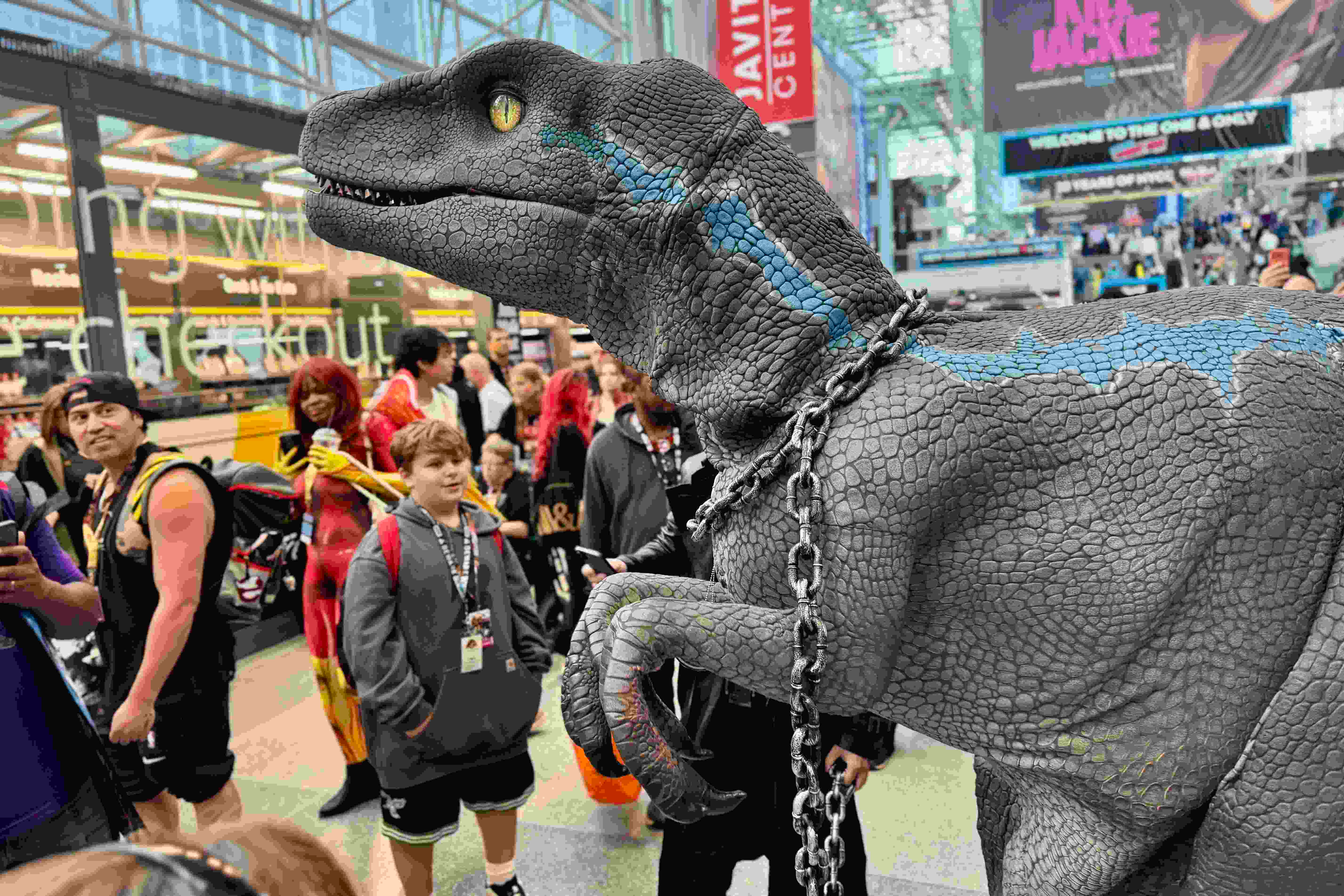
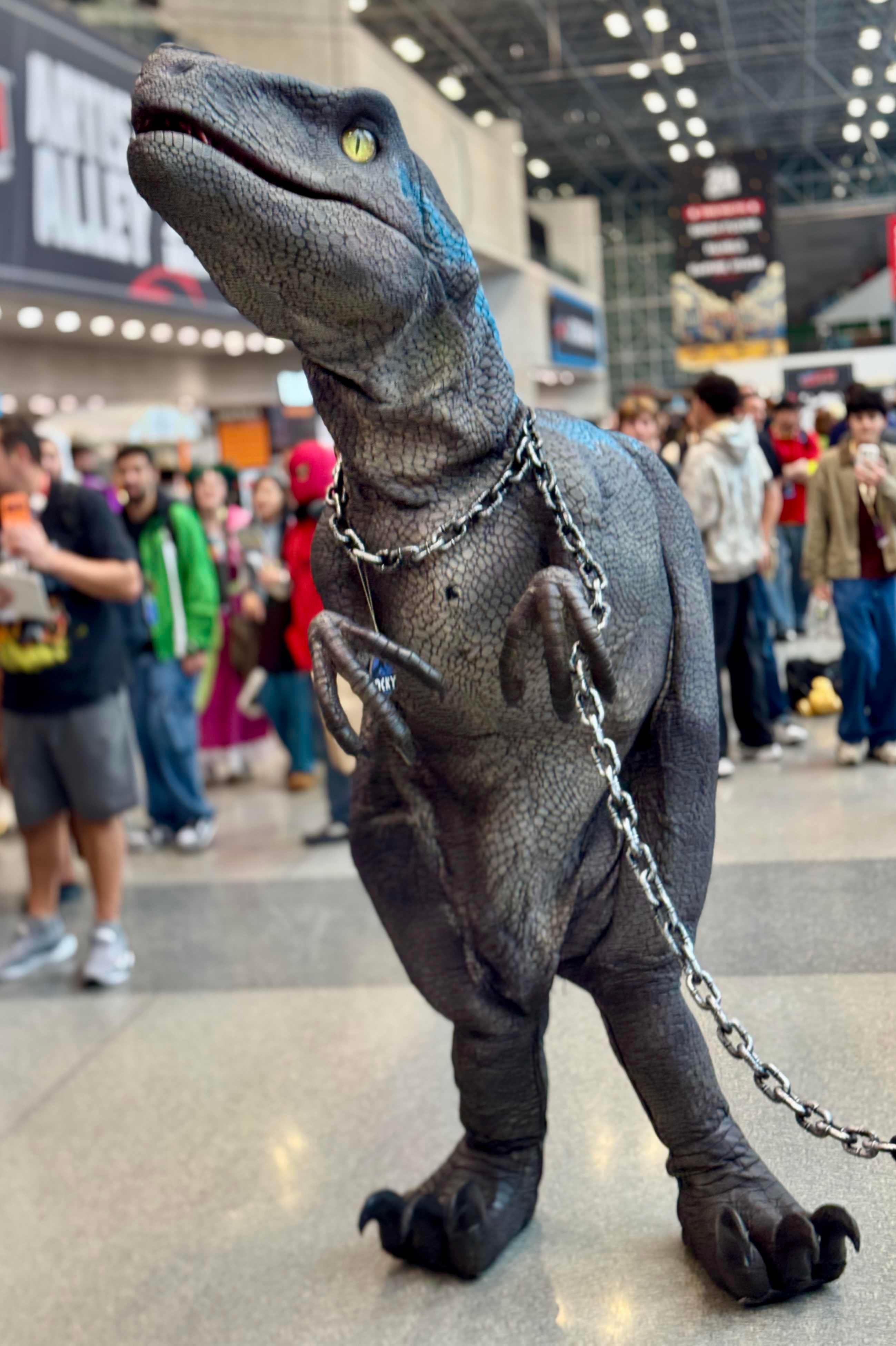
I’d call this a “realistic” dinosaur, but how would I actually know without a time machine?
Its tail hit me in the head a few times, so that’s realistic enough for me.
It looks like Blue from Jurassic World, although its name tag says “Rocky.” Maybe Blue is his stage name.
I never did figure out why its handler was dressed as if he’d wandered out of The Matrix. Maybe it relates to the most recent Jurassic World film, which I skipped. Come to think of it, it could relate to one of the previous films. Those weren’t just terrible; they weren’t memorable.
Or maybe the guy just likes The Matrix and has a pet Velociraptor.
But, as always, I digress.
One of the best things about this encounter was how many people barely gave the dinosaur a second glance. Then again, this was a comic book convention. In New York.
You’d be surprised how little attention a dinosaur attracts.
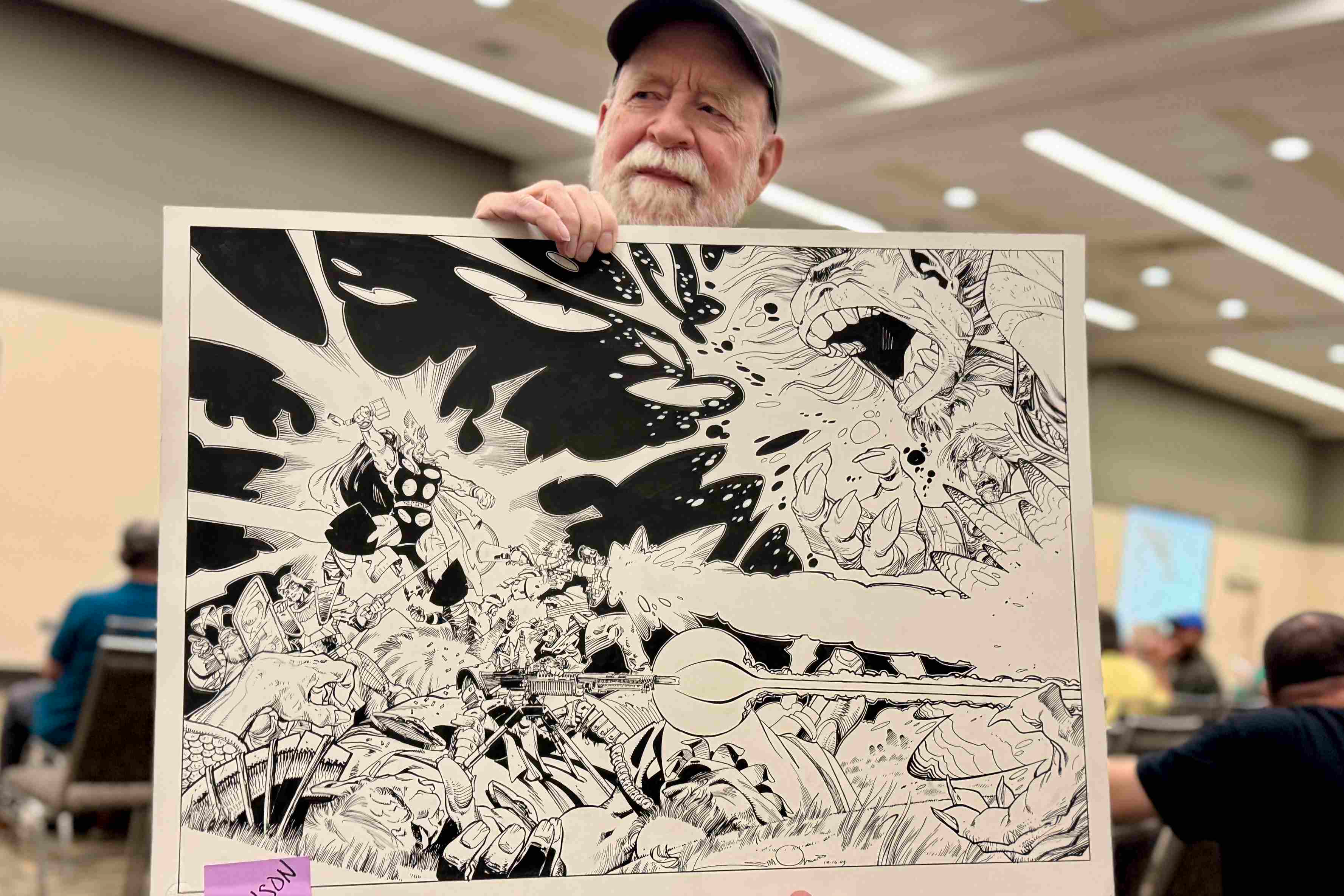
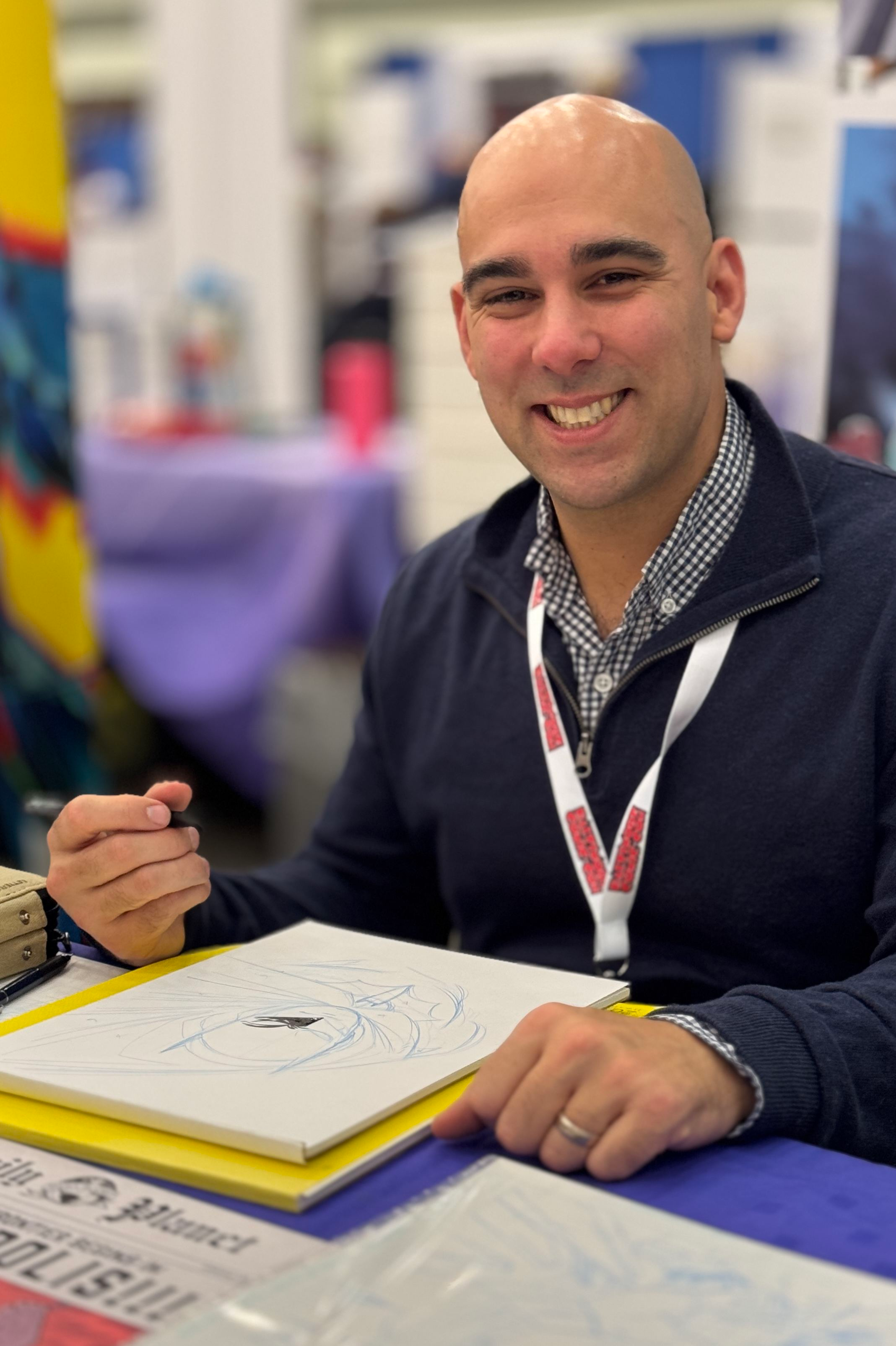
Walter Simonson with his HUGE oversized original Marvel Thor art, donated for the Hero Initiative Auction, moderated by Scott Dunbier. The Auction rased 100K for the charity, with Walter’s piece the big gun (literally) at 32K.My favorite convention of the year came and went much too quickly.
So much talent…
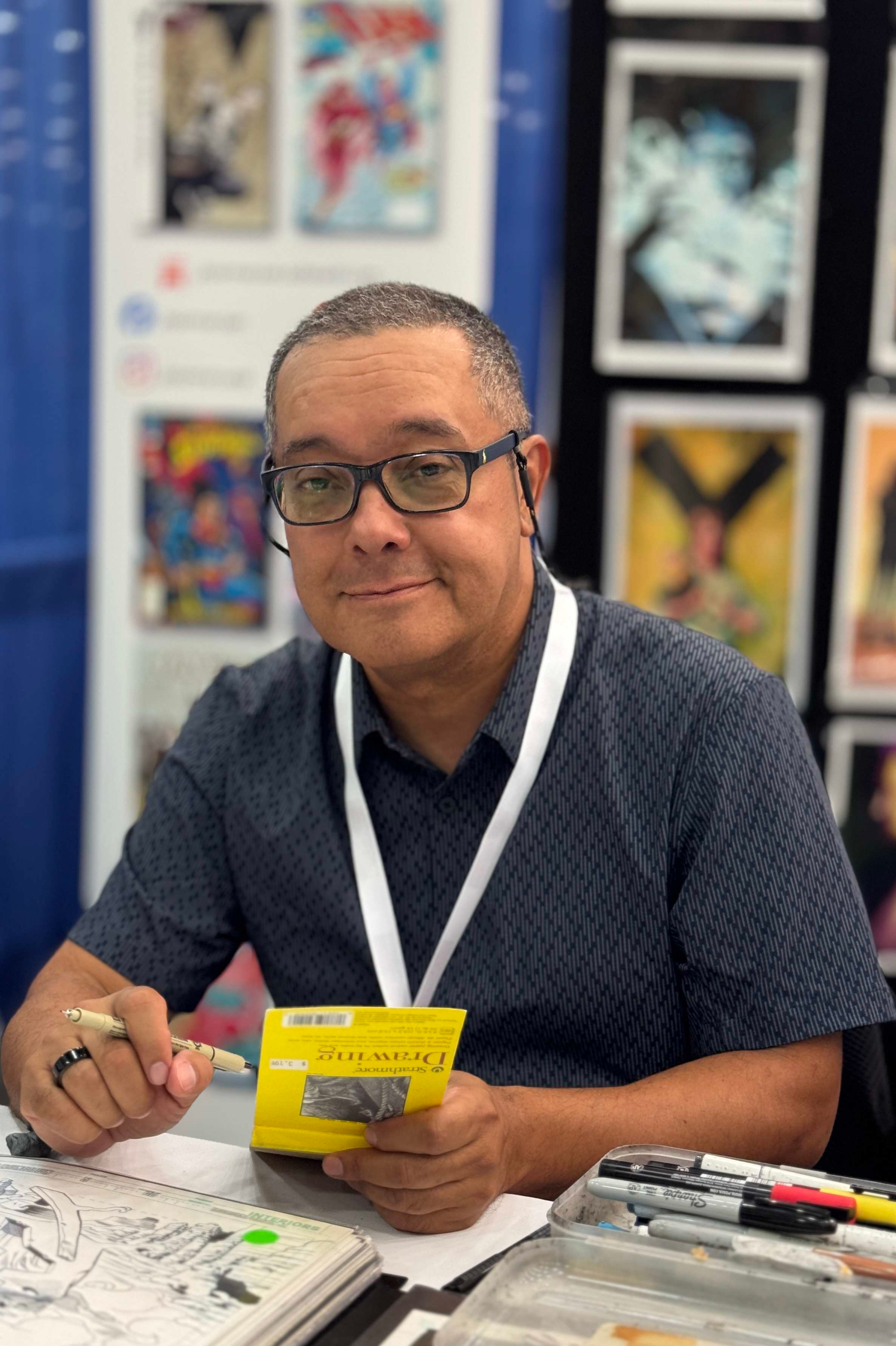
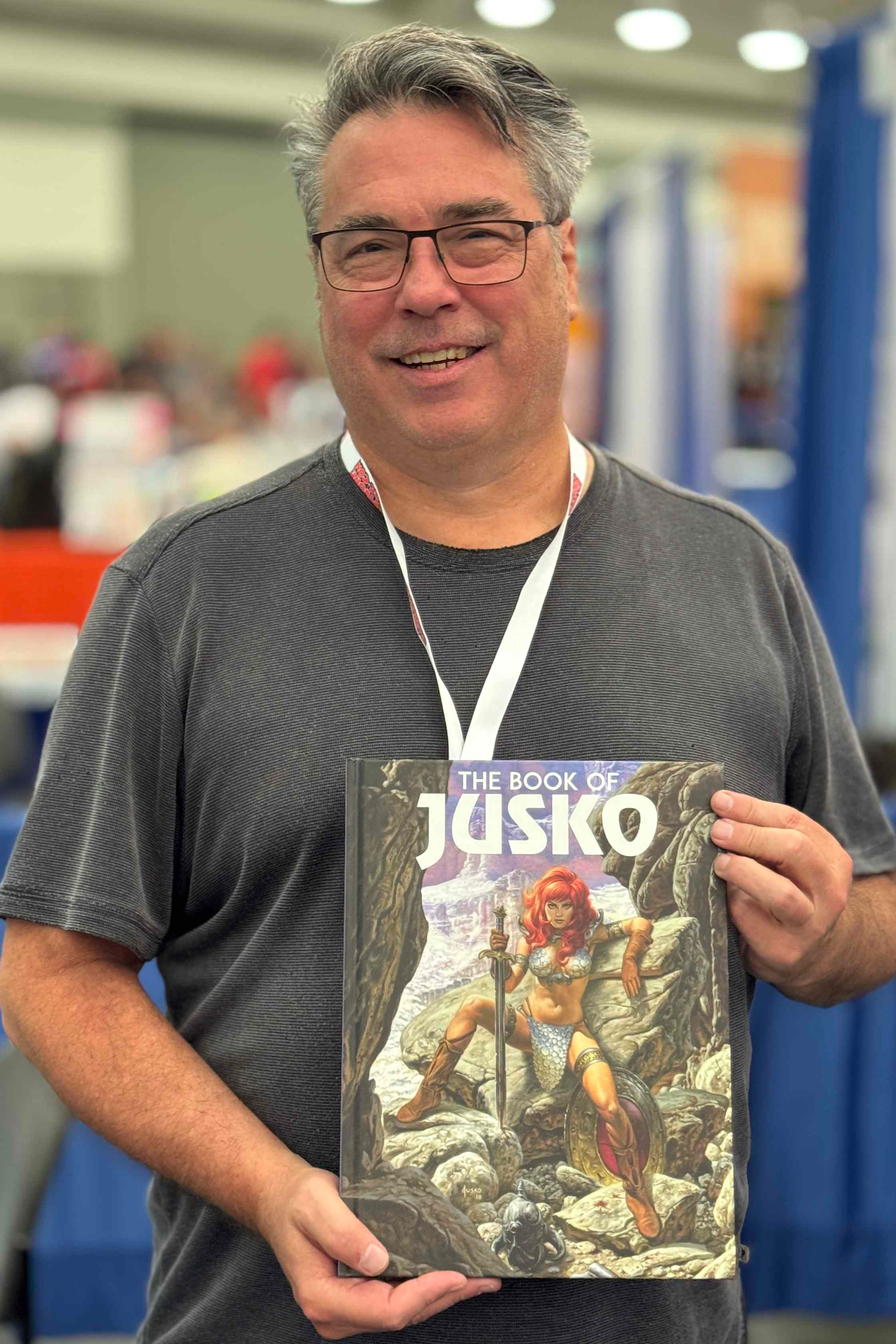
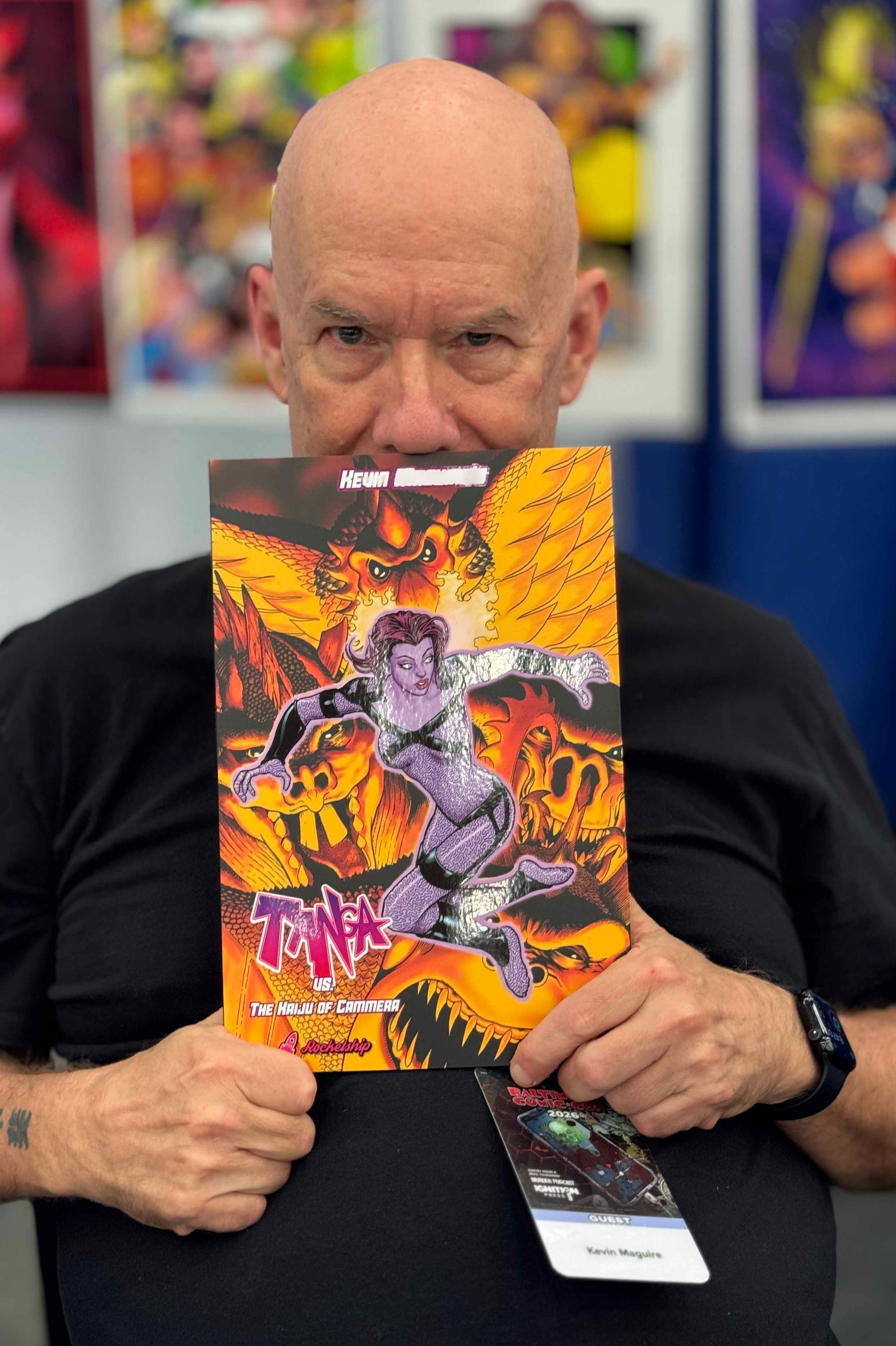
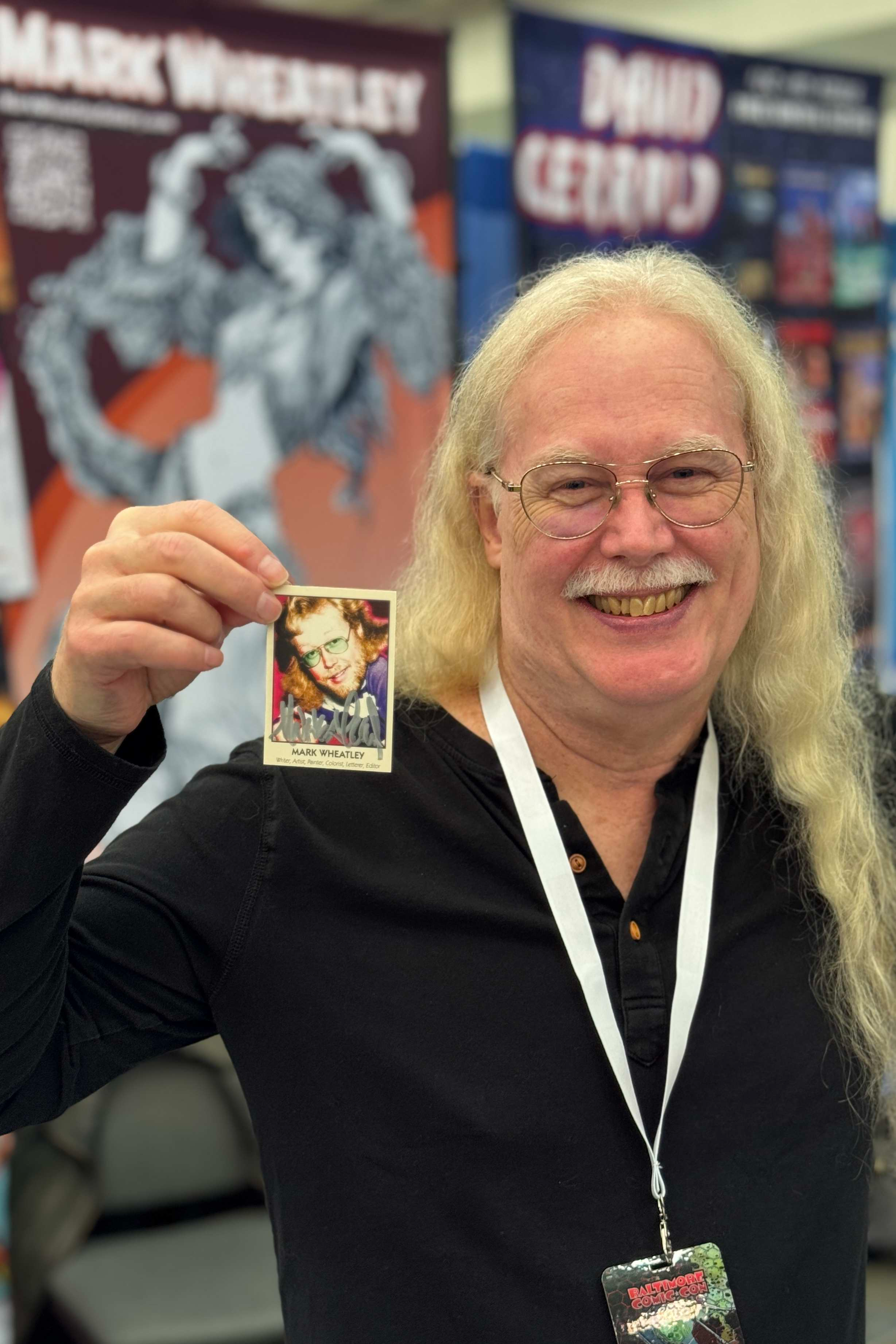
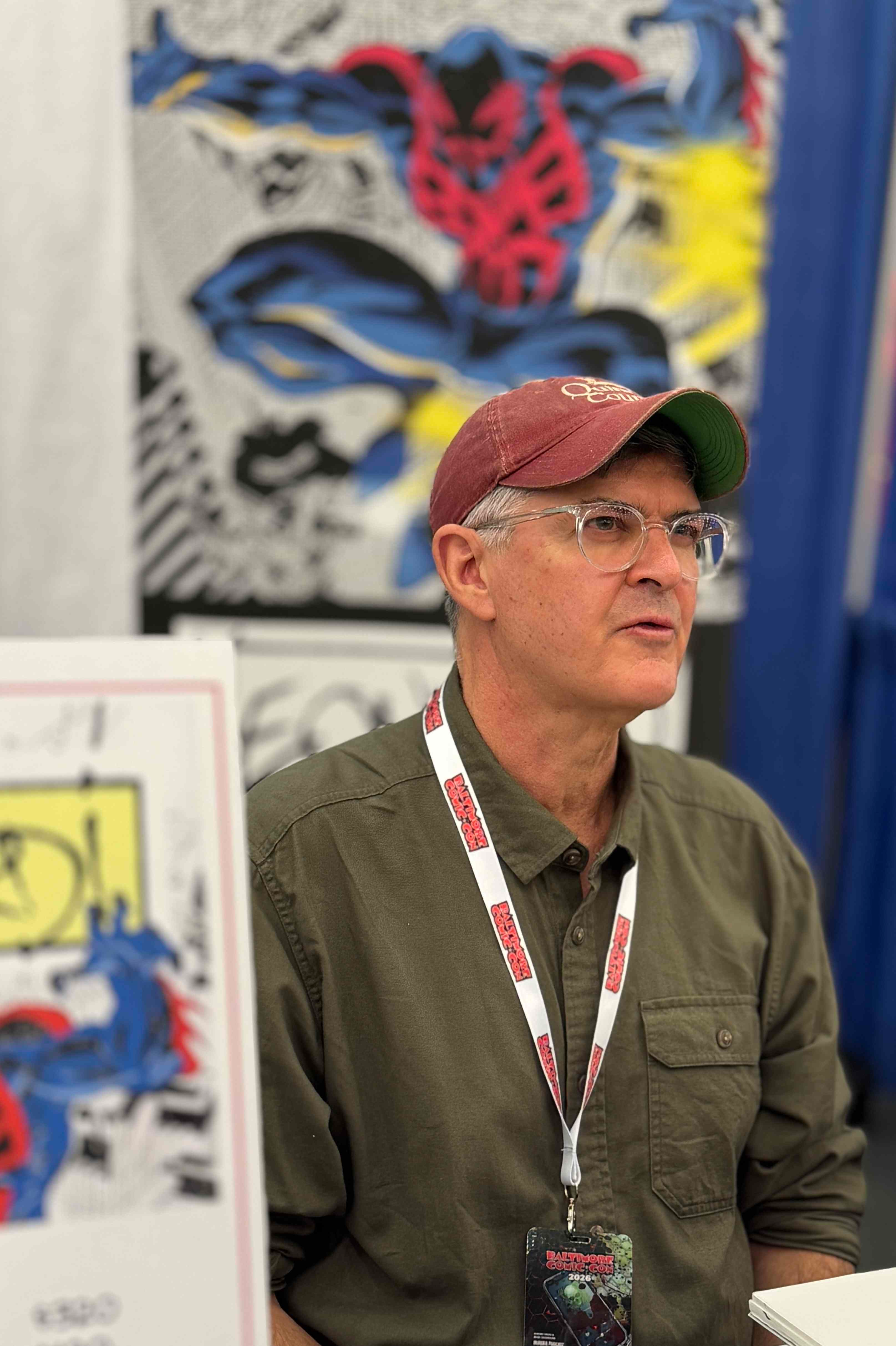
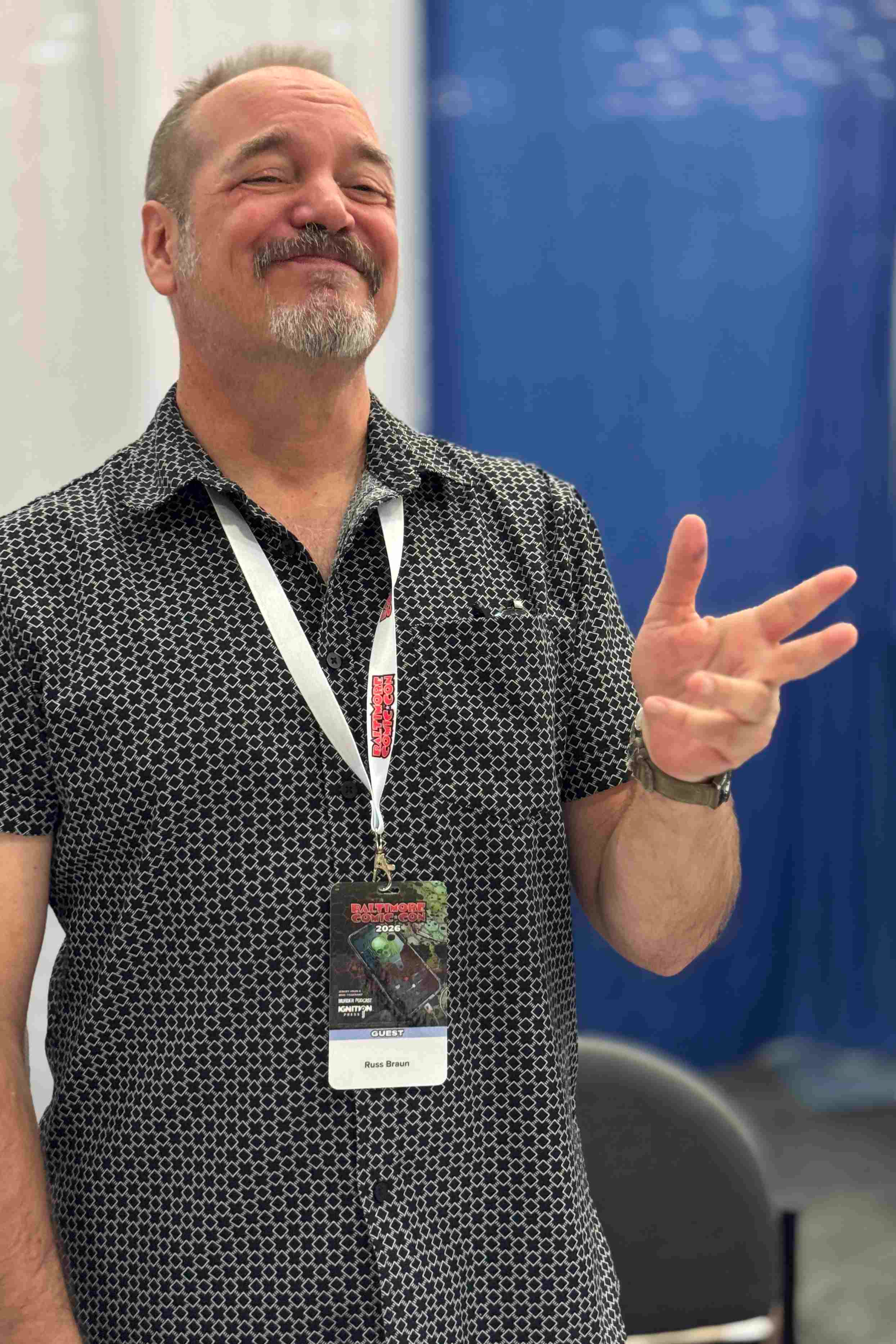
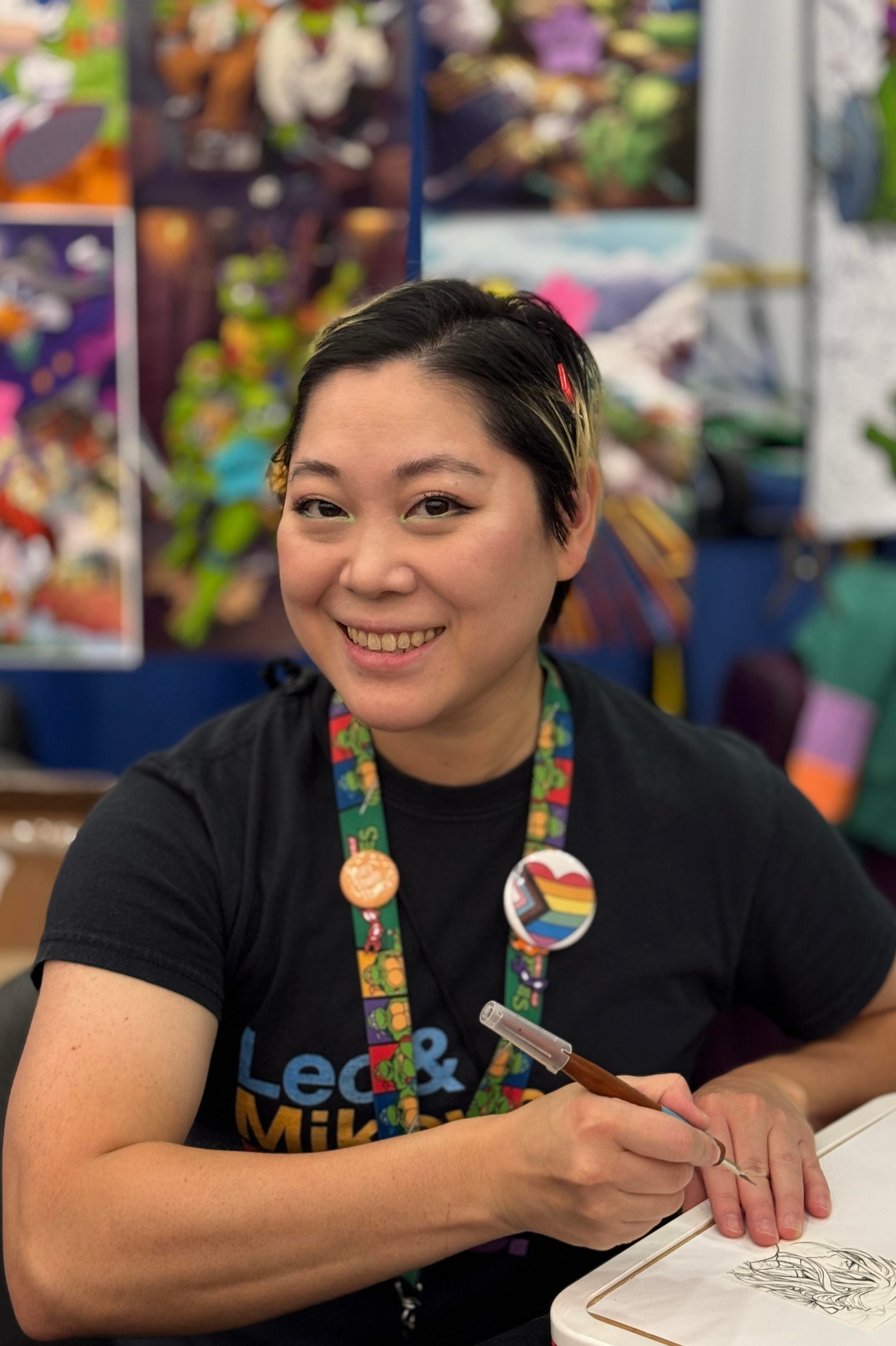
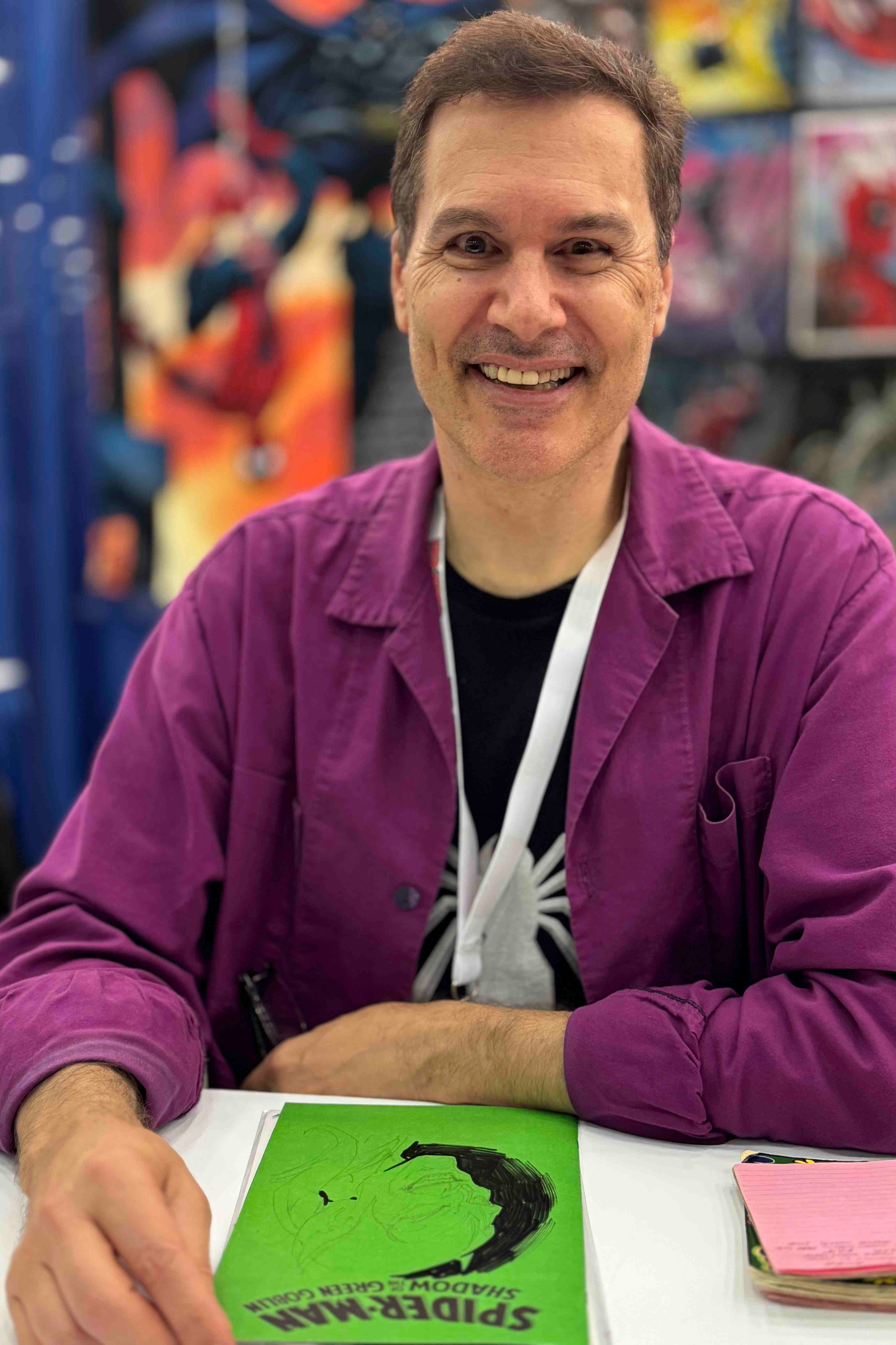
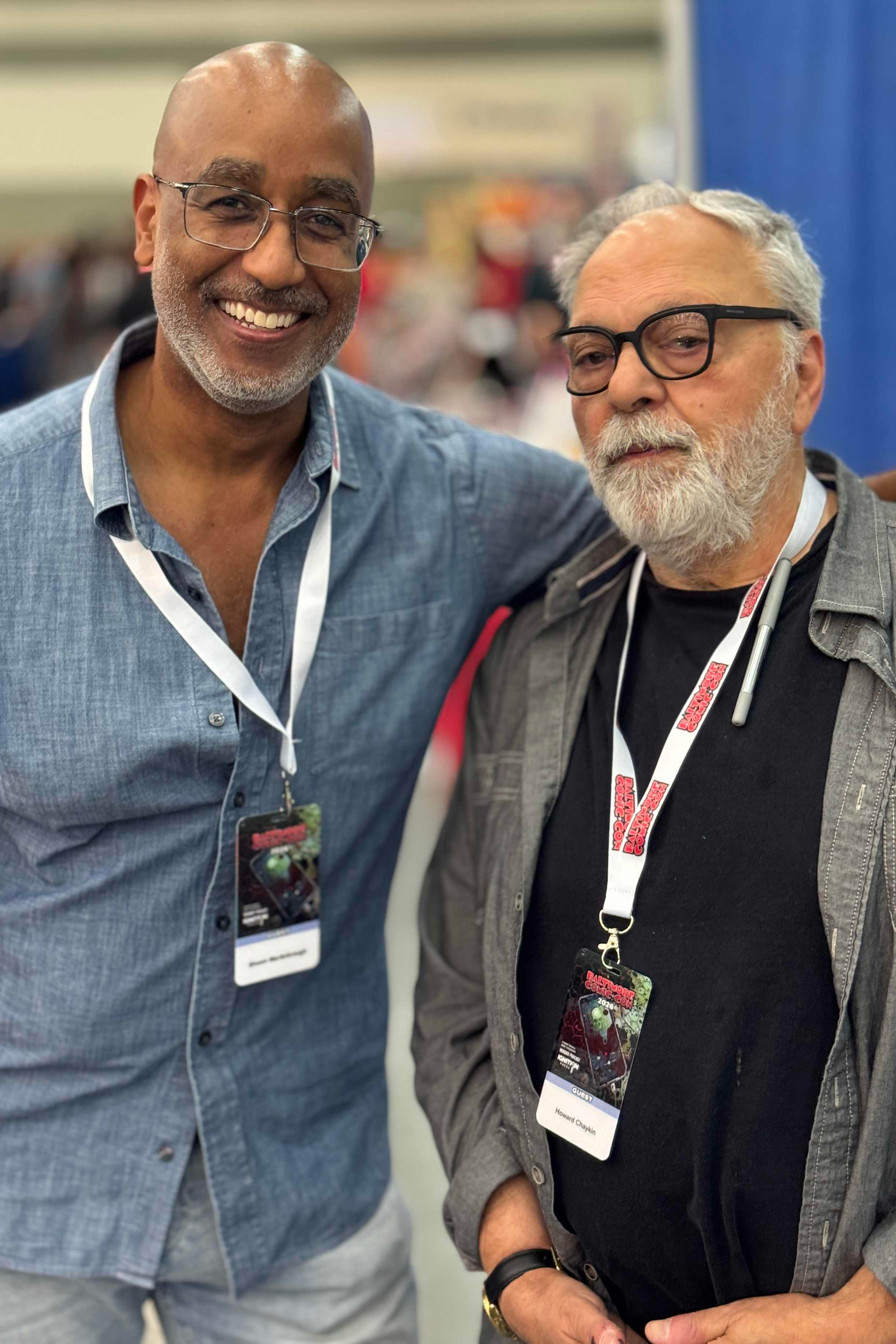
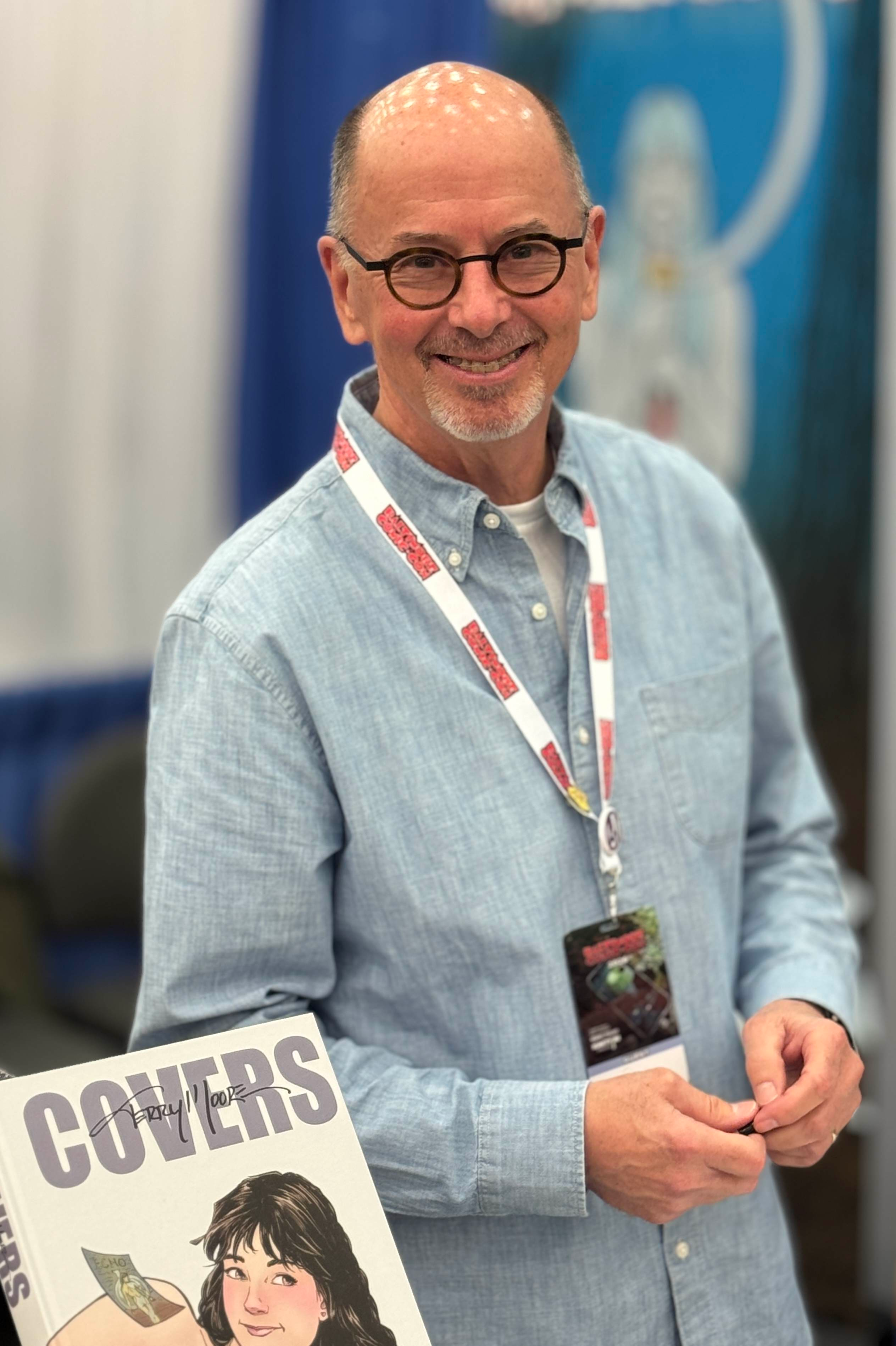
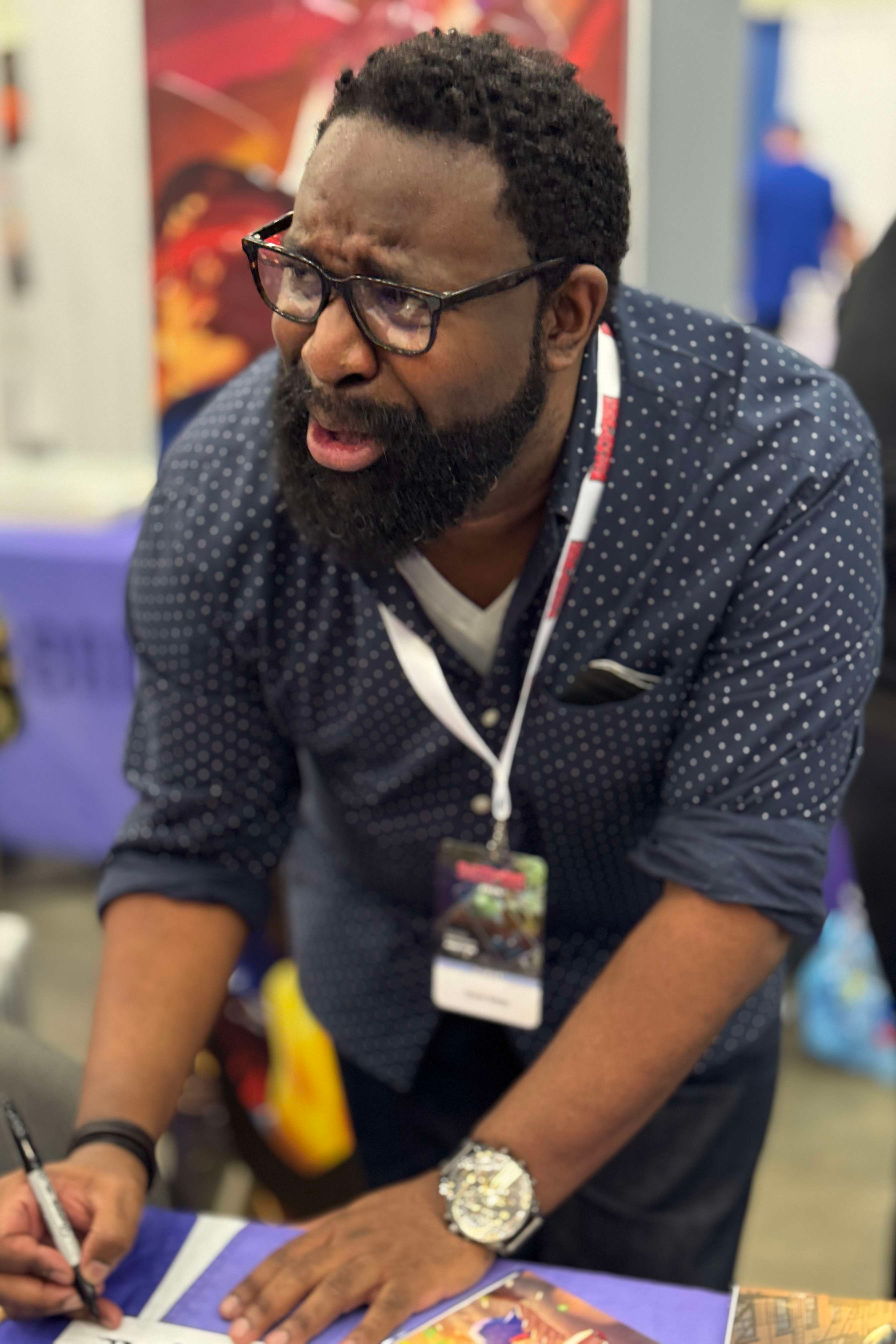
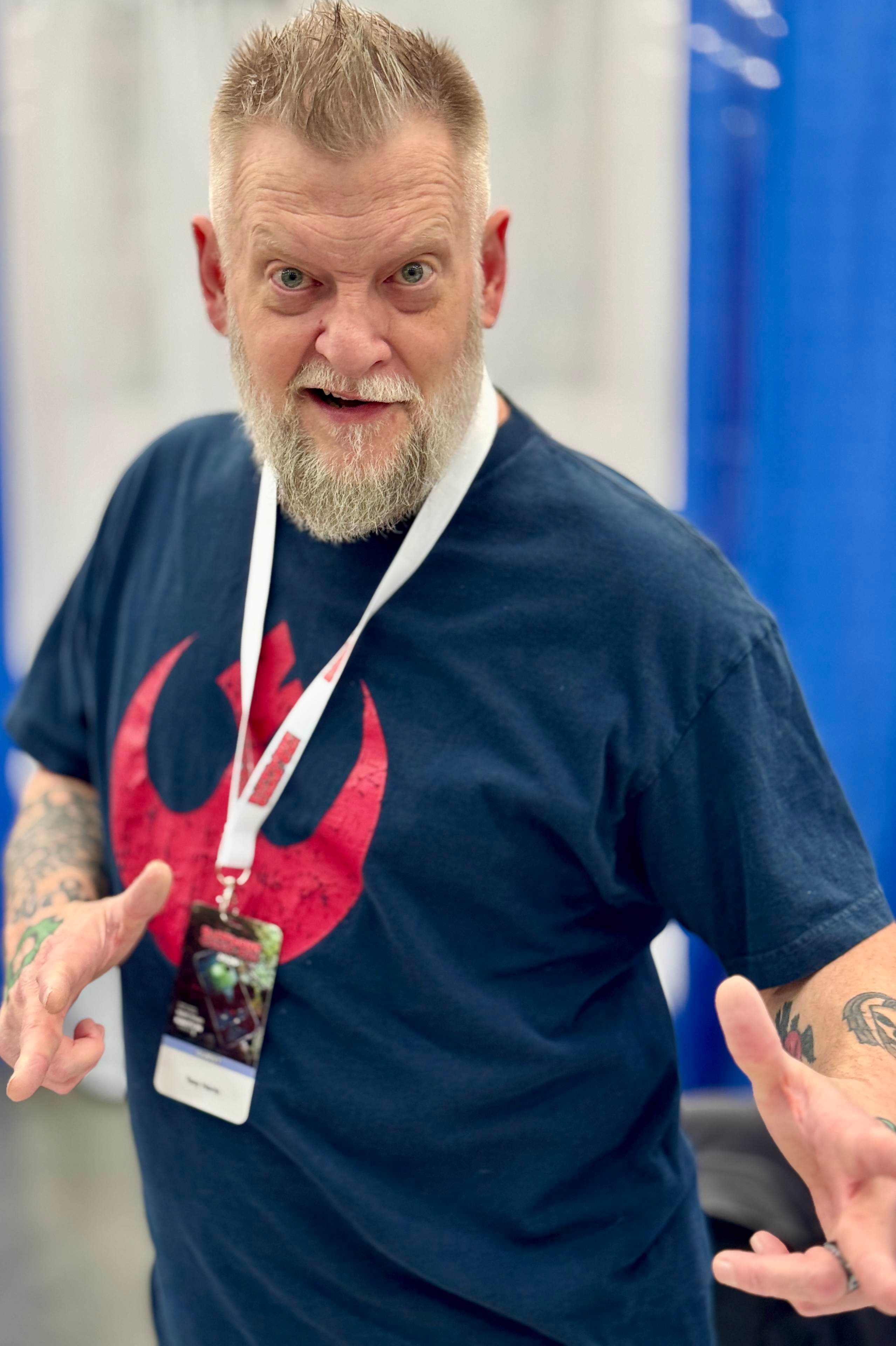
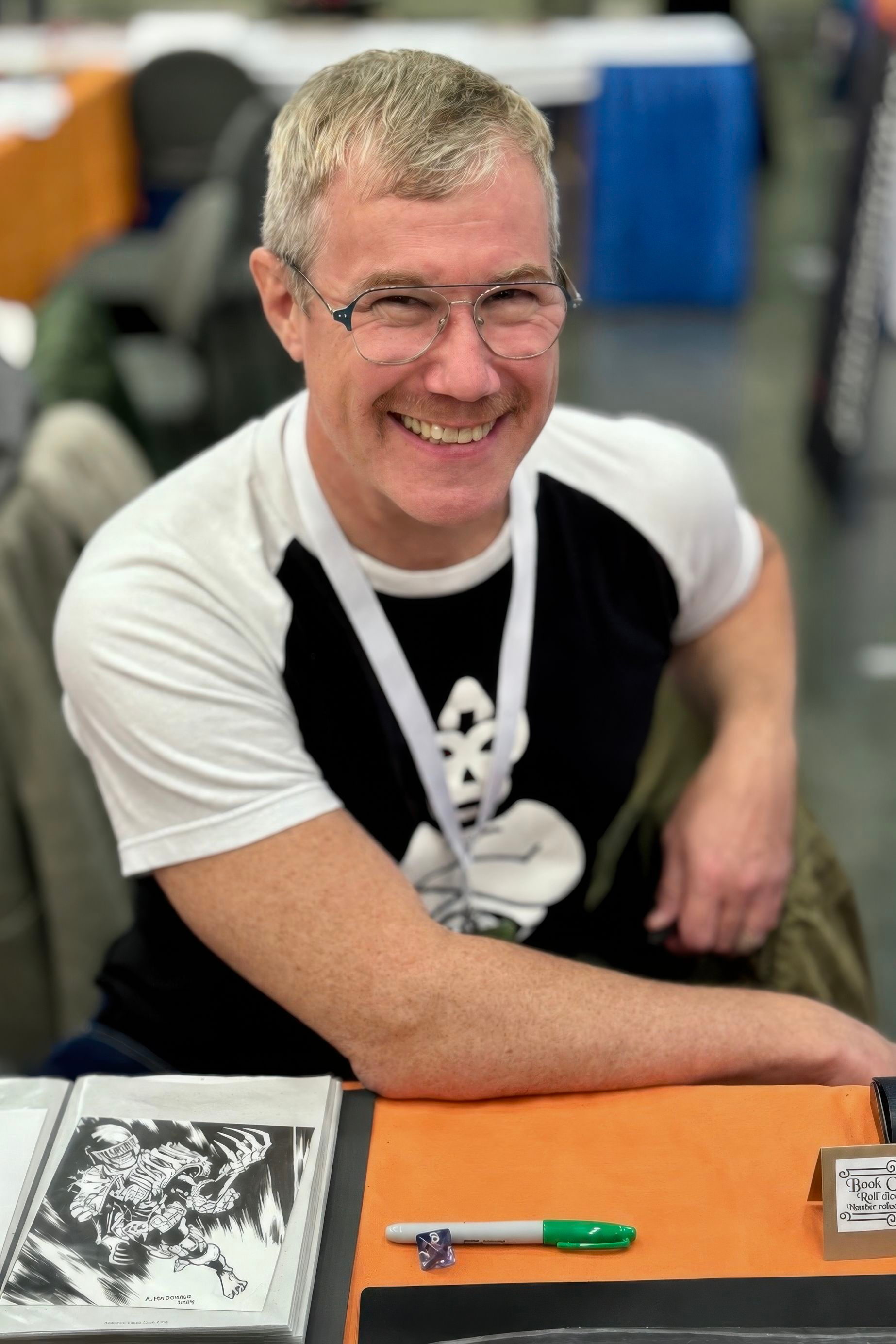
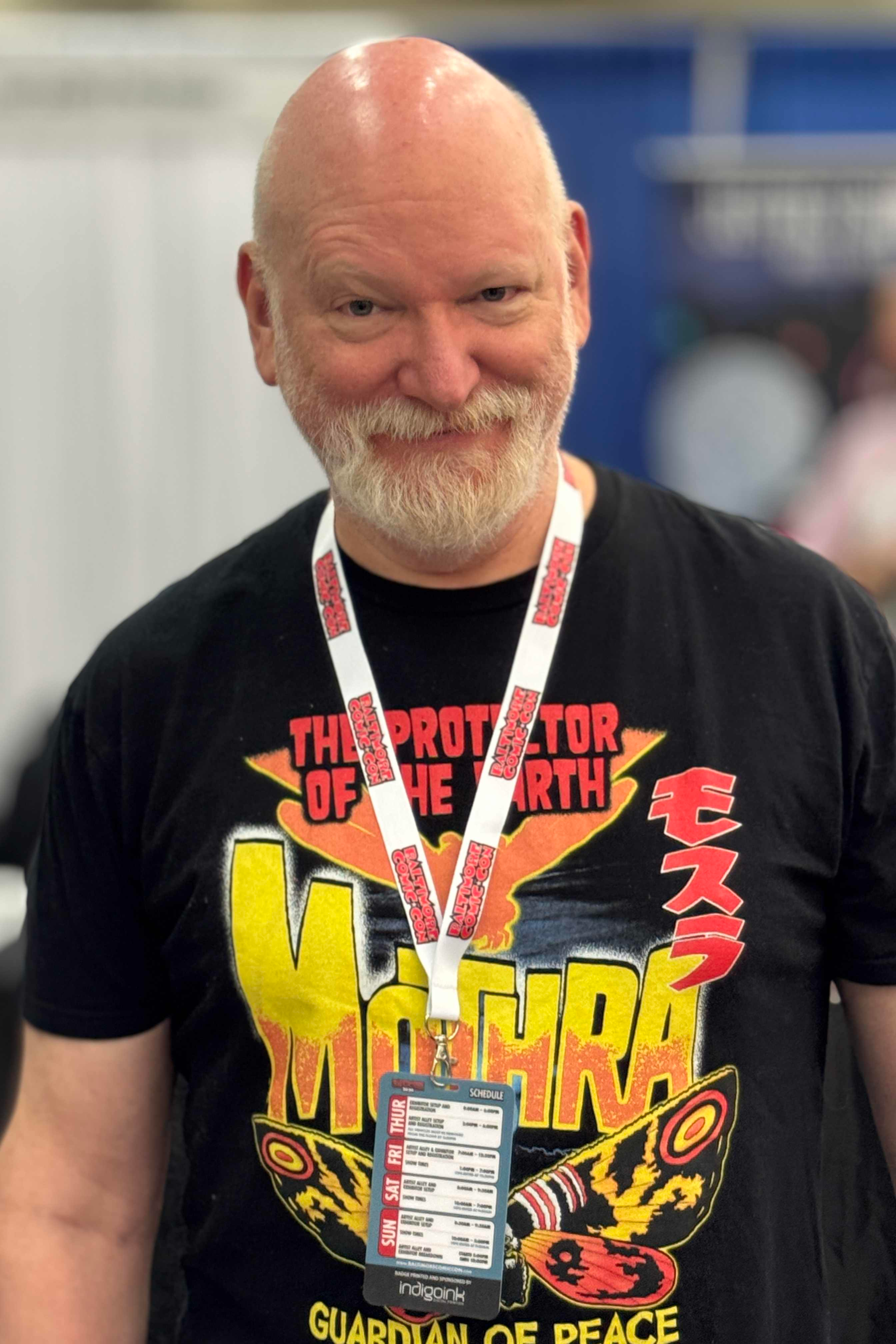
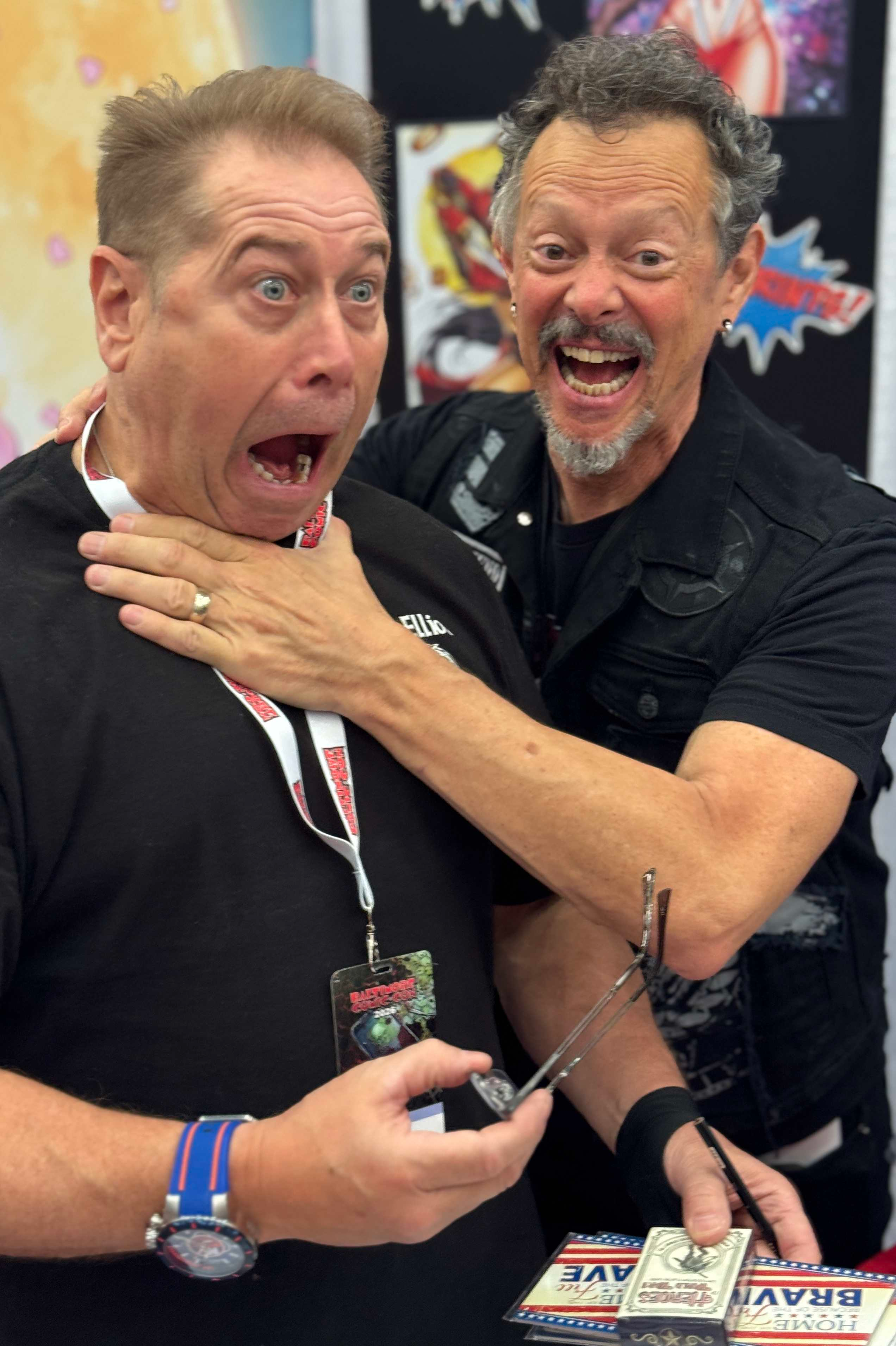
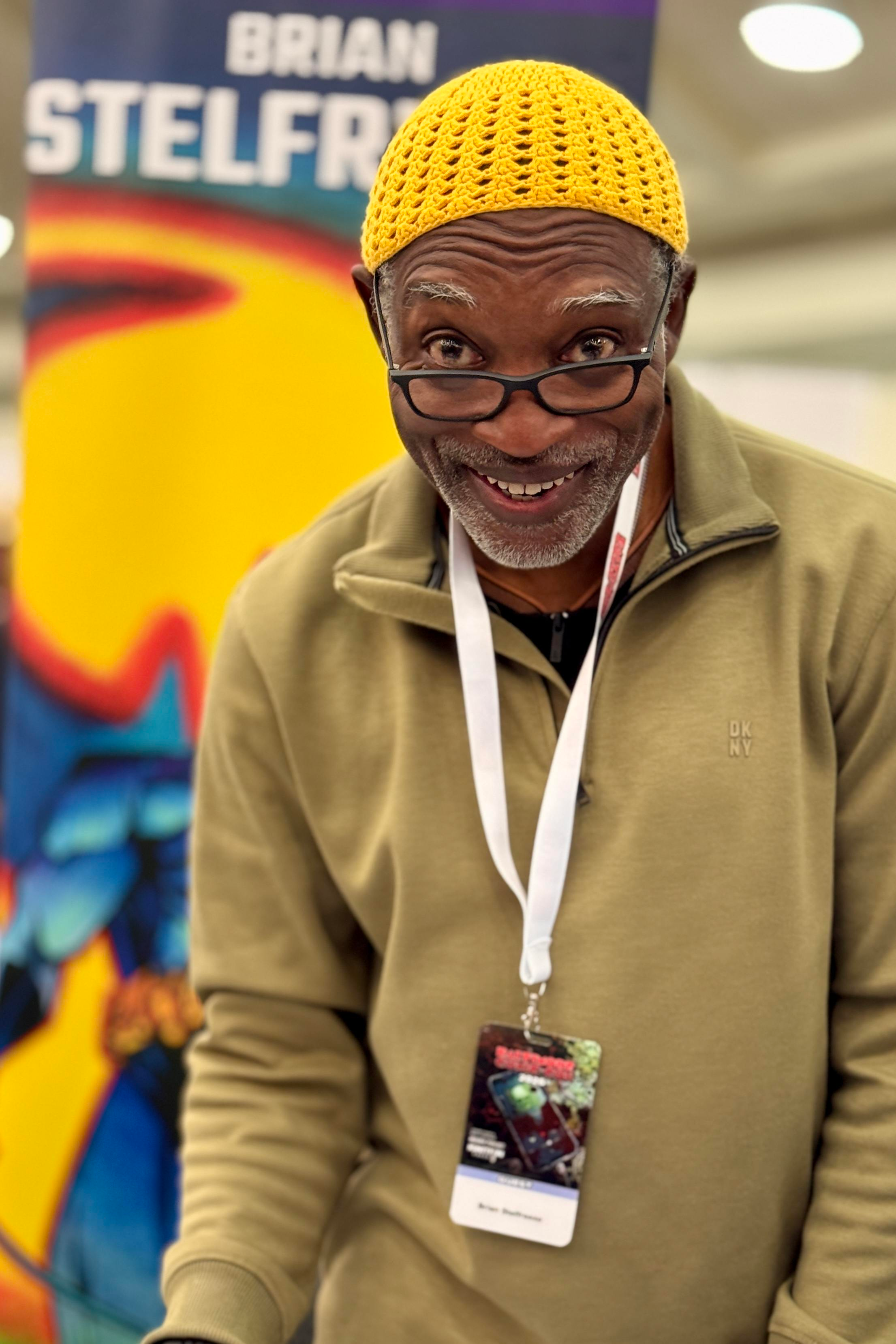
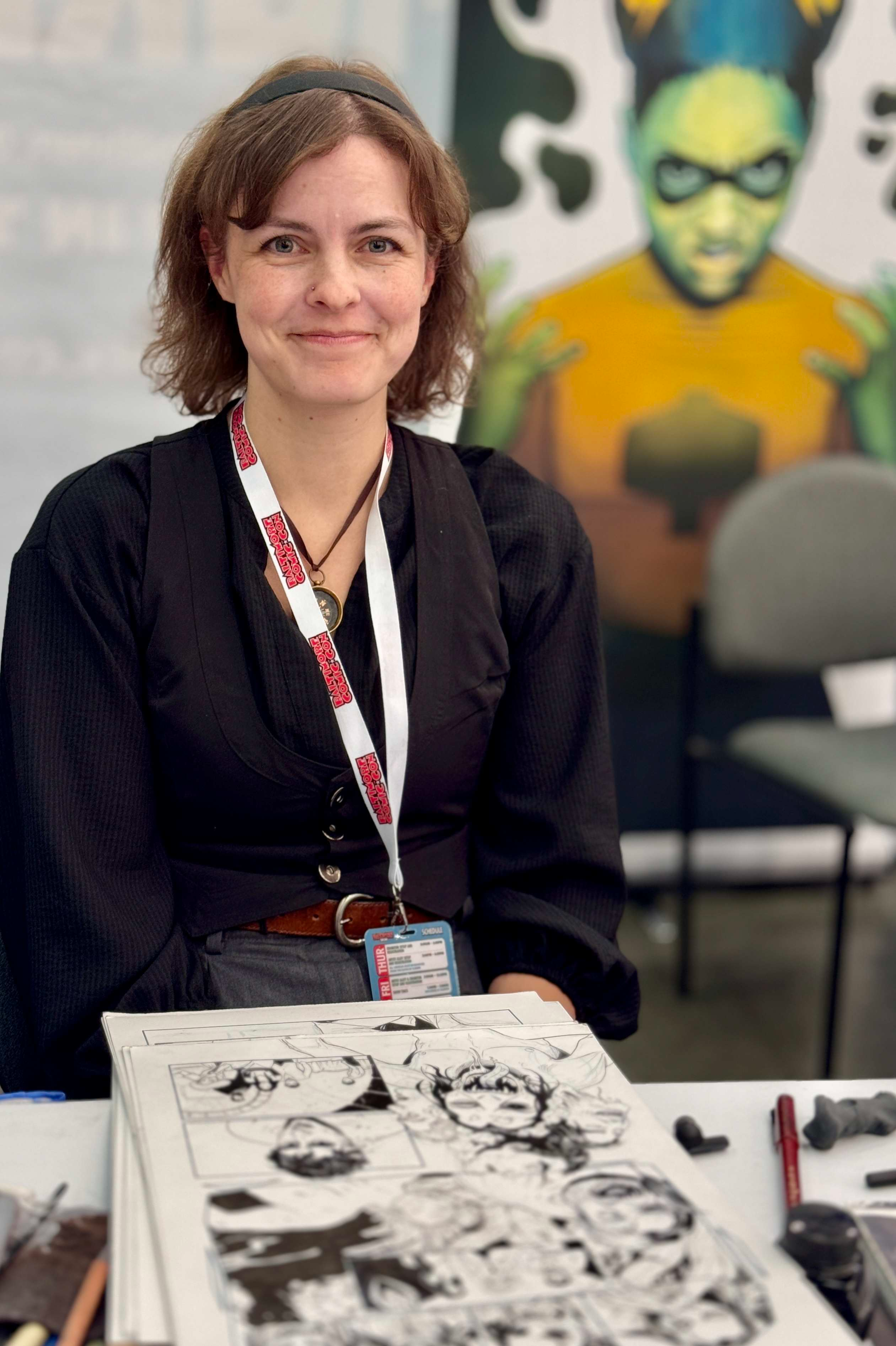
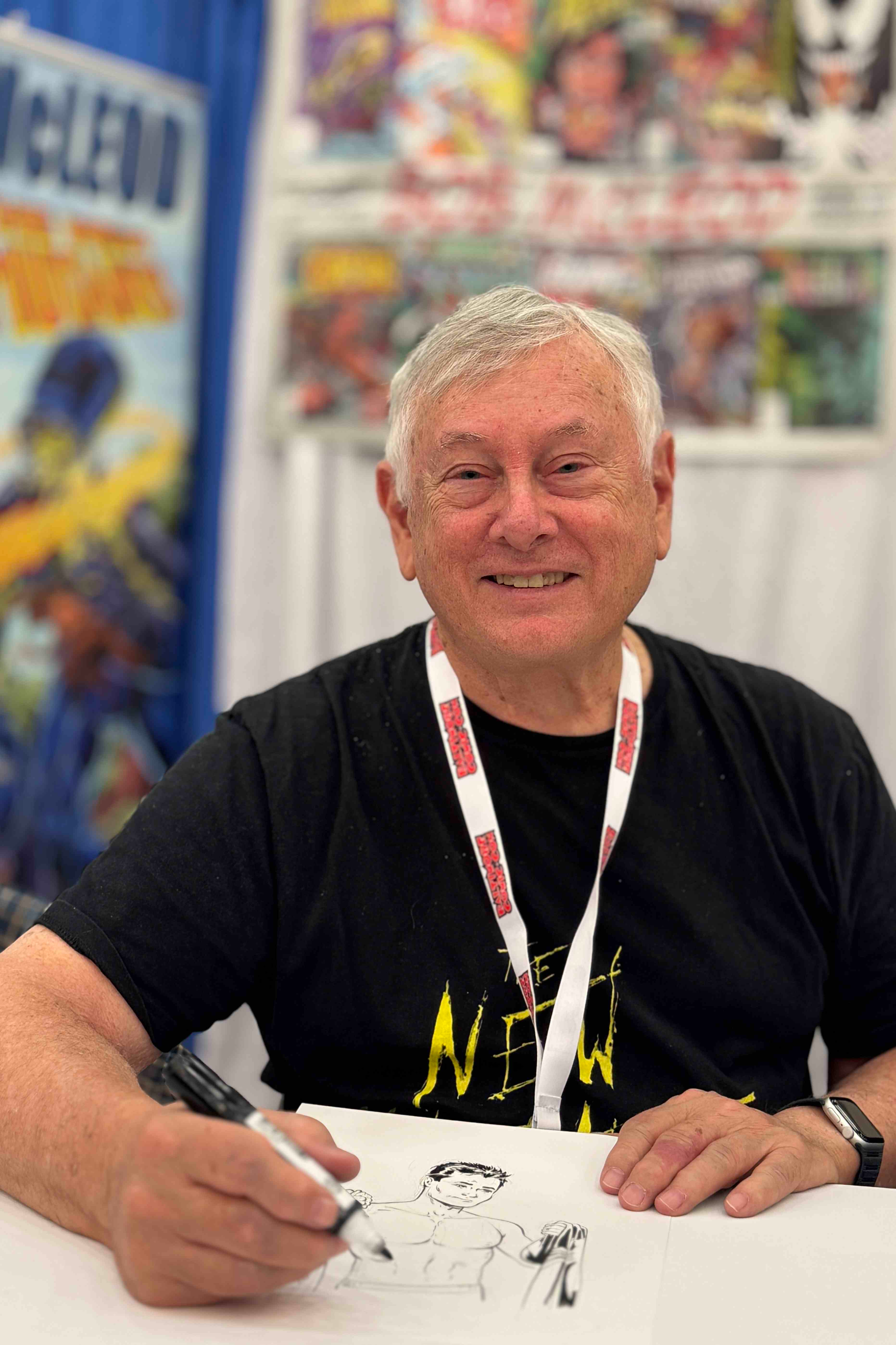
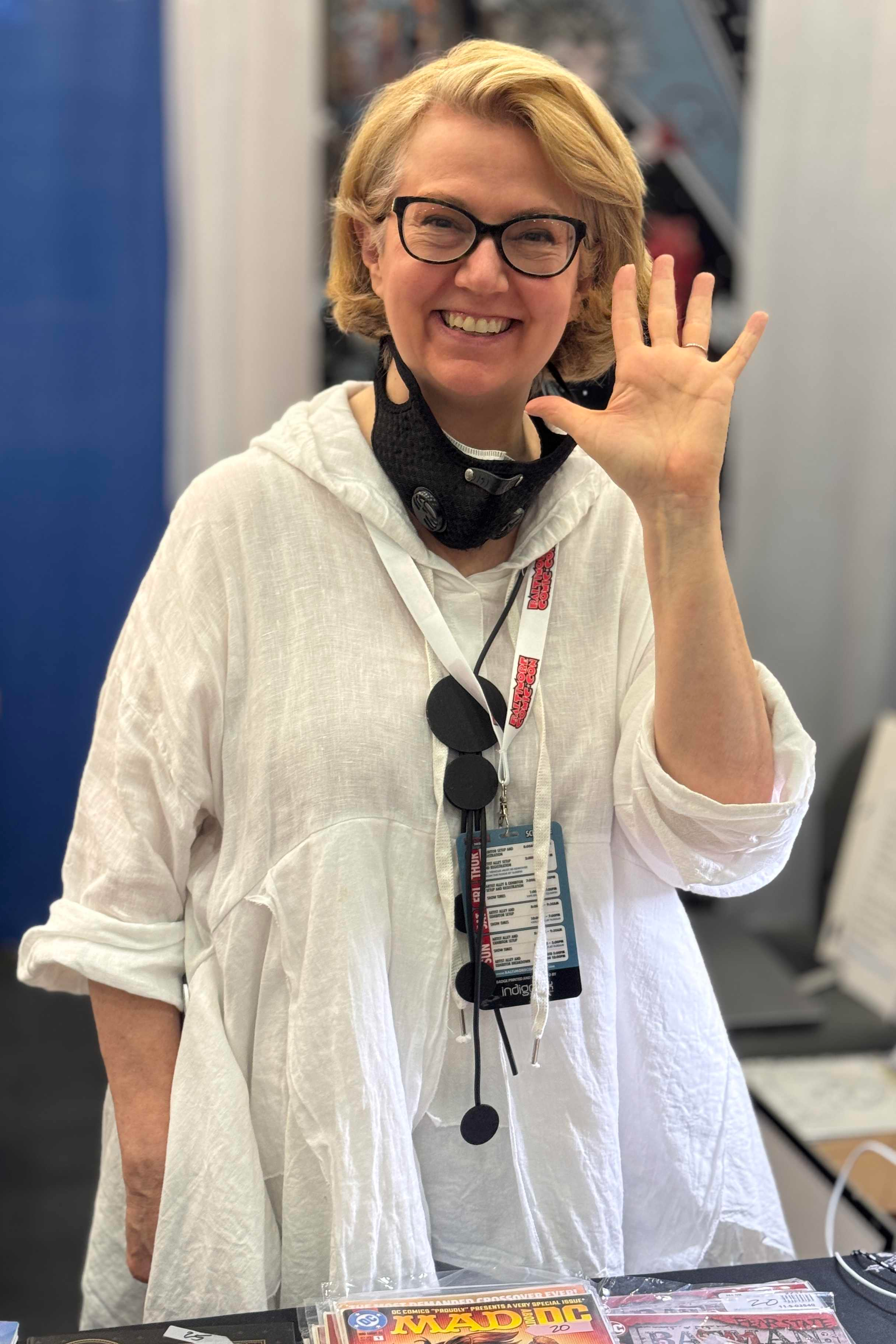
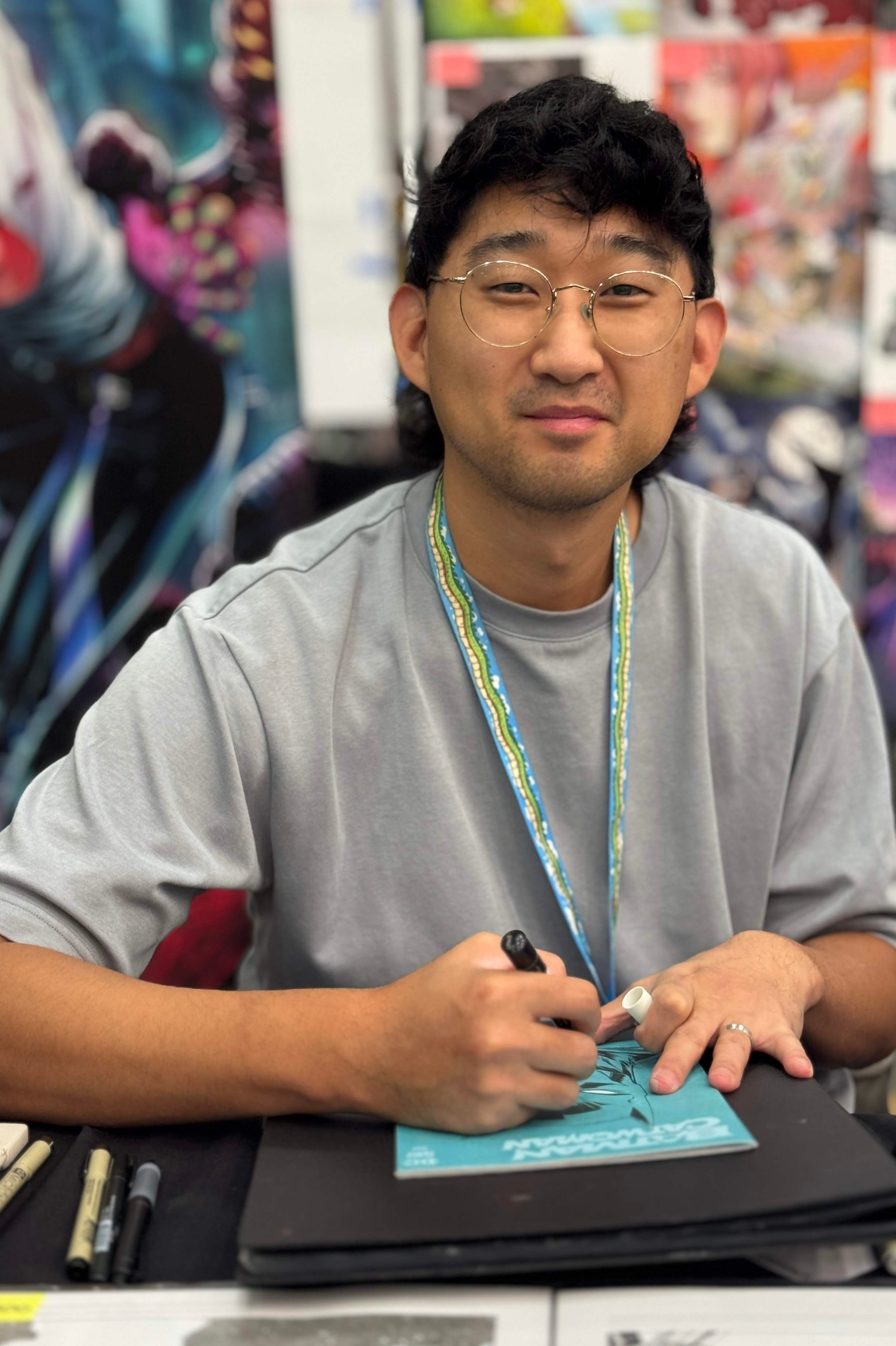
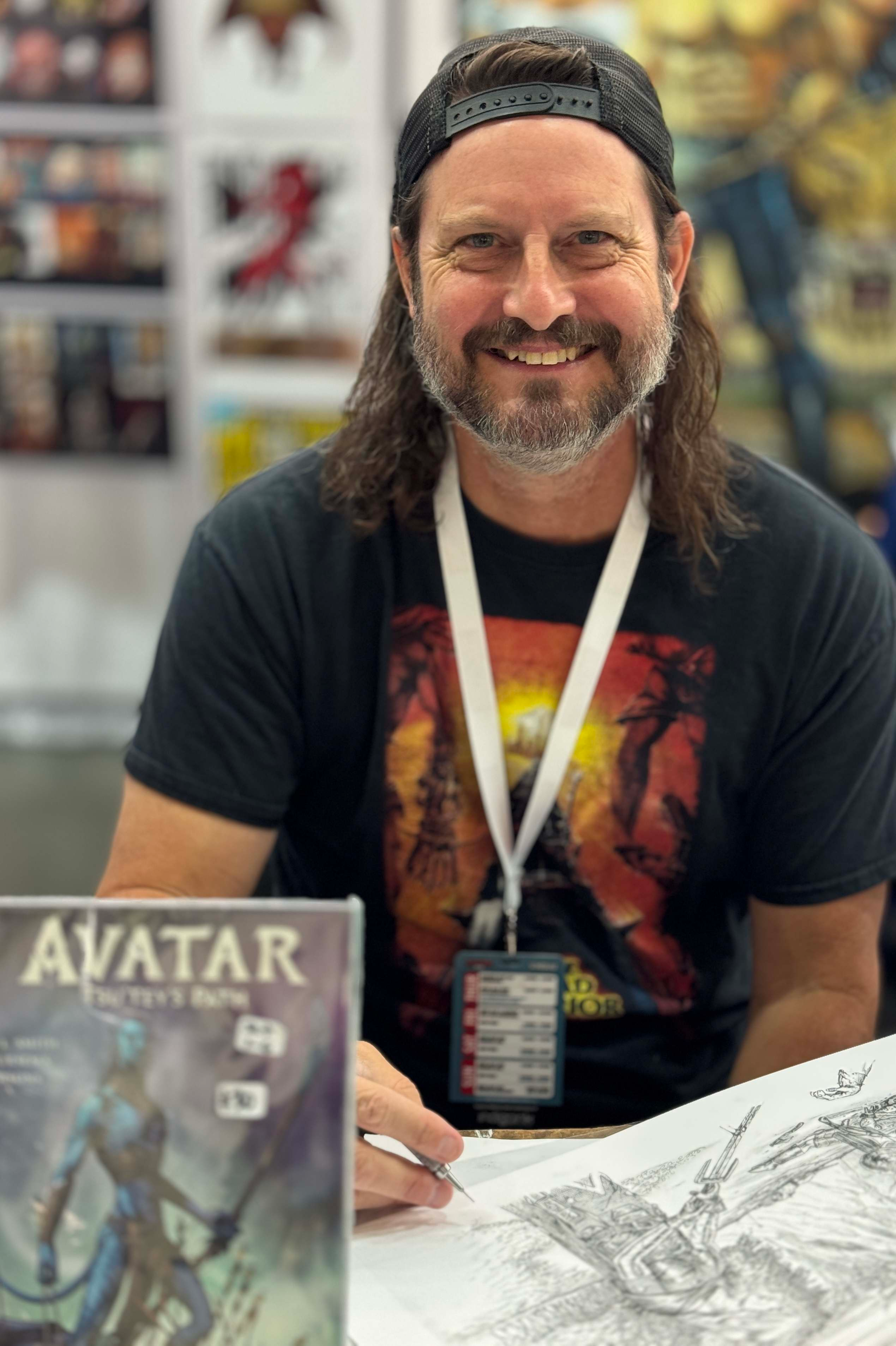
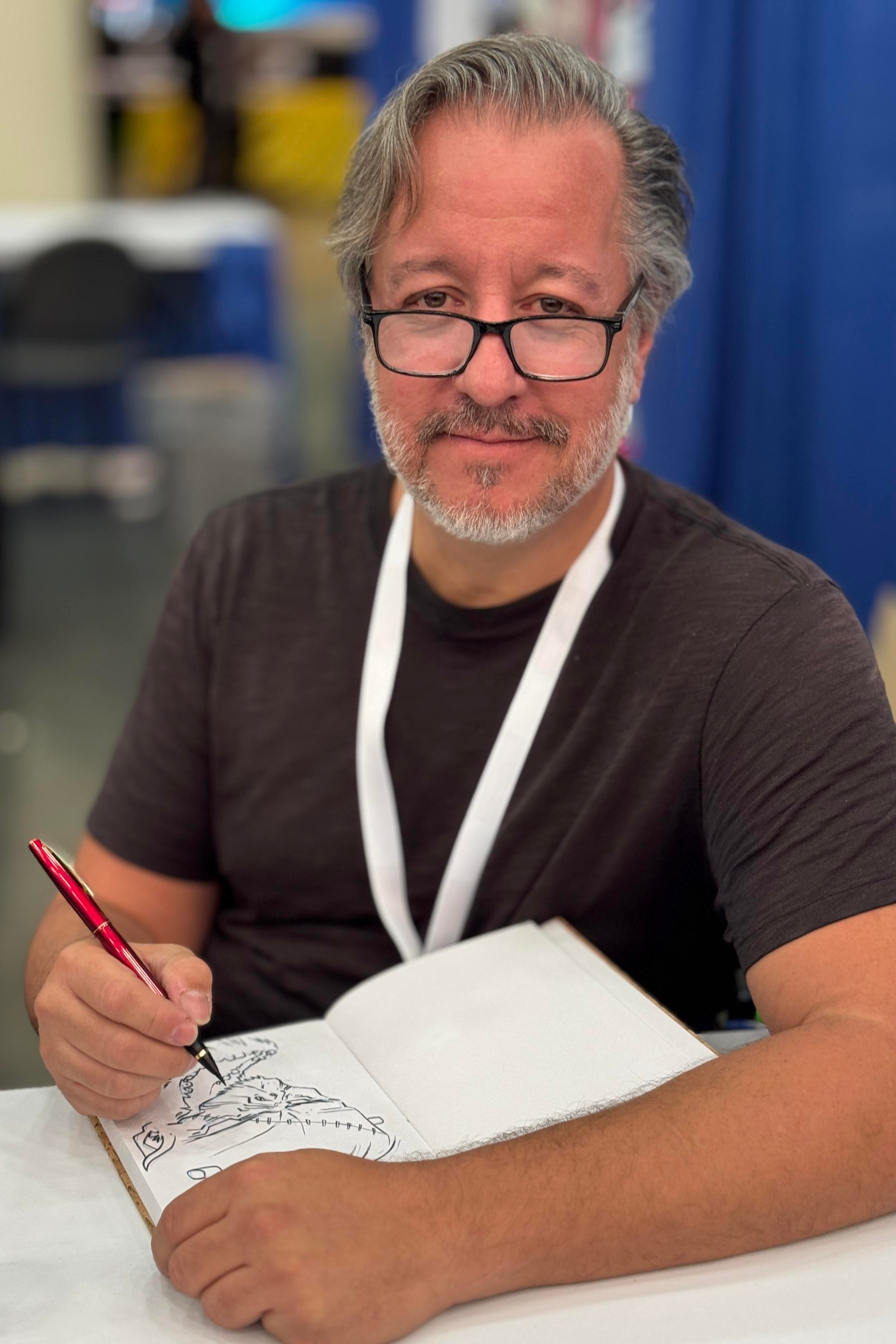
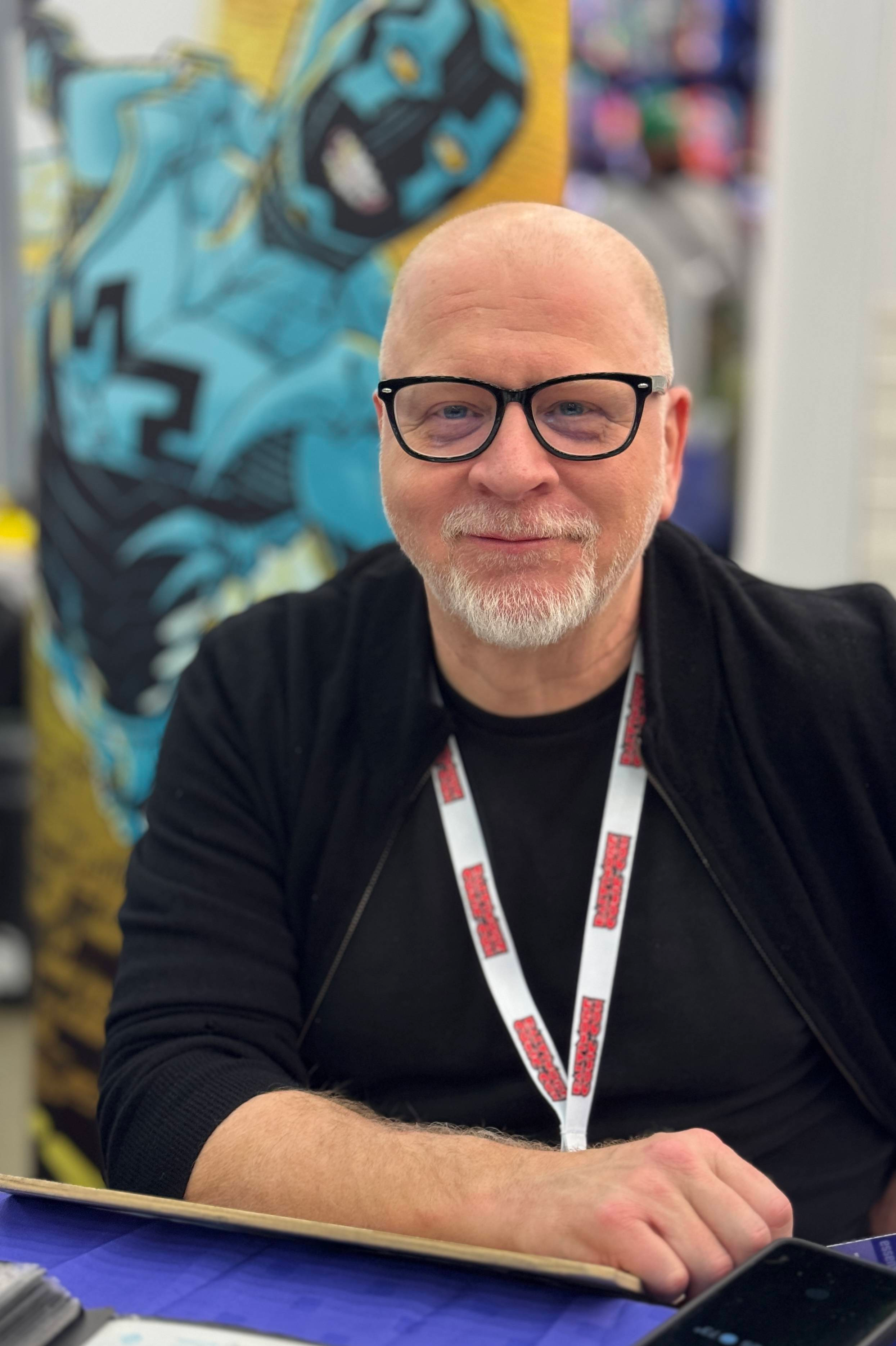
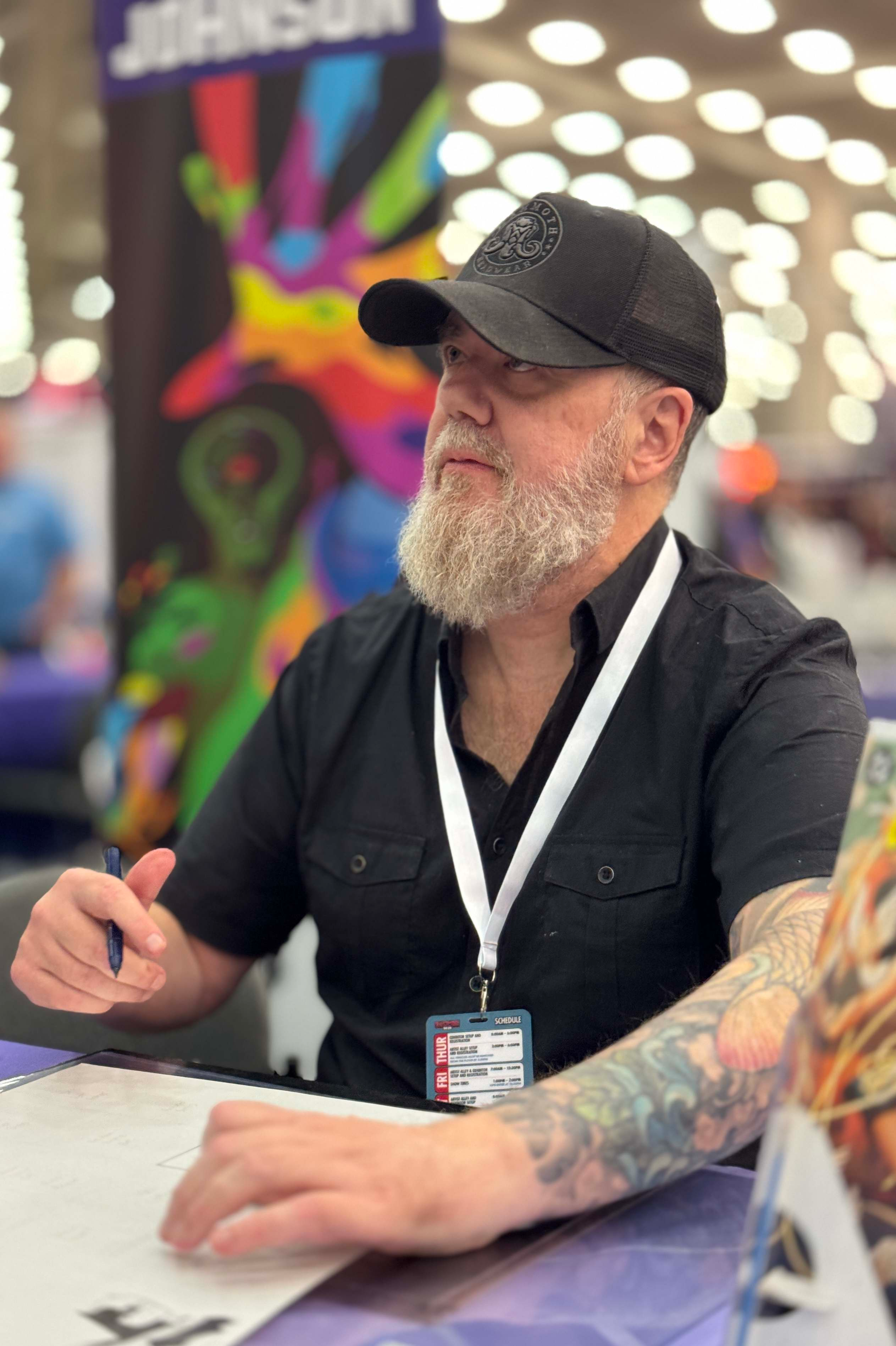
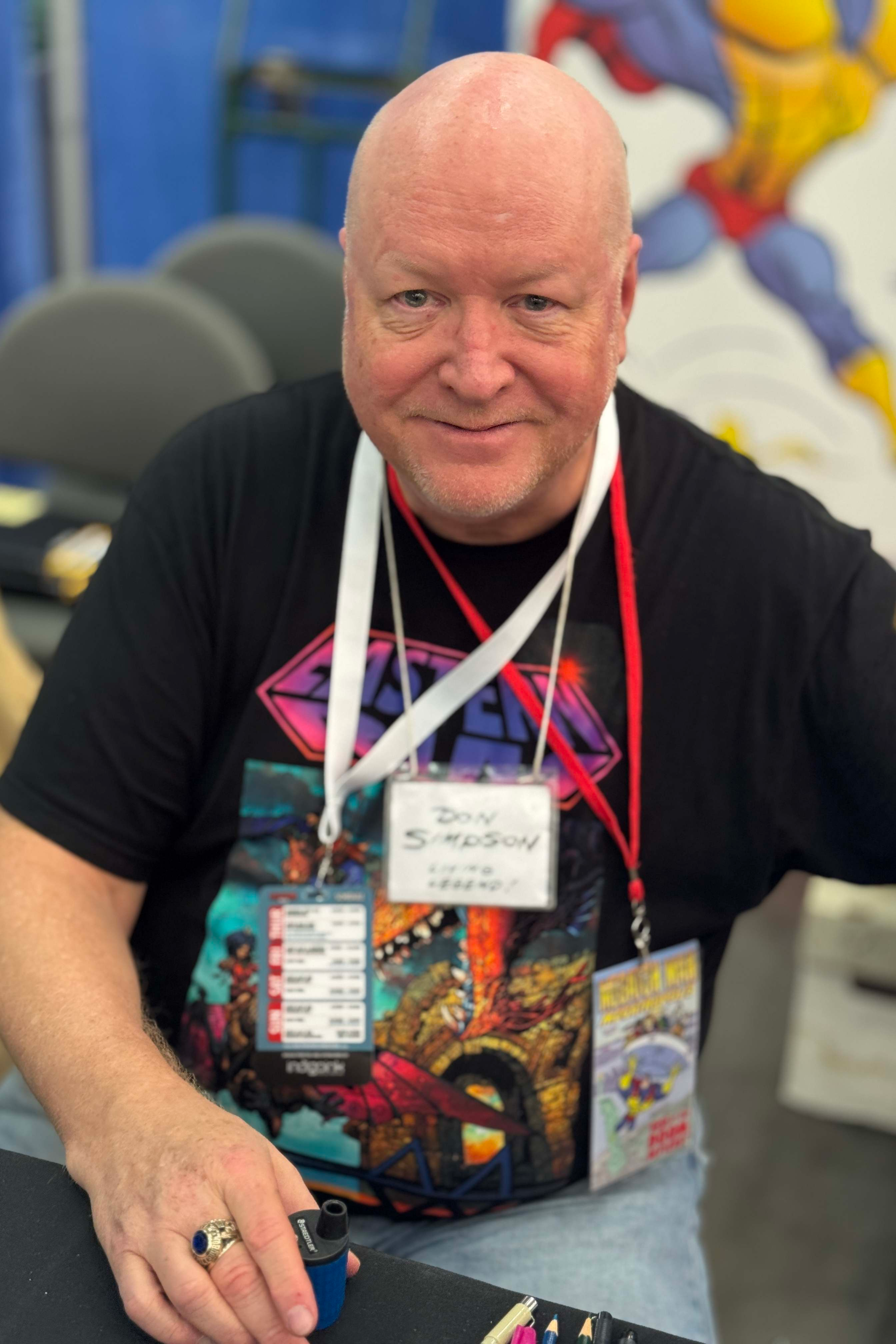
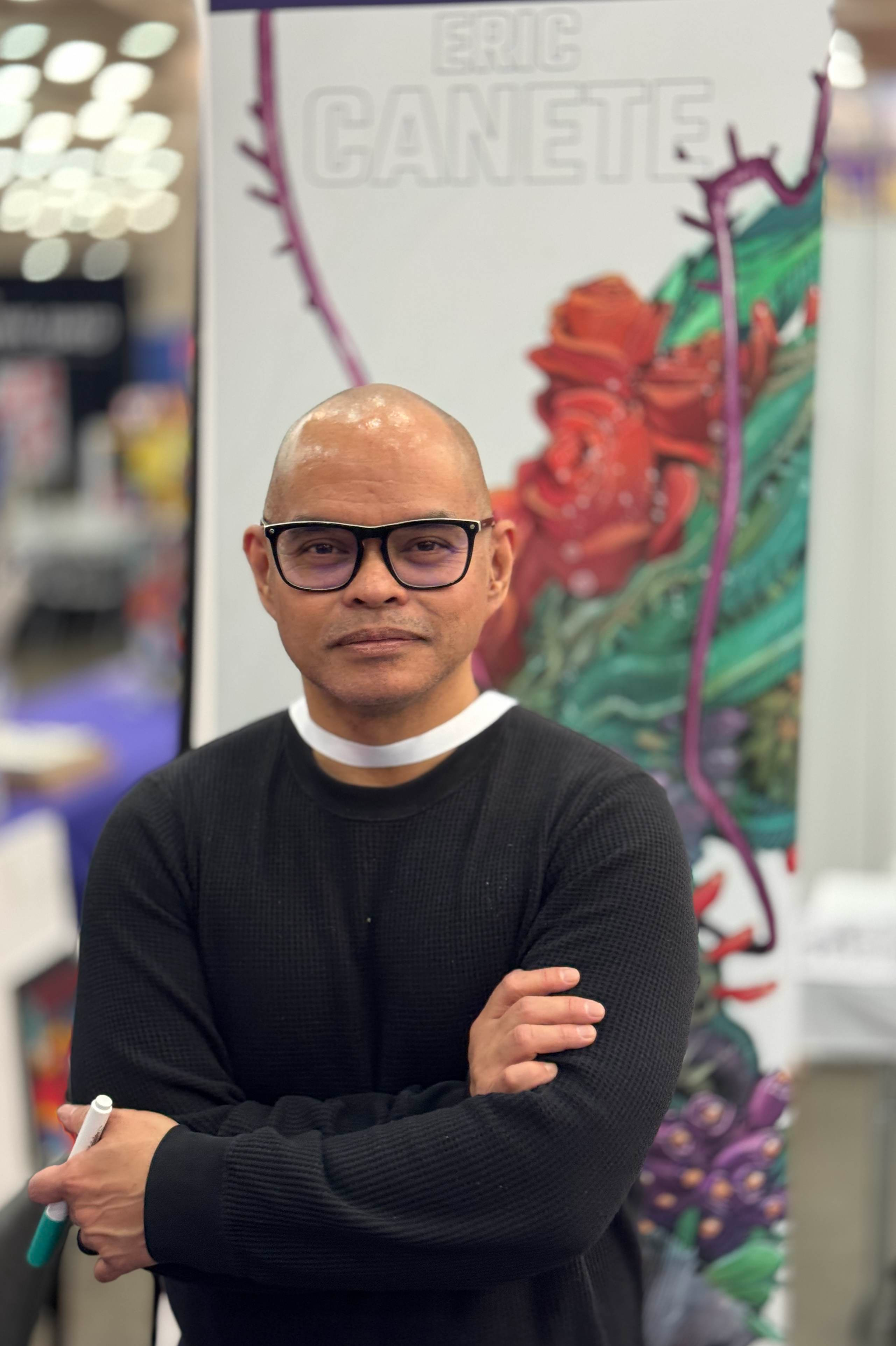
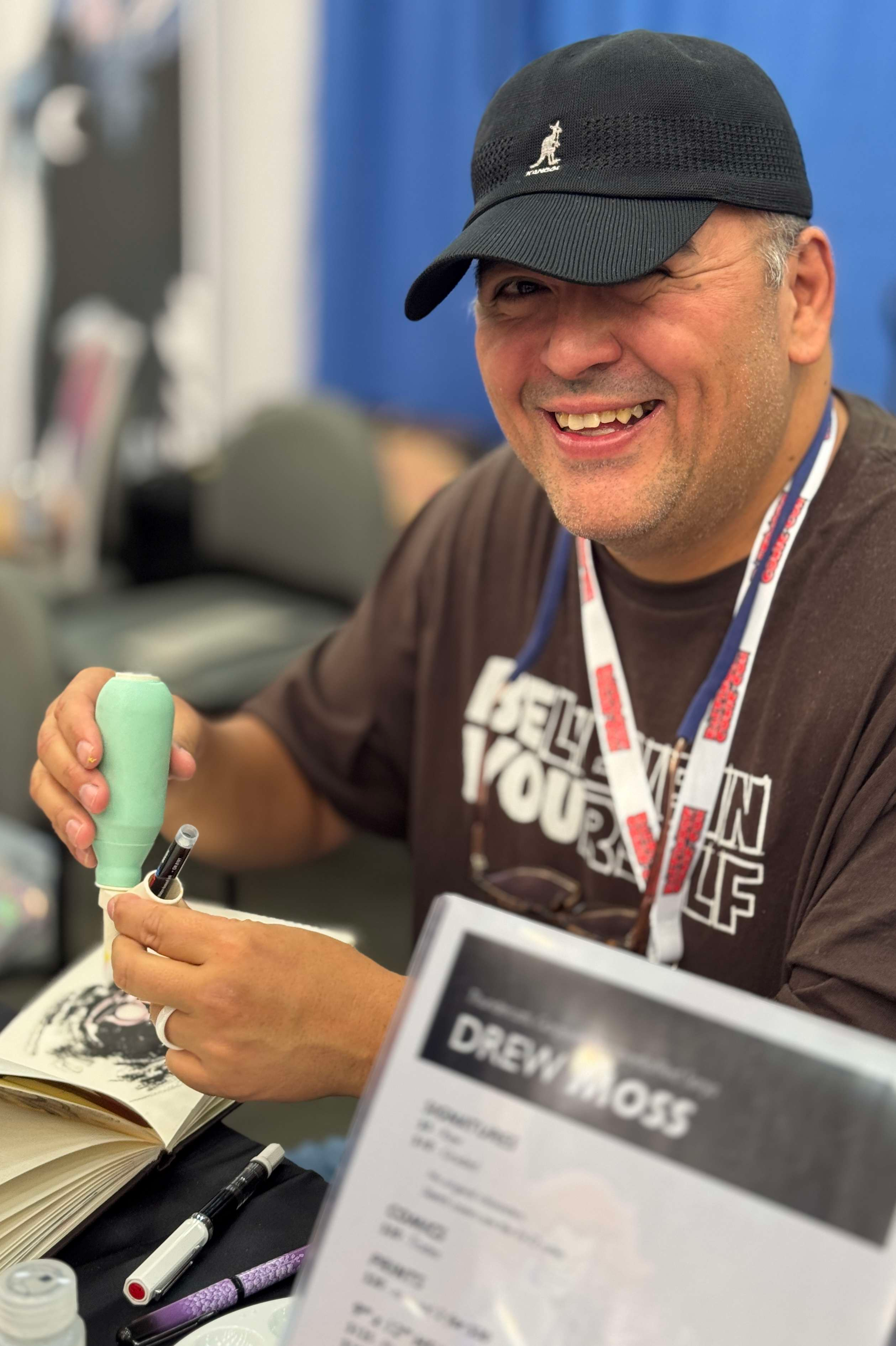
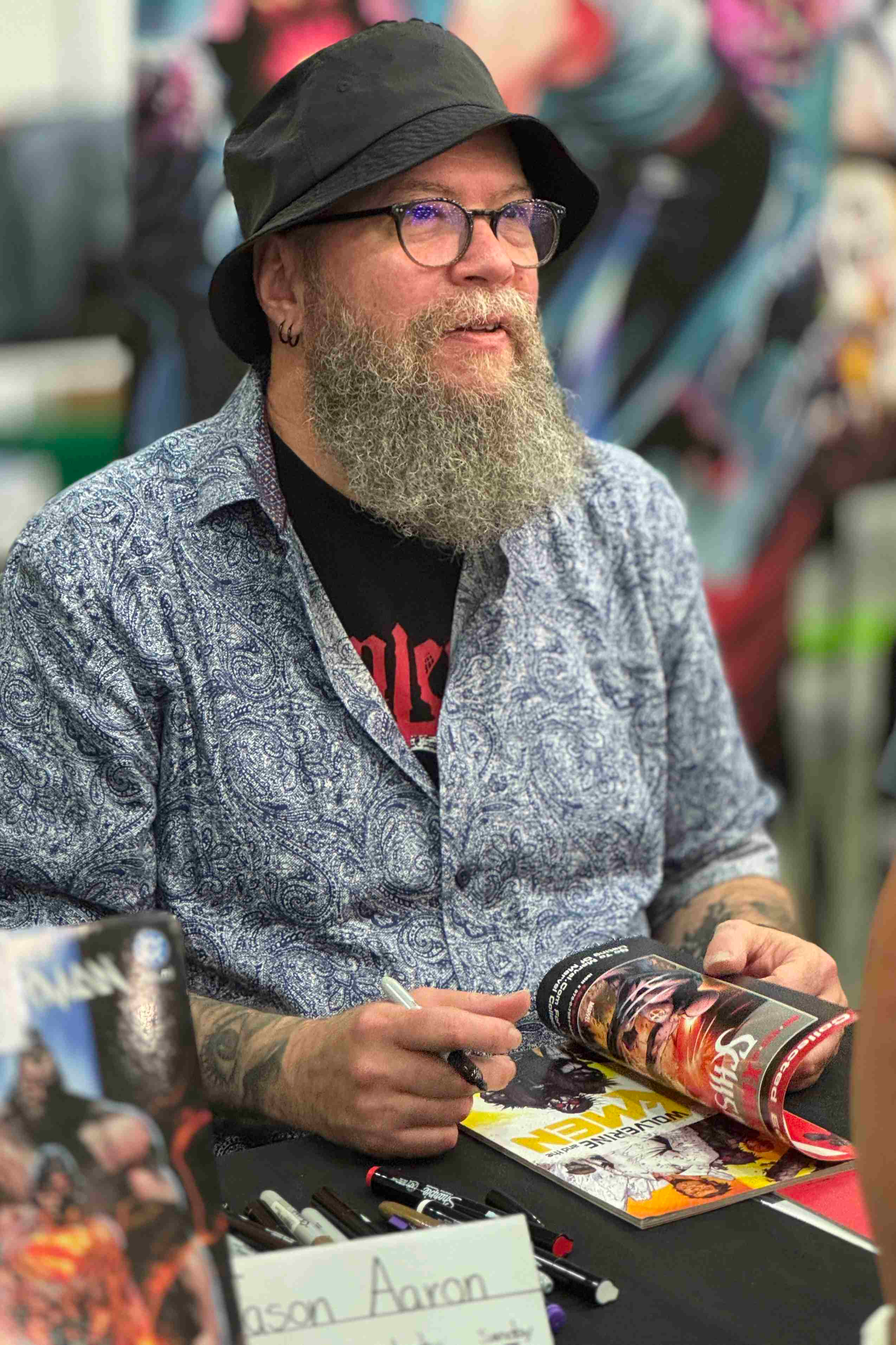
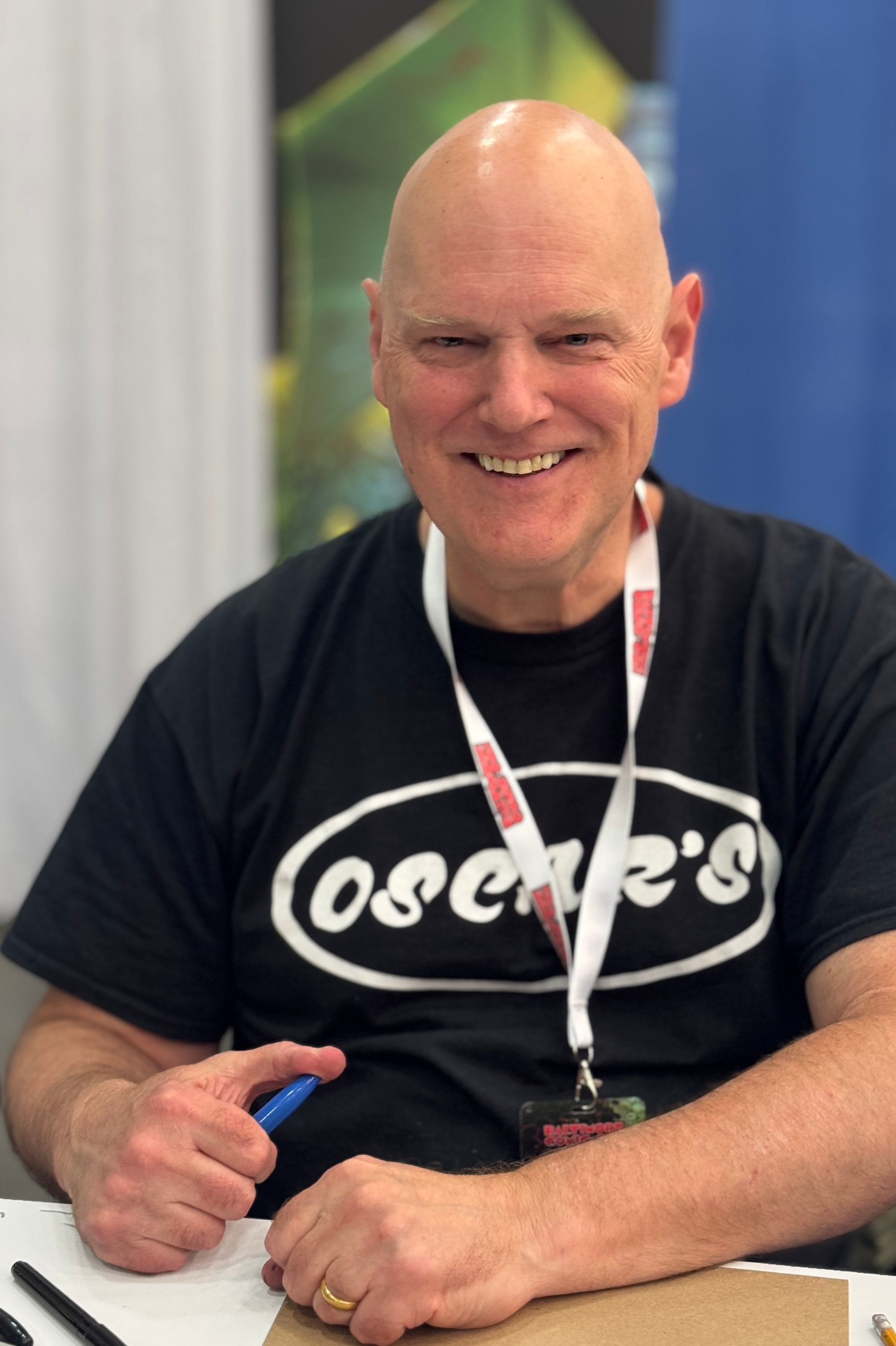
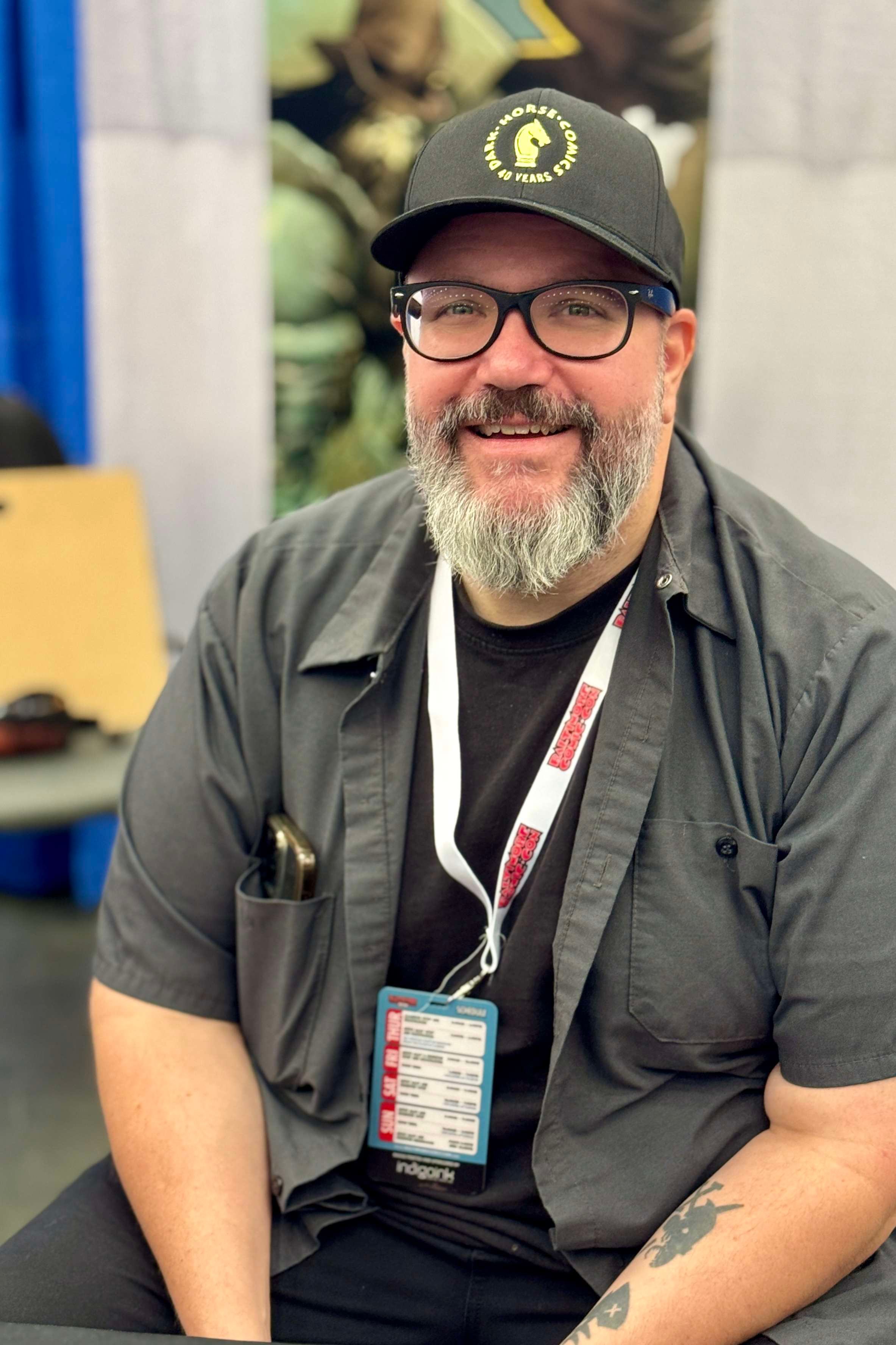
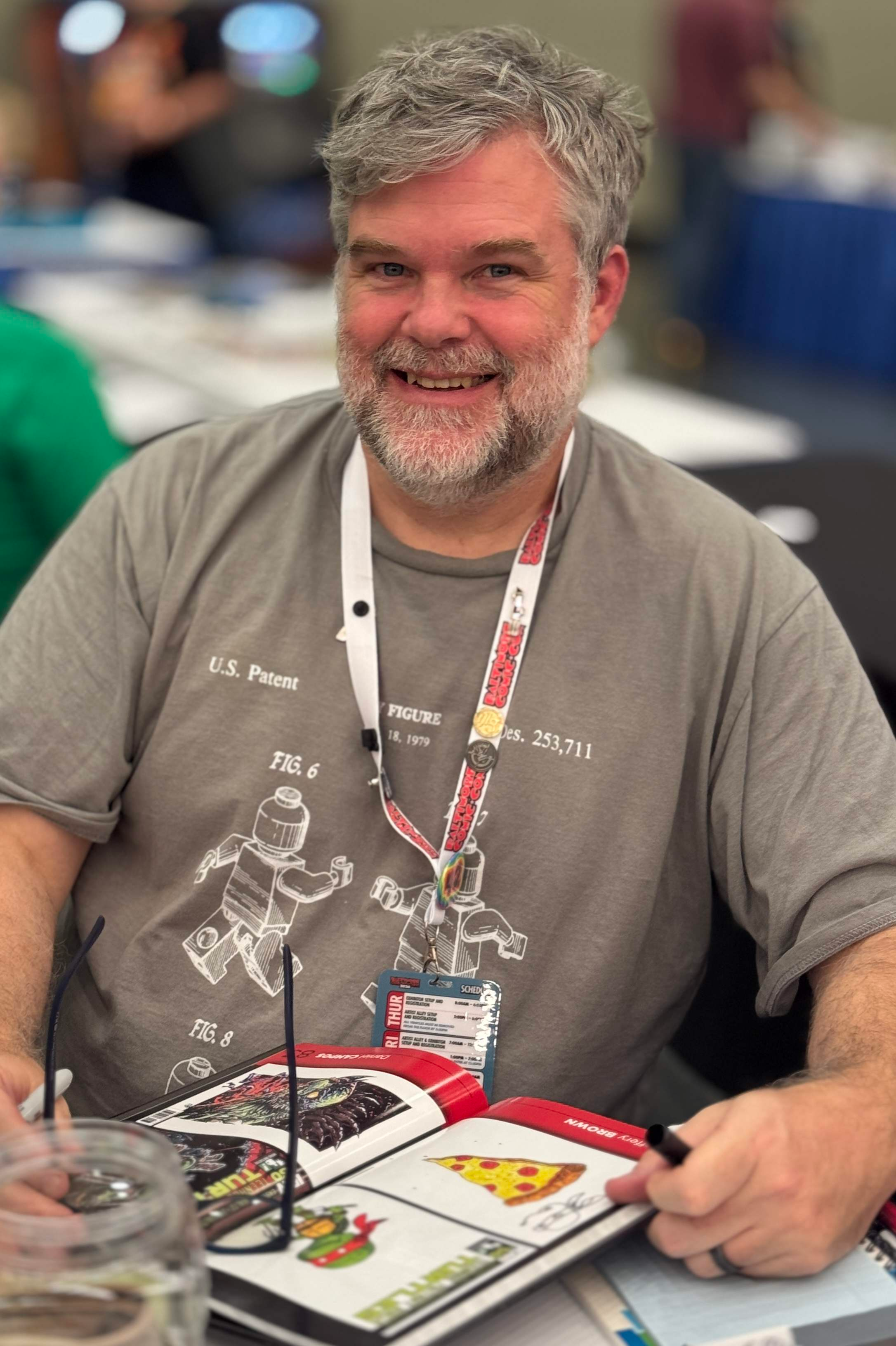
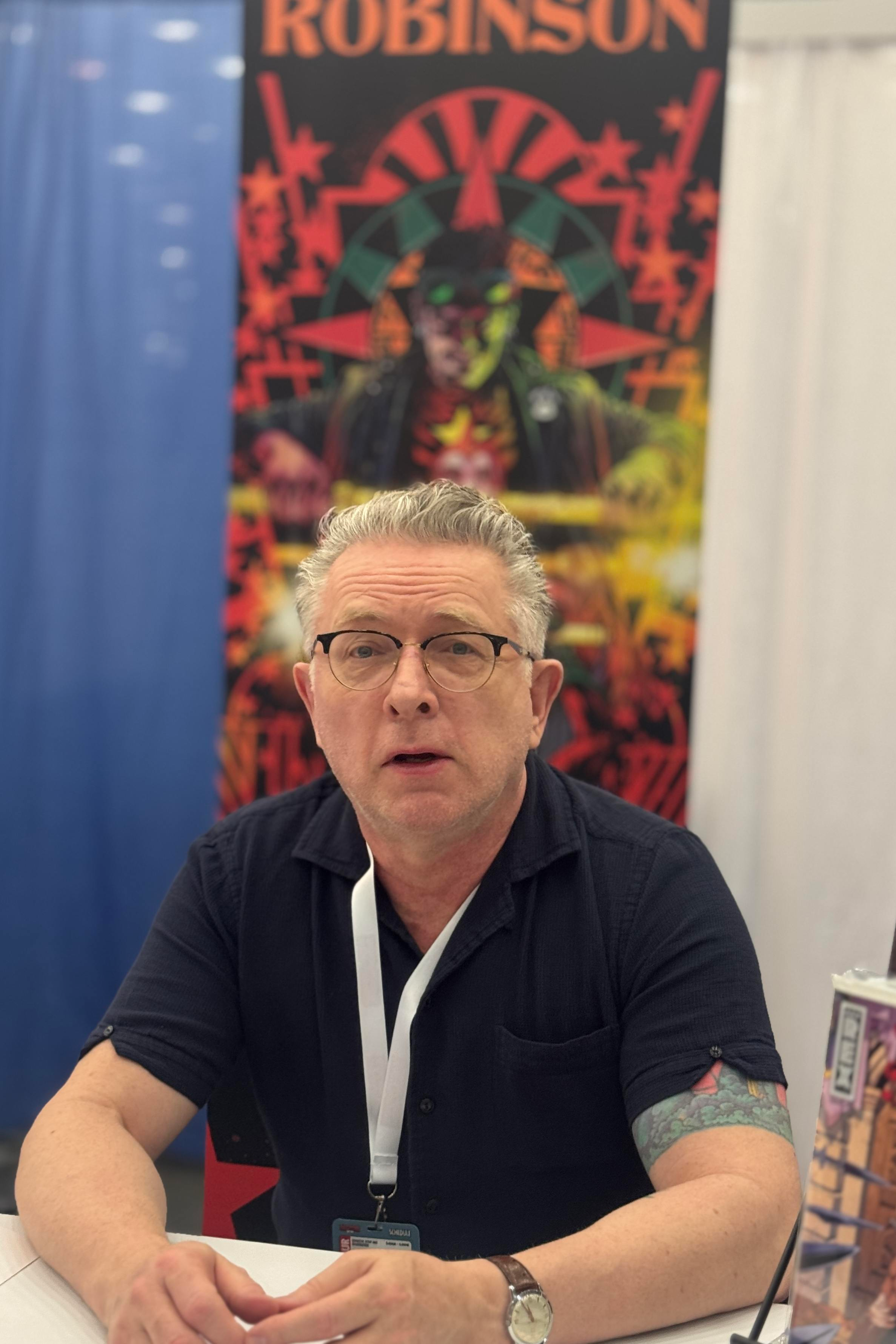
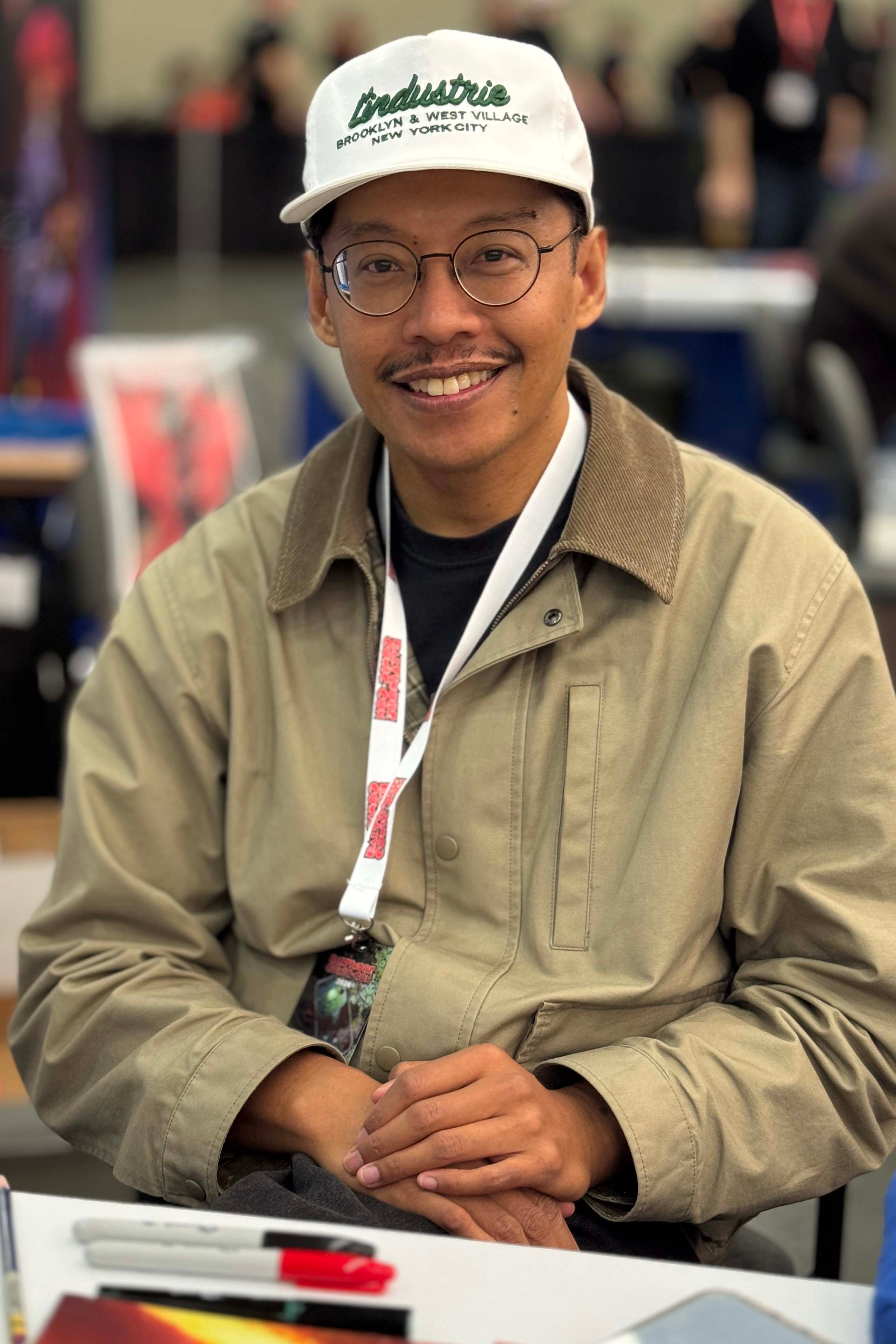
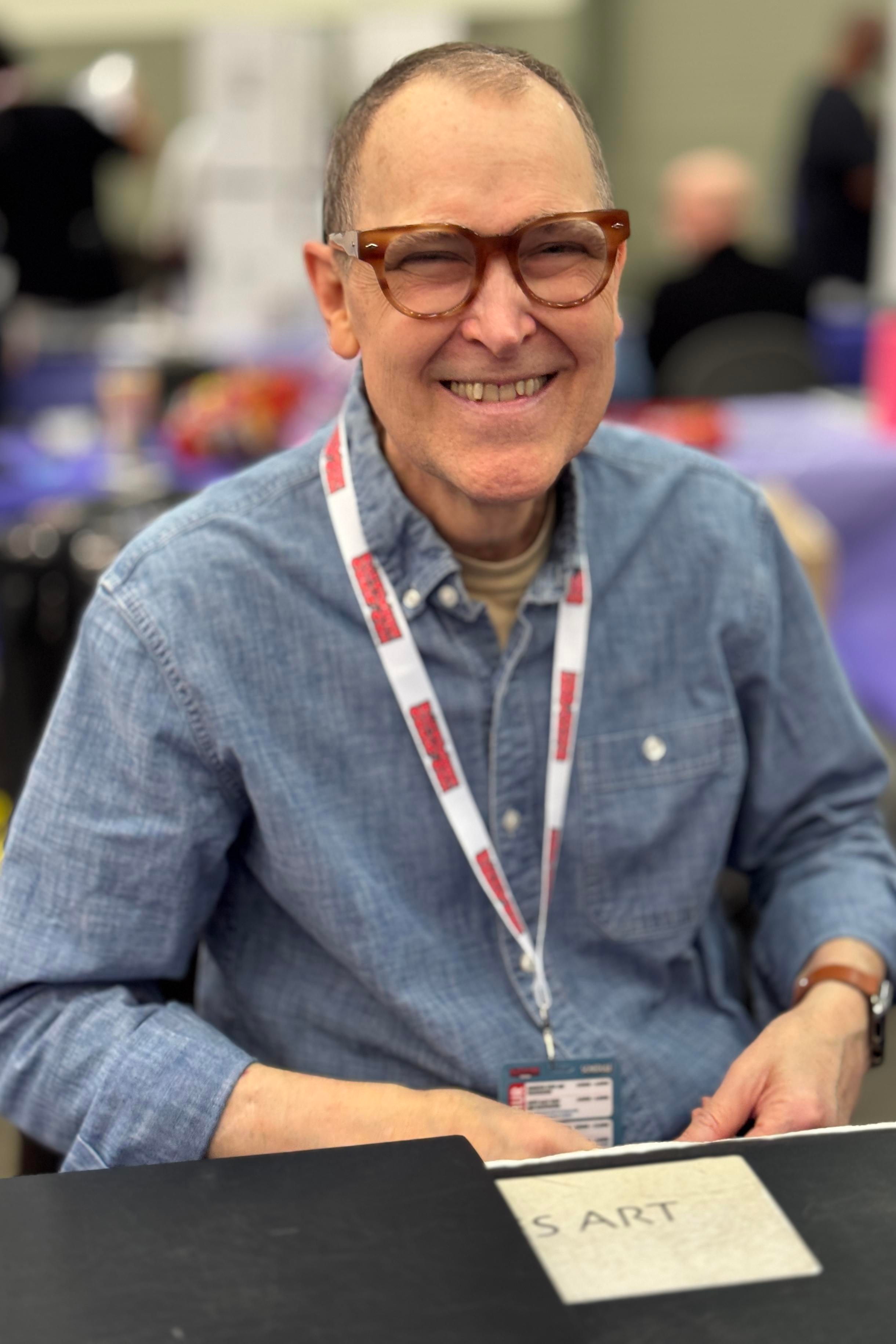
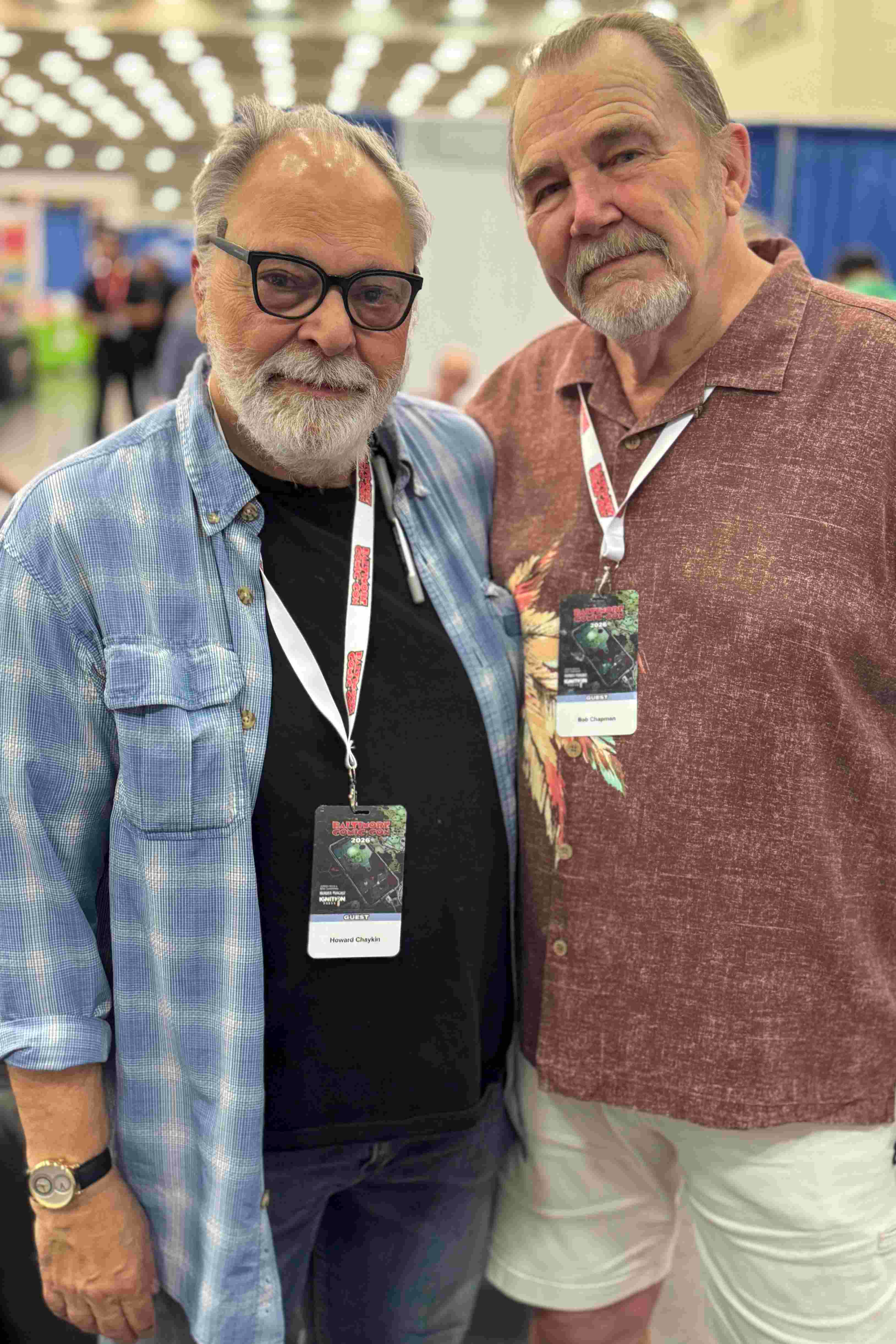
Andy MacDonaldAdriana MeloAnthony_MarquesArt AdamsBilly Tucci & Brian PulidoBrian StelfreezeCaitlin_YarskyBob McLeodColeen DoranCreees LeeDan ParsonsDan JurgensDean HaspielCully HamnerDave JohnsonDon SimpsonEric CaneteDrew MossJason AaronErik LarsenEric PowellJeffrey BrownJames RobinsonJerome OpenaJG JonesHoward Chaykin & Bob ChapmanFrank Cho
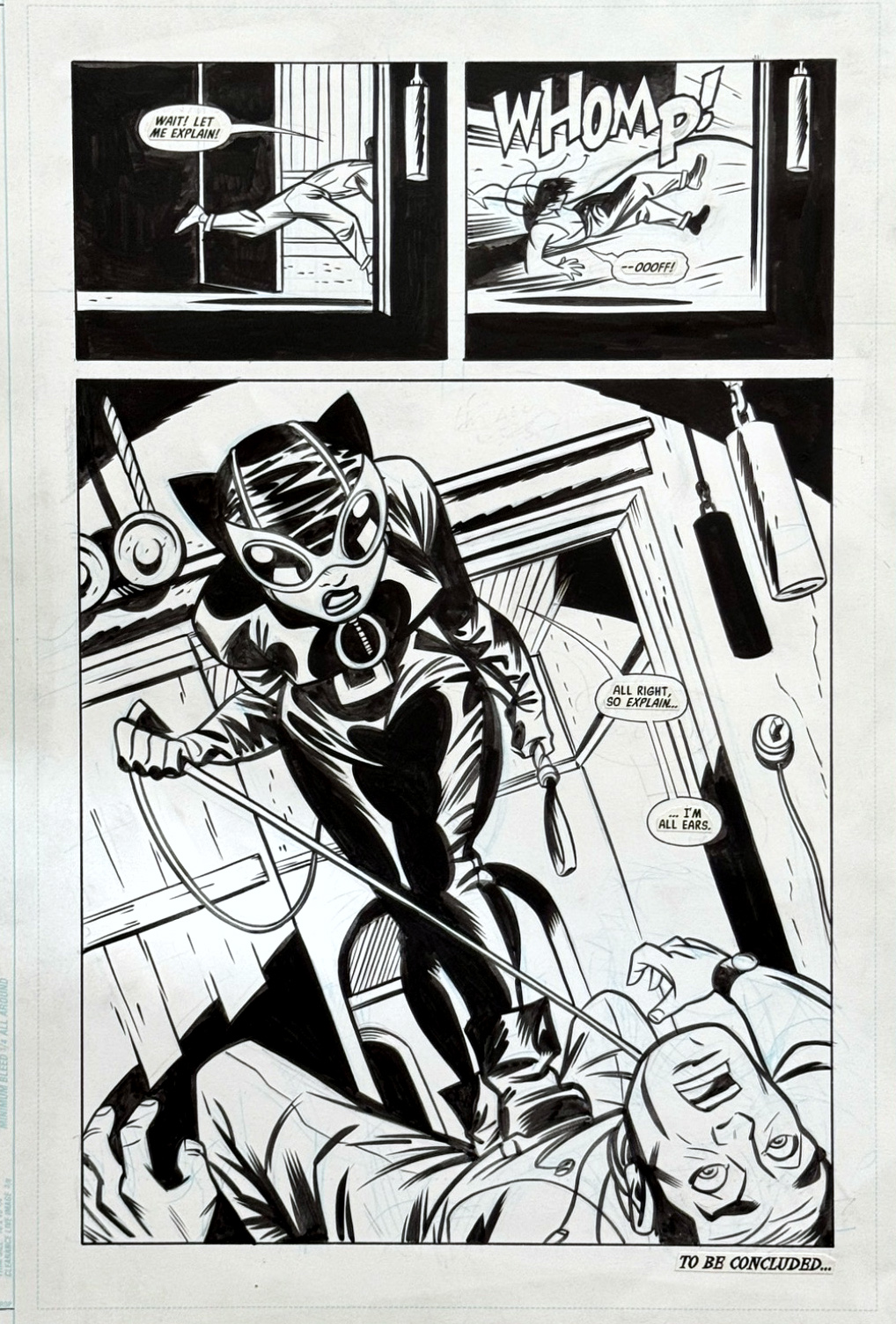
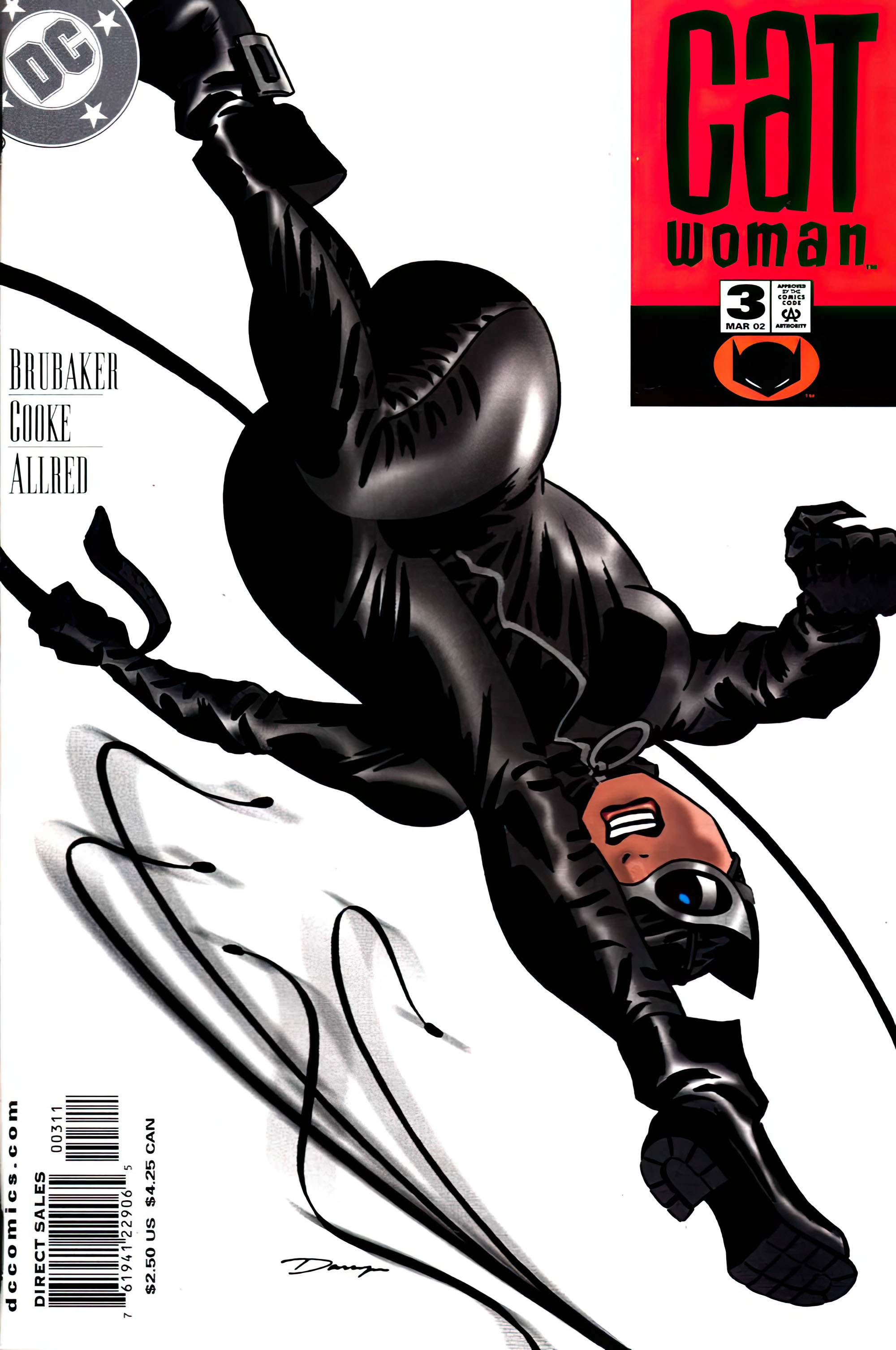
Darwyn Cooke drew only four “regular” issues of Catwoman.
Four.
Yes, there was also “Trail of the Catwoman” in Detective Comics, and the terrific Selina’s Big Score. But still, it wasn’t nearly enough.
Ed Brubaker and Darwyn gave us a terrific version of Selina Kyle. Smart, stylish, funny and noirish, with a costume that was both sexy — and, for a change, a bit more practical.
She finally looked like someone who could actually leap across rooftops without losing parts of her wardrobe.
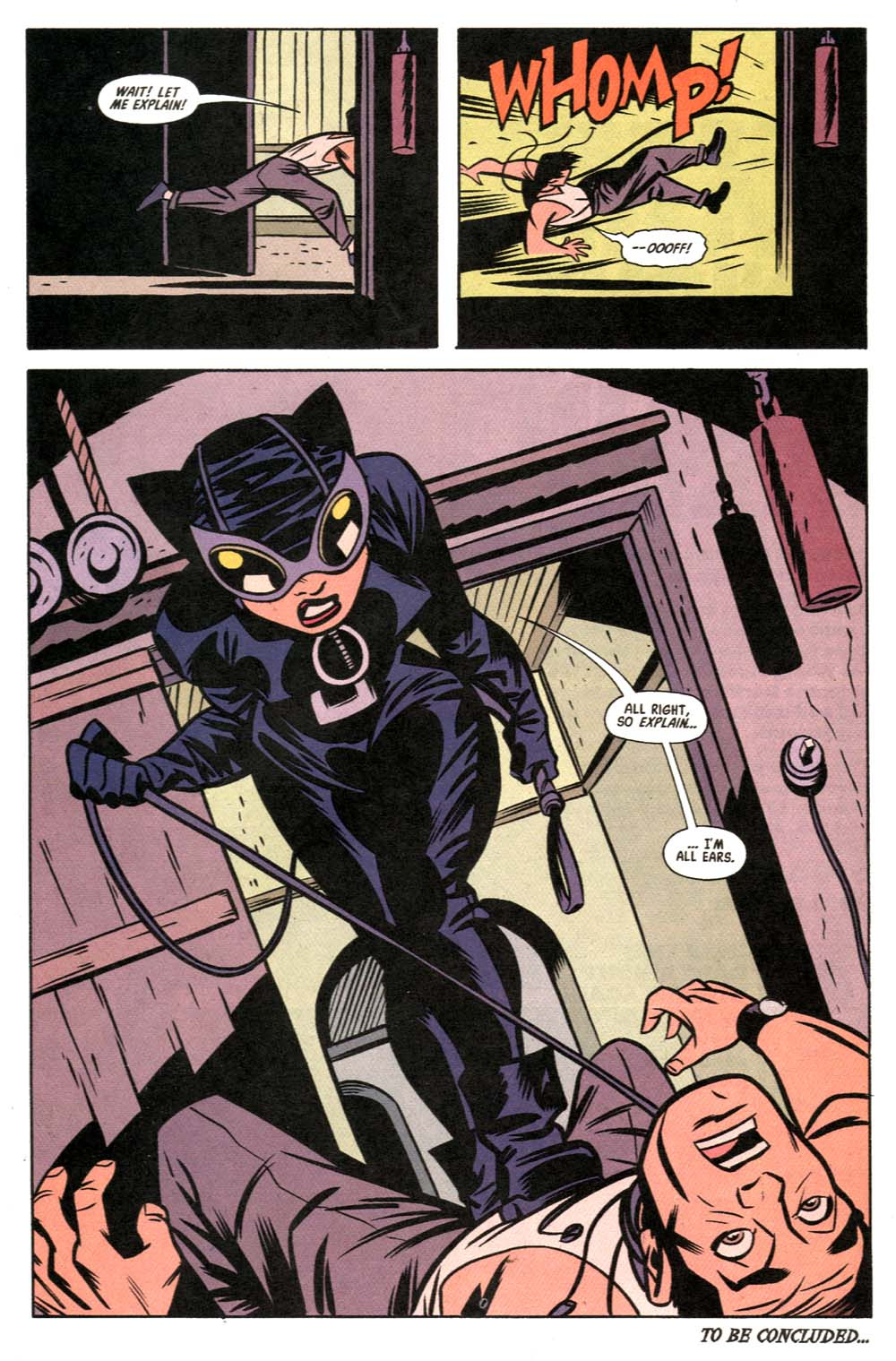
This page, inked by Mike Allred, is a great example of Darwyn’s storytelling. Two small panels to set things up, followed by one big payoff.
Simple. Clear. Terrific.
And, of course, Catwoman owns the page.
I’ve featured Darwyn’s work on the blog many times: Parker, The Spirit, and those wonderful classic comic-book reinterpretations he apparently created to “relax.”
(Most of us relax differently. But I digress.)
Darwyn’s Catwoman run was much too short. Sadly, so was Darwyn’s time on planet Earth. He died in 2016 at the age of 53.
He was one of the greatest cartoonists of his generation, despite entering the field relatively late, and I was fortunate to know him and work with him. I might be biased, but his Parker graphic novels (IDW Publishing) are some of the best ever published.
The man and his talent are very much missed. Fortunately, the art and the stories are still very much with us.
I’m thrilled that DC is finally publishing Batman by Darwyn Cooke: The Absolute Edition, collecting all of his extraordinary work with the Batman family in a format it deserves.
DC asked me to provide images of several pieces of Darwyn’s original art from my collection, and I happily obliged. Which pieces did they actually use in the finished book? Excellent question.
Apparently, even with a $125 cover price, their budget didn’t quite stretch far enough for a contributor copy. As a former publisher, I definitely recognize fiscal discipline, although this might be pushing that philosophy a bit too far.
No worries. I’ll contribute to the Warner Bros. bottom line as soon as I can get a copy.
Meanwhile, this page is a pretty good reminder of just how much Darwyn could accomplish in a very small amount of space.
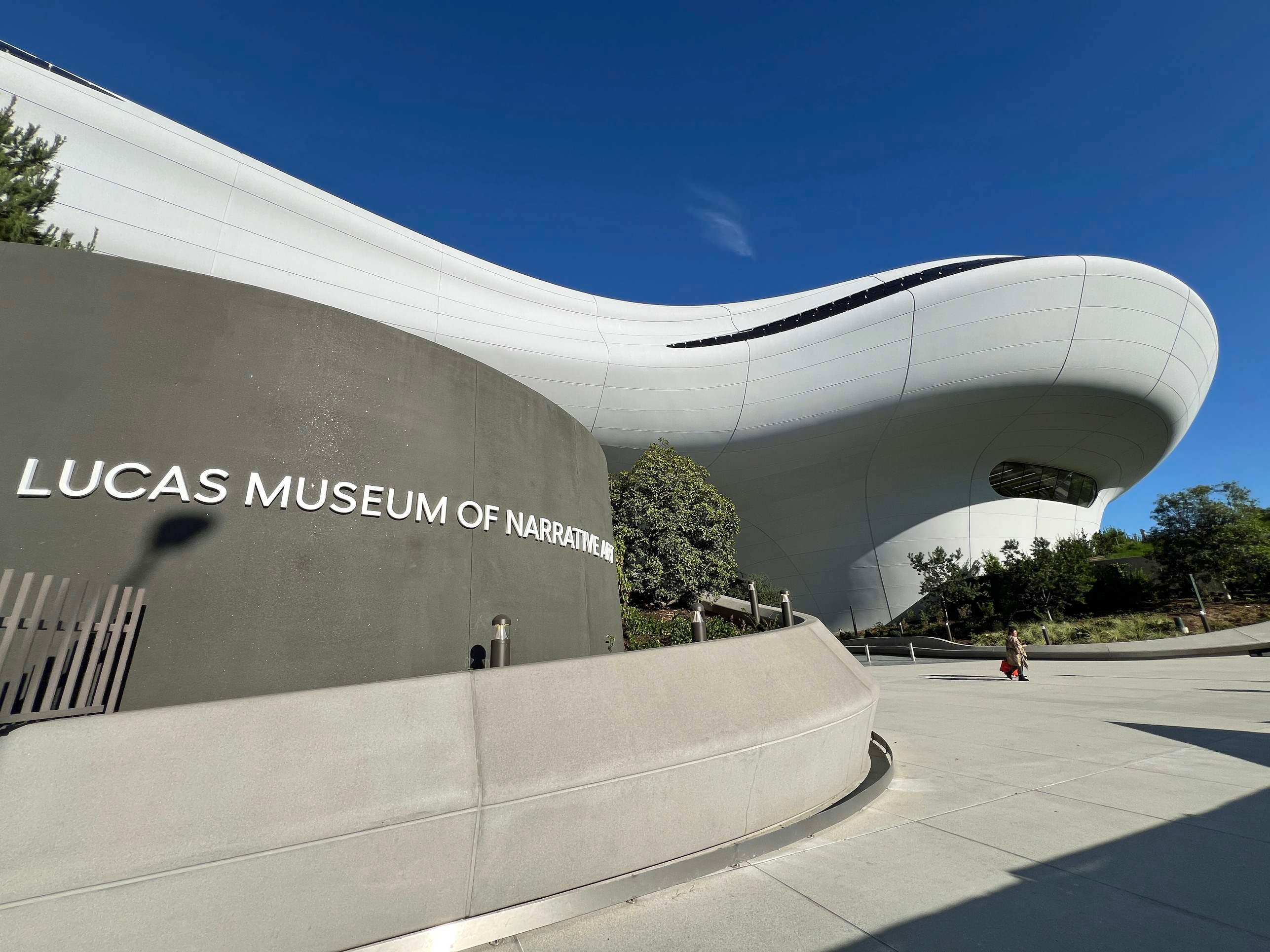
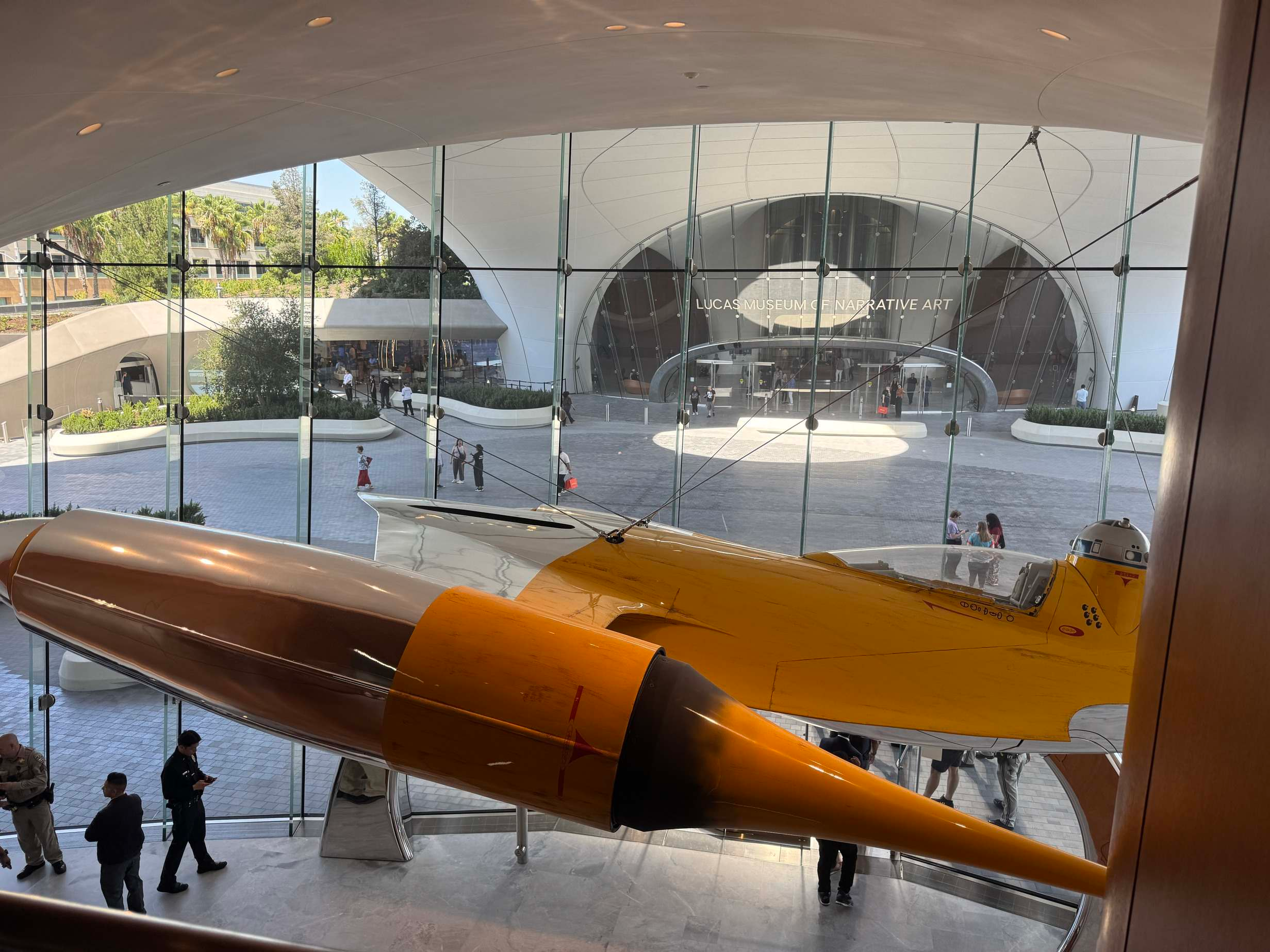
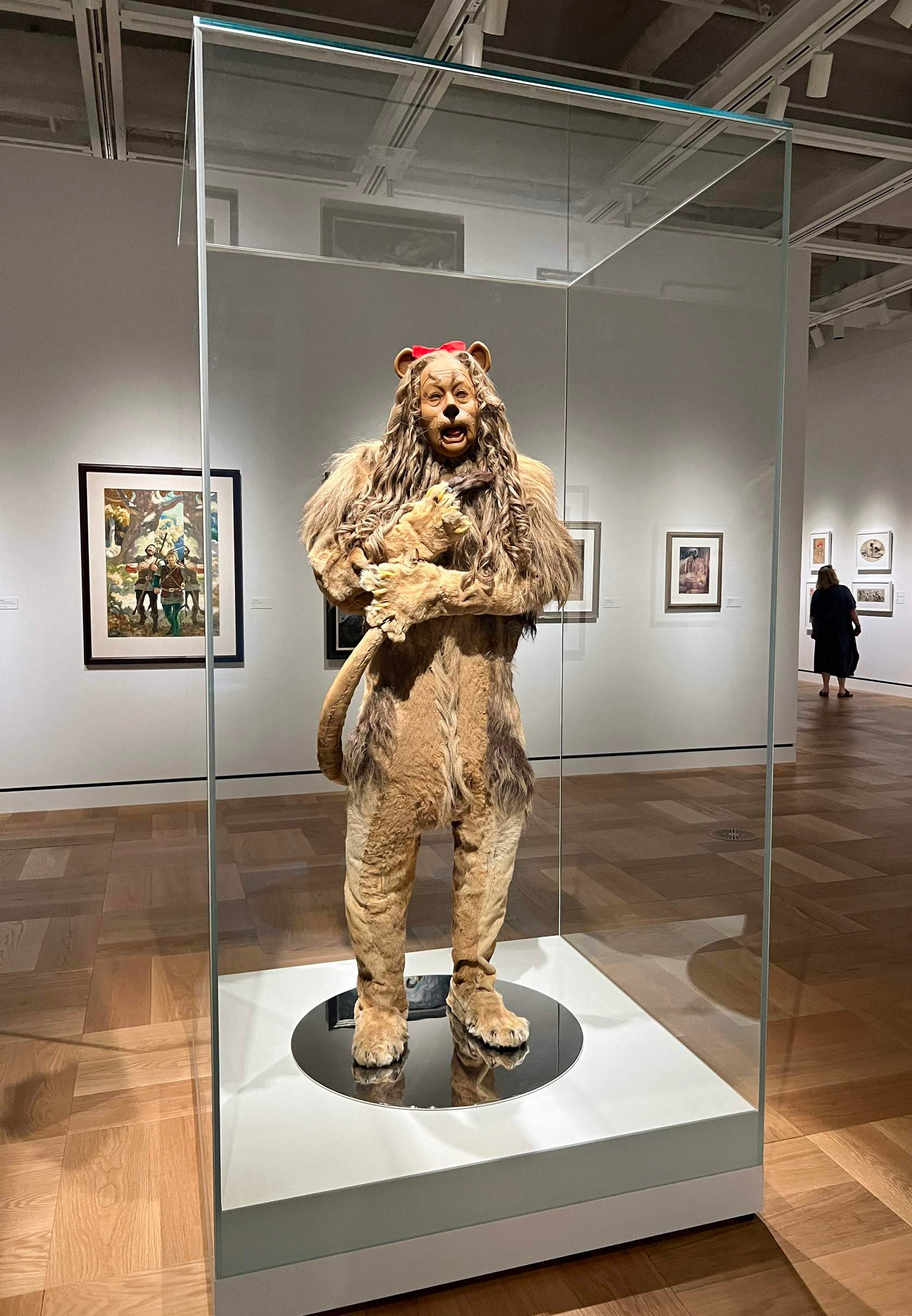
Lucas Museum of Narrative Art, Los Angeles, September 10, 2026
I’m a little late to the party on the Lucas Museum of Narrative Art.
Plenty has already been written, photographed, discussed and dissected. Some of my friends have written wonderful overviews.
So this isn’t an attempt at a definitive review.
It’s just what struck me.
In a word: astonishing.
Honestly, I was a little overwhelmed. There is a ton to take in, and I know I missed things.
Fine by me. I’m going back.
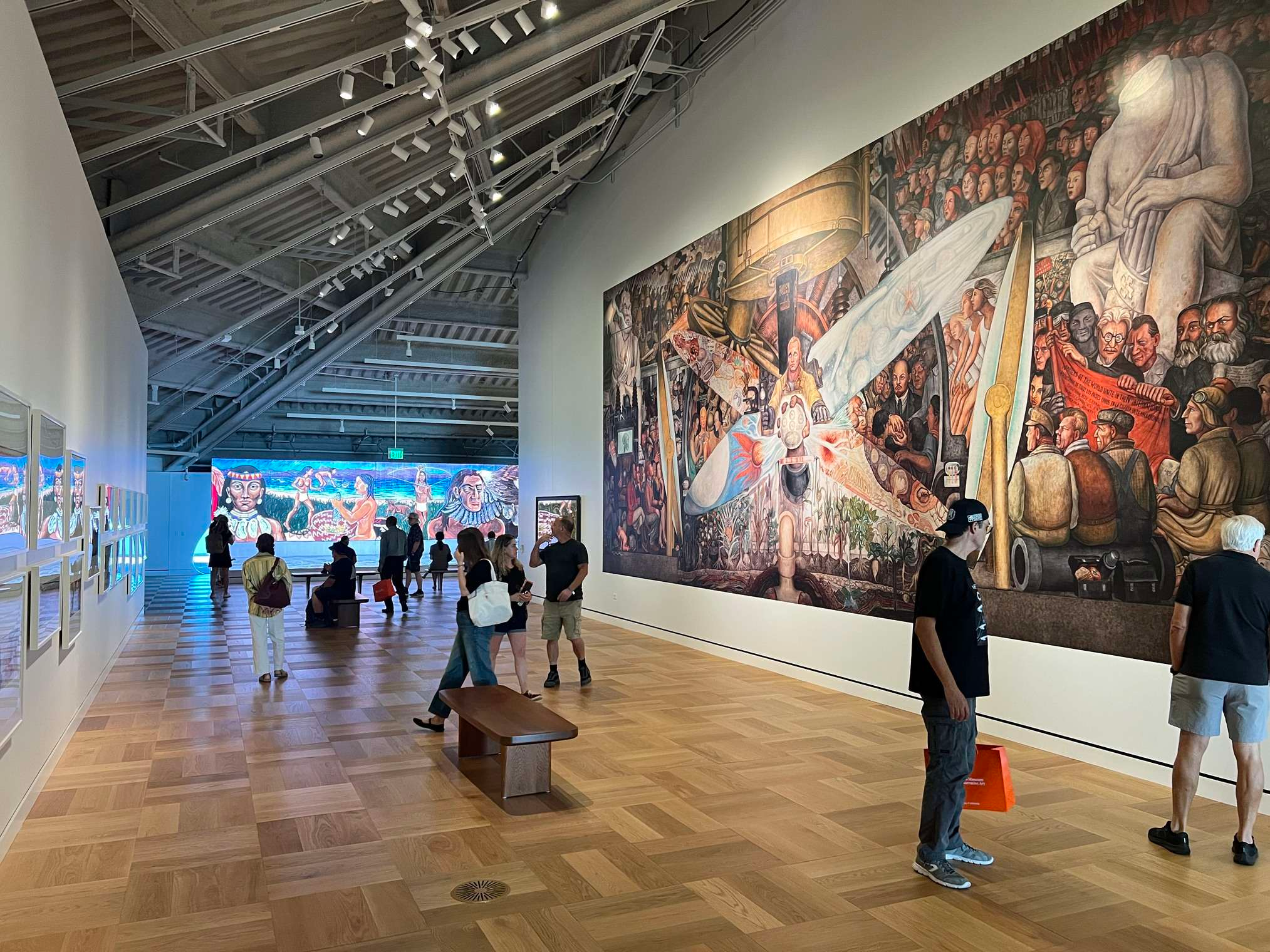
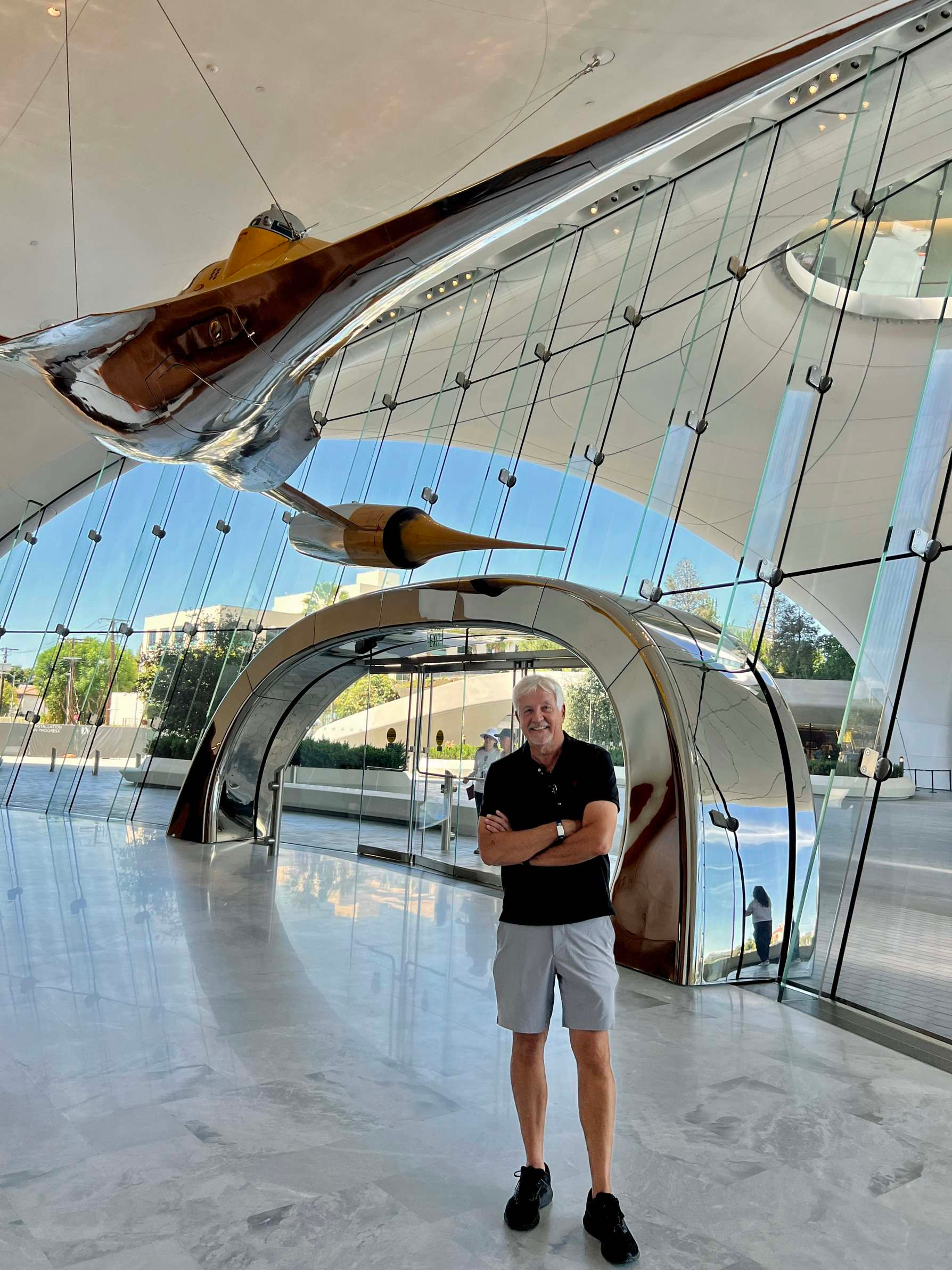
The building itself is spectacular — and innovative, to say the least — but once I got inside, the architecture pretty quickly became secondary.
I’m an art guy. Put great stuff on the walls and that’s where I’m looking.
And there is some really great stuff on those walls.
The Norman Rockwell collection alone is worth the trip. I’ve been to the Rockwell Museum in Stockbridge, Massachusetts, and it’s terrific, but Stockbridge is not exactly on the way to anywhere.
Seeing this many major Rockwells together in Los Angeles is pretty remarkable. A few, including The Problem We All Live With, are on loan.
The Frazetta collection is smaller, but there are some monsters there. Same with N.C. Wyeth, Maxfield Parrish and a long list of great illustrators.
One fun surprise was Parrish’s Old King Cole. I’ve seen the famous mural at the King Cole Bar in the St. Regis in New York — worth an overpriced drink if you get the chance — but not this one.
Here, you can stand in front of it as long as you want.
Which I did.
One of the bigger surprises, though, was what I didn’t see.
When we did the three Star Wars Galaxy card series at Topps in the 1990s, Lucas bought a ton of the original artwork. He also accumulated an enormous amount of other Star Wars material over the years. For a long time, he had first right of refusal on any newly created Star Wars and Indiana Jones art.
I saw very little of it.
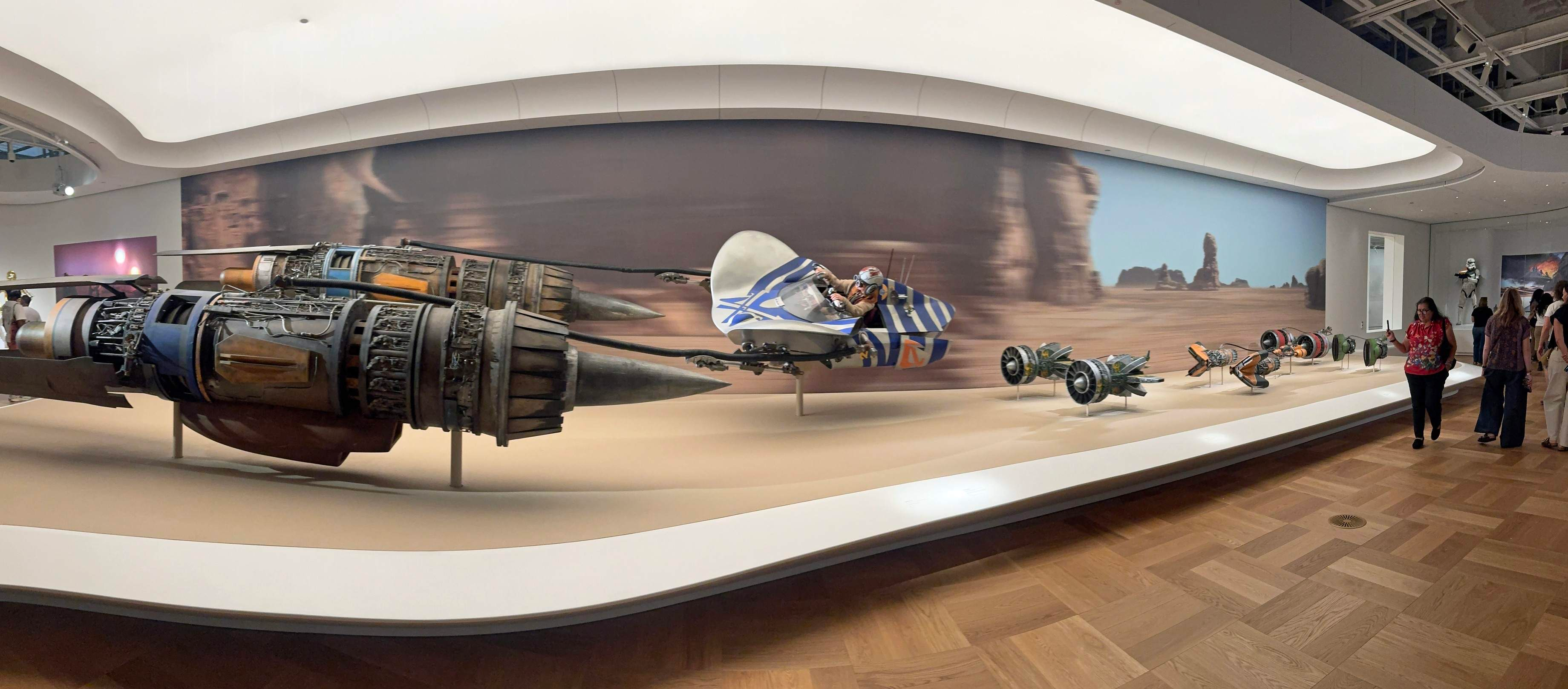
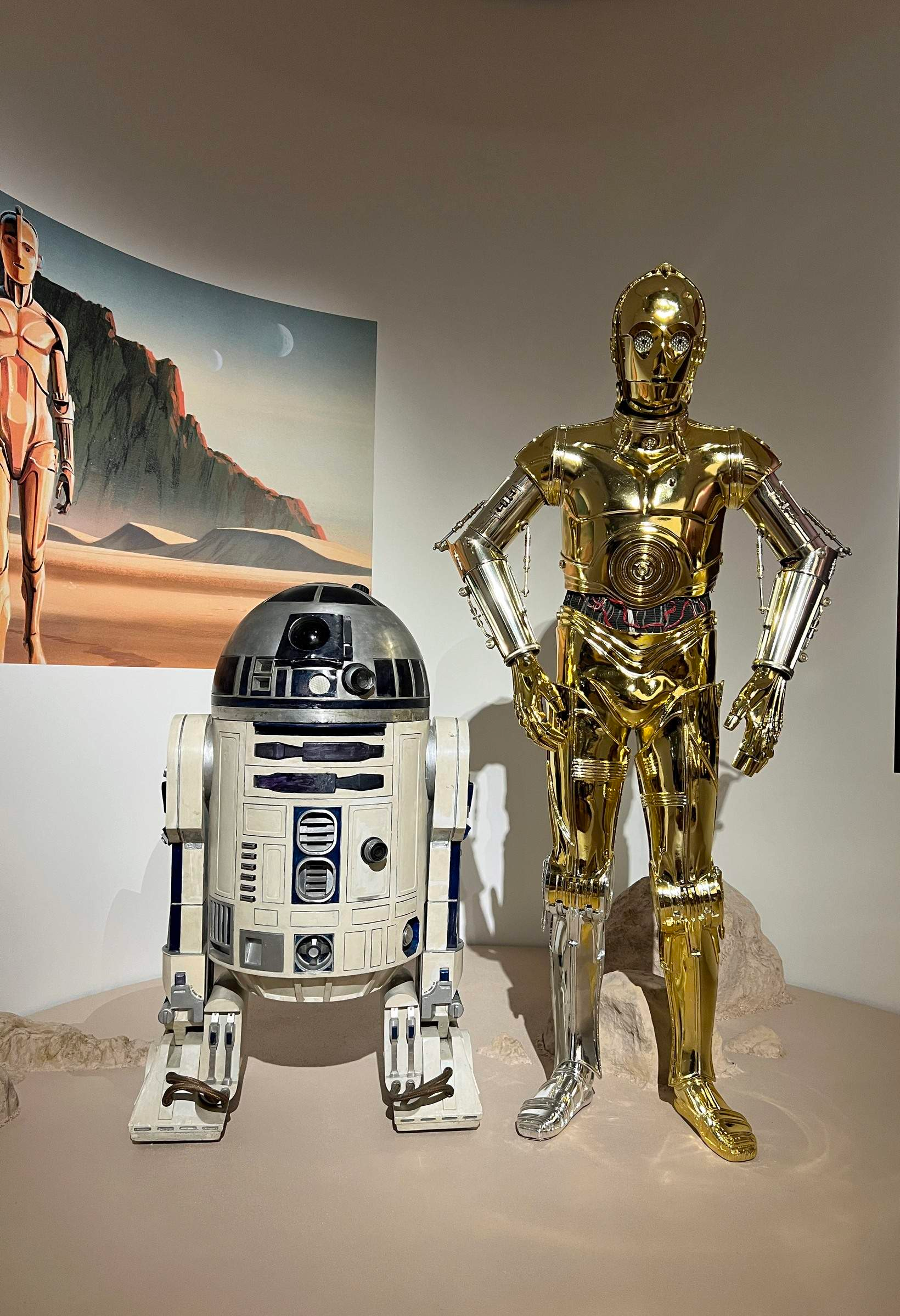
There is certainly Star Wars material in the museum, including the Star Wars in Motion exhibition, but I expected much more original art to come pouring out of the vaults.
No big display of Star Wars Galaxy paintings. Much less production and concept art than I expected.
So… where is all that stuff?
The museum owns tens of thousands of works and can obviously show only a fraction at a time. Presumably much of it will rotate in.
I hope so.
Naturally, I spent a lot of time with the comic art.
There are some terrific pieces, including one of the best Bernie Wrightson Frankenstein drawings I have ever seen. And anytime any original comic art is hanging in a museum, which is not often enough, I still get a kick out of it.
But I wanted more.
And more focus.
Oviously, I’m biased.
Still, this is the Museum of Narrative Art. It’s hard to imagine an art form more literally narrative than comics.
And the museum does own plenty of important comic art. Which makes some of the choices on display a bit puzzling.
No Ditko.
One Kirby.
Jack Kirby probably had more impact on contemporary popular culture than any comic-book artist who ever lived, so one piece seems… light.
Also odd: quite a bit of the comic art was material collectors have watched change hands at auction during the last decade or so.
Where is the stuff that hasn’t seen the light of day in 30 years?
That remains a mystery. For now.
My other quibble was context.
There is wonderful art everywhere, but often very little explaining why a piece matters, how it fits into the history of illustration and visual storytelling, or sometimes even why it’s hanging next to the thing beside it.
For a museum about narrative art, I’d like a little more narrative.
Apparently I’m not alone.
I learned afterward that you can use the museum’s mobile site and your phone camera to get additional information about the art.
Cool idea. I’ll try it next time.
But there was also plenty of room for a paragraph on the placard.
Still, what I kept thinking about afterward wasn’t any individual painting.
It was the scale of what George Lucas and Mellody Hobson have done.
Collectors collect. I understand that impulse pretty well.
But assembling a collection like this and then building a museum so the rest of us can see it is something else entirely.
Rockwell. Frazetta. Wyeth. Parrish. Comics. Film art. Illustration. Photography. Popular culture.
Images that lived in magazines, books, movies, advertisements — and our memories — now hanging together under one roof.
I can wish there were more comic art. I can wonder where all the Star Wars material is. I can complain about a placard.
Fair enough.
But when you step back and look at what Lucas and Hobson have built, those complaints get pretty small pretty fast.
There was also one slightly ridiculous collector moment.
Walking around, I realized that George Lucas and I have occasionally owned the same kinds of things.
His collection is, admittedly, a little more impressive.