Continuing our multi-week celebration of the 80thanniversary of the Justice Society of America.
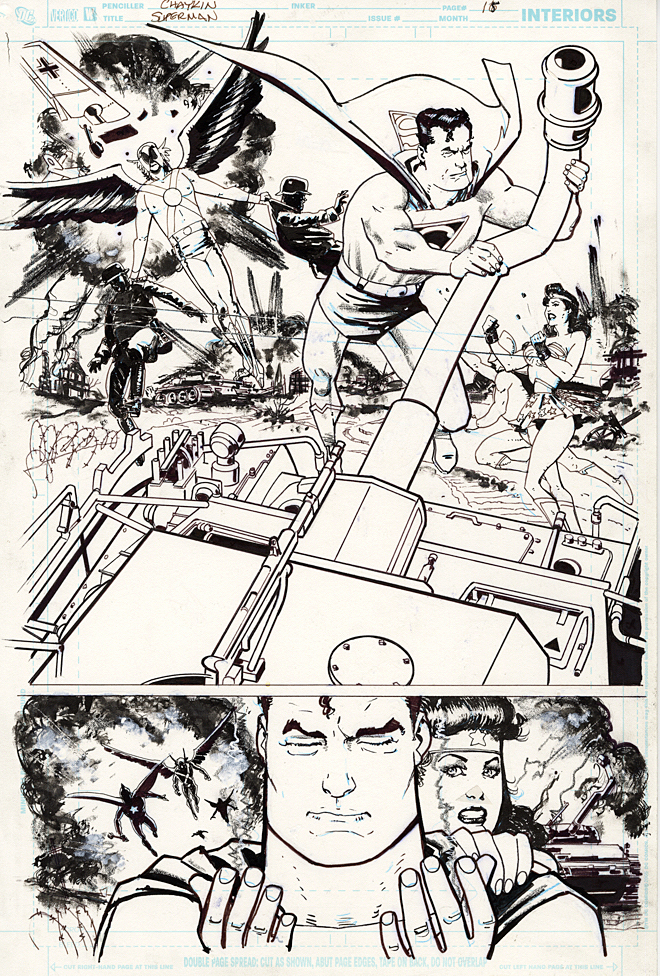
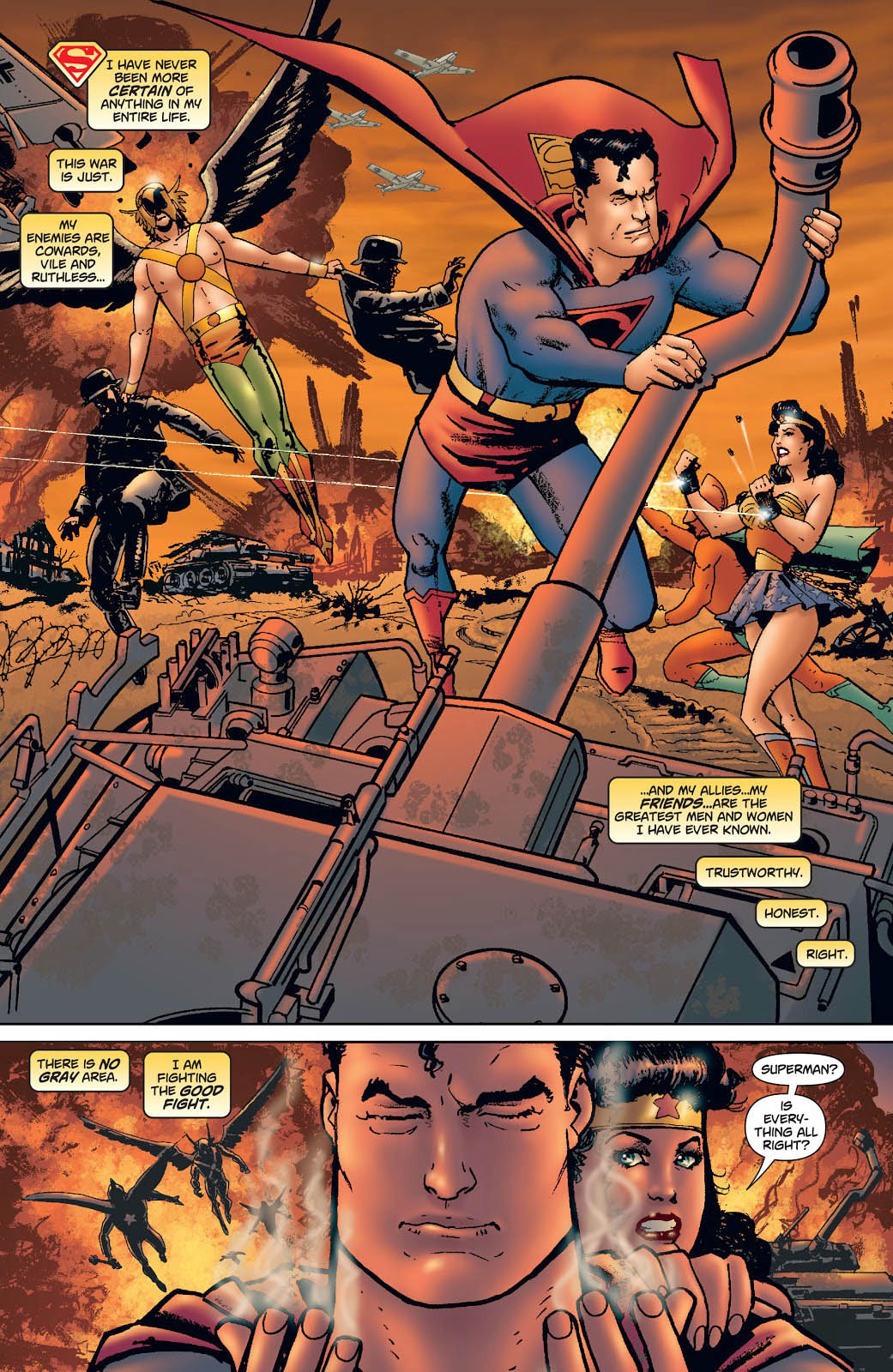
This is great action splash from Howard Chaykin, and a rare treat to see him illustrate classic superheroes.
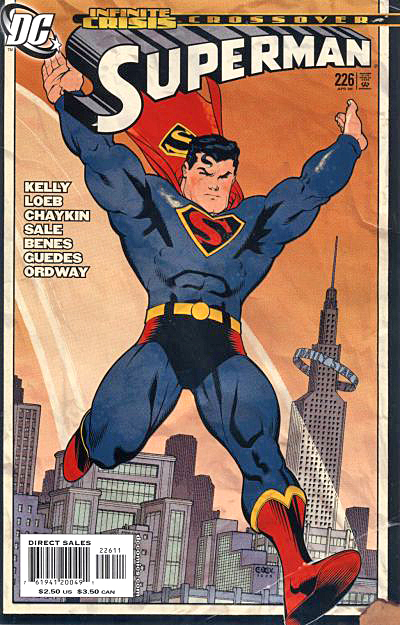
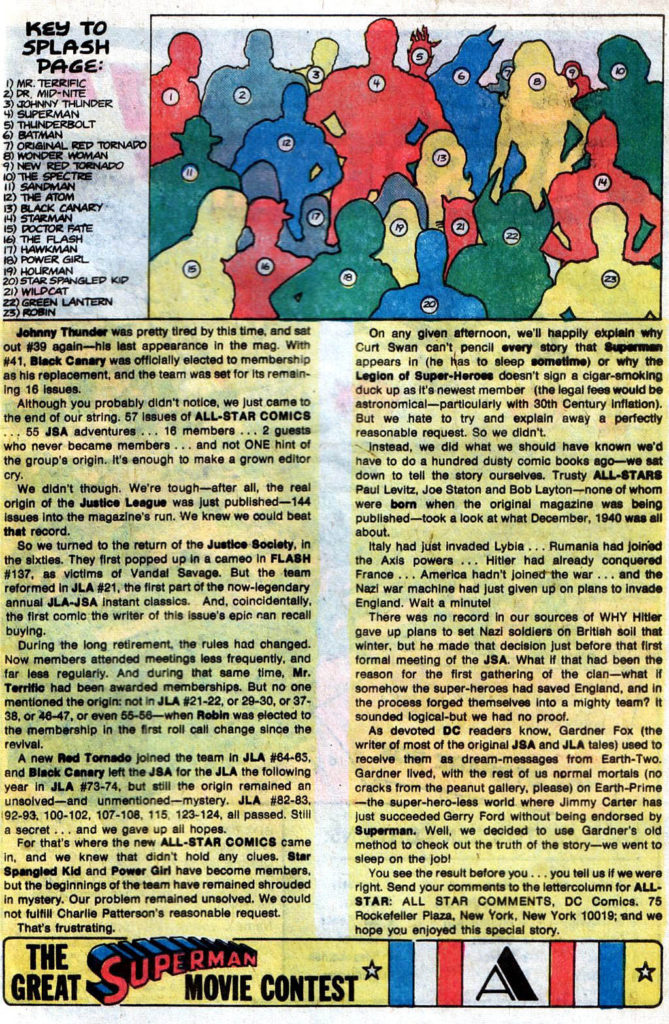
As part of the Infinite Crisis storyline, Supermen from two different universes clash, each one living the life the other. When one goes to halt the Nazi atrocities of World War 2, he learns the difficult truth about Hitler’s super stalemate courtesy of the Spear of Destiny.
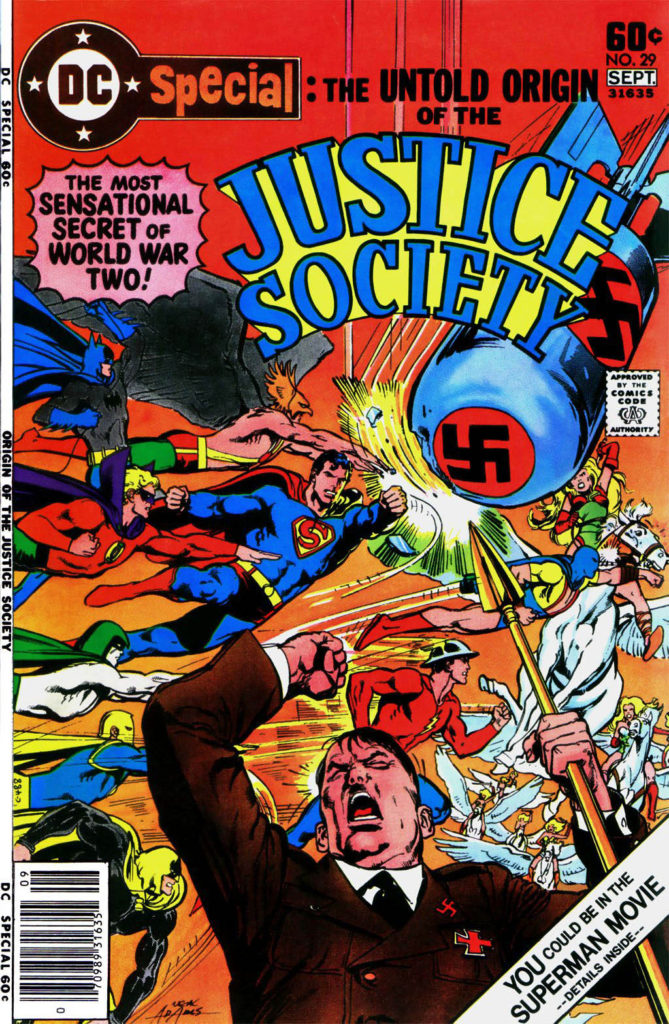
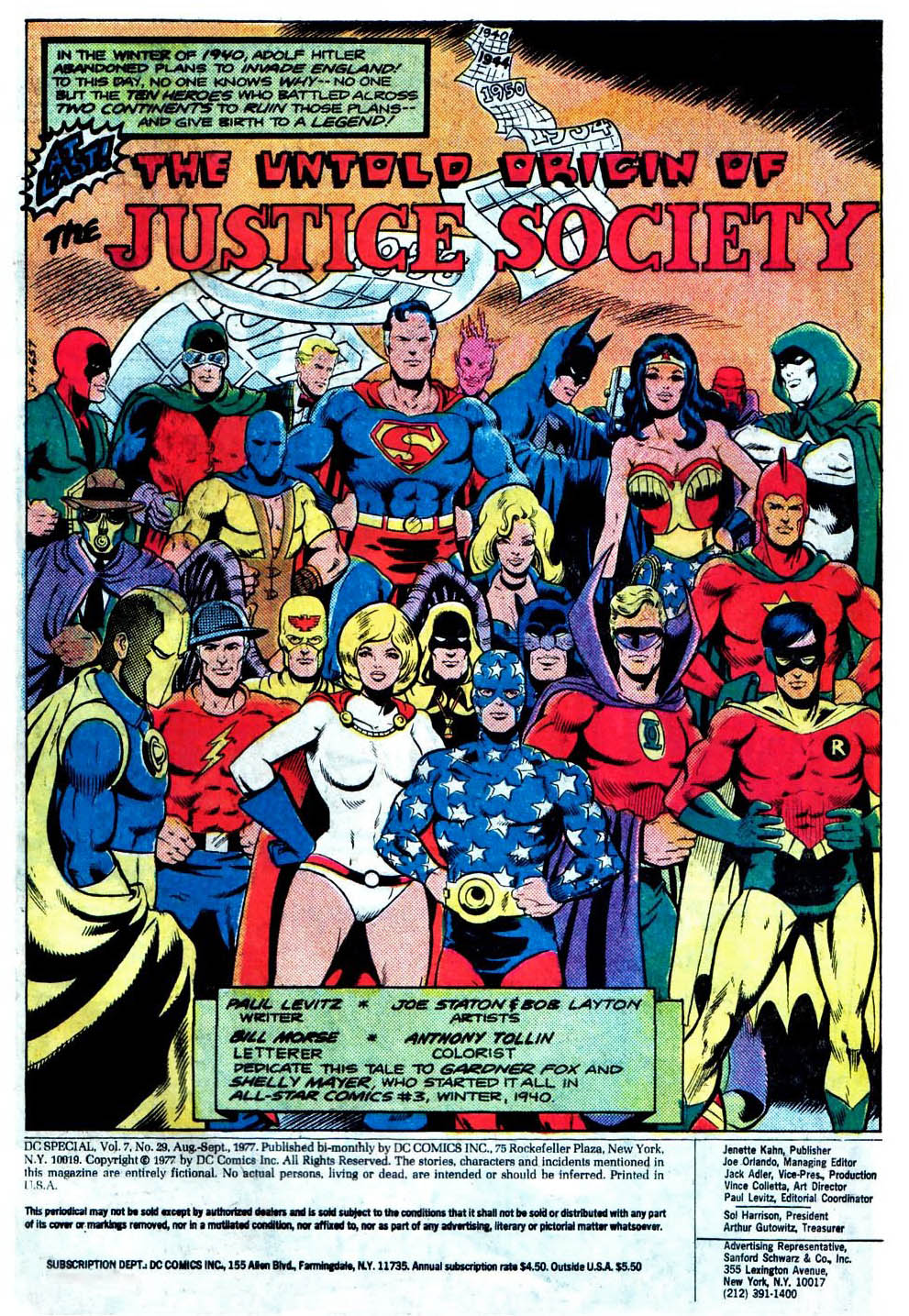
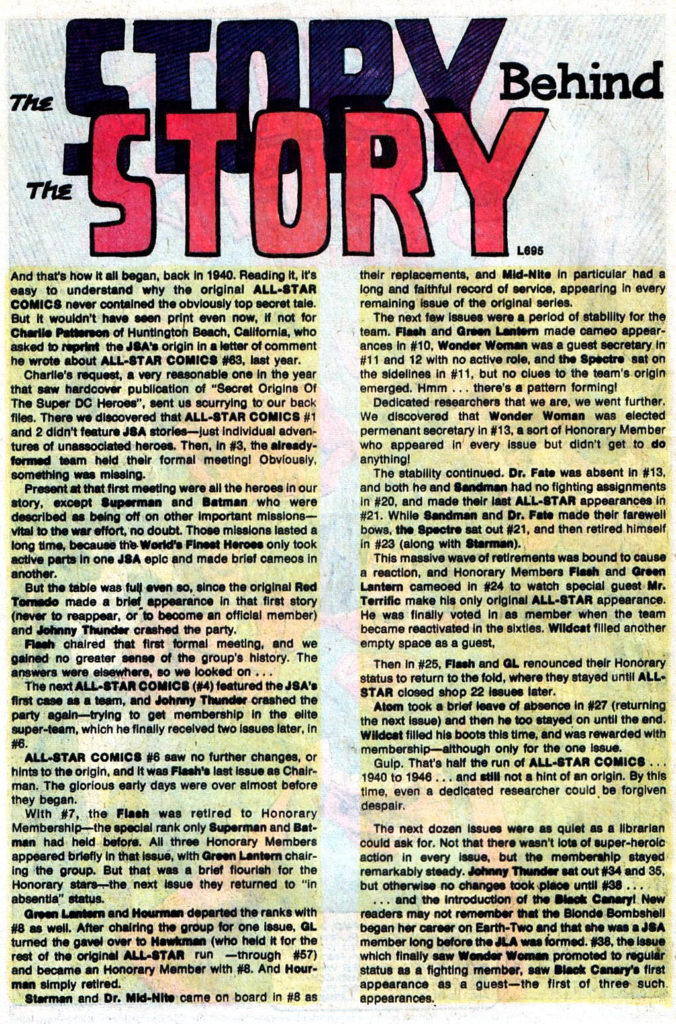
It took more than 35 years to tell the origin of the Society, and Paul Levitz created a plausible scenario that explained why America’s heroes simply didn’t use their powers to end the war in favor of the Allies quickly and decisively. Spoiler alert: It involves magic.
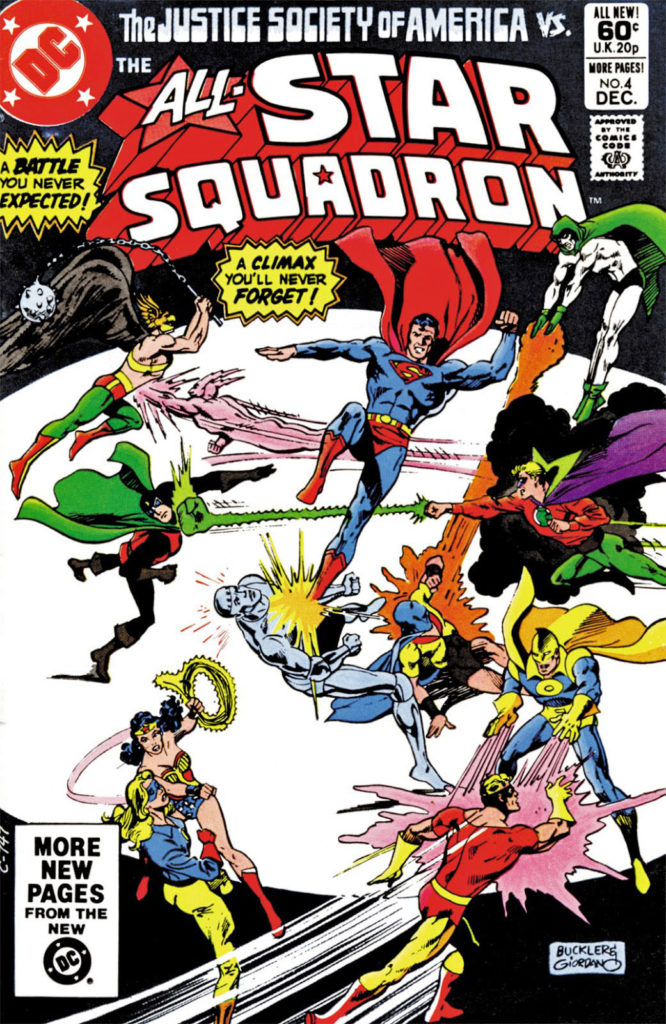
Roy Thomas and other writers ultimately ran with (and expanded) the concept, and writer Joe Kelly incorporates this premise into this Crisis Crossover.
This is the final issue of this specific volume of Superman, launched nearly 20 years prior, as part of the “John Byrne reboot.”
One of my favorite single issues from the late 70s (DC Special #29) tells the “untold origin” of the Justice Society and explains why they can’t simply destroy the Axis Powers. The “magic” theme would carry into other stories as well.
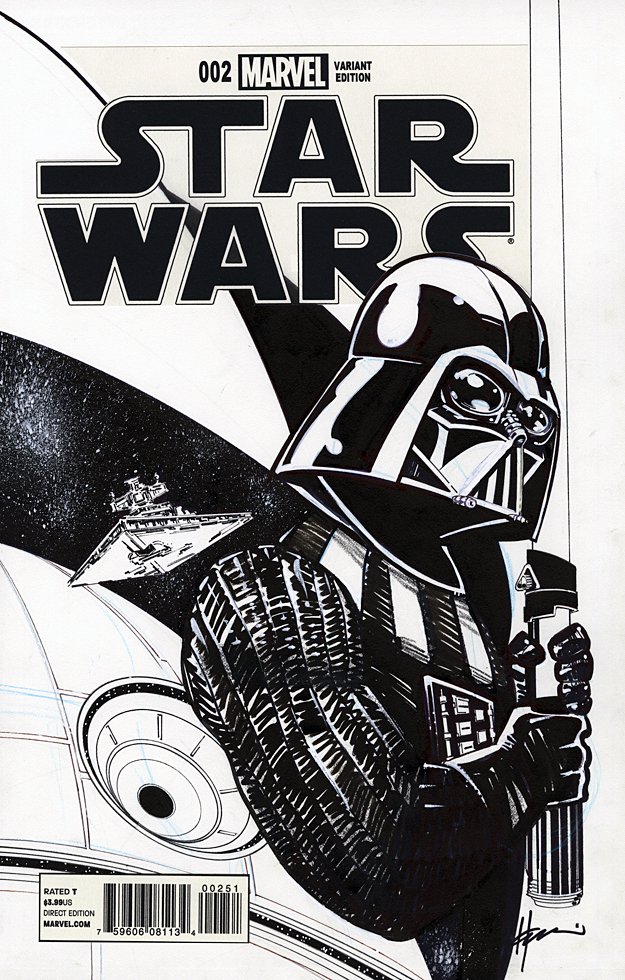
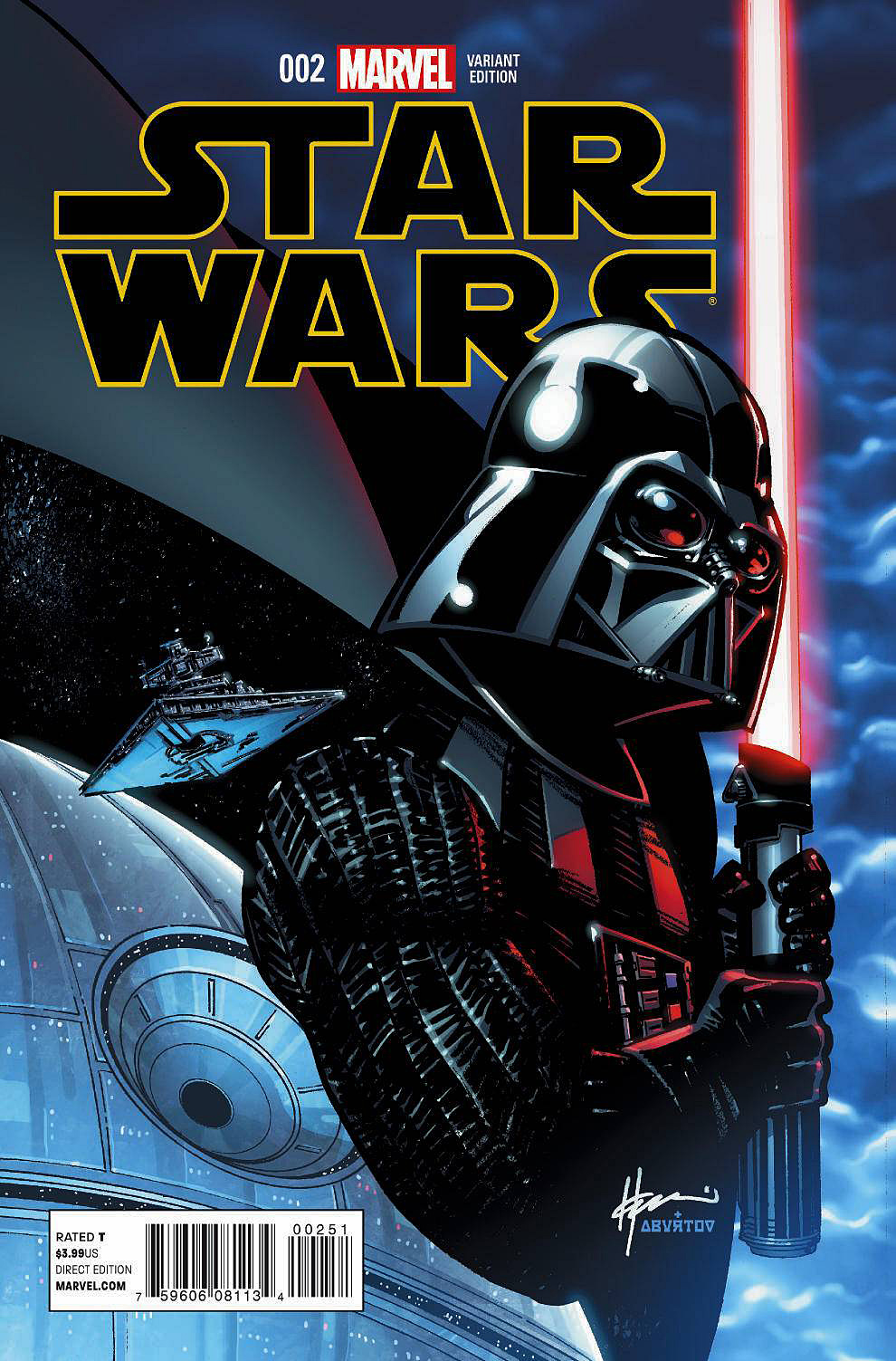
Howard Chaykin returns to Star Wars with an imposing cover of Darth Vader in 2015. You don’t want to mess with this version of Vader, even if you’re on his side.
Howard Chaykin. Star Wars. This might be a greater conflict than the empire vs. the rebellion.
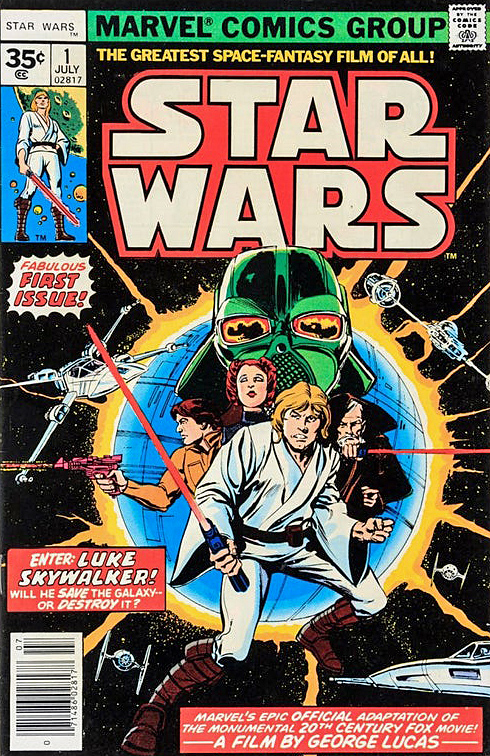
I don’t need to repeat Howard’s many on the record comments about his original artwork on the series (Marvel’s 1977 issues #1-#10, which includes the six-part adaptation of the original film.) You can see more for yourself here, here or here.
Suffice to say, he doesn’t like it. (Reading anything Howard says about his own work — or others, or anything, for that matter — is always highly entertaining, so I recommend taking a deeper dive.)
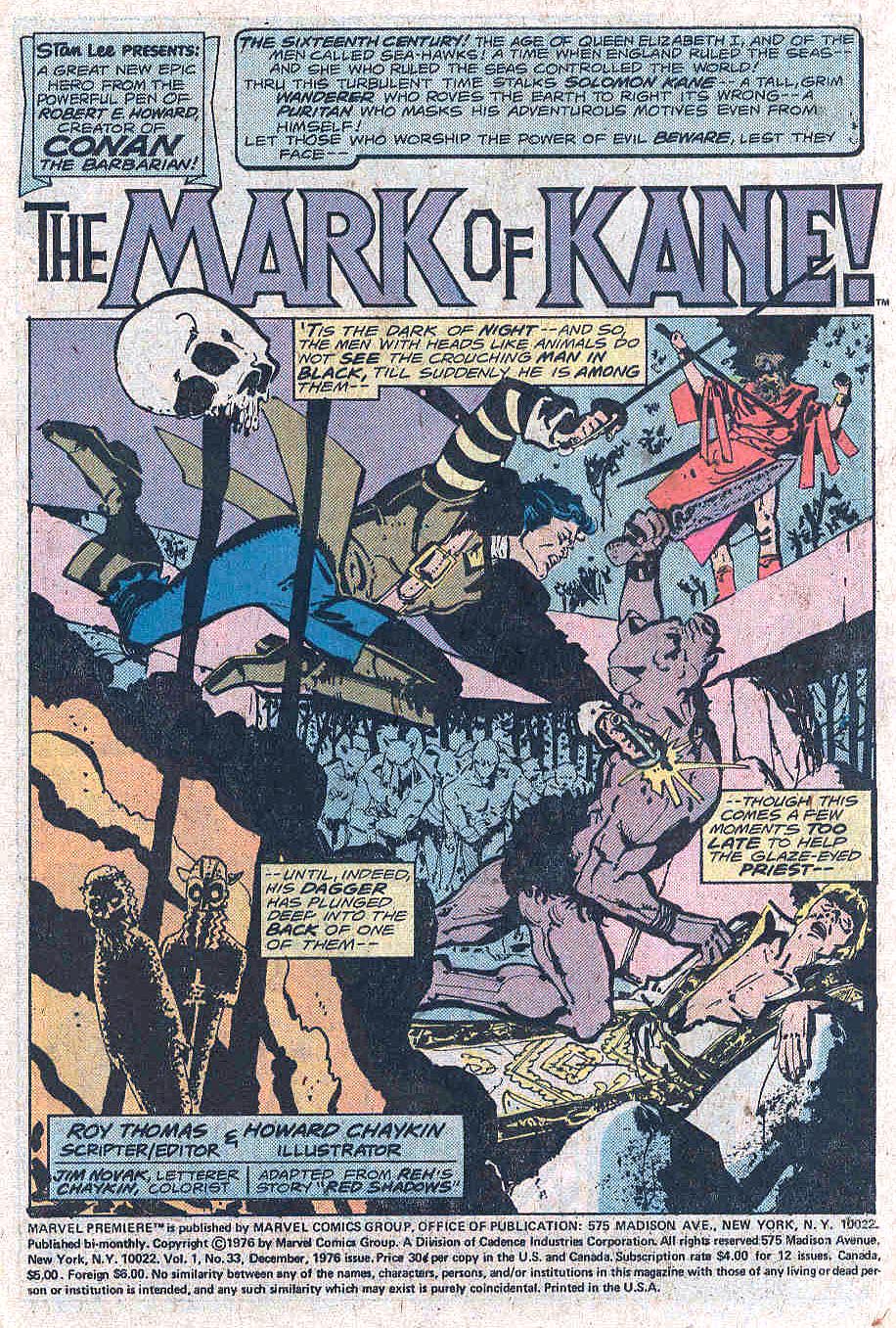
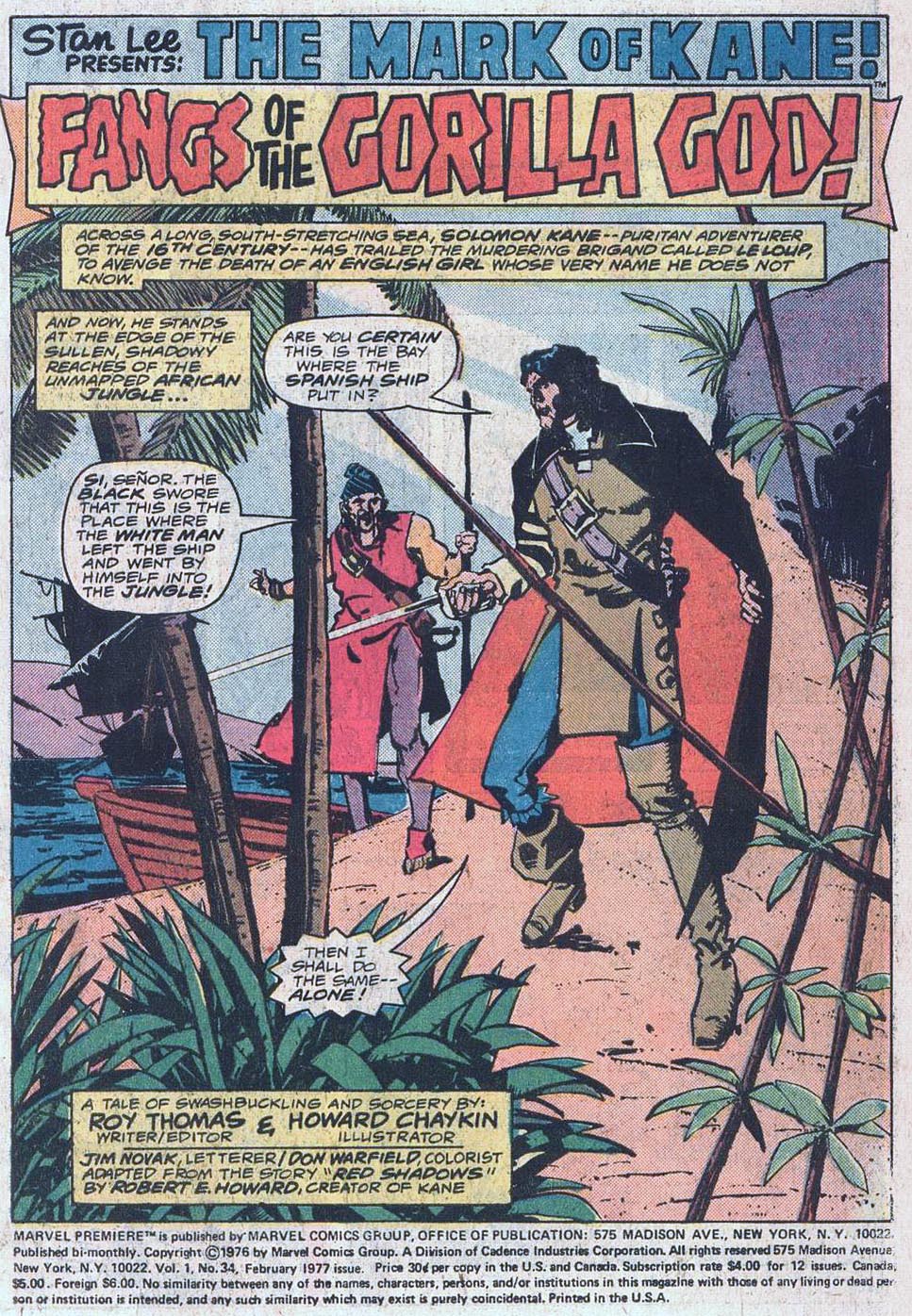
Objectively, Star Wars is of course, not his best work — not even close. It’s not even as good as his other early comics. He drew three issues (and wrote one) of Marvel Premiere just prior to Star Wars that are excellent, especially for the period. (Howard is generally self-critical of all his earliest work, so I bet he won’t agree. But I digress.)
Licensed comics are always a challenge, especially with limited reference and insane deadlines. That said, given these constraints, and many others, I think his Star Wars art, especially on the first issue, is definitely better than much of what was coming from the big two companies at the time. But, ultimately, not so great on the Chaykin Curve. (A new scientific term coined especially for this post.)
Just a few years later (1982) he created the astonishing American Flagg. Groundbreaking, although often overused, barely does that series justice. (Much more on that in a future post). Based on Flagg alone, Mark Chiarello DC’s long-time Art Director has described Chaykin as one of the architects of the modern comic book.
Unfortunately, Flagg was published by a smallish independent publisher, which means that few casual readers ever saw it. Although knowledgeable long-time fans are well aware of the series, it doesn’t have the legacy it deserves.
Star Wars? Reprinted about a zillion times, in more formats than I can count. And I am one of the guilty parties here, publishing the Star Wars Artifact Edition (IDW), showcasing the original art — in its original (11×17) size.
Shortly after Flagg, Chaykin went on to other fascinating projects, geared for older readers. Times Squared. Blackhawk. The Shadow. Black Kiss. Etc. Ultimately, after a long stint in Television, he returned with other series that reflected his interests and passions. Mighty Love (feels like a television show and was apparently originally developed for that medium) and City of Tomorrow are two personal favorites. He’s currently working on Hey Kids! Comics!, a fascinating fictionalized look at the drama, jealousy and scandals in the history of comic book business itself.
His innovative and realistic storytelling is complex, violent, sexual, and political. He left space operas behind a lifetime ago.
So if you were a kid when you saw Star Wars, loved Star Wars, and only had the Star Wars comics to read over and over again, because there was no home video, I get it, you love those comics.
I think that’s cool. Even Howard is probably ok with you remembering those comics through the warm glow of childhood nostalgia.
But if you’re an adult? Just don’t remember HIM for them.
That’s like remembering Nolan Ryan only for his one World Series appearance for the 1969 “Amazing” Mets. You’ve missed the point.
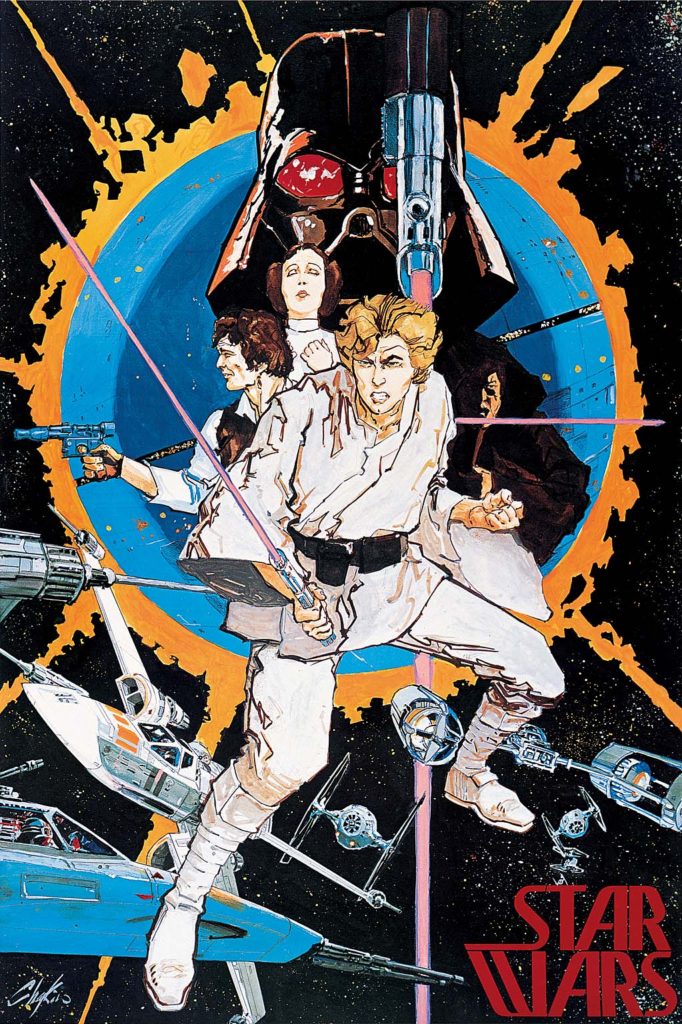
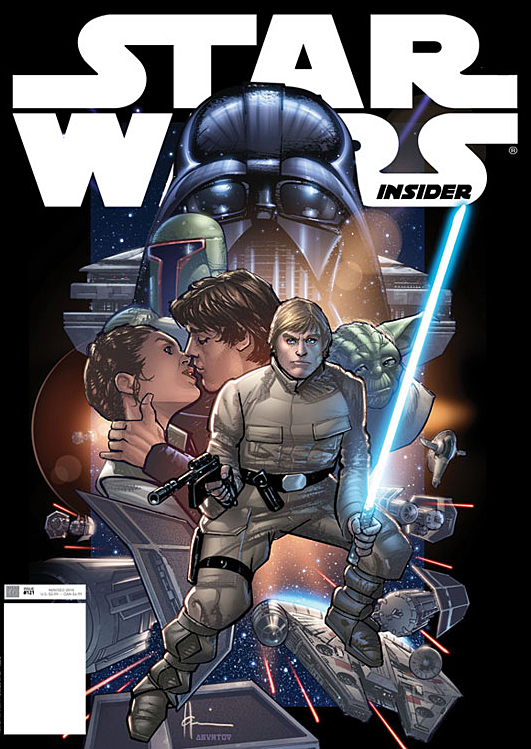
Chaykin’s first Star Wars art was a promo poster available at SDCC 1976 for a buck, followed by Star Wars #1 in Spring 1977. Howard revisited the Star Wars saga for Star Wars Insider in 2010 with a similar composition to the originals, incorporating iconic imagery from Empire Strikes Back to celebrate its 30th anniversary .
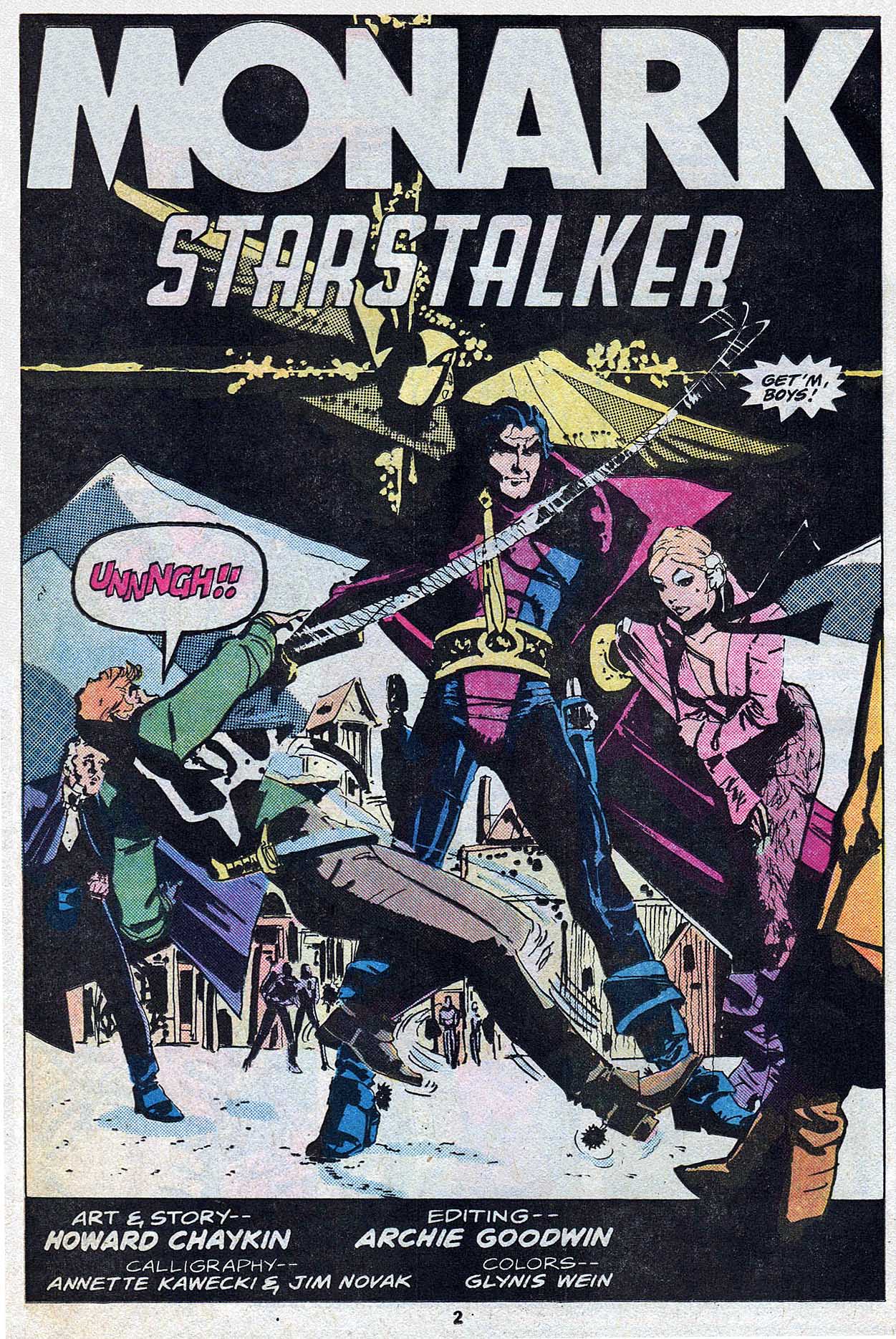
Chaykin’s art from the same early period includes his own Monark Starstalker, and two Solomon Kane (Robert E. Howard) stories co-written by Roy Thomas.
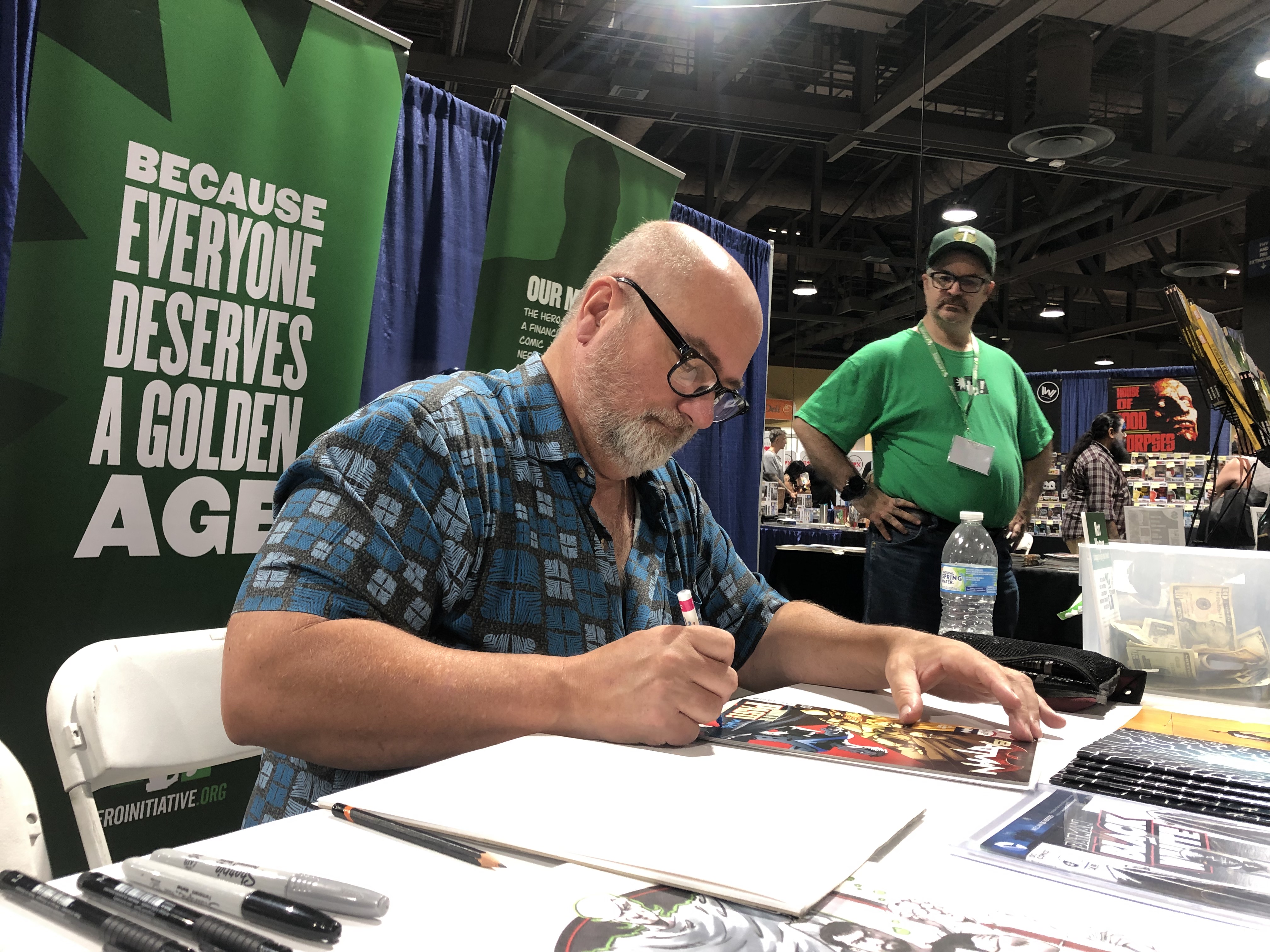
I realized after the fact that nearly all the creators I spent time with — Scott Kolins, Matt Wagner, Howard Chaykin, Gabriel Hardman , Mike Mayhew, Scott Koblish, Dave Bullock and Christian Gossett —- pretty much pencil and ink their own art, which was an odd coincidence. (Koblish inks others as well, but still…) And… they were all exhibiting within a few feet of each other in an otherwise large artists’ alley. Some sort of artistic serendipity I assume.
A great group of creators, enthusiastic fans, creative cosplay — and a good crowd, as opposed to an impossible one — made for a fun day. Kudos to Martha Donato and her team for more than 10 years of successful conventions In Long Beach and elsewhere!
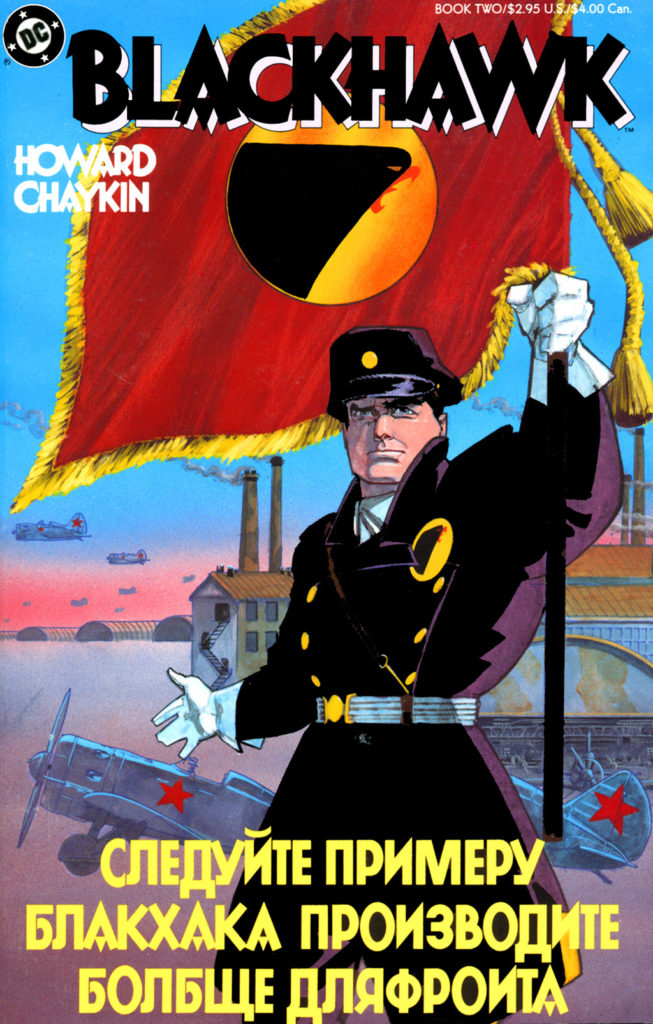
As I was preparing the earlier post today about Howard Chaykin’s Scorpion work for Atlas, I ran across an announcement that the 1988 “controversial” Chaykin Blackhawk series is being collected for the first time — along with some additional “modern” Blackhawk stories — into a deluxe hardcover.
I had forgotten that the series (originally 3 issues in “prestige format”) had never been collected. Each issue must have been optimistically overprinted. You can purchase copies today pretty much from any back issue comic book retailer — 30 years later — for less than cover price. I wouldn’t be surprised if Diamond Distributors still has them in stock.
Why was this series “controversial”? The alternate universe setting, the different spin on the lead character and his politics — or perhaps, most likely, Blackhawk’s sexual appetites — and an implied oral sex scene. Today, in an age of “mature” reboots and retcons, plus an overwhelmingly (and unhealthy) lack of interest in political history — even the modern kind — those features would hardly be discussed.
Controversy or not, Chaykin’s Blackhawk remains a worthy follow-up to his American Flagg series. It has many similarities — not the least of which is innovative and dynamic visual style and design throughout. It’s no wonder that when I started collecting original art again about 12-13 years ago, I was pleased to find this page available to purchase right off the bat.
Hawk-a-a-a indeed!
If you want to head down the academic rabbit hole on this subject, try this:
Atlas/Seaboard announced its 1974 entry into comic book publishing with plenty of talent and plenty of marketing. Founded by former Marvel Comics publisher Martin Goodman and featuring marquee names like Neal Adams, Steve Ditko, Wally Wood and many up-and-comers, it seemed the possibilities for the new company were endless.
But… those possibilities ended just 23 issues later (no individual title lasted more than four) in late 1975. Many of the titles had rebooted midstream, providing a capricious and confounding publishing strategy.
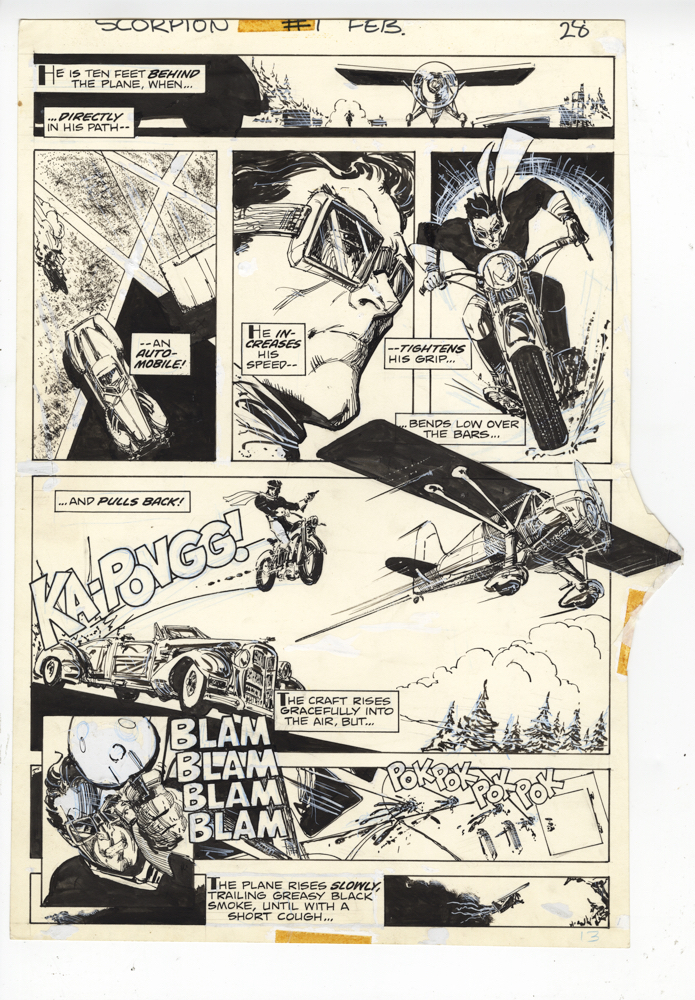
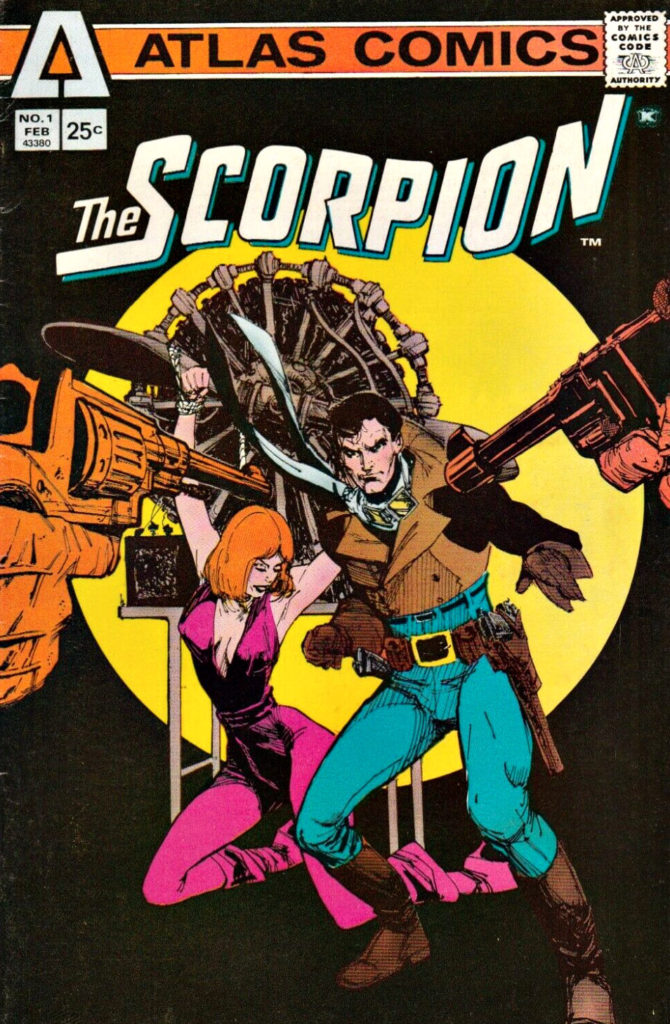
Howard Chaykin’s Scorpion was easily one of the better Atlas titles — so naturally, after two issues, Seaboard canned Chaykin, hired Alex Toth, and never actually published the pages Toth produced. (They turned up later, elsewhere.)
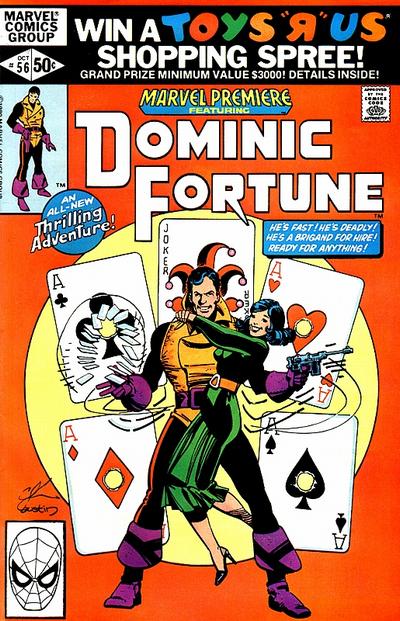
Not one to waste a great character, Howard quickly transformed Scorpion into Dominic Fortune at Marvel, where he has lived on and off for the last 40 years.
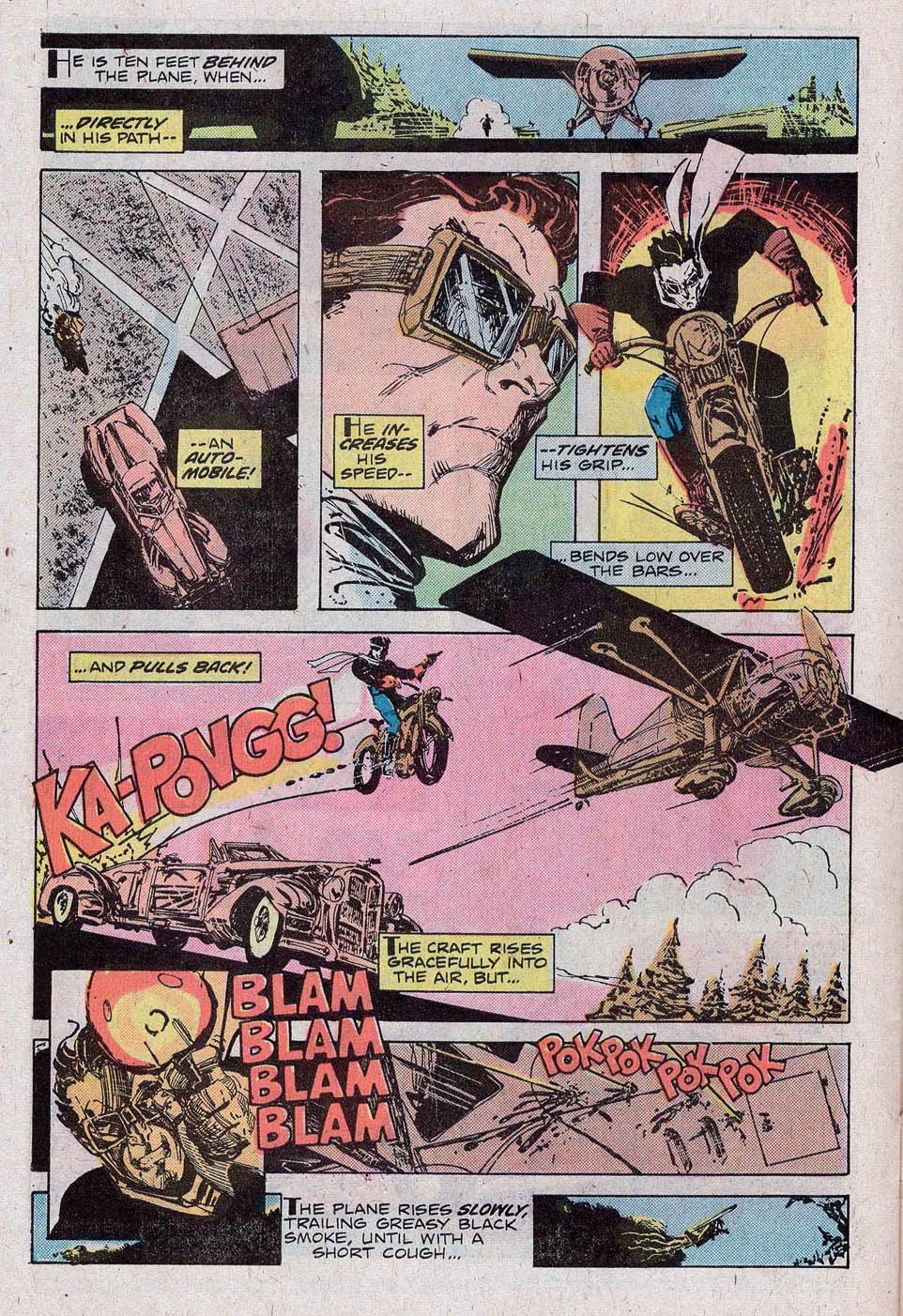
This great page captures Chaykin inventive and dynamic sense of storytelling. Literally “thinking out of the box,” Chaykin flies the airplane right through the outer panel walls, and somehow Atlas’ production dept. made it work — years before full bleed pages were practical in comic book printing.
And, as Luke narrates in the recent Star Wars The Rise of Skywalker trailer, “No one’s ever really gone.” To wit, Atlas just made another comeback of sorts: