Greg Goldstein's Comic Art Gallery

Steve Rude — Card Tricks

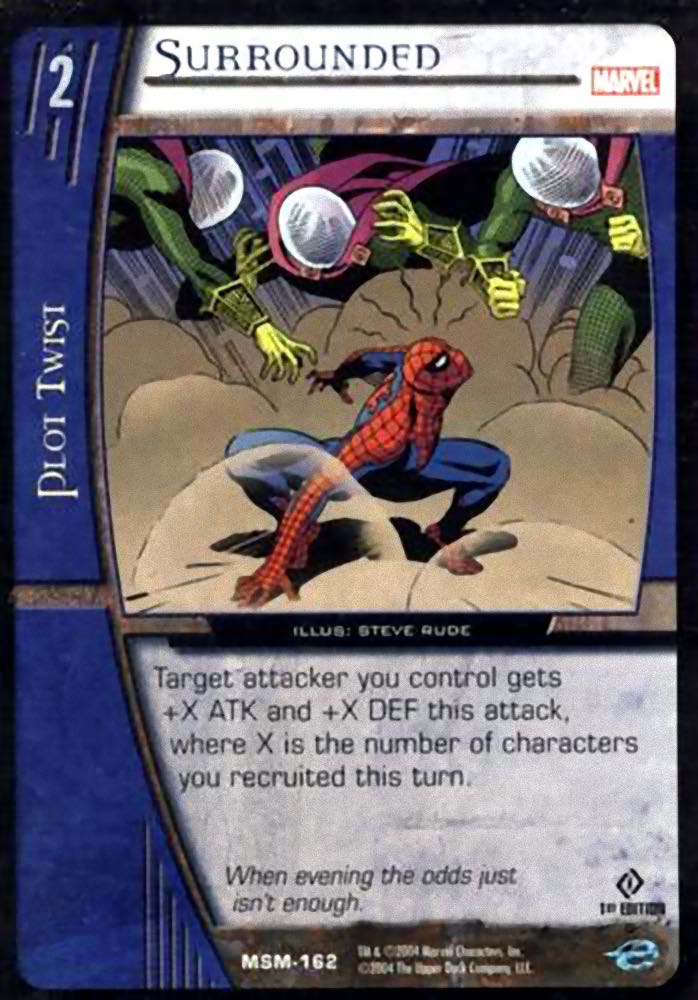
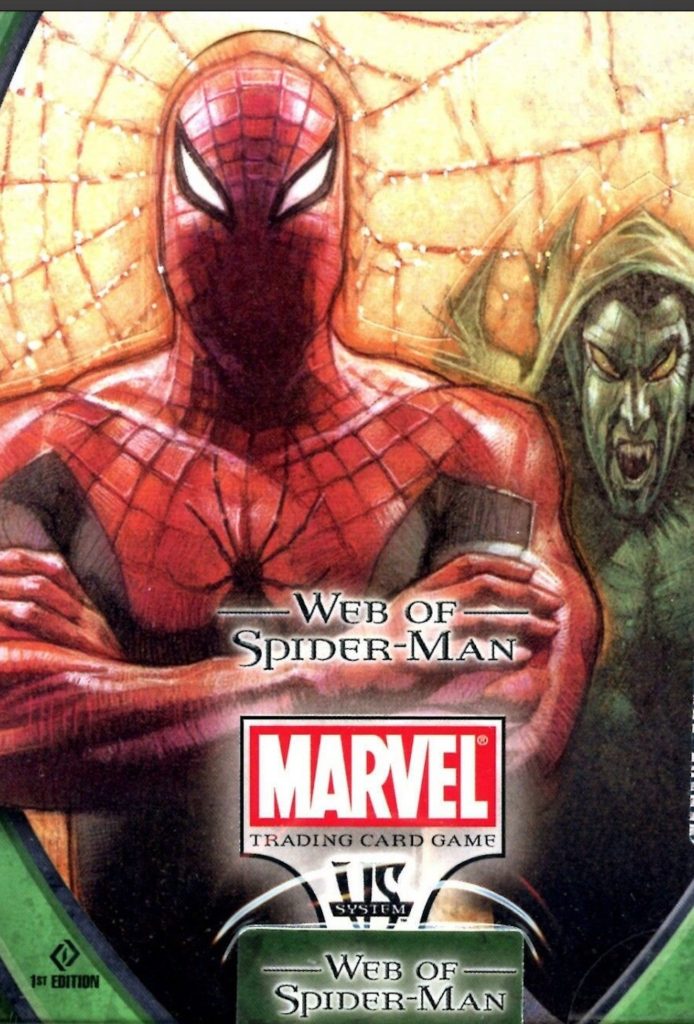
Upper Deck, Marvel VS. System TCG: Web of Spiderman,
Card #162 — Surrounded, 2004

Concluding a multi-part look at Spider-Man vs. Mysterio in honor of Spider-Man: Far From Home landing on digital streaming platforms this week.

Some of the most tantalizing art ever created for Marvel and DC characters is hiding in plain sight — on trading cards… and trading card games. 

In fact, the Upper Deck Vs. TCG System, started in 2004, and lasting in its original incarnation through 2009, is home to hundreds, if not thousands, of original artworks by some of the industry’s leading talents. 

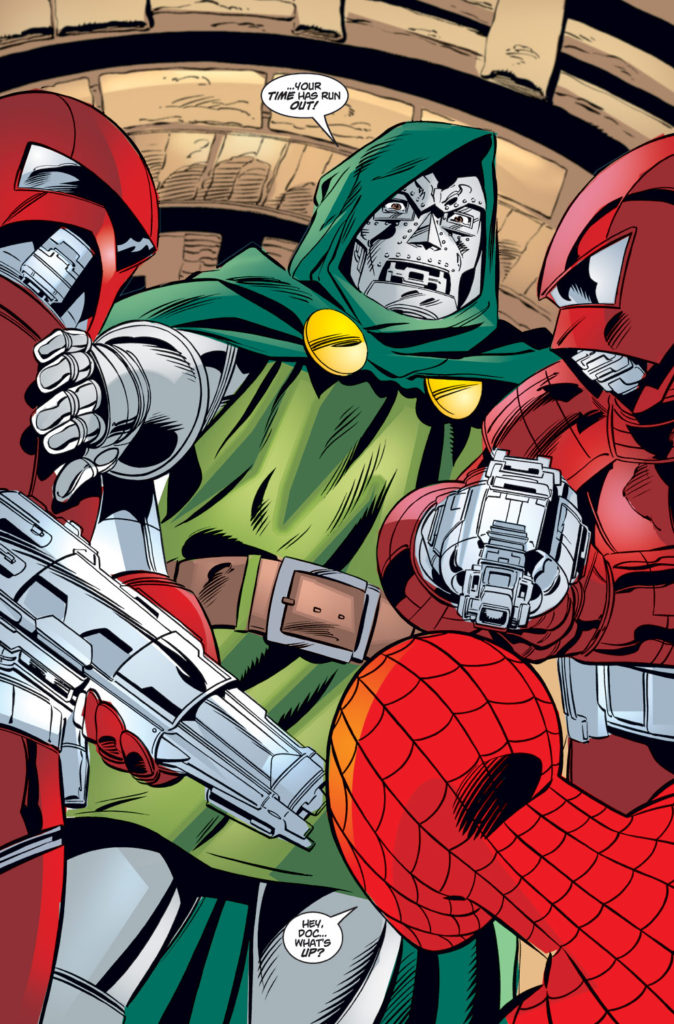
Except for a handful of the key art pieces, which includes illustrations by Alex Ross and Drew Struzan, all the TCG images were printed at postage stamp size only. (Some, like this one, were cropped ruthlessly to fit the printed image area.)

Sigh.

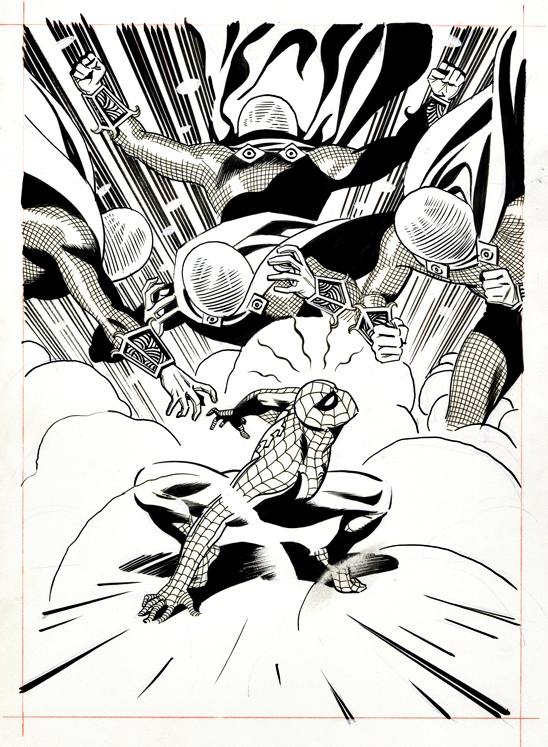
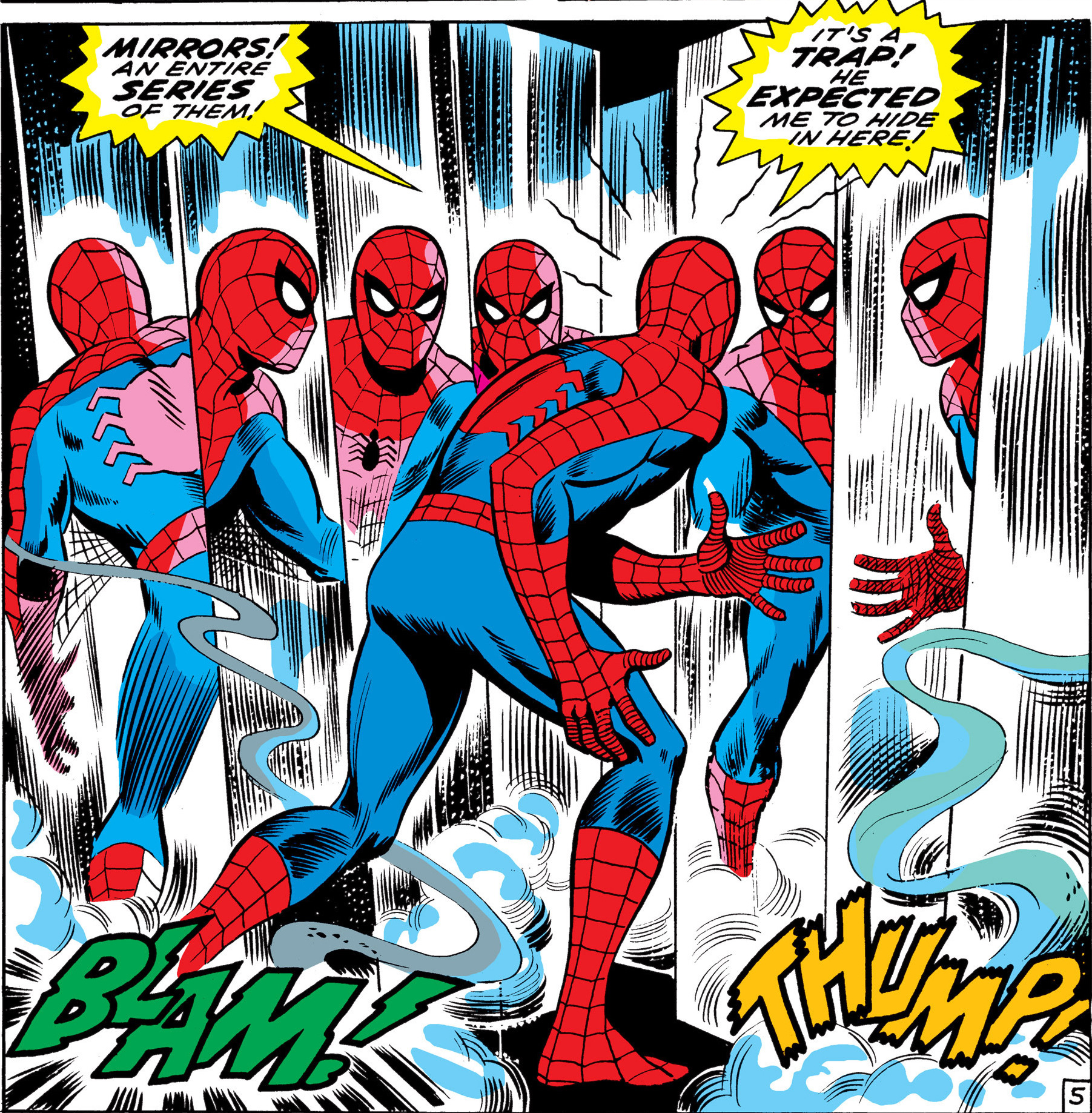
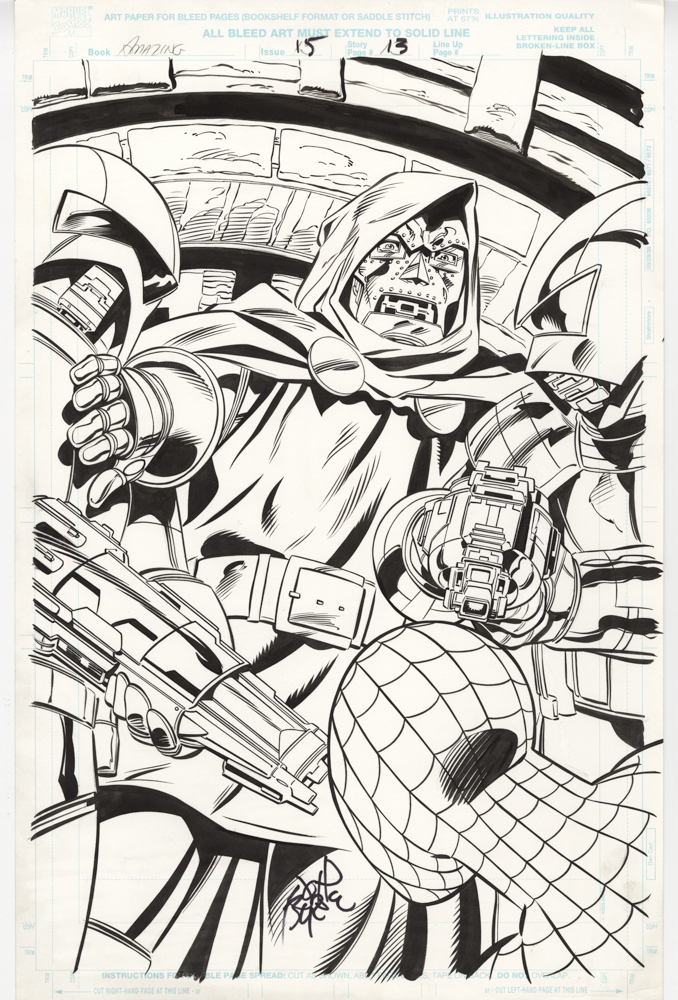
Steve “The Dude” Rude illustrated number of cards in the various VS series, and this one, featuring Spider-man vs. multiple Mysterios, is a favorite. 

Steve’s clean and dynamic superhero rendering typically feels like a fascinating cross between Jack Kirby and Joe Schuster — with storytelling influences from Alex Toth , and yet here, he channels some John Romita for good measure.

Most trading card is created at a relatively small size, but fortunately this Rude original is drawn on traditional comic board, with the live image area just slightly smaller than most standard modern art.  

Just enough room for all those Mysterios. 

Too many Mysterios — or too much Spider-Man. Either way, Spidey is in a jam. This great panel by John Romita from ASM # 67 is a classic.

Scott Koblish — Ditko Forever!

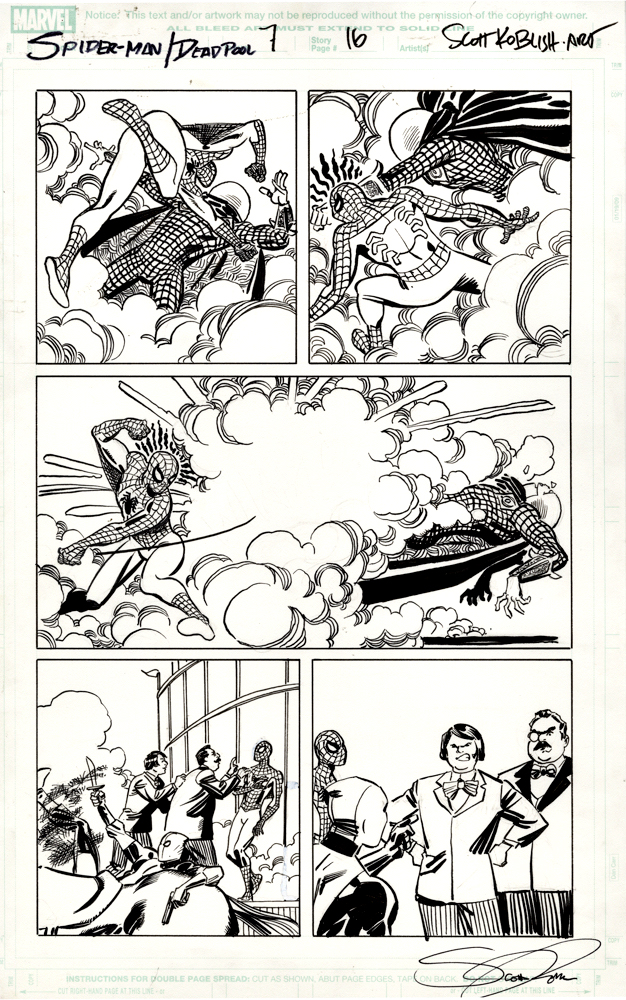
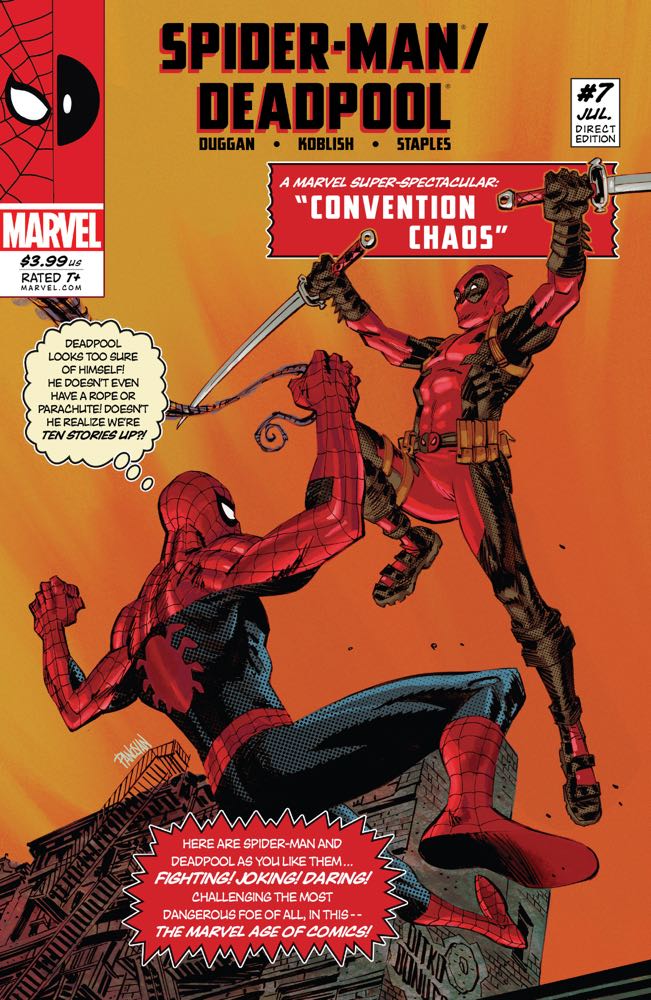
Spider-Man/Deadpool #7, September 2016

Continuing a multi-part look at Spider-Man vs. Mysterio in honor of Spider-Man: Far From Home landing on digital streaming platforms this week.

Scott Koblish as a person?: Engaging. Upbeat. Energetic. Witty. Et al.

Koblish as an artist?: Engaging. Upbeat. Energetic. Witty. Et al.

Rarely does a creator’s artistic style so match his personality. Hell, there are great cartoonists, past and present, with lively and bright art aesthetics, who are darker personally than Van Gogh on a bad day. (No I will not be naming names. That’s what the rest of the Internet is for.)

Scott’s mostly zany artistic approach to Deadpool is perfectly on point for the character. (And that’s not taking anything away from Ed McGuinness, a fantastic artist whose work I absolutely love — or any other Deadpool illustrator for that matter.) 

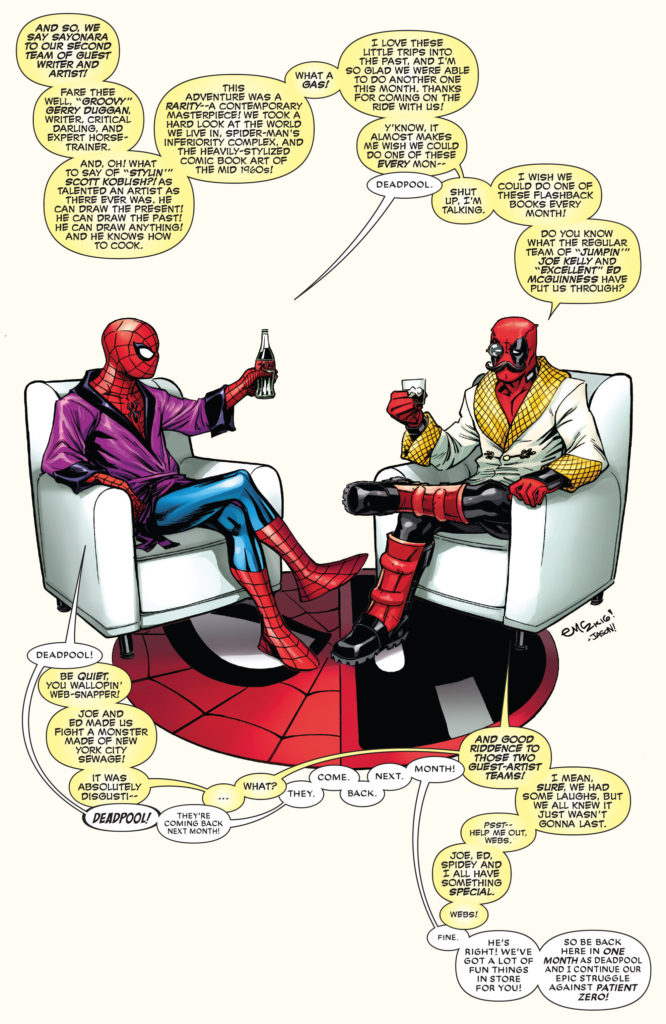
In this “flashback” issue of Spider-Man/Deadpool, Scott draws the entire issue in classic “Steve Ditko” style. It’s clearly done with affection and reverence, and the finished issue, complete with simulated old-school coloring, “bad” printing (out-of register) and aged paper, is old-school fun.

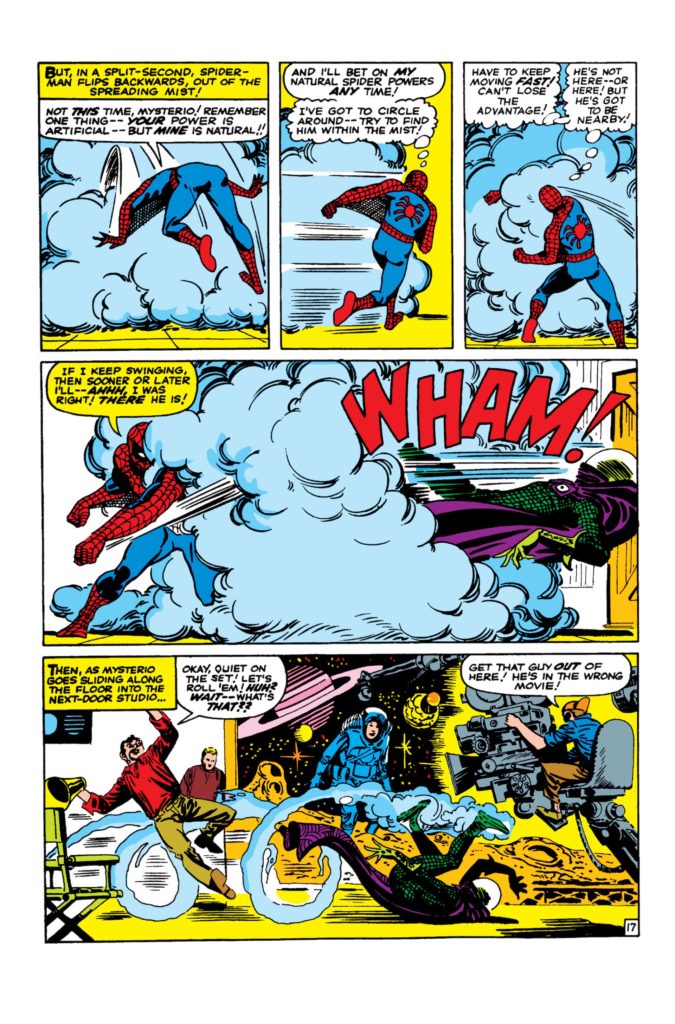
How “classic” is the art style here, you ask? Review the middle panel on this page.  It is most definitely… Classic Ditko! (In fairness, the rest of the issue features more original Ditko interpretations as well. Koblish was clearly having a bit of extra fun here.)

And what’s the difference between comedy and tragedy? Check out Scott’s book, The Many Deaths of Scott Koblish, and decide. 

Alex Saviuk — Meta Mysterio

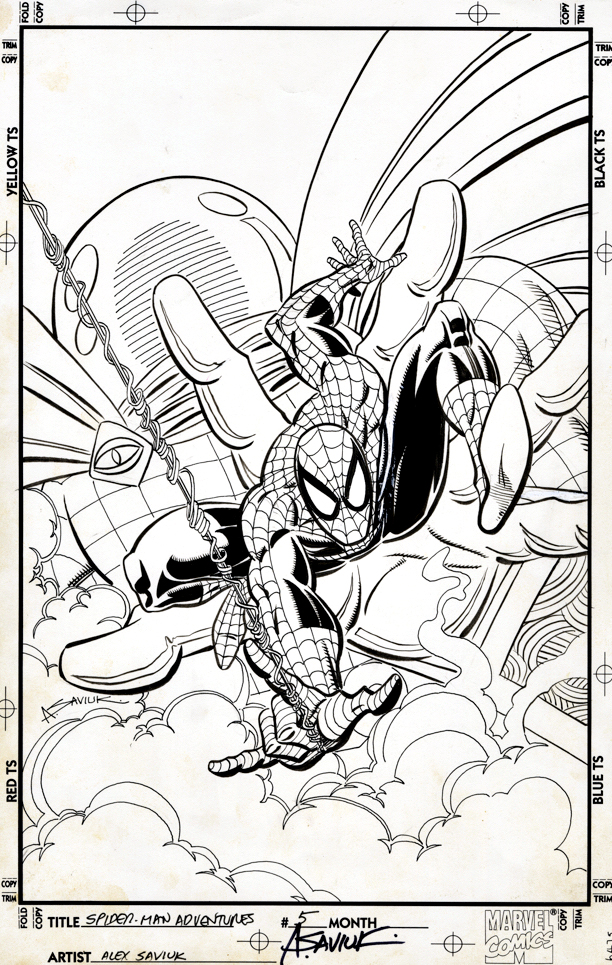
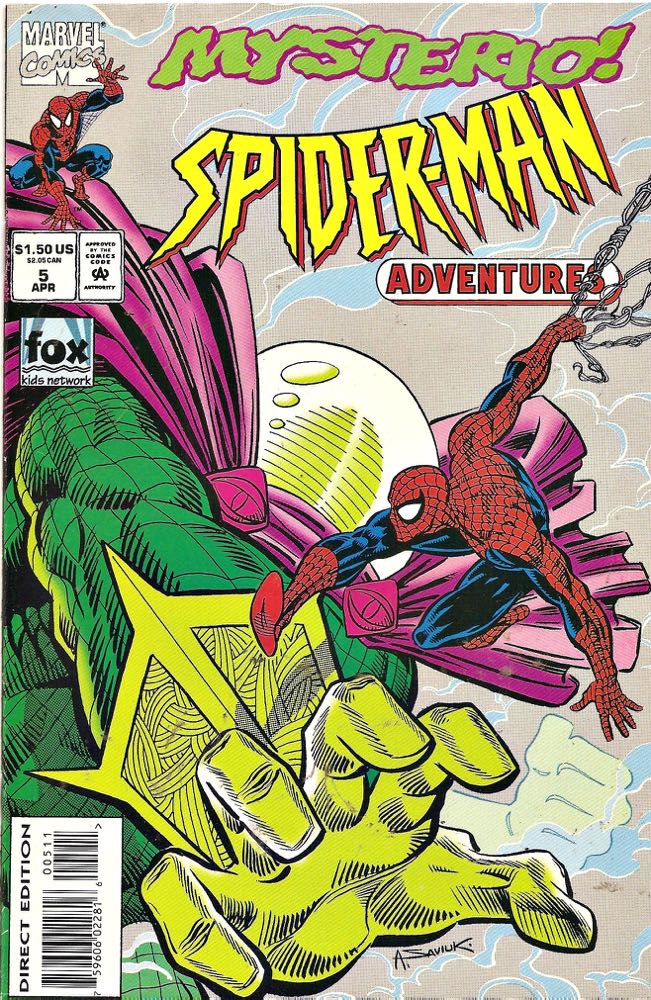
Spider-Man Adventures #5, Unused Cover, April 1995

Spider-Man: Far From Home landed on digital streaming platforms this week, so the next few posts feature — who else? — Spider-Man and Mysterio.

Spider-Man Adventures, a ‘90s comic book title, existed mainly to support Spider-Man: The Animated Series, which ran on Fox Kids from 1994 – 1998. In fact, the first thirteen issues of the comics are direct adaptations of the first-season episodes.

The episodes themselves are adapted (albeit loosely in some cases) from original Spider-Man comic books.

So…

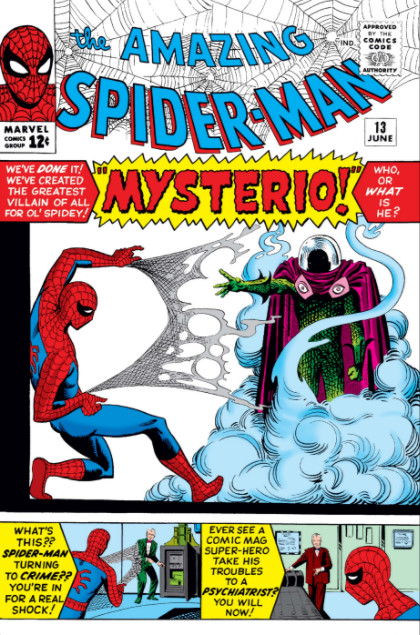
Issue #5, featuring Mysterio, is an adaptation of Episode #5 of the TV series, which in turn, is adapted from Mysterio’s very first comic book appearance — by Stan Lee and Steve Ditko — in Amazing Spider-Man #13. (1964).

A comic book adaptation…. of a TV show adaptation… of a comic book story.  That trick definitely trumps anything up Mysterio’s sleeve.

Alex tells me that his original cover was rejected because the editors wanted more emphasis on Mysterio —and for the character to be more “dramatic and menacing,” and I think he delivered. (See below.) Still, I like Alex’s original take, especially with that iconic Spidey image.

Alex’s creative spin on the wall-crawler has lasted more than 30 years.  He drew the Web of Spider-Man comic book for seven years, and then the full Spider-Man Adventures run, and then the Spidey newspaper strip from 1997 to its end earlier this year.

Nothing mysterious about that longevity — Alex’s passion for, and understanding of, the Spider-Man character is obvious anytime he puts pencil to paper.