Continuing our 70thcelebration of Superman and Batman (Robin, too) teaming up for the first time.
Pete Poplaski’s 1990 promo art of the Dynamic Duo and the Man of Steel makes me happy.
It appears informally modeled after World’s Finest Comics #2, the issue that changed titles from the original World’s Best Comics. (Which, as noted previously, was the successor to World’s Fair Comics. No worries, there’s never a quiz on this material, especially since I’d probably be the first one to mess it up.)
Of course, as we’ve posted previously, all of Pete’s gorgeous retro work makes me happy.
Remnants of a different era, indeed.
Poplaski’s great covers for the original DC strip reprints from Kitchen SinkSuperman and Batman finally get together in 1952… and Lois runs off with Robin. Thats wrong, for a lot of reasons.
Superman and Batman — along with Robin — first appeared together on the cover of the 2nd annual issue of World’s Fair Comics in 1940, issued to commemorate the 39/40 World Fair in New York City.
Shortly thereafter, that comic morphed into the ongoing World’s Finest Comic, and Superman and Batman appeared together on the covers all time.
But inside? Separate stories featuring DC’s most popular characters.
It wasn’t until 12 years later (1952) that The Caped Crusader and The Man of Steel actually met in one story. (More on that in our next post on Thursday.)
Meanwhile…
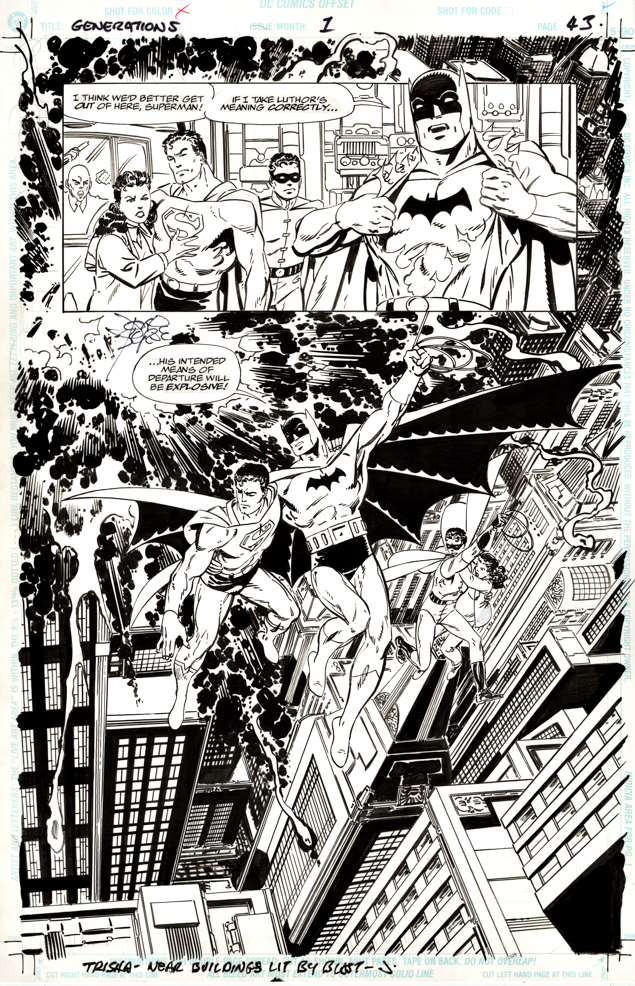
John Byrne creates an adventure that involves the aforementioned World’s Fair in his clever Generations series from 1999.
This is my favorite page from the series. It features all three heroes, plus Lois Lane, and sure enough, in that top inset panel, Lex Luthor as well.
Has there ever been another page this iconic in nature? All five characters in one small panel. And a gigantic splash of the four main ones. I missed acquiring this page once previously, but fortunately, I didn’t make the same mistake the second time around, albeit with a bit more pain in the wallet.
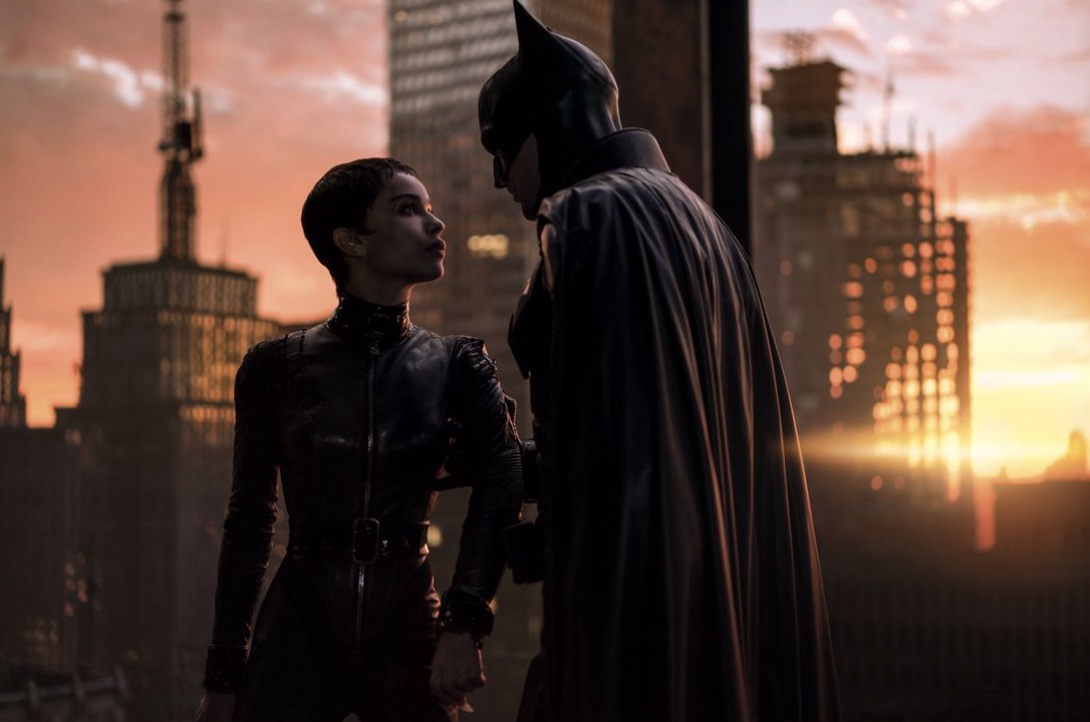
Much of “The Batman” is brilliant. It’s not necessarily my personal cup of Joe, but Matt Reeves has delivered an inventive and occasionally extraordinary film that incorporates elements of some great “contemporary” Batman comic book story lines and motifs. (Batman Year One, The Long Halloween, Cooke and Brubraker’s Catwoman, et al.)
It’s nice to see the world’s greatest detective actually detecting again.
The cast is superb. Robert Pattinson as Batman was excellent. I didn’t much care for his emo version of Bruce Wayne, but we hardly see him in the Bruce persona anyway. (He also wins for best bat-jawline). Zoe Kravitz and Paul Dano are also excellent, and Colin Farrell as the Robert DeNiro/Al Capone (Untouchables) version of the Penguin was good fun. He definitely has enthusiasms.
Jeffrey Wright as “Lt. Gordon” also great.
As for the story — I didn’t think it would be possible to incorporate Catwoman, Riddler and Penguin into one film without creating a bit of a mess; but the filmmakers made it work, and it worked pretty well.
And of course, developing the Riddler character as a serial killer is amazingly effective. Those real-life maniacs are always writing letters and taunting law enforcement so it was more than a logical character choice. Much of the first act of the film channels David Fincher’s Se7en and Zodiac. (Later on, it throws in elements of LA Confidential and Chinatown for good measure.)
As for the scarred side of the Two-Face coin?:
Upping the ante on Gotham as a modern Sodom and Gomorrah is wearying, even when done well. Why does anyone with more than 50 cents to their name live there? What the hell is the draw? It rains all the damn time, the nights last 16 hours or more, and it apparently has the most ineffective police force in urban history. It’s clearly the most dangerous and corrupt city in the USA, and it makes NYC in the 70s seem like a gleaming paradise. It’s becoming its own cliché.
(I’m beginning to think Ra’s al Ghul was right. Wipe Gotham off the map and start over.)
And riddle me this? Why are the non-“rouges gallery” villains always portrayed as one-dimensional cartoon characters? From Burton to Nolan to Reeves: The mobsters in these films are mostly not believable as mobsters. (Not to mention the cops, especially “senior management.” Also cartoons.)
And the bodies… just keep piling up… and up… and up. Maybe someone should call the state police. Or the FBI. Or… anyone.
As for the length of the film…
“I’m sorry I wrote you such a long letter. I didn’t have time to write you a short one.” – Blaise Pascal.
Seriously… it needed to be 20-30 minutes shorter. Do that and I think you not only have a terrific “superhero film”, but also a much more effective film, period. (No offense, it’s not the Godfather, which clocks in at about the same length.) And I would have watched the “extended” version on HBO a year from now anyway.
One final thought. A few film critics and fans have called this movie a “film noir.”
Nope.
Does it contain some of the tropes? Of course it does. So do a lot of films. (The whole dark and rainy thing again.) But, In actuality, you could argue the Batman’s arc in this film is the complete opposite of a film noir.
If it really was a noir, Batman would have completely fallen for Catwoman, done something really stupid because of his infatuation, and ended up floating face down in Wayne Manor’s swimming pool or dying in a hail of bullets.
Or, conversely, Bats would have done something “heroic” on Catwoman’s behalf that ultimately causes her to end up in a pool of her own blood.
And, spoiler alert (ok, I fibbed) they’re both alive at the end of the film.
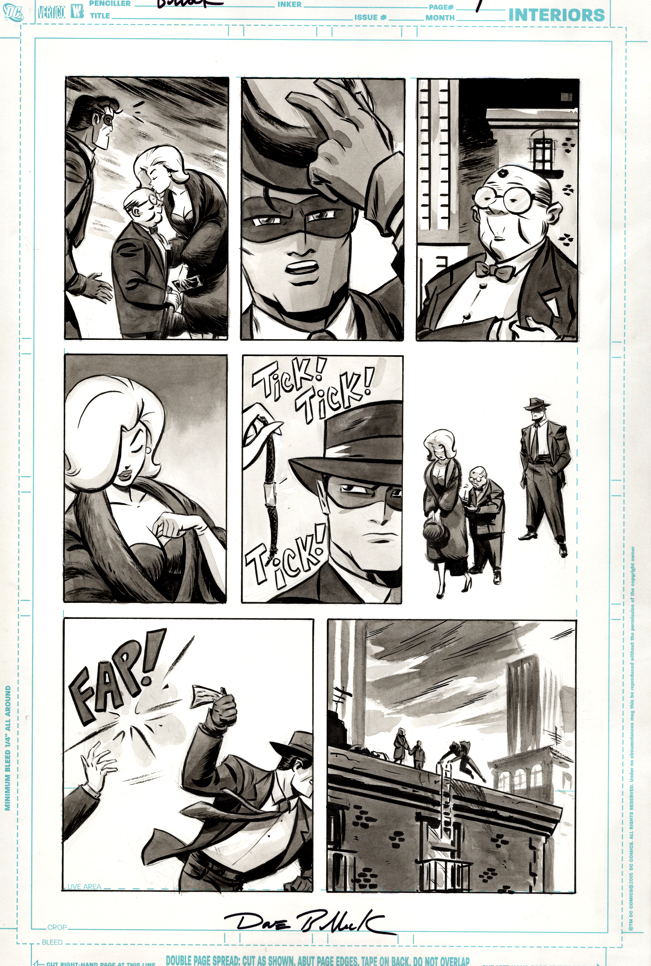
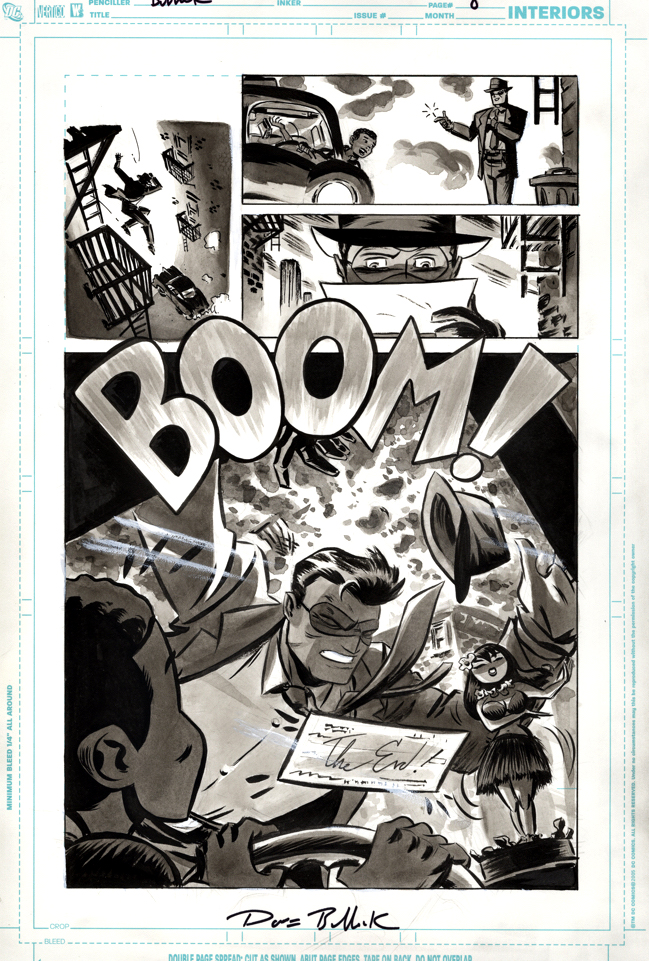
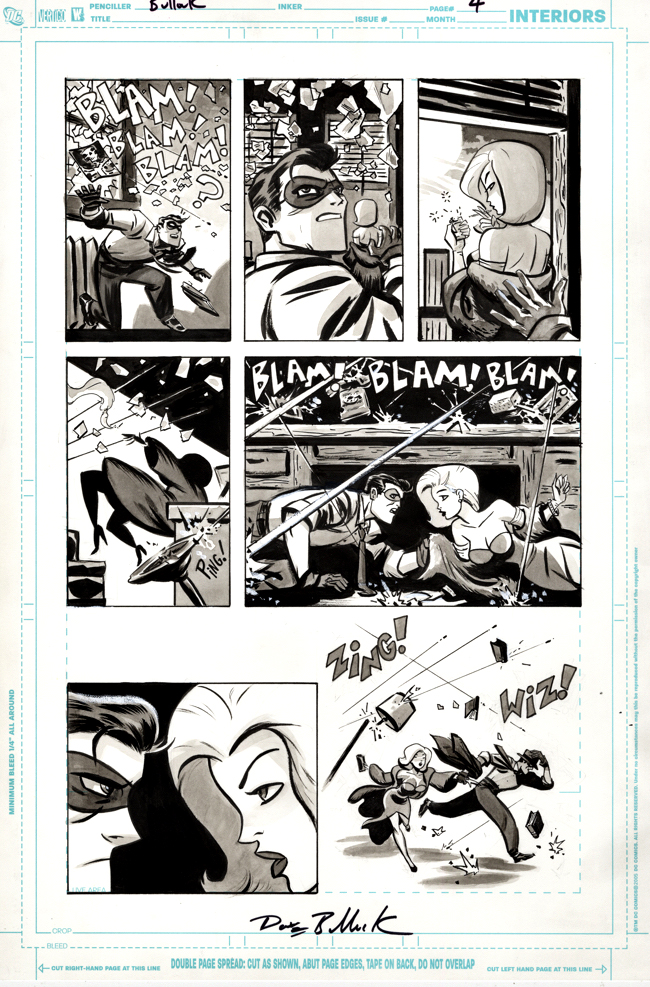
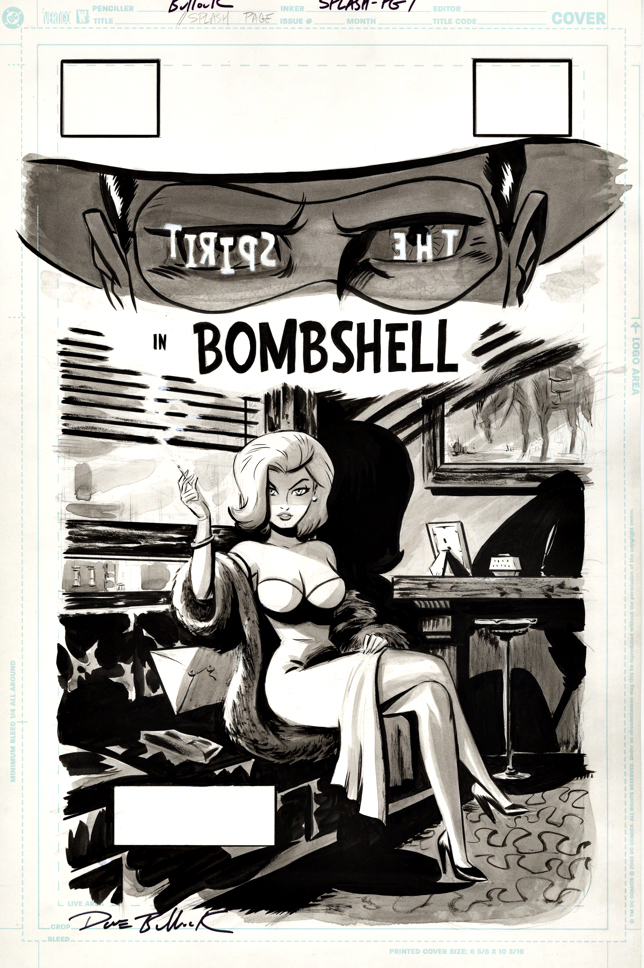
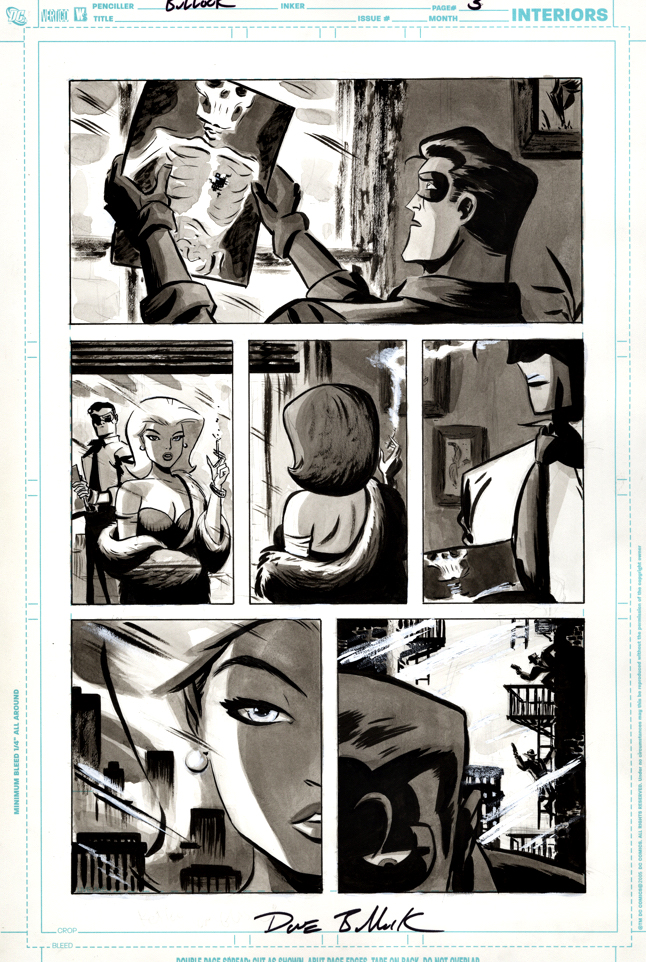
“Bombshell, ” Spirt Vol. 2, #18 (Unpublished) DC Comics, December 2011
The Third and final part of our “Will Eisner Week” Spirit series features the noirish ending to this unpublished Spirit story “Bombshell” by Chip Kidd and Dave Bullock.
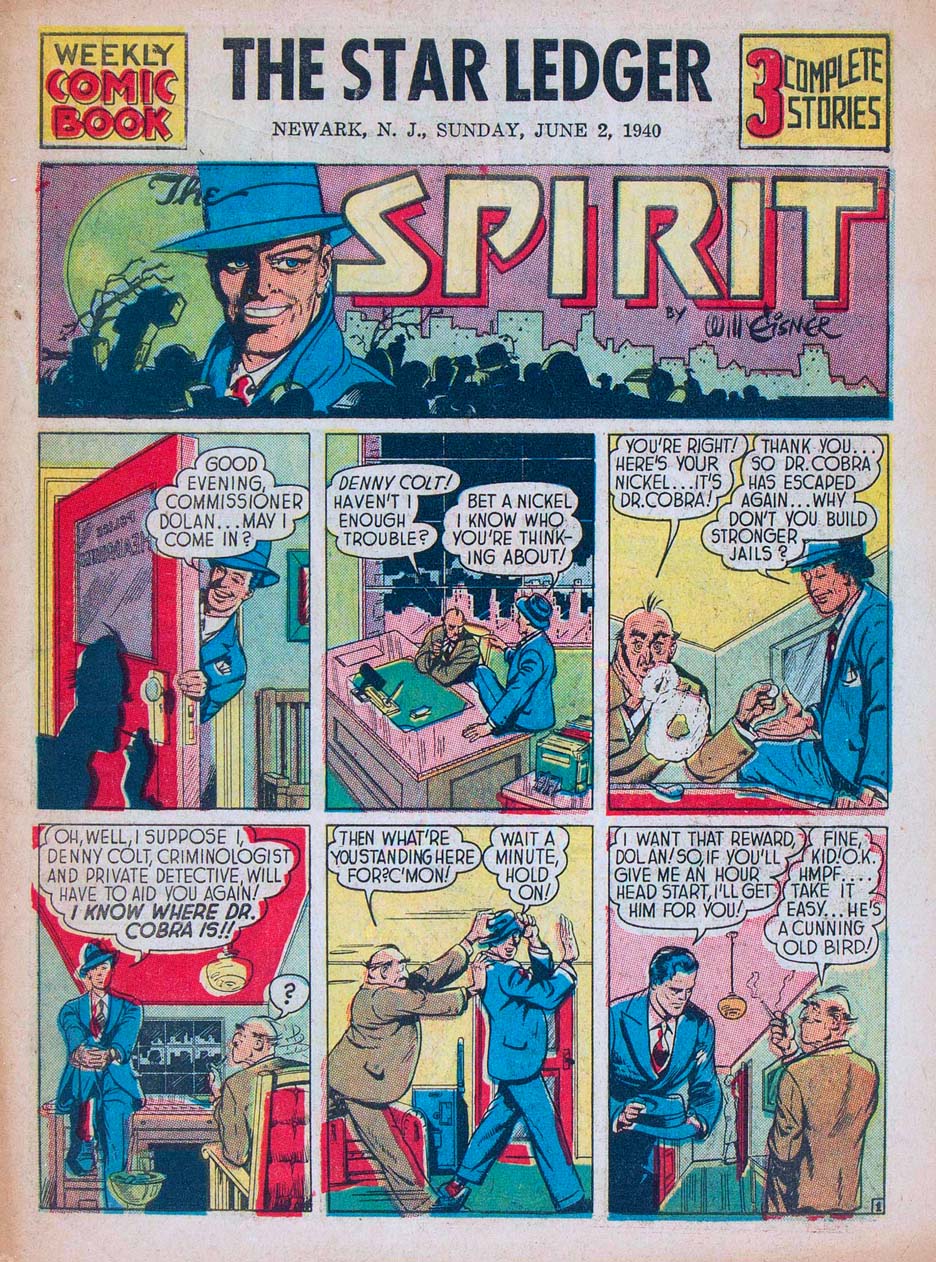
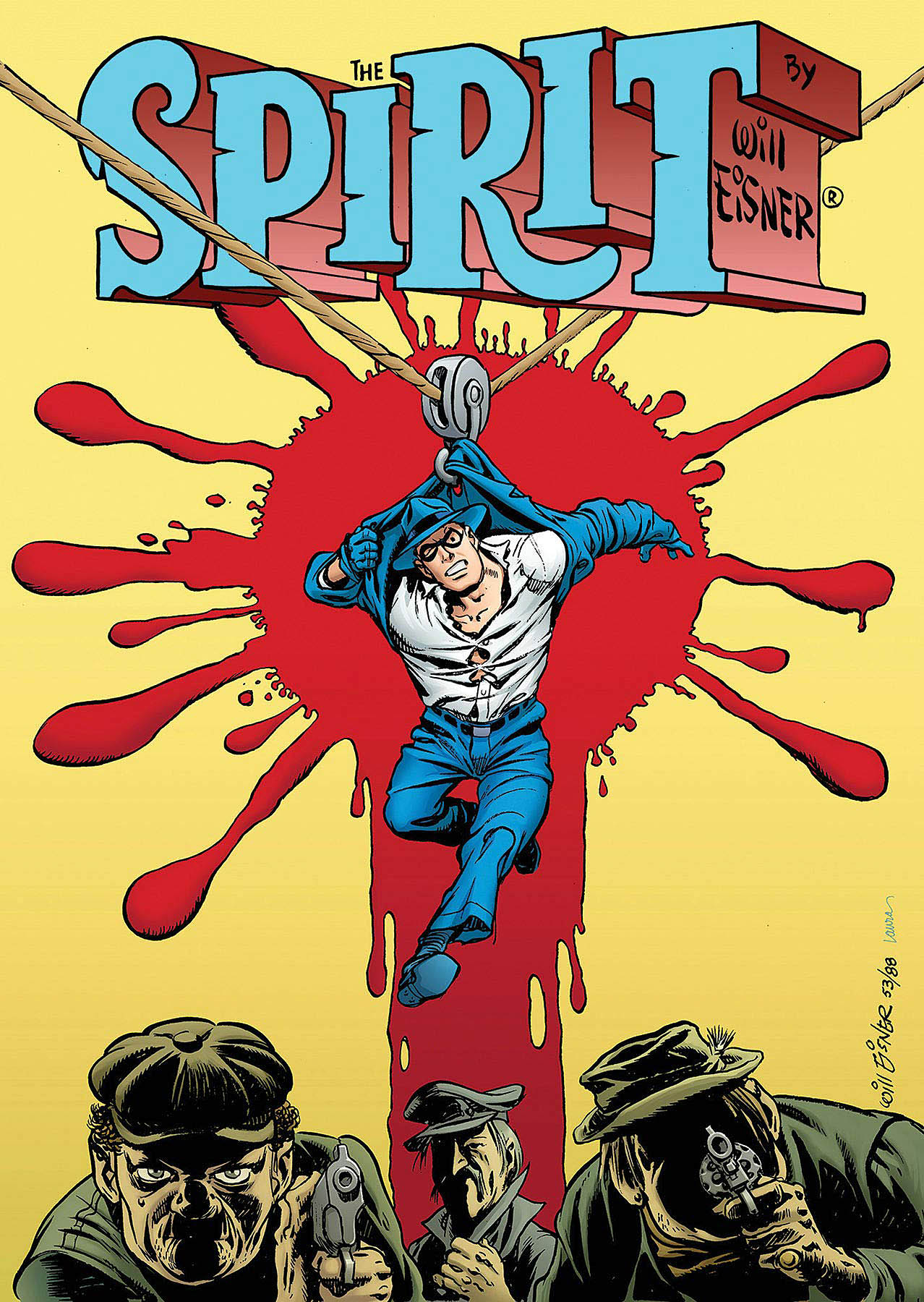
80 years of the Spirit, from his first newspaper appearance to the 80th celebration by Clover Press.
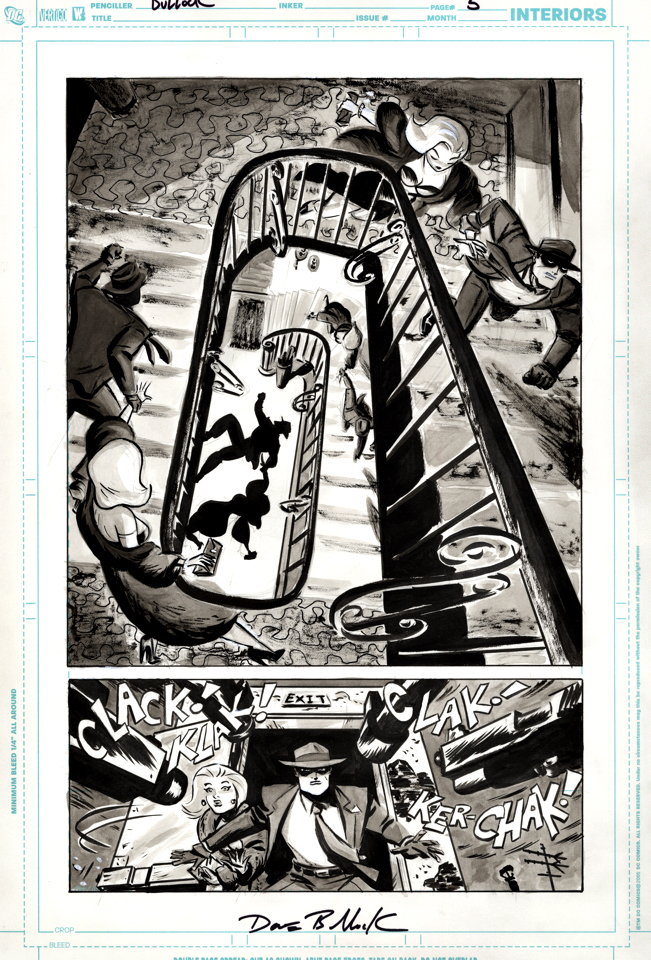
“Bombshell, ” Spirt Vol. 2, #18 (Unpublished) DC Comics, December 2011
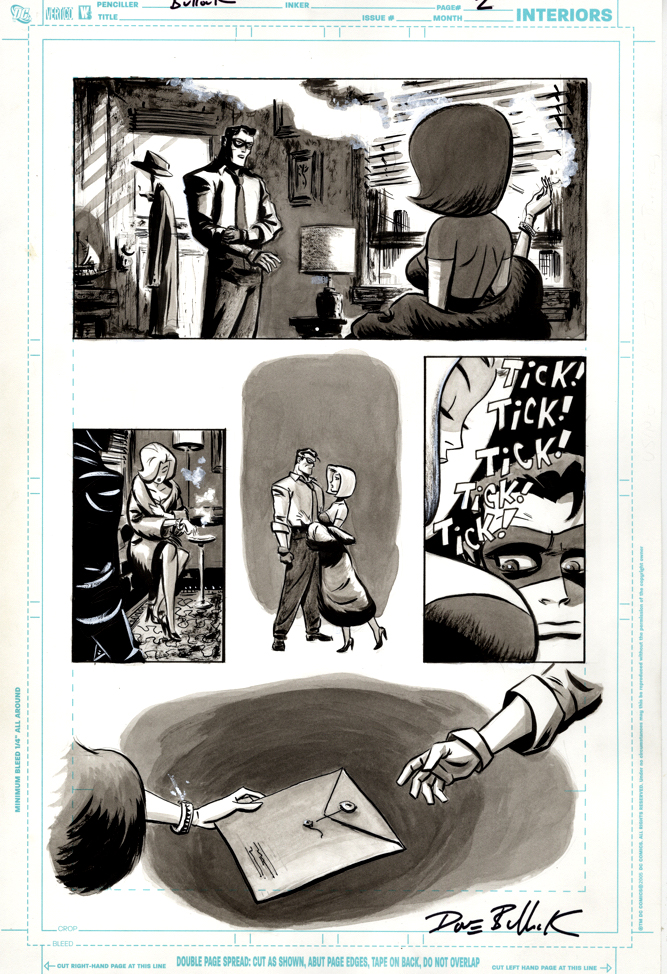
Part two of our three-part “Will Eisner Week” series features the action heating up in the middle of the unpublished Spirit story “Bombshell” by Chip Kidd and Dave Bullock.
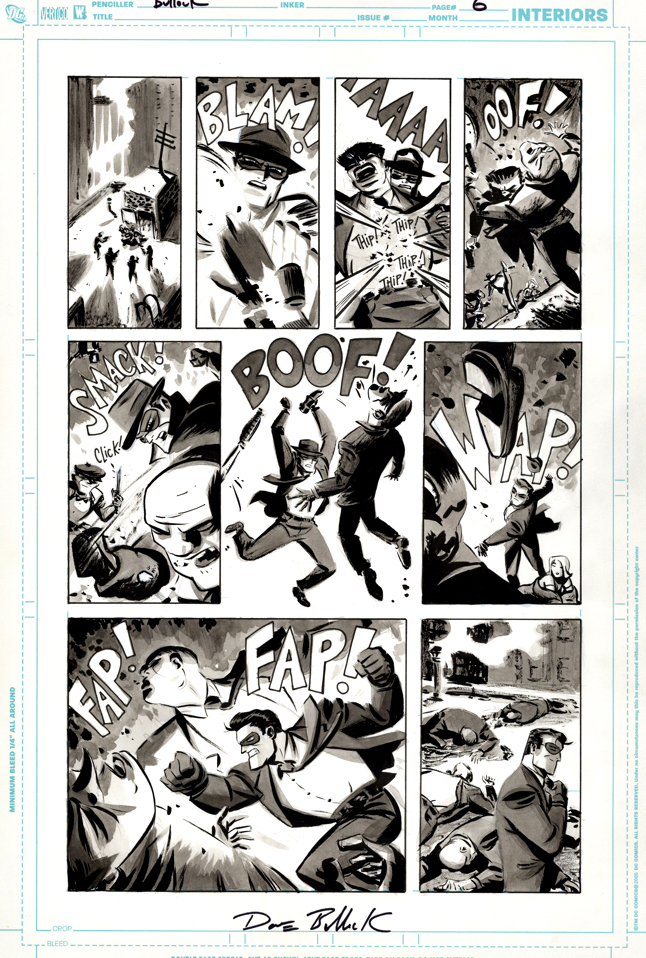
“Bombshell, ” Spirt Vol. 2, #18 (Unpublished) DC Comics, December 2011
The first week of March is “Will Eisner Week,” an annual event celebrating the life and works of one of the fathers of graphic storytelling.
And that means… it’s time for our own contribution to Will Eisner Week as well.
This year, we feature a terrific unpublished Spirit story by Chip Kidd and Dave Bullock featuring Bombshell. Unpublished… because DC cancelled its First Wave version of The Spirit before the story saw the light of day. (And shortly thereafter, the Spirit moved to Dynamite.)
Great storytelling along with beautiful wash tones by Bullock make this an especially unfortunate casualty of commercial considerations.
Part one of this great story appears today, part two on Thursday, and the conclusion on Saturday.
As for the dialogue?
Let your imagination soar.
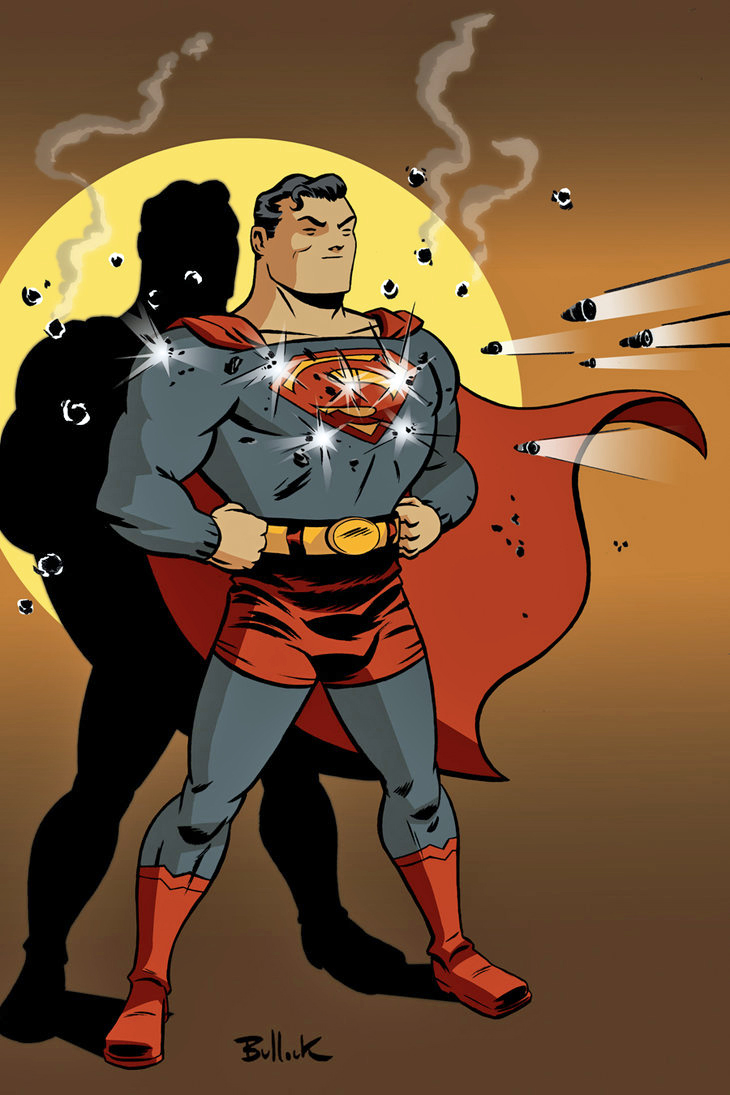
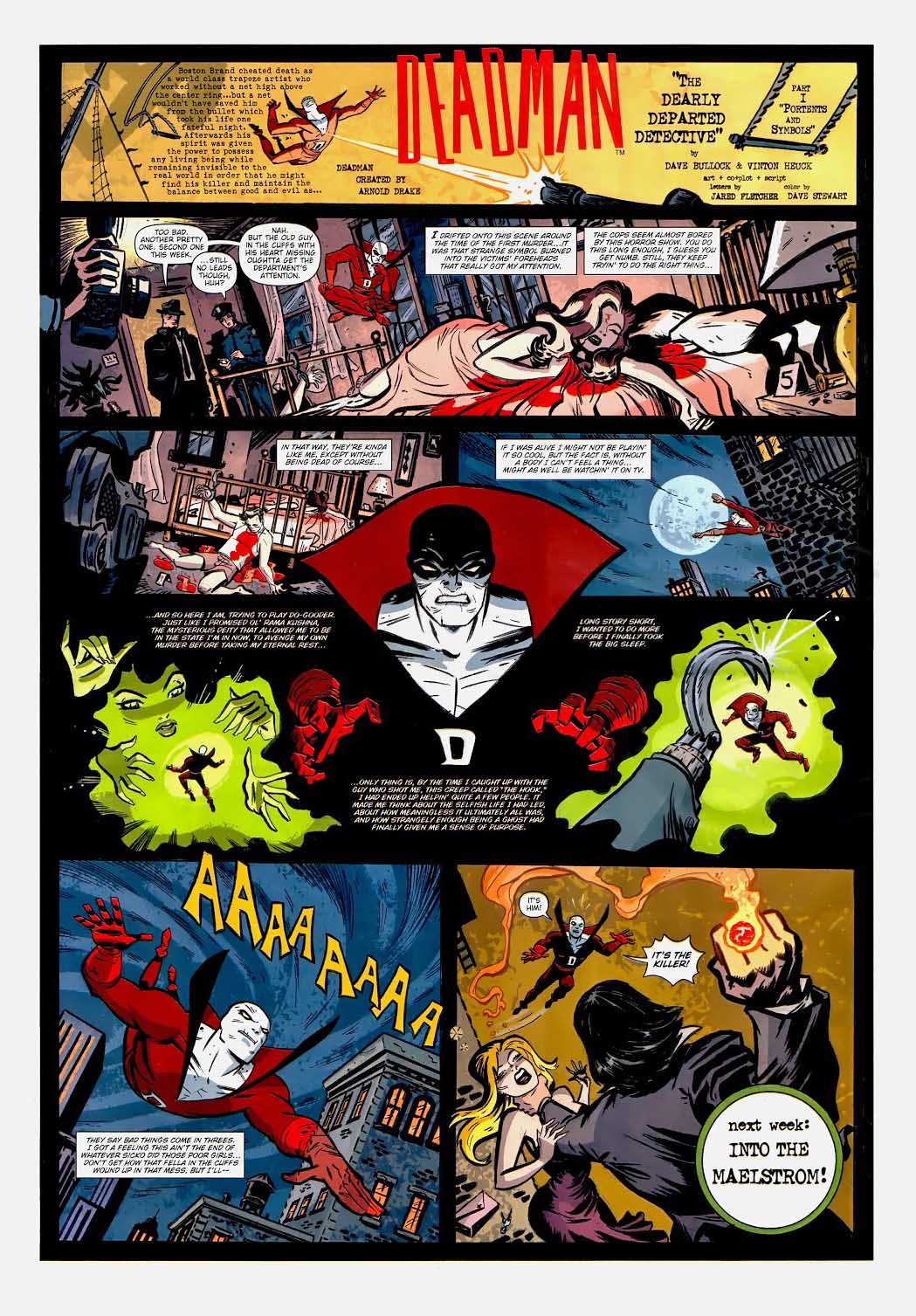
I see a possible theme here — Bullock contributed this great Deadman story to DC’s Wednesday Comics in 2009.
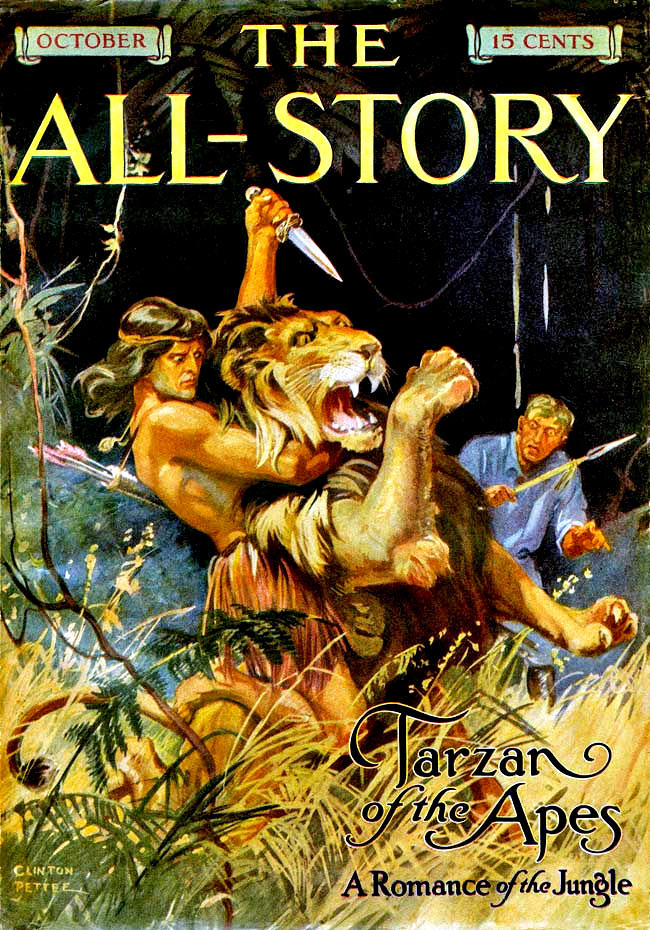
2022 is the 110th anniversary of Edgar Rice Burroughs’ jungle icon, Tarzan.
This year has at least two-other important Tarzan-related anniversaries:
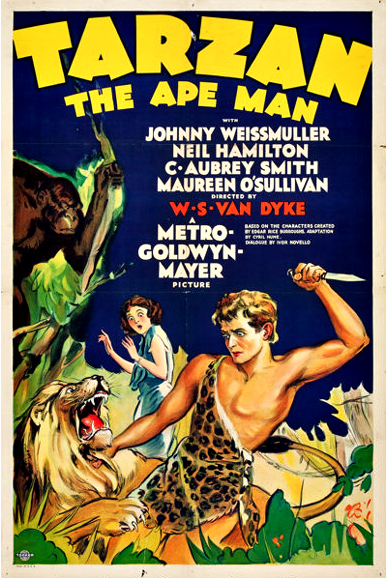
The first is 1932, the release year of the first Johnny Weissmuller Tarzan feature film. Tarzan existed on screen prior to the Weissmuller film, of course, but his 12 features likely did more to enshrine the character in the popular imagination than any other media representation.
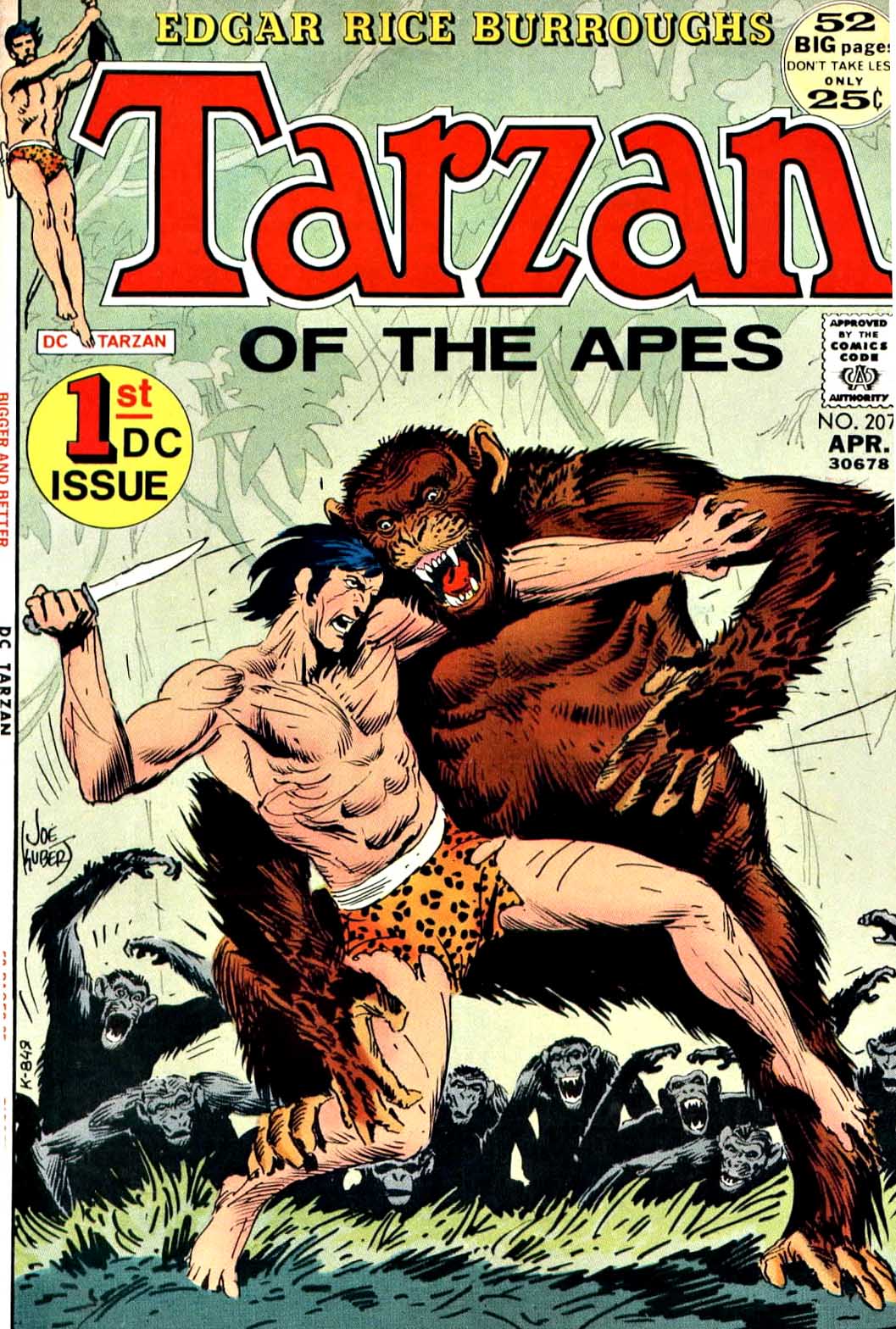
The second is 1972, the year DC took over the comic book license from Gold Key and re-established Tarzan as a savage lord of the Jungle. Joe Kubert’s comic art work on the character was the first that took the sheen of the character and returned him to his literary roots.
Long before “reboot” became part of the pop culture vocabulary, Kubert’s Tarzan was a stunning new look for comic book readers.
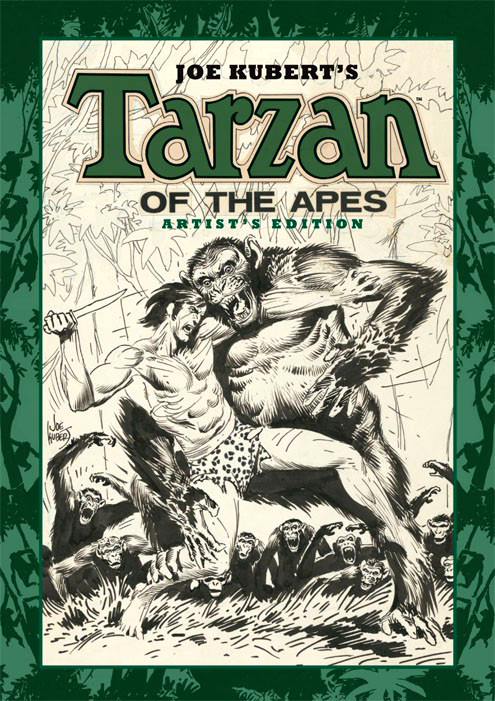
DC, as part its licensing deal, had to provide all the original art to the Burroughs estate. It’s still there in the archives, in excellent condition, and we used it to create three beautiful Artist’s Editions volume at IDW.
Ultimately, thought, this means that Kubert Tarzan pages are among the rarest of the last 50 years. With the exception of a handful, none of them have ever been offered on the open market.
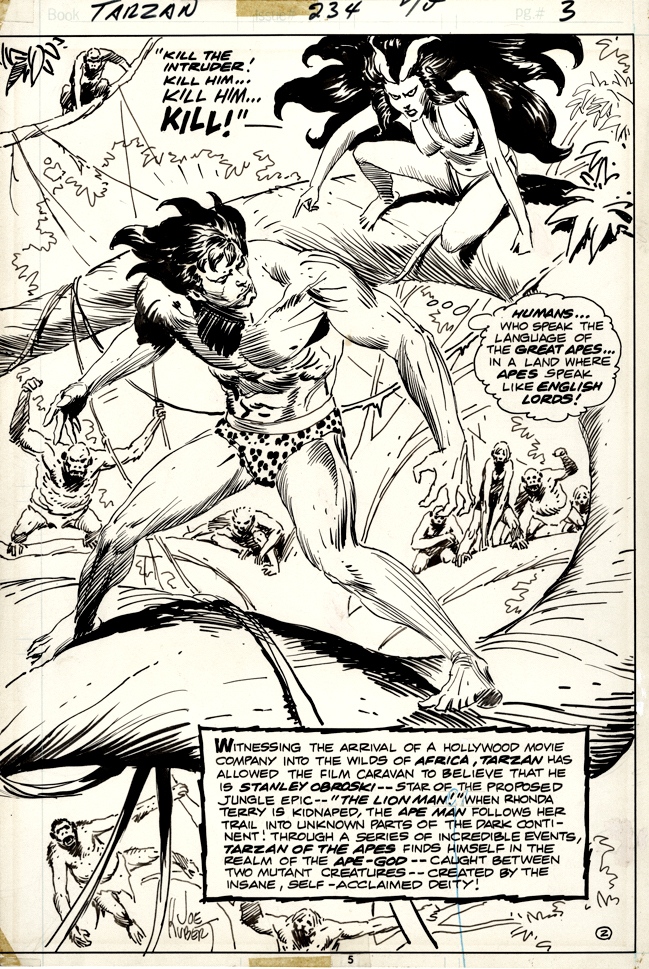
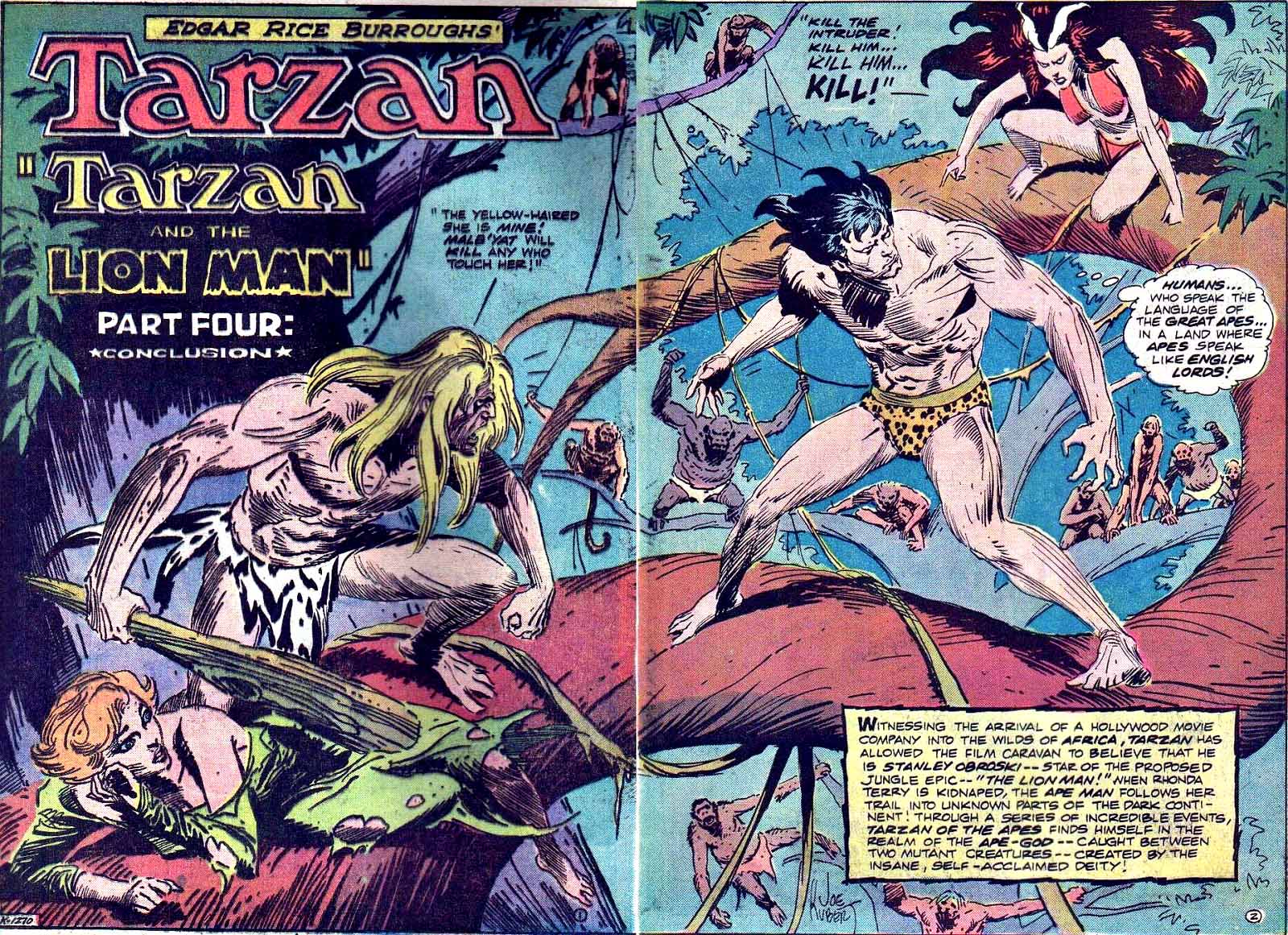
Joe originally gifted this splash, part of a DPS, to a friend.
I happened to see it the day it the day it came up for sale, and despite a lofty price, I acquired it then and there.
I knew I wouldn’t likely see another one.
Typically, Kubert’s full double-page spreads from this period could be broken up without ruining the art.
Three different Tarzan anniversaries in 2022: DC’s Tarzan celebrates its 50th, Weissmuller’s film series celebrates its 90th, and the character himself celebrates his 110th.
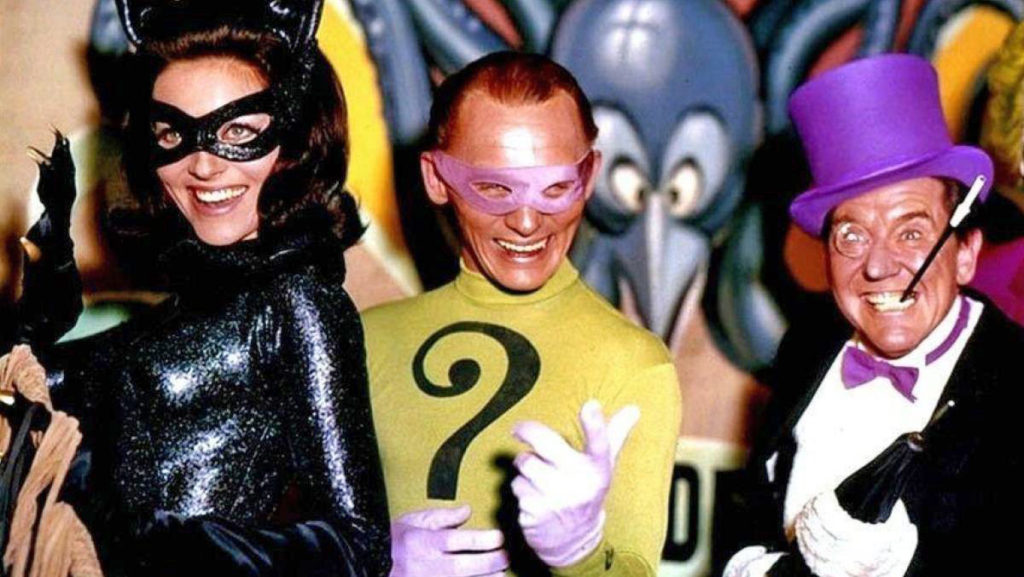
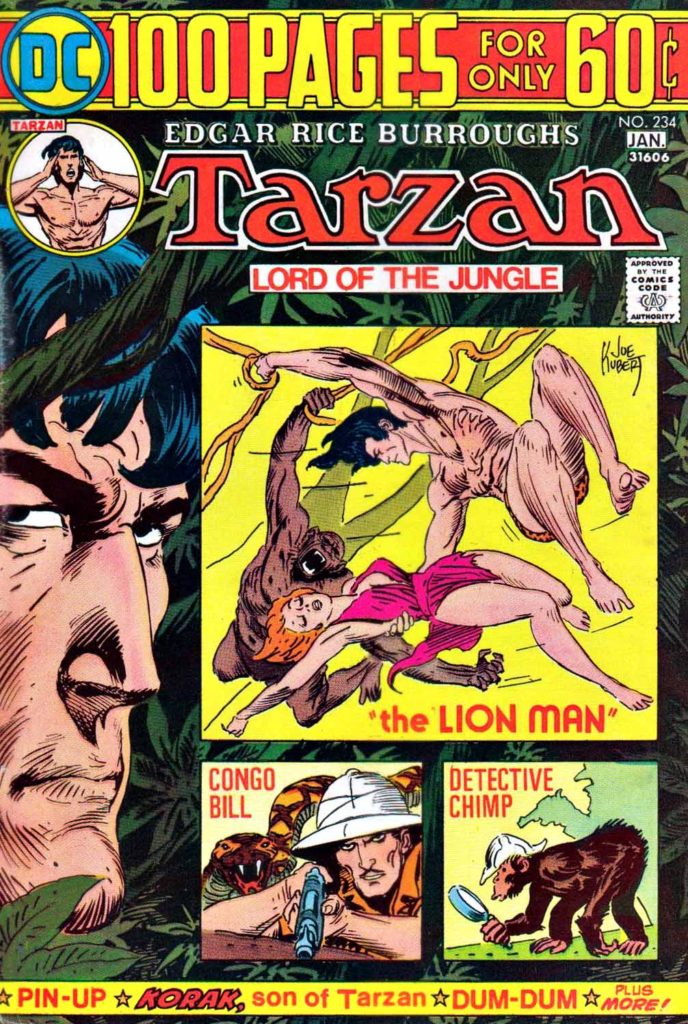
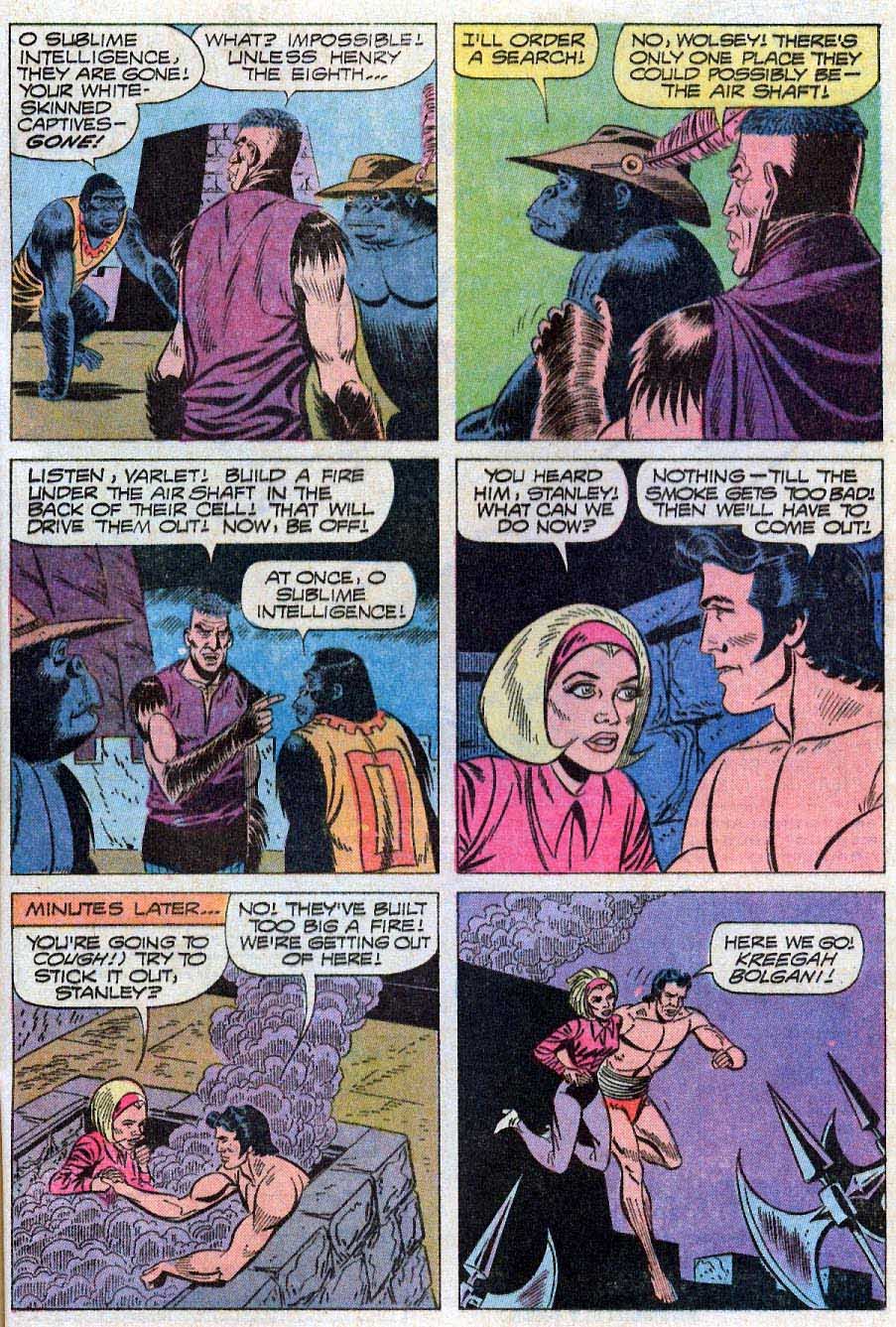
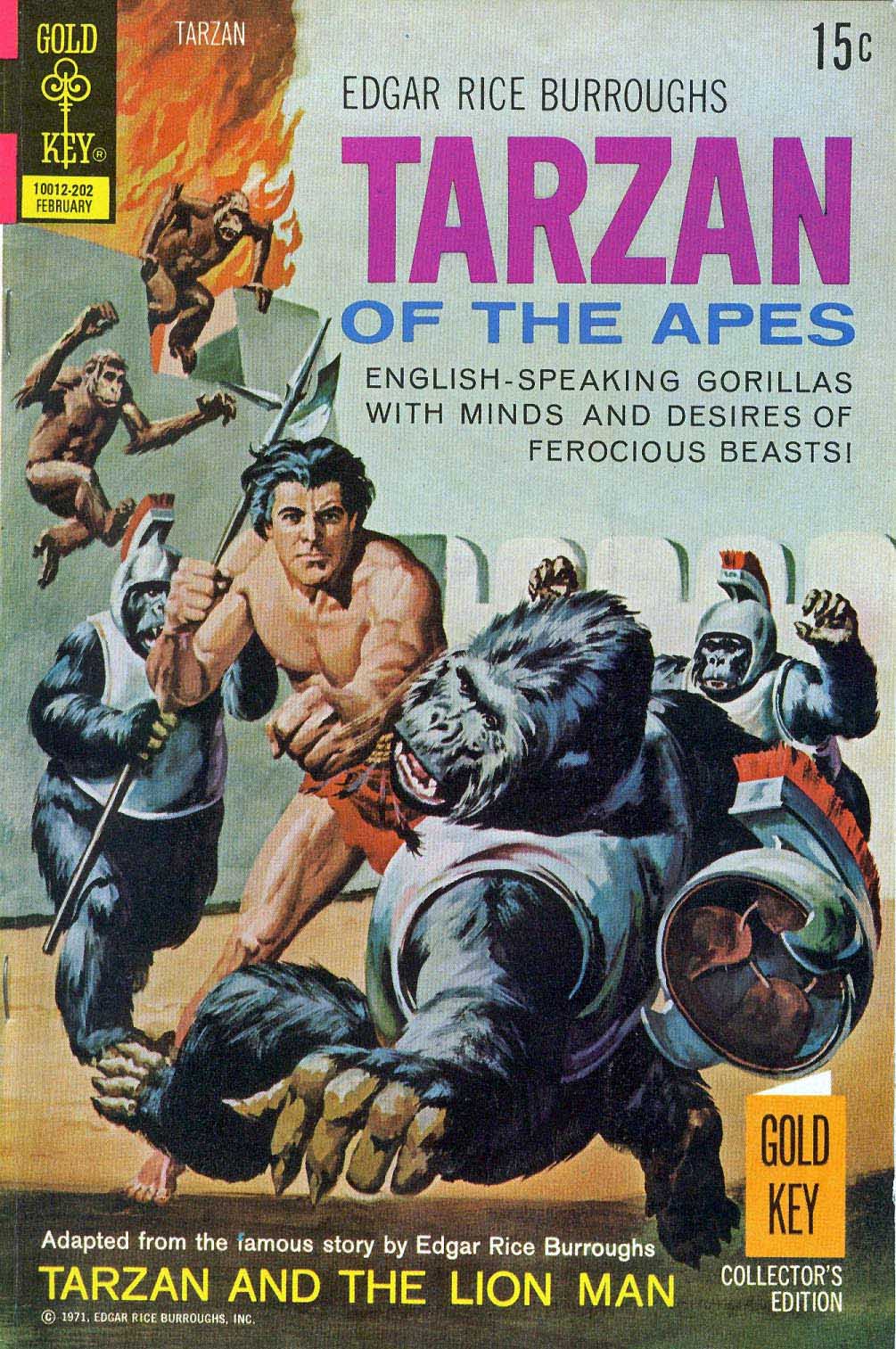
The final issue of Gold Key’s Tarzan series is almost as far from Kubert’s interpretation as The Batman 1966 TV series is from Christopher Nolan’s. Coincidentally, that issue also featured an adaptation of “Tarzan and the lion man.”
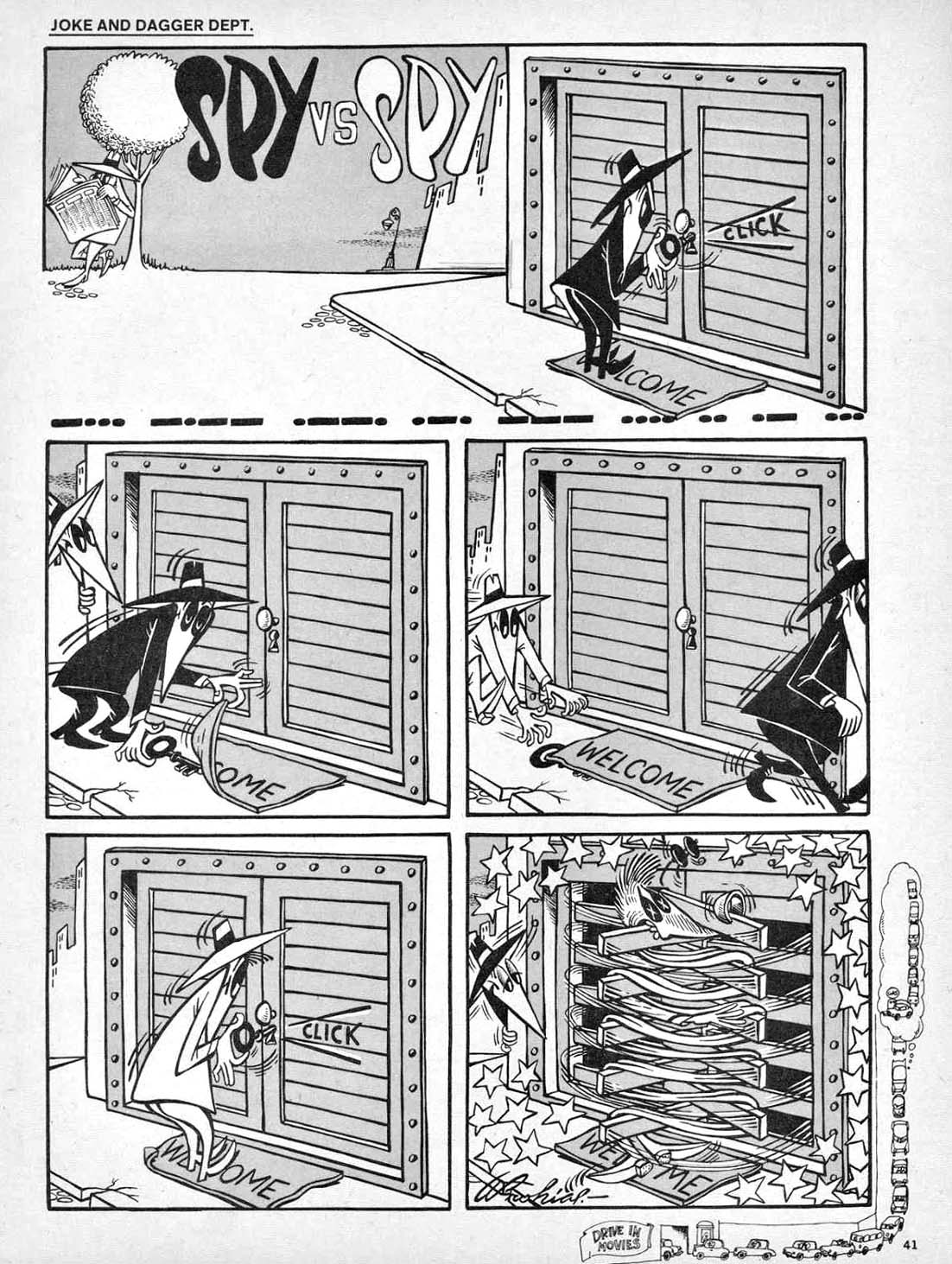
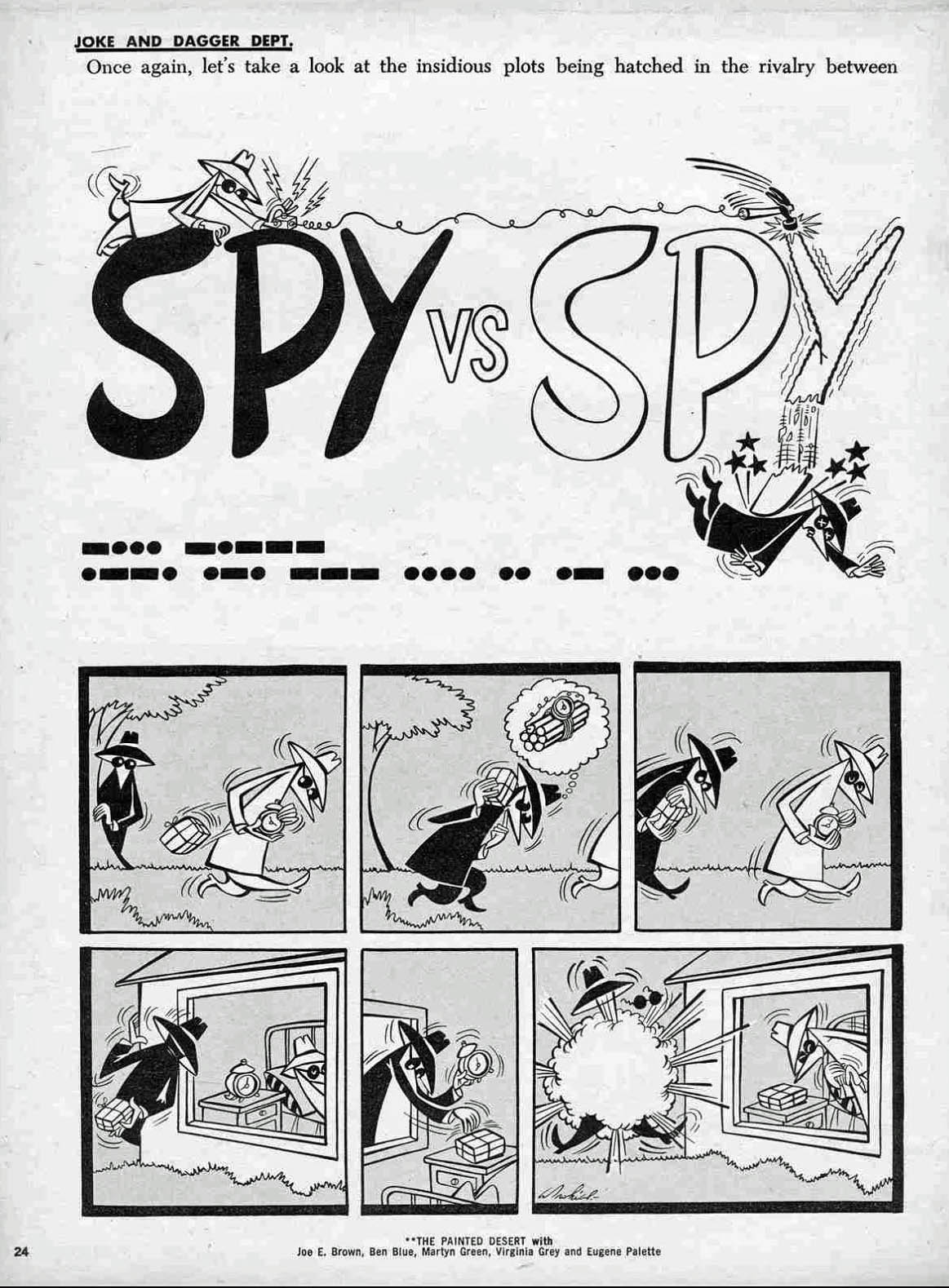
One punch line panel of the iconic Spy vs. Spy gag strip often sported more violence than an entire episode of Looney Tunes. (That’s saying something.)
And we loved it.
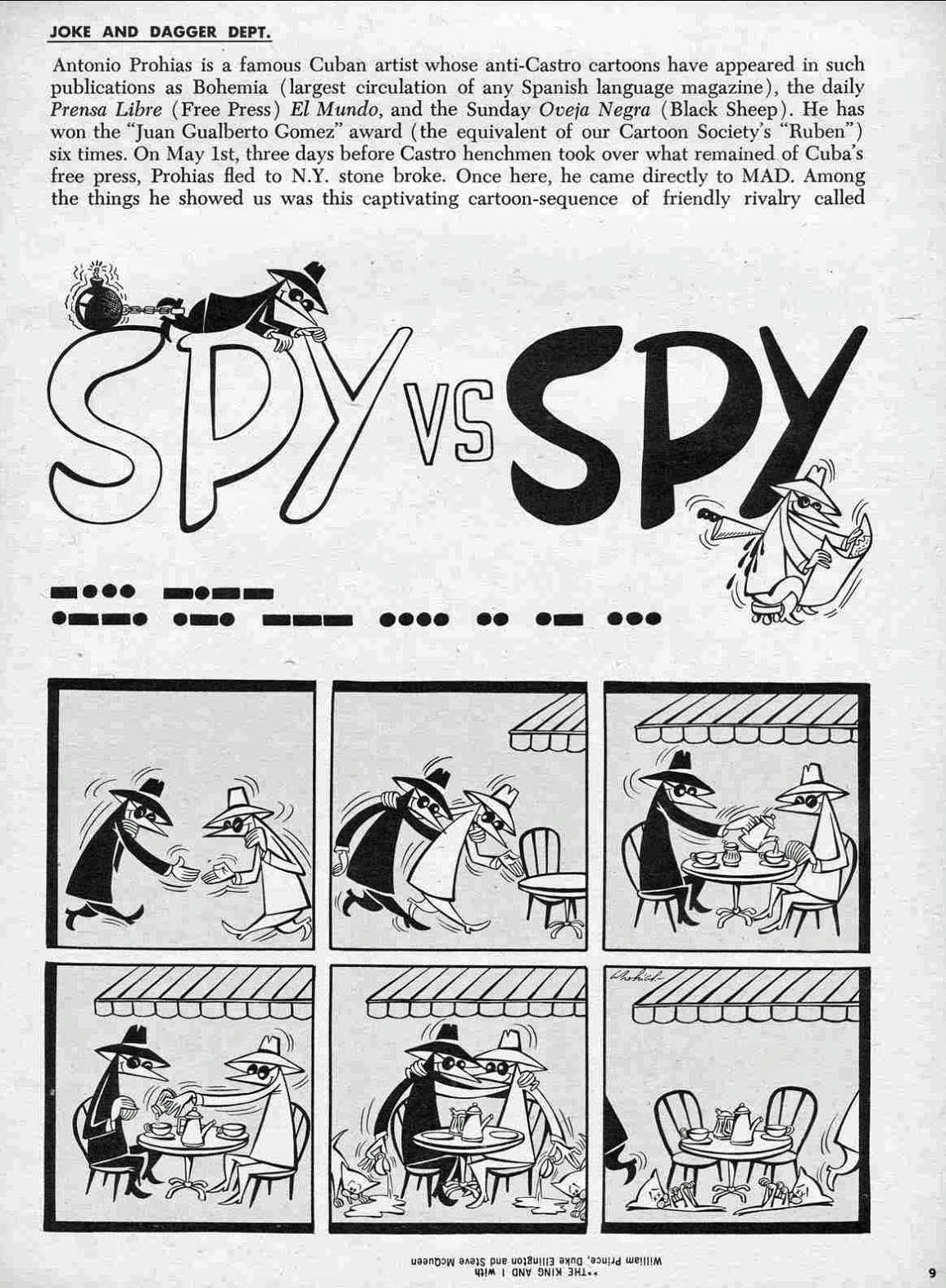
Prohias, a Cuban refugee, was a genius. He didn’t speak very much English. And he didn’t have to. Humor is a universal language.
And me personally? I love wordless gags. After all, cartooning is a visual medium.
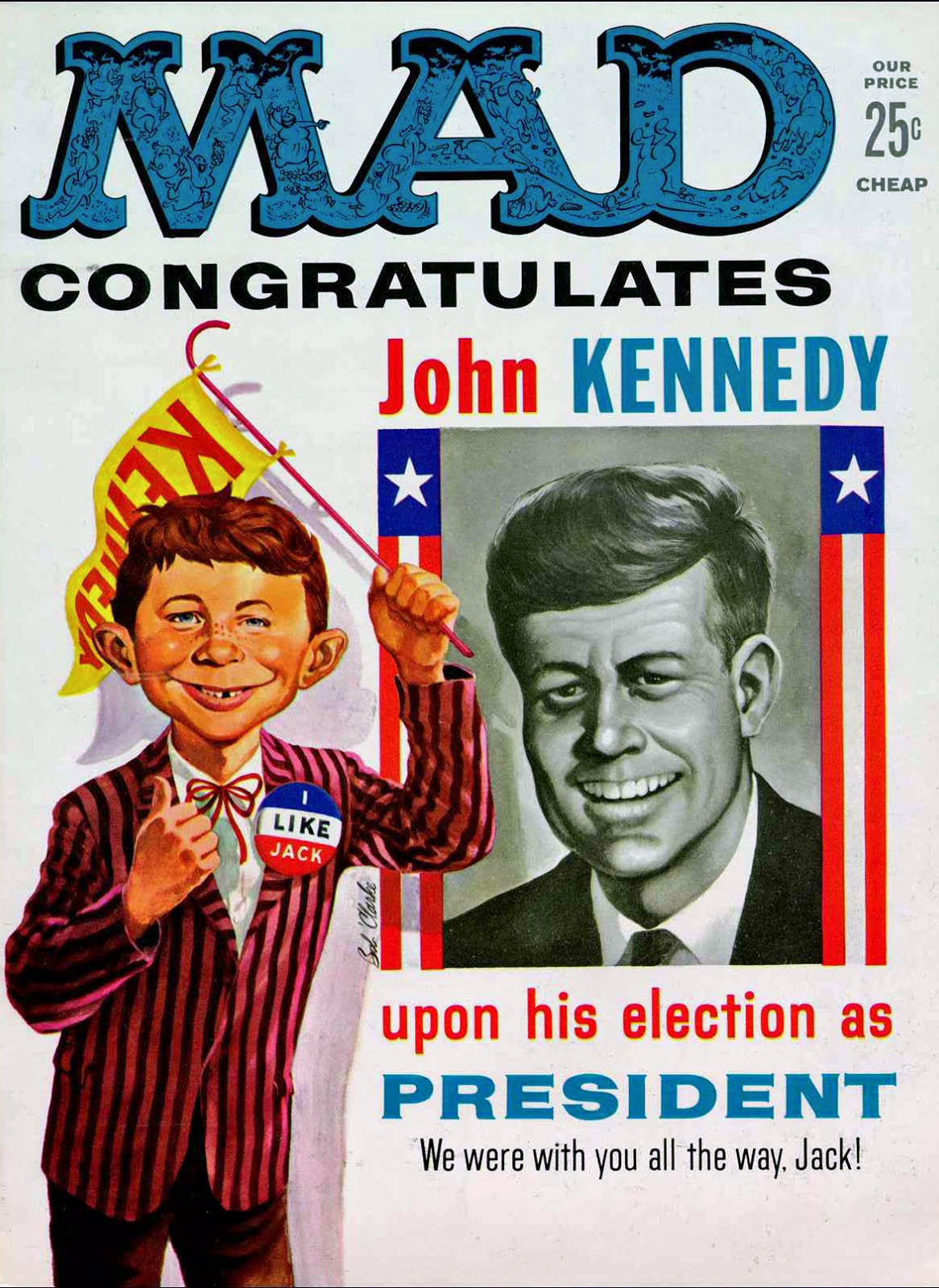
Spy vs. Spy made its debut in a classic issue of Mad — the infamous election flip cover. Newsstand proprietors could face out whoever actually won the election. (Spoiler alert: It was JFK.) Also above are the first three Spy gags, all appearing in the same issue.
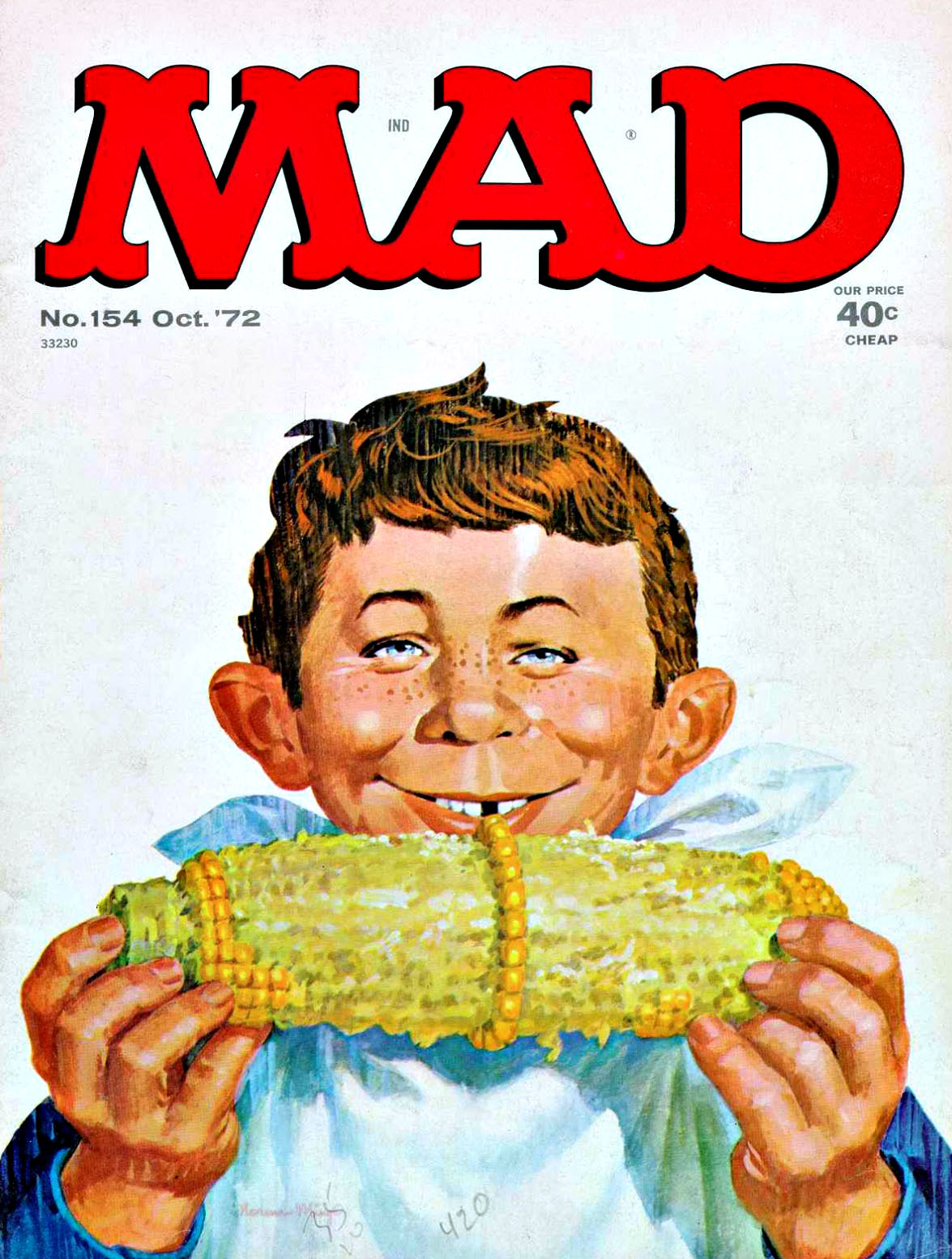
I was fortunate to visit Mad’s offices in 1976 and received the classic Cheap, Crummy Souvenir. More importantly, I met many of the “Usual Gang of Idiots” including the fearless leader himself, Bill Gaines.
When artists Mort Drucker and Angelo Torres were creating those amazing Mad movie parodies (especially the earlier ones) they often had trouble acquiring official photo references. The solution? Torres would sneak a camera into the movie theater and quietly snap some photos for himself or Drucker.
In other words, the Mad artists were the original film pirates.
You have no idea how much I love that.
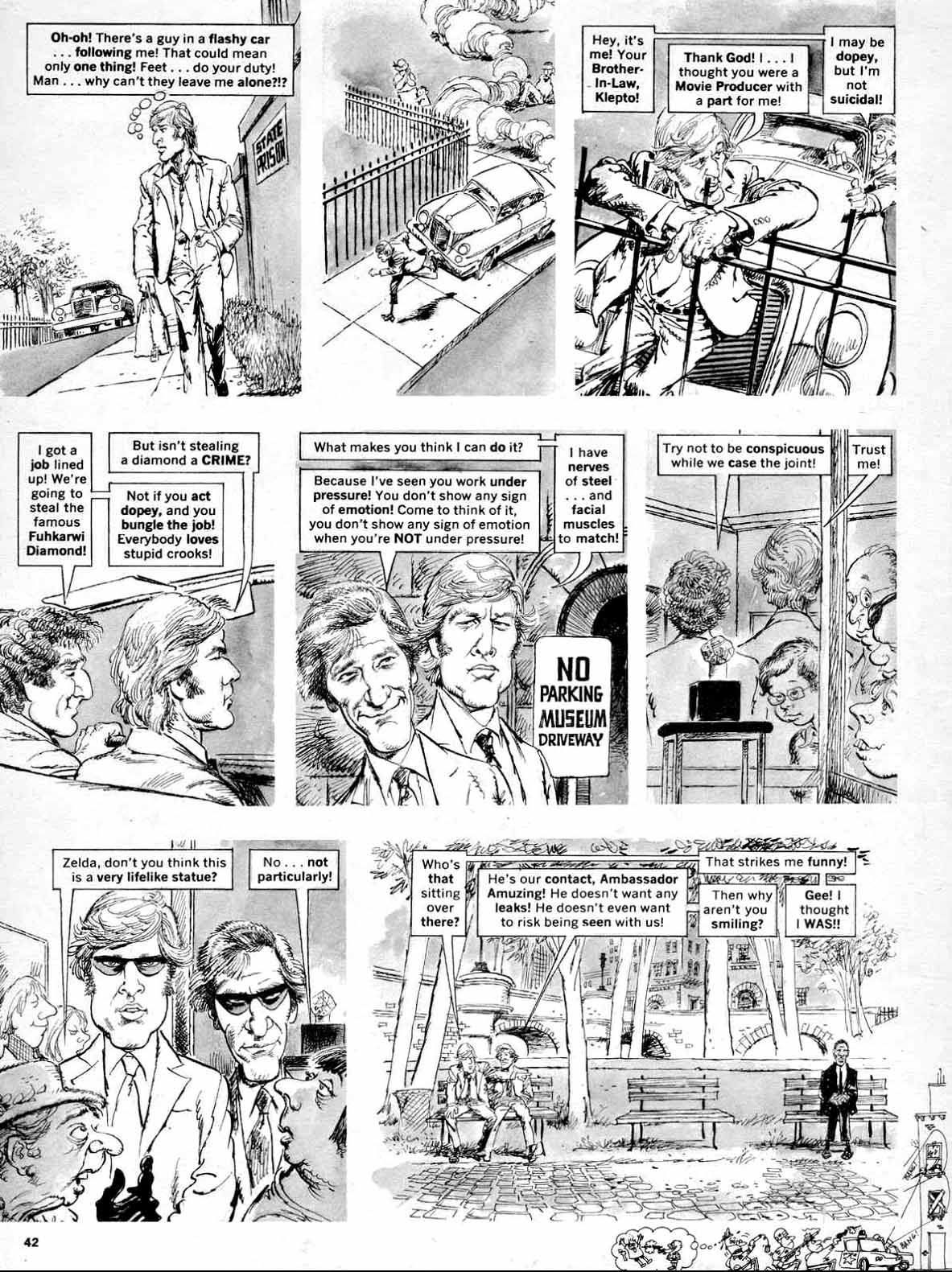
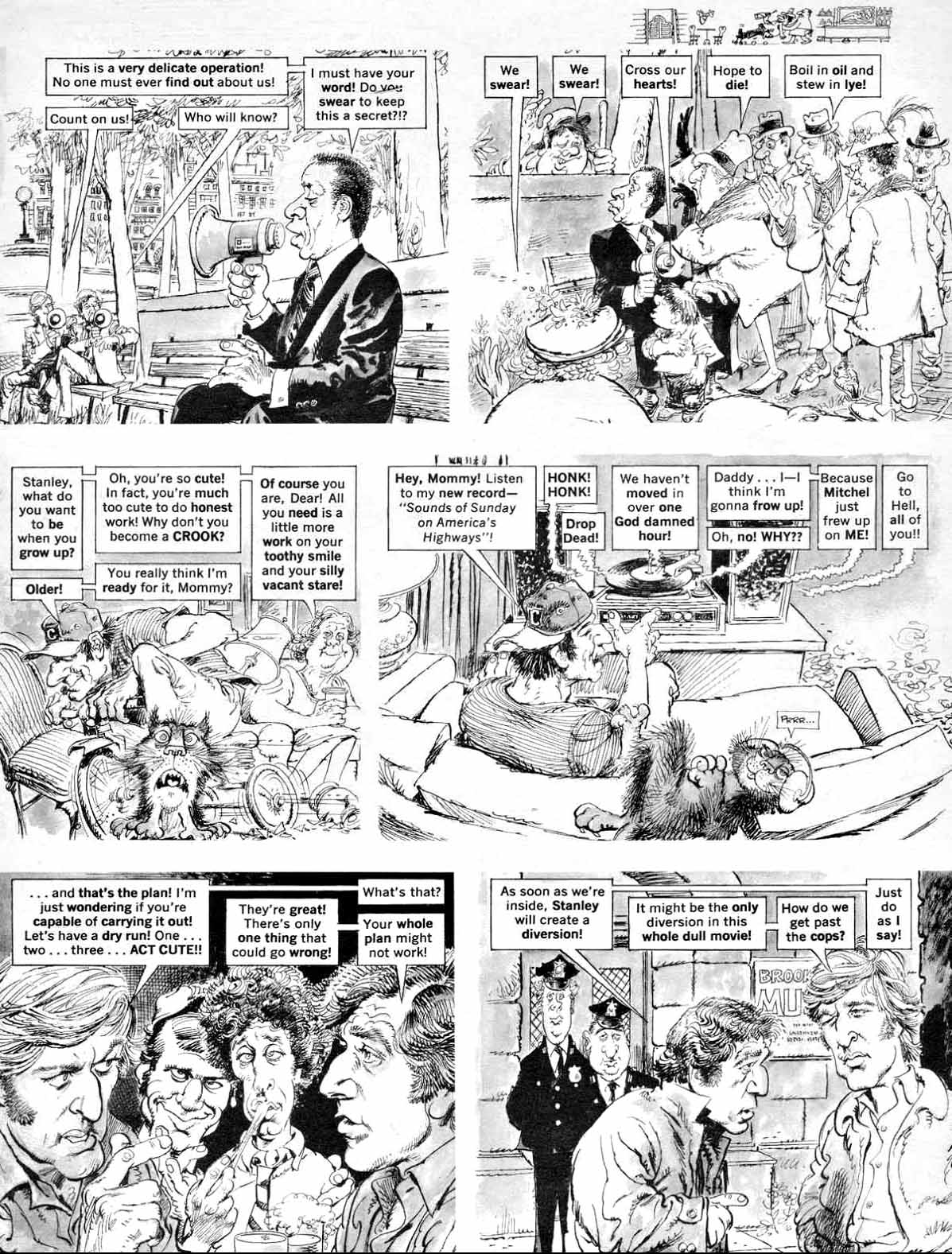
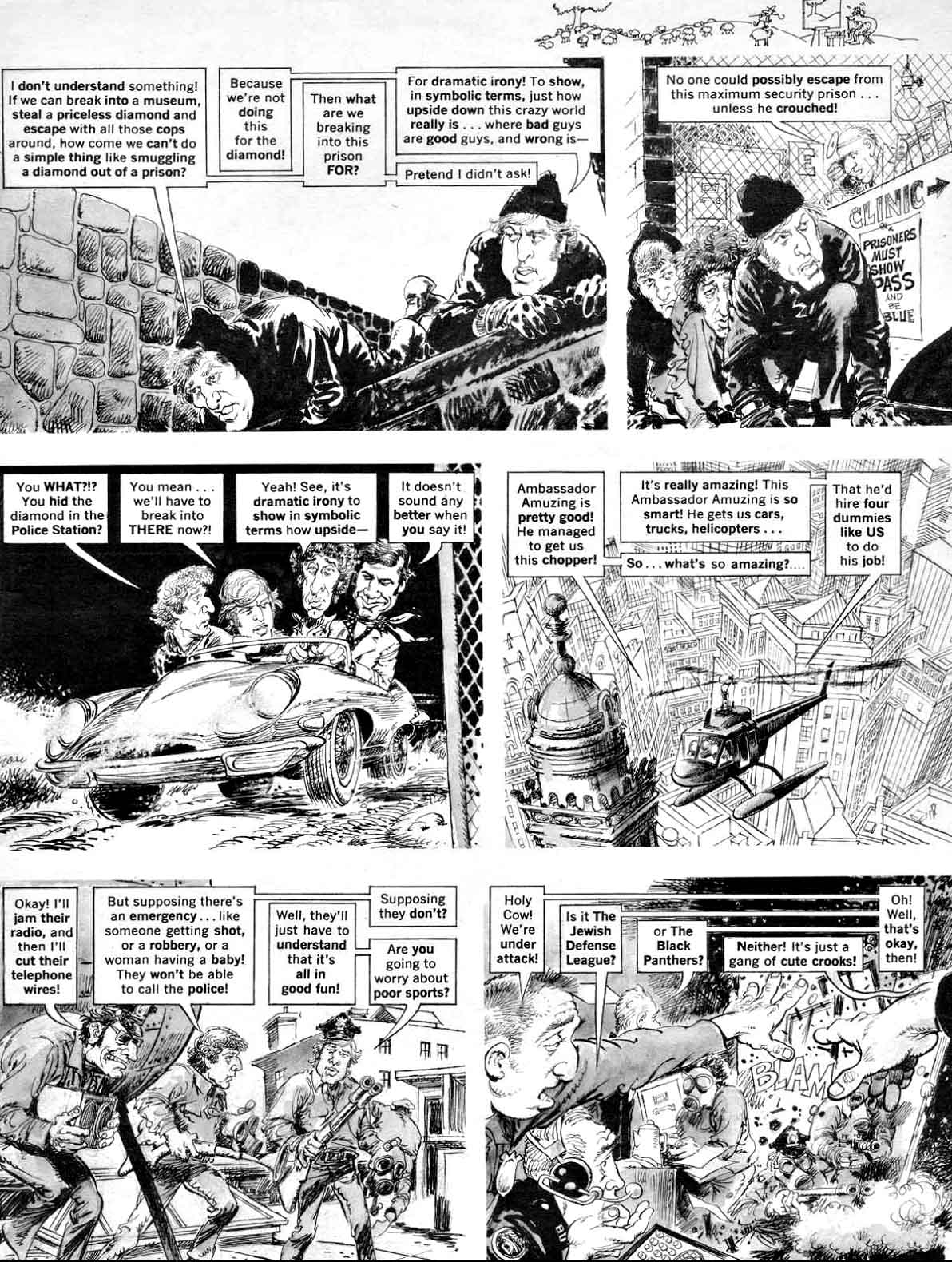
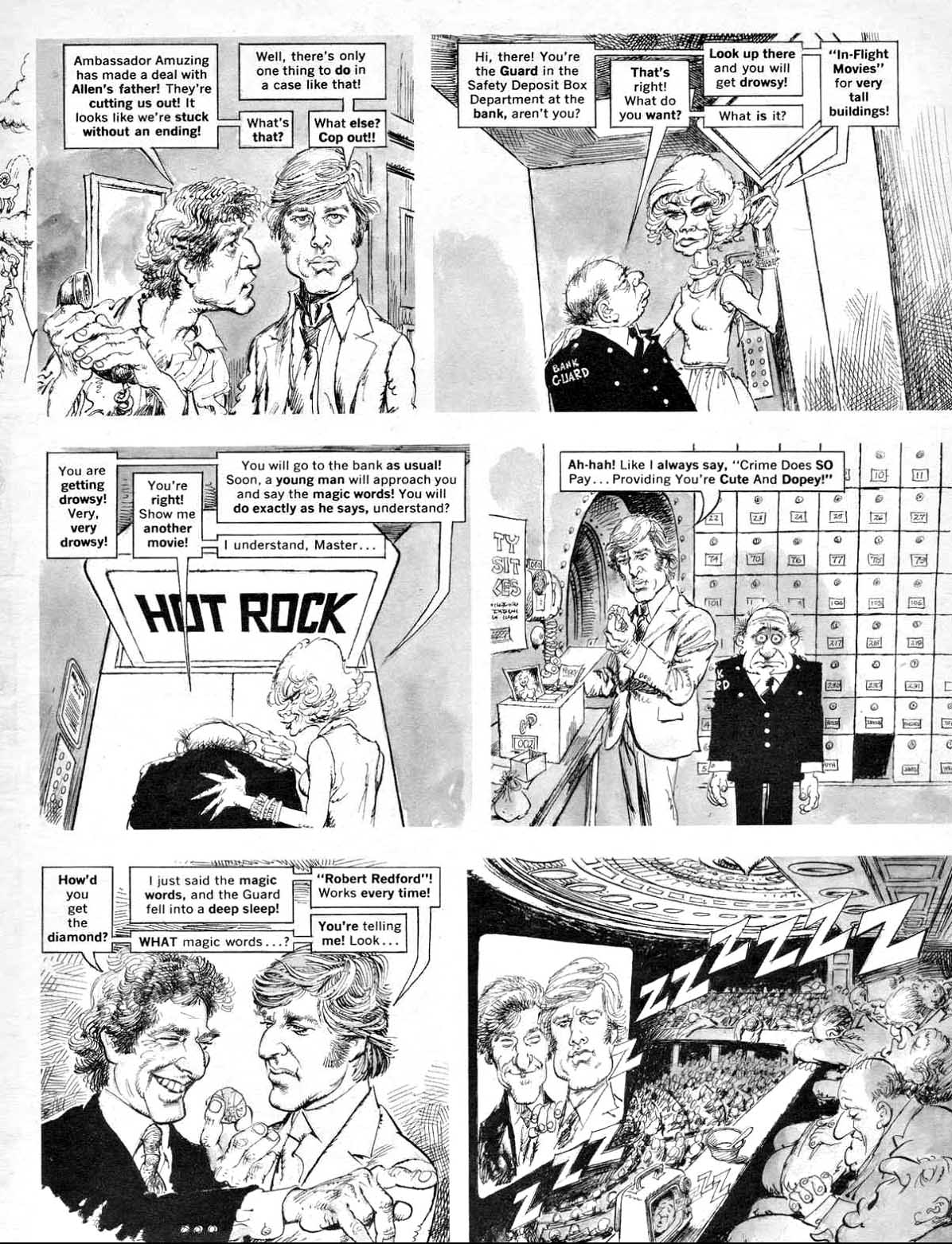
This classic Drucker page from a parody of the film “The Hot Rock” comes with a personal anecdote as well:
I discovered my pal Stuart Ng had three original pages from this story for sale about six or seven years ago. I didn’t want all three, I only wanted one (they’re huge — about 18×24), but even if I did, we couldn’t agree on price. (Hot Rock is one of my favorite films, and it’s one of Stuart’s also, and besides, it’s not like Drucker pages are lying around.)
So of course, every so often, I would revisit the pages, and of course, following the rest of the original art market, the price would increase and I couldn’t bring myself to pull the trigger.
(Insert emoji of me slapping myself here.)
Finally… A few months ago, we had a meeting of the minds. He sold me one, and he knows it’s going into a good home. I paid more than I wanted to, he sold it for less than he wanted to, and that seemed like the making of a decent compromise.
And I think he still has the remaining two available, in case other Hot Rock fans see this post. Tell him Greg sent you.
Although somewhat forgotten today, The Hot Rock is a classic caper film, written by the legendary screenwriter William Goldman and based on the first book in the “Dortmunder” series by (the also legendary) Donald Westlake. Filmed on location in New York, including some neighborhoods I was personally familiar with, I’ve loved it since it was released 50 years ago.
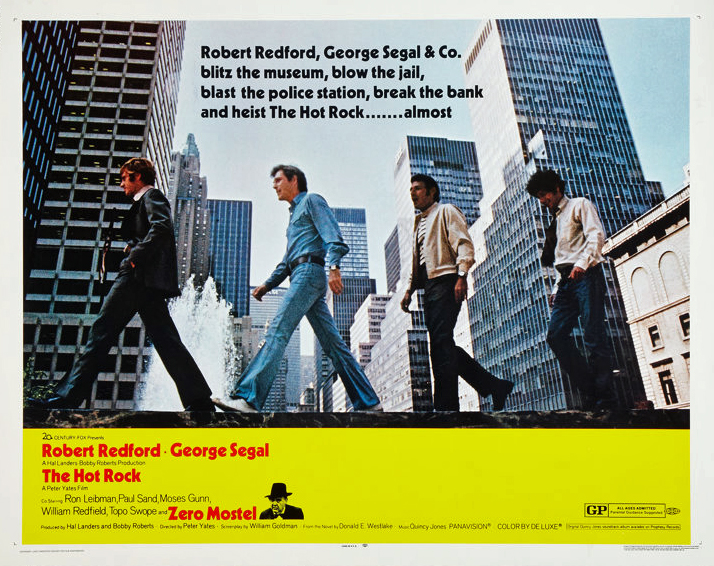
The first(?) of endless Abbey Road swipes and homages is featured in Hot Rock promo art. I love that George Segal copied George Harrison’s outfit entirely, right down to the footwear. I will bet that somewhere in that photographer’s archive is an even more exact mirror of the Abbey Road cover.
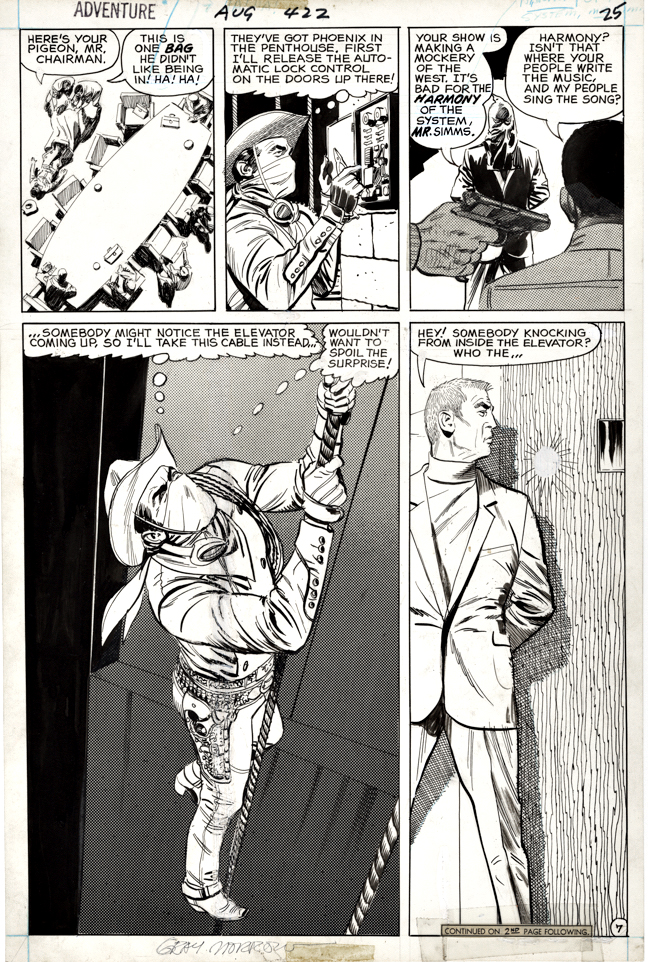
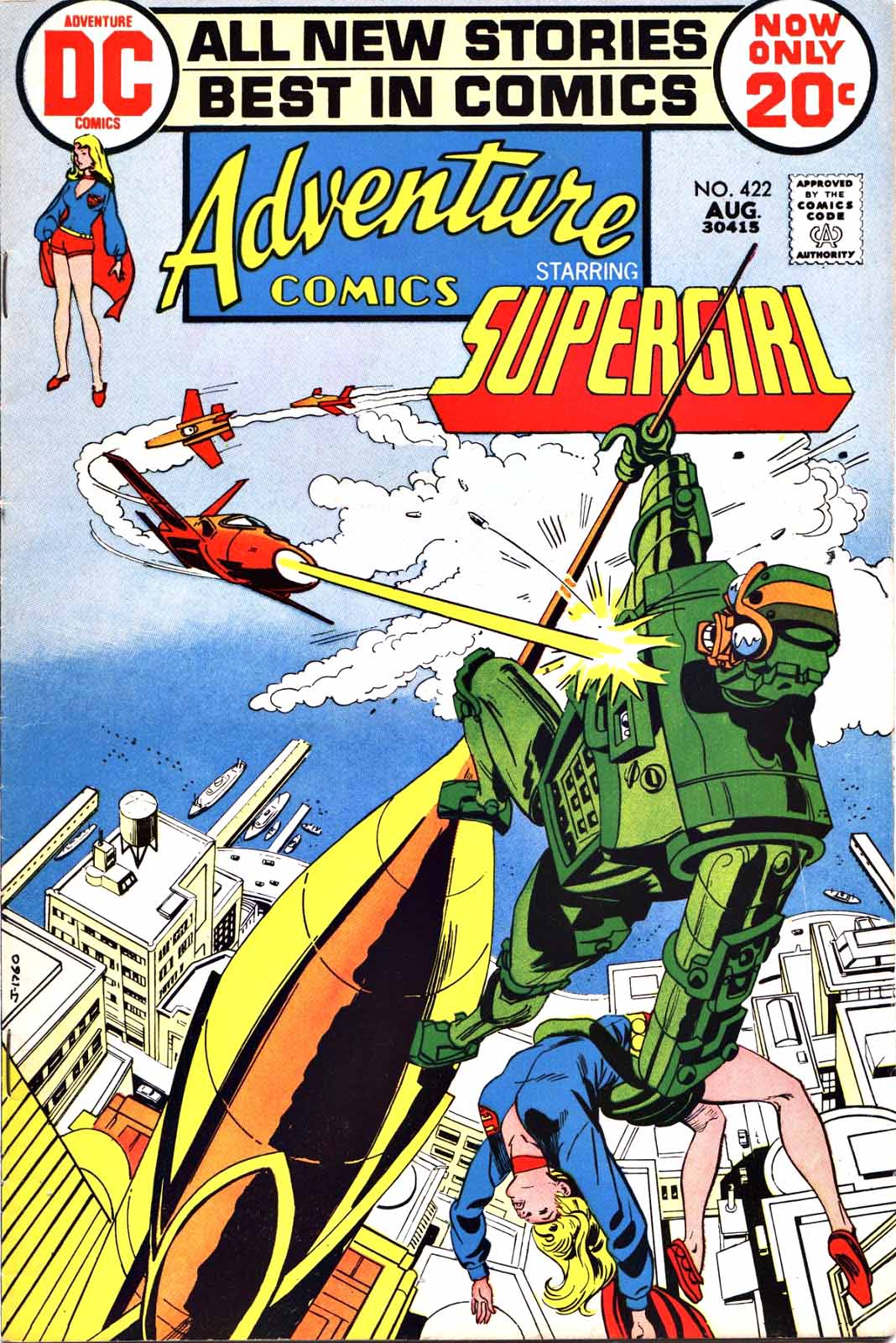
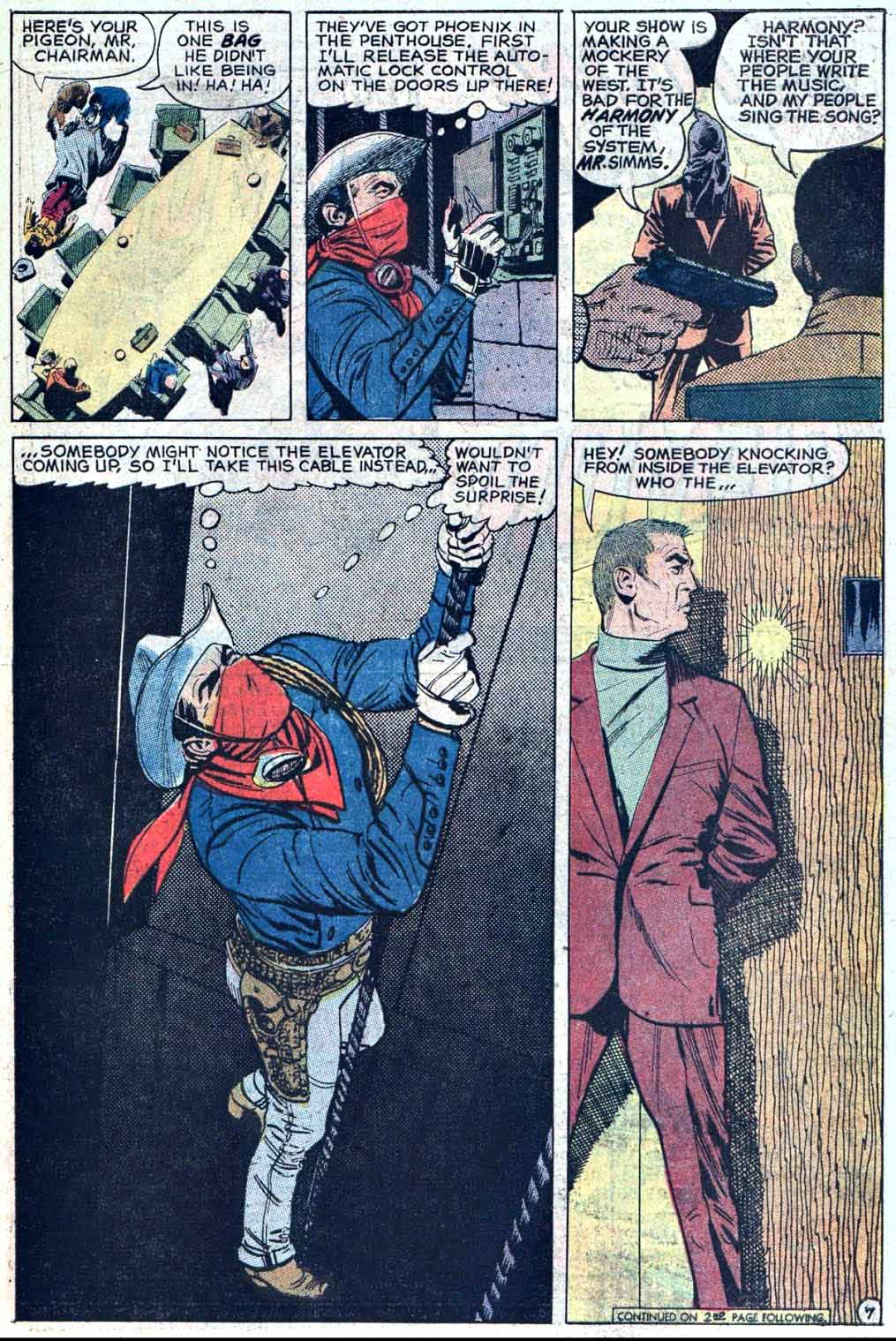
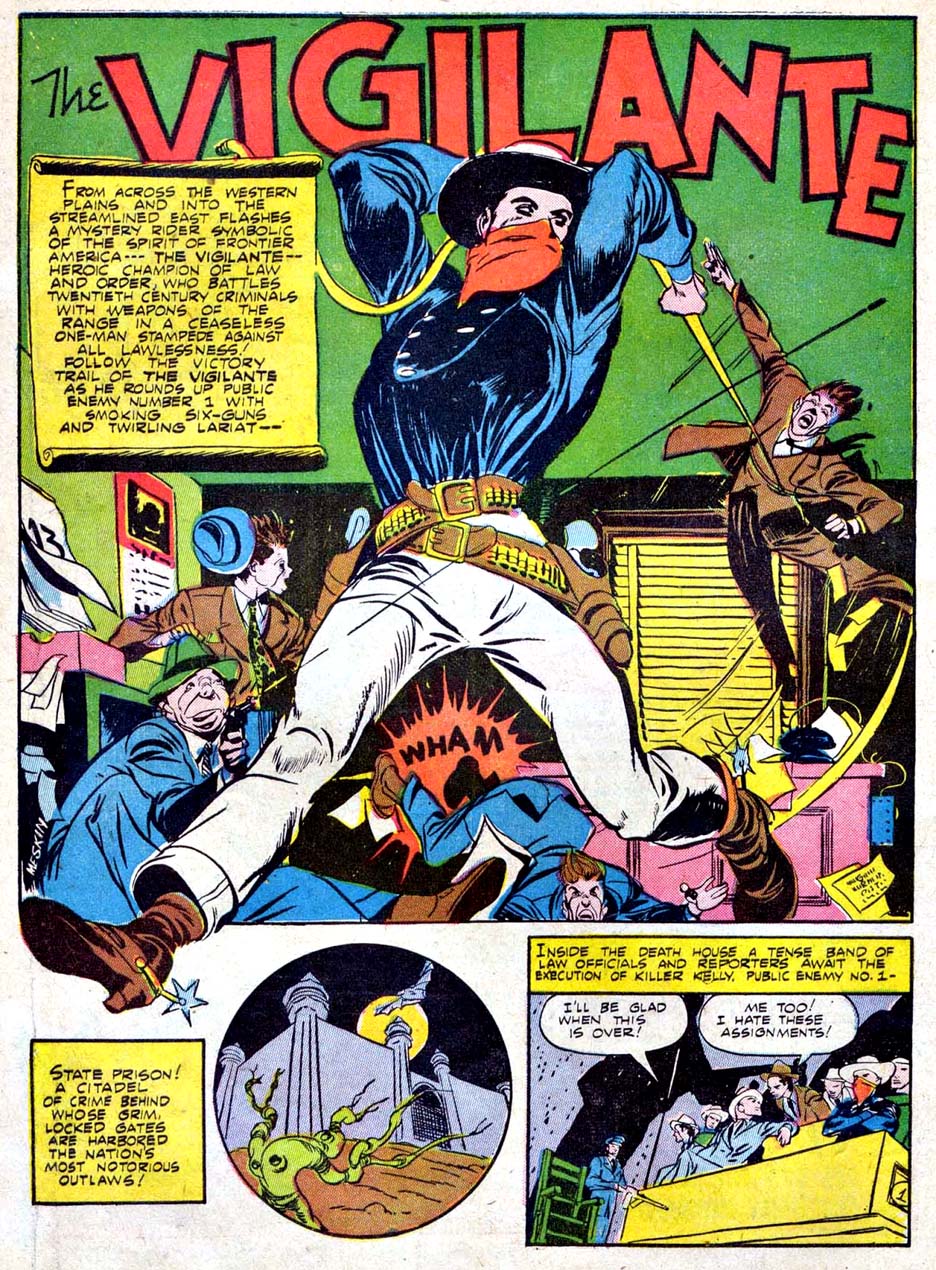
The Golden Age hero The Vigilante (Greg Sanders) returns to his own feature in The Bronze Age — albeit briefly — in a two back-up stories in Adventure Comics in 1972.
Like some other back-up features from that ran in the oversize 25-cent issues and the “supersize” 100 pagers, this material has never been reprinted. (This specific story ended up in a regular size issue after the larger format was eliminated) It’s too bad, because some of it, including this rare Gray Morrow Vigilante art is quality material.
I always thought the great Gray Morrow was stronger at illustration than storytelling but his two DC Vigilante stories showcase his talents across the board.
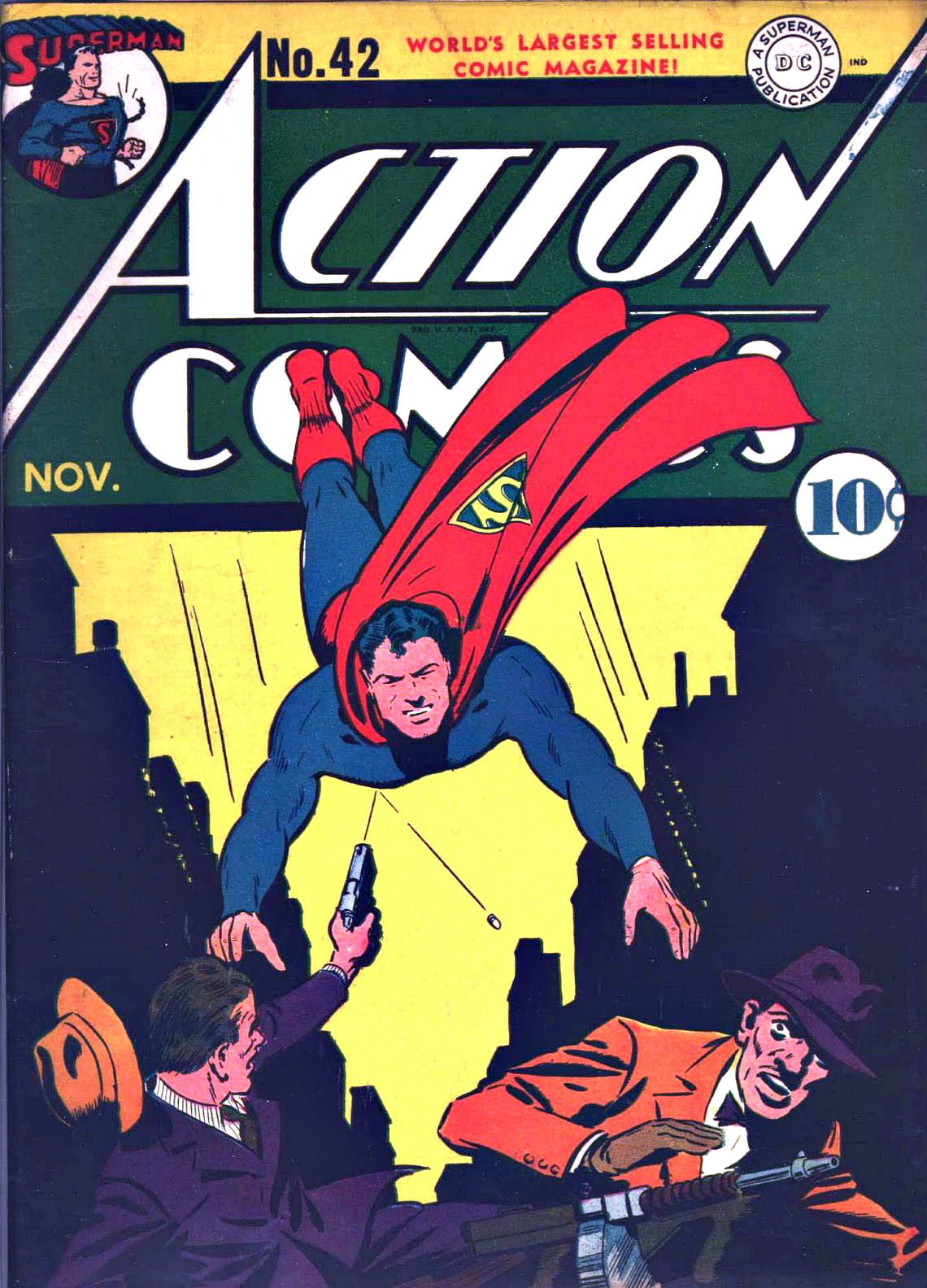
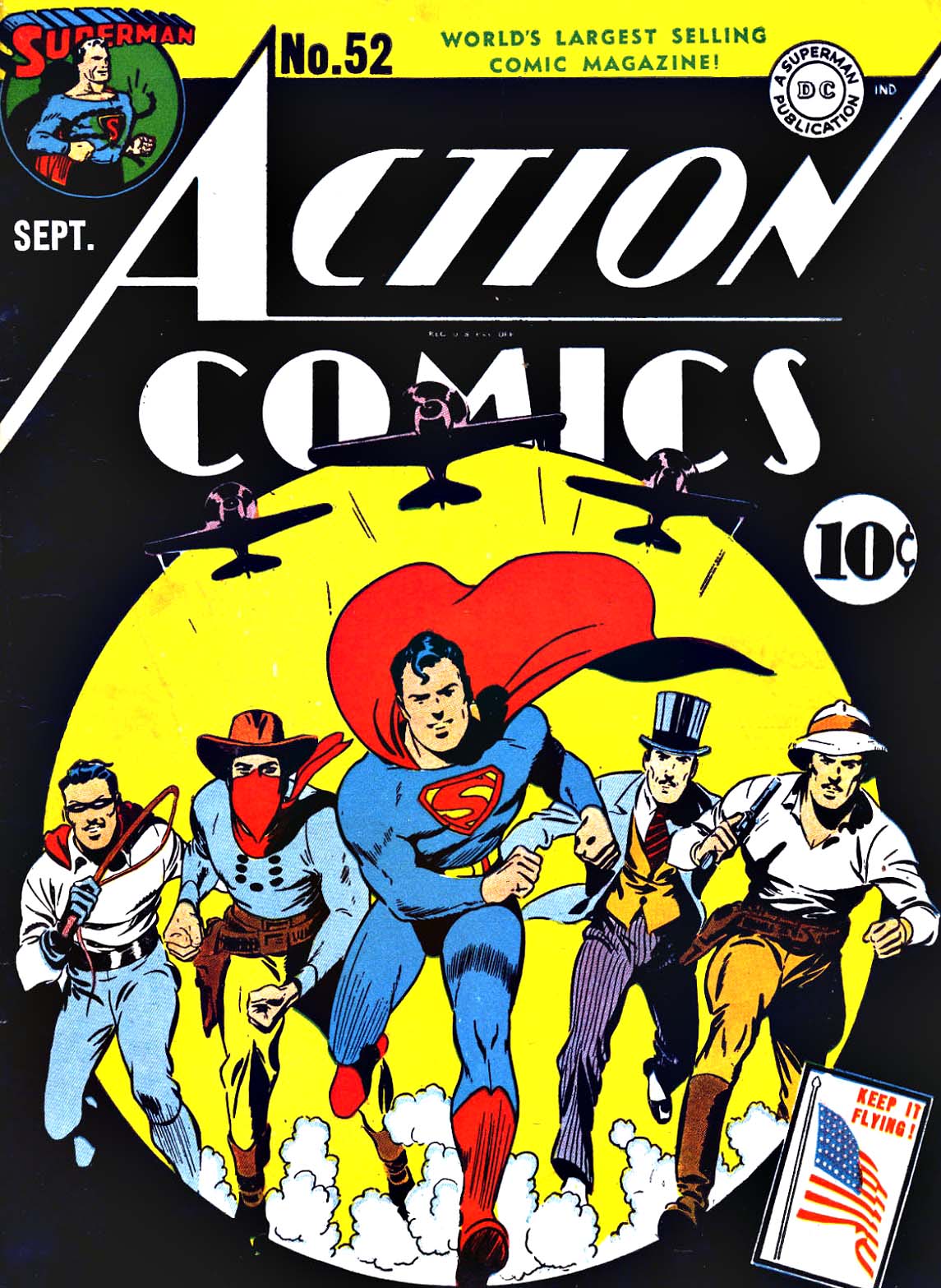
Vigilante started as a back-up feature in Action Comics #42 (with art by the great Mort Meskin), and finally made a rare cover appearance along with the rest of the Action gang 10 issues later.