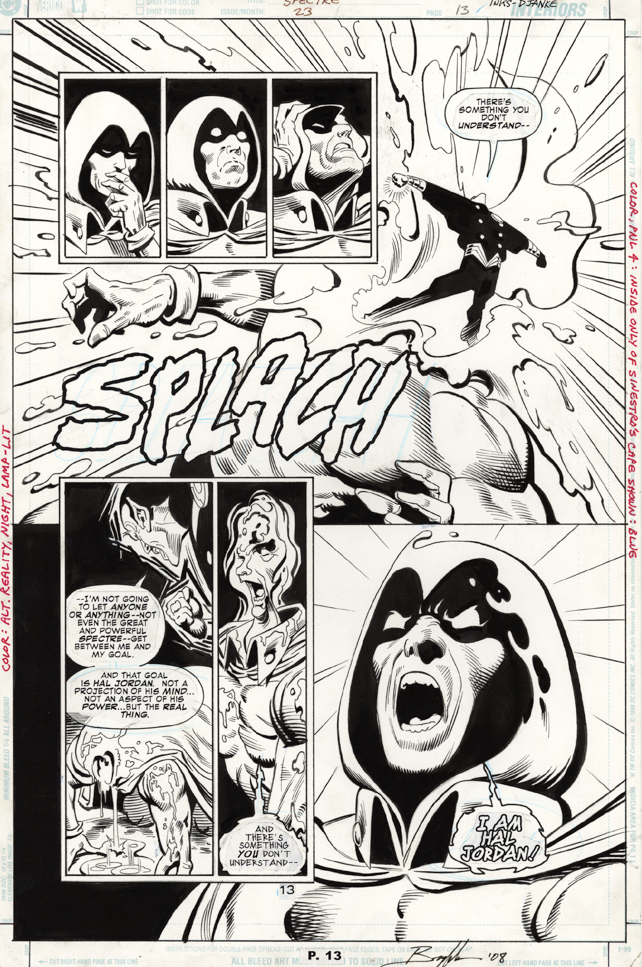
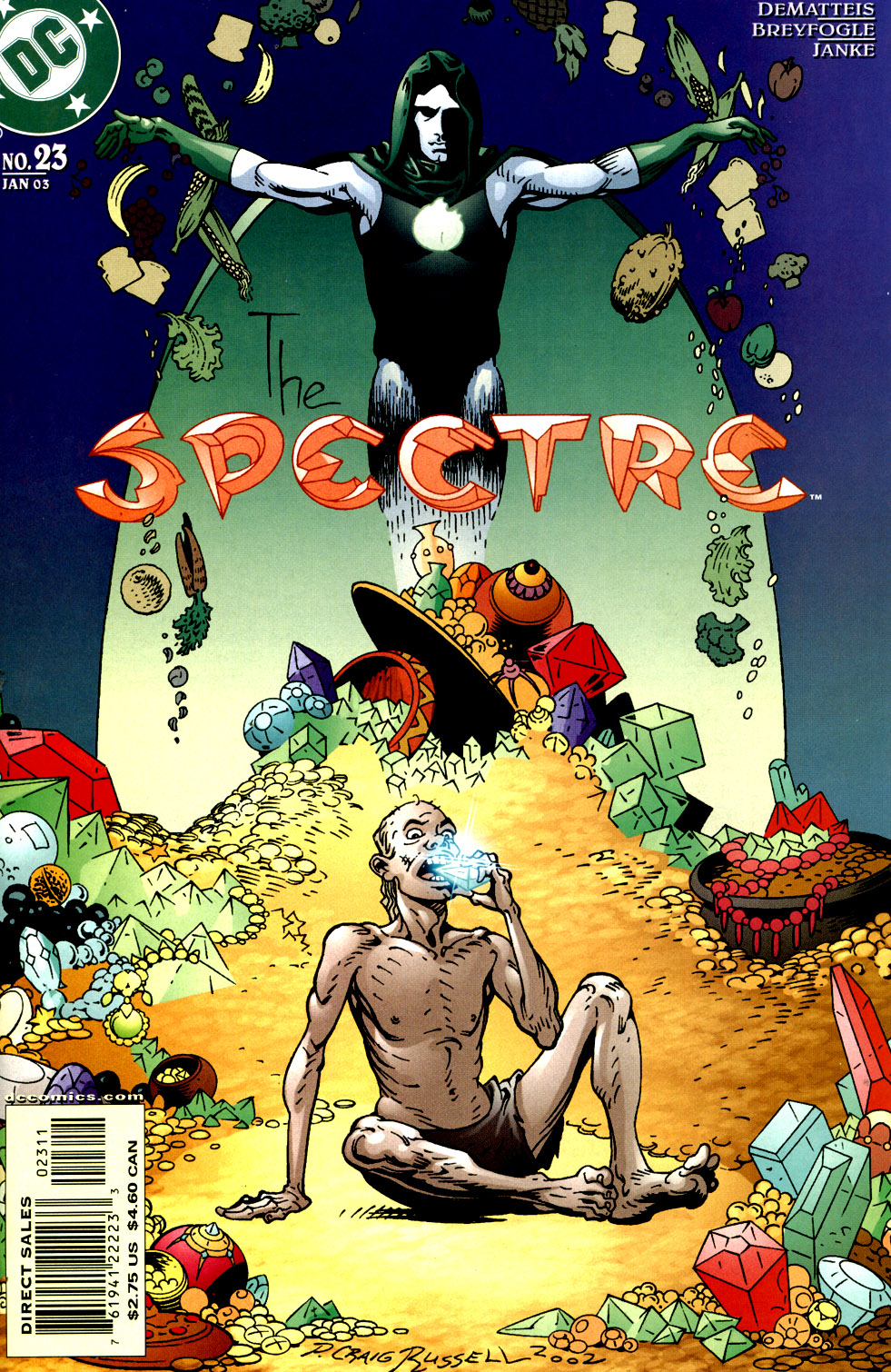
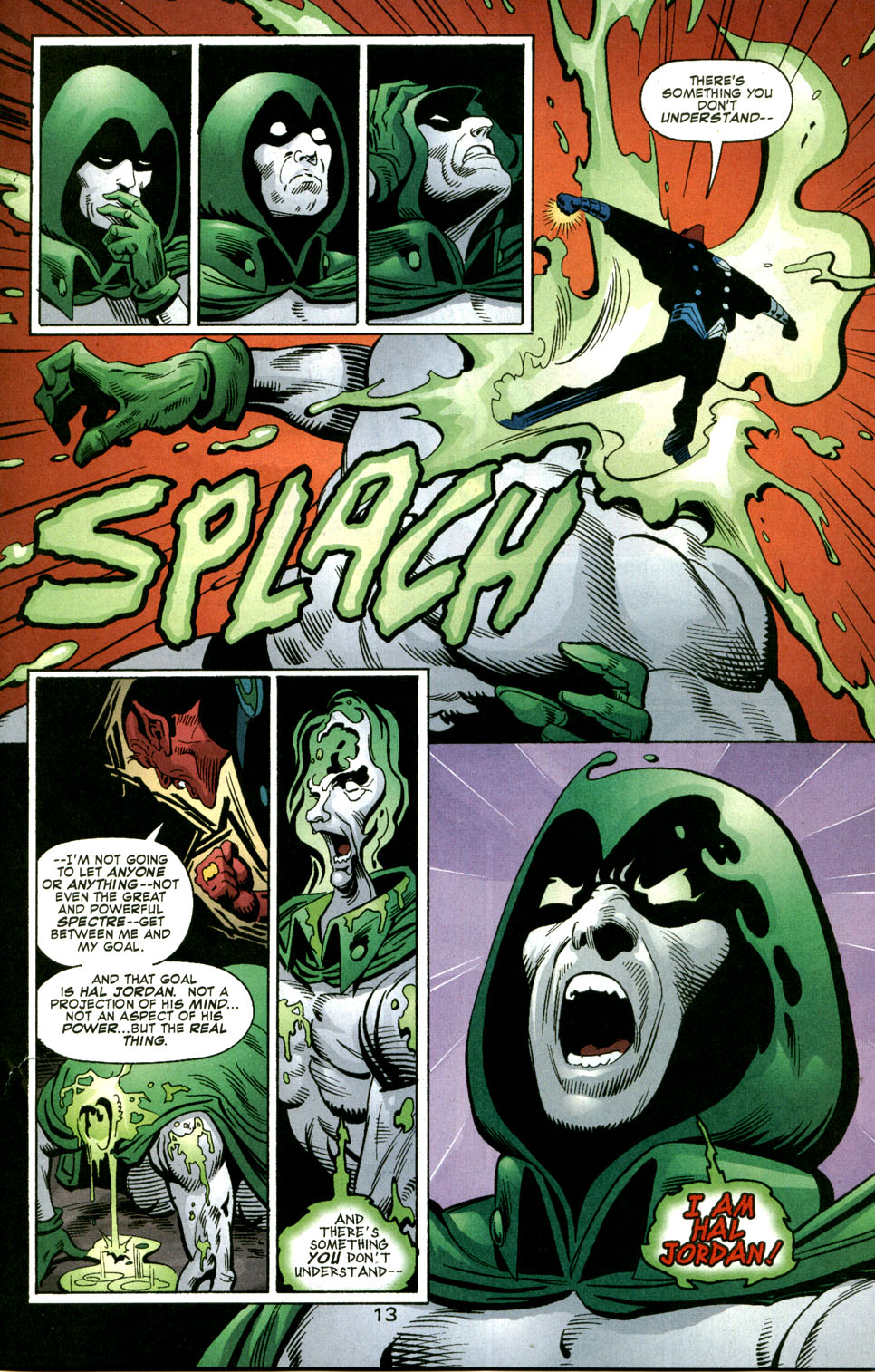
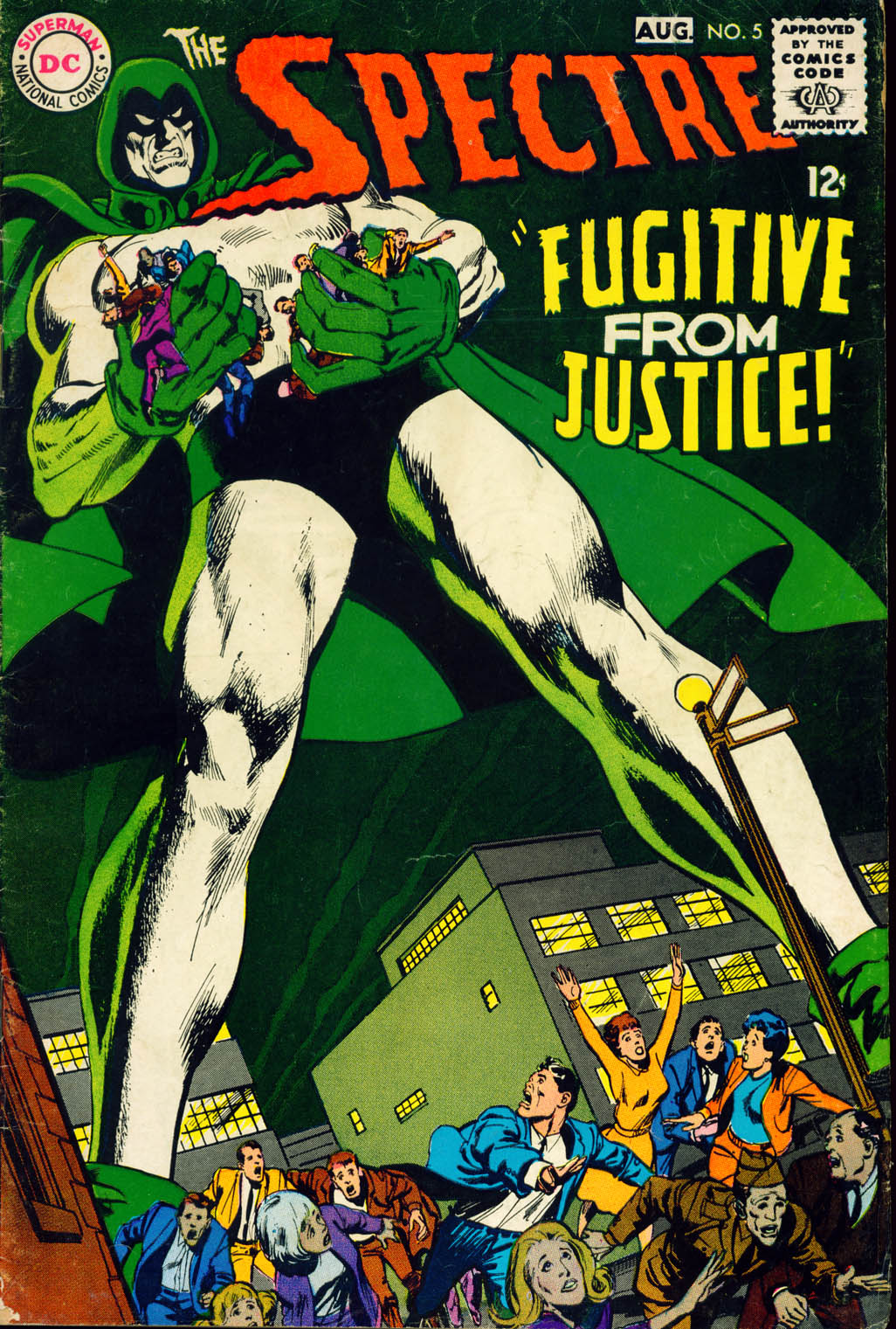
The late Norm Breyfogle spent about a year applying his exceptional talents to the Spectre. Here’s one of the best pages of the run: The Hal Jordan-merged Spectre vanquishes Sinestro, and — I kid you not — basically sends the dark member of the GL Corp to hell. (Well, Sinestro helps choose his own fate. It’s complicated.)
I wish DC had comics like this when I was a kid. (Well, with Jim Aparo’s version of the Spectre, and Neal Adams’ Deadman, maybe they did. Sort of.)
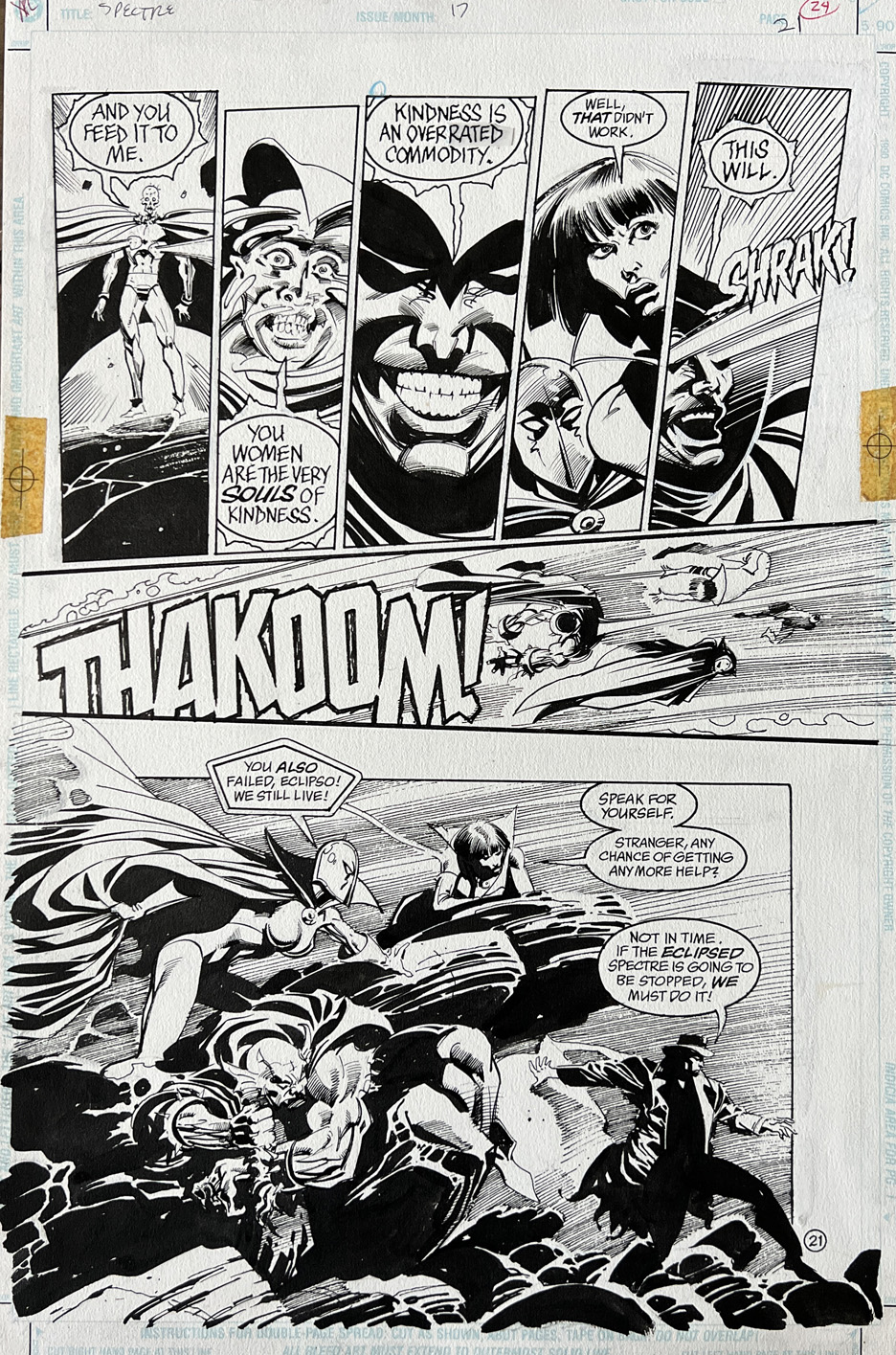
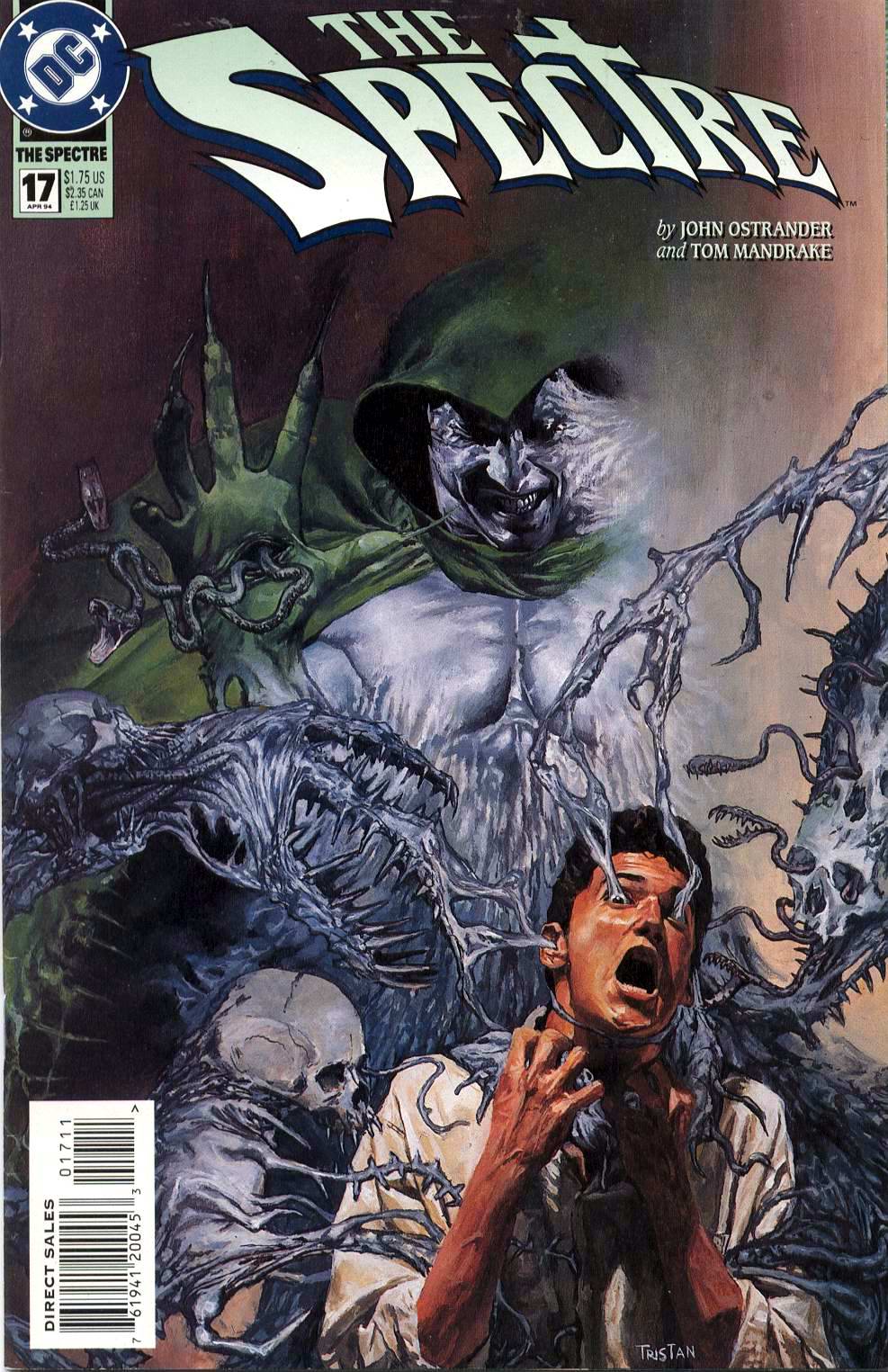
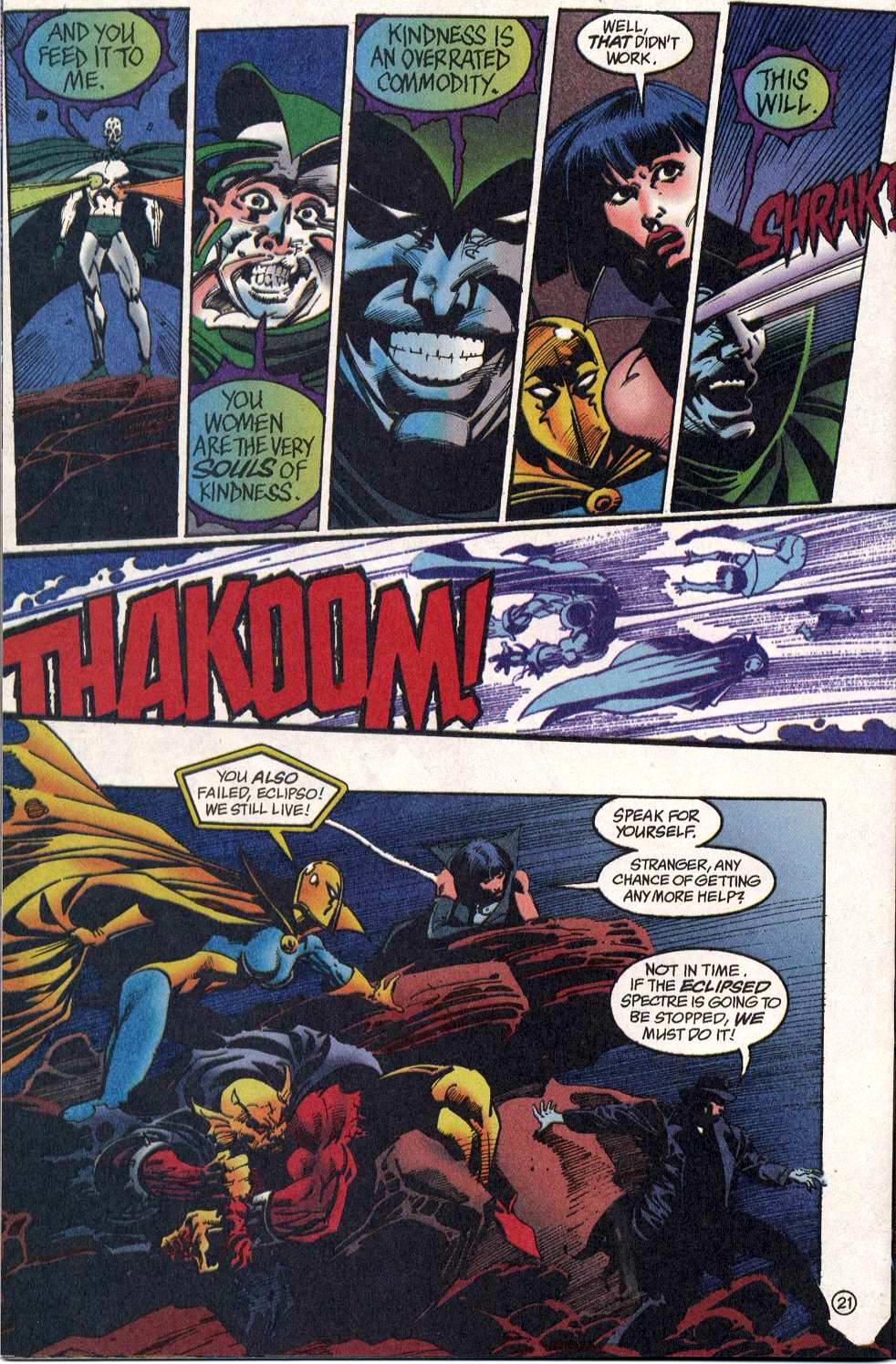
Tom Mandrake — criminally underrated as a storyteller — gets to have some fun with the DC occult universe in a page that’s somehow now twenty years old.
The bottom 1/2 splash featuring Etrigan (Demon), Phantom Stranger, Dr, Fate and Zatanna is definitely cool — and looks especially great in the original black and white.
And the long-time villain Eclipso —also apparently an avenging angel, but an evil one — merging with the Spectre to form a super-villainous apparition? Love it.
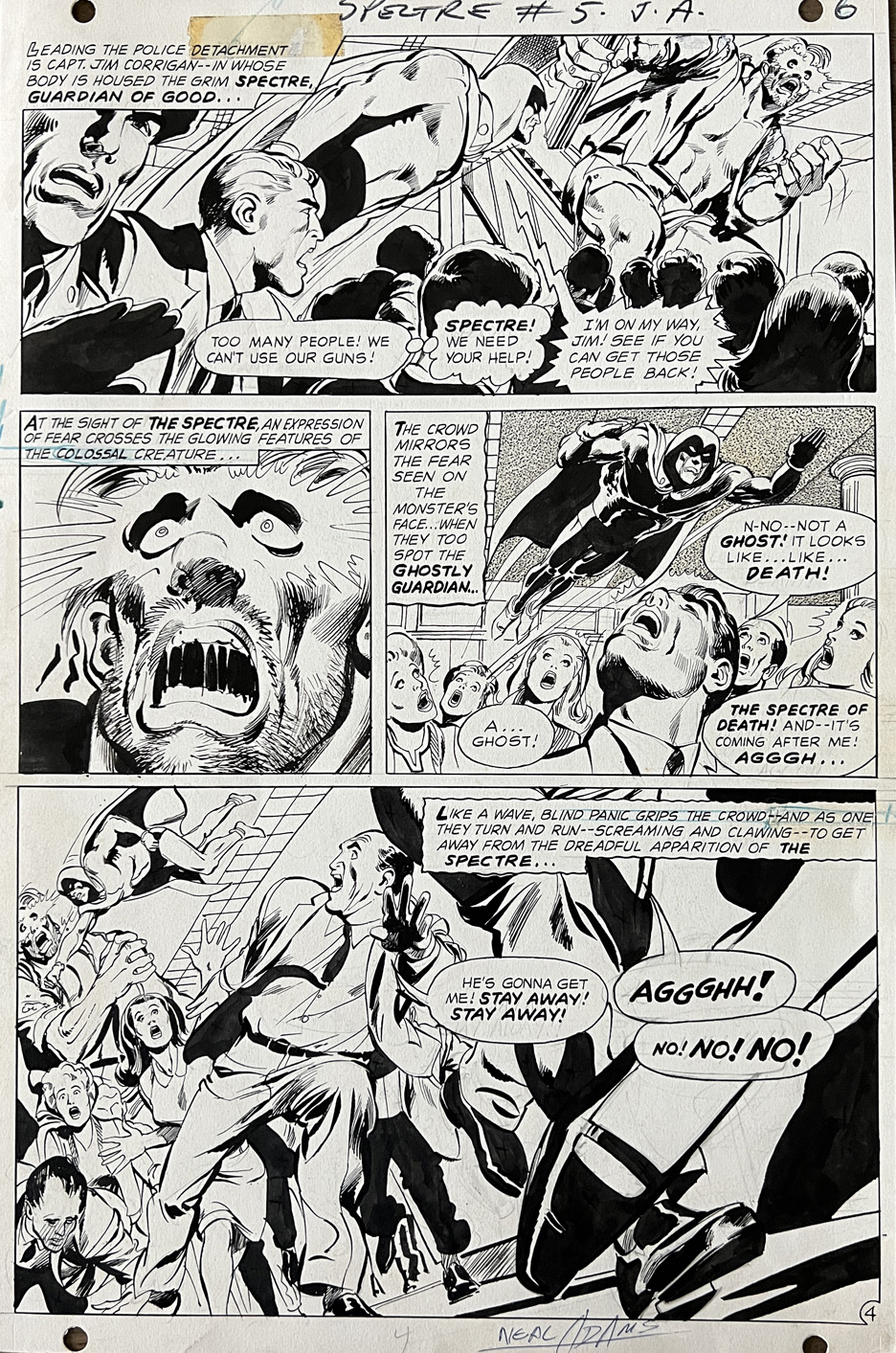
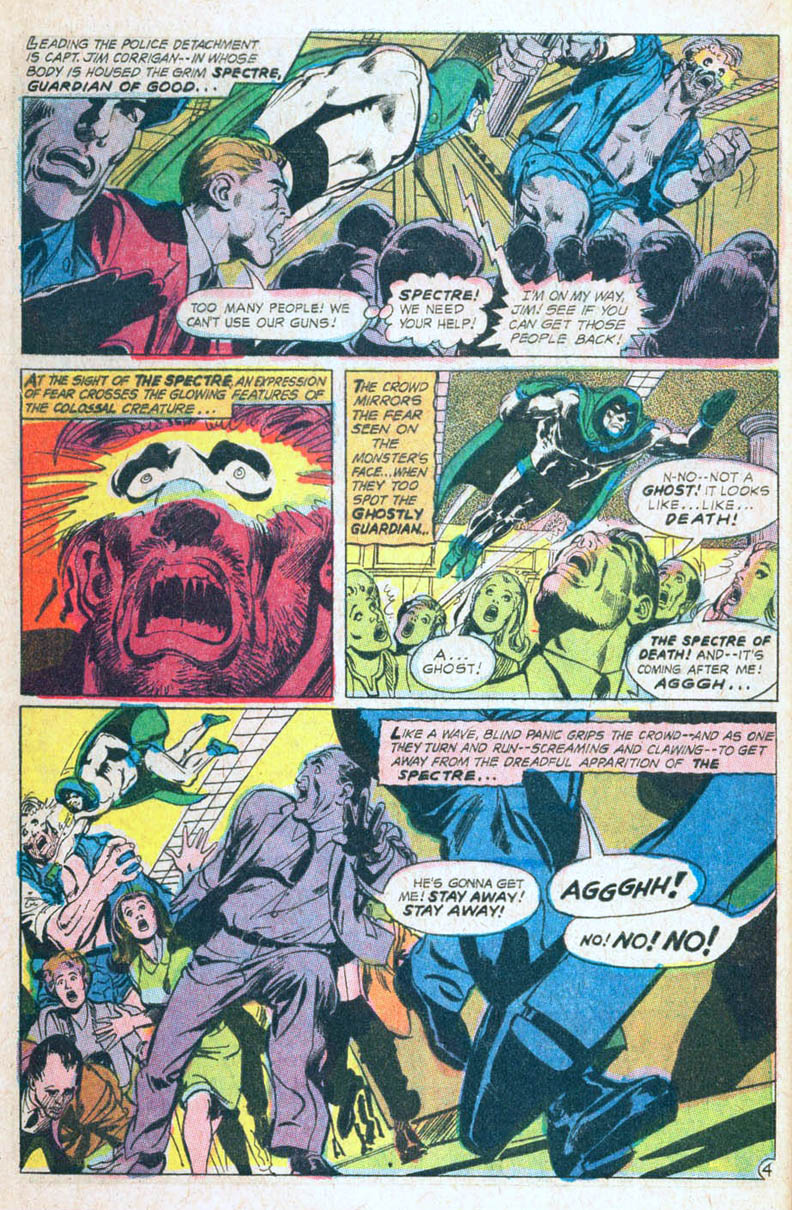
Neal Adams delivers a terrific Spectre action page from his third issue on the series, and the second he wrote, penciled and inked himself. I love the looks of terror and fear on the faces, especially in that last large panel.
(DC jammed quite a few creative changes through those brief 10 issues of the silver age Spectre, so it was apparently a good place to give Neal a shot at writing a “superhero” title.)
Of course, it’s nearly Halloween, so it’s time we take our annual visit with the ghouls, monsters and apparitions of the comic book art pages.
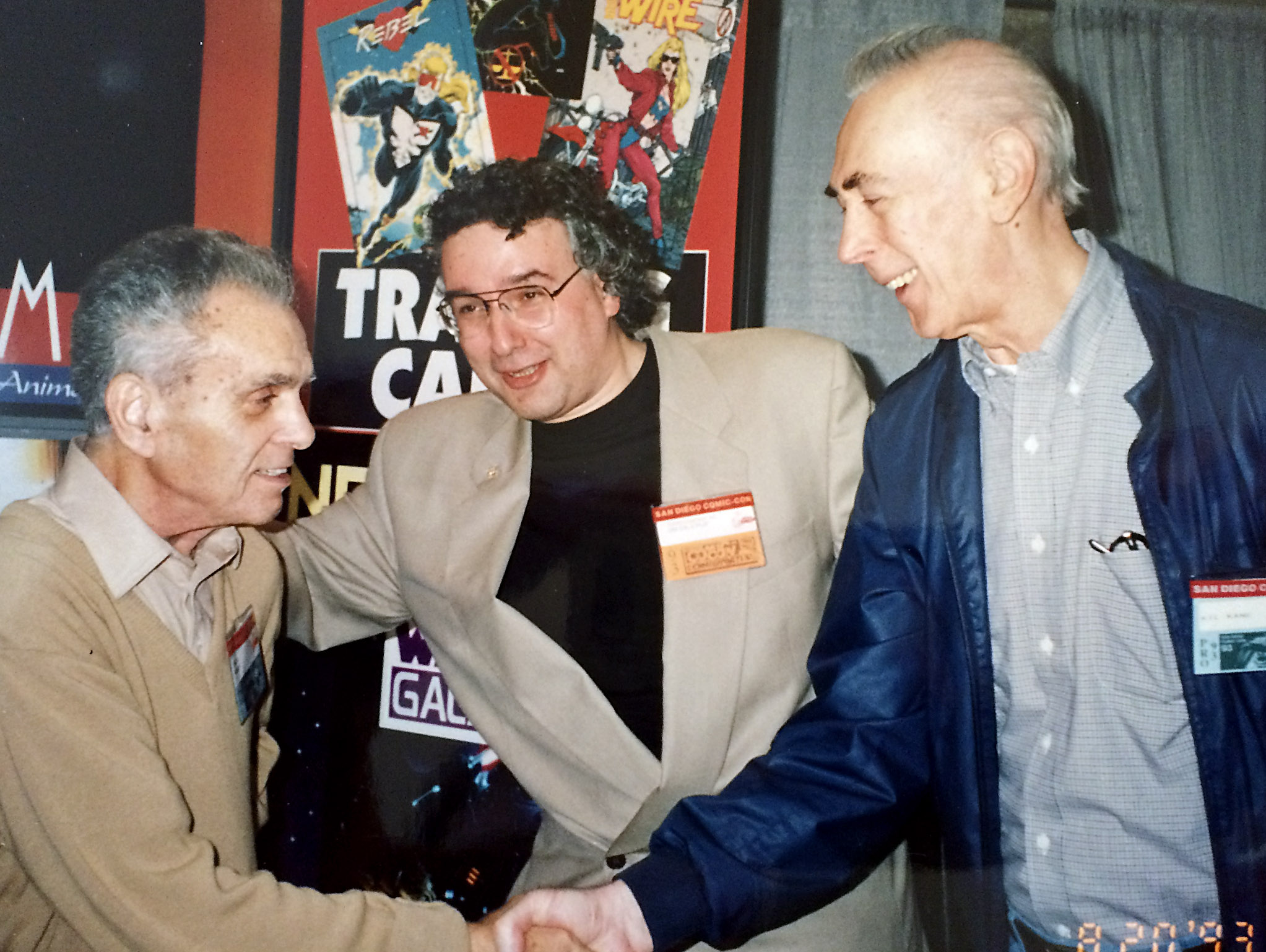
30 years ago, I had the good sense to snap this fantastic photo of Jack Kirby and Gil Kane at the 1993 San Diego Comic-Con. (Jaunty Jim Salicrup, the Topps Comics EIC, is the happy fella in the middle.)
Fantastic, but, as it turned out, bittersweet: This was the final time these two legends had a chance to greet each other. (Jack passed away the following winter.) I’m not sure they were both scheduled at the Topps booth at the same time, so it may have been a very happy coincidence.
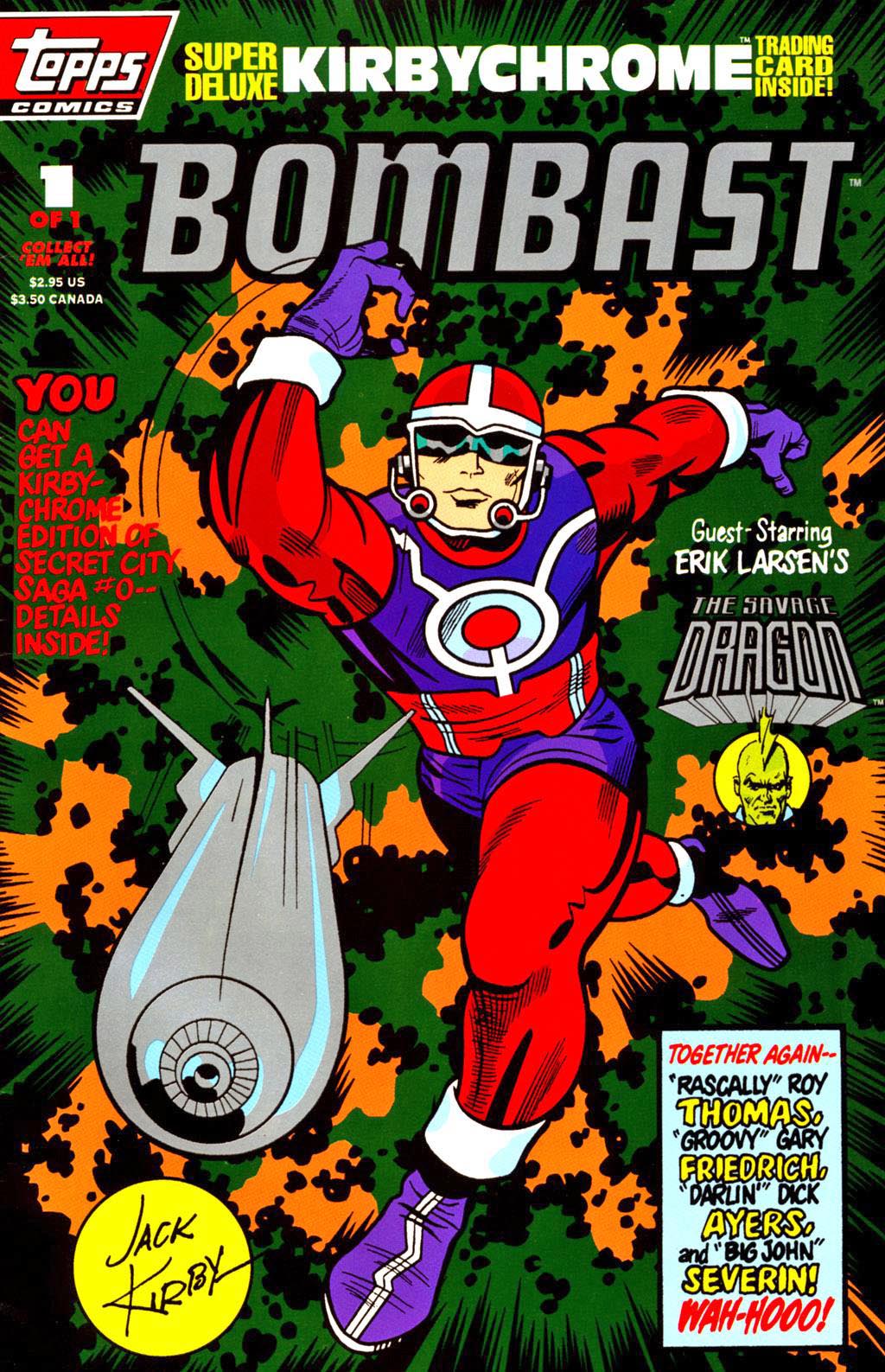
I’ve discussed Topps Comics (and trading cards) numerous times in previous posts — it was a wild ride with many great moments. This was one of my favorites.
And did I say good sense? Hardly. If I did, I would have handed off the disposable camera to someone else and jumped in the photo as well.
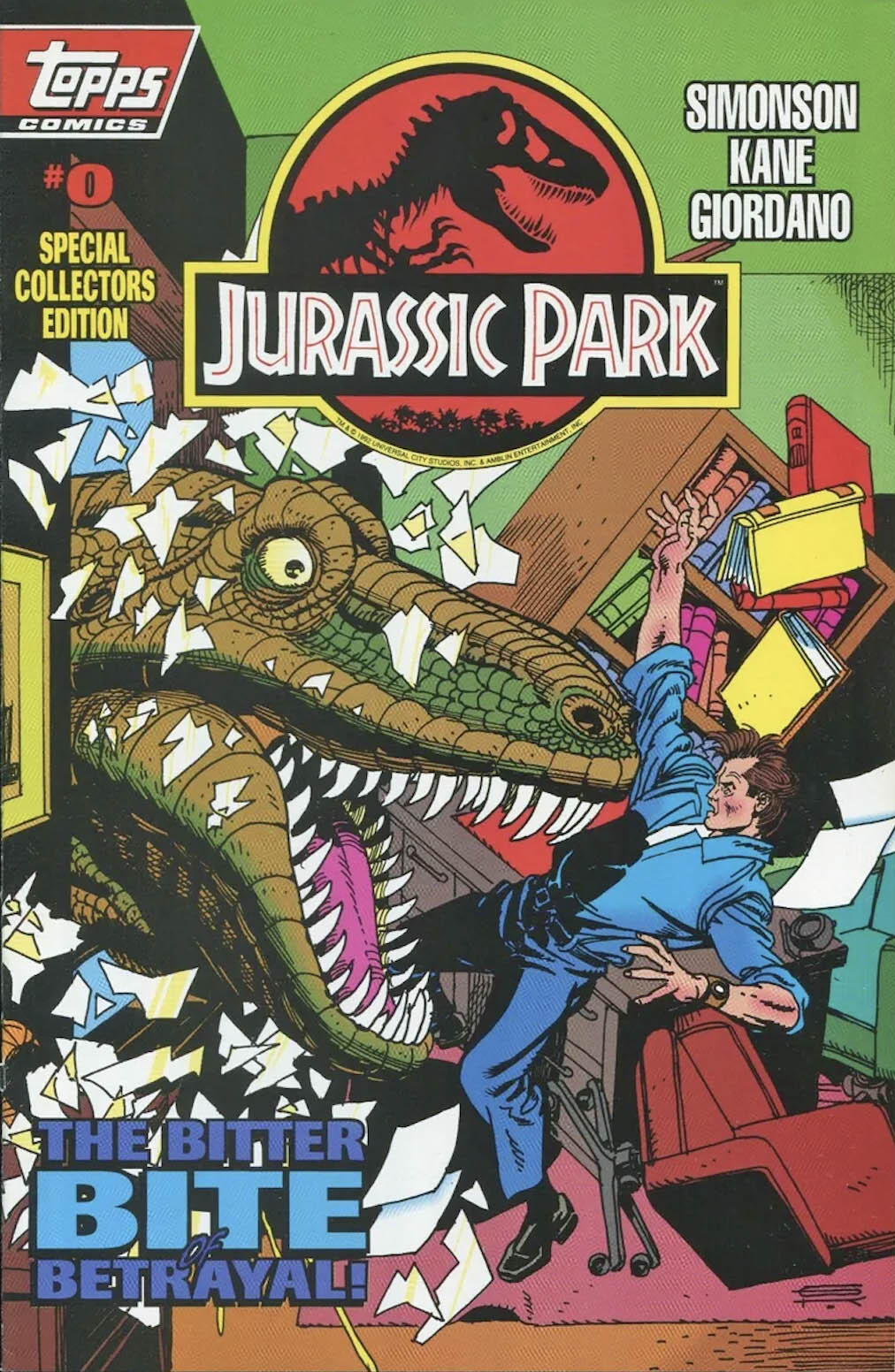
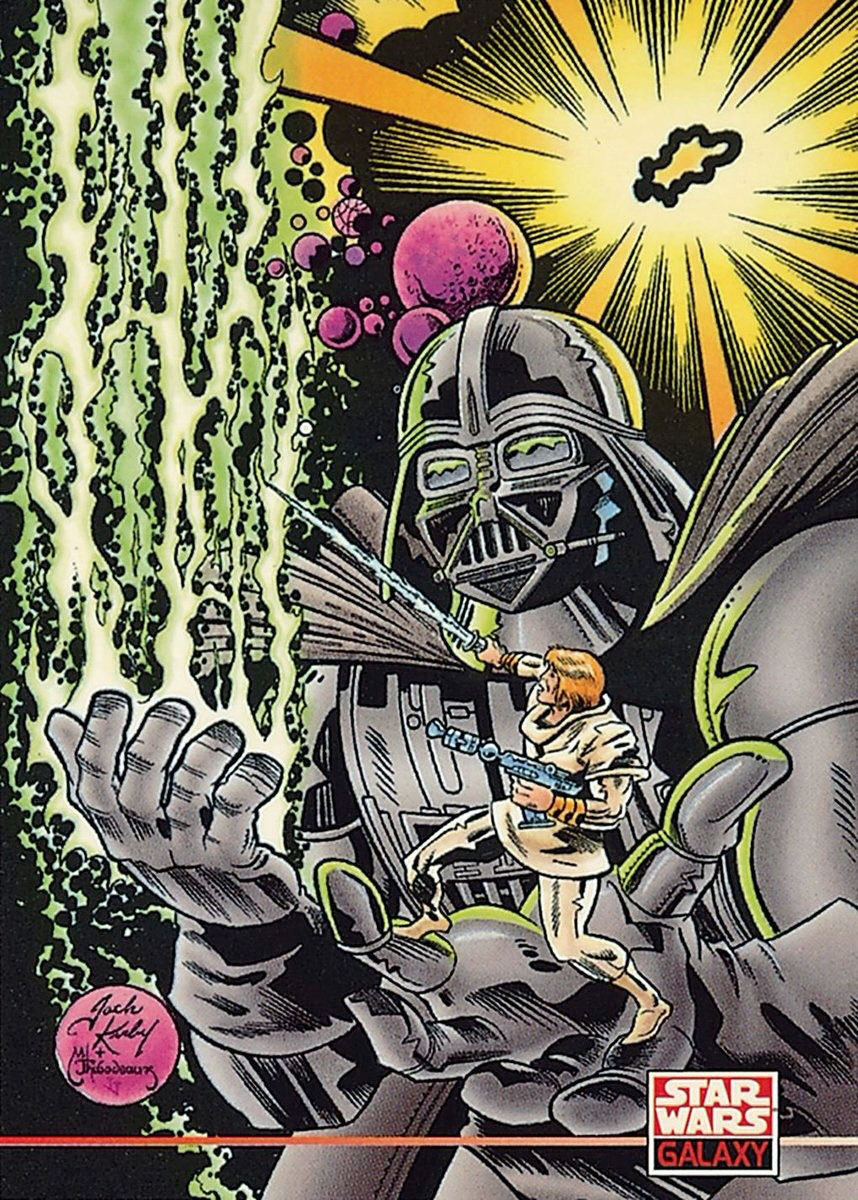
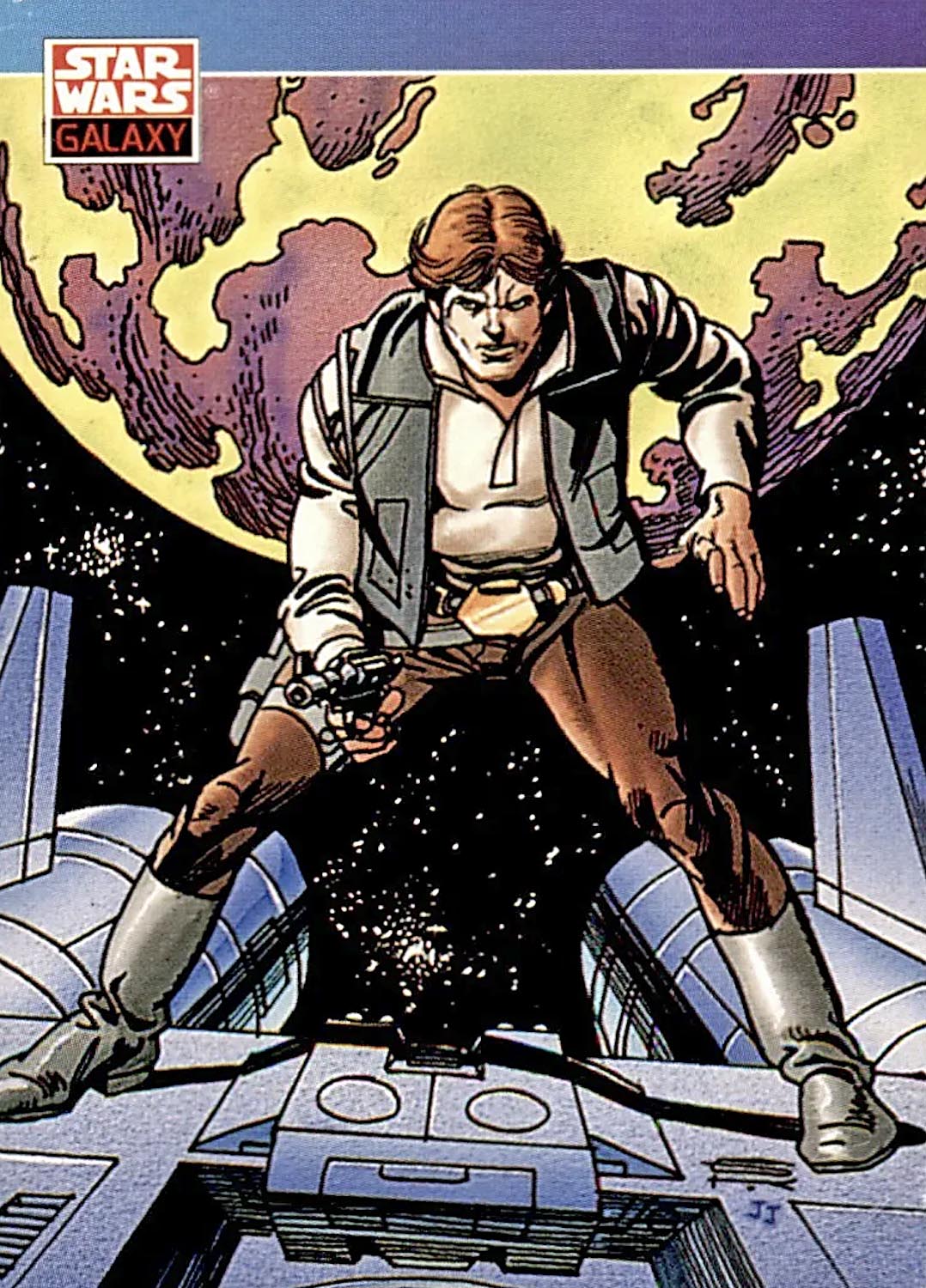
Kane and Kirby both delivered for Topps; we launched the “Kirbyverse” with unused and under-utilized concepts from Jack’s files, and Gil Kane drew the Jurassic Park adaptation and prequel. And both provided art for our massive Star Wars Galaxy series, which featured more than 400 cards — with art from nearly that many individual creators.
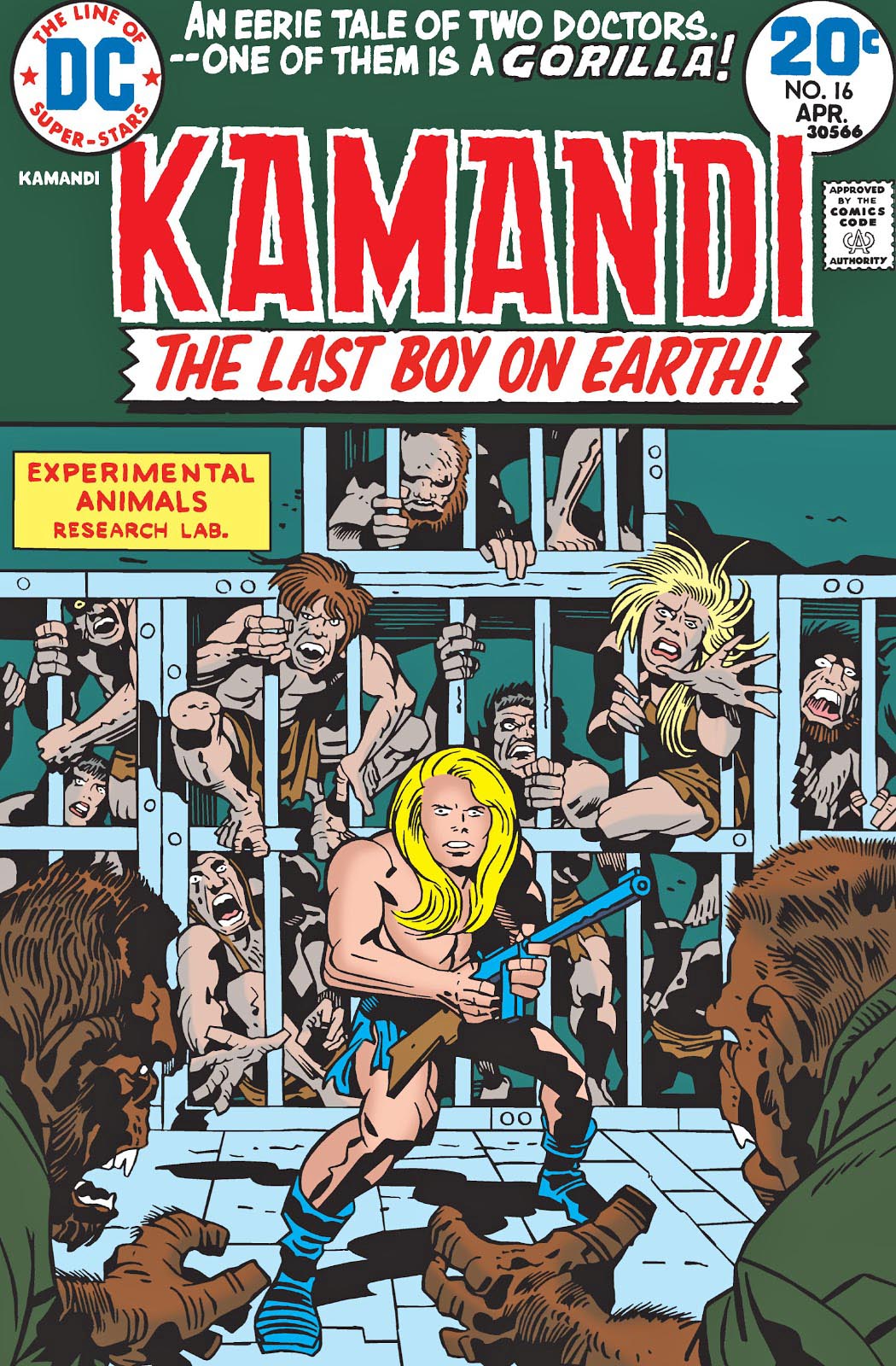
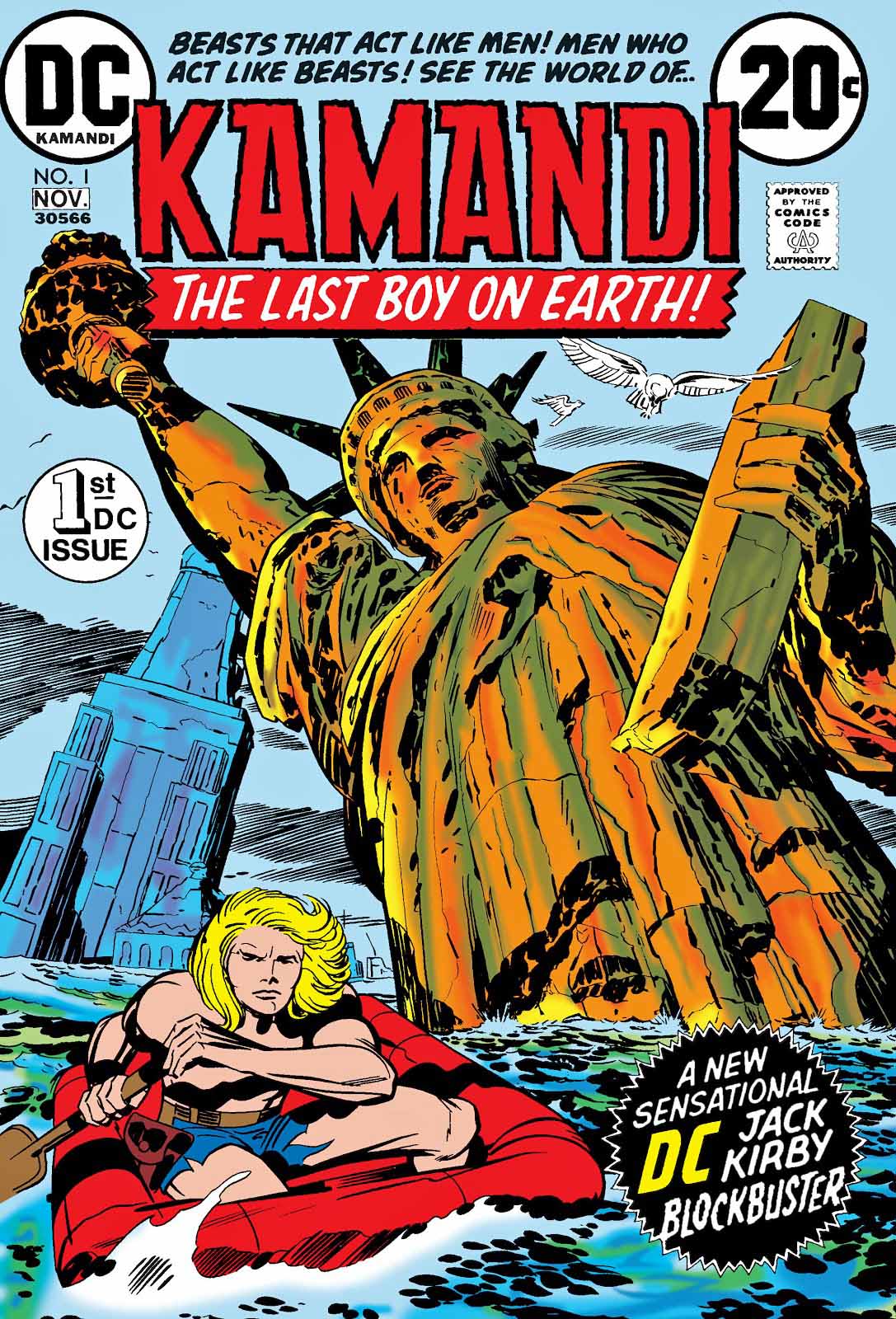
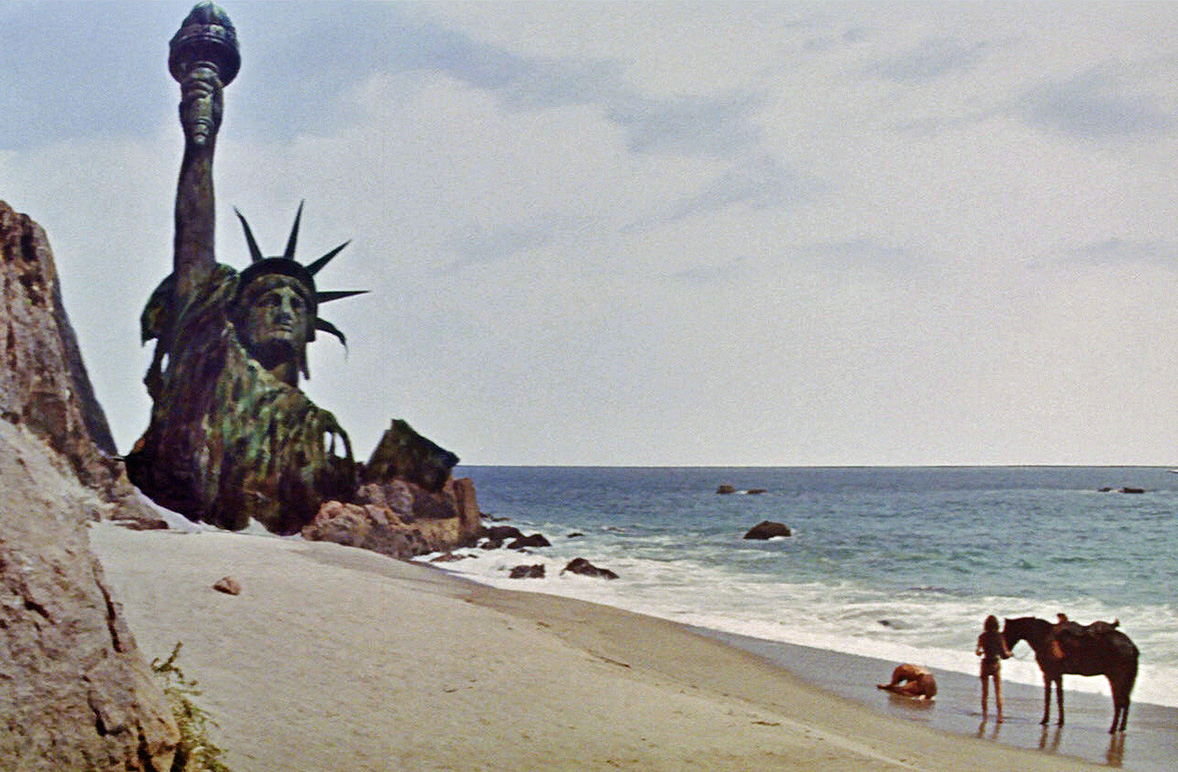
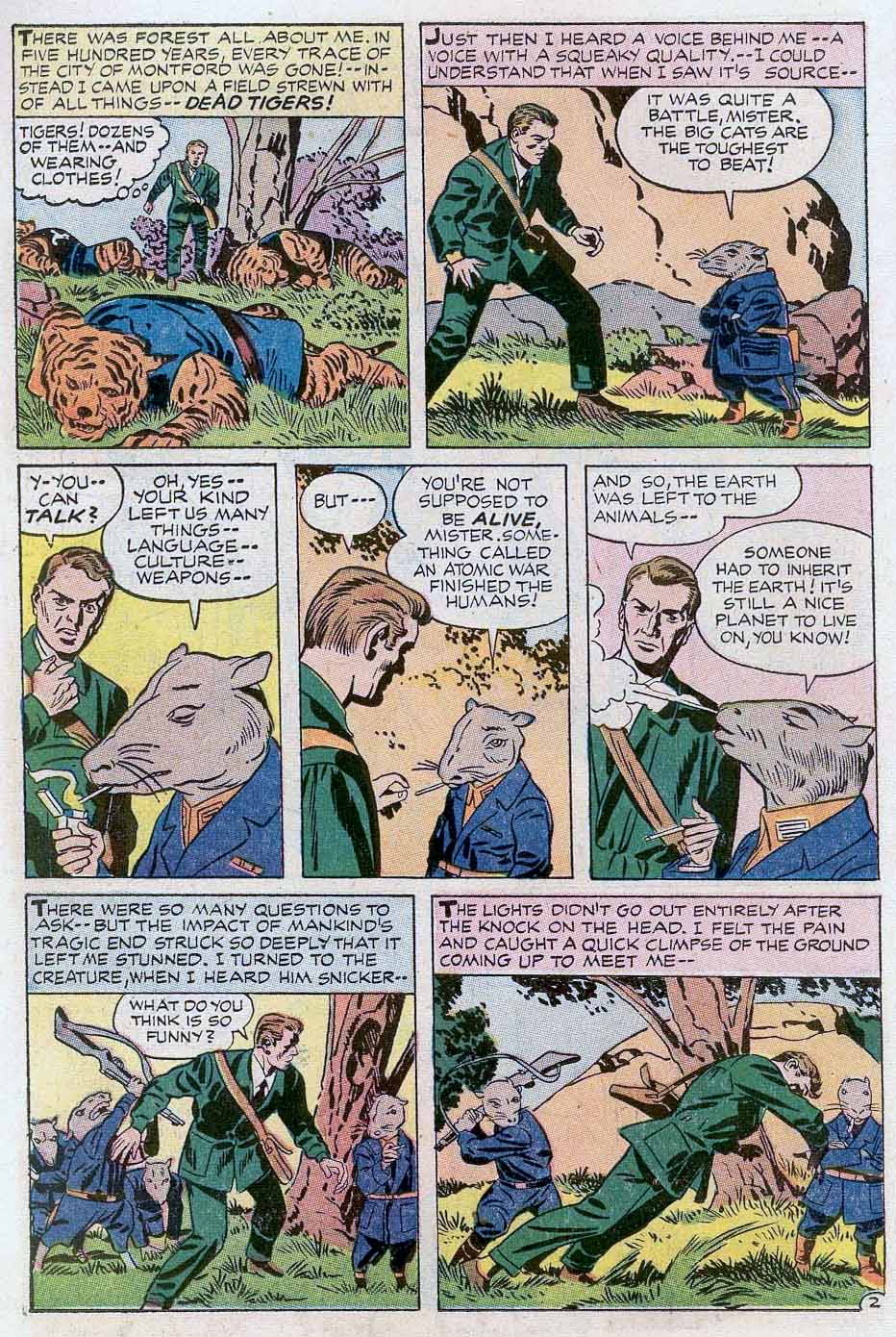
I was a huge fan of the Planet of the Apes Franchise, and when I first saw the promo image (The Comics Reader, probably) for the cover of issue #1, I became miffed.
Why would Jack rip off POTA? Was the King finally out of original ideas?
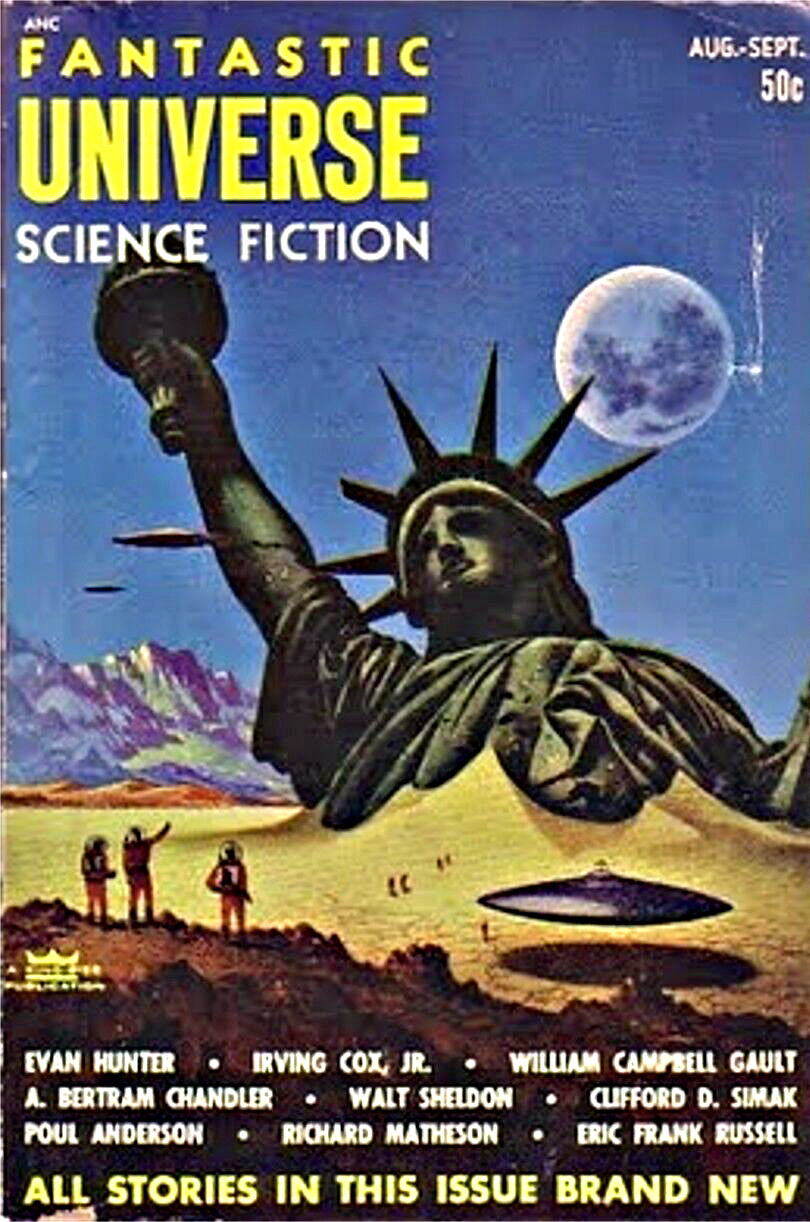
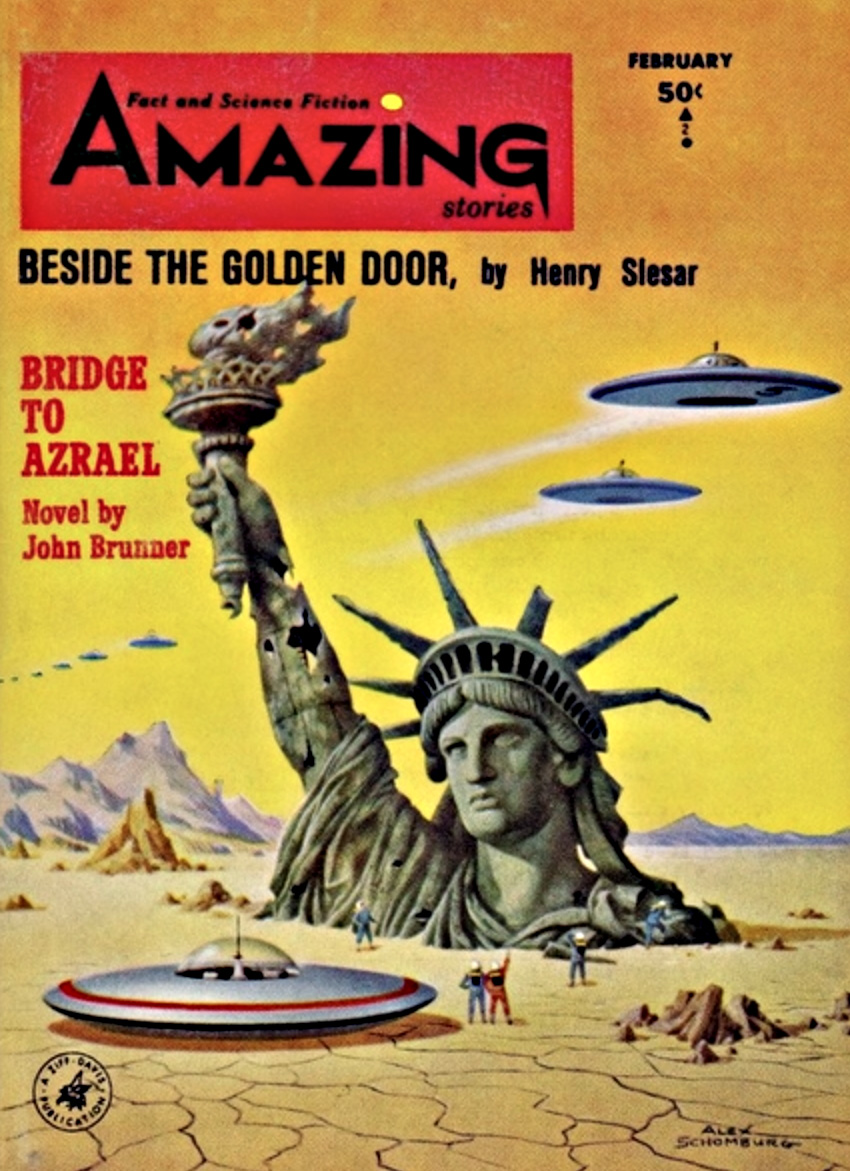
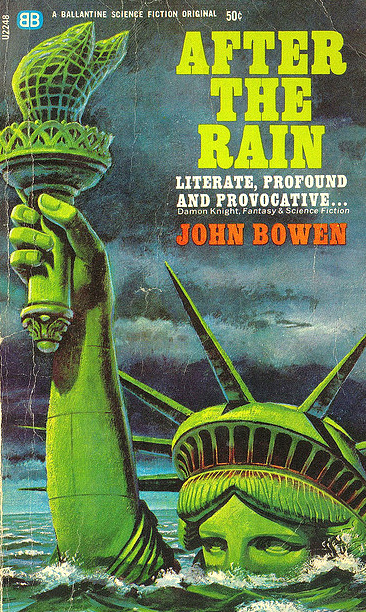
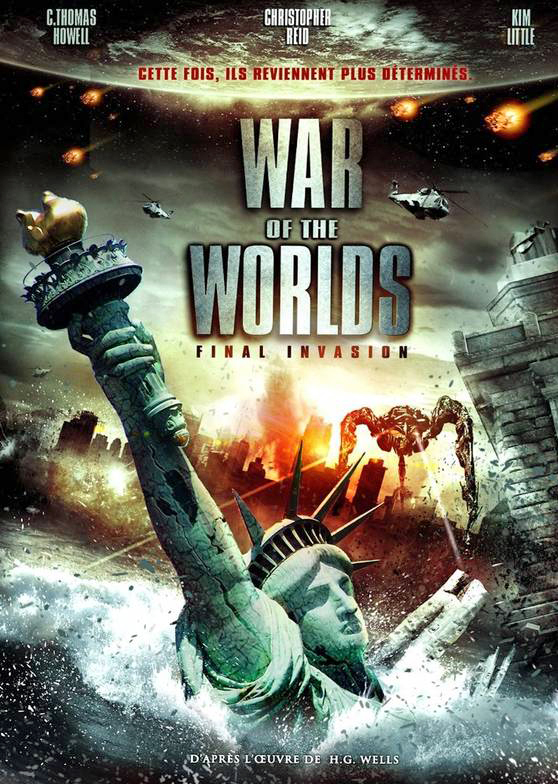
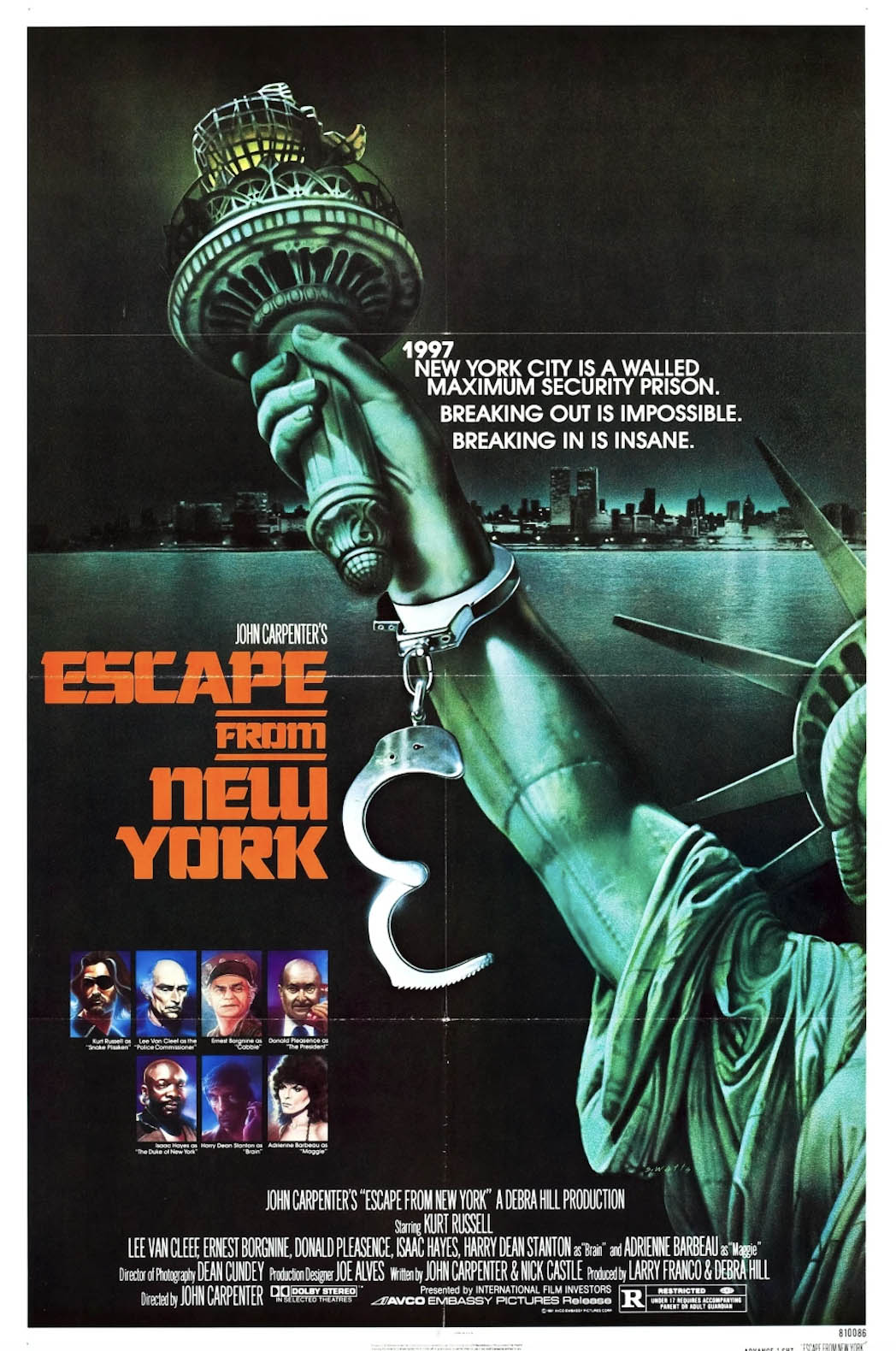
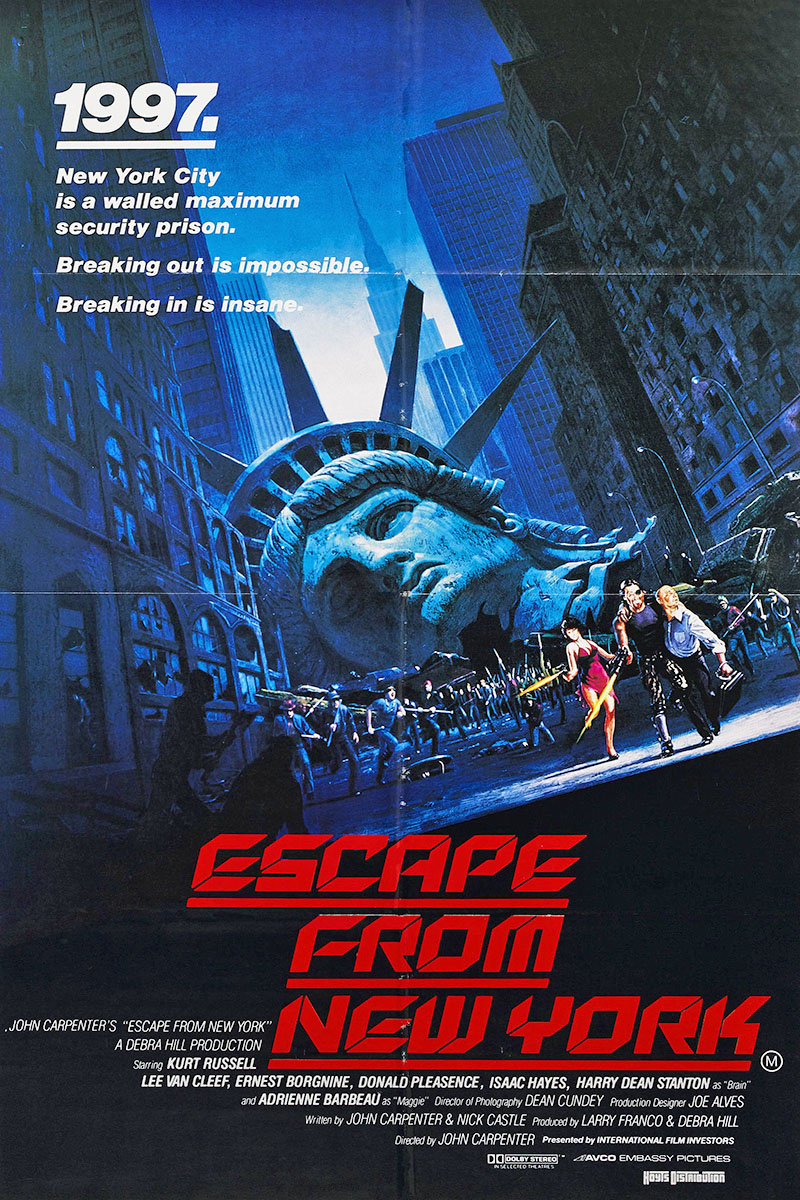
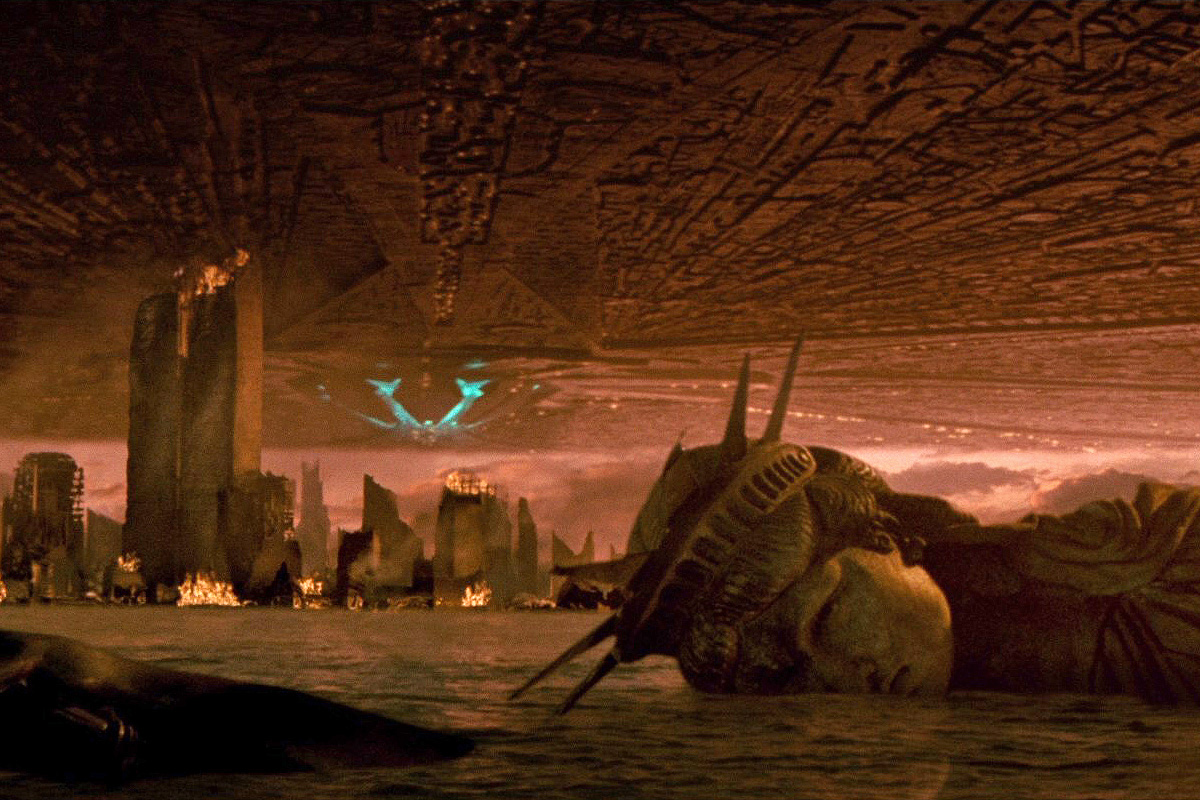
Ah to be that young and foolish again. Kamandi quickly became a favorite. And little did I know that the Statue of Liberty “end of human civilization trope was already a SF trope by the time Rod Serling incorporated into his brilliant POTA screenplay. (See below.)
And, if you’re going to end human civilization with one breed of animals develop advanced intelligence, why not do it with all of them.
Heh.
That’s why the King is the King.
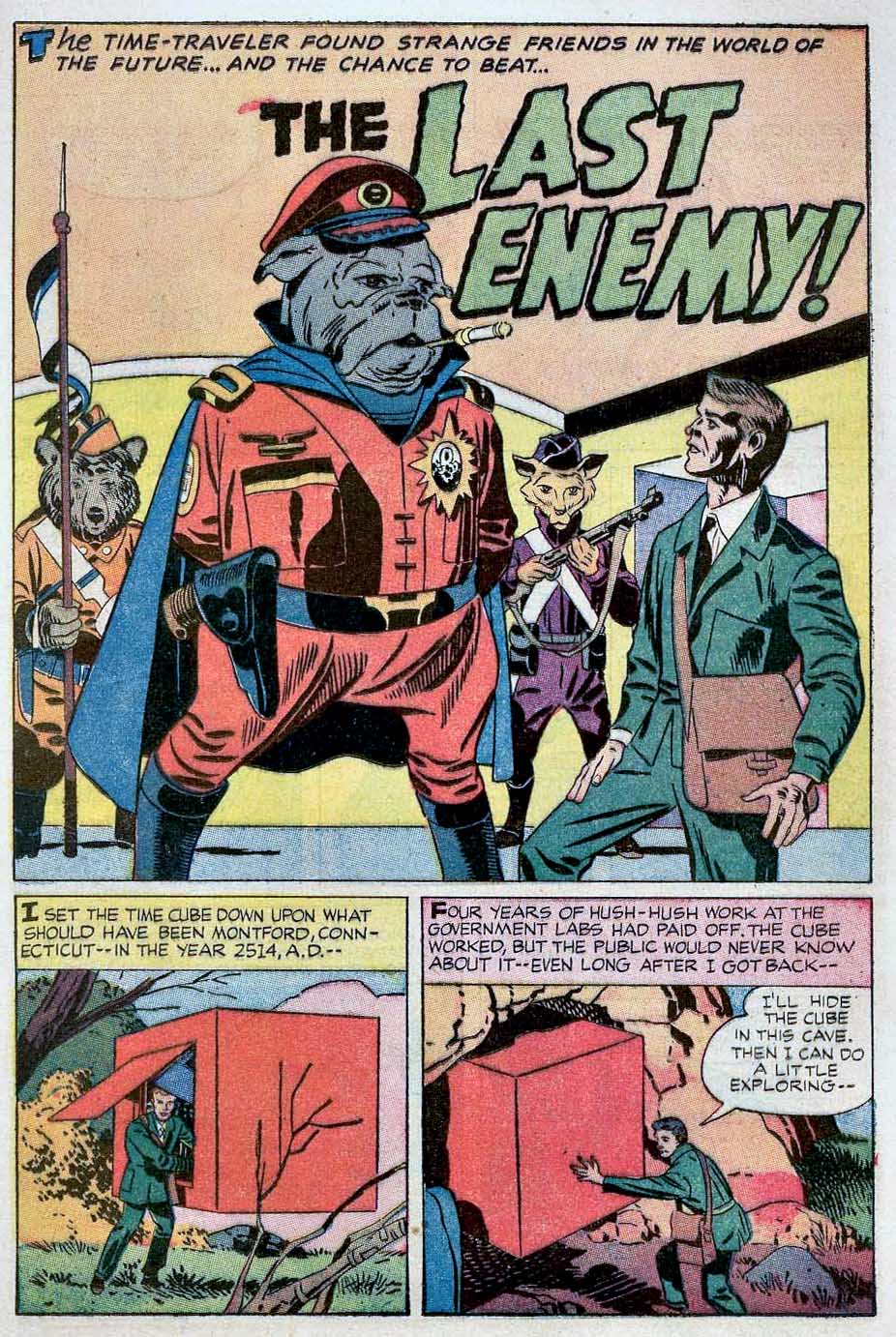
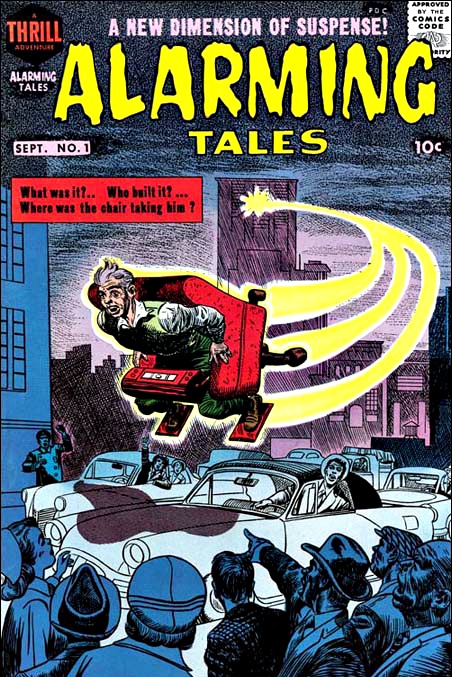
And, it gets better. Turns out Jack was incorporating some similar ideas he had previously used in a short story in Alarming Tales, 15 years prior to Kamandi. (Also, see below.)
So, what did I know? Not much, apparently. Like I said, to be that young and foolish again.
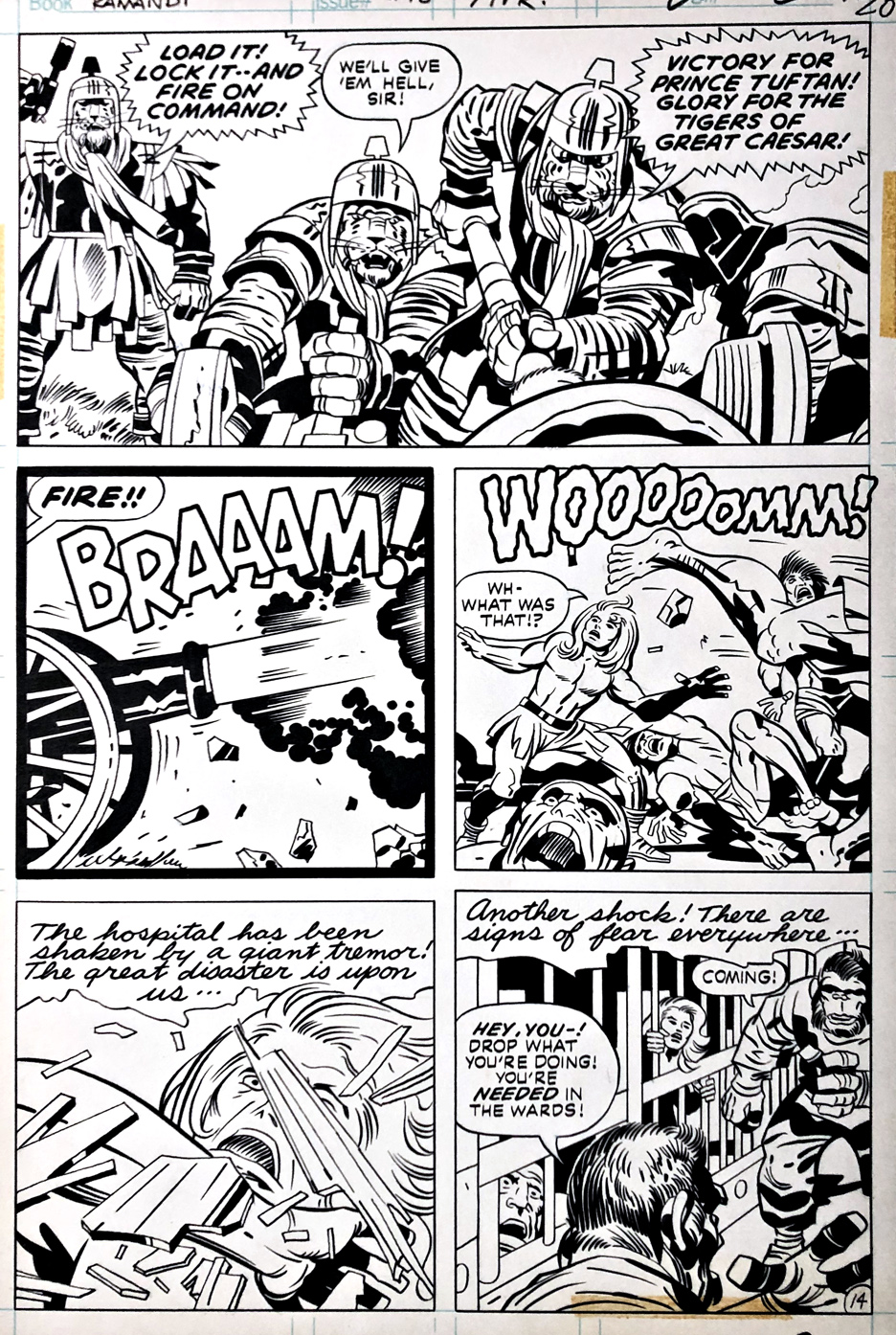
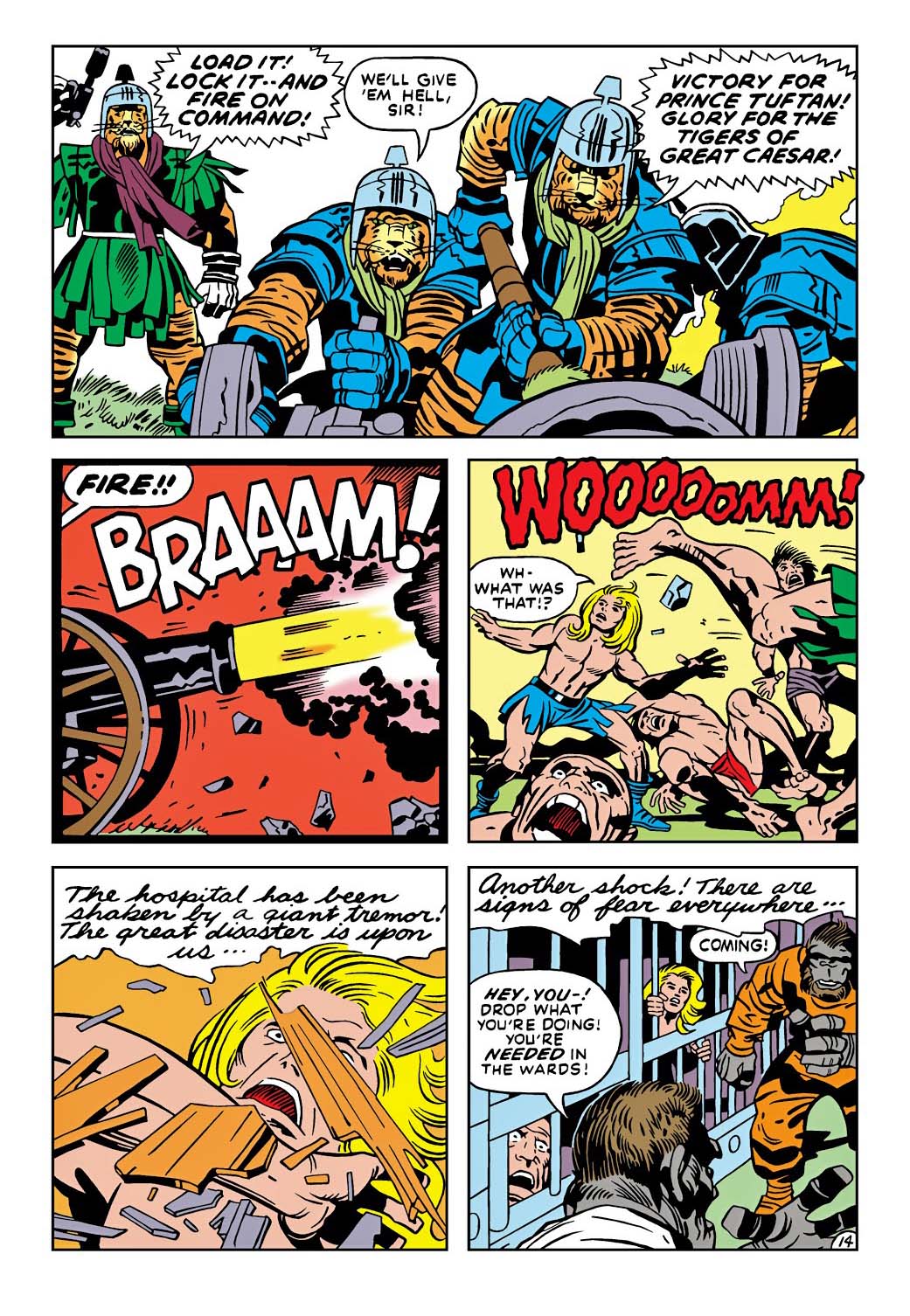
This page is the final issue Mike Royer inked, and the first that D Bruce Berry (working apprentice style) had a hand in. He took over solo the following issue. Tom Kraft of the Jack Kirby Museum believes both worked on this specific page.
Kamandi, apes and tigers — all on one page. What more could I ask for?
Now, or then.
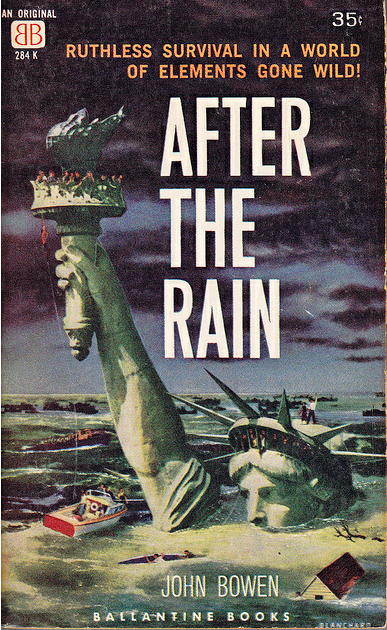
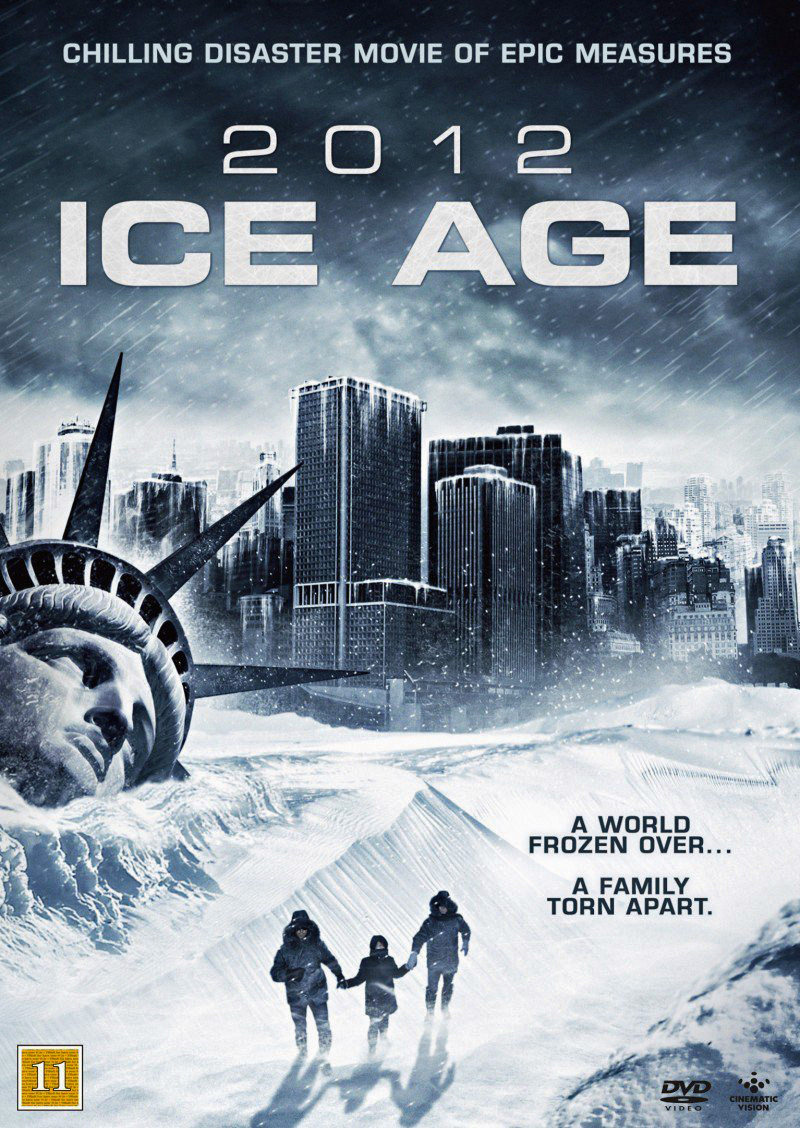
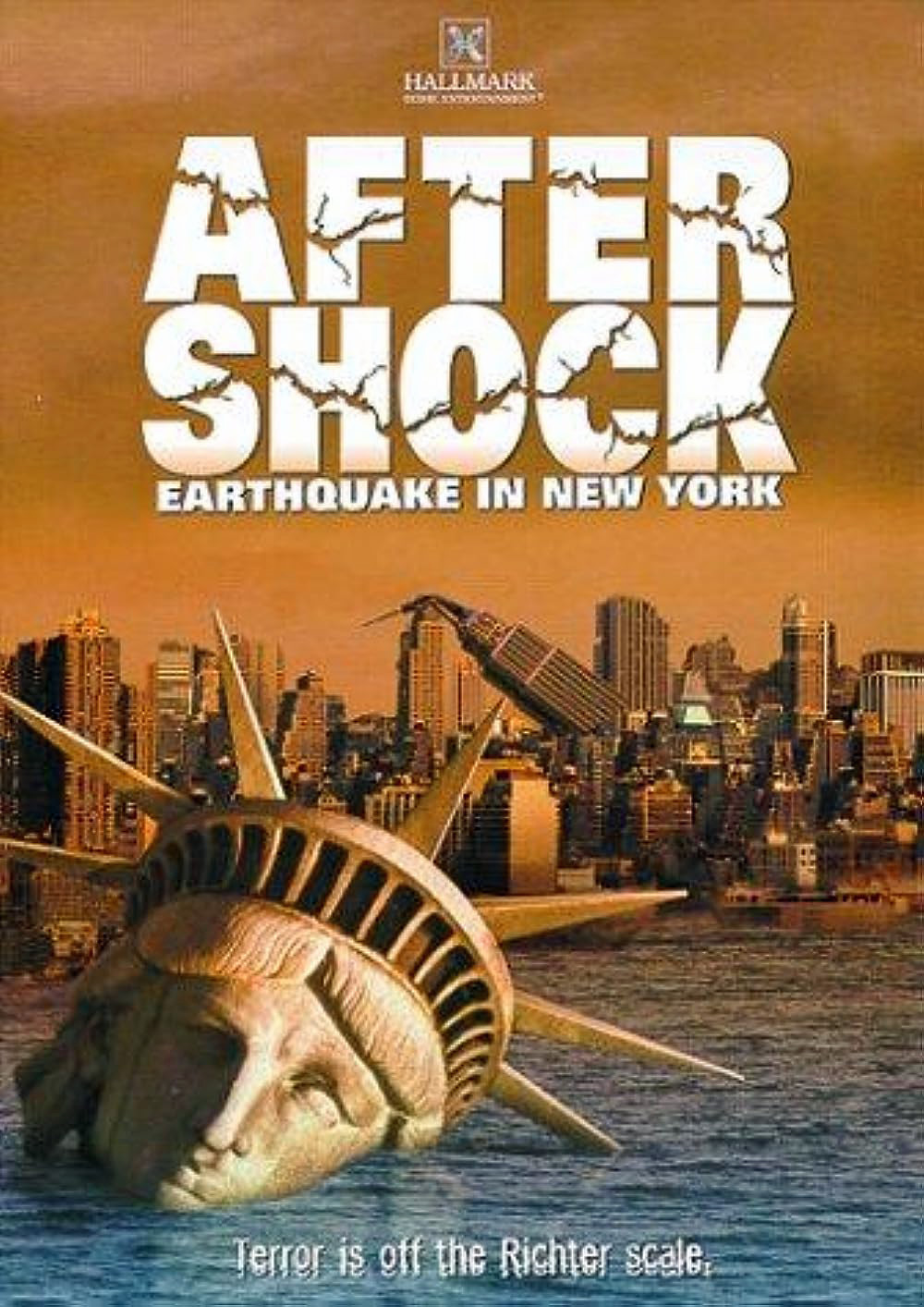
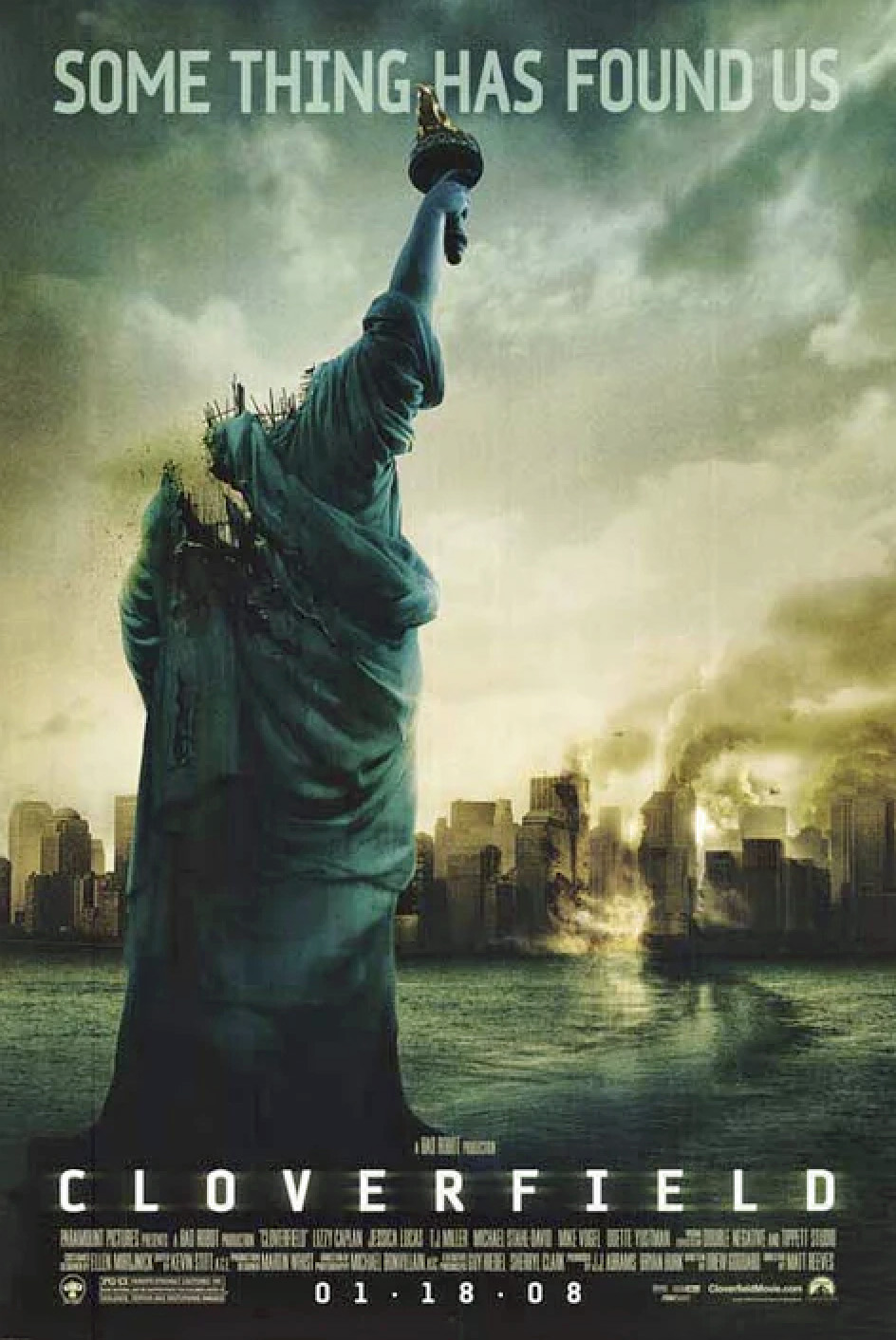
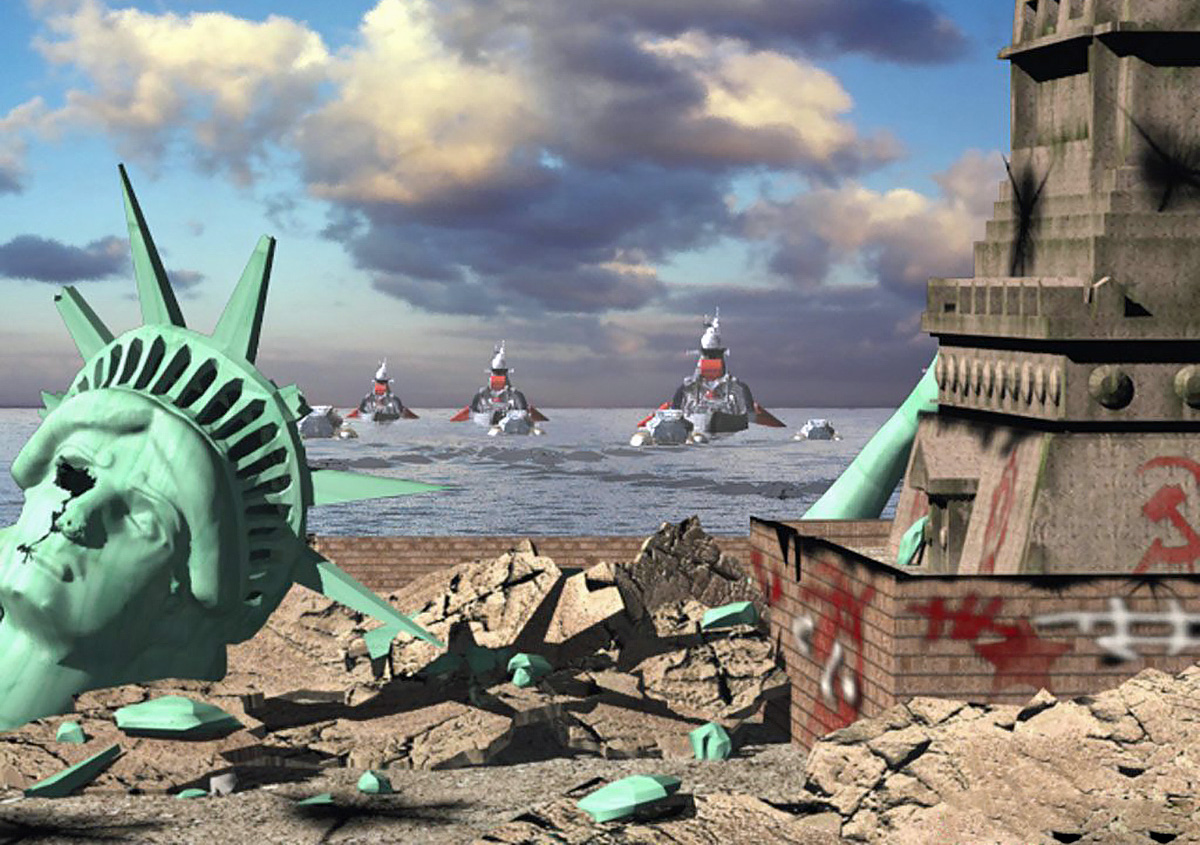
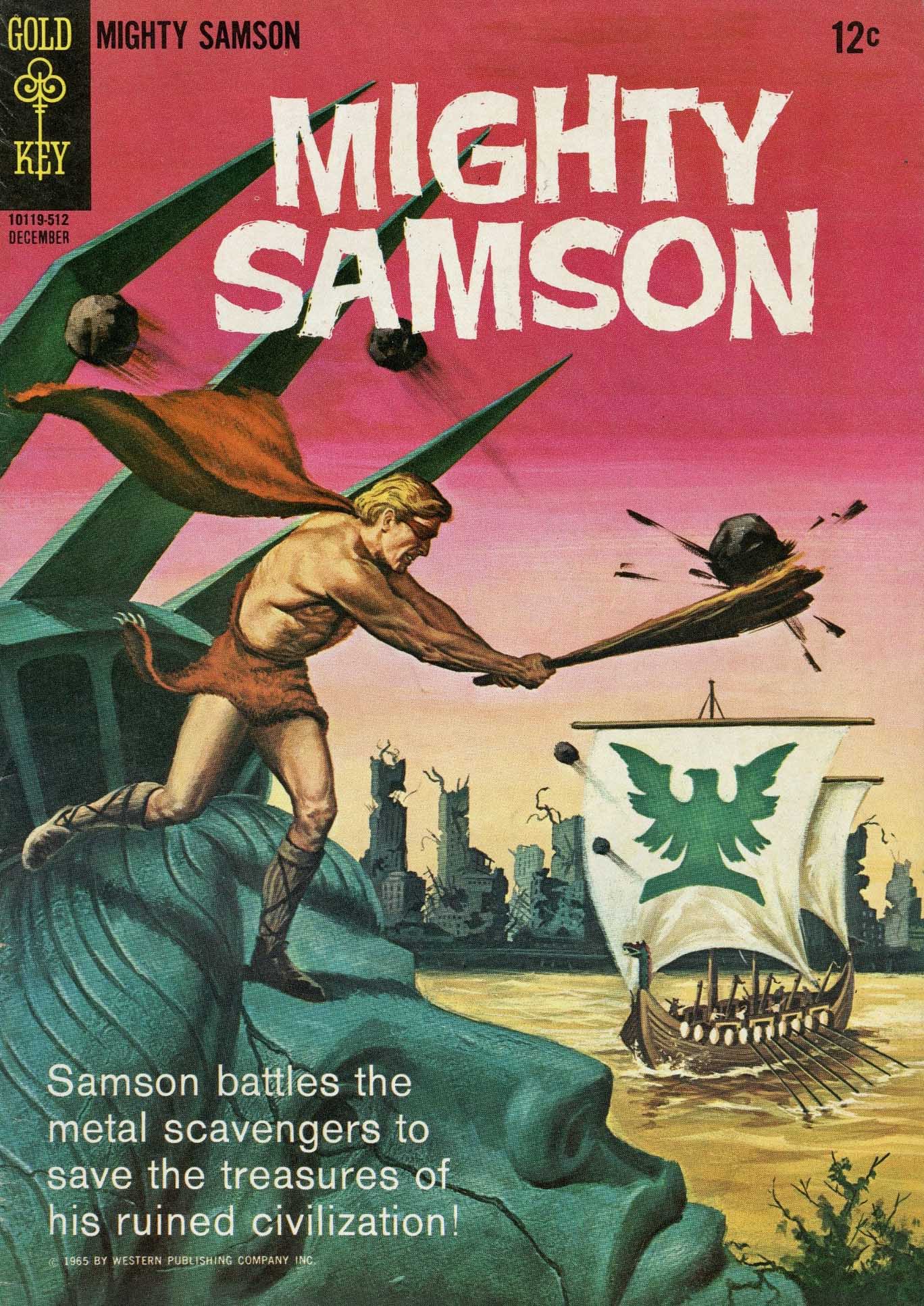
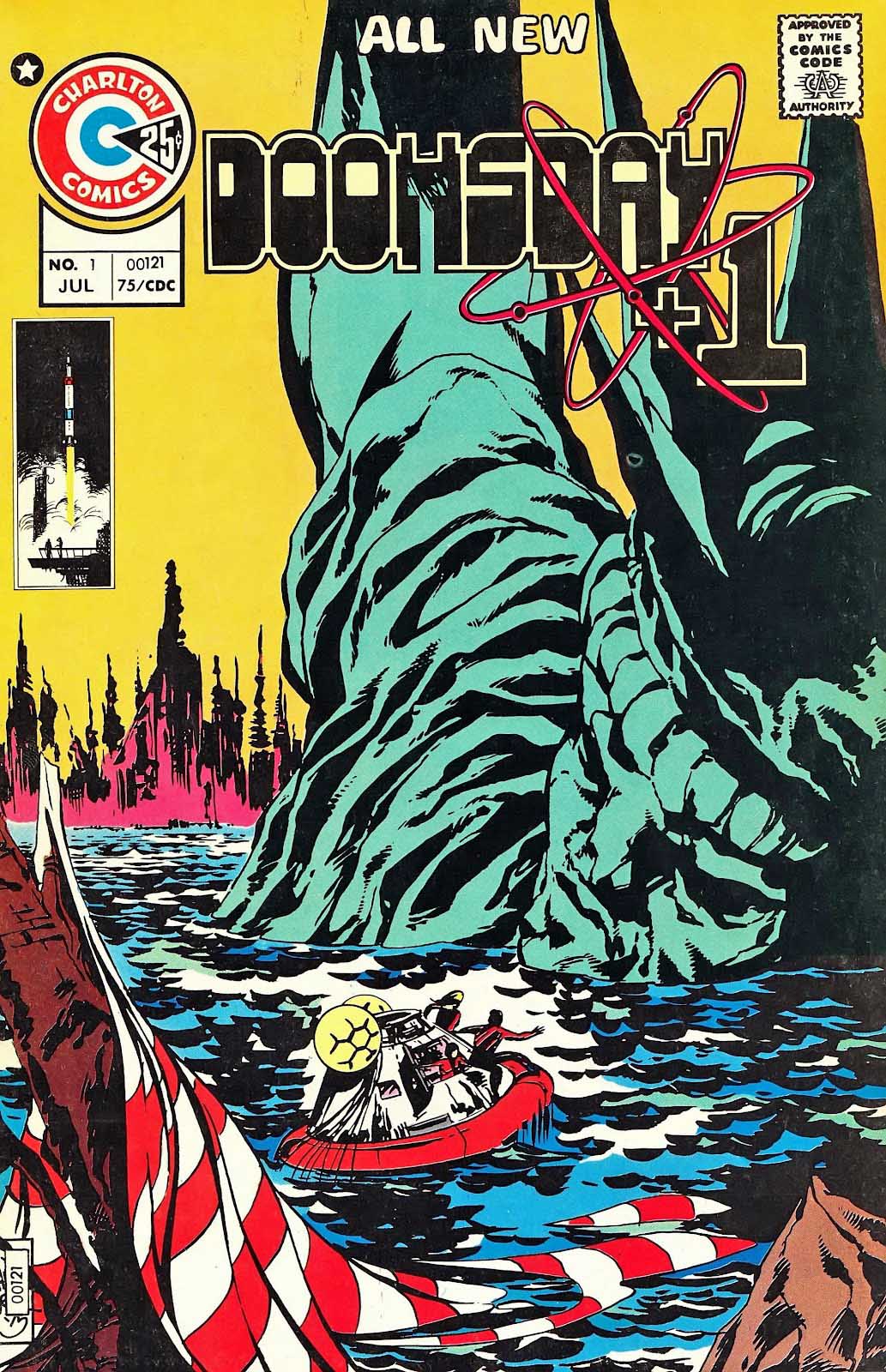
A post apocalyptic and buried (land or water) Statue of Liberty had appeared at least three times prior to the first POTA film. (I’m not exactly sure when the reprint of After The Rain first appeared, but the cover art is much stronger this time around.)A destroyed Statue has appeared countless times since Planet of Apes.Before and after comics; the dreadful Mighty Samson (1965) & John Byrne’s Doomsday + 1 (1975) cover that pays homage to Kirby and POTA.Kirby’s original tale (pun intended) of advanced animal species fighting. with each other in a post apocalyptic world first appeared in Harvey’s Alarming Tales #1 (1957.)
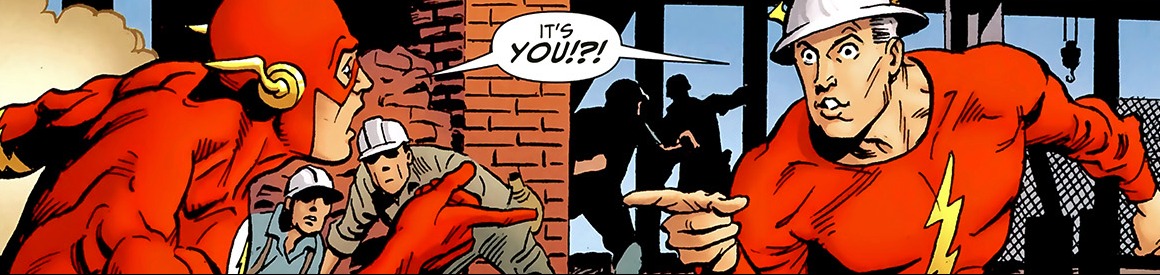
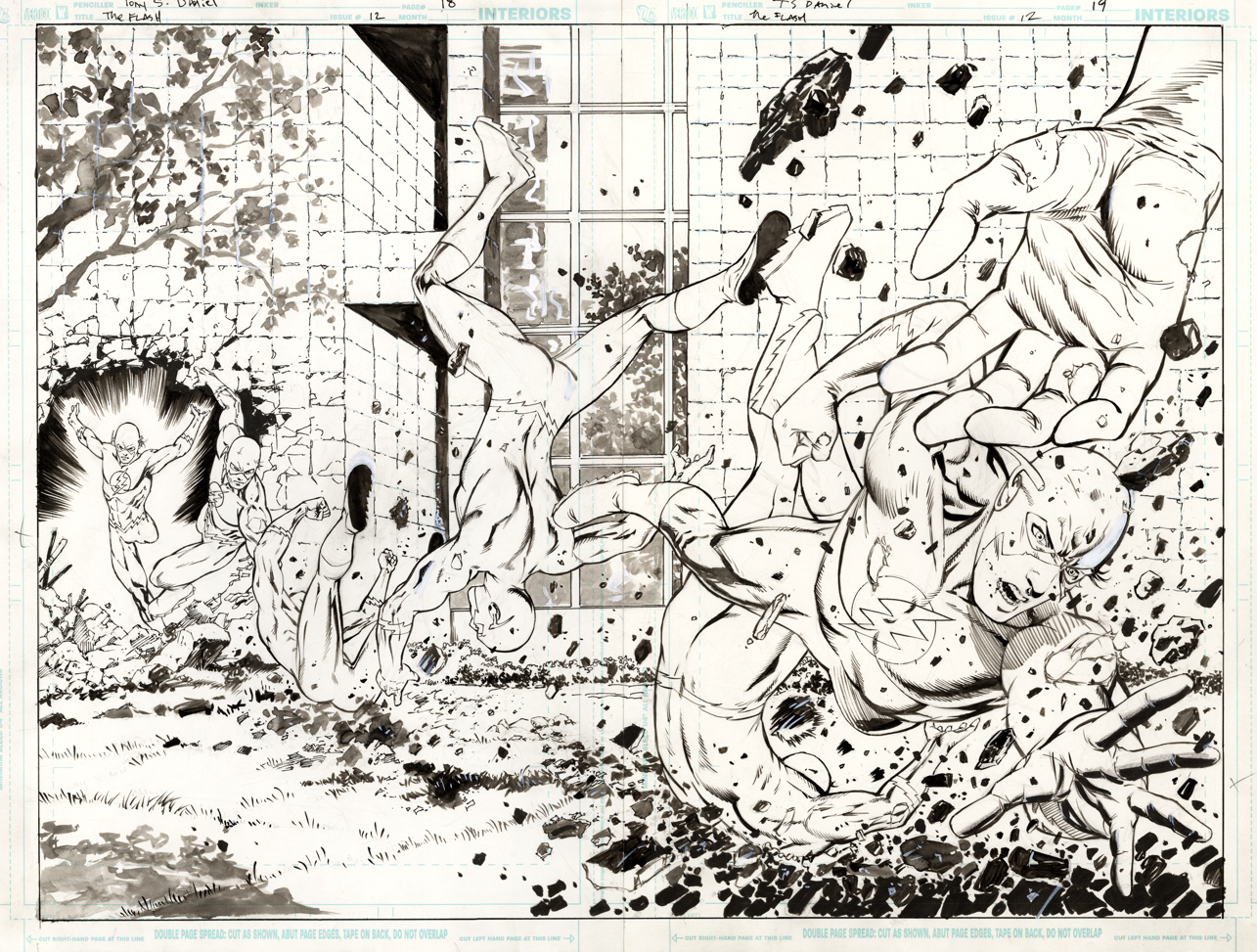
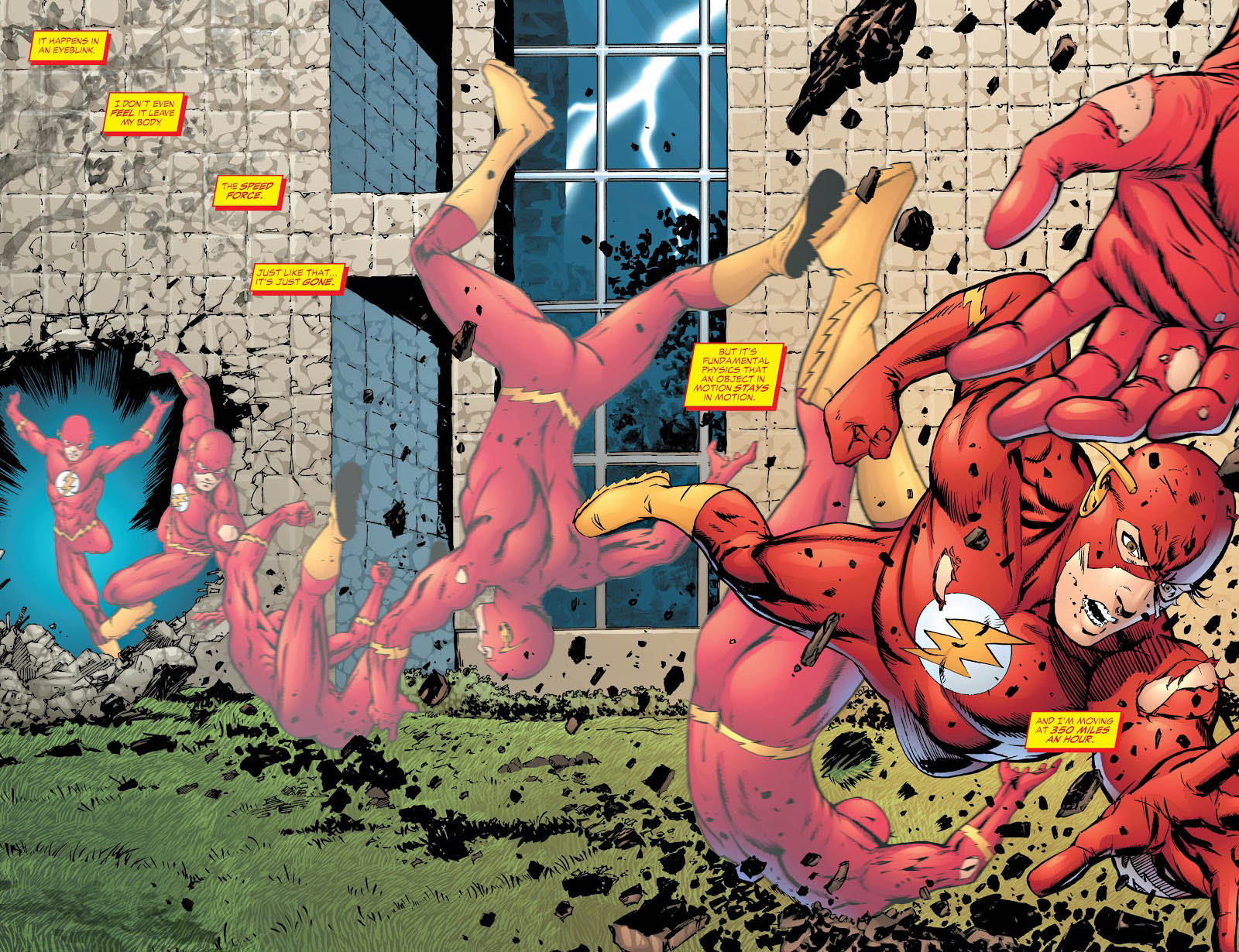
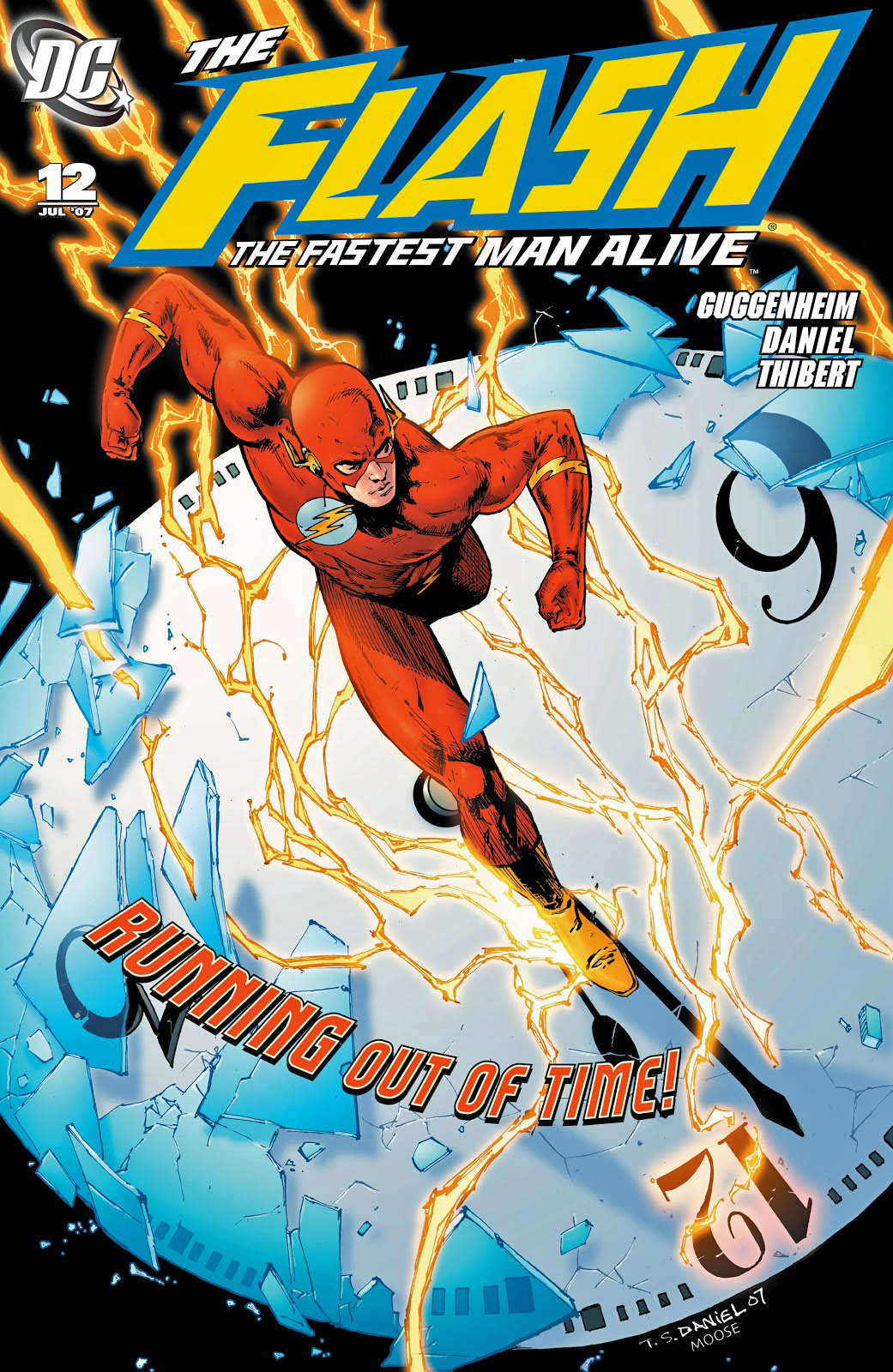
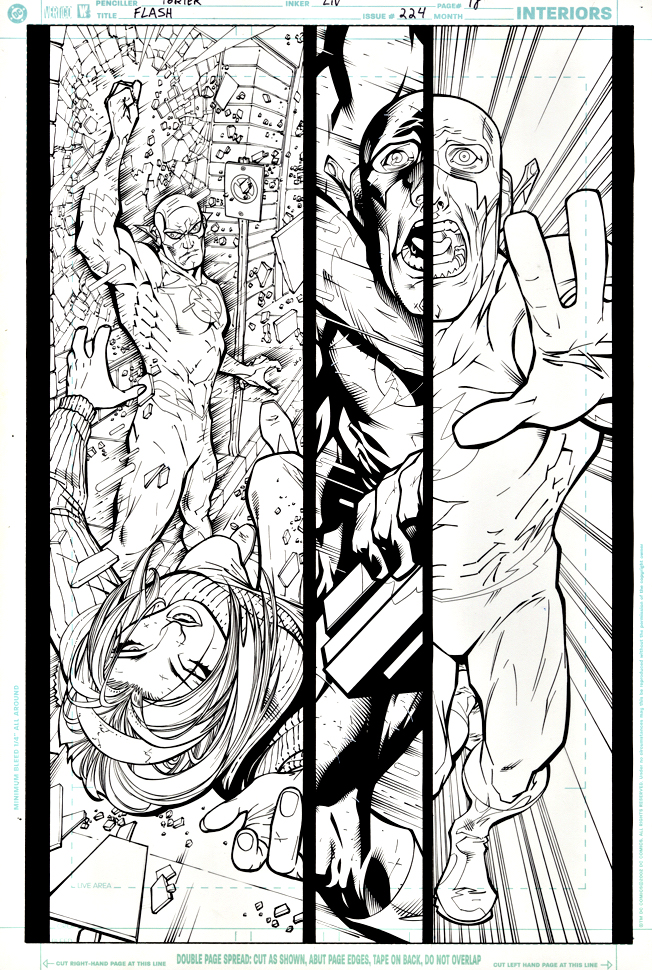
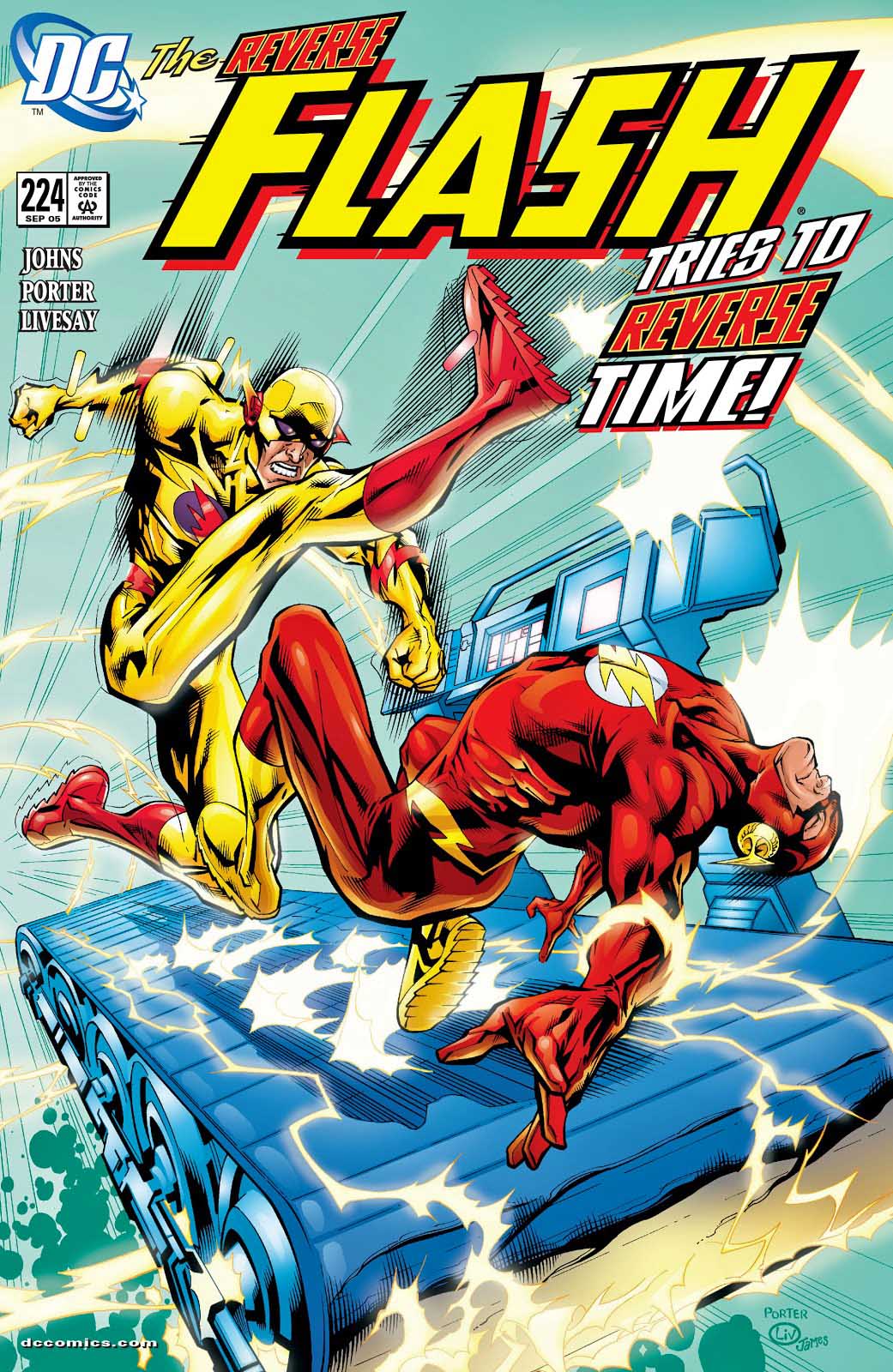
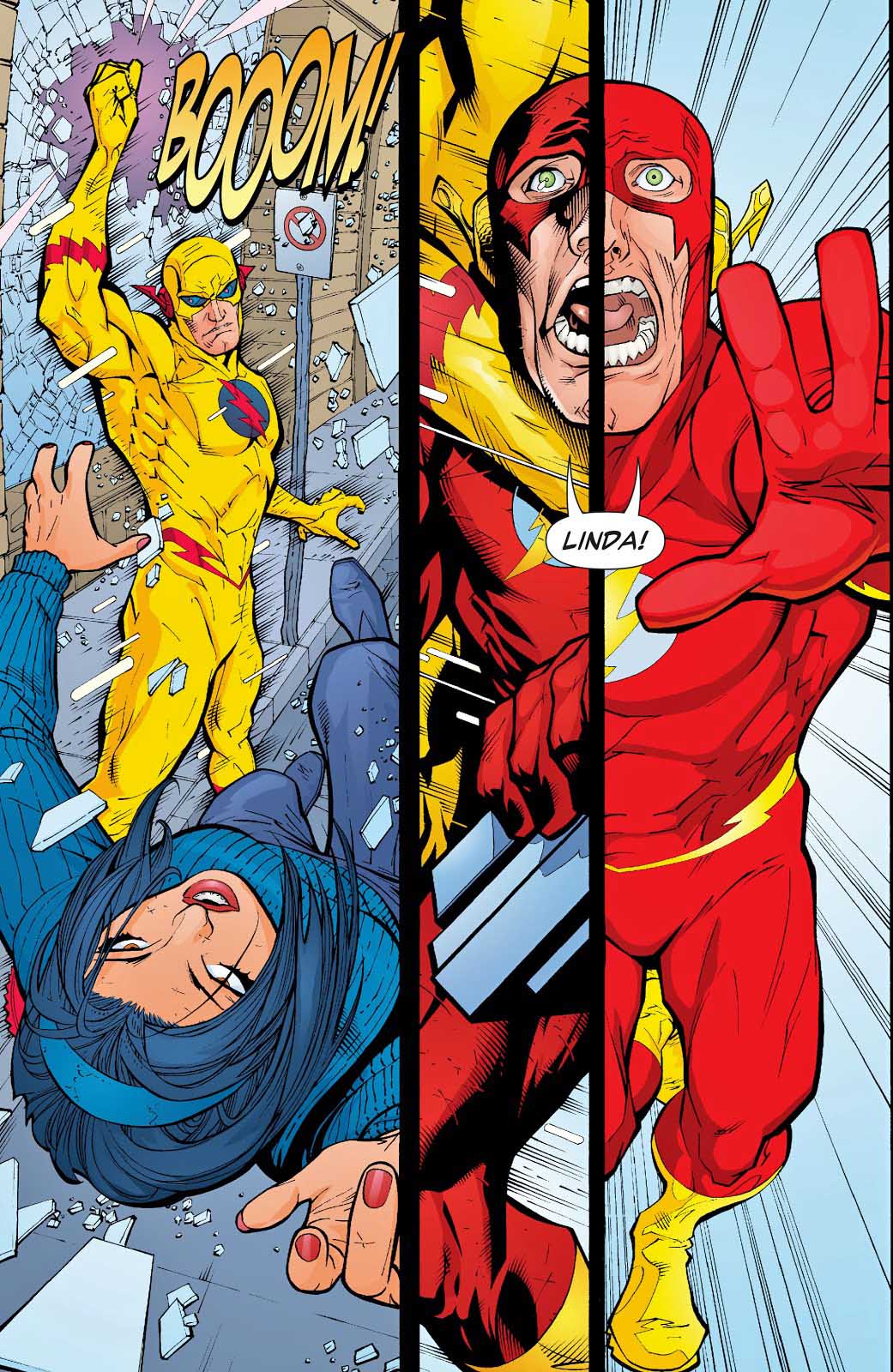
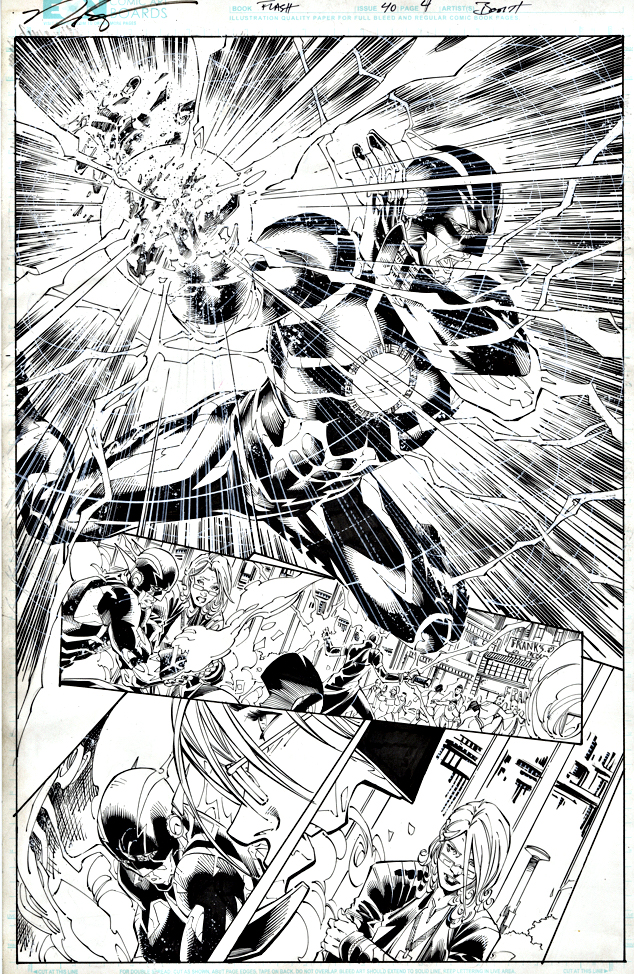
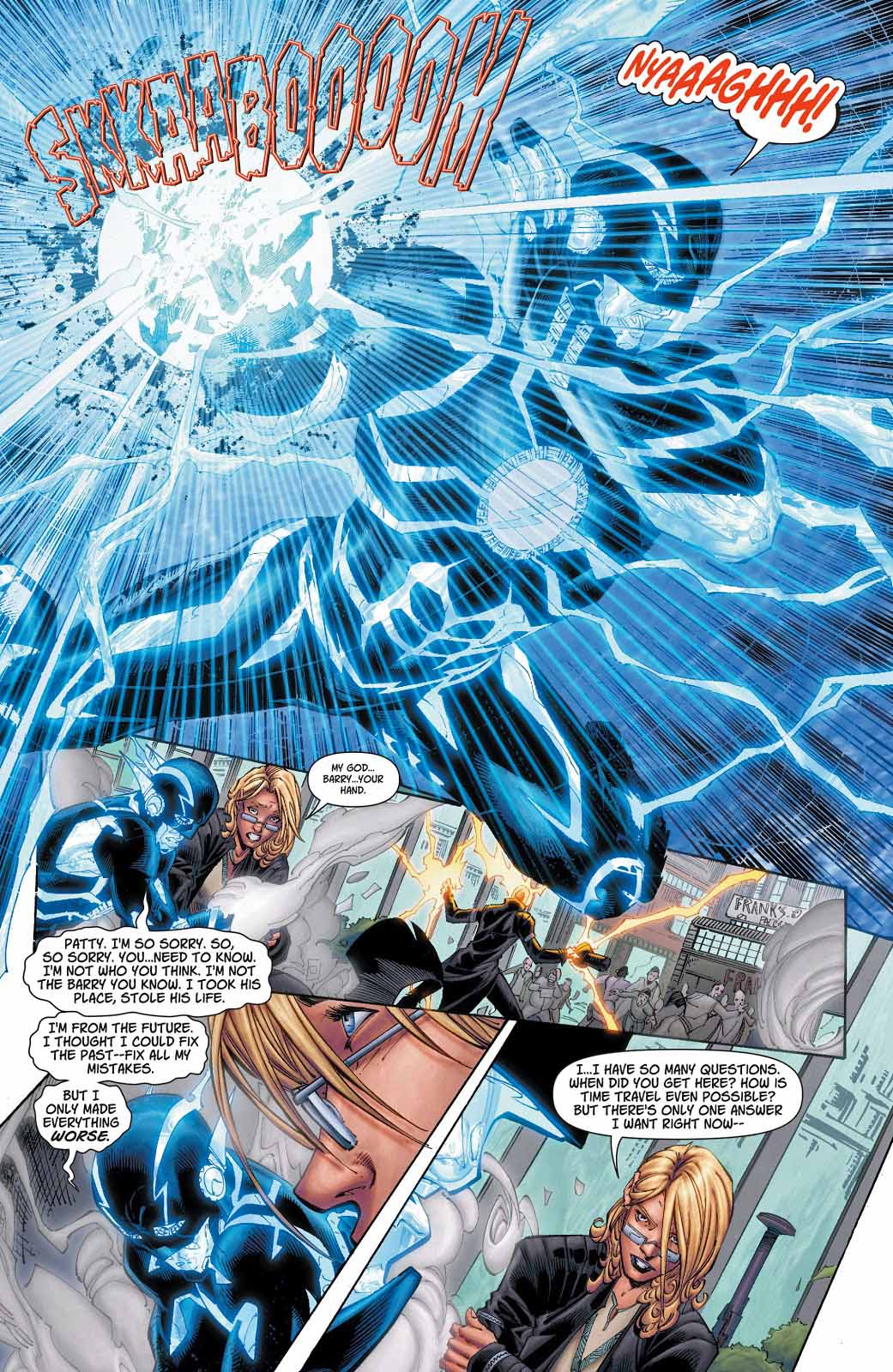
We complete the hat trick of Flash time travel stories with this knockout double page spread by Tony Daniel from writer Marc Guggenheim’s Flash run in 2007.
What happens when you lose the speed force? Nothing good, apparently. Although we did a great looking piece of art out of the deal.
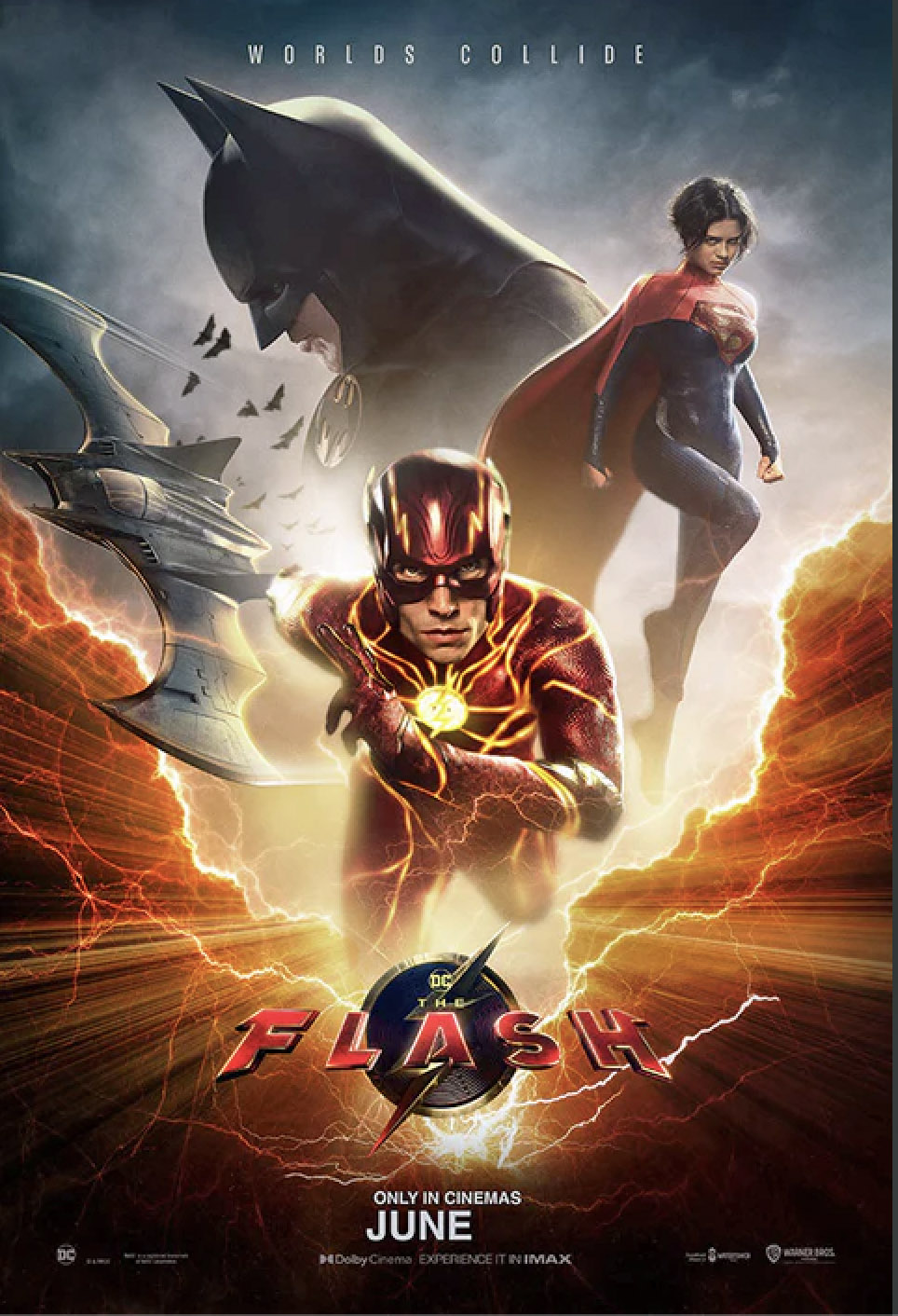
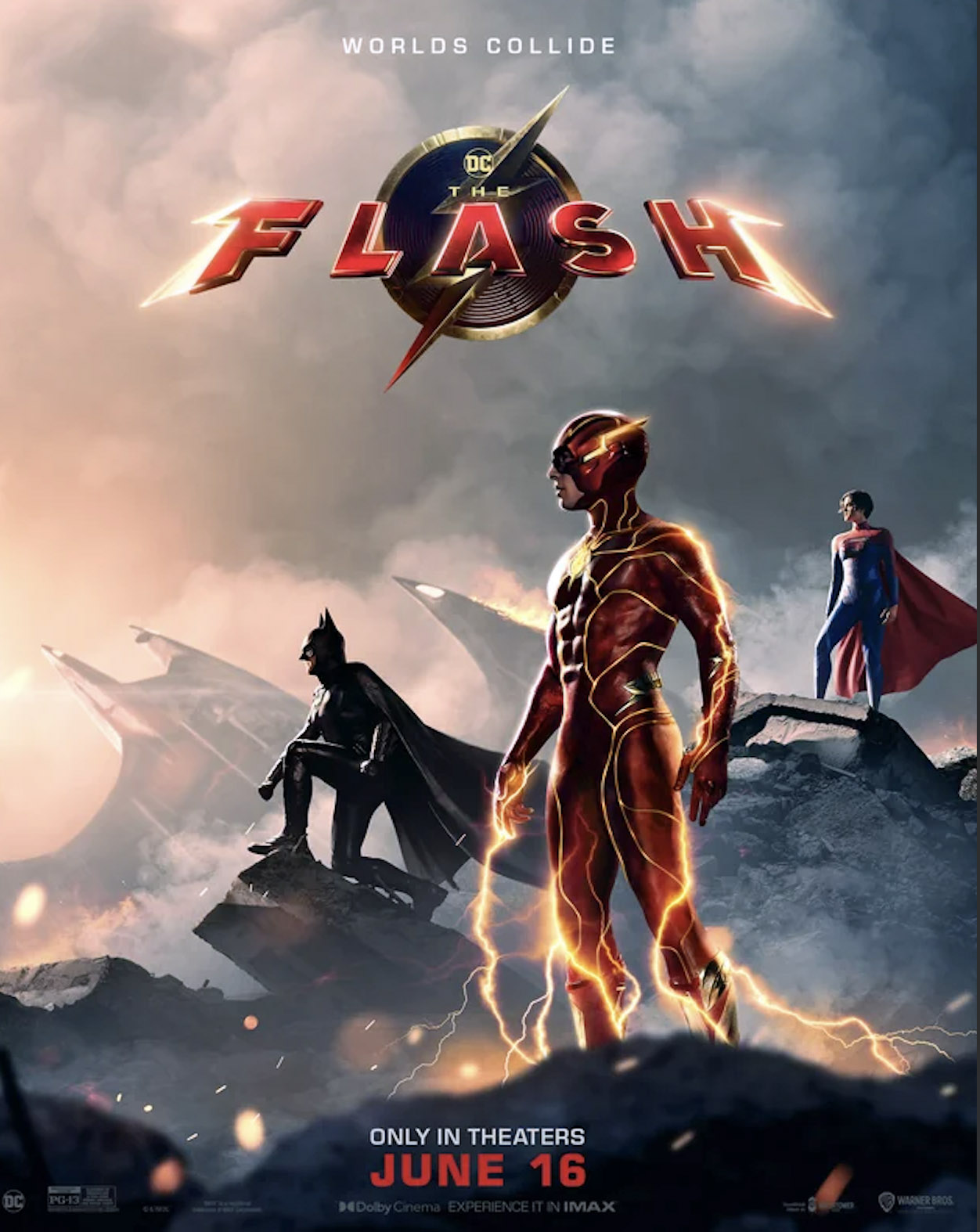
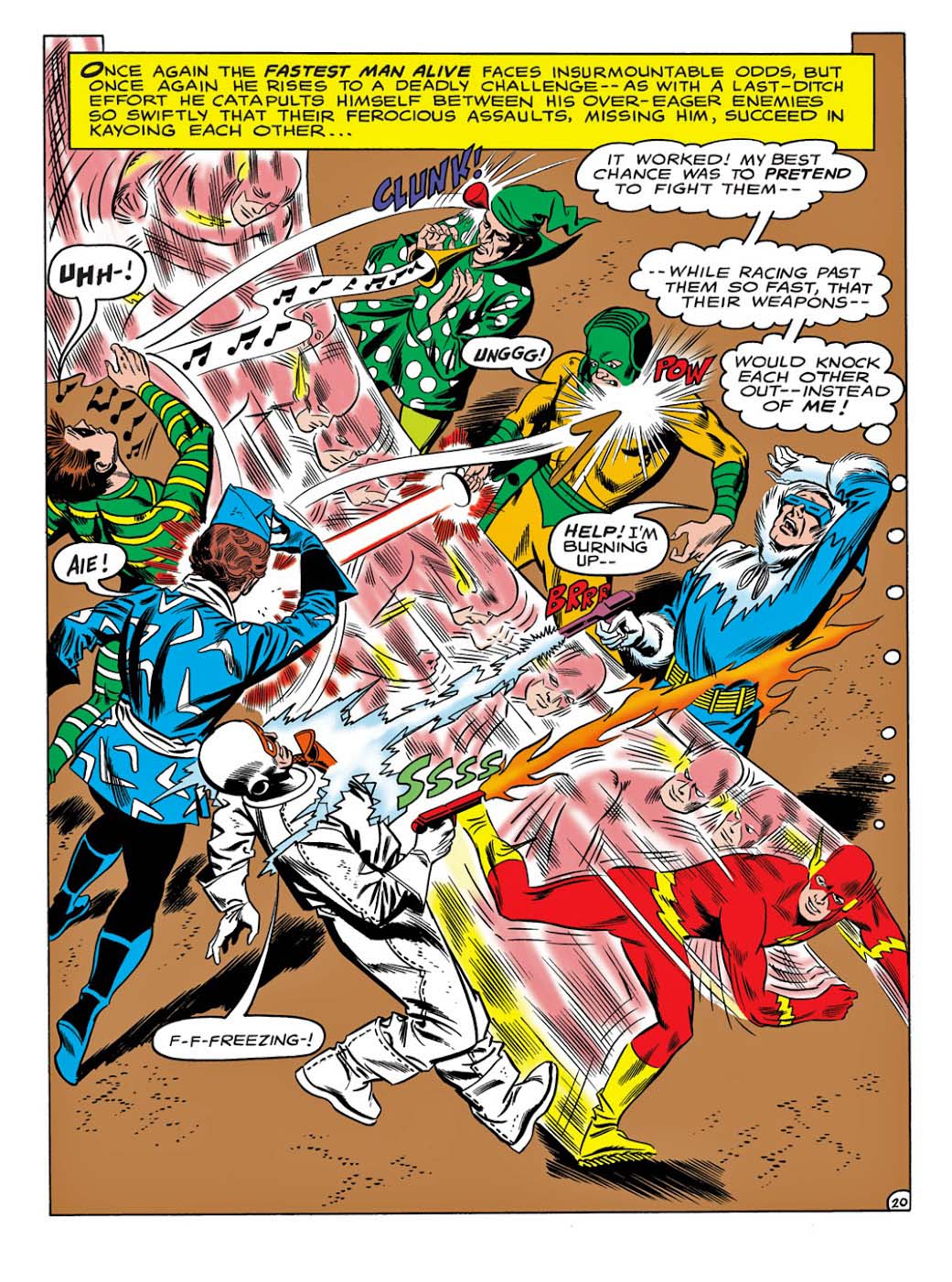
After quite a few fits and starts, The Flash feature film is making its way into theaters this week, so naturally here’s a great Flash page… minus the Flash.
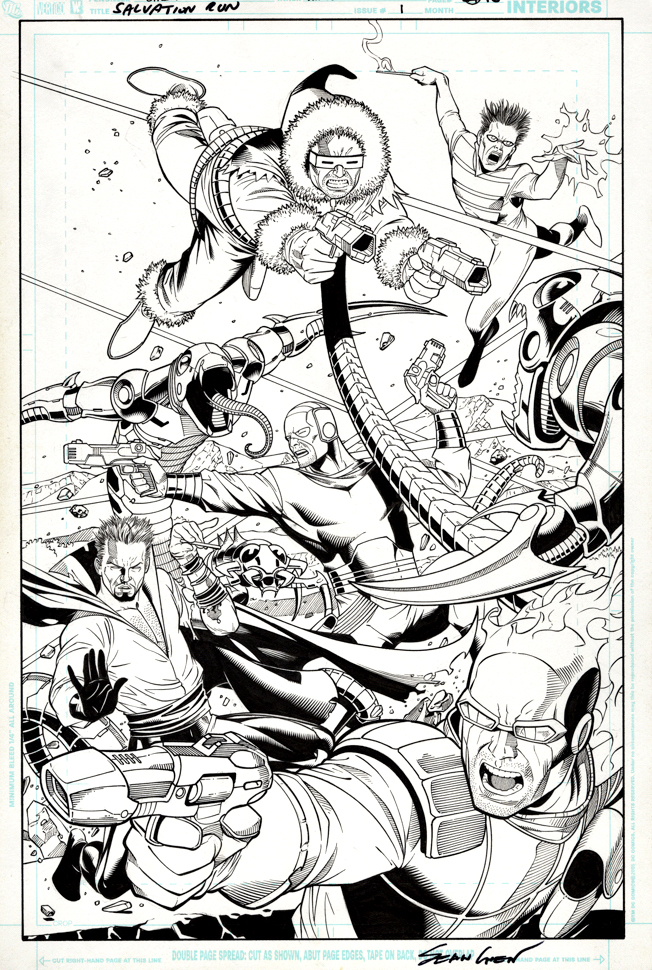
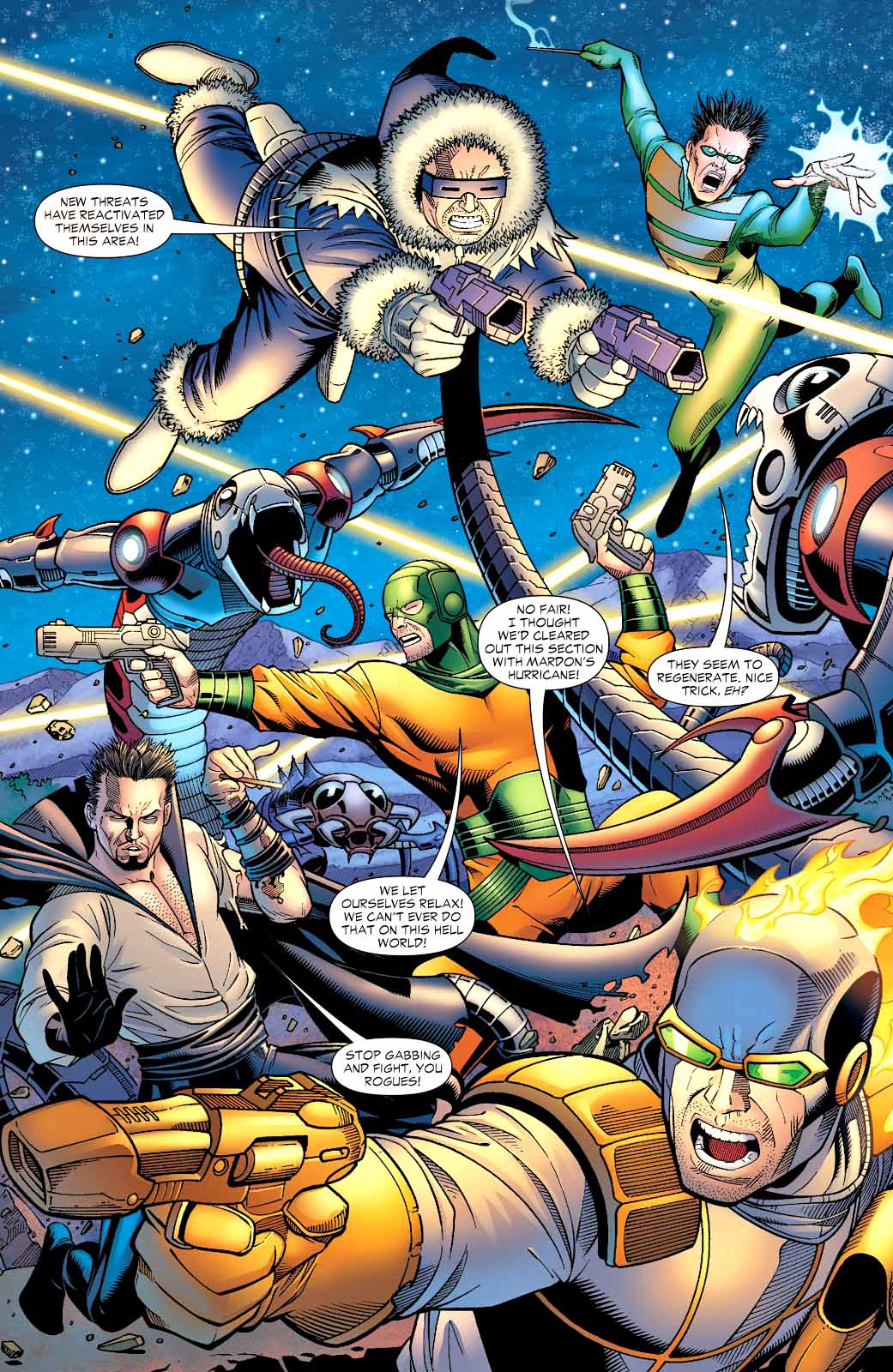
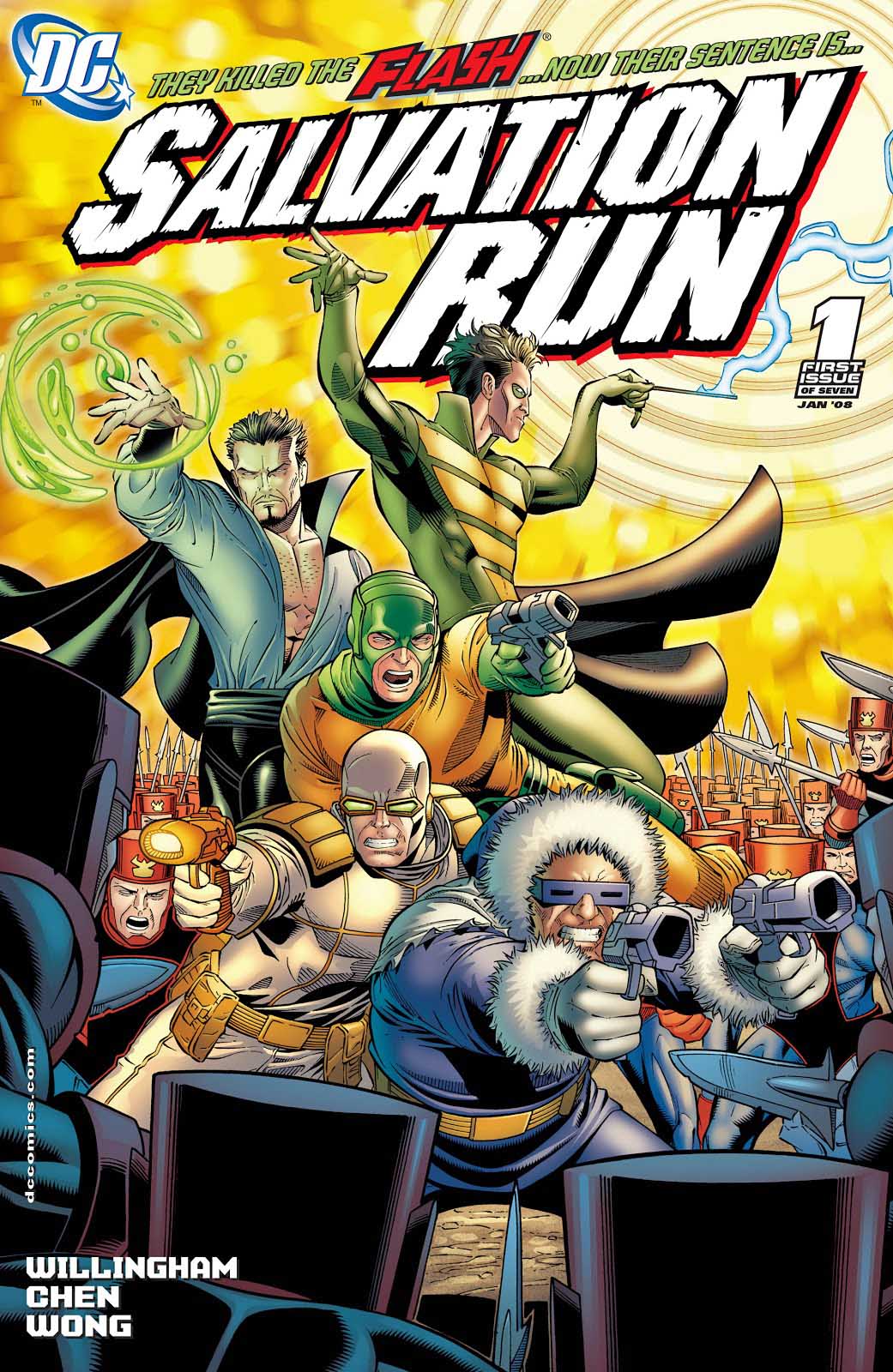
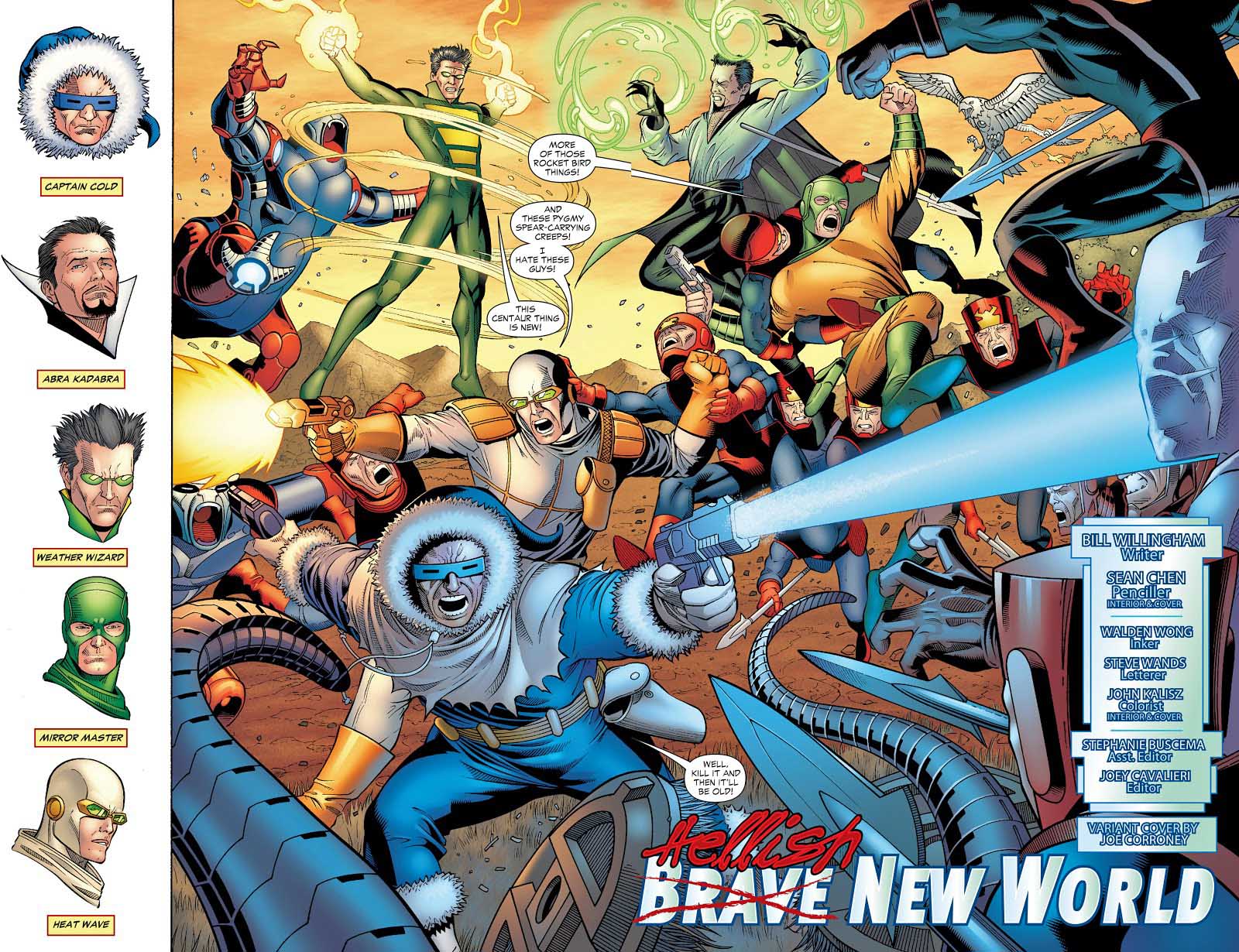
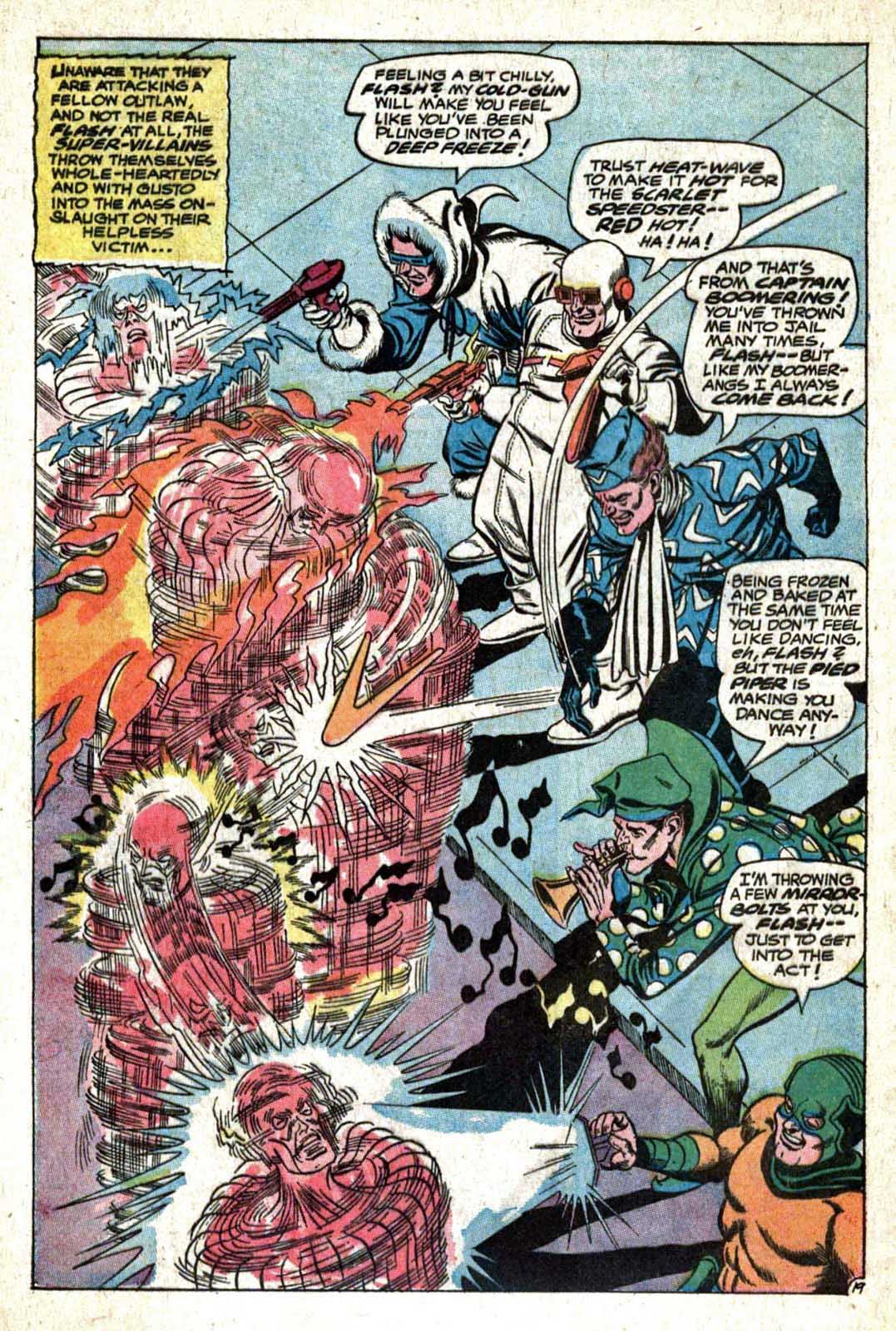
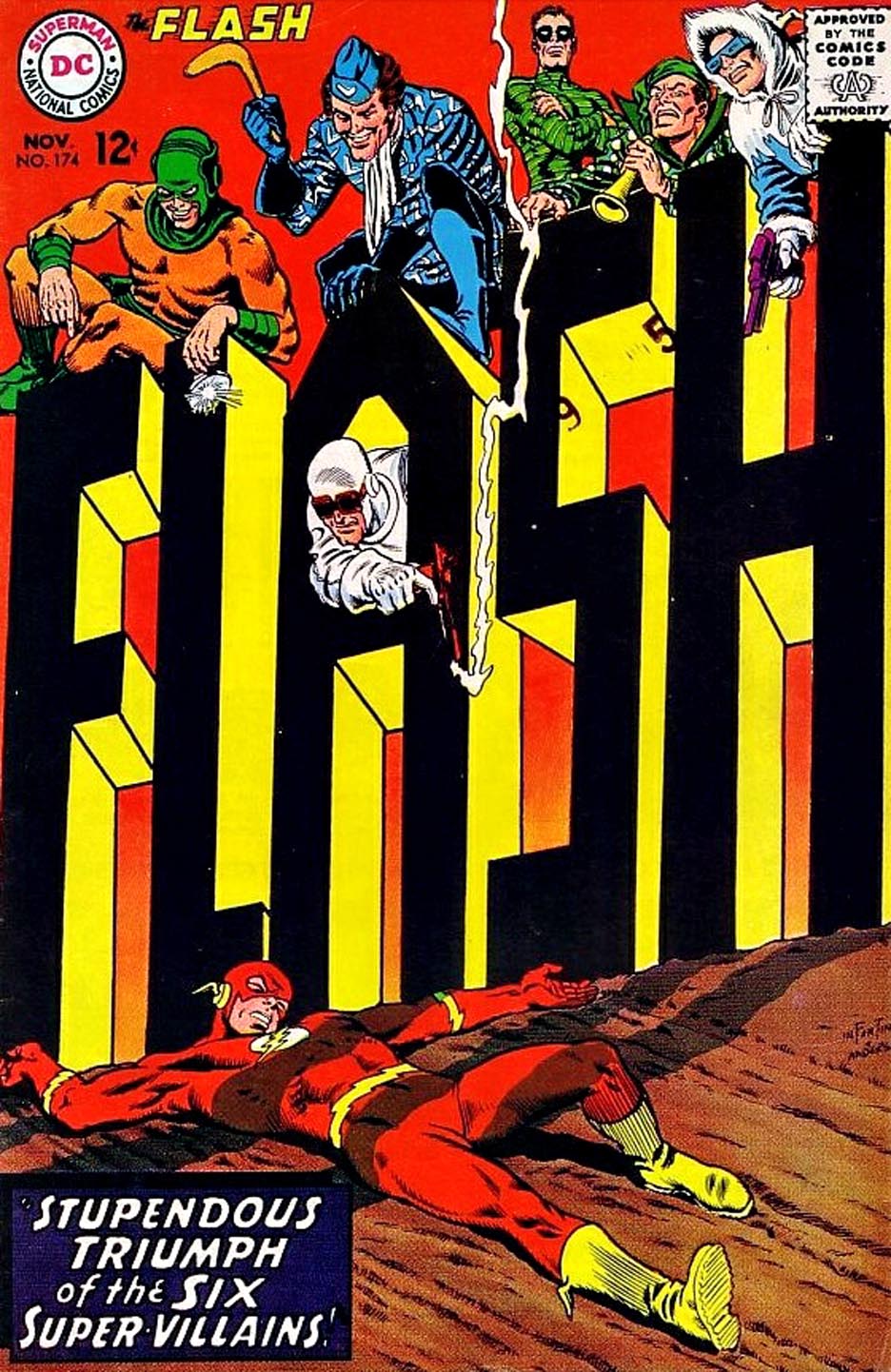
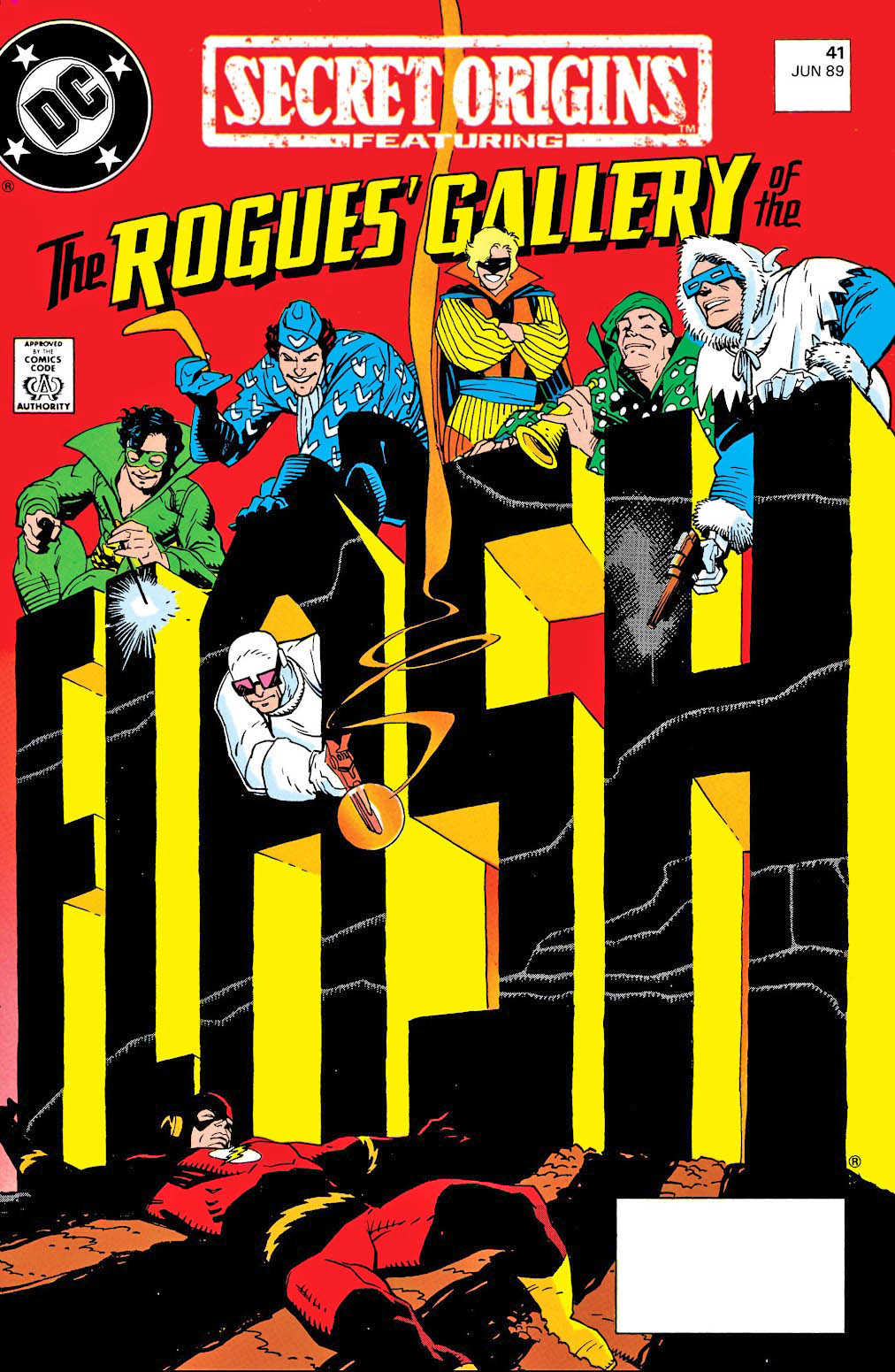
But all the classic Flash rogues are here in a story which focusses specifically on them. If you’re a fan of the classic Silver Age Flash (guilty) this splash by my pal Sean Chen is definitely the pen and ink version of comfort food.
As far as I can tell from the trailer, The Flash movie will be light on the rogues, so this is good way to get our fix.
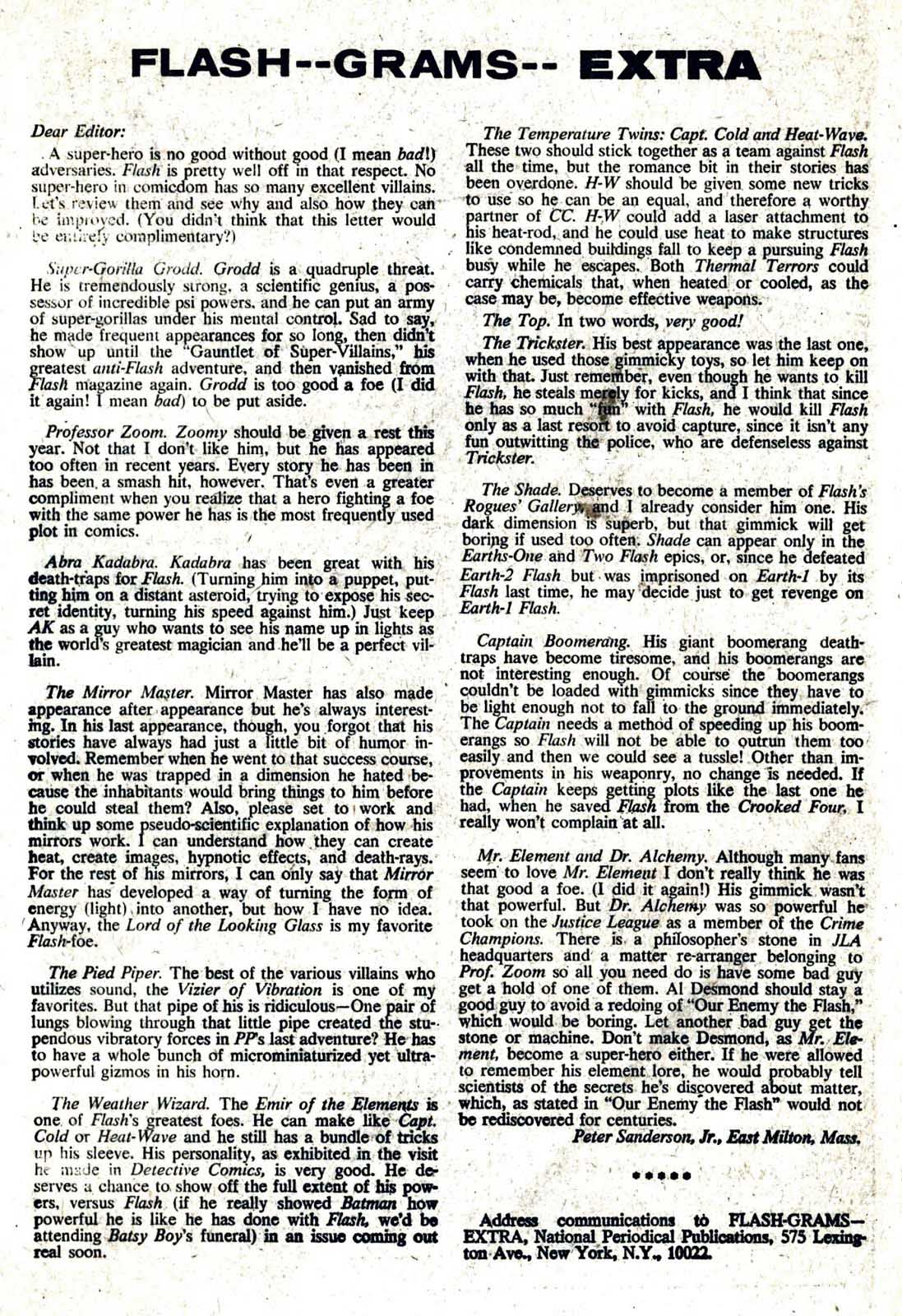
Rogues, nothing but rogues. Comic book professional and historian Peter Sanderson — as a fan — wrote an amazing summary with pros and cons of each character, which Julius Schwartz published in Flash #174
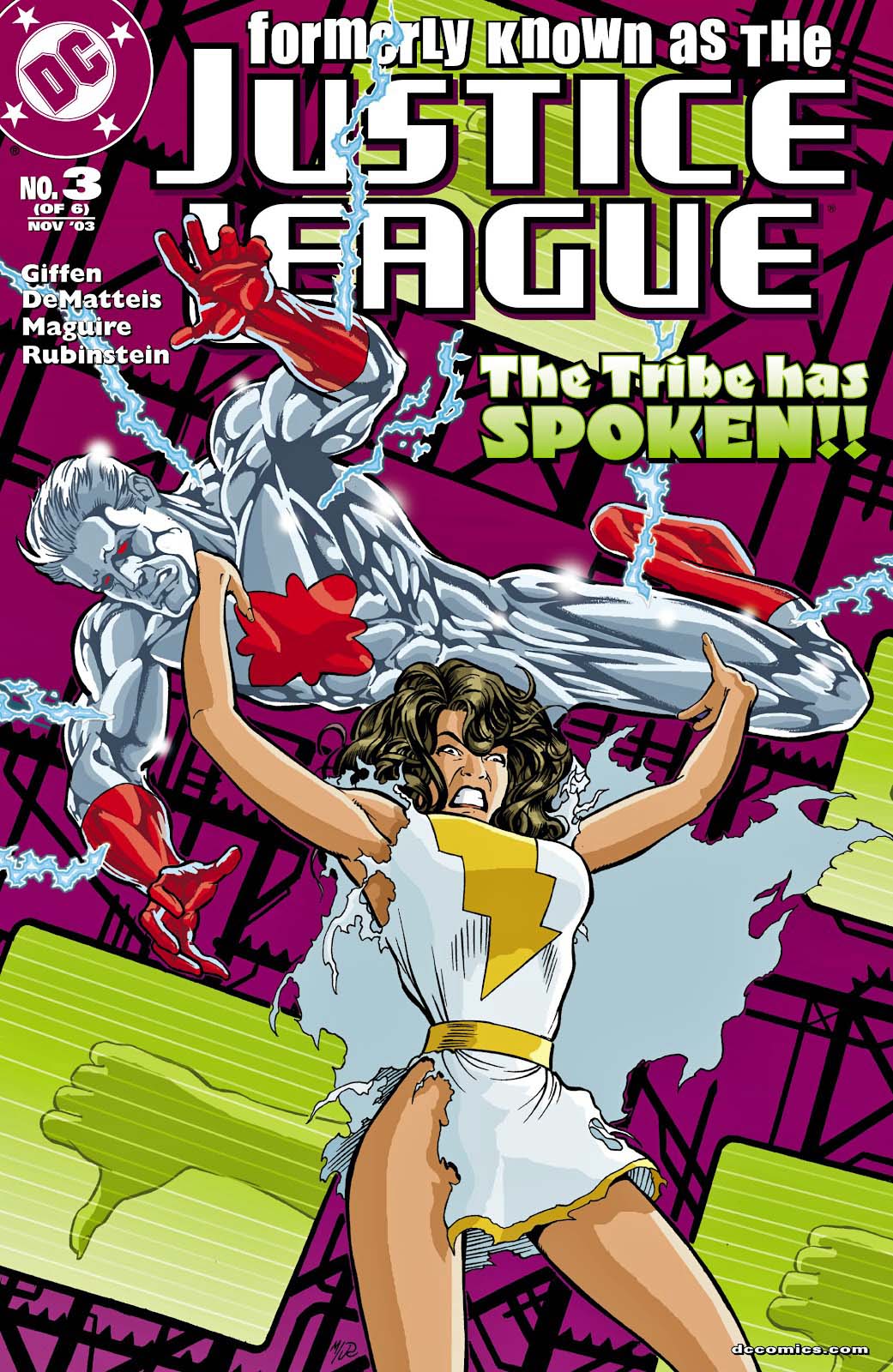
Formerly Known As The Justice League #3, November 2003
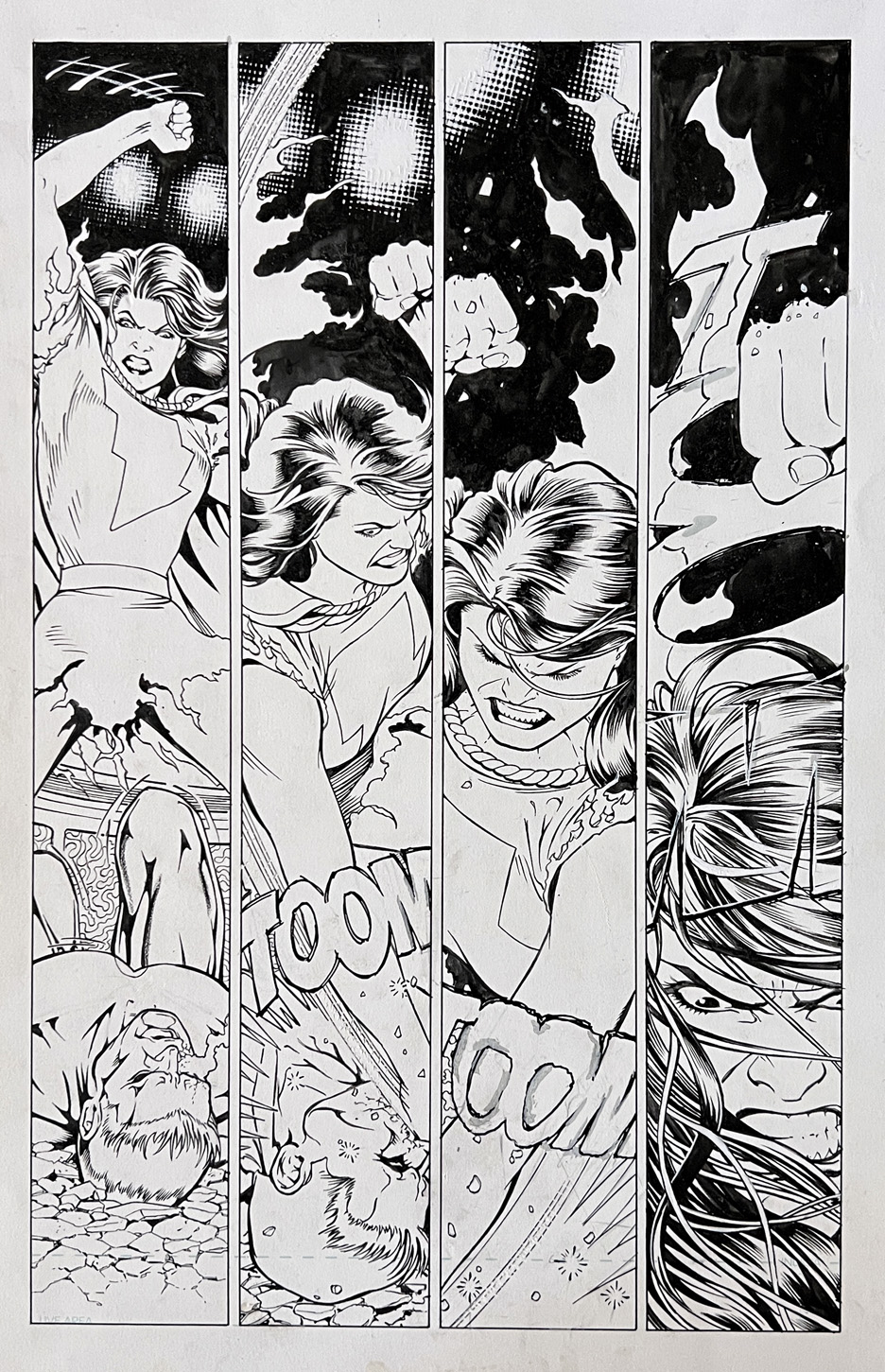
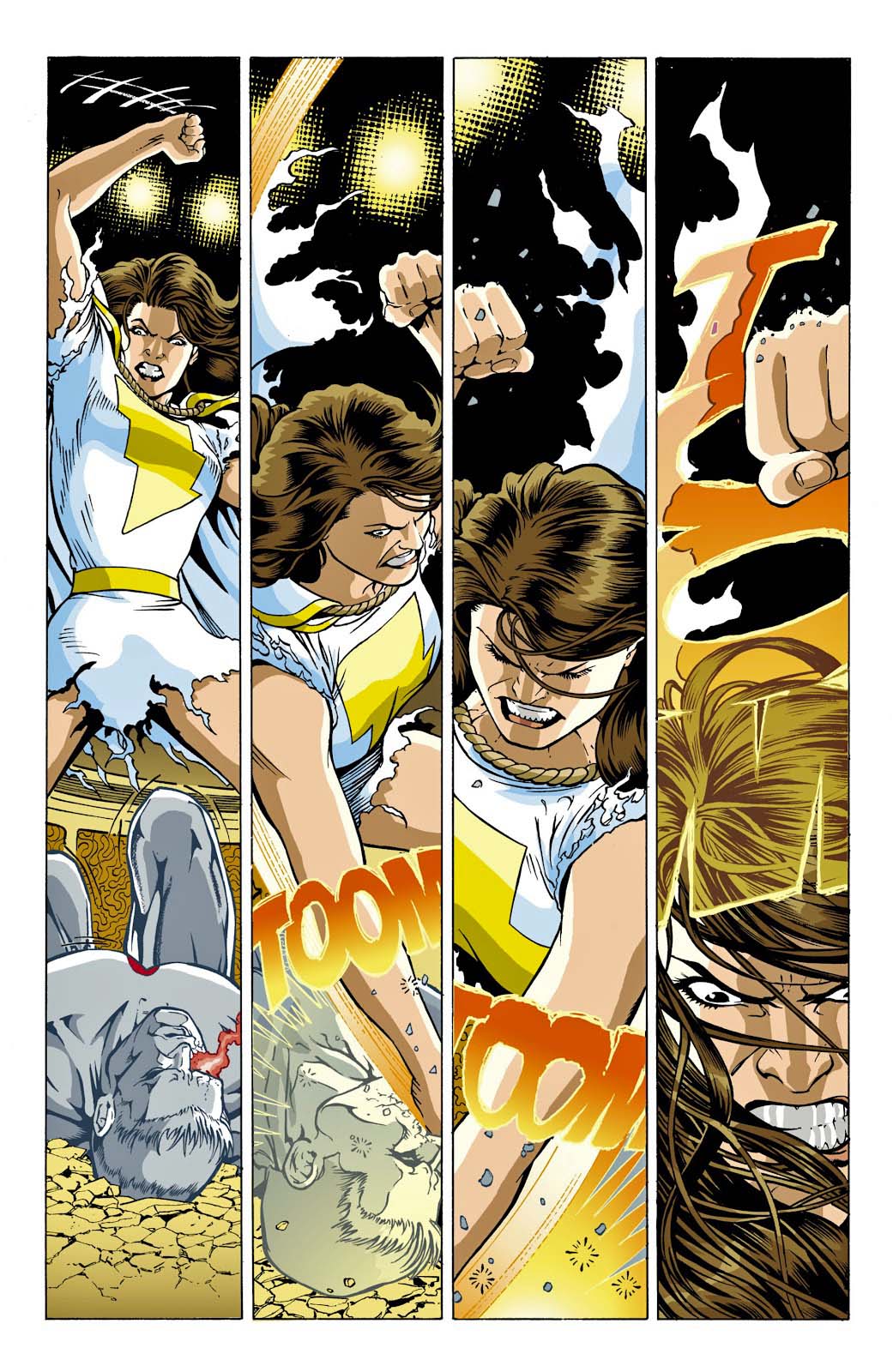
Mary Marvel beats the nuclear daylights out of Captain Atom in this innovative, and terrific action page, by Kevin Maguire.
Everything about this page works for me: Storytelling, composition, movement, and the absolute rage on Mary’s face.
She’s pissed.
Of course, since it’s comics, and we know Mary is an otherwise lovely person, she’s clearly under some sort of mind control. Everything will eventually be fine, yes? Well, in this reunion of the classic 80s JLA creative team (Writers J.M. Dematteis and Keith Giffen, Maguire, and inker Joe Rubenstein) who can say?
Or maybe she’s just upset that the collection of this Eisner-winning series is unavailable. That annoys me, too.