Greg Goldstein's Comic Art Gallery

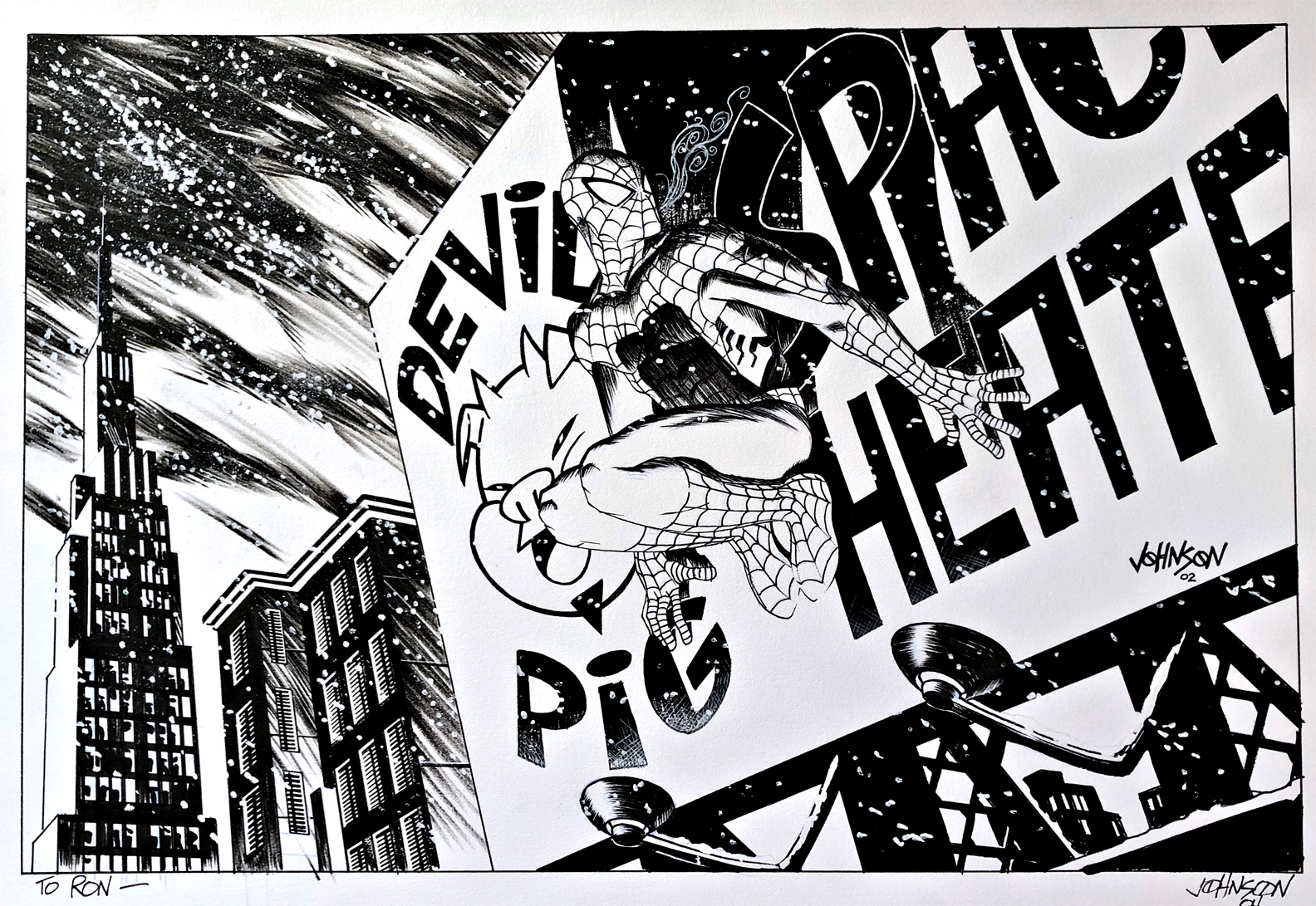
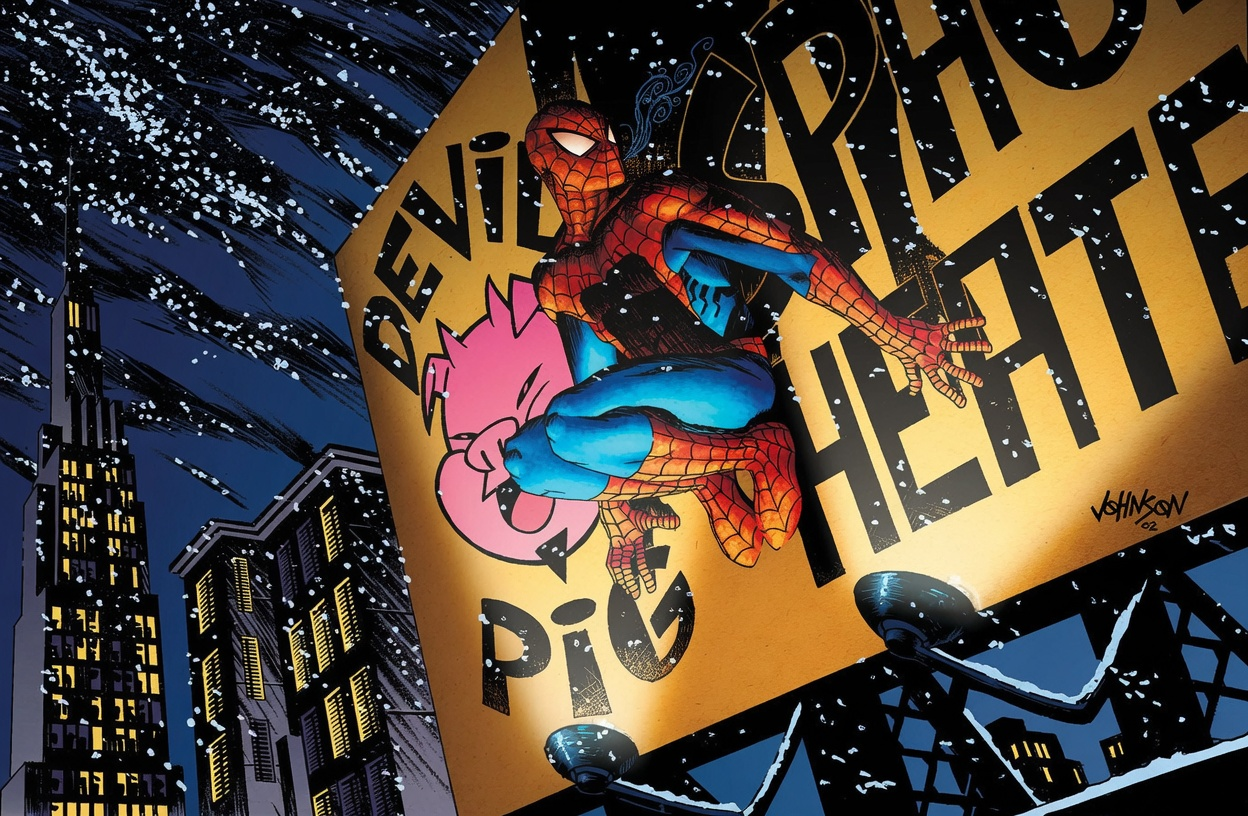
Dave Johnson — Spider-Bonus

Spider-Man DVD Special Edition, Bonus Art Gallery, 2002

With Great DVDs Come Great Bonus Features:

Remember when DVDs tried really hard?

Okay, so maybe you don’t remember DVDs at all. Sadly, in the age of streaming, that’s entirely possible.

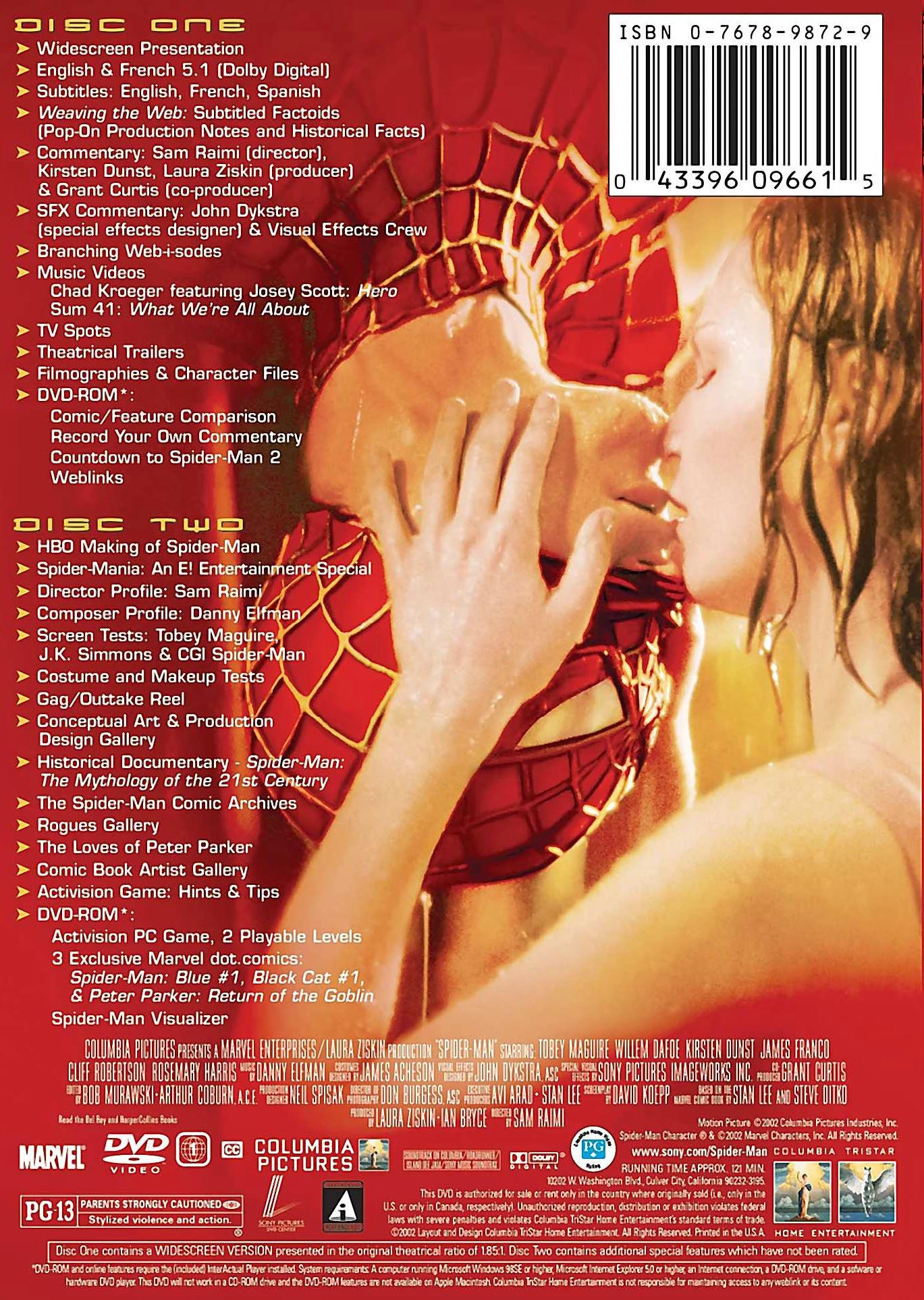
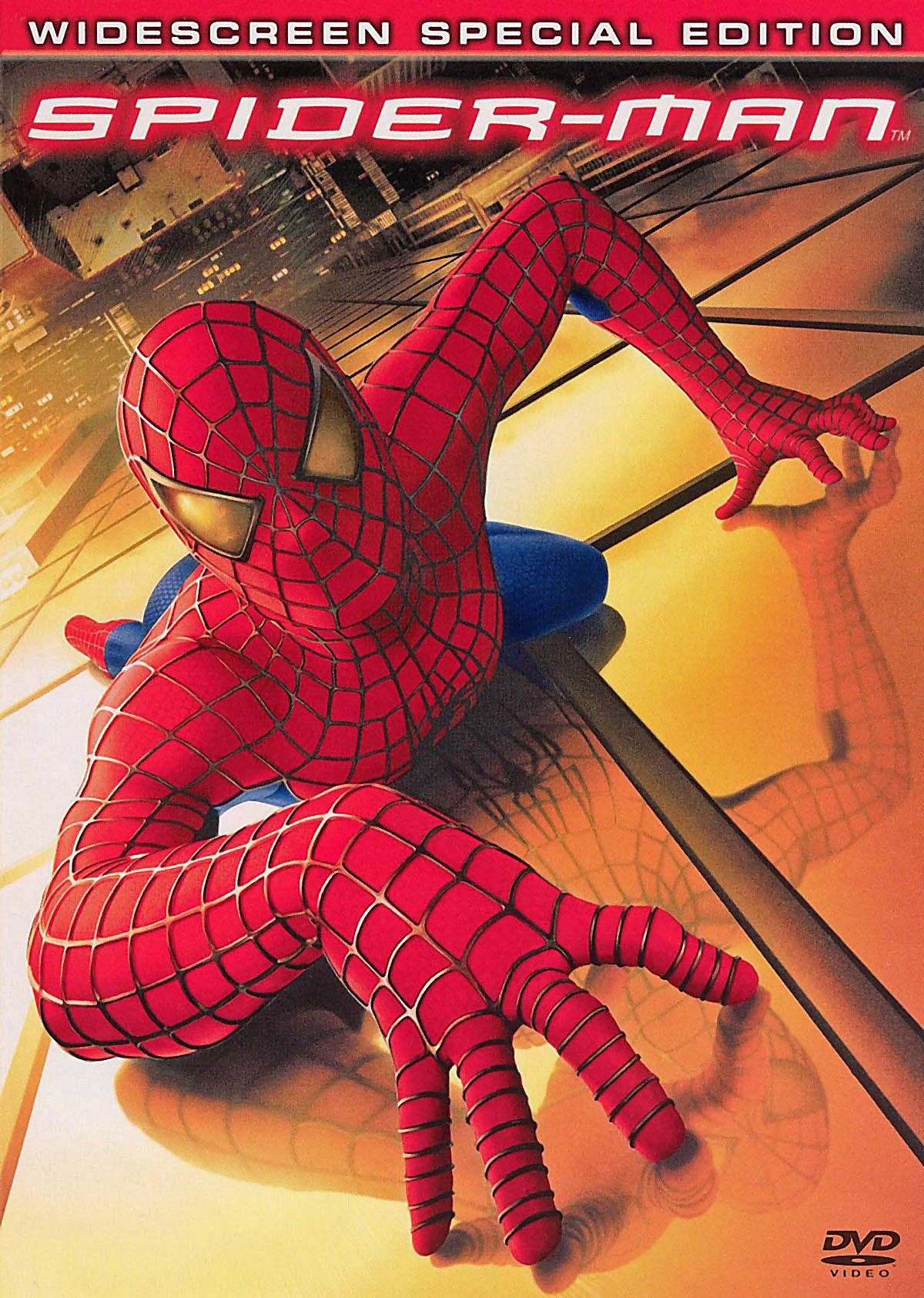
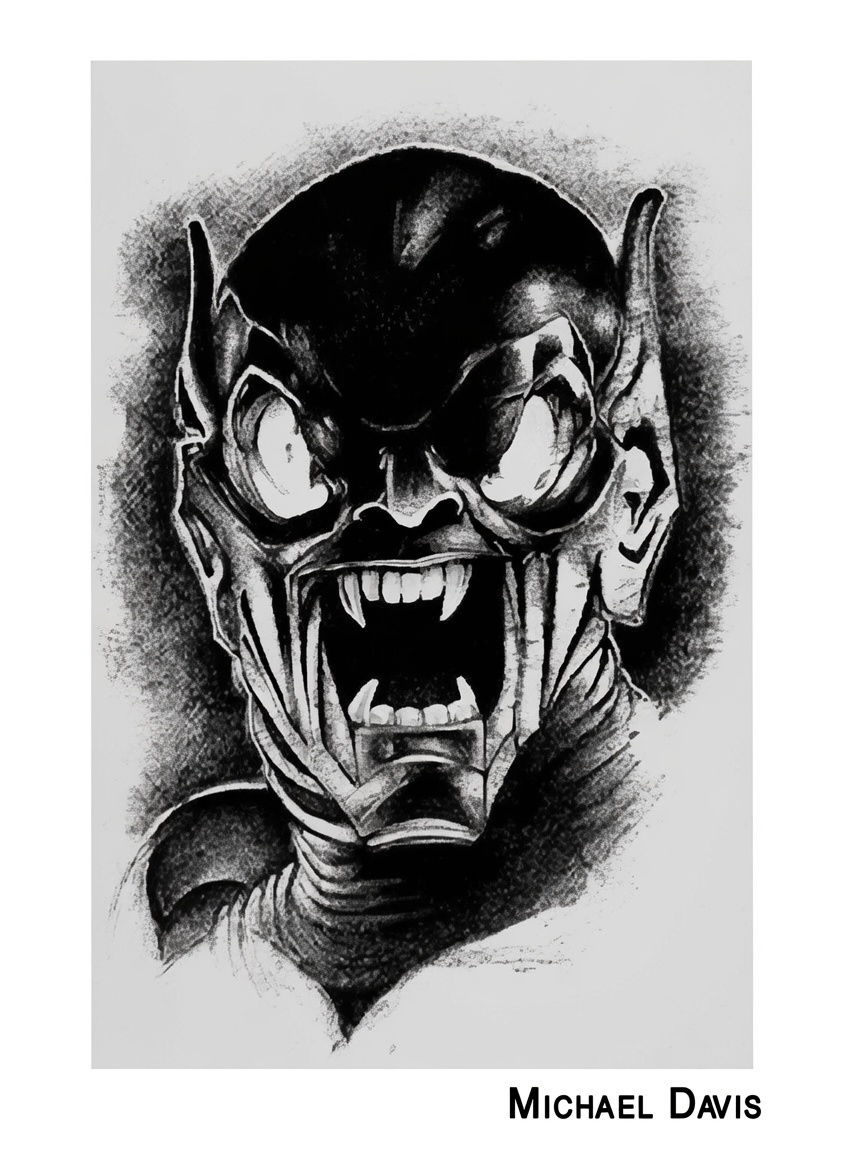
The 2002 Spider-Man Special Edition included the usual commentaries, documentaries and deleted material—but it also featured a gallery of original Spider-Man artwork by 19 different comic artists.

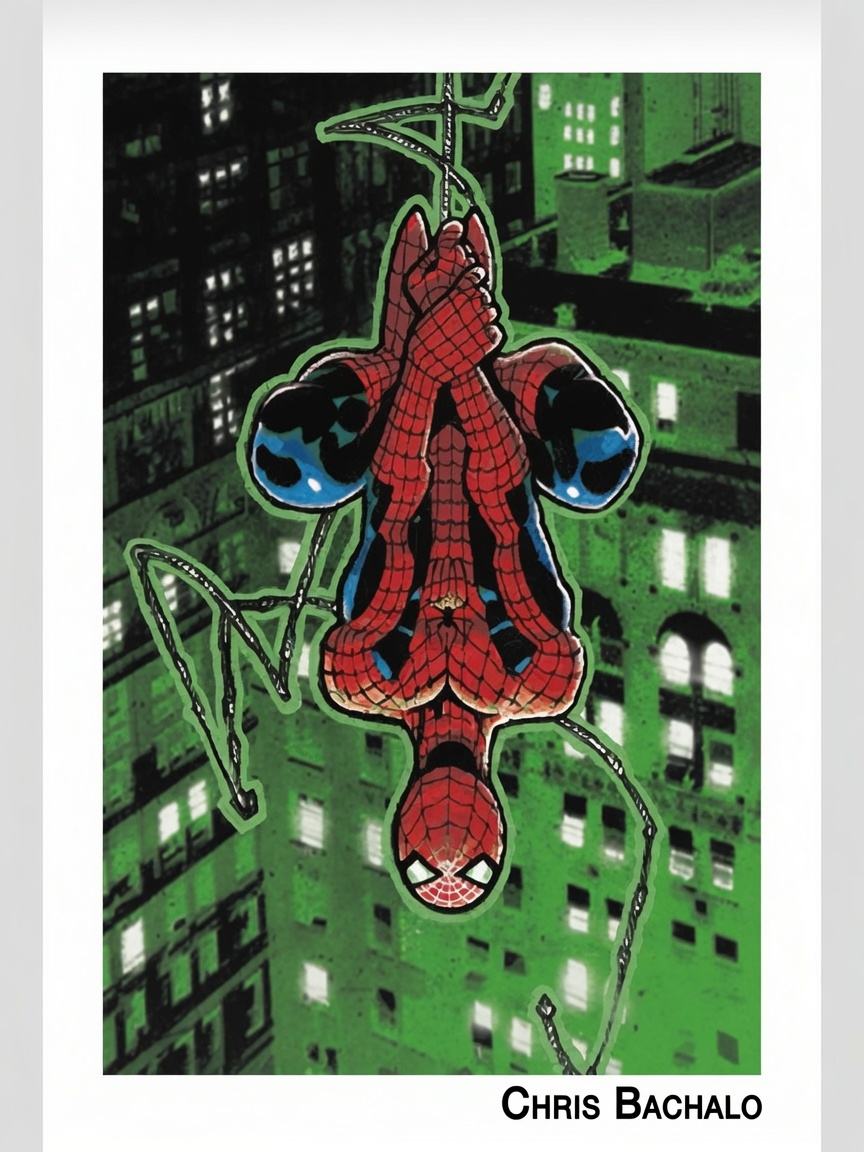
And it’s an impressive group: Chris Bachalo, Jae Lee, David Mack, John Cassaday, Kevin Nowlan, Sean Phillips and plenty more. There’s a complete checklist below.

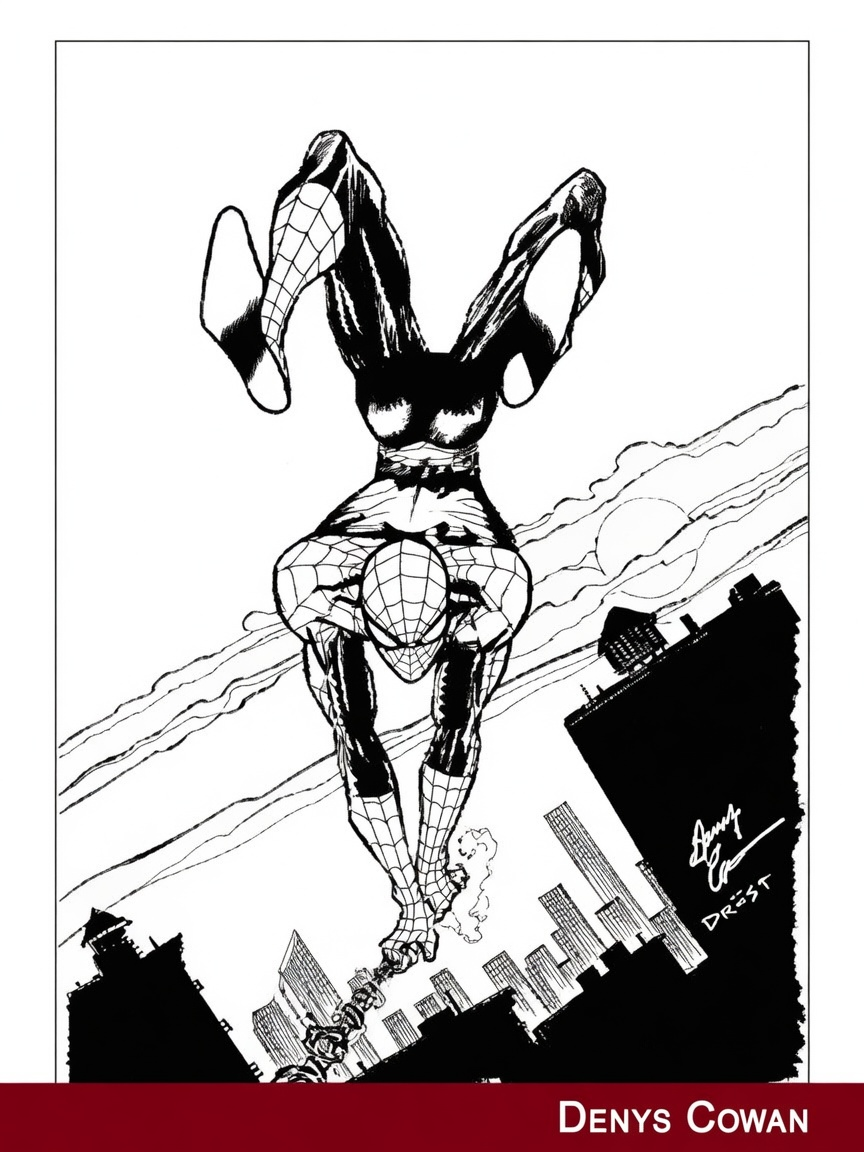
This piece by Dave Johnson is one of my favorites. Interestingly, when an artist supplied a piece in black and white, the DVD left it that way—so for original-art fans, that’s a bonus on top of a bonus. The coloring shown here was created this year by the very talented Frank Cuonzo.

Did the casual movie fan have any idea what they were looking at? That’s pretty much a rhetorical question.

These pieces were commissioned exclusively for the DVD, which means somebody had to contact the artists, negotiate fees, collect the artwork, scan everything—and then hide it several menus deep on the second disc.

That’s a lot of effort for something many viewers probably clicked through once, if at all.

Still, I love that they did it.

The feature connected the movie back to the comics and gave a wonderfully eclectic group of artists a chance to interpret Spider-Man in their own way.

Wasteful? Possibly.

But compared with today’s nearly bonus-free streaming releases, it also feels pretty terrific.

I couldn’t find a checklist of all the DVD “Bonus” Comic Art Images, so I created one. (It’s an all-star list, in order of how they appear when you click through the gallery):

Note: “Color” denotes the only pieces presented in color in the DVD gallery.

Spider-Man DVD Comic Art Gallery

ArtistFeatured Character(s)Format
Michael DavisGreen Goblin
Denys CowanSpider-Man
Chris BachaloSpider-Man & Green GoblinColor
Jae LeeSpider-Man
Mike AllredSpider-ManColor
David MackSpider-ManColor
Duncan FegredoSpider-Man & Green GoblinColor
J. G. JonesSpider-Man & Green Goblin
Dave JohnsonSpider-Man
Frank QuitelySpider-Man
Terry DodsonSpider-Man
John CassadaySpider-Man
Sam KiethSpider-ManColor
Sean PhillipsSpider-ManColor
Michael Avon OemingSpider-Man
Paul ChadwickSpider-ManColor
Alex MaleevSpider-Man
Kevin NowlanSpider-Man
Kevin MaguireSpider-Man & Mary Jane

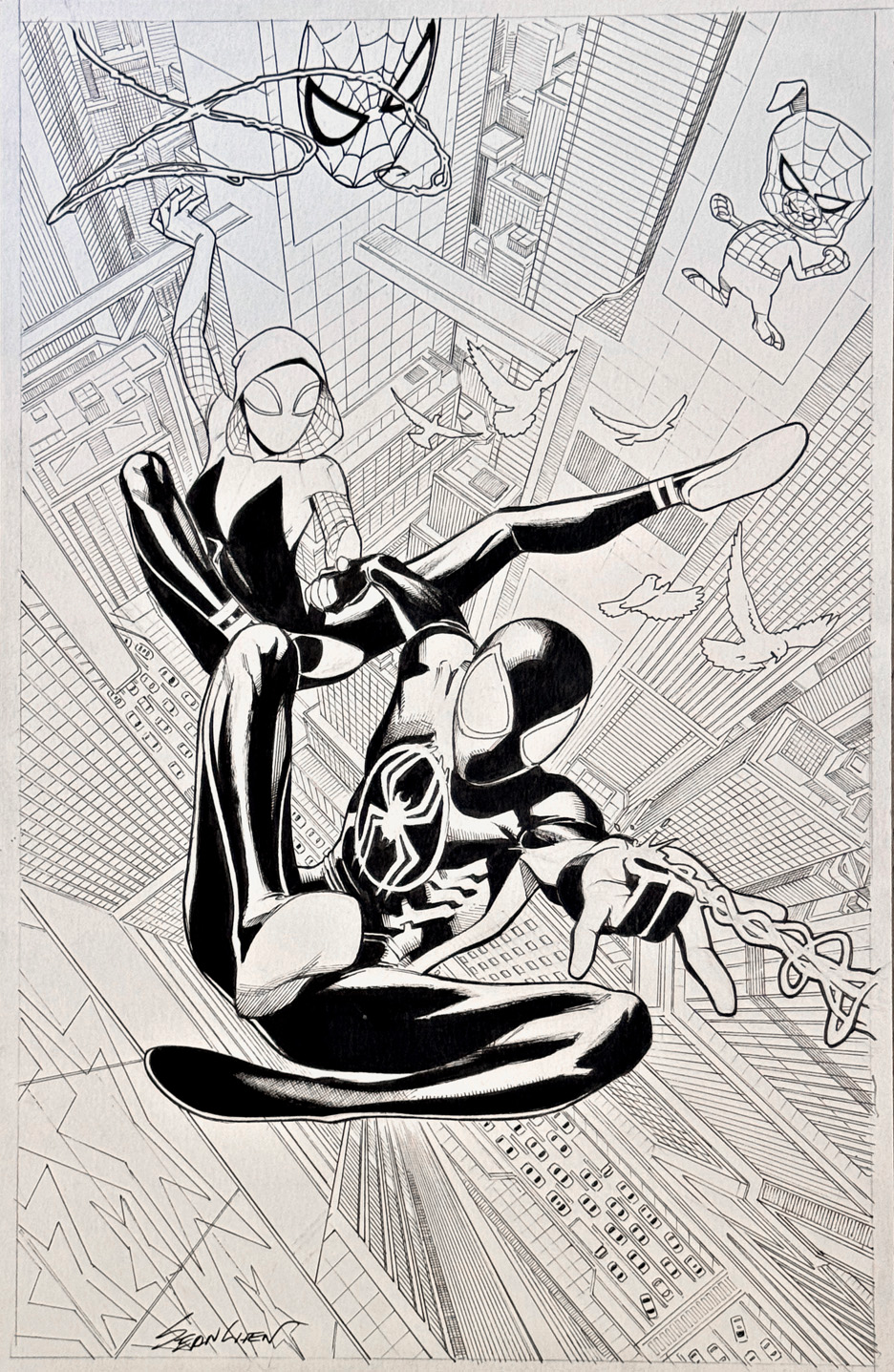
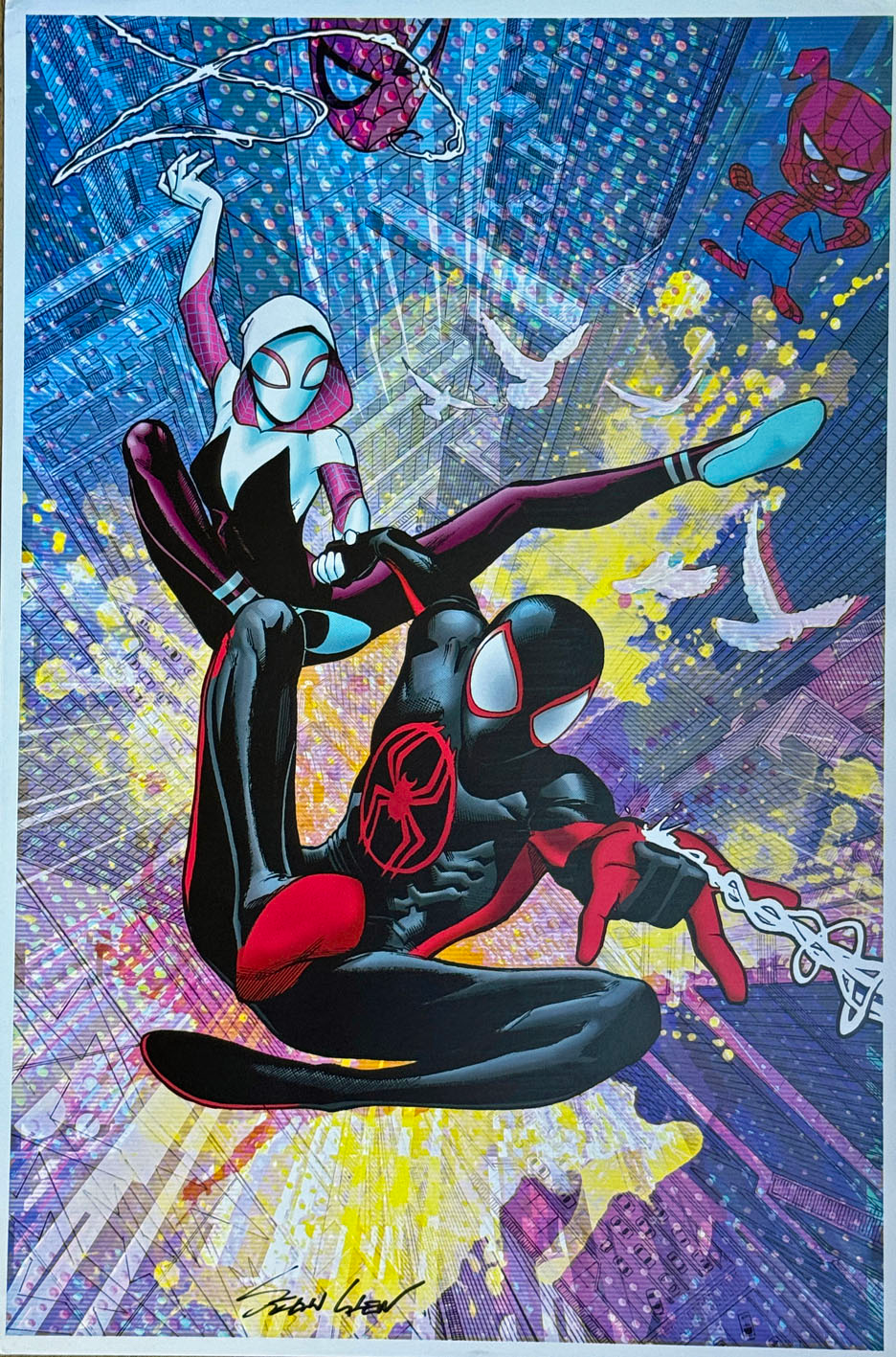
Sean Chen — Into The Spider-Verse

FCBD Regional Specaility Print, 2023

Here is a great Spider-Man original from my pal Sean Chen, featuring Miles Morales front and center, with Spider-Gwen—Ghost-Spider—right behind him.

Peter Parker gets a more casual nod through the classic Spidey image on the side of the building, and “Peter Porker” makes an appearance the same way, just for good measure.

It’s a terrific composition—and whenever Sean draws buildings, the level of detail is outstanding.

Sean originally created the piece for a regional Free Comic Book Day print in 2023, and he also brings a version with him to conventions.

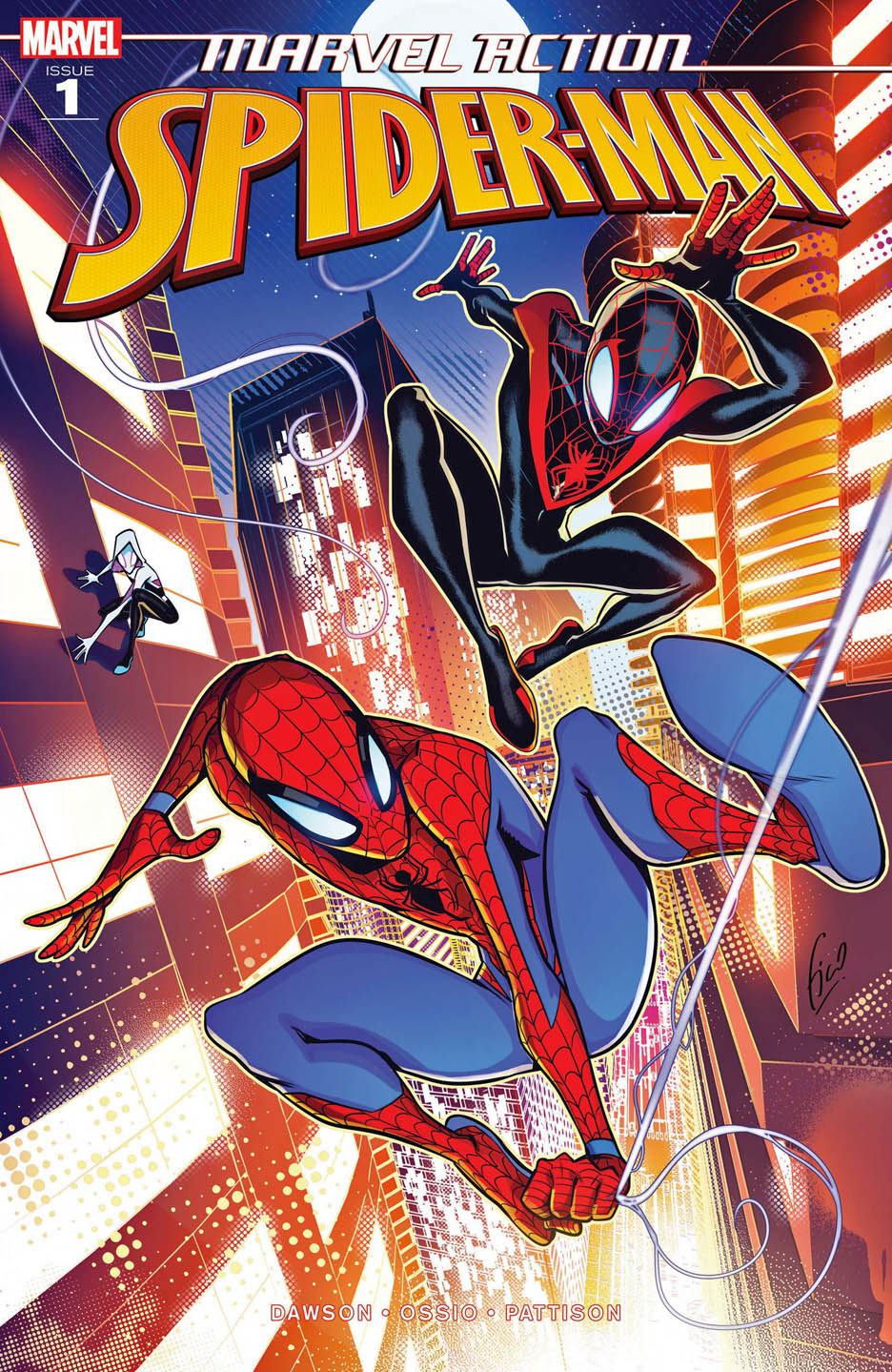
Fun, somewhat tangential fact: Someone started a rumor—at least locally here in California—that the first comic-book team-up of Miles, Gwen and Peter may have appeared in our Marvel Action: Spider-Man series from IDW Publishing.

I have no idea whether that is actually true.

I did see speculators buying copies in bulk at a local show around the time the last Spider-Verse animated film was released, but I don’t think they succeeded in cornering the market. You can still find the books pretty readily at cover price or just slightly higher.

Steve Rude — Spider-Man ‘s Fireworks (Part 2)

Speciality Piece, 2001

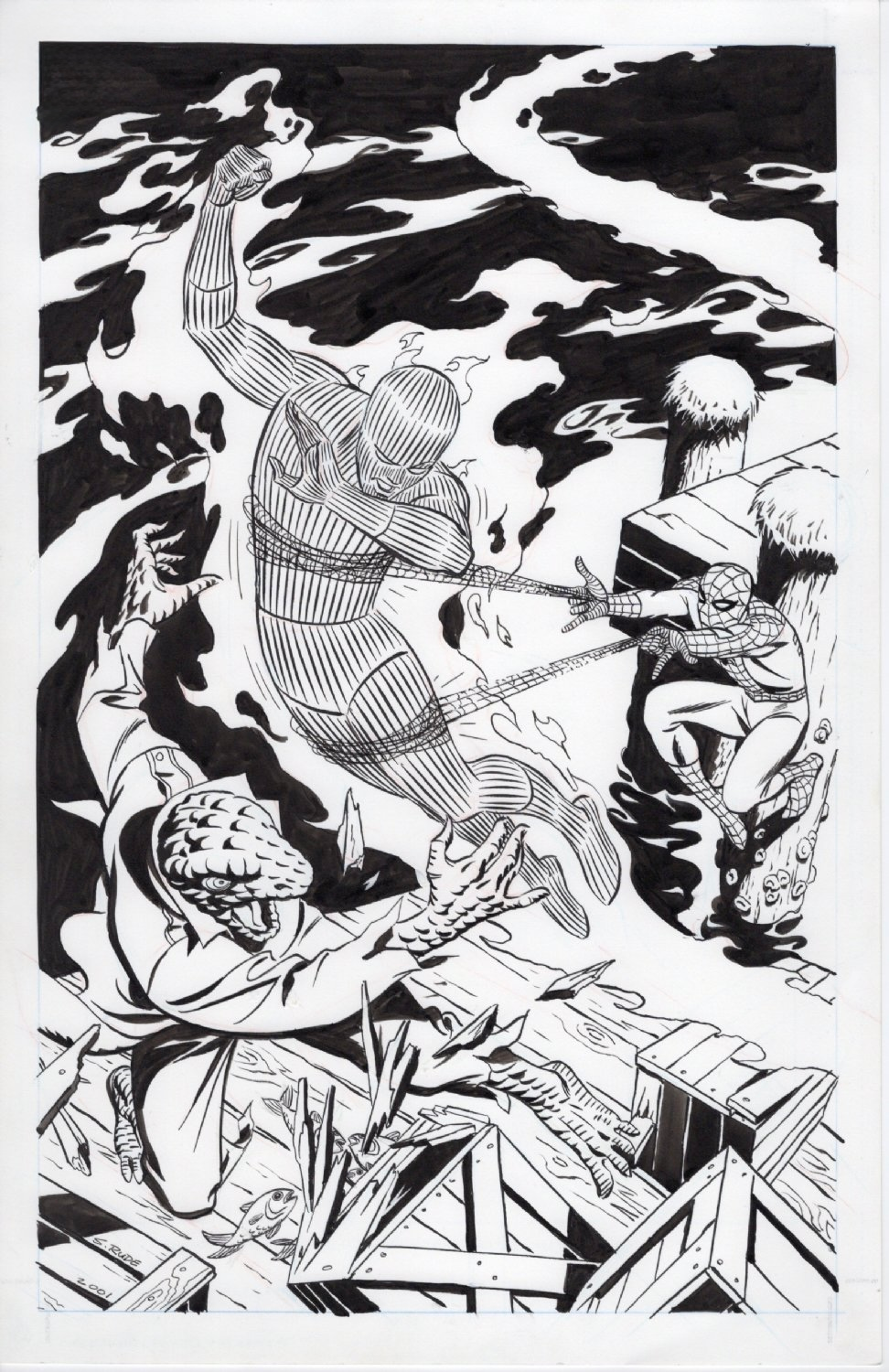
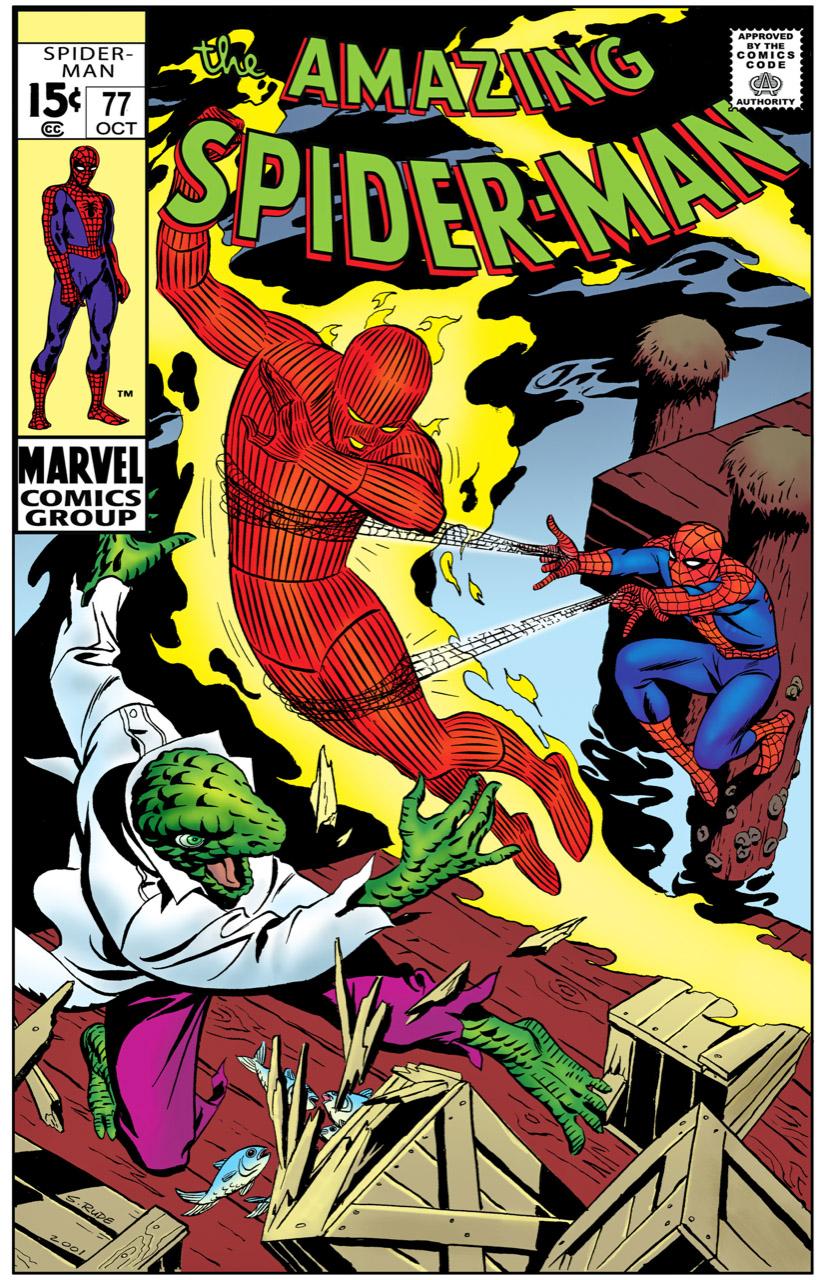
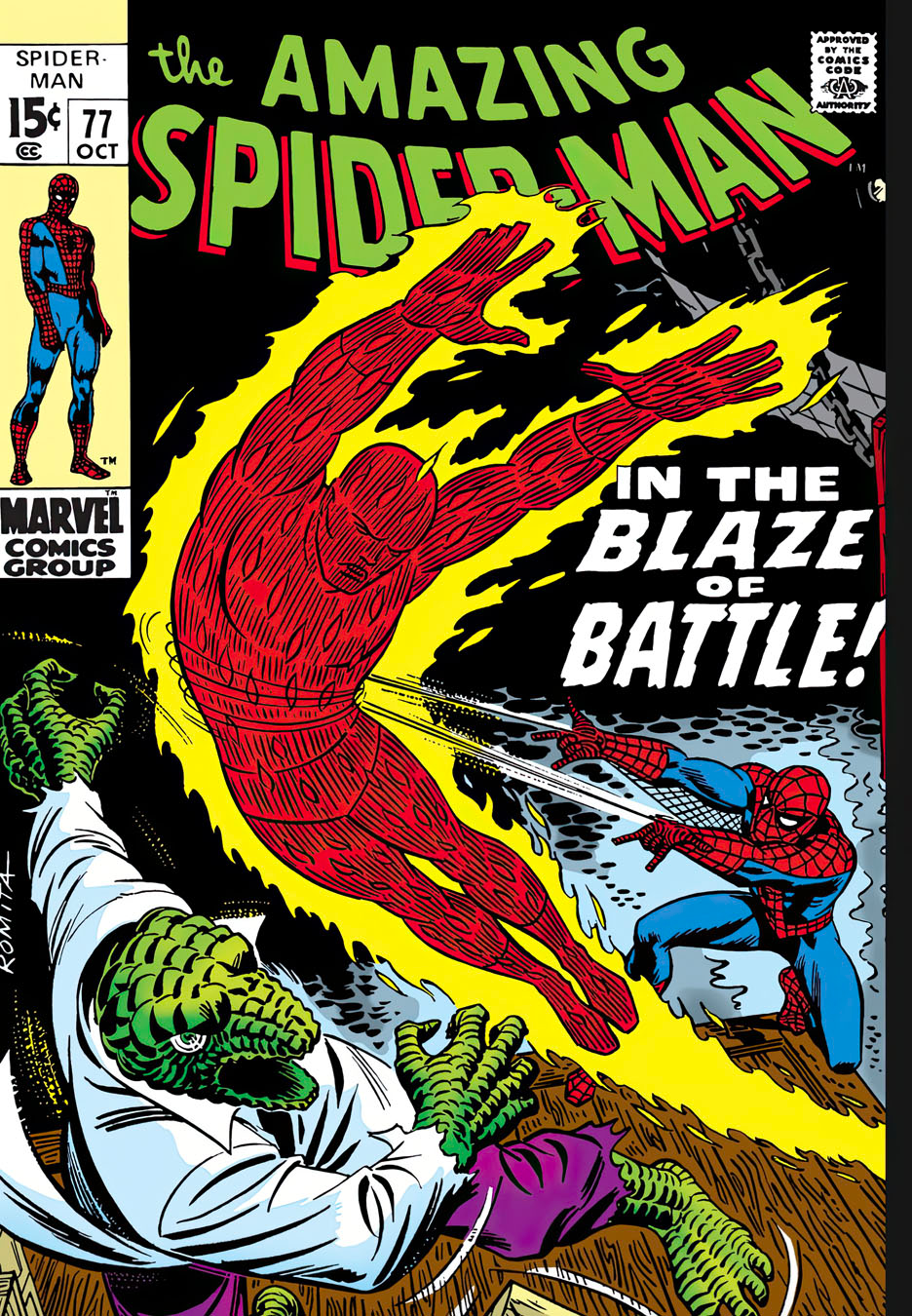
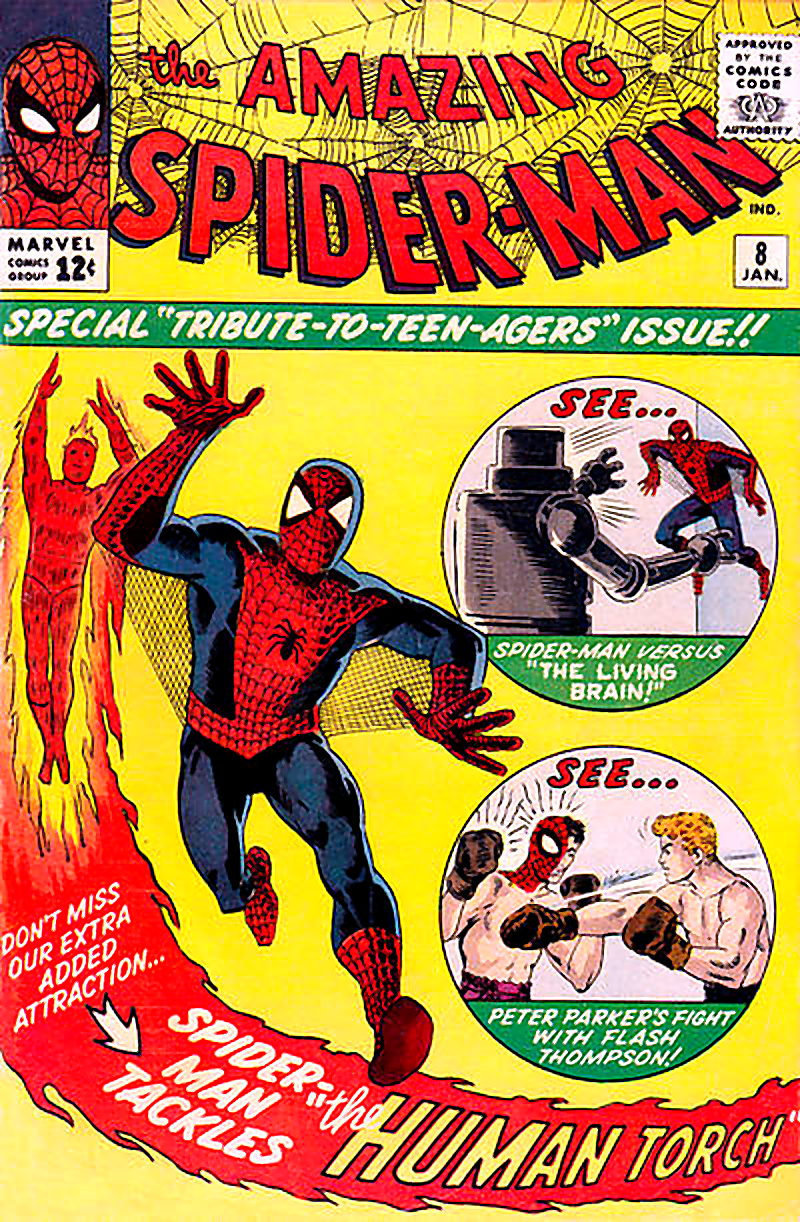
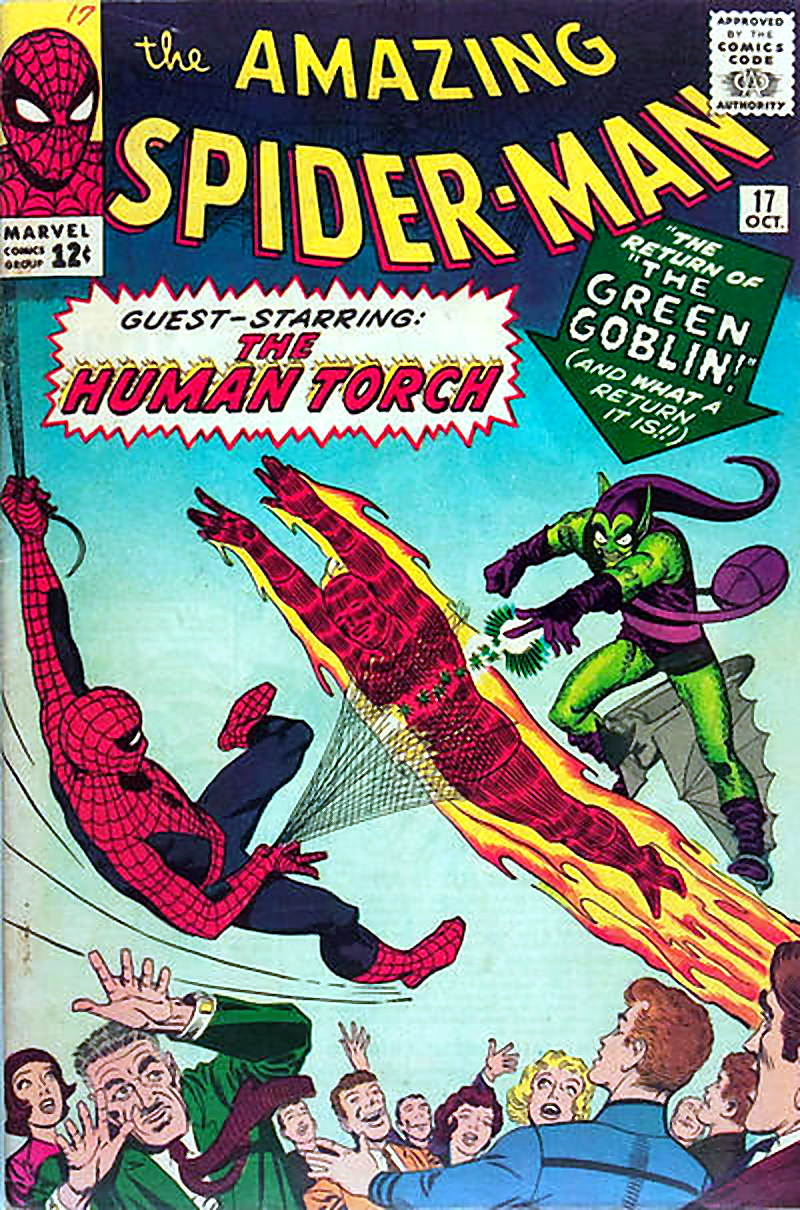
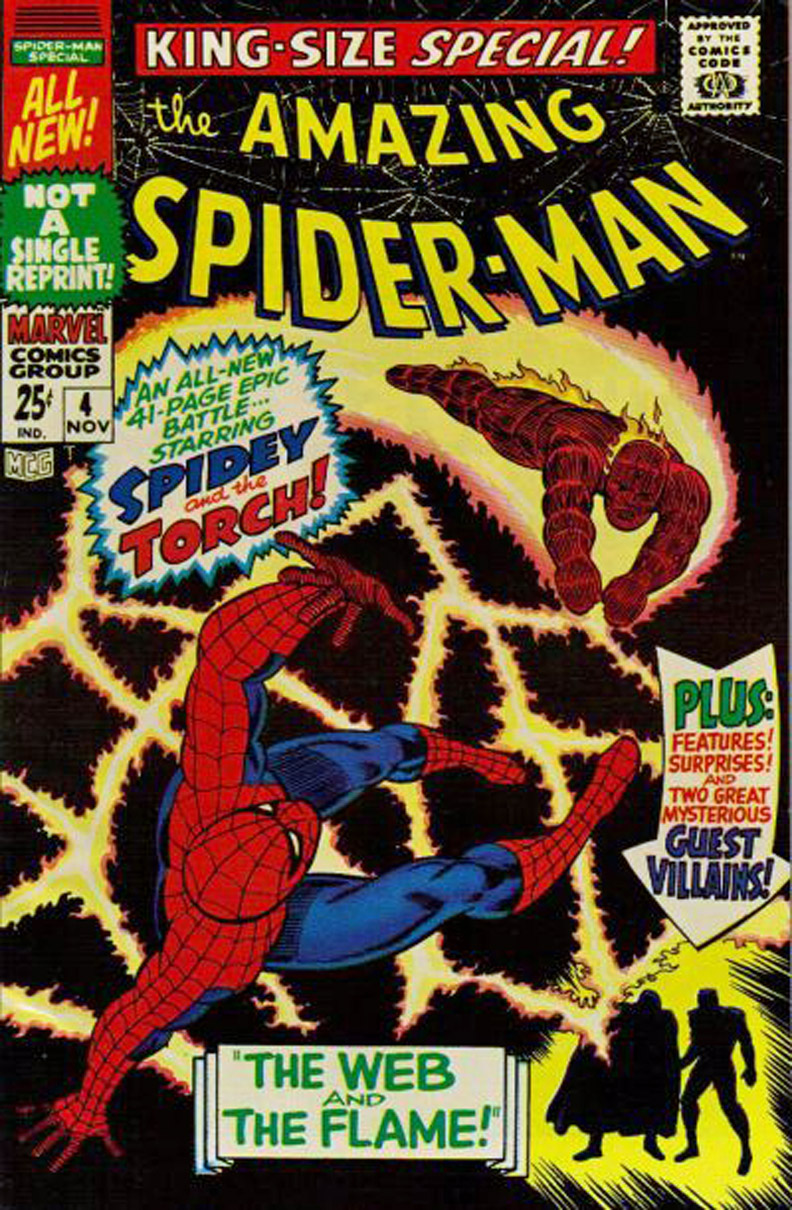
Steve Rude takes on a classic John Romita Spider-Man cover here, and gives it just enough of his own “spin” to make it interesting.

I really like it.

But… I still prefer Romita’s original. His Spidey is more prominent — and, hey, it is Spidey’s book. Torch also gets a little more room to breathe on the published cover.

Plus — nostalgia.

That said, I think Rude’s Torch pose feels more in the moment, especially reacting to Spidey’s webbing — which is fireproof now?

Handy.

Rude also has some fun with the dock setting. The crates, pylons, broken boards, and extra bits make the action feel more like an actual waterfront brawl.

But Romita still wins.

Still, I could afford the Rude reinterpretation. If the Romita ever comes up for sale, I don’t exactly have an extra $250K–$500K lying around.

Which, naturally, is a pity — although I’d probably use that kind of cash for something else.

Unless, of course, I win one of those mega-jackpots with eight figures or more.

In that case, all bets are off.

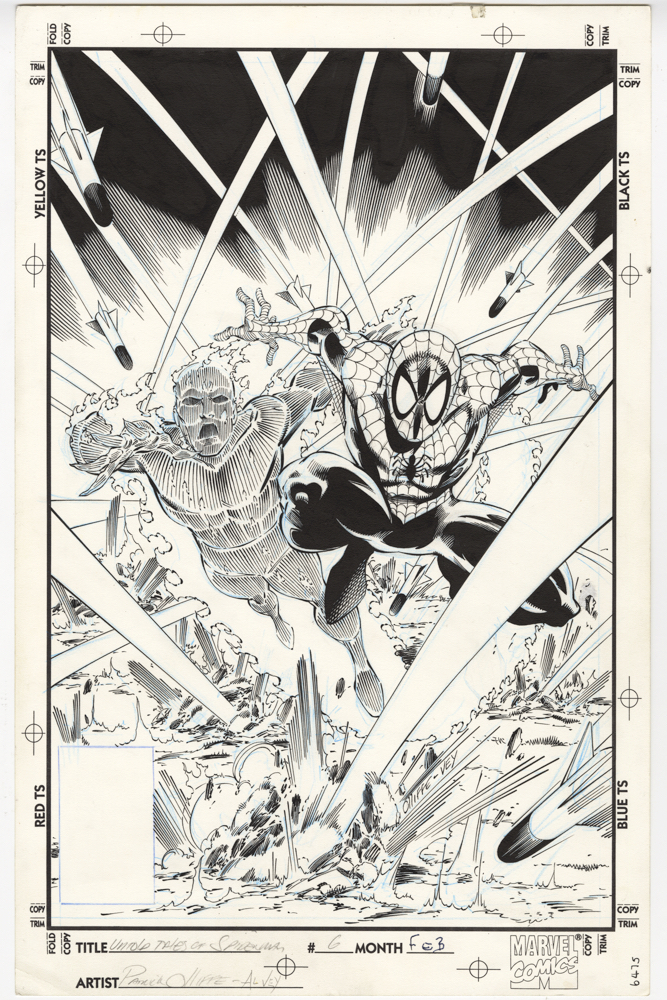
Pat Olliffe — Spider-Man’s Fireworks (Part 1)

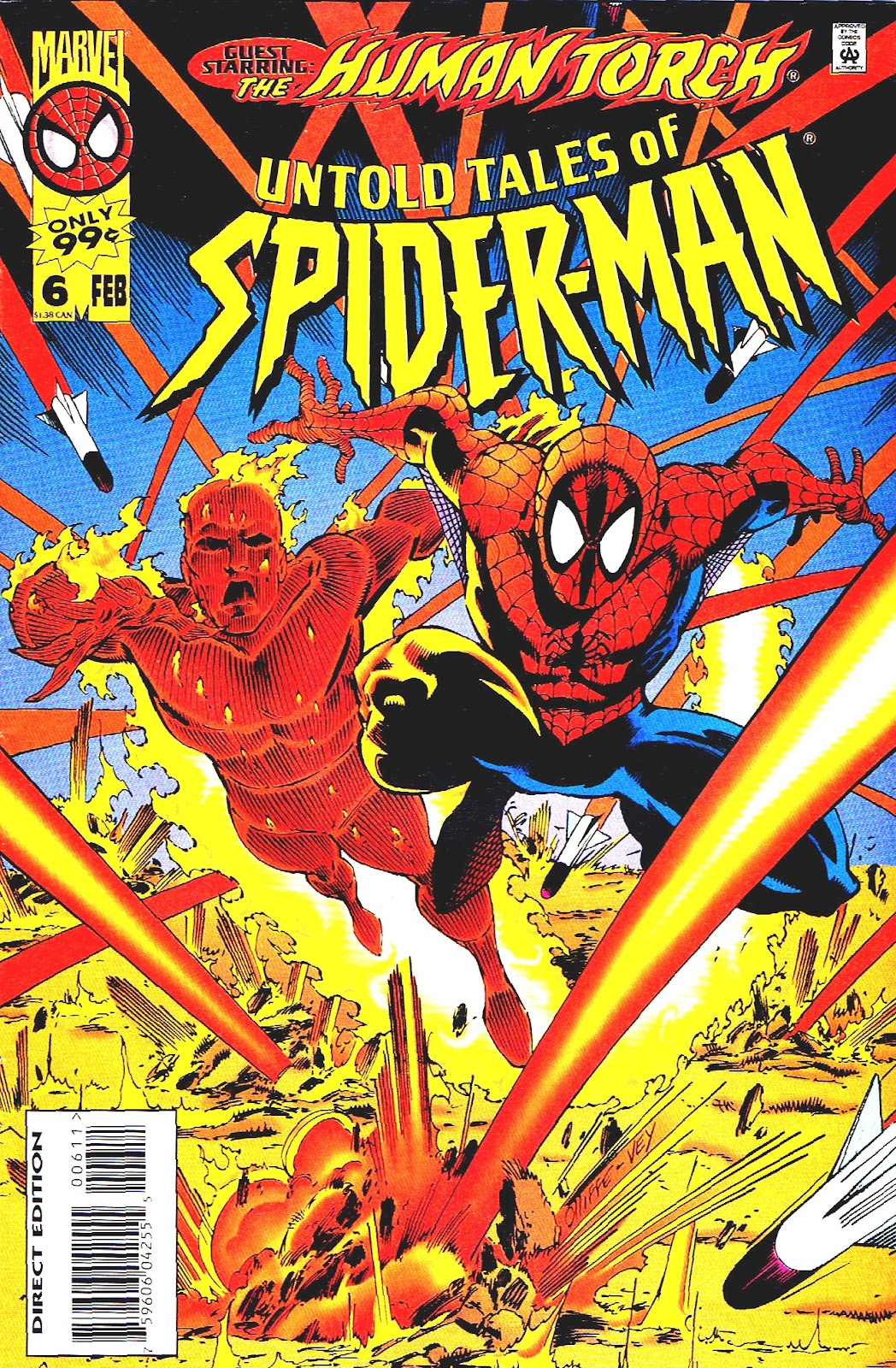
Untold Tales of Spider-Man #6, February 1996

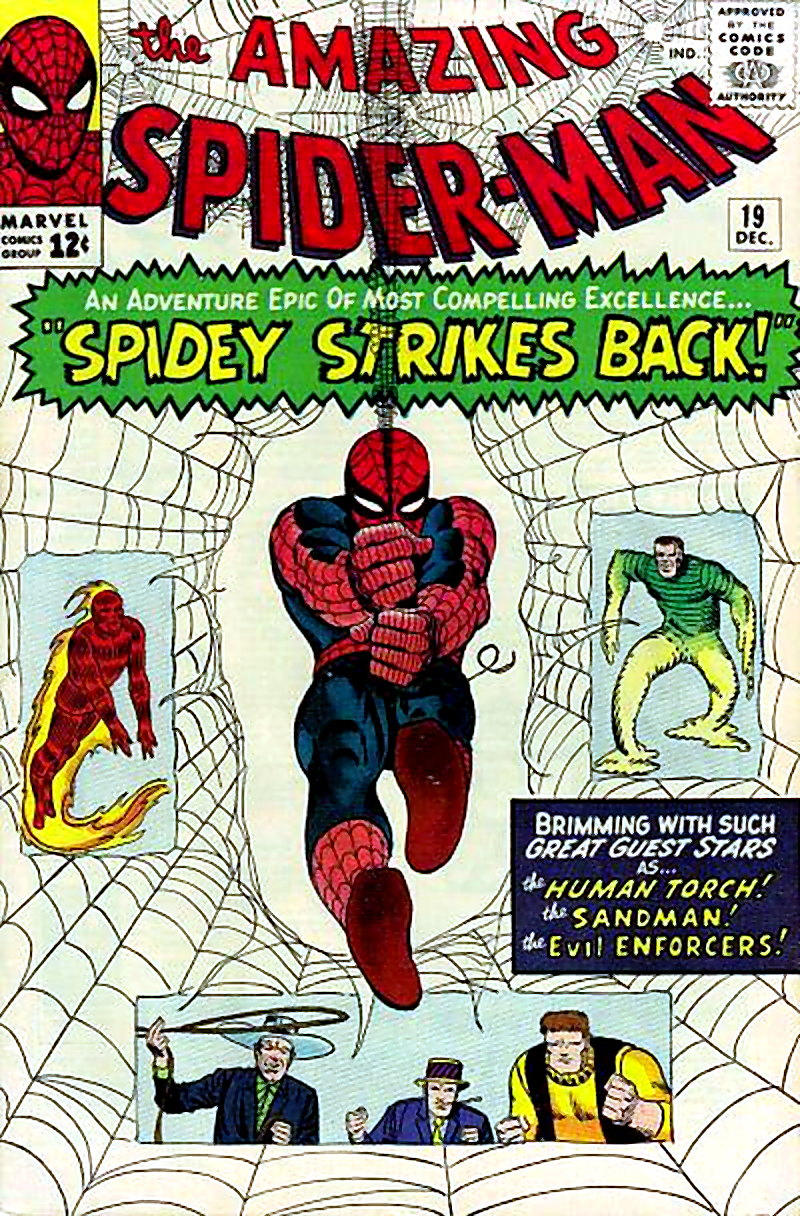
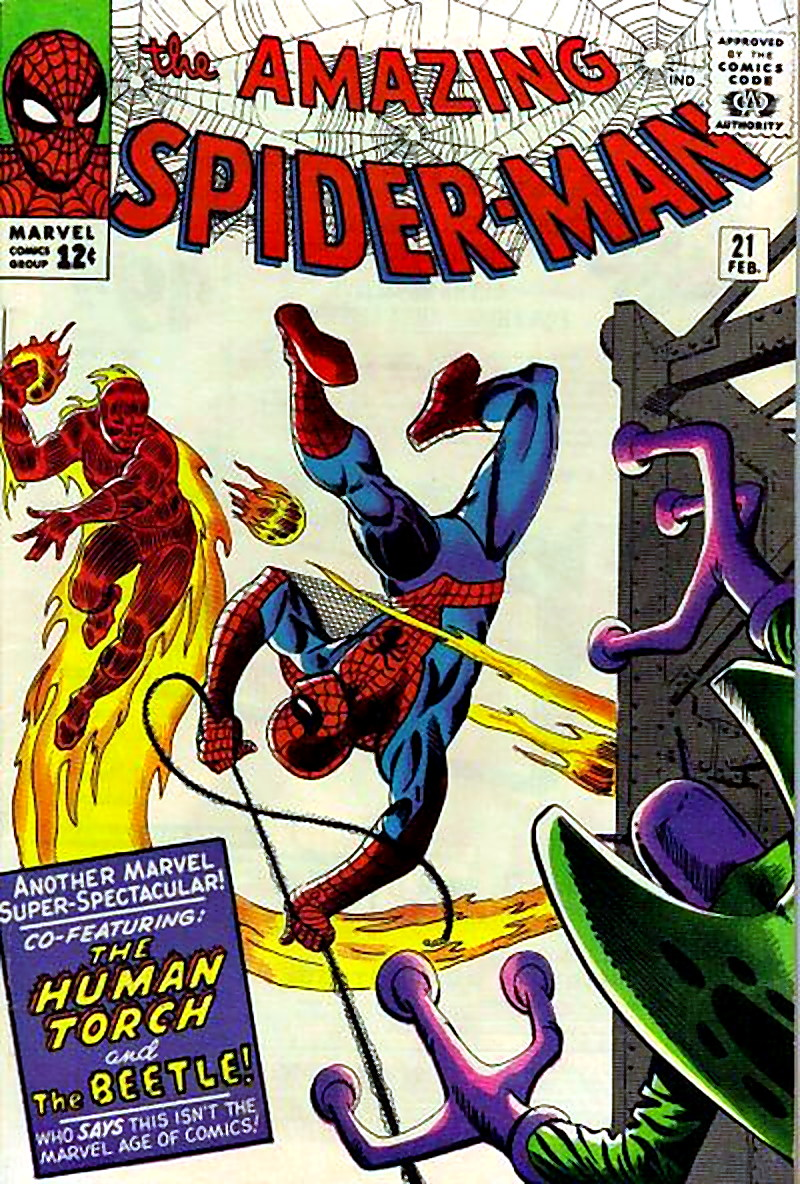
The Human Torch and Spider-Man: peanut butter and chocolate? Or oil and water?

Maybe both.

I’ve always had a soft spot for the pairing of Marvel’s two original teenage superheroes. Peter Parker and Johnny Storm should probably understand each other better than anyone else in the Marvel Universe.

Naturally, they mostly annoy the hell out of each other.

Which is why I enjoy it.

This terrific Pat Olliffe / Al Vey cover comes from Untold Tales of Spider-Man, a modern retro gem of a series that filled in the gaps between Spidey’s earliest Lee/Ditko adventures. The Kurt Busiek-penned book had the tricky job of feeling new without stepping on sacred ground, and typically it pulled it off.

This cover does the same thing.

It feels classic without being phony-retro — just a clean, punchy Marvel image with Spidey and Torch doing what they do best: racing straight into trouble.

And that’s the fun of them together. Torch is all swagger, Spidey is all wisecracks, and they’re usually over their heads before the story even has a chance to get warmed up.

Pun intended.

Fun fact: It’s a “modern” series only if you’re an old-timer. It’s about 30 years old now, which means it’s roughly as far from us as the original Ditko stories were from it.

Sigh.

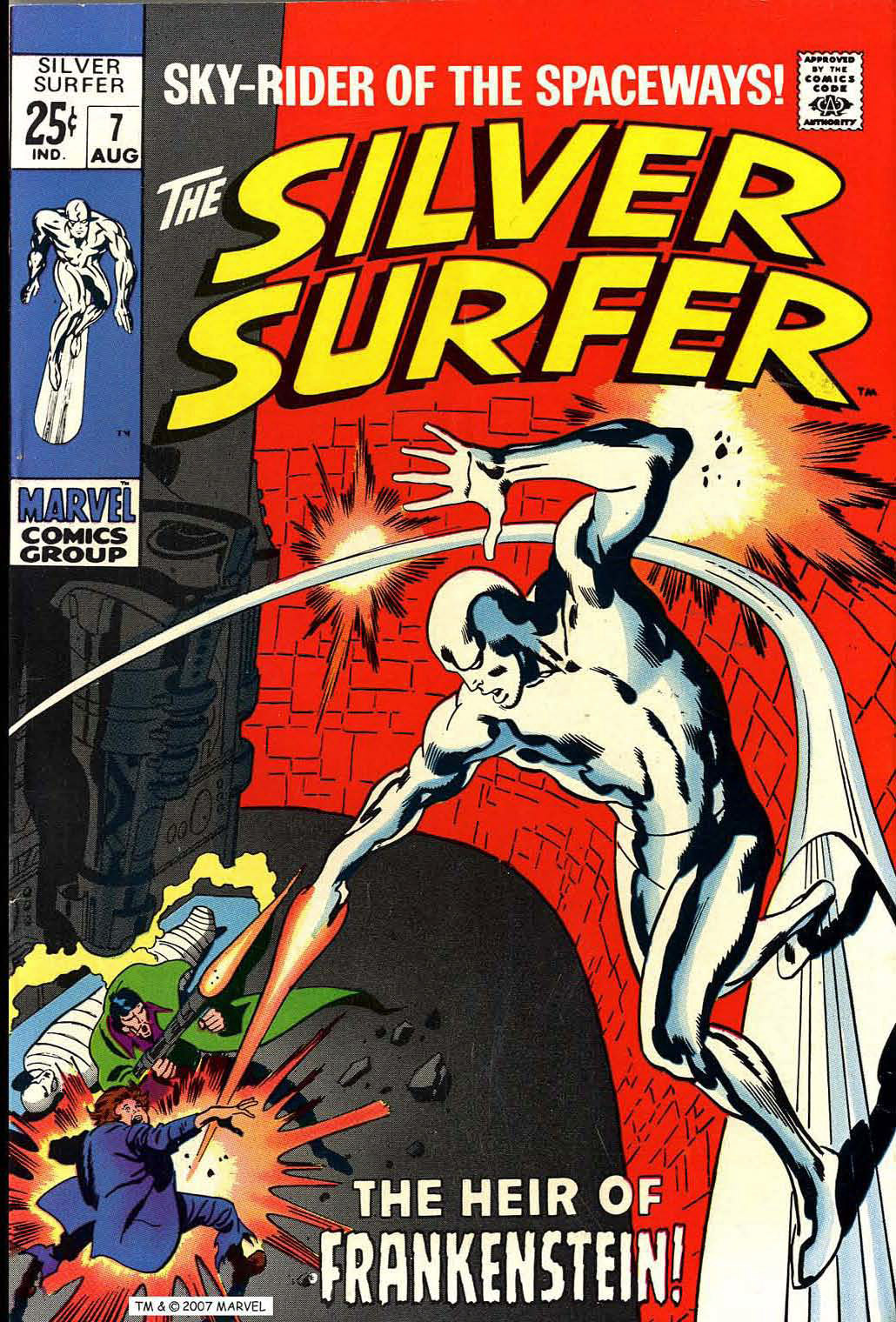
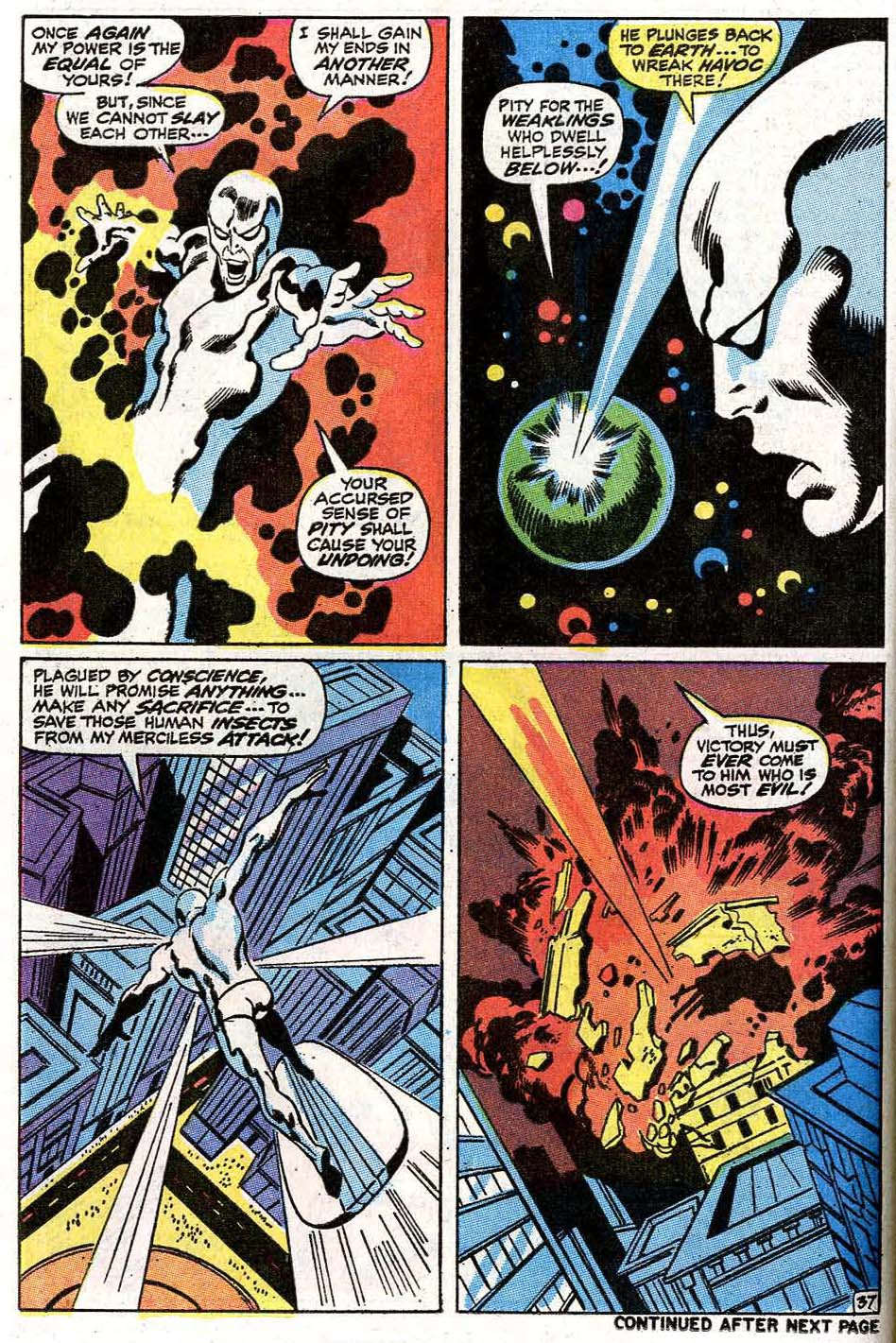
John & Sal Buscema — Soaring

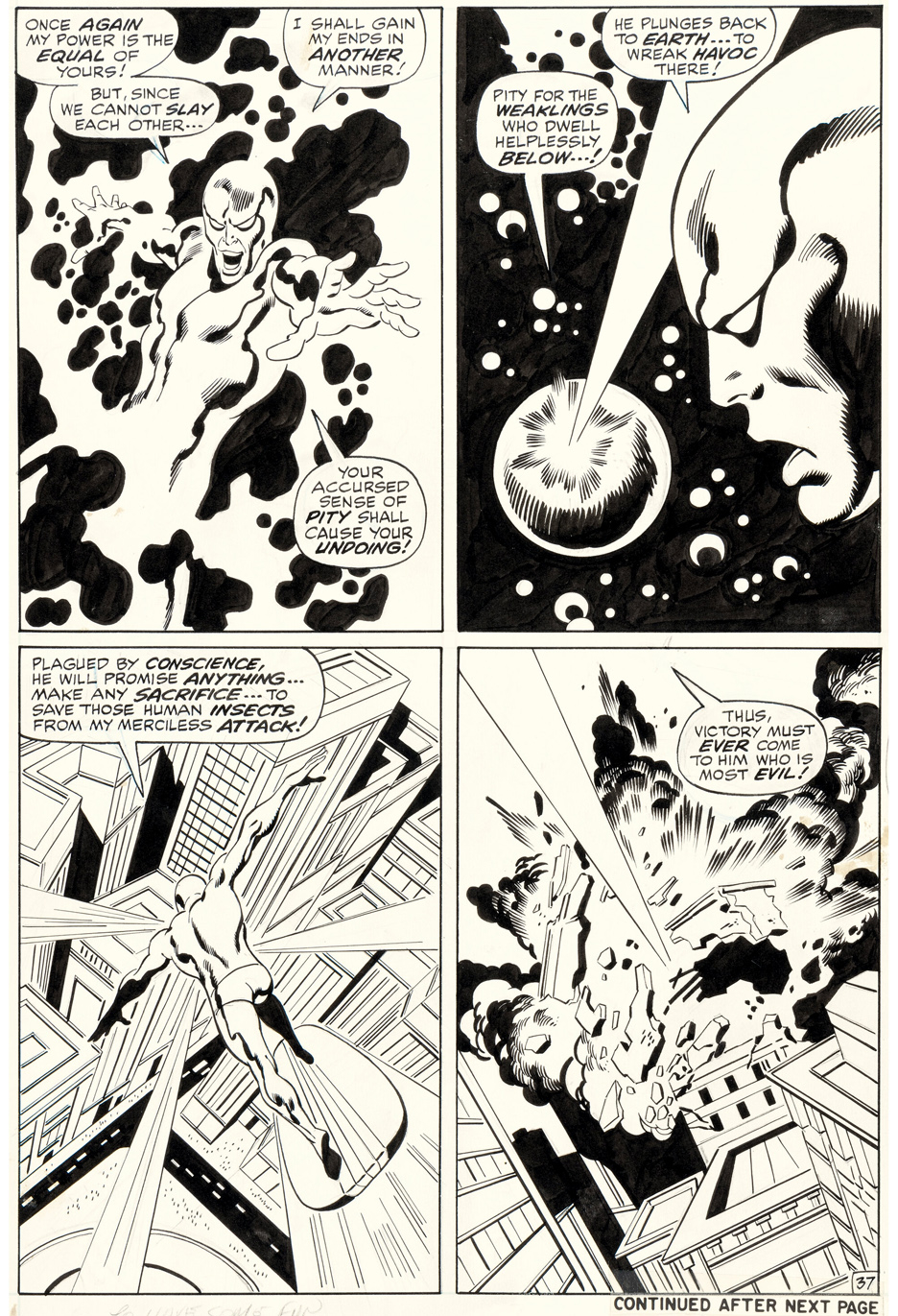
Silver Surfer #7, August 1969

In the 1995 film Crimson Tide, there’s a loud argument between two sailors that escalates into a fight—written by Quentin Tarantino—about whether Jack Kirby’s Silver Surfer is better than Moebius’s.

It’s kind of a ludicrous debate. Not just heated—ludicrous. Because in the real world, no one ever really had that argument.

Moebius—brilliant as he was—did one relatively small graphic novel featuring the Surfer. It’s beautiful. No question. But is it influential enough to spark a barroom brawl? Probably not.

Now, a real debate? Kirby vs. John Buscema.

Buscema gave us 17 unforgettable issues of the Surfer’s original solo series. That’s a body of work you can actually argue about.

I’m not picking sides—I like both for different reasons. But here’s something that’s not up for debate:

John’s version, inked by his brother Sal Buscema, featuring the Surfer and his evil doppelgänger?

That’s pretty close to perfection.

And the Moebius reference? I still don’t quite get it.

Maybe “Buscema” was just harder to pronounce. 

Or maybe the French cinema market would appreciate the reference.

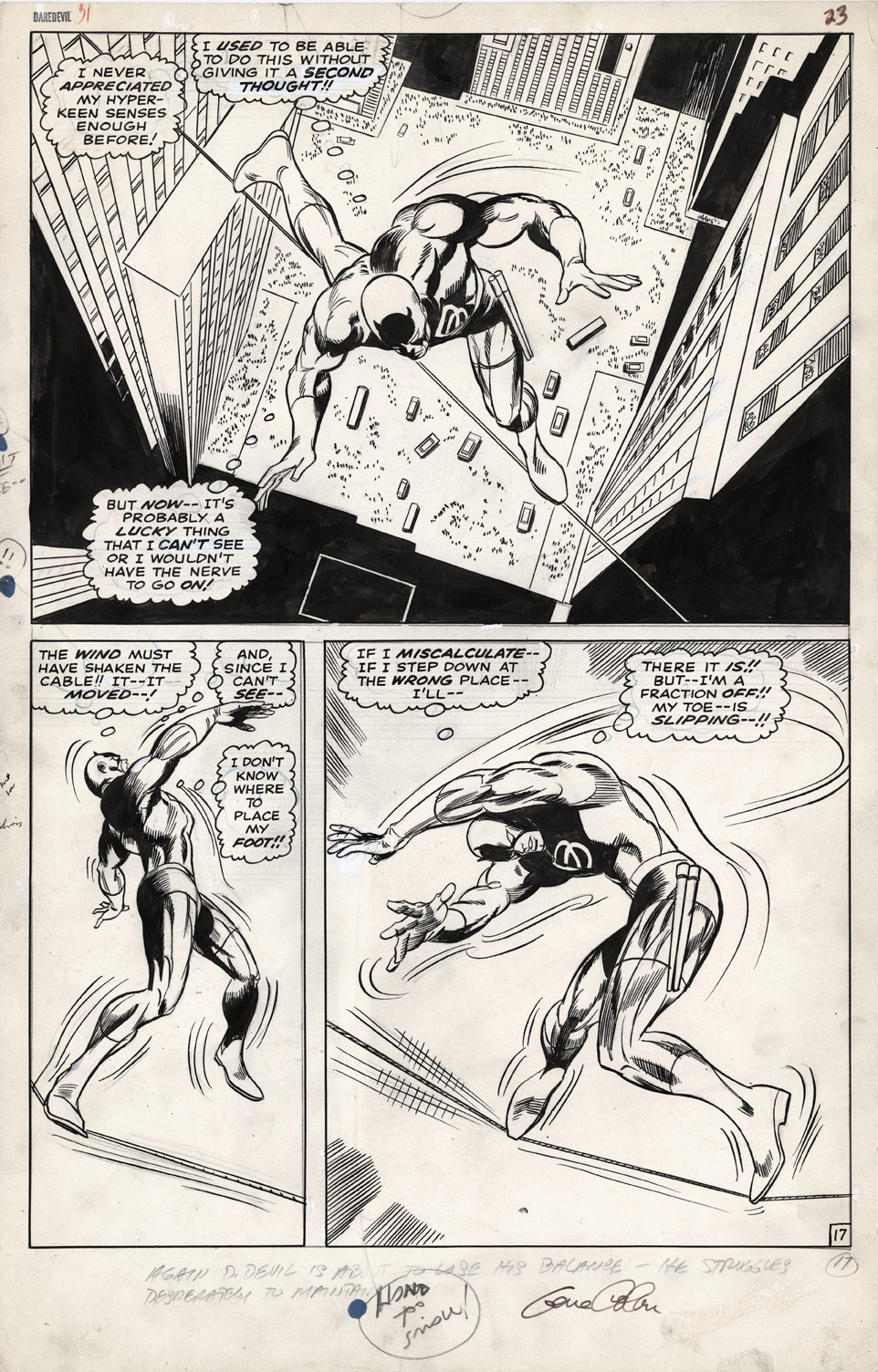
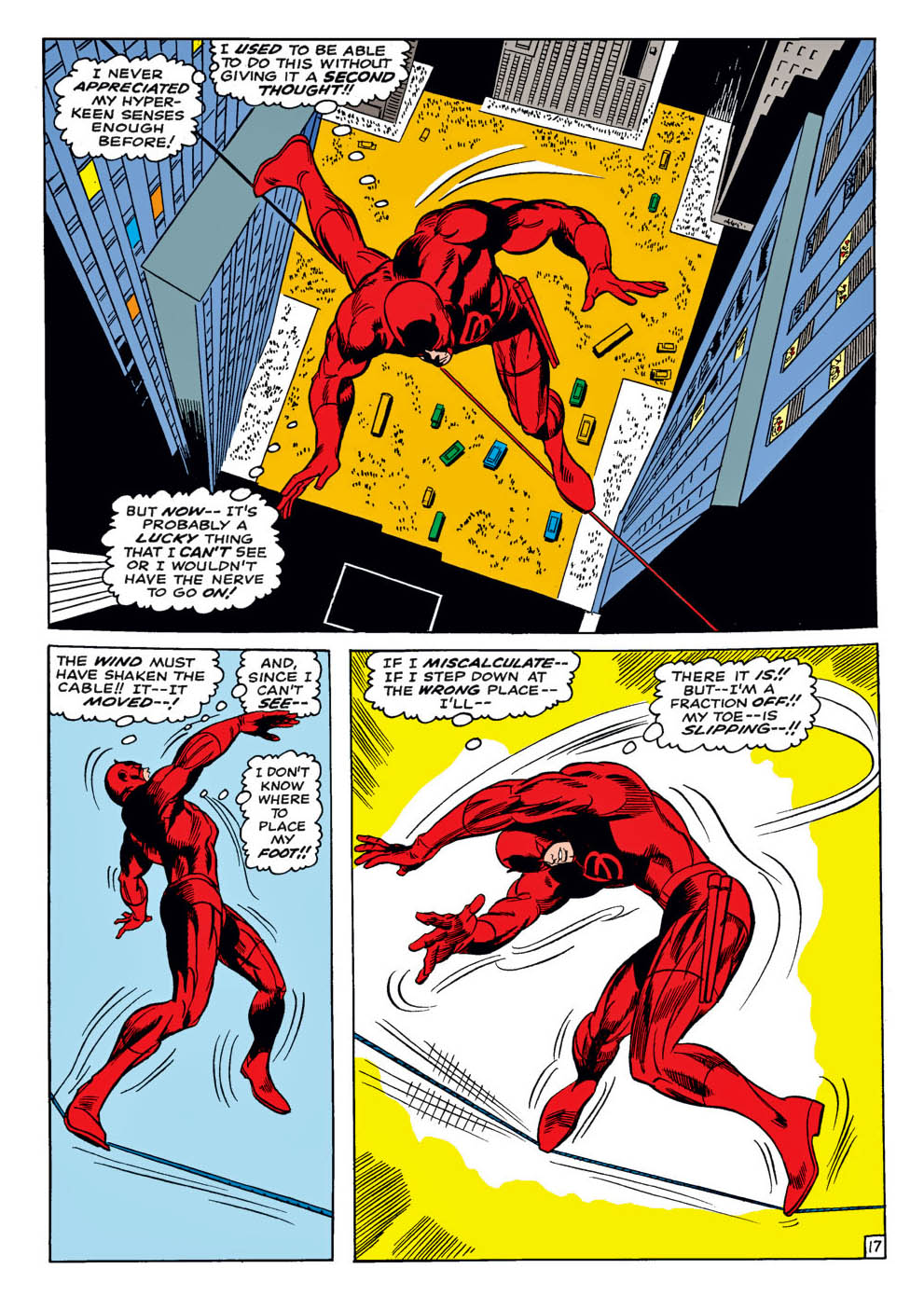
Gene Colan — I’m up on a tight wire…

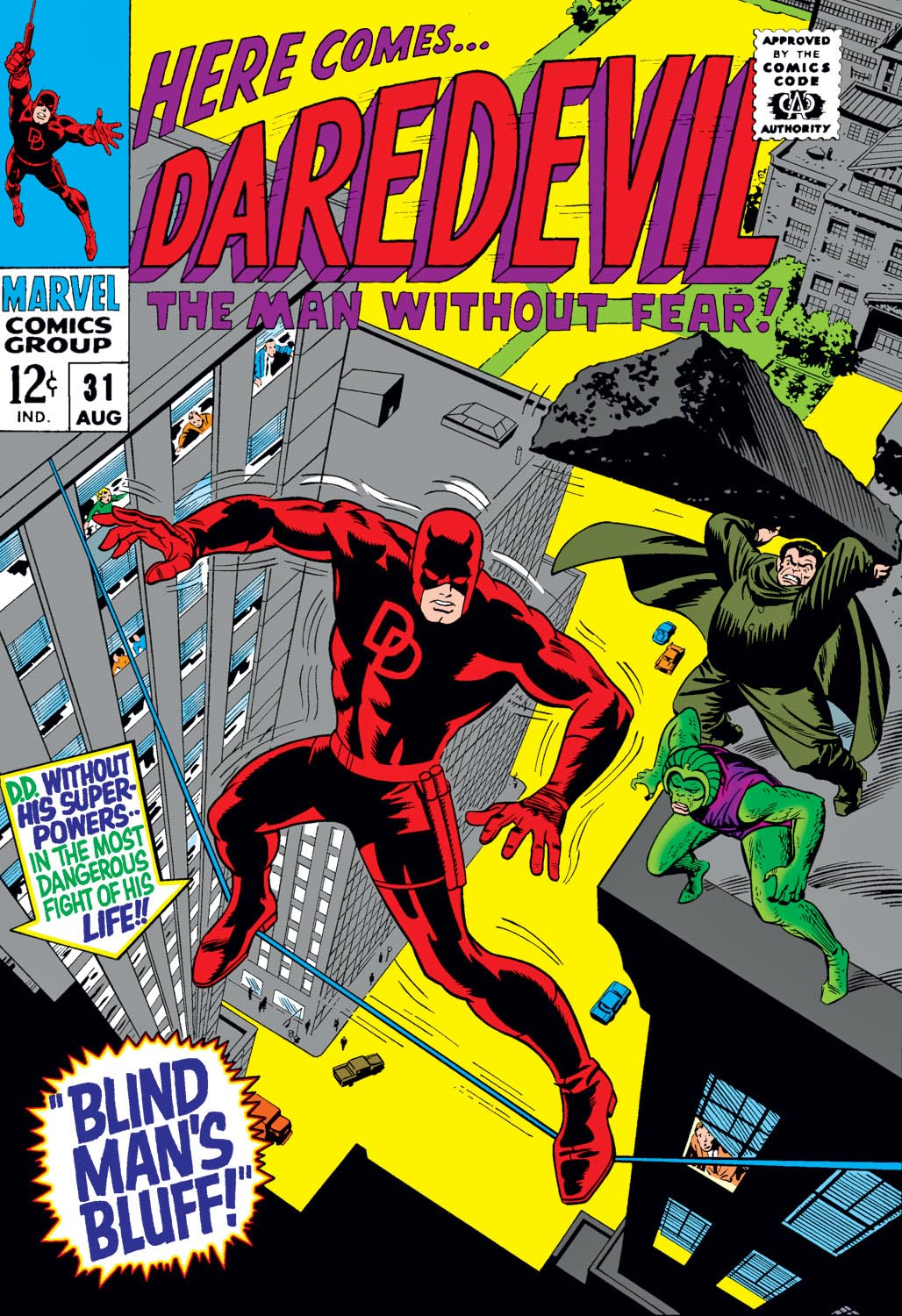
Daredevil #31, August 1967

Fun facts about this great Daredevil half-splash from Gene Colan:

• This is one of the earliest issues (#31) of Daredevil I remember pulling off the rack as a kid. Before this, I can only clearly recall issues #27 and #30, plus Annual #1—which came out around the same time. Marvel had so few superhero books in spring/summer ’67 that you could realistically sample just about everything and figure out what clicked…and what didn’t.

• One thing I did figure out: I didn’t always love Daredevil (face it—some of those villains were rough… Leap-Frog?), but I absolutely latched onto Gene Colan’s art—both here and in Iron Man. That style just hit different, and I dug it.

Later on, I realized that wasn’t exactly a universal opinion. In a world dominated by Kirby, Romita, and the Marvel house style, Colan’s moody, off-kilter approach wasn’t for everyone.

Me? I couldn’t get enough of it—the wild poses, the strange angles, the sense that anything could happen panel to panel… even if you couldn’t always swear you knew what was happening.

I managed to acquire a Colan Daredevil half-splash and an Iron Man one (future post) within a few months of each other. Painful at the time, price-wise—but also pretty lucky in hindsight.

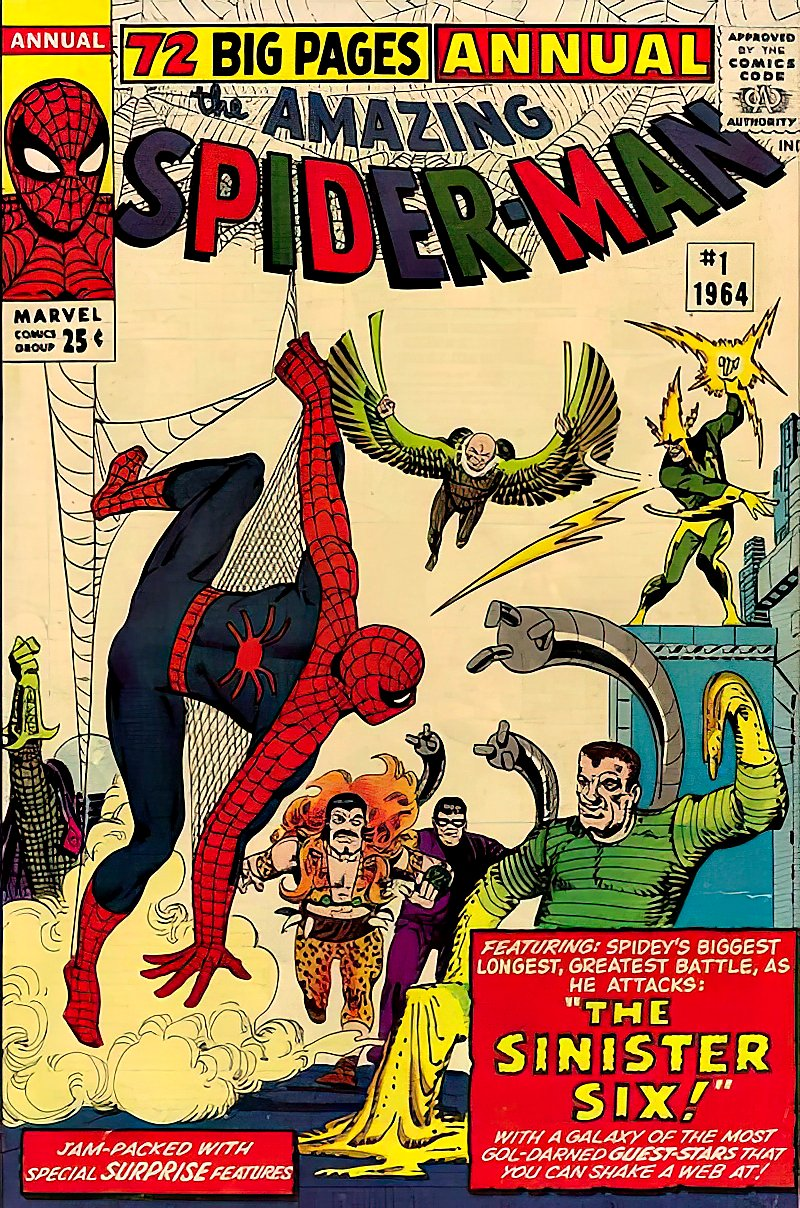
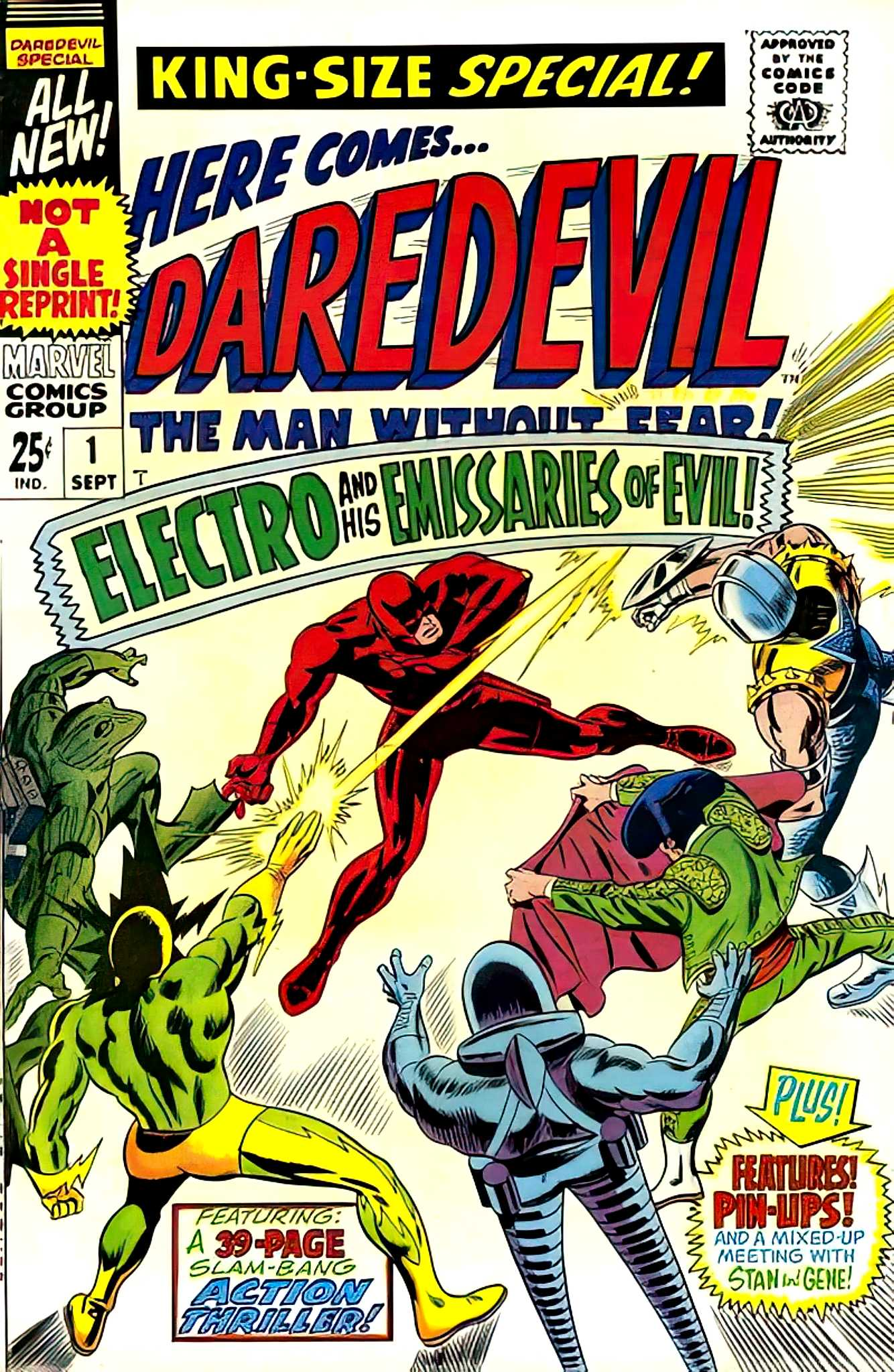
• Bonus realization: I was today years old when I noticed Electro was both a charter member of the “Sinister Six” (Spider-Man Annual #1) and leader of the “Emissaries of Evil” (Daredevil Annual #1). Guy clearly had a passion for group projects.

Or was a glutton for punishment.

Or both.

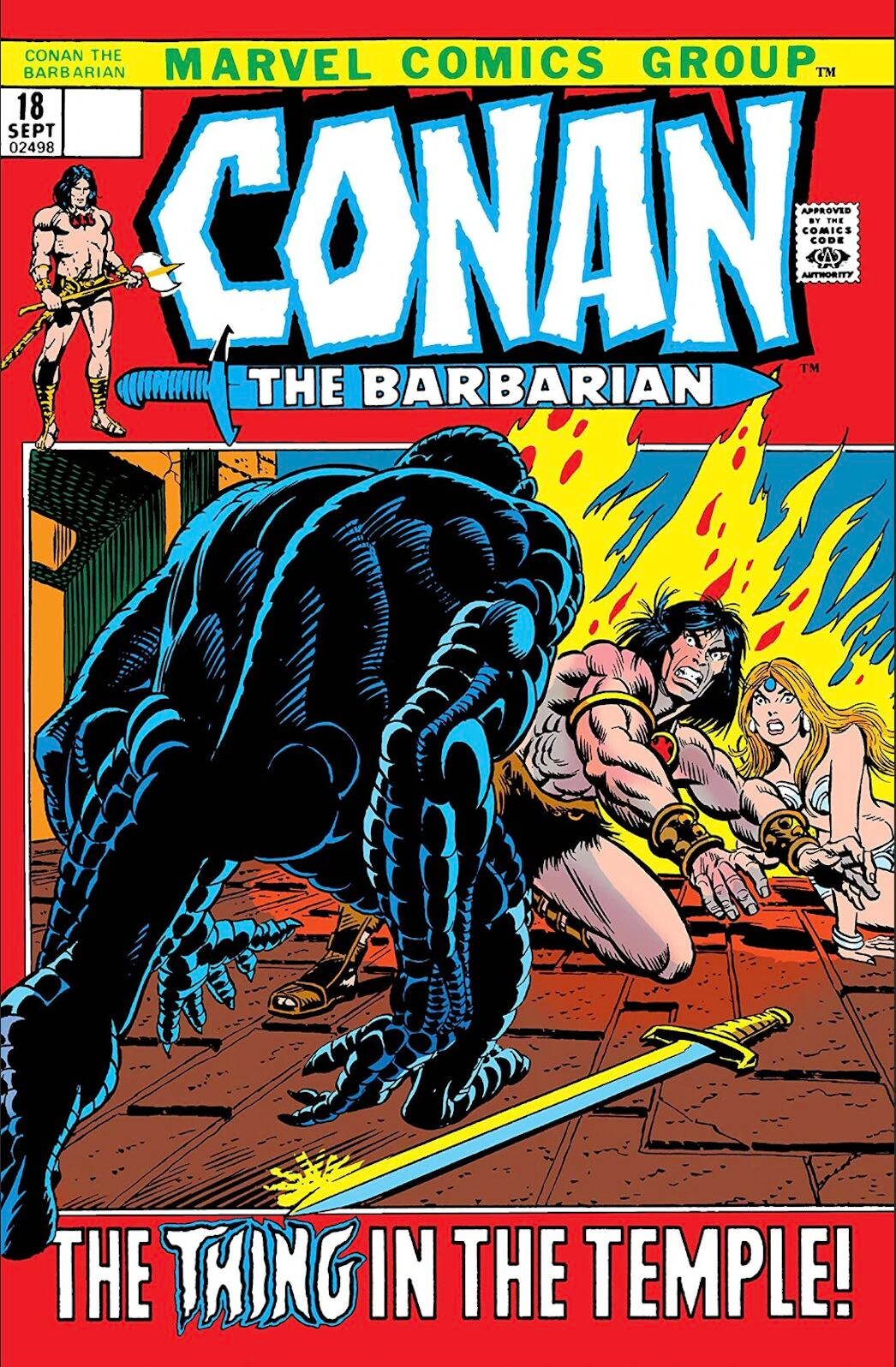
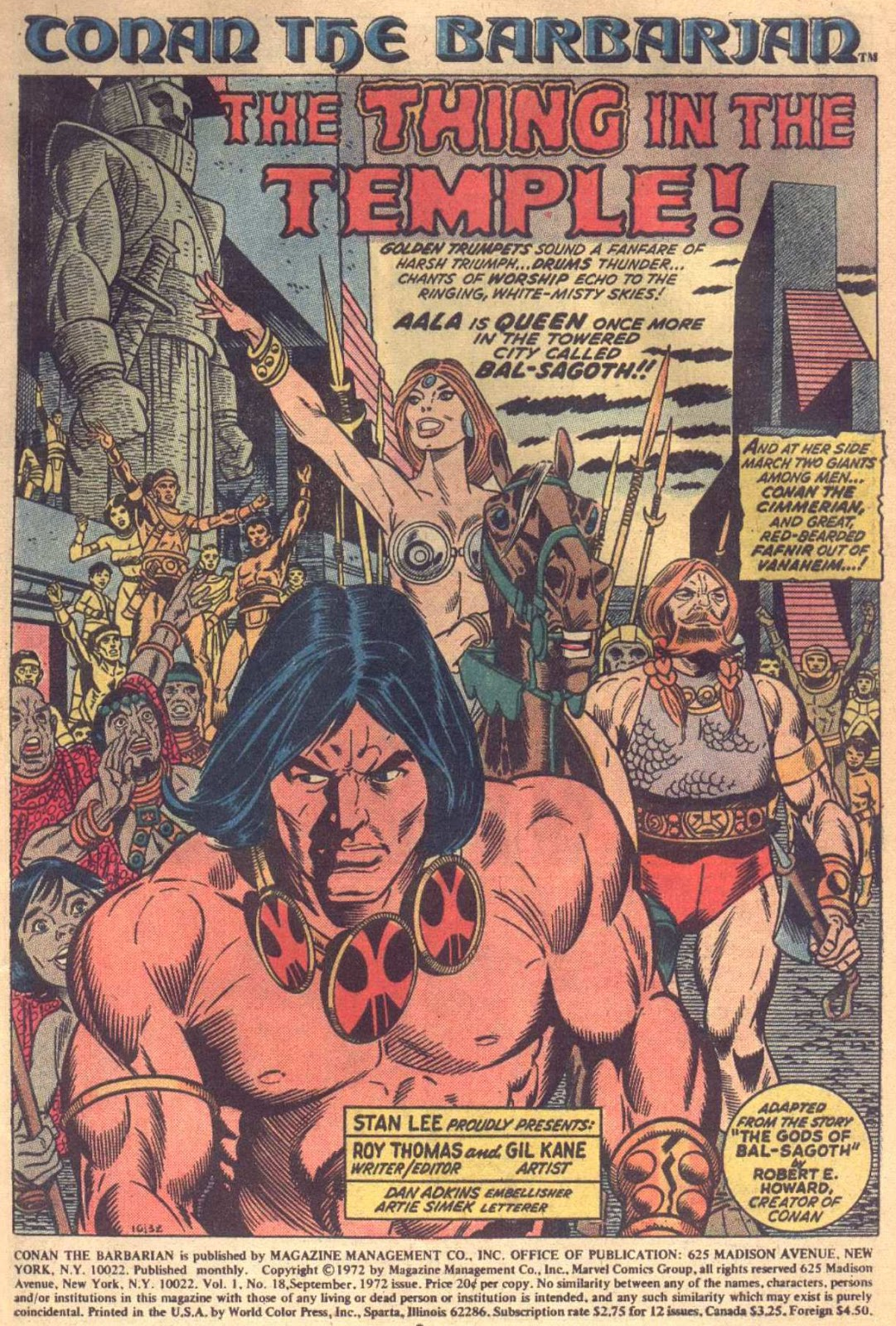
Gil Kane — Conan The Triumphant

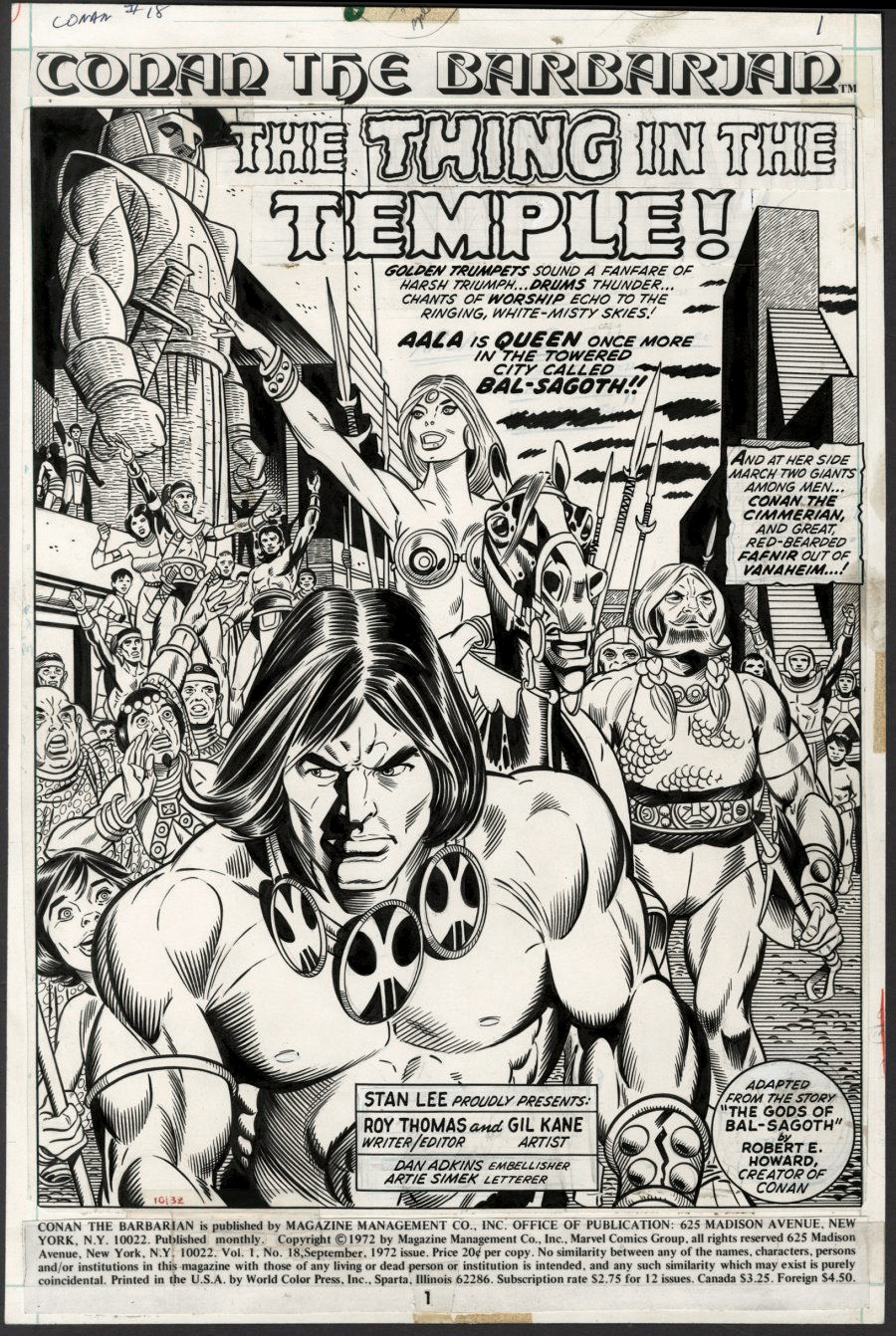
Conan #18, September 1972

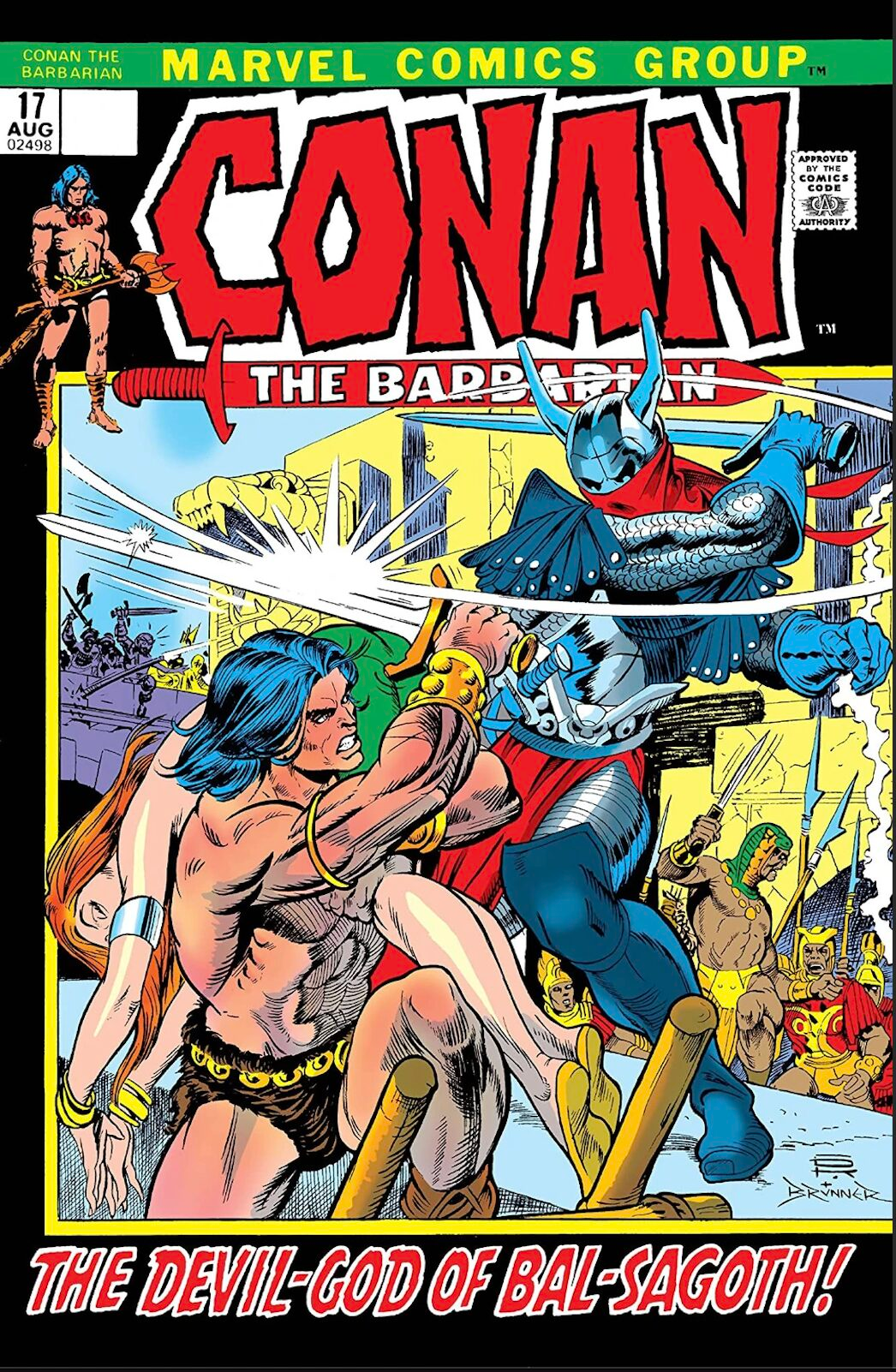
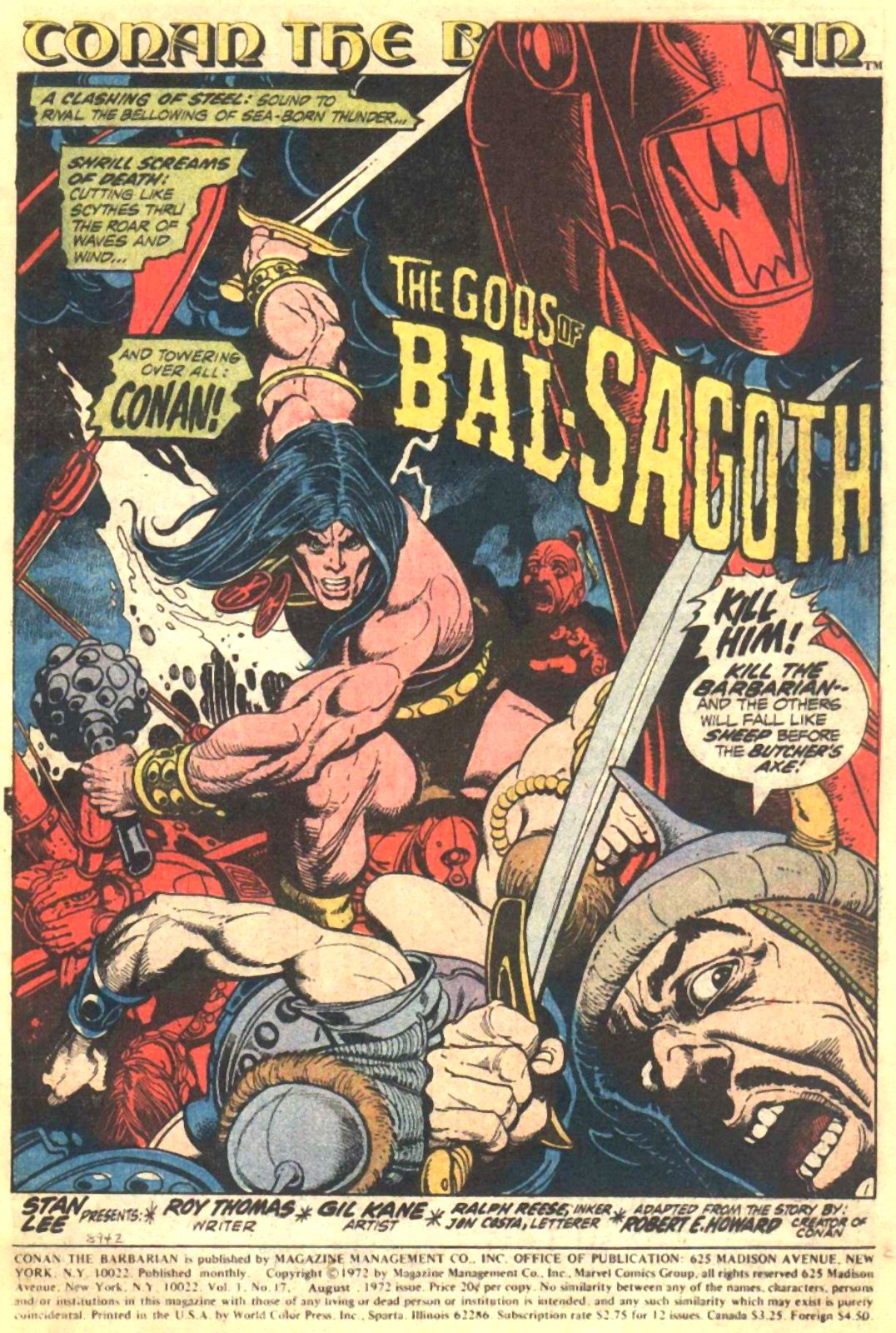
I’m guessing that if Roy Thomas had a mulligan, he might swap the opening art direction of Conan #17 and #18.

Conan the Barbarian #17 opens with a wild Gil Kane action splash — pure velocity. Limbs and weapons whipping across the page. Classic Kane. I’d frame it in a second.

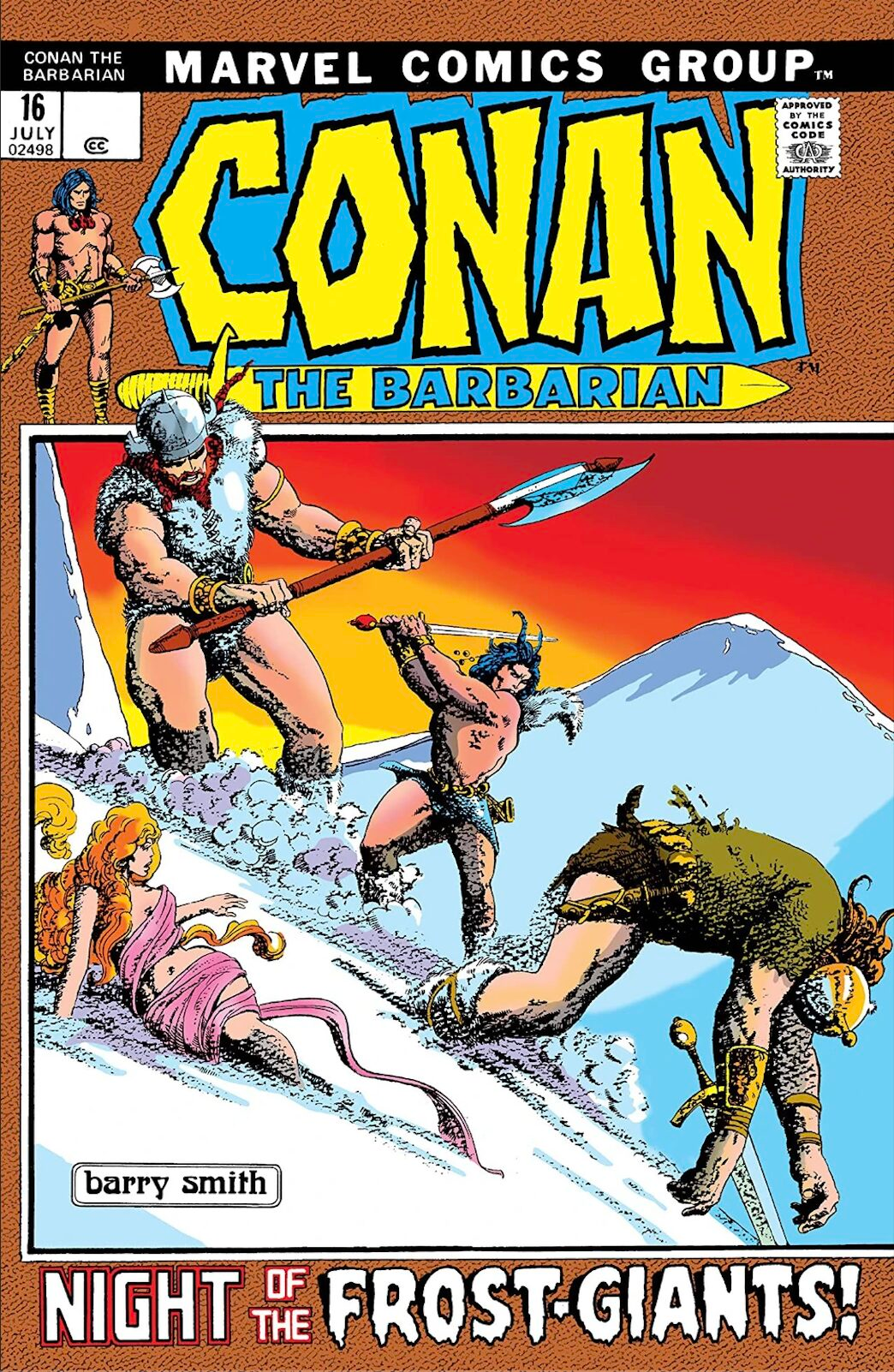
But coming straight off sixteen issues of Barry Windsor-Smith — all that delicacy and atmosphere— it’s an abrupt shift. Not wrong. Just abrupt. (Especially after #16’s beautiful “Frost Giant’s Daughter.”)

The splash in #18 lands softer, more transitional. Kane pulls back: more ceremony, more posture, more air. The composition settles instead of punches.

Dan Adkins helps. Having inked both Smith and Kane, he gets the difference — and keeps the line refined enough that the book doesn’t feel like it wandered into another genre.

Seventeen announces the change. Loudly.
Eighteen eases you in.

Flip the order and the handoff might’ve felt less jarring.

Don’t get me wrong — I love plenty of Gil’s work. Still, I was relieved when Barry came back for a short stretch before bowing out for good.

Erik Larsen, Paul Ryan & Al Milgrom — Fantastic Encore

Fantastic Four: World’s Greatest Comics Magazine #2, March 2001

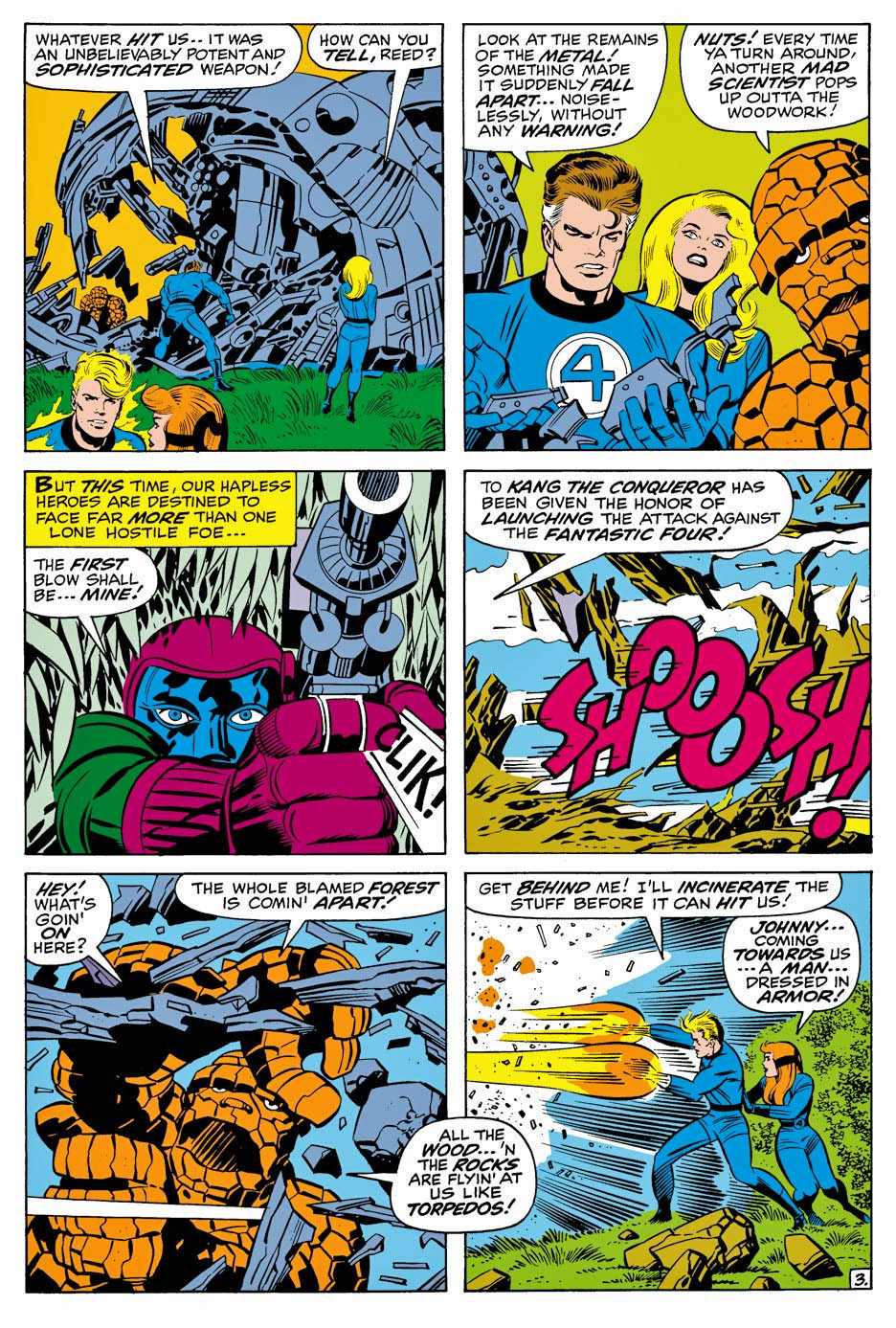
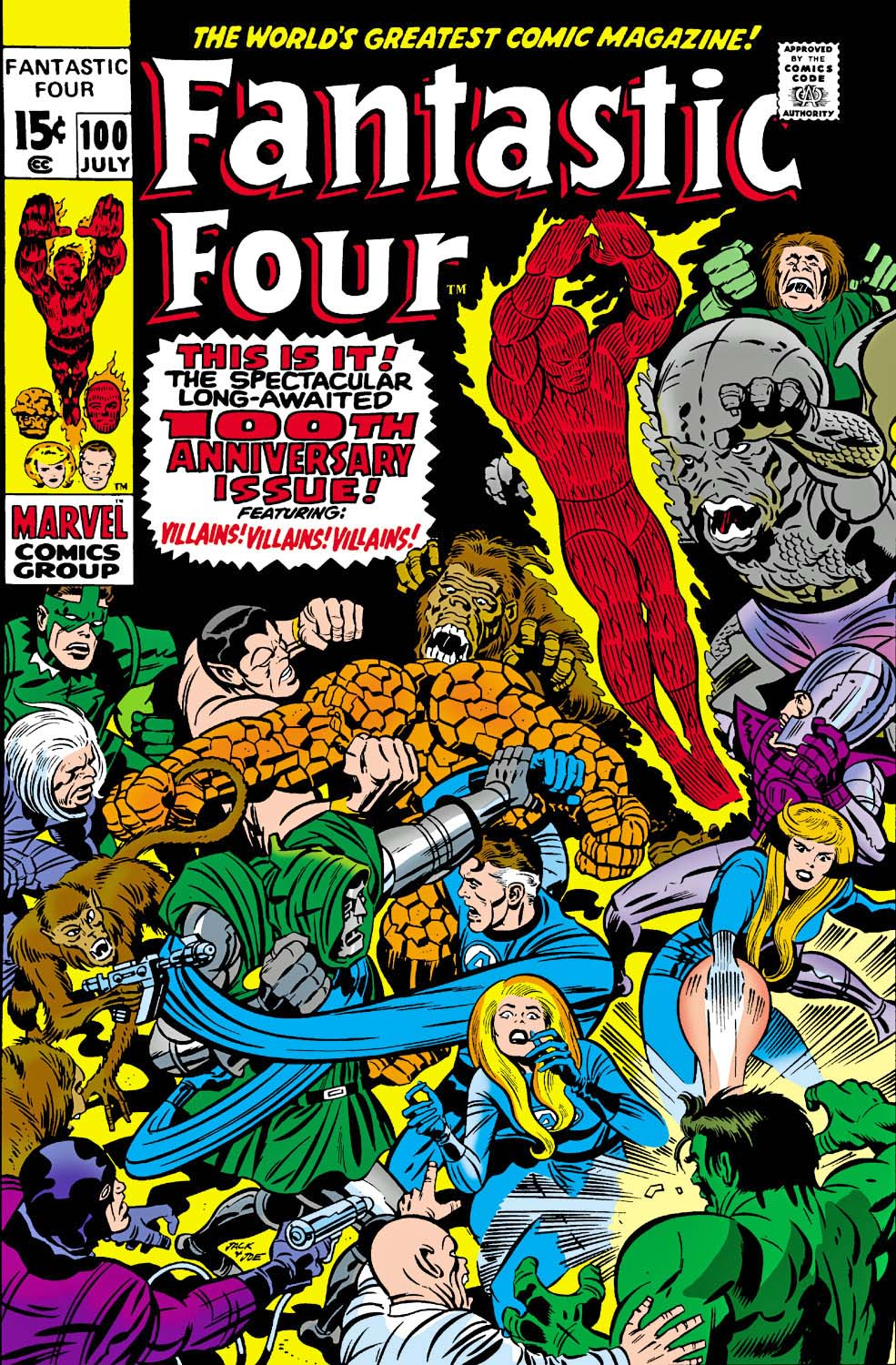
Fantastic Four: World’s Greatest Comics Magazine isn’t like a sequel to Lee and Kirby’s original run—it is one. Same premise, same mission: pick up the world’s greatest comic right after issue #100 and keep the engine humming.

This mini-series exists because a generation of creators grew up fluent in Kirby’s visual language and wanted to continue it, not reinterpret it. No grim updating. No clever winks. Just more Fantastic Four.

This page nails that idea perfectly. Erik Larsen provides the layouts, setting up classic, confident storytelling. Paul Ryan delivers clean, readable draftsmanship. Al Milgrom locks it all together with classic Marvel authority. You get the full team, Crystal, and Namor battling the Sentry—all in one terrific page of original art.

Across the series, the creative roster reads like a roll call of die-hard Kirby believers. Other contributors included Bruce TimmRon FrenzKeith Giffen, and Rick Veitch—artists who didn’t just admire Kirby, they revered him and understood what made the Fantastic Four tick.

What makes World’s Greatest Comics Magazine special is its confidence. It doesn’t explain itself. It assumes the Fantastic Four never stopped being the future. In that sense, it isn’t nostalgia—it’s continuity of imagination. And that’s about as Fantastic Four as it gets.

Gene Colan & Joe Sinnott— The “Superior” Captain America

Captain America #118, October 1969

This page from Captain America #118 is Gene Colan doing exactly what Gene Colan did best. From the first panel, Cap isn’t just moving—he’s practically sliding across the page like someone leaned on the fast-forward button. Colan drew superheroes like actors caught mid-scene, all shifting weight and fluid motion.

And that crowd! That outstretched arm is peak Colan—bold, intrusive, unapologetically cinematic. It shoves you right into the scene. It feels like a real city having a very weird day.

Then come those deep, moody shadows he loved so much. He could drop a black shape over half a figure and somehow make it more expressive, not less.

Colan never cared about matching the “house style,” and he certainly didn’t draw superheroes who looked like they’d just ironed their costumes. Shadows, posture, movement—those were his tools. You either vibed with it or you didn’t. I loved it. Some of my friends… not so much. (Especially when some of his other inkers couldn’t quite figure out what Gene was doing… or why.)
But even the skeptics had to admit — nobody, before or since, has drawn comics quite like Gene Colan.

Why is Cap running from the crowded thinking vindictive thoughts? I’m glad you asked. Because, thanks to the cosmic cube, the Red Skull has taken control of Cap, and things are about to take a turn…

Steve Ditko — Beware The Creeper (& DC’s Publishing Strategy)
Beware The Creeper #3, October 1968

Here’s a great Beware The Creeper page from issue #3. The Creeper (Jack Ryder) in every panel with classic Steve Ditko action and composition.

The Creeper was Ditko’s first superhero work for DC— just ahead of Hawk and Dove —and even as a kid, I recognized its offbeat genius. I had already admired Ditko’s talents from the Spider-Man reprints in Marvel Tales, and also in his Charlton work on Captain Atom, Blue Beetle, and The Question. 

But this quirky title definitely found a sweet spot for me.

In the late 60s, DC didn’t stick with any title that didn’t find an immediate audience — so naturally, it only lasted six issues. 

Sigh. 

Funny thing about this specific art page: If I recall correctly, I almost owned it about a dozen years ago in a purchase/trade that went south at the last minute.

Second time is a charm, I guess. Better late than never. (Two cliches for the price of one!)

As for DC’s publishing strategy:

I’m sure someone has compiled a comprehensive list of all the titles that DC launched in the late 1960s and early 70s and lasted less than a dozen issues.

Without thinking too hard, I came up with these:

The Spectre; Secret Six; Inferior 5; Anthro; Brother Power The Geek; Plastic Man; Hawk and Dove and Angel and The Ape.  (Not to mention Jacky Kirby’s New Gods and Forever People, et al.) And, if you include licensed books, add in Captain Action and Hot Wheels.

That was a lot of work for few, if any, meaningful results.

Good thing the Superman and Batman titles were money machines.