Greg Goldstein's Comic Art Gallery

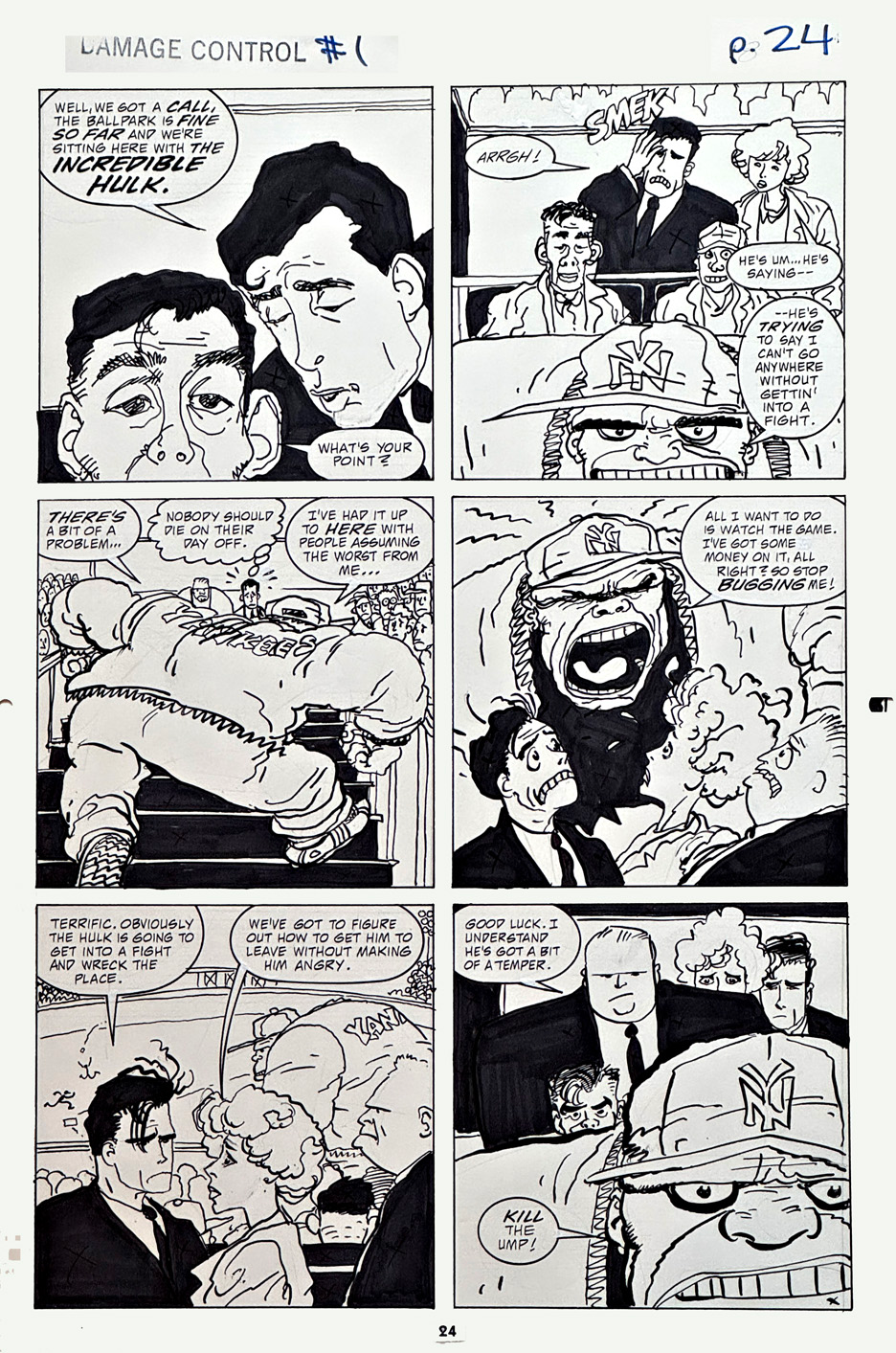
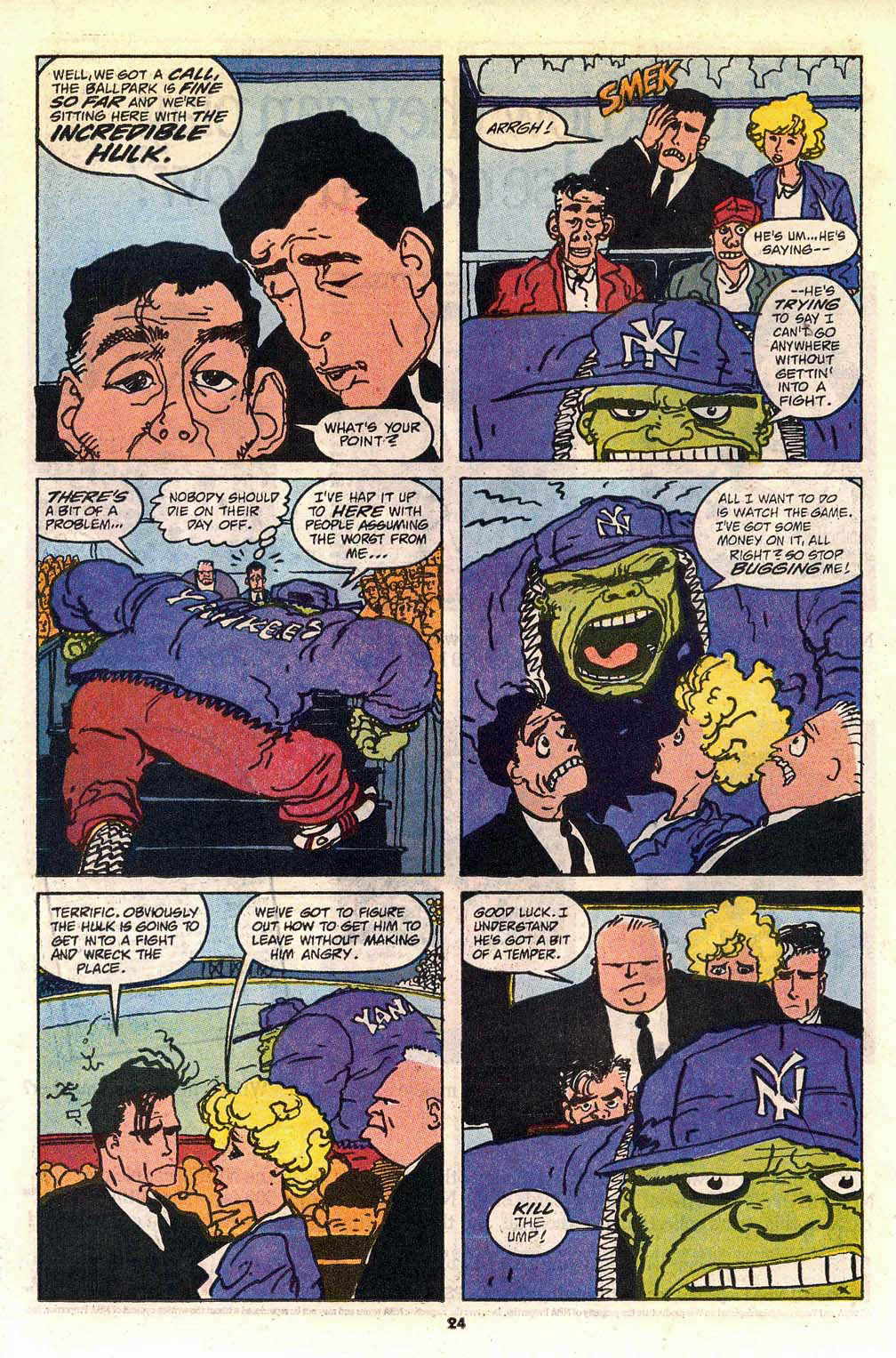
Kyle Baker — Take Hulk Out OF The Ballgame

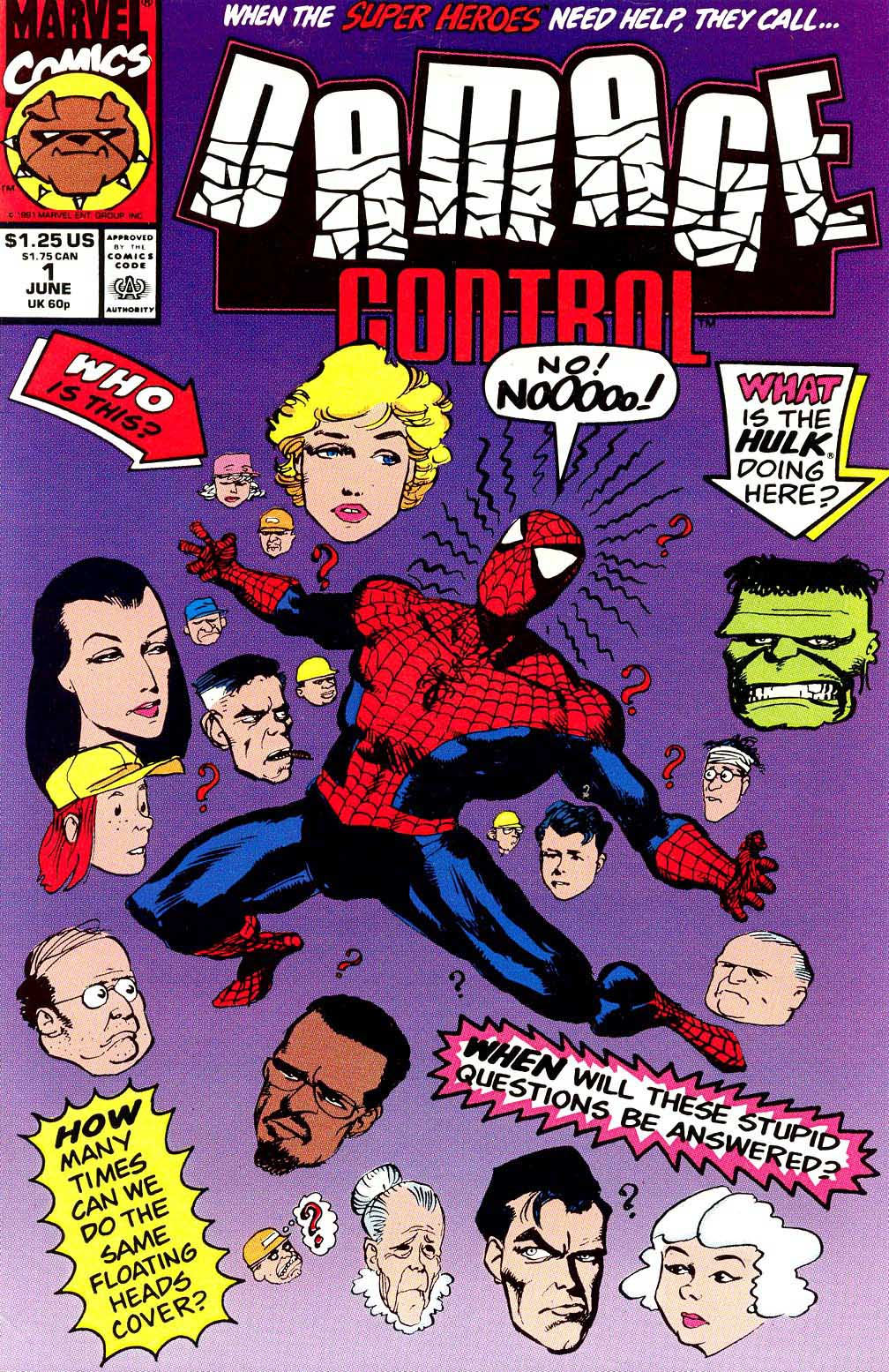
Damage Control III, #1, June 1991

Damage Control is such a fun high concept; Someone needs to clean up after a big hero and villain melee lays waste to parts of a city. Why not a murky government agency with an apparently unlimited budget? The idea so good in fact, that it’s been well incorporated into the MCU, albeit with some changes along the away. 

Kyle Baker drew (pencils and inks) the final mini-series of the original three, and his art style was a perfect fit for the quirky, humorous nature of the stories.

And the things you learn from comics: Turns out the Incredible Hulk is a Yankees fan.

The Yankees should sign him up. He’s probably the only one who could consistently give Shohei Ohtani a run for his money as the most extraordinarily dominant player in the Major Leagues.

Then again, maybe not. For all we know, Otani is a mutant. Or an alien. He’s definitely other-worldly.

Fun fact: About 25 years ago, just as realistic “destructible environments” became reality in videogames, TQ Jefferson and I passionately tried to convince our colleagues at Activision that Damage Control would be a perfectly fun way to incorporate as many Marvel characters into one game as possible. 

Alas, executive management thought we were bonkers — a story for another day.

Superman & The Fantastic Four — Double Feature

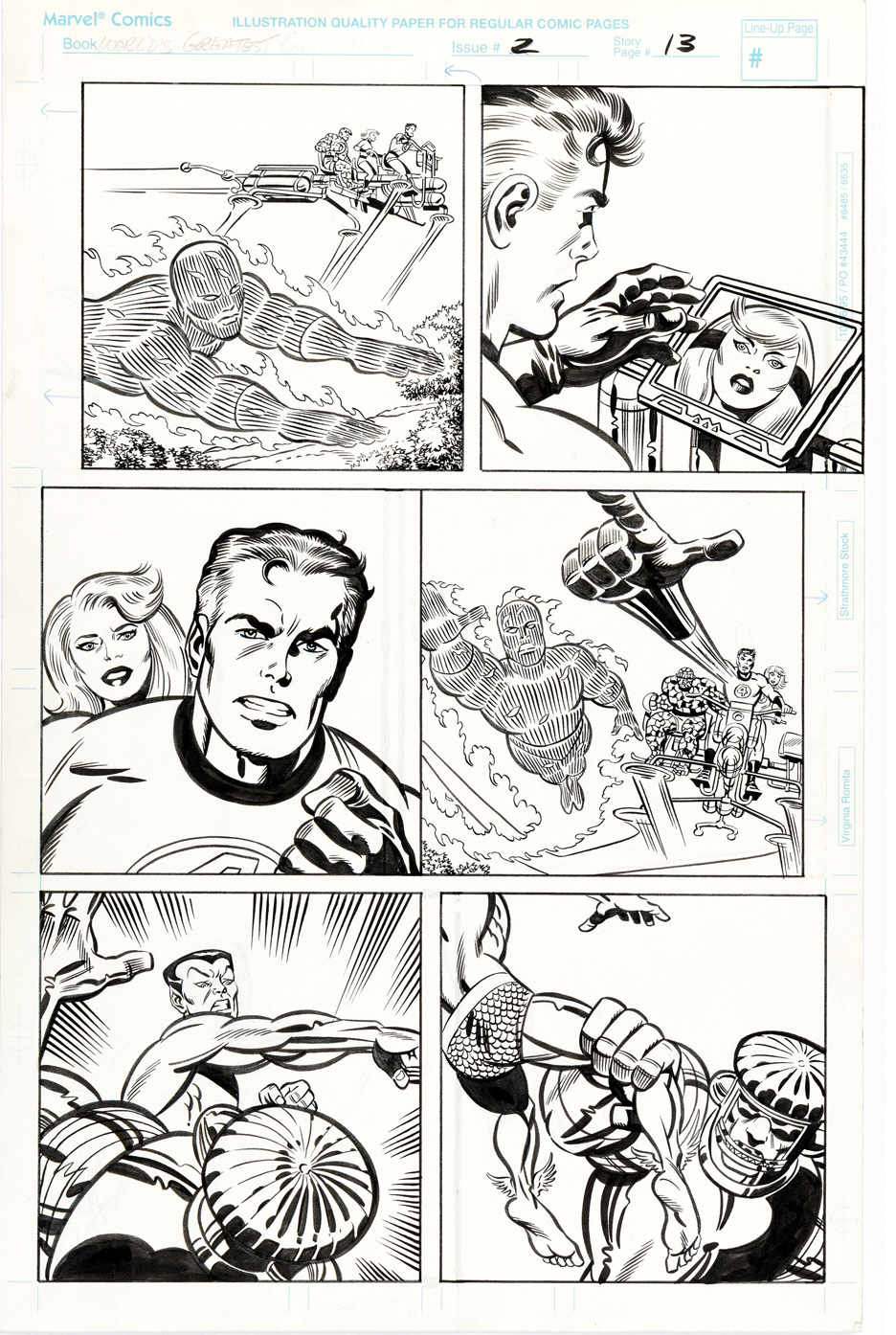
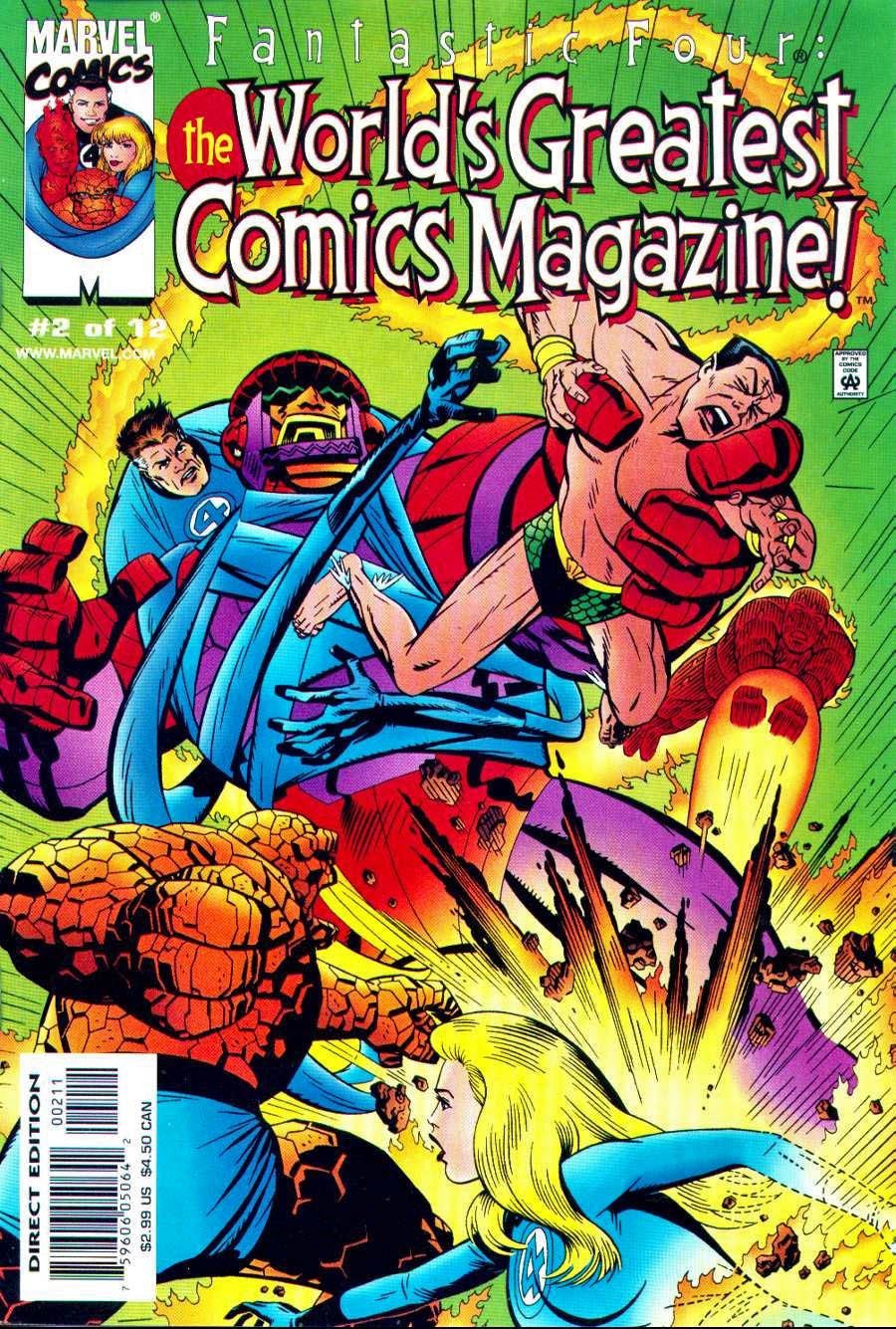
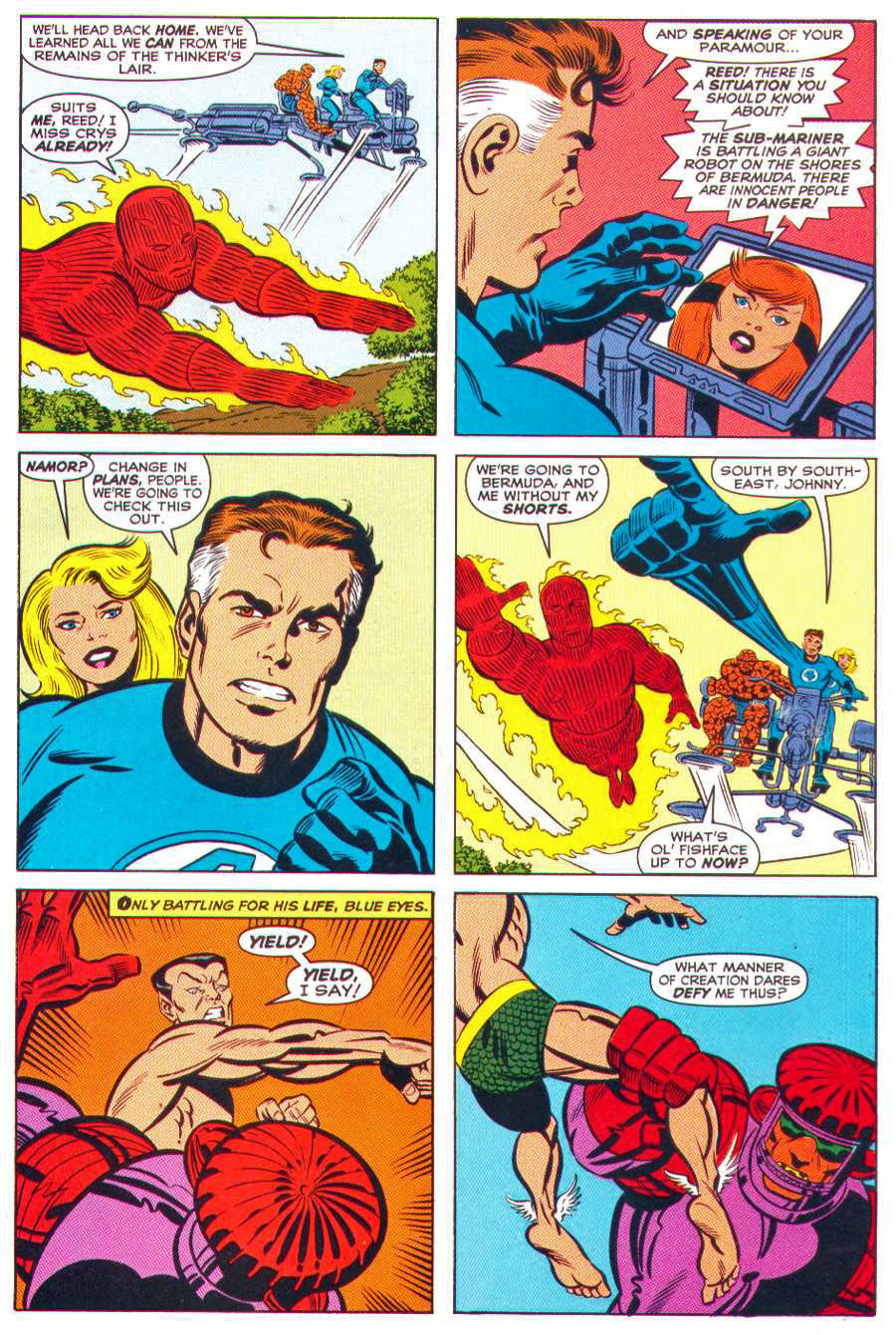
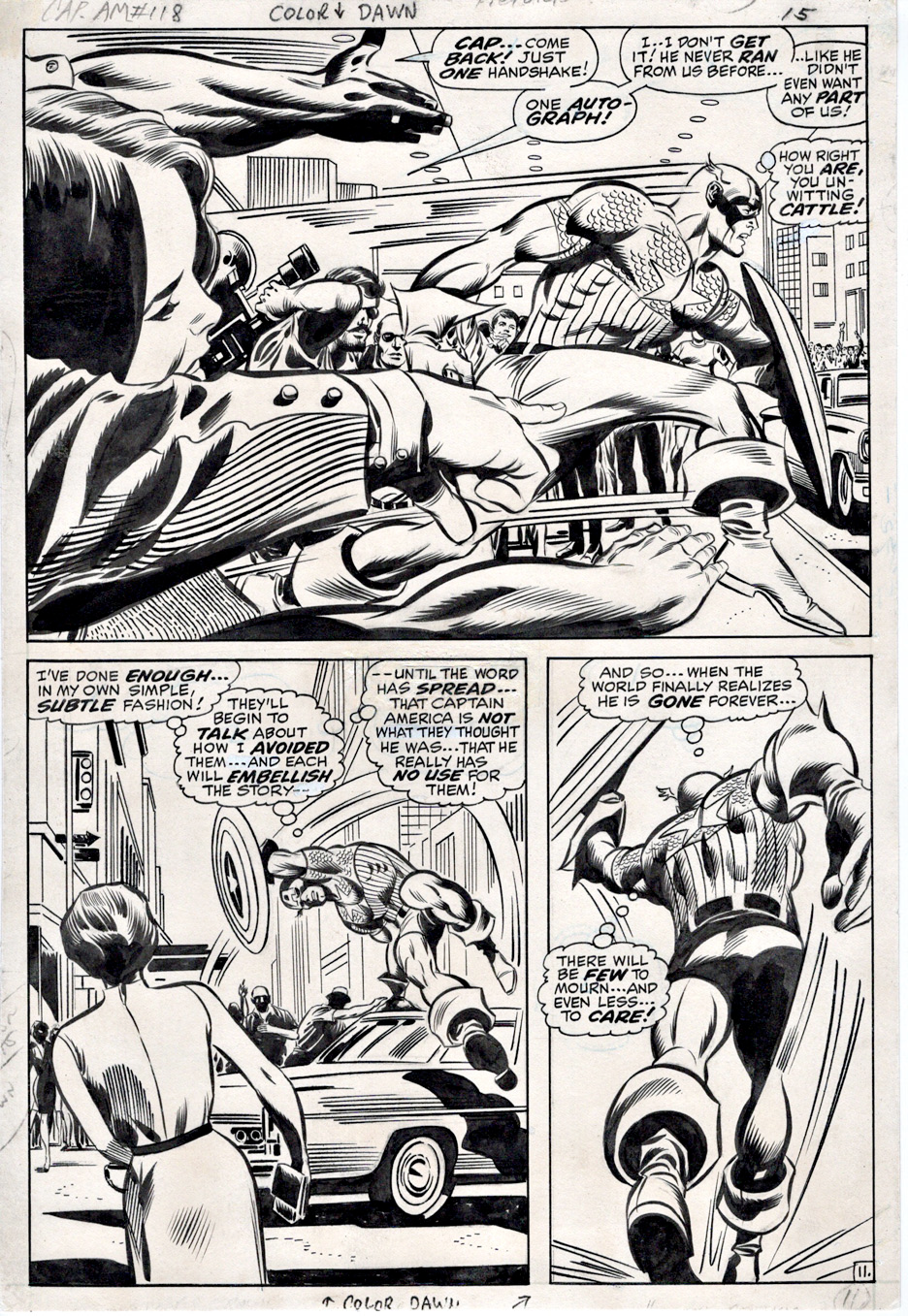
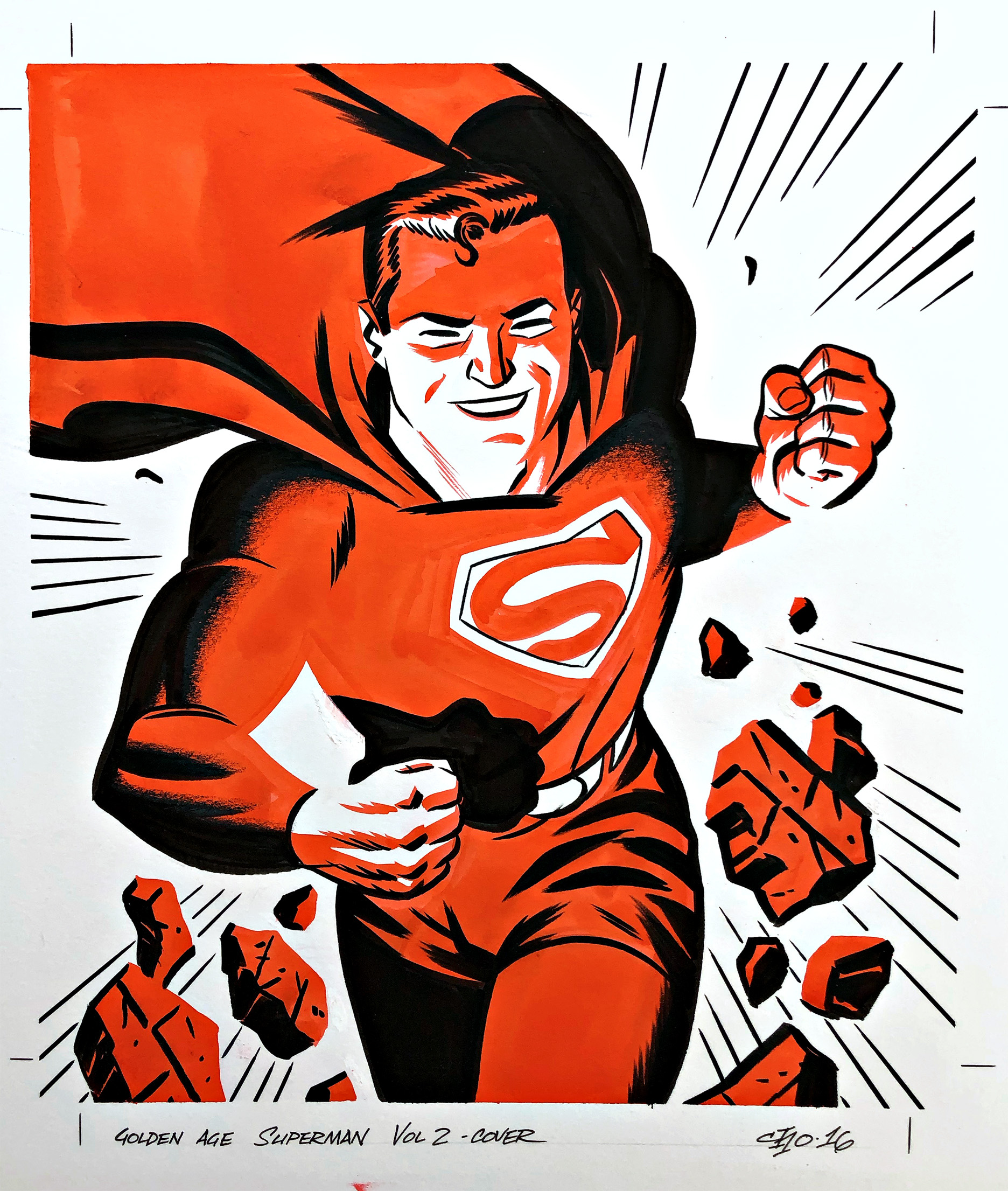
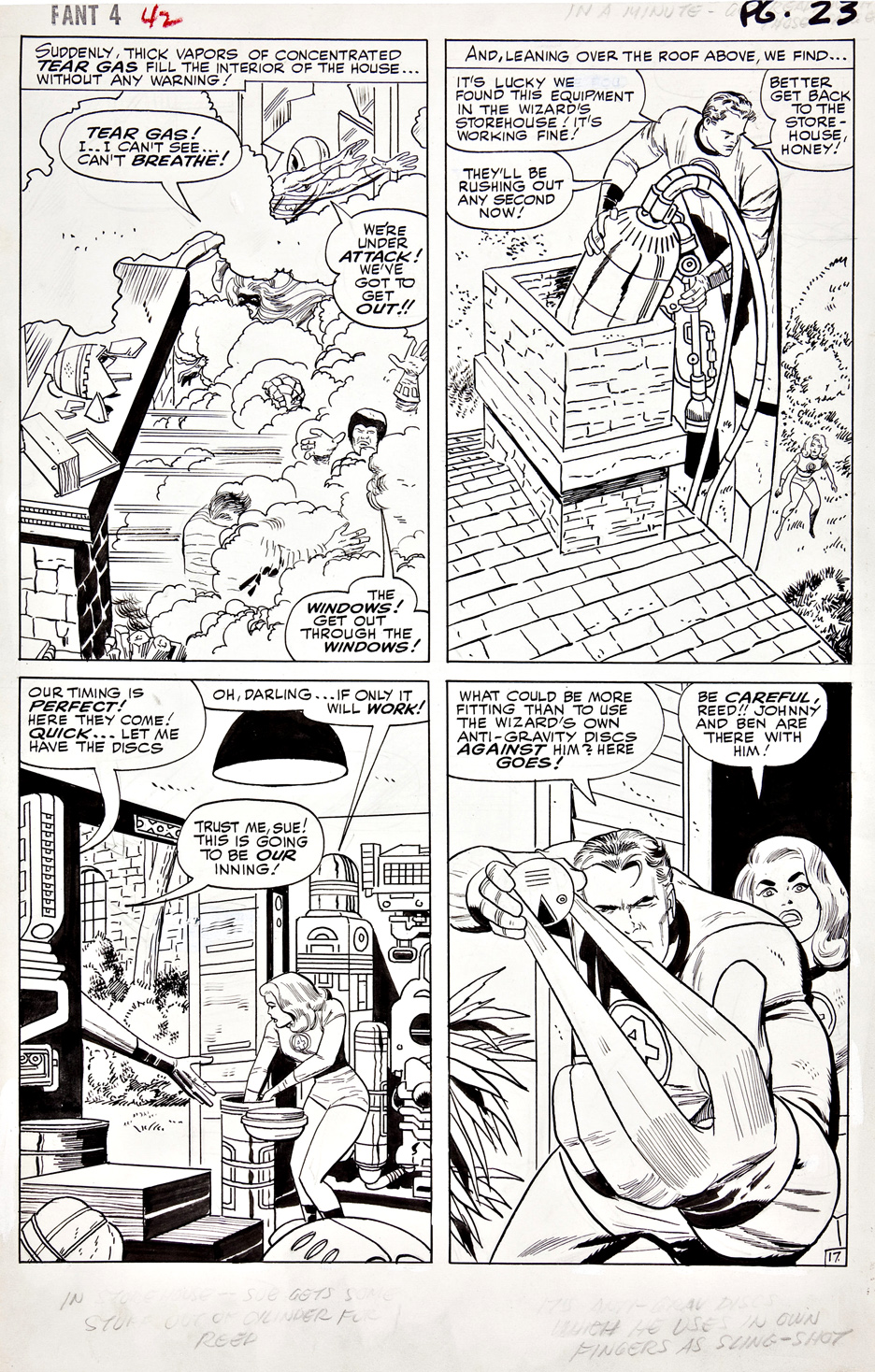
Superman & Fantastic Four Art Pages, Various

Who would’ve thought that Superman — the true beginning of the DC Universe, and the ignition for the fire that became the world of modern superheroes— AND The Fantastic Four — the first superheroes in the modern Marvel Universe — would hit the silver screen with major reboots at the same time? Definitely an unlikely coincidence.

So…

Here are all the Superman posts on the blog the last five years…

https://greggoldsteincomicartgallery.com/?s=superman

…and here are all the Fantastic Four posts from the same period.

https://greggoldsteincomicartgallery.com/?s=%22fantastic+four%22

Enjoy! I’m off to SDCC; let the madness begin!

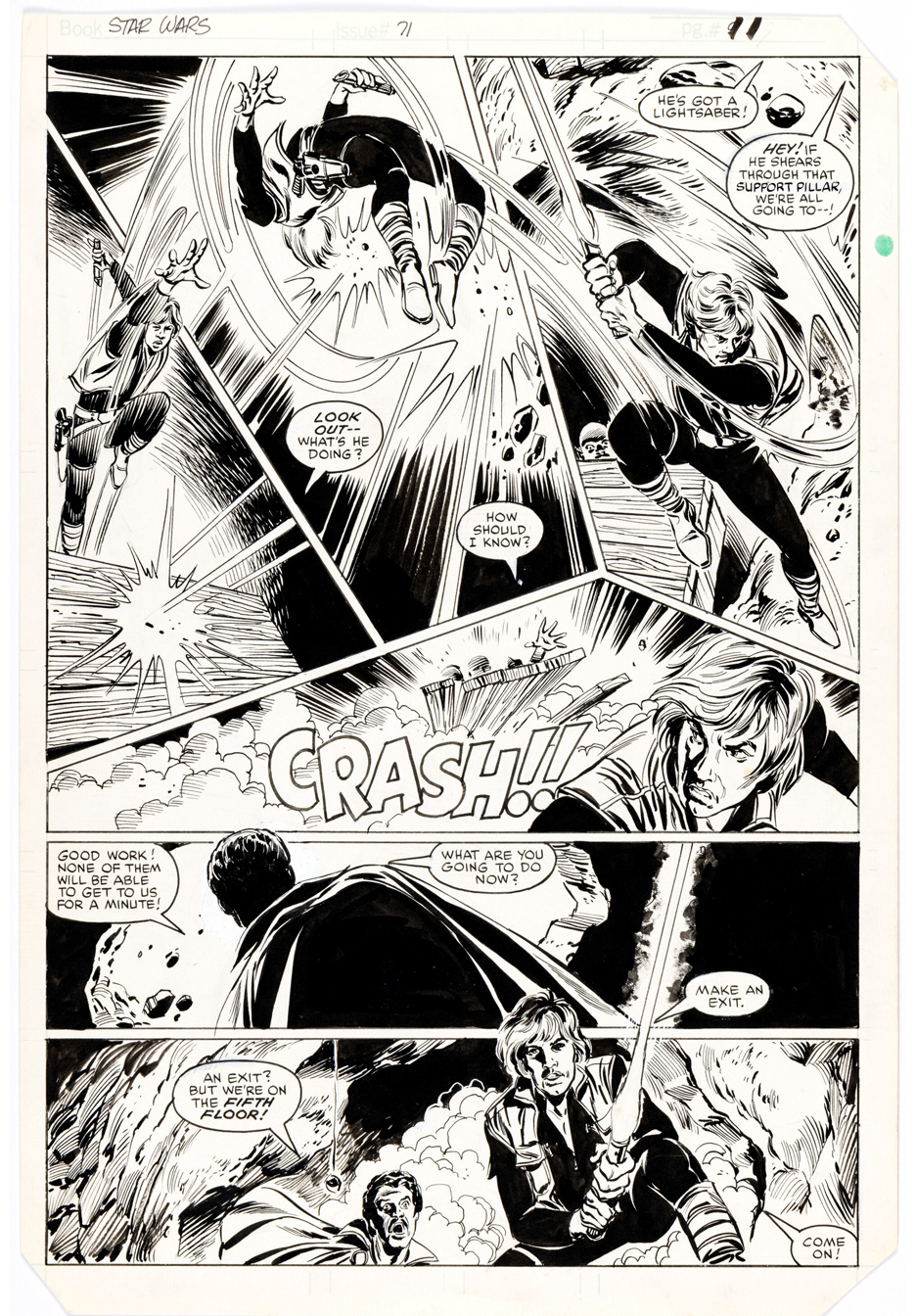
Ron Frenz & Tom Palmer — “He’s Got A Lightsaber!”

Star Wars #71, May 1983

Here is a very dynamic page from a very dynamic art duo (sorry, couldn’t resist) of Ron Frenz and Tom Plamer. Following the terrific run by Walter Simonson and a few fill-in issues from Gene Day, Frenz took over as regular penciller; Palmer stayed on as inker, once again providing a smooth consistency to the art.

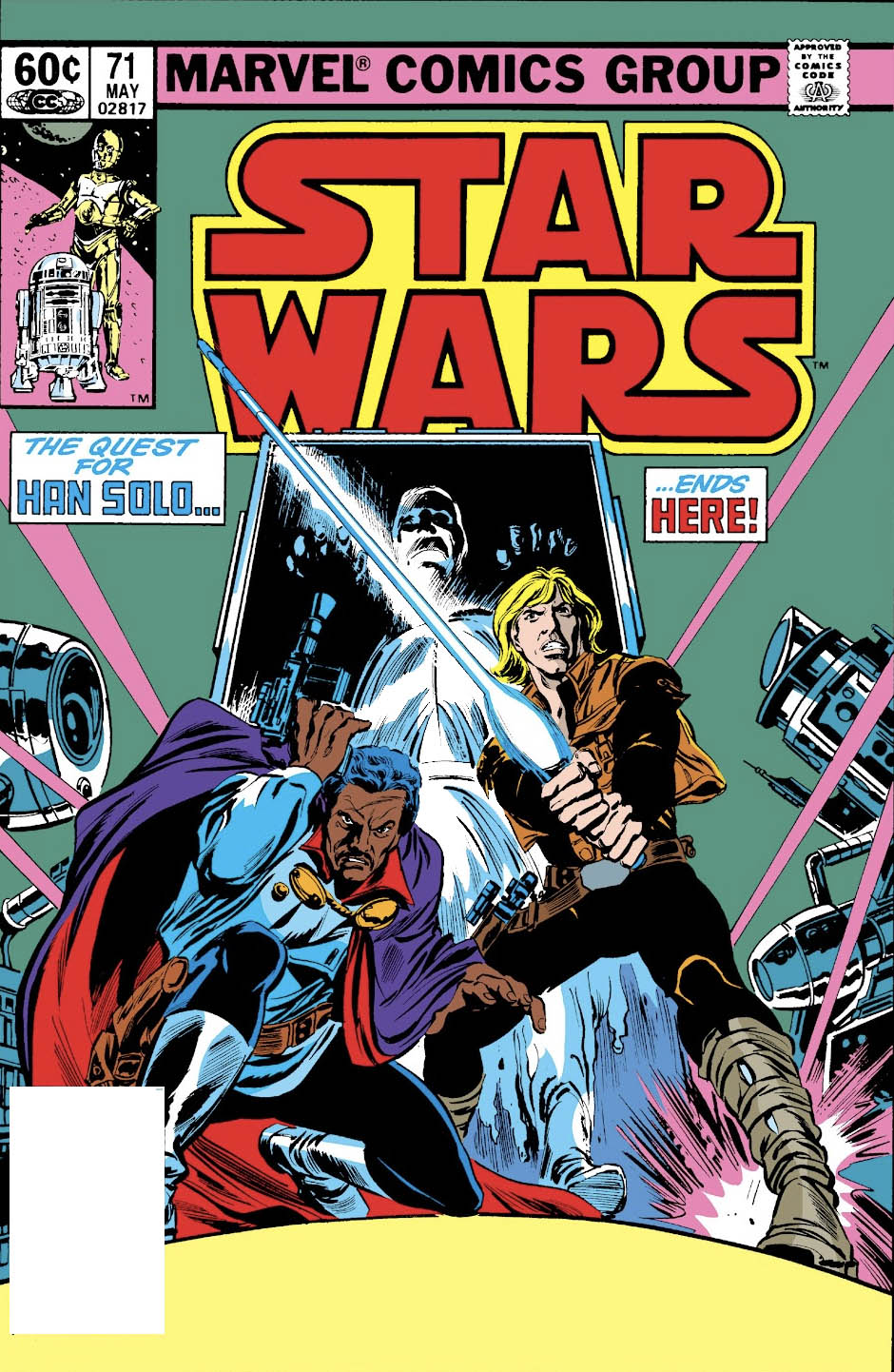
As for the story? Don’t let the cover blurb fool you. The quest For Han Solo most definitely did not end here; he wasn’t able to return to Marvel’s Star Wars series until a few months after the release of Return of The Jedi. (Issue #81, to be precise.) And again, Marvel’s creative team did a heckuva job with the little information they had ahead of ROTJ.

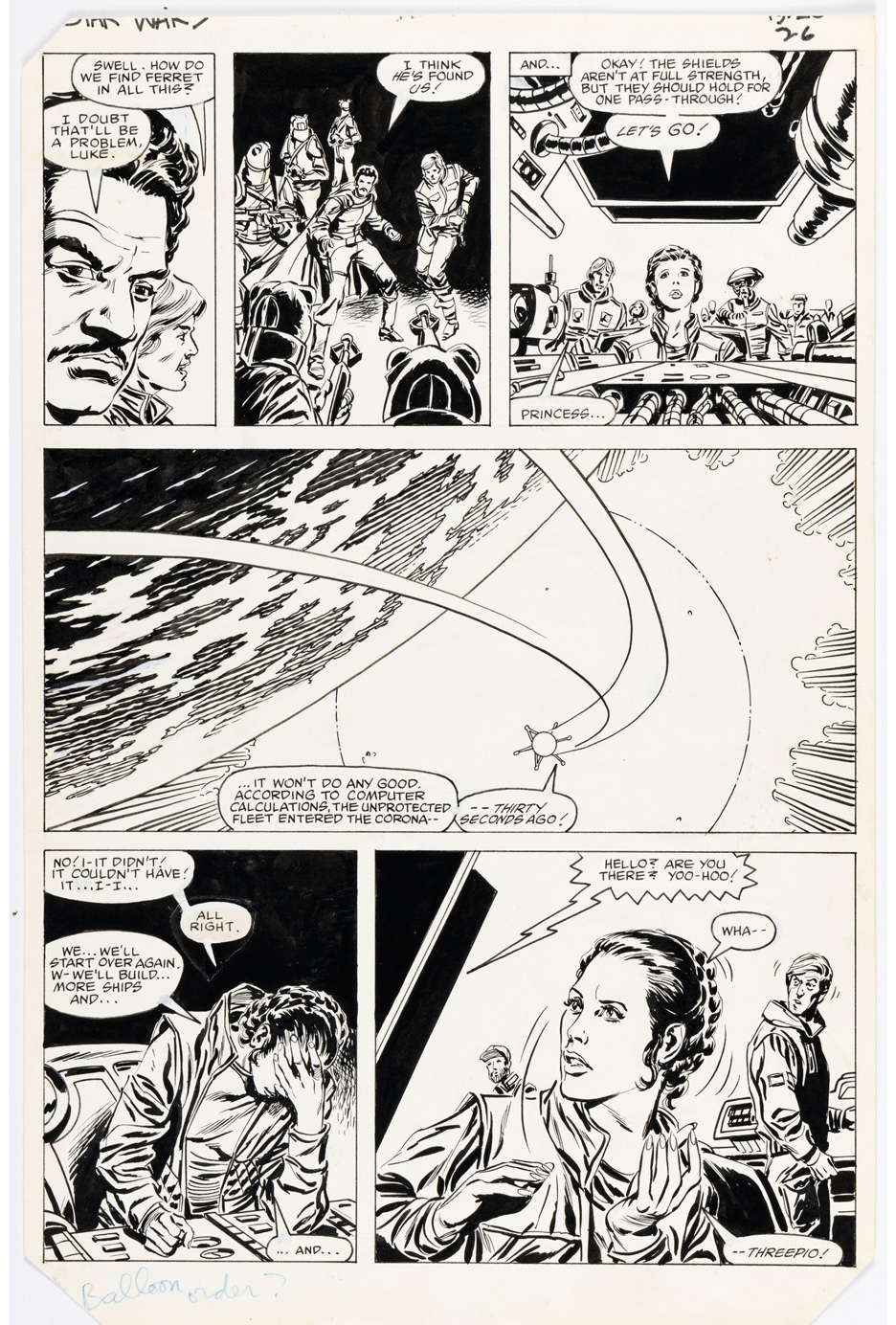
Walter Simonson & Tom Palmer — Yoo-Hoo!

Star Wars #58, April 1982

Ah, to have been a fly on the wall at a Marvel Comics- Lucasfilm meeting, about 9 months or so before the release of Empire Strikes Back in 1980:

Lucas: “So, guys, let us tell you— the next film is going to end quite dramatically: Han Solo will be in suspended animation, in the ship of a bounty hunter, on his way to the clutches of Jabba The Hutt. Chewie, and a new character, Lando, will appear to be going after them, and Luke, clearly not a Jedi yet, will remain with Leia and the droids in the rebel fleet.

Marvel: “Great, what happens next?”

Lucas: “That’s it, that’s the end of the film. It’s a cliffhanger.”

Marvel: “And we don’t know what transpires until the next film?”
Lucas: “Correct.”

Marvel: “For three years?

Lucas: “Also correct.”

Marvel: “Ok. That’s about 36 issues. You’ll give us the broad strokes of how the next film opens so we can create scenarios and plots with the remaining characters accordingly?”

Lucas: “Er, we don’t have all the details yet, but we will figure it out.”

All credit to Louise Simonson, Archie Goodwin, Walter Simonson, David Michelinie and an hefty all-star group of talent for somehow making the challenge work.

And, of course, extra credit to Tom palmer, who, as always, made it visually come together, regardless of who penciled the book: Simonson, Ron Frenz, Gene Day, Kerry Gammill, et al.

Oh, and they recycled an unused Carmine Infantino John Carter of Mars story during this period as well.

Seriously, look it up.

Doug Wildey — Wildey Wild West

Gunsmoke Western #57, March 1960

How much of a perfectionist was the great Doug Wildey? He knew there was no chance the printed comic books of 1960 could capture the fine details in his draftsmanship, but he drew them anyway.

This is the second Wildey Atlas western title splash I’ve managed to acquire, and like the first, it’s a beauty. In fact, even more stunning.

By chance, this page was only display and offered for sale a few moments during last year’s San Diego Comic Con when I happened on it. I’m sure it would have been gone had I come by an hour or more later.

As I noted previously, Doug Wildey was an amazing storyteller and draftsman. Don’t just take my word for it — ask Stan Lee.

Back in about 2010, we visited Stan in his Beverly Hills office to get some pages signed for the first John Romita Spider-Man Artists Edition from IDW Publishing. Stan’s “people” were kind enough to let us bring some personal items to get signed as well, so I brought a few pages of original art with me. 

Stan, who was telling stories and singing while he was signing (Yes, singing, not a typo for signing. Story for another day.) stopped dead in his tracks when he saw this page of art. 

He stared at it quietly for a few moments — given the speedy pace of our morning, it seemed like an eternity — and you could see pleasant memories wash over his face. And then the big Stan Lee smile:

“Doug Wildey. Wow. He was great. So terrific. I loved his stuff. I wish we had a chance to do more together.” 

He handed the page back to me, still beaming, still examining it up and down as he slowly passed it back.  I had seen Stan sign thousands of items; many of them with fond remembrances, but nothing quite like this.

I’m sure he would have had the same reaction to this page as well.

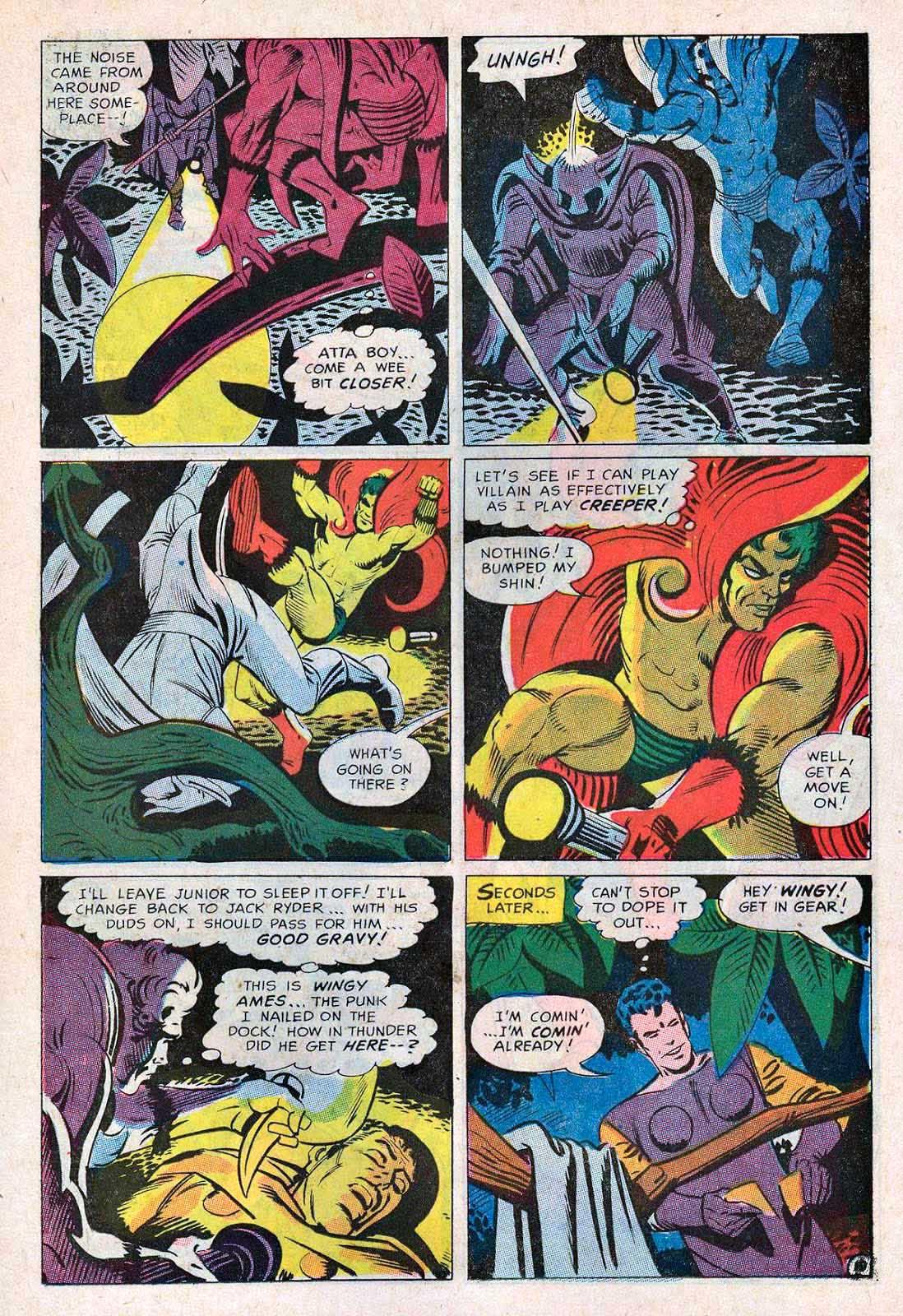
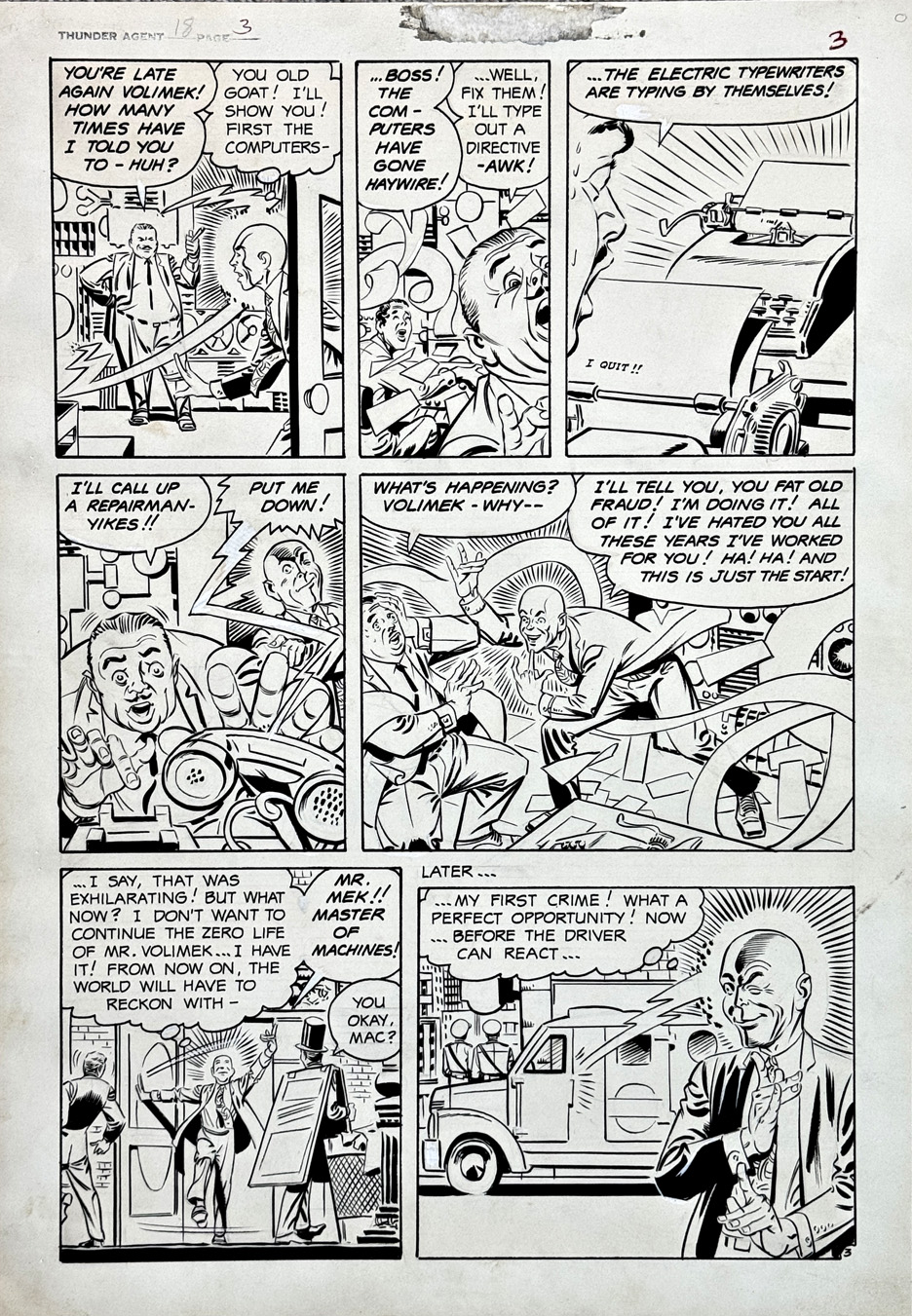
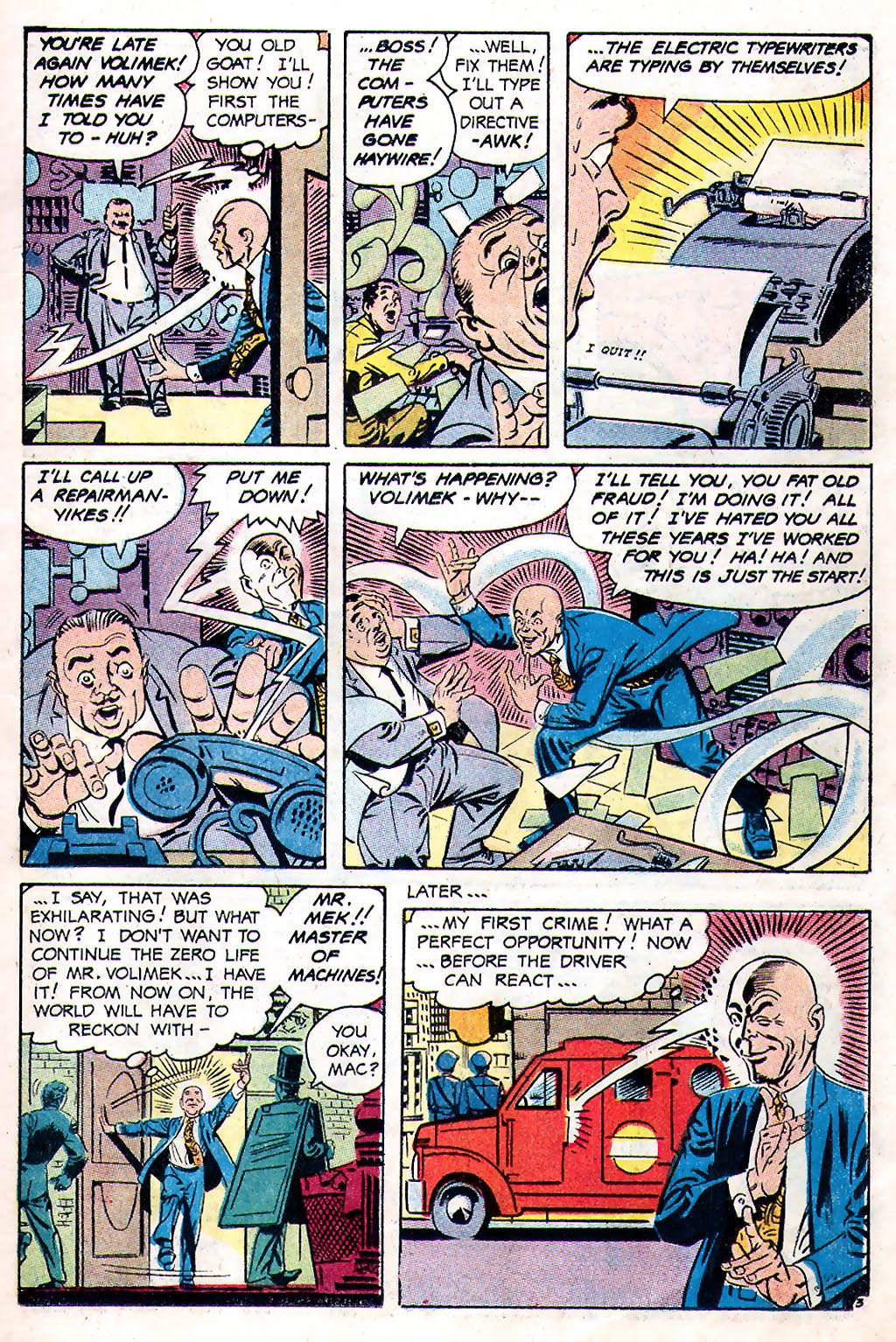
Steve Ditko — Master Of Machines… & Mayhem

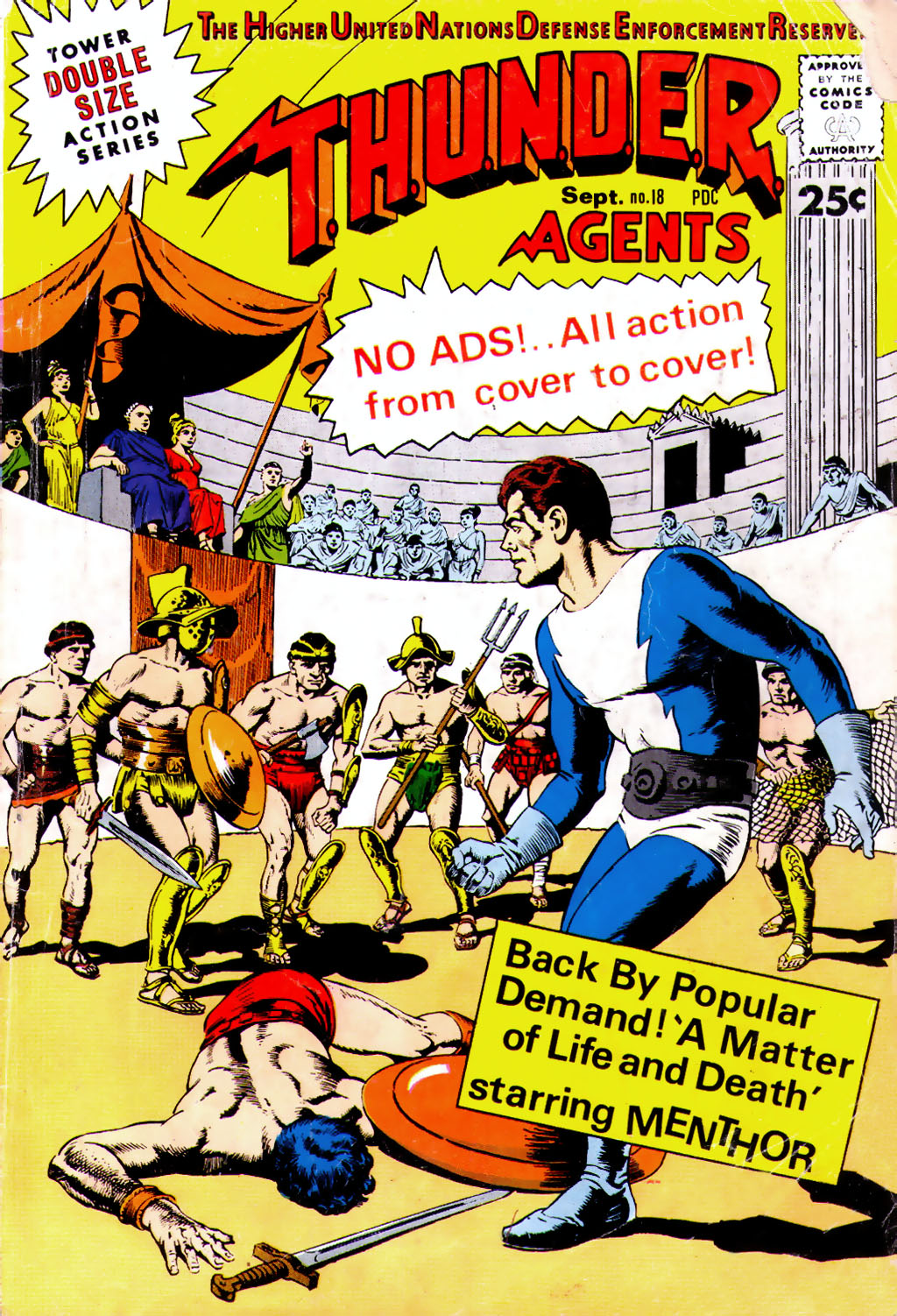
T.H.U.N.D.E.R Agents #18, September 1968

Classic Steve Ditko art (pencils and inks), from a story completed just two years after the iconic (and somewhat iconoclastic) artist left Spider-Man and Marvel for… reasons.

No “superheroes” here, just a supervillain who looks like he came from Spidey central casting. The energy and whimsy on this page are terrific, and Steve clearly is enjoying himself in his storytelling. (Ralph Reese is the credited writer, but my guess is that he gave Ditko a plot/treatment and told him to run with it.)

Despite a hefty price tag (even with a trade), this outstanding artwork definitely spoke to me. Of course, if it actually was a Spidey page, It would have been marked about 10-15 times higher, so there’s some consolation for my wallet.

Shaky Kane — Of Bubblegum & Kings

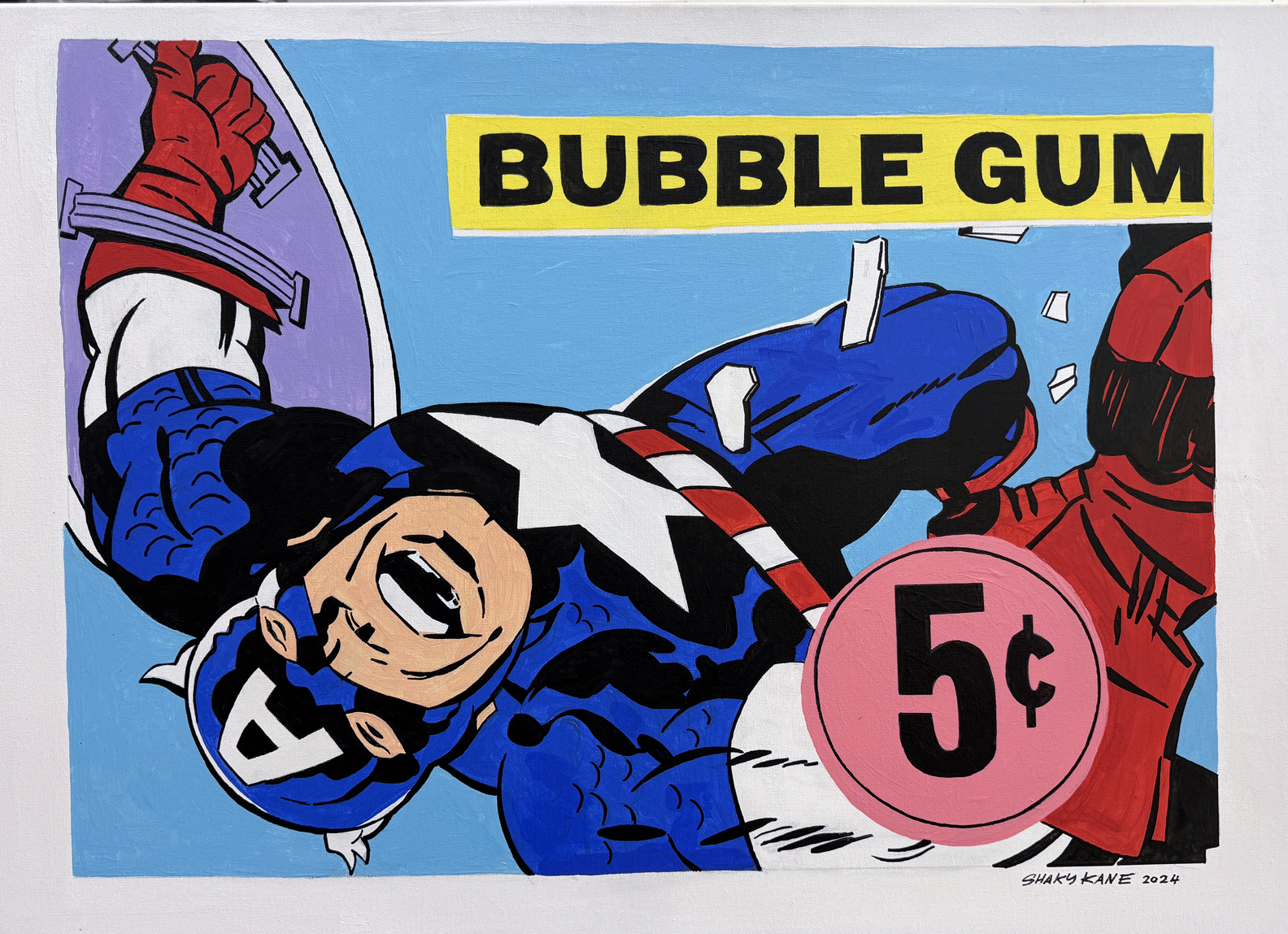
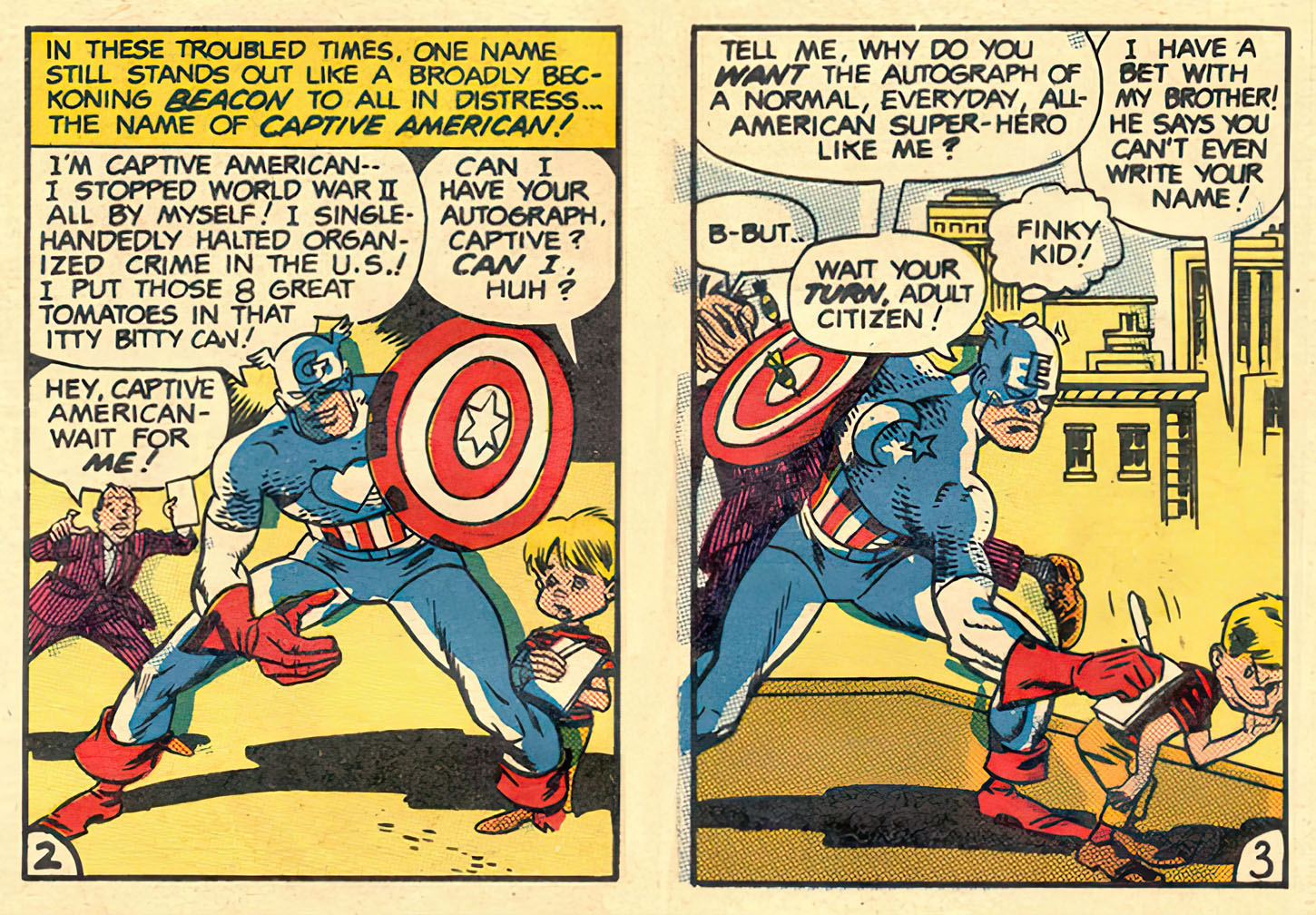
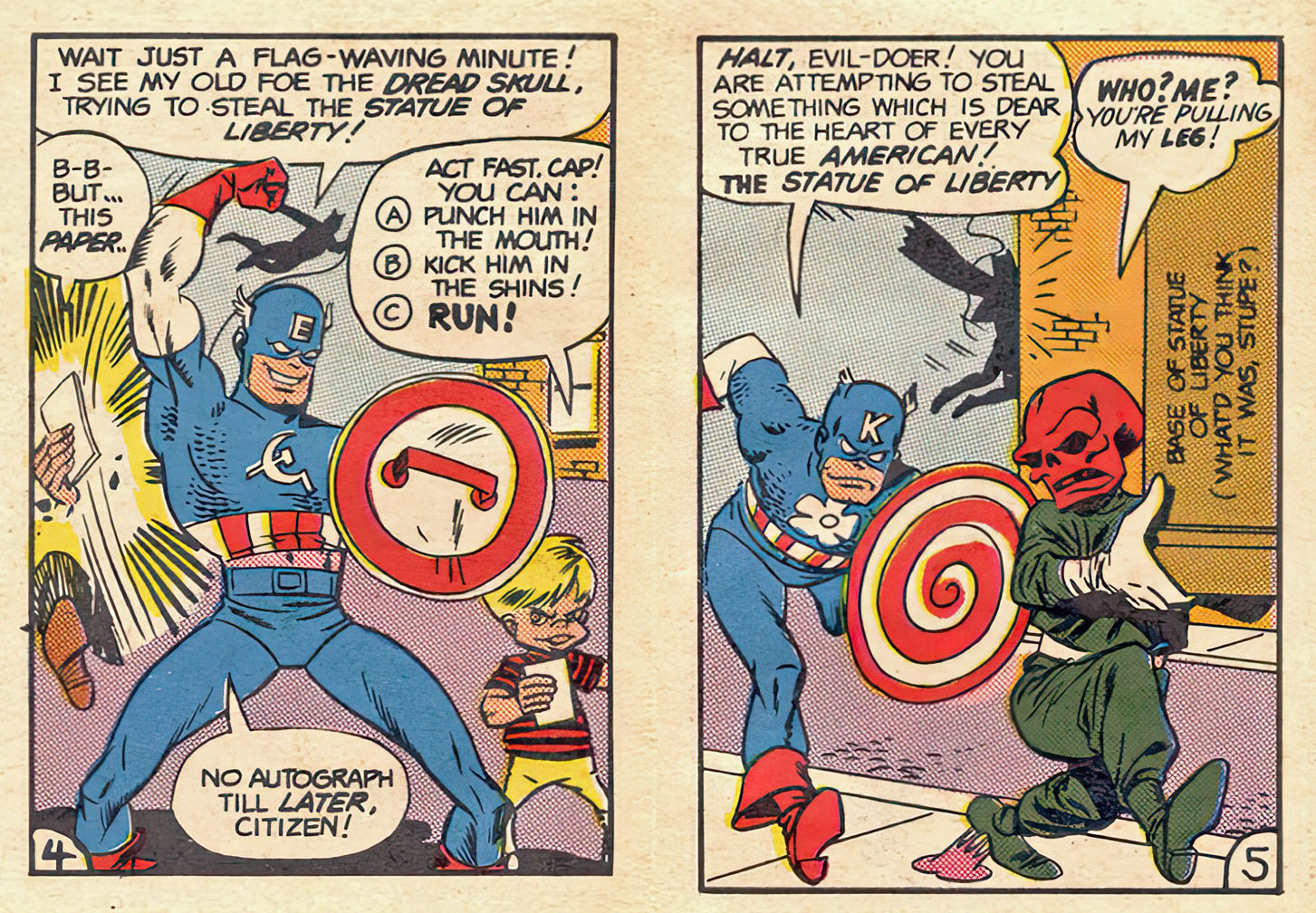
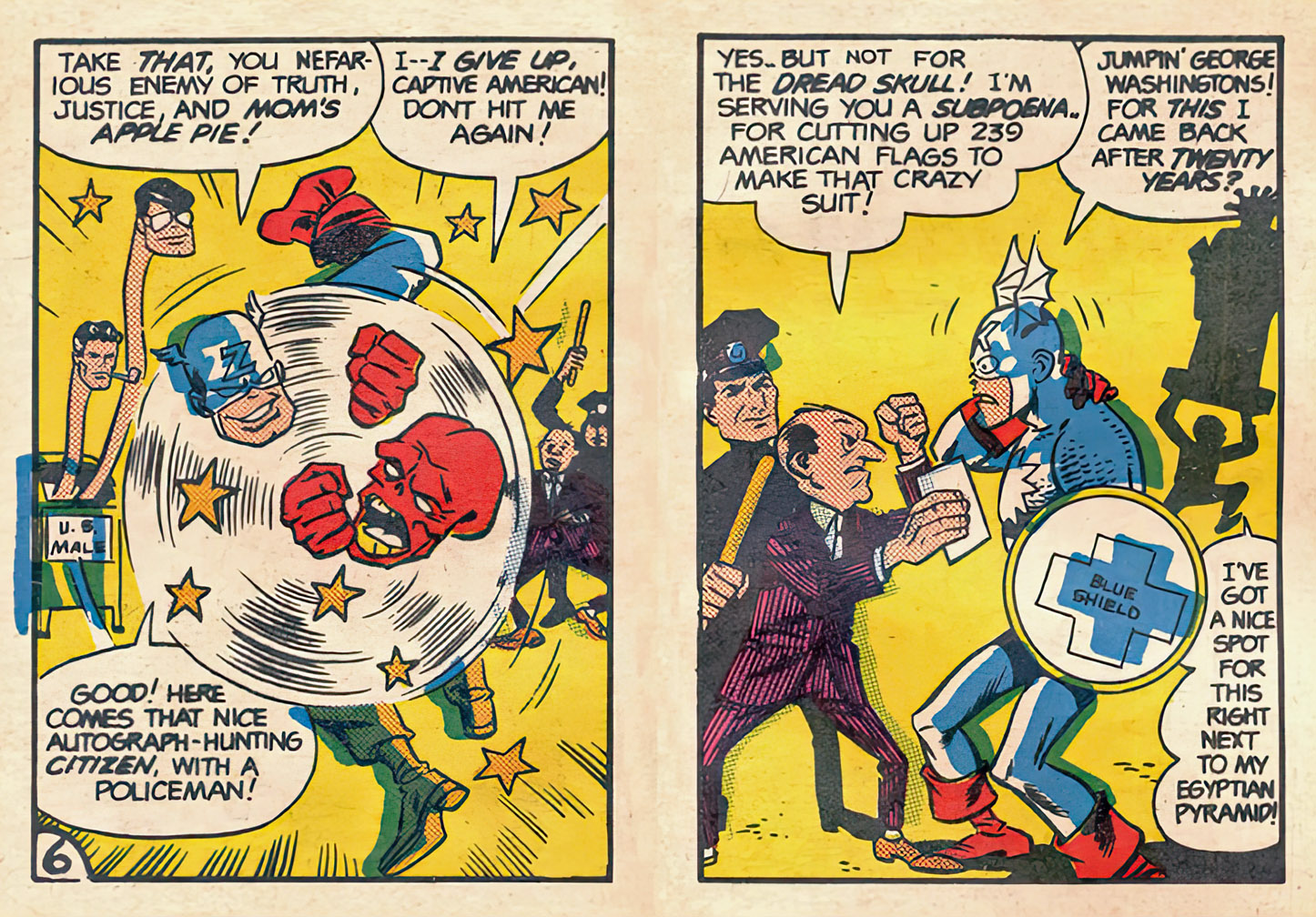
Captain America, Jack Kirby Tribute, August 2024

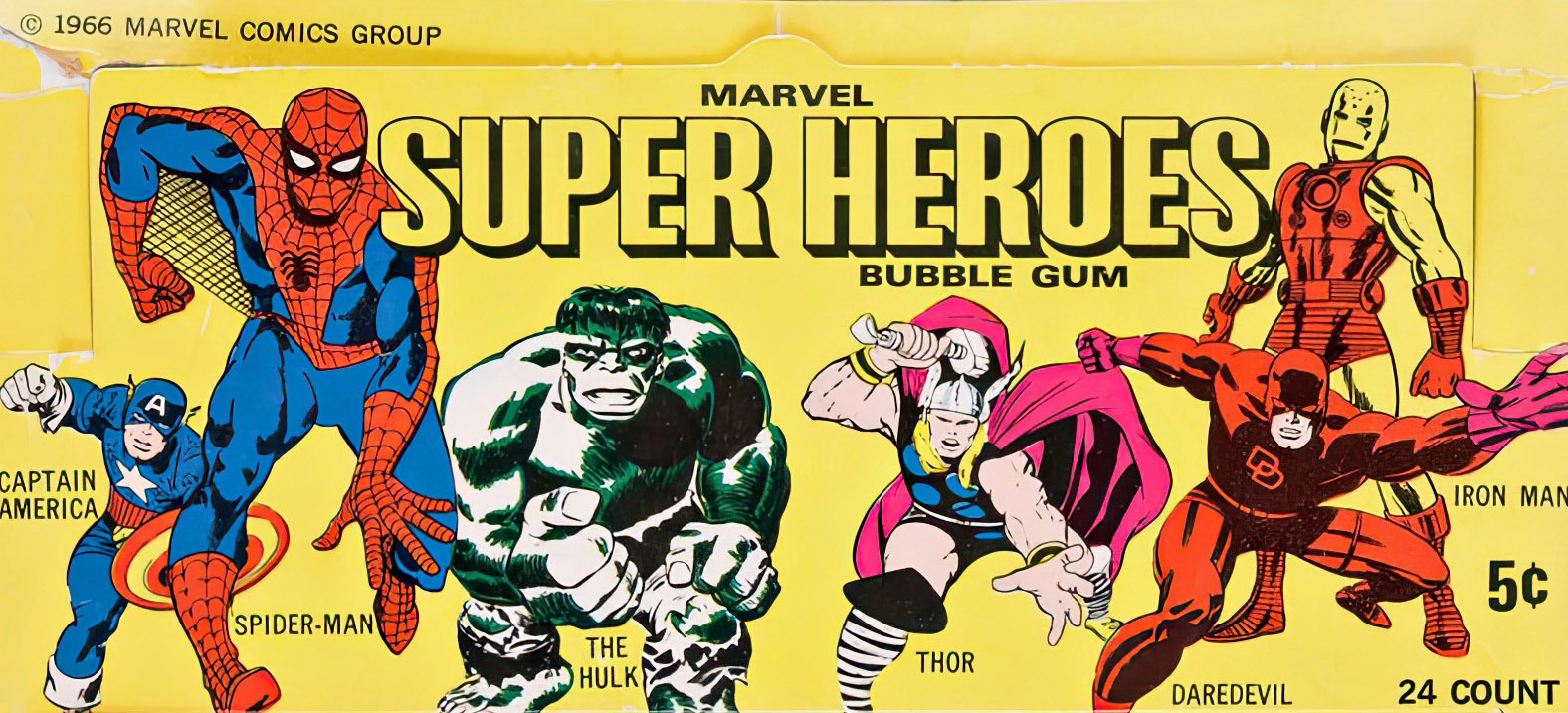
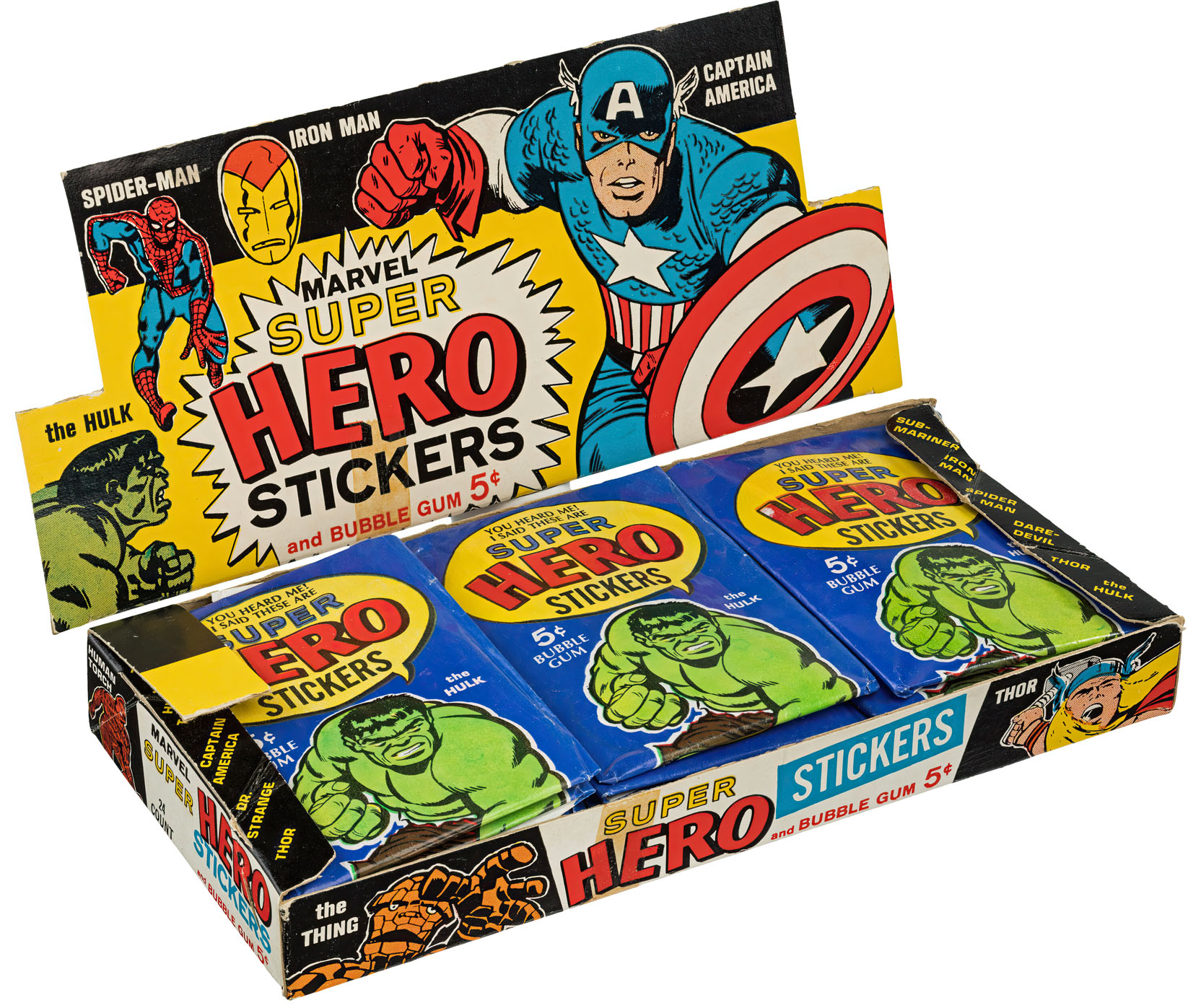
Marvel’s superhero business “blew up” in 1966. A cliché, maybe. But thanks to the Marvel cartoons airing in nationwide syndication that fall, Marvel’s licensing and merchandising business went from pretty much from negligible to ubiquitous, overnight.

I loved those cartoons. I didn’t fully understand that they were pretty much “animating” on the cheap by mostly directly lifting and moving around the actual comic book pages and panels, and at six-years old I didn’t care. (Technically, these cartoons are not much more than primitive motion comics.)

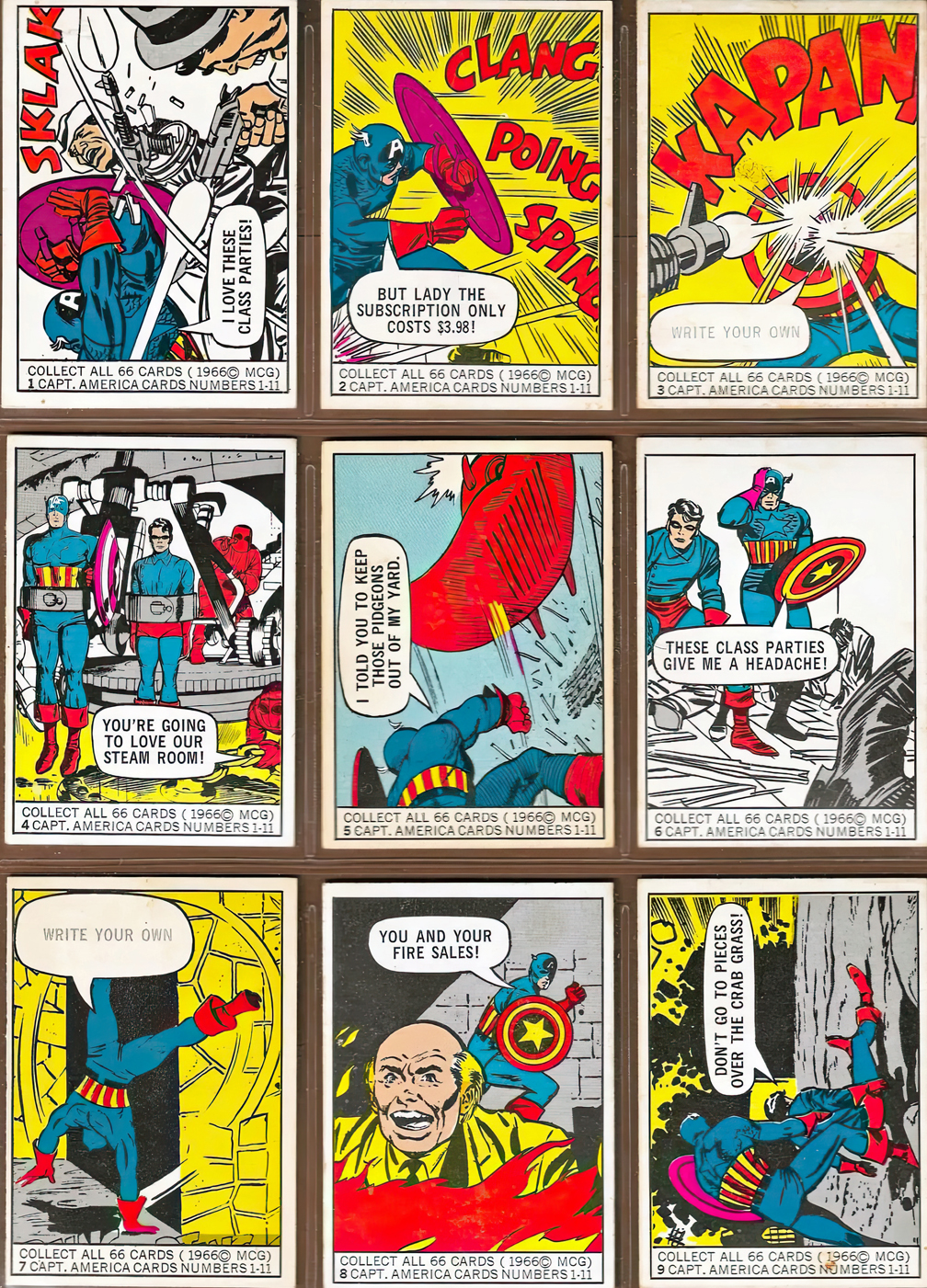
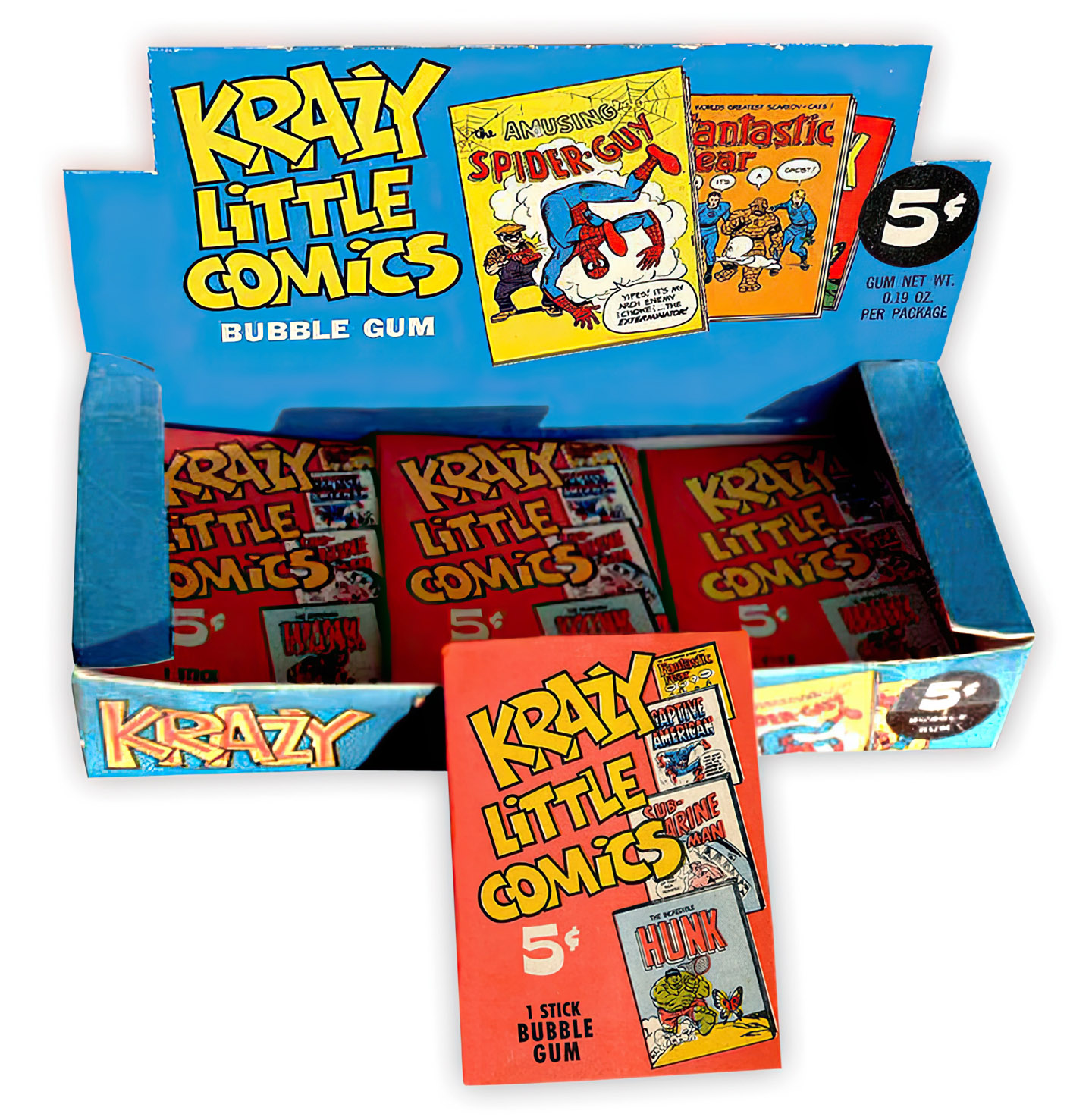
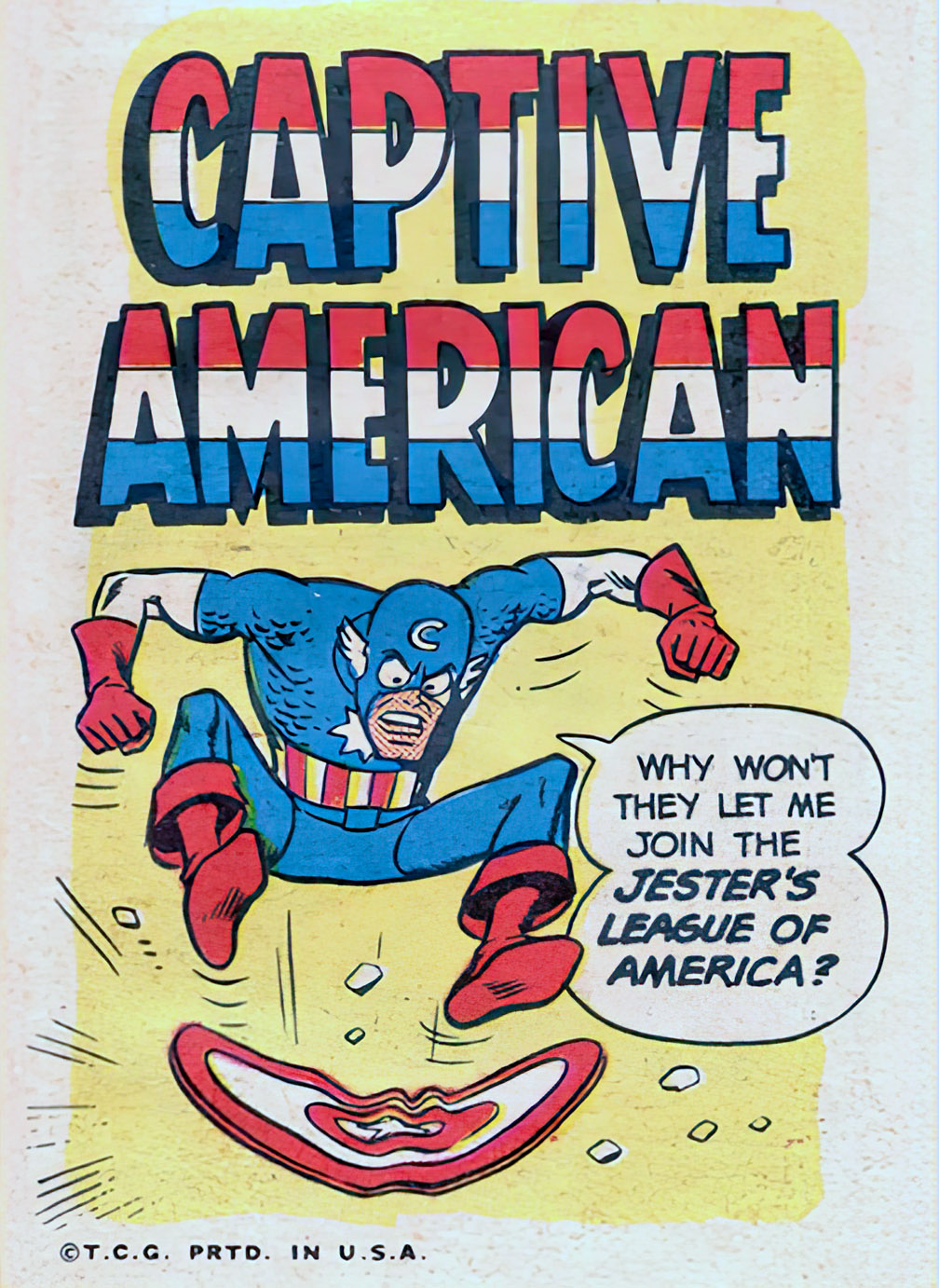
I bought a lot of that merch. The comics of course, were the main thing. But the cards. And the stickers. Dumb gags I admit. But I loved the Jack Kirby, Steve Ditko, et al, art in miniature.

So, when I saw Shaky Kane’s original painted tribute to Marvel “bubblegum” cards at the Jack Kirby art exhibit in LA this past summer, it knocked me out, flooding me with (literally) sweet memories.

Unfortunately, it had already sold. This bummed me out of course, until one of my pals with me that day, the brilliant (and extremely logical) designer Stan Madaloni, said to me:  

“Why don’t you reach out to him see if he’ll make another one for you.”

Uh. Duh.

Shaky agreed, and, although I hate to use another cliché, the rest, is in fact, history.

The second one is now fortunately, and gratefully, in my possession.

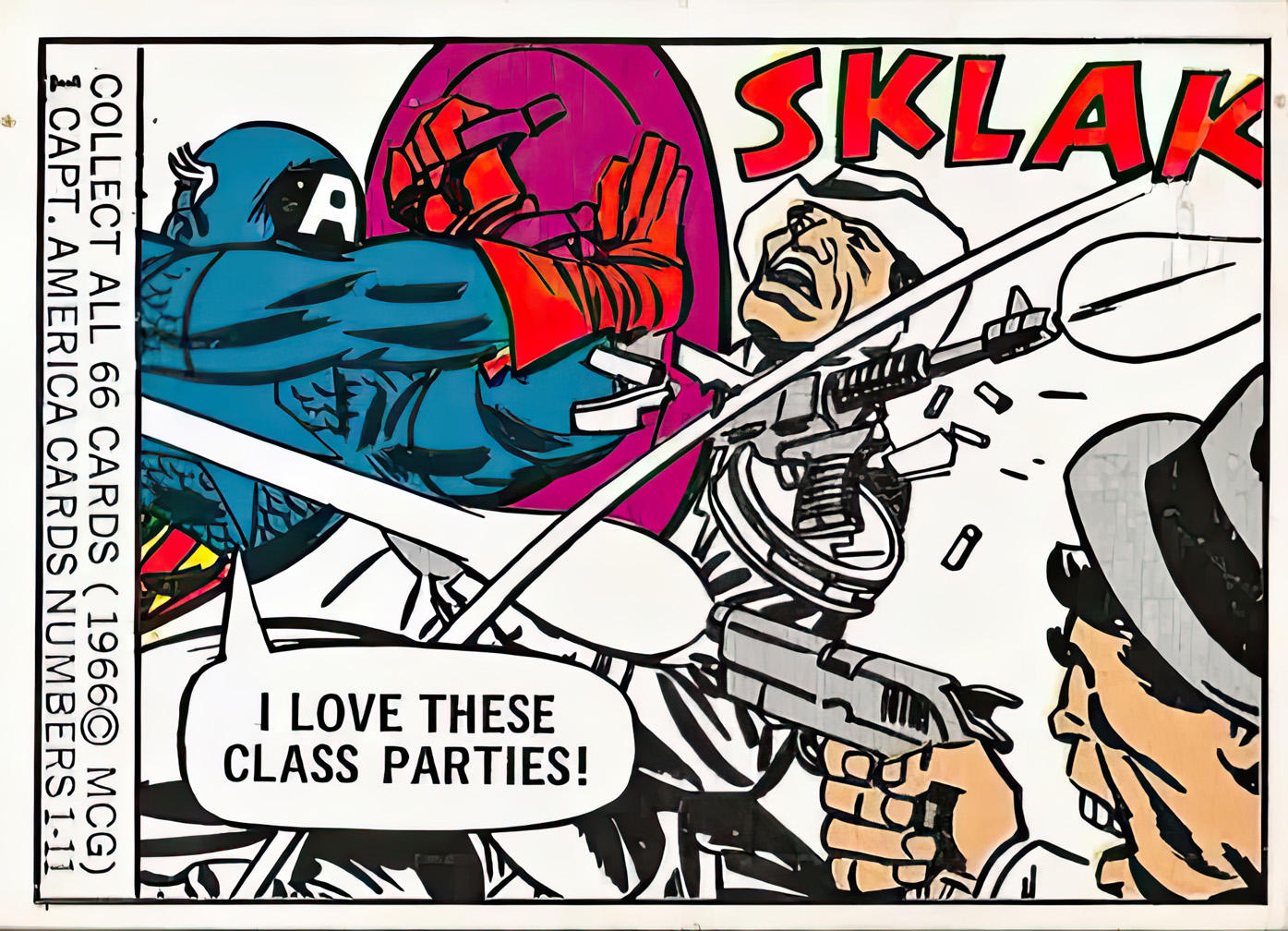
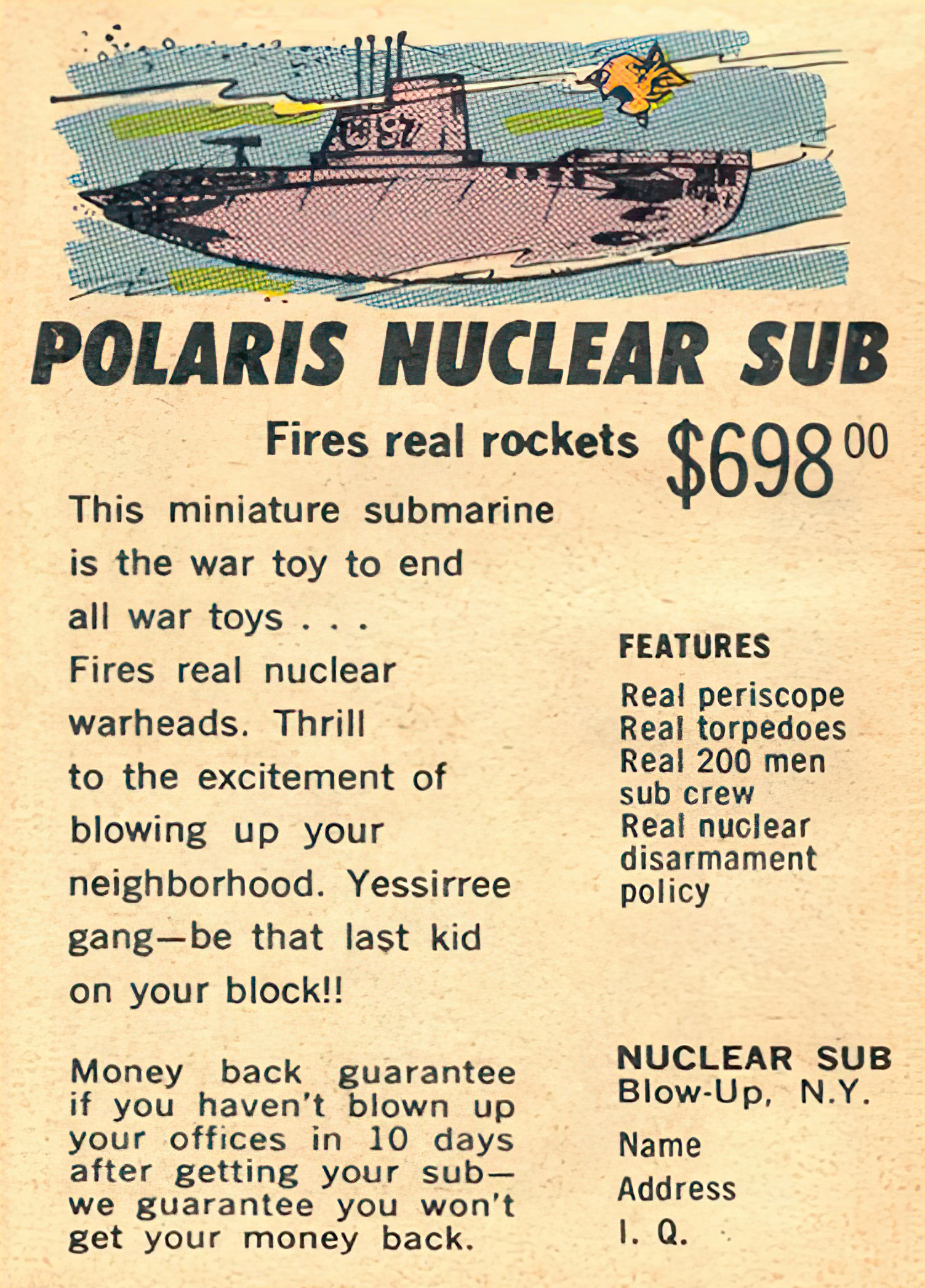
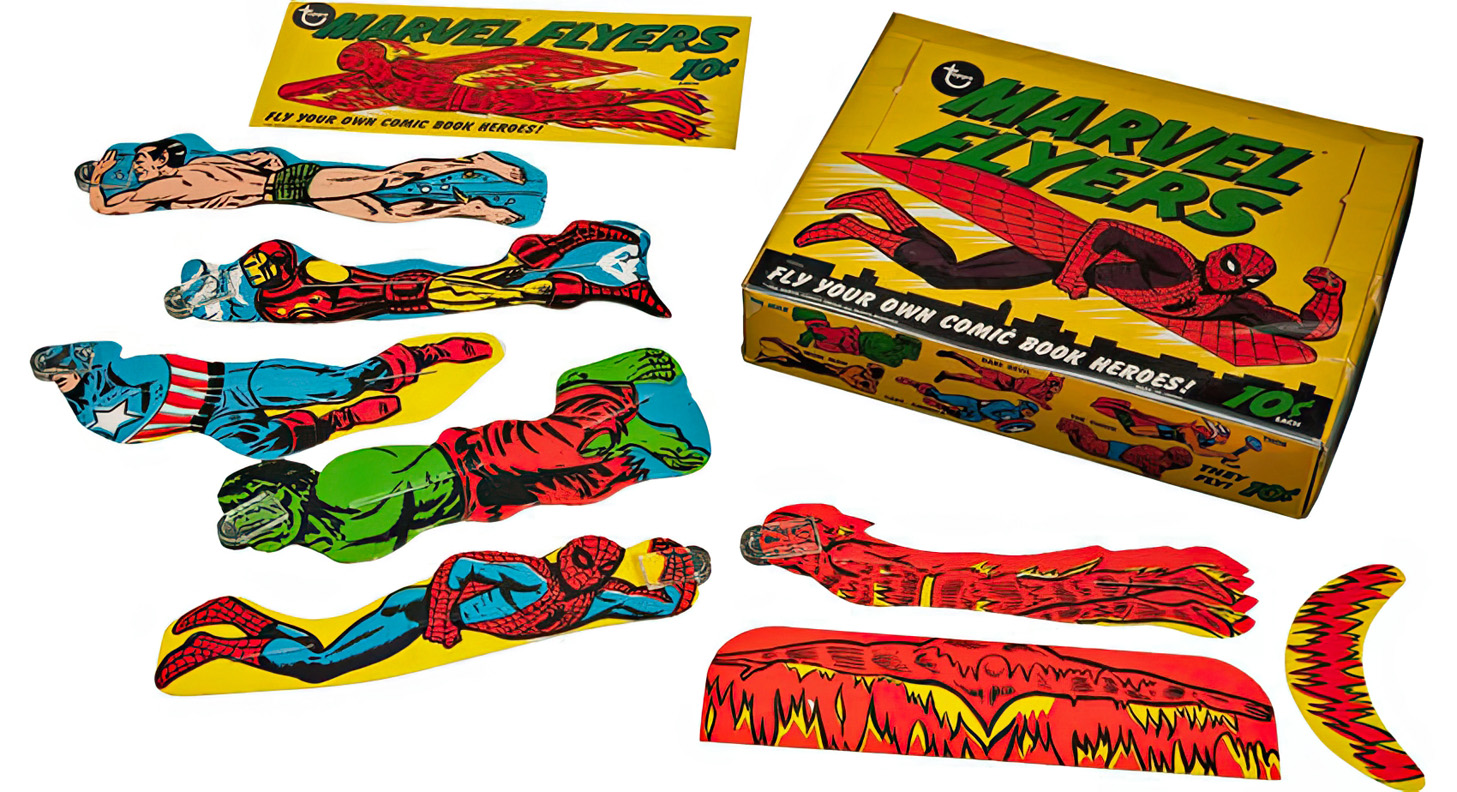
Both Donruss and Philadelphia Gum (“Swell”) beat Topps to the punch in the Marvel business in 1967, with cards and stickers respectively. Topps found a way in with the odd Marvel Flyers collection (designs from Wally Wood’s studio) and the mini-comics satire “Krazy Little Comics”, with art by Wood, Gil Kane and others. (Scripts by Roy Thomas.)

Final thoughts: If I could go back in time and tell seven-year Greg that he would one day work for both Topps AND Marvel, he’d probably tell me I’m nuts and chase me away.

What a trip.

Mike Ploog — Marvel Goes Ape

Planet Of The Apes #3, December 1974

Things you learn.

According to Roy Thomas, in an editorial in the first issue of Planet of the Apes magazine, it was my friend and old Topps colleague Len Brown who persuaded Roy — and Marvel — to acquire the POTA license. Roy’s article on that process is worth a read.

Another fun fact: Mike Ploog insisted he draw the series, which was developed as a sequel to the fifth and final original Apes film, Battle of the Planet of the Apes.

And that’s cool, because Mike provides us with some very lovely artwork throughout, including this terrific page. 

Mutants! Monkeys! Maniacs! What more could you ask for?

(Special note: Pretty much  everyone was late to the party on the POTA license, but when they finally got there in time for the final film and then the TV series, It became, as they say,  “a thing.”) 

Mike Machlan — Jack Kirby Revisited: Hulk Vs. FF

Commission, Undated

Jack Kirby created this iconic cover of the first meeting between the Hulk and The Fantastic Four in 1963. It would be the first of many, many epic fights between the Thing and The Green Goliath.

The late Mike Machlan takes Jack’s moment in time, and brilliantly adds a second or so to show what happens when the heroes actually come upon each other. One thing is certain — that cave will never be the same.

Machlan loved classic comics, and his recreations and reinterpretations can be found on the Comic Art Fans website and elsewhere. His professional career was much too short.

Original Machlan art and published page from Marvel Fanfare #41 as posted previously:

https://greggoldsteincomicartgallery.com/mike-machlan-avengers-2-redux/

Carmine Infantino & Pablo Marcos — Way Of The Wookie!

Star Wars Weekly #95 (Marvel UK), December 1979

Here’s a terrific 1979 Star Wars splash page from Carmine Infantino; like a few other stories from the same era, it was originally exclusive to the Star Wars UK weekly.

I’ve never seen a definitive answer on this, but I suspect writer Archie Goodwin wrote several stories as “placeholders” until Lucasfilm gave Marvel some indication on the storyline/ direction of Empire Strikes Back. No one at Marvel could have been possibly known when that would be. So, Archie and Carmine kept going with “isolated” storylines, until they were brought into the loop. 

(The ESB embargo date must have changed a few times too. Marvel advertises the adaptation at the end of #37 for the very next issue — which ends up as a filler story — because Empire doesn’t start till #39.)

Lovely brushwork from Pablo Marcos nicely compliments and enhances Carmine’s “loose” pencil work. (As Carmine aged, his styled became looser and looser. Check his 80s return to DC’s original Flash series a few years later.)

Another quirk about this story. It ultimately appeared in color (from Marie Severin) in a Marvel US paperback collection of “new” Star Wars stories. Cropping on the panels is inconsistent because the pages had to fit the odd format. (See below.)