Greg Goldstein's Comic Art Gallery

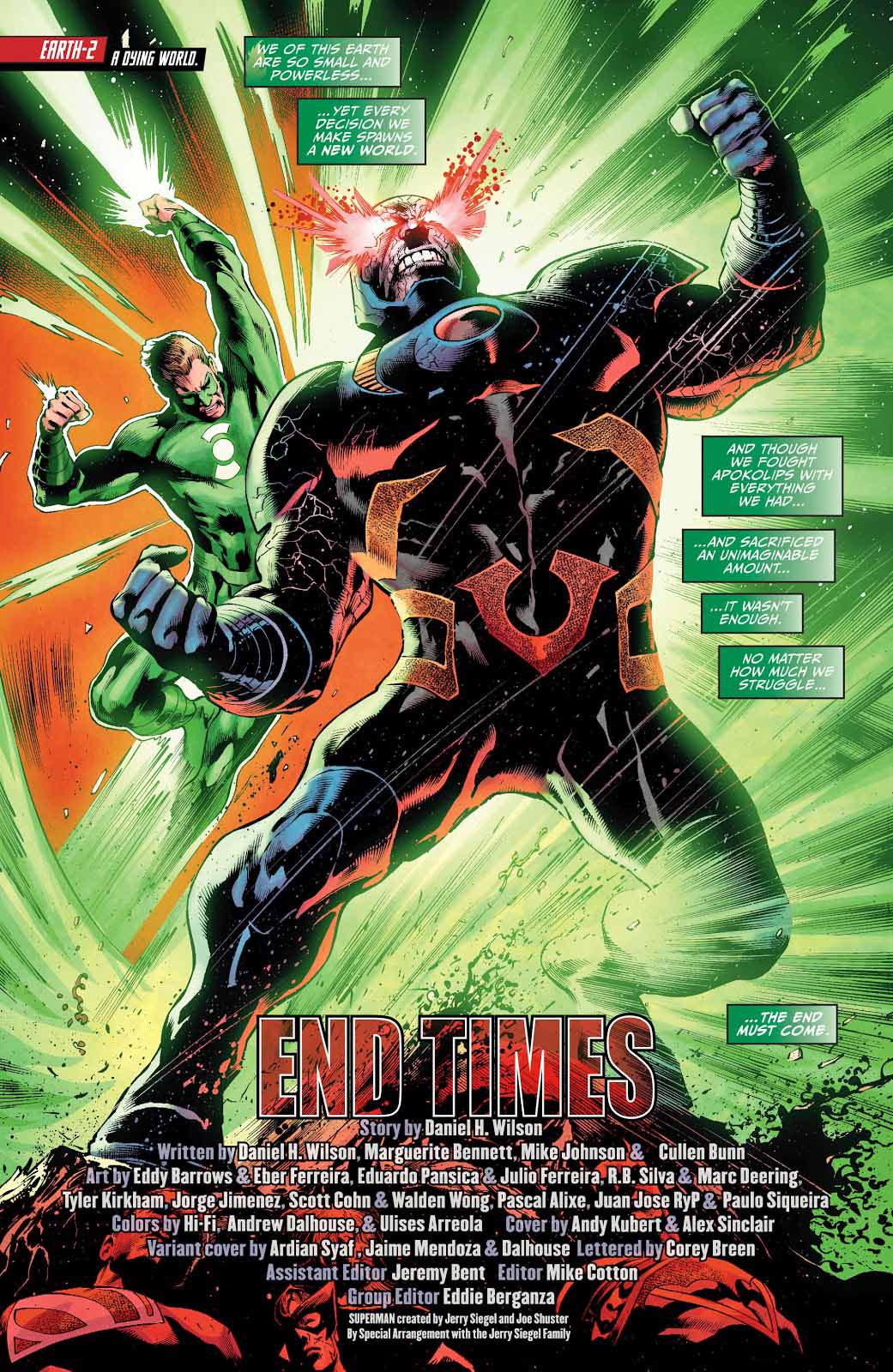
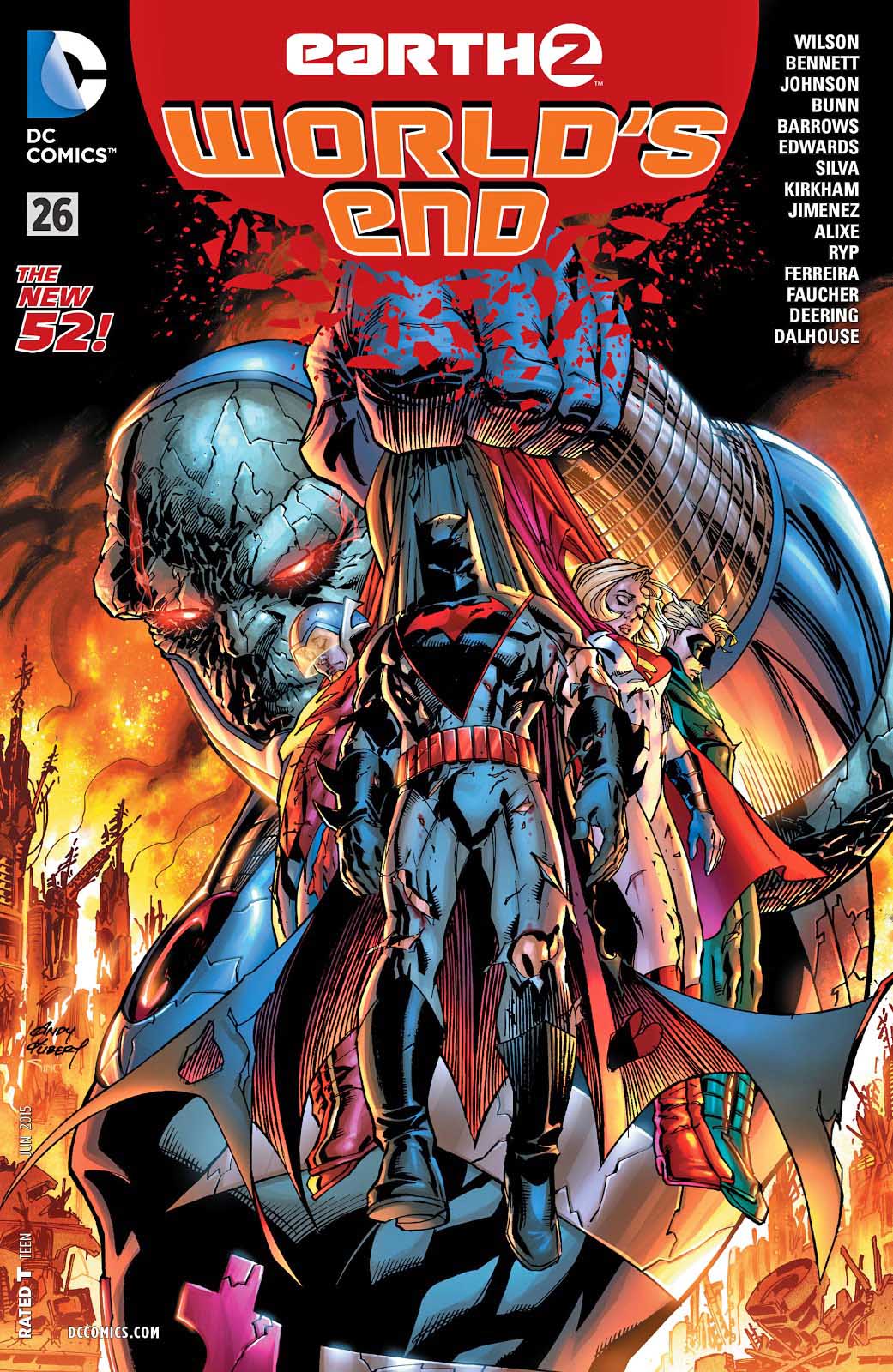
Eddy Barrows — Darkseid At World’s End

Earth 2: World’s End, June 2015
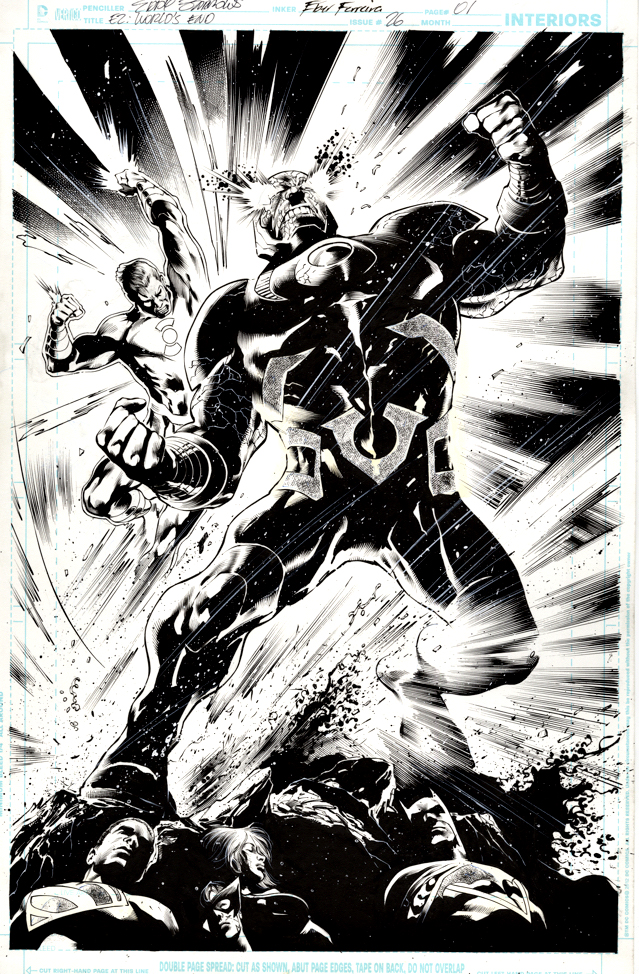
Darkseid dispatches a number of earth’s greatest heroes in this great looking title page of the final issue of Earth 2:World’s End.

If you like your superhero universe grim and gritty, (as per our last post), this series, set in an alternate universe, should do nicely. 

Darkseid is inarguably Jack Kirby’s greatest legacy at DC comics.  Although his “fourth world” books didn’t last long at DC, Darkseid untimely became the “big bad” of the DC Universe. Shockingly, before Jack’s era, there was no over-arching multi-title super villain. This, despite the fact that by 1970, Marvel had at least a few. (Doctor Doom, Galactus, Kang, The Super Skrull, et al.) 

Marvel had focused on continuity well before DC figured it out.  In fact, Jack’s fourth world books, introduced the first cross-title continuity to the DC Universe.

But, as always, we digress.

Brazilian Artist and DC mainstay Eddy Barrows regularly combines quality draftsmanship and creative storytelling into a highly compelling story. Another Brazilian artist, Eber Ferreira, known for his detailed and meticulous brushwork, typically inks Eddy’s pencils.

More on Jack Kirby’s legacy at DC in the next few posts.
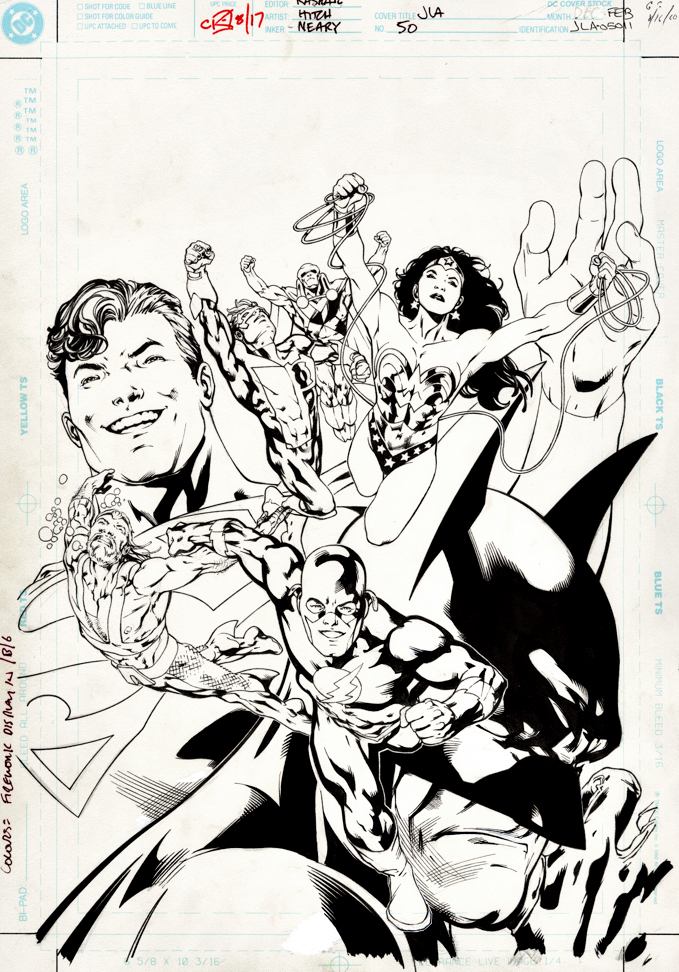
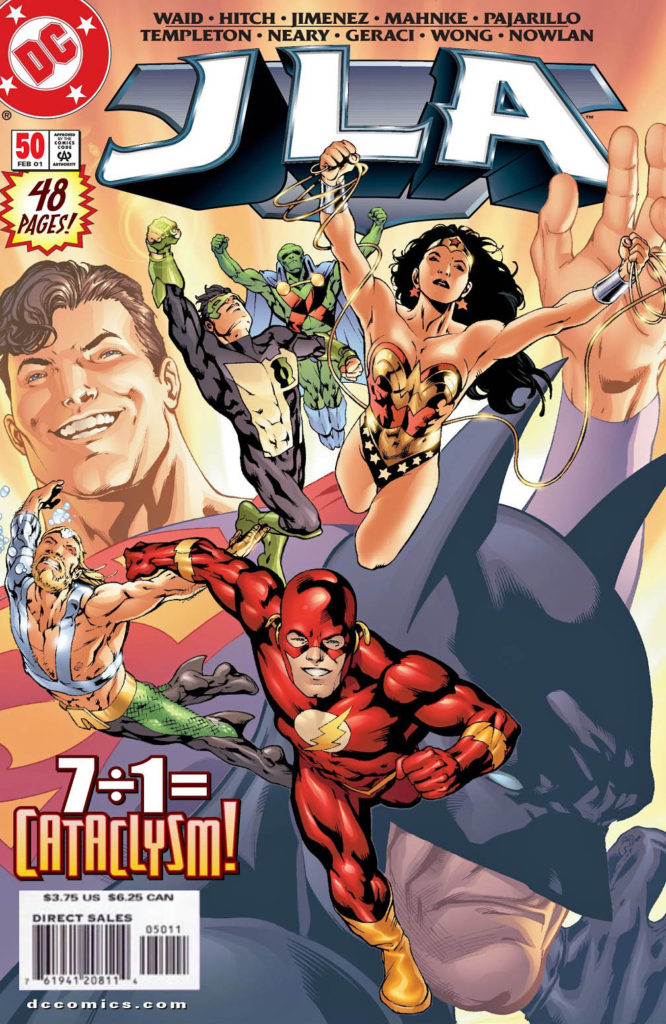
Bryan Hitch — Happy (Mostly) Together

JLA #50, February 2001

I’m not the ideal audience for Zach Snyder’s vision of the DC Universe. 

I find it grim and dreary. Pretentious. Soulless. 

Ultimately pointless.

These “Elseworlds” versions of the characters are for someone, obviously, just not me.

The four-hour version (“Snyder Cut”) of Justice League isn’t as much as a movie, but a living collection of splash pages, complete with sound effects.

If you’re an art fan, especially, there are indeed some gorgeous images, many conveniently unfolding in slow motion so you can catch all the visual eye candy without pausing the stream.

But, like I said, as a movie, not for me.

Bryan Hitch’s great cover from 20 years ago (!) is the type of iconic image of the team I can embrace. Superman happy. Batman grumpy. Everyone else somewhere in between.

That seems about right.

Fun fact: The JLA has had dozens — if not hundreds — of incarnations during its 60-year run, but here, if you swap Green Lantern (Kyle Rayner version) for Cyborg, you end up with the modern Snyder team. 

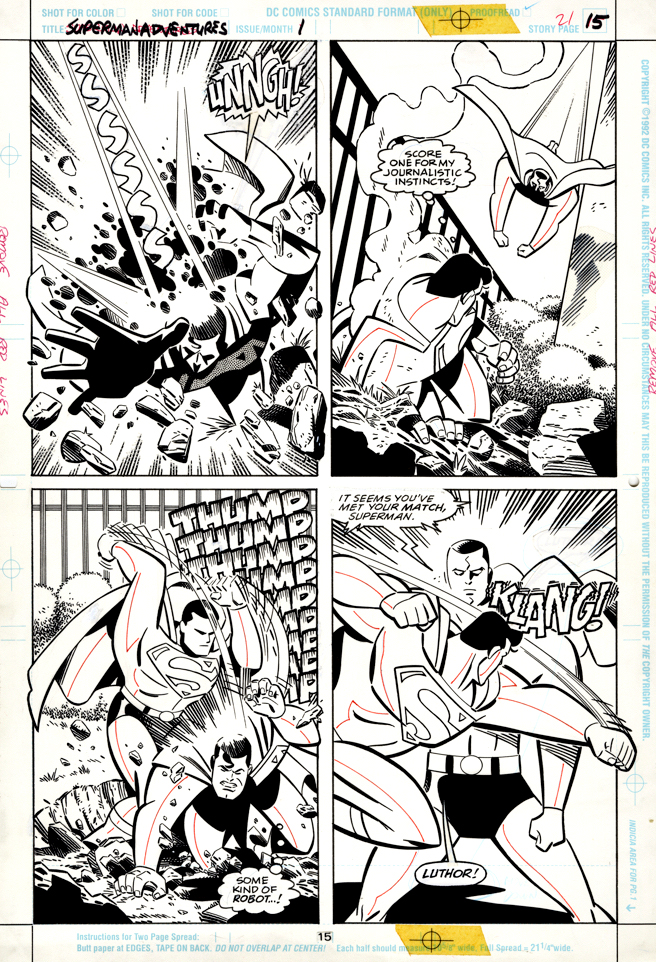
Rich Burchett — Mechanical Monsters

Superman Adventures #1, November 1996

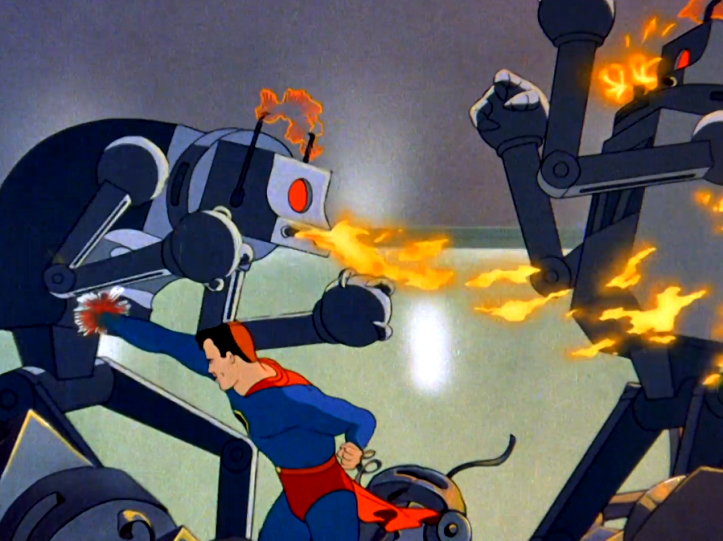
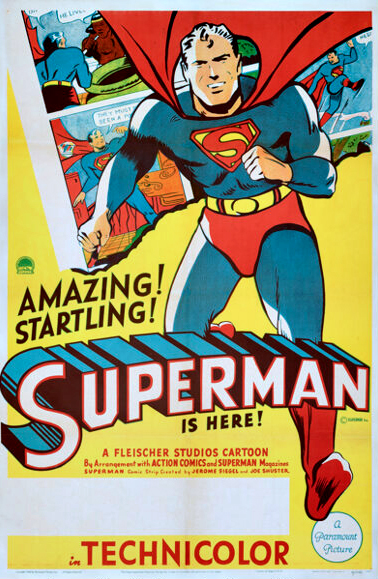
The Fleischer Studio Superman Cartoons — the very first time Superman appeared on the big screen — continue to be regarded as animation legends.
Watching them today, 80 years later, they appear more astonishing than ever. This is especially true when you realize how much the studio was able to accomplish with the technology of the day.

The best known — and perhaps highest regarded — of these 8 original Fleischer shorts is the second one, “The Mechanical Monsters.”

Superman vs. an army of robots?

What’s not to love?

So it’s only fitting that the first issue of Superman Adventures, adapting the contemporary (1996) animated series, features Superman battling… an army of robots.

Writer Paul Dini and artists Rich Burchett and Terry Austin provide us with an action-packed “all ages” adventure, which includes Superman fighting a fairly powerful Superman robot.

Superman vs. Superman?

What’s not to love?

Side note: Superman The Animated Series, coming in the shadow of the phenomenal Batman animated series, doesn’t get enough love. My daughter and I watched them all. It’s a terrific version of Superman. Trust us on this.

Pete Poplaski — Superman’s Golden Age

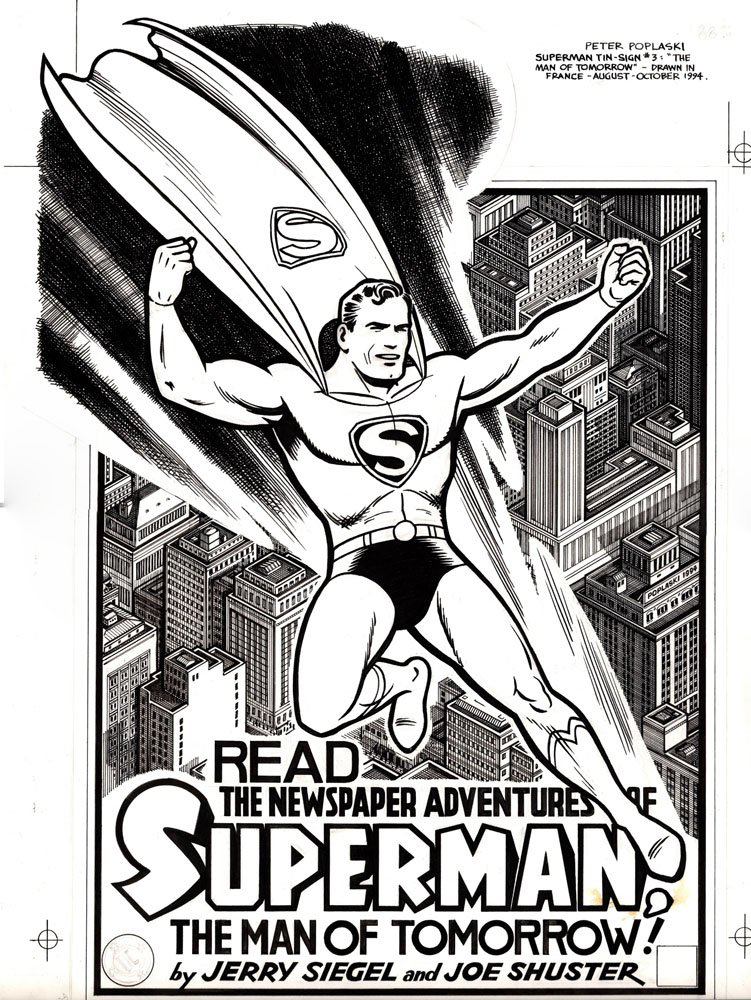
Superman Retro Advertising Tin Sign, 1994

Nostalgic collectible tin advertising signs became all the rage in the 1990s.

At first, “reprints” of authentic signs started popping up at flea markets and street fairs. Many were classic brands and logos, some long defunct.

Shortly thereafter, inventive entrepreneurs created new signs designed to emulate the retro look and feel of the classics. You can still find many of these at shops and vendors that specialize in nostalgic candy, soda, etc.

Kitchen Sink, publisher at the time of the Superman and Batman newspaper strip reprint collections, issued two very cool Superman “advertising” tins designed and illustrated by the amazing Pete Poplaski. (This one is marked #3, but I’ve only seen two, so I’m assuming at least one design was tabled.)

As with nearly all of Pete’s illustrations, everything you see, including the lettering, is fully hand drawn. (The line detail on the buildings alone is astonishing.)

And no one captures classic comic art styles like Pete. (Well, maybe the equally amazing Paul Mavrides, but that’s a tale for another day.)

As mentioned previously, when we picked the DC strip reprint rights at IDW in 2013, Pete was our first choice to create all the cover material. 

And, as always, he knocked it out of the park.

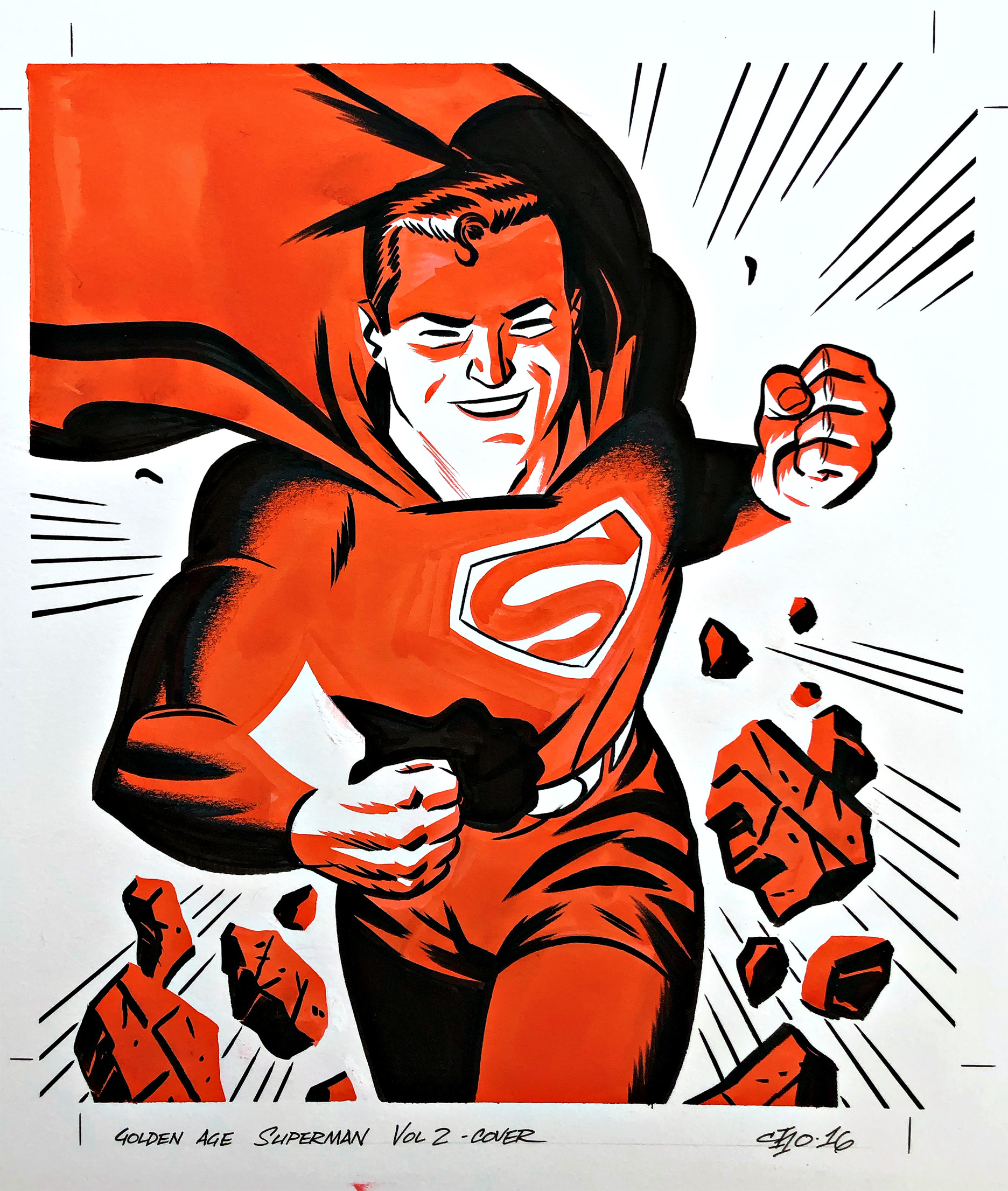
Michael Cho — Happy Days

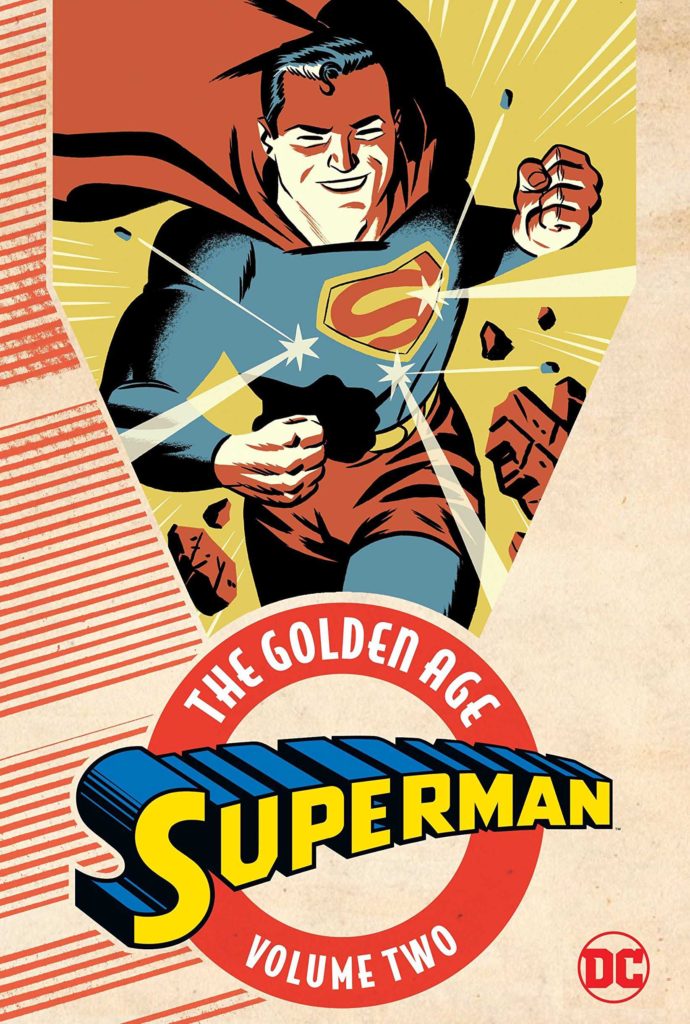
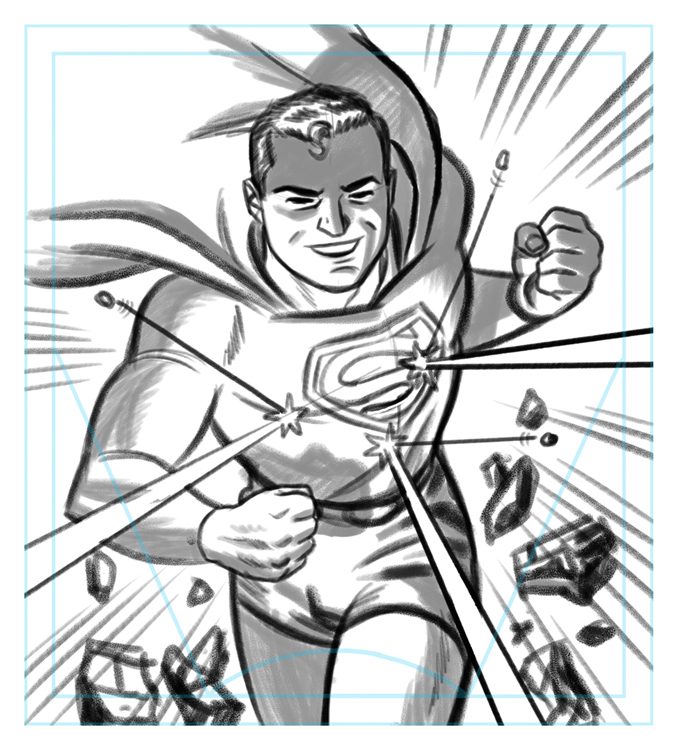
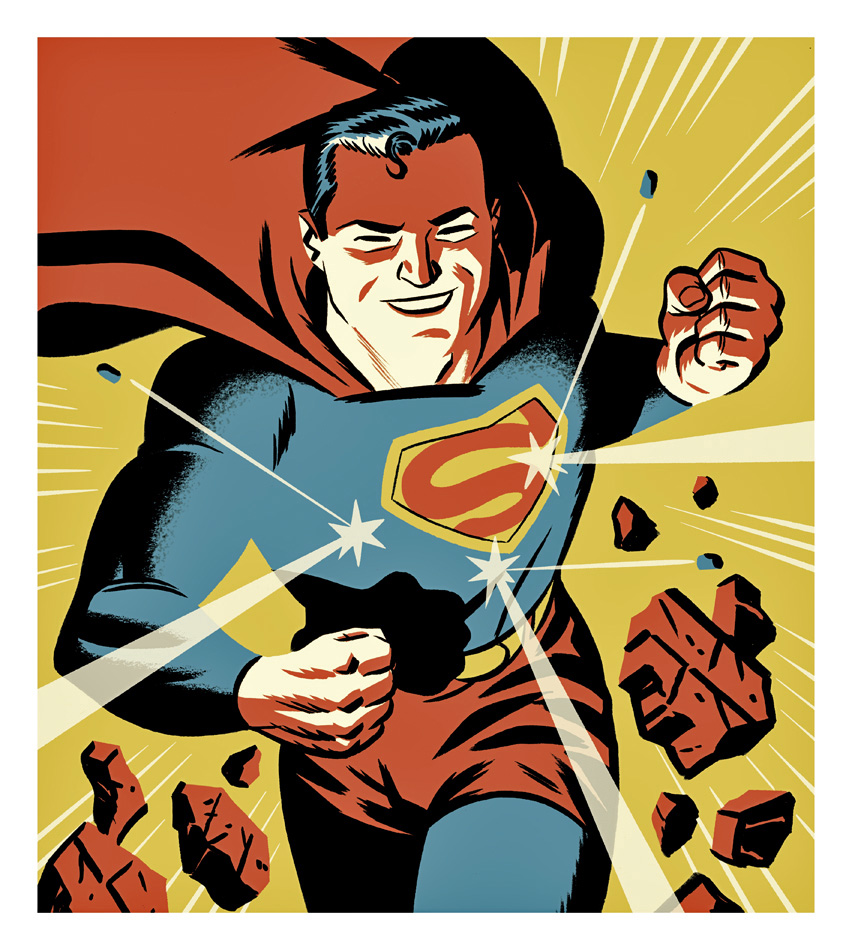
Superman: The Golden Age, Volume 2, Fall 2016

Michael Cho delivers one of the best images this century of the Golden Age Superman.  

Superman. In action. Happy and upbeat.

You’d be happy too if you were the most powerful human on earth — even if you had some serious crime to fight.

I’ve gone on the record that a grim and gritty, introspective (even mopey) Superman is not for me. In other words, most of the modern versions of the character.

Call me old school.

Michael says this early era of Superman is his favorite. It’s certainly among mine as well.

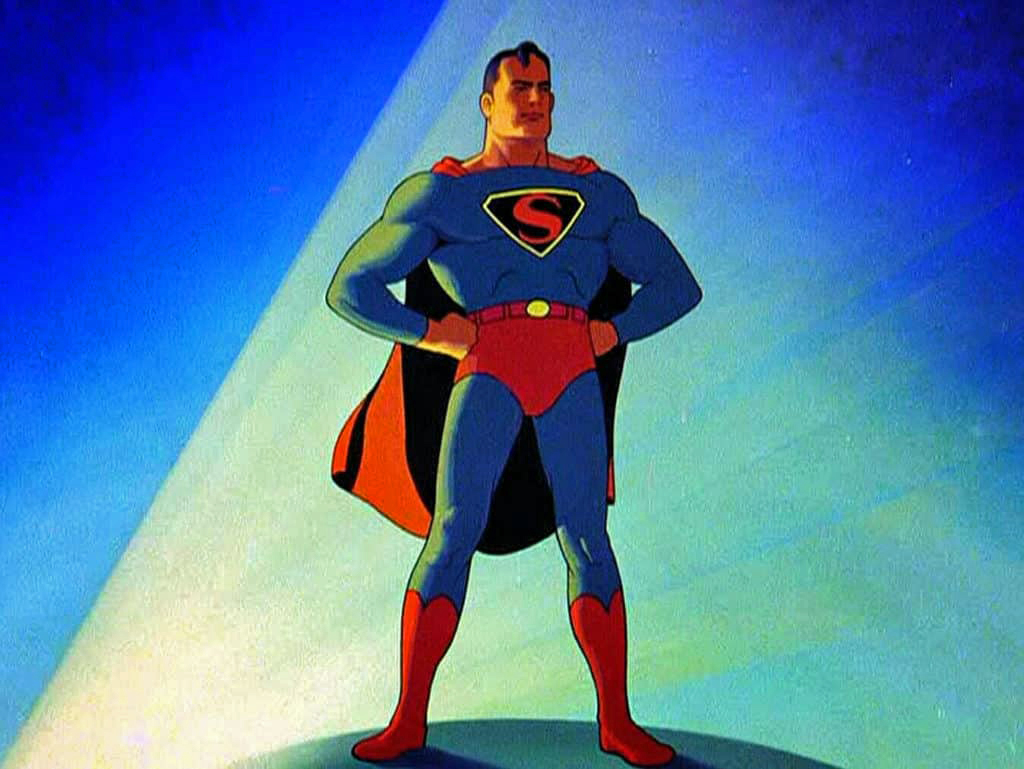
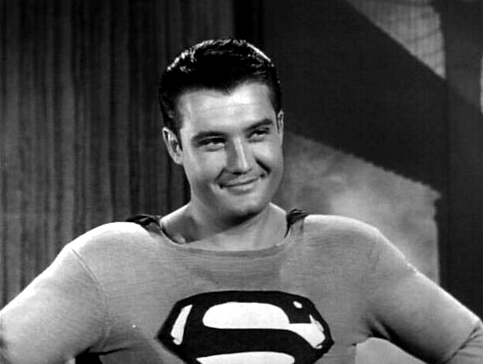
It’s a Superman week here on the blog as we celebrate the 80th anniversary of the debut of the amazing Paramount Fleischer Studios Superman cartoons. Those wonderfully produced animated shorts were the very first time Superman hit the big screen.

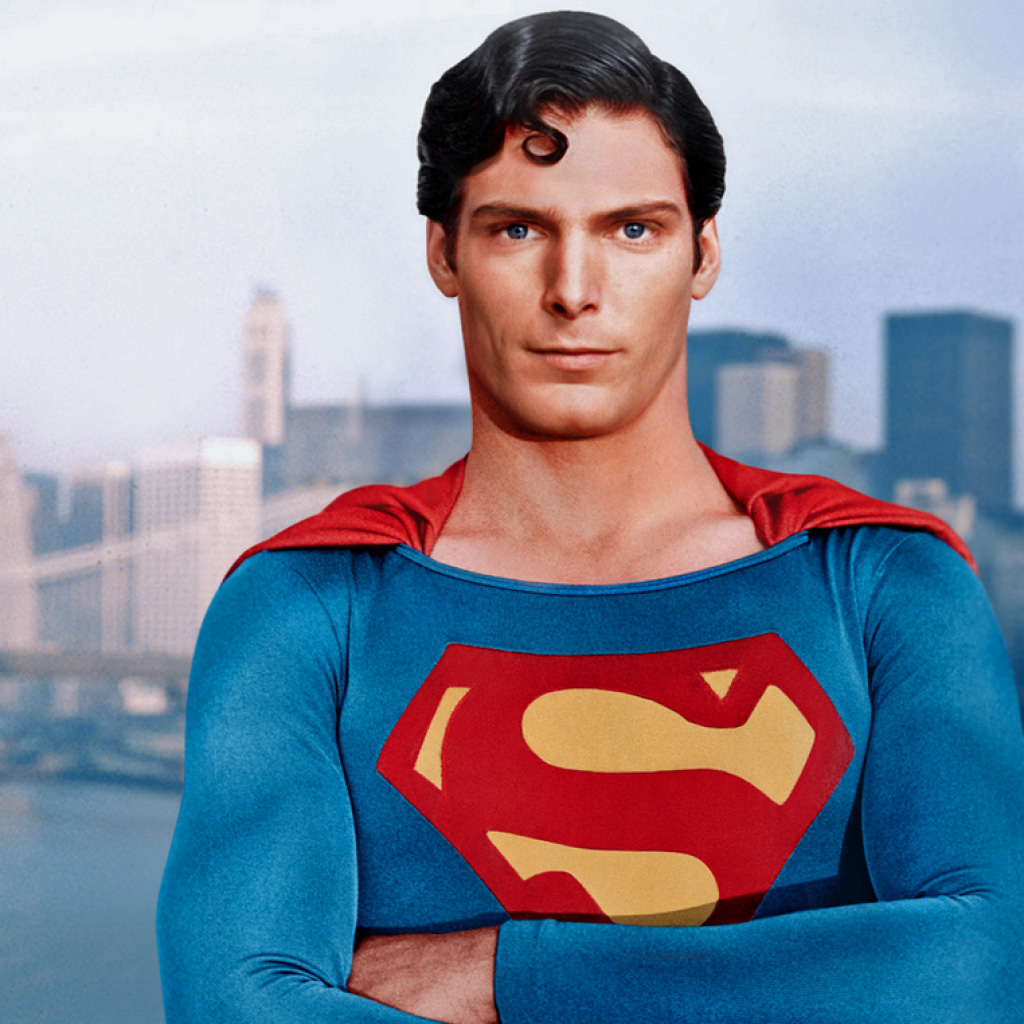
In a few days, the most recent filmed version of the character will appear in the re-edited “Snyder cut” of Justice League on HBO.

Don’t take any bets on which version I prefer.

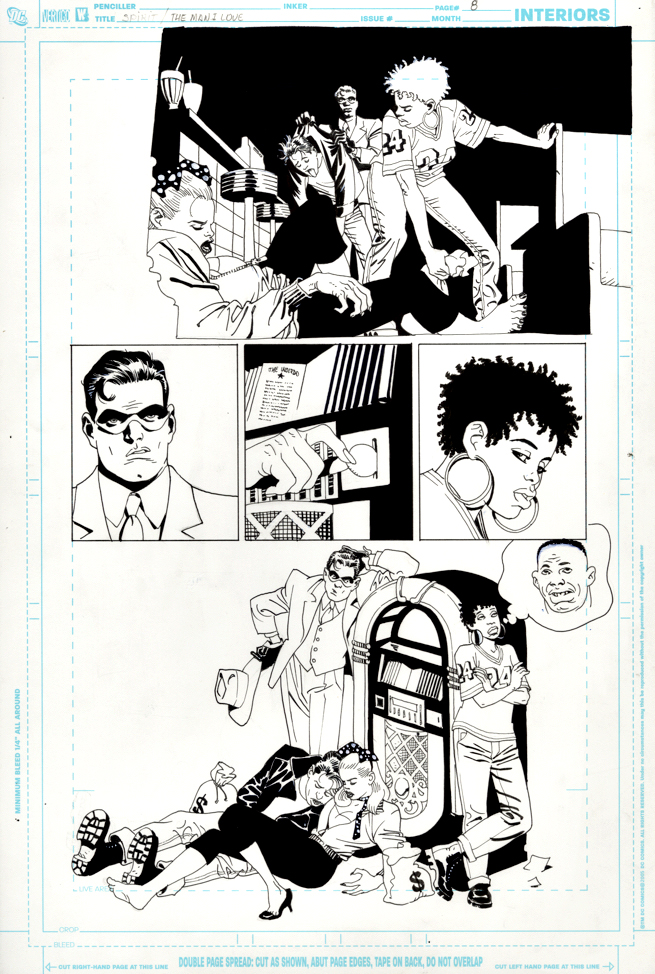
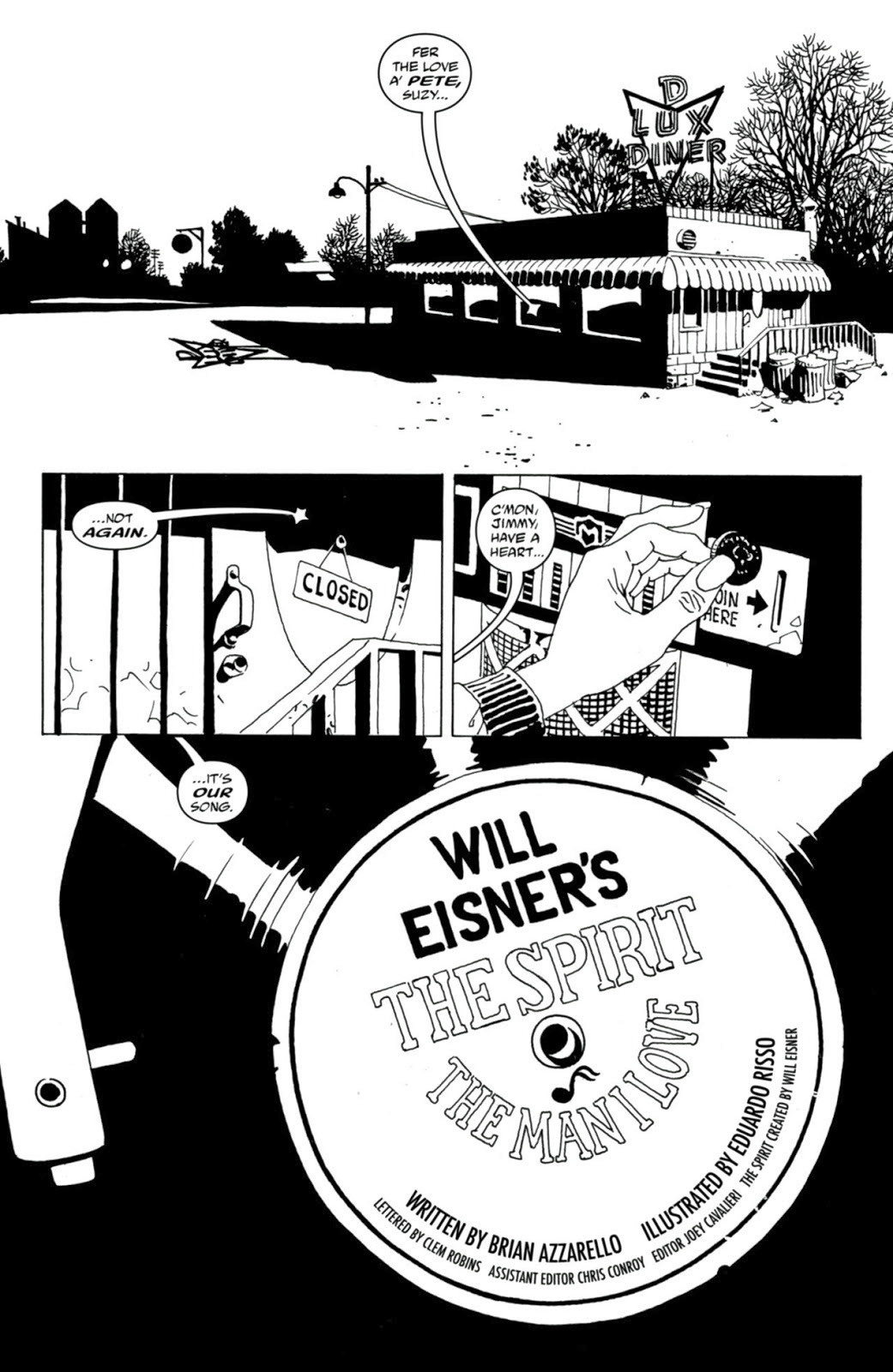
Eduardo Risso — The Man I Love

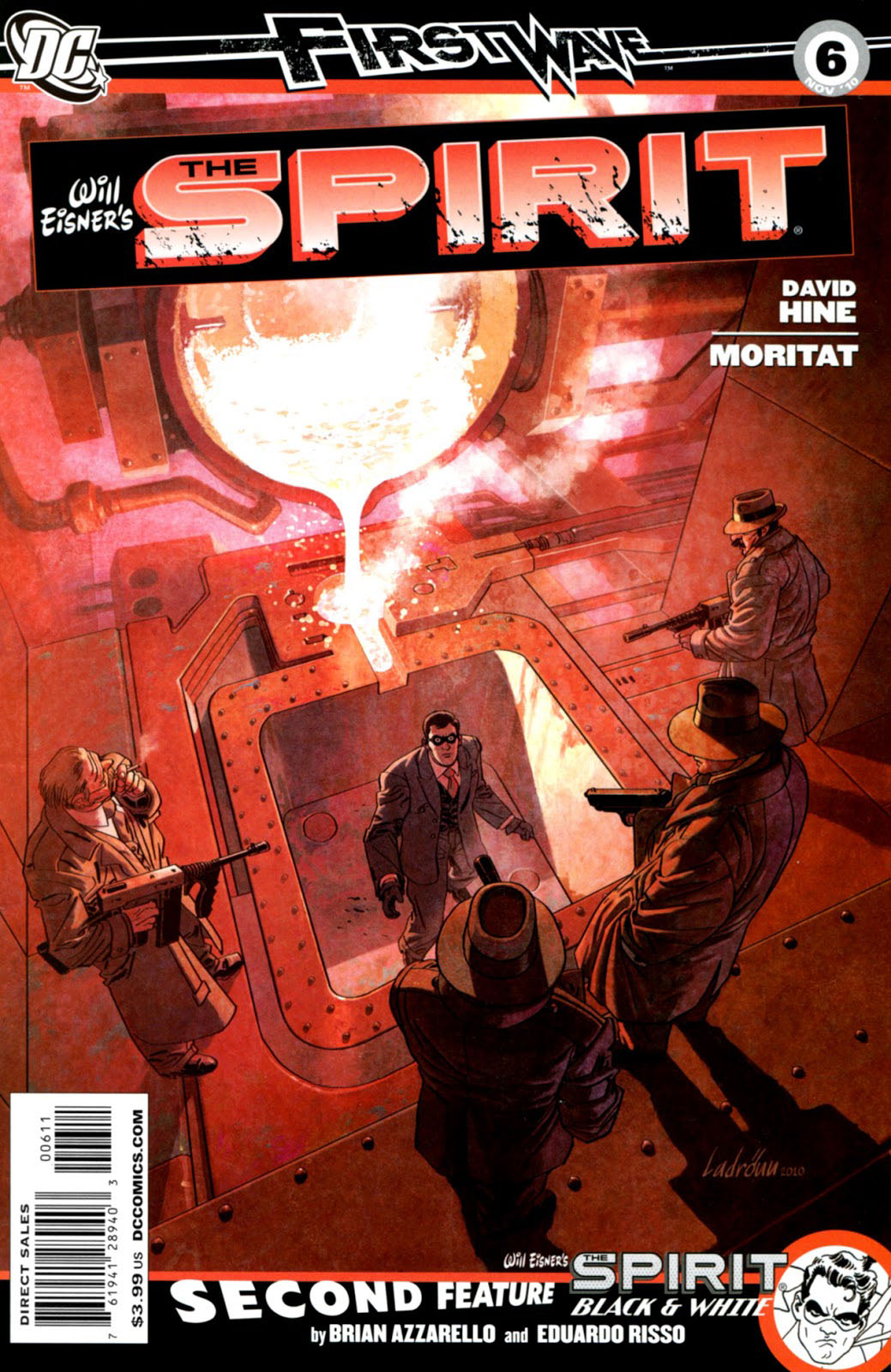
Spirit #6, November 2010

Continuing our celebration of “Will Eisner Week,” with other creators’ takes on the beloved and influential character, The Spirit.

Brian Azzarello and Eduardo Risso follow-up their astonishing 100 Bullets Vertigo series with a fun short story featuring the Spirit.

Not all creators understand Eisner’s subtle and delicate balance between noir and (often dark) humor, but despite the strictly hard-boiled nature of 100 Bullets, the team captures Eisner’s spirit nicely.

(I know, we use that pun a lot. It will probably show up next year, too.)

Fun fact: Back in 2002 and 2003, I engineered the deal between DC Comics and Acclaim Entertainment leading to the development of a 100 Bullets video game. Acclaim was in financial trouble when the contract was signed, so unsurprisingly, the game never made into final production. (Acclaim ended up declaring bankruptcy and folding in 2004.)

It’s too bad — the development team was passionate and fully engaged on the project. Some early footage can be found on-line here.

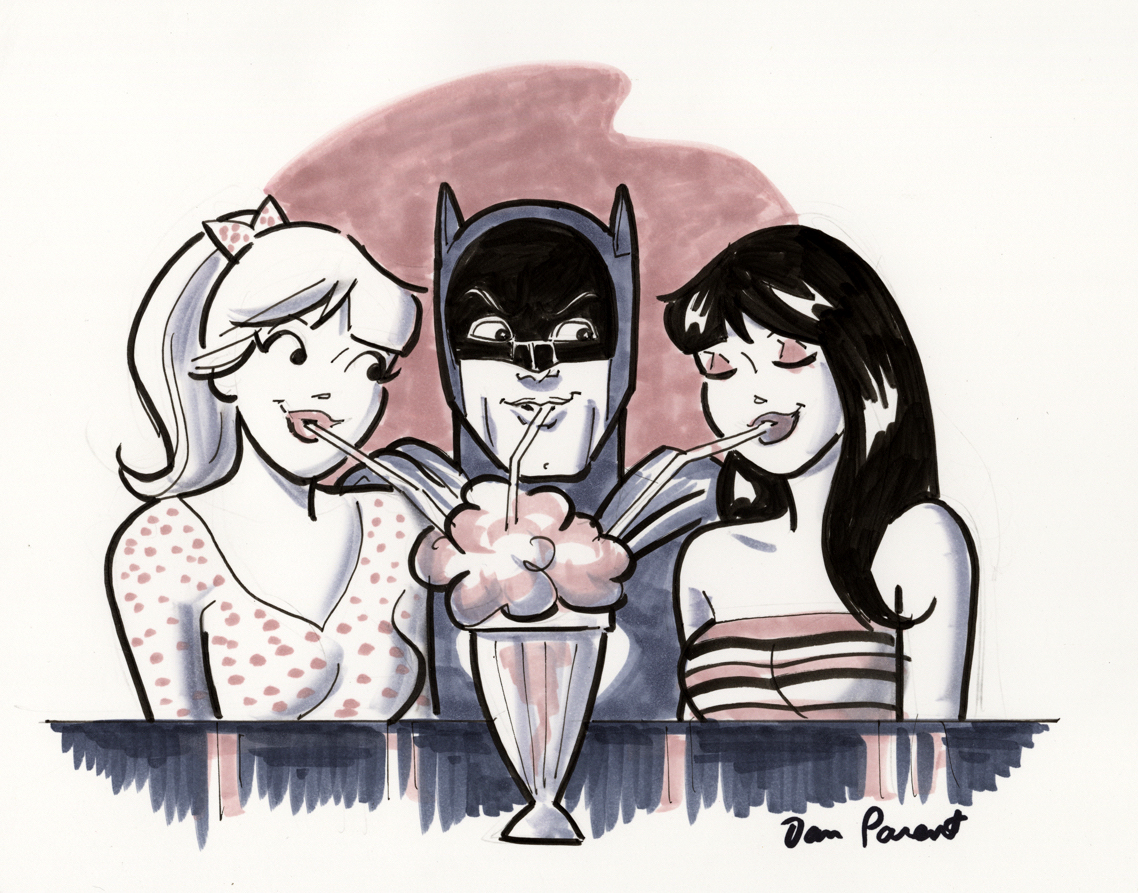
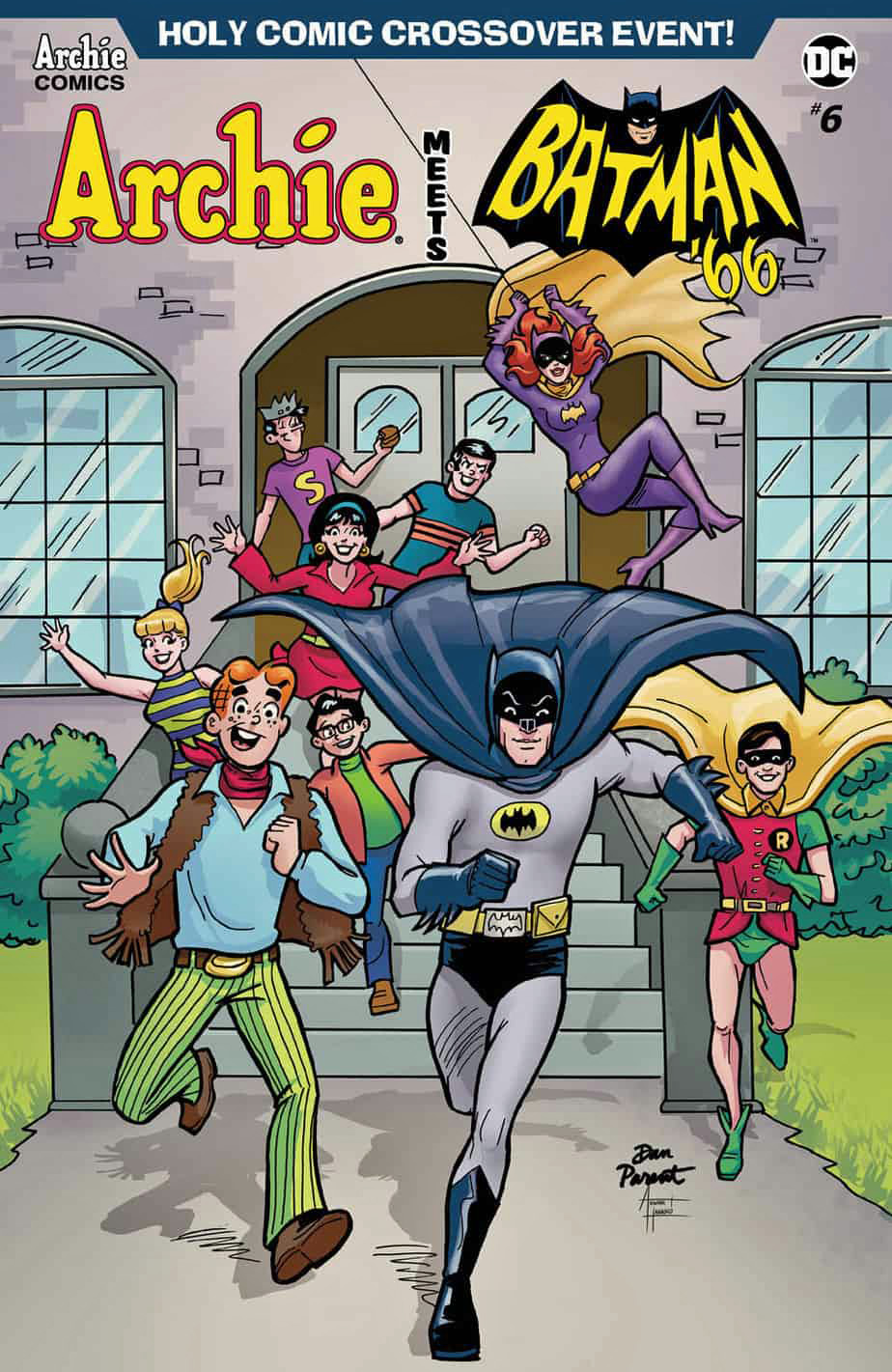
Dan Parent — Three On A Bat-Shake

Commission, 2019

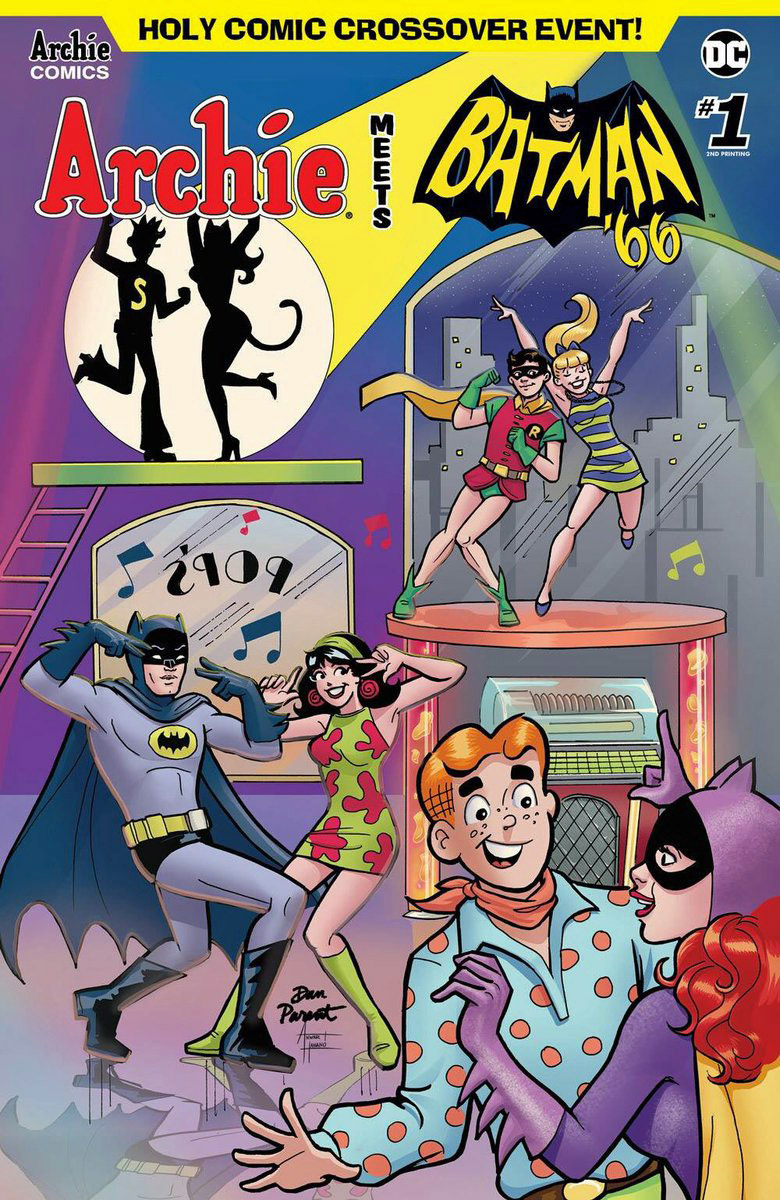
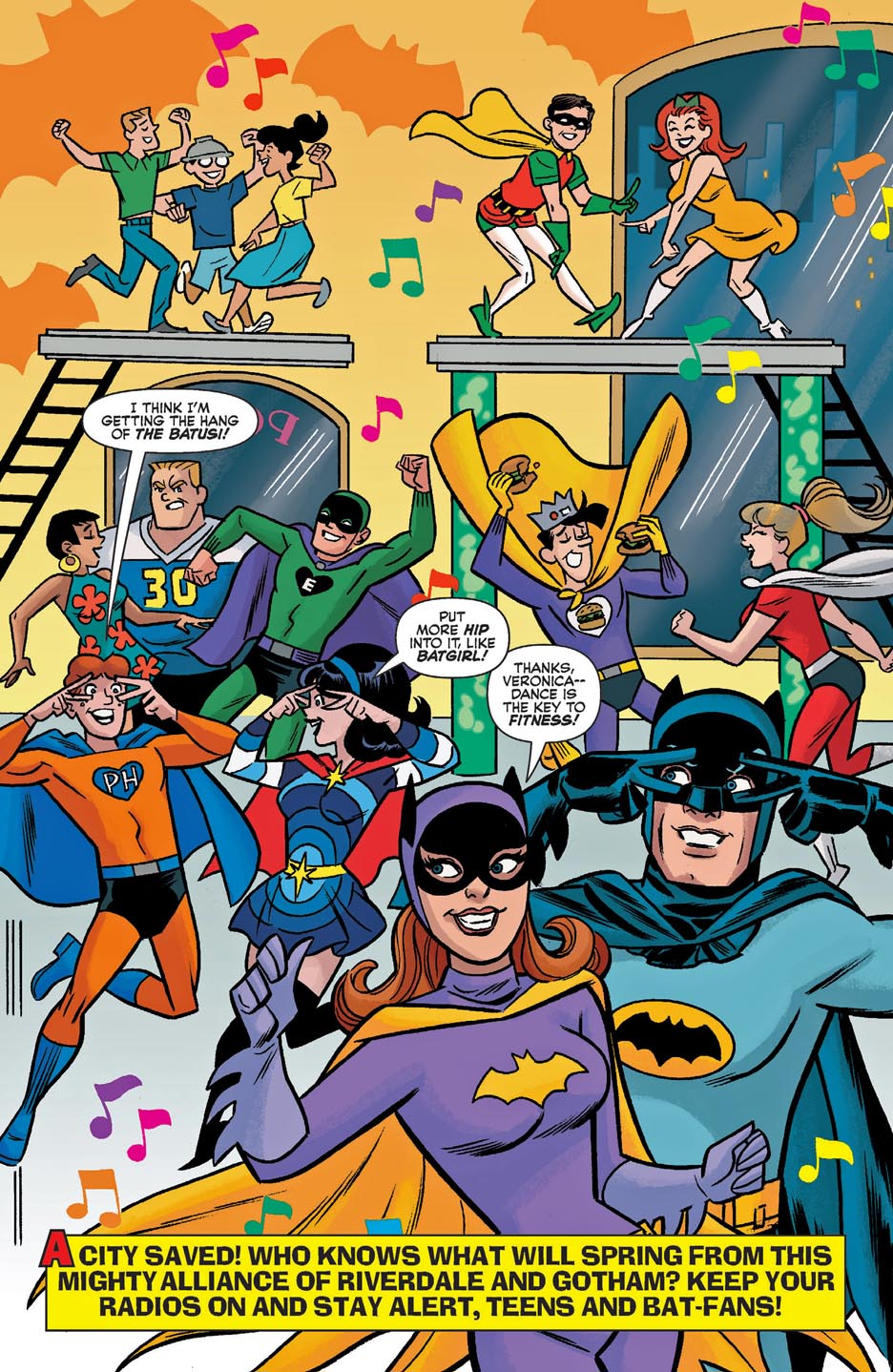
I asked my pal Dan Parent for this commission in 2019, shortly after he completed art chores on the actual Batman / Archie crossover.

I love this piece, but shortly after I returned home with it, the first thought that occurred to me was: “Shouldn’t this be Robin?” Duh.

Well, there’s always next time. Meanwhile, in addition to the 80th anniversary of Archie, it’s the 55th anniversary of the Batman television show as well.

Holy dual celebration!

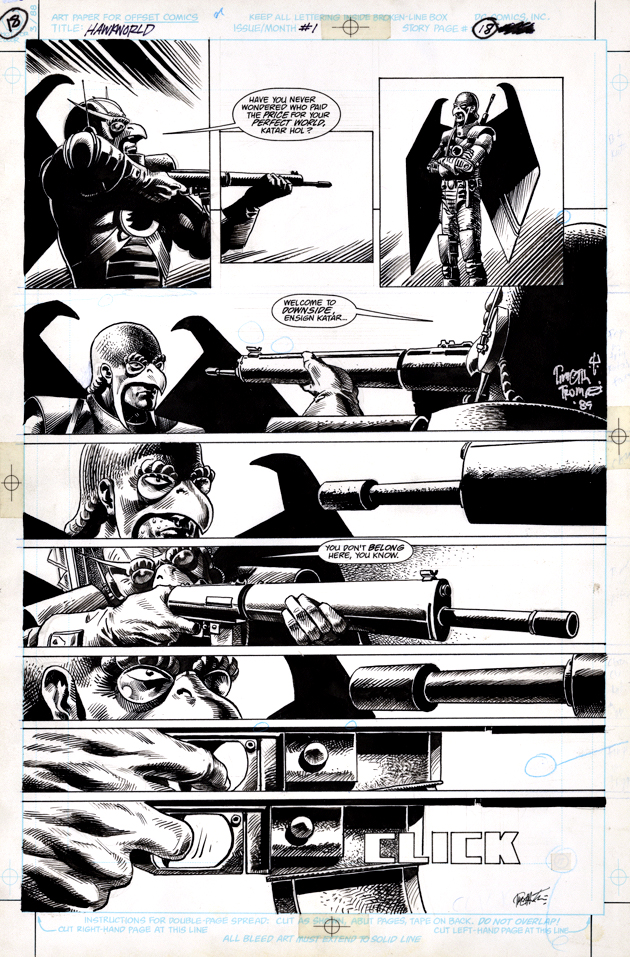
Tim Truman — A World Of Hawks

Hawkworld #1, August 1989

What happens when you reboot a reboot?  What happens when you change some continuity, but not all of it? What happens later when you er… change your mind?

What happens is you get DC superhero continuity for the last 35 years or so, post “Crisis on Infinite Earths.”

This is not a knock, per se, just an observation. Along with these many changes have been some great series and story arcs. Just enjoy the ride while it lasts, because a new one is probably around the corner.

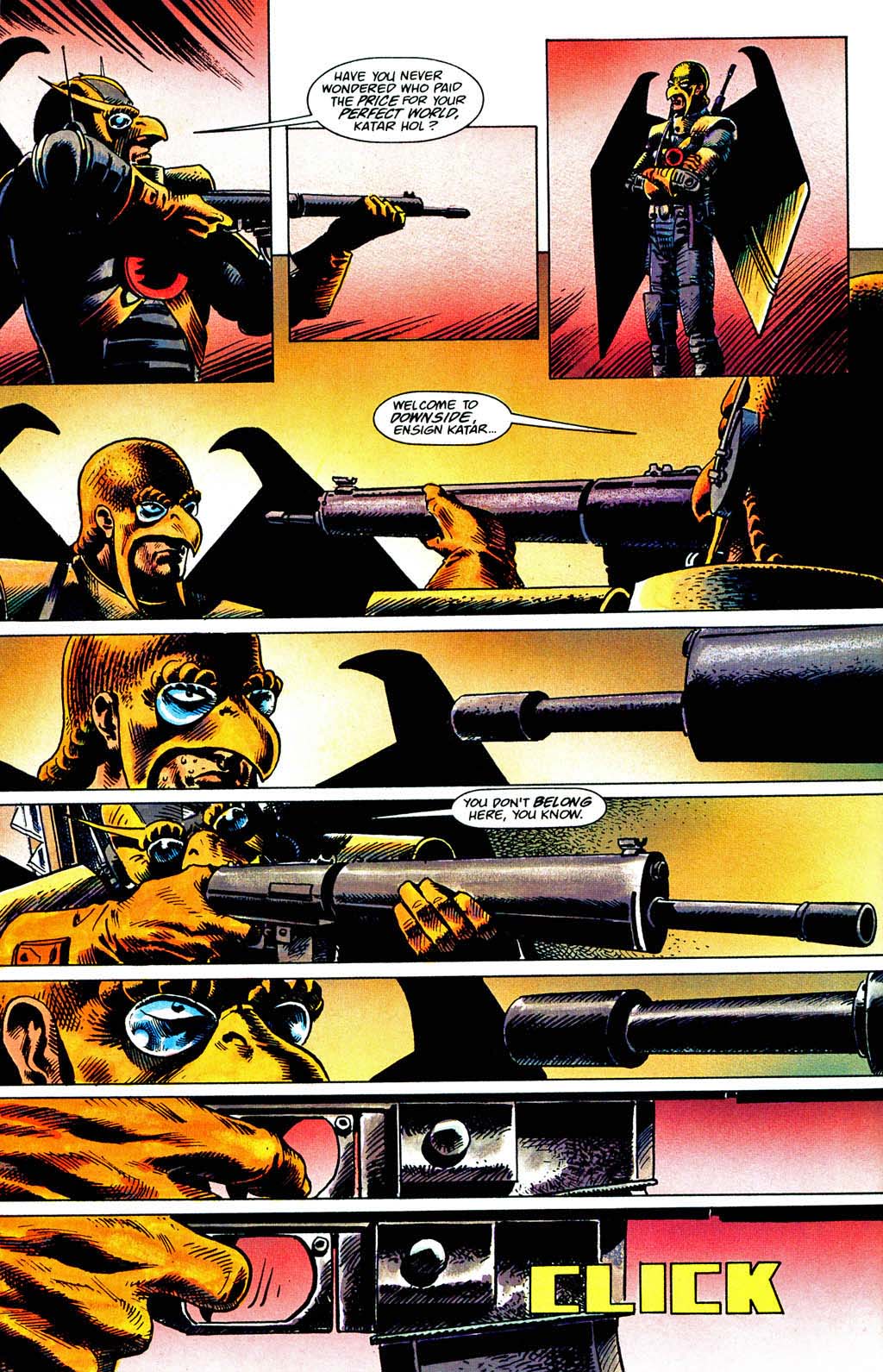
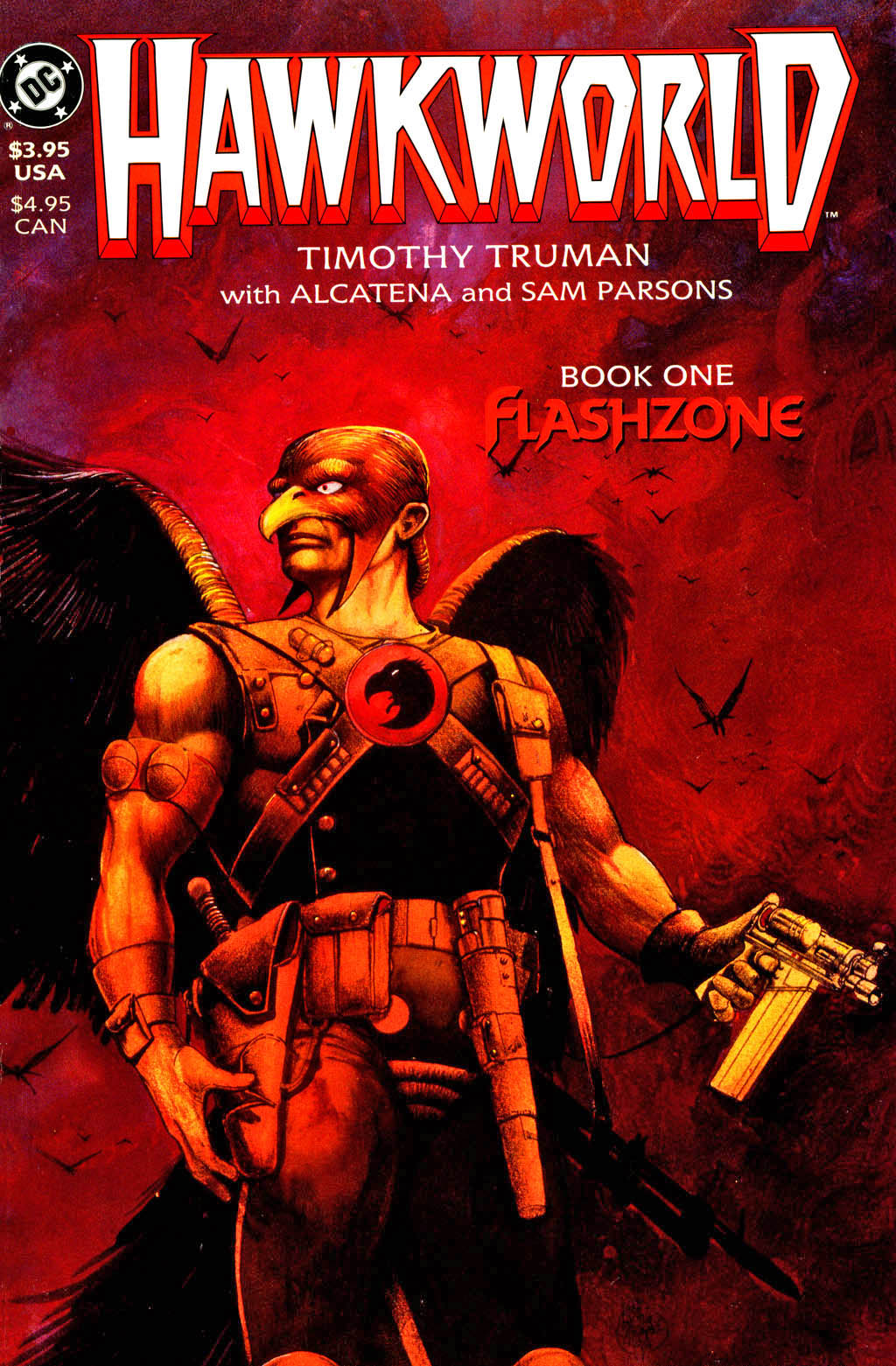
Hawkworld is an early “prestige” re-do of the post-crisis Hawk backstory, nicely told by Tim Truman. It led to an ongoing series, and then later on… more retconning.

I like this page because it uses the art “camera” to heighten drama and increase tension, as opposed to more traditional character action. Coincidentally, I also own a Mark Bagley page that’s similarly cinematic in approach to similar subject matter. (I don’t think it’s an homage or swipe, just a classic case of great minds thinking alike — 25 years apart.)

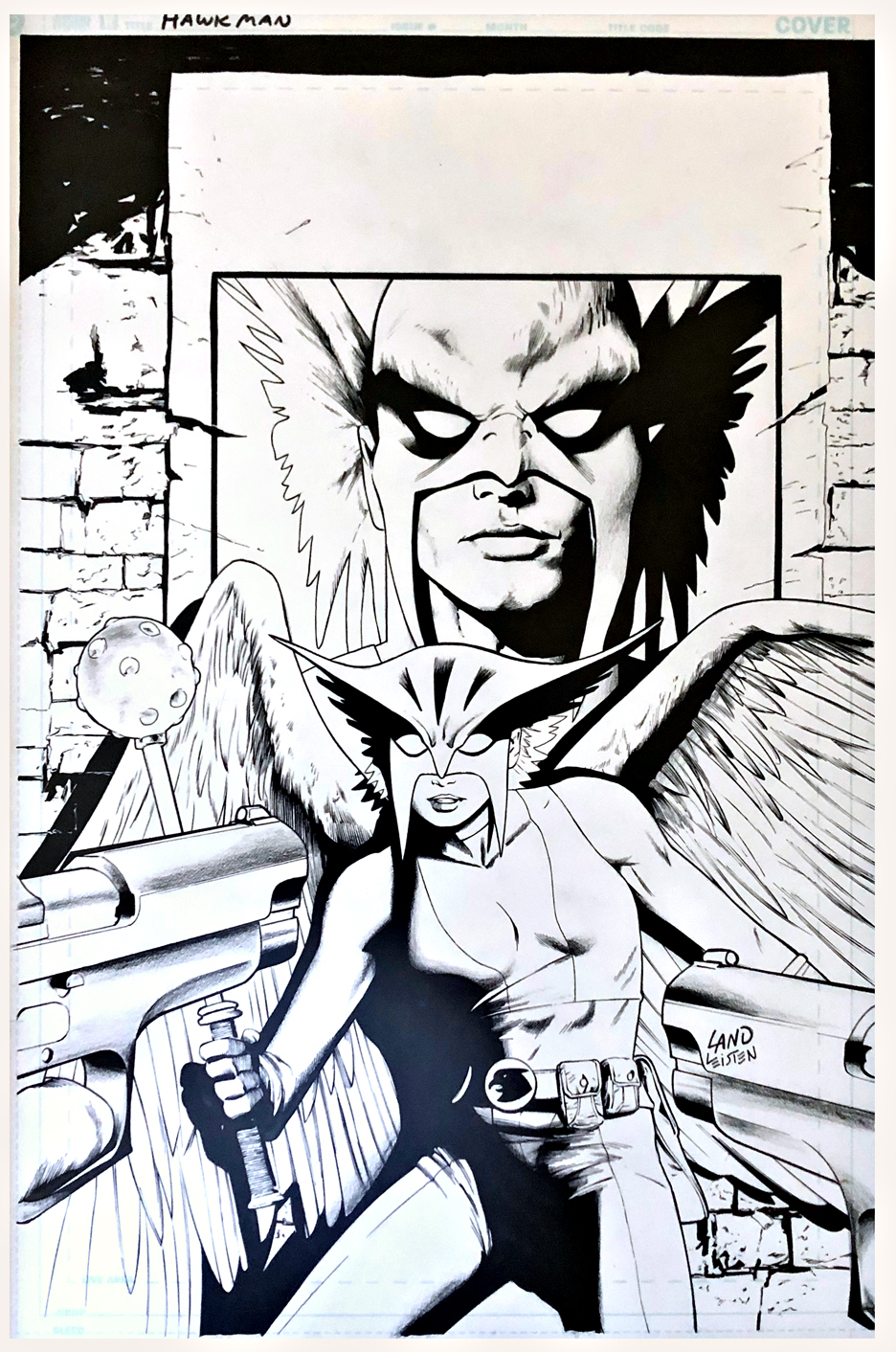
Greg Land — Wanted!

Hawkman #30, September 2004

Greg Land delivers a simple, powerful and striking image of Hawkgirl (“Hawkwoman”*) metaphorically defending Hawkman in front of his Wanted Poster.

Superheroes framed for crimes — or constantly hunted as actual criminals (Spider-man, et al) — is a trope, that for whatever reason, I enjoy. But even if I didn’t, I’d still appreciate this terrific cover.

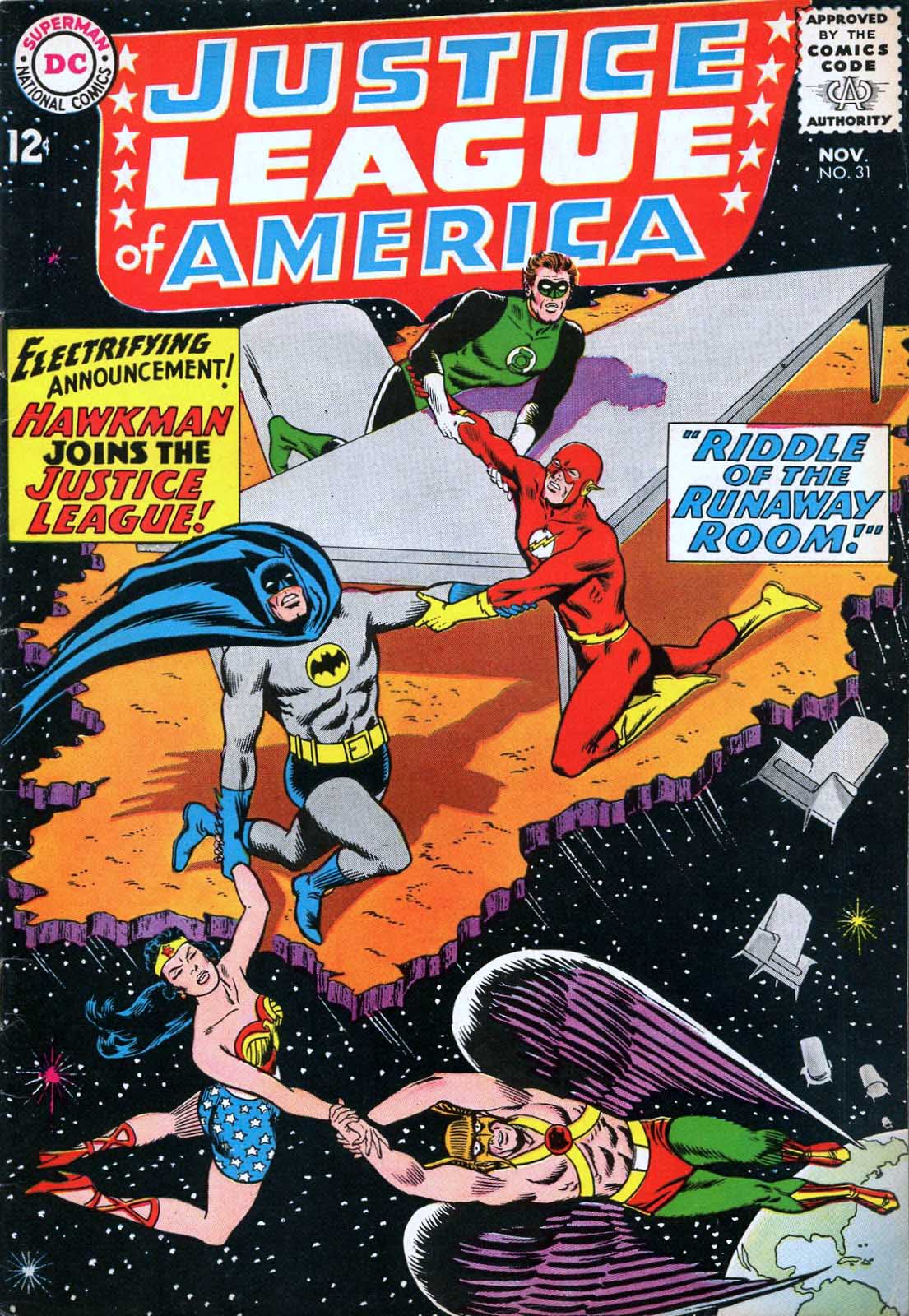
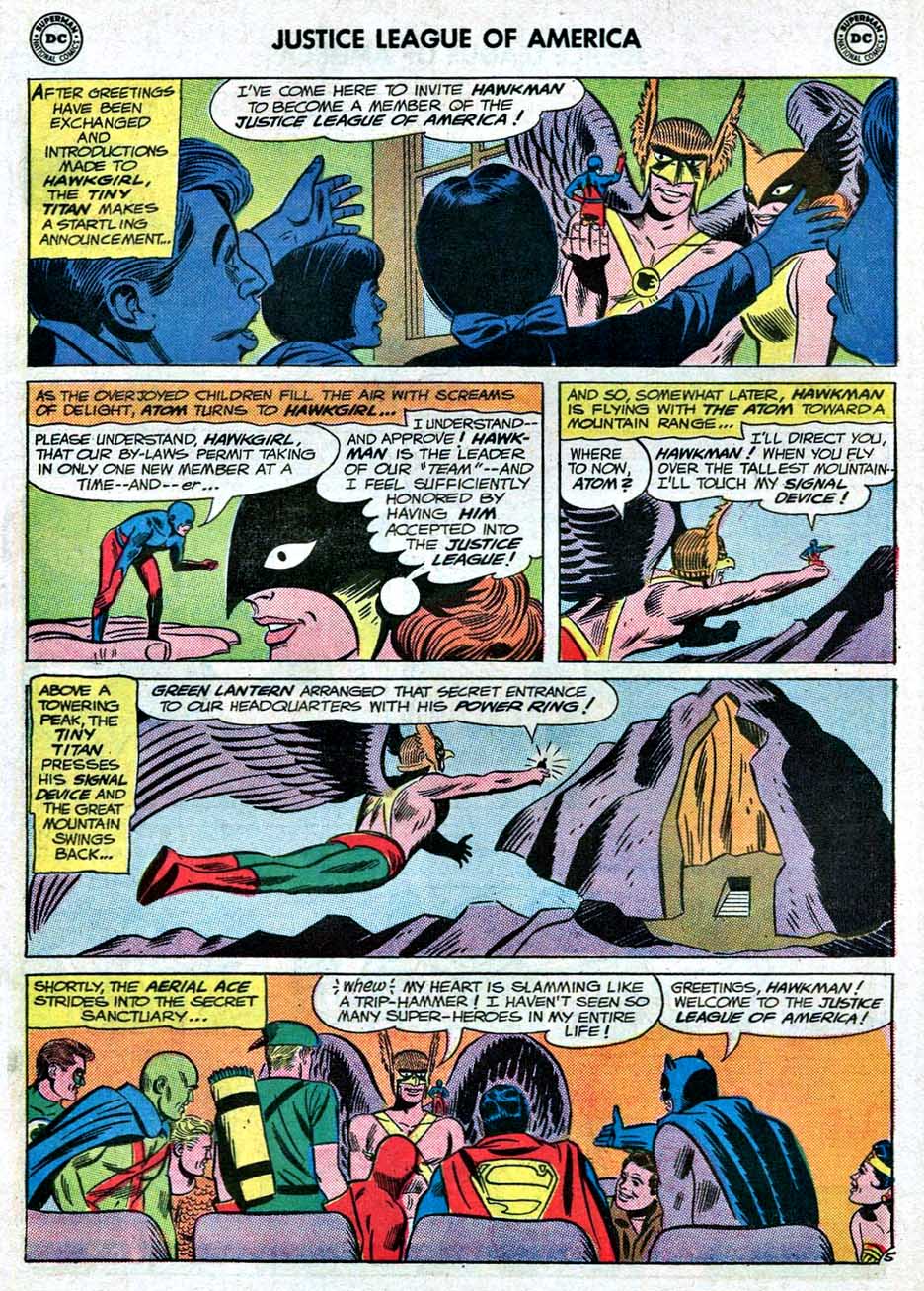
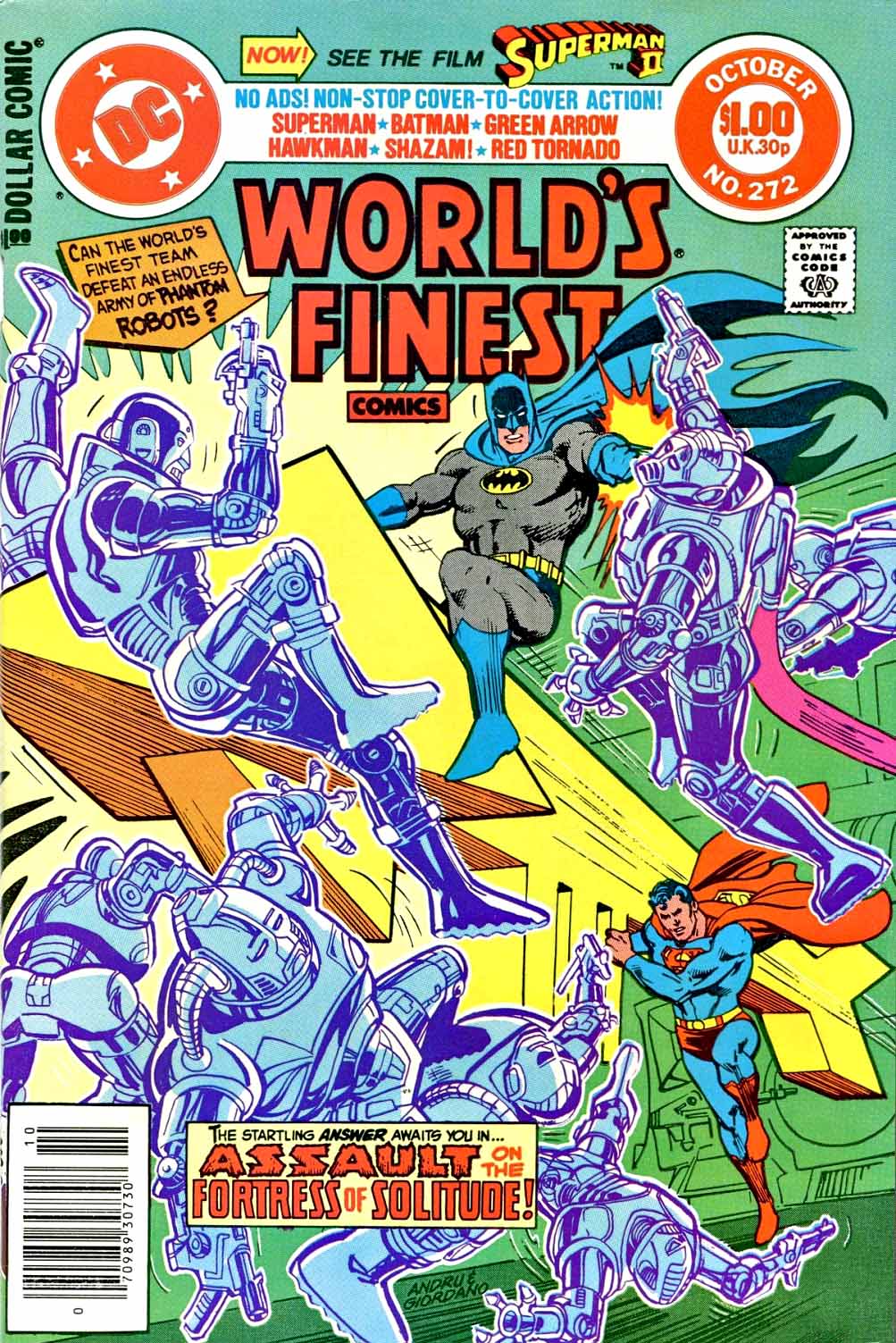
*Hawkgirl adamantly changes her name to Hawkwoman in issue #272 of World’s Finest (1981) but the moniker doesn’t stick over time. I can’t say I blame her for having a chip on her shoulder. When Hawkman was admitted into the Justice League in 1964, she was denied membership, because, according to League “rules”, only one new member is allowed at a time. Ouch.

Gil Kane and Murphy Anderson — Partners In Crime Solving

The Atom #7, July 1963

Atom and Hawkman (Silver Age versions) both celebrate 6oth anniversaries in 2021. Hawkman (and Hawkgirl) launched in Brave and Bold #34 in March 1961, while The Atom launched in Showcase #34 later that year. 

34 must have been the lucky number in 1961.

This beautifully-rendered page is from the first team-up of the two characters in issue #7 of the Atom’s own title in 1963. 

Murphy Anderson’s lush inks can often overpower any penciller, but here it’s relatively easy to spot Kane’s trademark style, especially in the final panel.  Great storytelling and dynamic action from both characters help make this a terrific example from the issue.

Neither the solo Hawkman title, nor the solo Atom series ended up gaining much traction sales-wise, so as a final ploy later that decade, the two characters were merged together into one title. The gambit didn’t work, and both books disappeared from the stands by the end of 1969.